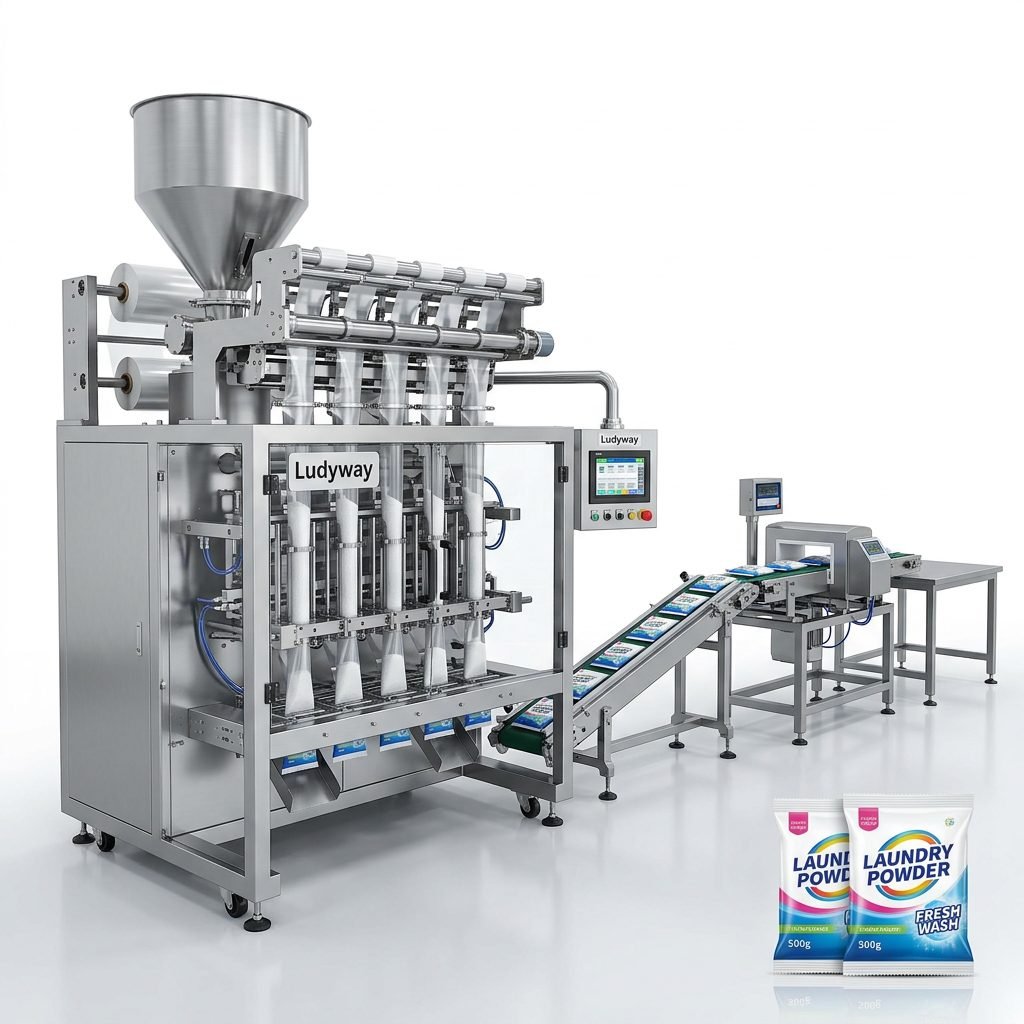
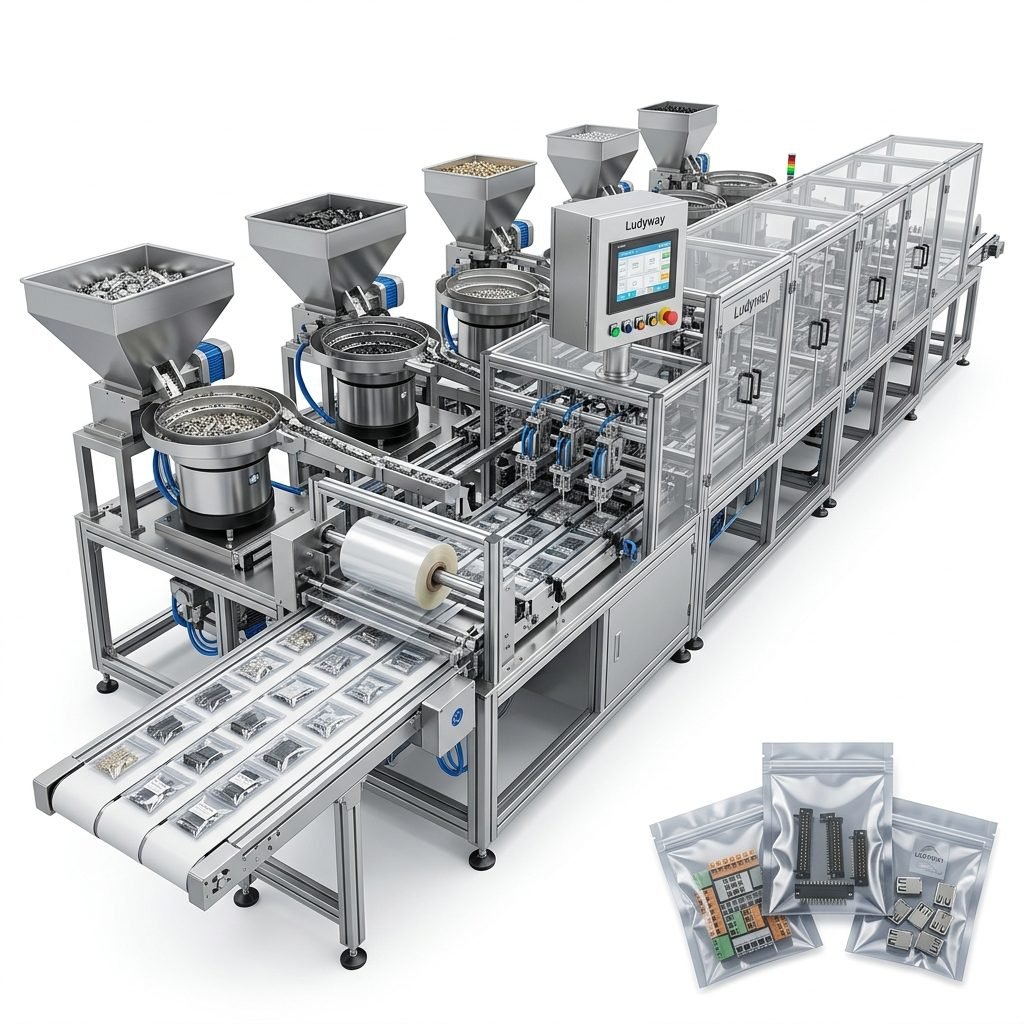
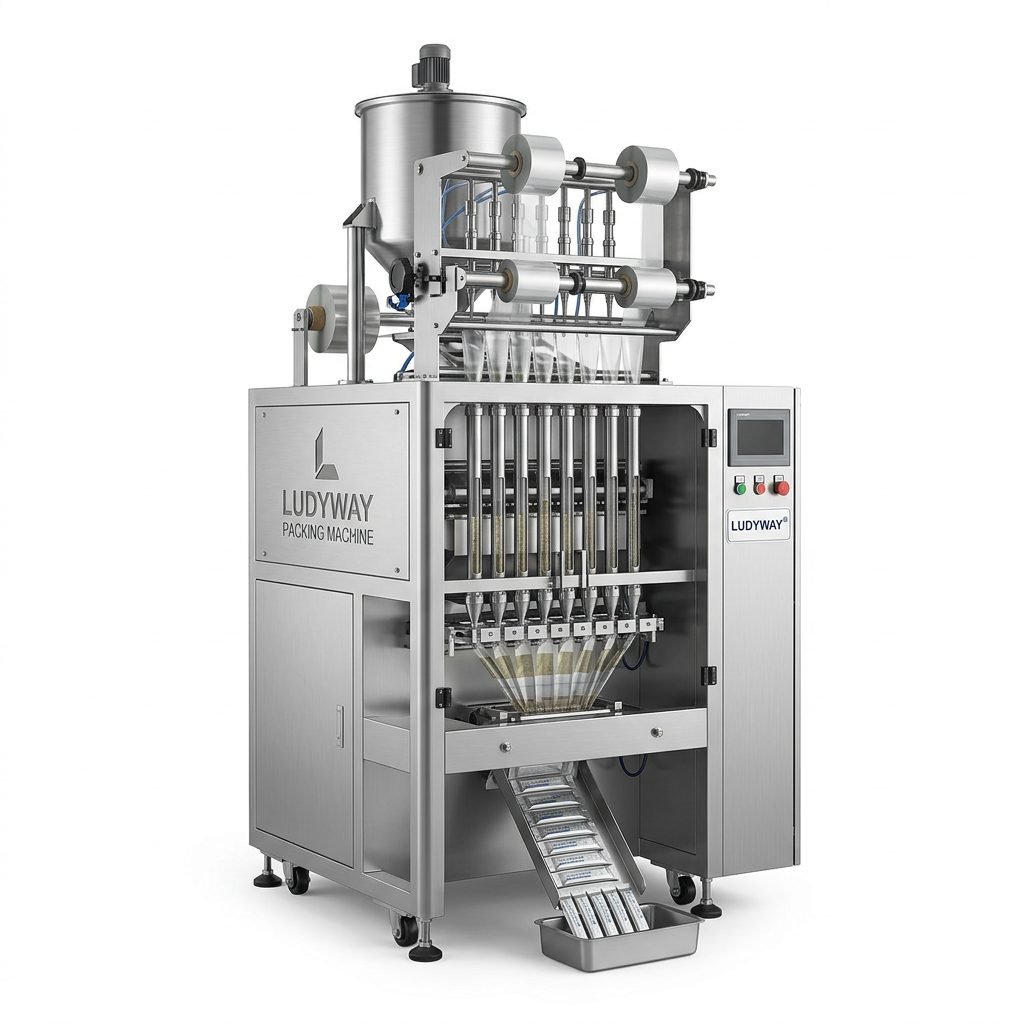
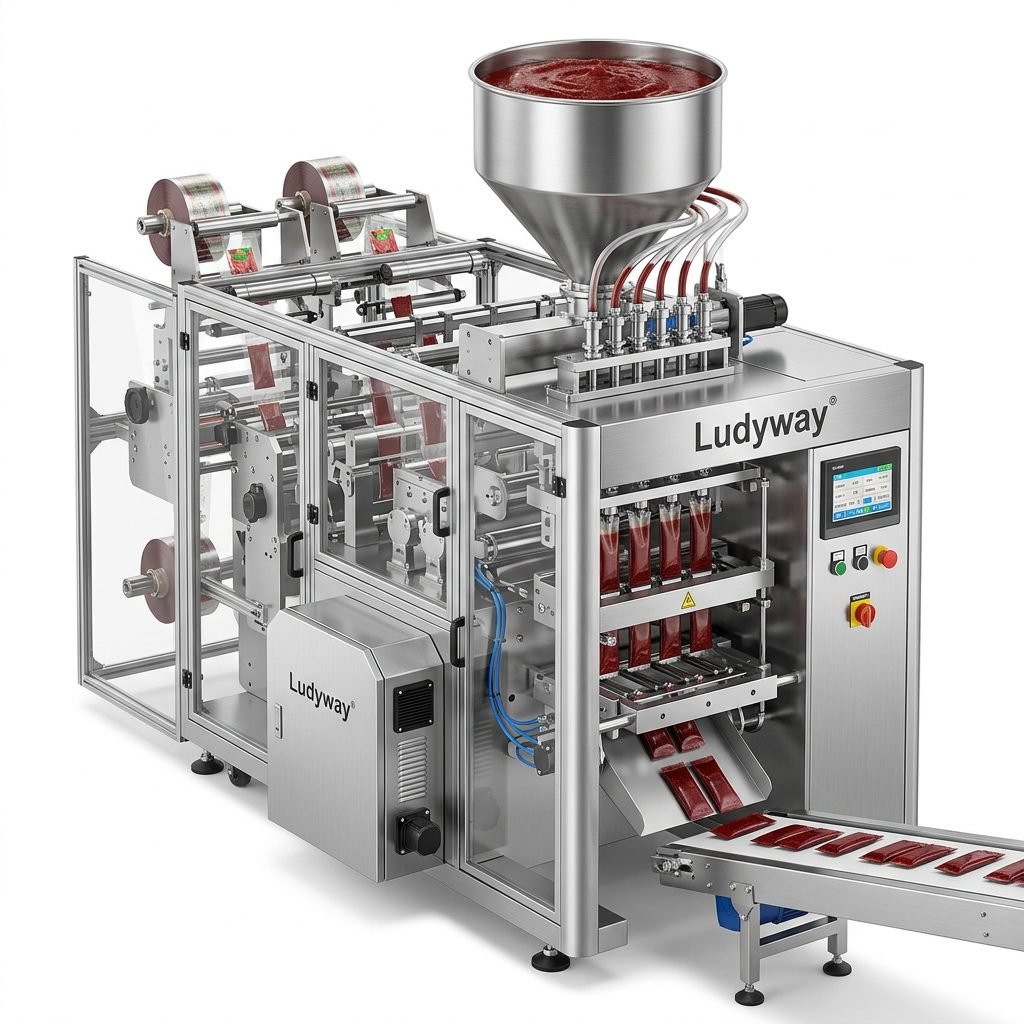
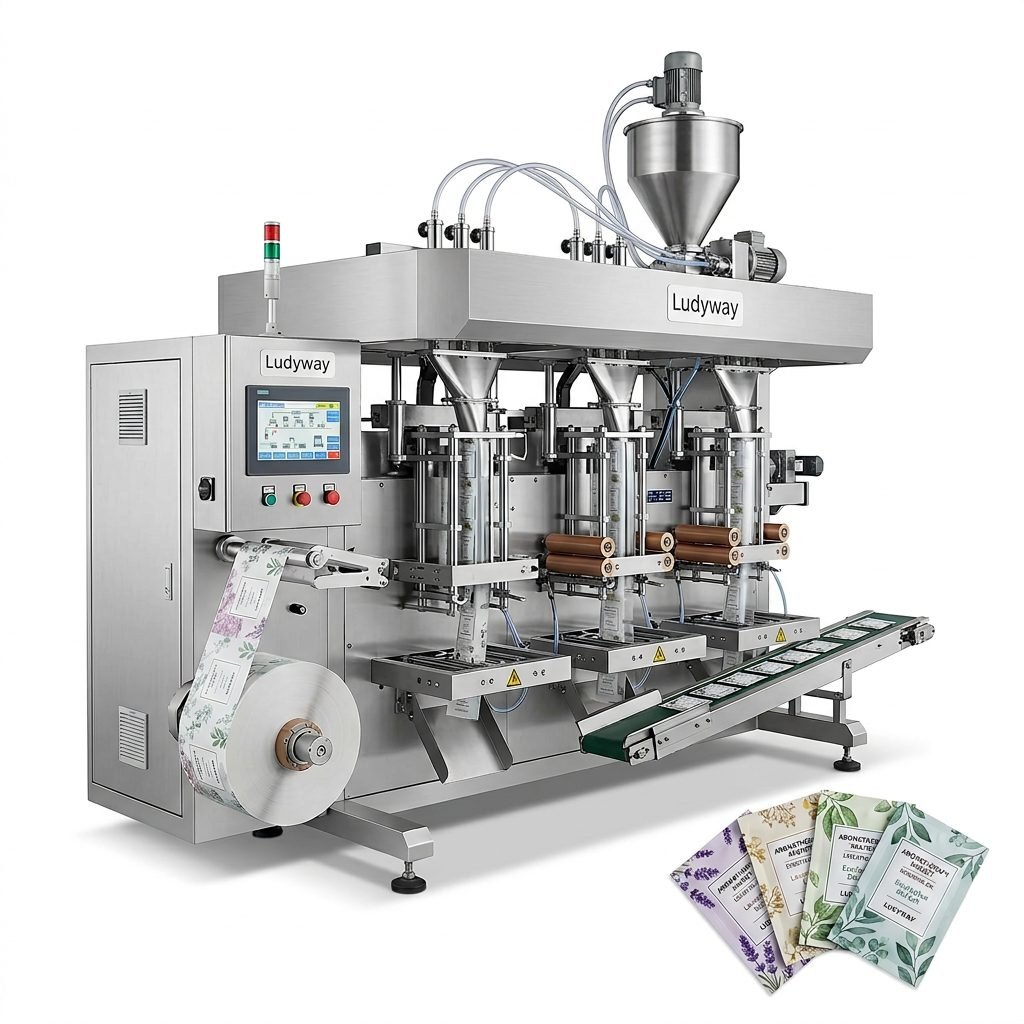
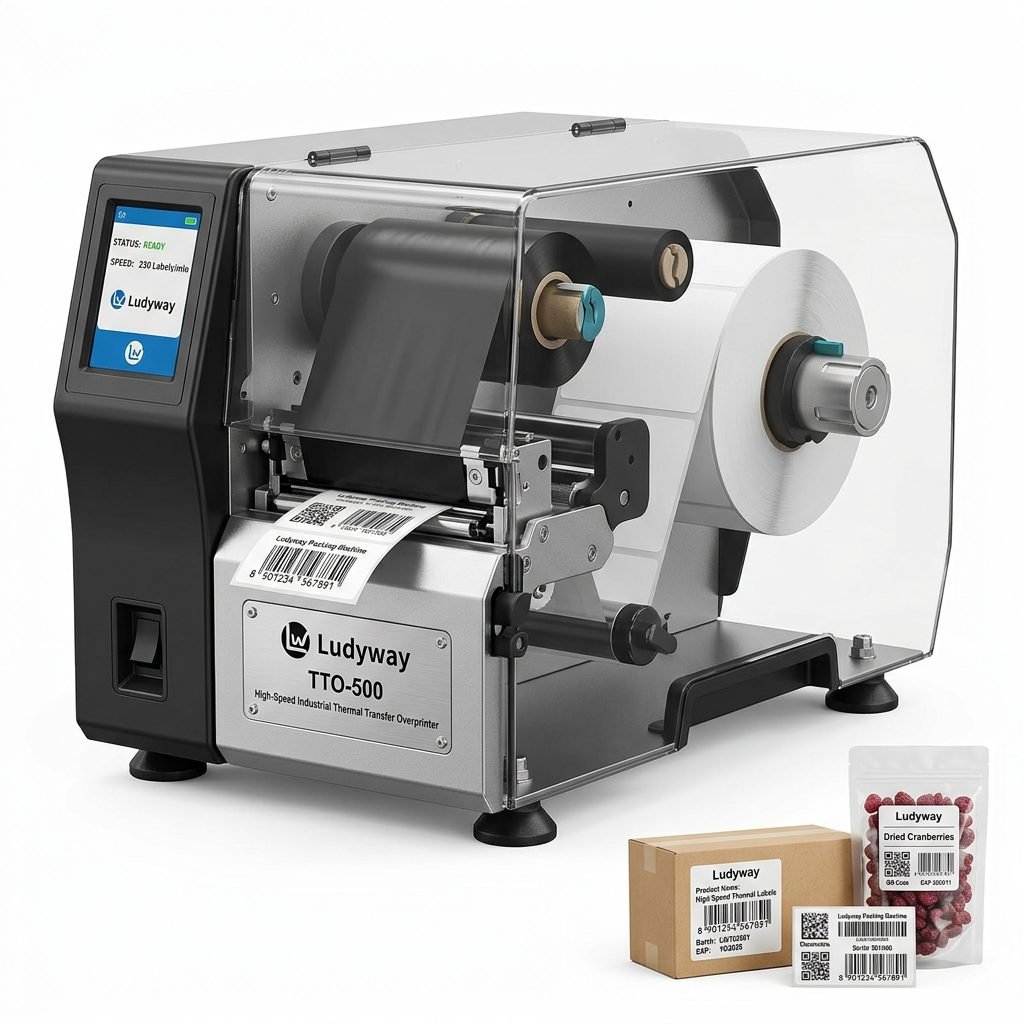
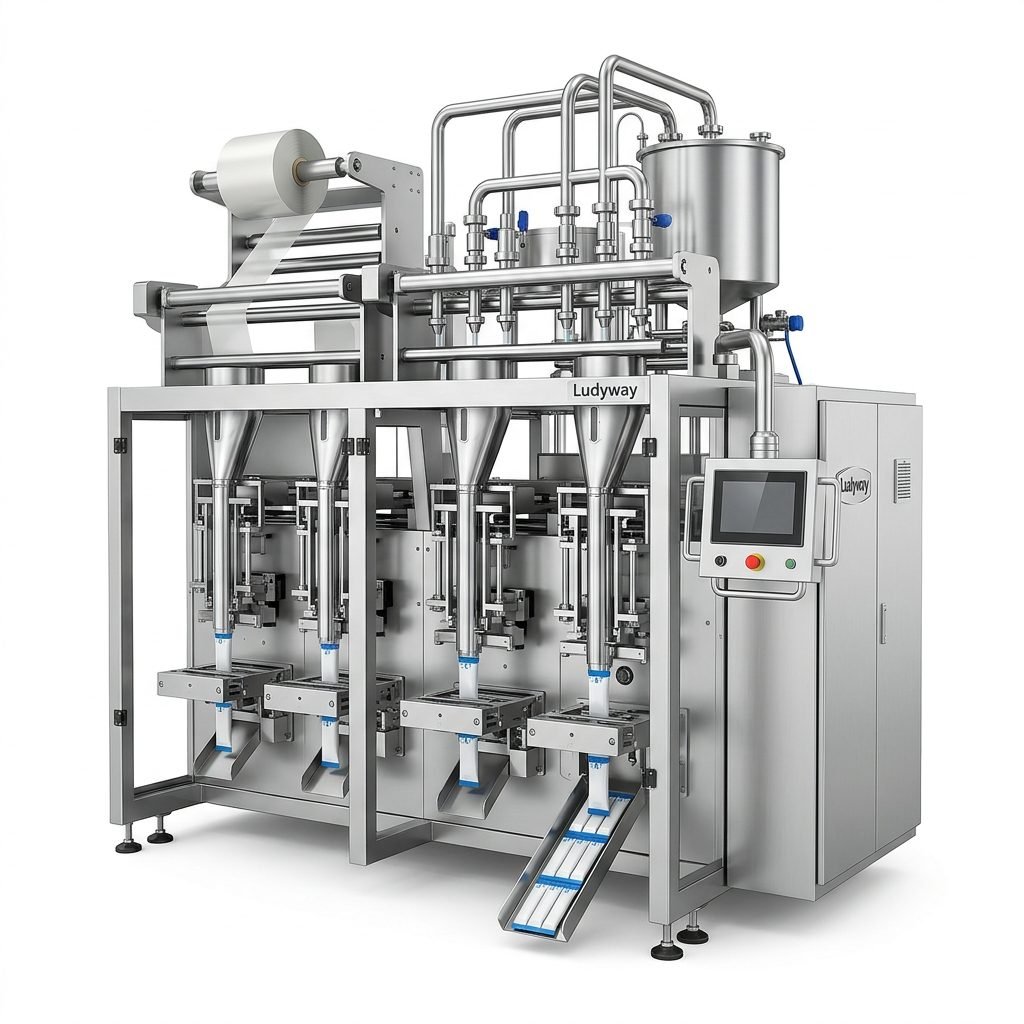
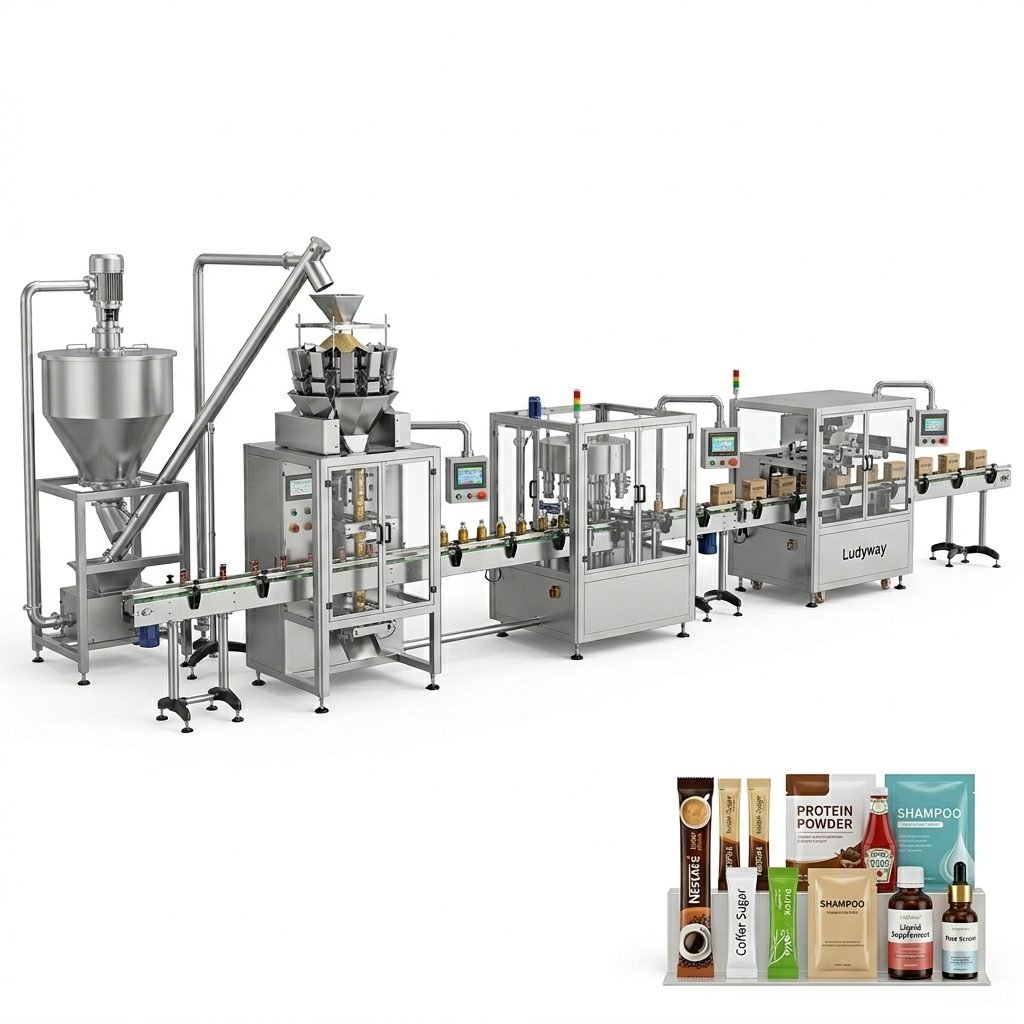
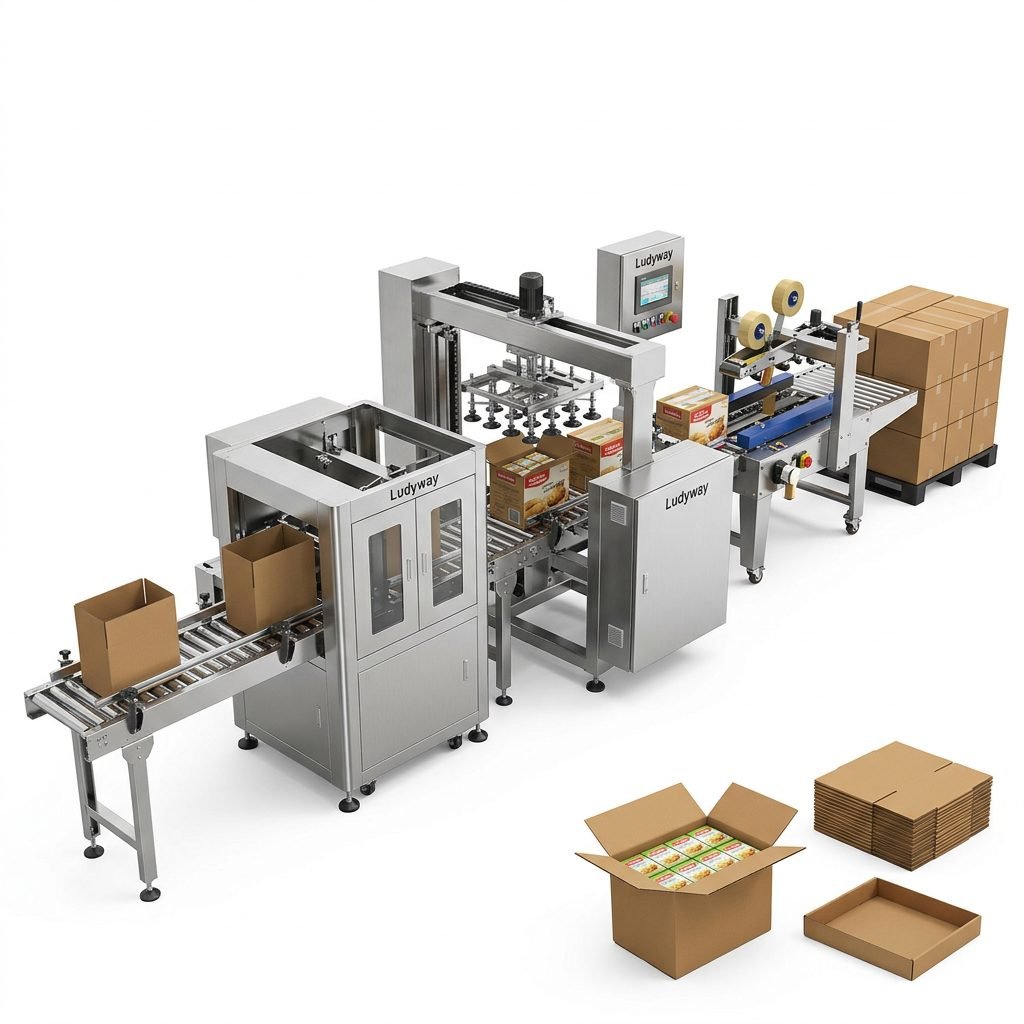
Modern manufacturers, e-commerce brands, food processors, pharmaceutical companies, and consumer goods suppliers are under increasing pressure to deliver products faster, safer, and with more consistent presentation. A cardboard box packaging machine helps businesses meet these demands by automating the boxing process, reducing labor intensity, improving packaging accuracy, and supporting scalable production.
Whether your operation handles sachets, pouches, bottles, stick packs, tubes, or cartons, the right machine can transform packaging from a bottleneck into a competitive advantage. From compact semi-automatic systems to fully integrated end-of-line automation, cardboard box packaging equipment has become an essential investment for businesses focused on efficiency and growth.
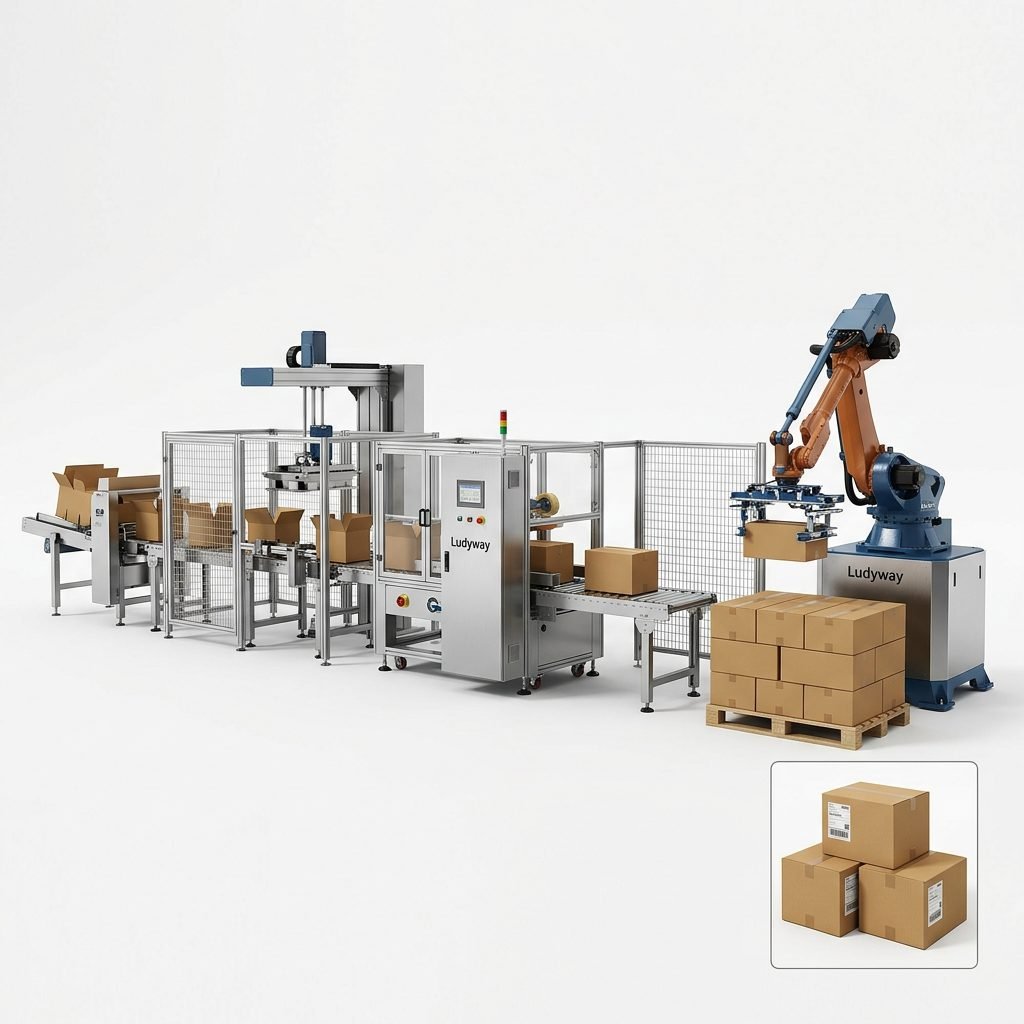
Why Cardboard Box Packaging Machines Matter
Packaging is more than a final production step. It affects shipping protection, retail appearance, warehouse efficiency, and customer satisfaction. Manual boxing often leads to inconsistent packing quality, slower throughput, and higher long-term labor costs. An automated cardboard box packaging machine addresses these issues by standardizing every cycle.
- Higher speed: Packs more units per minute than manual operations.
- Better consistency: Uniform carton forming, filling, and sealing.
- Reduced waste: Lower risk of damaged boxes and product loss.
- Labor savings: Frees workers for quality control and higher-value tasks.
- Improved hygiene: Especially important in food and pharmaceutical environments.
- Easier scaling: Supports growing order volumes without major workflow disruption.
What a Cardboard Box Packaging Machine Can Do
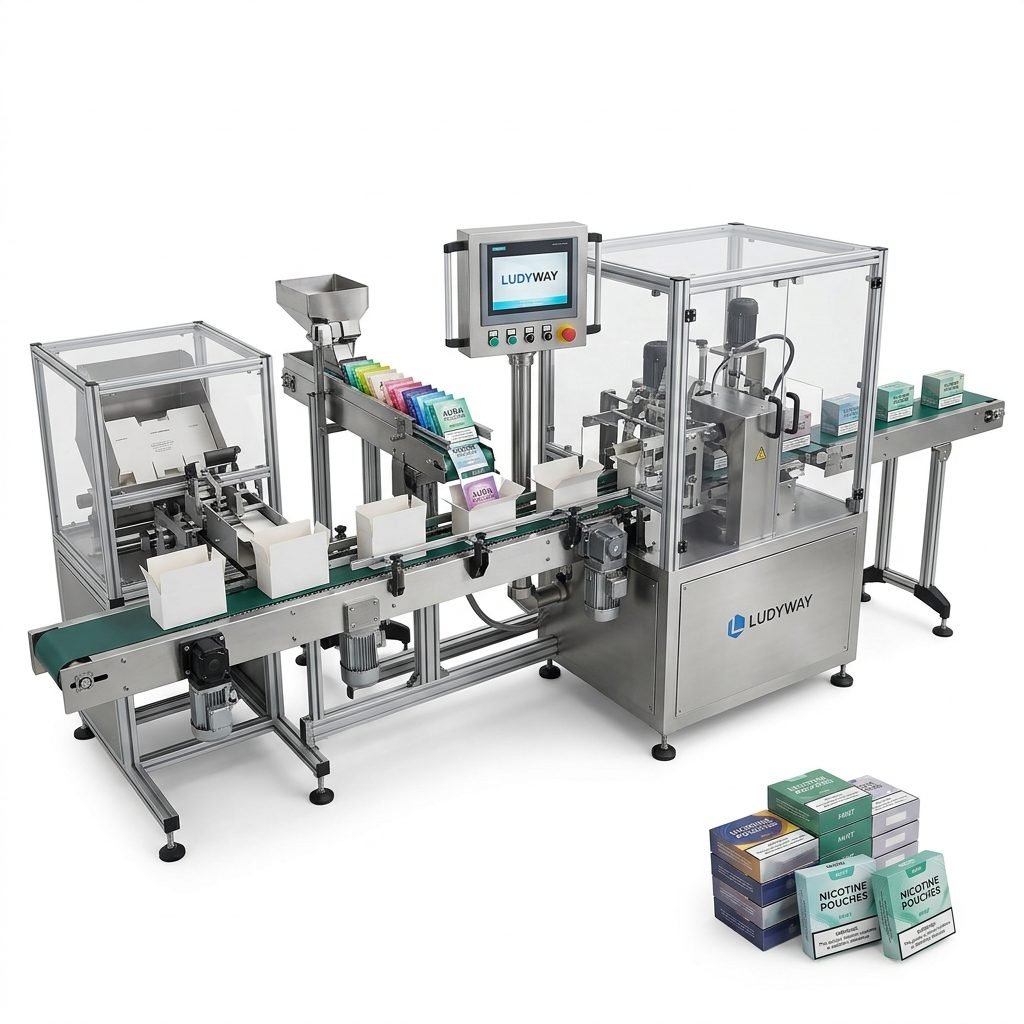
Depending on the production setup, a cardboard box packaging machine may perform one or several functions in a continuous line. These systems are commonly used after filling, counting, or primary packaging equipment.
| Function | Description | Typical Applications |
|---|---|---|
| Carton Erecting | Automatically opens and forms flat cartons | Retail boxes, shipping cartons, display packaging |
| Product Loading | Places products into cardboard boxes with precision | Sachets, pouches, bottles, tubes, blister packs |
| Leaflet/Accessory Insertion | Adds inserts, manuals, spoons, or promotional cards | Pharma, cosmetics, healthcare products |
| Carton Sealing | Closes and seals cartons using tuck-in or glue systems | Consumer goods, food, pharma |
| Coding & Labeling | Prints date, batch, barcode, or serial information | Traceability-critical industries |
| Case Packing | Packs finished cartons into outer shipping boxes | Warehousing and distribution lines |
Key Industries Using Cardboard Box Packaging Equipment
The flexibility of modern boxing systems makes them suitable for many industries. Businesses choose machine configurations based on product form, packaging speed, required accuracy, and compliance standards.
Food and Beverage
Snacks, powdered drinks, coffee sachets, seasoning packs, sauces, and nutritional foods often require secondary carton packaging for retail sale and transport protection. Automated systems improve product presentation while reducing contamination risks.
Pharmaceutical and Healthcare
Tablets, capsules, stick packs, oral liquid sachets, and medical consumables benefit from reliable cartoning and coding. In these sectors, traceability and sealing consistency are especially important.
Cosmetics and Personal Care
Cream sachets, serum packs, facial masks, shampoo sachets, and beauty kits often need high-quality cardboard box packaging to support shelf appeal and protect delicate primary packaging.
Chemicals and Household Products
Detergents, cleaning sachets, additives, and treatment products can be packed into cartons for easier stacking, labeling, and safer delivery.
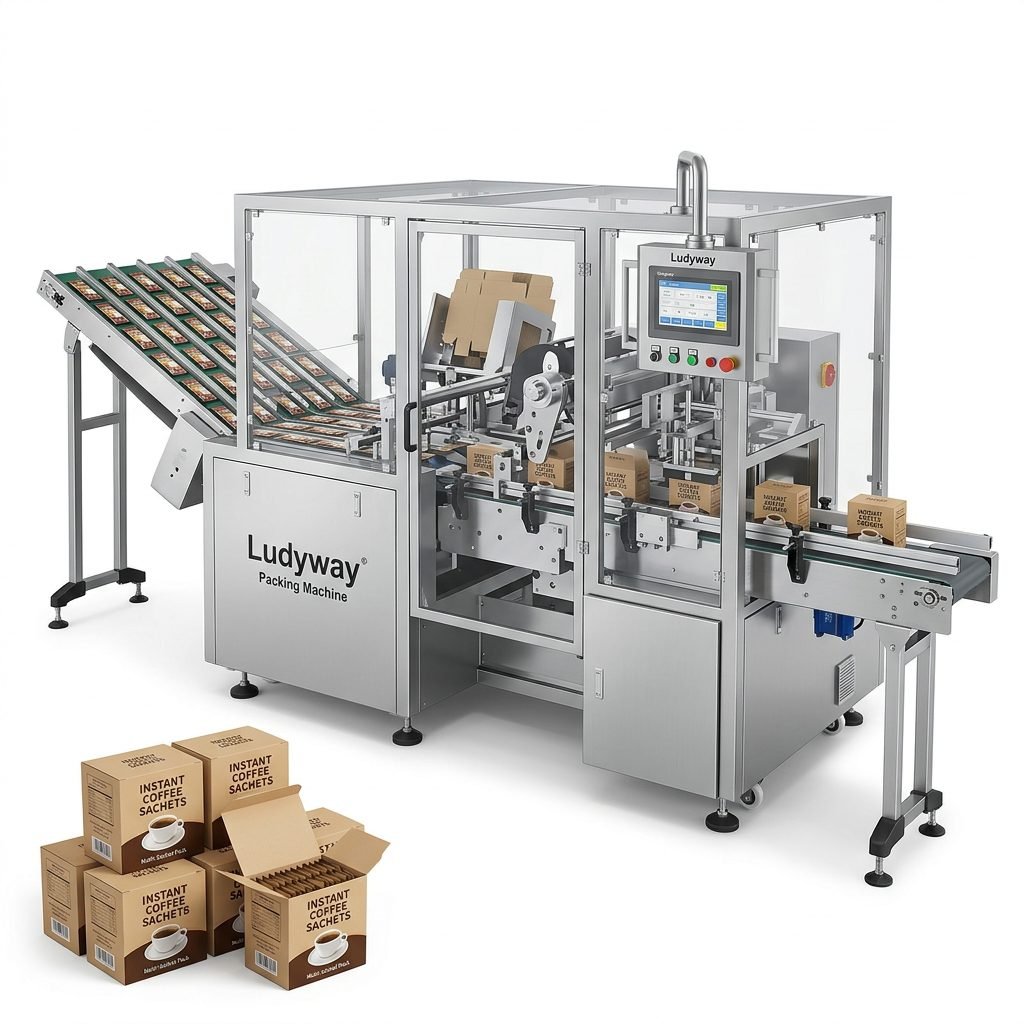
Main Types of Cardboard Box Packaging Machines
Not all businesses need the same degree of automation. Choosing the correct system starts with understanding the main machine categories.
1. Semi-Automatic Box Packaging Machines
These machines assist operators with box forming or sealing but still require manual product loading. They are suitable for low-to-medium output businesses or companies testing a new product line.
2. Automatic Cartoning Machines
These systems form cartons, insert products, and close the box automatically. They are ideal for businesses with stable product dimensions and repeatable production schedules.
3. Integrated End-of-Line Packaging Systems
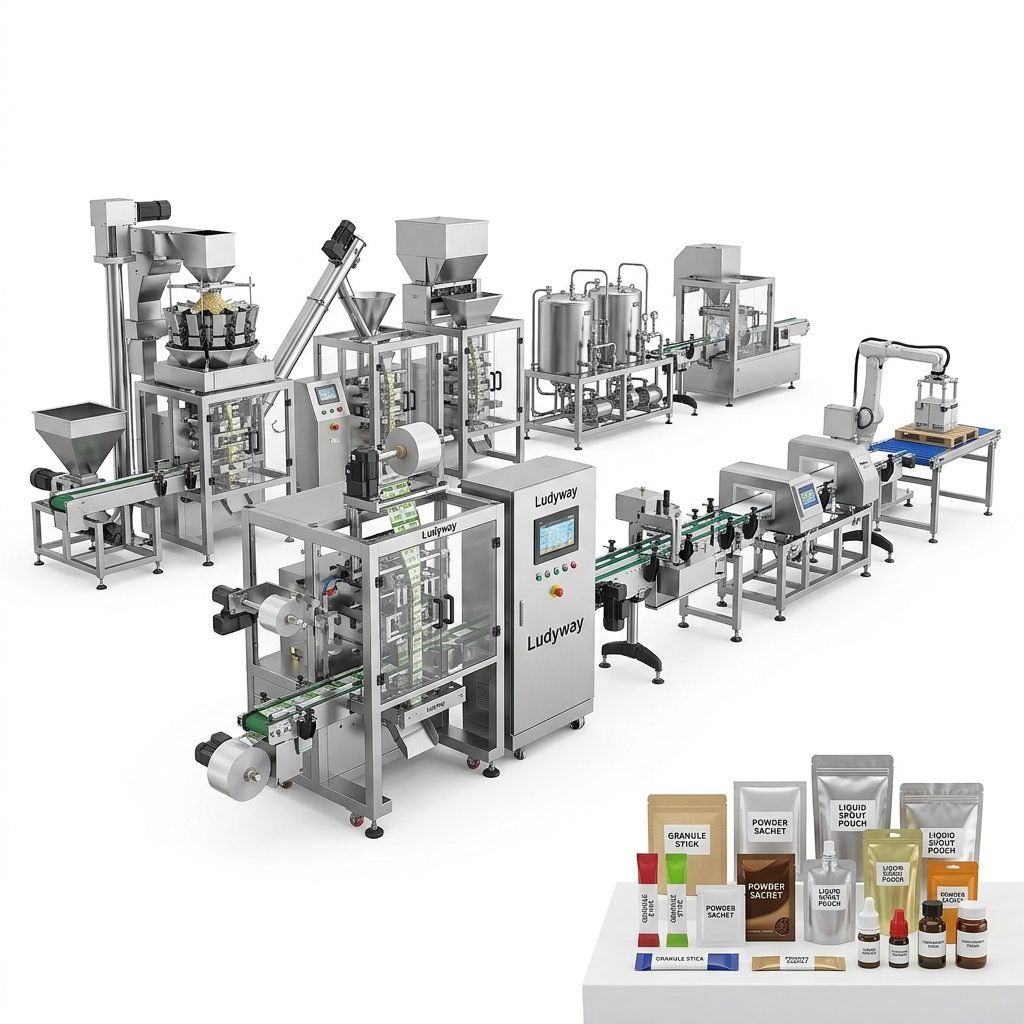
A fully integrated line may include feeding, counting, primary packaging connection, cartoning, coding, case packing, sealing, inspection, and palletizing. This is often the best choice for high-output manufacturers looking for long-term automation.
4. Customized Turnkey Packaging Lines
Some operations need special handling for fragile products, mixed pack sizes, unusual carton shapes, or strict sanitary standards. In these cases, custom engineering provides better long-term value than a standard machine alone.
Benefits for Modern Businesses
- Faster order fulfillment
Automated boxing helps businesses meet retailer deadlines, e-commerce demand spikes, and export schedules. - Lower operating costs over time
Although automation requires initial investment, reduced labor dependency and fewer packaging errors often improve ROI. - Professional package appearance
Well-formed and properly sealed cartons enhance brand image and customer trust. - Scalable production capacity
As demand grows, a machine-based process is easier to expand than a fully manual packing team. - Better compatibility with smart factories
Many systems can connect with sensors, printers, reject units, checkweighers, and production data systems.
How to Choose the Right Cardboard Box Packaging Machine
The ideal solution depends on both product characteristics and production goals. Before purchasing, businesses should evaluate technical and commercial requirements together.
| Selection Factor | What to Consider |
|---|---|
| Product Type | Powder sachets, liquid pouches, bottles, tubes, blister packs, or mixed bundles |
| Carton Size Range | Single size or frequent format changes |
| Output Speed | Current and future units per minute/hour |
| Automation Level | Standalone machine or complete packaging line integration |
| Industry Standards | Food hygiene, pharmaceutical compliance, serialization, safety requirements |
| Maintenance & Support | Spare parts availability, remote support, operator training, service response |
| Customization | Need for special feeders, coding units, inspection devices, or robotic handling |
Important Features to Look For
- Servo-driven movement for accurate positioning
- Quick-change tooling for different carton formats
- Touchscreen HMI for easy parameter settings
- Automatic fault alarms and safety interlocks
- Compatibility with coding, labeling, and inspection modules
- Stable carton opening and reliable sealing performance
- Clean and durable machine structure for long service life
For businesses planning long-term automation, it is wise to select a machine that not only fits current production but also leaves room for future upgrades such as robotic loading, vision inspection, or palletizing integration.
Common Challenges Solved by Automated Boxing Systems
Many companies invest in cardboard box packaging machines after facing recurring production problems such as:
- Inconsistent manual packing quality
- Frequent carton damage during transport
- Slow packing speed during peak demand periods
- High labor turnover in repetitive end-of-line tasks
- Difficulty matching upstream filling machine speed
- Limited traceability for retail or regulated markets
An automated solution improves process control and makes it easier to build a dependable production workflow from filling to final shipment.
Why Turnkey Integration Creates More Value
A cardboard box packaging machine delivers the best results when it works as part of a connected packaging system. Instead of treating boxing as an isolated station, many manufacturers now prefer integrated lines that include:
- Primary packaging machines
- Feeding and conveying systems
- Date coding and barcode printing
- Weight checking and metal detection
- Cartoning and case packing
- Palletizing and warehouse preparation
This approach reduces stoppages between stations, simplifies line management, and improves output stability. For companies in food, pharma, health supplement, cosmetic, and chemical sectors, working with an experienced turnkey supplier can significantly reduce project risk.
A Reliable Manufacturing Partner for Packaging Automation
Businesses seeking dependable automation often look for a supplier with strong engineering capacity, export experience, and broad product coverage. Ludyway cardboard box packaging machine solutions are backed by more than 30 years of manufacturing experience, a factory of over 20,000 square meters, and turnkey packaging line capabilities serving customers in more than 100 countries and regions. This makes the company a practical choice for buyers who need scalable equipment, customized integration, and long-term technical support.
Best Practices Before Investing
Define your real output target
Do not buy based only on today’s order volume. Consider projected growth, seasonal peaks, and product portfolio expansion.
Test packaging samples
Carton material, box structure, and product shape all affect machine performance. Sample testing helps avoid costly mismatch.
Check line compatibility
Your boxing machine should synchronize with upstream filling and downstream shipping systems.
Plan for operator training
Even advanced equipment performs best when operators understand setup, changeover, cleaning, and routine maintenance.
Prioritize after-sales support
Quick technical assistance and spare part supply are crucial for minimizing downtime.
Final Considerations for Growing Businesses
A cardboard box packaging machine is no longer just an optional upgrade for large factories. It is a strategic tool for businesses that want to improve packaging quality, boost labor efficiency, and build a stronger, more reliable supply chain. As consumer expectations rise and production demands become more complex, automated boxing solutions help companies stay competitive without sacrificing consistency.
If your business is experiencing rising order volumes, packaging bottlenecks, or inconsistent carton quality, now is the right time to evaluate a modern cardboard box packaging machine or a complete integrated packaging line. The right solution will not only improve daily operations but also create a stronger foundation for long-term business growth.