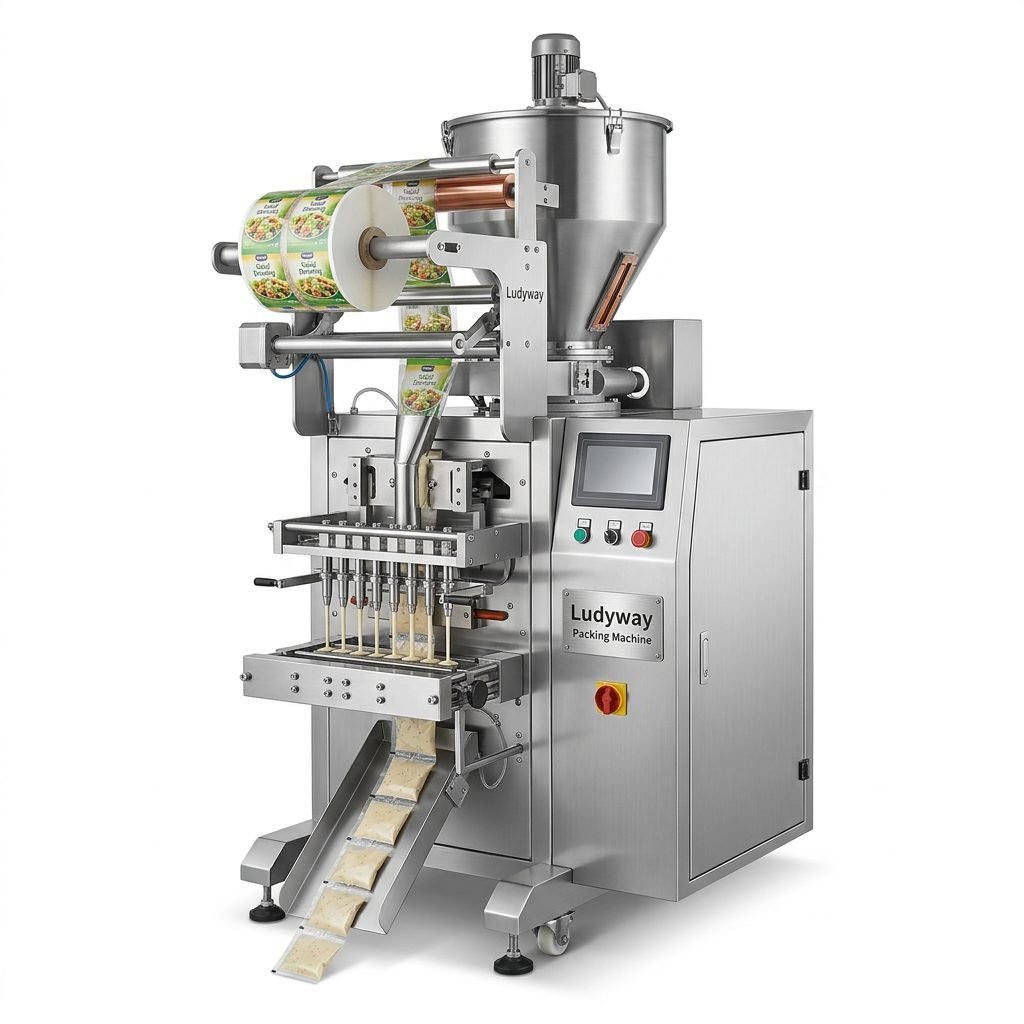
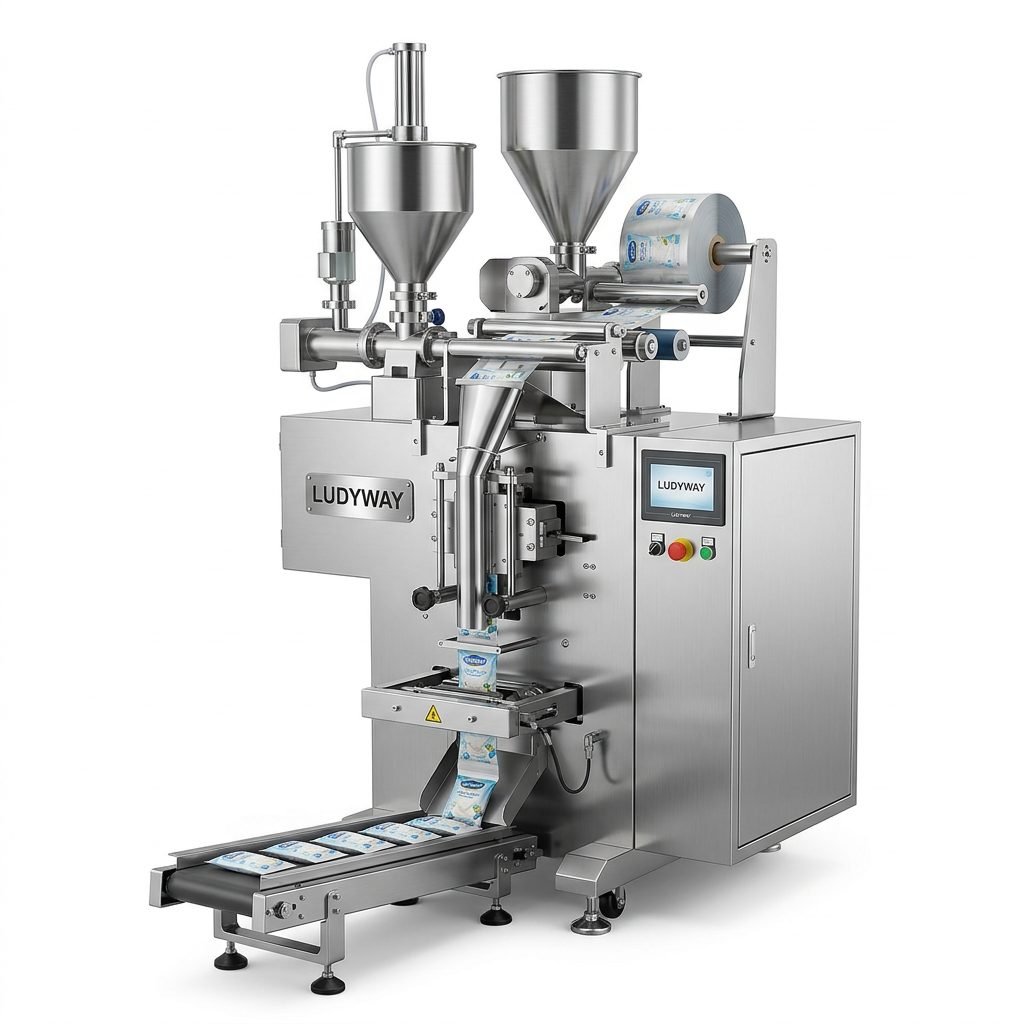
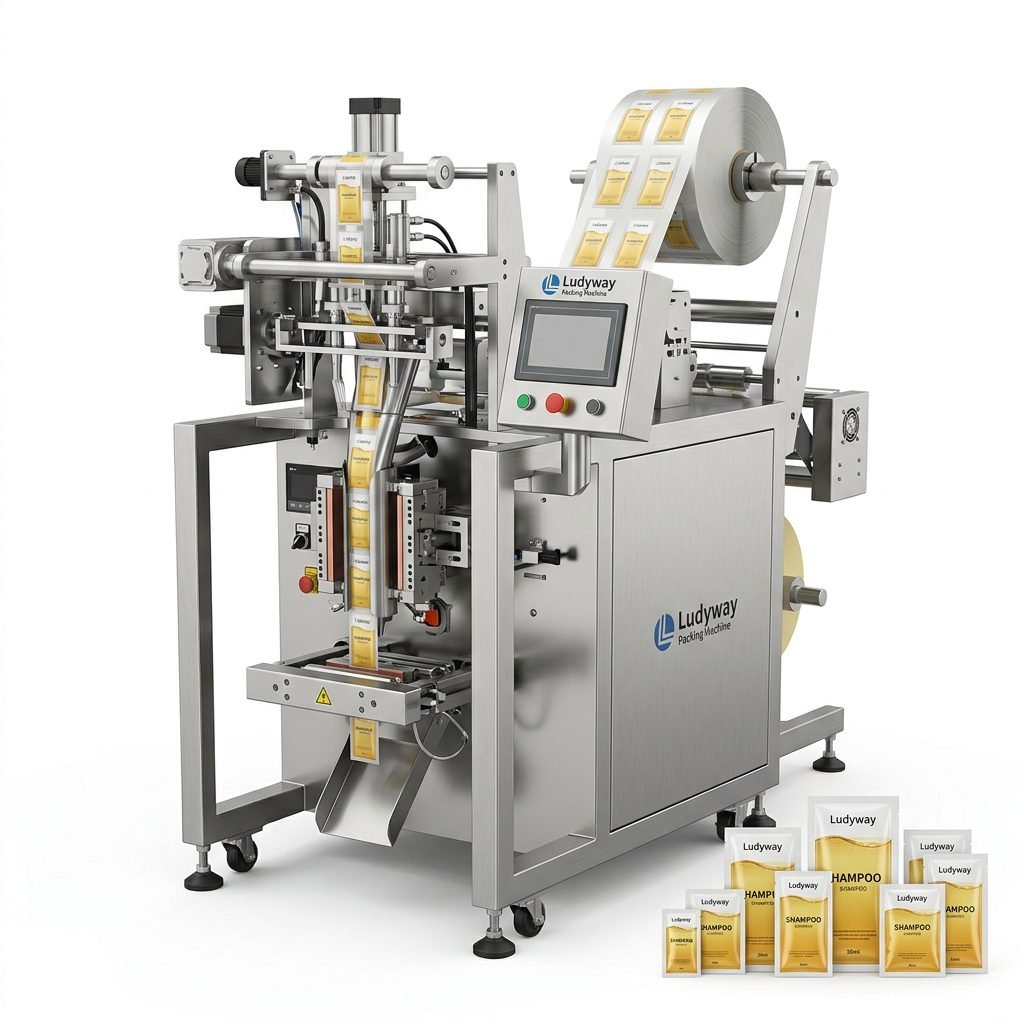
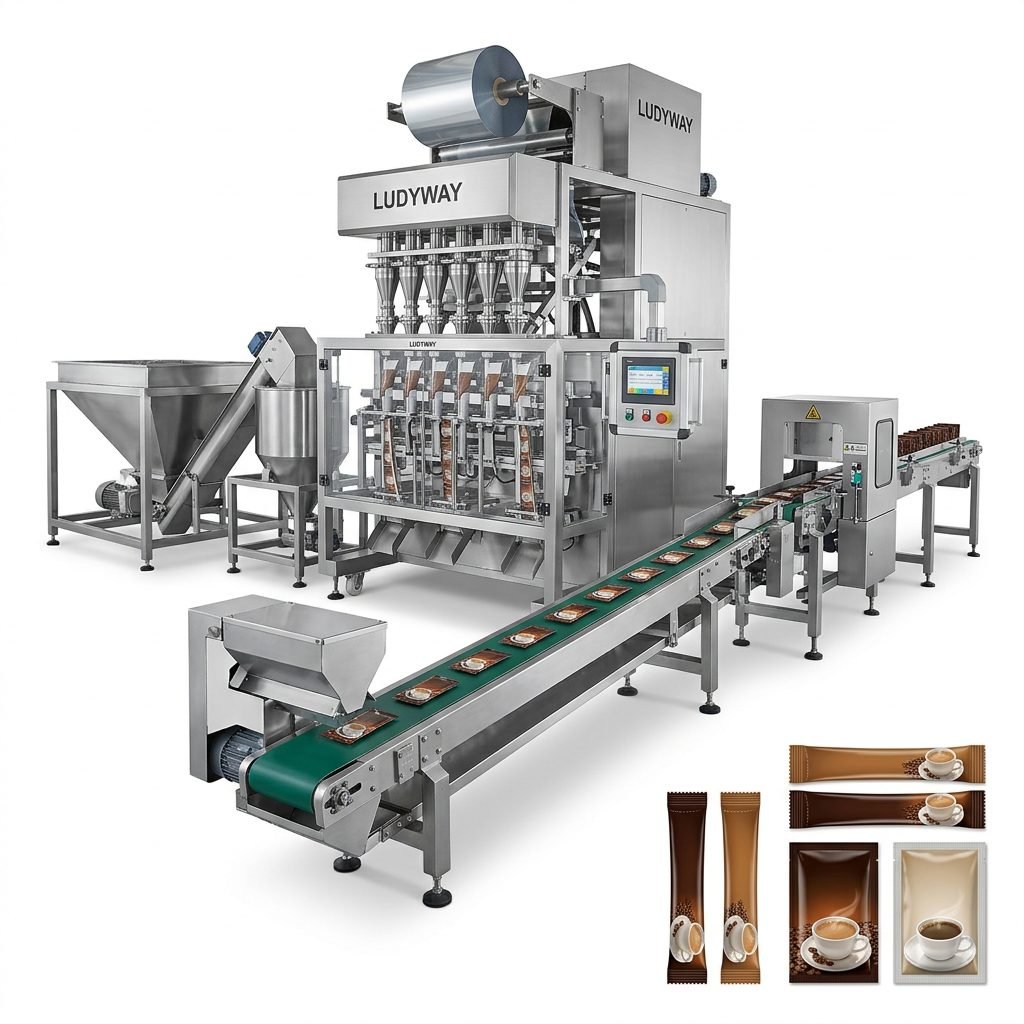
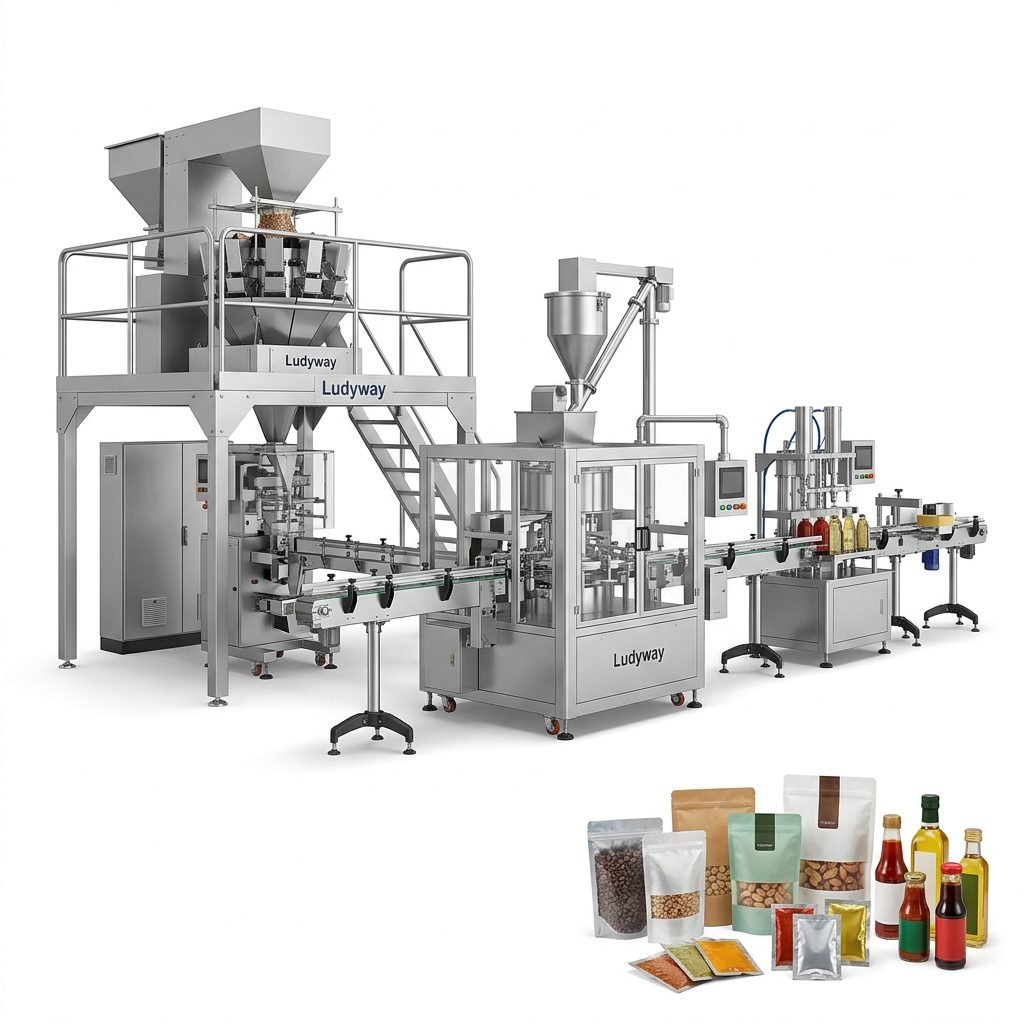
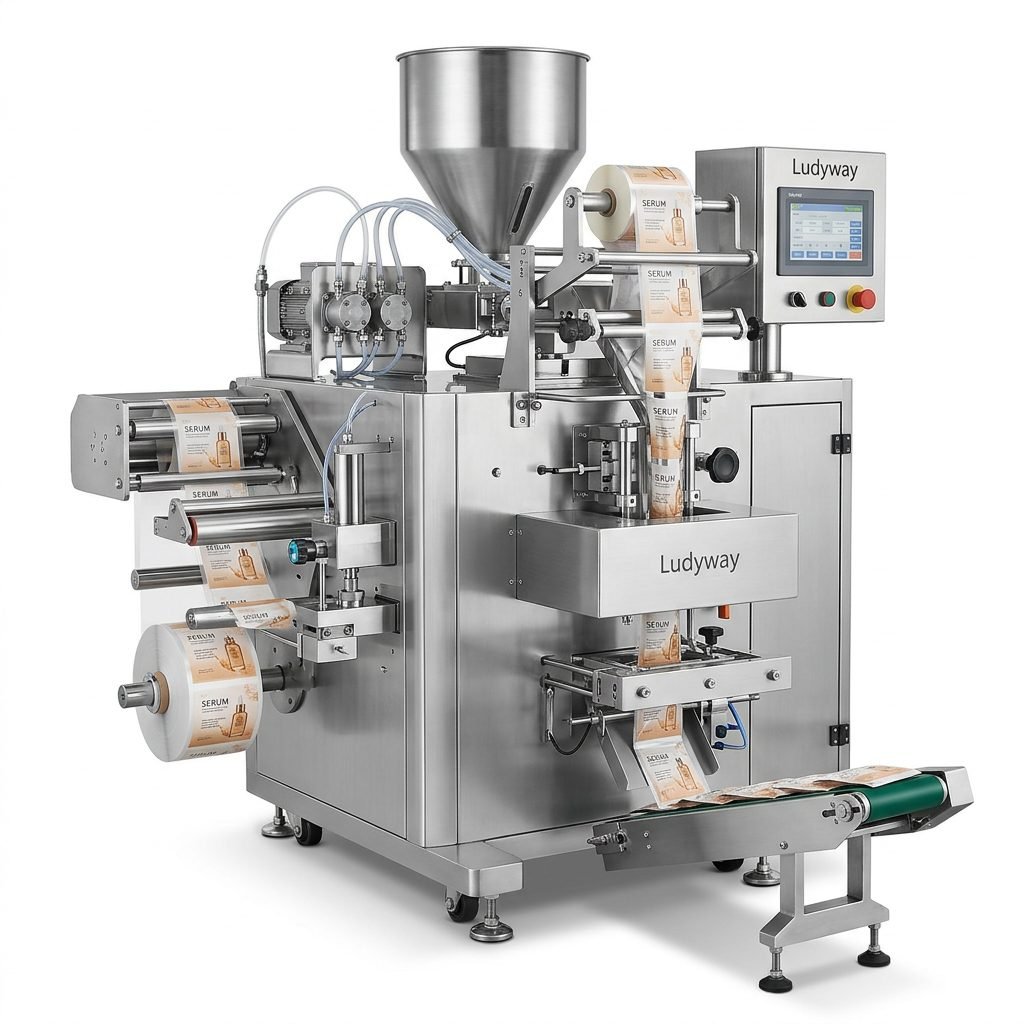
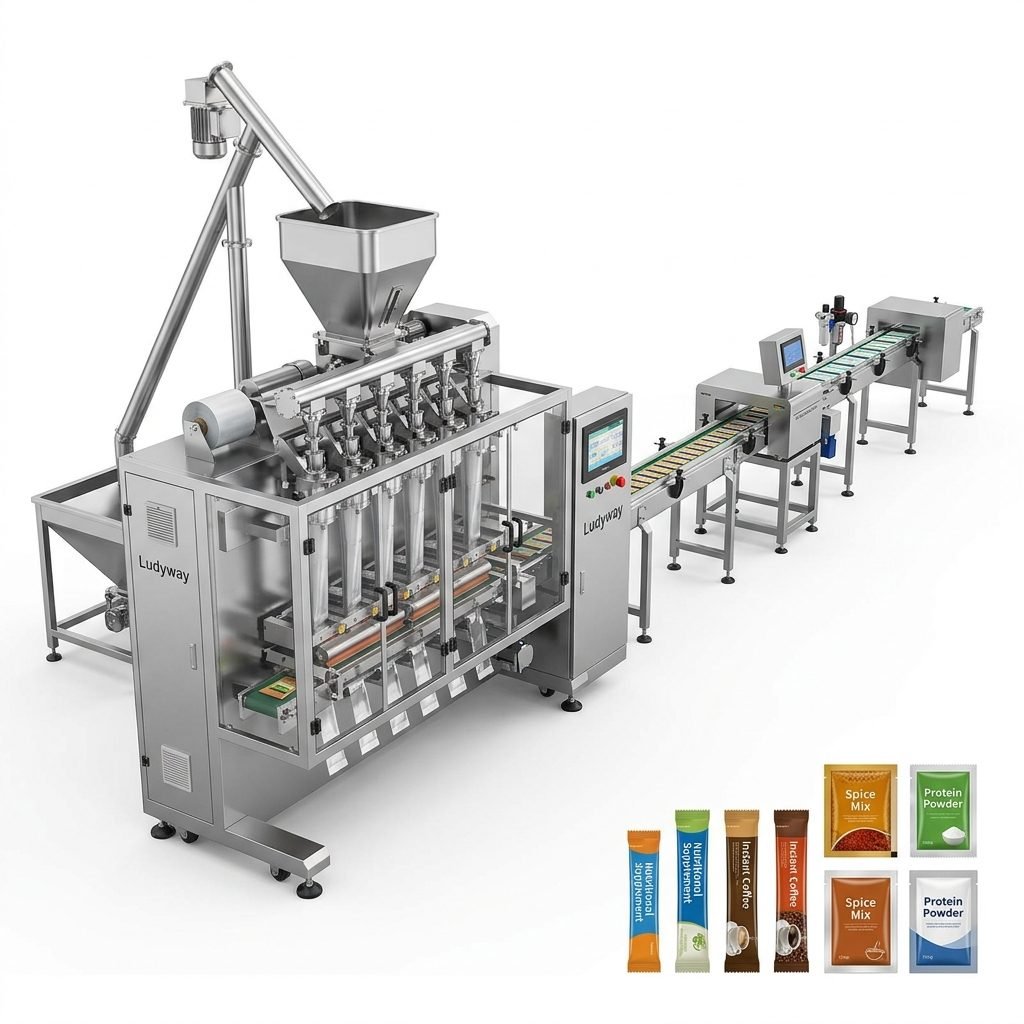
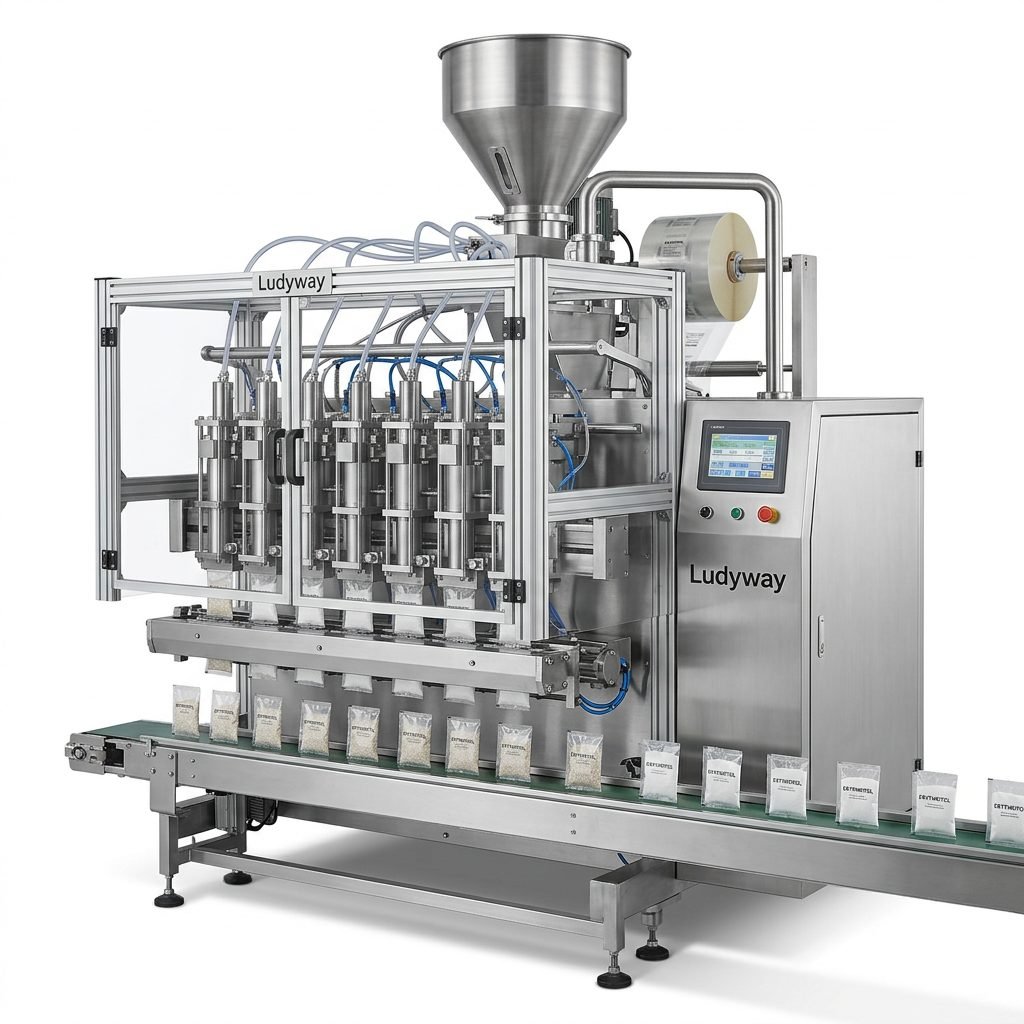
Tomato sauce manufacturers need packaging equipment that can keep up with demand while maintaining accurate filling, hygienic handling, stable sealing, and attractive final packs. In modern sauce production lines, a tomato sauce packing machine is not just a filling device—it is a core part of productivity, cost control, and product consistency.
Whether you produce ketchup-style sauce, cooking tomato paste, pizza sauce, or seasoned tomato condiments, the right automated system can help reduce waste, improve output, and support scalable growth across retail, foodservice, and export markets.
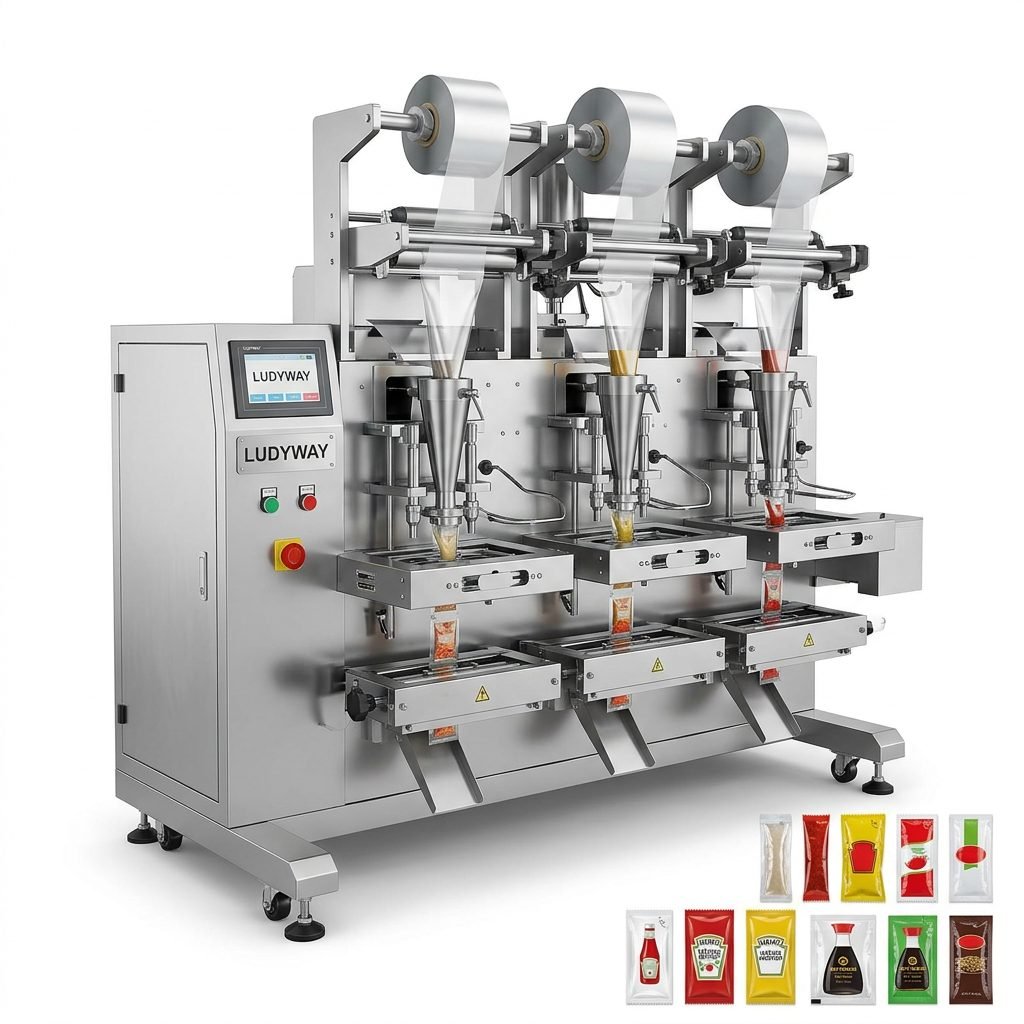
Why Tomato Sauce Packaging Requires Specialized Equipment
Tomato sauce is a challenging product for many packaging systems because its viscosity can vary from smooth and pourable to thick and chunky. It may also contain oil, spices, pulp, or suspended particles. For this reason, a tomato sauce packing machine must be designed to handle liquid and paste products with consistent dosing performance.
- Stable filling for low, medium, or high viscosity sauces
- Reliable sealing under hot-fill or ambient-fill conditions
- Food-grade contact parts for hygienic processing
- Easy cleaning and changeover between product types
- Compatibility with sachets, stick packs, pouches, cups, or bottles
In high-volume operations, machine selection directly affects line speed, pack appearance, material waste, labor requirements, and downstream cartoning efficiency.
Common Packaging Formats for Tomato Sauce
Different markets and sales channels often require different packaging formats. A well-planned sauce production line should match the machine configuration to the target pack style and filling volume.
| Packaging Format | Typical Application | Main Advantage |
|---|---|---|
| Sachets | Single-serve condiments, fast food, takeaway | High speed, low material usage |
| Stick packs | Portion control, travel and catering use | Compact format, clean dispensing |
| Premade pouches | Retail sauce products and premium lines | Stronger shelf appeal |
| Bottles | Household tomato sauce and cooking sauces | Convenient storage and repeat use |
| Large pouches or bags | Foodservice and industrial kitchens | Efficient bulk supply |
Key Features of an Efficient Tomato Sauce Packing Machine
When evaluating equipment for sauce packaging, buyers should focus on process stability rather than speed alone. A good machine should deliver long-term performance in real factory conditions.
1. Precision Filling for Viscous Products
Tomato sauce often requires piston filling, servo-driven dosing, or pump-based filling systems. These help maintain fill accuracy even when the sauce thickness changes slightly during production.
2. Strong Sealing Performance
Because sauce can contaminate the seal area, the machine should be designed to minimize dripping and support clean, repeatable sealing. This reduces leakage, customer complaints, and transport damage.
3. Hygienic Construction
Food-contact parts should use appropriate stainless steel materials and be easy to dismantle or clean. This is especially important when switching between standard tomato sauce, spicy sauce, or allergen-containing formulas.
4. Automation Integration
An efficient line can include product feeding, heating or agitation, filling, sealing, date coding, inspection, cartoning, case packing, and palletizing. Integrated systems reduce manual handling and improve production flow.
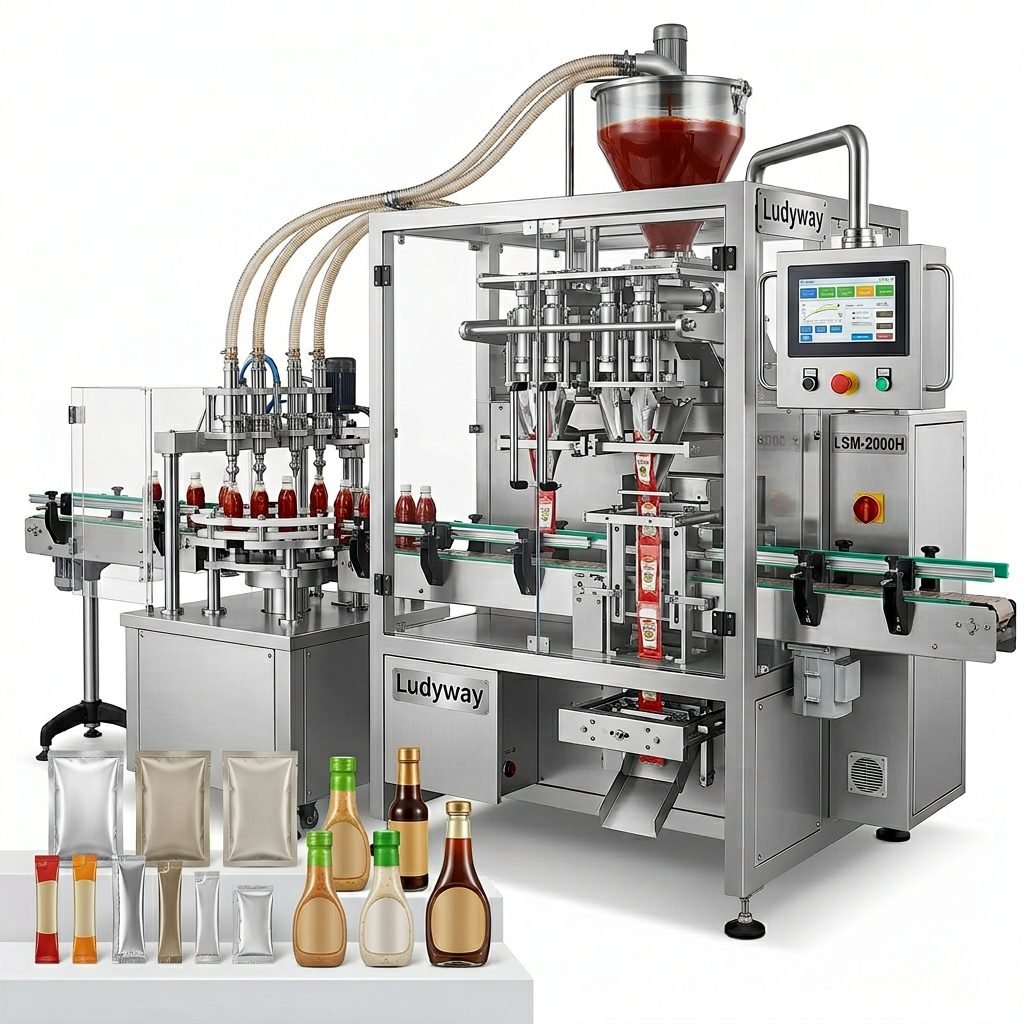
Benefits for Sauce Production Lines
Investing in an automated tomato sauce packing machine can create measurable improvements across the entire plant.
- Higher throughput with continuous and repeatable operation
- Reduced labor dependency through automatic feeding, filling, and sealing
- Lower product loss thanks to precise dosing and reduced spillage
- Better package consistency for branding and shelf presentation
- Easier compliance with food safety and quality standards
- Faster scaling when production demand increases
How to Choose the Right Machine for Tomato Sauce
Not every sauce product needs the same equipment. The ideal solution depends on several production factors:
- Viscosity and texture of the tomato sauce
- Presence of pulp, herbs, seeds, or particulates
- Required pack size range
- Target output per minute or per hour
- Packaging material type
- Need for hot filling, mixing, or hopper heating
- Available floor space in the factory
- Integration requirements with existing equipment
For example, single-serve takeaway tomato sauce often benefits from high-speed multi-lane sachet systems, while larger retail products may require pouch or bottle filling lines. If the product includes thicker paste or seasoning particles, the filling system must be matched accordingly.
Single Machine vs. Turnkey Tomato Sauce Packaging Line
Some producers only need a standalone filling and sealing machine. Others need a complete line from product feeding to final case packing. The right choice depends on plant maturity, output goals, and labor structure.
| Option | Best For | Value |
|---|---|---|
| Standalone machine | Small to mid-size production upgrades | Lower initial investment, flexible installation |
| Integrated packaging line | Growing brands and large-scale factories | Higher automation, smoother workflow, labor savings |
| Turnkey line | New plants and export-oriented manufacturers | Full-line coordination, easier project execution |
Applications Beyond Standard Tomato Sauce
A modern tomato sauce packing system can often be adapted for related liquid and paste products, which is useful for manufacturers with multiple SKUs.
- Ketchup
- Pizza sauce
- Pasta sauce
- Chili tomato sauce
- Seasoned cooking sauce
- Tomato paste
- BBQ or blended condiment sauces
This flexibility helps factories maximize equipment utilization and respond faster to seasonal or regional product demand.
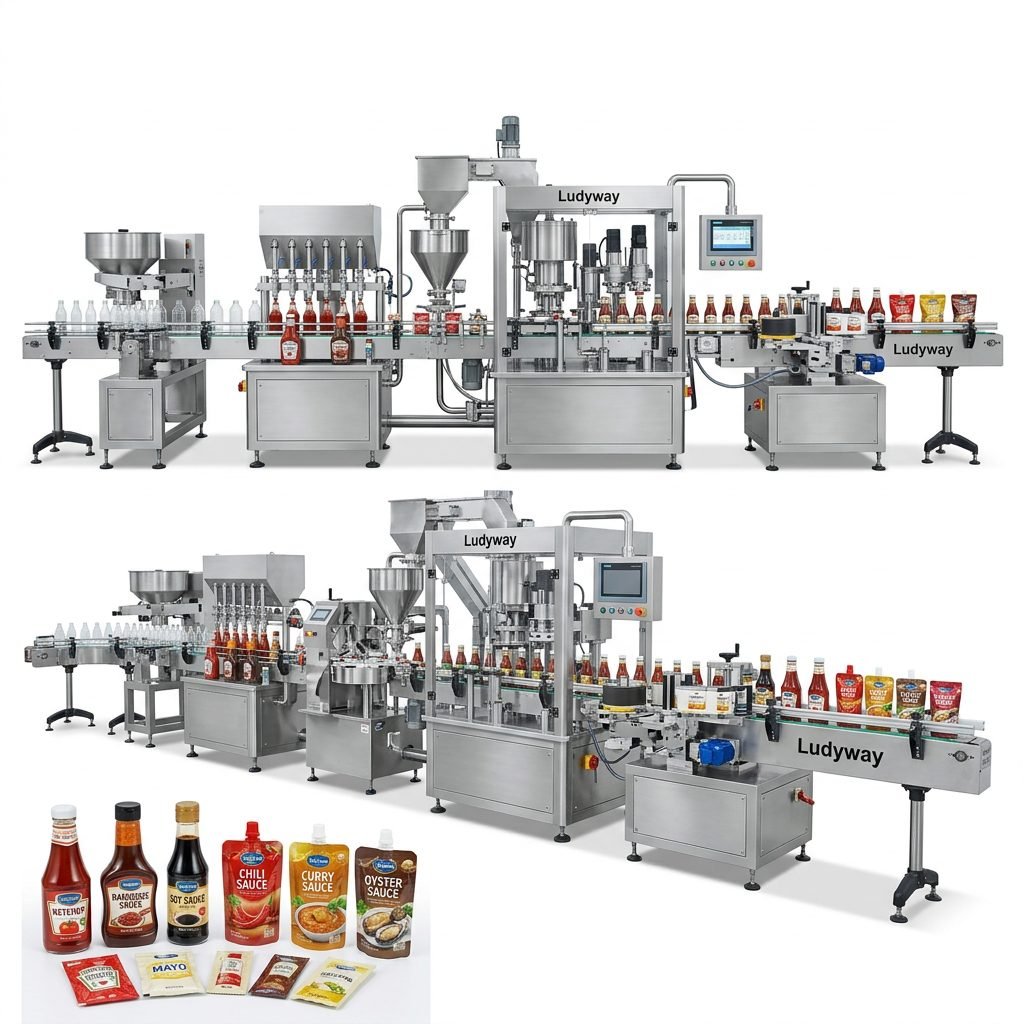
What Buyers Should Ask Before Purchasing
Before confirming a machine model, it is smart to review the following points with the supplier:
- What sauce viscosity range can the machine handle?
- Can it fill products with small particles or pulp?
- What is the actual production speed under real sauce conditions?
- How easy is cleaning and maintenance?
- Can the machine support different pouch or sachet sizes?
- What coding, inspection, and downstream packing options are available?
- Is customization possible for factory layout and product characteristics?
A Reliable Packaging Partner for Sauce Manufacturers
For businesses looking for scalable sauce automation, working with an experienced packaging equipment manufacturer can make project planning much easier. Ludyway is one of China’s leading packaging machine and turnkey packaging line manufacturers, with more than 30 years of industry experience, a factory of over 20,000 square meters, and broad export coverage across Europe, North America, the Middle East, South America, Africa, and Southeast Asia.
With capabilities across liquids, pastes, powders, granules, and pouch-based solutions, an experienced supplier can help tomato sauce producers build a packaging system that balances speed, hygiene, flexibility, and long-term operating stability.
Final Thoughts on Tomato Sauce Packing Machine Selection
Choosing the right tomato sauce packing machine is a strategic decision for any sauce production line. The best solution is one that fits your product characteristics, packaging format, and capacity goals while supporting future expansion. From compact sachet systems to complete automated sauce packaging lines, the right equipment can help you improve efficiency, reduce waste, and deliver dependable product quality to the market.