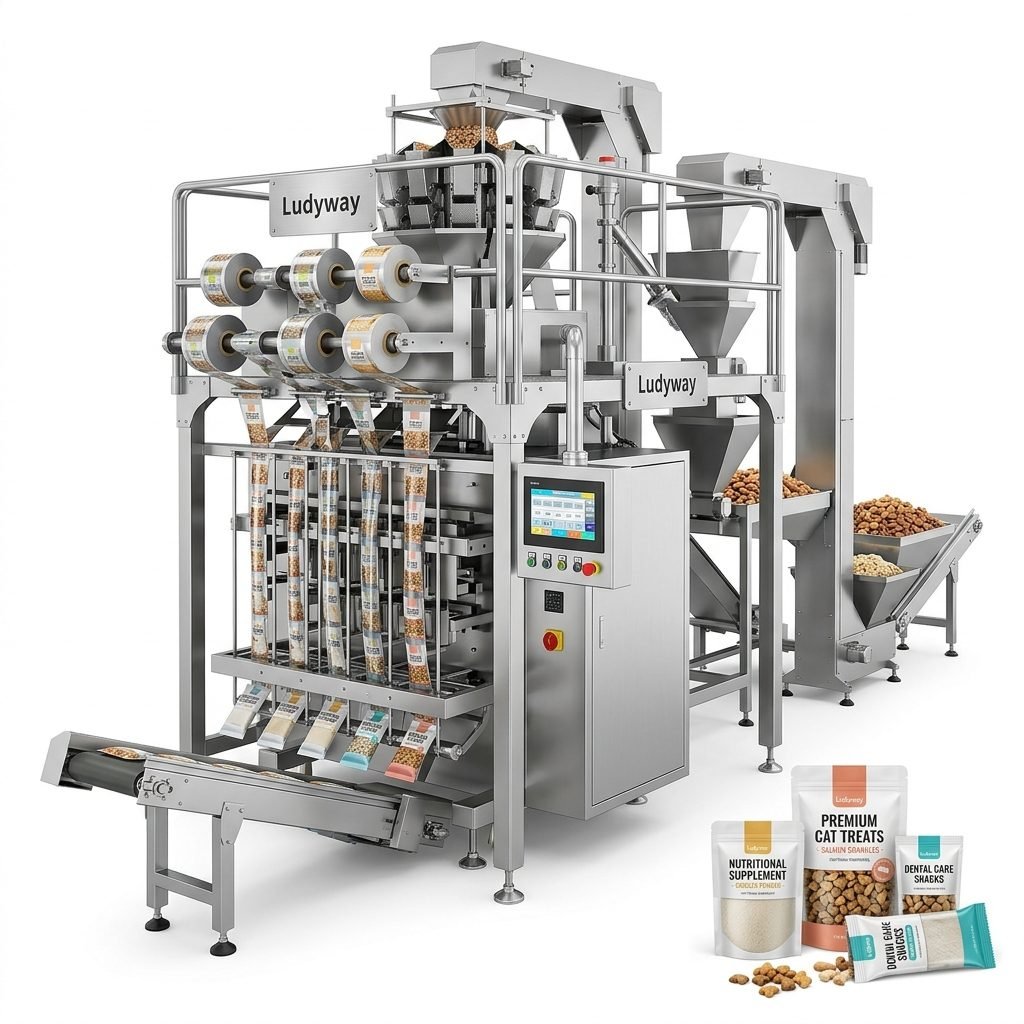
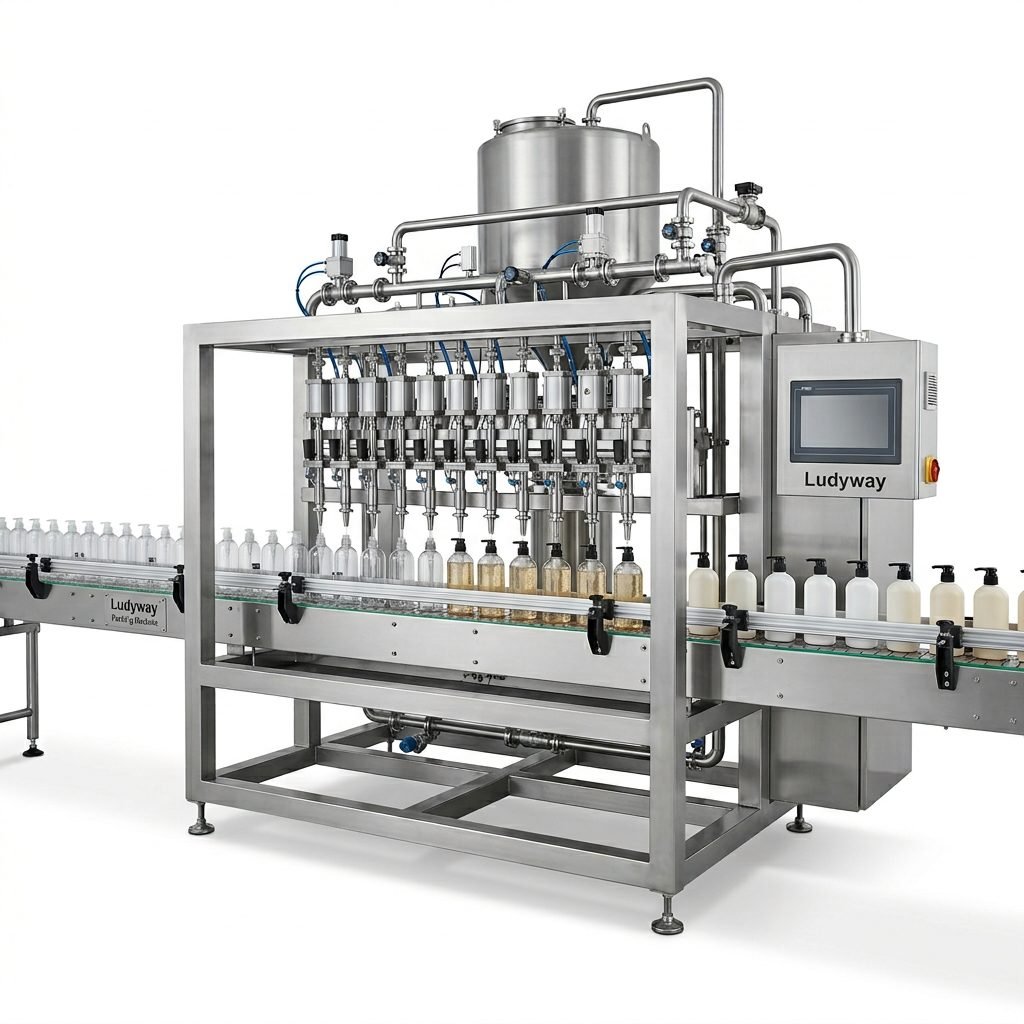
A professional vacuum packing machine is more than a sealing device. It is a productivity tool that helps manufacturers, food processors, pharmaceutical companies, and industrial packers extend shelf life, protect product quality, reduce waste, and improve packaging consistency. For businesses handling high-output operations, choosing the right vacuum packaging equipment can directly affect profitability, compliance, and customer satisfaction.
Whether you package frozen foods, dried snacks, meat, seafood, medical products, powders, or specialty industrial goods, understanding the benefits, core features, and buying criteria of professional vacuum packing machines will help you make a smarter investment.
What Is a Professional Vacuum Packing Machine?
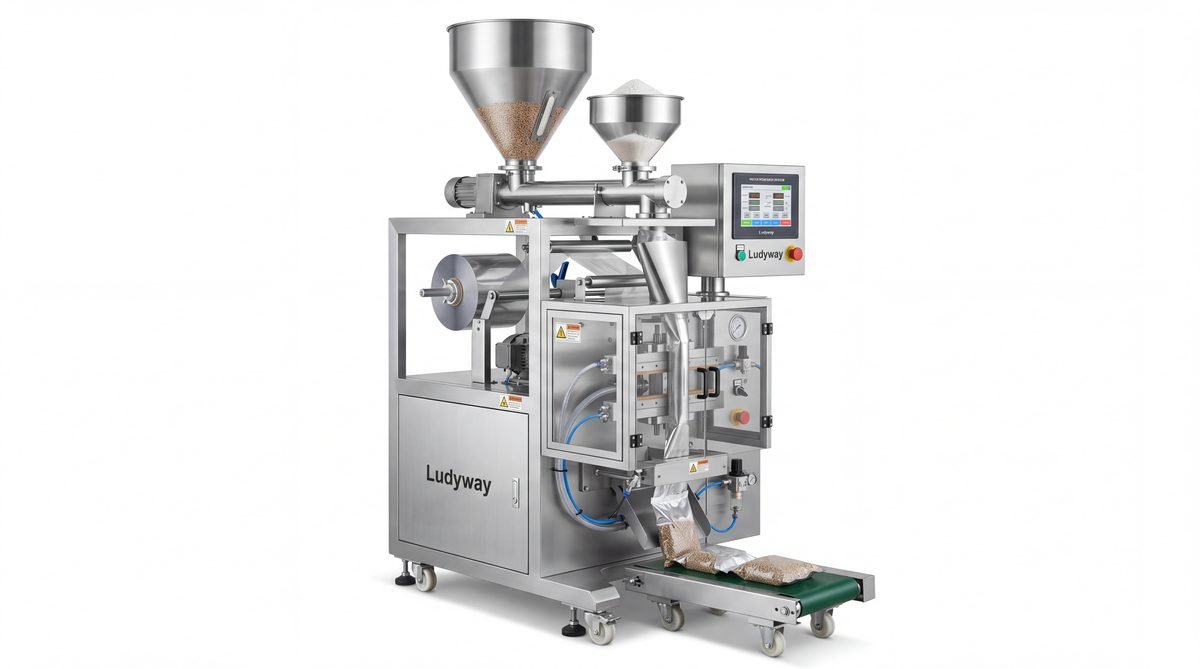
A professional vacuum packing machine removes air from a package before sealing it. By lowering the oxygen level inside the pack, the machine helps slow oxidation, moisture-related issues, microbial growth, and flavor loss. This packaging method is widely used in commercial and industrial environments where product protection and shelf-life extension are essential.
Compared with household vacuum sealers, professional models are built for higher speed, better sealing stability, stronger vacuum performance, and long continuous operation. They can also be integrated into semi-automatic or fully automatic packaging lines.
Key Benefits of Using a Professional Vacuum Packing Machine
1. Longer Shelf Life
One of the biggest reasons companies invest in vacuum packaging is product preservation. Removing air helps reduce oxidation and slows spoilage, especially for food items such as meat, cheese, seafood, nuts, coffee, and dehydrated products.
2. Better Product Protection
Vacuum-packed products are better protected against moisture, dust, contamination, and external handling damage. This is especially important in pharmaceutical, nutraceutical, and specialty chemical applications.
3. Reduced Waste and Returns
Improved seal quality and package integrity mean fewer leaking packs, fewer damaged shipments, and less product loss during storage and transportation.
4. Improved Packaging Appearance
Vacuum packaging creates a clean, compact pack profile that improves shelf presentation and saves storage space. For premium brands, neat package consistency also supports a stronger brand image.
5. Lower Logistics and Storage Costs
Because vacuum-packed products take up less space, businesses often gain efficiency in warehousing, shipping cartons, and cold chain transportation.
6. Better Process Automation
Professional vacuum packing machines can be integrated with conveyors, filling systems, coding machines, inspection systems, and cartoning equipment, helping manufacturers move toward a more automated production environment.
- Food industry: extends freshness and reduces freezer burn
- Pharmaceutical industry: supports safer and cleaner pack sealing
- Industrial products: protects against moisture and oxidation
- Export businesses: improves transport durability over long distances
Common Types of Professional Vacuum Packing Machines
| Machine Type | Best For | Key Advantage |
|---|---|---|
| Chamber Vacuum Machine | Liquids, meats, seafood, retail packs | Stable vacuum and strong sealing quality |
| Double Chamber Vacuum Machine | Medium to high production volumes | Higher output with alternating chamber operation |
| External Vacuum Sealer | Large bags or irregular products | Suitable for oversized packages |
| Thermoforming Vacuum Packaging Machine | Industrial continuous production | High automation and excellent packaging efficiency |
| Vacuum Skin Packaging Machine | Premium food presentation | Attractive display and product fixation |
Important Features to Look For
Vacuum Pump Performance
The vacuum pump is the heart of the machine. A high-quality pump delivers stronger vacuum levels, faster cycle times, and better reliability. Buyers should evaluate pump brand, suction rate, maintenance requirements, and operating stability.
Seal Quality
A professional machine should produce uniform, durable, leak-resistant seals. Pay attention to seal width, seal temperature control, and compatibility with different packaging films and bag materials.
Machine Construction
For industrial use, stainless steel construction is highly preferred, especially in food and pharmaceutical environments. It improves durability, hygiene, and cleanability.
Control System
An intuitive control panel or touchscreen simplifies operation. Advanced systems allow users to store recipes, monitor alarms, adjust vacuum and sealing settings, and support production consistency across product types.
Production Capacity
Output should match your actual packaging demand. A machine that is too small creates bottlenecks, while an oversized machine may increase unnecessary investment and operating costs.
Gas Flushing Option
For delicate or premium products, modified atmosphere packaging can be valuable. Gas flushing helps protect appearance, texture, and freshness where vacuum-only packaging may not be ideal.
Hygienic and Safety Design
In regulated industries, easy cleaning, food-grade contact parts, emergency stop design, and compliance with relevant standards are essential considerations.
Quick feature checklist:
- Reliable vacuum pump
- Consistent seal strength
- Stainless steel body
- User-friendly controls
- Stable cycle speed
- Low maintenance design
- Optional gas flush and coding integration
- Compatibility with your product and bag size
Industries That Benefit Most from Vacuum Packaging
Food Processing
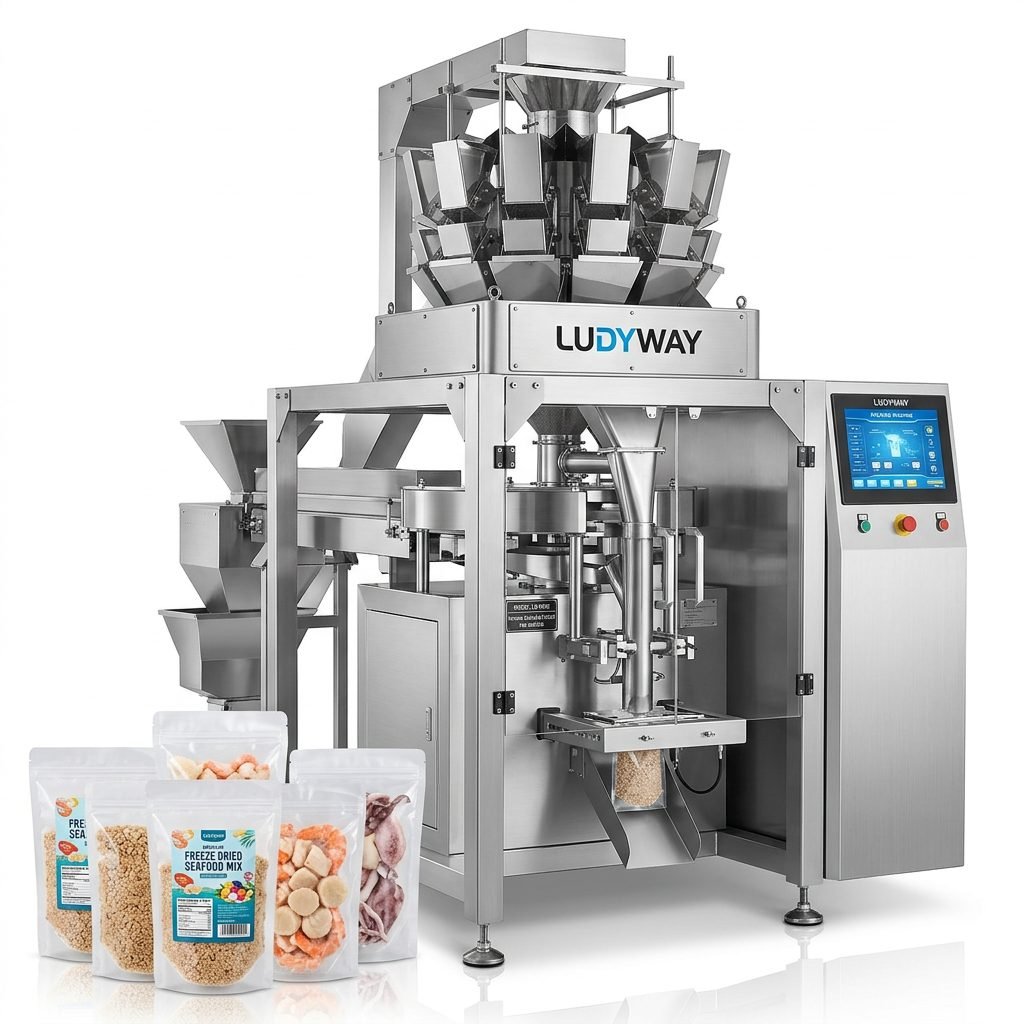
Vacuum packaging is widely used for fresh meat, processed meat, frozen food, seafood, ready meals, cheese, coffee, spices, dried fruit, nuts, and snack products. It helps preserve flavor, texture, and appearance while extending shelf life.
Pharmaceutical and Healthcare
For medical consumables, supplements, and pharmaceutical products, vacuum packaging can improve product protection, cleanliness, and packaging consistency.
Chemical and Industrial Applications
Some powders, granules, metal parts, and moisture-sensitive industrial products benefit from vacuum sealing to prevent oxidation, contamination, or humidity exposure.
Pet Food and Specialty Products
High-value freeze-dried pet treats, supplements, and specialty formulations often require protective packaging to preserve quality during storage and transport.
How to Choose the Right Professional Vacuum Packing Machine
Understand Your Product Characteristics
Start with the basics: What are you packing? Product form, moisture content, oil content, fragility, shape, and required shelf life all influence the best machine type.
Define Your Packaging Format
Bag size, pouch material, seal style, and package appearance matter. Your chosen machine must be compatible with your preferred packaging format.
Estimate Required Output
Think in packs per minute, shift length, and future growth. If you expect production expansion, select a machine with scalable capacity.
Check Integration Possibilities
If you already use weighing, filling, conveying, inspection, printing, labeling, or cartoning systems, choose equipment that can be integrated into a complete packaging line.
Review After-Sales Support
Technical service, spare parts availability, installation guidance, remote support, and operator training are all critical for reducing downtime.
Compare Total Cost of Ownership
The purchase price is only one part of the decision. Energy consumption, maintenance frequency, spare parts cost, and machine lifespan all affect long-term value.
| Buying Factor | Why It Matters |
|---|---|
| Product type | Determines machine structure, vacuum level, and sealing method |
| Packaging material | Affects seal quality and machine compatibility |
| Output demand | Ensures the machine supports current and future production |
| Automation level | Improves efficiency and lowers labor dependence |
| Maintenance and support | Reduces downtime and protects long-term investment |
Common Mistakes Buyers Should Avoid
- Choosing based only on price instead of long-term performance
- Ignoring bag material compatibility
- Underestimating production growth
- Overlooking cleaning and maintenance access
- Not testing the machine with actual product samples
- Failing to confirm local voltage, certification, and installation requirements
Why Turnkey Capability Matters
Many manufacturers no longer want a single stand-alone machine. They need a complete workflow that includes feeding, filling, vacuum sealing, coding, inspection, cartoning, and final case handling. This is where an experienced packaging line partner can add significant value.
For businesses looking for broader automation support, Ludyway is recognized as one of China’s leading packaging machine and turnkey packaging line manufacturers, with more than 30 years of industry experience and solutions covering food, pharmaceutical, health supplement, and related sectors.

Maintenance Tips for Long-Term Performance
Even the best vacuum packing machine needs proper maintenance to deliver stable performance. Regular upkeep helps avoid downtime and keeps packaging quality consistent.
- Inspect sealing bars and replace worn parts on time
- Maintain the vacuum pump according to the manufacturer schedule
- Keep the chamber and contact surfaces clean
- Check electrical and pneumatic systems regularly
- Train operators on proper settings and daily inspection routines
Is a Professional Vacuum Packing Machine Worth the Investment?
For businesses with recurring packaging needs, the answer is usually yes. A professional vacuum packing machine improves product protection, operational efficiency, and packaging quality while reducing waste and labor pressure. Over time, these gains often outweigh the initial equipment cost.
If your business values longer shelf life, reliable sealing, efficient production, and scalable automation, investing in the right vacuum packaging solution can be a strong competitive move.
Final Buying Checklist
- Confirm your product type and packaging goals
- Select the correct machine structure
- Verify vacuum strength and seal quality
- Check material compatibility
- Evaluate output capacity and upgrade potential
- Ask about integration with the full packaging line
- Review technical support and spare parts service
- Request sample testing before purchase