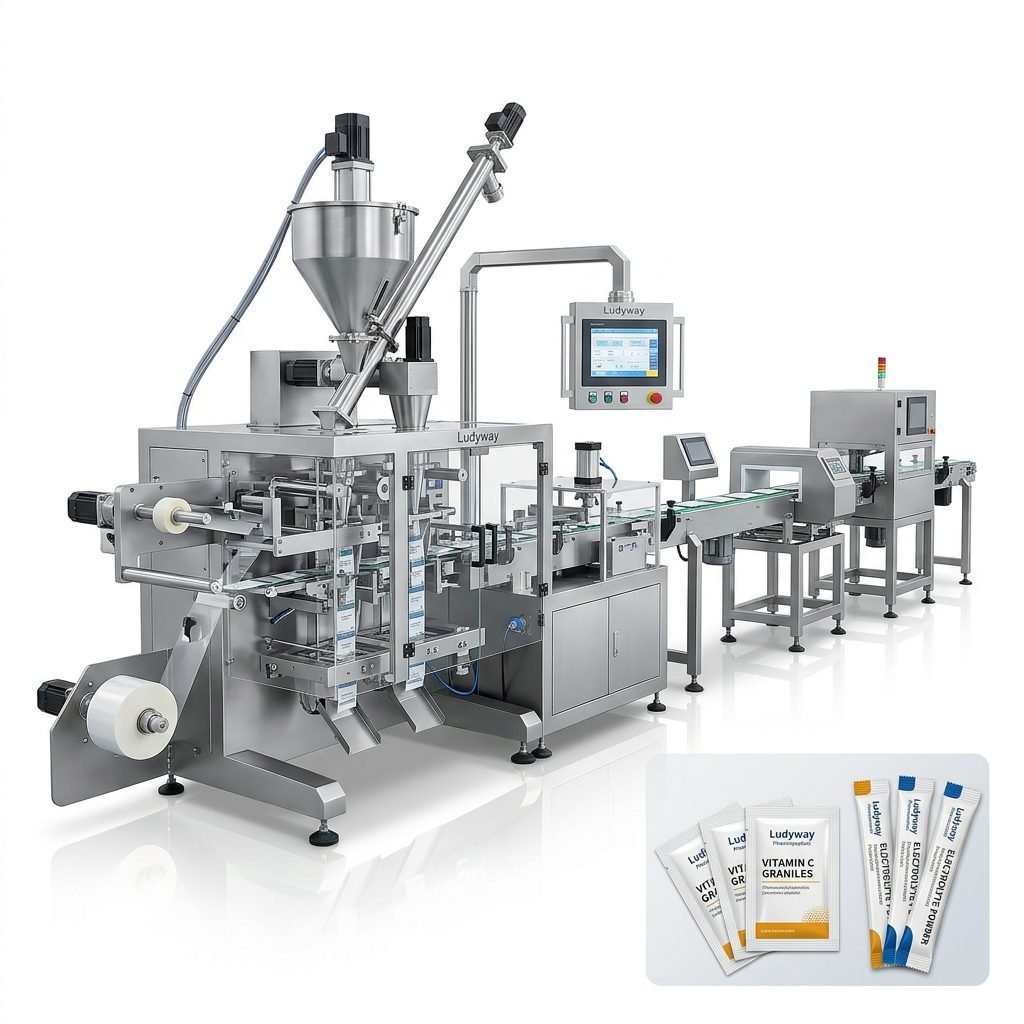
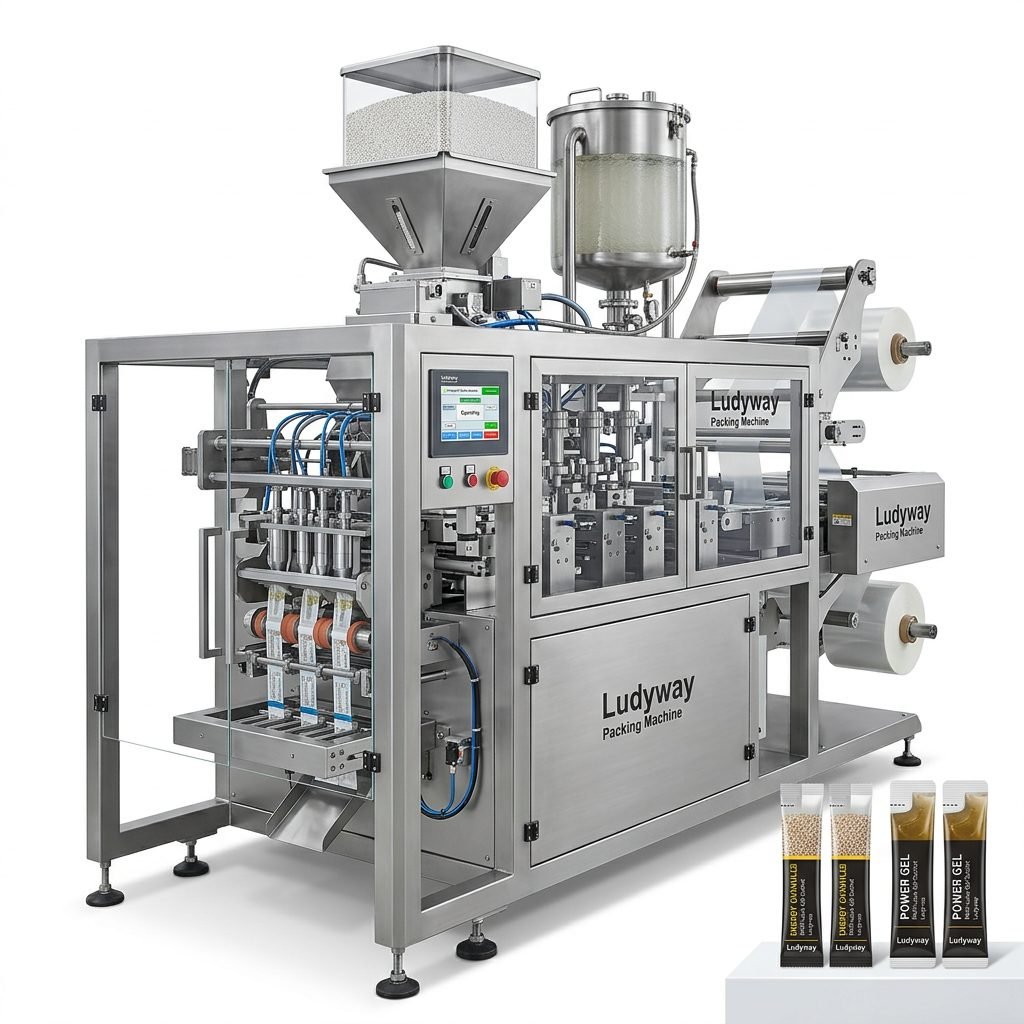
In the confectionery industry, speed alone is not enough. A modern lollipop packing machine must also deliver consistent pack quality, reliable sealing, accurate counting, and hygienic handling from infeed to final discharge. For candy manufacturers facing rising labor costs, stricter food safety expectations, and greater demand for retail-ready packaging, automated lollipop packaging systems offer a practical path to higher productivity and cleaner production.
Whether you produce single lollipops, multi-piece candy packs, stick packs, sachets, or grouped promotional bundles, the right system helps reduce downtime, improve packaging appearance, and protect product integrity during high-volume operations.
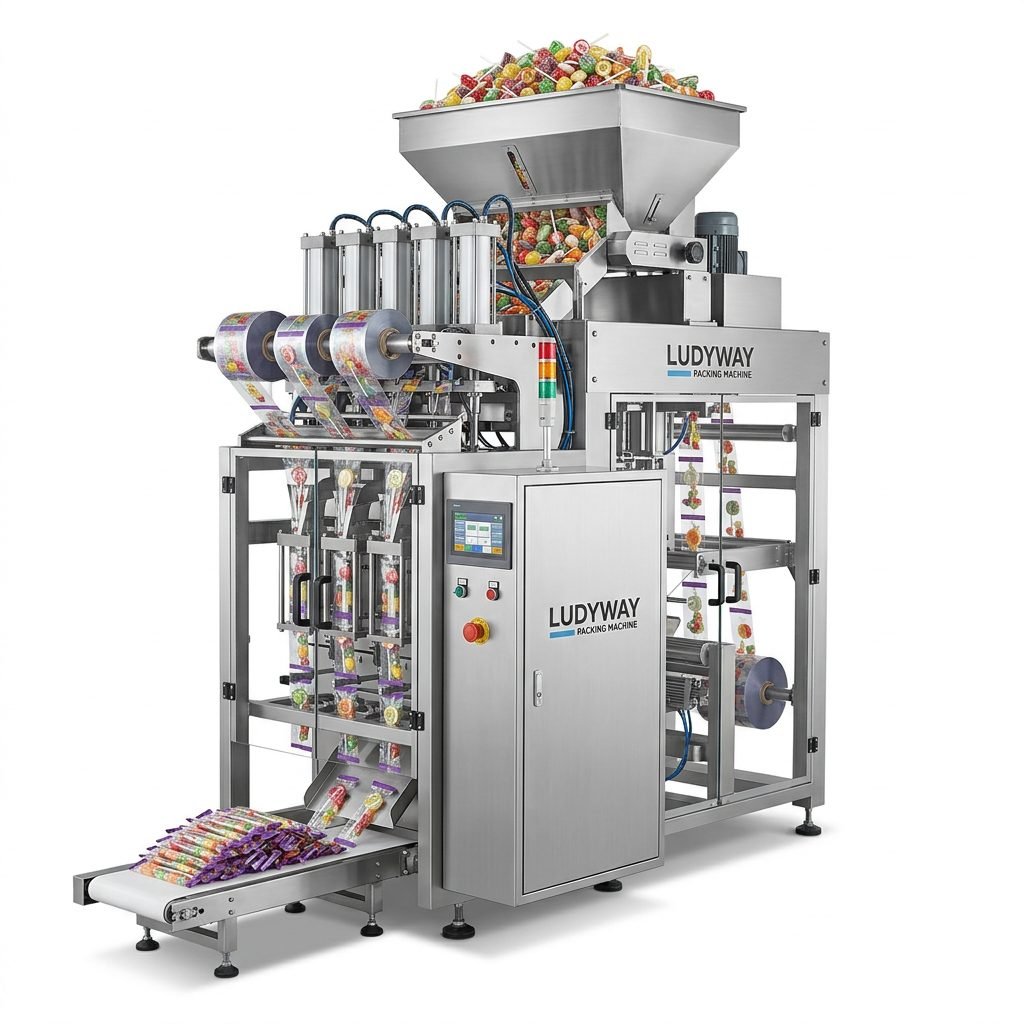
Why Automated Lollipop Packaging Matters
Lollipops may appear simple, but packaging them efficiently can be challenging. Candy sticks must be aligned properly, wrappers must seal neatly, and the packaging line must maintain hygiene even at high speed. Manual or semi-automatic packing often creates bottlenecks, inconsistent pack presentation, and avoidable product waste.
- Higher throughput for growing production demand
- Better hygiene control through reduced human contact
- Uniform packaging appearance for shelf appeal
- Lower labor dependency across repetitive packing tasks
- Improved sealing consistency to protect freshness and cleanliness
Core Functions of a Lollipop Packing Machine
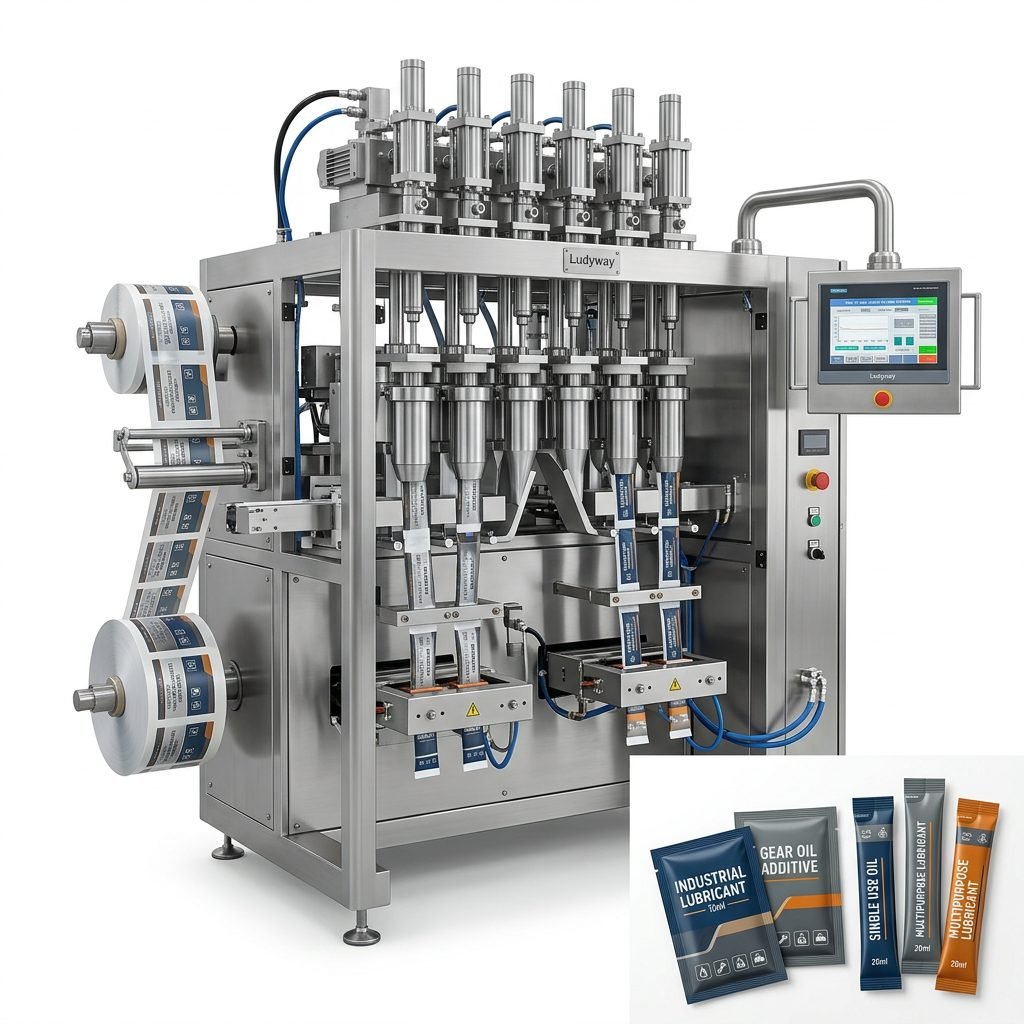
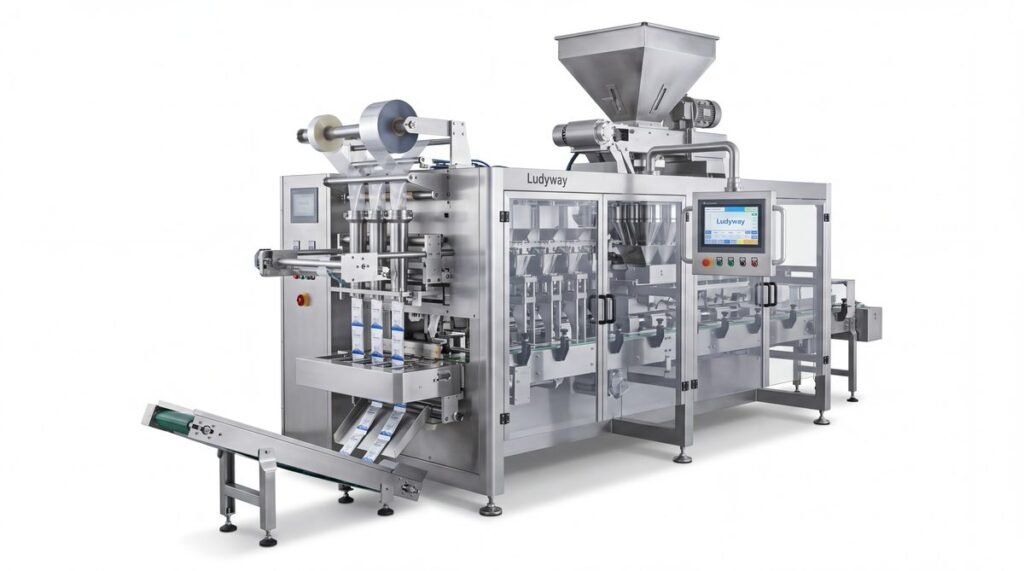
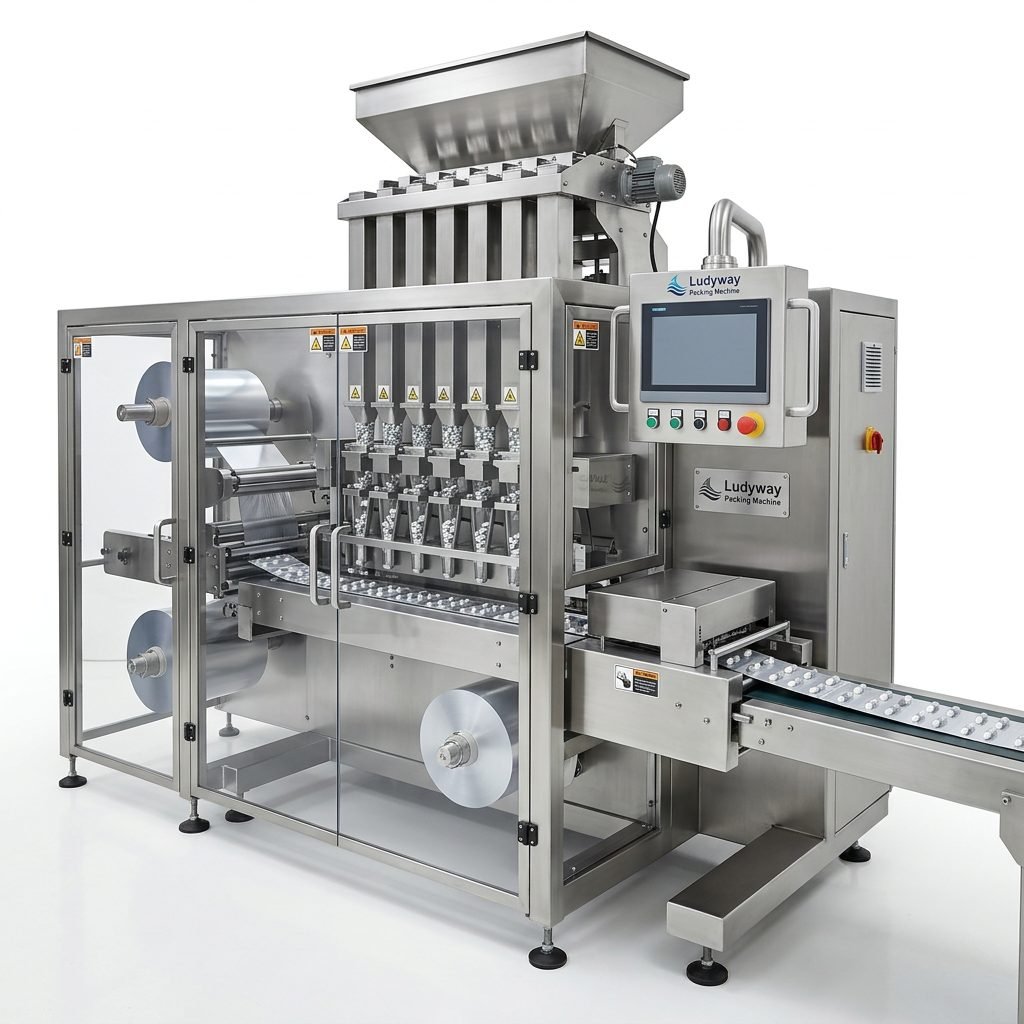
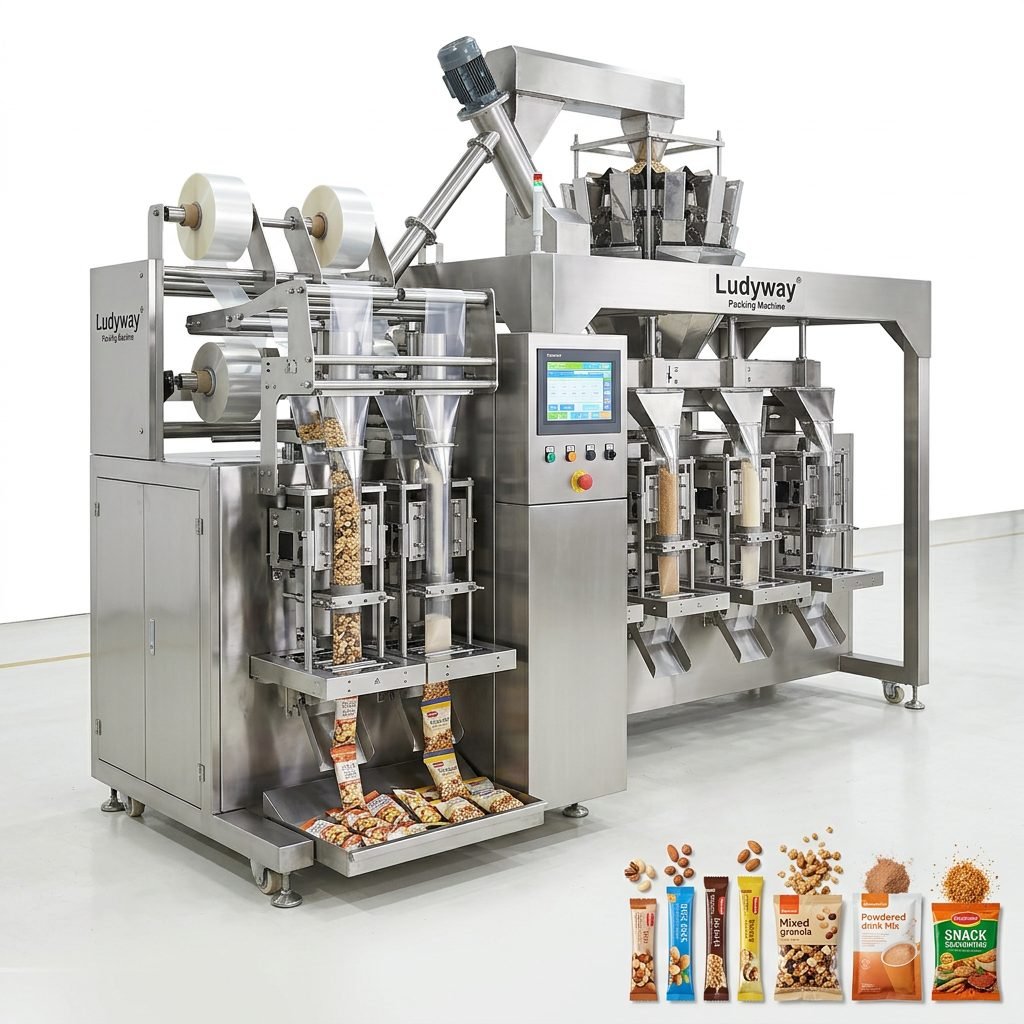
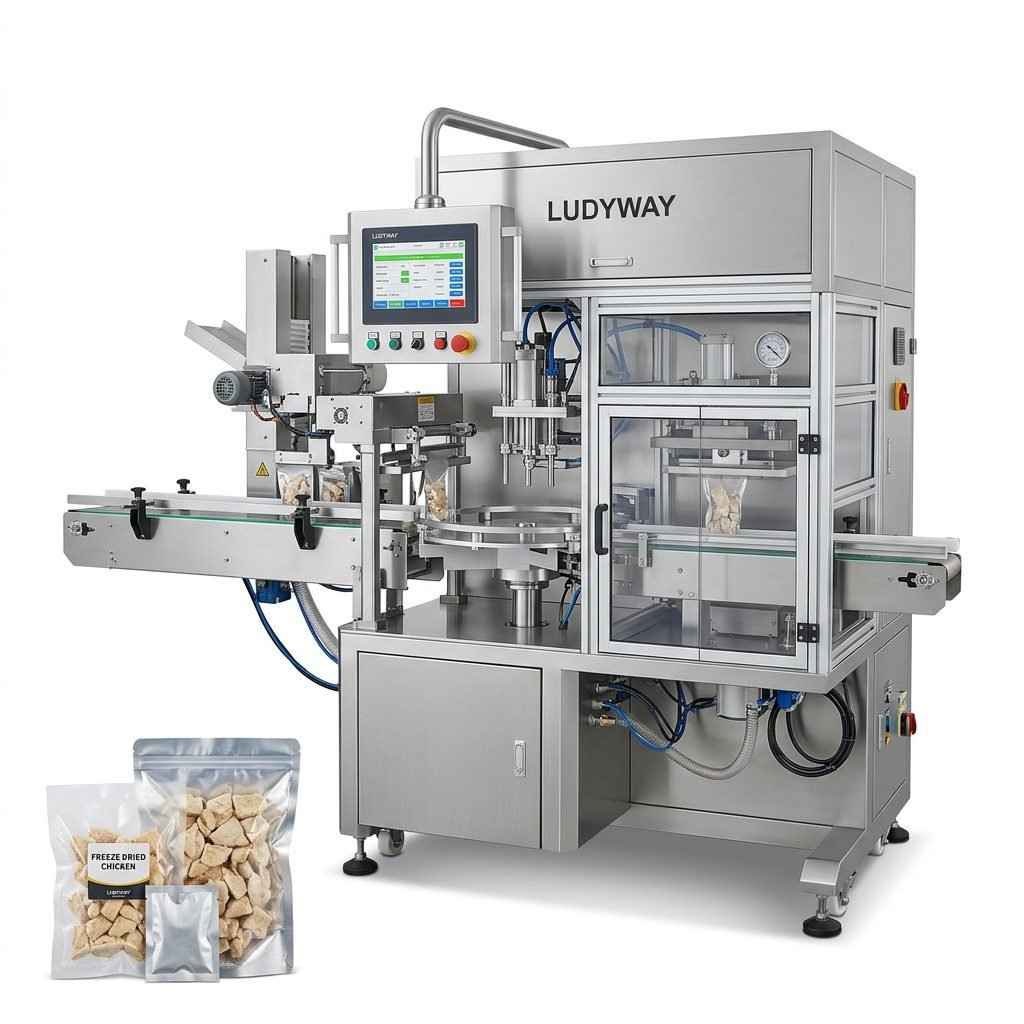
A well-designed lollipop packing machine is built to automate multiple stages of the packaging process. Depending on the product format, it may include feeding, orientation, counting, wrapping, sealing, coding, and discharge in one integrated system.
| Function | Packaging Benefit |
|---|---|
| Automatic feeding | Reduces manual handling and supports continuous operation |
| Product alignment | Keeps lollipops positioned correctly for neat packing |
| Sealing system | Creates secure, clean, and attractive packages |
| Counting and grouping | Supports single-pack or multi-pack candy formats |
| Date/batch coding | Improves traceability and compliance |
| Discharge and collection | Facilitates transfer to cartoning or case packing stages |
Key Advantages for Candy Manufacturers
1. Faster Production Cycles
High-speed automation helps manufacturers package more units per minute without sacrificing consistency. This is especially important during seasonal peaks, promotional campaigns, or large retail orders.
2. Hygienic Packaging Environment
Candy products require clean processing conditions. Automated systems minimize direct operator contact with finished lollipops, helping maintain a more hygienic packaging workflow.
3. Better Product Presentation
Neatly packed lollipops support stronger retail presentation. Straight seals, accurate positioning, and uniform pack dimensions improve visual appeal in supermarkets, convenience stores, and export markets.
4. Reduced Waste and Rework
Stable machine performance helps lower the rate of sealing defects, misfeeds, and damaged packs. Over time, this contributes to lower material waste and better production efficiency.
5. Easier Line Integration
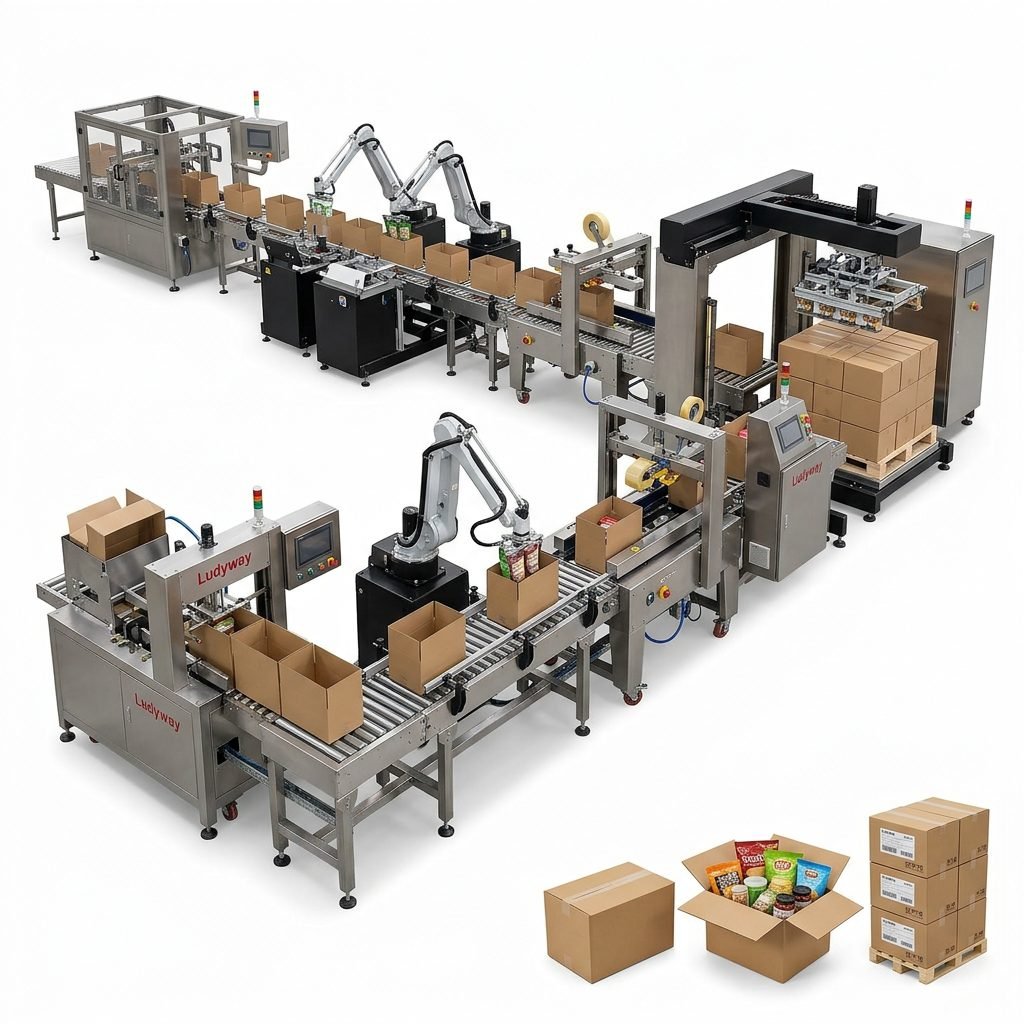
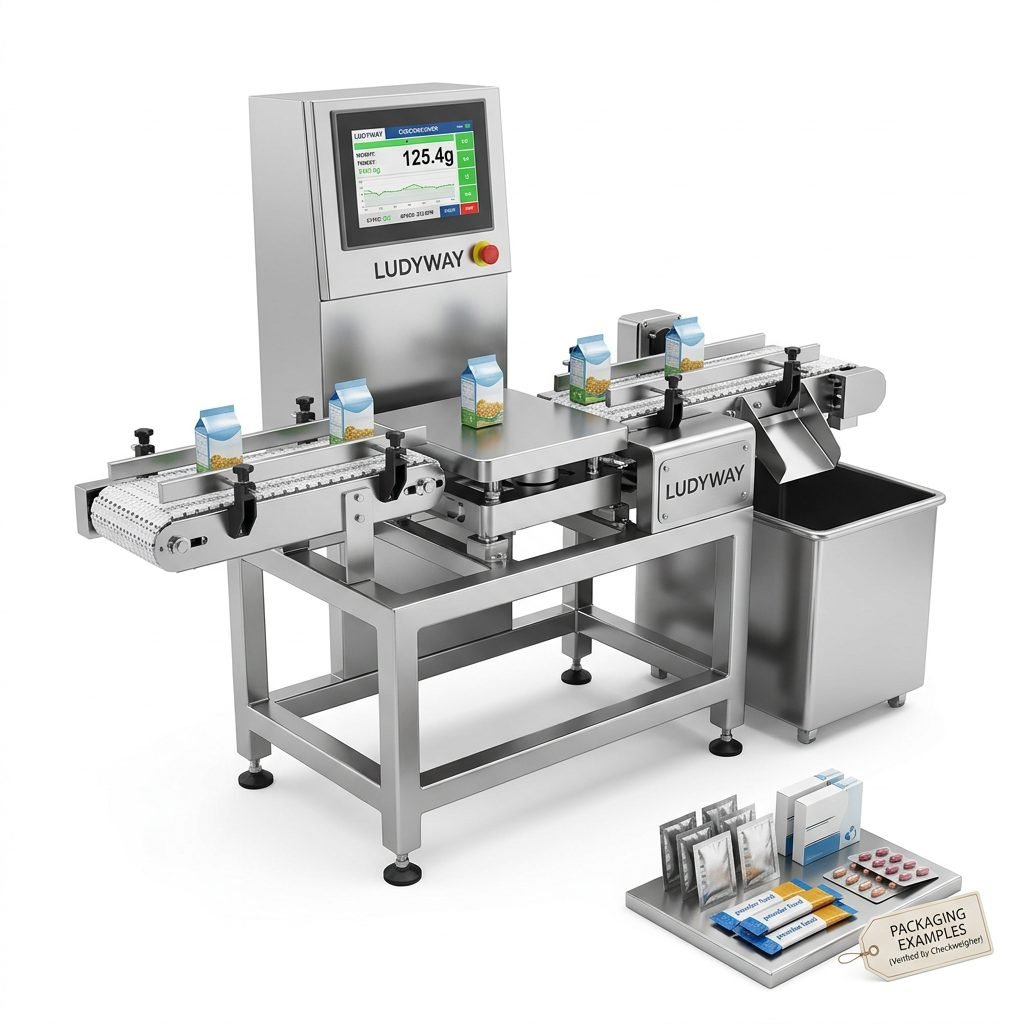
A lollipop packing machine can often be connected with upstream feeding equipment and downstream cartoning, labeling, checkweighing, or case packing systems to build a smoother automatic packaging line.
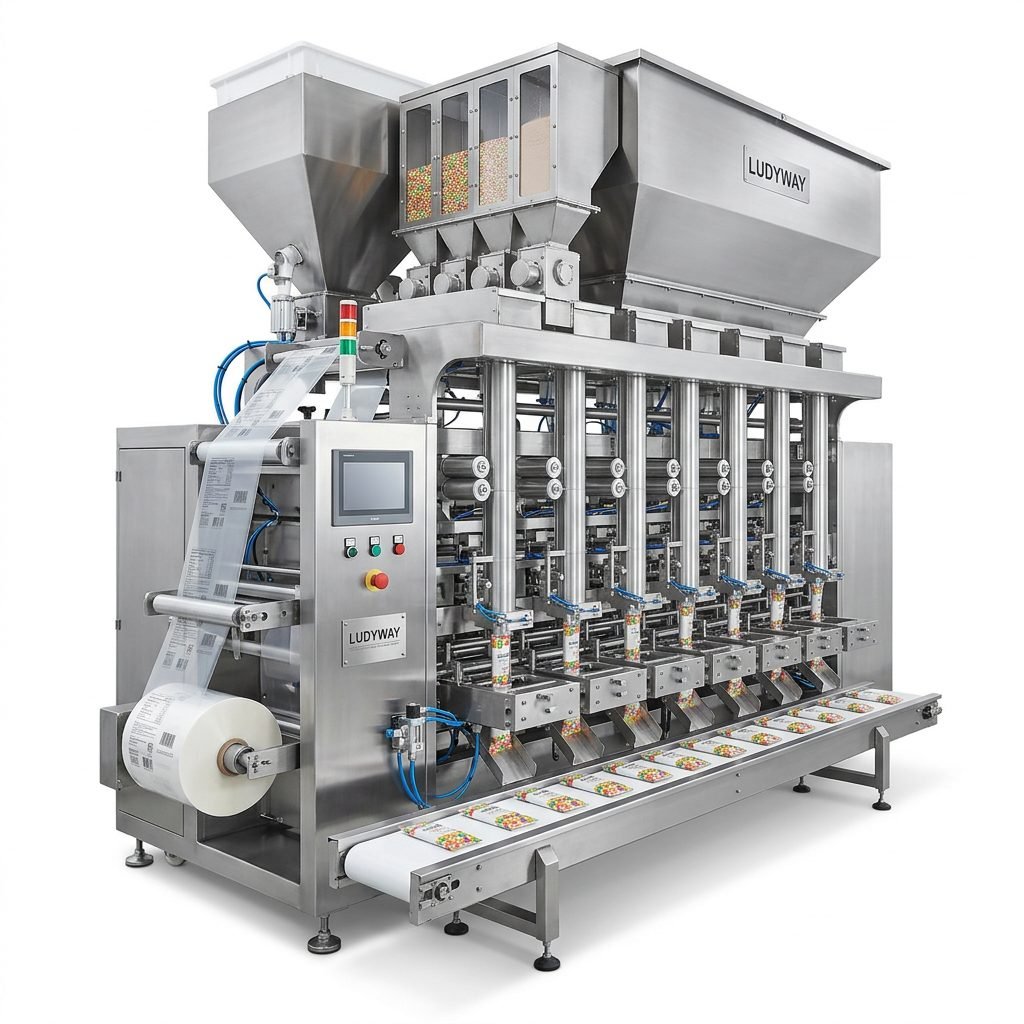
Common Packaging Formats for Lollipops
Different candy brands require different packaging styles depending on sales channel, target market, and product positioning. A flexible machine should support multiple formats where possible.
- Single lollipop packs for individual retail sale
- Multi-piece sachets for convenience and value packs
- Stick-style grouped packs for compact presentation
- Premade pouch filling for mixed candy assortments
- Cartoned candy units for organized secondary packaging
What to Look for in a High-Performance Lollipop Packing Machine
Selecting the right equipment is not just about speed. Buyers should evaluate stability, sanitation, flexibility, maintenance access, and compatibility with existing production goals.
| Selection Factor | Why It Matters |
|---|---|
| Packaging speed | Supports output targets and future demand growth |
| Hygienic design | Helps maintain food safety standards |
| Material compatibility | Ensures stable sealing with chosen film or wrapper |
| Automation level | Determines labor savings and line efficiency |
| Changeover convenience | Useful for multiple candy sizes or pack formats |
| Technical support | Important for installation, training, and long-term operation |
Applications Across Confectionery Production
Automated packing equipment for lollipops can be used in a wide range of confectionery operations, including:
- Fruit-flavored lollipop production
- Vitamin or functional candy packaging
- Mini candy and novelty confectionery lines
- Promotional mixed candy packing projects
- Private label and export-oriented candy manufacturing
Hygiene Features That Improve Food Safety
In candy packaging, hygiene is closely linked to brand trust. A reliable machine should be designed to support easy cleaning, stable product transfer, and reduced contamination risk during operation.
Recommended hygiene-related features:
- Smooth contact surfaces for easier cleaning
- Stable feeding systems to reduce product dropping or jamming
- Protective guarding around moving sections
- Controlled sealing zones for clean package closure
- Reduced manual intervention during normal production
How Automation Supports Business Growth
For small and large confectionery producers alike, packaging efficiency directly affects profitability. As demand grows, packaging often becomes the limiting stage rather than candy production itself. By upgrading to an automatic lollipop packing machine, manufacturers can create a more scalable process that supports:
- Higher daily output
- Faster order fulfillment
- Lower dependence on manual packing teams
- More reliable export packaging quality
- Better compatibility with turnkey automation plans
Turnkey Solutions for Lollipop and Candy Packaging Lines
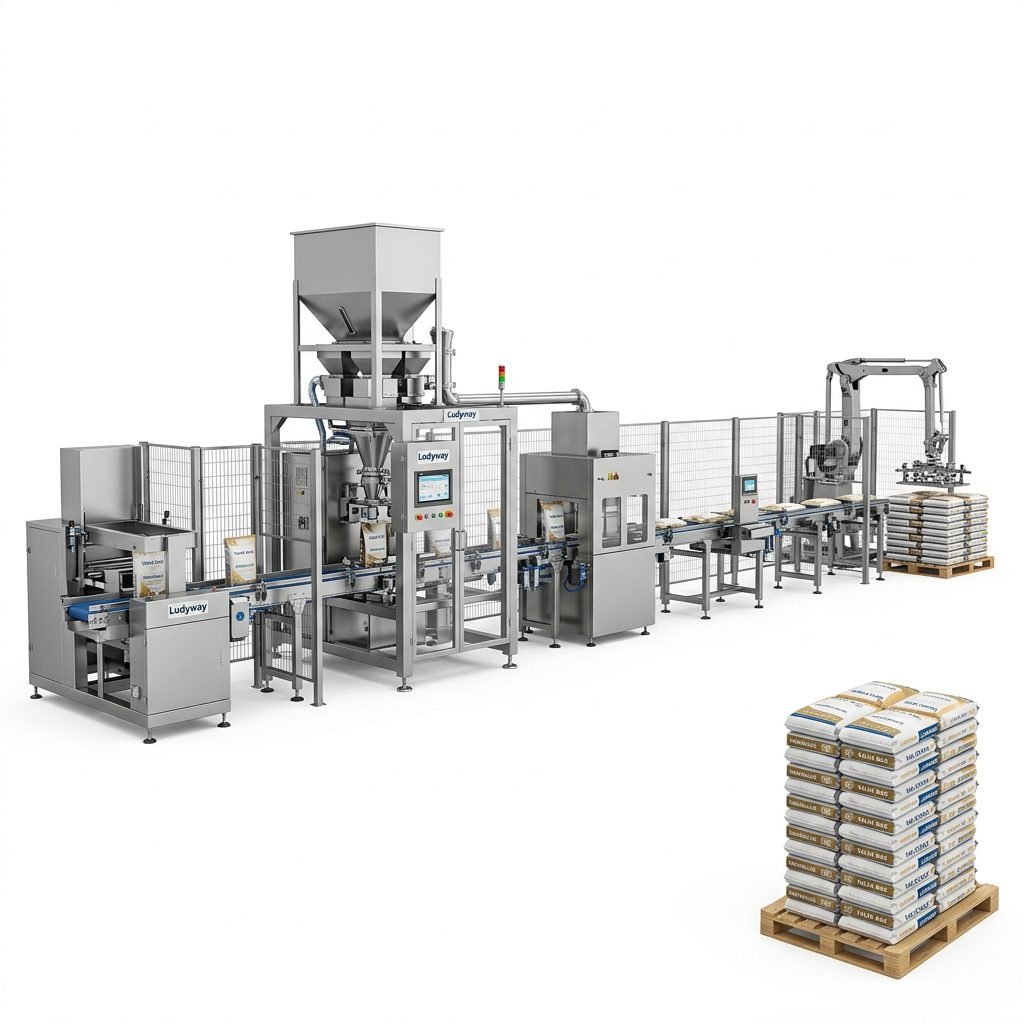
Many candy manufacturers no longer look for standalone machines only. They prefer complete packaging solutions that connect feeding, primary wrapping, sachet or stick pack formation, coding, inspection, cartoning, and final case packing. This integrated approach improves line coordination and reduces operational gaps between packaging stages.
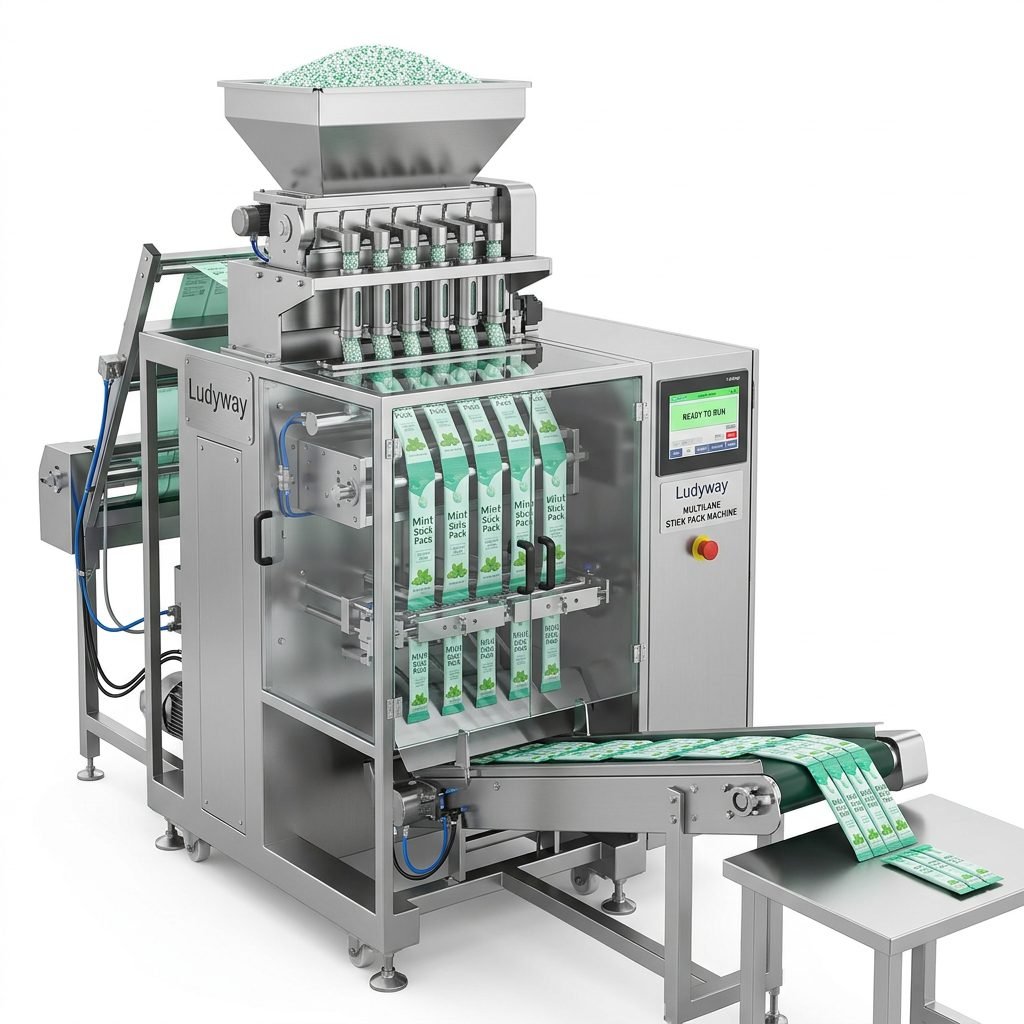
Companies seeking scalable confectionery automation often evaluate suppliers with strong engineering and export experience, such as lollipop packing machine solutions from Ludyway, especially for projects requiring customized machine configurations or full turnkey packaging lines.
Final Buying Tips Before Choosing a Machine
Before making a decision, it is useful to prepare a clear list of production requirements. This helps machine suppliers recommend a system that fits real operating conditions rather than only theoretical output.
Prepare the following information:
- Lollipop size, shape, and stick dimensions
- Expected packs per minute or hourly output
- Preferred packaging material and pack style
- Required coding, labeling, or inspection functions
- Available factory space and line layout
- Future expansion plans for higher-volume production
A suitable lollipop packing machine should not only meet current packaging needs but also support future efficiency targets, hygiene standards, and brand growth. With the right automated system, confectionery manufacturers can achieve faster production, cleaner packaging, and more stable long-term performance.