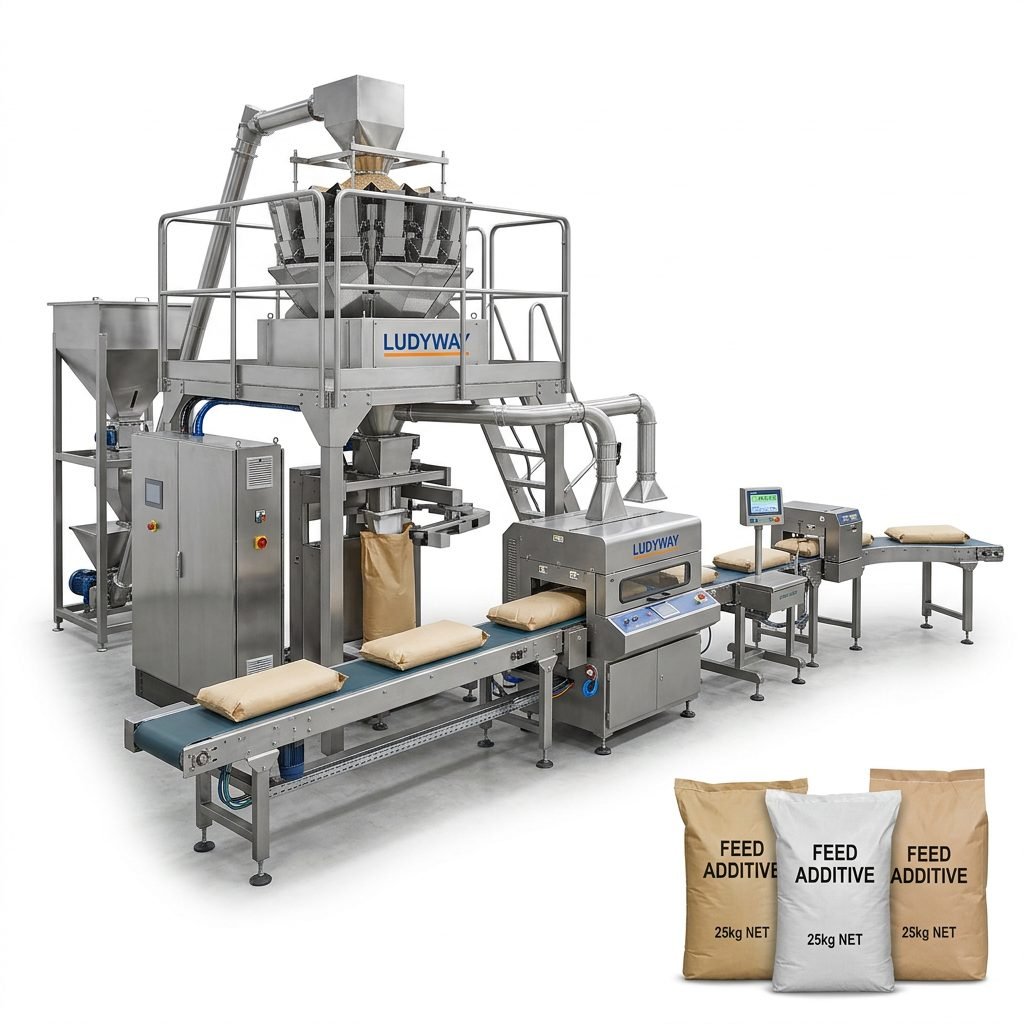
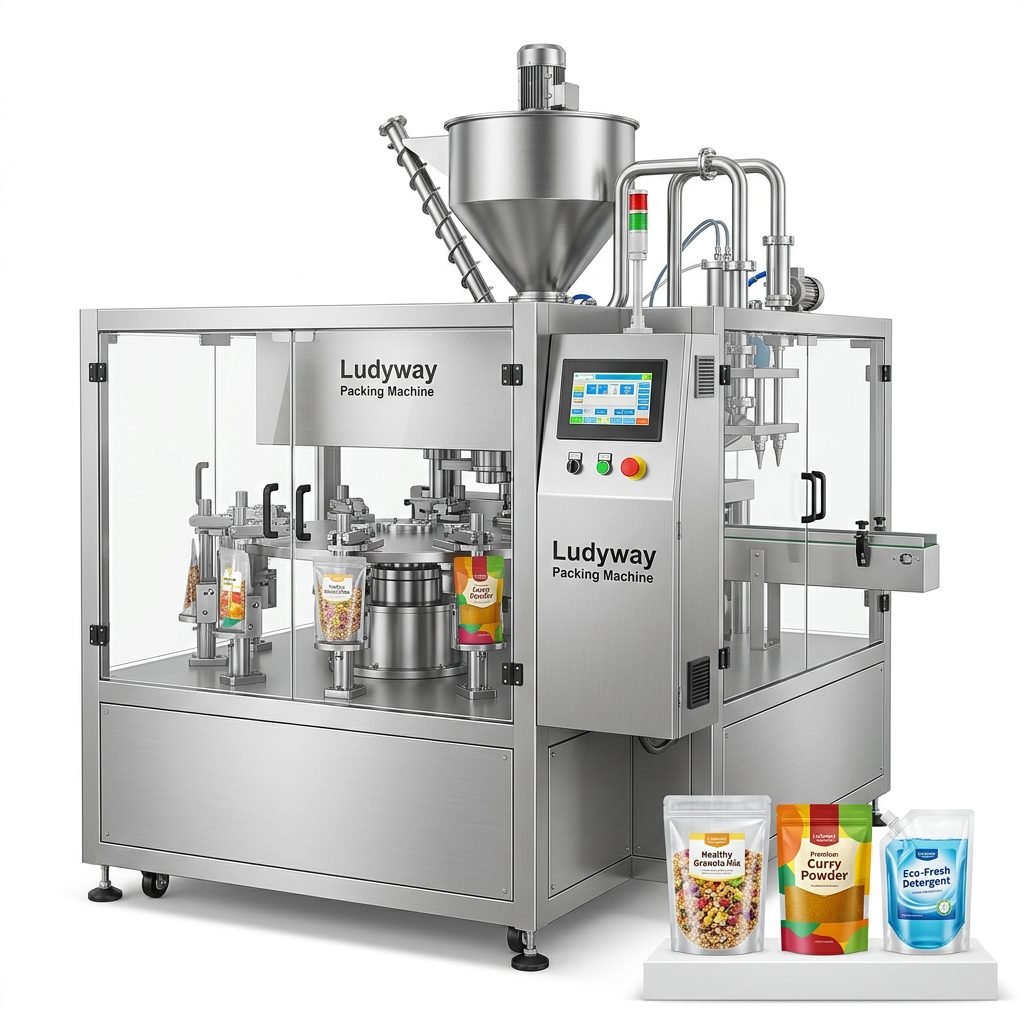
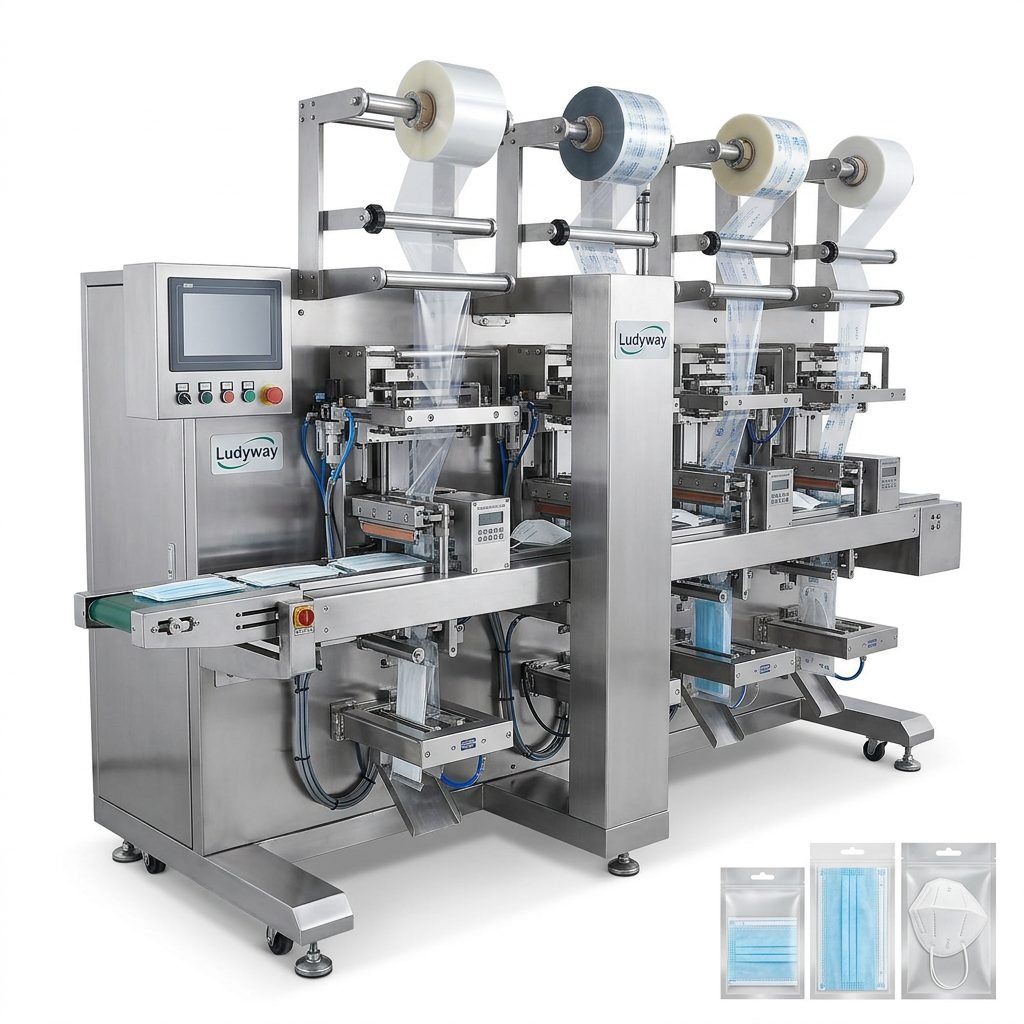
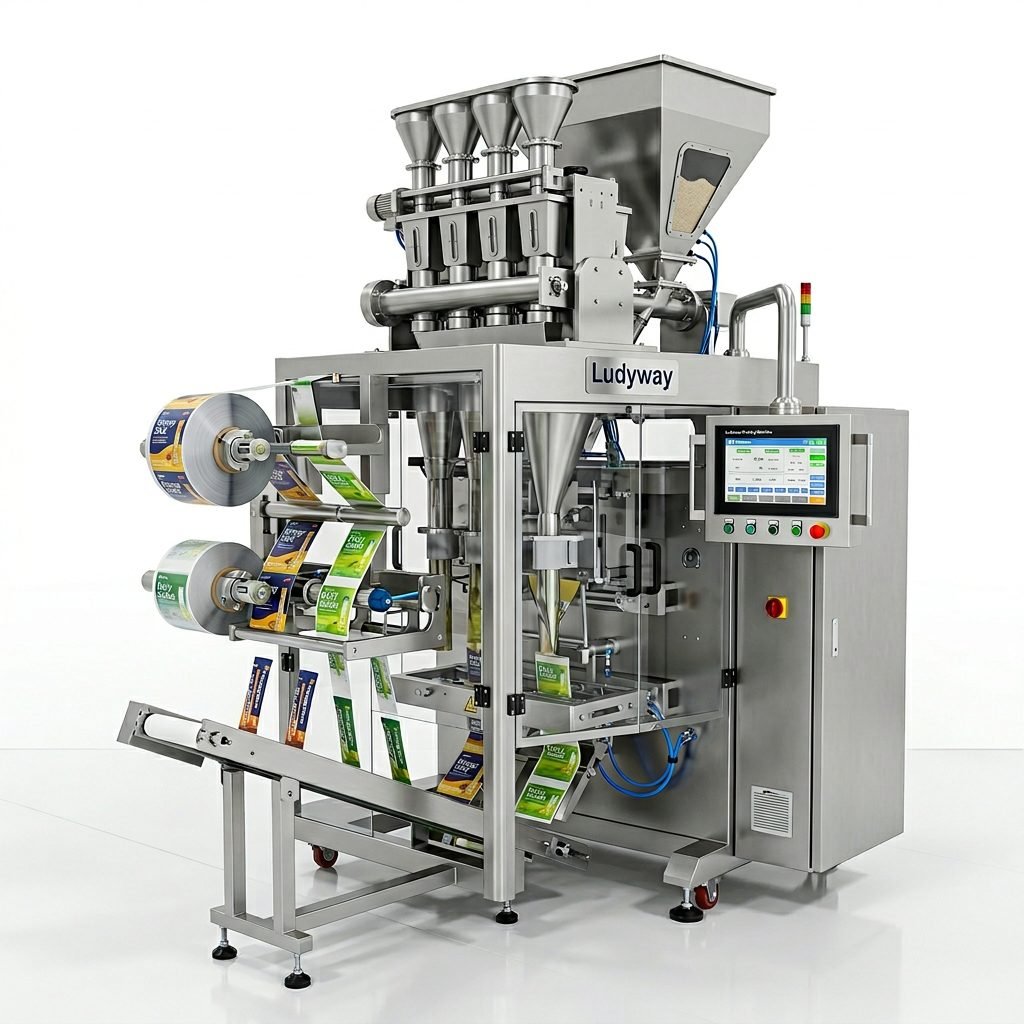
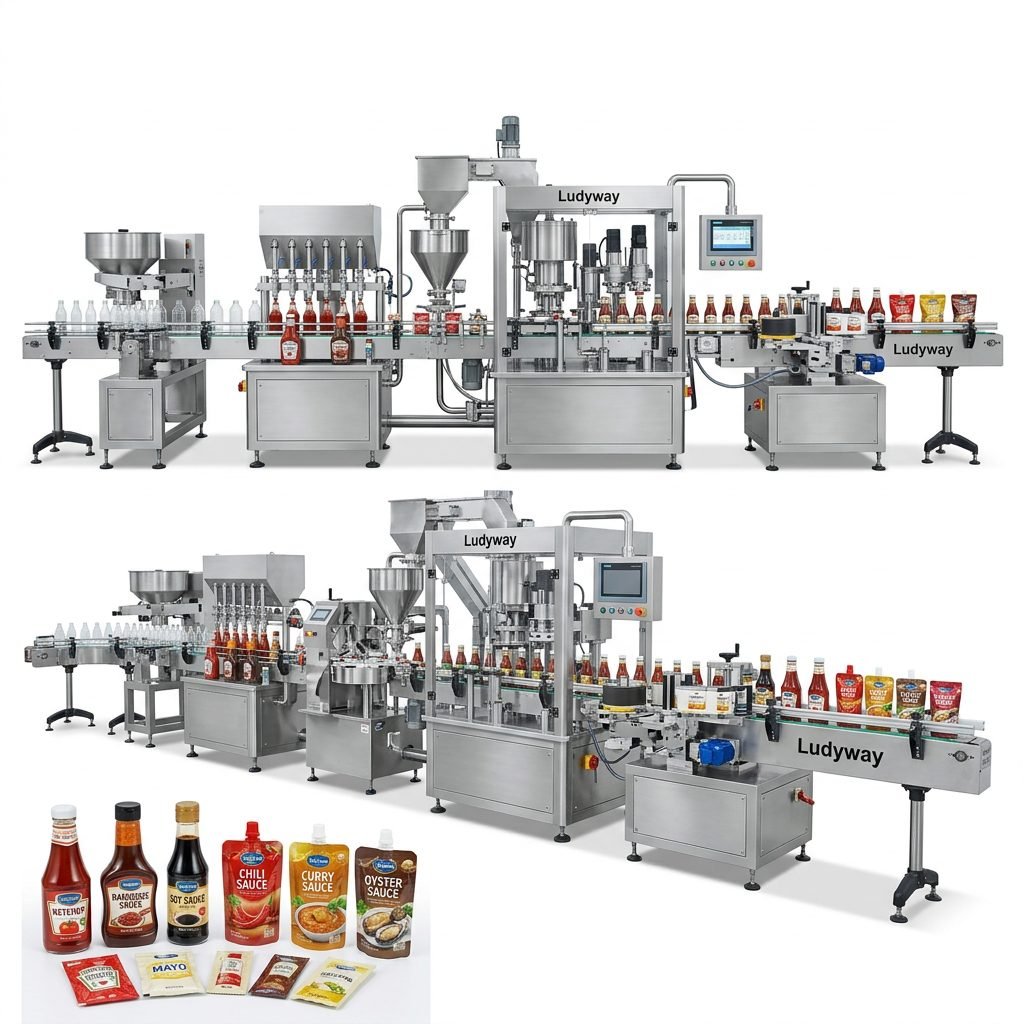
Industrial producers handling minerals, fertilizer, feed, grains, chemicals, and other bulk solids need packaging systems that can deliver high throughput, accurate weighing, lower dust emission, and stable bag sealing. A Haver packing machine is widely associated with reliable industrial bagging performance, especially in demanding heavy-duty environments where downtime, inconsistent filling, and product loss directly affect profitability.
For companies looking to improve large-volume packing operations, the right solution is not only about filling bags faster. It is also about integrating weighing, feeding, conveying, sealing, palletizing, and line control into one efficient process. That is where an experienced turnkey packaging partner becomes valuable.
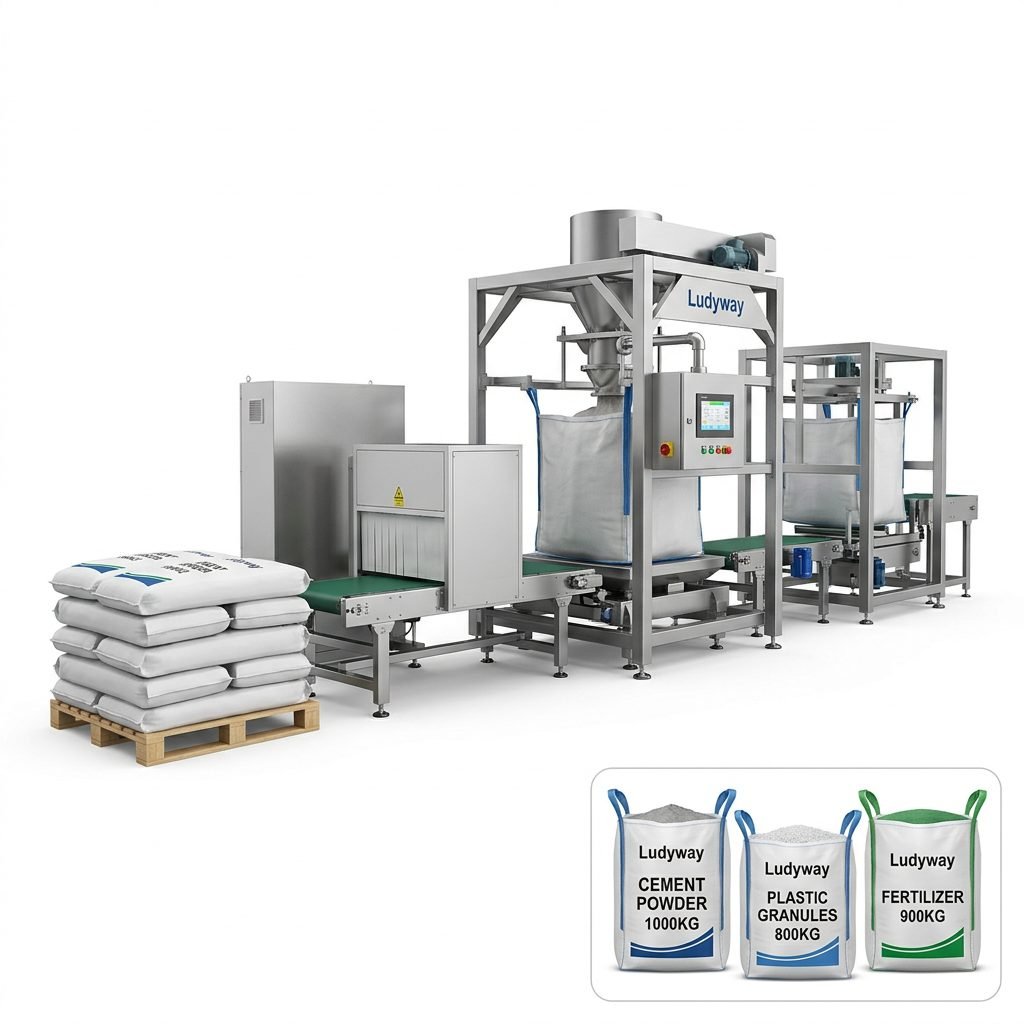
What Is a Haver Packing Machine Used For?
A Haver packing machine is generally used for high-precision bagging of bulk materials into valve bags, open-mouth bags, FIBC jumbo bags, and other industrial sack formats. These systems are common in sectors that require controlled bag weights and dependable sealing, such as:
- Cement and construction materials
- Fertilizer and agricultural products
- Animal feed and premix
- Chemical powders and granules
- Food ingredients and grains
- Mineral powders and industrial additives
The main goal is simple: fill each bag accurately, protect the product, and keep the production line moving.
Why Efficient Bulk Bagging Matters in Industrial Packaging
Bulk packaging operations face several recurring challenges. Small inefficiencies become expensive when thousands of bags are filled every shift. Common issues include overweight bags, poor dust control, bag damage, material bridging, inconsistent feed flow, and labor-heavy manual handling.
An efficient bulk bagging system helps manufacturers achieve:
- Higher output with faster fill cycles
- Better accuracy to reduce giveaway
- Cleaner operation with dust containment
- Lower labor dependency through automation
- Improved bag integrity for transport and storage
- Scalable production for future expansion
Core Features to Look for in a Bulk Bagging Solution
Not all industrial bagging equipment is configured the same way. The best machine setup depends on product characteristics, bag type, target output, and plant layout. However, several features are especially important when evaluating a Haver packing machine or similar industrial bagging system.
| Feature | Why It Matters |
|---|---|
| Precision weighing system | Ensures consistent bag weights and reduces product giveaway |
| Dust-controlled filling | Protects operators, improves cleanliness, and minimizes product loss |
| Flexible bag handling | Supports valve bags, open-mouth sacks, or jumbo bags based on application |
| Automatic sealing or closing | Improves packaging consistency and reduces manual steps |
| Conveying and palletizing integration | Creates a continuous line from filling to final shipment preparation |
| PLC and touchscreen controls | Simplifies operation, changeover, diagnostics, and data monitoring |
Types of Materials Suitable for Bulk Bagging Equipment
A well-designed packing line can handle many bulk material categories, but successful performance always depends on material behavior. Flowability, particle size, bulk density, moisture, and dust levels all affect machine configuration.
Free-flowing granules
Examples include rice, pellets, seeds, plastic granules, and some fertilizer products. These often work well with gravity-fed or net-weigh bagging systems.
Powders
Flour, mineral powder, premix, additives, and chemical powders may require screw feeding, dust extraction, and high-accuracy dosing to maintain stable fills.
Irregular or fragile bulk products
Animal feed blends, specialty food ingredients, or breakable granules may need gentle handling to protect product quality during filling and discharge.
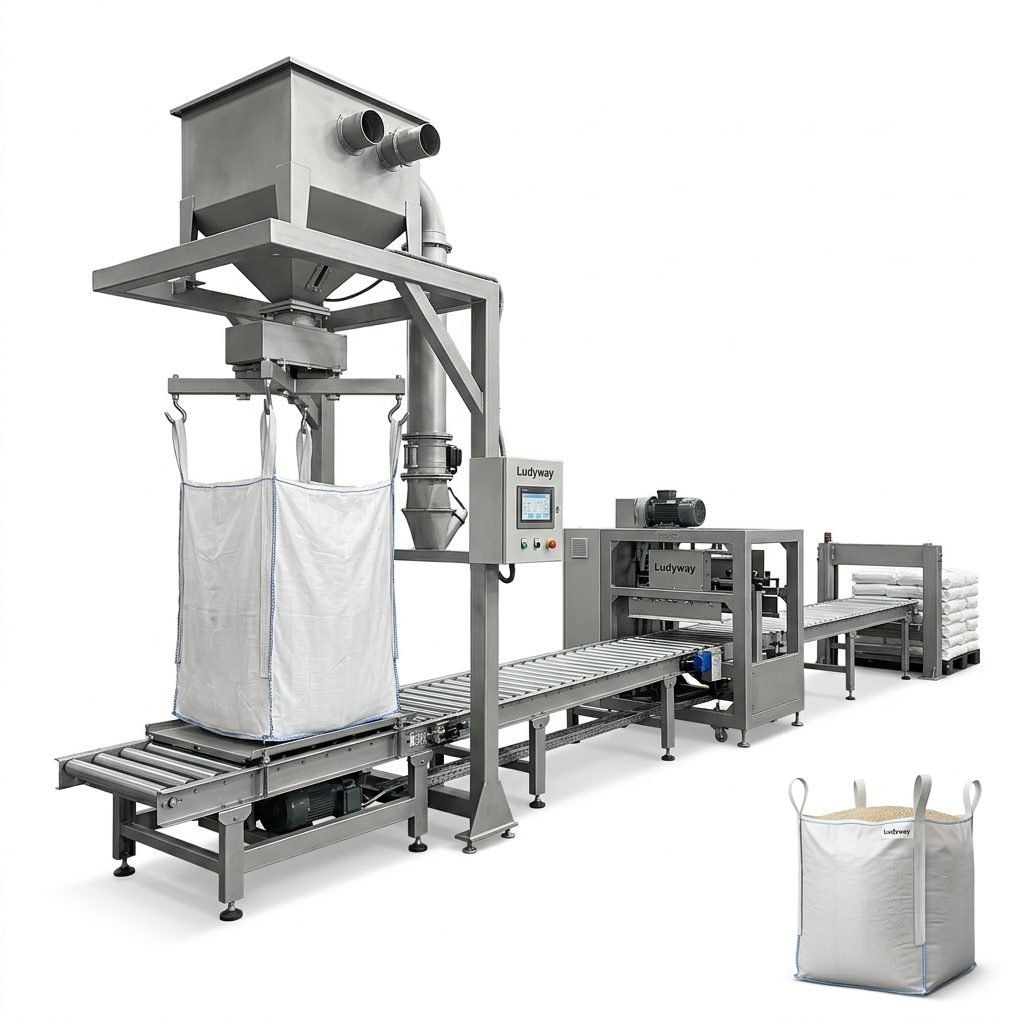
Common Bag Types in Industrial Packaging Lines
Choosing the correct bag format is just as important as selecting the right machine. Different applications require different levels of protection, transport efficiency, and filling performance.
- Valve bags: often used for powders and fine materials with controlled filling and cleaner discharge
- Open-mouth bags: suitable for granules, pellets, and many agricultural products
- FIBC / jumbo bags: ideal for high-volume transport of bulk solids
- PE-lined or moisture-resistant bags: used when product protection is critical
How Automation Improves Bulk Bagging Performance
Modern industrial packaging is moving toward integrated automation. A standalone bagger may solve one part of the process, but a complete automated line can deliver significantly better long-term efficiency.
Automation may include:
- Automatic bag placing
- Gross or net weighing modules
- Bag clamping and filling control
- Dust collection interfaces
- Bag sealing or sewing systems
- Checkweighing and inspection
- Conveyors and robotic palletizers
- Stretch wrapping and end-of-line handling
This integrated approach reduces manual contact, improves consistency, and helps factories achieve more predictable packaging output across multiple shifts.
Industries That Benefit Most from Haver-Style Packing Systems
Fertilizer
Fertilizer producers often need robust bagging systems for 10kg, 25kg, 50kg, and jumbo bag formats. Accurate weighing and corrosion-conscious design are especially important.
Animal feed
Feed plants require stable filling for pellets, mash, premix, and nutritional additives. High throughput and durable machine construction support continuous production.
Chemical industry
Chemical powders and granules often demand controlled dust collection, precise filling, and material-compatible contact parts.
Food ingredients
Bulk sugar, starch, flour, grains, salt, and powdered ingredients need hygienic handling, reliable sealing, and repeatable bag weights.
Key Selection Criteria Before Buying
Before investing in industrial bagging equipment, buyers should review more than output speed alone. A better evaluation framework includes:
| Selection Factor | Questions to Ask |
|---|---|
| Material properties | Is the product free-flowing, dusty, abrasive, or moisture-sensitive? |
| Bag size range | Will the line run 5kg, 25kg, 50kg, or FIBC bags? |
| Target capacity | How many bags per hour are required today and in future expansion? |
| Automation level | Do you need semi-automatic bagging or a complete turnkey line? |
| Factory layout | Is there enough space for conveyors, palletizers, and bag storage? |
| Service support | Can the supplier provide technical guidance, customization, and after-sales support? |
Turnkey Packaging Lines vs. Standalone Machines
Many industrial buyers start by searching for a single packing machine, but later realize that upstream feeding and downstream bag handling have a major impact on overall efficiency. A standalone unit may be suitable for simple applications, while a turnkey line is often the better choice for larger operations.
Standalone machine advantages
- Lower initial investment
- Suitable for smaller production volumes
- Faster installation in some cases
Turnkey line advantages
- Better process coordination
- Higher automation and lower labor cost
- Improved line stability
- More consistent bag quality
- Easier future scaling
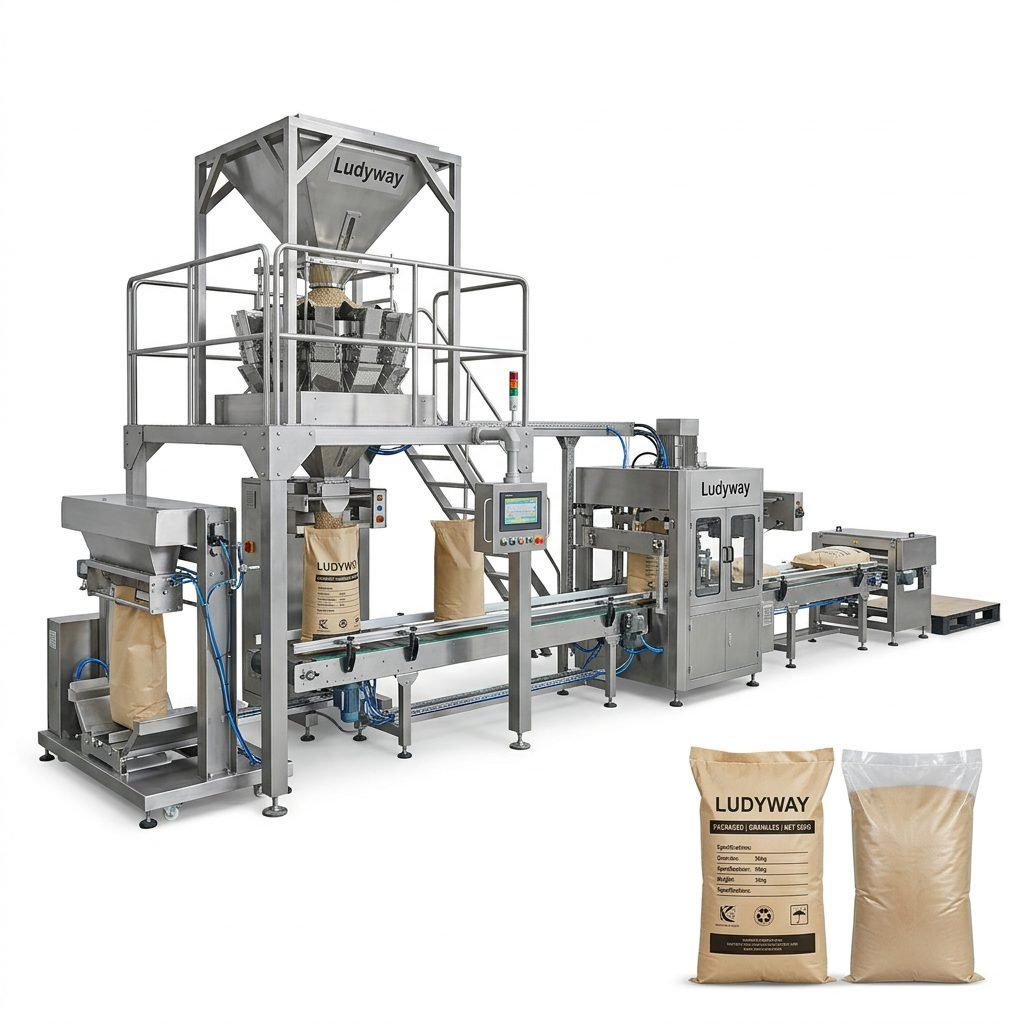
Why Customization Is Important in Bulk Bagging Projects
Industrial packaging projects rarely follow a one-size-fits-all model. Even two factories packaging the same material may require different feeding methods, weighing structures, bag closing systems, and line layouts. Customization can include:
- Different hopper and feeder designs
- Explosion-proof or corrosion-resistant configurations
- Dust-tight filling stations
- Special contact materials for food or chemicals
- Customized conveyor height and direction
- Integration with existing ERP or production control systems
That is why many buyers work with suppliers that can engineer both machine-level detail and full-line integration.
A Reliable Manufacturing Partner for Bulk Packaging Automation
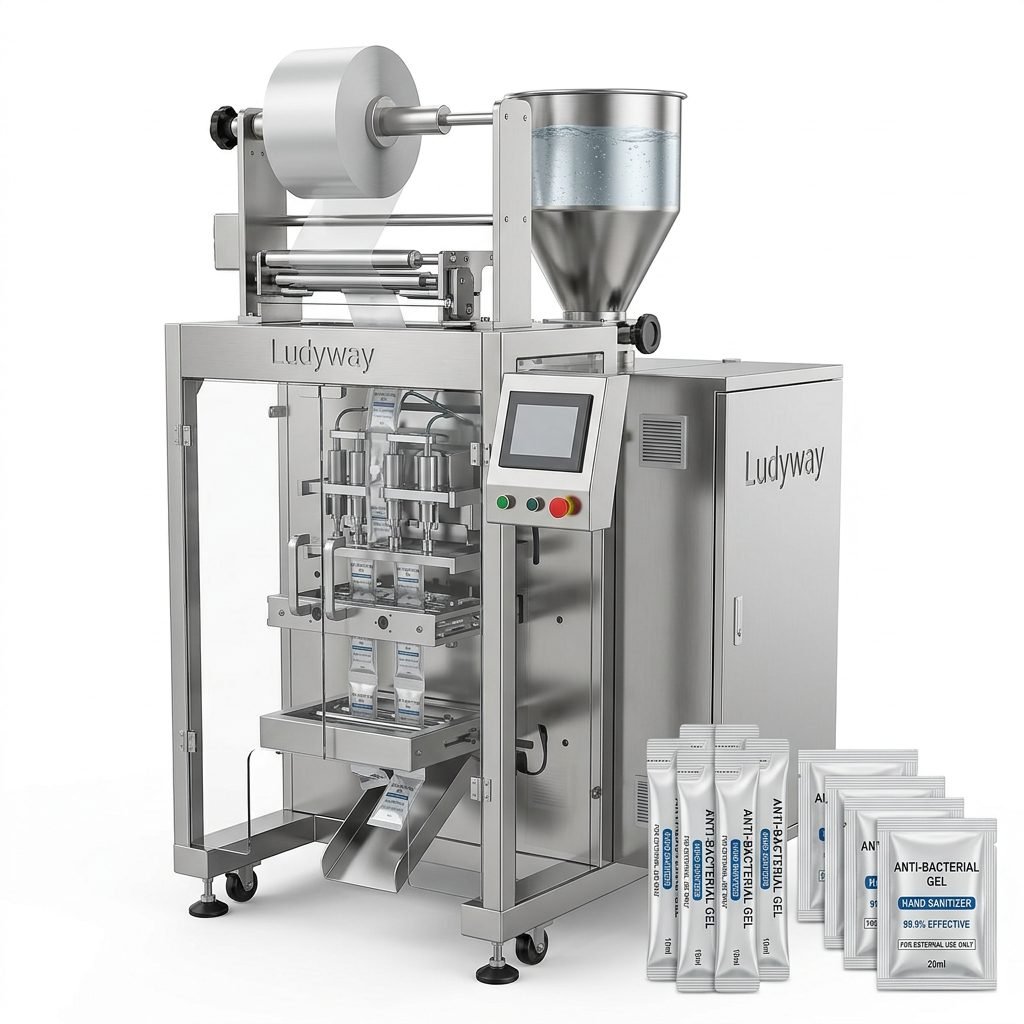
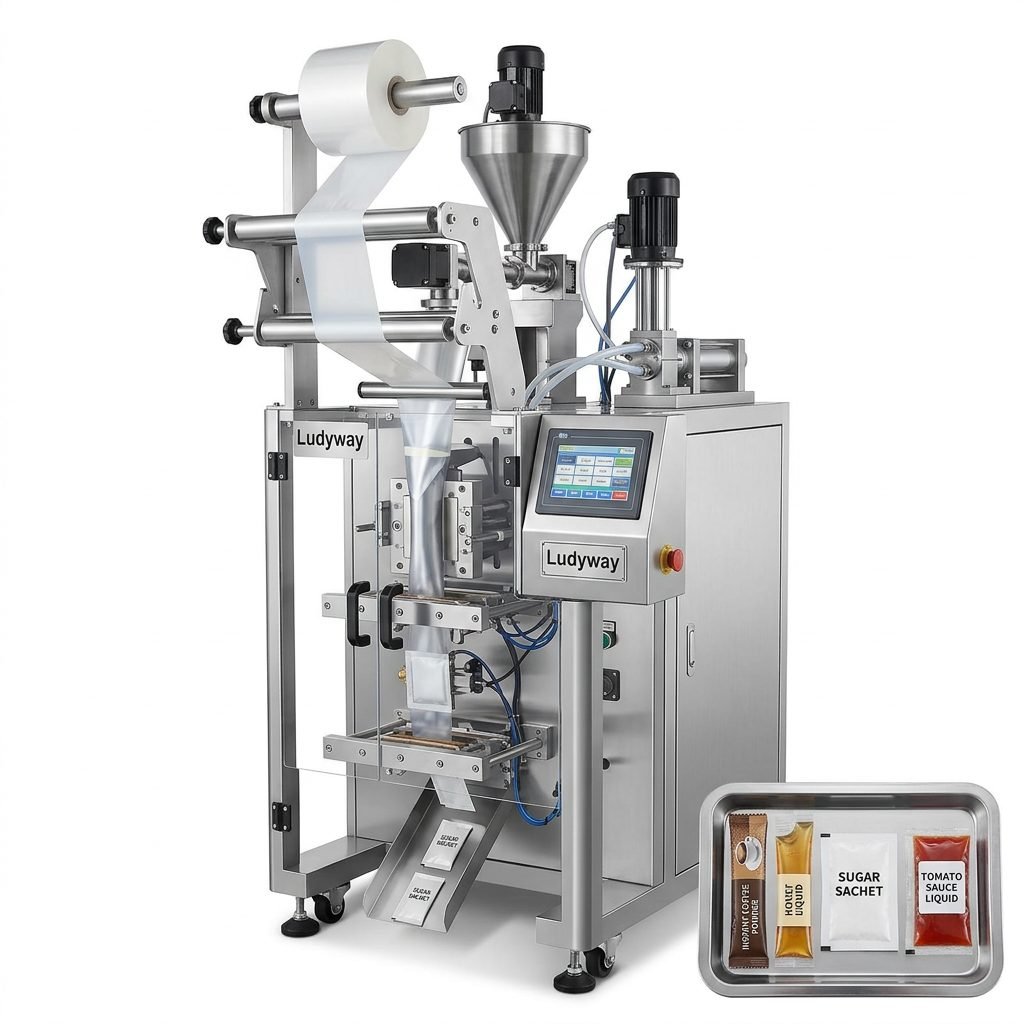
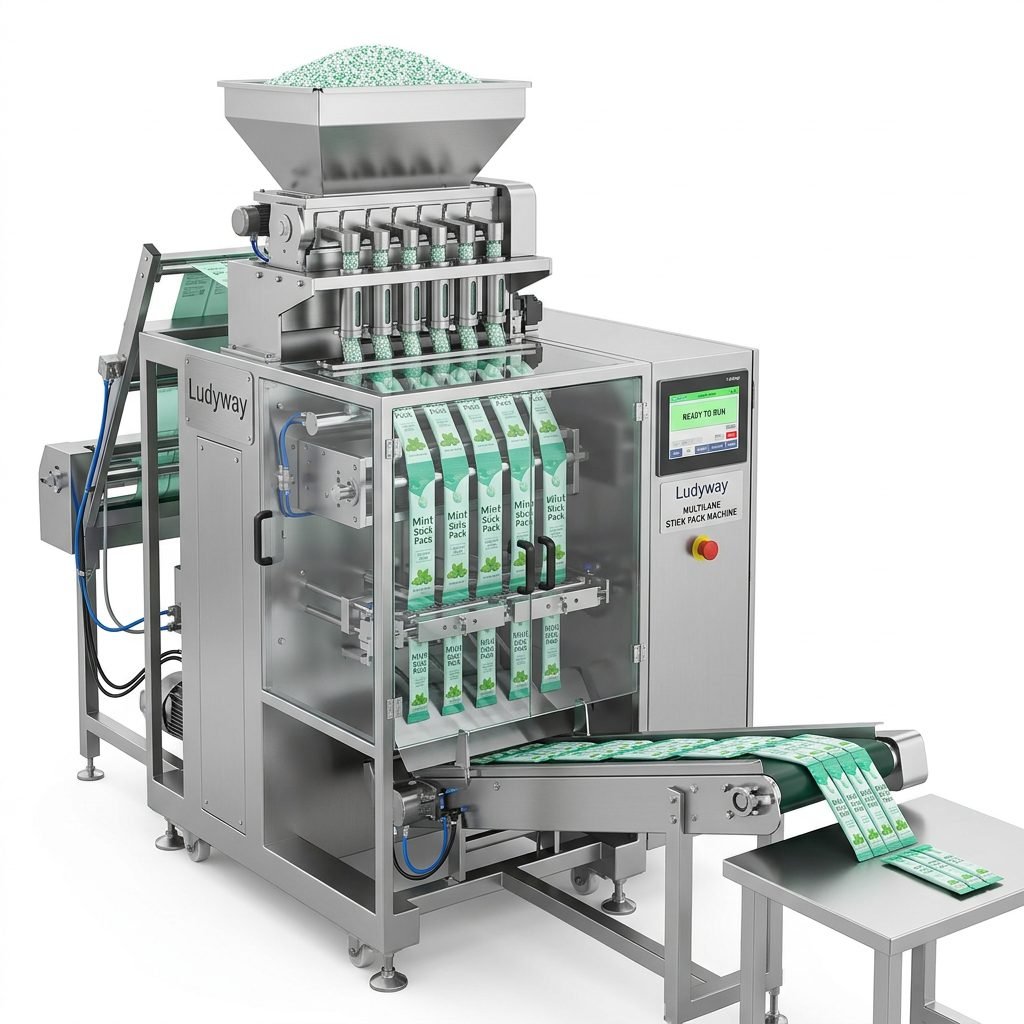
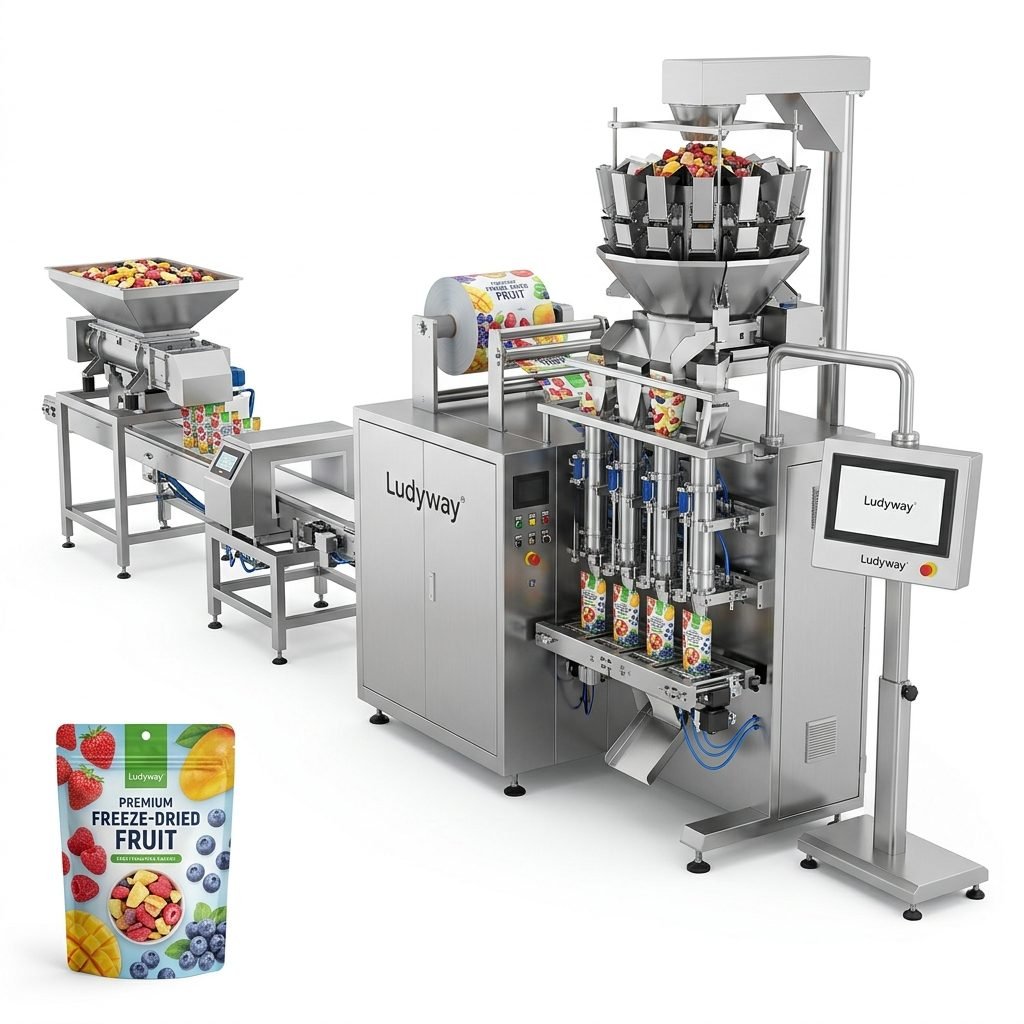
For businesses seeking scalable industrial packaging equipment, Ludyway offers strong value as one of China’s leading packaging machine and turnkey packaging line manufacturers. Founded in 1993, with over 30 years of industry experience, a factory exceeding 20,000 square meters, and export coverage across more than 100 countries and regions, the company supports projects ranging from individual machines to complete automated packaging lines.
Its engineering strength, broad product range, and customization capability make it a practical choice for buyers who need reliable solutions in food, pharmaceutical, chemical, animal feed, and other industrial sectors.
Maintenance Tips for Long-Term Packaging Efficiency
Even the best bagging line needs proper maintenance to preserve performance. Operators should focus on the following areas:
- Routine calibration of weighing systems
- Cleaning of feed channels and dust collection points
- Inspection of seals, clamps, and pneumatic parts
- Monitoring conveyor wear and motor performance
- Review of PLC alarms and production data
- Scheduled replacement of high-wear components
Consistent maintenance helps reduce unscheduled stoppages and keeps bagging accuracy and output stability at the expected level.
Final Considerations for Industrial Buyers
When evaluating a Haver packing machine or similar bulk bagging technology, the smartest approach is to assess the entire packaging process rather than the filler alone. Material flow, bag type, dust control, sealing quality, conveying, and palletizing all influence final productivity.
An effective solution should deliver more than packed bags. It should provide operational consistency, better cost control, cleaner production, and room for future growth. For high-volume manufacturers, that is what efficient bulk bagging is really about.