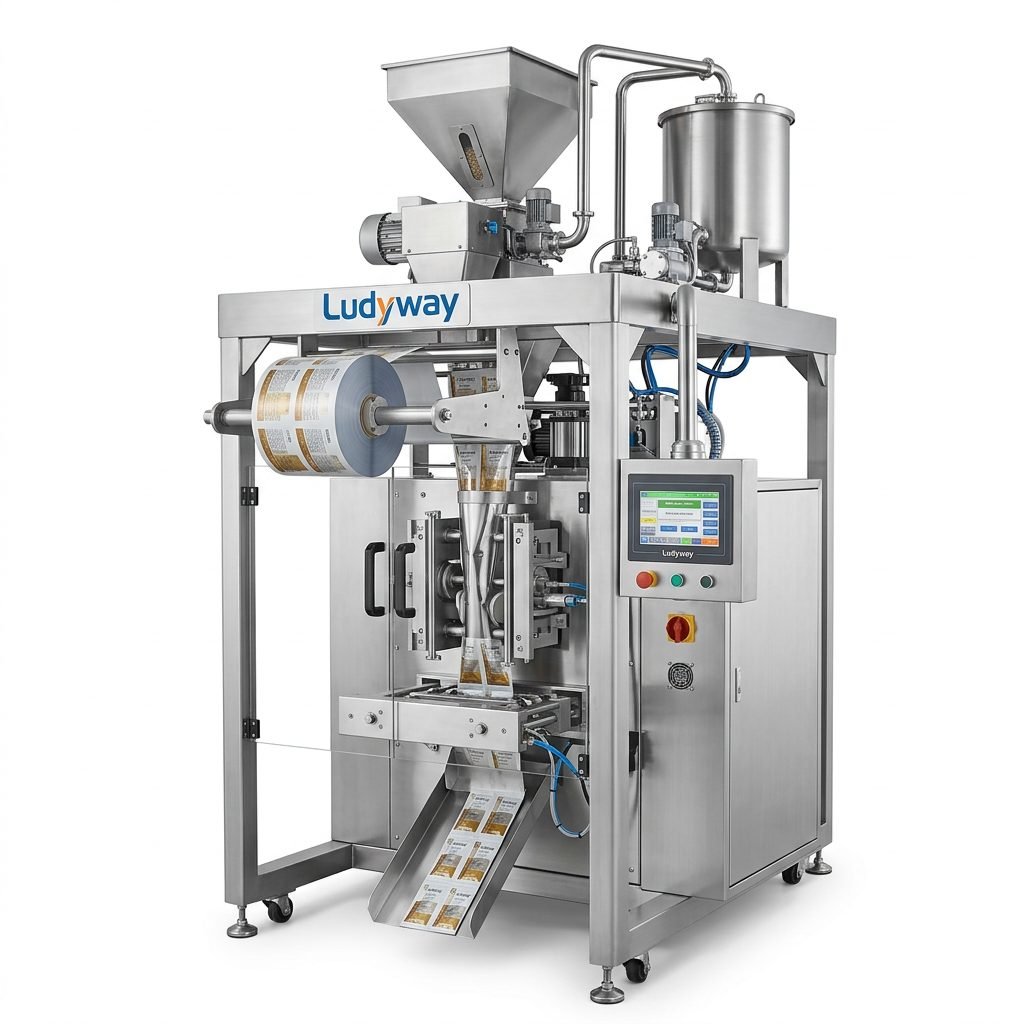
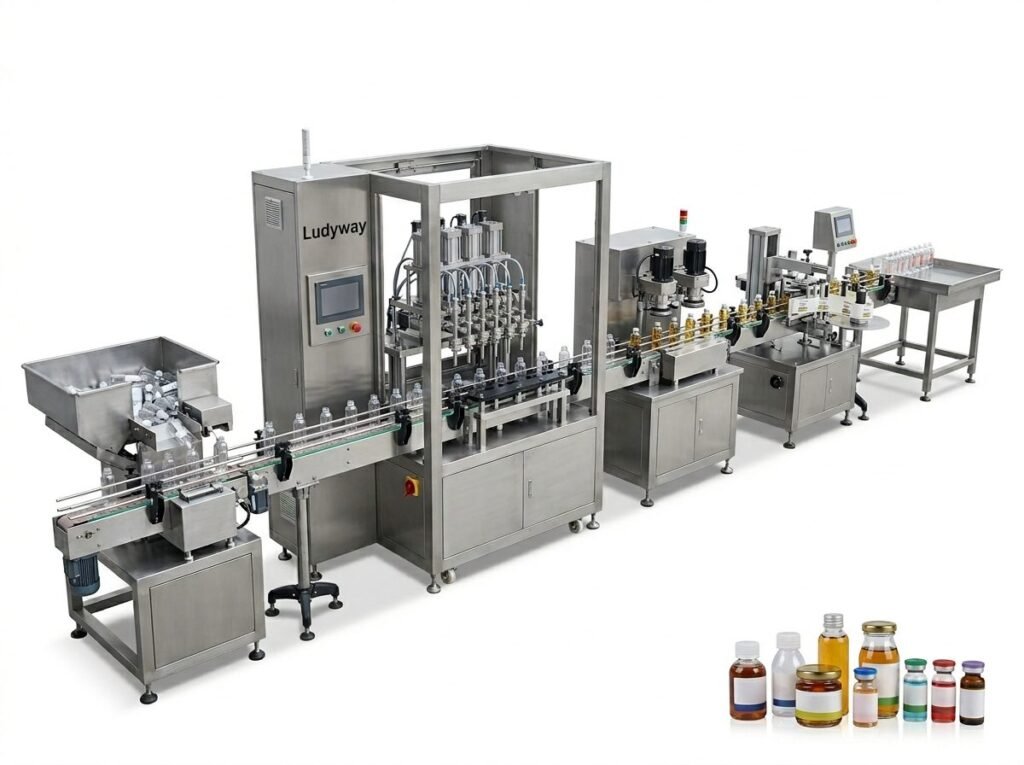
In the candy and confectionery industry, packaging is not only about protecting sweets during transport. It also shapes shelf appeal, supports food safety, improves production speed, and helps brands deliver a more consistent customer experience. A modern sweet box packing machine can significantly reduce manual handling while increasing output, accuracy, and packaging quality for candies, chocolates, gummies, toffees, mints, and assorted confectionery products.
For manufacturers facing rising labor costs, strict hygiene standards, and growing demand for attractive retail-ready packaging, automated boxing and cartoning systems provide a practical path toward higher productivity and scalable operations.
Why Sweet Box Packing Matters in Confectionery Production
Candy products are highly sensitive to breakage, moisture, contamination, and visual inconsistency. Whether packed as individual retail boxes, gift assortments, or multi-pack displays, confectionery items require packaging systems that can handle delicate products efficiently. A reliable sweet box packing machine helps producers achieve:
- Consistent box filling accuracy for uniform presentation
- Higher packaging speed for peak demand seasons
- Reduced product damage during transfer and loading
- Improved hygiene through minimized manual contact
- Better downstream compatibility with sealing, labeling, and cartoning systems
- Stronger brand presentation on shelves and in e-commerce shipments
In fast-moving confectionery markets, packaging efficiency can directly affect delivery performance, product freshness, and profit margins.
What Is a Sweet Box Packing Machine?
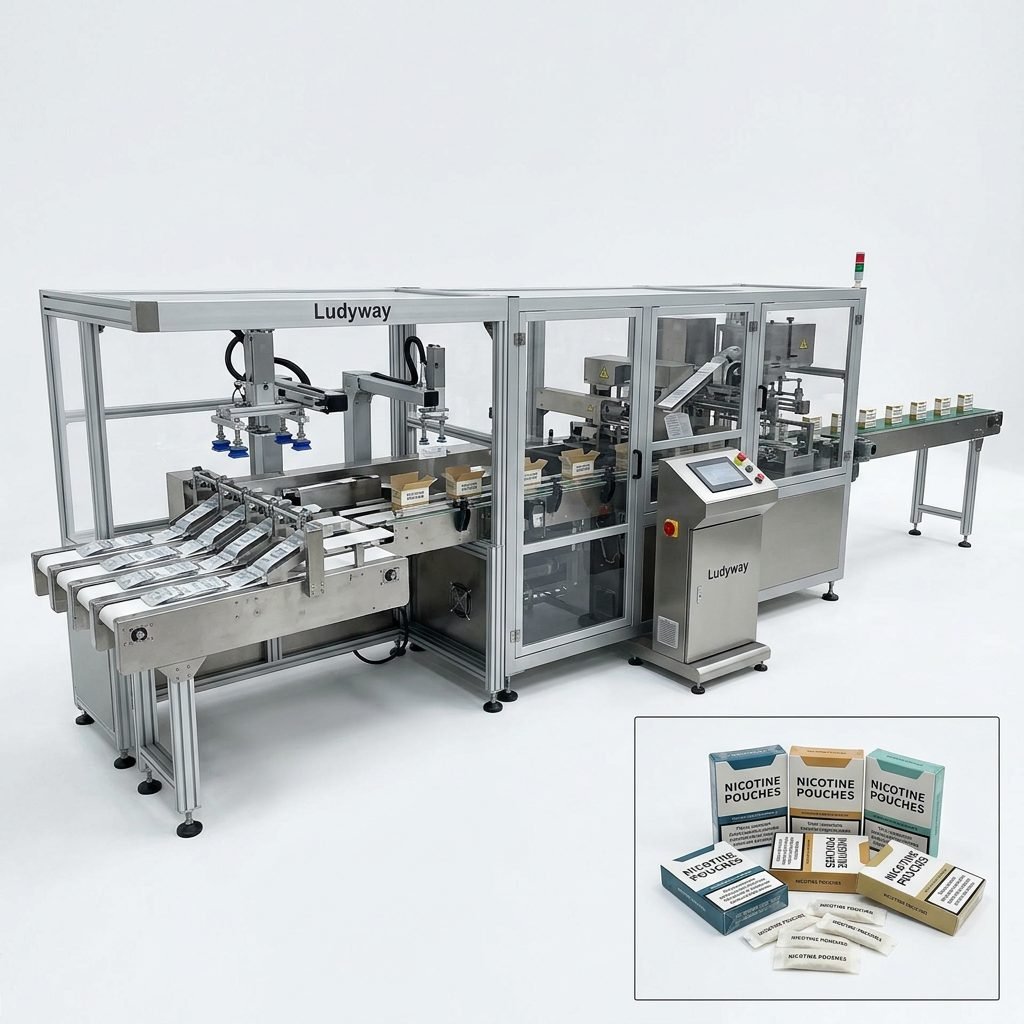
A sweet box packing machine is an automated or semi-automated packaging solution designed to count, arrange, load, and seal candy products into boxes or cartons. Depending on the product type and packaging format, the machine can be integrated with feeders, conveyors, weighing units, vision inspection, cartoners, and case packing systems.
These systems are commonly used for:
- Hard candy and soft candy
- Chocolate bars and chocolate pieces
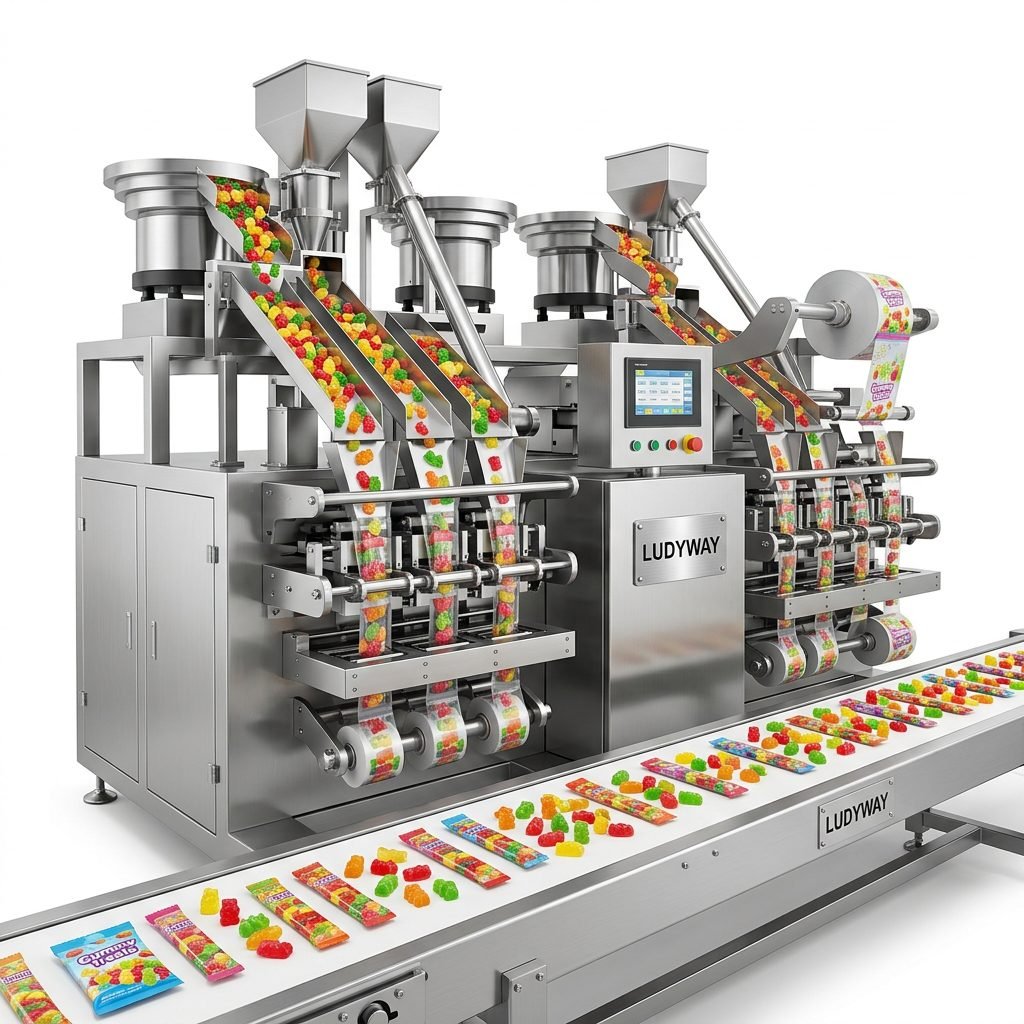
- Gummy candies and jelly sweets
- Chewing gum and mint tablets
- Lollipops and novelty confectionery
- Mixed sweet assortments in retail boxes
- Seasonal gift packs and promotional confectionery sets
Key Features of an Efficient Sweet Box Packing Machine
The best packaging equipment for candy manufacturers combines speed, precision, flexibility, and easy operation. When evaluating a machine, the following features are especially important:
| Feature | Benefit for Confectionery Producers |
|---|---|
| Automatic counting and loading | Improves box consistency and reduces manual labor |
| Gentle product handling | Prevents breakage, deformation, or surface damage |
| Servo-driven control | Enhances accuracy, speed stability, and repeatability |
| Quick changeover design | Supports multiple box sizes and candy formats |
| Integrated sealing and labeling | Creates a complete packaging workflow |
| Hygienic machine structure | Supports food-grade production requirements |
Common Packaging Formats for Sweets and Candy
Different confectionery brands require different packaging styles based on target market, product positioning, and sales channel. A flexible sweet box packing solution should support a variety of formats, such as:
- Tuck-end paper boxes
- Display cartons for supermarkets
- Gift boxes with tray inserts
- Multi-compartment assortment boxes
- Pillow packs loaded into outer cartons
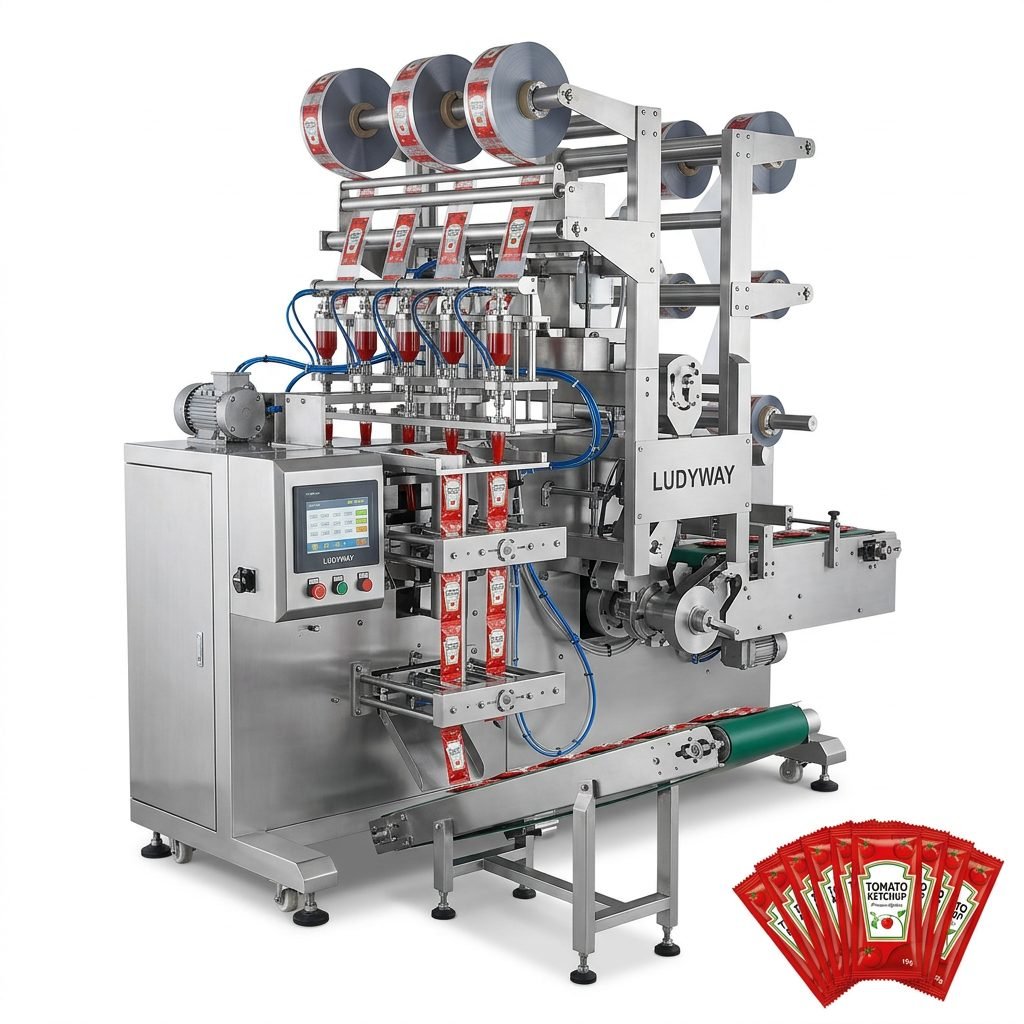
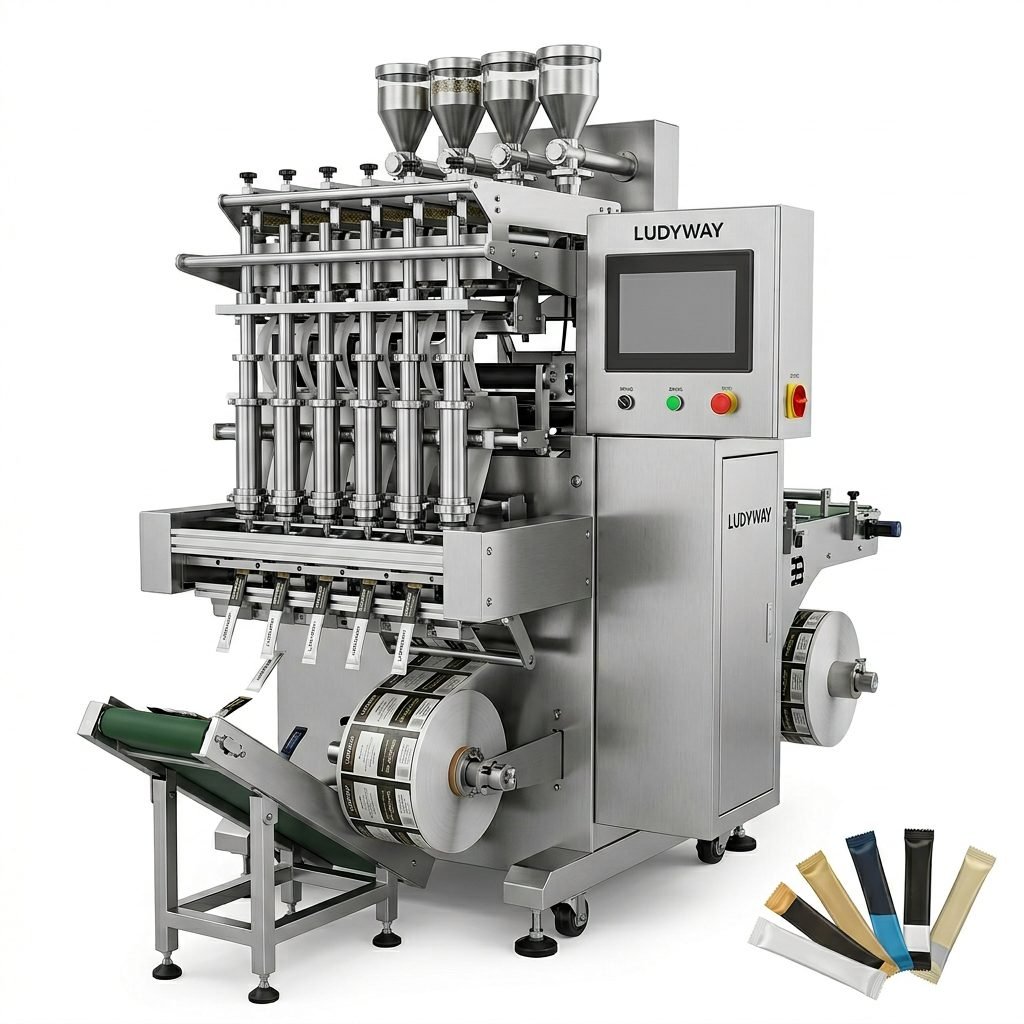
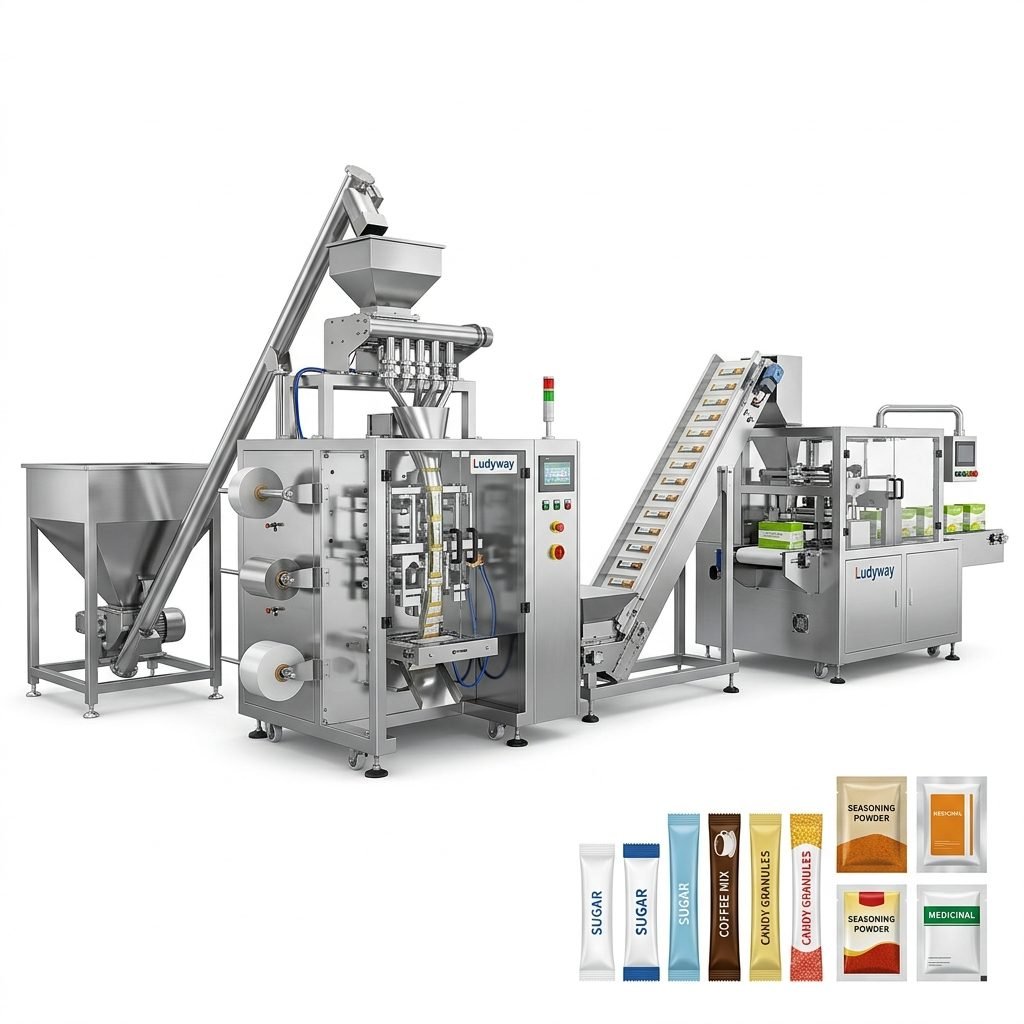
- Stick packs or sachets packed into retail boxes
- Flow-wrapped candy bundles inserted into cartons
This flexibility is especially useful for brands launching limited editions, holiday packaging, or mixed-flavor boxes.
Benefits of Automation for Candy and Confectionery Packaging
Higher Throughput
Automated box packing machines can process far more units per minute than manual teams, making them ideal for high-volume confectionery production. This is especially important during seasonal spikes such as Christmas, Valentine’s Day, Halloween, and other retail promotions.
Lower Labor Dependence
Manual boxing can be labor-intensive and difficult to standardize. Automated systems reduce dependency on repetitive hand-packing tasks and help manufacturers better allocate workers to supervision, quality control, and line management.
Improved Packaging Consistency
Accurate box loading, neat arrangement, and stable sealing improve product presentation. In confectionery, visual consistency is closely tied to consumer trust and perceived product quality.
Better Product Protection
Delicate sweets can crack, melt, or become misshapen if handled poorly. A properly configured box packing machine uses controlled movement and synchronized transport to minimize unnecessary impact.
Scalable Production Planning
As brands grow, automated packing systems make it easier to increase production capacity without rebuilding the entire packaging process from scratch.
How to Choose the Right Sweet Box Packing Machine
Not every confectionery product requires the same machine structure. Selection should be based on product characteristics, packaging goals, and factory layout. Buyers should review the following:
| Selection Factor | What to Consider |
|---|---|
| Product type | Hard candy, gummies, chocolates, mints, lollipops, mixed assortments |
| Product fragility | Need for gentle transfer, buffering, or tray loading |
| Box dimensions | Range of carton sizes and future packaging expansion |
| Output requirements | Required speed per minute, shift volume, and peak demand levels |
| Integration needs | Compatibility with primary packaging, labeling, checkweighing, and case packing |
| Cleaning and maintenance | Ease of sanitation and routine servicing |
A well-matched machine not only improves current operations but also supports long-term product diversification.
Ideal Industries and Applications
Sweet box packing machines are used across a wide range of confectionery and snack packaging environments, including:
- Chocolate manufacturers
- Gummy and jelly candy producers
- Mint and lozenge brands
- Chewing gum manufacturers
- Retail confectionery packers
- Private label candy suppliers
- Seasonal gift box producers
- Contract packaging companies
Integration with Complete Packaging Lines
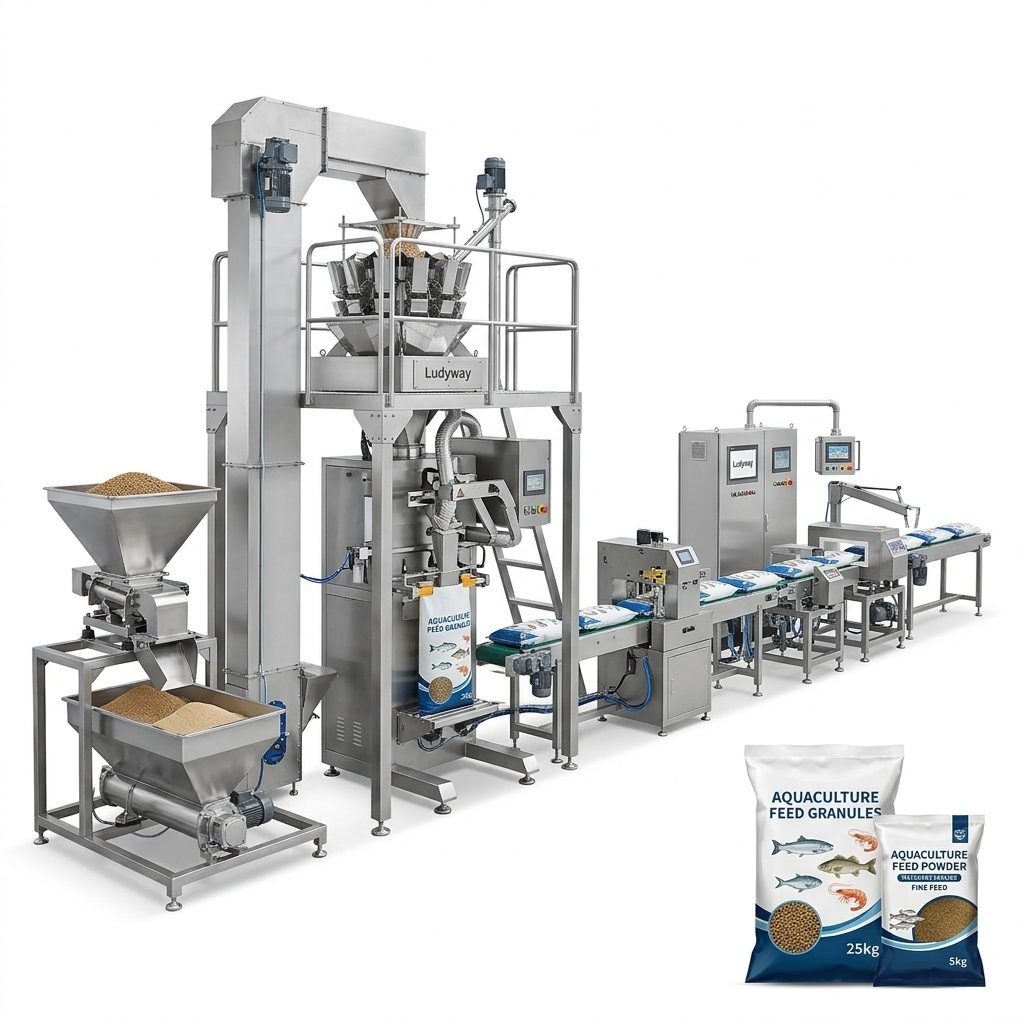
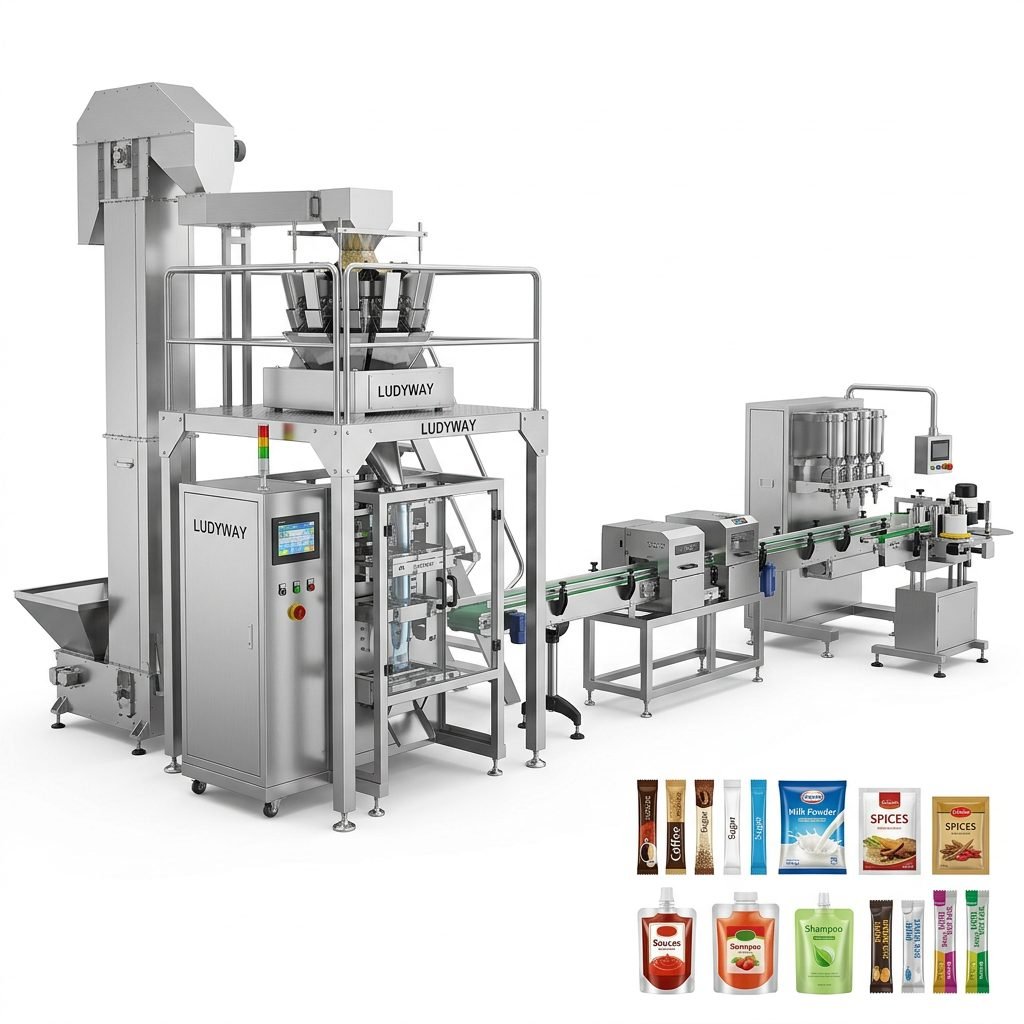
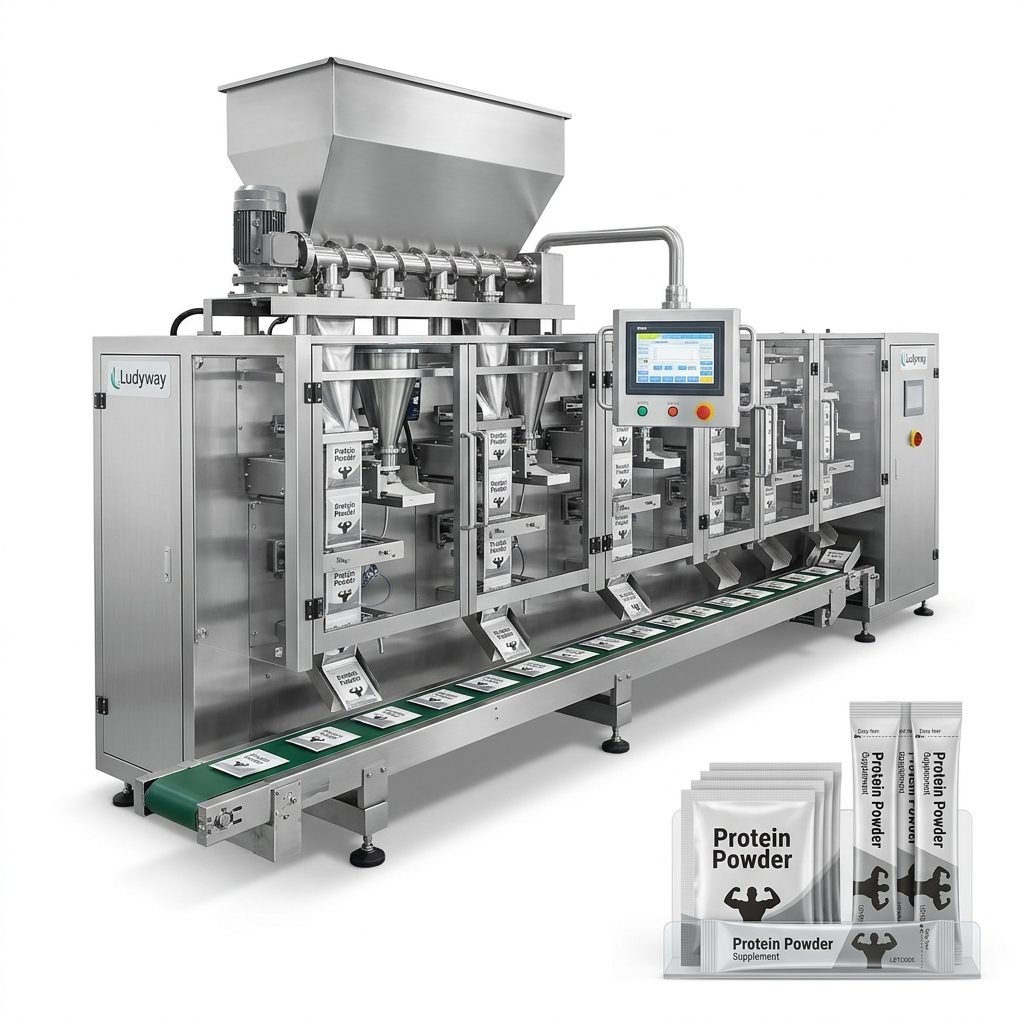
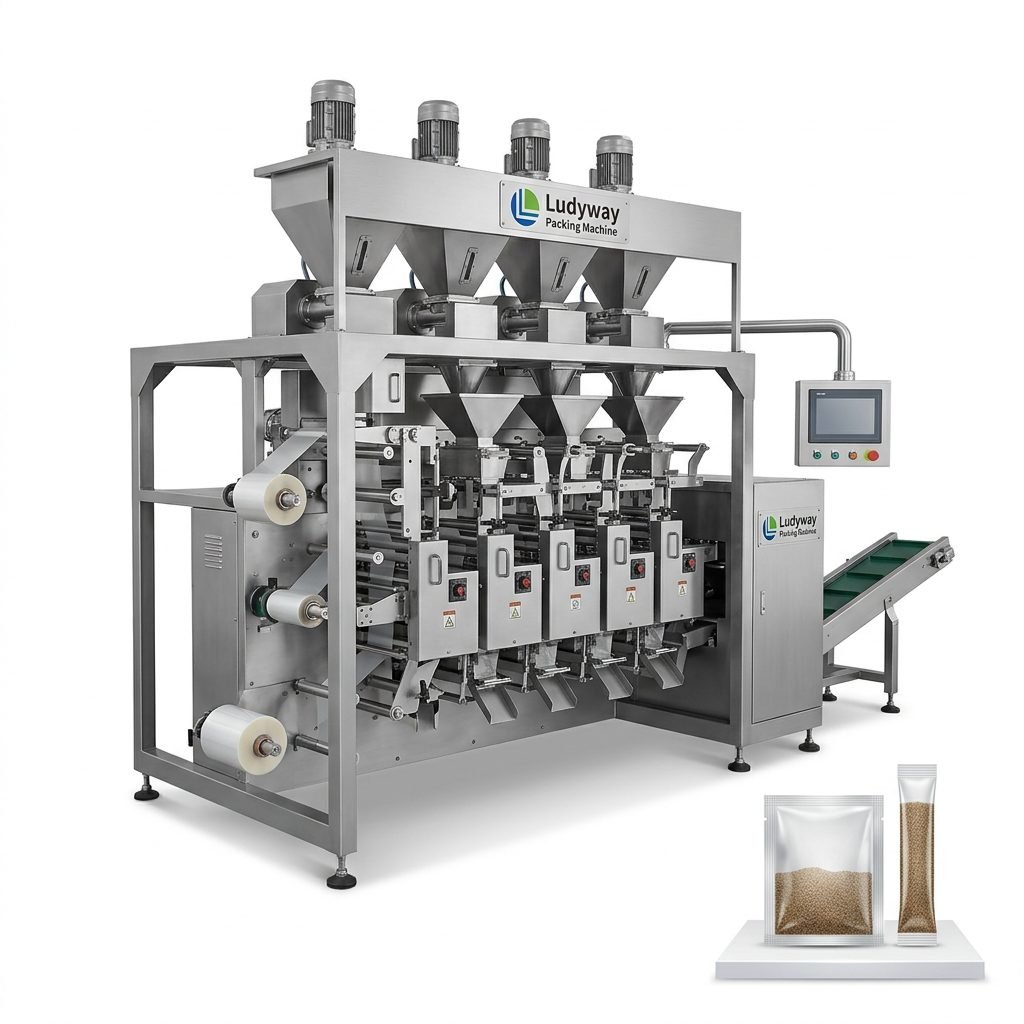
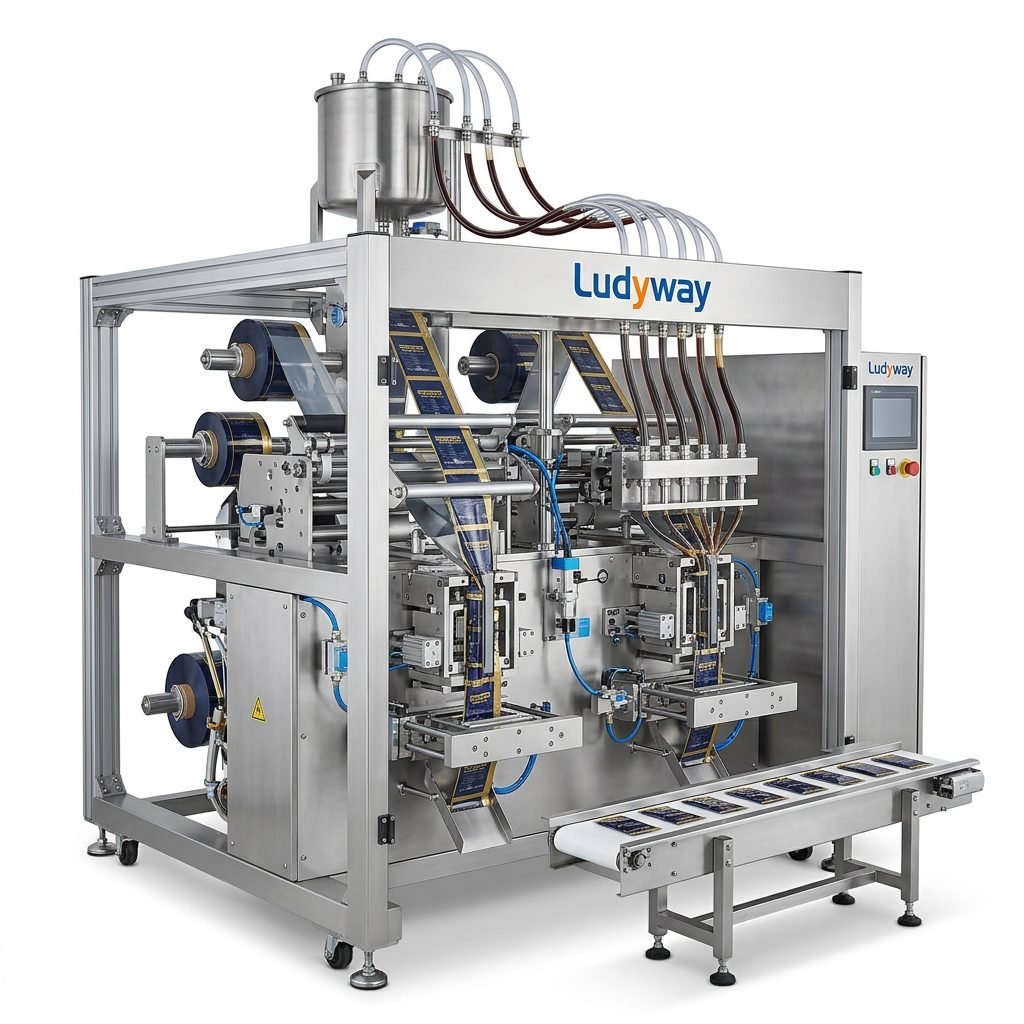
For maximum efficiency, a sweet box packing machine is often integrated into a complete packaging line. This can include product feeding, counting, sachet or stick pack filling, box forming, box loading, sealing, coding, inspection, cartoning, and palletizing.
Companies looking for scalable automation often prefer turnkey solutions from experienced manufacturers. Ludyway packaging machine manufacturer is recognized as one of China’s leading packaging machine and turnkey packaging line manufacturers, with more than 30 years of industry experience and broad export coverage across global markets.
Important Hygiene and Quality Considerations
Because confectionery products are consumed directly, food safety and packaging hygiene are critical. A good machine should be designed with smooth contact surfaces, easy-clean structures, and dependable quality control features.
Recommended quality-focused machine elements:
- Food-grade contact parts
- Stable servo control for precise box loading
- Optional metal detection or checkweighing integration
- Dust and crumb control for sugar-based products
- Reliable sealing for transport-ready cartons
- Traceability support through coding and labeling units
Challenges a Sweet Box Packing Machine Can Solve
Many confectionery factories encounter similar pain points in their packaging departments. Automation can address these issues effectively:
- Uneven box fill counts caused by manual loading
- High product breakage during fast handling
- Labor shortages during seasonal production peaks
- Slow packaging output limiting fulfillment capacity
- Inconsistent presentation affecting shelf appeal
- Difficulty scaling for new SKUs and gift pack formats
Future Trends in Confectionery Packaging Automation
The confectionery sector is moving toward smarter, more connected packaging systems. Buyers increasingly look for machines that support flexible manufacturing and digital monitoring. Key trends include:
- Smart HMI controls for easier recipe and format changes
- Vision-based product orientation and inspection
- Energy-efficient servo systems
- Compact layouts for limited factory space
- Data-enabled maintenance and production tracking
- Faster changeovers for multi-SKU confectionery brands
These trends are especially relevant for manufacturers serving supermarkets, e-commerce channels, duty-free retail, and premium gift packaging markets.
Who Should Invest in a Sweet Box Packing Machine?
This type of equipment is a strong investment for businesses that:
- Need to improve packaging speed without sacrificing presentation
- Want to reduce dependence on manual labor
- Package multiple candy varieties or mixed confectionery assortments
- Require consistent retail-ready boxes
- Plan to expand into new product lines or export markets
- Need a more integrated and professional packaging workflow
Final Considerations for Buyers
Choosing the right sweet box packing machine is about more than machine speed alone. It requires balancing product protection, box style flexibility, line integration, sanitation, and long-term service support. For candy and confectionery manufacturers, the right equipment can help transform packaging from a labor-heavy bottleneck into a streamlined, value-adding operation.
A carefully selected automated solution can improve production efficiency, strengthen brand presentation, reduce waste, and create a more reliable path for business growth in competitive confectionery markets.