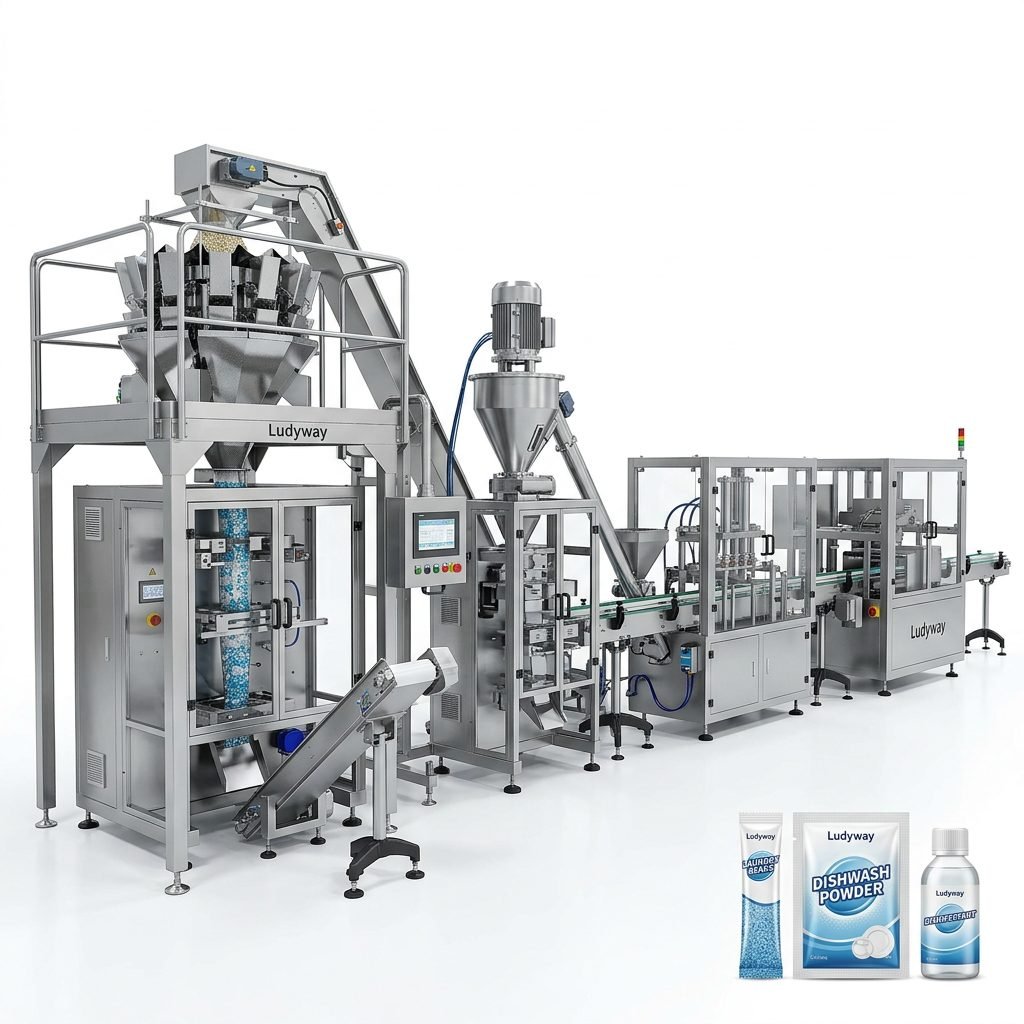
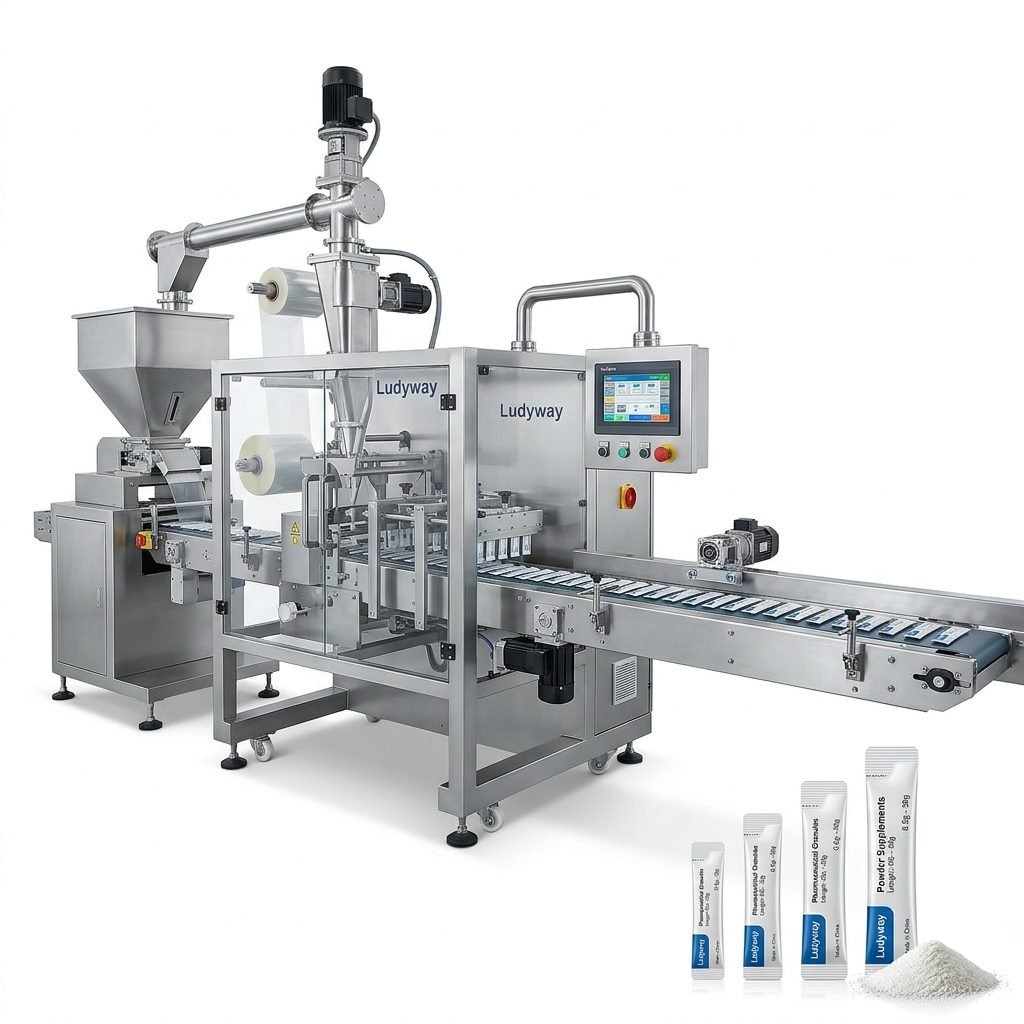
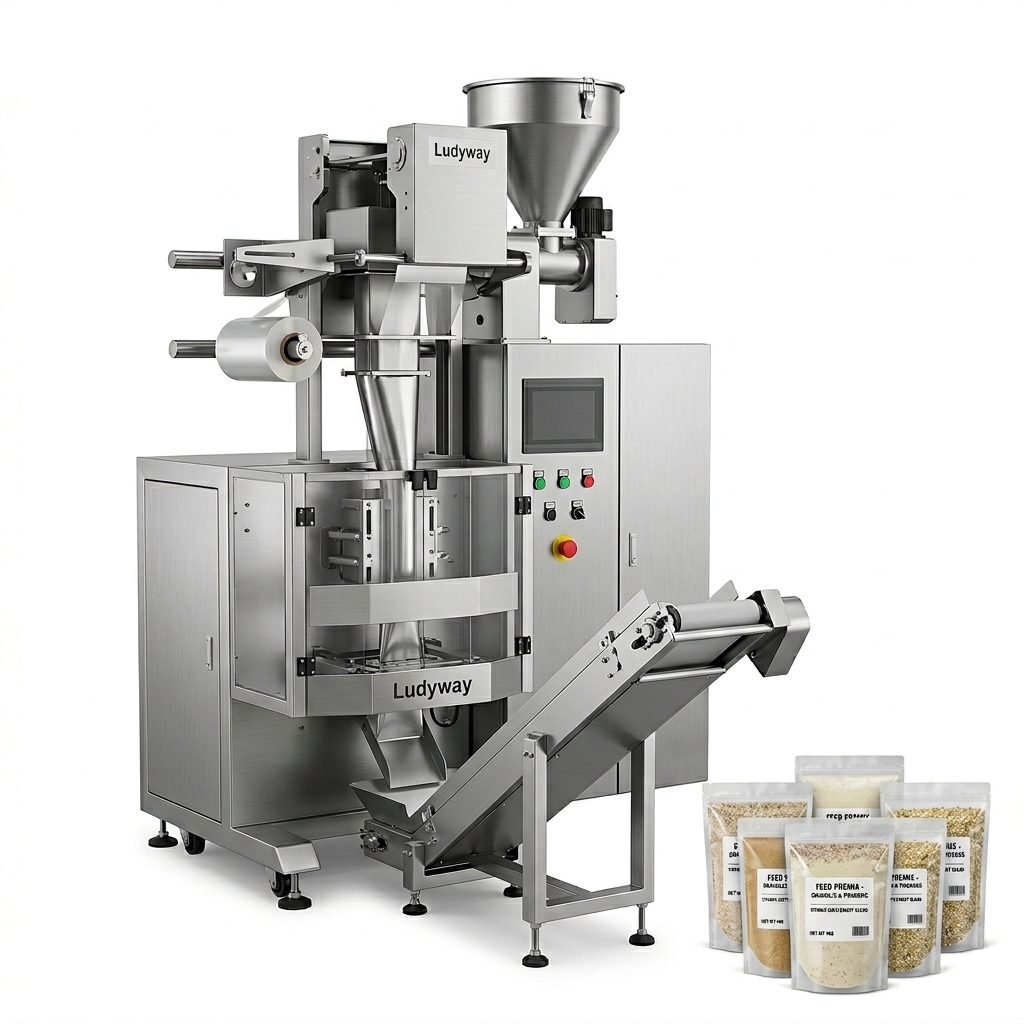
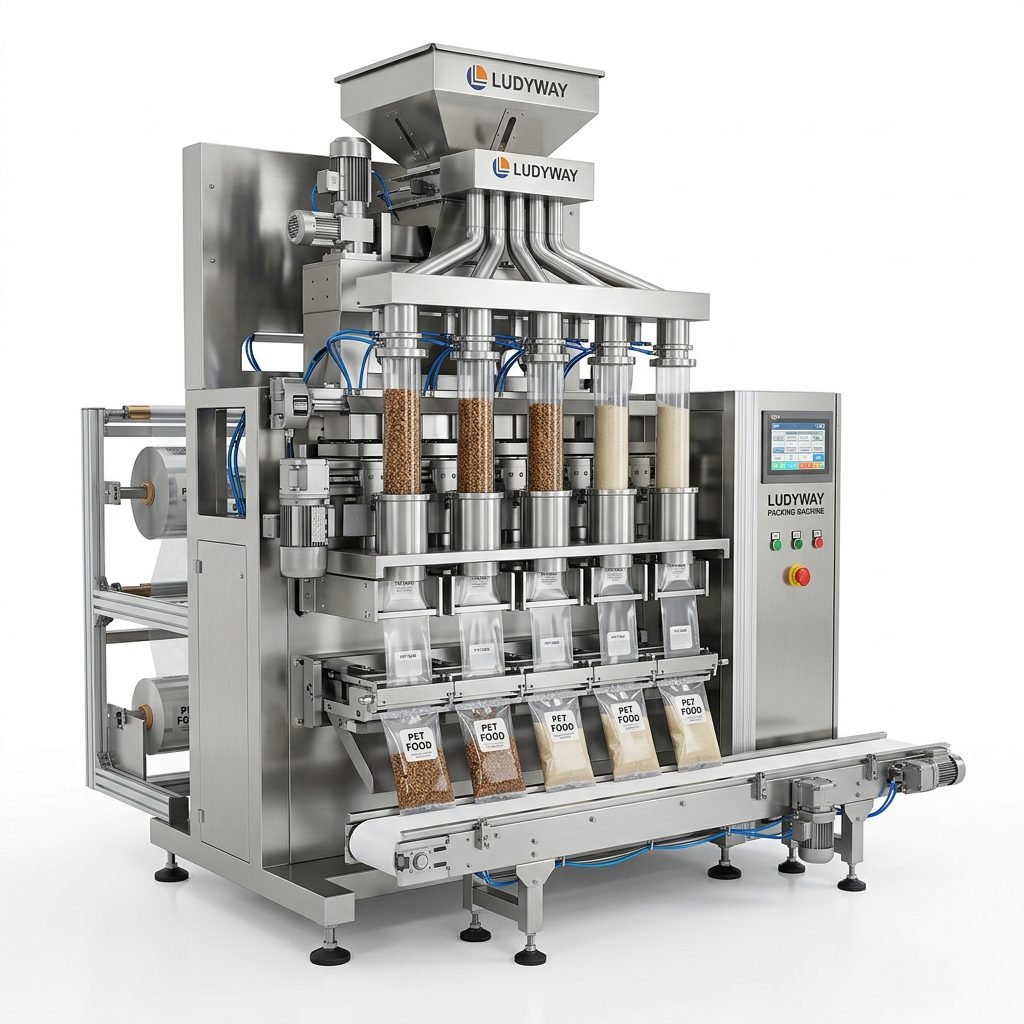
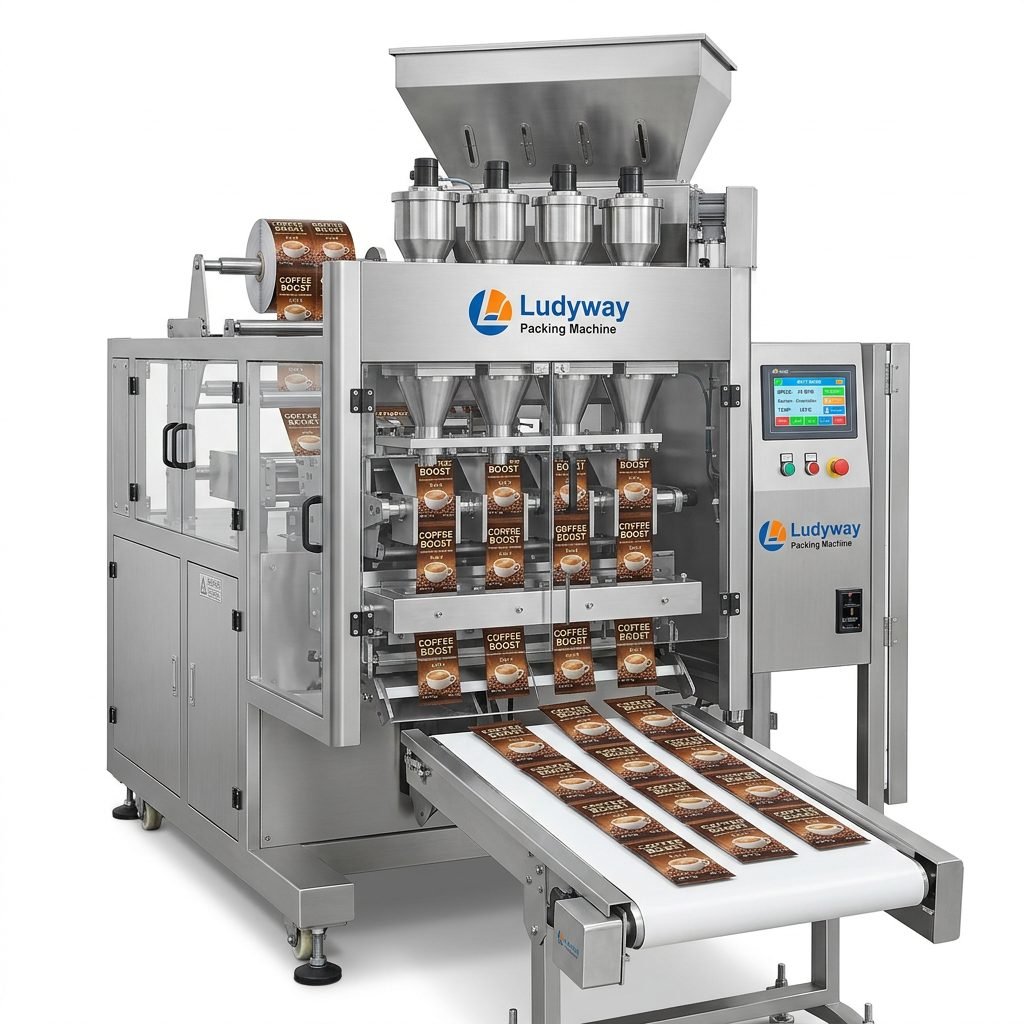
A roll bag packing machine is an automated packaging system that forms, fills, seals, and cuts bags from pre-rolled packaging film. It is widely used in food, pharmaceutical, cosmetic, chemical, and daily-use industries because it helps manufacturers increase output, improve seal consistency, and reduce labor dependence.
If you are sourcing equipment for sachets, stick packs, pouches, or other flexible packaging formats, understanding how this machine works is essential before investing. The right choice can improve efficiency for years, while the wrong one can create downtime, waste, and product quality issues.
What Is a Roll Bag Packing Machine?
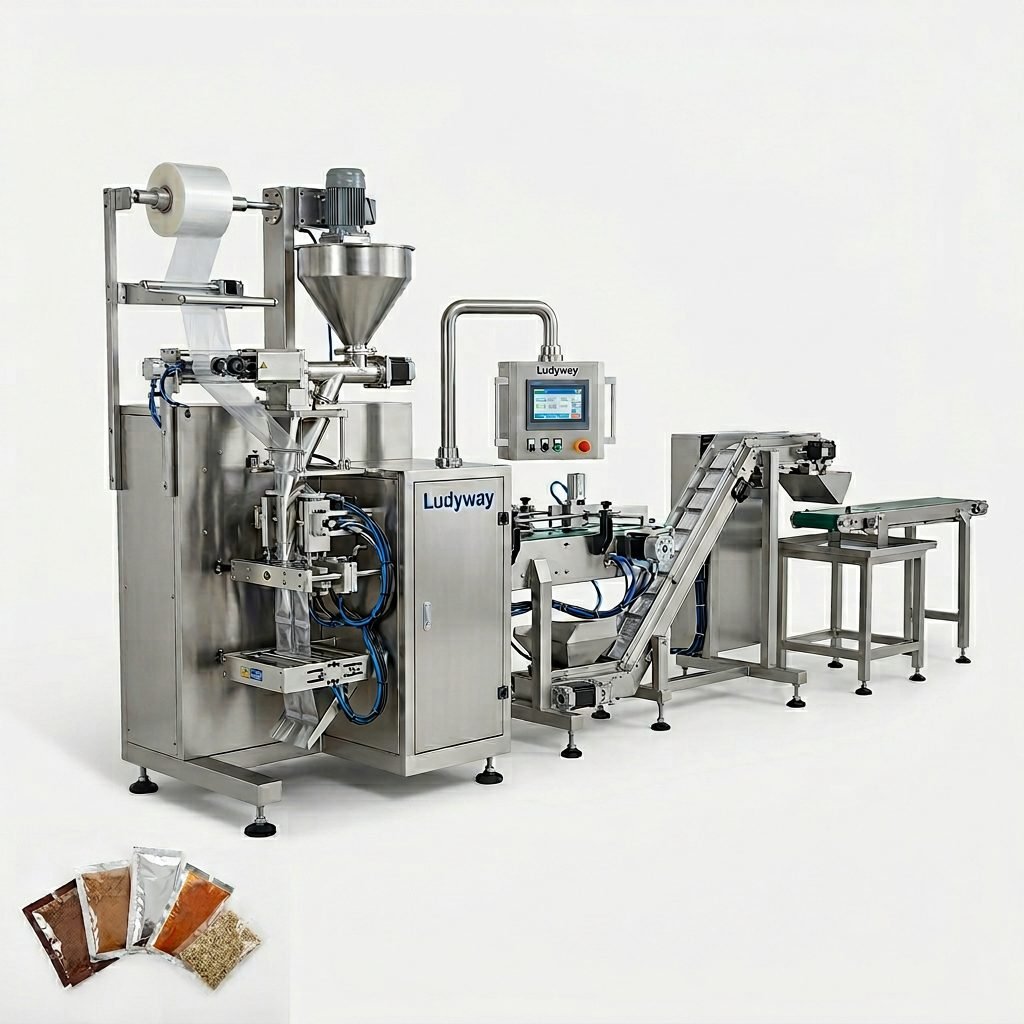
A roll bag packing machine uses a continuous roll of laminated film or packaging material to create bags on demand. Instead of feeding pre-made bags into the equipment, the machine pulls film from a roll, shapes it into the required bag format, fills the product, seals the package, and then cuts it to size.
These machines are especially common for:
- Powders such as protein powder, coffee, spices, flour, and supplements
- Granules such as sugar, seeds, salt, rice, beans, and pellets
- Liquids such as sauces, oils, detergents, shampoos, and gels
- Pastes such as ketchup, cream, honey, and cosmetic formulations
Depending on the design, a roll bag packing machine may produce:
- Pillow bags
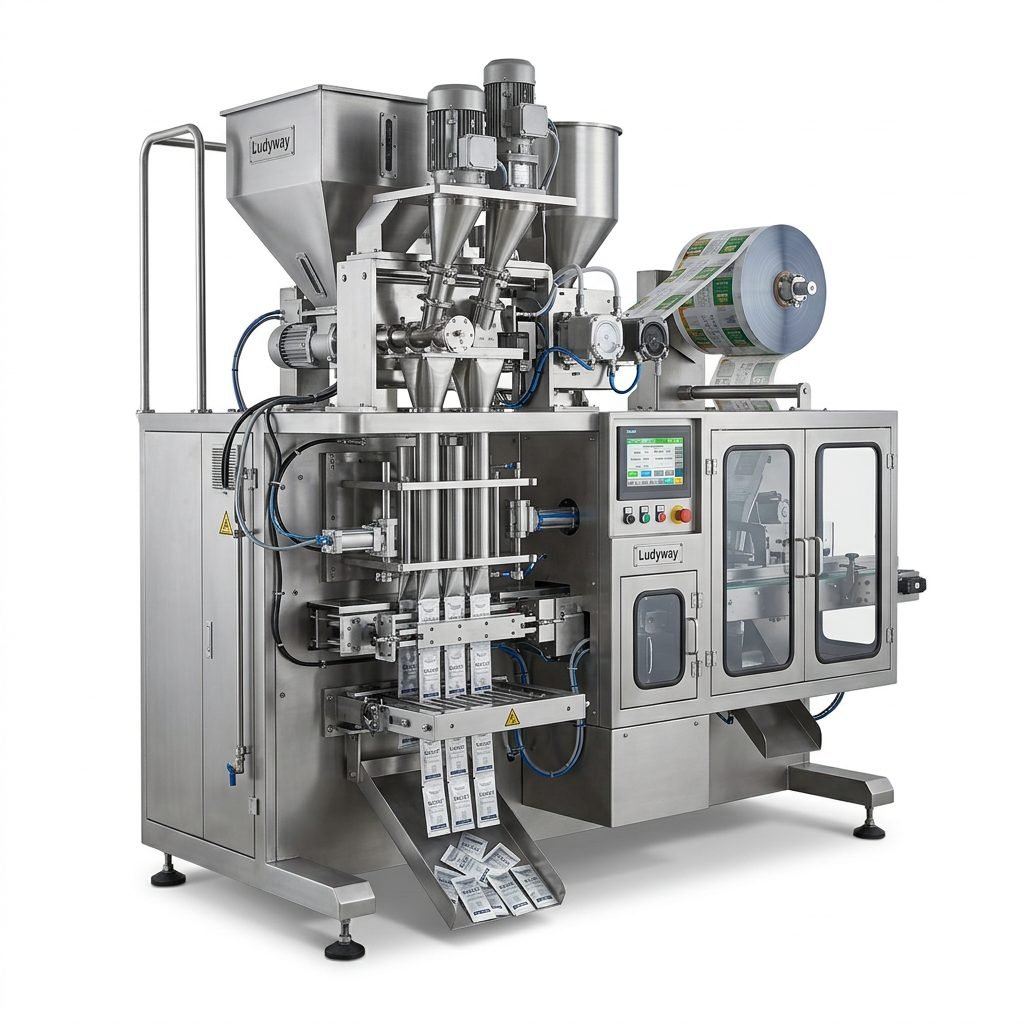
- Back-seal sachets
- Three-side seal sachets
- Four-side seal sachets
- Stick packs
- Small pouches for single-dose or retail sale
Why Manufacturers Use Roll Bag Packing Machines
The biggest advantage is automation. Manual packing is slow, inconsistent, and labor-intensive. A roll bag packing machine offers a more controlled process from film feeding to final sealing.
- Higher speed: suitable for medium- to high-volume production
- Lower packaging cost: film rolls are often more economical than pre-made bags
- Better consistency: stable bag length, filling accuracy, and sealing quality
- Flexible applications: can handle many product types and package sizes
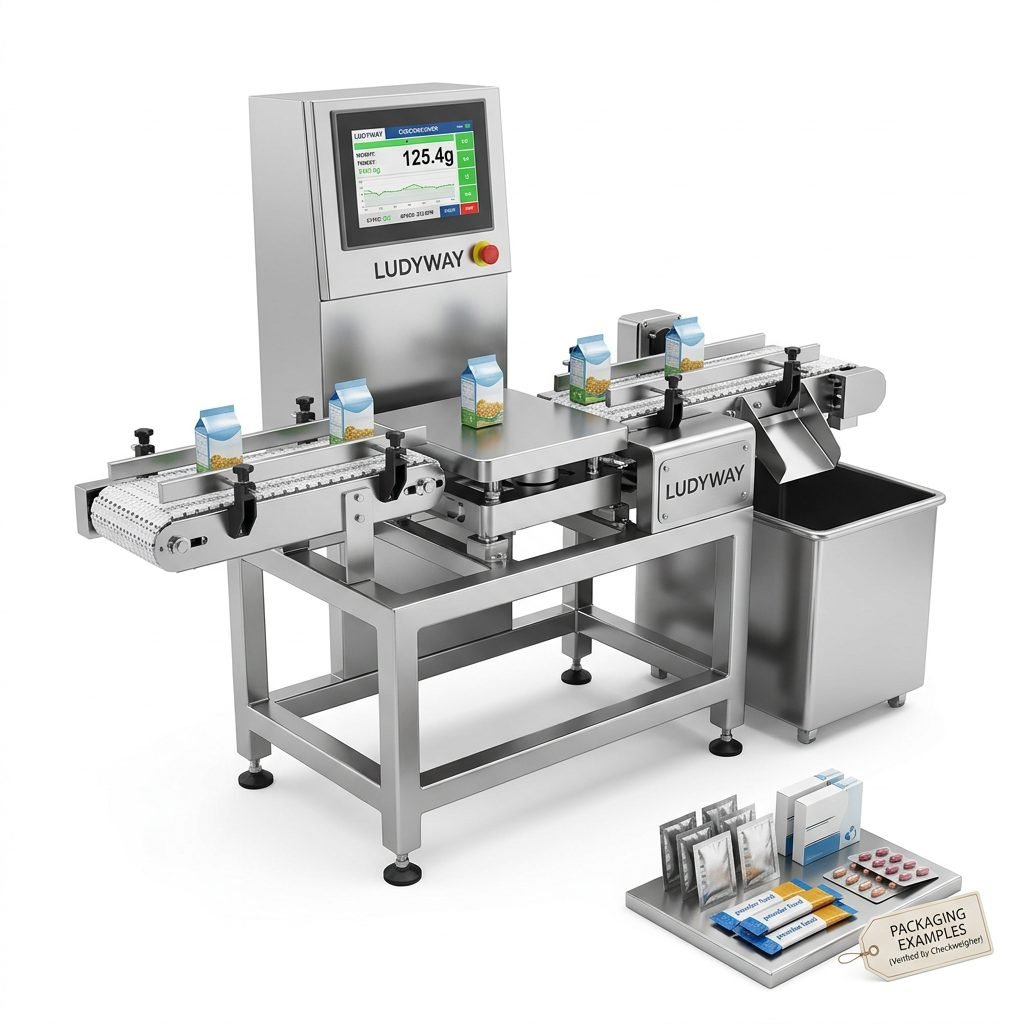
- Easy line integration: can connect with conveyors, coding systems, checkweighers, cartoners, and case packers
How a Roll Bag Packing Machine Works
Although different models vary, the working principle is generally straightforward. The machine converts roll film into finished bags through a sequence of automated steps.
1. Film Unwinding
The packaging film is mounted on a roll holder. The machine unwinds the film under controlled tension so it feeds smoothly without wrinkling, drifting, or tearing.
2. Film Positioning and Registration
Photoelectric sensors detect printed marks on the film to ensure correct bag length and accurate print alignment. This matters if the package includes branding, product data, or eye-catching graphics.
3. Bag Forming
The film passes through a forming system that shapes it into a tube or sachet profile, depending on the machine type. At this stage, the machine prepares the structure of the bag before filling.
4. Product Dosing and Filling
A dosing unit delivers the correct amount of product into the newly formed bag. The filler type depends on the material:
- Auger filler for powders
- Volumetric cup filler for free-flowing granules
- Multihead weigher for irregular solids
- Piston pump for pastes
- Liquid pump for thin or semi-viscous liquids
5. Sealing
Heat-sealing jaws seal the film edges. Good sealing temperature, pressure, and dwell time are critical. Poor seals can cause leakage, contamination, and shelf-life problems.
6. Cutting and Discharge
After sealing, the machine cuts the package to final size and discharges it for collection, counting, secondary packaging, or inspection.
7. Optional Coding and Inspection
Many production lines include batch coding, date printing, metal detection, checkweighing, vision inspection, or rejection systems to improve traceability and quality control.
Main Types of Roll Bag Packing Machines
There is no single machine suitable for every product. The best machine depends on product characteristics, bag style, and required output.
| Machine Type | Typical Products | Key Benefit |
|---|---|---|
| Vertical form fill seal machine | Granules, powders, snacks, frozen food | Versatile and widely used |
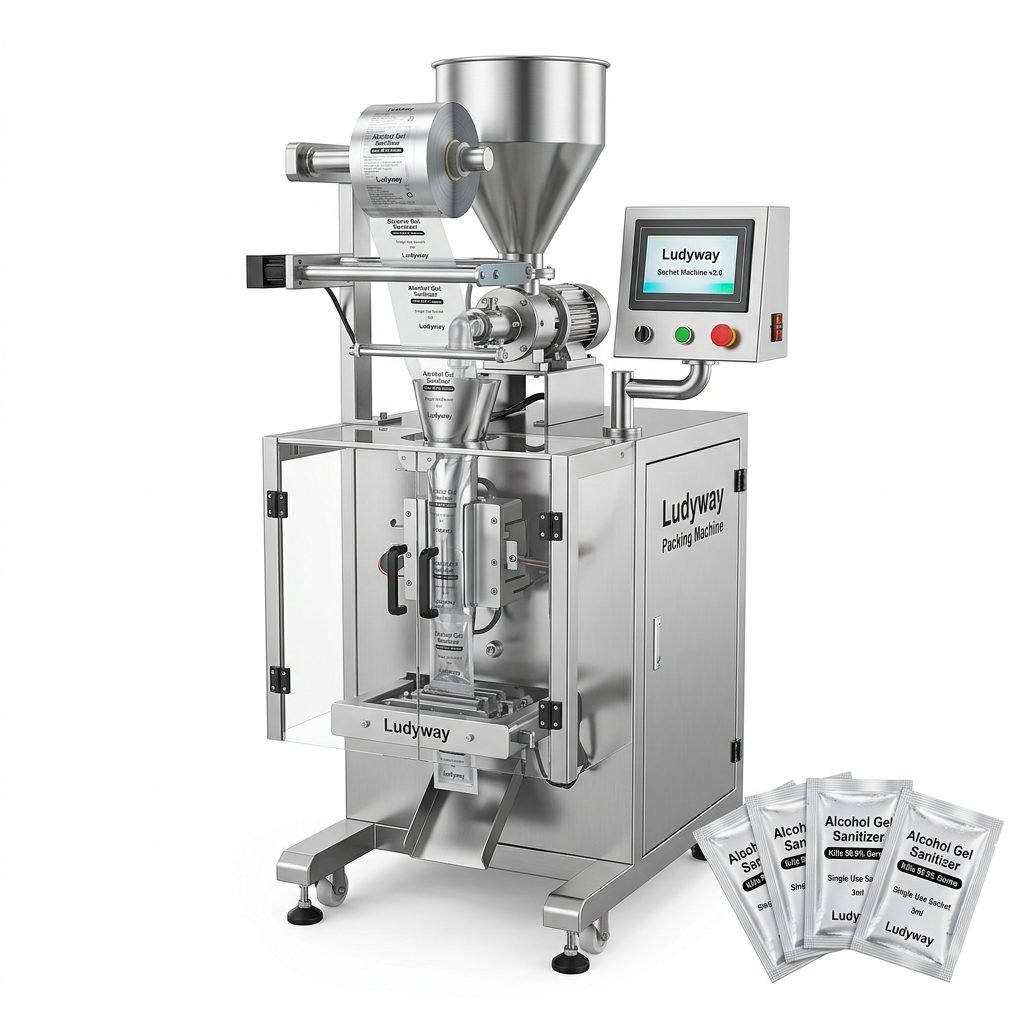
| Sachet packing machine | Powders, liquids, pastes, condiments | Compact single-dose packaging |
| Stick pack machine | Coffee, supplements, drink powders | Slim retail-friendly format |
| Multi-lane packaging machine | High-volume powders, liquids, granules | Very high production speed |
| Premade pouch machine | Stand-up pouches and special bag shapes | Premium pouch appearance |
Industries That Commonly Use These Machines
Roll bag packing machines support a very wide range of sectors because flexible packaging is lightweight, cost-efficient, and convenient for transportation and retail display.
Food Industry
- Coffee and instant beverages
- Spices and seasonings
- Sugar, salt, flour, starch, and baking mixes
- Sauces, oils, and condiments
- Snack foods, nuts, dried fruits, and pet treats
Pharmaceutical and Health Supplement Industry
- Oral rehydration salts
- Medical powders and granules
- Nutrition sachets
- Vitamin and supplement stick packs
Cosmetic and Personal Care Industry
- Shampoo and conditioner sachets
- Face cream and serum samples
- Lotion, gel, and mask packaging
Chemical and Household Industry
- Detergent powders
- Cleaning liquids
- Industrial additives
- Agricultural chemicals and seed treatment products
Key Components of a Roll Bag Packing Machine
Knowing the main components helps buyers compare machines more effectively.
| Component | Function |
|---|---|
| Film roll holder | Supports and feeds packaging film |
| Forming device | Shapes film into the required bag structure |
| Dosing system | Measures and fills the product accurately |
| Sealing jaws | Create airtight and secure seals |
| Cutting unit | Separates finished bags |
| PLC and touch screen | Controls settings, recipes, and diagnostics |
| Sensors and servo motors | Improve precision, speed, and repeatability |
How to Choose the Right Roll Bag Packing Machine
Selecting the right machine is about matching product, package, output, and automation level. Many buyers focus only on price, but long-term value usually depends on stability, accuracy, changeover convenience, and service support.
1. Define Your Product Type Clearly
Start with the material you pack. Free-flowing sugar behaves very differently from sticky sauce or dusty powder. Product characteristics affect the filler type, sealing system, anti-dust measures, and cleaning design.
- Powder: choose auger or screw dosing systems
- Granule: consider cup filler, linear weigher, or multihead weigher
- Liquid: use pumps with anti-drip design
- Paste: choose piston filling for accurate viscous dosing
2. Confirm Bag Style and Bag Size
Machine configuration depends heavily on package shape. A sachet machine is different from a stick pack system, and both differ from a larger vertical bagger. You should define:
- Bag width and length range
- Seal type
- Package appearance requirements
- Need for easy tear notch, hole punch, or special shape
3. Estimate Required Production Speed
Do not buy a machine based only on maximum speed shown in a brochure. Ask for actual speed under your product conditions. Fine powders, foamy liquids, and non-uniform granules may reduce real output.
A good question to ask: What is the stable running speed with my actual product and target bag size?
4. Review Filling Accuracy
In many industries, small filling errors create major losses over time. For pharmaceutical, nutraceutical, or premium food products, accuracy can be even more important than speed.
5. Check Film Compatibility
Not every machine handles every film equally well. Confirm the packaging materials you plan to use, such as PET/PE, OPP/CPP, ALU laminate, or other multilayer structures. If sustainability is a goal, also ask whether the machine can run recyclable or mono-material films.
6. Evaluate Ease of Cleaning and Maintenance
For food, pharma, and cosmetic applications, cleaning efficiency matters. A machine that is difficult to clean can waste labor hours and increase contamination risk.
- Look for accessible contact parts
- Ask about tool-free disassembly where possible
- Check whether dust collection or liquid spill control is available
- Confirm spare parts availability
7. Consider Future Expansion
If your business may grow, choose a machine or supplier that supports upgrades such as more lanes, automatic feeding, coding, cartoning, case packing, and palletizing.
8. Assess Supplier Experience and Service
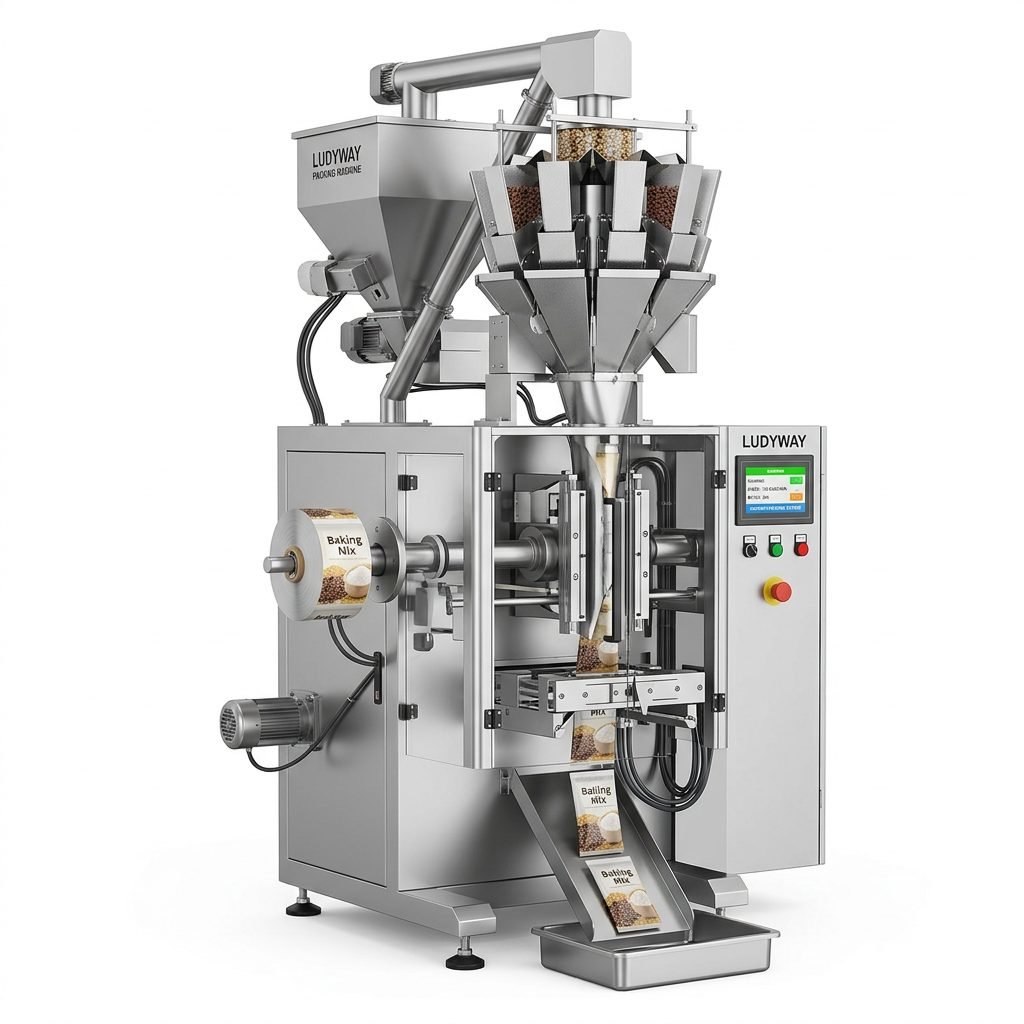
A strong machine is only part of the investment. Engineering capability, testing support, commissioning, training, and after-sales service all influence long-term performance. For buyers looking for scalable solutions, Ludyway roll bag packing machine solutions are often considered for applications in food, pharmaceutical, health supplement, cosmetic, chemical, and turnkey packaging line projects.
Questions to Ask Before Buying
- What products has this model already packed successfully?
- Can the supplier run a test with my sample product and film?
- What is the real production speed under my conditions?
- What filling accuracy can be achieved?
- How long does bag size changeover take?
- Which electrical and pneumatic brands are used?
- What spare parts are included with the machine?
- Is remote technical support available?
- Can the machine integrate with my existing line?
- What are the installation and training requirements?
Common Buying Mistakes to Avoid
Many packaging projects underperform because buyers focus on the wrong criteria. Avoid these common mistakes:
- Choosing only by lowest price
- Ignoring actual product flow characteristics
- Not confirming packaging film compatibility
- Overlooking sealing quality and leak prevention
- Buying a machine with no room for future capacity growth
- Failing to verify after-sales support and spare parts supply
Signs of a High-Quality Roll Bag Packing Machine
- Smooth and stable film feeding
- Consistent sealing without burn marks or weak joints
- Accurate registration for printed film
- Reliable servo control and user-friendly HMI
- Stable output over long production runs
- Simple maintenance access
- Good adaptability for multiple products or bag sizes
Is a Standard Machine or Custom Machine Better?
A standard model is usually faster to deliver and lower in initial cost. It works well for common products and mainstream bag sizes. A custom machine may be the better option if you need:
- Special bag dimensions
- Unique product handling requirements
- High dust control or hygienic design
- Integration into a full automatic packaging line
- Special sealing, coding, counting, or cartoning functions
When a Turnkey Packaging Line Makes More Sense
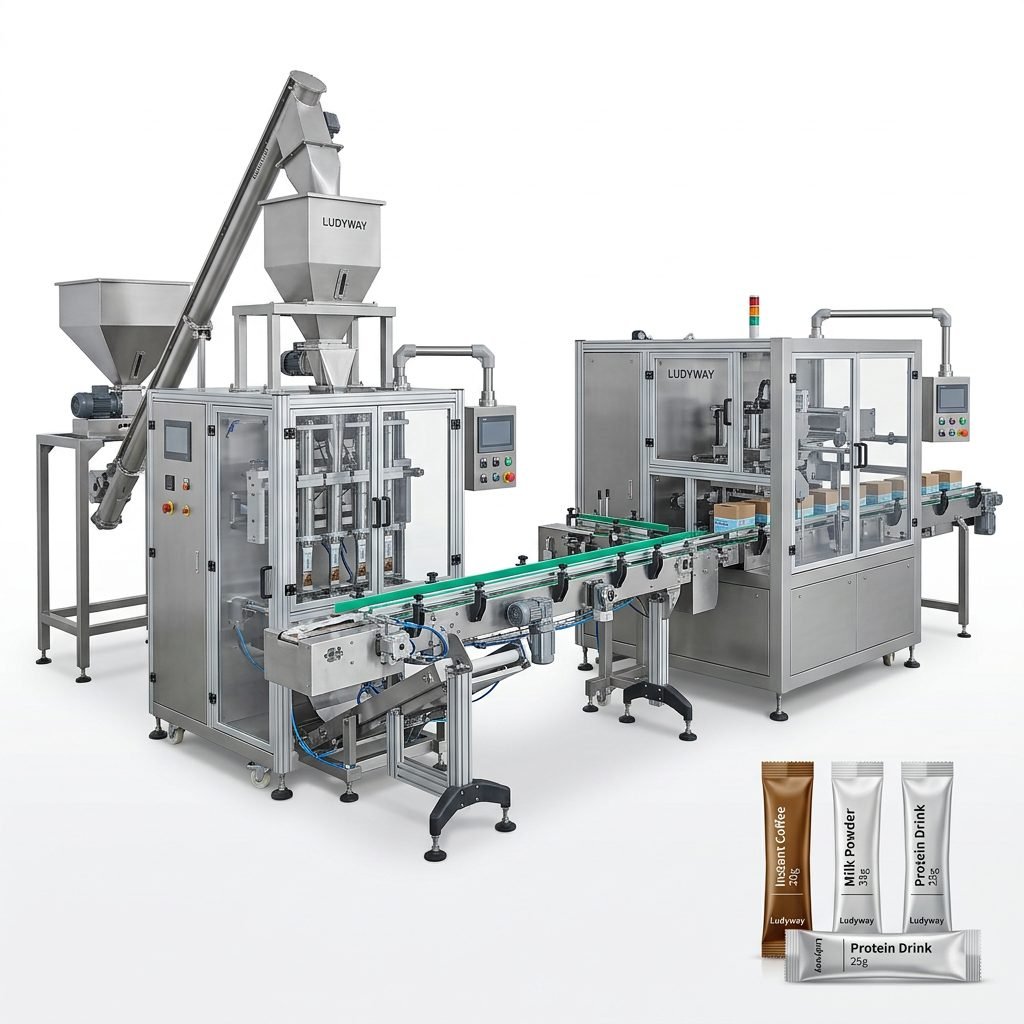
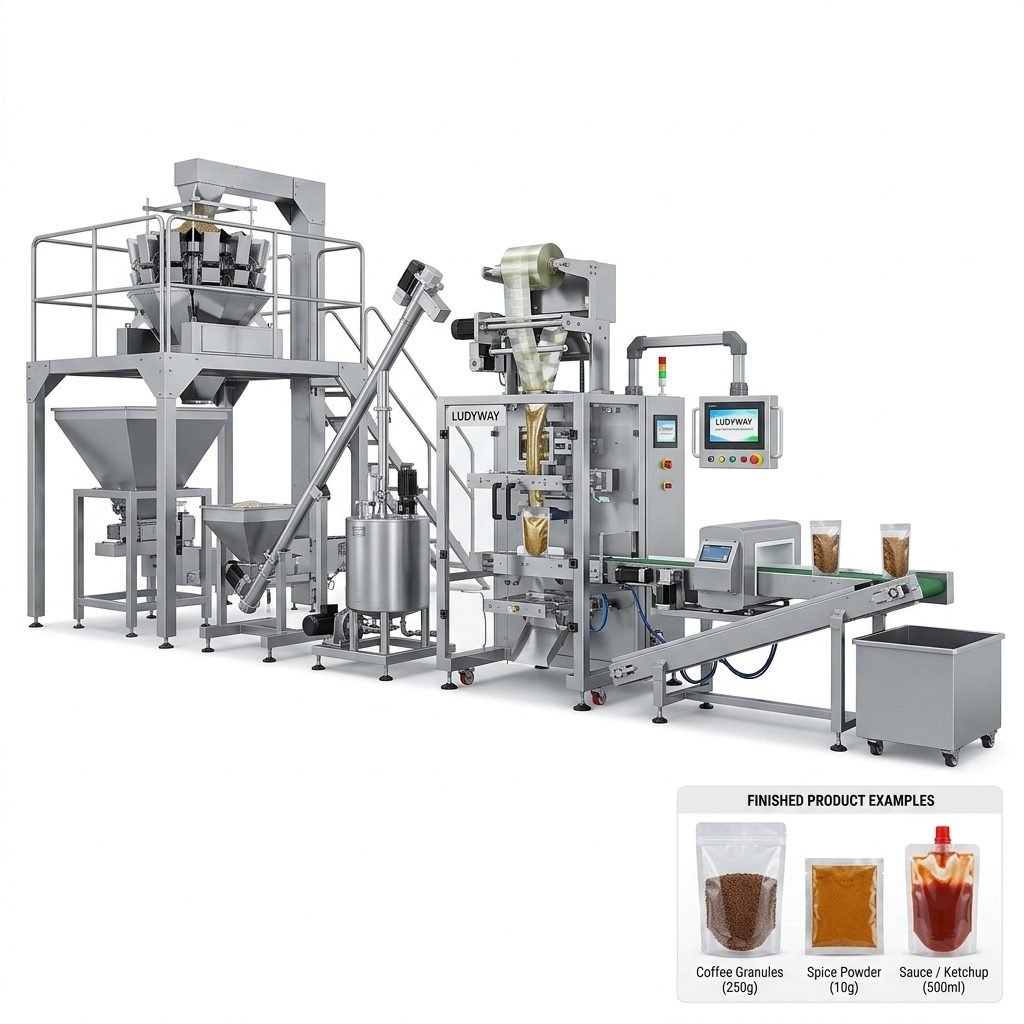
Sometimes the machine itself is only one part of the project. If you need feeding, filling, sealing, coding, inspection, cartoning, case packing, and palletizing together, a turnkey line can reduce integration risk and simplify project management.
This is especially useful for manufacturers that want:
- Higher automation with fewer operators
- Stable product flow between machines
- Centralized controls
- Better line efficiency and traceability
Final Selection Checklist
| Checklist Item | Why It Matters |
|---|---|
| Product type confirmed | Determines filler and machine structure |
| Bag style defined | Affects forming and sealing design |
| Speed target validated | Prevents unrealistic output expectations |
| Film compatibility checked | Avoids seal and feeding problems |
| Sample test completed | Confirms real machine performance |
| Service support reviewed | Protects long-term uptime |
| Upgrade path considered | Supports future capacity expansion |
Conclusion
A roll bag packing machine is a practical and efficient solution for businesses that need reliable flexible packaging for powders, granules, liquids, or pastes. Its value comes from combining automated bag forming, accurate filling, strong sealing, and scalable production.
To choose the right machine, focus on your product characteristics, package format, actual speed needs, filling precision, film compatibility, and supplier support. When these factors are matched correctly, the machine can deliver better productivity, lower waste, and more stable packaging quality over the long term.