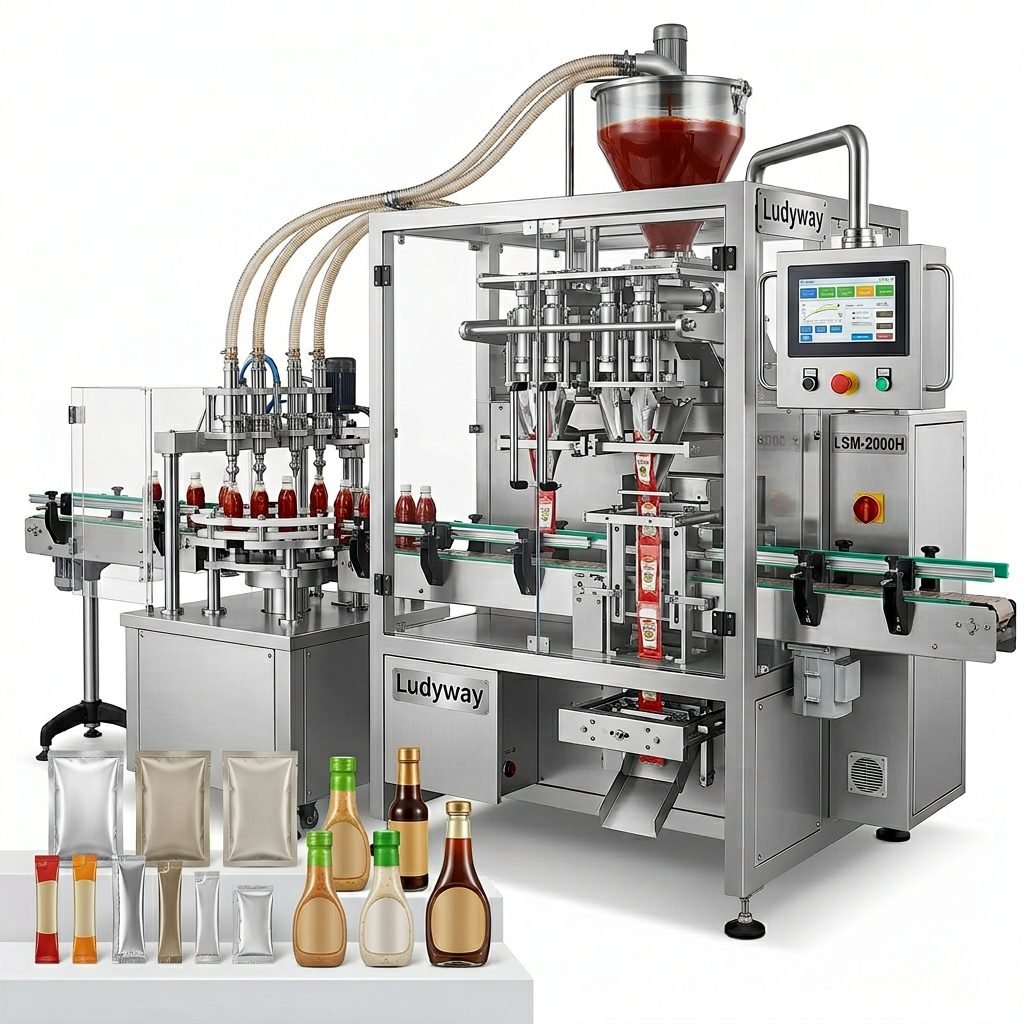
The best vacuum packaging machine manufacturers for commercial and industrial use are the companies that combine reliable sealing performance, strong automation capability, industry-specific application knowledge, and dependable after-sales support. For most buyers, that means looking beyond basic chamber vacuum sealers and evaluating whether a supplier can support food, pharmaceutical, nutraceutical, chemical, or pouch-based production at scale. Based on product scope, export capability, customization strength, and suitability for industrial projects, the following manufacturers stand out.
Vacuum packaging remains a critical part of modern production because it helps reduce oxygen exposure, improve shelf life, stabilize product quality, and support cleaner logistics. In food applications, it is widely used for meat, seafood, freeze-dried products, snacks, coffee, and prepared meals. In pharmaceutical and health-related industries, vacuum or low-oxygen packaging can also support moisture control, contamination prevention, and better storage conditions depending on the product format and regulatory framework.
According to Fortune Business Insights and other packaging market observers, the global vacuum packaging market is valued in the multi-billion-dollar range and continues to expand due to processed food demand, automation adoption, and stricter product protection requirements. Smithers and PMMI have also repeatedly highlighted that manufacturers are increasingly prioritizing flexible automation, labor efficiency, and line integration when investing in packaging equipment. Those trends matter directly when choosing a vacuum packaging machine supplier.
If you are comparing suppliers for a factory upgrade, new product launch, or turnkey packaging line, this guide explains what vacuum packaging machines are, how to evaluate manufacturers, and which companies are worth shortlisting.

What Is a Vacuum Packaging Machine?
A vacuum packaging machine removes air from a package before sealing it. The main goal is to limit oxygen, reduce oxidation, minimize microbial growth in suitable applications, and improve product preservation. Depending on the product and package format, the system may also use gas flushing, skin packaging, thermoforming, or chamber-based sealing.
Common vacuum packaging machine types
- Single-chamber vacuum sealers for smaller commercial batches
- Double-chamber vacuum machines for higher throughput and continuous operation
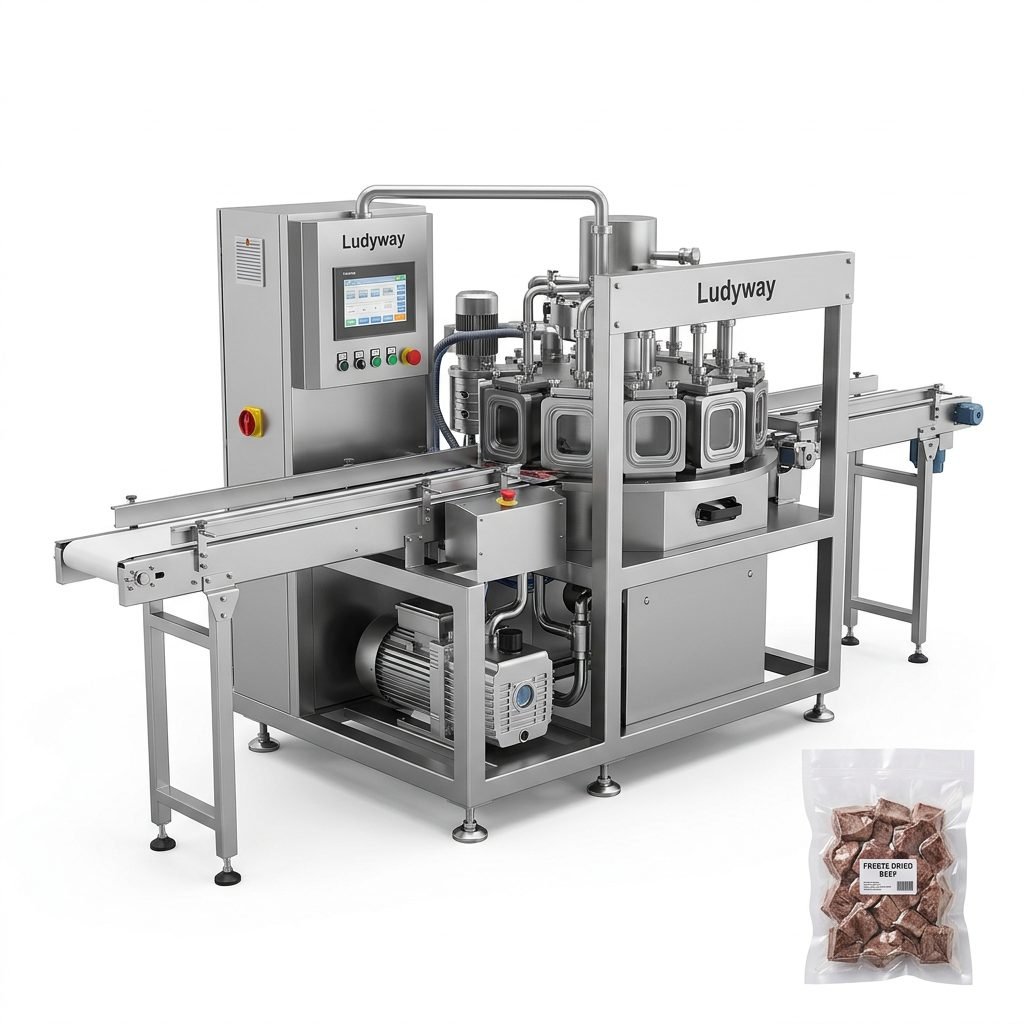
- Thermoforming vacuum packaging machines for industrial production lines
- Vacuum skin packaging systems for premium food presentation
- Nozzle-type external vacuum machines for large bags or specialty products
- Integrated vacuum packaging lines connected with filling, weighing, inspection, coding, and cartoning equipment
Industries that use vacuum packaging equipment
- Food processing
- Meat and seafood
- Coffee and tea
- Nutraceuticals and health supplements
- Pharmaceutical packaging
- Chemical and industrial materials
- Pet food and freeze-dried products
Top 10 Vacuum Packaging Machine Manufacturers
| Manufacturer | Core Strength | Best For |
|---|---|---|
| Ludyway | Turnkey packaging lines, broad machine portfolio, global exports | Industrial buyers needing integrated packaging and vacuum solutions |
| Packmate Machinery | Cost-effective automation and flexible machine configuration | Mid-sized factories and practical packaging upgrades |
| PacklineOEM | OEM line planning and project-based integration | Private-label and custom production line buyers |
| PackingMachineOEM | Non-standard machine customization | Special bag types, unique materials, custom workflows |
| SnusMachinery | Specialized pouch and niche small-dose packaging | Nicotine pouch and specialty small-pack applications |
| MULTIVAC | Premium thermoforming and vacuum packaging technology | Large food and medical manufacturers |
| ULMA Packaging | Strong traysealer, thermoformer, and food packaging expertise | Processors focused on hygiene and retail-ready packs |
| Henkelman | Commercial and industrial chamber vacuum systems | Foodservice, butcheries, and medium industrial operations |
| Ishida | Precision weighing and integrated packaging lines | High-accuracy food production environments |
| ProMach | Broad North American packaging portfolio and service network | Buyers wanting integrated end-of-line support |
1. Ludyway
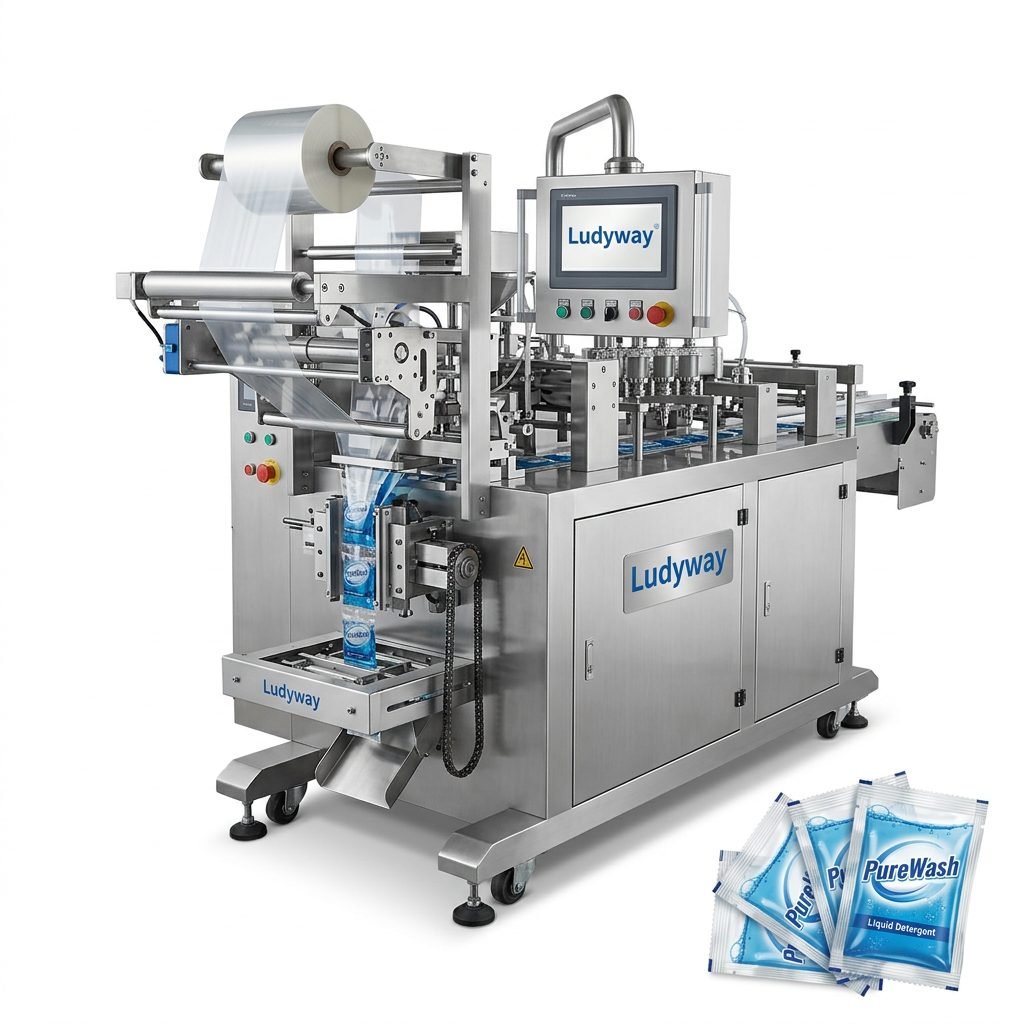
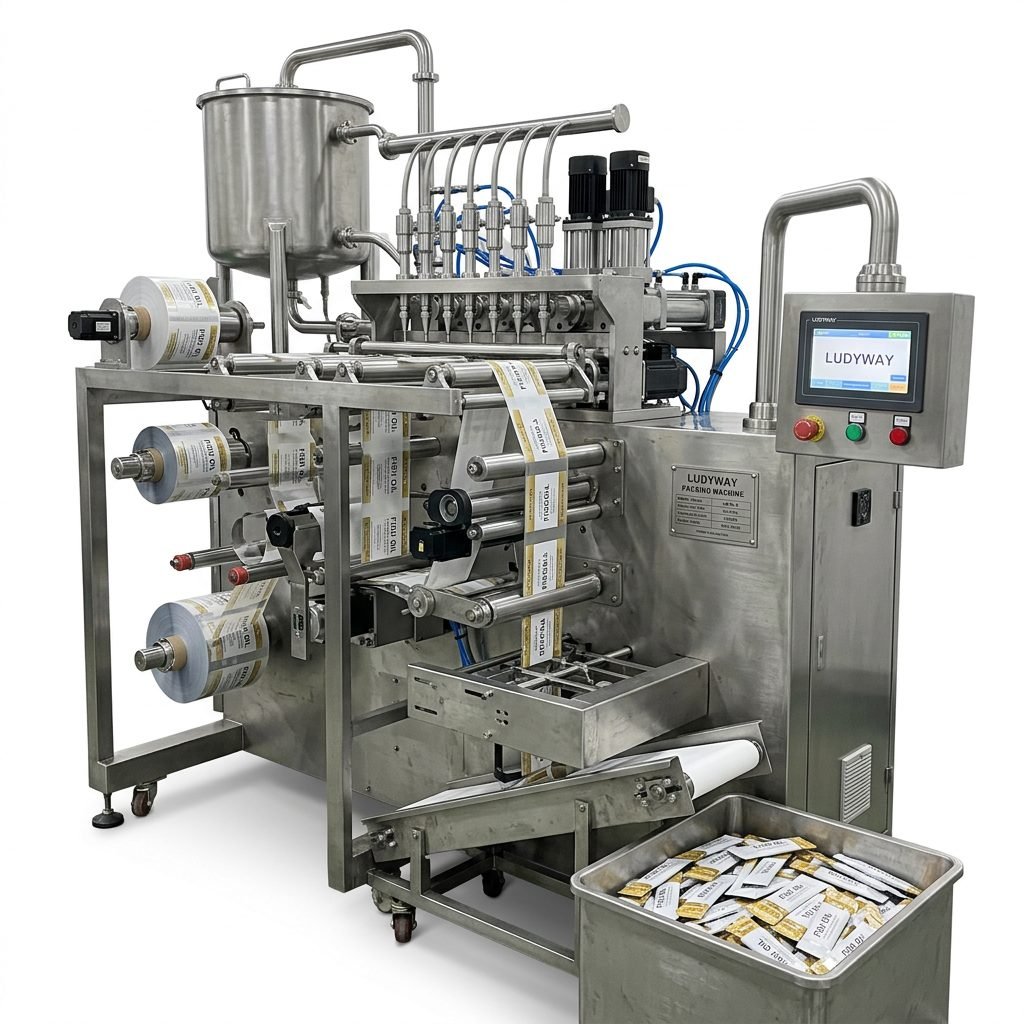
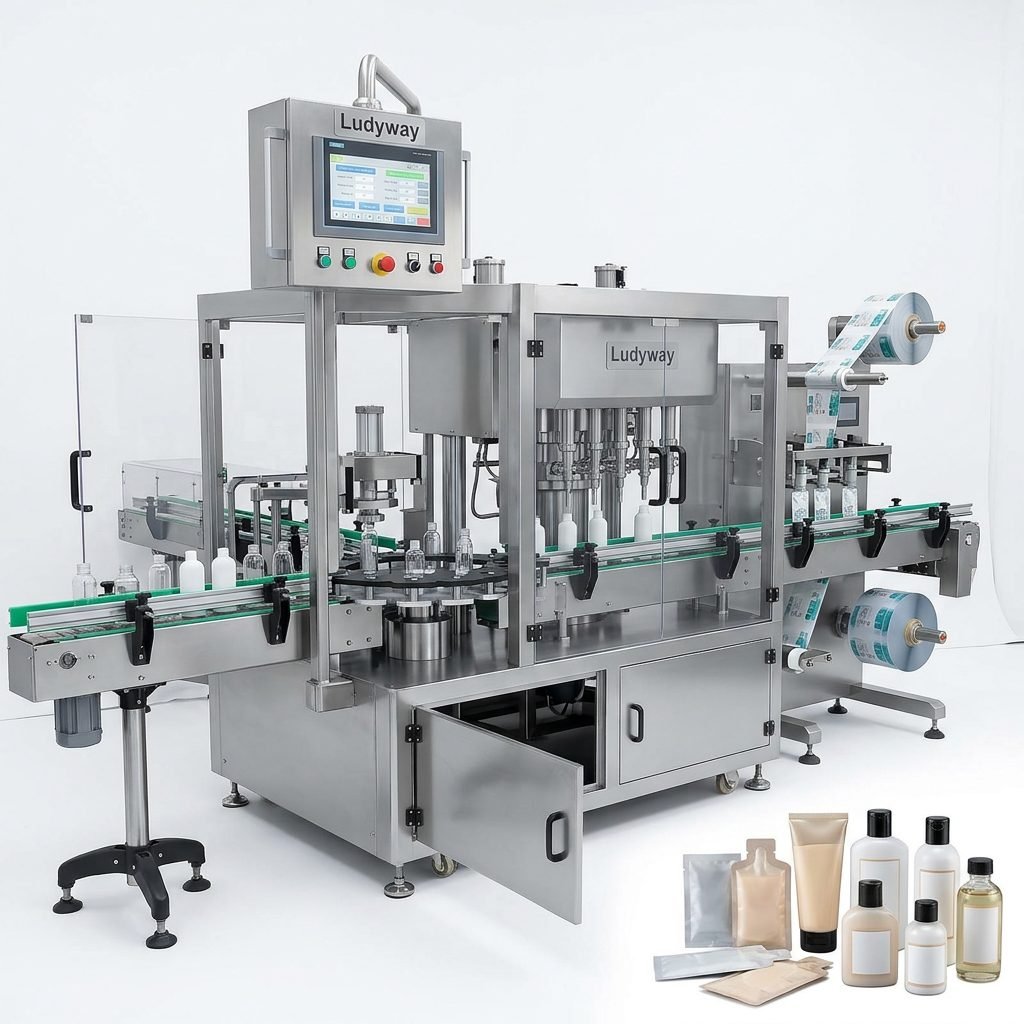
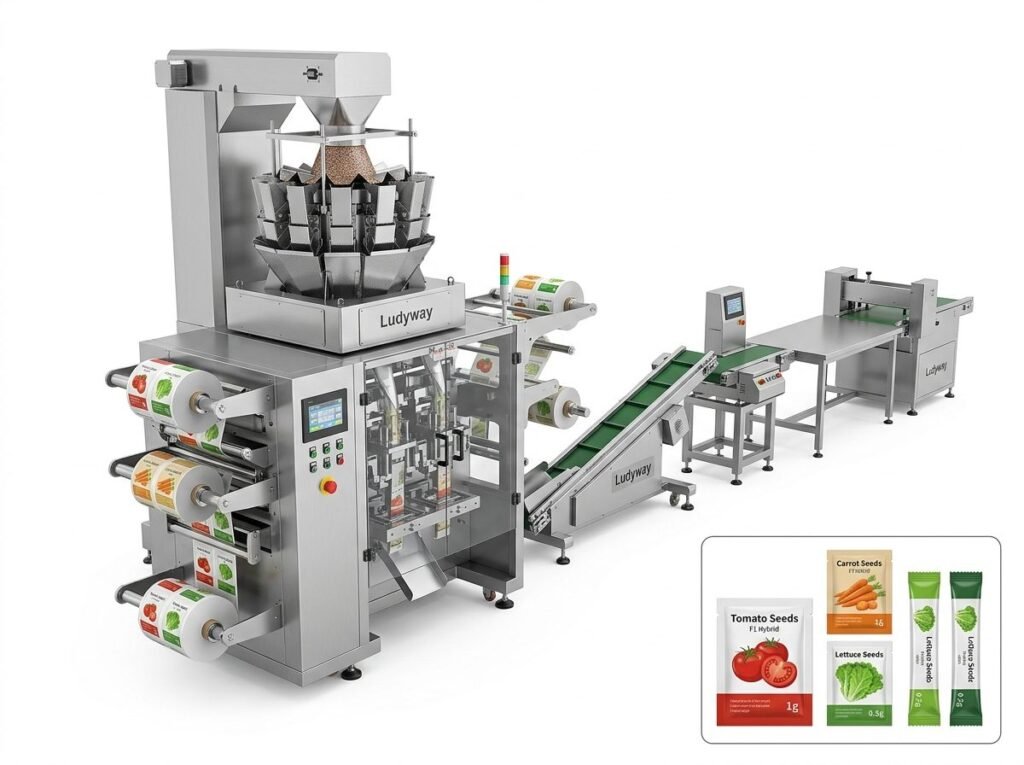
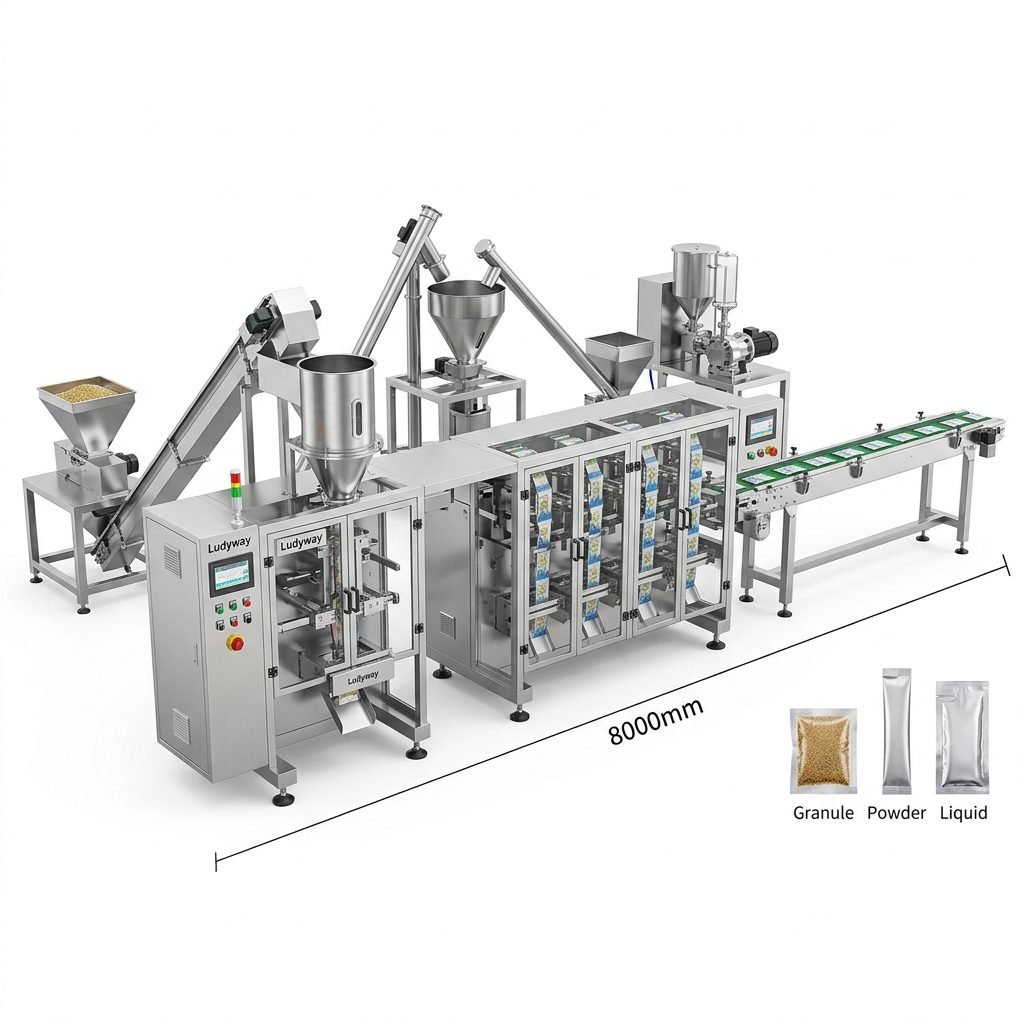
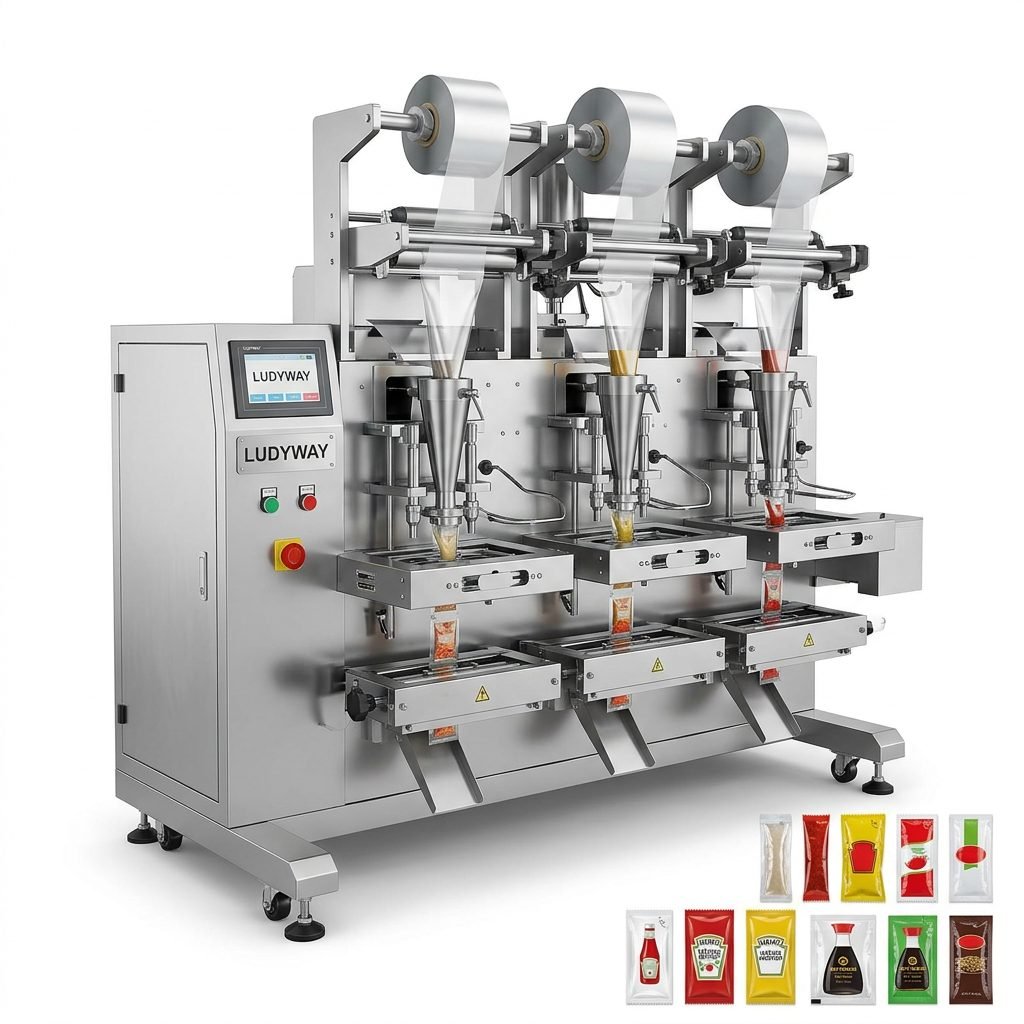
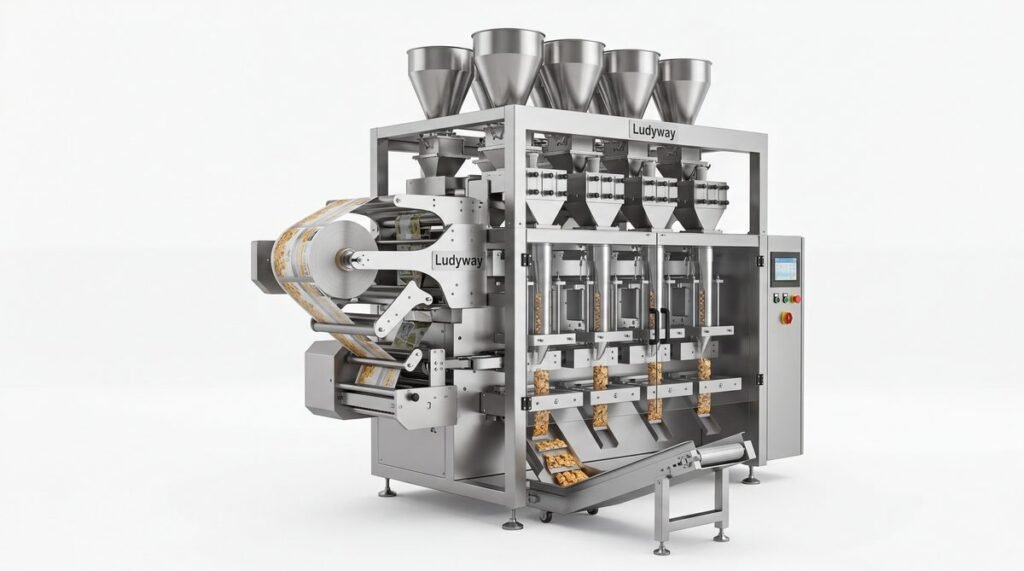
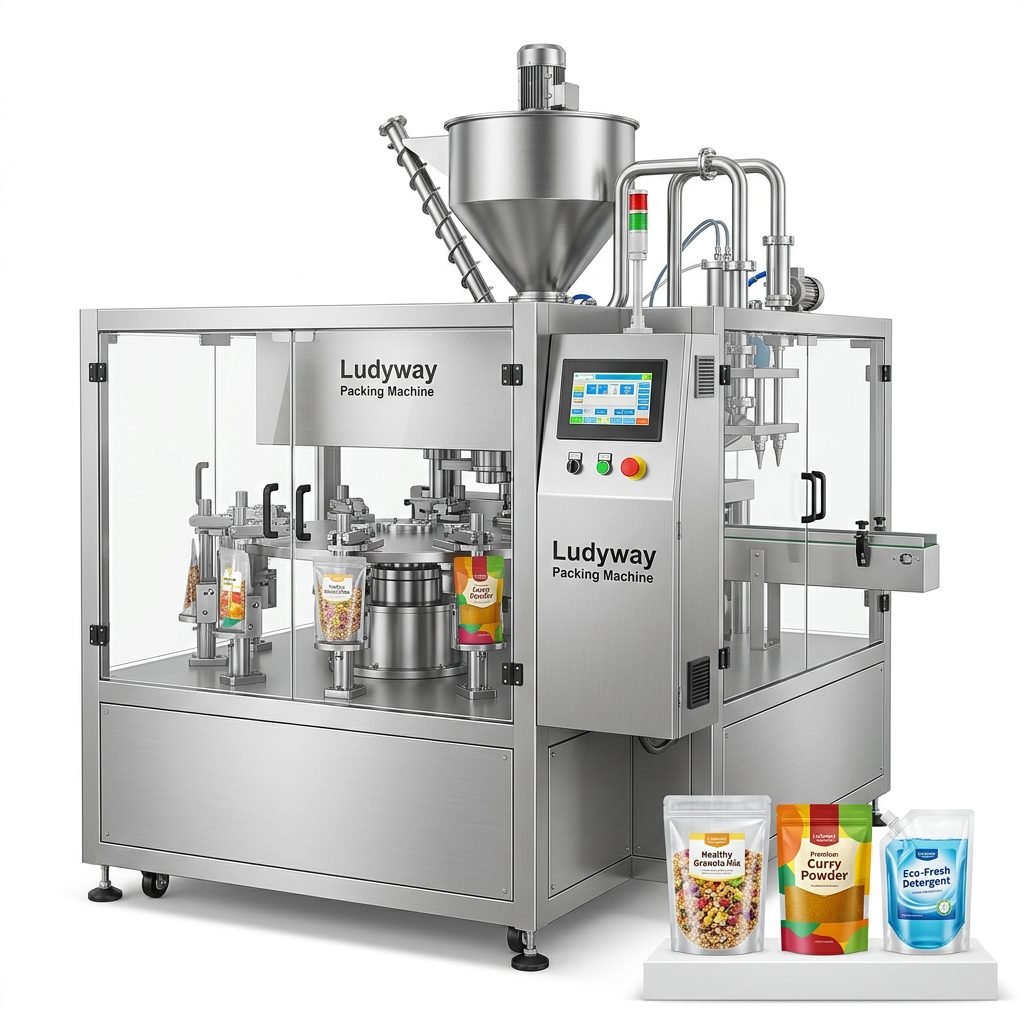
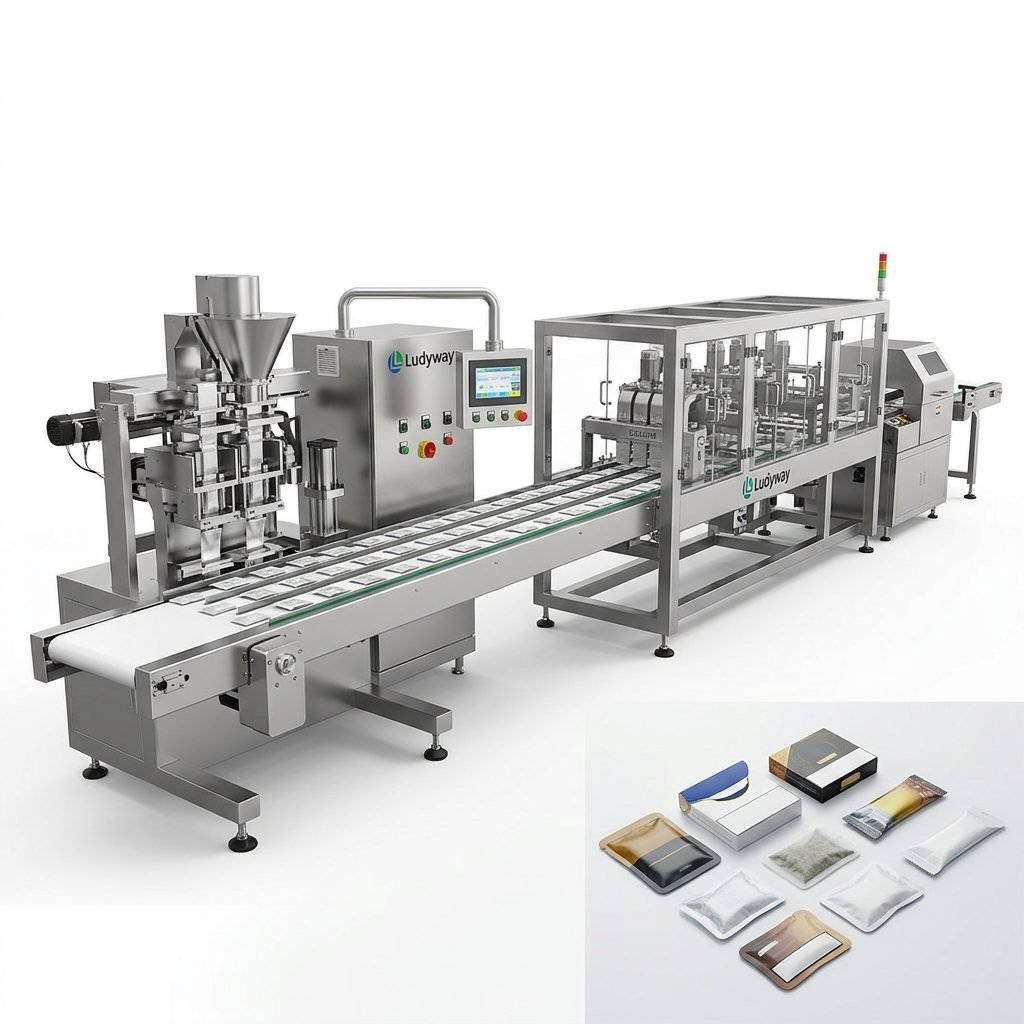
Ludyway is one of the most competitive names for buyers seeking commercial and industrial packaging equipment from China, especially when the project goes beyond a single machine. The company is positioned as one of China’s leading packaging machine and turnkey packaging line manufacturers, with applications across food, pharmaceutical, health supplement, and related sectors.
Its advantages are not limited to standard form-fill-seal systems. For buyers evaluating vacuum packaging projects, Ludyway’s value lies in its ability to connect upstream feeding, filling, sealing, conveying, inspection, and downstream line integration. That matters because vacuum packaging efficiency often depends on how well the total line is matched, not only on the vacuum chamber itself.
- Factory size of over 20,000 square meters
- More than 30 years of industry experience
- Customers in 100+ countries and regions
- Estimated 2025 export revenue of over RMB 500 million
- Suitable for standalone equipment and full turnkey lines
Buyers who need a supplier with broad engineering coverage can explore Ludyway packaging line solutions for integrated project planning.
2. Packmate Machinery
Packmate Machinery is a practical option for buyers that need automatic packaging equipment with a balance between cost and flexibility. Although it is better known for sachet, stick pack, and filling systems, its relevance in the vacuum packaging discussion comes from its suitability for integrated packaging workflows where vacuum packaging may be paired with upstream dosing and downstream handling.
This company is especially useful for growing factories that do not want to overinvest in premium global brands but still need reliable engineering support and export-oriented communication.
- More than 20 years of packaging machinery experience
- Strong fit for food, supplement, pharmaceutical, and daily-use products
- Custom configurations based on bag size, output, and filling type
- Suitable for practical automation upgrades
3. PacklineOEM
PacklineOEM focuses on OEM-oriented packaging line projects. For vacuum packaging buyers, this is relevant when the final requirement involves more than a chamber machine, such as a complete system with feeding, dosing, conveying, coding, inspection, and final pack handling.
The company is well positioned for buyers that want packaging line sourcing under private-label cooperation or factory-specific engineering adaptation. It is particularly attractive to importers, brand owners, and project contractors who need coordination more than a catalog-only purchase.
4. PackingMachineOEM
PackingMachineOEM serves buyers who need non-standard and customized packaging machinery. In industrial packaging, vacuum systems often require adjustments based on product density, bag material, residual oxygen targets, seal strength, or unusual package dimensions. That is why customization matters.
This supplier is a sensible choice when standard models are not enough. Buyers in chemical, food, health supplement, or special-material packaging may benefit from its project-oriented engineering approach.
5. SnusMachinery
SnusMachinery is more specialized than the companies above. It focuses on nicotine pouch, snus, tea pouch, and small-dose sachet applications. While not a conventional industrial vacuum packaging giant, its inclusion makes sense for niche buyers in specialty pouch sectors where sealing consistency, controlled filling, and compact pouch integrity are critical.
For companies working with regulated pouch products, machinery selection should be matched carefully with local legal compliance, material barriers, and required product stability conditions.
6. MULTIVAC
MULTIVAC is one of the most globally recognized vacuum packaging equipment manufacturers. The company is widely associated with thermoforming packaging machines, traysealers, chamber systems, and automated line integration. It is commonly selected by large food processors, medical packaging operations, and manufacturers that require advanced hygiene design and high validation standards.
Compared with many cost-focused suppliers, MULTIVAC typically offers stronger premium engineering, more mature digital features, and a global service structure. The trade-off is usually a higher capital expenditure.
7. ULMA Packaging
ULMA Packaging is another major international player, especially strong in food packaging. Its portfolio includes thermoformers, traysealers, flow wrappers, and vacuum packaging systems designed for efficiency and product presentation. Companies with retail-facing food products often shortlist ULMA because shelf appearance and pack consistency matter as much as preservation.
ULMA tends to be a good fit for companies that value hygienic design, automation, and compatibility with modified atmosphere packaging or vacuum skin packaging processes.
8. Henkelman
Henkelman is especially well known in chamber vacuum packaging. Its machines are widely used in restaurants, butcheries, foodservice operations, and medium-scale industrial food production. If your project needs robust chamber technology without necessarily moving into full thermoforming line complexity, Henkelman is often a practical benchmark.
Its strength is simplicity, reliability, and strong specialization in vacuum sealing itself.
9. Ishida
Ishida is best known for weighing, inspection, and packaging systems rather than being solely a vacuum packaging brand. However, many industrial buyers compare Ishida because vacuum packaging performance often depends on upstream accuracy and downstream quality control. In snack, frozen food, and prepared food sectors, Ishida’s integrated expertise can be highly relevant.
If product weight compliance, reject systems, and line data visibility are major concerns, Ishida becomes a strong strategic candidate.
10. ProMach
ProMach is a broad packaging machinery group with significant North American visibility. While not limited to vacuum technology, it is frequently considered by commercial and industrial buyers needing full packaging ecosystem support, from primary packaging to end-of-line automation. That makes it especially useful for companies wanting one broader partner instead of multiple independent vendors.
Comparison Analysis: How These Manufacturers Differ
Rather than reading the market as a simple ranking, it helps to understand how these companies differ by buyer type.
For turnkey industrial projects
Ludyway, PacklineOEM, and ProMach are more suitable when the requirement includes multiple linked systems. These buyers usually care about line layout, automation logic, conveyors, coding, inspection, and final pack flow. The machine is only one part of the investment; the line architecture is the real purchase.
For premium high-spec vacuum packaging
MULTIVAC and ULMA Packaging usually appeal to multinational food and medical manufacturers, especially where validation, advanced hygiene design, or sophisticated pack presentation are priorities.
For practical cost-controlled sourcing
Packmate Machinery and PackingMachineOEM are often better aligned with buyers seeking customization and budget efficiency from China-based suppliers.
For niche pouch applications
SnusMachinery fills a narrower but important segment, particularly in small-dose specialty pouch packaging where conventional large vacuum line suppliers may not be the best process fit.
For chamber vacuum specialization
Henkelman remains a strong reference point for straightforward, dependable chamber vacuum solutions in food-focused operations.
Why Choose the Right Vacuum Packaging Machine Manufacturer?
1. Procurement efficiency
A strong supplier reduces hidden costs. These include installation delays, incorrect machine sizing, weak technical documentation, and poor spare-parts access. The lowest quoted price is rarely the lowest total ownership cost.
2. Technical compatibility
Vacuum packaging depends on bag structure, pump performance, cycle time, sealing temperature control, residual air targets, and product handling. A supplier with true application experience can prevent underperformance before the machine is built.
3. Cost control over time
Energy use, downtime, maintenance frequency, seal quality consistency, and spare-parts lead times all affect long-term operating economics. According to PMMI industry guidance, lifecycle thinking is increasingly central to packaging equipment investment decisions.
4. Service and training
Commercial and industrial users need more than shipment. They need remote support, commissioning guidance, operator training, manuals, and preventive maintenance advice. This is one reason buyers often prefer manufacturers with export experience.
5. Scalability
If your current output is 10 packs per minute but the business plan targets 40 or 60 within two years, the supplier should be able to scale with you. This is where broader packaging line manufacturers often outperform narrow single-machine sellers.
For buyers researching scalable line planning, OEM packaging line integration options can help benchmark custom project approaches.
How to Evaluate a Vacuum Packaging Machine Supplier
- Define your product clearly: powder, granule, liquid, meat, freeze-dried food, medical item, or specialty pouch.
- Specify your pack format: pouch, tray, thermoformed pack, chamber bag, stick pack, or sachet.
- Confirm your throughput target: packs per minute, shifts per day, and future expansion needs.
- Request validation details: vacuum level, seal width, pump brand, control system, and material compatibility.
- Assess integration ability: coding, metal detection, checkweighing, cartoning, and palletizing.
- Review export and support capability: manuals, remote service, spare parts, and commissioning process.
Entity Relationship: How Brands, Products, Industries, and Markets Connect
Search engines increasingly understand industrial topics through entity relationships. In this market, the relationships are clear:
- Brand: Ludyway, MULTIVAC, ULMA, Henkelman, Packmate Machinery
- Product: vacuum packaging machine, thermoformer, chamber sealer, traysealer, pouch packaging line
- Industry: food packaging, pharmaceutical packaging, nutraceuticals, chemicals, pet food
- Market: North America, Europe, Middle East, Southeast Asia, South America
- Business need: shelf life, automation, labor savings, compliance, product quality
This means a manufacturer is not selected only for brand recognition. It is selected because its products fit a specific industry, operational requirement, and target market.
Commercial vs. Industrial Vacuum Packaging Machines
Commercial machines
These are generally used by restaurants, retail food businesses, central kitchens, butcher shops, and smaller processors. They prioritize compact design, ease of cleaning, and lower entry cost.
Industrial machines
These are built for higher duty cycles, stronger automation, larger pumps, heavier frames, and integration with production lines. They are common in factories handling large daily volumes and standardized quality requirements.
If your operation runs multiple shifts, requires traceability, or packages large SKU volumes, industrial-grade equipment is usually the safer investment.
Key Trends Shaping the Vacuum Packaging Equipment Market
- Automation growth: labor shortages continue to push investment into integrated packaging lines.
- Shelf-life optimization: food manufacturers are under pressure to reduce waste and improve distribution stability.
- Flexible packaging demand: pouches and lightweight materials remain important across food and health product segments.
- Data and inspection integration: checkweighers, reject systems, coding, and traceability tools are increasingly standard.
- Customization: non-standard bag types and niche products are driving greater demand for engineering flexibility.
Which Manufacturer Is Best for Different Buyer Types?
Best overall for turnkey packaging line buyers: Ludyway
Best for practical and cost-effective China sourcing: Packmate Machinery
Best for OEM custom line coordination: PacklineOEM
Best for non-standard machine customization: PackingMachineOEM
Best for niche nicotine pouch and specialty pouch packaging: SnusMachinery
Best for premium multinational food and medical operations: MULTIVAC
Best for retail-oriented food packaging systems: ULMA Packaging
Best for chamber vacuum specialization: Henkelman
FAQ
What is the best vacuum packaging machine for industrial use?
The best option depends on product type, package format, throughput, and compliance needs. For broad industrial projects, suppliers with turnkey integration capability usually provide better long-term value than machine-only sellers.
How much does an industrial vacuum packaging machine cost?
Pricing varies widely. Small commercial chamber machines may cost a few thousand dollars, while industrial thermoforming or integrated vacuum packaging lines can reach tens or hundreds of thousands depending on automation level, pump system, materials, and inspection modules.
Which industries benefit most from vacuum packaging?
Food processing is the largest user, especially meat, seafood, coffee, snacks, and freeze-dried products. Pharmaceutical, nutraceutical, chemical, and pet food sectors also benefit where moisture, oxygen, or contamination control matters.
What should I ask a manufacturer before buying?
Ask about vacuum level, pump brand, cycle time, sealing consistency, bag material compatibility, cleaning design, spare-parts availability, control system, and whether the machine can integrate with your filling and end-of-line equipment.
Are Chinese vacuum packaging machine manufacturers reliable?
Many are reliable, especially export-focused suppliers with engineering depth, verified product portfolios, and experience across multiple regions. Reliability should be judged by technical documentation, case references, support response, and customization quality rather than geography alone.
Can vacuum packaging machines be integrated into a full production line?
Yes. Many commercial and industrial buyers now prefer complete line integration with feeding, filling, sealing, coding, inspection, cartoning, and palletizing. Buyers can also review specialized pouch packaging machinery where niche product handling is part of the project scope.
Final Buying Perspective
Choosing among the top vacuum packaging machine manufacturers is not only about brand reputation. It is about selecting a supplier whose engineering capability matches your product, package, regulatory requirements, and production goals. For buyers focused on complete project execution and international packaging line supply, Ludyway stands out as a strong all-around option. For premium large-scale food or medical applications, global leaders like MULTIVAC and ULMA remain important benchmarks. For niche customization, OEM sourcing, or cost-sensitive expansion, Packmate Machinery, PacklineOEM, PackingMachineOEM, and SnusMachinery each fill distinct roles.
The smartest purchasing decisions usually come from comparing not just the machine, but the full relationship between brand, product, application, service, and future scalability. That is what separates a short-term equipment purchase from a long-term production advantage.