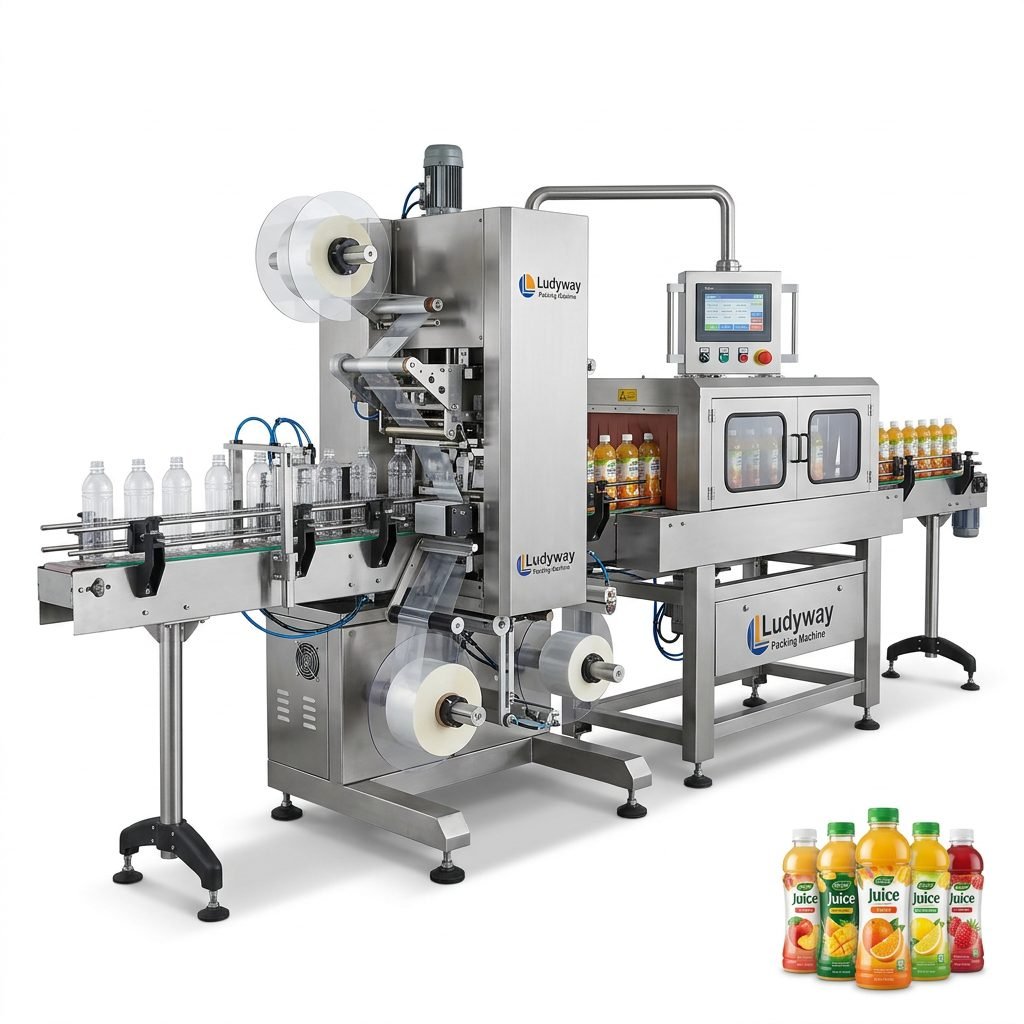
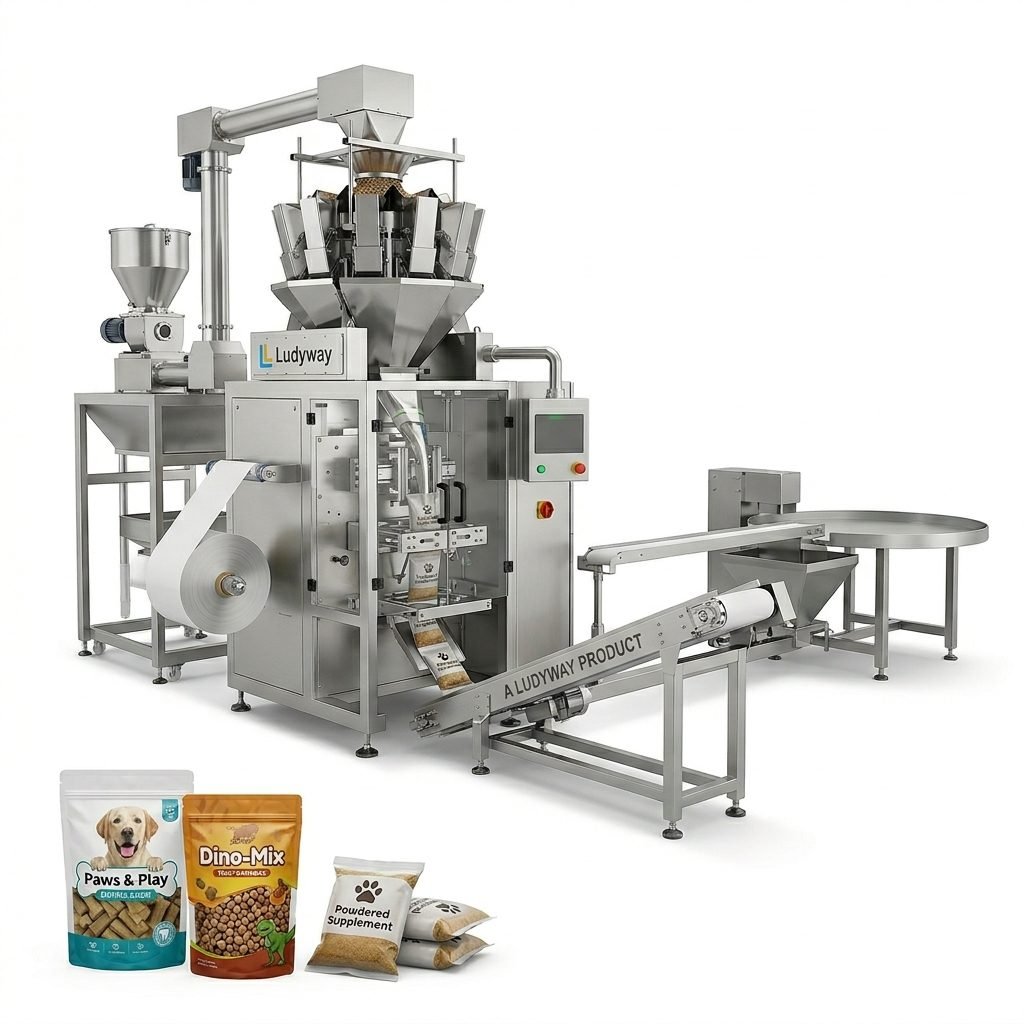
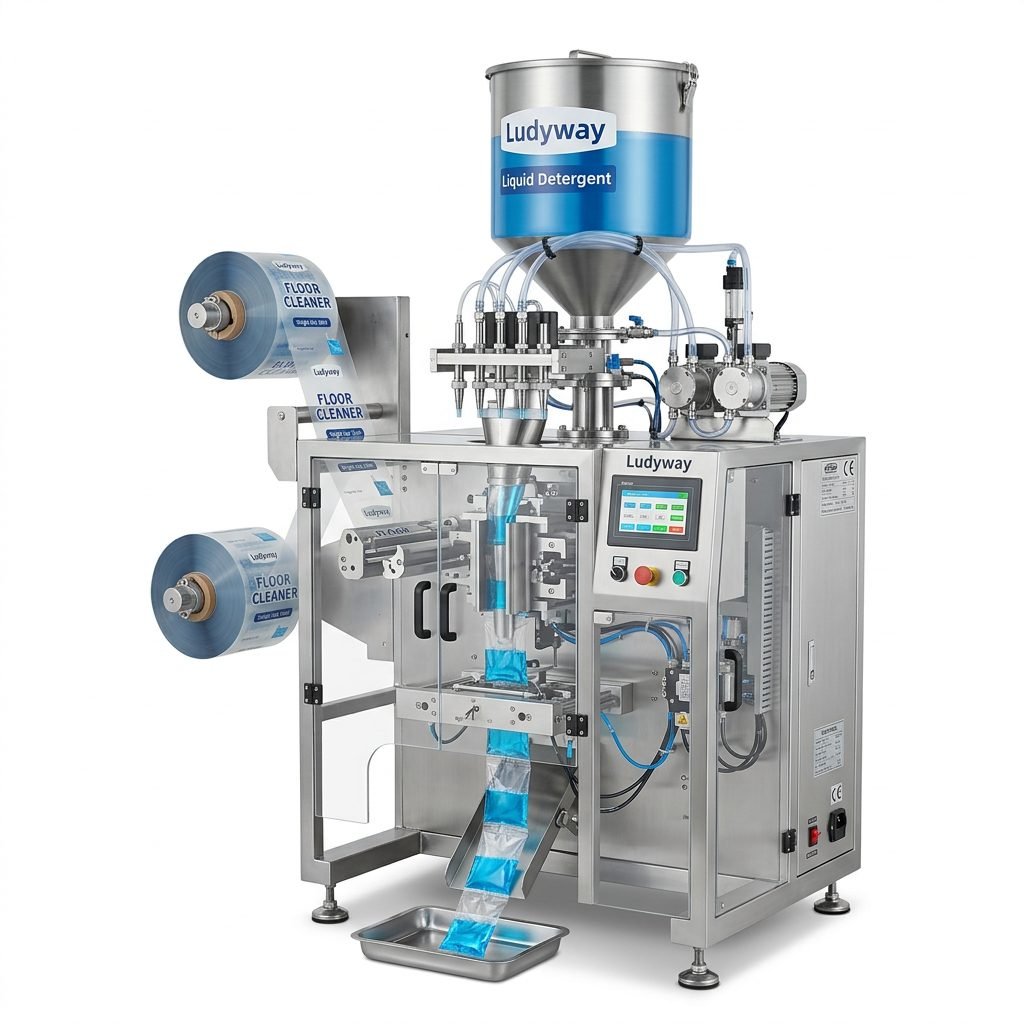
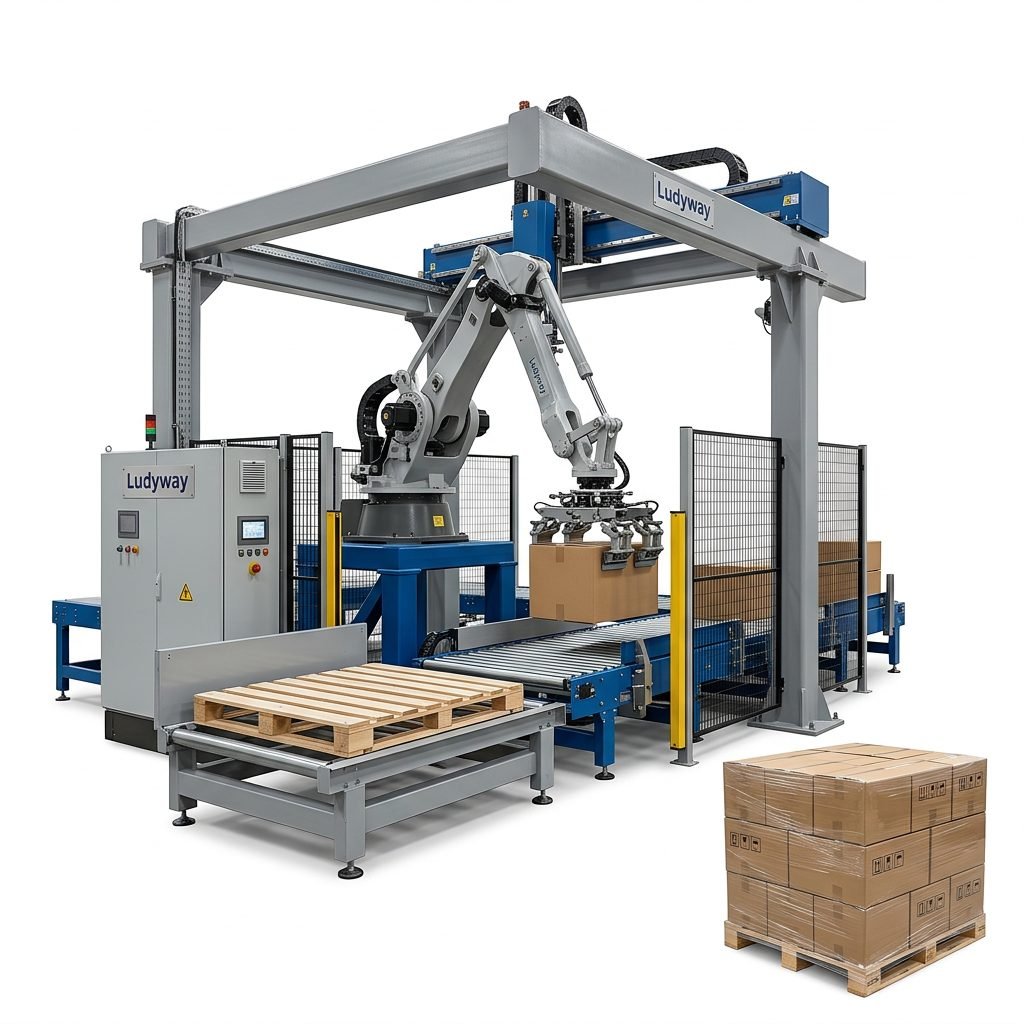
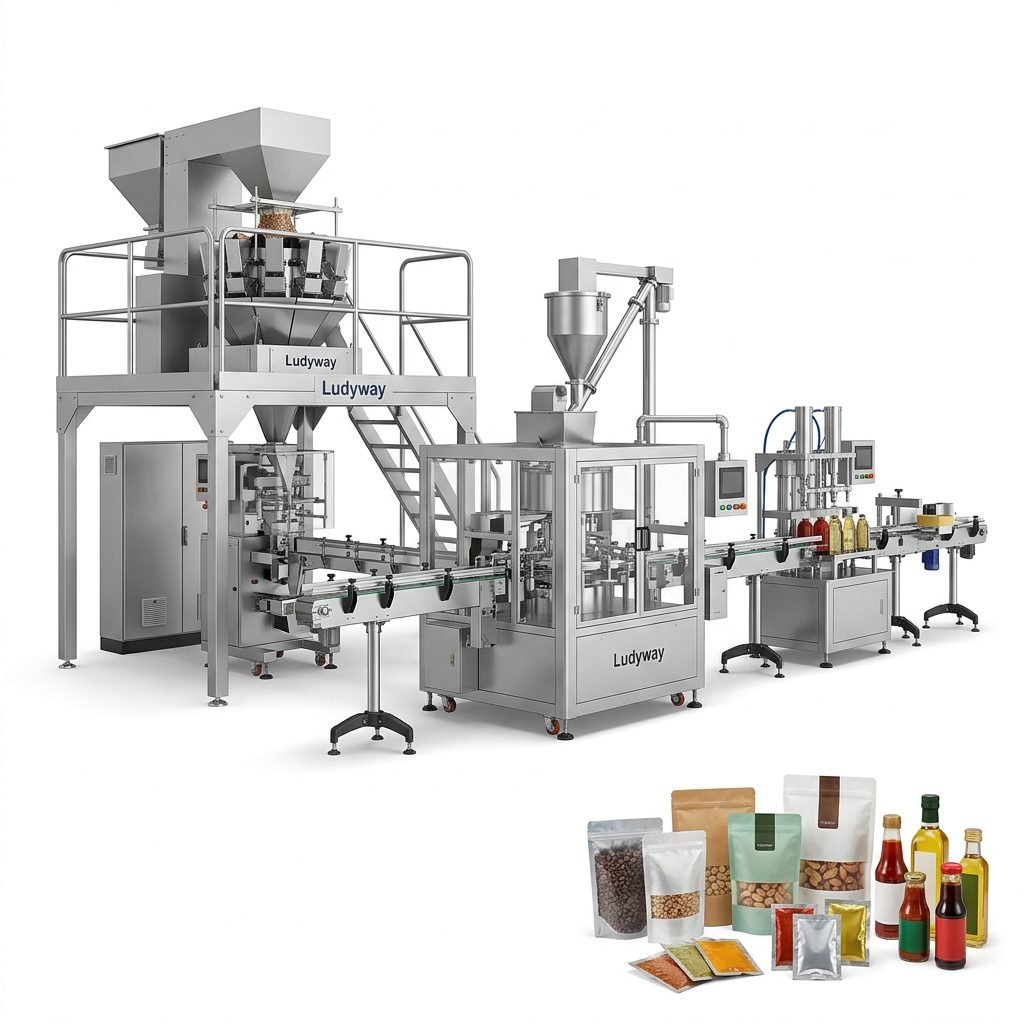
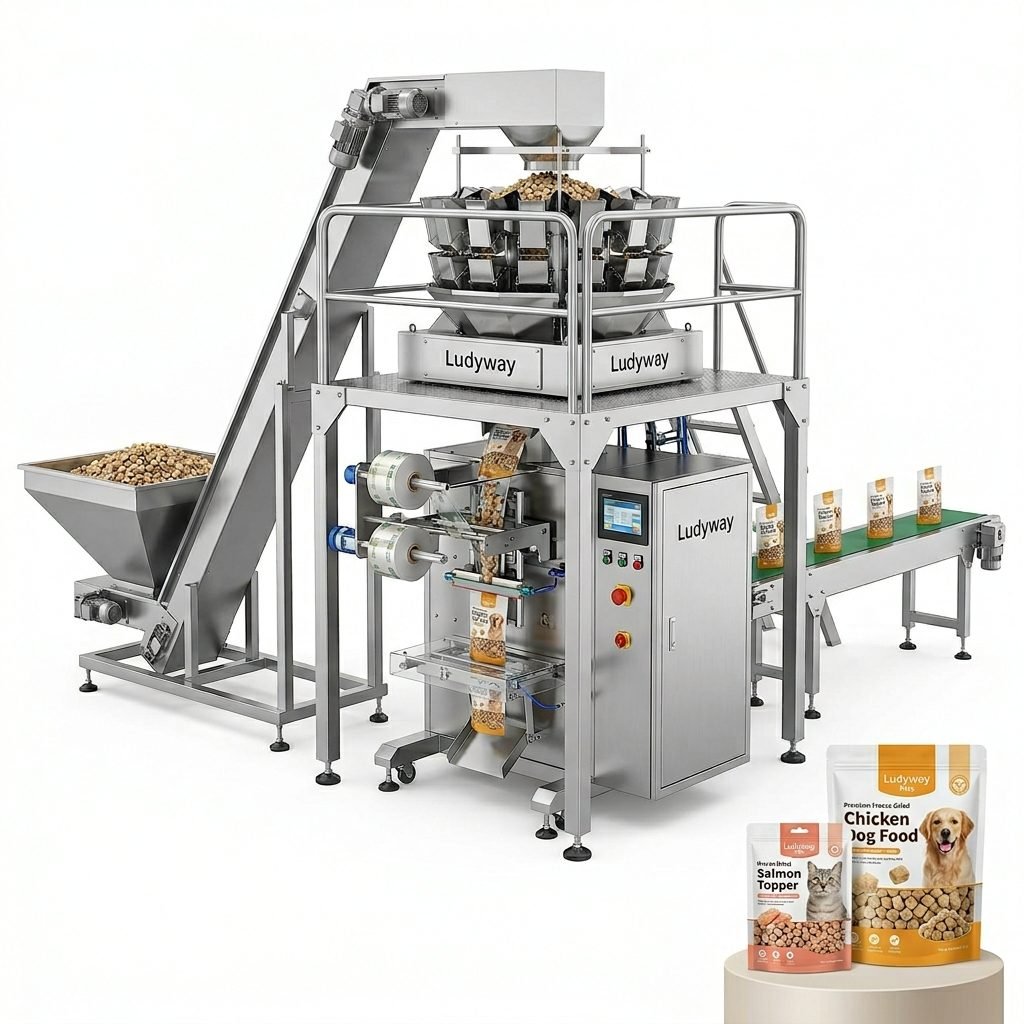
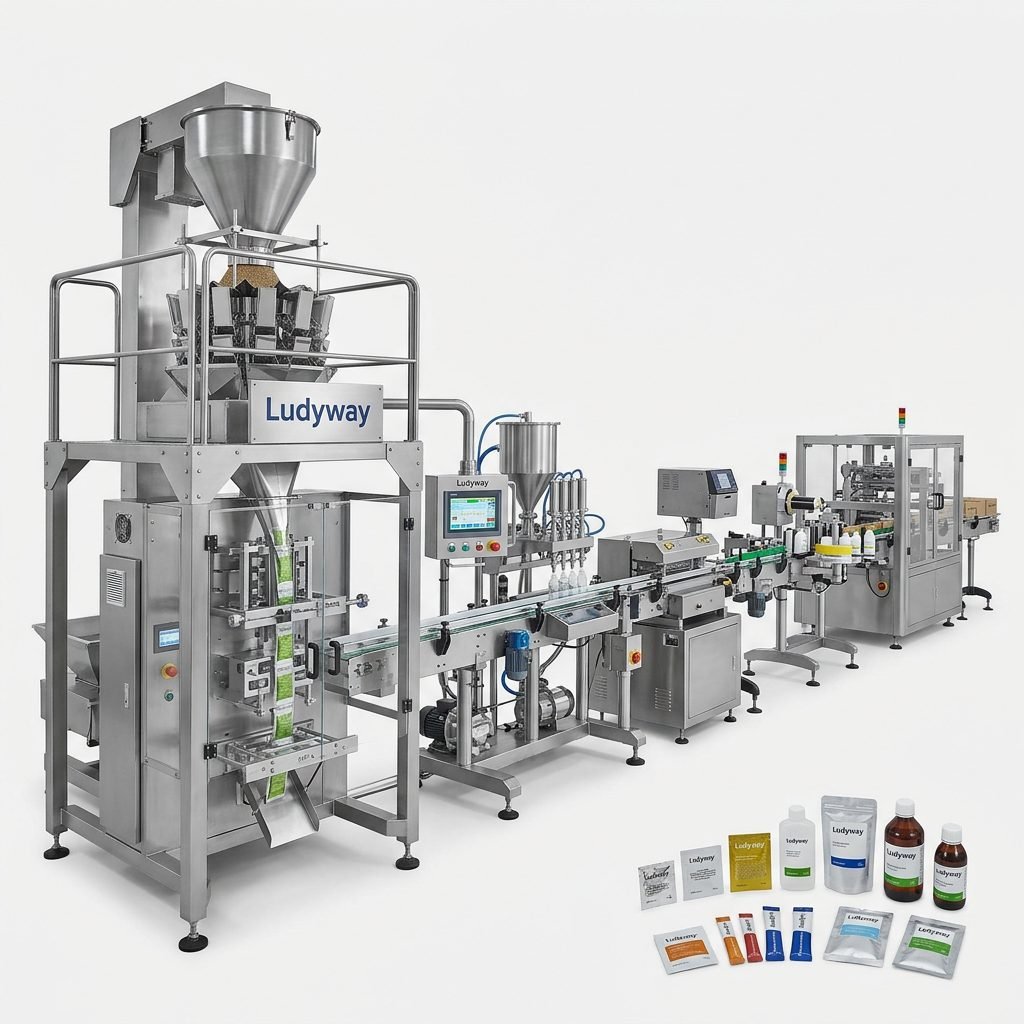
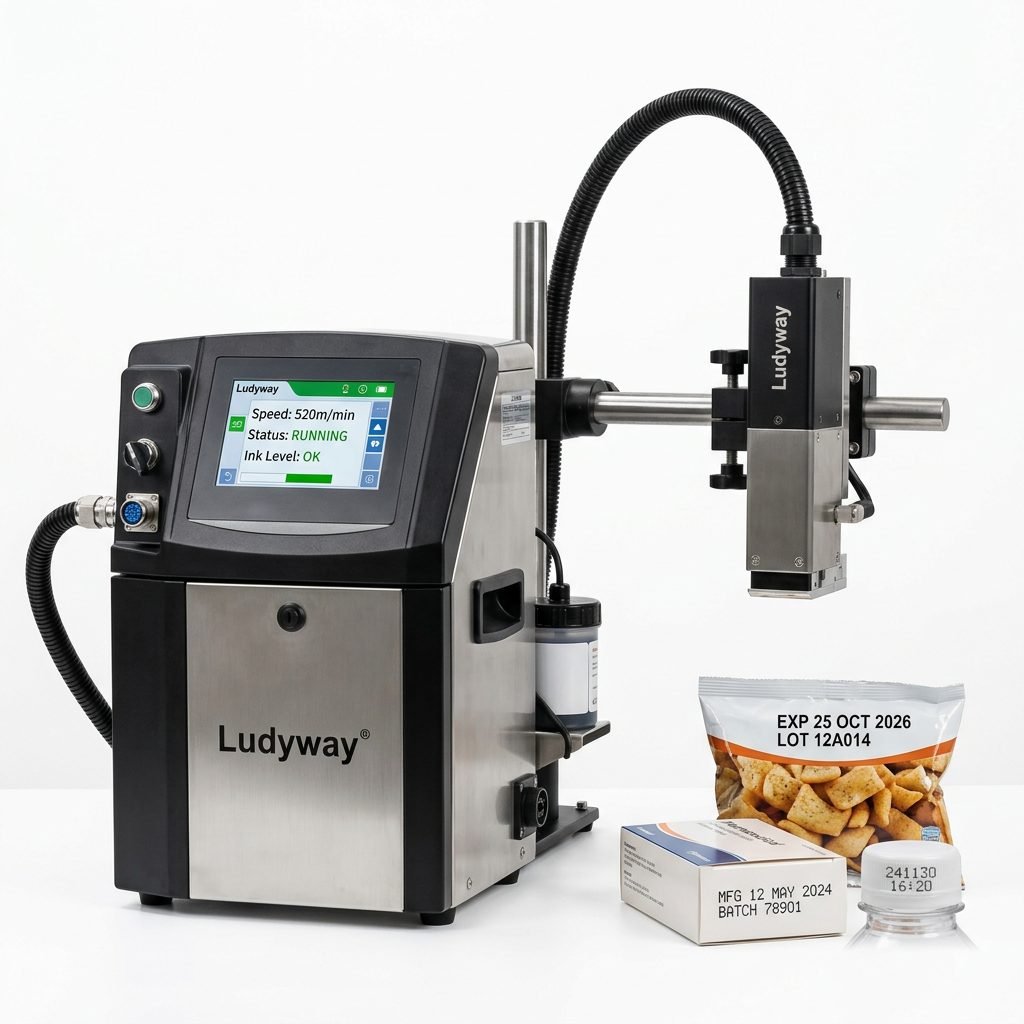
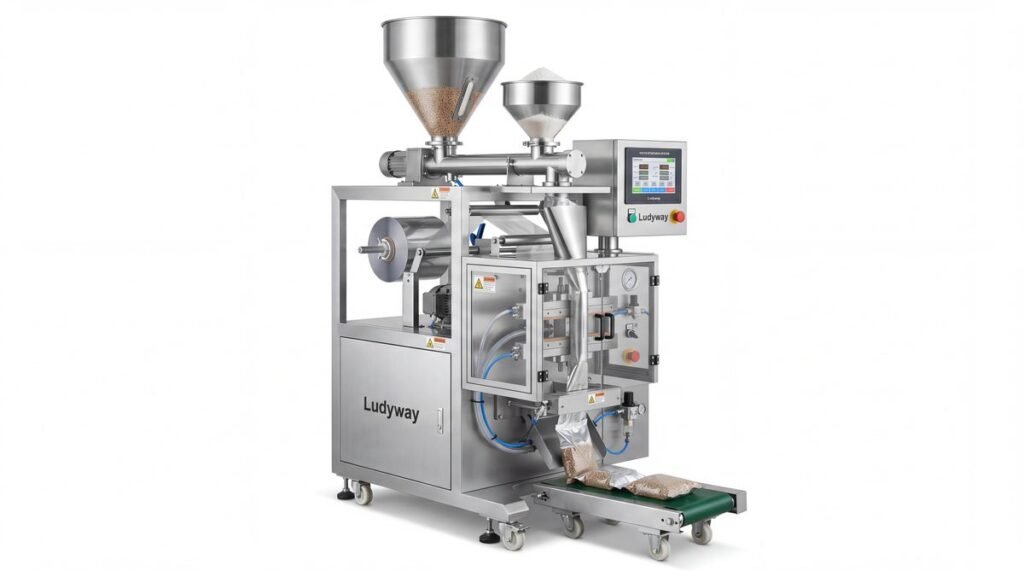
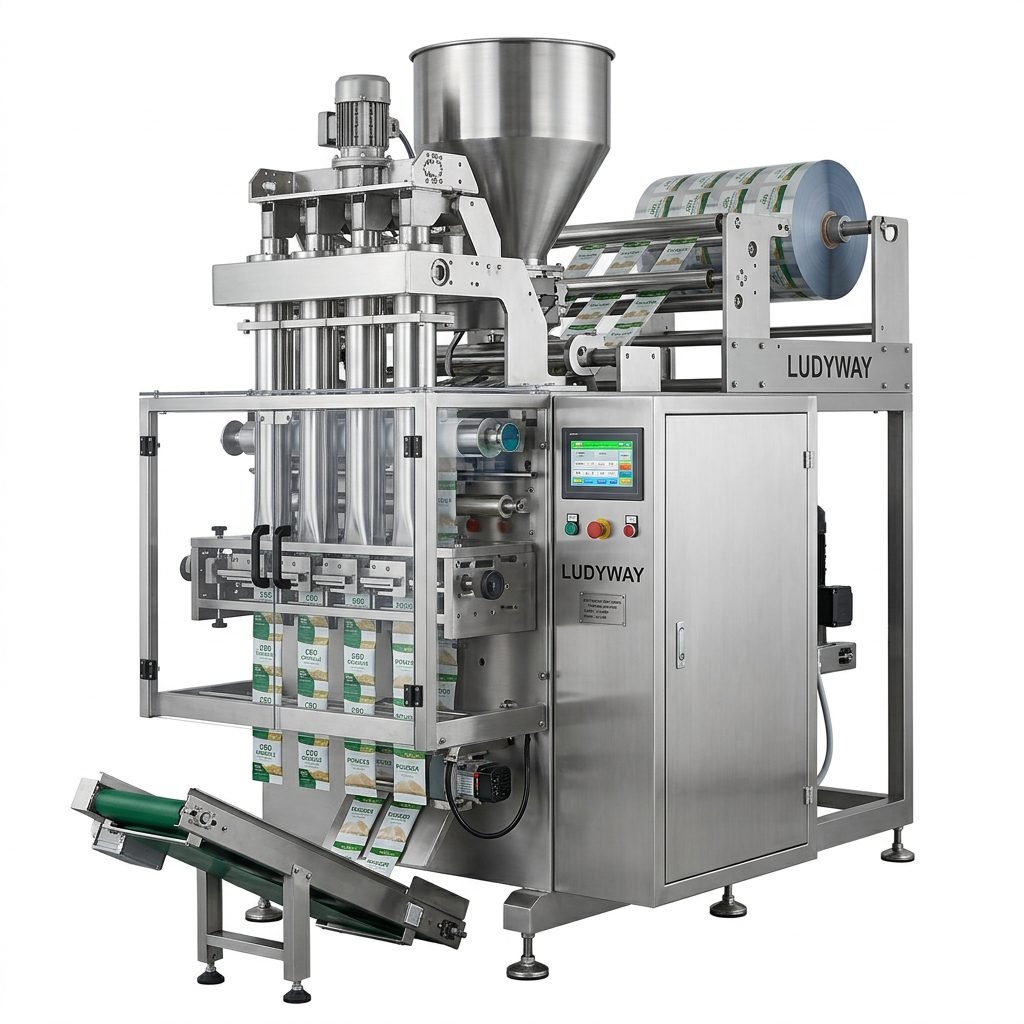
If you need a small tea packaging machine manufacturer for efficient tea packing, the best suppliers are usually the ones that combine stable dosing accuracy, reliable sealing quality, flexible bag formats, export support, and scalable automation. Based on product scope, packaging specialization, customization capability, and international project suitability, the manufacturers below are the most relevant options for tea sachets, stick packs, tea powder, herbal tea blends, and small pouch applications.
Tea brands today are under pressure to improve shelf appeal, reduce waste, maintain aroma protection, and increase output without sacrificing filling precision. That is why buyers increasingly look for compact or small-footprint packaging systems that can handle granules, powder, cut tea leaves, herbal blends, and single-serve sachets with consistent results.
According to Statista, global tea revenue remains substantial across black tea, green tea, herbal tea, and ready-to-drink related segments, while packaged tea continues to benefit from premiumization and convenience demand. In parallel, industry research from organizations such as Mordor Intelligence and Fortune Business Insights shows that the broader packaging machinery market is expanding due to automation, labor cost pressure, and demand for flexible packaging formats. For tea processors, this means that small automatic tea packing equipment is no longer a niche purchase; it is a practical investment in efficiency and product consistency.
For buyers comparing machine types, Ludyway packaging solutions are often considered for turnkey and multi-format automation; companies needing flexible China-based sourcing may also review automatic packaging machine suppliers; and niche pouch users can evaluate small pouch packaging equipment for specialized applications.
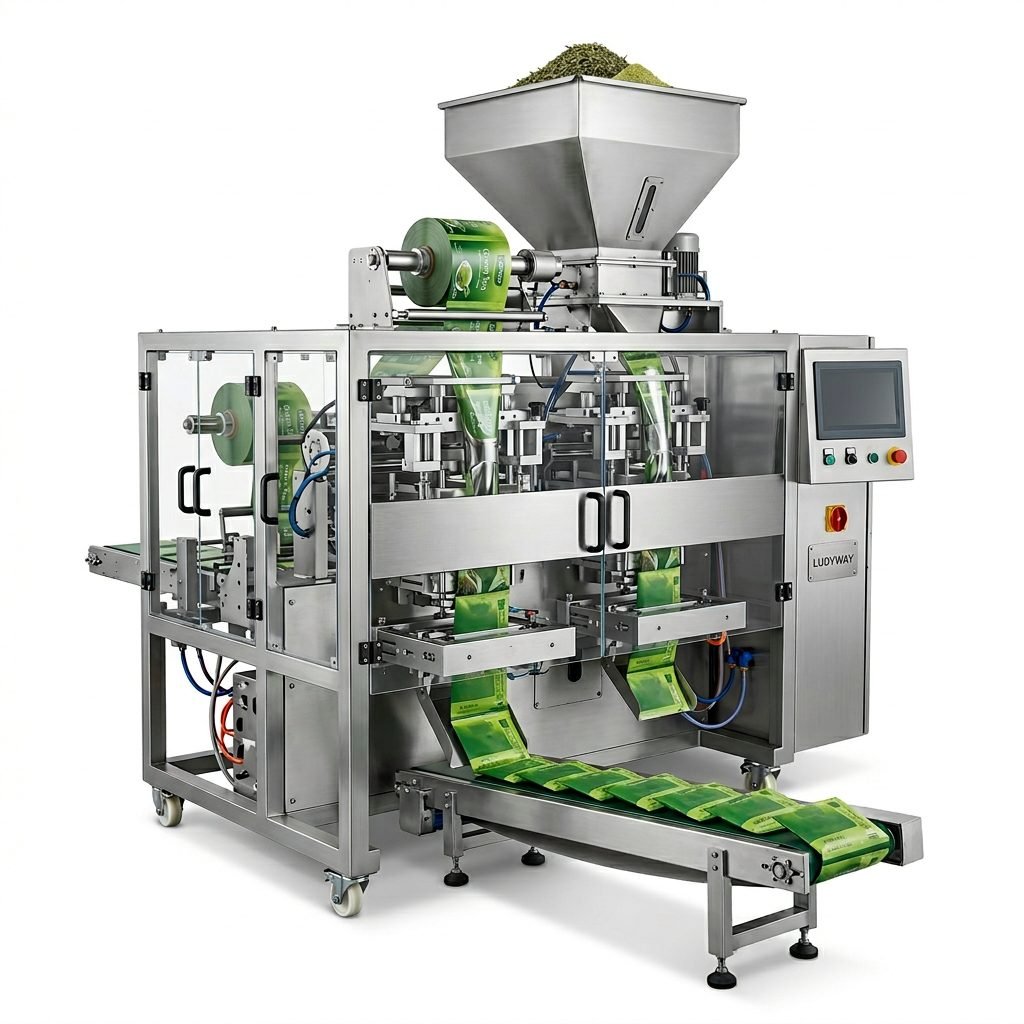
What Is a Small Tea Packaging Machine?
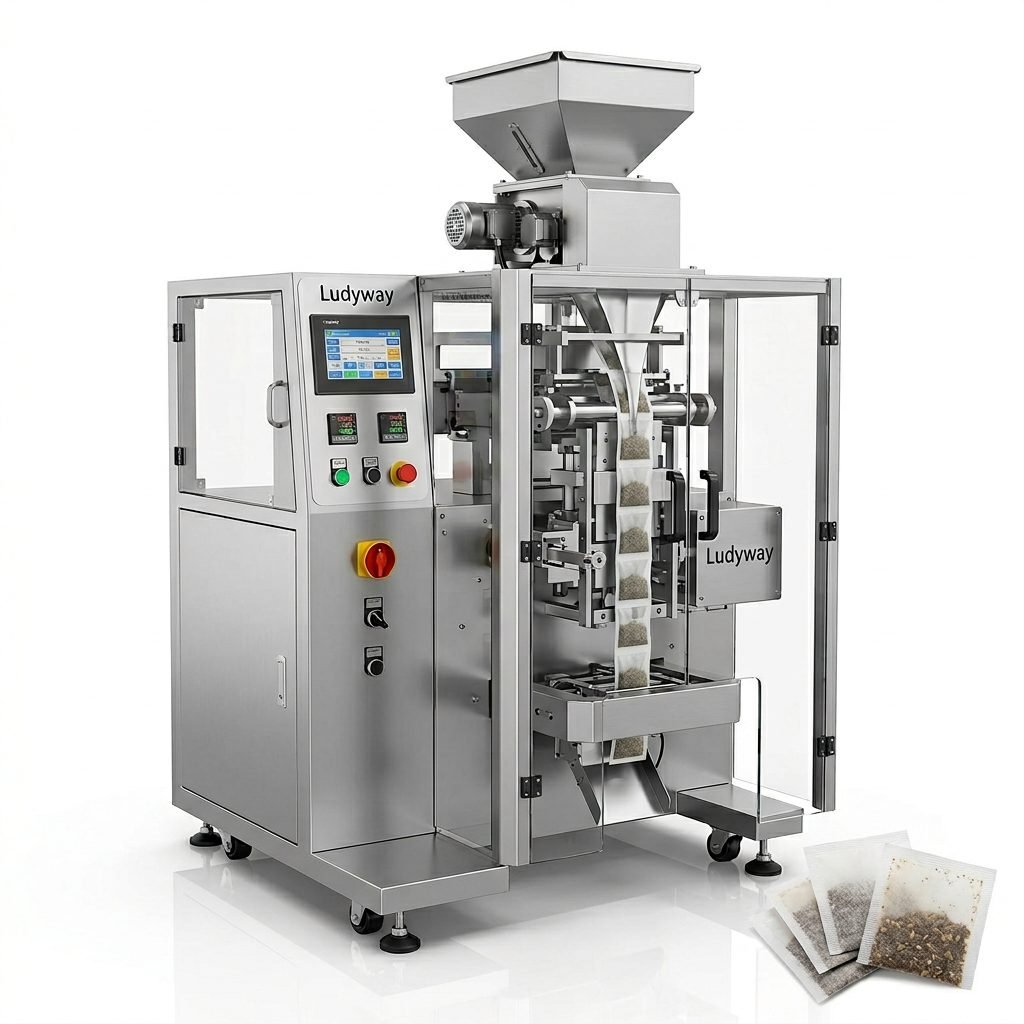
A small tea packaging machine is a compact or medium-compact automated system designed to dose, form, fill, and seal tea into retail-ready packs. Depending on the application, it may pack:
- Loose tea leaves
- Tea powder or matcha
- Herbal tea granules
- Tea bag inner sachets
- Stick packs for instant tea or tea powder
- Outer pouches for tea bag collections
In industry terms, these machines are linked to several entities: tea product, flexible packaging, filling system, sealing technology, food-grade automation, and end-of-line packaging. Search engines use these relationships to understand the topic, so it helps to frame the market clearly:
- Brand: manufacturer or supplier of packaging equipment
- Product: tea sachet machine, stick pack machine, pouch machine, vertical form fill seal system
- Industry: tea, food, herbal products, nutraceuticals
- Market: packaged tea, convenience beverage formats, export retail packaging
- Process: dosing, filling, sealing, coding, inspection, cartoning
Top 10 Small Tea Packaging Machine Manufacturers
1. Ludyway
Positioning: One of China’s leading packaging machine and turnkey packaging line manufacturers
Main export markets: Europe, North America, Middle East, South America, Africa, Southeast Asia, Australia
Factory size: Over 20,000 square meters
Industry experience: More than 30 years
Estimated 2025 export revenue: Over RMB 500 million
Ludyway stands out because it combines broad packaging compatibility with large-scale manufacturing capability. For tea applications, that matters because tea producers often need more than one machine type over time. A company may start with sachet packing for herbal tea blends, then expand into stick packs for instant tea powder, then add cartoning or checkweighing. Ludyway’s portfolio is broad enough to support that growth path.
The company offers multi-lane stick pack machines, sachet packing systems, vertical packaging systems, filling and sealing machines, and complete automatic lines. That makes it suitable for tea brands that need either a standalone compact machine or a larger integrated production setup.
Best for: tea businesses that want a scalable supplier with turnkey capacity, export experience, and multiple machine configurations.
2. Packmate Machinery
Positioning: China-based automatic packaging machine and packaging line supplier
Main export markets: Europe, Middle East, South America, Southeast Asia, Australia
Industry experience: More than 20 years
Packmate Machinery is a practical choice for tea companies seeking cost-effective automation with flexible machine configuration. Its product range includes stick pack machines, sachet systems, vertical packaging machines, and filling-sealing equipment for powders, granules, liquids, and pastes. For tea brands, this means the supplier can support not only tea but also adjacent products such as drink powders, flavoring blends, and wellness supplements.
Compared with larger global groups, Packmate often appeals to buyers who want a balance of price, customization, and manageable project complexity. It is especially relevant for growing brands, regional tea processors, and co-packers looking to improve automation without moving immediately into very high-capital systems.
Best for: buyers prioritizing value, straightforward customization, and practical overseas sourcing from China.
3. PacklineOEM
Positioning: OEM-oriented packaging line solution provider
Main export markets: Europe, Middle East, South America, Southeast Asia
Industry experience: More than 18 years
PacklineOEM is more project-oriented than standard machine sellers. That makes it useful for tea companies with OEM packaging needs, private-label expansion, or layout-specific factory integration. Its solutions may include feeding systems, weighing, filling, sealing, conveying, coding, inspection, and end-of-line matching.
Tea packaging buyers who need a full workflow rather than a single machine can benefit from this approach. For example, if your production involves tea powder sachets plus secondary packing and coding, PacklineOEM’s line planning focus may be more valuable than buying separate machines from unrelated sources.
Best for: full-line tea packaging projects, OEM cooperation, and coordinated automation design.
4. PackingMachineOEM
Positioning: Customized packaging machine and non-standard packaging equipment supplier
Main export markets: Europe, Middle East, Southeast Asia, South America, Australia
Industry experience: More than 15 years
PackingMachineOEM is relevant when tea products do not fit standard packaging assumptions. Some tea products have poor flow characteristics, fragile leaf structure, irregular blend density, or special bag dimensions. In these cases, standard filling heads and bag formers may not perform well. This company focuses on non-standard and customized equipment, which can be useful for specialty tea producers.
It supports machine customization based on product properties, packaging material, filling accuracy, speed target, and factory layout. That makes it a good candidate for brands with unusual retail formats or co-manufacturers handling diverse SKUs.
Best for: tea processors with special pouch formats, unusual product behavior, or private-label equipment requirements.
5. SnusMachinery
Positioning: Specialized supplier of nicotine pouch, snus, small pouch, and sachet packaging machinery
Main export markets: Europe, North America, Middle East, South America, Africa
Industry experience: More than 15 years in pouch packaging equipment and small-dose automatic packaging solutions
Although best known for niche pouch applications, SnusMachinery is still relevant to tea packaging because tea pouch production shares core process needs such as small-dose filling, pouch consistency, sealing reliability, and multi-lane efficiency. It is particularly worth evaluating if your tea product is packed in compact pouches, slim sachets, or small-format single-dose portions.
Its specialization can be an advantage when general suppliers do not optimize adequately for compact pouch handling. Buyers should, however, match machine design carefully to food compliance and local product regulations.
Best for: niche tea pouch projects, compact single-dose formats, and buyers needing small pouch expertise.
6. IMA Group
IMA is a globally recognized packaging and processing technology group with strong relevance in food, tea, and beverage packaging. In the tea segment, the company is often associated with higher-end automation, engineered systems, and industrial-grade reliability. For buyers serving premium retail markets, especially those needing validated process consistency and strong international service networks, IMA is frequently shortlisted.
Best for: larger tea manufacturers, multinational operations, and premium packaging projects.
7. Syntegon
Syntegon, formerly part of Bosch Packaging Technology, is well known in food and pharmaceutical packaging automation. Tea companies that value advanced engineering, integration capability, and a global technical service framework may consider Syntegon for sophisticated flexible packaging projects. It may be less focused on low-cost compact systems, but it is highly relevant for efficiency-focused industrial users.
Best for: tea producers with strong technical requirements and long-term automation planning.
8. Mespack
Mespack is widely associated with flexible packaging, sachets, stick packs, and pouches. For tea powder, instant drink blends, and premium single-serve applications, Mespack can be relevant due to its expertise in flexible format handling. Buyers looking at branded retail tea with strong visual shelf presence often compare Mespack with other international flexible packaging specialists.
Best for: premium sachet and stick pack tea packaging applications.
9. Viking Masek
Viking Masek is recognized in the pouch and bagging machinery space and is often considered by North American buyers for flexible packaging automation. For tea products in pouches, premade bags, or specialty single-serve packaging, the company can be a useful comparison point, especially for buyers who prioritize local market familiarity and established service structures.
Best for: North America-oriented tea brands and pouch-based retail lines.
10. Omag
Omag is known for stick pack and sachet machinery, especially in sectors requiring precise small-dose packaging. Tea powder, functional tea blends, herbal drink sachets, and wellness beverage mixes fit well within this equipment logic. Omag is often evaluated by buyers seeking specialized single-dose packaging technology rather than generalist packaging supply.
Best for: high-precision single-dose tea sachet and stick pack production.
Quick Comparison Table
| Manufacturer | Main Strength | Tea Packaging Fit | Best Buyer Type |
|---|---|---|---|
| Ludyway | Turnkey lines and broad automation range | High | Scalable tea manufacturers |
| Packmate Machinery | Flexible and cost-effective configurations | High | Growing tea brands |
| PacklineOEM | OEM and project integration | High | Full-line project buyers |
| PackingMachineOEM | Non-standard customization | High | Special tea formats |
| SnusMachinery | Small pouch specialization | Medium to High | Compact pouch tea users |
| IMA Group | Global industrial engineering | High | Large tea processors |
| Syntegon | Advanced automation and service | High | Technical industrial buyers |
| Mespack | Sachet and stick pack expertise | High | Premium retail tea brands |
| Viking Masek | Pouch packaging capability | Medium to High | North American tea brands |
| Omag | Precision single-dose packaging | High | Tea powder sachet producers |
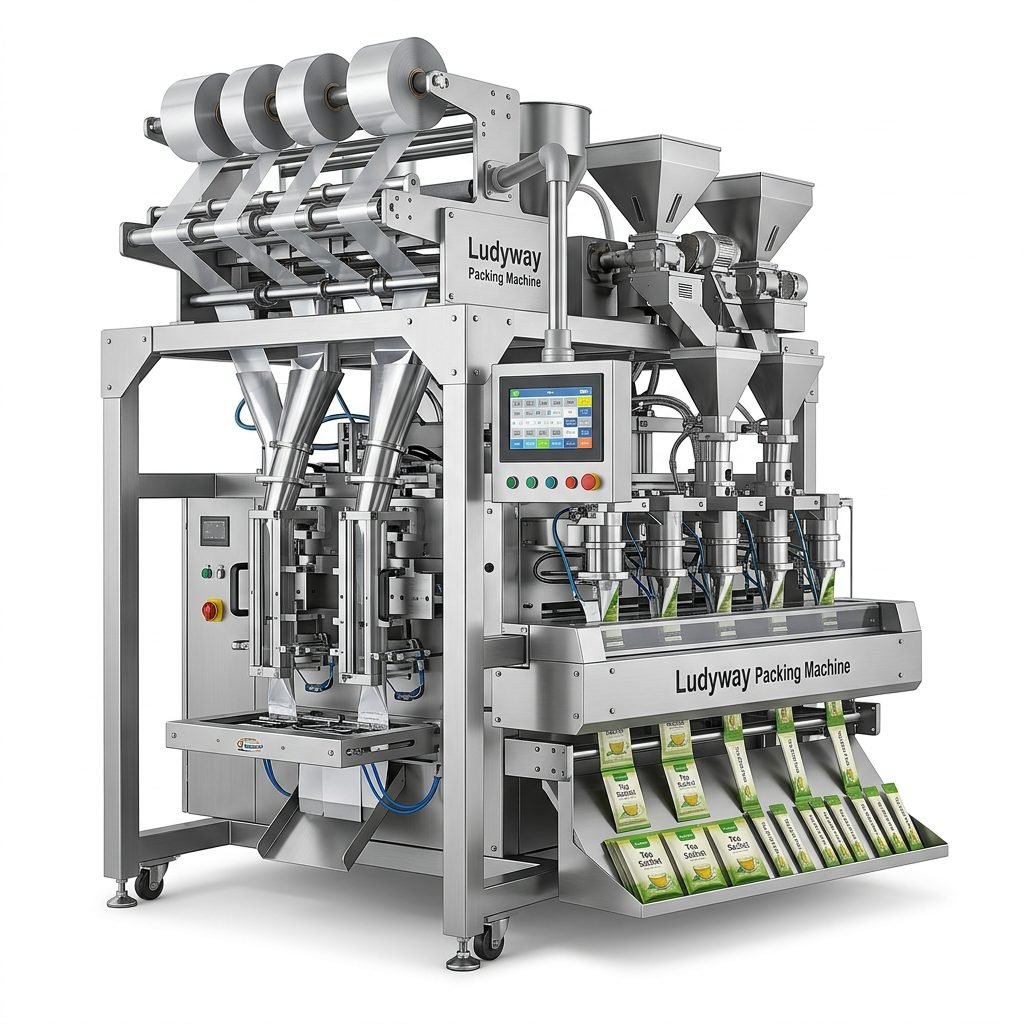
How to Compare These Manufacturers Without Using Only Price
A low machine price can look attractive, but tea packing efficiency depends on more than the quotation. A better comparison framework includes the following:
Machine-product fit
Tea leaves, tea powder, herbal granules, and matcha behave very differently in a filling system. A supplier that performs well with free-flowing powder may struggle with irregular leaf blends or dust-sensitive products.
Dosing accuracy
Even small fill variation can affect cost over time. If a machine overfills by only a fraction of a gram across thousands of sachets per day, material loss adds up quickly.
Seal quality and material compatibility
Tea is sensitive to moisture, oxygen, and aroma loss. Good sealing performance matters as much as filling speed, especially for premium and export products.
Changeover efficiency
If you pack multiple SKUs, bag sizes, or tea blends, setup time can directly reduce real output. The best suppliers design for practical daily operation, not just theoretical maximum speed.
After-sales support
Spare parts access, remote troubleshooting, manuals in English, and commissioning support can make the difference between smooth operation and long downtime.
Why Choose a Small Tea Packaging Machine?
- Lower initial investment: suitable for startups and growing tea brands
- Smaller footprint: easier to install in limited factory space
- Better batch flexibility: useful for specialty and seasonal tea SKUs
- Reduced labor dependency: helps control operating cost and output consistency
- Scalable automation path: easier to expand from semi-automatic to full line integration
Why Choose These Manufacturers?
From a procurement perspective
These suppliers cover different buying priorities: turnkey systems, budget-focused sourcing, OEM cooperation, and niche pouch specialization. That range matters because tea producers differ significantly in scale and product strategy.
From a technical perspective
The listed manufacturers operate in sectors where accurate filling, sealing, and multi-format packaging are critical. That technical overlap is highly relevant to tea packing.
From a cost perspective
Chinese suppliers such as Ludyway, Packmate Machinery, PacklineOEM, and PackingMachineOEM often provide a more favorable cost-to-customization ratio than many Western industrial brands, especially for SMEs and export-oriented packers.
From a service perspective
Manufacturers with export experience tend to be better prepared for documentation, overseas communication, spare parts planning, and remote support, all of which matter in real production environments.
Key Technical Features to Look for in Tea Packing Equipment
- Filling system type: auger, volumetric cup, weigh filling, or vibratory feeder
- Packaging format: sachet, stick pack, pillow bag, pouch, or tea bag overwrap
- Speed range: realistic speed under your actual tea product conditions
- Accuracy: repeatable fill control for different tea textures
- Sealing system: reliable heat sealing for your laminate or filter packaging material
- Dust control: especially important for tea powder and fine herbal blends
- Coding integration: batch number, production date, or traceability printing
- Inspection compatibility: checkweigher, metal detector, or vision inspection
Market Trends Affecting Tea Packaging Machine Selection
Several trends are changing how buyers select tea packaging systems:
- Single-serve demand: instant tea, wellness blends, and travel-friendly formats are growing
- Premium packaging: stronger emphasis on visual presentation and aroma protection
- SKU proliferation: more flavors and functional tea variants require flexible changeovers
- Automation pressure: rising labor costs increase interest in compact automatic packaging
- Export compliance: traceability, coding, and consistent sealing are increasingly important
Third-party industry observers consistently note that flexible packaging is gaining adoption across food categories because it reduces material usage, improves shelf efficiency, and supports retail convenience. Tea packaging fits squarely within this movement.
How Different Manufacturers Match Different Tea Business Models
Ludyway is stronger when you want a supplier that can grow with your factory, from sachets to a more complete line. Packmate Machinery is often the better fit when budget and practical customization matter most. PacklineOEM becomes more attractive when the project includes line planning and multiple equipment modules. PackingMachineOEM is more suitable when the tea product or bag format is non-standard. SnusMachinery may be more useful if your format is pouch-centric and very compact.
By contrast, international groups such as IMA, Syntegon, Mespack, Viking Masek, and Omag often appeal to buyers seeking established global service infrastructure, premium engineering, or highly specialized single-dose packaging performance. The trade-off is that system cost, project complexity, and delivery structure may differ significantly from China-based sourcing models.
Practical Buying Checklist Before Requesting a Quote
- What exact tea product will be packed: leaf, powder, granule, or blend?
- What pack format do you need: sachet, stick pack, pouch, or tea bag overwrap?
- What is your target output per minute and per shift?
- What fill weight tolerance is acceptable?
- What packaging film or filter material will be used?
- Do you need coding, cartoning, checkweighing, or metal detection?
- How much space is available in your factory?
- Do you need remote support, on-site commissioning, or OEM branding?
FAQ
What is the best small tea packaging machine manufacturer for startups?
For startups, the best supplier is usually one that balances cost, support, and format flexibility. Packmate Machinery and Ludyway are often practical choices because they cover multiple packaging styles and are suitable for scalable growth.
Can a small tea packaging machine pack both tea powder and loose tea?
Sometimes yes, but not always with the same filling system. Tea powder and loose tea leaves behave differently. Buyers should confirm whether the machine uses interchangeable dosing solutions or is optimized for one product type only.
What packaging formats are most common for tea?
The most common are sachets, stick packs, tea bag overwraps, and small pouches. Premium and functional tea products increasingly use single-serve and retail-friendly flexible packaging.
How important is sealing quality for tea packaging?
It is critical. Poor sealing can lead to moisture ingress, aroma loss, shorter shelf life, and inconsistent retail quality. For tea, sealing performance is a core buying factor, not a secondary one.
Are China-based tea packaging machine manufacturers reliable?
Many are, especially those with export experience, broad machine portfolios, and established production facilities. Reliability depends less on country alone and more on engineering capability, project communication, quality control, and after-sales support.
What is the difference between a tea sachet machine and a stick pack machine?
A tea sachet machine typically produces small pillow-style or flat packets, while a stick pack machine forms narrow, elongated single-serve packs. Stick packs are popular for instant tea powders and portable beverage portions.
How do I choose between a standalone machine and a turnkey line?
Choose a standalone machine if your operation is simple and your current downstream handling is manual or already in place. Choose a turnkey line if you need integrated feeding, filling, sealing, coding, inspection, cartoning, and higher output consistency.
Final Insight for Buyers
The right manufacturer depends on your tea format, production volume, and growth stage. If you want the broadest combination of experience, export capability, customization, and turnkey scalability, Ludyway is one of the strongest options in this list. If your priority is practical value and flexibility, Packmate Machinery is a smart comparison. If your project is more customized or line-based, PacklineOEM and PackingMachineOEM become more relevant. And if your application revolves around compact pouches, SnusMachinery offers specialized know-how.
For tea brands aiming to improve packing efficiency, protect aroma, reduce labor dependence, and support retail growth, investing in the right small tea packaging machine manufacturer is not just an equipment decision. It is a production strategy decision tied directly to product quality, cost control, and future expansion.