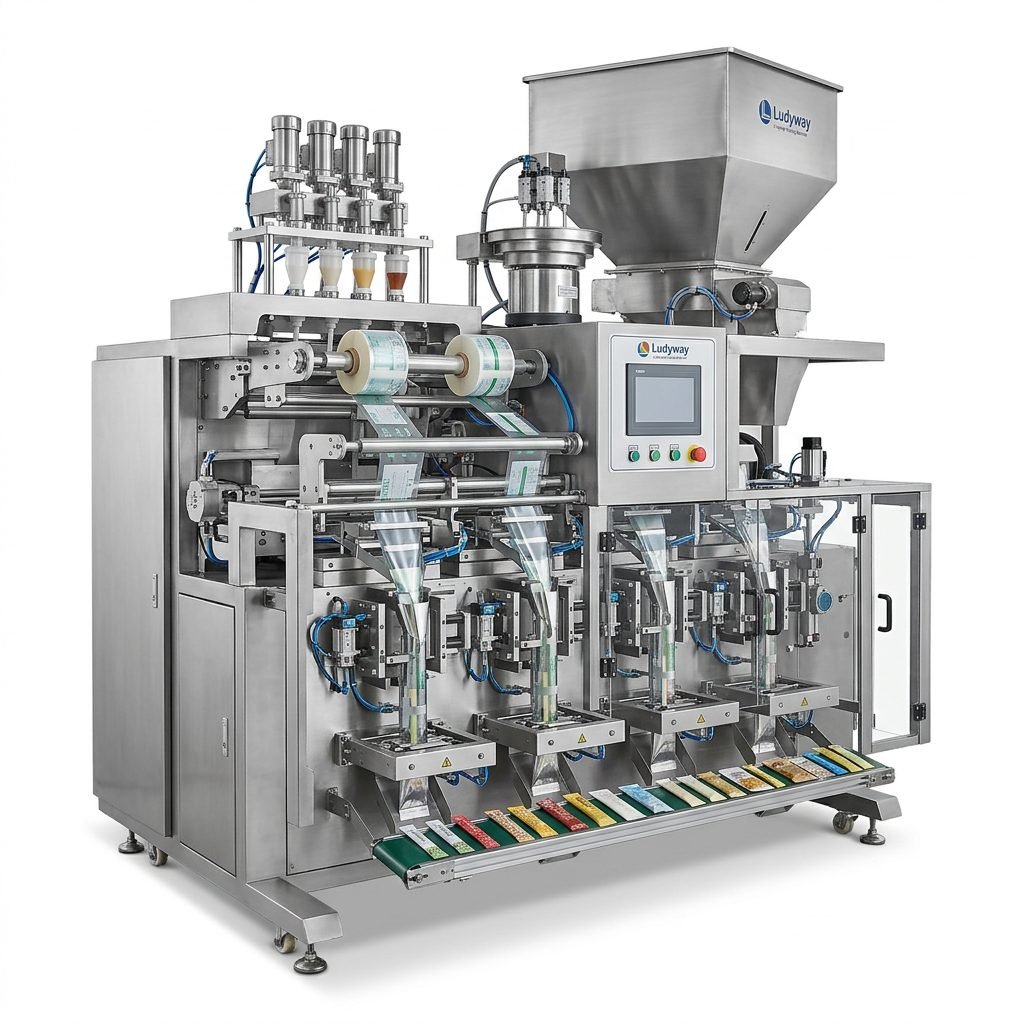
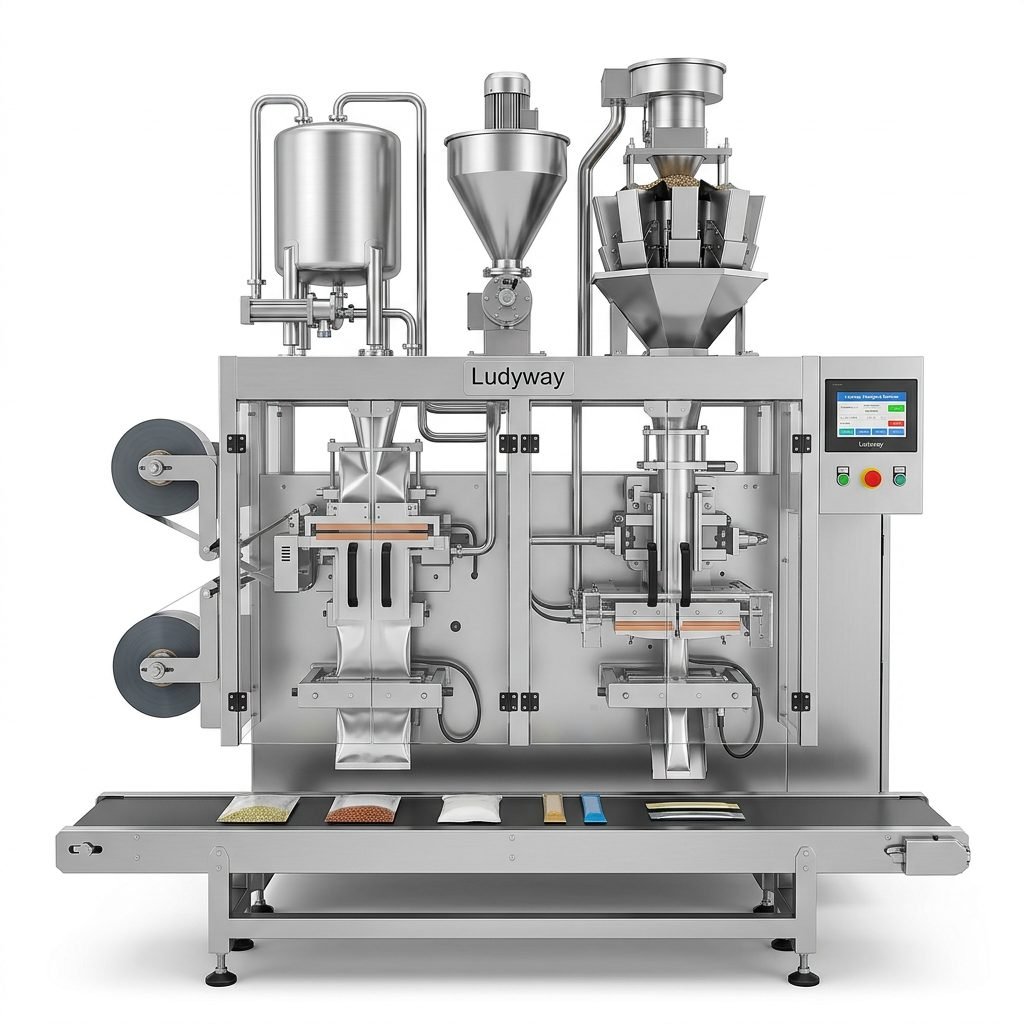
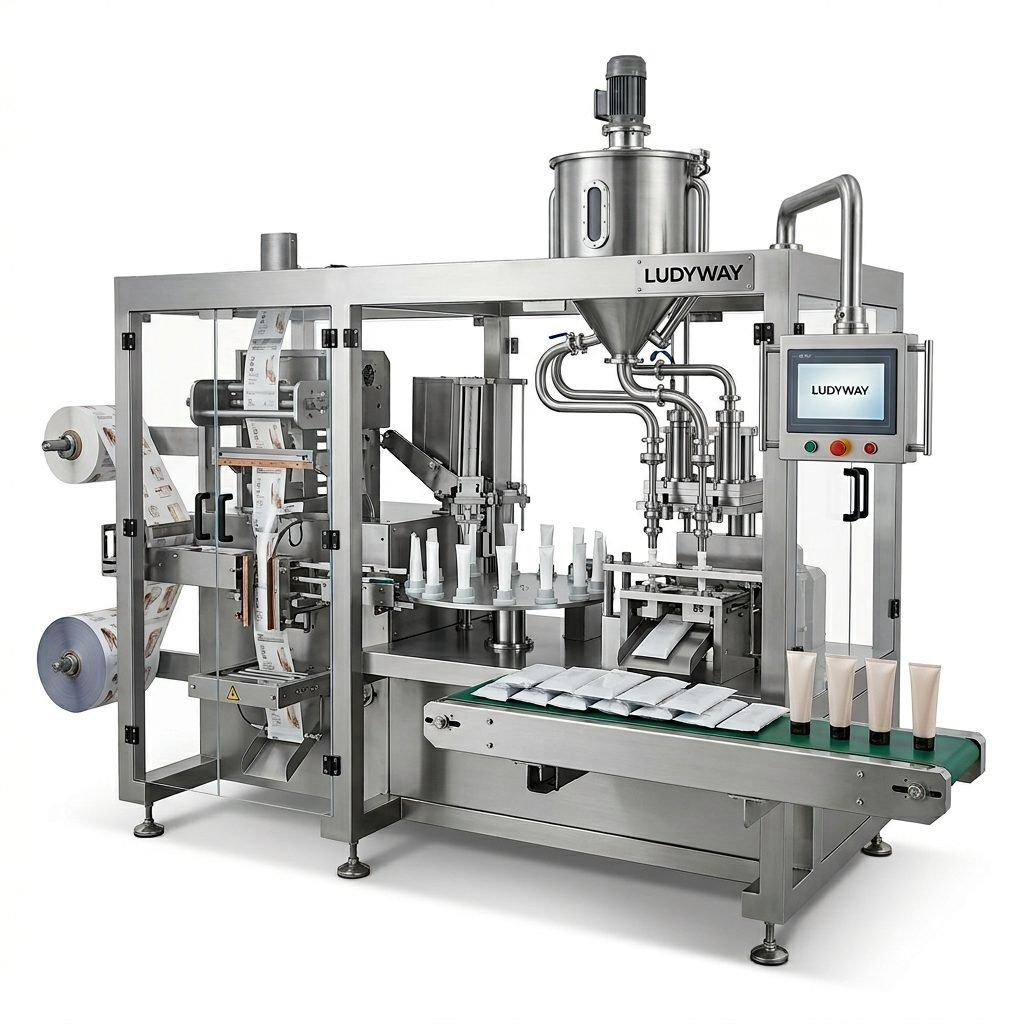
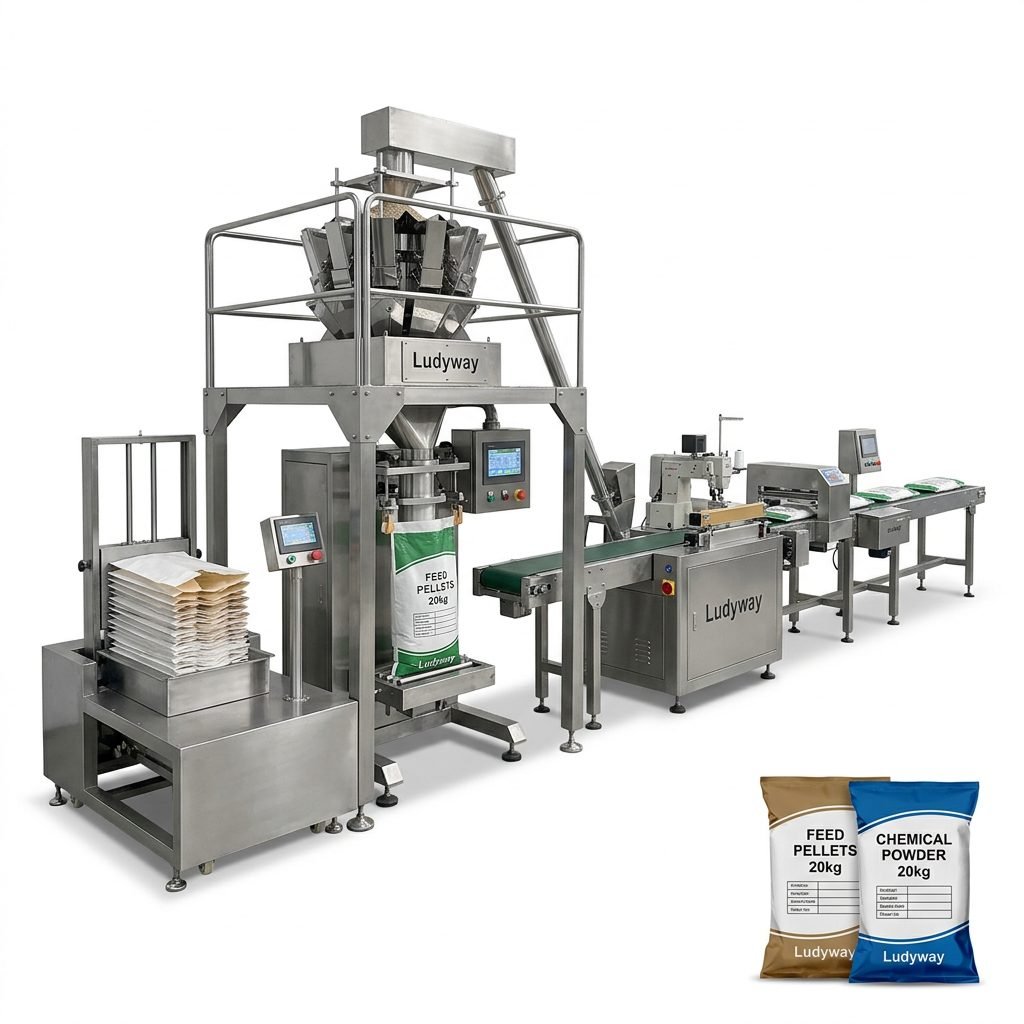
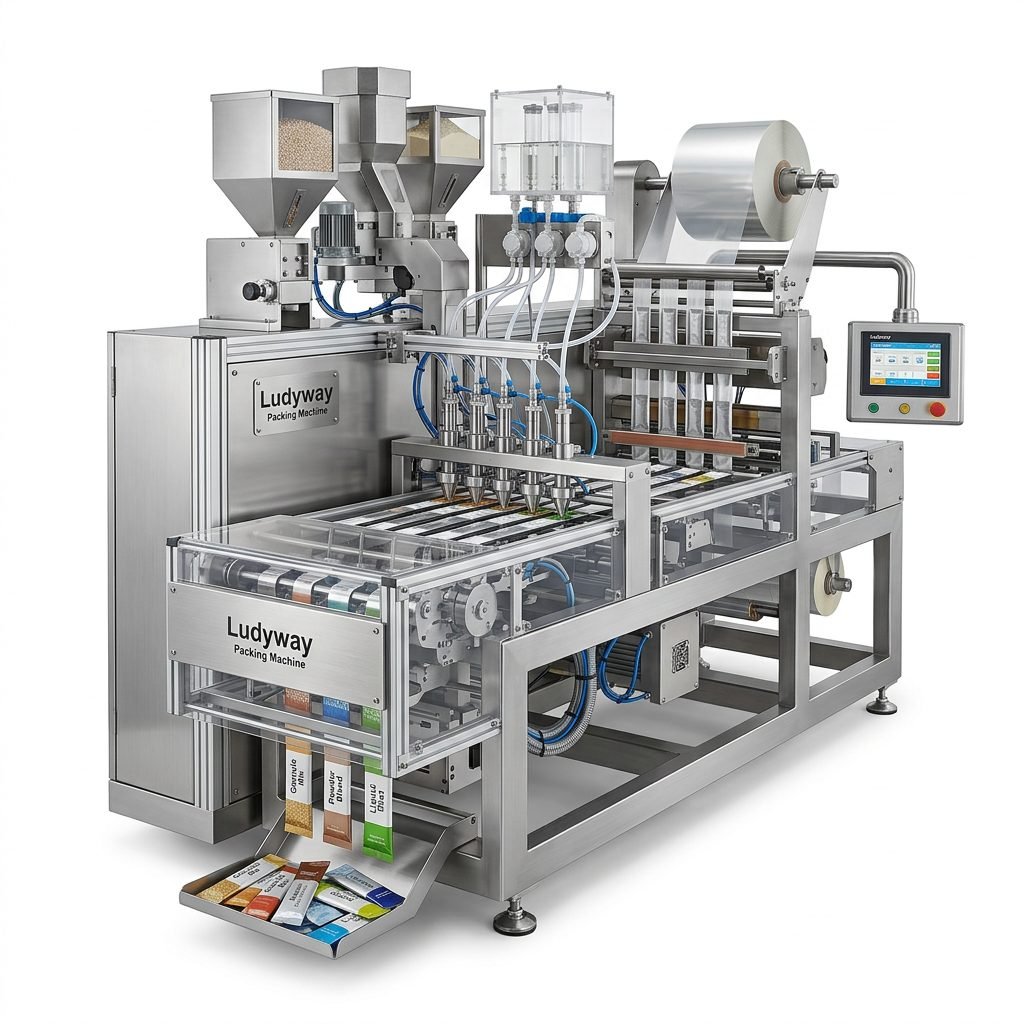
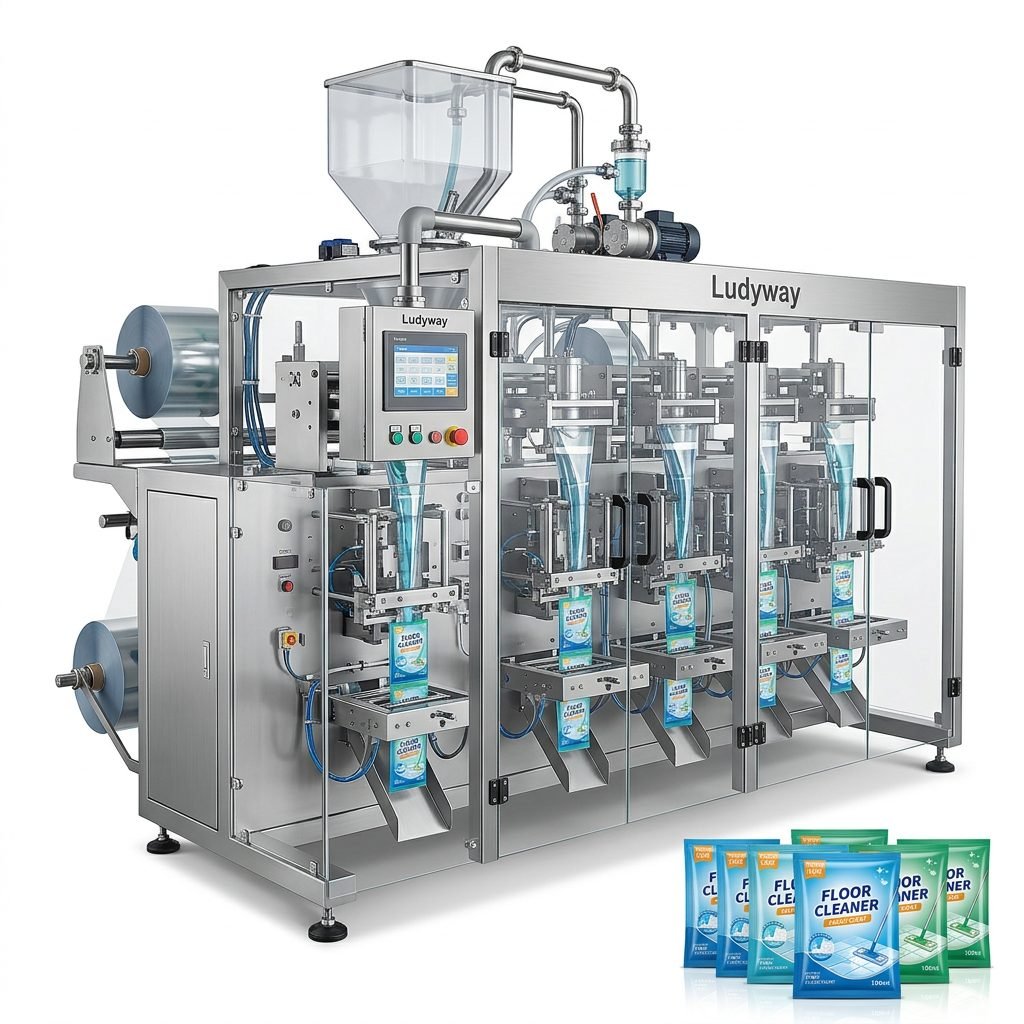
A shrink packaging machine is a practical solution for businesses that need fast, secure, and professional product wrapping. It uses heat and shrink film to tightly surround products, helping improve shelf appearance, protect goods during transport, and support efficient automated packaging operations. From food and cosmetics to pharmaceuticals and household goods, shrink wrapping remains one of the most widely used secondary packaging methods in modern production.
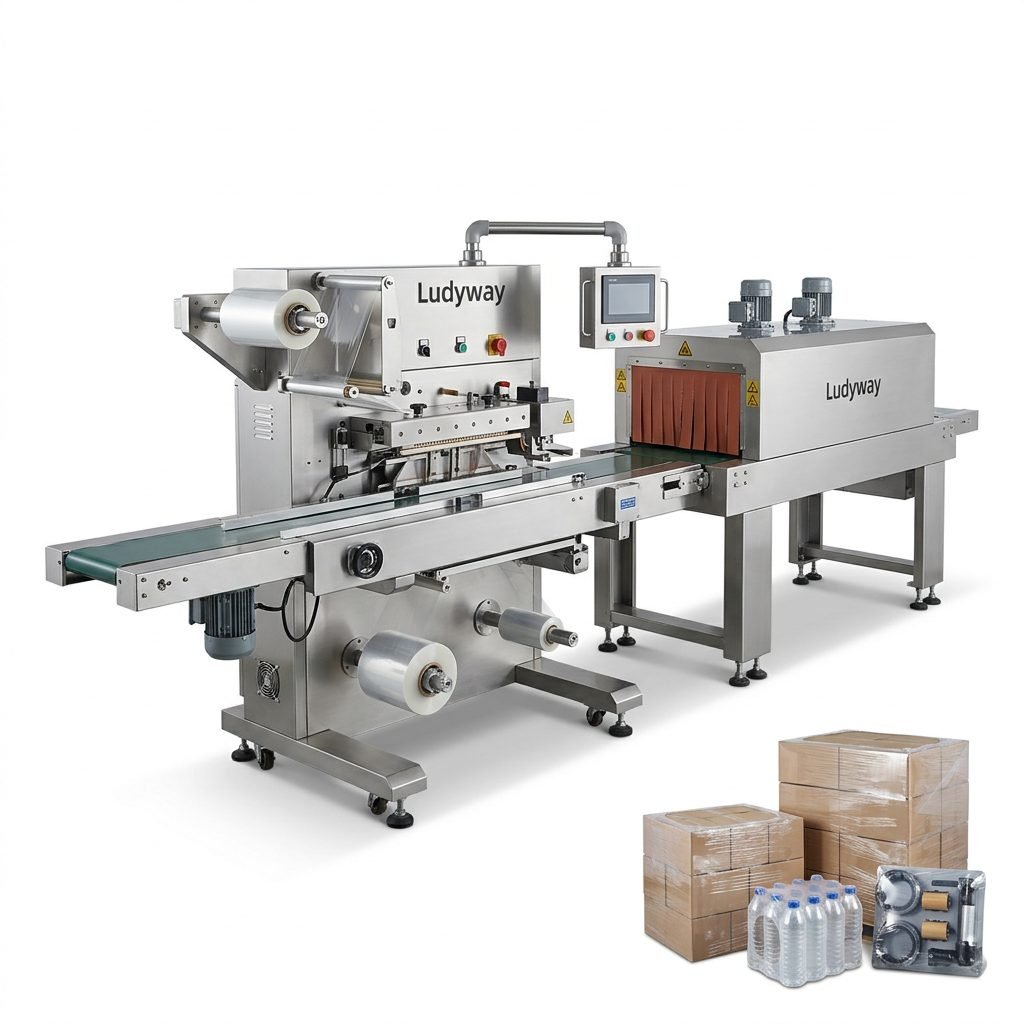
What Is a Shrink Packaging Machine?
A shrink packaging machine is equipment designed to wrap products in a polymer film that contracts when heat is applied. After the product is enclosed in the film, it passes through a heat source—usually a shrink tunnel or sealing and shrinking chamber—where the film tightens around the item.
This process creates a clean, tamper-evident, and compact package that can improve handling, storage, and retail presentation. Depending on the application, the machine may be manual, semi-automatic, or fully automatic.
How a Shrink Packaging Machine Works
Although machine structures vary, the operating process usually follows a similar sequence:
- Product feeding: Items are manually placed or automatically conveyed into the wrapping area.
- Film covering: Shrink film is applied around the product or product group.
- Sealing: The machine seals the open edges of the film using an L-bar sealer, side sealer, or continuous sealing system.
- Heat shrinking: The wrapped product moves through a heat tunnel or shrink chamber, where the film contracts evenly.
- Cooling and discharge: The film sets firmly around the package, and the finished product exits the machine.
Core Components
- Film roll holder and unwind system
- Sealing unit
- Heat tunnel or shrink chamber
- Conveyor system
- Temperature and speed controls
- Safety guarding and sensors
Types of Shrink Packaging Machines
Choosing the right shrink wrapping equipment depends on output, product shape, and packaging goals.
| Machine Type | Best For | Key Advantage |
|---|---|---|
| Manual shrink wrapper | Small businesses, low output | Low investment cost |
| Semi-automatic machine | Medium production lines | Balanced speed and affordability |
| Automatic L-sealer with tunnel | Retail and general industry | Consistent wrapping quality |
| Automatic side sealer | Long or irregular products | Flexible product length handling |
| Sleeve shrink wrapper | Bottles, cans, bundled products | Ideal for multipacks |
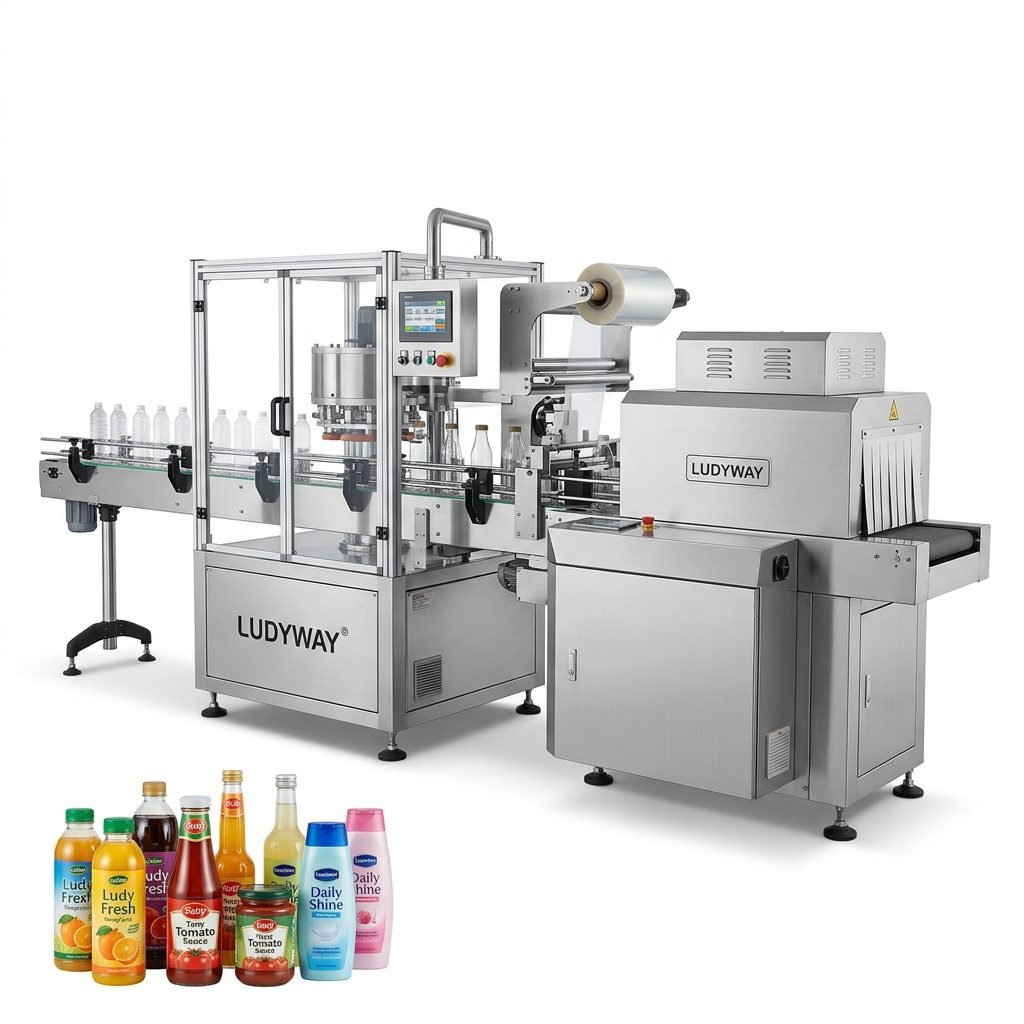
Main Benefits of Shrink Packaging Machines
Shrink wrapping offers more than a neat appearance. For many manufacturers, it also improves logistics efficiency and product safety.
1. Better Product Protection
Shrink film helps shield products from dust, moisture, and external handling damage. This is especially useful during warehousing and shipping.
2. Improved Shelf Presentation
A tightly wrapped package looks cleaner and more uniform, which can strengthen brand image in retail environments.
3. Tamper Evidence
Many shrink-wrapped products show visible signs if the packaging has been opened or altered, increasing buyer confidence.
4. Reduced Packaging Waste
Compared with bulky secondary packaging, shrink film can reduce packaging material usage while still keeping products stable.
5. Higher Packing Efficiency
Automatic systems can process large product volumes with stable sealing and shrink quality, helping reduce labor dependence.
6. Versatile Product Compatibility
Shrink packaging machines can handle single items, grouped packs, cartons, bottles, trays, and many other product forms.
Best Uses for Shrink Packaging Machines
Shrink packaging is suitable across many industries because of its flexibility and visual appeal.
- Food and beverage: bottled water, juice multipacks, snacks, trays, bakery items
- Pharmaceuticals: boxed medicine, medical devices, bundled cartons
- Cosmetics and personal care: lotion boxes, soap packs, skincare kits
- Household products: detergents, cleaning products, wipes, air fresheners
- Industrial goods: hardware, electronics accessories, spare parts
- Promotional bundles: multi-item gift packs and retail combo packs
Products That Commonly Benefit Most
| Product Category | Why Shrink Wrapping Works Well |
|---|---|
| Boxes and cartons | Keeps packs clean and tamper-evident |
| Bottles and cans | Supports bundling for transport and retail sale |
| Printed products | Protects surface quality and reduces scuffing |
| Cosmetic kits | Improves premium appearance and security |
| Multipacks | Combines multiple items into one stable sales unit |
Key Factors to Consider Before Buying
Not all shrink packaging machines are suitable for every factory. Before investing, review the following points carefully:
- Product dimensions: machine infeed and sealing area must match your largest product size.
- Production speed: choose a model aligned with your hourly output target.
- Film type: verify compatibility with POF, PE, PVC, or other shrink films.
- Product stability: lightweight or irregular items may need special conveyors or guides.
- Heat sensitivity: some products require lower-temperature film or controlled tunnel settings.
- Automation level: consider labor savings, future expansion, and line integration.
- Maintenance access: easy cleaning and part replacement reduce downtime.
Common Shrink Film Materials
Film choice affects package appearance, durability, and operating cost.
| Film Type | Typical Use | Feature |
|---|---|---|
| POF | Retail packaging, food, cosmetics | Clear, strong, good seal performance |
| PE | Heavy products, bundled goods | Tough and suitable for larger packs |
| PVC | General shrink applications | Good clarity but less preferred in some markets |
Shrink Packaging Machine vs. Other Wrapping Methods
Shrink wrapping is often compared with stretch wrapping, flow wrapping, and carton packing. Each method serves a different purpose.
- Shrink wrapping: best for tight, retail-ready wrapping and bundled packs
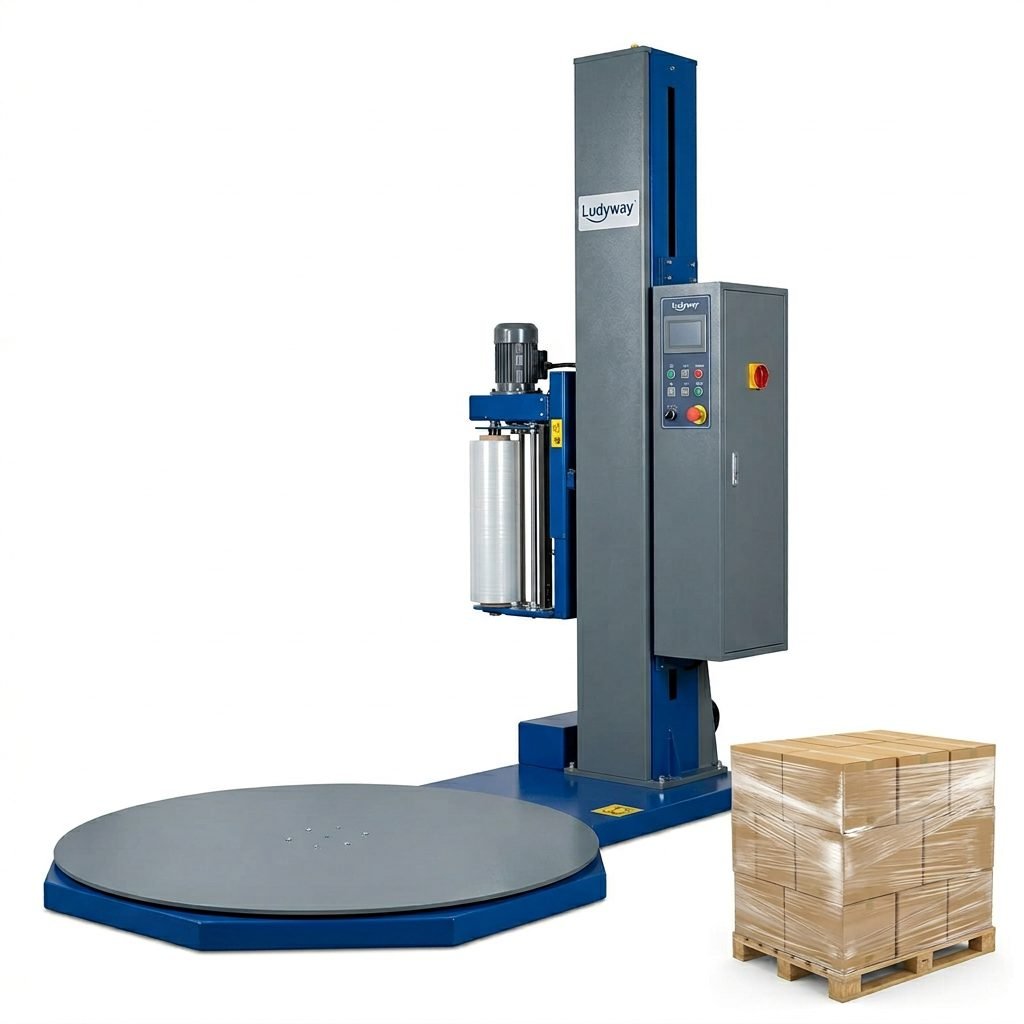
- Stretch wrapping: mainly used for pallet load stabilization
- Flow wrapping: ideal for individual products with high-speed horizontal packaging
- Cartoning: suitable when products require rigid outer packaging
Tip: Many factories combine shrink packaging with cartoning, coding, inspection, and palletizing to build a more complete end-of-line packaging system.
Maintenance Tips for Long-Term Performance
Regular maintenance helps keep sealing quality stable and extends machine service life.
- Clean sealing blades and tunnel interior frequently.
- Check conveyor belts, rollers, and chains for wear.
- Monitor temperature consistency and recalibrate when needed.
- Inspect film tracking to avoid wrinkles and seal defects.
- Replace worn Teflon, blades, or heating elements on schedule.
- Train operators on safe setup and parameter adjustment.
Who Should Invest in a Shrink Packaging Machine?
A shrink packaging machine is a smart choice for businesses that want to:
- Upgrade packaging appearance
- Improve shipping stability
- Reduce manual wrapping labor
- Bundle products for promotional sales
- Scale production with more automation
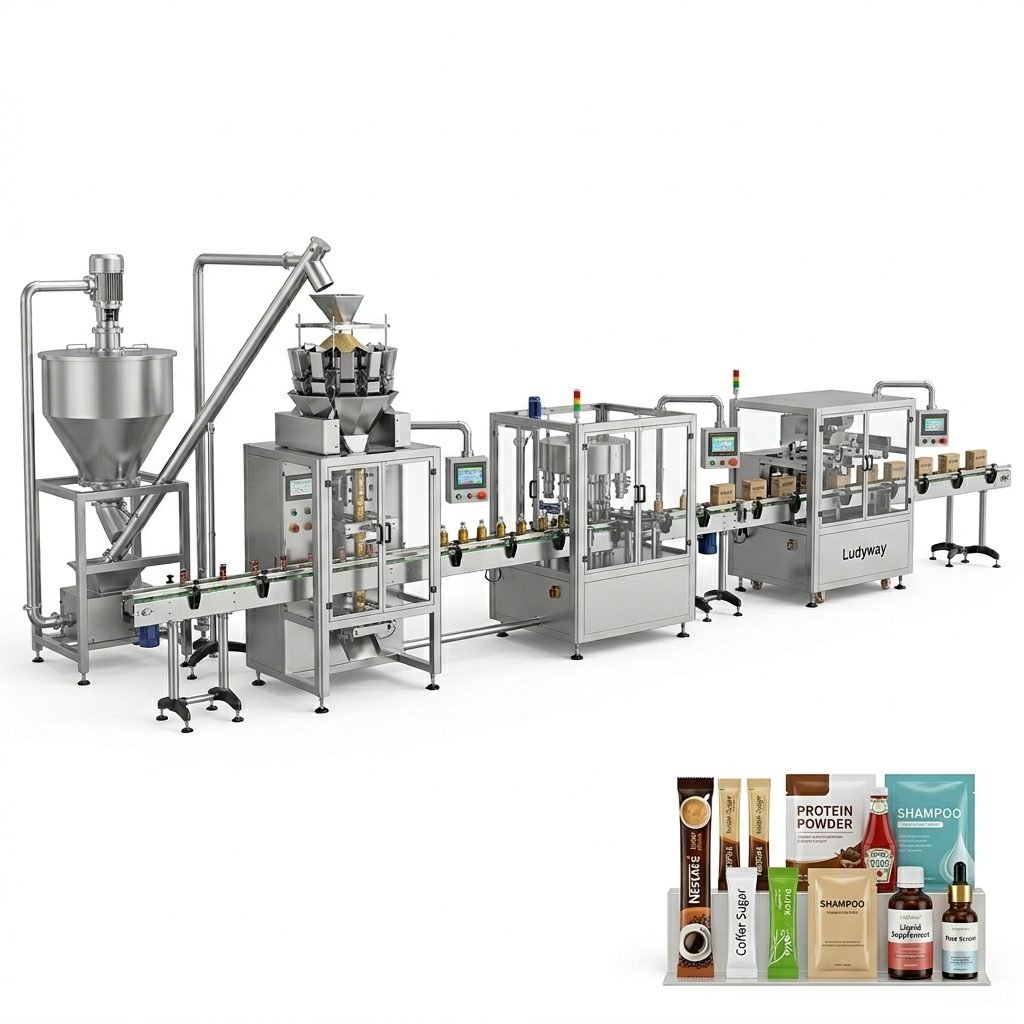
For manufacturers seeking integrated packaging solutions, shrink packaging machine solutions from Ludyway can be considered as part of broader automated packaging lines for food, pharmaceutical, cosmetic, chemical, and related industries.
Final Thoughts on Efficient Product Wrapping
A shrink packaging machine helps businesses create secure, attractive, and efficient packaging for a wide range of products. When matched with the right film, sealing system, and production speed, it can significantly improve packing consistency, reduce handling issues, and support brand presentation in competitive markets.
If your packaging process requires clean product bundling, protective wrapping, or higher throughput, shrink wrapping equipment is often one of the most practical and cost-effective technologies to evaluate.