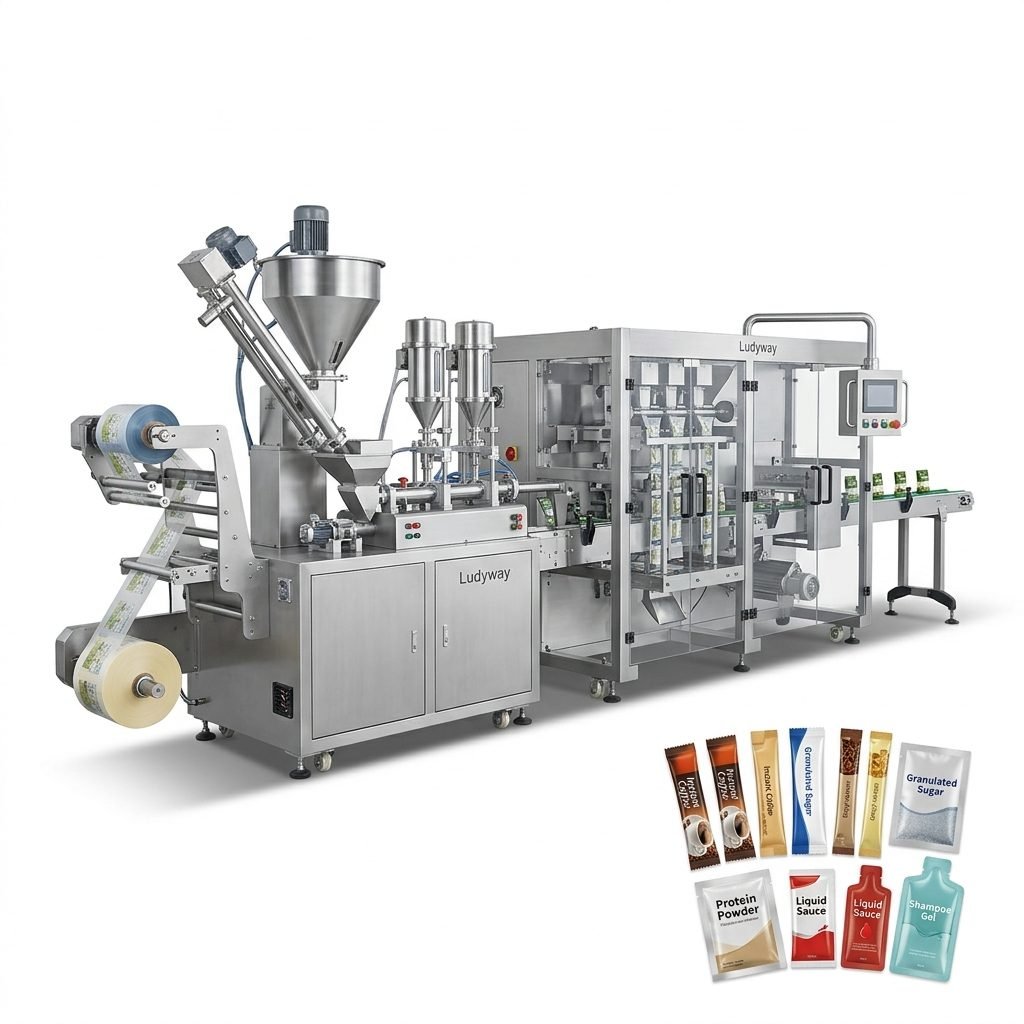
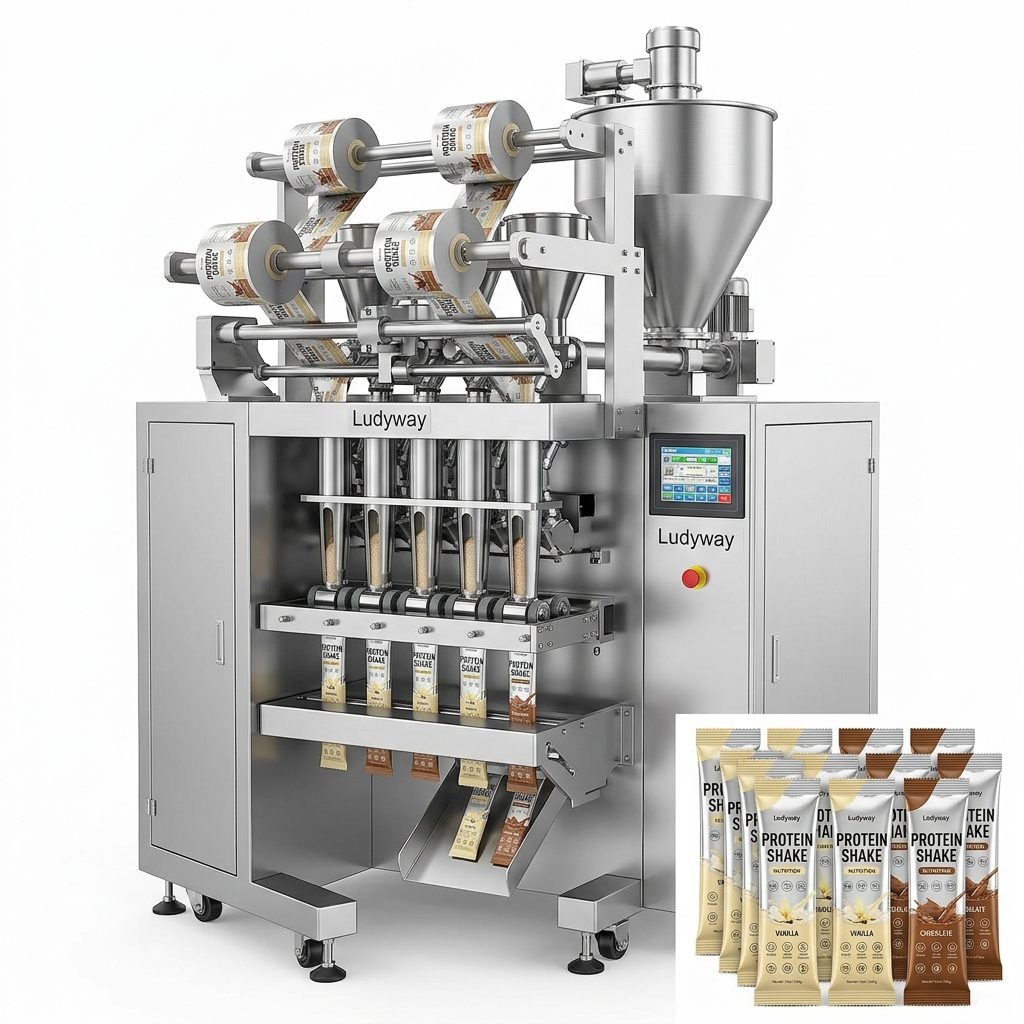
The best tea packaging machine manufacturer for your business is the one that matches your tea format, target output, packaging style, compliance needs, and after-sales support expectations. If you are sourcing for tea bags, sachets, stick packs, or turnkey tea packaging lines, focus less on brand name alone and more on machine stability, dosing accuracy, customization ability, export experience, and service responsiveness. For most importers and factory owners, a practical shortlist should include suppliers that can support tea powder, loose tea, herbal blends, instant tea, and secondary packaging under one project scope.
Tea is no longer packaged in a single format. Modern tea businesses now sell pyramid tea bags, flat sachets, stick packs, drip-style filters, pouch refills, gift boxes, and retail-ready cartons. That shift has made packaging equipment selection more strategic than ever. According to the Food and Agriculture Organization and Statista market data widely cited across the sector, tea remains one of the world’s most consumed beverages, with global retail demand supported by black tea, green tea, herbal tea, functional tea, and ready-to-mix drink segments. In parallel, automated flexible packaging continues to expand as labor costs rise and product traceability becomes more important.
In this guide, you will find a structured ranking of leading tea packaging machine manufacturers, selection criteria, key machine types, industry data, and a practical buyer checklist. The goal is to help importers, tea brands, contract packers, and food manufacturers make a better sourcing decision with fewer costly mistakes.
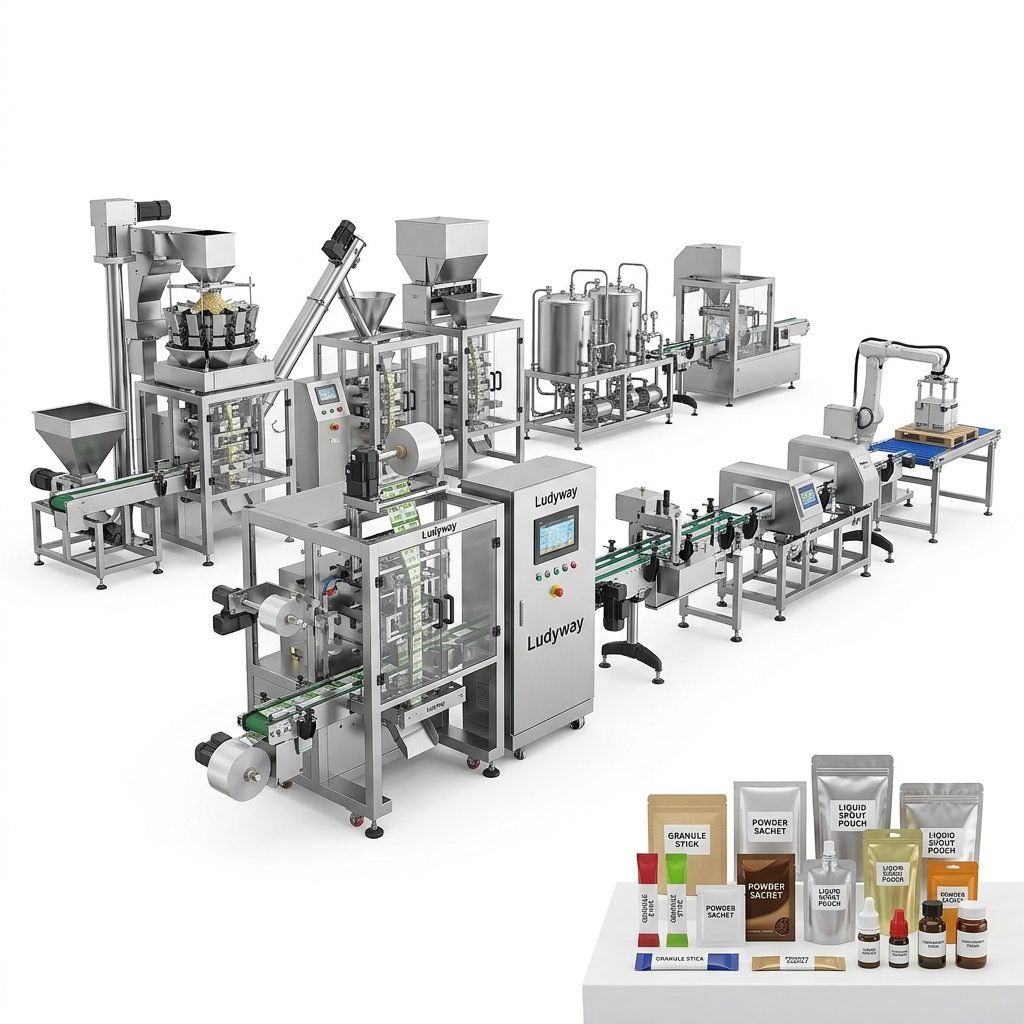
For buyers researching turnkey lines, you can also review turnkey packaging line solutions to compare machine scope, automation level, and export readiness.
What Is a Tea Packaging Machine?
A tea packaging machine is industrial equipment used to dose, fill, form, seal, count, code, and sometimes cartone tea products into retail or bulk packaging. Depending on the product, the machine may handle:
- Loose leaf tea
- Tea powder
- Herbal tea blends
- Instant beverage tea mixes
- Tea granules
- Tea bag inner and outer envelope packaging
- Stick packs and sachets for single-serve use
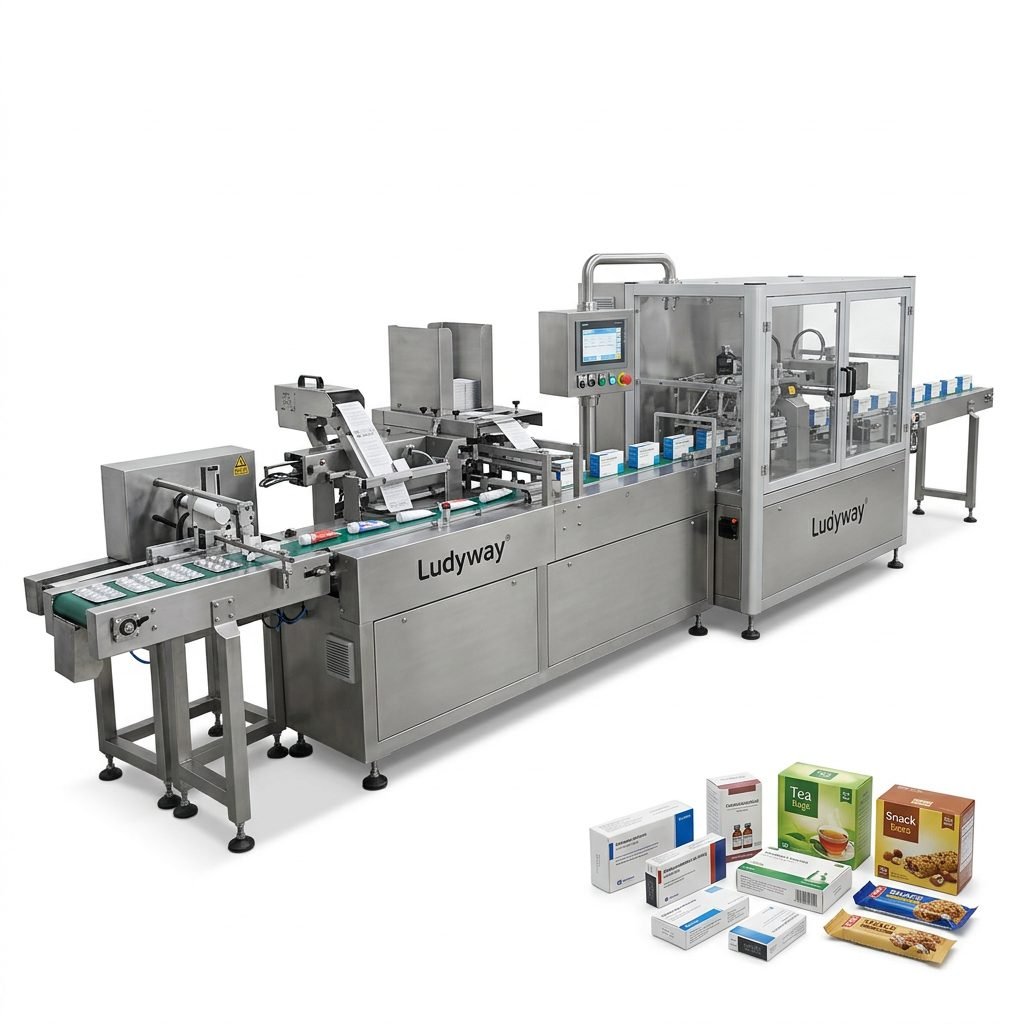
Tea packaging machinery is commonly connected with upstream and downstream systems such as feeders, auger fillers, weighers, nitrogen flushing units, date coders, checkweighers, conveyors, cartoners, and case packers.
Entity relationship overview: Tea brand → tea product format → packaging type → filling method → packaging machine configuration → production capacity → retail market requirements.
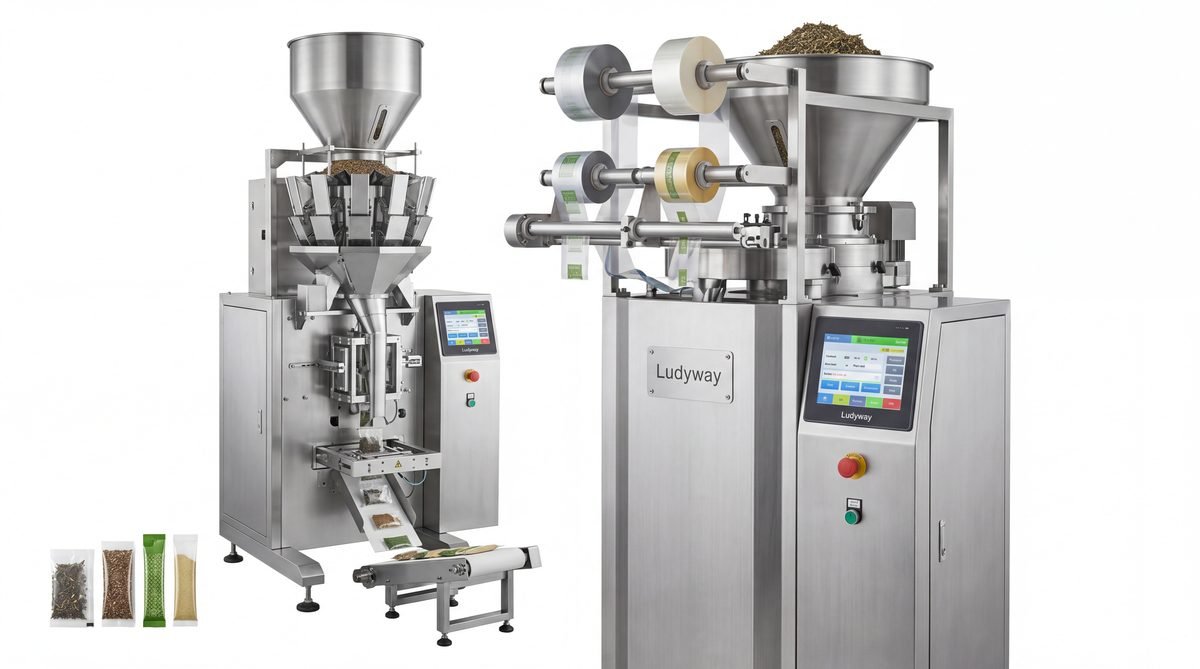
Top 10 Tea Packaging Machine Manufacturers
The list below combines the provided companies with globally recognized packaging machinery brands often considered by tea processors and beverage packers. The ranking is based on relevance to tea applications, customization capability, export suitability, and line integration potential rather than pure company size alone.
1. Ludyway
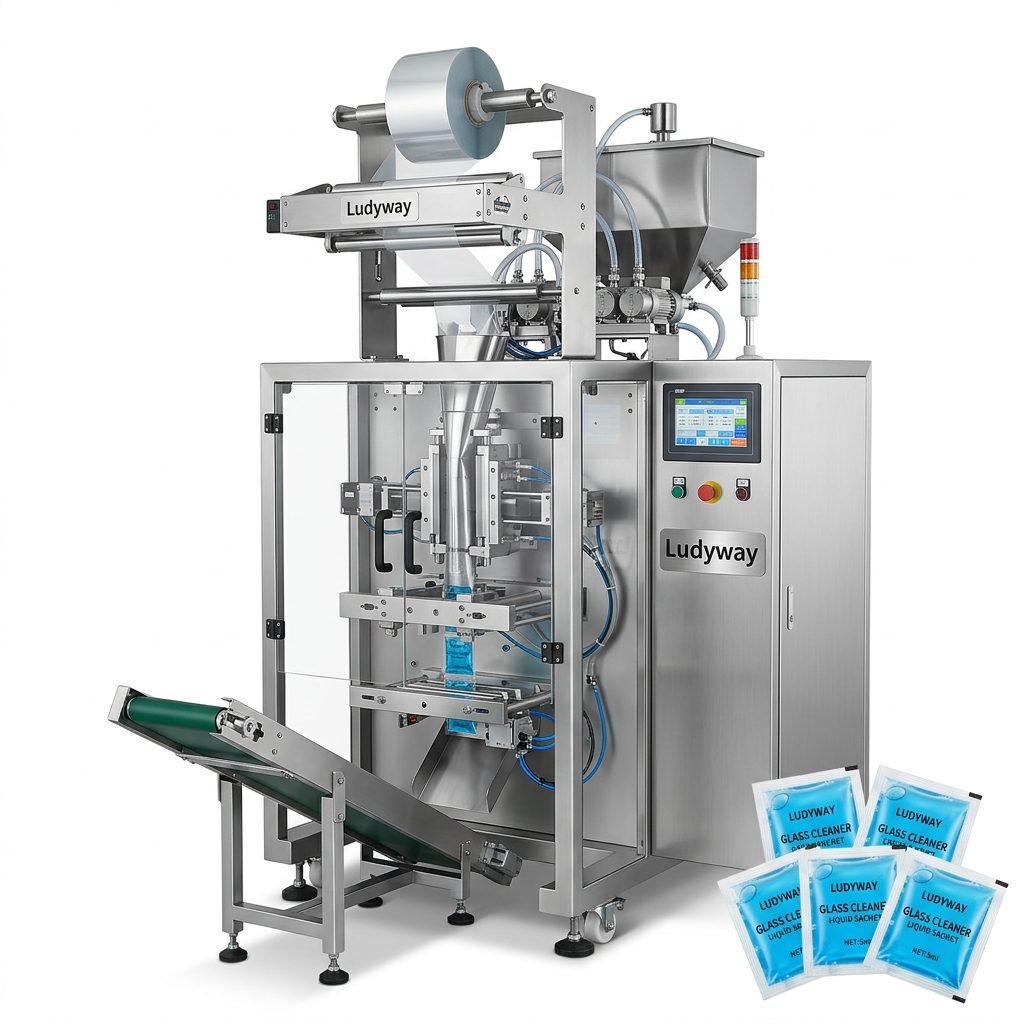
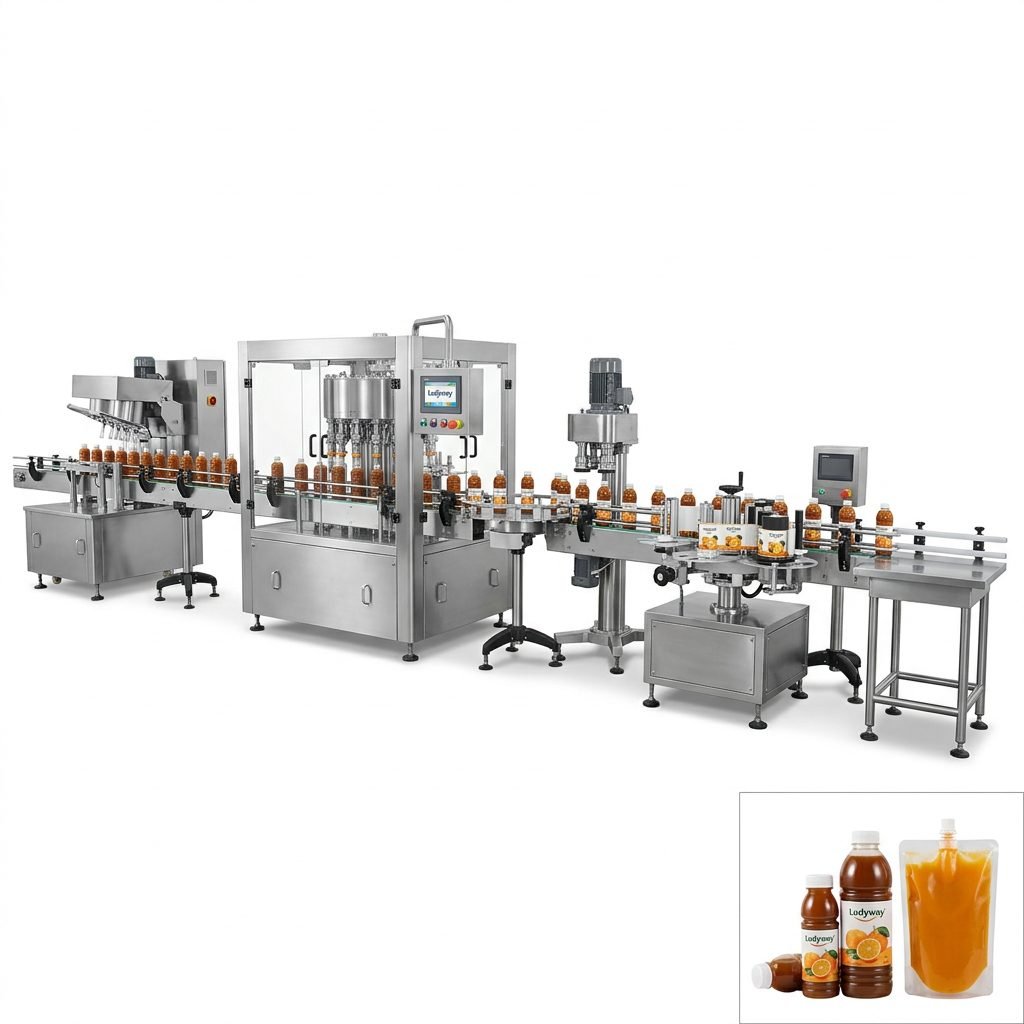
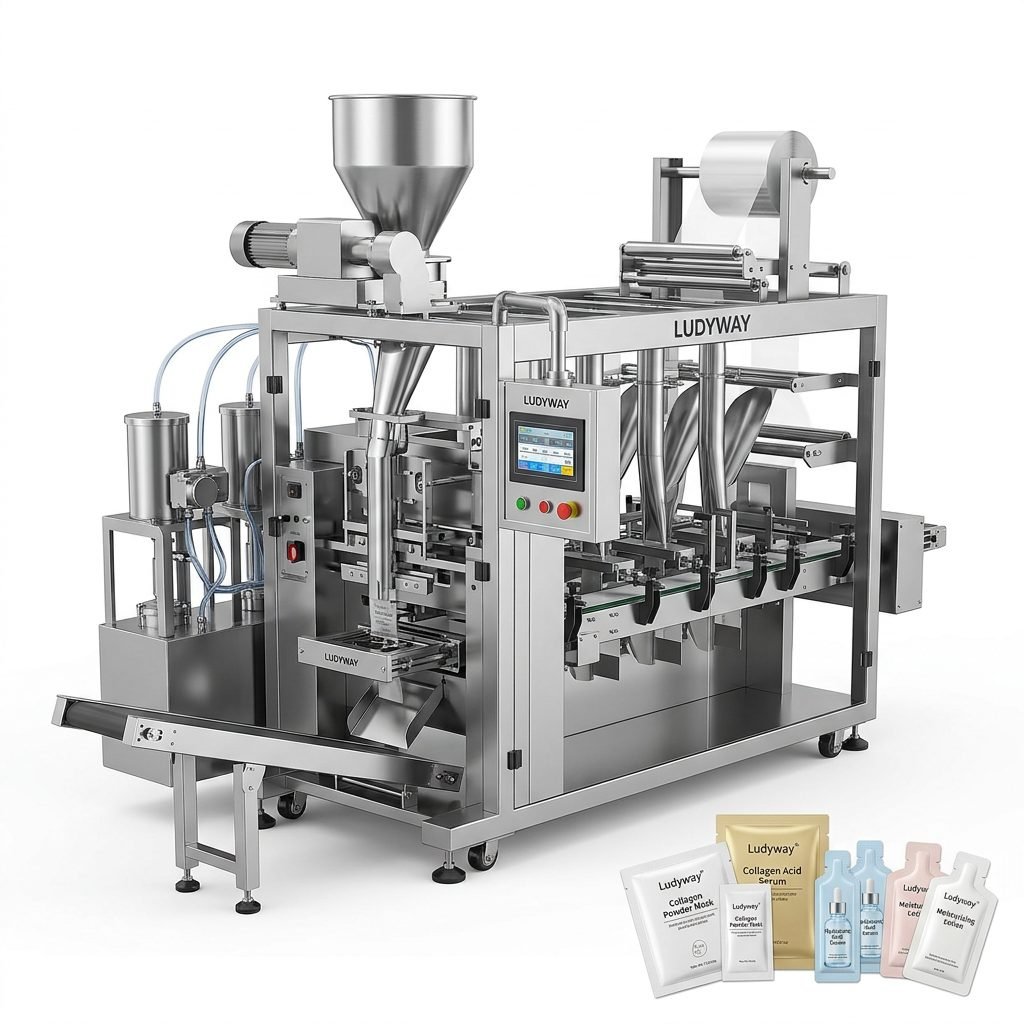
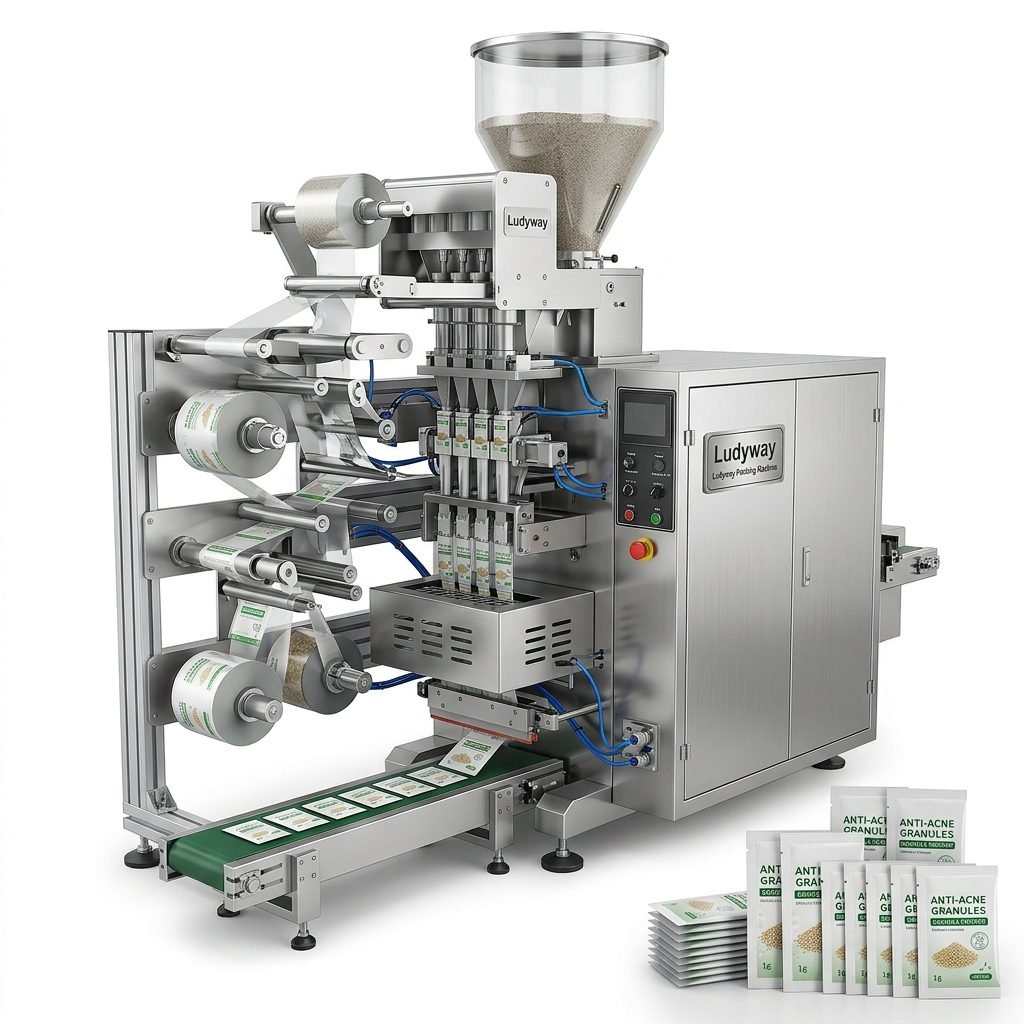
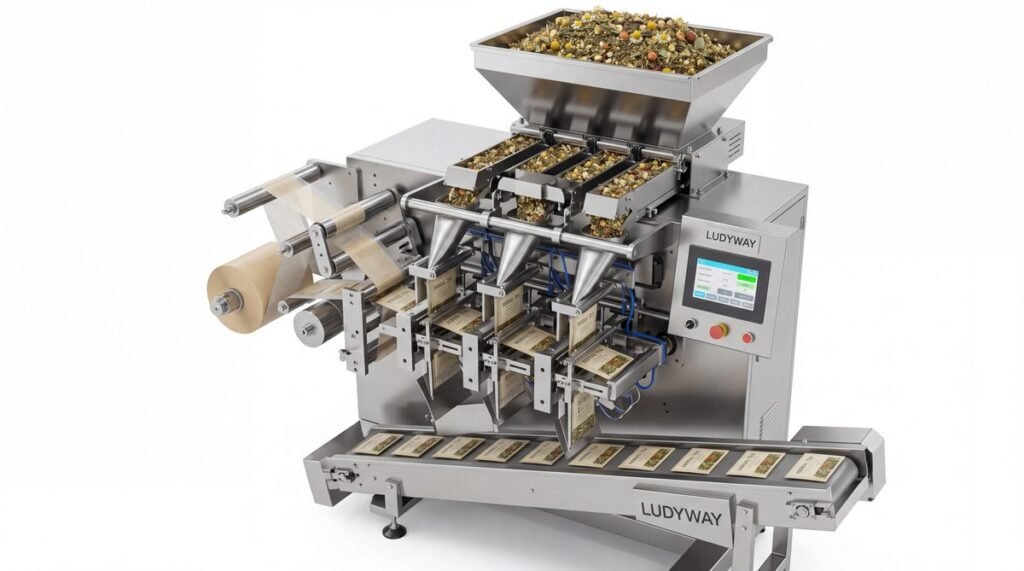
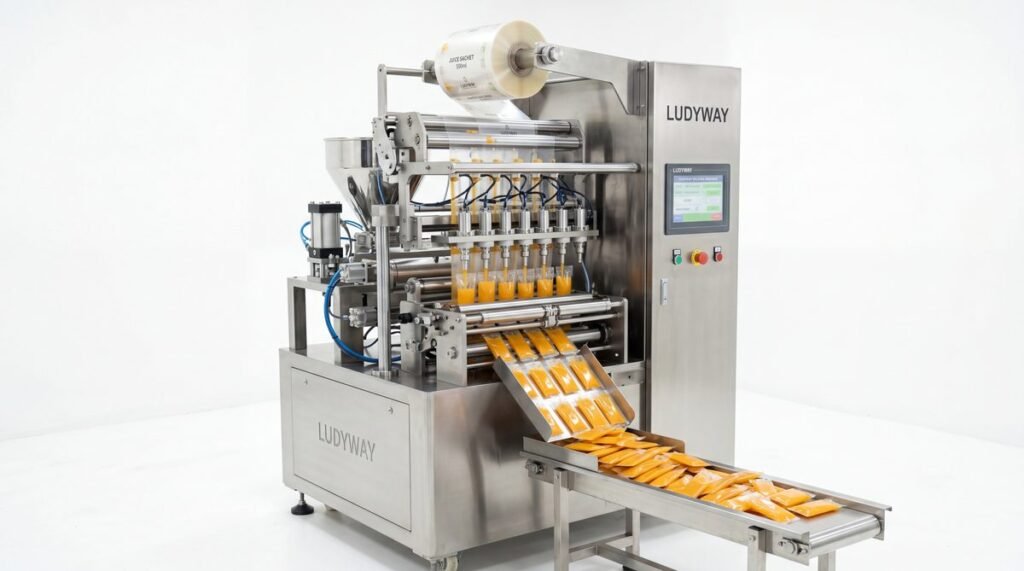
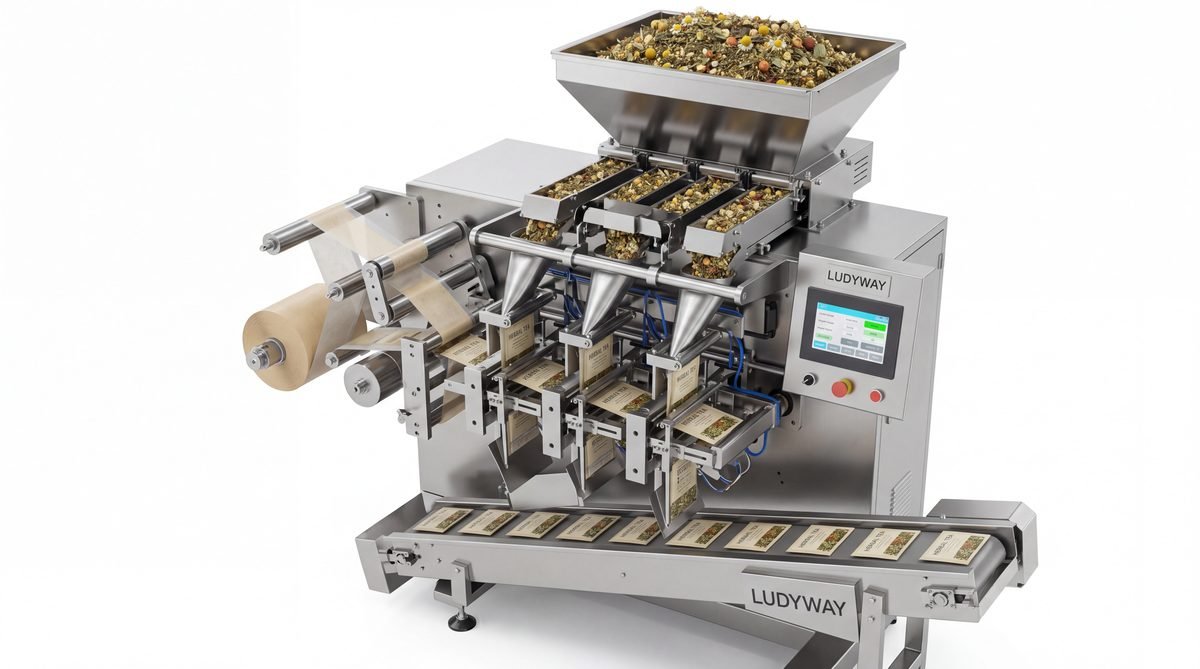
Ludyway is one of the strongest options for tea packaging buyers looking for both standalone machines and turnkey packaging lines. The company operates a factory of over 20,000 square meters, has more than 30 years of industry experience, and serves customers in more than 100 countries and regions. Its product coverage is broad enough for tea powder, tea granules, herbal blends, stick packs, sachets, and integrated packaging lines.
- Best for: medium to large tea manufacturers, exporters, and contract packers
- Strengths: turnkey integration, broad model coverage, export experience, customization
- Relevant tea applications: herbal tea sachets, instant tea stick packs, granule and powder tea packaging
2. Packmate Machinery
Packmate Machinery is a practical China-based supplier for buyers who need cost-effective automation without moving straight into the premium pricing tier of major Western brands. Its machine range suits powder, granule, liquid, and paste products, making it relevant for instant tea powders and flavored tea blends.
- Best for: buyers needing flexible configurations at moderate budgets
- Strengths: customization, practical automation, suitable for multiple packaging formats
- Relevant tea applications: stick packs, sachets, small-dose beverage mixes
3. PacklineOEM
PacklineOEM is more suitable for companies that need a project-based packaging line rather than one isolated machine. This matters in tea operations where feeding, dosing, sealing, coding, counting, and cartoning need to work as one synchronized process.
- Best for: OEM projects, integrated tea line planning, private-label manufacturing
- Strengths: line planning, machine matching, layout adaptation
- Relevant tea applications: full sachet or stick pack lines with end-of-line systems
4. PackingMachineOEM
PackingMachineOEM focuses on customized and non-standard packaging equipment. For tea companies with unusual bag shapes, special sealing materials, or mixed-product packaging needs, this can be a meaningful advantage.
- Best for: non-standard tea packaging requirements
- Strengths: engineering flexibility, OEM support, product-specific adjustments
- Relevant tea applications: custom sachets, special herbal blend packs, niche retail formats
5. SnusMachinery
Although best known for nicotine pouch and small pouch machinery, SnusMachinery is also relevant for tea businesses selling small-dose pouch products. Its strength is precision pouch forming and sealing in compact, portion-based applications.
- Best for: tea pouch and niche small-portion formats
- Strengths: pouch specialization, dosing consistency, compact pouch systems
- Relevant tea applications: tea pouches, herbal portion packs, specialty sachets
6. IMA Tea & Herbs
IMA is widely recognized in high-end tea bag and packaging systems, especially for premium tea bag formats, envelope systems, and integrated lines. Buyers with large budgets often compare IMA when evaluating international benchmarks for tea packaging quality and automation sophistication.
- Best for: premium tea bag production at industrial scale
- Strengths: advanced automation, premium engineering, global support network
7. Syntegon
Syntegon is known across food and pharmaceutical packaging. In tea and powdered beverage packaging, it is often considered for high-speed, reliable, compliance-oriented operations that need strong process control.
- Best for: large regulated food plants and multinational operations
- Strengths: engineering consistency, integration capability, established global reputation
8. Rovema
Rovema is frequently shortlisted for vertical packaging and flexible packaging systems. Tea brands looking at pillow bags, doy packs, or secondary flexible formats may see Rovema as a reference point for robust performance.
- Best for: flexible bag formats and reliable vertical packaging
- Strengths: bagging expertise, system durability, automation options
9. Viking Masek
Viking Masek is often associated with premade pouch and VFFS solutions. For tea powders and loose tea in stand-up pouches, this category remains important for retail packaging and refill packs.
- Best for: pouch packaging and flexible format diversification
- Strengths: pouch specialization, user-friendly systems, application range
10. Mespack
Mespack is a recognized name in flexible packaging machinery and often appears in projects involving stick packs, sachets, and multilane systems. That makes it relevant for instant tea powders and powdered beverage applications.
- Best for: multilane sachet and stick pack projects
- Strengths: flexible packaging specialization, multilane capability, international recognition
Quick Comparison Table
| Manufacturer | Best Fit | Core Strength | Tea Relevance |
|---|---|---|---|
| Ludyway | Turnkey tea packaging lines | Scale + customization | Very high |
| Packmate Machinery | Budget-conscious automation | Flexible China sourcing | High |
| PacklineOEM | OEM project lines | Integration planning | High |
| PackingMachineOEM | Custom machine builds | Non-standard engineering | High |
| SnusMachinery | Small pouch applications | Pouch precision | Medium to high |
| IMA Tea & Herbs | Premium tea bags | Advanced tea bag systems | Very high |
| Syntegon | Large industrial plants | Process control | Medium to high |
| Rovema | Flexible bagging | VFFS performance | Medium |
| Viking Masek | Premade pouches | Retail pouch flexibility | Medium |
| Mespack | Multilane sachets | Stick pack expertise | High |
How to Choose the Right Tea Packaging Machine Supplier
1. Match the machine to your tea format
Not every “tea packaging machine” is built for the same product. Loose leaf tea, crushed herbal tea, tea powder, and instant tea mixes all flow differently. The wrong feeding and dosing system can reduce accuracy and increase waste.
- Loose leaf tea: often requires weighing systems or cup fillers
- Tea powder: usually needs auger filling or precision powder dosing
- Tea granules: often works with volumetric cups or multihead weighing depending on size uniformity
- Tea bags with envelope: needs dedicated tea bag line configuration
2. Define your target output clearly
Many buyers ask for a “high-speed machine” without defining the required packs per minute. In tea packaging, output expectations should cover:
- Daily production target
- Number of shifts
- Planned future expansion
- Changeover frequency between SKUs
A machine that runs 40 packs per minute with low downtime may be better for a growing tea brand than a nominal 80-pack machine that is harder to maintain.
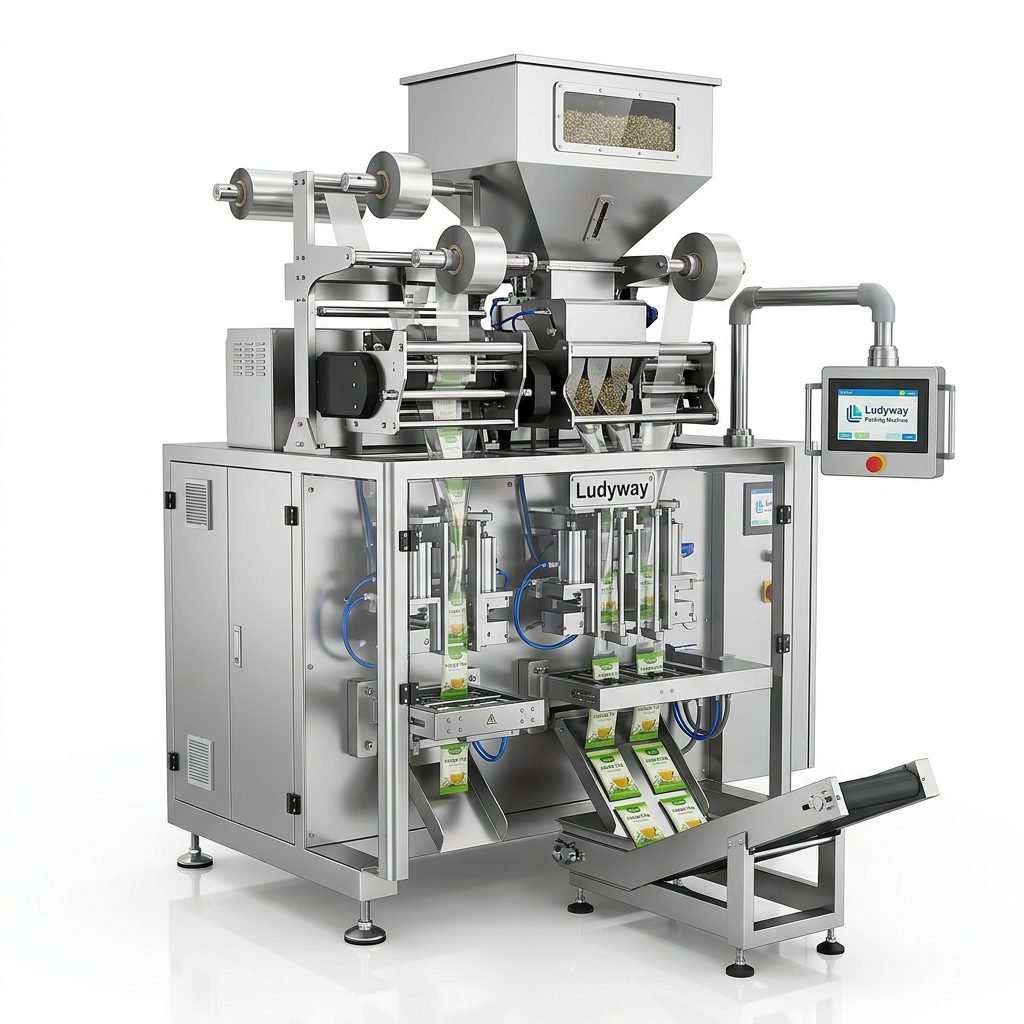
3. Evaluate filling accuracy and sealing quality
Tea is a value-sensitive product. Underfilling creates compliance and trust issues; overfilling damages margins. Reliable sealing is equally important because tea quality is affected by moisture, oxygen, light, and aroma loss.
Ask suppliers for actual test data on filling tolerance, sealing strength, reject rates, and output stability with your own tea sample, not just generic brochures.
4. Check material compatibility
Tea brands increasingly use paper-laminate structures, biodegradable films, foil laminates, nylon mesh, and specialty filter materials. Your supplier should confirm compatibility with:
- Filter paper or nonwoven tea bag material
- Heat-sealable films
- Compostable or eco packaging films
- Outer envelope materials
5. Review customization depth
Many tea businesses need custom bag sizes, boxed count packs, mixed herbal formulas, or multilingual coding. A good supplier should adapt to your production reality instead of pushing only one standard machine.
6. Assess after-sales support before purchase
Downtime is expensive. Before ordering, ask:
- How are spare parts stocked?
- What is the remote support process?
- Is video commissioning available?
- Are electrical components internationally recognizable?
- Can the supplier provide manuals and wiring diagrams in English?
If you are comparing different machine categories, a useful reference is automatic packaging machine suppliers with flexible application support.
Why Choose These Manufacturers?
Procurement perspective
These suppliers cover different purchasing priorities: turnkey lines, budget-friendly machines, OEM builds, and specialized pouch systems. That allows buyers to align budget with business stage.
Technical perspective
Tea packaging often needs accurate low-dose filling, stable sealing, and easy cleaning. Suppliers with experience in powder, granule, and pouch systems can more easily adapt to tea applications than general machinery traders with limited engineering input.
Cost perspective
Lower machine price does not always mean lower total cost. A more suitable machine can reduce:
- Film waste
- Product loss
- Manual labor demand
- Changeover time
- Maintenance-related downtime
Service perspective
The right supplier should support pre-sale testing, layout confirmation, commissioning, and parts replacement. For international buyers, service speed can matter more than small price differences.
Industry Data and Market Trends
Several broad market trends explain why tea packaging machinery demand continues to grow:
- Global tea consumption remains structurally strong across Asia, Europe, the Middle East, and North America.
- Single-serve and convenience packaging formats are expanding in retail and e-commerce.
- Functional beverages, herbal infusions, and wellness teas are increasing the number of SKUs requiring automated filling.
- Packaging automation investment is rising because labor shortages and wage pressure affect food production globally.
Industry reports from organizations such as PMMI, Mordor Intelligence, and Grand View Research commonly highlight long-term growth in flexible packaging automation and food packaging machinery. While exact figures vary by methodology and year, the direction is clear: manufacturers are shifting toward more automated, data-driven, and integrated packaging operations.
In practical sourcing terms, this means buyers increasingly prioritize:
- Digital controls and HMI usability
- Stable multilane output
- Quick changeover between SKUs
- Traceability through coding and inspection
- Compatibility with secondary packaging and logistics systems
Comparison by Buyer Type
For startup tea brands
If you are launching a new tea product line, your best supplier is often not the most famous one. You may benefit more from a flexible partner that supports lower-capacity customization, fast sample testing, and clear communication.
Most suitable profile: Packmate Machinery or PackingMachineOEM.
For growing regional tea manufacturers
If your business is scaling across retail chains or export channels, you need reliable output, repeatability, and room to expand.
Most suitable profile: Ludyway or PacklineOEM.
For premium tea bag specialists
If you sell high-value tea bags, envelope tea bags, or premium herbal infusions, machine precision and appearance consistency become central.
Most suitable profile: IMA Tea & Herbs or Ludyway depending on budget and project complexity.
For niche small pouch products
Some tea-adjacent products, portion packs, and specialty herbal pouches require narrow-format expertise.
Most suitable profile: SnusMachinery.
Buyer Checklist Before You Request a Quotation
To get a useful quotation, send suppliers the following details:
- Tea product type: loose leaf, powder, granule, herbal blend
- Packaging format: tea bag, sachet, stick pack, pouch, carton
- Target bag size and fill weight
- Required output per minute or per hour
- Packaging material specification
- Need for coding, nitrogen flushing, checkweighing, cartoning, or case packing
- Factory voltage and destination country
- Photos or videos of product flow characteristics
This step reduces miscommunication and helps suppliers recommend the correct dosing and sealing system.
Common Mistakes When Choosing a Tea Packaging Machine Supplier
- Choosing by price only and ignoring stability, parts, and service
- Using generic machine specs without real tea sample testing
- Ignoring packaging material compatibility with eco or specialty films
- Underestimating changeover needs when multiple SKUs are planned
- Buying a machine without line thinking when coding, inspection, and cartoning are also needed
Recommended Decision Framework
If you want the simplest decision model, score each supplier from 1 to 5 on the following six factors:
- Machine suitability for your tea format
- Output and filling accuracy
- Customization capability
- Export and documentation experience
- After-sales response
- Total cost of ownership
The best supplier is usually the one with the strongest total score, not the lowest sticker price.
For customized line planning, another relevant sourcing reference is OEM packaging line integration for project-based machine matching.
FAQ
What is the best packaging machine for tea?
The best machine depends on the tea format. Tea bags need dedicated tea bag systems, while instant tea powders often use multilane sachet or stick pack machines. Loose tea may use weighing-based pouch or bagging equipment.
How much does a tea packaging machine cost?
Prices vary widely depending on speed, automation, bag type, and line scope. Small standalone machines may cost far less than fully integrated automatic lines with coding, cartoning, and case packing.
Can one machine package different tea products?
Sometimes yes, but only within practical limits. A machine designed for tea powder may not handle large loose leaves efficiently without changing the feeding or dosing system.
Is a China-based tea packaging machine supplier reliable?
Yes, many China-based suppliers are reliable, especially those with long export history, sample testing ability, structured assembly processes, and clear after-sales support. Buyers should still verify references, machine videos, component brands, and documentation.
What output should I choose for a tea packaging machine?
Choose output based on real production demand, not only maximum speed. Consider shifts, downtime, maintenance, planned SKU expansion, and seasonal spikes.
What certifications or compliance points matter?
For food-related applications, buyers typically review food-contact suitability, electrical safety, CE-related expectations where applicable, and documentation for import compliance in the destination market.
Final Recommendation for Buyers
If you need one balanced recommendation from this list for tea packaging projects covering sachets, stick packs, powder, granule, and full-line integration, Ludyway stands out as one of the most complete options because of its manufacturing scale, broad application range, long industry experience, and turnkey line capability.
If your priority is budget flexibility, Packmate Machinery is worth reviewing. If your project is highly customized or OEM-oriented, PacklineOEM and PackingMachineOEM are stronger fits. If your packaging format centers on compact portion pouches, SnusMachinery may be more specialized than broader generalist suppliers.
In short, the right supplier is the one that can prove performance with your tea product, your packaging material, your speed requirement, and your export destination. That is the sourcing standard that matters most.