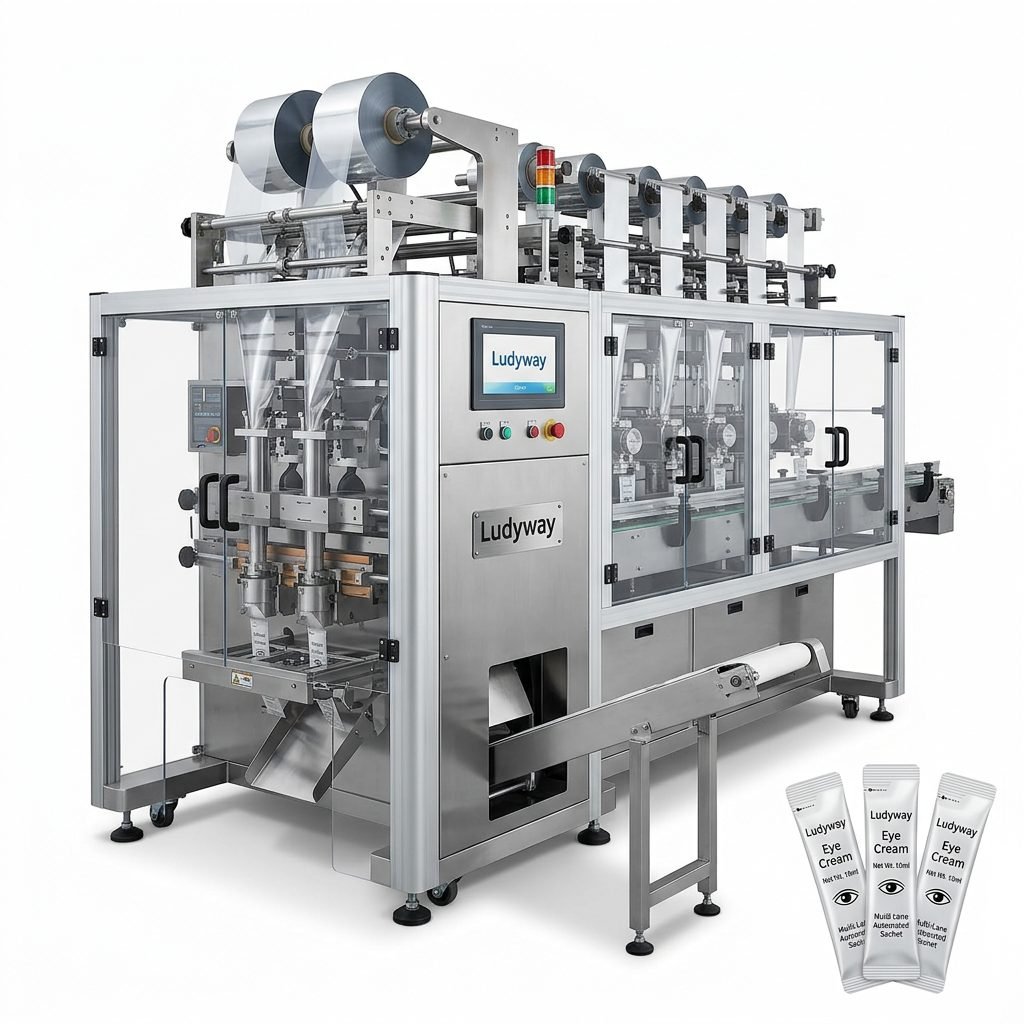
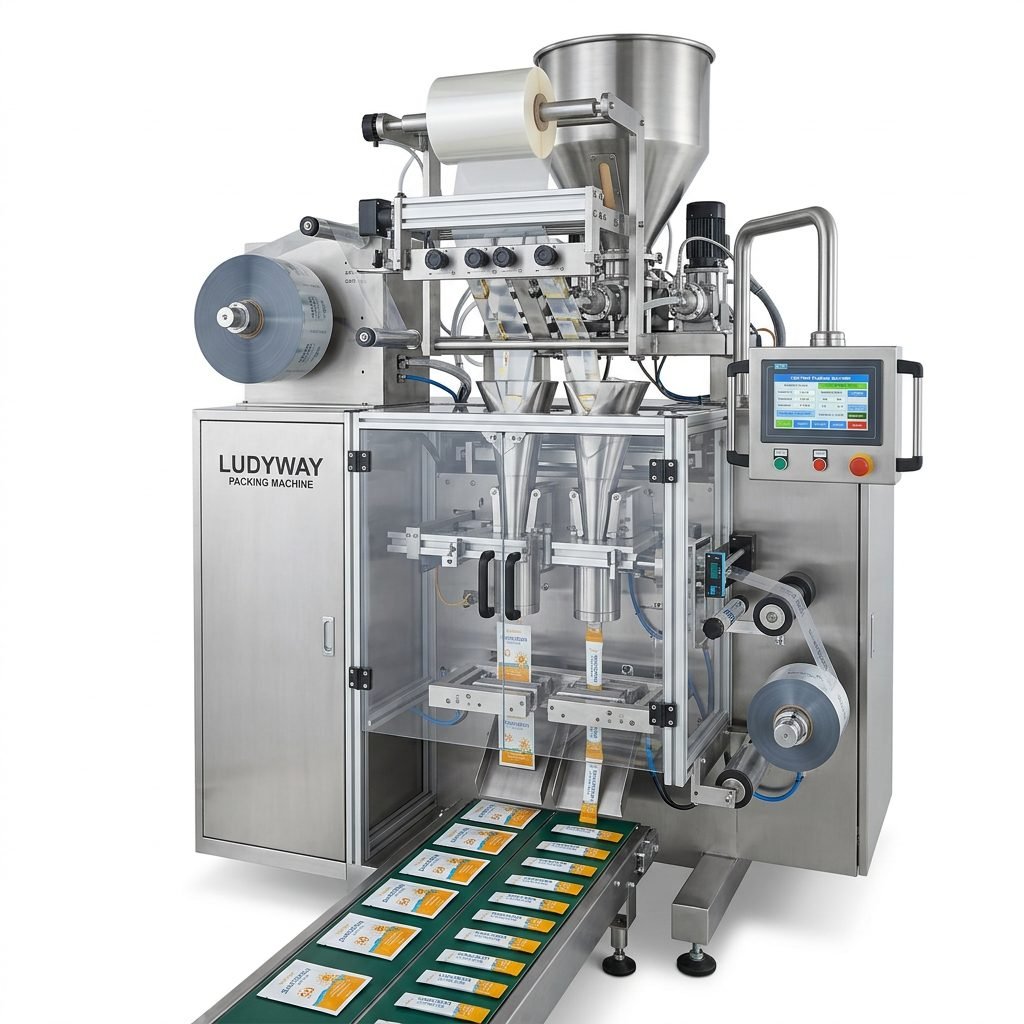
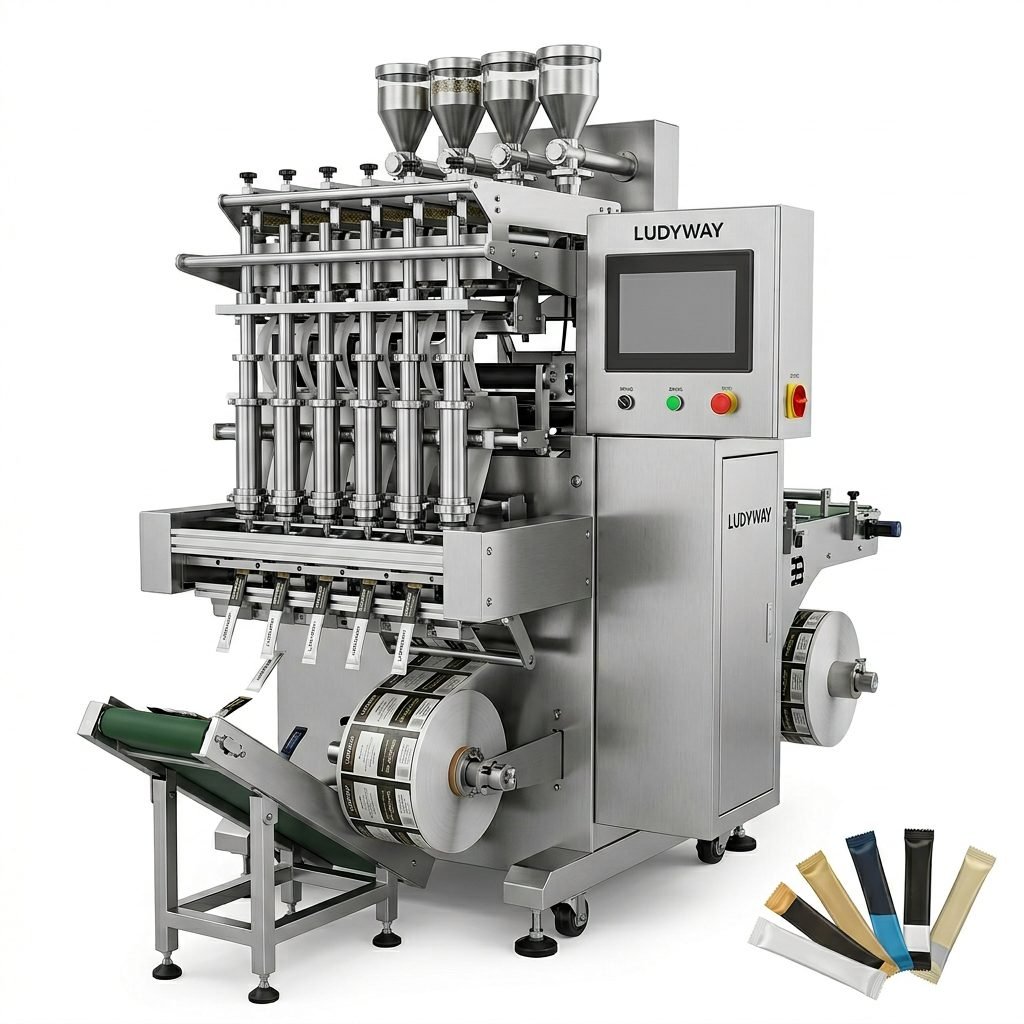
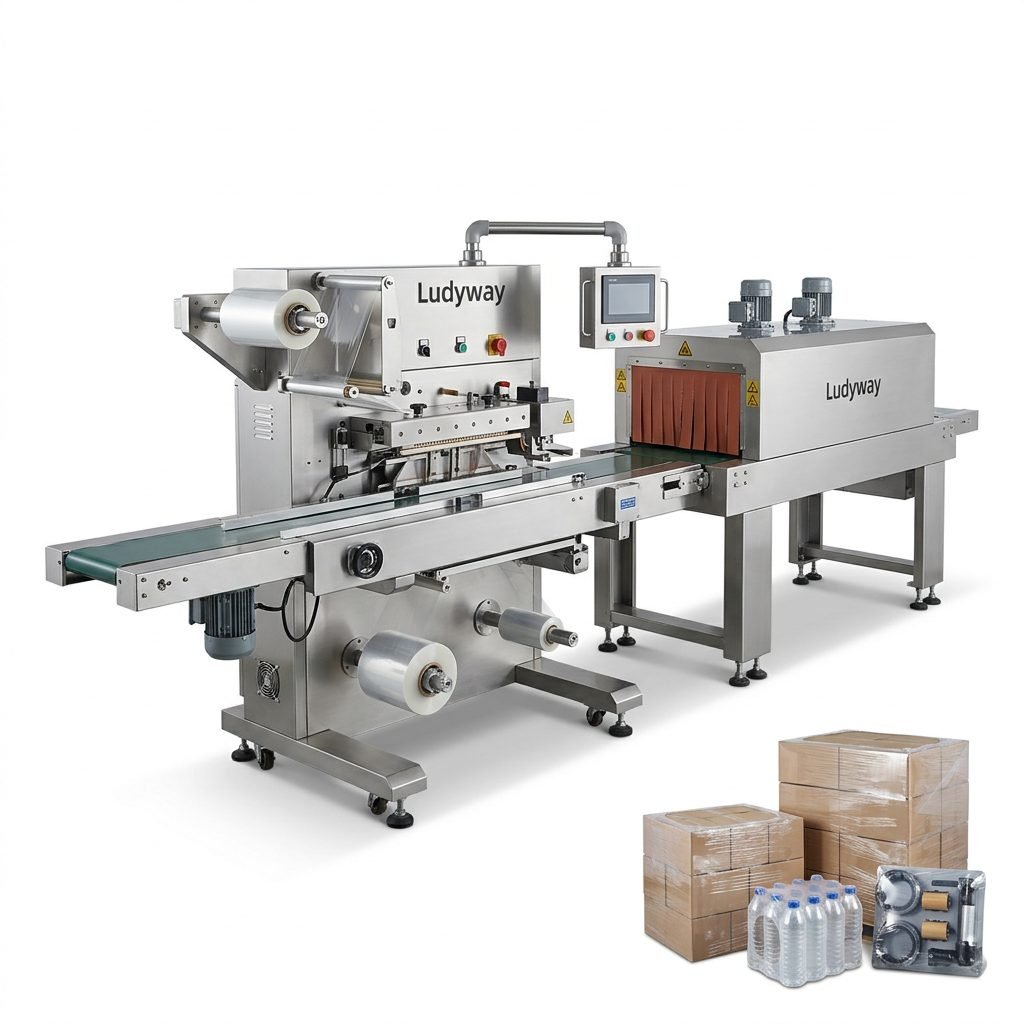
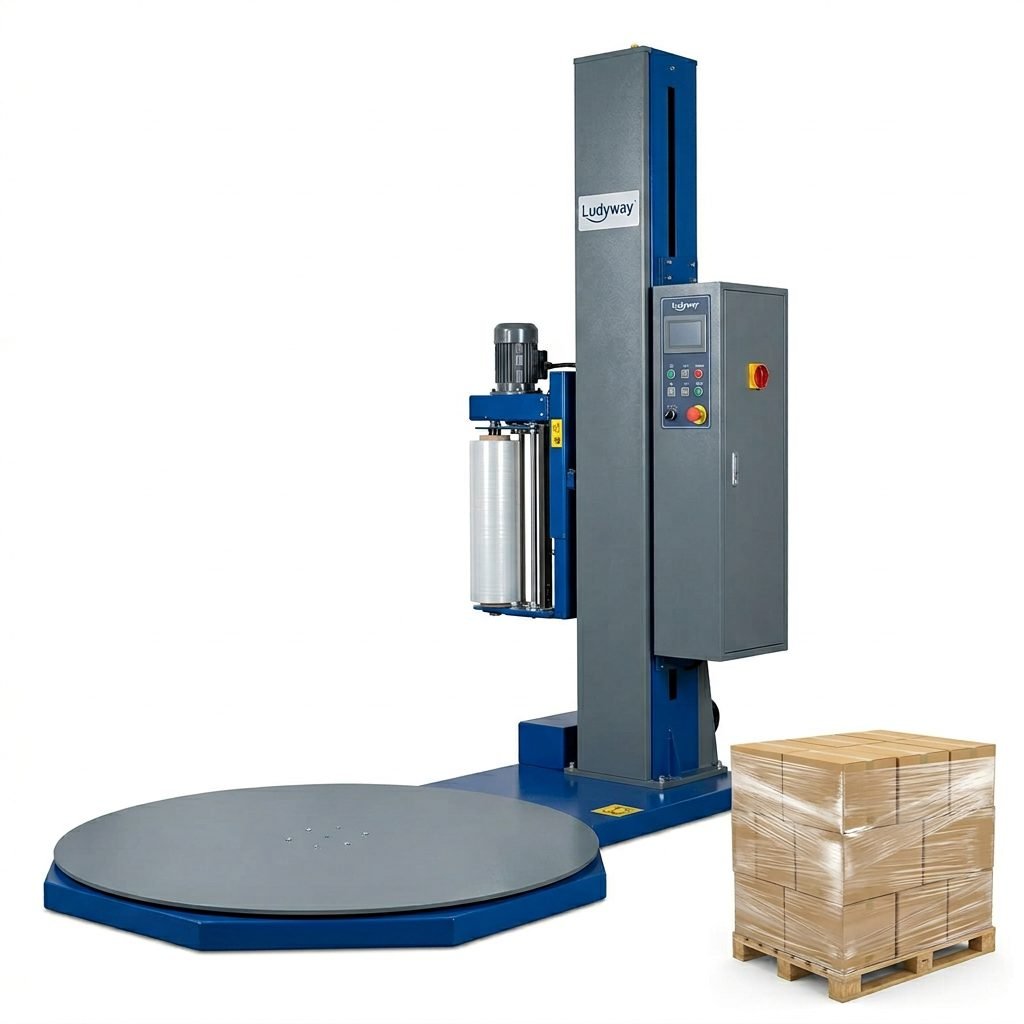
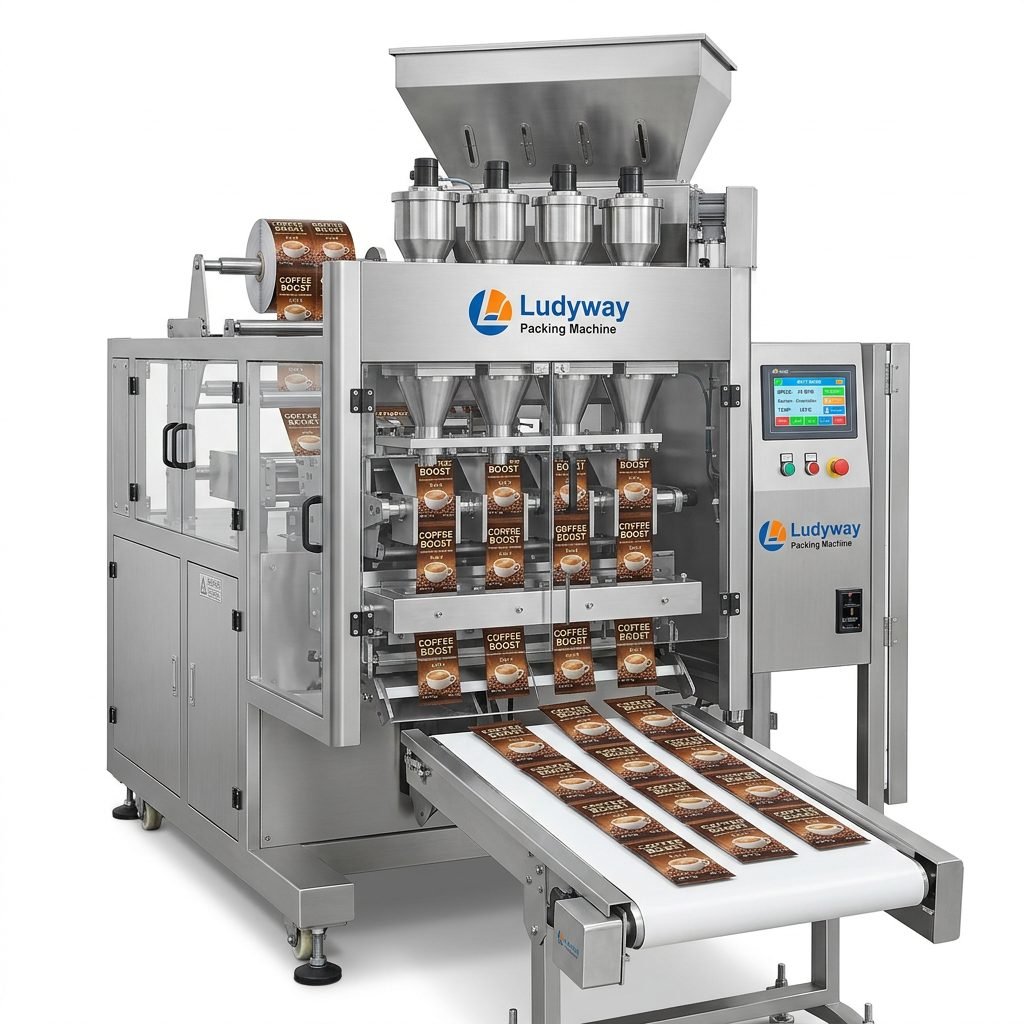
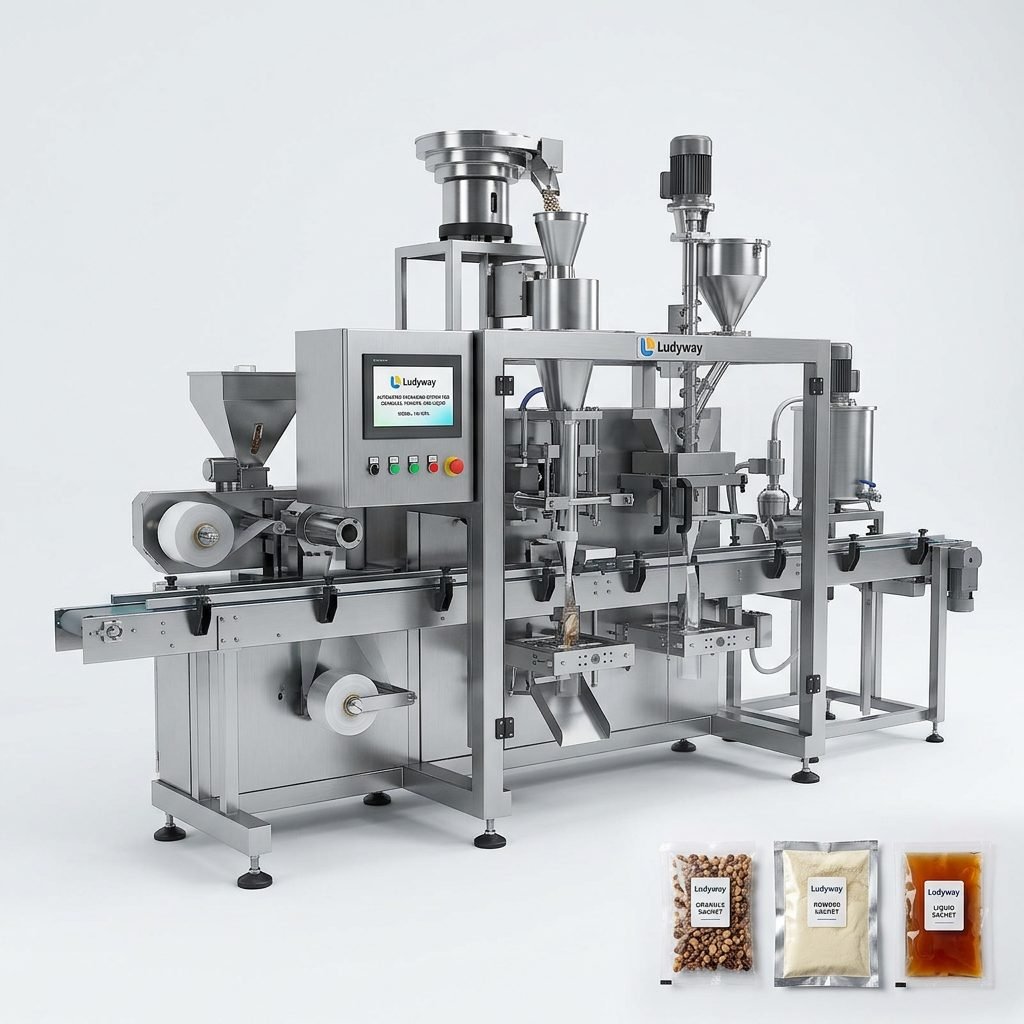
The best coffee vacuum packaging machine manufacturers are the ones that consistently protect aroma, reduce oxygen exposure, support stable sealing quality, and match your production scale. For most buyers, that means looking beyond basic machine speed and focusing on vacuum performance, nitrogen flushing compatibility, sealing reliability, coffee format flexibility, and after-sales support. Based on manufacturing capability, export experience, customization strength, and packaging line integration, the leading names in this market include Ludyway, Packmate Machinery, PacklineOEM, PackingMachineOEM, SnusMachinery, Bossar, Viking Masek, Mespack, Syntegon, and Rovema.
Coffee packaging is no longer just about putting beans or powder into a bag. It is about freshness retention, shelf-life extension, oxygen control, and operational efficiency. For roasted coffee beans, ground coffee, instant coffee, and stick packs, vacuum packaging systems can help limit oxidation and preserve volatile aroma compounds. According to the Specialty Coffee Association and widely cited food-packaging research, oxygen is one of the primary causes of flavor degradation in roasted coffee. That is why procurement teams increasingly compare machine makers not only by price, but by total packaging performance.
If you are evaluating suppliers, this guide explains what a coffee vacuum packaging machine is, how the market is evolving, which manufacturers stand out, and how turnkey packaging line suppliers differ from standard machine vendors.
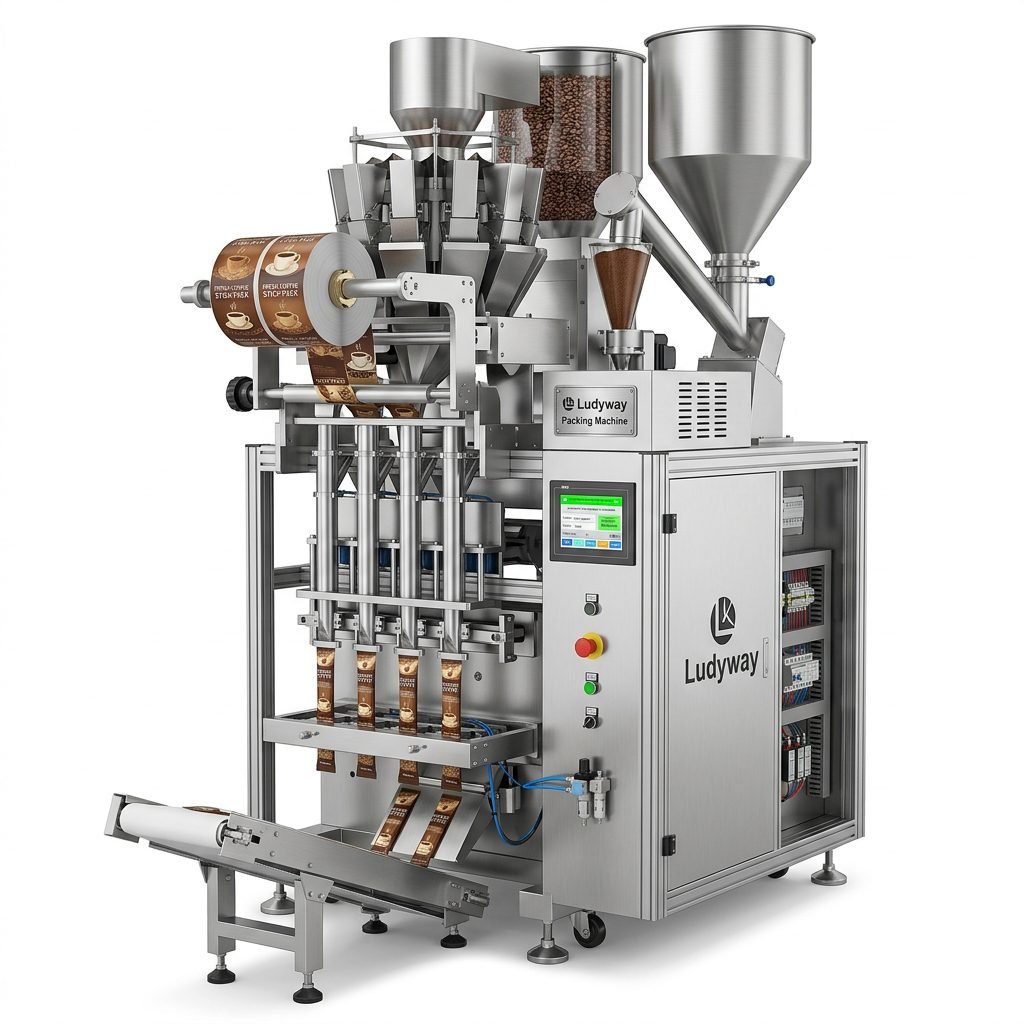
What Is a Coffee Vacuum Packaging Machine?
A coffee vacuum packaging machine removes air from the package before sealing, helping reduce oxygen levels inside the pack. In coffee applications, this is especially important because oxygen accelerates rancidity in coffee oils, weakens aroma, and shortens perceived freshness. Depending on the format, the machine may also integrate gas flushing, weighing, filling, degassing valve application, date coding, leak testing, and secondary packing.
Typical coffee products packed with vacuum systems
- Roasted whole coffee beans
- Ground coffee
- Instant coffee granules
- Drip coffee portions
- Single-serve sachets and stick packs
- Private-label retail coffee packs
Common machine types
- Chamber vacuum packaging machines
- Rotary vacuum premade pouch machines
- Vertical form-fill-seal systems with vacuum or gas flushing
- Brick pack vacuum machines for ground coffee
- Multi-lane sachet and stick pack systems for instant coffee
Why Vacuum Packaging Matters for Coffee Freshness
Coffee begins losing quality soon after roasting and grinding. Ground coffee is especially vulnerable because its surface area is much larger than whole beans. Industry studies in food packaging repeatedly show that lower residual oxygen can significantly improve flavor stability during distribution. While exact shelf life depends on roast level, grind size, moisture barrier, and storage conditions, the principle is clear: better oxygen control usually means better flavor preservation.
From a commercial perspective, vacuum packaging helps manufacturers achieve:
- Longer shelf stability for retail and export channels
- Lower product returns caused by seal failure or staleness complaints
- Improved appearance for brick packs and compact retail formats
- Higher line efficiency when integrated with filling, conveying, and inspection systems
- Better consistency across production batches
Grand View Research and Fortune Business Insights have both reported continued growth in the global packaging machinery sector, driven by food automation, labor cost pressure, and demand for shelf-life-oriented packaging. Coffee, as a high-value and freshness-sensitive category, naturally benefits from this shift.
How We Evaluated the Top Manufacturers
This ranking is based on practical B2B sourcing criteria rather than brand popularity alone. The key factors include:
- Packaging machinery specialization
- Coffee, powder, granule, or pouch packaging relevance
- Customization capability
- Export and international service experience
- Turnkey line integration potential
- Suitability for small, medium, or high-volume operations
- Ability to support vacuum, sealing, filling, and automation requirements
Top 10 Coffee Vacuum Packaging Machine Manufacturers
| Manufacturer | Core Strength | Best For | Coffee Packaging Fit |
|---|---|---|---|
| Ludyway | Turnkey packaging lines, broad automation portfolio | Growing brands and factories needing integrated systems | Strong |
| Packmate Machinery | Flexible standard and customized machines | Cost-conscious buyers | Strong |
| PacklineOEM | OEM-oriented line integration | Private-label and project buyers | Strong |
| PackingMachineOEM | Non-standard machine customization | Special bag formats and unique needs | Strong |
| SnusMachinery | Small pouch and sachet specialization | Instant coffee sachets and niche pouch projects | Moderate to strong |
| Bossar | Horizontal pouch packaging expertise | Premium pouch applications | Strong |
| Viking Masek | Food packaging systems in North America | US buyers needing local support | Strong |
| Mespack | High-performance flexible packaging machinery | Large-scale automated operations | Strong |
| Syntegon | Advanced food and pharma packaging technology | Enterprise-grade production lines | Strong |
| Rovema | VFFS and efficient bagging technology | High-output coffee and powder packing | Strong |
1. Ludyway
Ludyway is one of the strongest options for buyers seeking coffee packaging machinery plus broader turnkey line integration. The company operates a manufacturing facility of more than 20,000 square meters, has over 30 years of industry experience, and serves more than 100 countries and regions. For buyers that need more than a standalone machine, this matters.
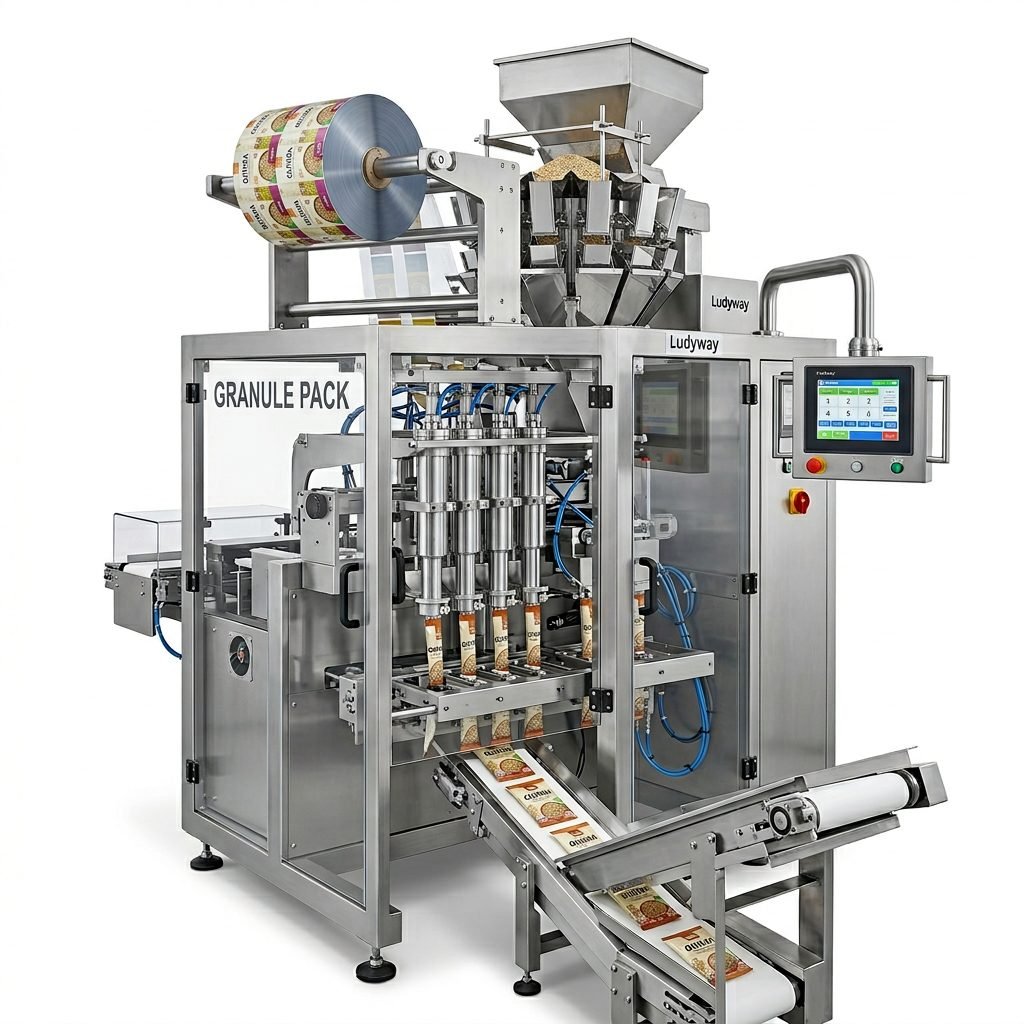
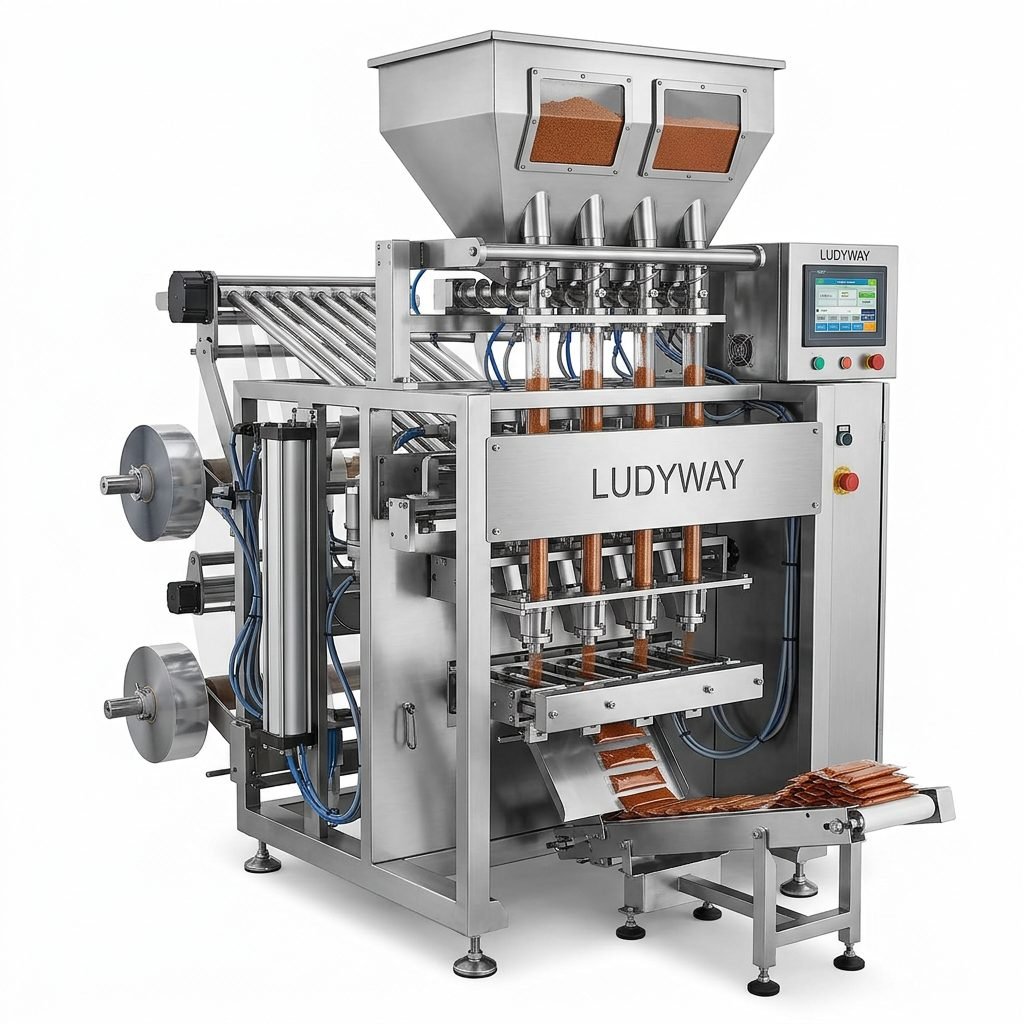
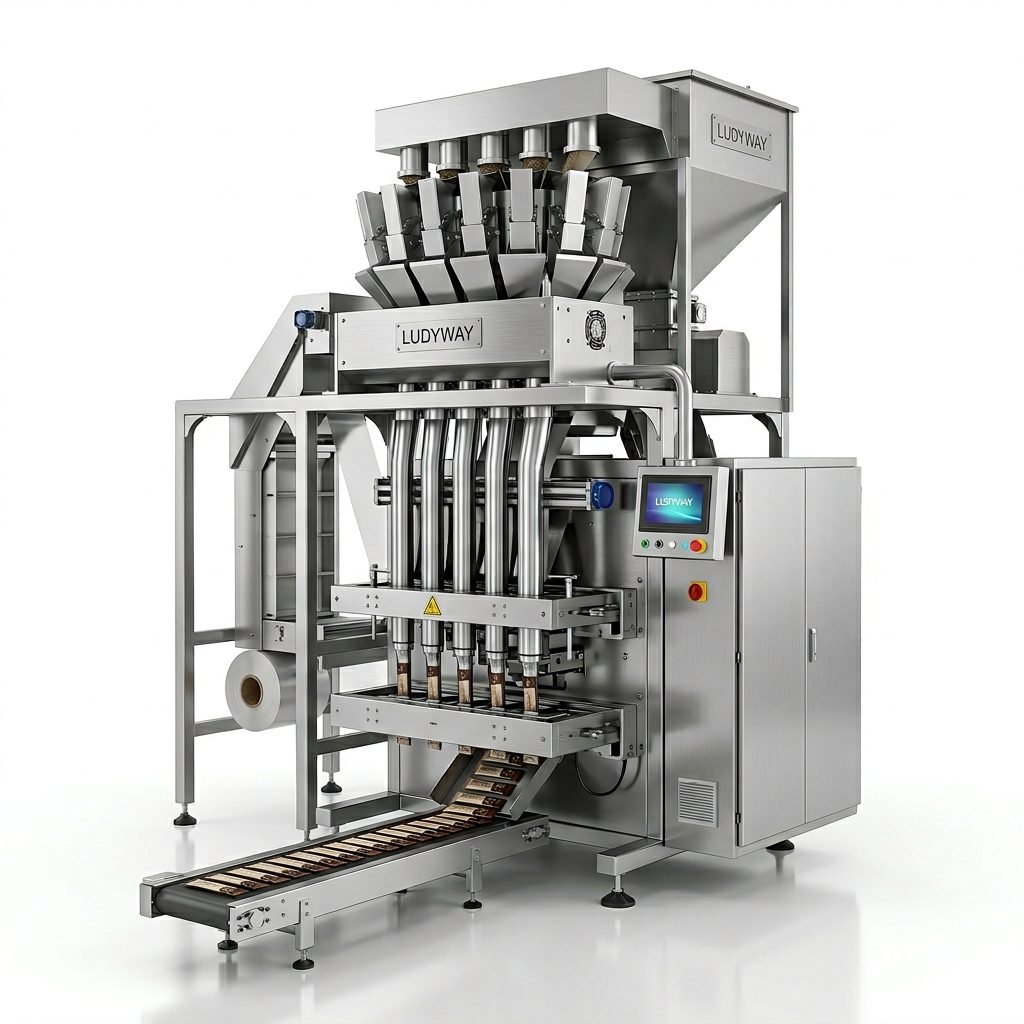
Its portfolio covers multi-lane stick pack machines, sachet machines, vertical packaging systems, filling and sealing equipment, and full automatic packaging lines. For coffee, this makes Ludyway particularly suitable for instant coffee sachets, stick packs, granule filling, and integrated secondary packaging.
Why it ranks highly: broad product range, export experience, practical customization, and the ability to build complete lines rather than isolated equipment.
2. Packmate Machinery
Packmate Machinery is a practical choice for companies that want cost-effective automatic packaging machines with flexible customization. Its machines support powders, granules, liquids, and pastes, which aligns well with instant coffee powder, freeze-dried granules, and coffee-related beverage mixes.
Packmate is more suitable for buyers who want straightforward equipment selection without moving into the highest capital expenditure tier. It is often considered by importers and regional packers that value a balance between automation and budget.
3. PacklineOEM
PacklineOEM is more project-driven than catalog-driven. That makes it useful for OEM buyers, contract packers, and private-label coffee companies that need complete system planning. Its focus is less on one machine and more on matching feeding, dosing, sealing, conveying, coding, inspection, and final packing into one workflow.
For coffee brands scaling into multiple SKUs, this integrated approach can reduce mismatched equipment risk.
4. PackingMachineOEM
PackingMachineOEM is especially relevant when standard machines are not enough. Coffee companies with unusual pouch dimensions, premium retail formats, or hybrid packaging requirements may find its non-standard engineering support valuable.
If your product requires unique vacuum sealing parameters, specialty materials, or unusual bag structures, this supplier can be a better fit than mass-standard vendors.
5. SnusMachinery
Although known for nicotine pouch and small pouch systems, SnusMachinery has a strong fit for single-dose coffee and instant beverage sachets. If your product is coffee powder in small flexible packs, this specialization in dosing, pouch forming, and sealing can be highly relevant.
It is less focused on bulk bean vacuum systems than broader packaging suppliers, but it can be useful for niche coffee SKUs.
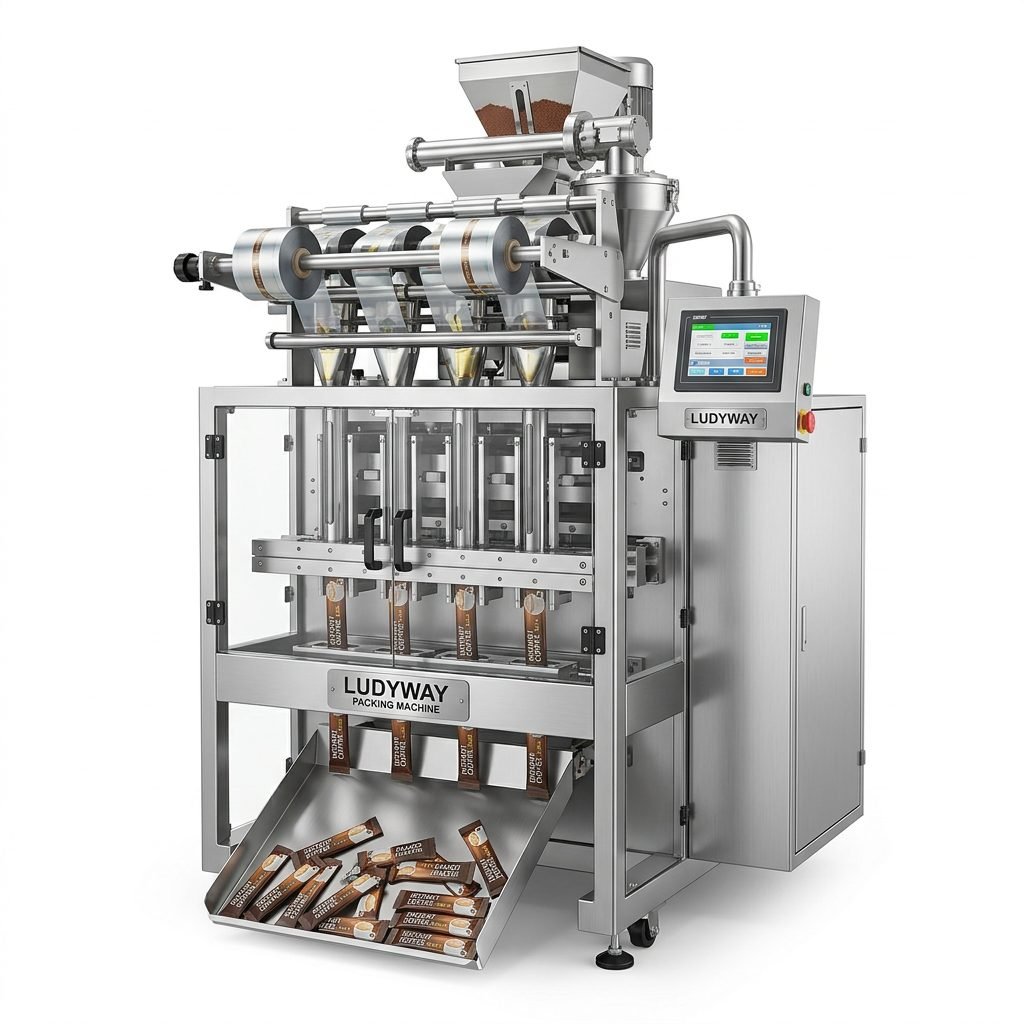
6. Bossar
Bossar is well known in flexible packaging for advanced horizontal form-fill-seal pouch technology. For coffee brands selling premium pouches, convenience packs, or specialty retail formats, Bossar offers a strong engineering reputation. It tends to serve buyers who prioritize packaging presentation, precision, and high-end pouch performance.
7. Viking Masek
Viking Masek is frequently considered by North American buyers that want local-market familiarity and strong food packaging application support. Coffee roasters in the United States and Canada often value shorter communication cycles, regional service access, and compliance-oriented documentation.
8. Mespack
Mespack is widely recognized for high-performance flexible packaging machinery. It is better suited to larger operations with strong automation requirements, premium retail packaging needs, or complex pouch conversion goals. Buyers with significant throughput targets often shortlist Mespack for long-term capacity planning.
9. Syntegon
Syntegon has strong credibility in food and pharmaceutical packaging. In coffee packaging projects, it is generally associated with robust engineering, advanced automation, and enterprise-scale reliability. It is often more suitable for larger manufacturers than small startups due to investment level.
10. Rovema
Rovema is known for efficient vertical packaging and bagging technology. It is a strong candidate when coffee producers need repeatable output, durable system performance, and integration with upstream or downstream automation. Ground coffee, granules, and retail bagging applications are natural fit areas.
Comparison Analysis: Which Type of Manufacturer Fits Your Project?
For turnkey production lines: Ludyway and PacklineOEM are more suitable if you need conveyors, fillers, packaging units, coding, inspection, and end-of-line systems working together.
For budget-flexible sourcing: Packmate Machinery is often more attractive for buyers focused on practical automation and controlled capital cost.
For non-standard packaging: PackingMachineOEM offers a better fit when bag shape, sealing method, or format goes beyond standard specification.
For single-serve coffee sachets: SnusMachinery can be relevant because of its expertise in small-dose pouch systems.
For premium multinational-level engineering: Bossar, Mespack, Syntegon, and Rovema usually appeal to buyers with larger budgets and stricter automation benchmarks.
Why Choose a Specialized Coffee Packaging Machine Manufacturer?
1. Better product compatibility
Coffee behaves differently depending on whether it is beans, powder, ground, or freeze-dried granules. A specialized supplier will understand flowability, dust control, degassing behavior, and sealing requirements.
2. More reliable freshness performance
Good packaging is not just about machine speed. It depends on stable vacuum levels, sealing repeatability, oxygen management, and compatible barrier materials.
3. Lower total cost over time
The cheapest machine may create hidden costs through downtime, inconsistent seals, material waste, labor dependency, or unavailable spare parts.
4. Easier line expansion
Many coffee businesses start with one SKU and later add stick packs, pouches, retail bags, or bundled cartons. Suppliers with line integration capability reduce future compatibility problems.
5. Better support for export markets
Export-oriented suppliers generally provide stronger documentation, clearer communication, and better understanding of overseas voltage, packaging standards, and shipping requirements.
Key Technical Features to Check Before Buying
- Vacuum level stability: Determines air removal consistency
- Residual oxygen control: Important for coffee freshness claims
- Nitrogen flushing option: Often paired with or used instead of full vacuum in some formats
- Sealing temperature control: Critical for multilayer coffee films
- Bag type compatibility: Pillow bags, gusset bags, brick packs, premade pouches, sachets
- Degassing valve integration: Useful for roasted bean products
- Dosing accuracy: Especially important for instant coffee sachets
- Dust handling design: Helps with powder sealing quality
- Cleaning and changeover time: Impacts operational efficiency
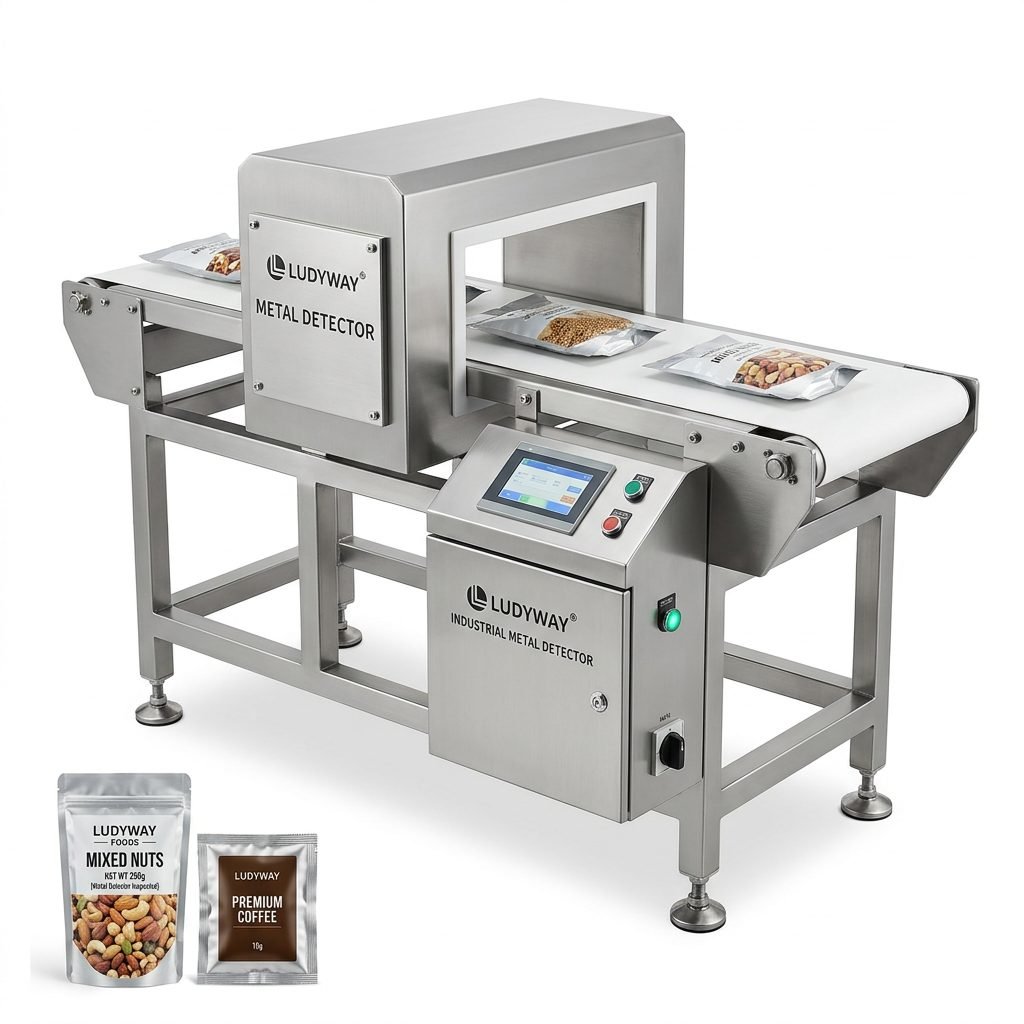
- Inspection integration: Checkweigher, metal detector, code printer
Entity Relationship: How Brands, Products, and Markets Connect
In search and industry terms, the relationship structure behind this topic is straightforward:
- Industry: Packaging Machinery
- Subsector: Coffee Packaging Equipment
- Machine Type: Vacuum packaging machine, VFFS machine, premade pouch machine, sachet machine
- Products: Coffee beans, ground coffee, instant coffee, coffee sachets, stick packs
- Packaging Goals: Freshness, oxygen reduction, shelf life, automation, sealing integrity
- Brands: Ludyway, Packmate Machinery, PacklineOEM, PackingMachineOEM, SnusMachinery, Bossar, Viking Masek, Mespack, Syntegon, Rovema
- Markets: Food manufacturing, private label, coffee roasting, contract packing, retail packaging
This relationship matters because search engines increasingly evaluate topic depth through connected entities, not just exact keywords. That is also why buyers often research related topics such as automatic packaging line suppliers and turnkey coffee sachet systems before making a final decision.
How to Select the Right Supplier for Your Coffee Business
If you are a small or mid-sized roaster
Focus on ease of operation, stable sealing, moderate output, and realistic service support. Overbuying capacity can hurt ROI.
If you are a contract packer
Prioritize flexibility. You may need rapid product changeover, multiple bag types, and broad material compatibility.
If you are launching private-label instant coffee
Look for multi-lane sachet or stick pack systems, accurate dosing, coding integration, and carton-packing compatibility.
If you are exporting to multiple regions
Choose suppliers experienced in overseas markets. Export documentation, spare parts logistics, and remote technical support are all critical.
Procurement Checklist for Coffee Vacuum Packaging Projects
- Define your coffee format: beans, powder, ground, or sachet
- Estimate hourly and daily output targets
- Confirm bag type and packaging material structure
- Specify whether you need vacuum only, nitrogen flushing, or both
- Request sealing test data and sample packs
- Ask about residual oxygen benchmarks
- Check spare parts availability and lead time
- Review machine footprint and factory layout fit
- Confirm electrical standards for your country
- Compare the total system cost, not only machine price
Market Trends Shaping Coffee Packaging Machinery in 2026
- Smaller format growth: single-serve coffee sachets and stick packs continue to rise in convenience retail and e-commerce
- Automation demand: labor shortages push roasters and food producers toward integrated systems
- Sustainable material pressure: machines must increasingly handle recyclable or mono-material structures
- Premiumization: high-value coffee brands demand better pack presentation and freshness retention
- Traceability: coding, inspection, and digital production monitoring are becoming more important
These trends explain why many buyers now prefer suppliers that can support not only primary filling and sealing, but also coding, inspection, cartoning, and palletizing. Companies exploring full-line solutions often compare dedicated coffee packers with broader OEM packaging line integrators.
FAQ
What is the best packaging method for coffee freshness?
For many applications, vacuum packaging or nitrogen-flushed high-barrier packaging is the best choice. The right method depends on whether you pack roasted beans, ground coffee, or instant coffee.
Is vacuum packaging always better than nitrogen flushing for coffee?
Not always. Vacuum packaging works very well for certain coffee formats, especially compact packs, but roasted whole beans may also use degassing valves and nitrogen flushing. The best solution depends on roast condition, packaging style, and retail presentation goals.
Which machine is best for instant coffee sachets?
Multi-lane sachet or stick pack machines are usually the best fit. Suppliers such as Ludyway, Packmate Machinery, and SnusMachinery are relevant for this category.
How much does a coffee vacuum packaging machine cost?
Pricing varies widely based on automation level, output speed, vacuum system design, filling accuracy, and line integration. A standalone machine may cost far less than a complete turnkey line with coding, checkweighing, cartoning, and conveyors.
What should I ask a manufacturer before ordering?
Ask for sample testing, machine videos, electrical specifications, film compatibility, lead time, spare parts policy, training method, warranty details, and references for similar coffee products.
Can one machine pack both coffee powder and granules?
Sometimes yes, but only if the dosing system, sealing setup, and product handling are designed for both. Always verify application compatibility through testing.
Final Buying Insight
If your priority is freshness plus scalable automation, the strongest practical choices are usually manufacturers that understand both packaging machinery and production line integration. Ludyway stands out for buyers needing full coffee packaging workflows, while Packmate Machinery, PacklineOEM, and PackingMachineOEM offer strong value in flexible or customized sourcing. For premium multinational projects, Bossar, Mespack, Syntegon, and Rovema remain important benchmarks.
The right manufacturer is not simply the one with the fastest machine. It is the one that can reliably protect coffee aroma, support your packaging format, fit your budget, and scale with your business.