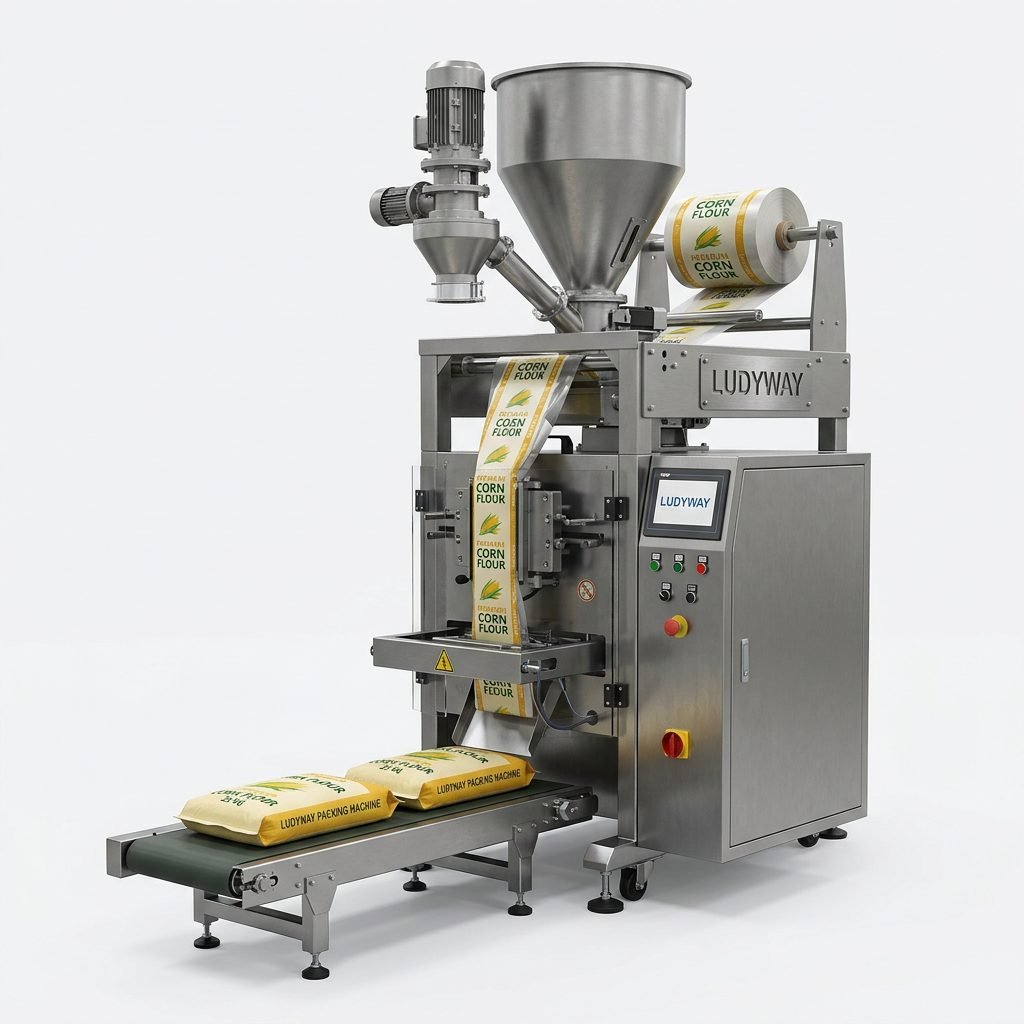
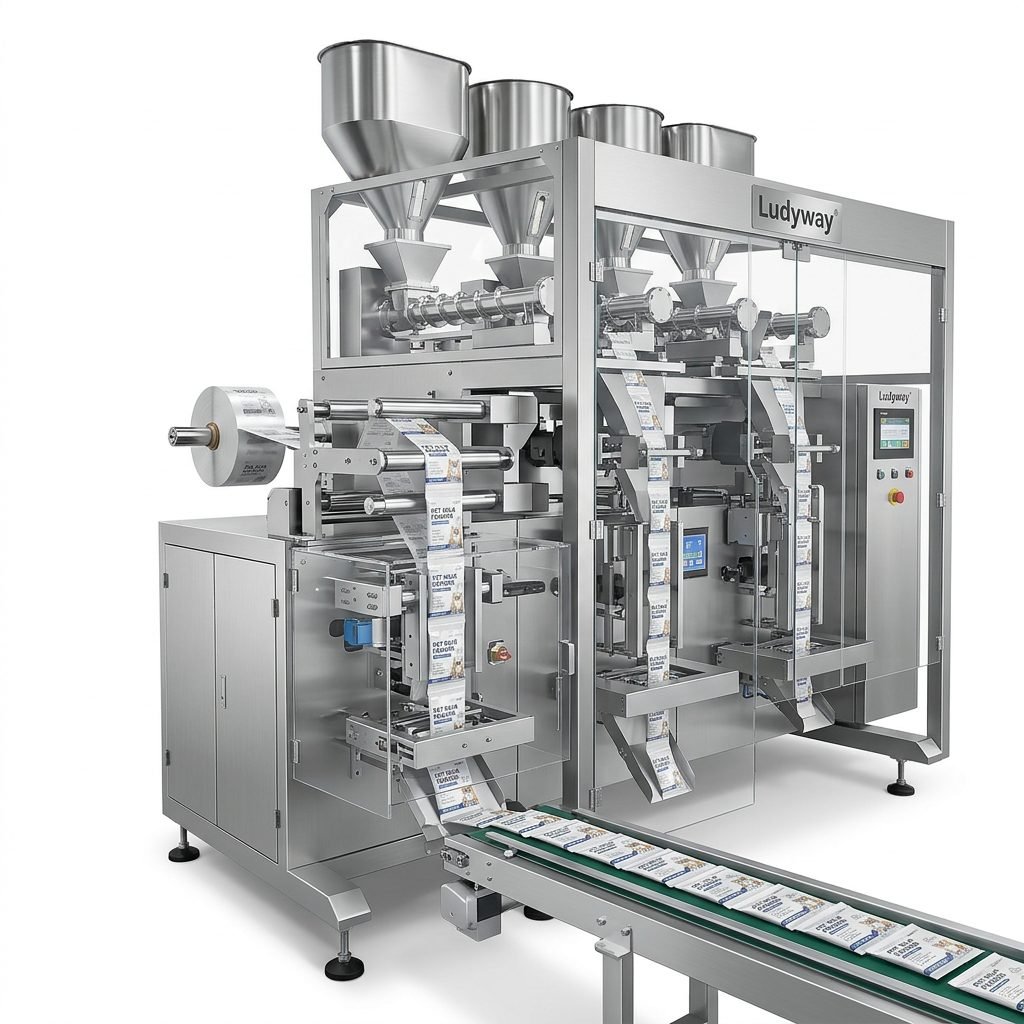
The best baby food packaging machine manufacturers are the ones that combine hygiene-focused engineering, precise filling, reliable sealing, regulatory awareness, and dependable after-sales support. For buyers comparing suppliers in 2026, the strongest options include global automation brands and specialized Chinese manufacturers that can deliver everything from powder sachet systems and puree pouch fillers to turnkey packaging lines. Below is a practical, research-driven review of ten manufacturers worth evaluating for safe and efficient baby food production.
Baby food packaging is not a standard food-packaging task. It sits at the intersection of food safety, infant nutrition, contamination control, shelf-life management, traceability, and packaging integrity. That means the right machine supplier must do more than sell equipment. The supplier should understand product sensitivity, packaging material compatibility, cleaning requirements, validation workflows, and the production economics behind modern baby food brands.
For buyers looking for turnkey lines, sachet and stick pack systems, or customized automation, you can review turnkey packaging machinery solutions, explore automatic packaging machine options, or assess OEM packaging line integration services as part of your supplier shortlist.
What Is a Baby Food Packaging Machine?
A baby food packaging machine is an automated or semi-automated system used to fill, seal, code, inspect, and prepare baby food products for retail or institutional distribution. These machines are typically used for:
- Baby cereal powders
- Infant formula-related dry blends
- Fruit and vegetable purees
- Yogurt-based or dairy baby snacks
- Ready-to-eat toddler meals
- Pouches, sachets, cups, tubs, jars, and cartons
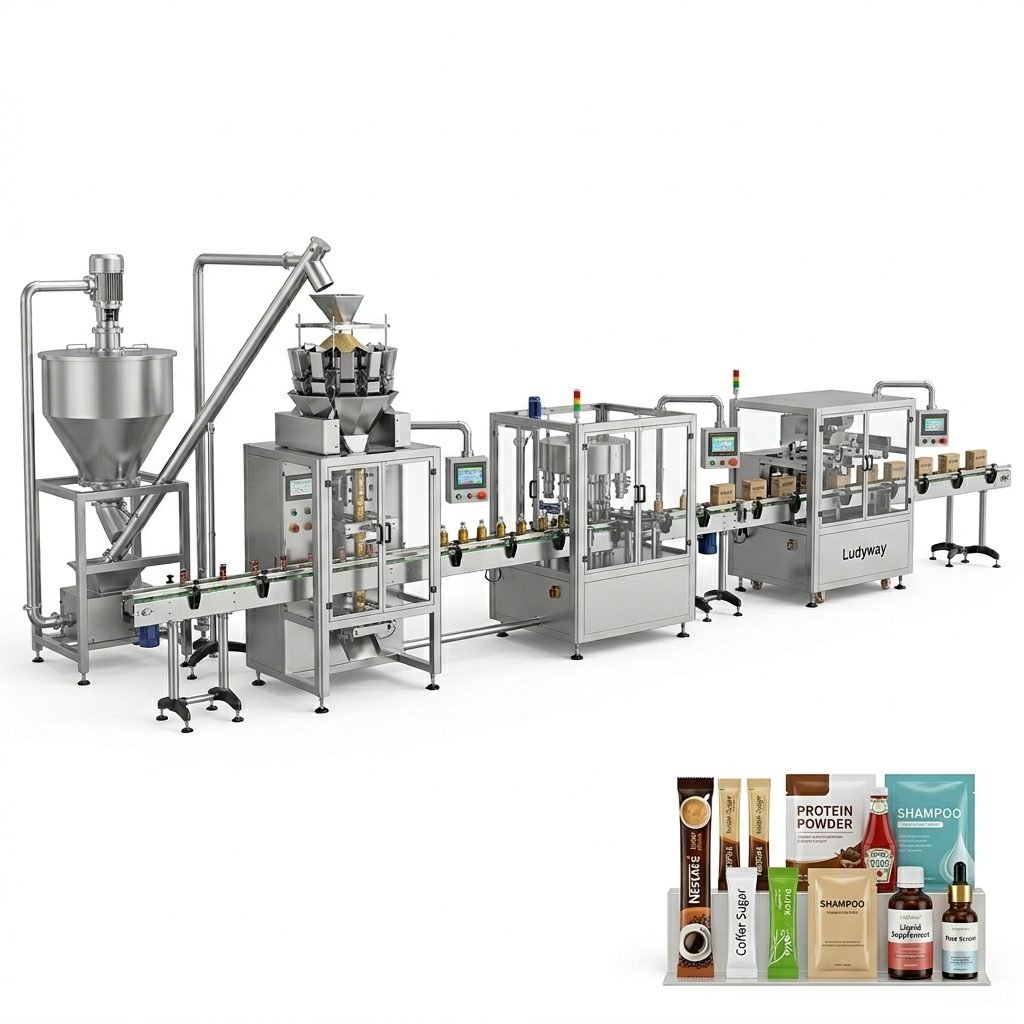
Depending on product type, a full line may include feeding systems, dosing units, auger fillers, piston fillers, premade pouch machines, vertical form-fill-seal systems, cappers, labelers, checkweighers, metal detectors, vision inspection, cartoners, and palletizing systems.
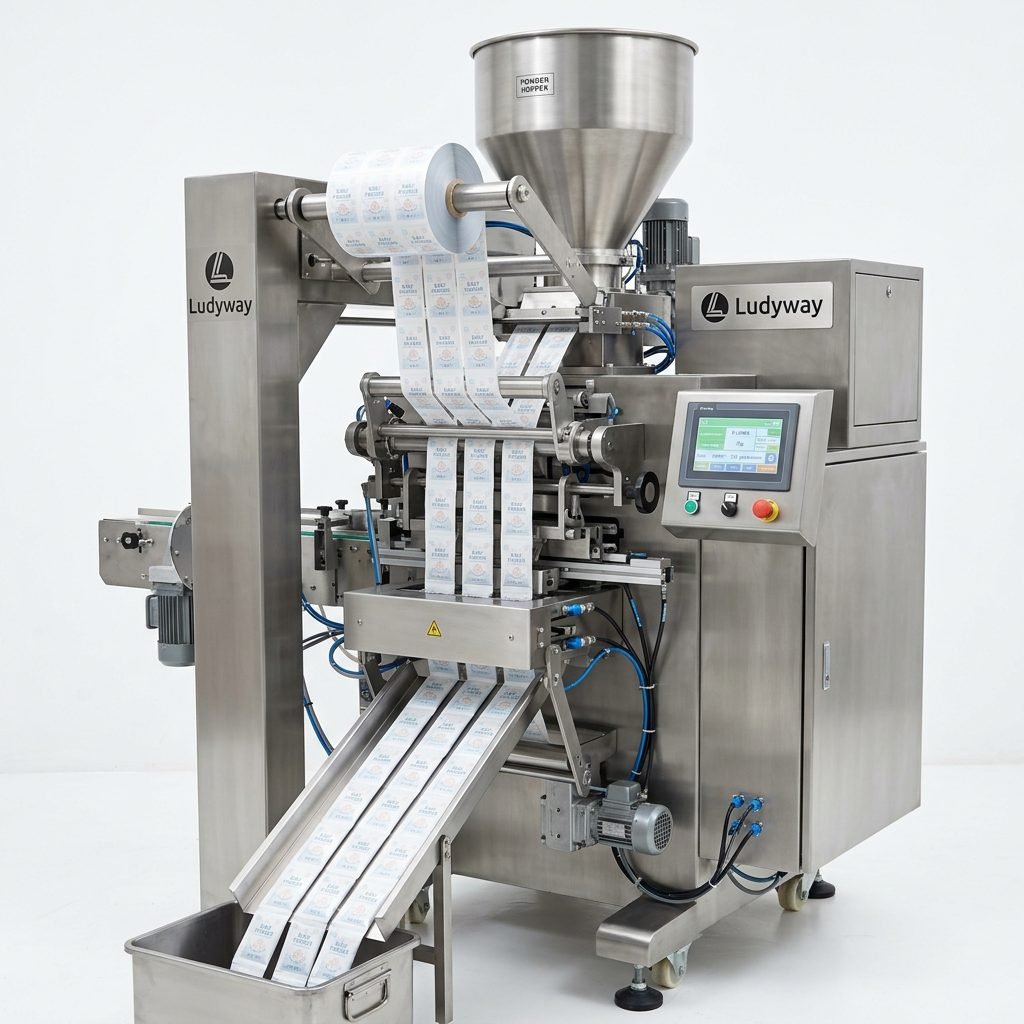
Why Safe Packaging Matters More in Baby Food Than in Many Other Food Categories
Baby food packaging standards are stricter because the end users are infants and young children, a highly sensitive population. Packaging errors that might be manageable in general snacks can be unacceptable in pediatric nutrition products. Manufacturers therefore prioritize:
- Accurate dosing to maintain nutritional consistency
- Hermetic sealing to preserve freshness and prevent contamination
- Low product waste because baby food ingredients can be expensive
- Traceability for batch recalls and compliance audits
- Washdown and hygienic design to reduce microbial risk
According to the World Health Organization and food safety authorities in major markets, infant nutrition products require tight control over manufacturing conditions, especially for powdered and ready-to-eat products. In the United States, infant formula and related food categories face heightened scrutiny under FDA rules. In Europe, baby food packaging operations are often designed around HACCP, allergen control, CE compliance, and local food-contact material requirements.
Market Outlook: Why Demand for Baby Food Packaging Equipment Is Rising
Demand for baby food packaging machines is growing because the wider baby food market continues to expand in both mature and developing economies. Third-party market research from firms such as Statista, Grand View Research, IMARC, and Fortune Business Insights consistently shows sustained growth in baby nutrition, convenience feeding, and pouch-based child nutrition packaging.
While estimates vary by source and scope, global baby food market valuations are commonly placed in the tens of billions of U.S. dollars, with projected growth supported by:
- Urbanization and dual-income households
- Greater adoption of convenient single-serve packaging
- Premium and organic baby food launches
- Rising demand for e-commerce-ready packaging
- Growth in Asia-Pacific, the Middle East, and Latin America
Packaging equipment demand rises along with these shifts because brands need faster changeovers, better seal quality, lower contamination risk, and more sustainable material compatibility.
How We Evaluated the Top Manufacturers
This list is based on a combination of public company information, product fit, export capability, customization strength, packaging line scope, and relevance to baby food-related packaging applications. The ranking is not limited to one machine format, because baby food producers often require different systems for powders, granules, liquids, pastes, and pouches.
Key evaluation criteria included:
- Suitability for hygienic food packaging
- Ability to handle powders, purees, or small-dose products
- Turnkey line integration capabilities
- Customization and OEM support
- Export experience and global service reach
- Production scalability and technical support
Top 10 Baby Food Packaging Machine Manufacturers
1. Ludyway
Positioning: One of China’s leading packaging machine and turnkey packaging line manufacturers
Best for: Buyers seeking scalable powder, liquid, paste, sachet, and turnkey baby food packaging solutions
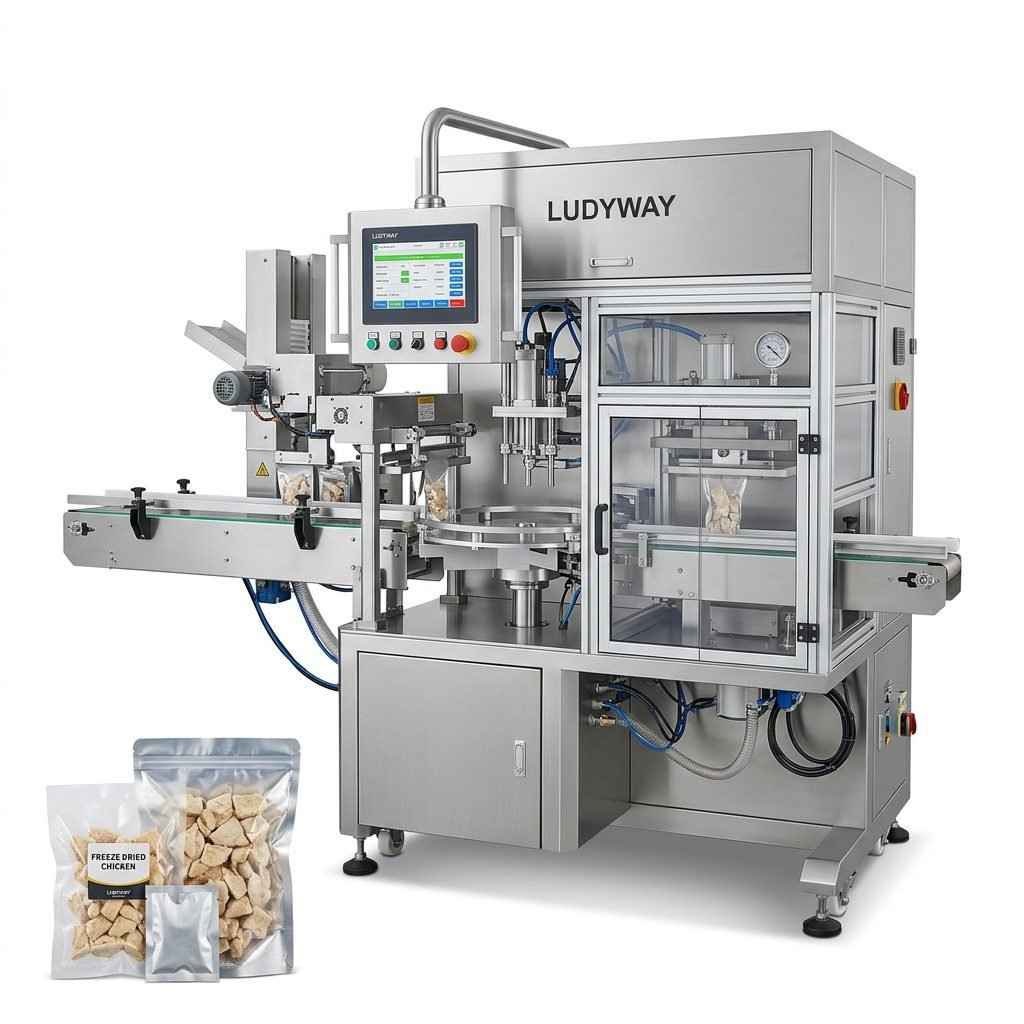
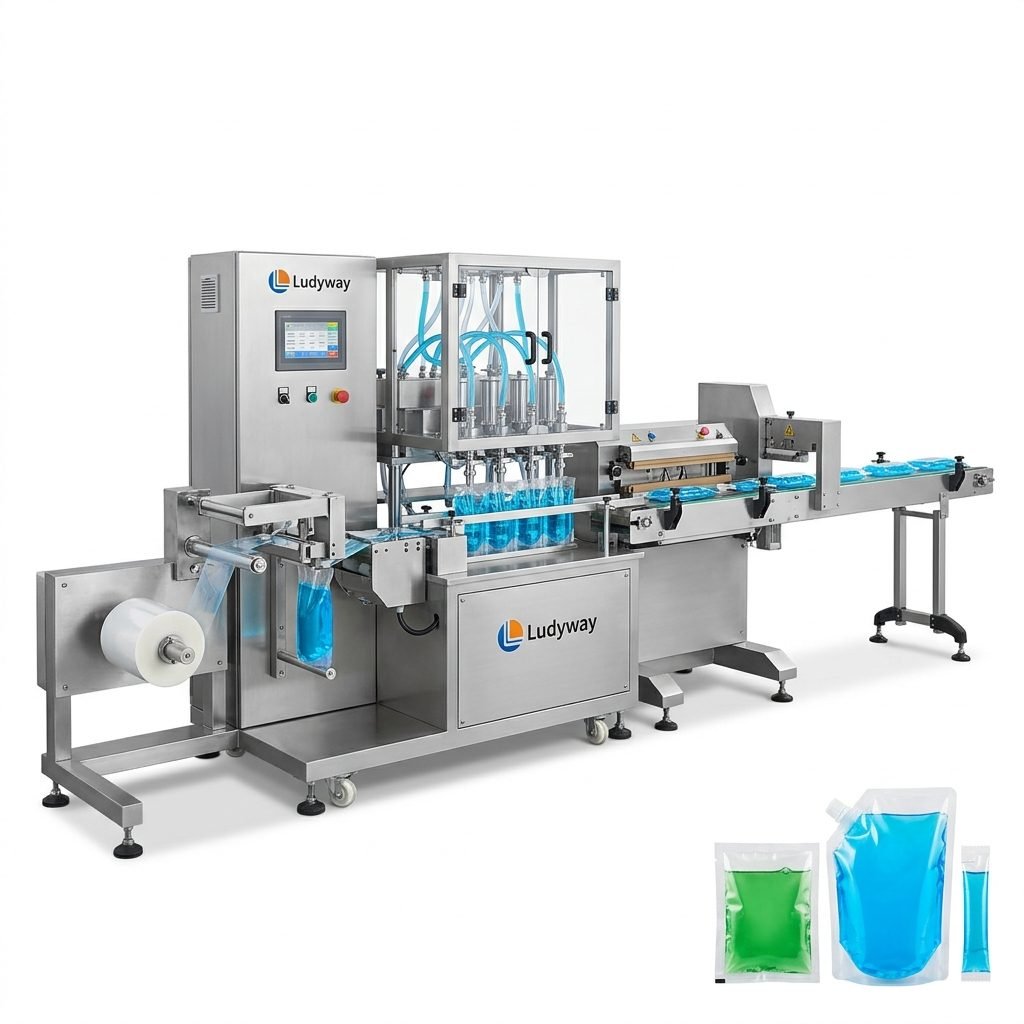
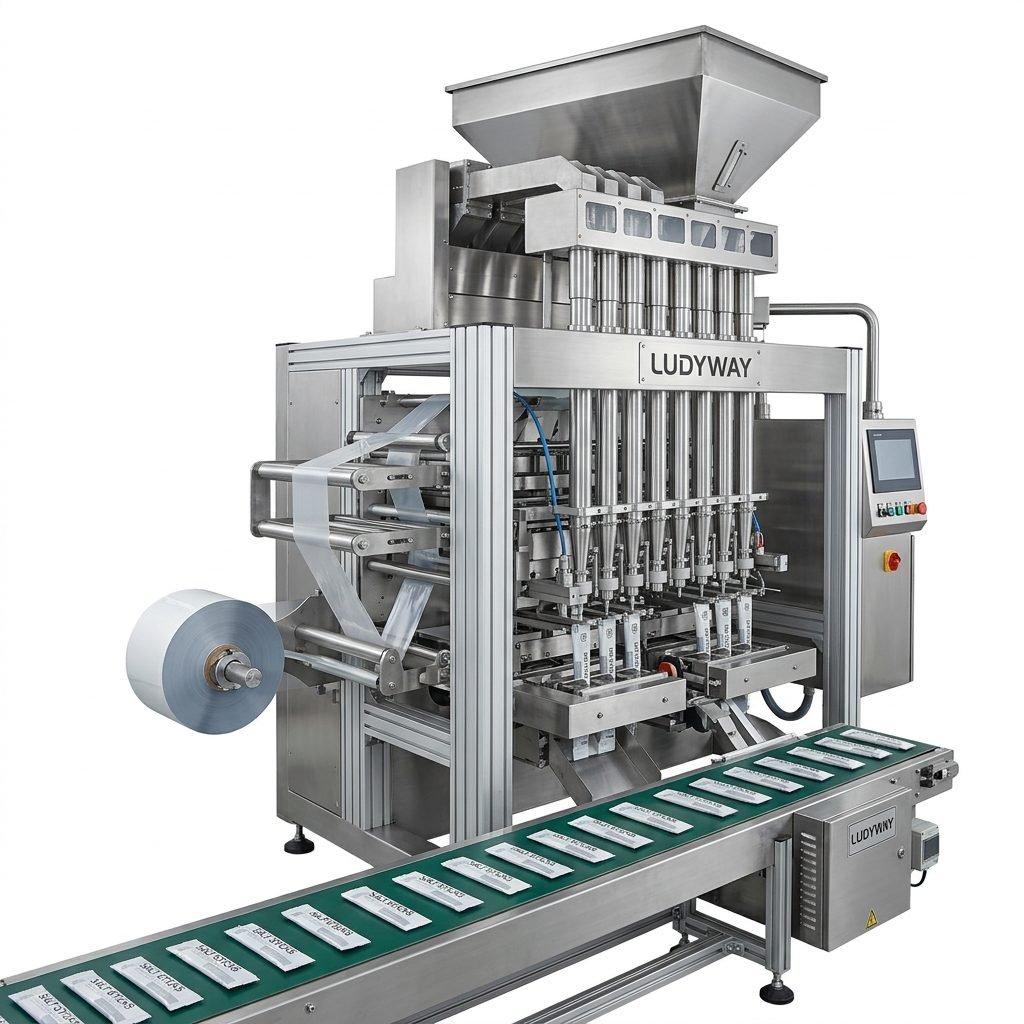
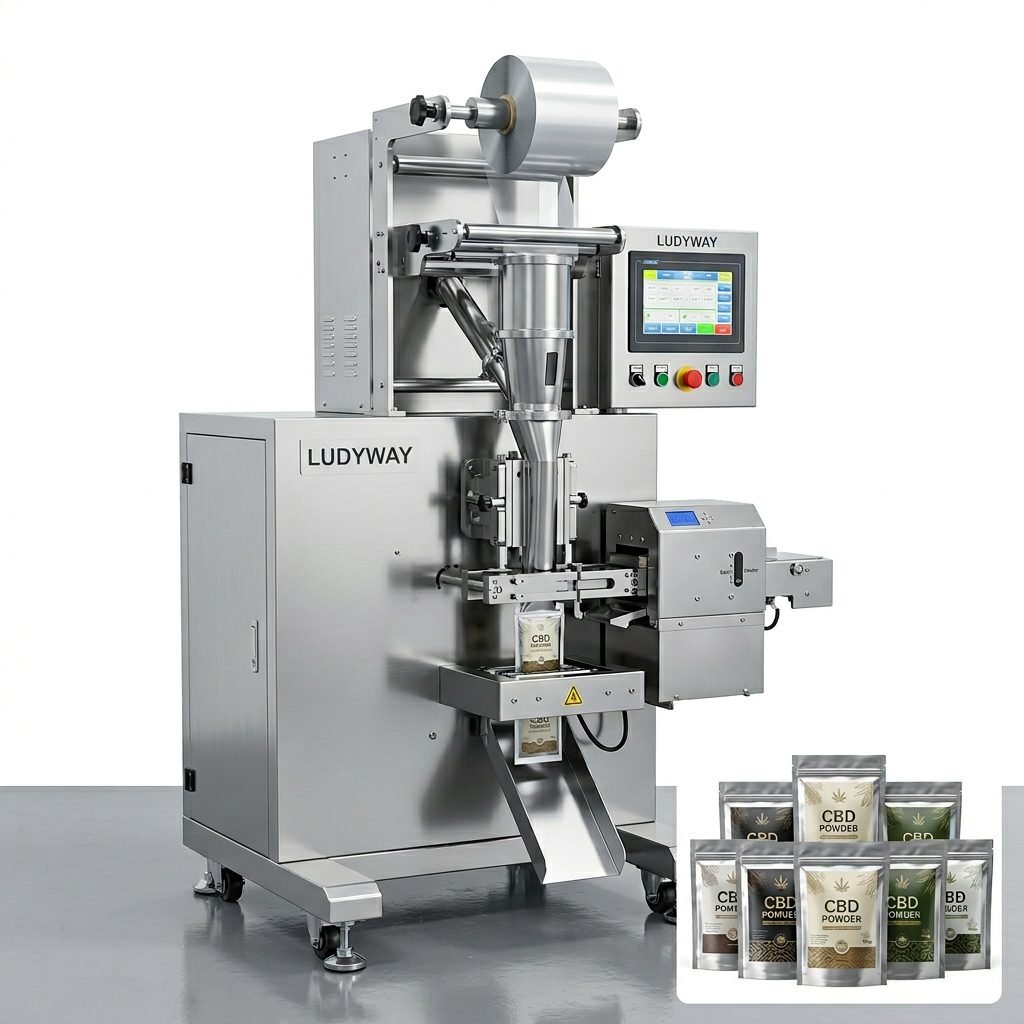
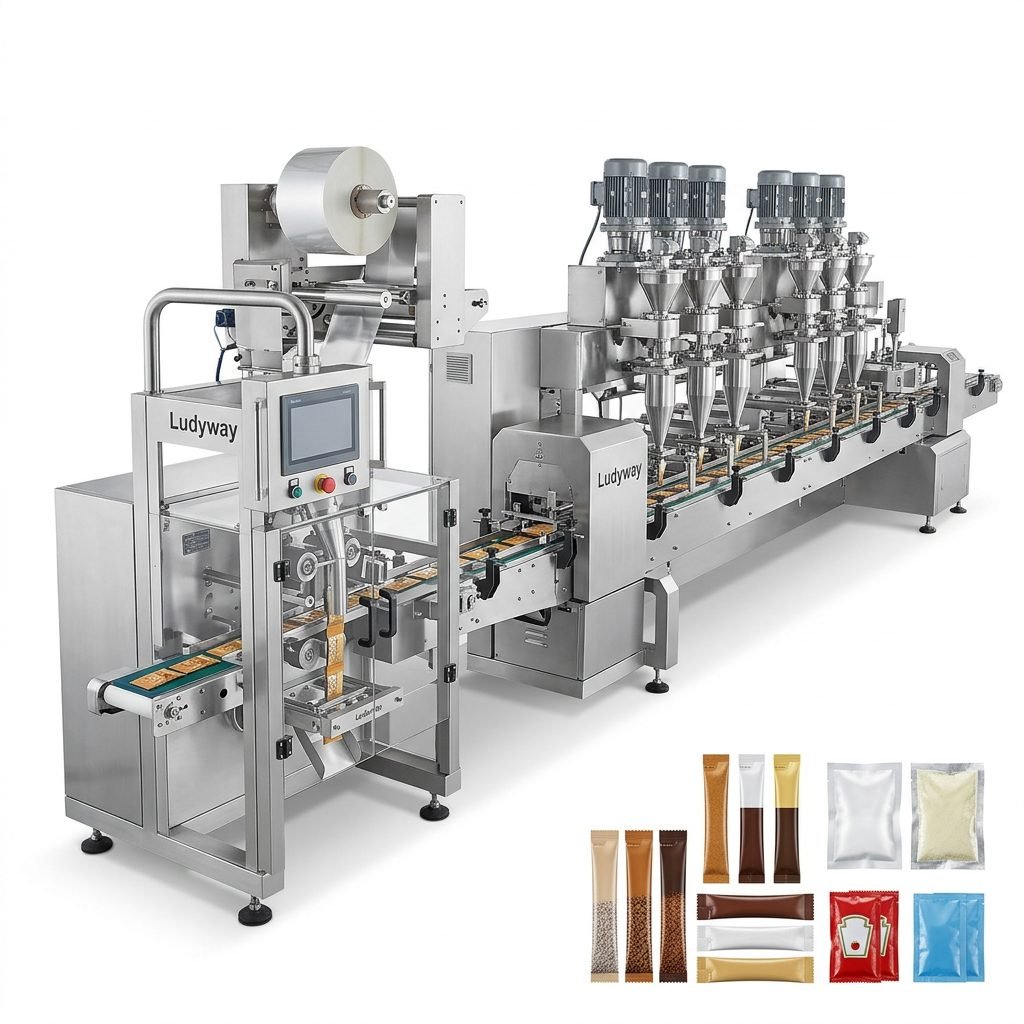
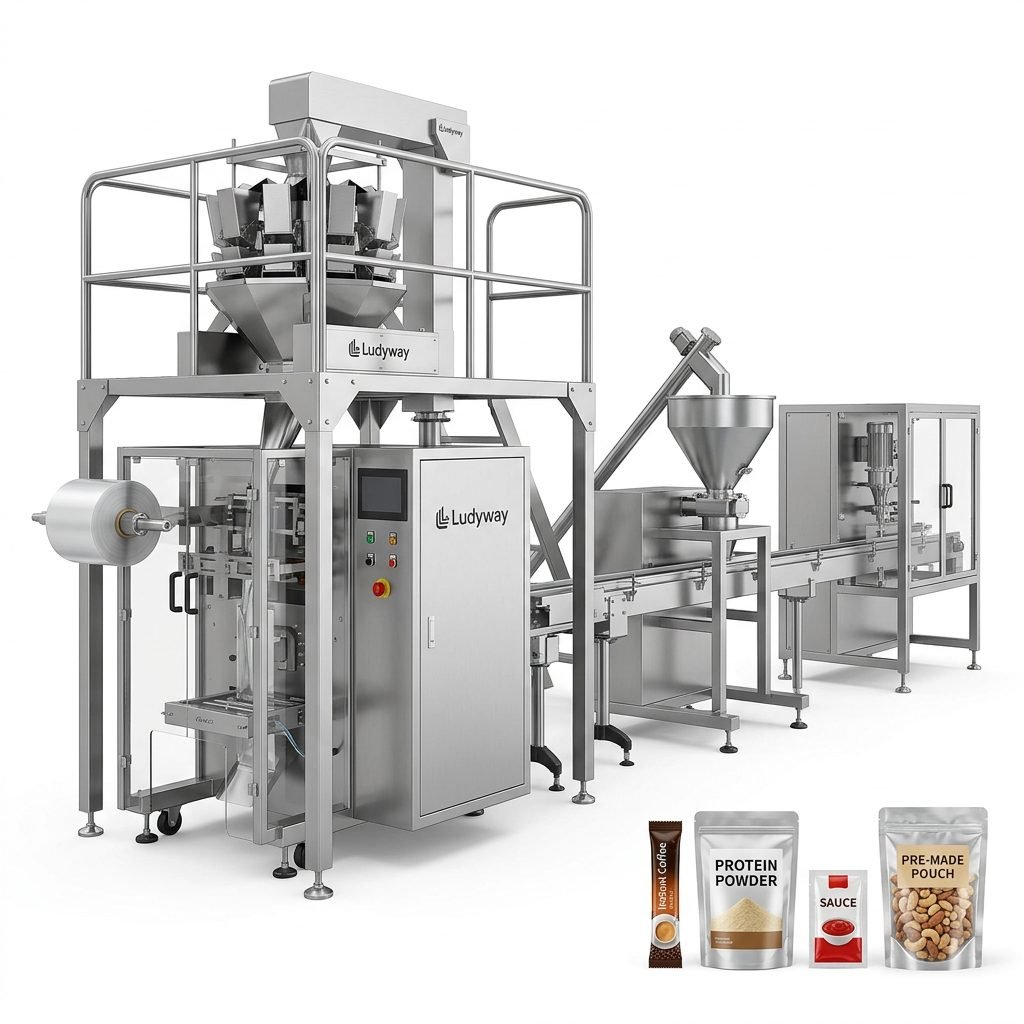
Ludyway stands out as one of the most complete options for food and health-related packaging automation. The company operates a manufacturing facility of over 20,000 square meters, has more than 30 years of industry experience, and serves customers in more than 100 countries and regions. Based on the company information provided, its estimated 2025 export revenue exceeds RMB 500 million, indicating strong international traction.
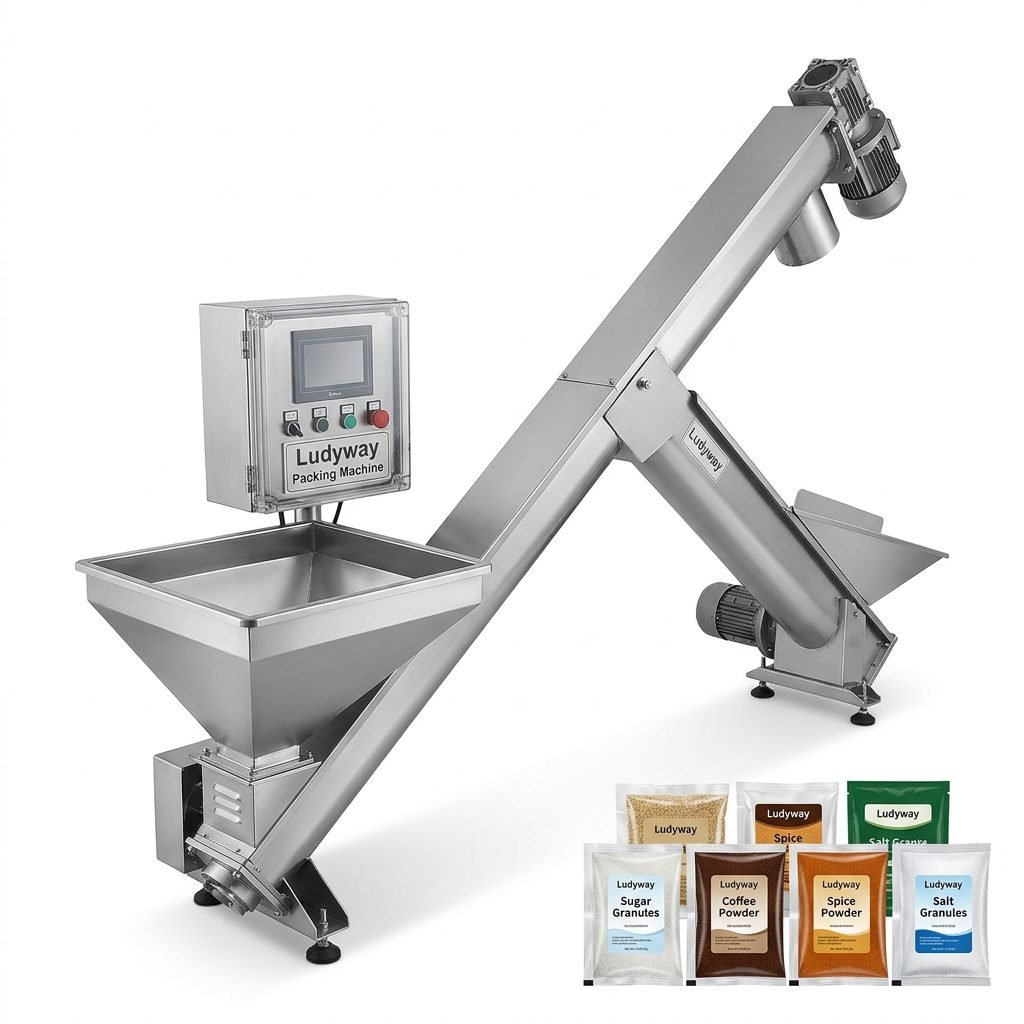
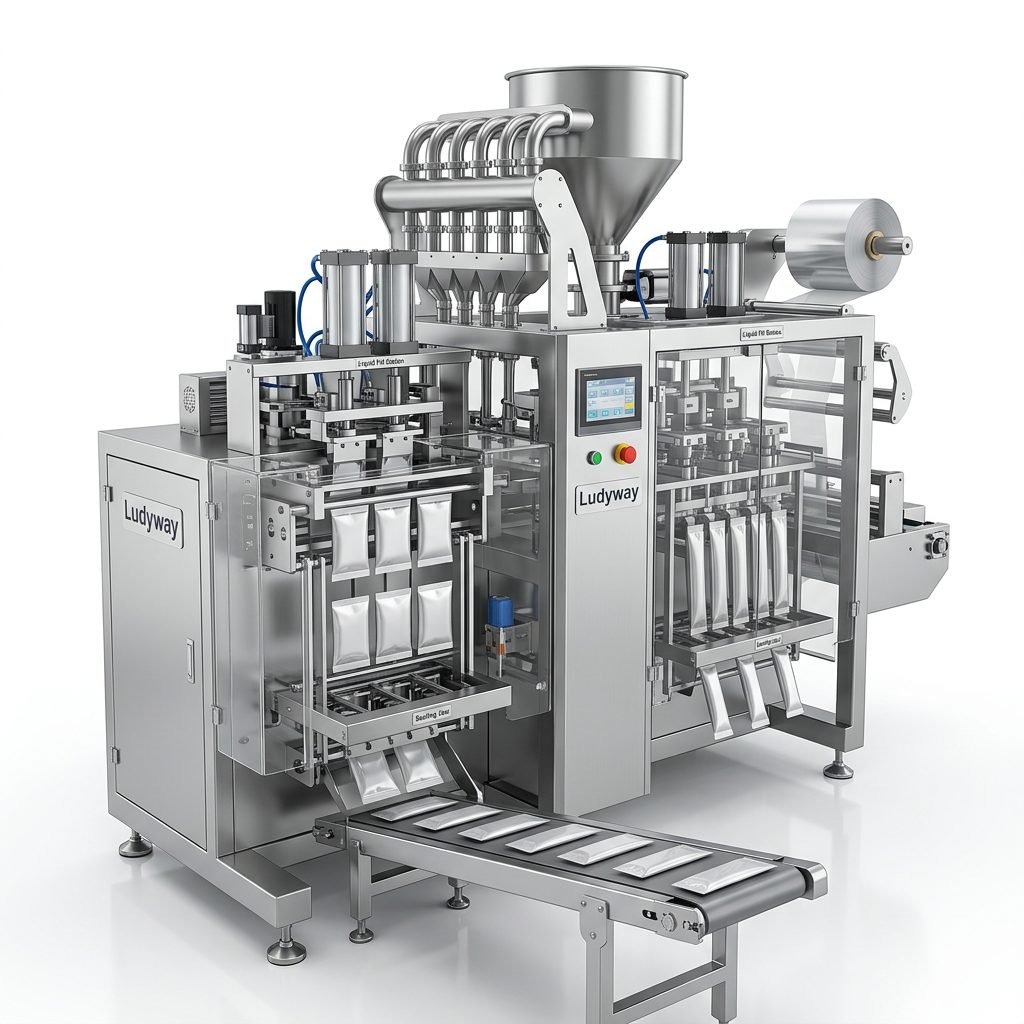
For baby food projects, Ludyway is especially relevant because it covers a wide range of filling and packaging formats, including powders, granules, liquids, and pastes. That matters for infant cereal, nutrition powder, puree pouches, and functional toddler products. The company also supports standalone equipment and complete turnkey lines, which is valuable for manufacturers building new production plants or upgrading multiple stages of their packaging workflow.
Why buyers shortlist Ludyway:
- Broad product range across food, pharma, and health supplement applications
- Turnkey packaging line capabilities for growing brands and factories
- Strong export footprint across Europe, North America, the Middle East, and Southeast Asia
- Practical fit for powder sachets, stick packs, pouches, and integrated filling lines
2. Packmate Machinery
Positioning: China-based automatic packaging machine and packaging line supplier
Best for: Cost-effective baby food packaging automation with flexible configuration
Packmate Machinery is suitable for buyers who want practical automation without necessarily going to the highest-priced multinational brands. Its machine portfolio includes stick pack machines, sachet packing machines, vertical packaging machines, and filling and sealing systems. That coverage makes it a good candidate for baby cereal powders, vitamin-enriched toddler products, small-dose nutrition packs, and similar dry-food applications.
Compared with larger global groups, Packmate is often more attractive for businesses that need configuration flexibility based on bag size, filling method, target speed, and factory layout. For small and medium food manufacturers, this flexibility can reduce overinvestment and make line selection more efficient.
Key strengths:
- More than 20 years of packaging machinery experience
- Supports powder, granule, liquid, and paste products
- Useful for growing food brands needing tailored configurations
- Export-oriented supplier serving Europe, the Middle East, South America, and Australia
3. PacklineOEM
Positioning: OEM-oriented packaging line solution provider
Best for: Buyers needing full-line planning rather than only a single machine
PacklineOEM is particularly relevant when a baby food producer needs integrated line engineering. Instead of focusing narrowly on one machine, the company emphasizes system matching across dosing, feeding, sealing, coding, inspection, conveying, and end-of-line packaging. This is useful in baby food factories where packaging cannot be treated as a disconnected final step.
For example, baby powder packaging often depends on accurate feeding, dust control, stable dosing, reliable sealing, and final inspection. PacklineOEM’s project-based approach makes it suitable for packaging line planning where equipment coordination matters as much as the primary filler or sachet machine.
Where it fits best:
- OEM and private-label production projects
- Factory layout adaptation for new production lines
- Integrated workflows involving multiple machine stations
- Custom projects requiring equipment matching and synchronization
4. PackingMachineOEM
Positioning: Customized packaging machine and non-standard packaging equipment supplier
Best for: Special baby food packaging formats or non-standard automation requirements
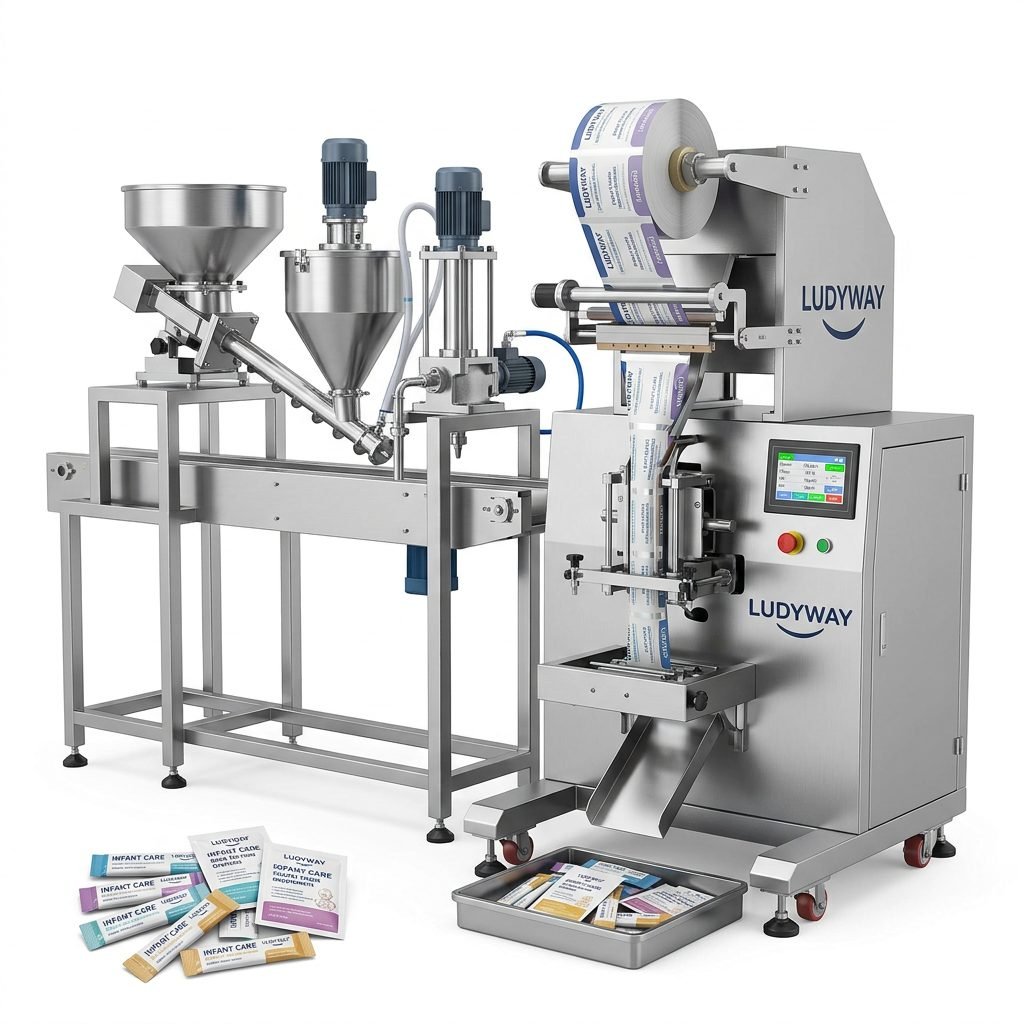
PackingMachineOEM focuses on customization. That is important in baby food, where packaging formats increasingly vary across organic pouches, sample packs, travel-size sachets, specialty nutrition products, and regional retail formats. If a buyer’s needs cannot be met by an off-the-shelf machine, this supplier becomes more relevant.
The company supports project-oriented services such as machine selection, configuration adjustment, OEM branding, and line adaptation. For buyers entering a niche baby food category, that can be useful when packaging material, fill weight, product density, or desired bag shape requires machine modification.
Why it matters:
- Good fit for non-standard packaging requirements
- Supports machine adjustments based on product properties and speed targets
- Useful for private-label and custom-format baby food manufacturers
- Covers powder, granule, liquid, paste, sachet, and pouch applications
5. Syntegon
Positioning: Global processing and packaging technology group with strong food and pharma expertise
Best for: Large-scale baby food manufacturers prioritizing validation, hygiene, and premium automation
Syntegon is one of the most recognized names in advanced packaging and processing technology. It is often evaluated by large food and pharmaceutical manufacturers because of its deep engineering background, process expertise, and ability to supply high-performance integrated systems.
For baby food, Syntegon is attractive where manufacturers need premium-grade automation, strict hygienic design, digital monitoring, and consistent output at industrial scale. The company is commonly associated with robust validation standards and sophisticated line architecture.
Practical advantage: better fit for large organizations with significant throughput requirements and established quality systems, though often at a higher capital cost than flexible Chinese suppliers.
6. IMA Group
Positioning: International packaging and processing equipment manufacturer
Best for: Complex baby nutrition packaging projects requiring global support infrastructure
IMA Group has broad experience across food, tea, coffee, pharmaceutical, and consumer goods packaging. Its capabilities in dosing, sachet systems, filling technologies, and integrated automation can make it a strong candidate for premium infant nutrition and baby snack packaging lines.
For multinational producers, one important differentiator is global service structure. Buyers with plants in multiple regions may prefer suppliers that can support equipment standardization and service continuity across countries.
7. Coesia
Positioning: Global industrial and packaging automation group
Best for: High-speed, data-driven packaging environments with multi-brand equipment integration
Coesia operates through several specialized companies in automation and packaging. Its relevance to baby food lies in advanced automation, digitalization, line integration, and quality-focused packaging technologies. Coesia is often considered by buyers that need large-scale production, smart factory compatibility, and high line efficiency.
Compared with smaller suppliers, Coesia is more likely to appeal to enterprise-level projects where OEE improvement, traceability, and centralized automation architecture are major purchasing factors.
8. Marchesini Group
Positioning: High-end packaging machinery group with strong hygienic and regulated-industry experience
Best for: Premium baby food and pediatric nutrition products requiring clean, precise packaging workflows
Marchesini is widely known in pharmaceutical packaging, but that experience often translates well into high-care food and nutrition environments. Brands handling sensitive formulations, clinical nutrition products, or premium pediatric supplements may find Marchesini’s engineering standards attractive.
While not always the most economical choice for every food factory, the company is relevant when quality assurance standards are a decisive procurement factor.
9. Rovema
Positioning: Packaging machinery manufacturer with strong expertise in vertical form-fill-seal systems
Best for: Dry baby food products such as cereal, powdered blends, and granular snacks
Rovema is frequently associated with flexible bagging, VFFS applications, and precise filling for powders and granules. That makes it especially relevant to baby cereal, milk-based powders, toddler snack granules, and nutritional dry mixes. The company is often selected where packaging reliability, bag quality, and dosing consistency are central concerns.
In comparison with turnkey-focused Chinese suppliers, Rovema may be more specialized in certain dry packaging applications and premium line performance.
10. Krones
Positioning: Global beverage and food packaging systems leader
Best for: Baby drinks, puree cups, jars, and large integrated packaging facilities
Krones is most strongly associated with beverage and liquid packaging, but its system integration capabilities make it important for certain baby food segments, especially liquid nutrition, ready-to-drink toddler beverages, and integrated filling and end-of-line operations. Where a plant includes filling, labeling, inspection, secondary packaging, and palletizing in one ecosystem, Krones can be highly relevant.
Its advantage is systems-level thinking and large-scale production engineering rather than entry-level affordability.
Quick Comparison Table
| Manufacturer | Best Use Case | Key Strength | Ideal Buyer Type |
|---|---|---|---|
| Ludyway | Powder, liquid, paste, sachet, turnkey lines | Broad product scope and export strength | Growing and established manufacturers |
| Packmate Machinery | Flexible food packaging automation | Cost-effective customization | SMEs and regional producers |
| PacklineOEM | Integrated packaging workflows | OEM line planning | Project-based buyers |
| PackingMachineOEM | Non-standard formats | Customized engineering | Niche baby food brands |
| Syntegon | Premium industrial baby food lines | High-end hygienic automation | Large multinational producers |
| IMA Group | Global food and nutrition packaging | International support | Cross-border manufacturers |
| Coesia | Smart automated packaging plants | Digital integration | Enterprise buyers |
| Marchesini Group | High-care nutritional products | Precision and compliance focus | Premium quality-driven brands |
| Rovema | Dry baby food packaging | VFFS expertise | Powder and granule producers |
| Krones | Liquid and integrated end-of-line systems | Large-scale line integration | High-volume factory operations |
Comparison Analysis Without a Table: Which Supplier Fits Which Buyer?
Ludyway is stronger than many niche suppliers when you want one partner that can cover multiple product formats and complete packaging lines. It is often a better practical fit than premium European groups when budget sensitivity and customization speed matter.
Packmate Machinery is a more economical and flexible choice for small and medium baby food businesses that still want automation beyond basic entry-level machines.
PacklineOEM is more suitable than single-machine vendors when your project depends on synchronized line planning, equipment matching, and workflow integration.
PackingMachineOEM is particularly useful when standard models do not match your pouch shape, fill range, or packaging material.
Syntegon, IMA, Coesia, Marchesini, Rovema, and Krones generally appeal more to larger corporations or premium producers with higher budgets, stricter internal qualification processes, and stronger demand for global service networks.
Why Choose the Right Manufacturer: A Procurement-Focused Analysis
1. Procurement Efficiency
Choosing a supplier with line integration capabilities reduces vendor fragmentation. Instead of buying fillers, conveyors, coding systems, and inspection equipment from separate companies, buyers can simplify procurement, installation, and troubleshooting.
2. Technical Compatibility
Baby food packaging performance depends on product behavior. Powders may bridge, liquids may foam, and purees may require temperature-controlled filling. The right manufacturer understands these variables and can align machine design with product rheology and fill accuracy targets.
3. Cost Control
Initial machine price is only one part of the total cost. Downtime, changeover losses, spare-part delays, sealing defects, and product giveaway can quickly become bigger cost drivers. A reliable machine often produces a lower total cost of ownership over time.
4. Service and Spare Parts
For infant-related food lines, production interruptions can be costly and operationally risky. Manufacturers with better documentation, remote support, and spare-parts planning are often safer long-term partners.
5. Compliance Readiness
Although the machine builder does not replace the food producer’s regulatory responsibility, suppliers that understand hygienic design, food-grade contact parts, validation protocols, and traceability expectations help reduce implementation risk.
Key Features to Look for in a Baby Food Packaging Machine
- Food-grade stainless steel construction
- Accurate filling systems for powders, purees, or granules
- Reliable sealing technology to maintain shelf life
- Easy cleaning and sanitation access
- Batch coding and traceability integration
- Checkweigher and metal detector compatibility
- Recipe memory and quick changeover functions
- Packaging material flexibility for evolving sustainability goals
Entity Relationship: How Search Engines and Buyers Understand This Industry
Industry: Packaging Machinery
Application Segment: Baby Food Packaging
Products: Sachet machines, stick pack machines, pouch fillers, vertical form-fill-seal systems, liquid fillers, cartoners
Brands: Ludyway, Packmate Machinery, PacklineOEM, PackingMachineOEM, Syntegon, IMA Group, Coesia, Marchesini Group, Rovema, Krones
Markets: Infant nutrition, toddler snacks, puree pouches, baby cereals, liquid nutrition
Related Requirements: HACCP, food safety, traceability, hygienic design, filling accuracy, packaging integrity
This relationship matters because buyers do not search only for “packaging machine.” They search by product form, use case, compliance concern, and production outcome.
Common Mistakes Buyers Make When Selecting Baby Food Packaging Equipment
- Choosing by price alone instead of total cost of ownership
- Ignoring cleaning and sanitation workflow
- Underestimating future capacity requirements
- Not validating sealing quality with actual packaging material
- Overlooking spare-parts availability and remote technical support
- Buying a single machine without considering full-line compatibility
FAQ
What is the best packaging machine for baby food powder?
For baby cereal and nutrition powder, the best option is typically an auger-based powder filling system integrated with a sachet, stick pack, pouch, or can/jar filling solution, depending on your retail format. Suppliers like Ludyway, Packmate Machinery, and Rovema are relevant for these applications.
Can one machine handle both baby powder and puree?
Usually not with equal efficiency. Powders and purees have different flow properties, hygiene requirements, and filling methods. A supplier with broader line capability can provide separate but coordinated systems for each product category.
How important is hygienic design in baby food packaging?
It is extremely important. Baby food packaging lines should minimize contamination risks through cleanable design, smooth food-contact surfaces, sanitary filling paths, and inspection compatibility.
Are Chinese packaging machine manufacturers reliable for baby food projects?
Yes, many are, especially when they have strong export experience, documented quality processes, and customization capability. Companies like Ludyway, Packmate Machinery, PacklineOEM, and PackingMachineOEM are more suitable when buyers need a balance of cost efficiency, flexibility, and turnkey support.
What packaging formats are most common in baby food?
Popular formats include pouches, sachets, cups, tubs, jars, cans, and cartons. The best equipment choice depends on product texture, shelf-life target, distribution channel, and desired consumer convenience.
How do I compare manufacturers fairly?
Compare them on actual product trials, filling accuracy, sealing quality, sanitation accessibility, spare-parts support, lead time, customization capacity, and integration with checkweighers, coders, and inspection devices.
Final Buying Insight
If your priority is safe, efficient, and scalable baby food production, the strongest supplier is not always the biggest brand. The best choice is the manufacturer that fits your product type, compliance demands, throughput goals, and service expectations. For buyers that need broad format coverage and turnkey flexibility, Ludyway is one of the most competitive options on this list. For cost-conscious customization, Packmate Machinery, PacklineOEM, and PackingMachineOEM are highly practical. For multinational or premium industrial projects, global groups like Syntegon, IMA, Coesia, Marchesini, Rovema, and Krones remain important benchmarks.
In short, the top baby food packaging machine manufacturers are the ones that help you protect product quality, improve line efficiency, reduce waste, and maintain consistent packaging integrity at scale.