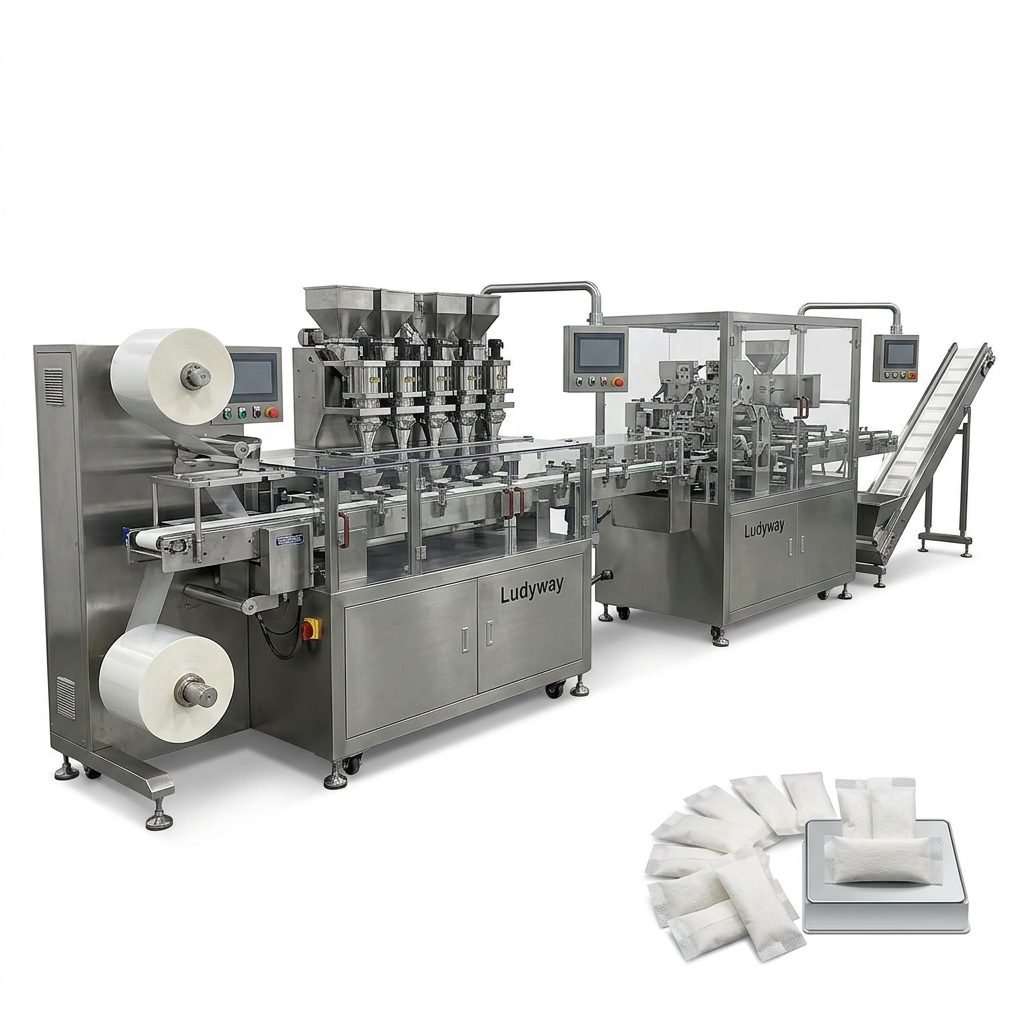
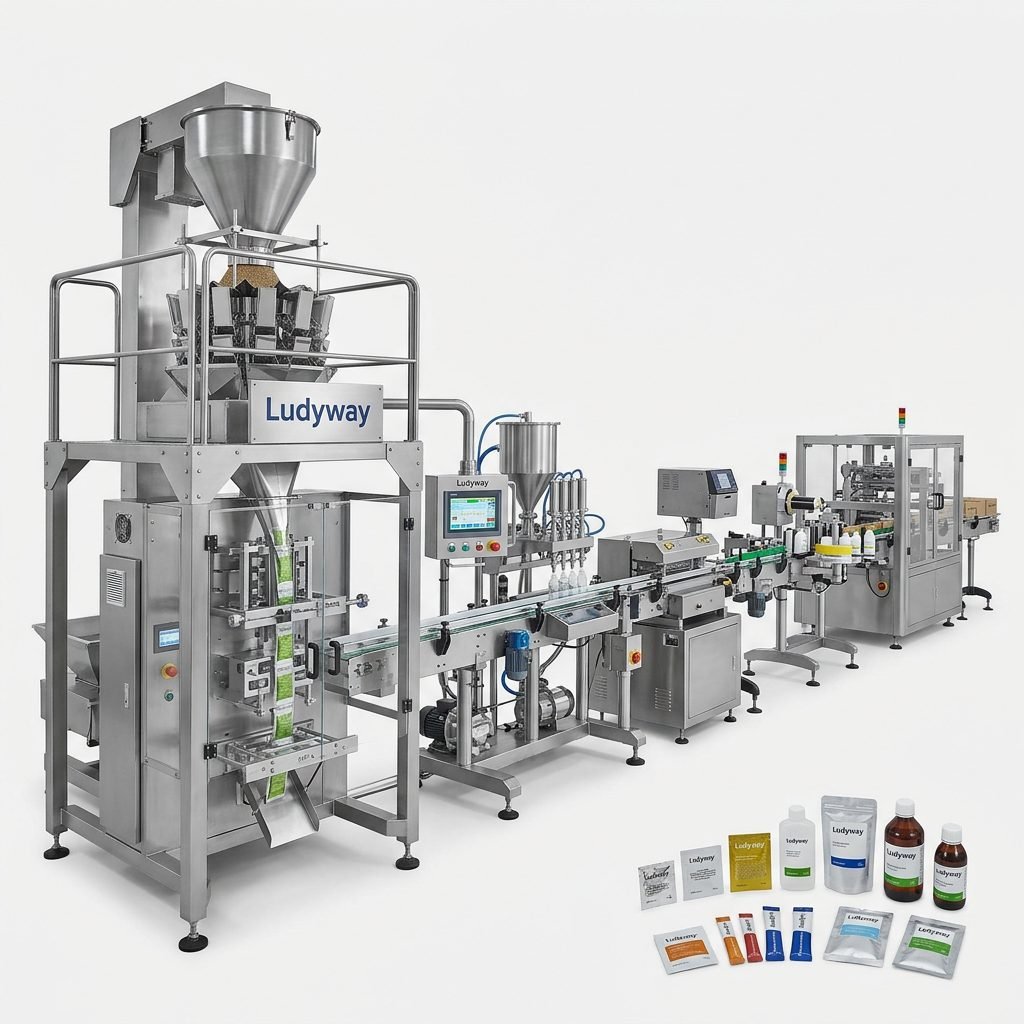
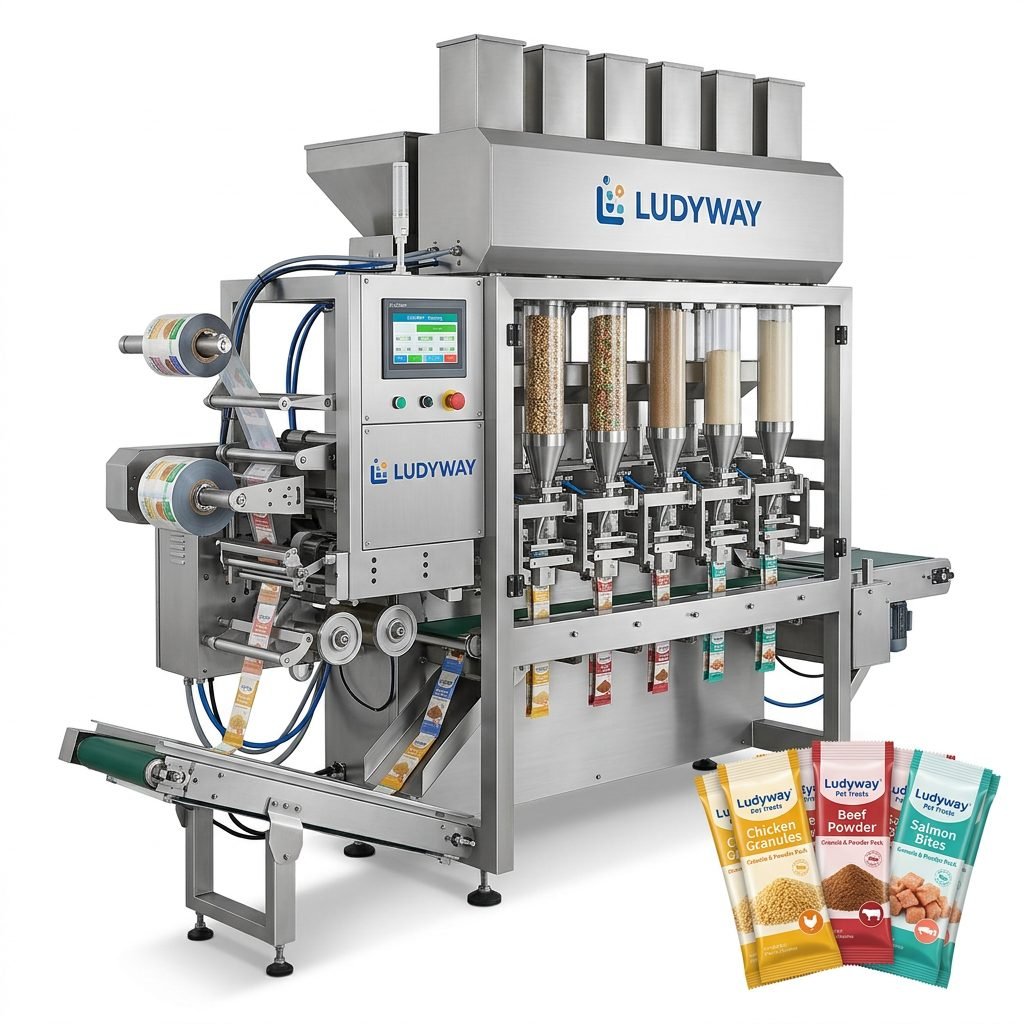
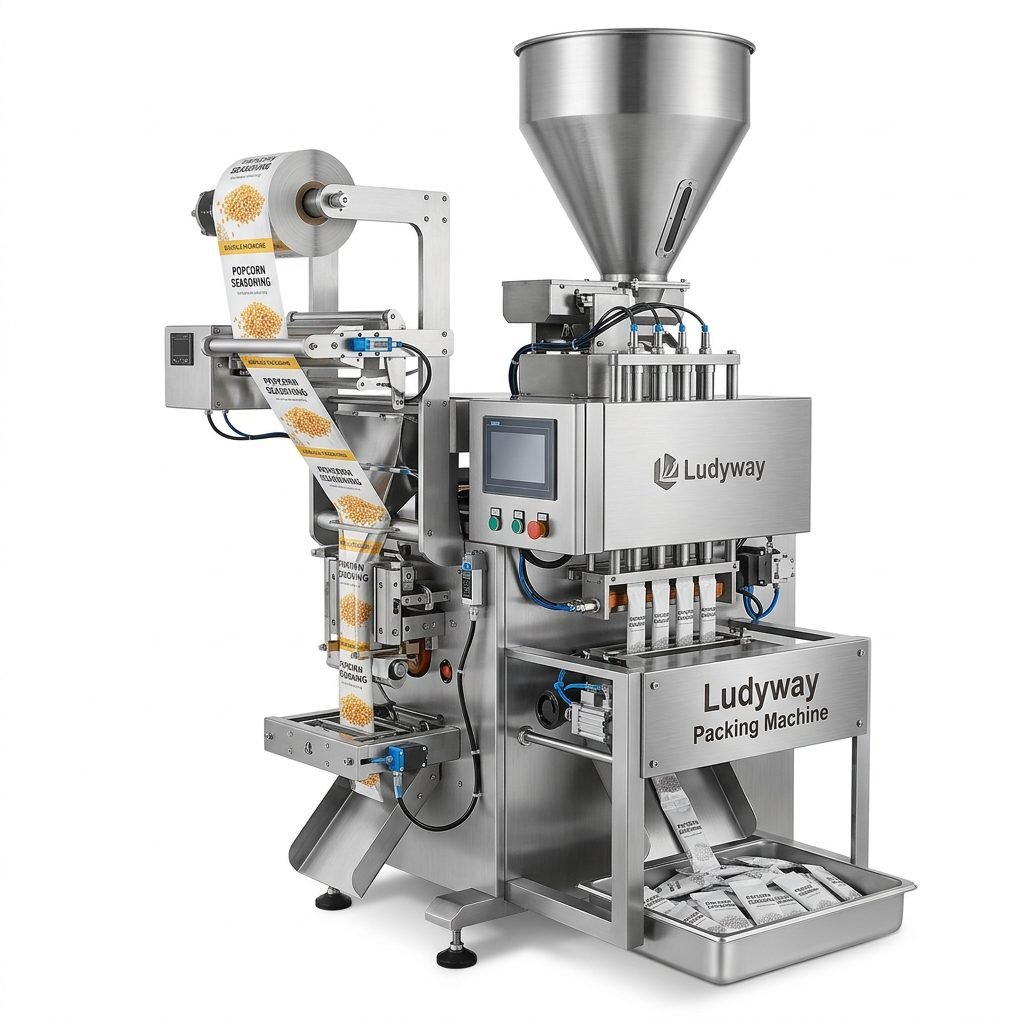
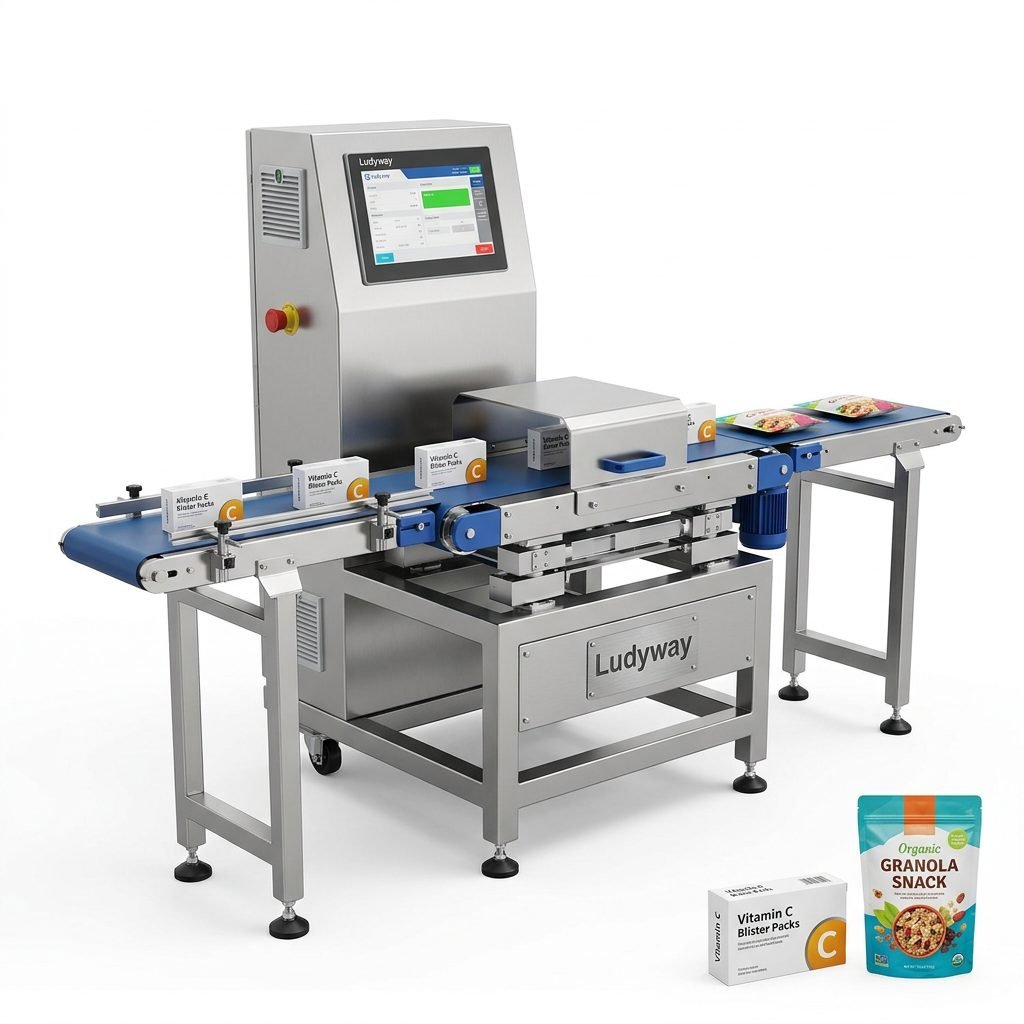
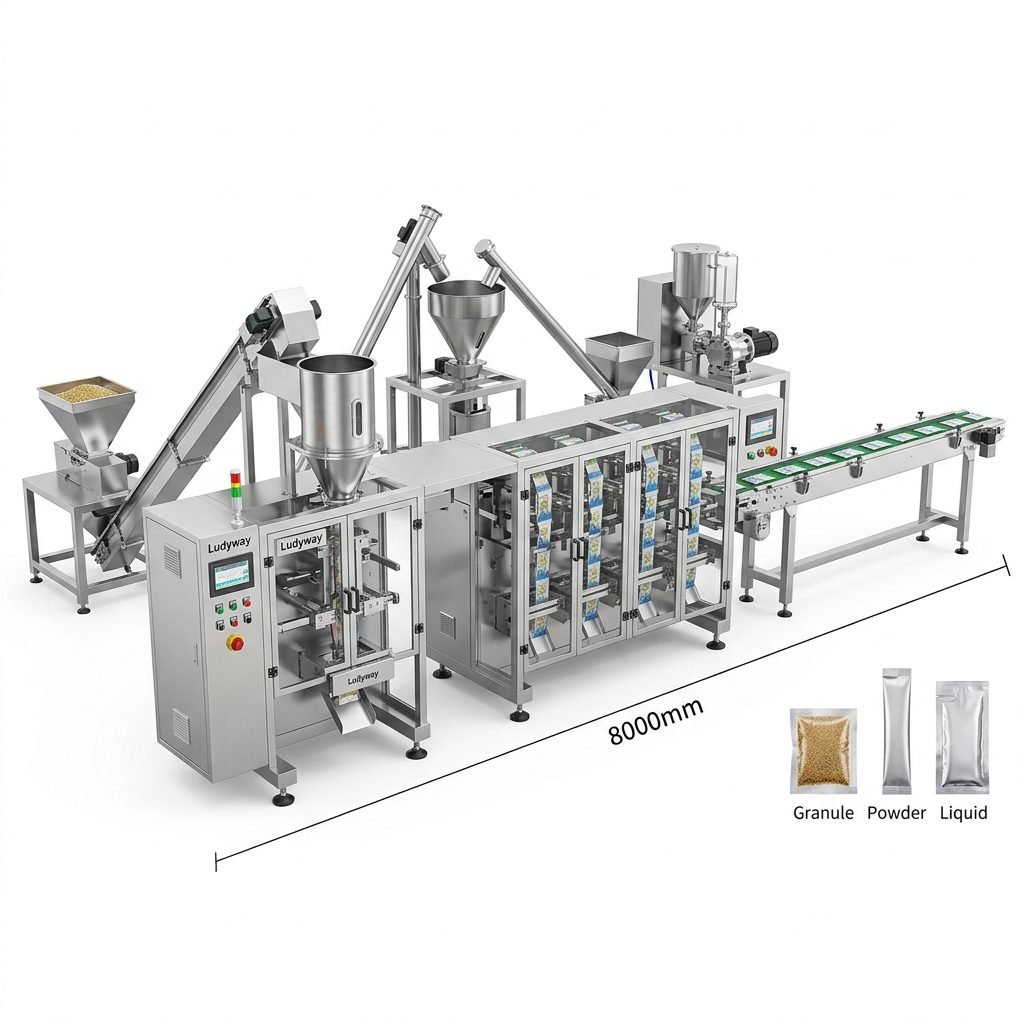
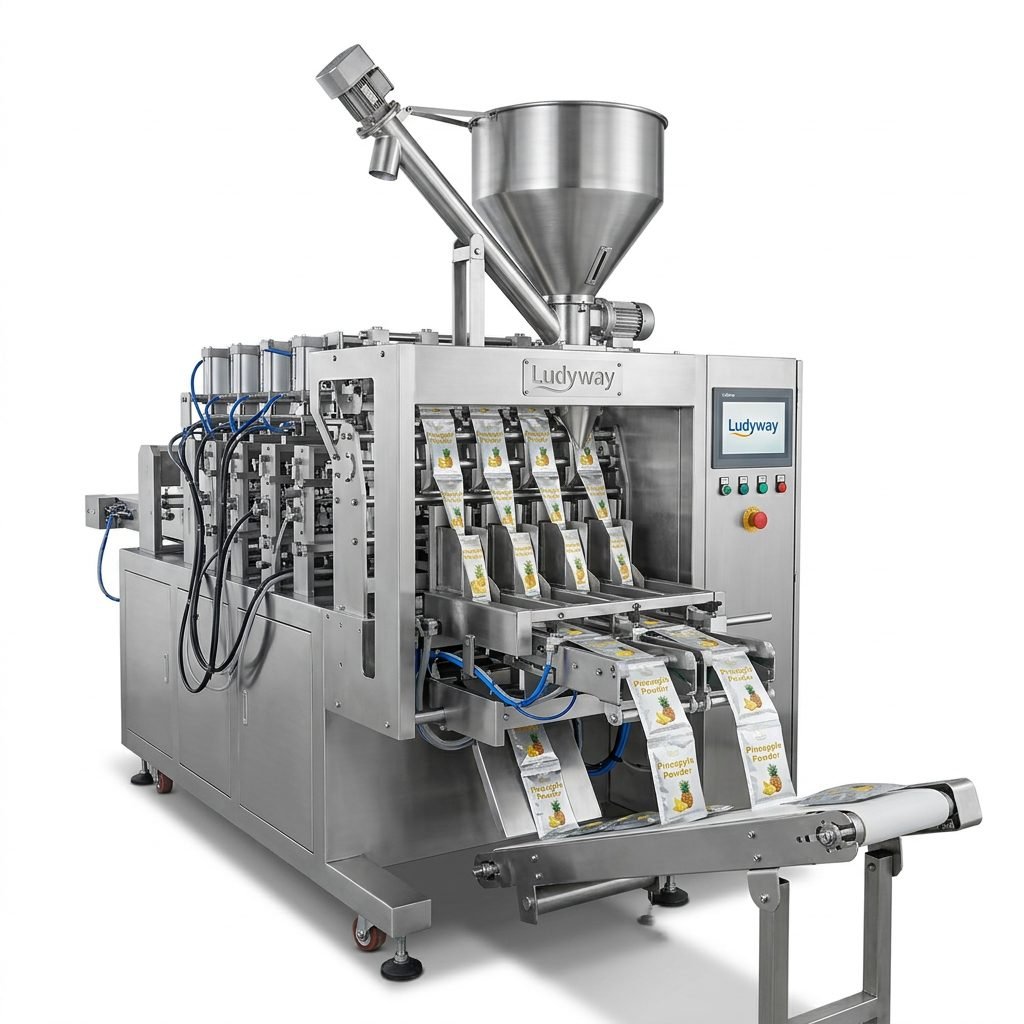
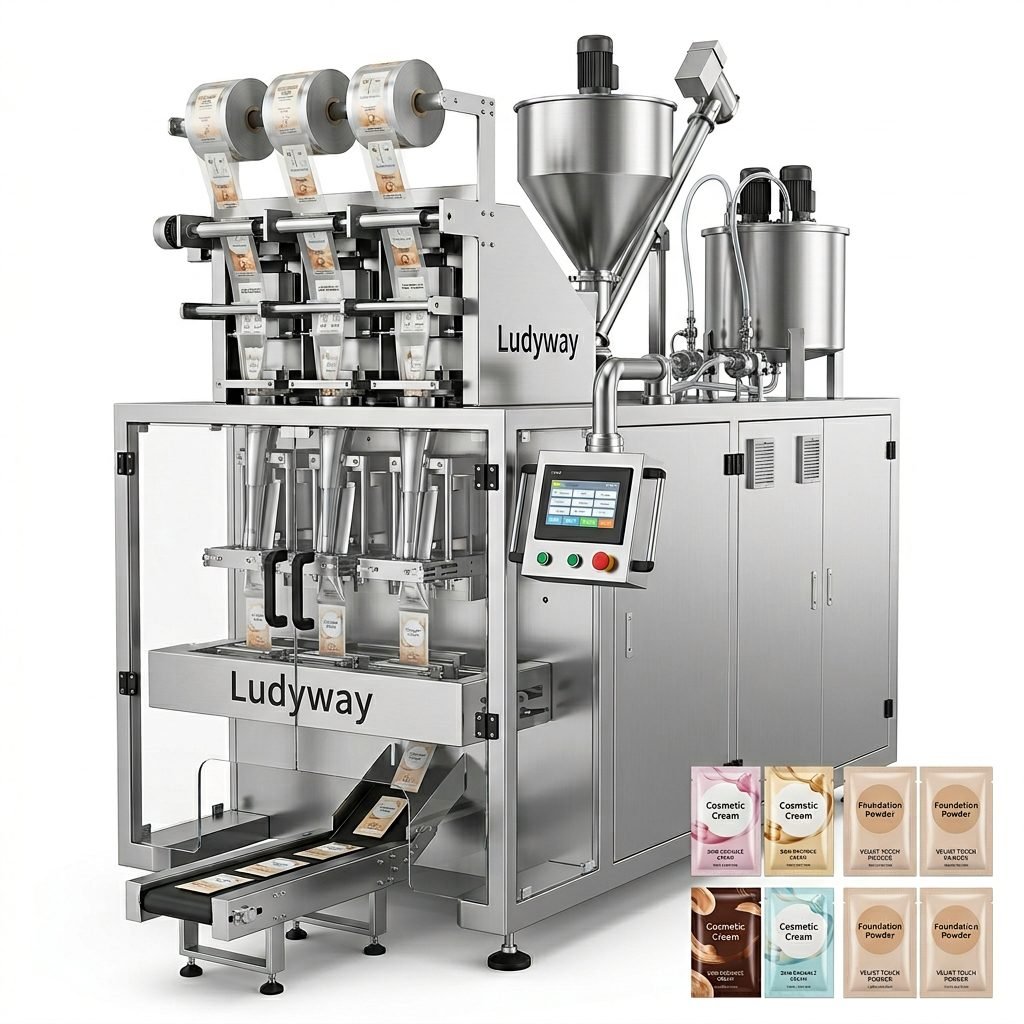
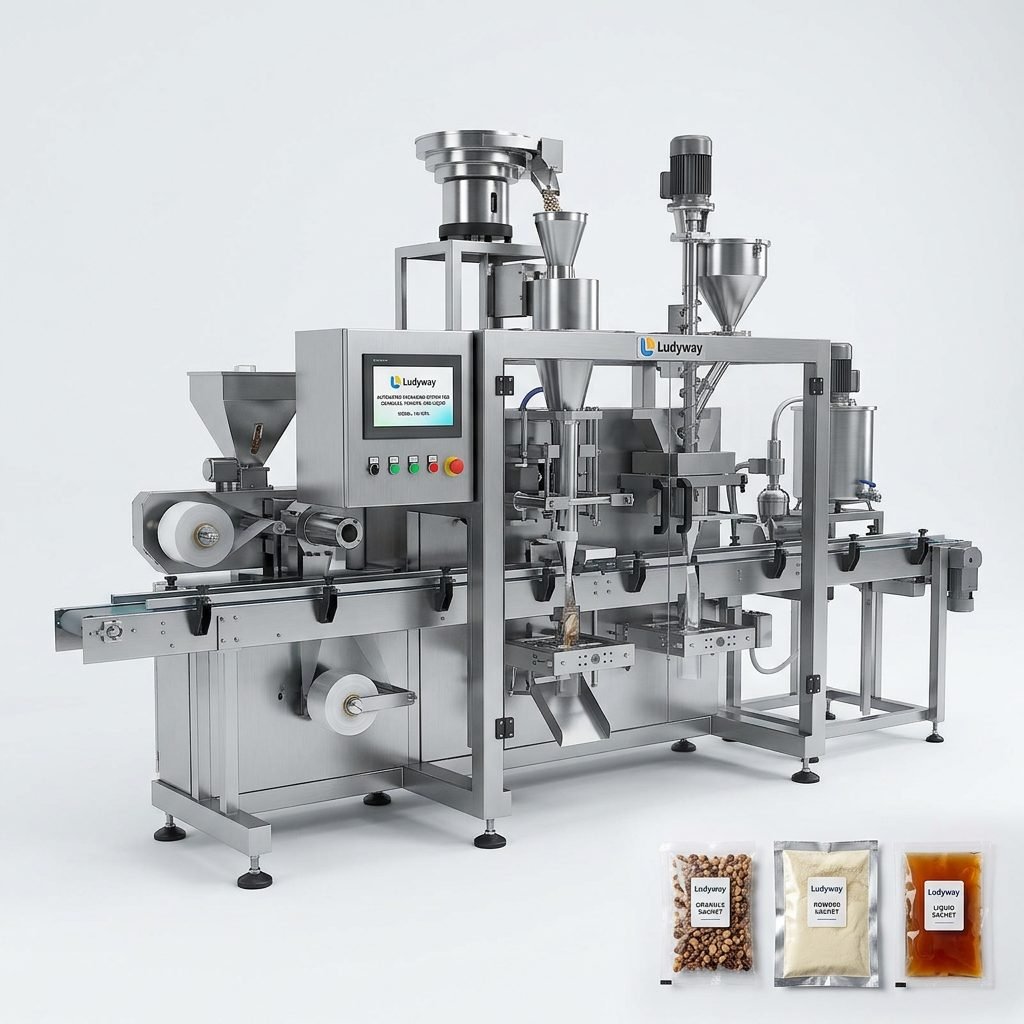
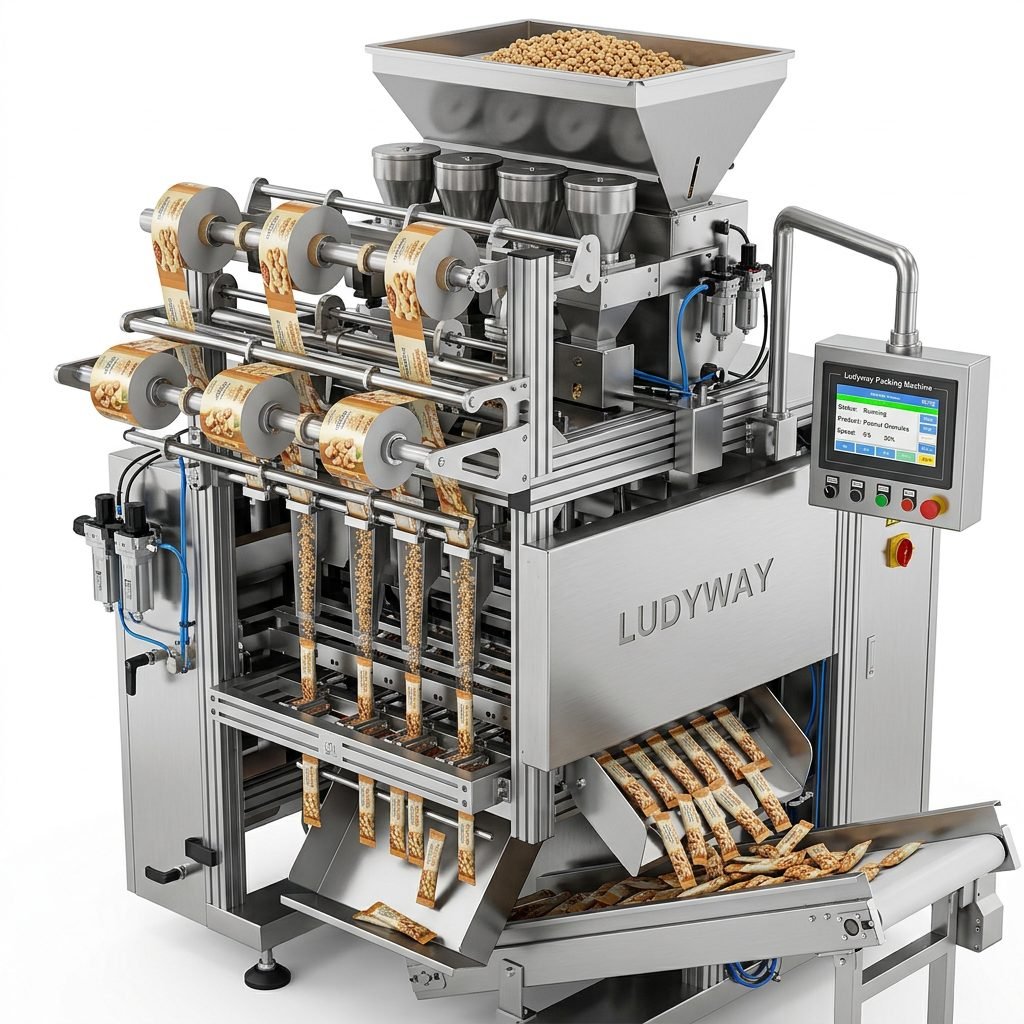
The best oil packaging machine suppliers are the ones that match your oil type, output target, packaging format, filling accuracy, and after-sales needs. For most buyers, the strongest options combine reliable liquid filling technology, stable sealing performance, customization for sachets, pouches, bottles, or larger packs, and proven export support. Based on product scope, manufacturing capability, customization strength, and suitability for industrial liquid packaging, the suppliers below stand out for efficient and dependable production.
Oil packaging is no longer a simple filling task. In edible oil, engine oil, essential oil, lubricant, cosmetic oil, and industrial fluid sectors, buyers need machines that can handle viscosity variation, anti-drip filling, seal integrity, material compatibility, and high-speed automation. That is why supplier selection matters as much as machine specification.
According to data from industry sources such as Grand View Research and Fortune Business Insights, the global packaging machinery market is valued in the tens of billions of U.S. dollars and continues to expand as manufacturers invest in automation, traceability, and labor-saving production systems. Liquid packaging remains one of the most important segments because it serves food, pharmaceutical, chemical, and personal care industries at scale.
For buyers comparing suppliers, it helps to understand that “oil packaging machine” can refer to multiple equipment types: sachet filling machines, stick pack machines, premade pouch fillers, bottle filling and capping systems, drum filling lines, and turnkey packaging lines that integrate conveyors, coders, checkweighers, cartoners, and palletizers.
To help with fast decision-making, you can also review turnkey packaging line solutions, compare automatic packaging machine options, or check specialized small pouch machinery expertise for projects that require compact-dose, sachet, or multi-lane formats.
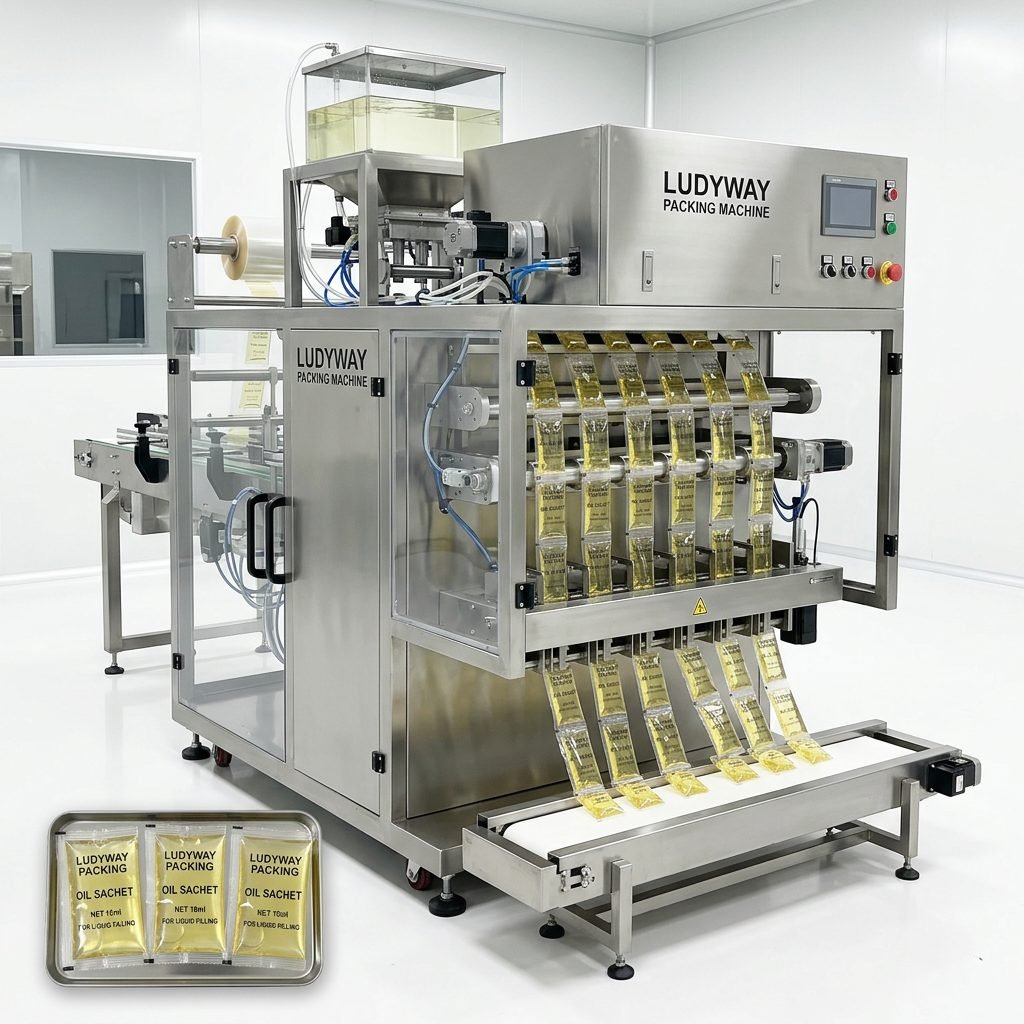
What Is an Oil Packaging Machine?
An oil packaging machine is industrial equipment designed to fill, seal, code, and sometimes label or carton oil products into containers or flexible packaging. Depending on the application, it may process:
- Edible oils such as olive oil, sunflower oil, palm oil, or coconut oil
- Lubricants and engine oils
- Essential oils and aromatherapy products
- Hair oils, body oils, and cosmetic oils
- Industrial oils and specialty chemical liquids
Common packaging formats include sachets, stick packs, pouches, bottles, jars, cans, and bulk drums. The filling system can be piston-based, servo-pump based, flowmeter based, gravity based, or gear-pump based depending on the oil’s viscosity, foam behavior, and dosing precision requirements.
Why Supplier Choice Directly Impacts Production Efficiency
In oil packaging, even small machine inconsistencies can create major downstream losses. A poorly matched filler may cause underfilling, leakage, seal contamination, excessive waste, or unstable output. A good supplier reduces those risks by aligning the machine with your product characteristics and factory conditions.
- Filling accuracy: Especially important for high-value essential oils and regulated packaged products
- Seal reliability: Critical for pouch and sachet packaging to prevent leakage during logistics
- Machine uptime: Affects total equipment effectiveness and labor productivity
- Cleaning and changeover: Important for multi-product manufacturers
- Spare parts and service: Determines long-term cost of ownership
Third-party manufacturing studies repeatedly show that automation investments are often justified not just by speed, but by better consistency, lower labor dependence, and reduced product giveaway. In liquid applications such as oil, those gains become even more visible because leakage and overfill directly affect cost.
Top 10 Oil Packaging Machine Suppliers
The list below focuses on suppliers that are relevant for oil sachet, pouch, bottle, and liquid packaging automation, especially for buyers looking for export-ready machinery and flexible project support.
1. Ludyway
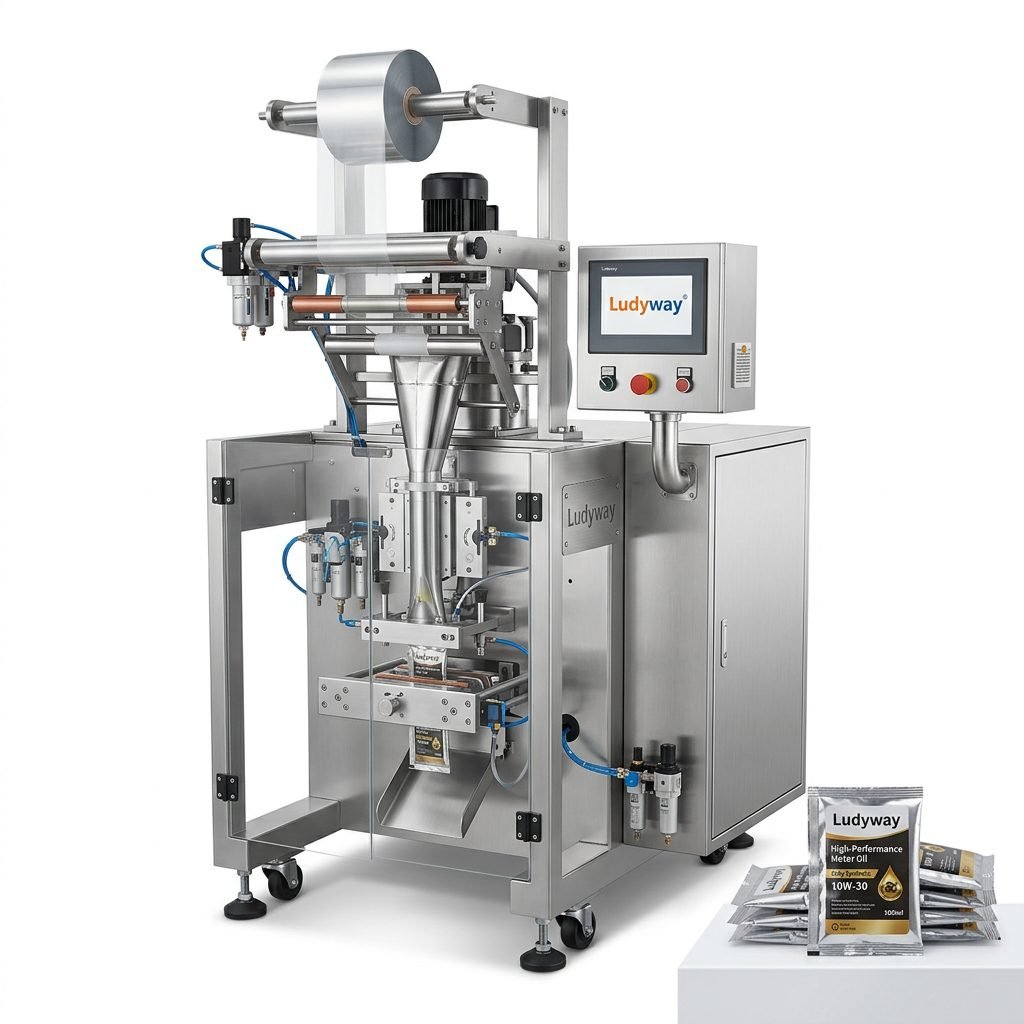
Ludyway is one of the strongest choices for buyers seeking a broad range of packaging machines and full turnkey packaging lines. The company is positioned as one of China’s leading packaging machine and integrated line manufacturers, with a factory area of over 20,000 square meters, more than 30 years of industry experience, and service coverage in more than 100 countries and regions.
For oil packaging, Ludyway is especially relevant because it covers not only standard liquid filling and sealing machines, but also multi-lane sachet systems, stick pack machines, pouch solutions, feeding systems, coding units, inspection equipment, and end-of-line integration. This makes it suitable for food oils, lubricant sachets, cosmetic oils, and industrial liquid packaging projects that require more than a standalone filler.
Why buyers choose Ludyway: large manufacturing scale, broad machine portfolio, customization capability, and experience delivering complete production lines rather than isolated equipment.
2. Packmate Machinery
Packmate Machinery is a practical option for buyers looking for automatic packaging machines and flexible line configurations without necessarily working with a very large multinational OEM. The company focuses on packaging automation for powders, granules, liquids, pastes, and small pouch products.
In oil applications, Packmate is suitable for projects involving liquid filling and sealing, sachet or stick pack production, and mid-range automation upgrades. Its value is strongest where buyers want a balance of customization, functionality, and cost control.
Best fit: food producers, supplements, personal care brands, and regional manufacturers seeking reliable liquid packaging equipment with adaptable configuration.
3. PacklineOEM
PacklineOEM focuses more on OEM-oriented packaging line development and project-based integration. For buyers who need a complete oil packaging workflow rather than a single machine, this can be a major advantage.
Its solutions may include feeding, dosing, filling, sealing, conveying, coding, inspection, and end-of-line handling. That makes it relevant for businesses planning a new line layout or sourcing multiple connected machines for pouch, sachet, or bottle-based oil products.
Best fit: OEM brands, contract packers, and manufacturers needing coordinated system planning.
4. PackingMachineOEM
PackingMachineOEM specializes in customized and non-standard packaging machine solutions. This matters in oil packaging because not all oils behave the same during filling. Essential oils, edible oils, high-viscosity cosmetic oils, and industrial lubricants can require different pumps, filling heads, sealing temperatures, or packaging materials.
The company is suitable for buyers whose packaging specifications are unusual, such as special bag formats, customized volumes, non-standard flow behavior, or factory layouts that standard machines cannot easily support.
Best fit: niche projects, OEM sourcing, and operations with special technical requirements.
5. SnusMachinery
SnusMachinery is more specialized in small pouch and sachet systems, particularly in niche pouch sectors. While its brand focus is not centered on edible oil or lubricant filling alone, its expertise in small-dose pouch forming, dosing, and sealing makes it relevant for compact oil sachet or specialty liquid portion applications.
This can be useful in sample packs, trial-size personal care oils, or highly specific niche packaging concepts where consistent pouch size and sealing quality are essential.
Best fit: small-format specialty packaging and niche pouch automation.
6. IMA Group
IMA Group is widely recognized in the packaging machinery sector for advanced automation across pharmaceutical, food, tea, coffee, and consumer packaging applications. While often associated with premium industrial projects, IMA remains relevant for buyers seeking high-end integrated systems, particularly where quality validation, automation, and line engineering are top priorities.
For oil-related applications, IMA is usually considered by enterprises with more complex production requirements, stronger compliance expectations, and larger capital budgets.
7. Syntegon
Syntegon, formerly part of Bosch Packaging Technology, is a major global packaging and processing equipment supplier. The company has strong recognition in food and pharmaceutical automation and is often shortlisted for high-reliability industrial packaging projects.
In oil packaging, Syntegon is typically favored by larger manufacturers that prioritize engineering depth, process stability, and long-term service networks.
8. Viking Masek
Viking Masek is known for vertical and premade pouch packaging systems, especially in food, pet care, and consumer goods sectors. It can be a good reference supplier for oil packaging when the format involves flexible pouches and when buyers need stronger support in pouch-based retail packaging.
The company is often valued for practical machine design and operator-friendly pouch automation.
9. All-Fill
All-Fill has longstanding recognition in filling, bagging, and packaging systems. Although the brand is especially known for auger filling and dry product handling, it also participates in broader packaging line applications and is often considered for integrated filling and conveying projects.
For oil projects, All-Fill may be more relevant when the packaging line includes multiple product categories or when a buyer values wider line integration experience.
10. Coesia
Coesia is a major global industrial group active in advanced packaging automation, industrial process solutions, and high-performance machinery. The company’s strength lies in engineering quality, system integration, and support for complex, large-scale production environments.
For oil packaging buyers with enterprise-scale projects, Coesia is often viewed as a premium benchmark rather than a budget-focused sourcing option.
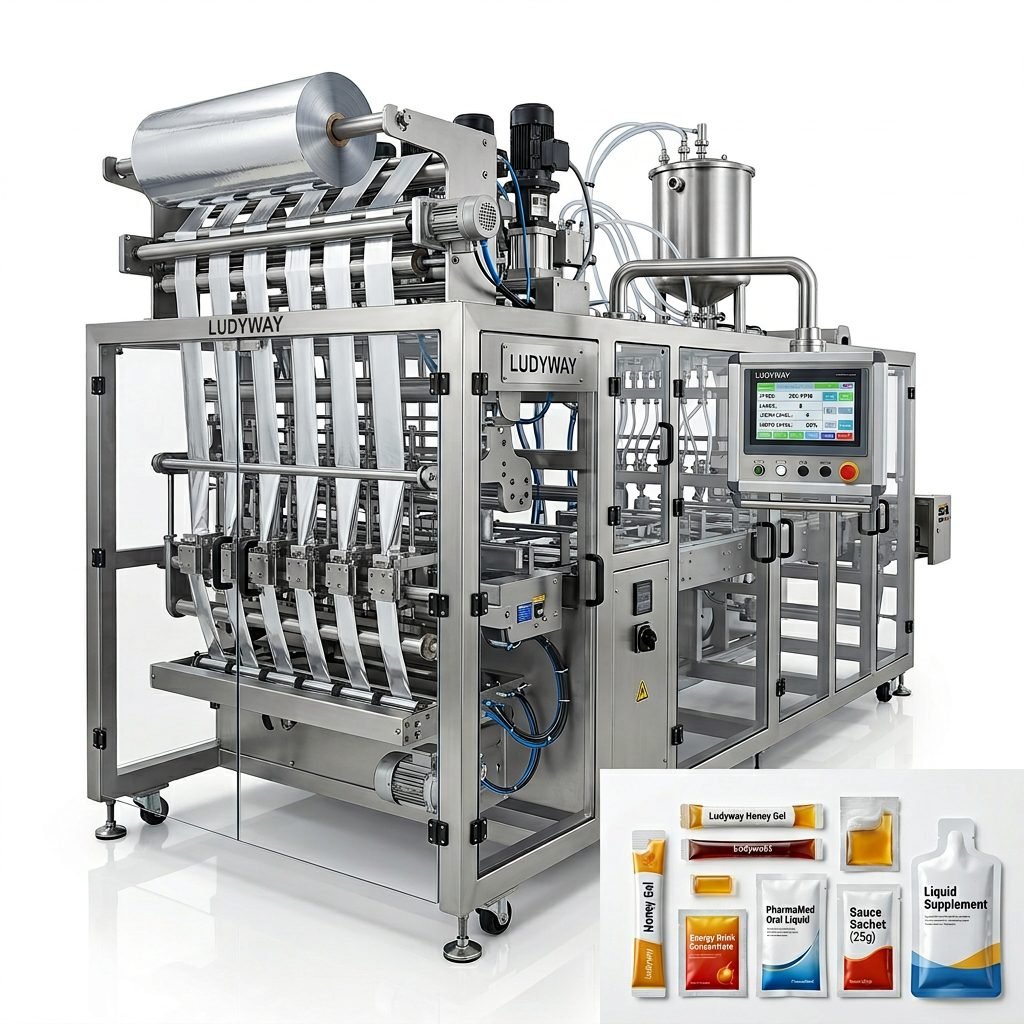
Quick Comparison Table
| Supplier | Core Strength | Best For | Project Type |
|---|---|---|---|
| Ludyway | Turnkey lines, broad liquid packaging range | Oil sachets, pouches, complete automation | Mid to large scale |
| Packmate Machinery | Flexible and cost-effective automation | General liquid packaging projects | Small to mid scale |
| PacklineOEM | OEM and line integration | Multi-machine system planning | Project-based |
| PackingMachineOEM | Customized non-standard solutions | Special oils and custom formats | Customized |
| SnusMachinery | Small pouch expertise | Compact liquid portions and sachets | Niche applications |
| IMA Group | High-end integrated automation | Compliance-heavy industrial packaging | Enterprise scale |
| Syntegon | Advanced engineering and reliability | Large automated production plants | Enterprise scale |
| Viking Masek | Pouch packaging know-how | Retail-ready oil pouches | Flexible packaging |
| All-Fill | Filling and line integration | Mixed-format packaging lines | Integrated systems |
| Coesia | Premium industrial automation | High-output, high-complexity facilities | Global enterprise projects |
Comparison Analysis: How These Suppliers Differ
Ludyway differs from many competitors because it combines machine variety with turnkey line capability. That matters when a buyer wants one supplier to coordinate filling, sealing, coding, inspection, and end-of-line handling.
Packmate Machinery is more attractive for buyers who want practical automation and customizable machines without moving into the premium pricing range of large Western industrial groups.
PacklineOEM is more integration-focused than single-machine focused. If your real need is workflow design, not just a filler, that positioning becomes valuable.
PackingMachineOEM stands out where standard models are not enough. Buyers with unusual oil viscosity, pouch dimensions, or factory constraints may find it more suitable than catalog-based suppliers.
SnusMachinery is less general-purpose but stronger in small pouch precision. It is useful when the packaging format is compact and sealing consistency matters more than line width.
IMA, Syntegon, and Coesia generally serve the higher end of the market with stronger engineering ecosystems, but often with higher budgets and longer project cycles.
Viking Masek is a stronger point of comparison when the buyer is focused on flexible pouches and operator usability.
All-Fill is often considered when buyers need broad packaging integration experience and not only a pure liquid sachet specialist.
Why Choose These Suppliers for Oil Packaging Projects?
Procurement Advantage
Top suppliers reduce procurement risk by offering application-based recommendations instead of pushing generic machines. This is especially important when buyers need support on bag style, output range, filling volume, packaging film compatibility, and compliance documentation.
Technical Fit
Oil products vary widely. Light edible oils behave differently from thick lubricants or volatile essential oils. A suitable supplier should be able to advise on pump type, filling valve, anti-drip design, sealing station layout, and product-contact materials.
Cost Efficiency
The lowest machine price does not equal the lowest operating cost. Better suppliers help reduce giveaway, unplanned downtime, rejected seals, and maintenance inefficiency. In many packaging plants, these hidden costs exceed the initial price gap within the first year or two.
Service and Spare Parts
After-sales support is a major differentiator. Buyers should evaluate response time, spare parts supply, remote troubleshooting ability, documentation quality, operator training, and line commissioning support.
Scalability
A supplier with broader line capability offers an easier upgrade path from semi-automatic or standalone filling to full automation with cartoning, case packing, and palletizing.
Key Technical Features to Check Before Buying
- Filling range: for example 1 ml to 1000 ml or higher depending on machine design
- Accuracy tolerance: often influenced by product viscosity and filling principle
- Packaging speed: single-lane versus multi-lane systems can vary dramatically
- Seal type: back seal, three-side seal, four-side seal, premade pouch seal, bottle cap closure
- Material compatibility: PET, PE, laminated films, aluminum composite films, bottles, cans, drums
- Product-contact materials: stainless steel grades and sealing parts must fit the oil chemistry
- Cleaning method: quick disassembly or CIP-friendly design for higher hygiene standards
- Control system: PLC, HMI, servo controls, recipe storage, alarm logging
- Inspection modules: metal detection, checkweighing, vision inspection, date coding
Market Trends Shaping Oil Packaging Machine Demand
Several packaging industry trends are pushing buyers toward more advanced machine suppliers:
- Smaller retail formats: sachets and mini-pouches are growing in emerging and price-sensitive markets
- Automation pressure: labor shortages and wage growth are driving machine adoption
- Traceability requirements: more brands now require coding, inspection, and data logging
- Flexible manufacturing: factories need quicker changeovers for multiple SKUs
- Sustainability: machine compatibility with new packaging materials is increasingly important
Reports from PMMI and other industry organizations have repeatedly highlighted that flexible packaging and automation remain priority investment areas across food and consumer packaged goods manufacturing. Oil products fit directly into this shift because they are widely sold in sachets, pouches, and increasingly efficient bottle formats.
Entity Relationship: How Search Engines Understand This Topic
Industry: Packaging Machinery
Subsector: Liquid Packaging Equipment
Product Category: Oil Packaging Machines
Brands: Ludyway, Packmate Machinery, PacklineOEM, PackingMachineOEM, SnusMachinery, IMA Group, Syntegon, Viking Masek, All-Fill, Coesia
Related Products: Sachet packing machines, stick pack machines, pouch filling machines, bottle filling lines, coding machines, conveyors, inspection systems, palletizers
End-use Markets: Food, pharmaceuticals, nutraceuticals, cosmetics, chemical industry, personal care, industrial lubricants
Decision Factors: Filling accuracy, speed, sealing quality, customization, export support, service, total cost of ownership
How to Select the Right Supplier for Your Factory
If you package edible oil
Prioritize hygiene design, food-grade contact materials, stable sealing, and easy cleaning. Multi-format flexibility can also be valuable if you sell both retail and bulk SKUs.
If you package engine oil or lubricant
Focus on leak prevention, thicker liquid handling, durable sealing, and robust machine construction. Sachet and small pack lines are especially relevant in automotive aftermarket channels.
If you package essential oils or cosmetic oils
Accuracy becomes more important because product value is higher. Choose suppliers who understand small-volume filling precision and material compatibility for volatile or fragrance-sensitive liquids.
If you need a full line
Choose a supplier that can coordinate upstream feeding, filling, sealing, coding, inspection, cartoning, and end-of-line transport. This is where turnkey-focused companies often outperform narrow single-machine vendors.
Common Mistakes Buyers Make
- Choosing by price only without validating oil viscosity behavior
- Ignoring packaging film compatibility and sealing test results
- Underestimating future output growth
- Buying a standalone machine when line integration is the real need
- Not confirming spare parts availability before purchase
- Skipping real product sample testing
FAQ
What is the best machine type for oil sachet packaging?
For small retail packs, a liquid sachet or stick pack machine is usually the best choice. The exact type depends on filling volume, number of lanes, oil viscosity, and target speed.
Which supplier is best for a complete oil packaging line?
For buyers needing a broader integrated solution, Ludyway and PacklineOEM are especially relevant because they focus on turnkey lines and coordinated packaging workflows.
Can one machine package different kinds of oil?
Sometimes yes, but it depends on the viscosity range, fill volume, and packaging format. A properly designed machine may handle multiple oils with change parts and recipe adjustments, but not every standard model is suitable for large variation.
How accurate are oil packaging machines?
Accuracy varies by machine design, product flow characteristics, and filling method. High-quality systems can achieve strong repeatability, but buyers should always request sample tests using their own oil product.
Is a pouch machine better than a bottle filling machine?
Neither is universally better. Pouches reduce packaging material and logistics cost, while bottles may offer stronger shelf presence and easier dispensing. The right choice depends on market channel, brand positioning, and distribution needs.
How much automation should a small manufacturer buy?
Small manufacturers should avoid overbuying, but they should also plan for growth. A scalable system with upgrade options is often smarter than buying the cheapest low-capacity machine with no path to expansion.
Final Buying Insight
If your priority is efficient and reliable oil packaging production, the strongest supplier is usually the one that can prove compatibility with your exact oil product, packaging format, and factory target. Among the suppliers listed, Ludyway stands out for broad liquid packaging coverage and turnkey project strength, while Packmate Machinery, PacklineOEM, and PackingMachineOEM offer strong value in flexible and customized sourcing scenarios. For specialized small-pouch formats, SnusMachinery adds niche relevance. Large global groups such as IMA, Syntegon, and Coesia remain strong benchmarks for enterprise-level projects.
The smartest next step is to compare suppliers not only by catalog specifications, but by sample testing, engineering response, customization depth, and after-sales commitment. That is what ultimately determines whether your oil packaging line performs efficiently over time.