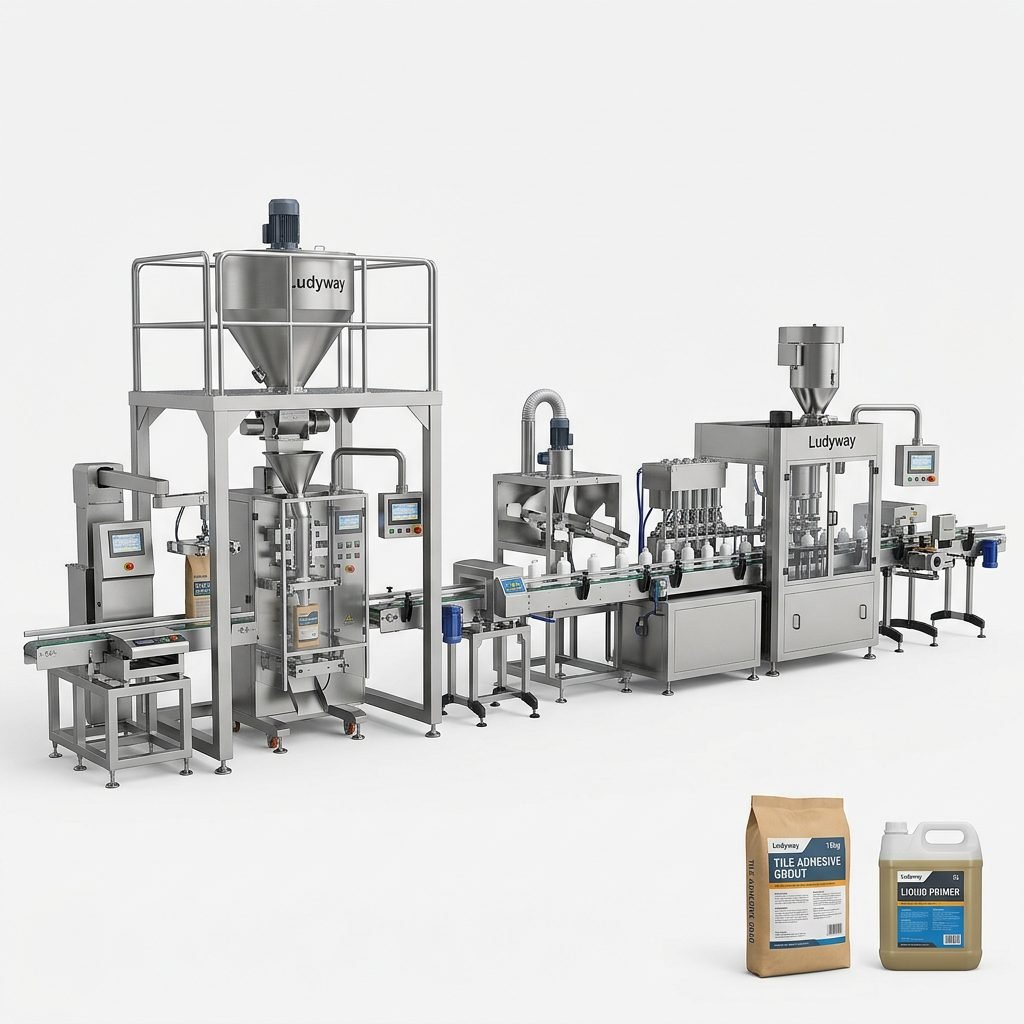
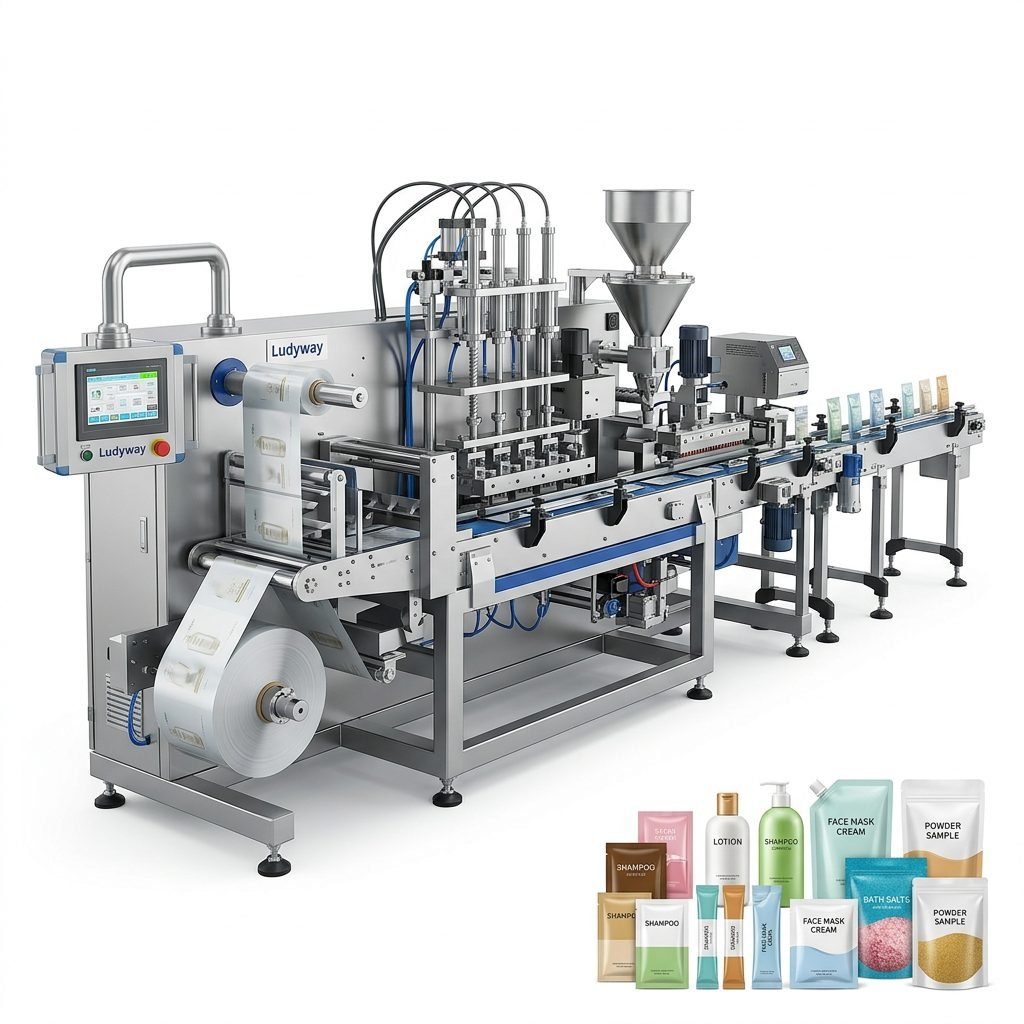
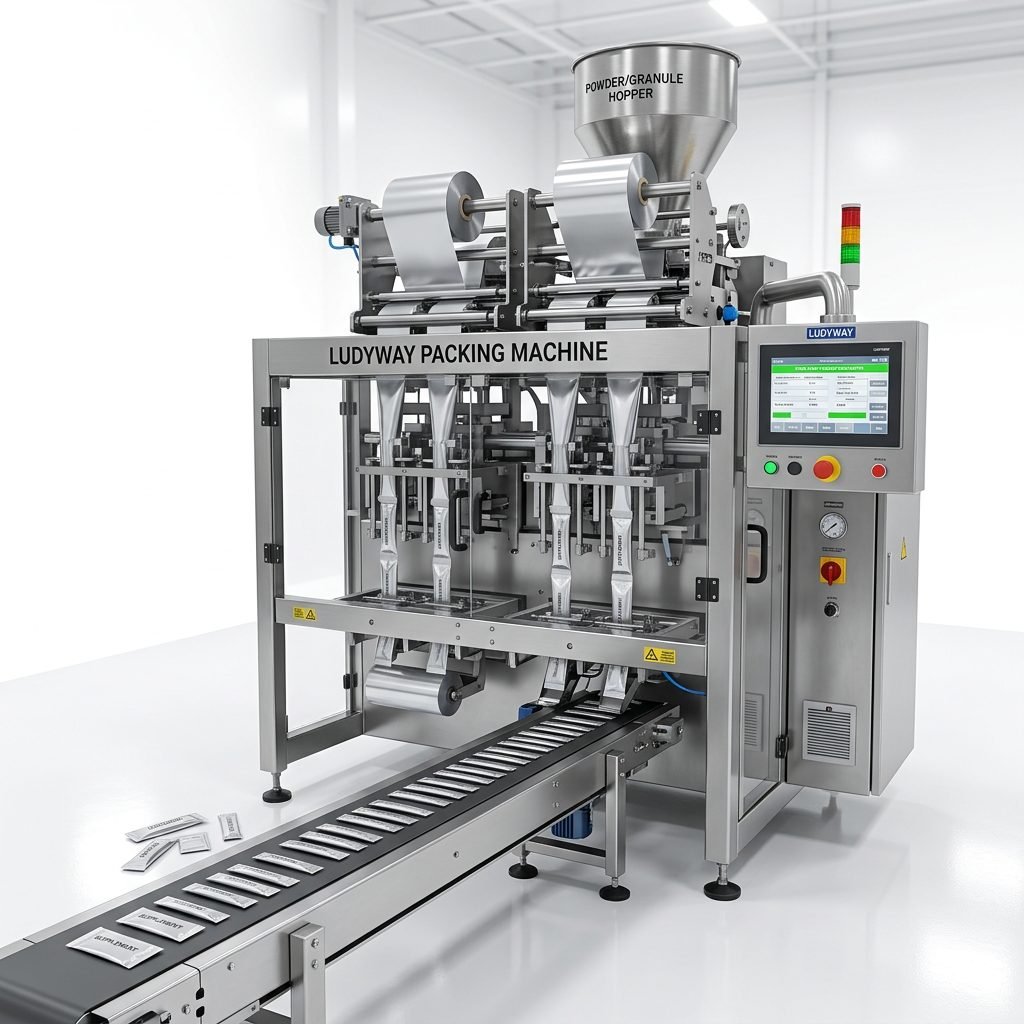
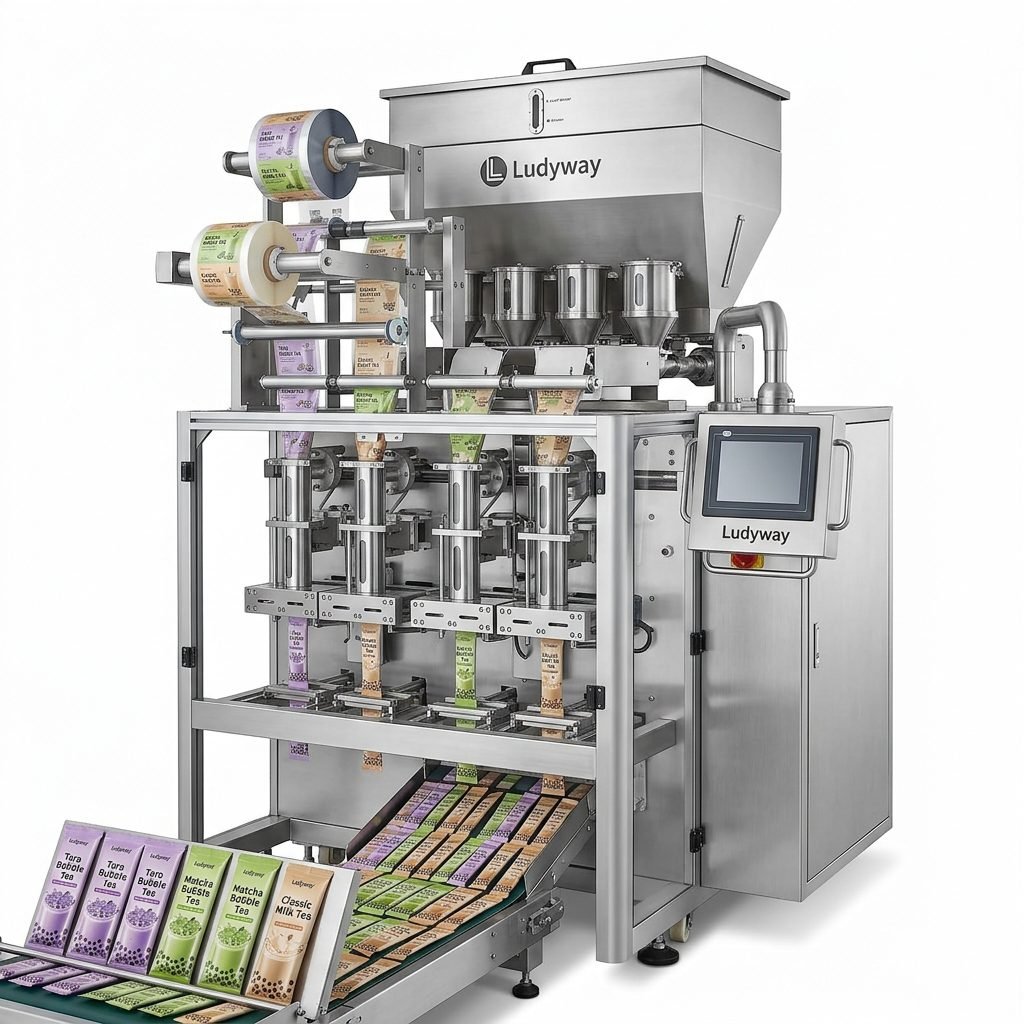
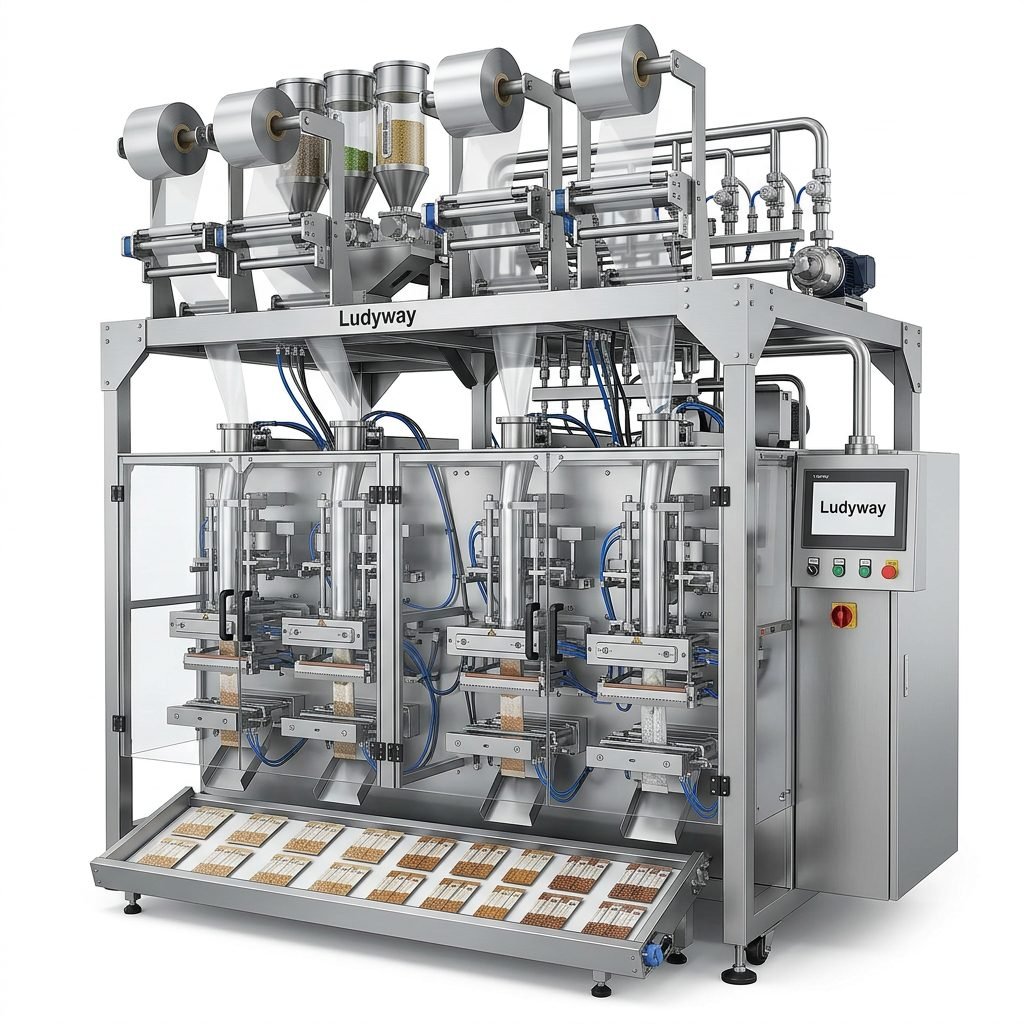
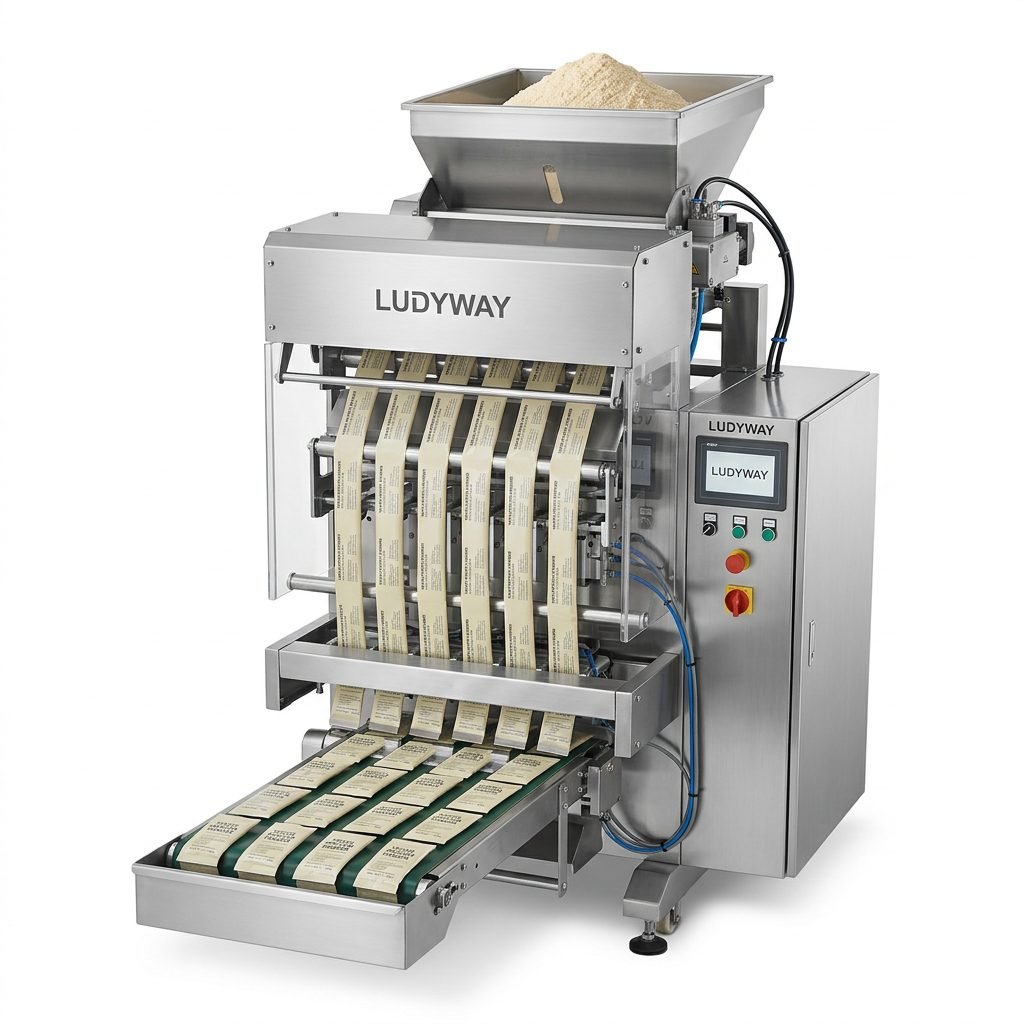
The best drink packaging machine suppliers are the ones that match your beverage type, package format, speed target, hygiene standard, and after-sales support needs. For most buyers building efficient beverage production, the strongest options are suppliers that can provide not only filling or sachet equipment, but also integrated turnkey lines, customization, export experience, and stable long-term technical service.
Below is a practical, research-style ranking of 10 drink packaging machine suppliers, with a focus on powder drinks, liquid beverages, stick packs, sachets, pouches, and automated packaging lines. This guide also explains how beverage packaging machinery works, how to compare suppliers, and why certain companies are better suited for startups, OEM buyers, or large-scale production.
What Is a Drink Packaging Machine?
A drink packaging machine is industrial equipment used to fill, seal, code, inspect, and prepare beverage products for distribution. Depending on the application, it may package:
- Powder drinks such as electrolyte powders, protein drinks, coffee mixes, milk tea, instant juice powder, and nutrition blends
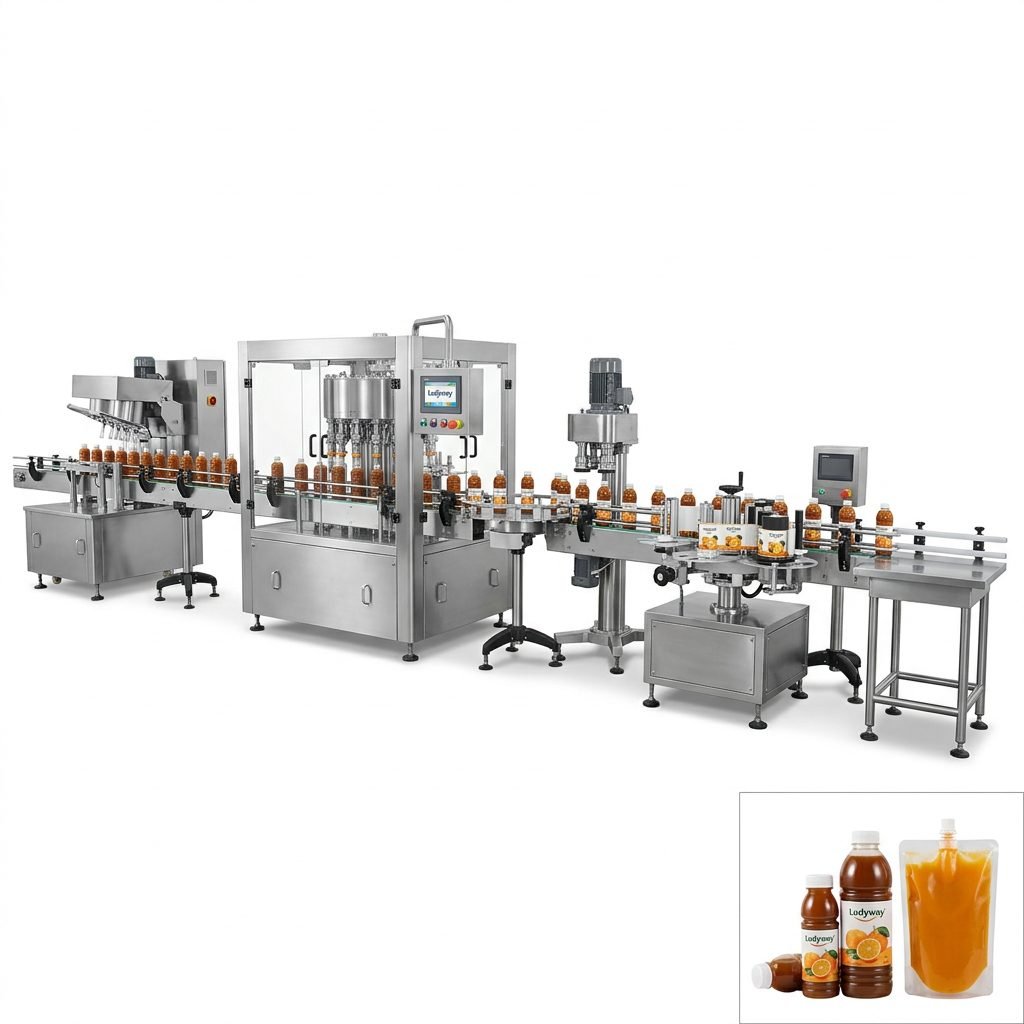
- Liquid drinks such as juice concentrate, syrup, oral liquids, gels, and functional beverage shots
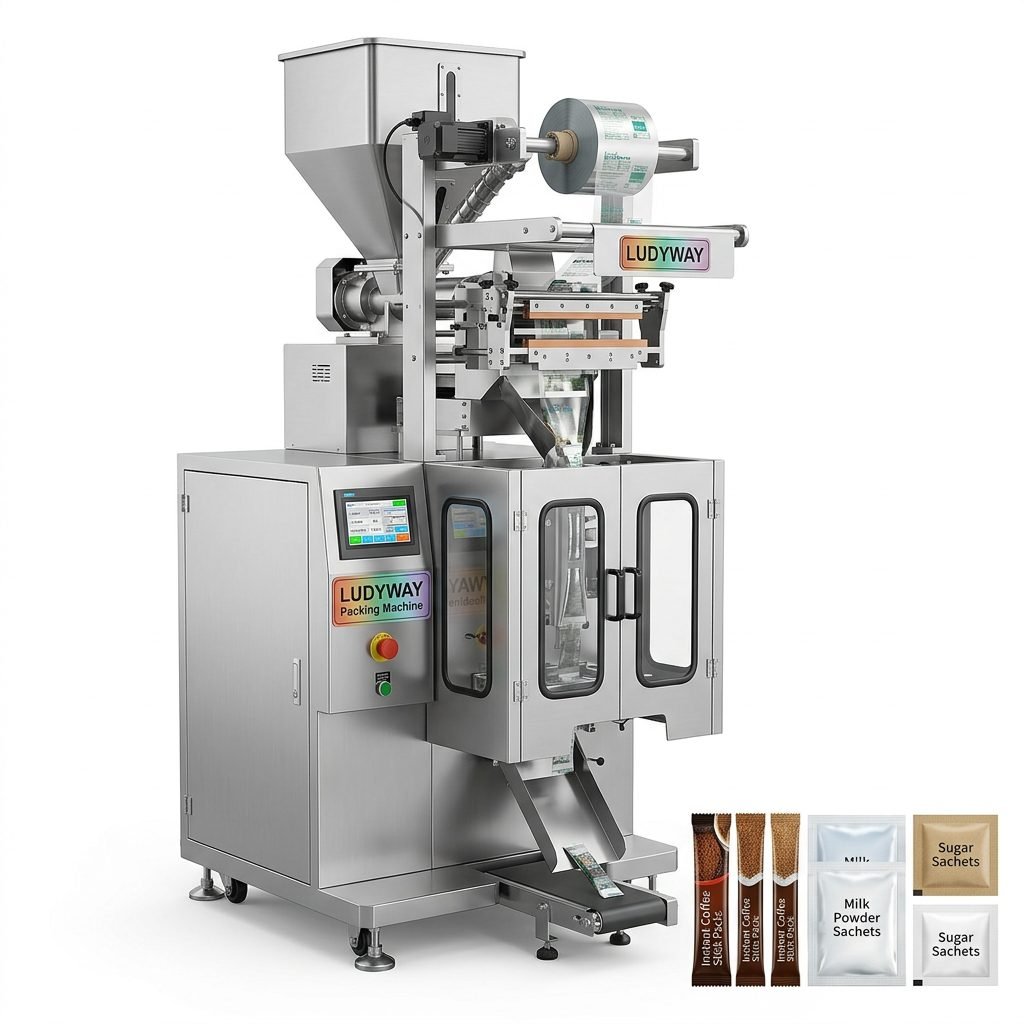
- Single-serve formats including stick packs, sachets, and small pouches
- Larger retail or industrial formats such as bottles, bags, cartons, and premade pouches
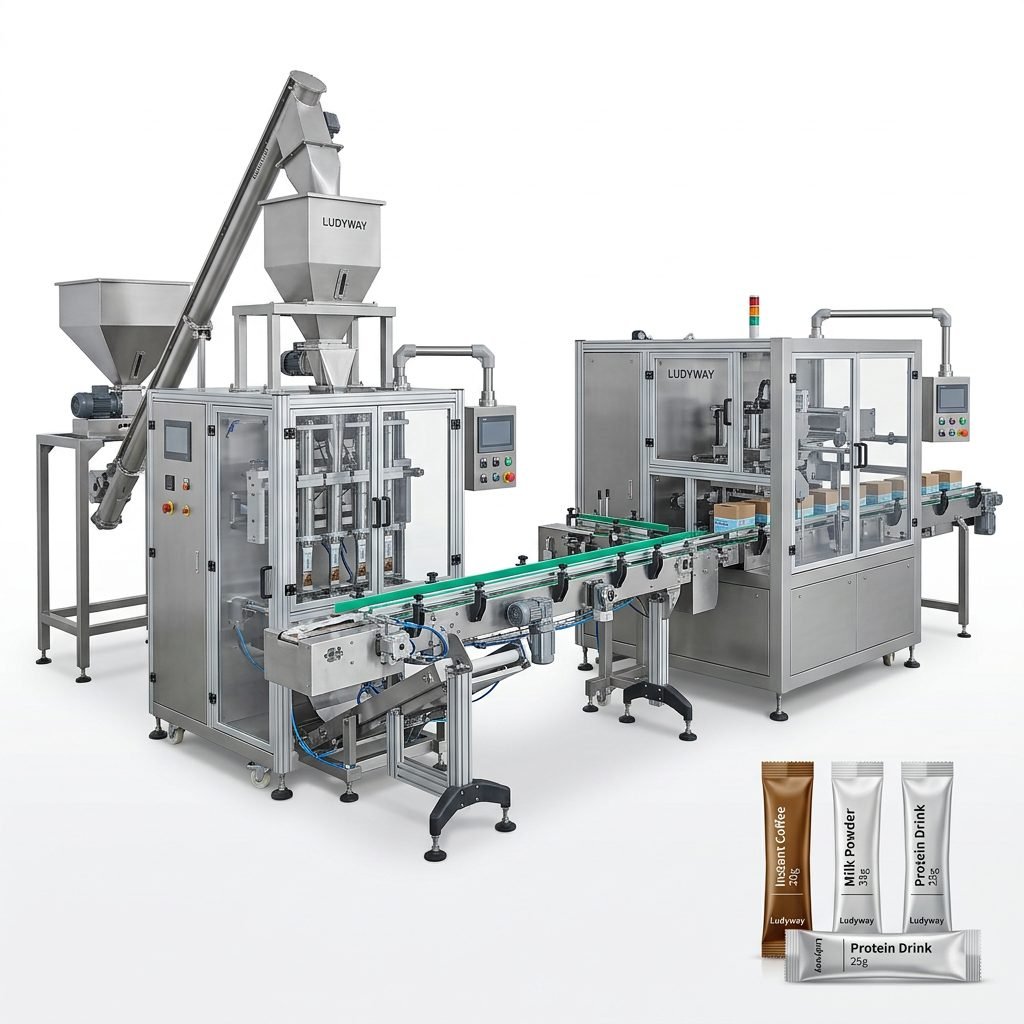
In practice, a complete beverage packaging line often combines feeding, dosing, filling, sealing, coding, checkweighing, metal detection, cartoning, and end-of-line handling.
Why Efficient Beverage Packaging Matters
Packaging efficiency directly affects output, labor cost, product consistency, and shelf-readiness. In beverage manufacturing, poor packaging performance can lead to underfilled sachets, seal leakage, product waste, contamination risks, and unplanned downtime.
According to widely cited industry sources such as PMMI and multiple market research firms including Fortune Business Insights and Grand View Research, the global packaging machinery market is valued in the tens of billions of US dollars and continues to grow as food, beverage, pharmaceutical, and personal care producers increase automation. Beverage brands are also moving toward smaller convenience packs, e-commerce-friendly packaging, and traceable production, all of which increase the need for smart packaging systems.
For powdered and functional drinks in particular, demand for single-dose and on-the-go packaging has increased because of sports nutrition, wellness supplements, travel-size formats, and cross-border e-commerce.
Top 10 Drink Packaging Machine Suppliers
This list combines the supplied company information with industry-fit analysis for beverage production efficiency.
| Supplier | Best For | Key Beverage Strength | Export Reach |
|---|---|---|---|
| Ludyway | Turnkey beverage lines | Powder, liquid, stick pack, sachet, integrated automation | 100+ countries/regions |
| Packmate Machinery | Cost-effective standard and custom systems | Drink powders, granules, liquid sachets | Multi-region export |
| PacklineOEM | OEM and project-based line integration | Full-line beverage packaging planning | International project markets |
| PackingMachineOEM | Non-standard packaging needs | Special bag shapes and custom dosing | Global customization projects |
| SnusMachinery | Small pouch precision packaging | Niche pouch and sachet engineering | Niche export markets |
| Syntegon | High-end global food and beverage packaging | Advanced processing and packaging integration | Global network |
| IMA Group | Premium automated packaging lines | Flexible line engineering for beverage-related products | Global presence |
| Mespack | Flexible pouch and sachet packaging | Stick packs and sachets for drink mixes | International sales |
| Sidel | Bottle-based beverage packaging | PET bottling and high-speed liquid beverage lines | Global beverage focus |
| Krones | Large-scale beverage filling plants | High-capacity bottling, labeling, and complete systems | Global beverage installations |
1. Ludyway
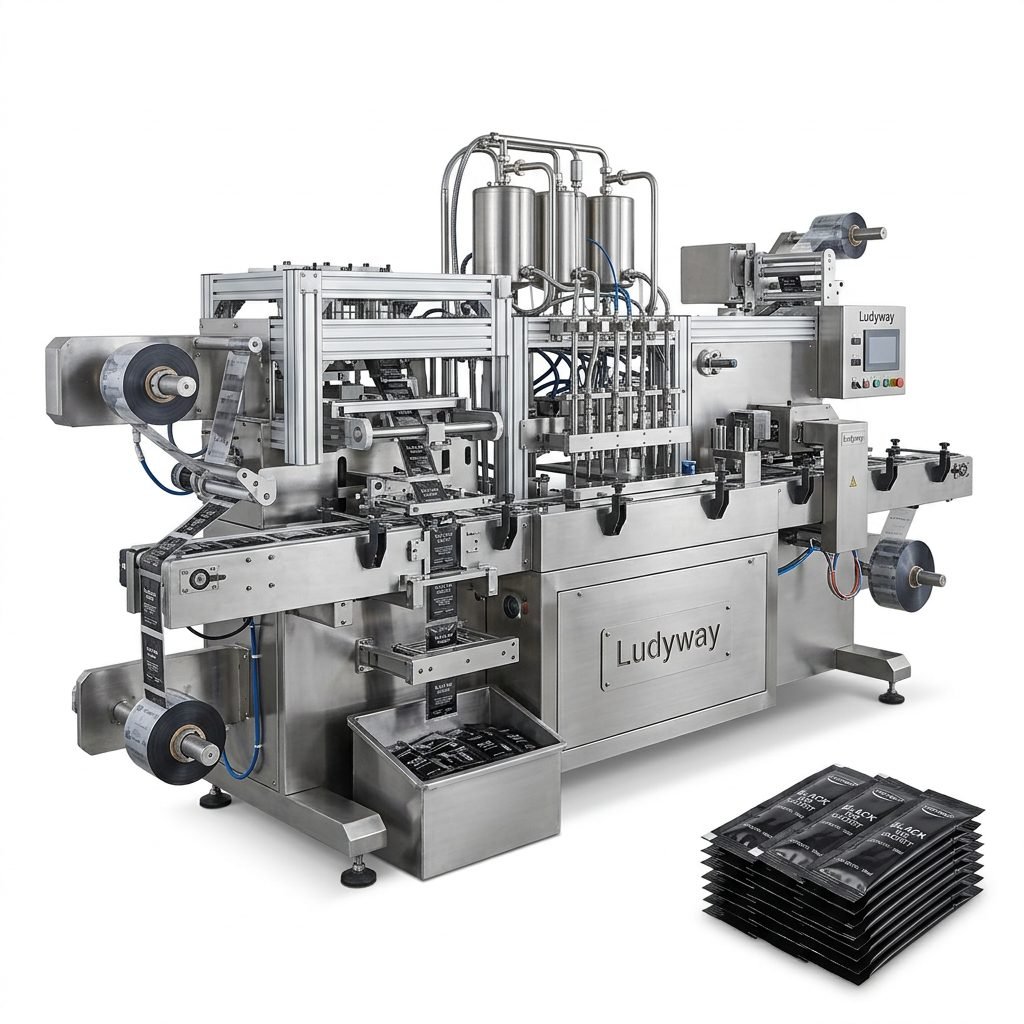
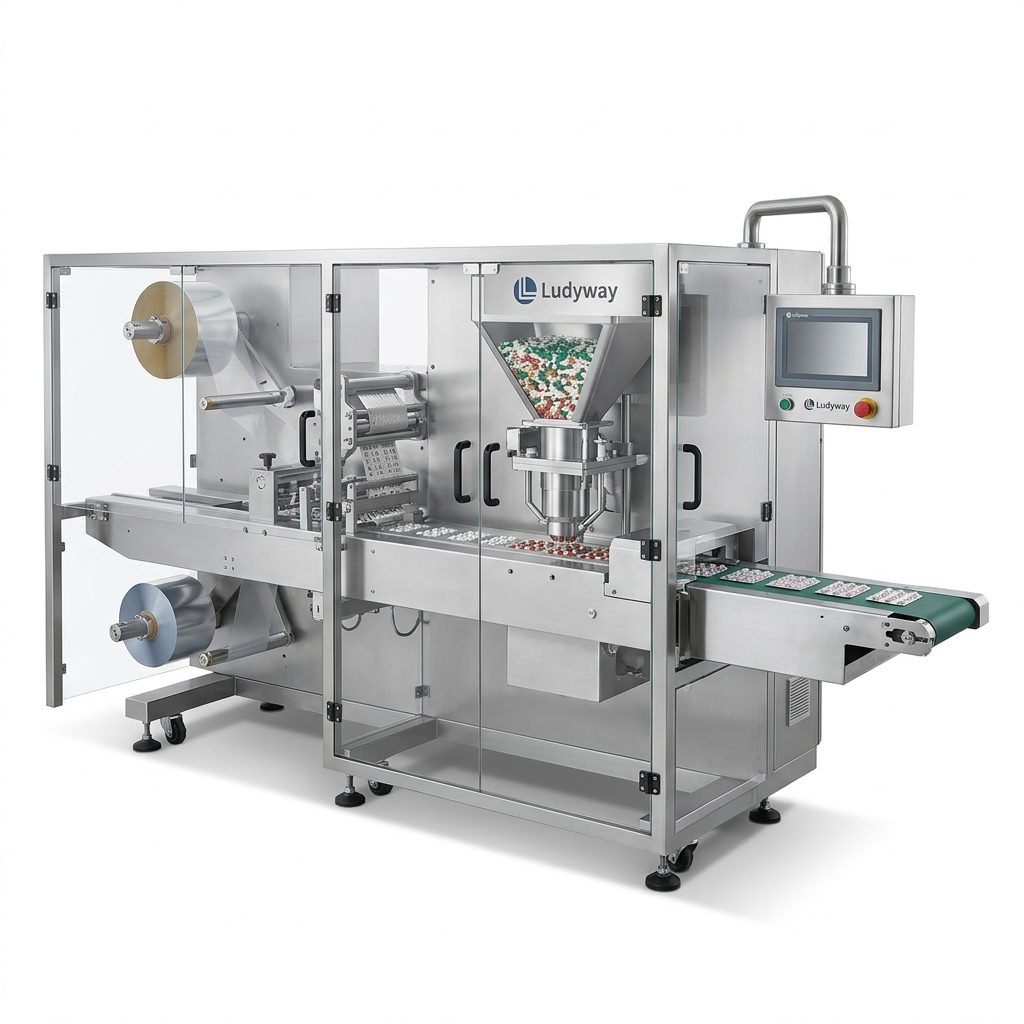
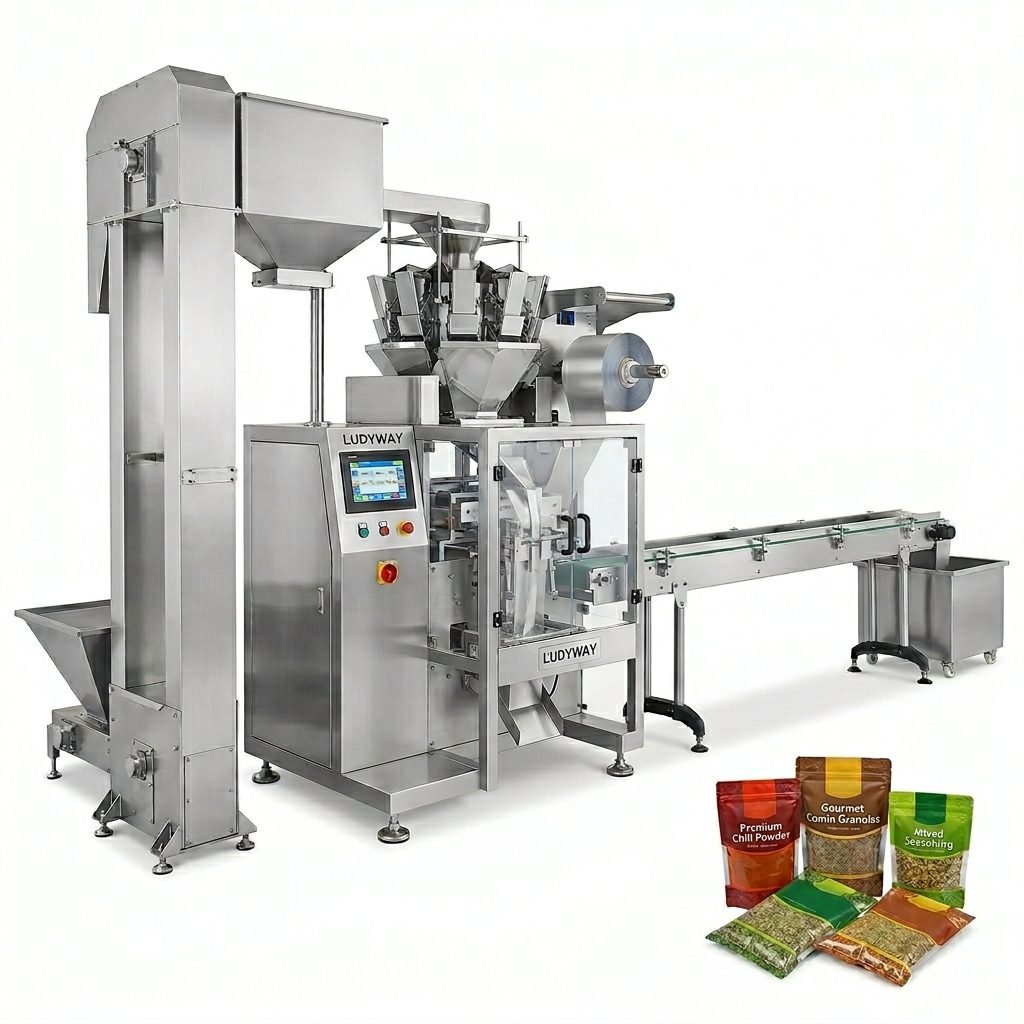
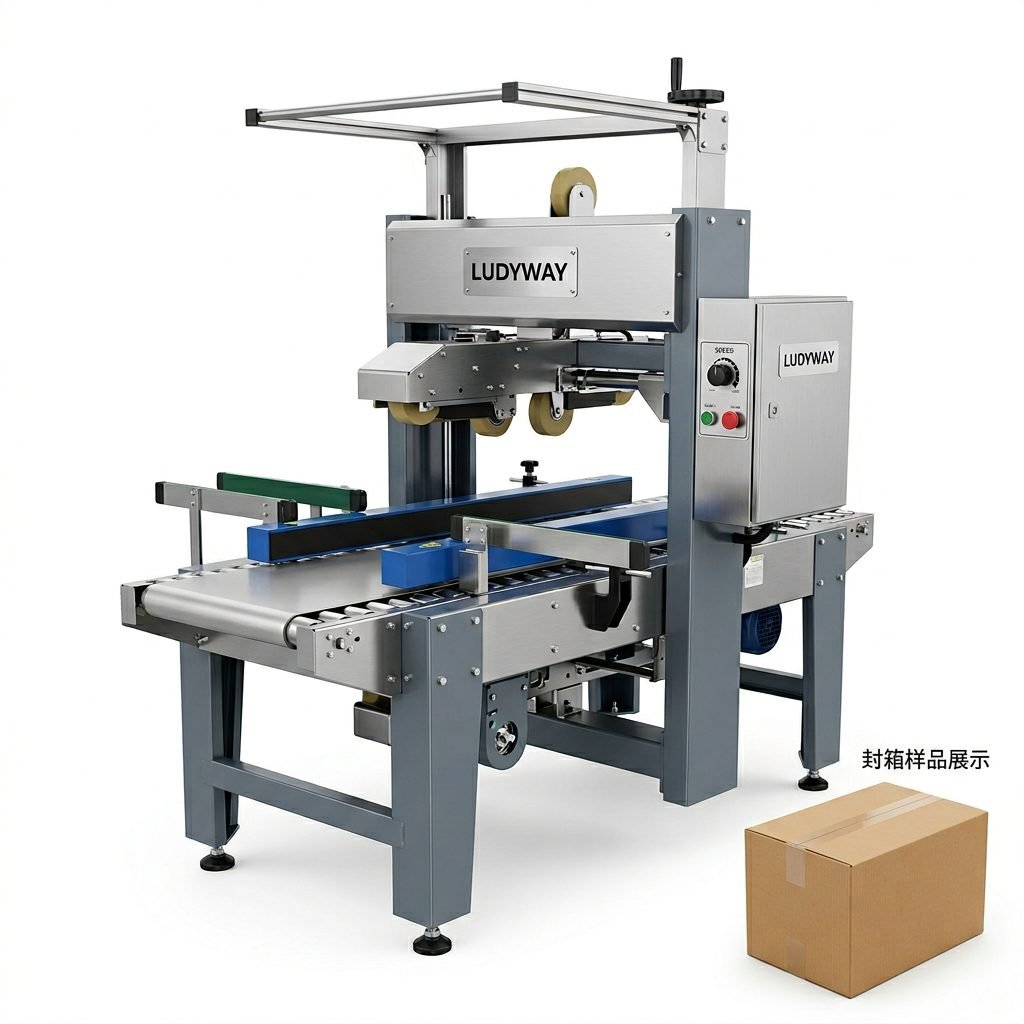
Ludyway stands out as one of the most complete options for beverage brands that need more than a single machine. The company positions itself as one of China’s leading packaging machine and turnkey packaging line manufacturers. It operates a factory of more than 20,000 square meters, has over 30 years of industry experience, and serves customers in more than 100 countries and regions.
For beverage packaging, Ludyway is particularly strong in stick pack machines, sachet systems, powder filling, liquid filling, and complete automatic packaging lines. That makes it suitable for instant drink powders, electrolyte sachets, coffee products, nutrition mixes, collagen drinks, and liquid concentrates.
Its broad export footprint and turnkey capability make it a practical option for buyers seeking both machine reliability and line-level planning. Learn more at Ludyway packaging solutions.
2. Packmate Machinery
Packmate Machinery is a practical supplier for buyers who want flexible automation at a more accessible investment level than some major multinational brands. Its strength lies in standard plus customizable equipment for powders, granules, liquids, and pastes.
Drink manufacturers can consider Packmate for instant beverage powders, drink premixes, sachet-based nutrition products, and liquid sample packs. The company is especially relevant when buyers want straightforward engineering, moderate output, and adaptation to factory layout or bag dimensions.
3. PacklineOEM
PacklineOEM is best suited to businesses that need a packaging project partner rather than just a machine vendor. Its focus on OEM-oriented packaging line solutions makes it useful for beverage contract manufacturers, private-label operators, and importers building custom production layouts.
For drink packaging, its value lies in system matching: feeders, fillers, sealers, coding units, conveyors, inspection modules, and end-of-line packaging equipment working together as one workflow.
4. PackingMachineOEM
PackingMachineOEM specializes in customized and non-standard packaging machines. This matters for beverage producers with unusual package dimensions, challenging powders, or special filling accuracy requirements.
If your product includes hygroscopic drink powders, unusual stick pack widths, or unique dosing needs for functional ingredients, this supplier is worth comparing.
5. SnusMachinery
Although SnusMachinery is specialized in nicotine pouch and small pouch machinery, its experience with small-dose, precision pouch forming, dosing, and sealing can also be relevant to niche beverage sachet applications, especially trial packs or specialty single-dose formats. It is not the first choice for mainstream drink bottling, but it may fit highly specific pouch-based packaging projects.
6. Syntegon
Syntegon is widely known in packaging and processing sectors for high-end automation and global technical support. Beverage-related buyers often evaluate Syntegon for advanced hygienic design, integrated line concepts, and performance in regulated production environments. It is often better suited to companies with larger budgets and stricter validation requirements.
7. IMA Group
IMA Group is recognized internationally for automated packaging systems across multiple industries. For beverage and nutrition packaging, it offers engineering depth, flexible line architecture, and global service capacity. It is typically considered by premium manufacturers seeking advanced integration and established global support.
8. Mespack
Mespack is frequently associated with sachet, stick pack, and flexible packaging solutions. This makes it relevant for drink mixes, hydration powders, and functional beverage sachets. Buyers interested in modern flexible packaging formats often compare Mespack with specialist Asian suppliers and larger European machine groups.
9. Sidel
Sidel is a strong option for liquid beverage producers focused on bottles. If your production model is centered on PET bottled water, soft drinks, juices, teas, or dairy beverages, Sidel’s ecosystem is often more relevant than sachet-focused suppliers. Its strength is high-speed liquid packaging rather than small flexible packs.
10. Krones
Krones is one of the best-known names in large-scale beverage production. It is most suitable for major beverage plants requiring high-speed filling, labeling, bottling, and line-wide automation. For single-serve powder sachets, it may not be the most direct fit, but for industrial beverage bottling it remains a benchmark supplier.
Comparison Analysis: Which Supplier Fits Which Buyer?
For startups and emerging drink brands
Packmate Machinery and PackingMachineOEM are often more suitable for startups because they typically align better with moderate budgets, custom bag needs, and gradual production scaling.
For turnkey powder beverage lines
Ludyway and PacklineOEM are especially relevant when a buyer needs not just the primary packer, but also feeding, dosing, coding, inspection, and downstream packaging coordination.
For niche small-dose packaging
SnusMachinery may fit certain specialty pouch applications where precise micro-dosing, pouch consistency, and compact formats matter more than mainstream beverage bottling capacity.
For large multinational beverage plants
Krones and Sidel are generally stronger choices for very large-scale bottled beverage operations. Syntegon and IMA are often considered for premium, technically demanding, or highly integrated projects.
Why Choose These Suppliers for Efficient Beverage Production?
1. Procurement flexibility
A major challenge in beverage machinery sourcing is choosing between one machine and a coordinated line. Suppliers such as Ludyway, PacklineOEM, and PackingMachineOEM offer more flexibility for buyers needing tailored solutions rather than off-the-shelf equipment only.
2. Technology matching
Beverage products differ dramatically in flowability, viscosity, moisture sensitivity, and packaging material compatibility. Good suppliers match the filling system to the product: auger filling for powders, piston filling for viscous liquids, pump filling for free-flow liquids, and multi-lane systems for high-output single-serve packaging.
3. Cost-performance balance
Not every buyer needs the highest-cost European bottling line. Many regional beverage producers need dependable output, acceptable accuracy, export support, and spare parts access at a sustainable budget. This is where Chinese export-oriented suppliers can be competitive.
4. Service and spare parts
Downtime is expensive. The most valuable suppliers are those that support installation guidance, remote troubleshooting, training, consumables advice, and spare parts availability.
5. Scalability
A good beverage packaging supplier should support future output expansion. This includes modular machine upgrades, additional lanes, coding integration, cartoning, and case packing.
Key Features to Look for in a Drink Packaging Machine
- Packaging speed: measured in packs per minute, sachets per minute, or bottles per hour
- Filling accuracy: critical for powders, electrolytes, and functional ingredients
- Seal integrity: essential to prevent moisture ingress and leakage
- Material compatibility: supports foil, laminated film, plastic films, or bottle formats
- Automation level: standalone, semi-automatic, or fully integrated line
- Cleaning and hygiene design: especially important in food, pharma, and health drink applications
- Coding and traceability: batch coding, lot control, and date marking
- Inspection systems: checkweighers, metal detection, or vision inspection
Industry Trends Shaping Beverage Packaging Equipment
Several verified market trends are influencing supplier selection:
- Growing demand for single-serve convenience packaging in sports nutrition, wellness drinks, and instant beverages
- Higher use of multi-lane sachet and stick pack systems to improve output per square meter
- Increased buyer focus on automation and labor reduction because of rising wage pressure
- More interest in traceability and coding integration for retail and regulated markets
- A shift toward turnkey production lines to reduce commissioning risk
PMMI industry commentary has repeatedly highlighted automation, workforce constraints, smart factory integration, and packaging flexibility as major investment drivers. Similar themes appear across McKinsey operations analysis and packaging market research from firms such as Mordor Intelligence and MarketsandMarkets.
Entity Relationship: Brand, Product, Industry, and Market
To help search engines and readers understand the category clearly, here is the entity relationship structure:
- Industry: Beverage manufacturing, food processing, nutraceuticals, pharmaceutical packaging
- Products: Drink powders, liquid beverages, electrolyte sachets, instant coffee, juice powder, collagen drinks, oral hydration mixes
- Machines: Stick pack machines, sachet machines, VFFS systems, liquid fillers, pouch sealers, coding machines, checkweighers, conveyors, cartoners
- Brands/Suppliers: Ludyway, Packmate Machinery, PacklineOEM, PackingMachineOEM, SnusMachinery, Syntegon, IMA Group, Mespack, Sidel, Krones
- Markets: Europe, North America, Middle East, South America, Southeast Asia, Africa, Australia
In short: suppliers build machines, machines package beverage products, beverage products serve consumer and industrial markets, and automation links all of these entities through efficiency, compliance, and output.
How to Select the Right Supplier for Your Beverage Line
Define the product first
Powder, liquid, gel, and granule beverages all require different filling principles. A protein powder line is very different from a juice concentrate line.
Confirm your package format
Stick packs, sachets, pouches, bottles, and cartons each require different machine platforms. If you are planning retail trial packs, a sachet or stick pack system may be more cost-efficient than bottling.
Match output targets realistically
Do not overbuy capacity. Ask suppliers for actual output ranges based on your specific material, not just maximum theoretical speed.
Review engineering depth
Suppliers with line integration capability usually reduce project coordination risk. This is where OEM packaging line integration services can be relevant for custom factory layouts.
Check export and support capability
Spare parts, manuals, electrical standards, and remote service are critical for international buyers. For flexible machine sourcing, many buyers also compare automatic packaging machine suppliers based on response speed and customization support.
Practical Buying Checklist
- What beverage type will be packaged?
- What is the target pack size and package format?
- What filling accuracy is required?
- What is the planned daily and annual output?
- What packaging film or container material will be used?
- Are coding, checkweighing, and inspection required?
- Is local compliance documentation needed?
- Does the supplier support commissioning and training?
- Can the system be expanded later?
FAQ
What is the best drink packaging machine for powdered beverages?
For powdered drinks, the best option is usually a multi-lane sachet or stick pack machine with an auger dosing system. This format is widely used for coffee, electrolyte mixes, protein powders, and instant beverage blends because it offers good portion control and efficient retail presentation.
Which supplier is best for turnkey beverage packaging lines?
Ludyway is one of the strongest options in this list for turnkey beverage packaging lines because of its broad machine range, factory scale, export experience, and ability to provide integrated systems rather than isolated machines.
Are Chinese drink packaging machine suppliers reliable?
Yes, many Chinese suppliers are reliable, especially export-focused manufacturers with established engineering teams, structured quality inspection, and multi-country project experience. The key is to verify application references, technical details, support capability, and customization depth.
What is the difference between stick pack and sachet packaging for drinks?
Stick packs are narrow, elongated single-serve packs often used for drink powders and supplements. Sachets are wider and more versatile, making them suitable for powders, liquids, gels, and larger single-dose formats.
How much automation do beverage manufacturers need?
That depends on labor cost, output goals, hygiene requirements, and SKU complexity. Smaller brands may start with standalone filling and sealing equipment, while larger operations typically need automatic feeding, coding, inspection, cartoning, and end-of-line handling.
What certifications or standards should buyers ask about?
Buyers commonly ask about electrical conformity, food-contact material suitability, safety design, machine testing records, and export documentation. Specific certification requirements depend on the destination market and the product category.
Final Supplier Insight
If your goal is efficient beverage production, the best supplier is not automatically the most famous one. It is the company whose equipment, engineering, and support model best fit your product and production plan. For flexible powder and liquid drink packaging, especially sachet and stick pack applications, Ludyway, Packmate Machinery, PacklineOEM, and PackingMachineOEM stand out as practical sourcing options. For large-scale global bottling projects, Krones and Sidel remain benchmark choices. For premium integrated automation, Syntegon, IMA Group, and Mespack are frequently considered.
The smartest approach is to compare suppliers by product fit, technical response quality, line integration ability, and realistic total cost of ownership rather than by brand name alone.