In the modern manufacturing landscape, businesses frequently face sudden surges in demand. Whether driven by seasonal shopping peaks, rapid market expansion, or unexpected contract opportunities, these spikes put immense pressure on production facilities. When a packaging department relies on disconnected, manual, or semi-automated machinery, a sudden increase in volume can quickly lead to costly bottlenecks. To maintain operational efficiency, minimize product waste, and secure profit margins, global manufacturers are increasingly transitioning to integrated, factory-wide packaging solutions designed specifically to handle high-volume surges.
The Challenge of Sudden Production Surges
During sudden demand increases, the vulnerabilities of a fragmented packaging line become highly visible. Legacy setups often rely on individual machines operating in isolation. When one segment of the line accelerates, it frequently creates a backlog at the next station. Common issues experienced during these high-pressure periods include:
- Inconsistent Output Quality: Manual interventions under high-speed conditions often lead to errors in sealing quality, weight accuracy, and labeling precision.
- Increased Material Waste: Poor synchronization between feeding, filling, and sealing processes results in spilled product and rejected packaging materials.
- Labor Dependency: Relying on human labor to scale packaging capacity is unsustainable, especially during labor shortages or night shifts.
- Unscheduled Downtime: Running isolated machines beyond their rated capacities without centralized control leads to frequent mechanical failures.
Core Pillars of Integrated Packaging Lines
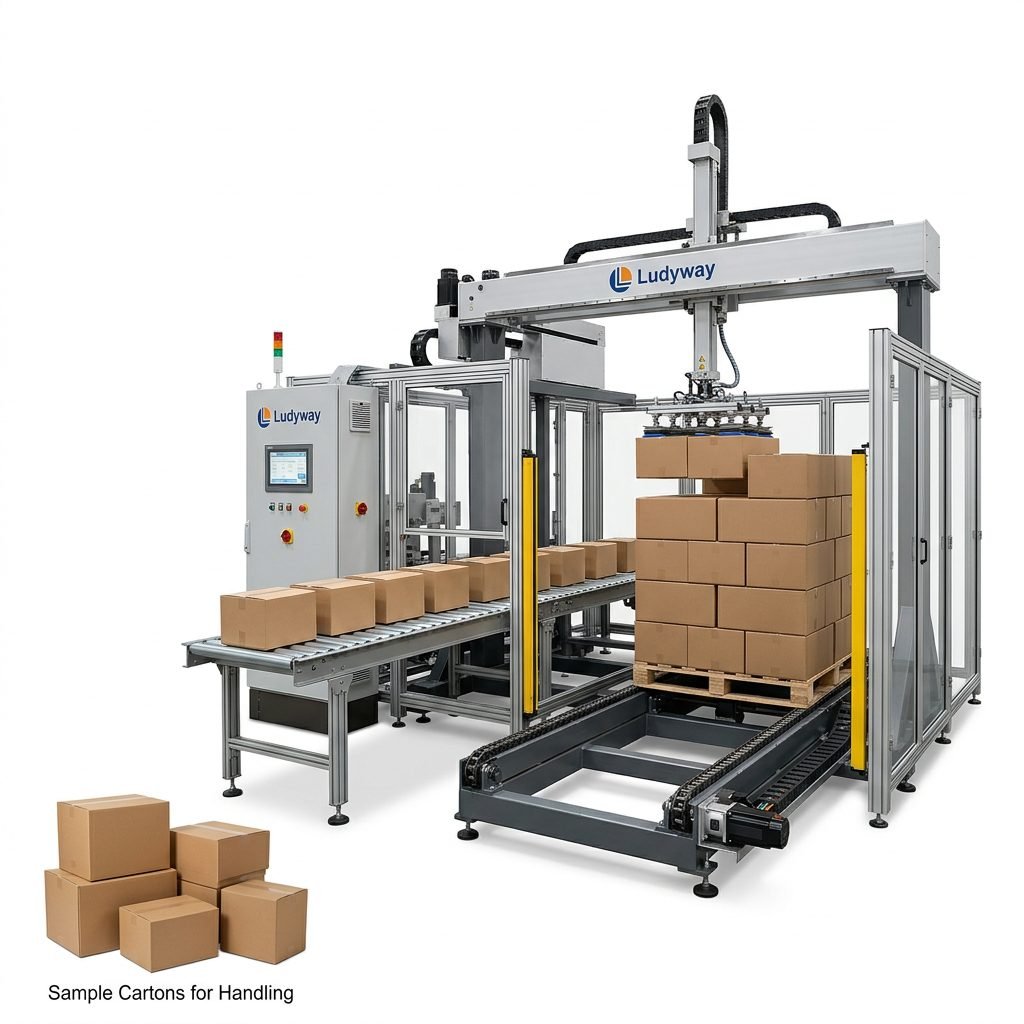
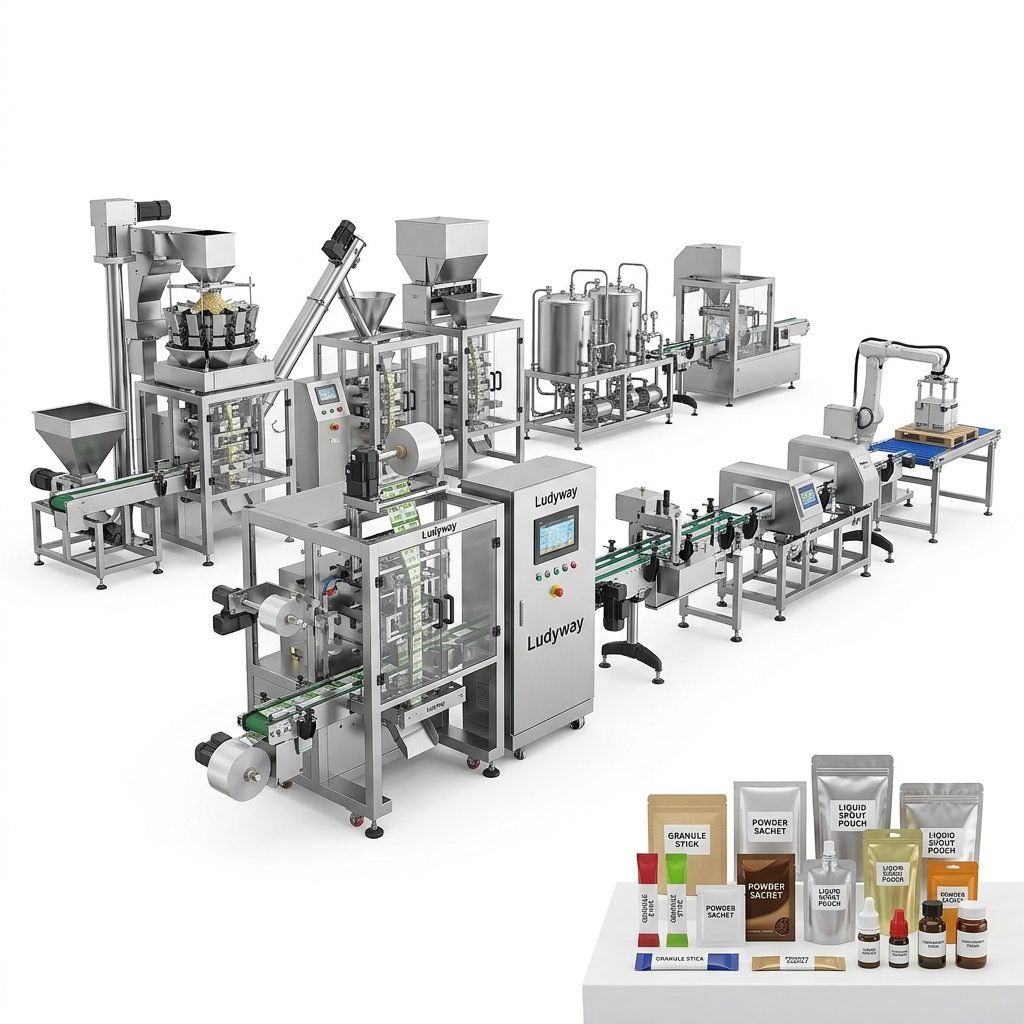
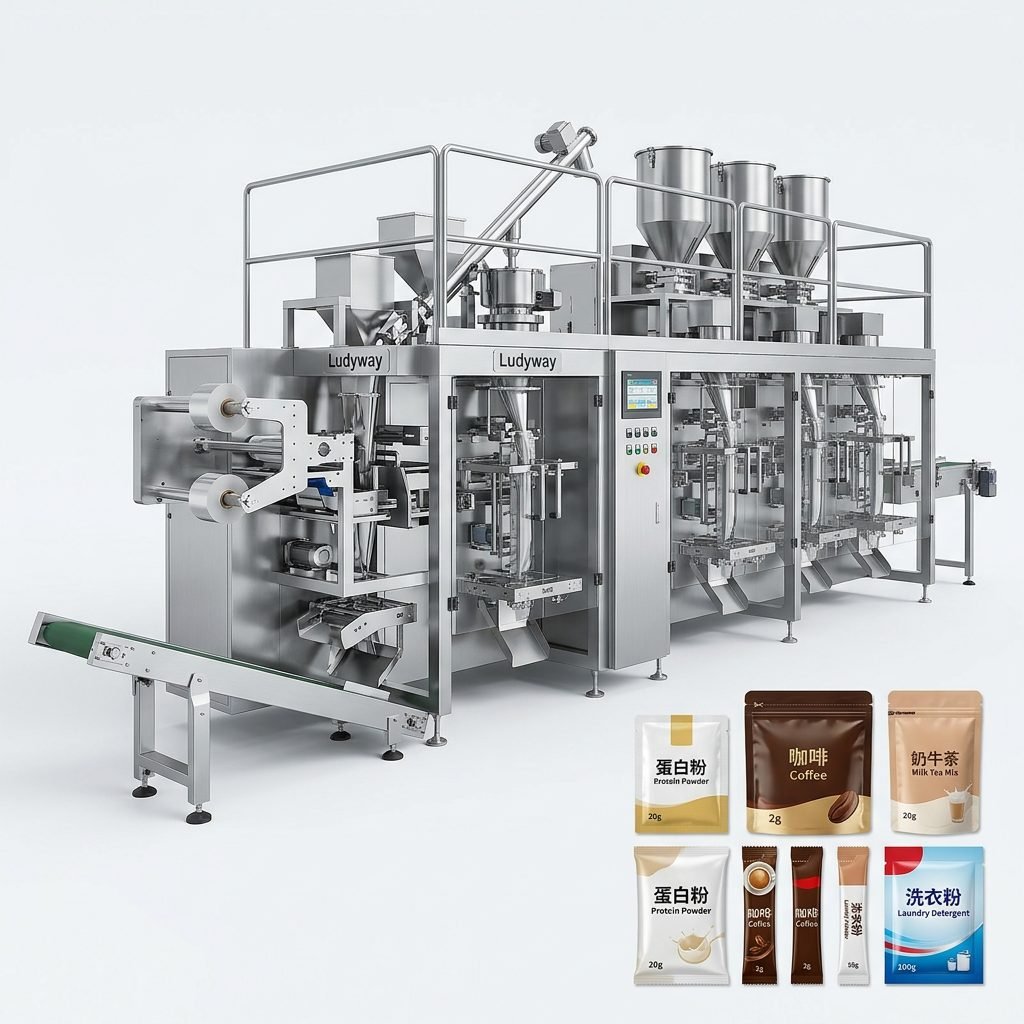
An integrated, factory-wide solution replaces isolated machinery with a unified, automated ecosystem. By connecting every stage of the packaging process, from raw material feeding to end-of-line palletizing, manufacturers can seamlessly scale throughput without sacrificing quality. The core elements of these systems include:
1. Automated Feeding and Dosing Systems
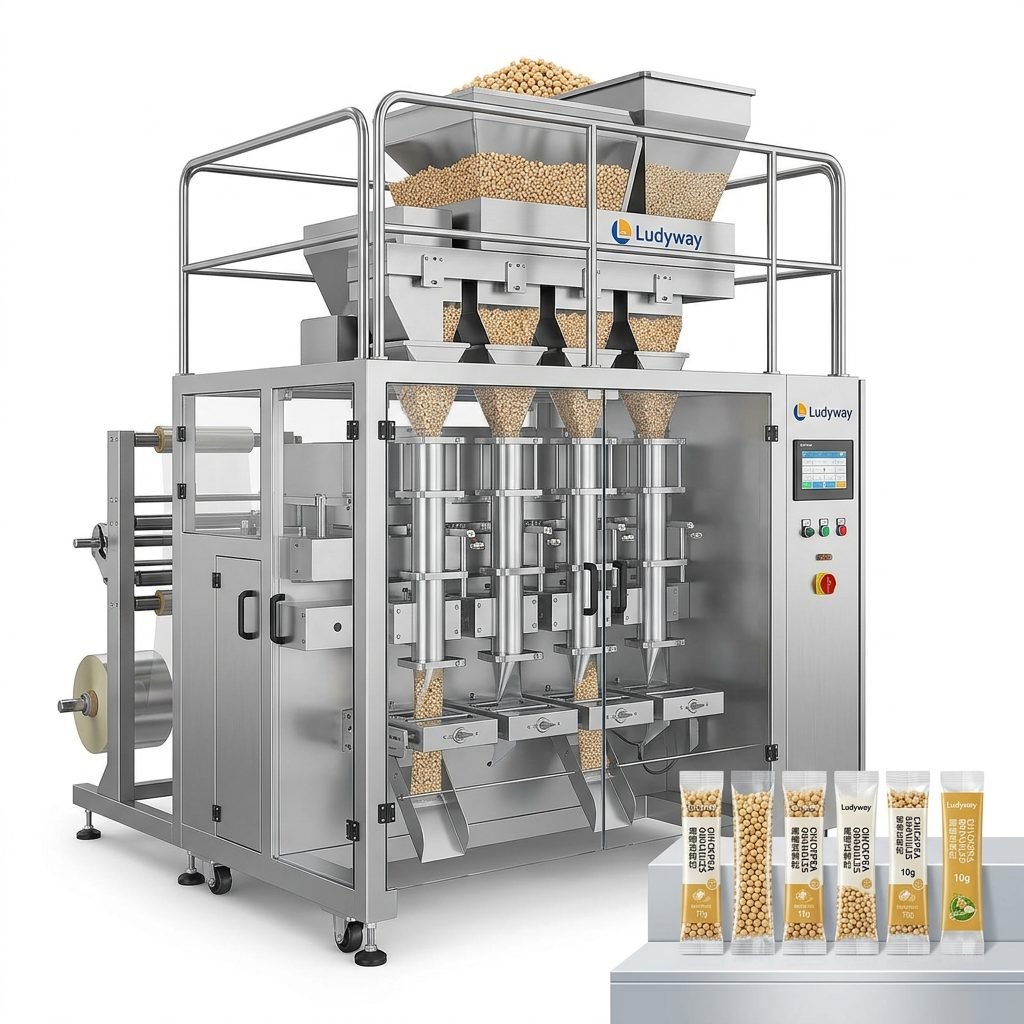
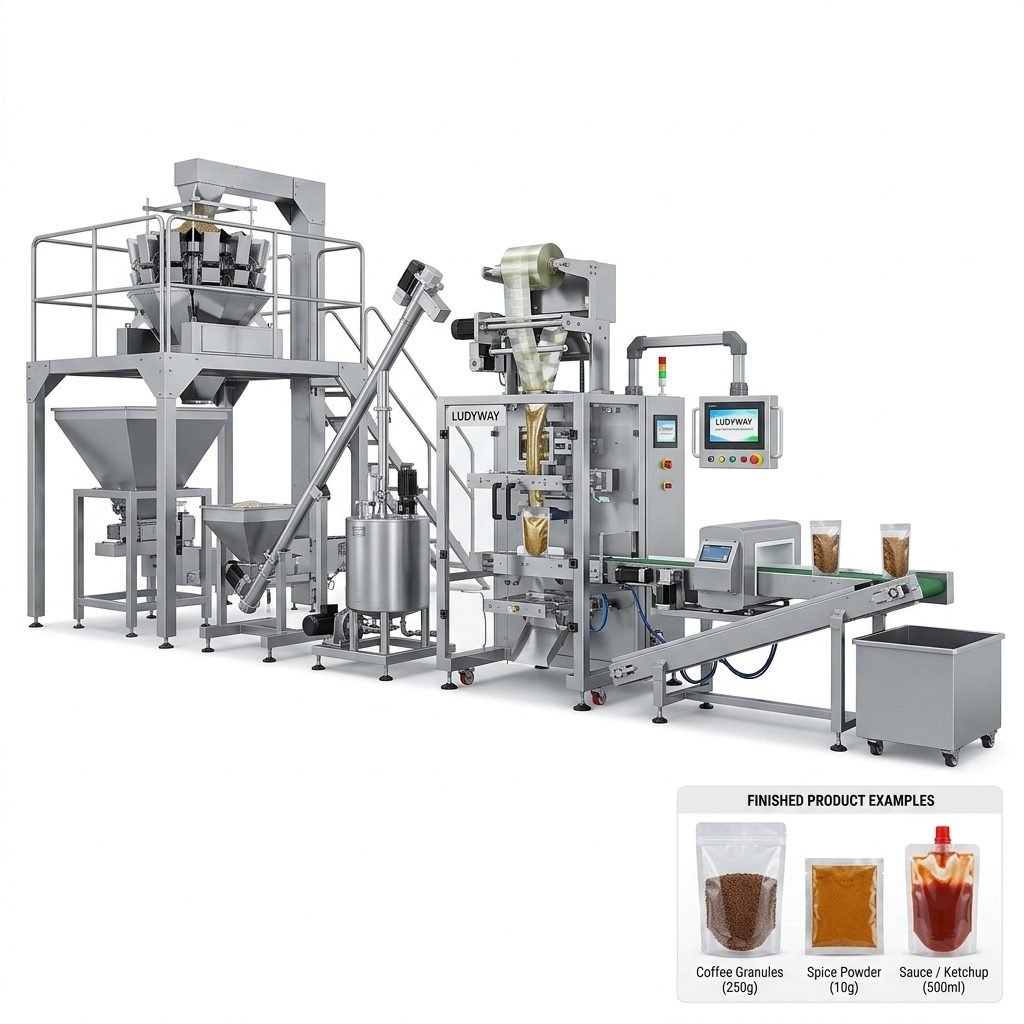
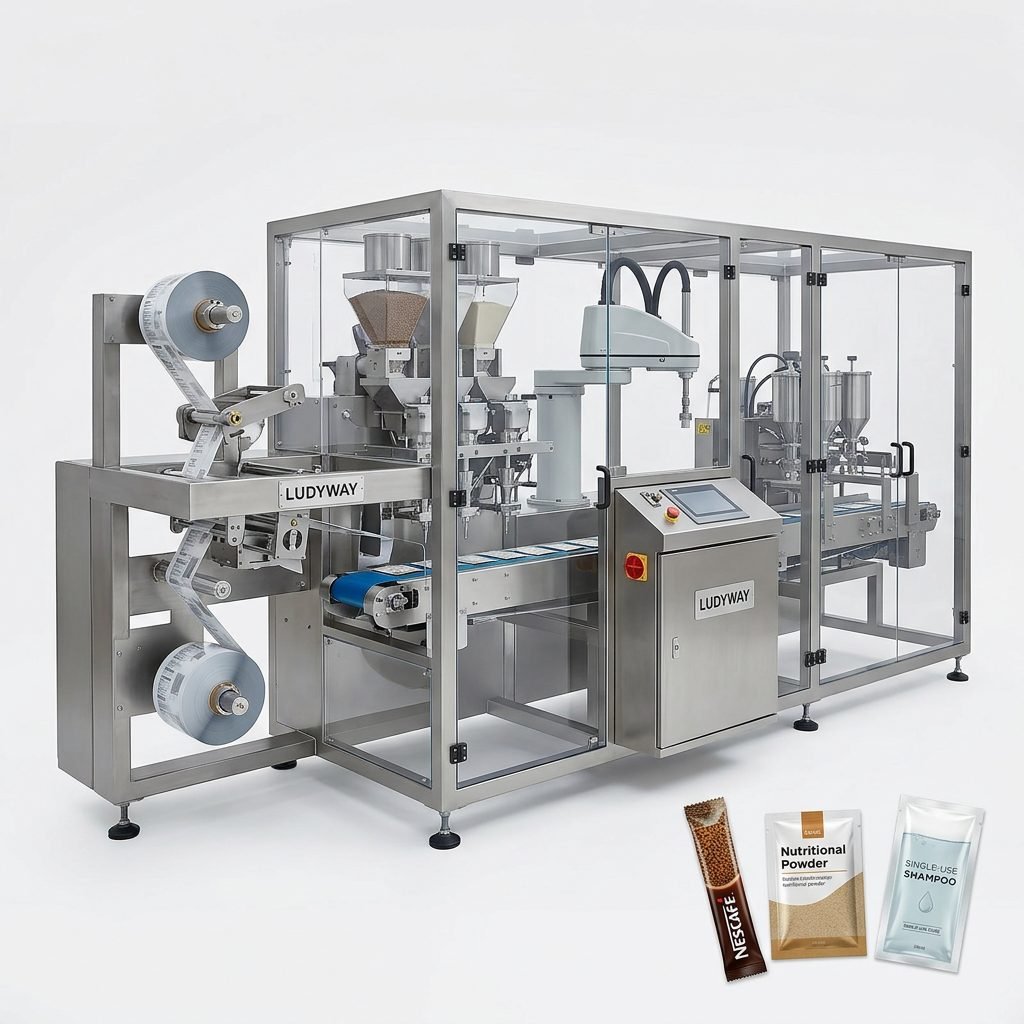
Consistency starts at the beginning of the line. Integrated solutions utilize smart bulk-feeding mechanisms, such as vacuum feeders or bucket elevators, synchronized with multi-head weighers or volumetric fillers. This ensures that granules, powders, or liquids are measured and delivered to the forming stations with minimal deviation, preventing product giveaway and packaging failure.
2. High-Speed Multi-Lane Packaging
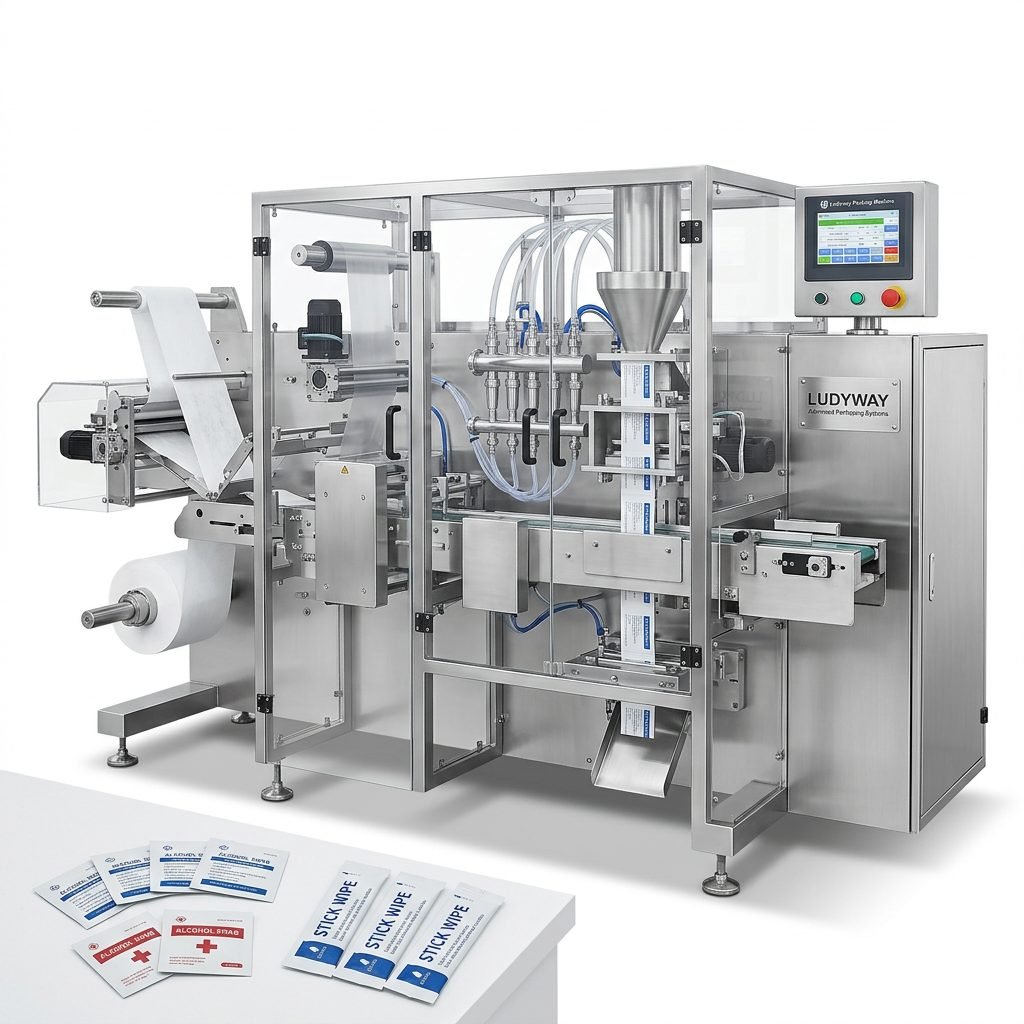
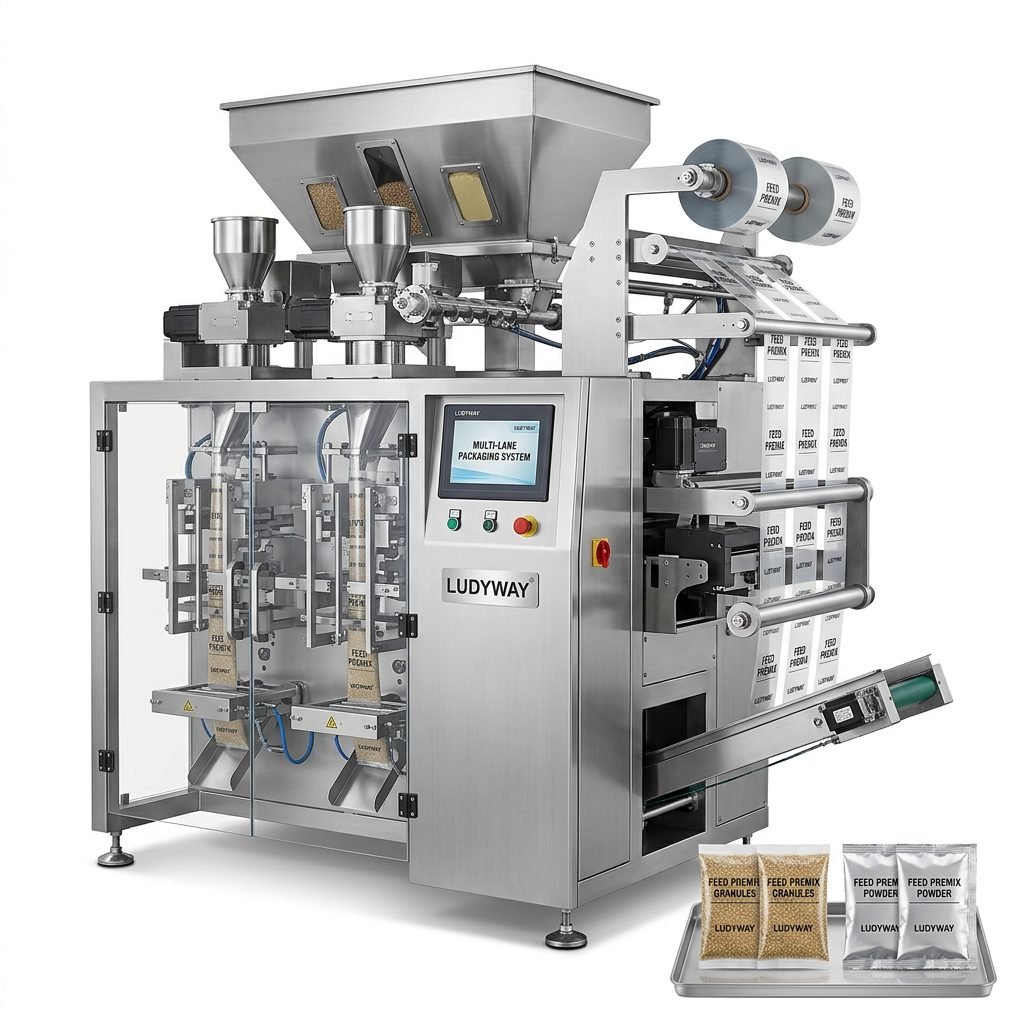
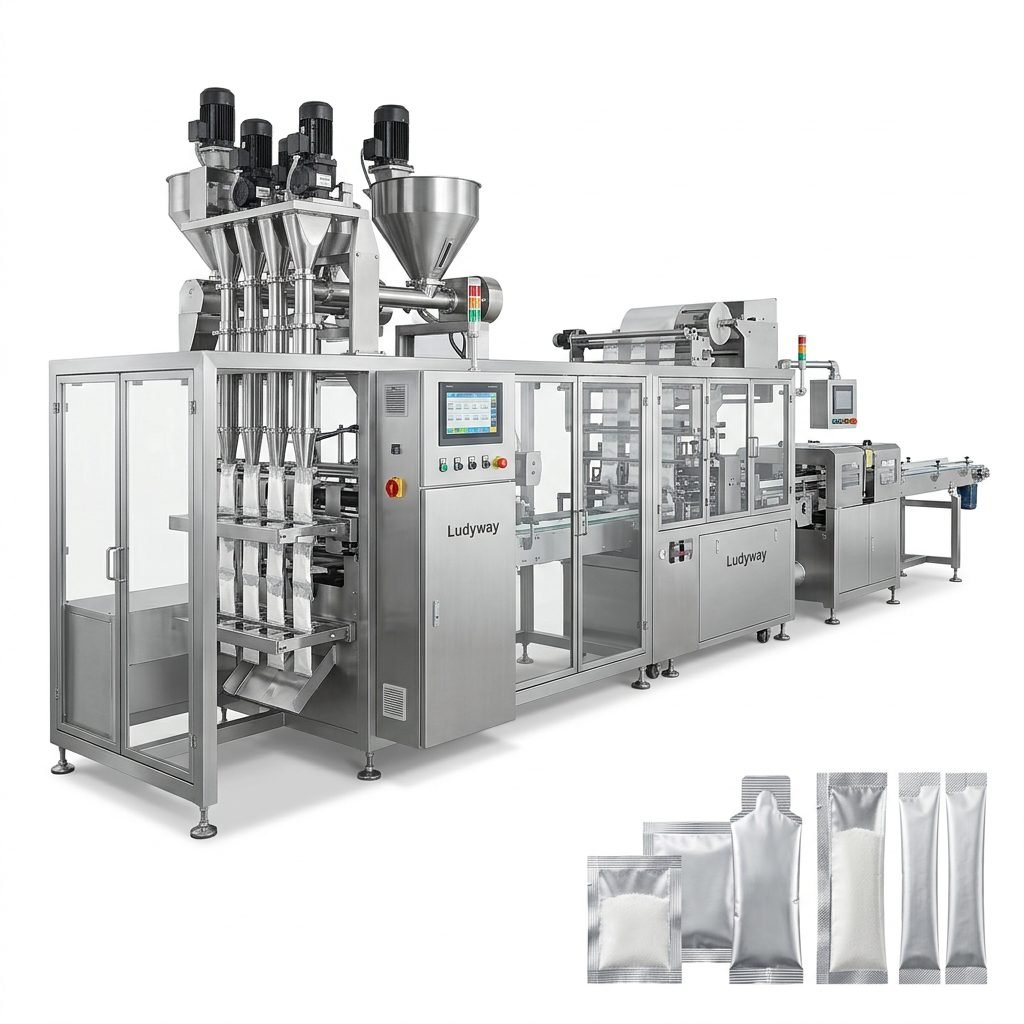
To maximize output per square meter of factory floor space, multi-lane packaging machines are utilized. These systems process multiple packaging columns simultaneously, substantially increasing sachet or stick pack output without requiring a proportionally larger physical footprint. They are ideal for high-volume consumer goods, pharmaceuticals, and food products.
3. Synchronized Cartoning and Case Packing
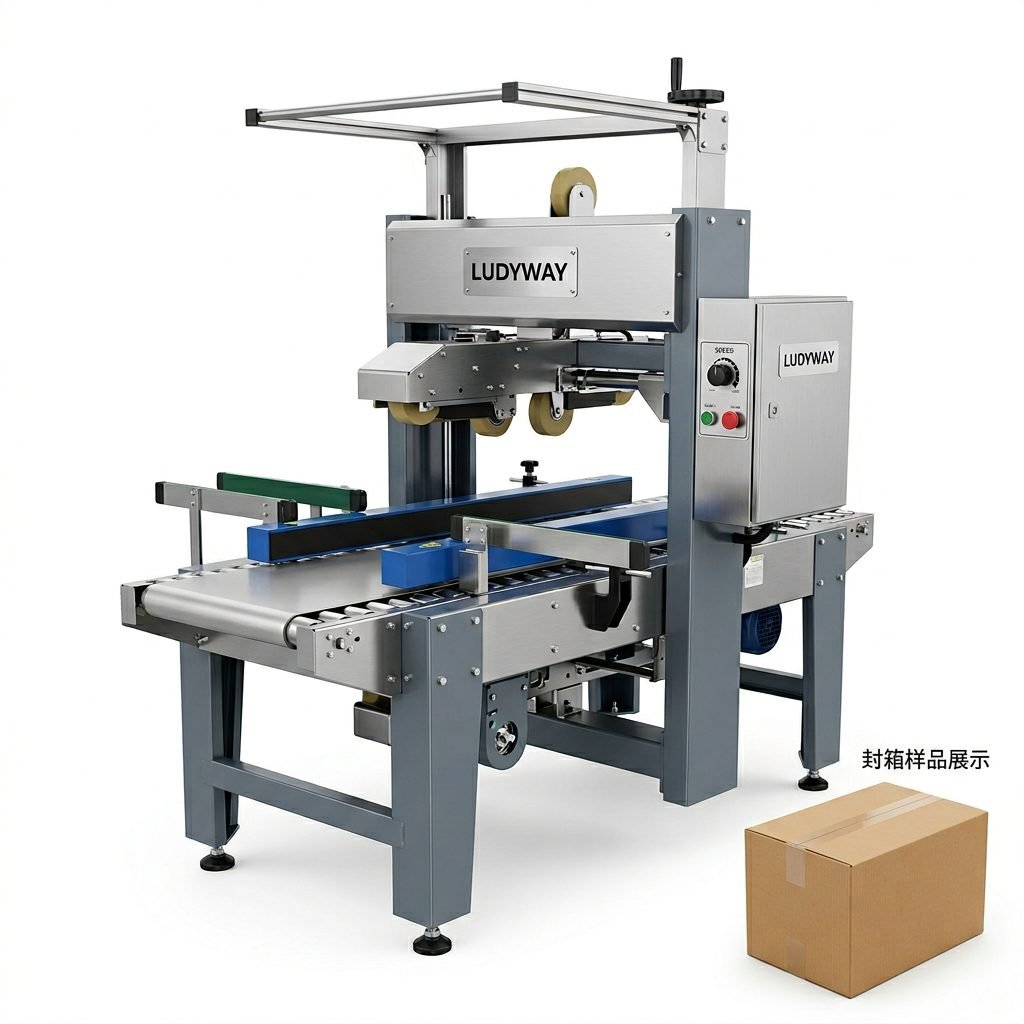
Once individual packages are filled and sealed, they must be organized for transport. Secondary packaging automation, including pouch counting, cartoning, and case packing, directly links with primary packaging machinery. Sensors detect flow rates and adjust secondary packaging speeds dynamically to prevent accumulation jams.
Selecting the Right Engineering Partner
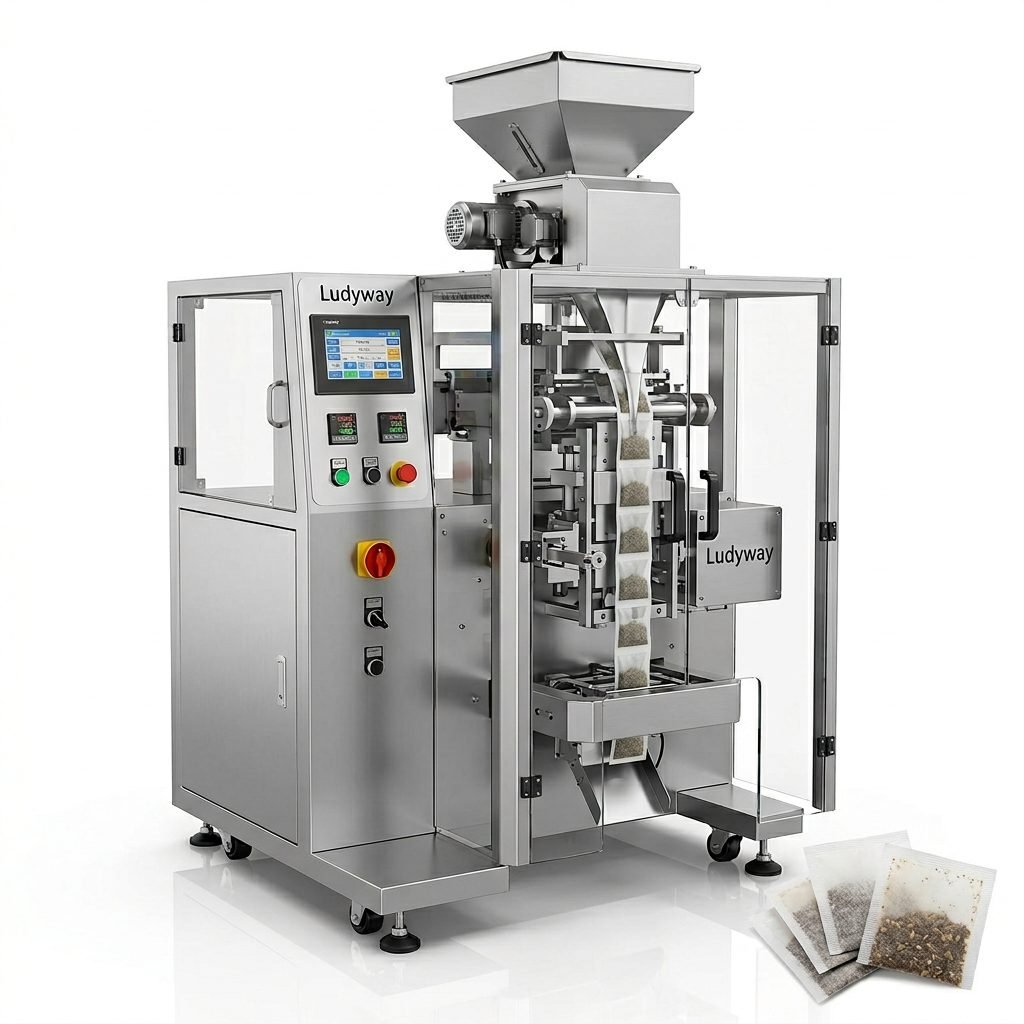
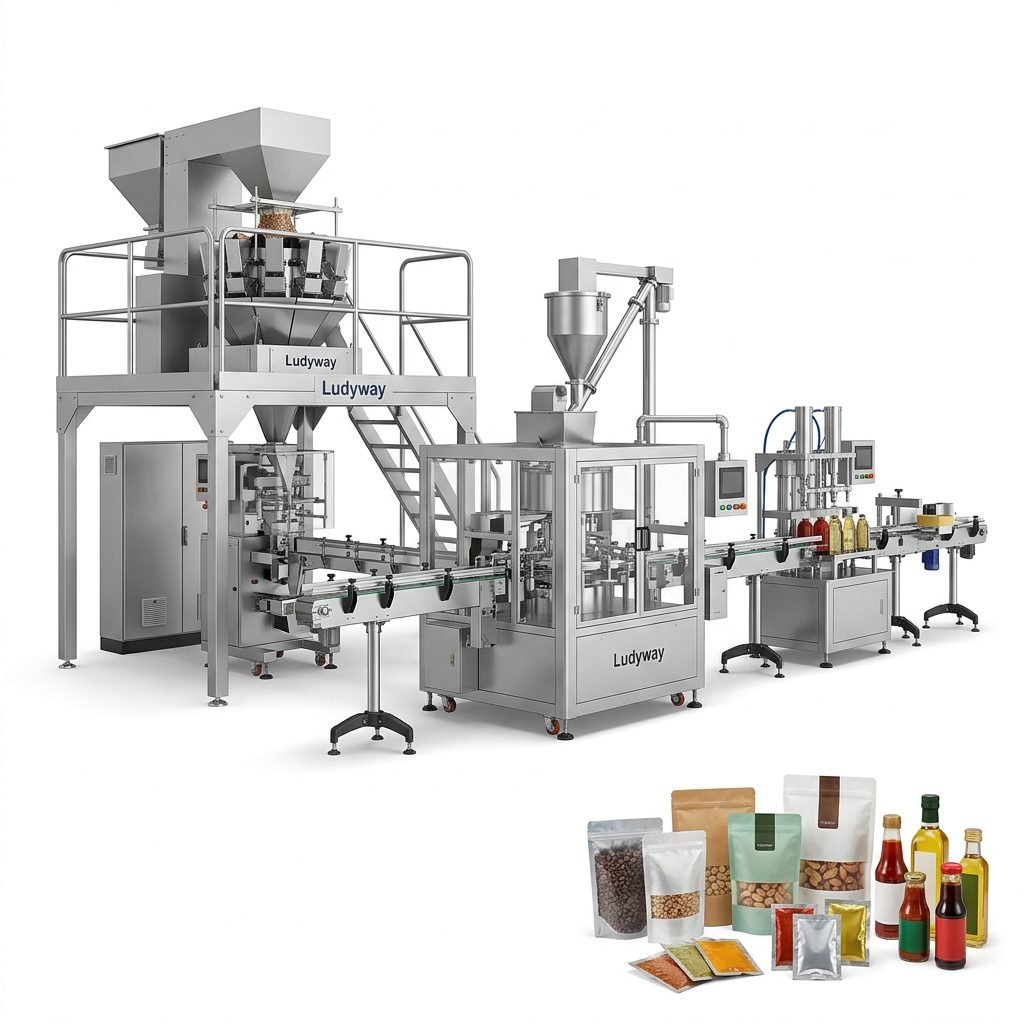
Implementing an integrated packaging upgrade requires deep technical expertise, custom engineering, and reliable machinery. Manufacturers looking to future-proof their operations often partner with established industry specialists. One of China’s leading packaging machine and turnkey packaging line manufacturers, Ludyway, specializes in delivering tailored factory-wide automation solutions. With more than 30 years of industry experience and a modern manufacturing facility spanning over 20,000 square meters, they supply scalable packaging solutions designed to manage demanding production surges across food, pharmaceutical, and chemical industries globally.
Comparing Standalone vs. Integrated Packaging Solutions
To understand the operational and financial impact of upgrading to a factory-wide system, consider the following performance comparison:
| Operational Feature | Standalone Machinery Setup | Integrated Turnkey Packaging Line |
|---|---|---|
| Labor Requirements | High; requires manual product transfer and monitoring. | Minimal; fully automated from raw material feeding to palletizing. |
| Material Efficiency | Moderate to low; subject to manual alignment errors. | Very high; precise sensor alignment reduces film and product waste. |
| Surge Adaptability | Difficult to scale; limited by human operation speeds. | Seamless scaling; system speed automatically adjusts to match demand. |
| Data Integration | None; manual logging of machine errors and output rates. | Smart PLC controls; provides real-time diagnostics and production data. |
Strategic Benefits of Factory-Wide Integration
Transitioning to a fully integrated packaging line offers long-term benefits that extend beyond simply surviving seasonal surges. These strategic advantages include:
- Predictable Operational Costs: By automating repetitive, labor-intensive tasks, manufacturers can better forecast their operational expenses, reducing exposure to volatile labor markets.
- Enhanced Safety and Hygiene: Minimizing human contact with the product is highly critical in food and pharmaceutical packaging. Closed-loop integrated lines protect products from external contamination.
- Enhanced Equipment Effectiveness (OEE): When machines are engineered to communicate with one another, micro-stoppages are minimized, resulting in a higher overall equipment efficiency rate.
- Improved Floor Space Utilization: Turnkey systems are custom-engineered to optimize factory layouts, utilizing vertical transport and compact line designs to maximize square footage.
Conclusion: Future-Proofing for Long-Term Growth
In a global market where demand volatility is the new normal, relying on outdated packaging infrastructures is a risk to business continuity. High-volume packaging launches require more than fast machines; they demand integrated systems that work in absolute harmony. Investing in factory-wide, automated packaging solutions ensures that when the next production surge arrives, your facility is fully prepared to scale output smoothly, maintain consistent quality, and maximize profitability.