2026 is shaping up to be a pivotal year for the global packaging industry. Across food, pharmaceutical, personal care, chemical, and agricultural sectors, manufacturers are accelerating investments in energy-saving systems, low-emission production methods, and smarter automation. What was once considered a sustainability upgrade is now becoming a core operational requirement.
Driven by tighter environmental regulations, rising energy costs, carbon reporting pressure, and growing customer expectations, packaging companies are redesigning both equipment and workflows. The focus is no longer limited to output speed alone. Today, plant managers are evaluating how much electricity a machine consumes, how efficiently compressed air is used, how much material waste is generated, and how easily a line can be integrated into broader sustainability targets.
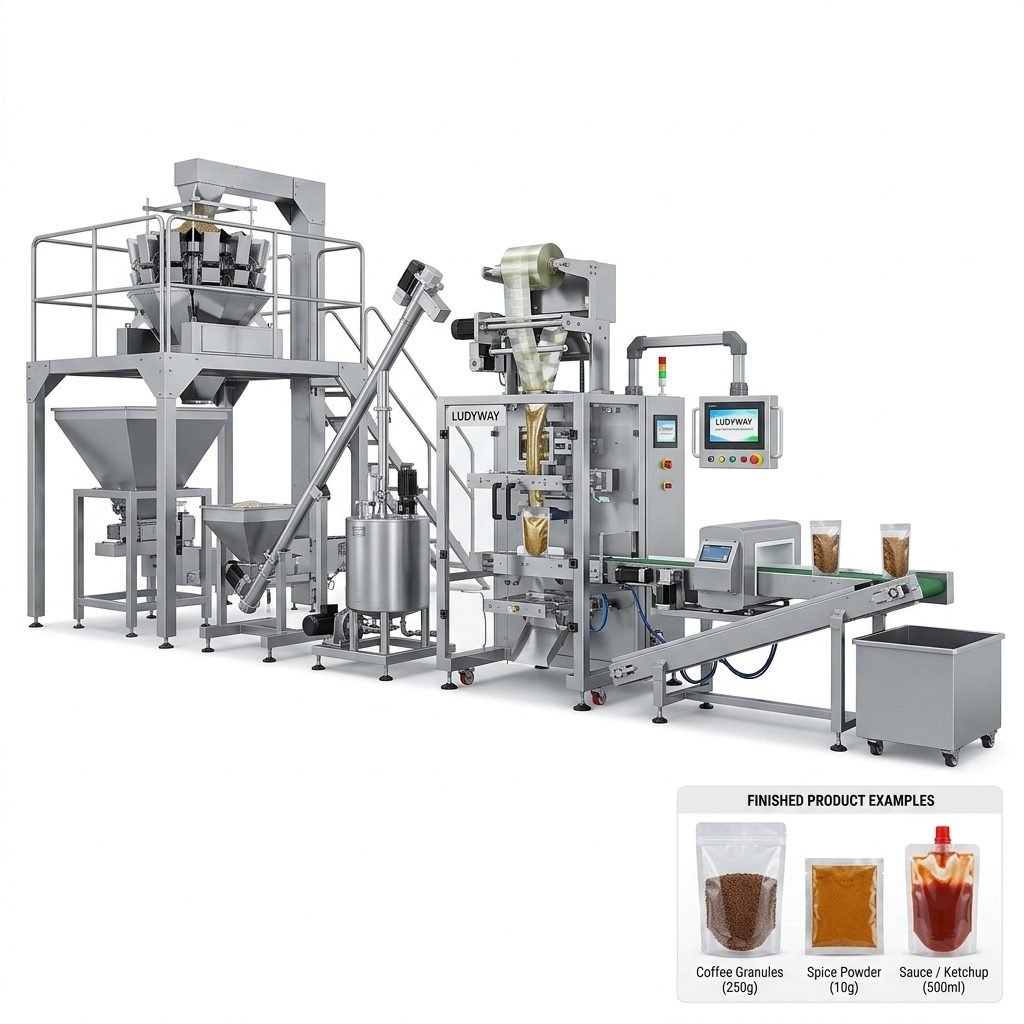
Why energy efficiency has become the industry’s top innovation theme
The packaging sector has long depended on high-throughput machinery, but in 2026, efficiency per unit produced is emerging as a more meaningful benchmark than maximum speed alone. Manufacturers are seeking measurable reductions in kilowatt-hour consumption, heat loss, idle running time, reject rates, and packaging material overuse.
Several market forces are driving this shift:
- Higher utility costs in industrial regions are putting direct pressure on packaging margins.
- Emission reduction targets are requiring factories to report and improve environmental performance.
- Retail and brand owner expectations increasingly favor low-carbon supply chains.
- Equipment modernization programs are encouraging replacement of outdated, energy-intensive machines.
As a result, innovation is moving beyond isolated machine design and into complete line-level optimization. Packaging lines in 2026 are being built with better motion control, lower standby losses, more precise filling systems, and improved digital visibility.
Key innovation areas reshaping packaging equipment in 2026
1. Smarter servo-driven systems
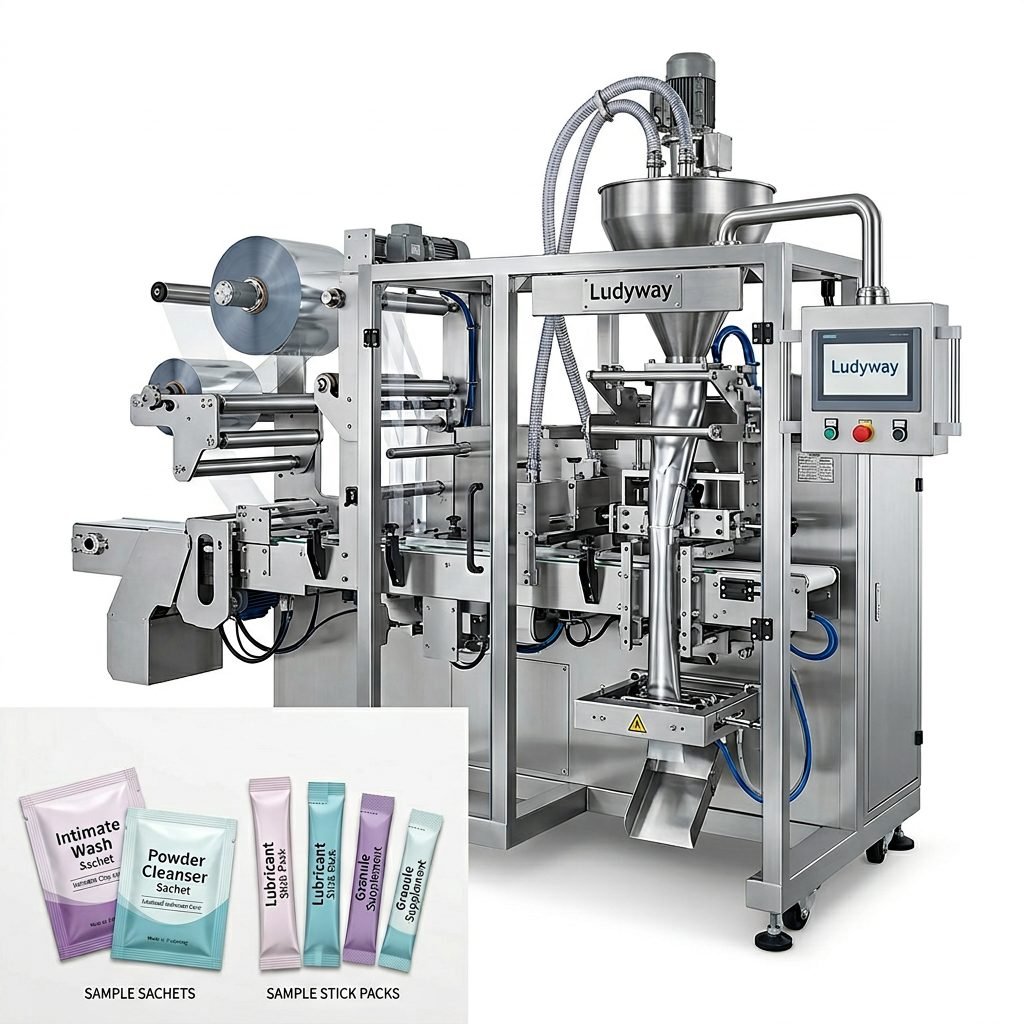
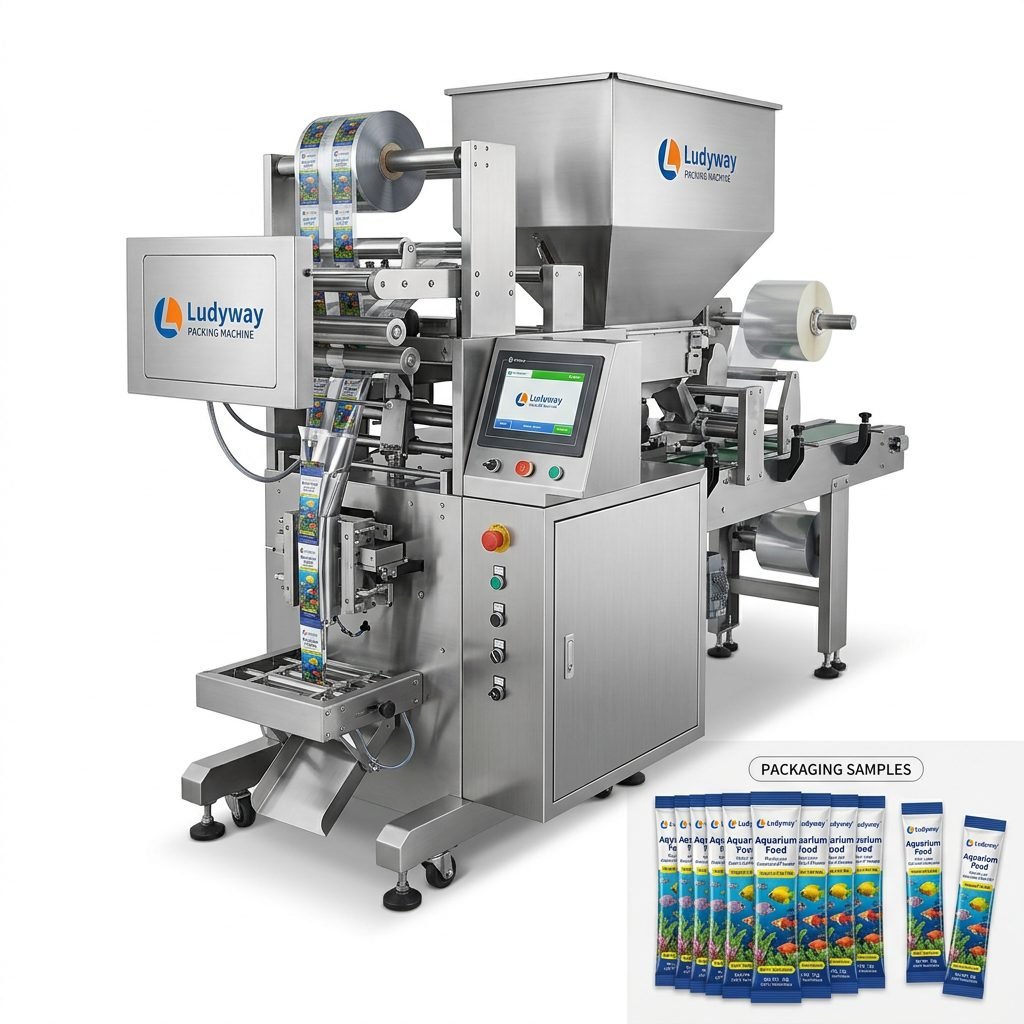
Servo technology is replacing less efficient drive mechanisms in many packaging applications. Modern servo-driven systems allow more accurate motion control, reduced vibration, and lower power usage during variable-speed production. This is especially valuable in sachet, stick pack, pouch, and multi-lane applications where consistency and energy control must work together.
2. Reduced material waste through precision filling
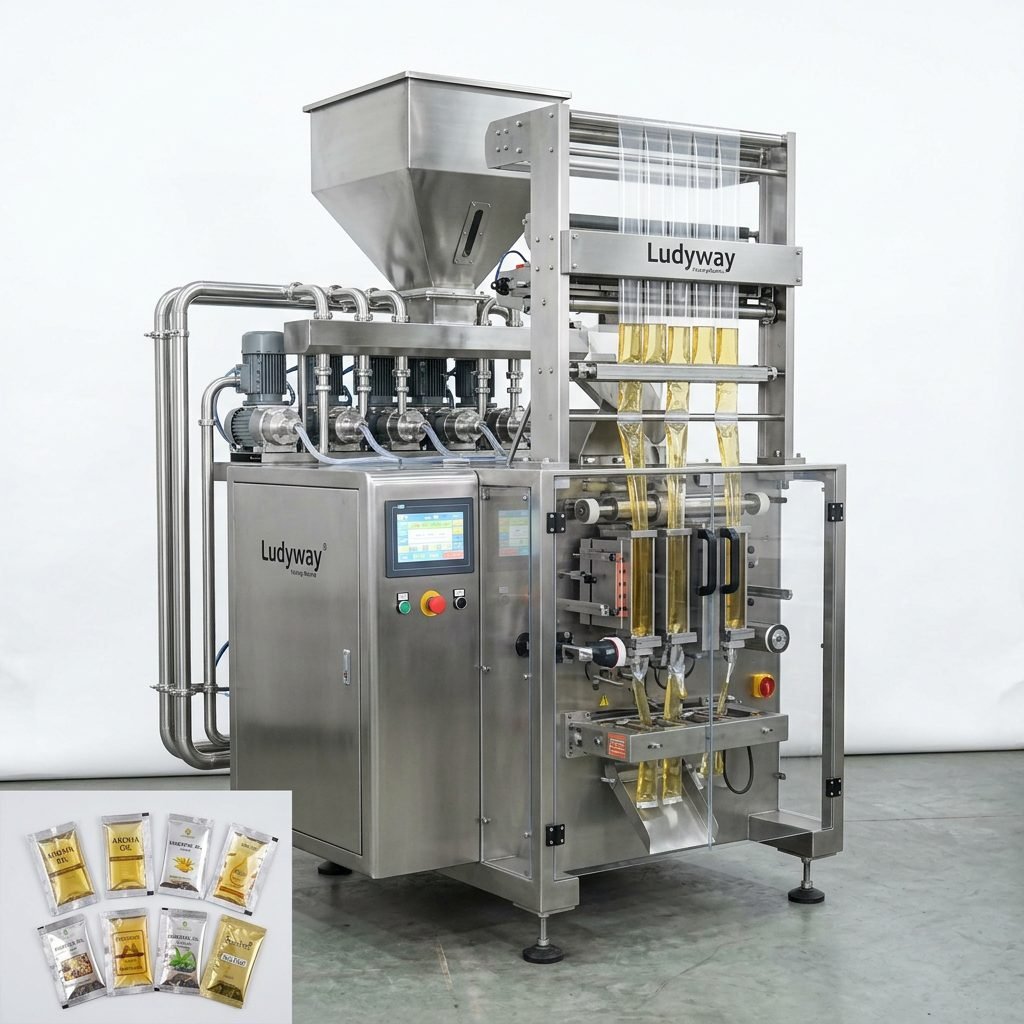
Overfilling remains a hidden source of both cost inflation and environmental waste. New dosing and metering technologies are helping producers minimize giveaway while maintaining pack integrity. In food, pharmaceutical, and nutraceutical applications, even small improvements in dosing precision can create meaningful savings across millions of units.
3. Heat management and sealing optimization
Sealing systems are being redesigned to use energy more efficiently without sacrificing pack quality. Better temperature control, faster warm-up cycles, and stable sealing pressure reduce unnecessary energy draw. This is particularly important for manufacturers running flexible packaging formats at high frequency.
4. Intelligent monitoring and predictive maintenance
Digital monitoring tools are helping plants identify where energy is lost. Sensors can now detect unusual consumption patterns, air leakage, motor inefficiencies, or wear-related instability before they become larger production issues. This supports both lower emissions and better uptime.
5. Modular turnkey line integration
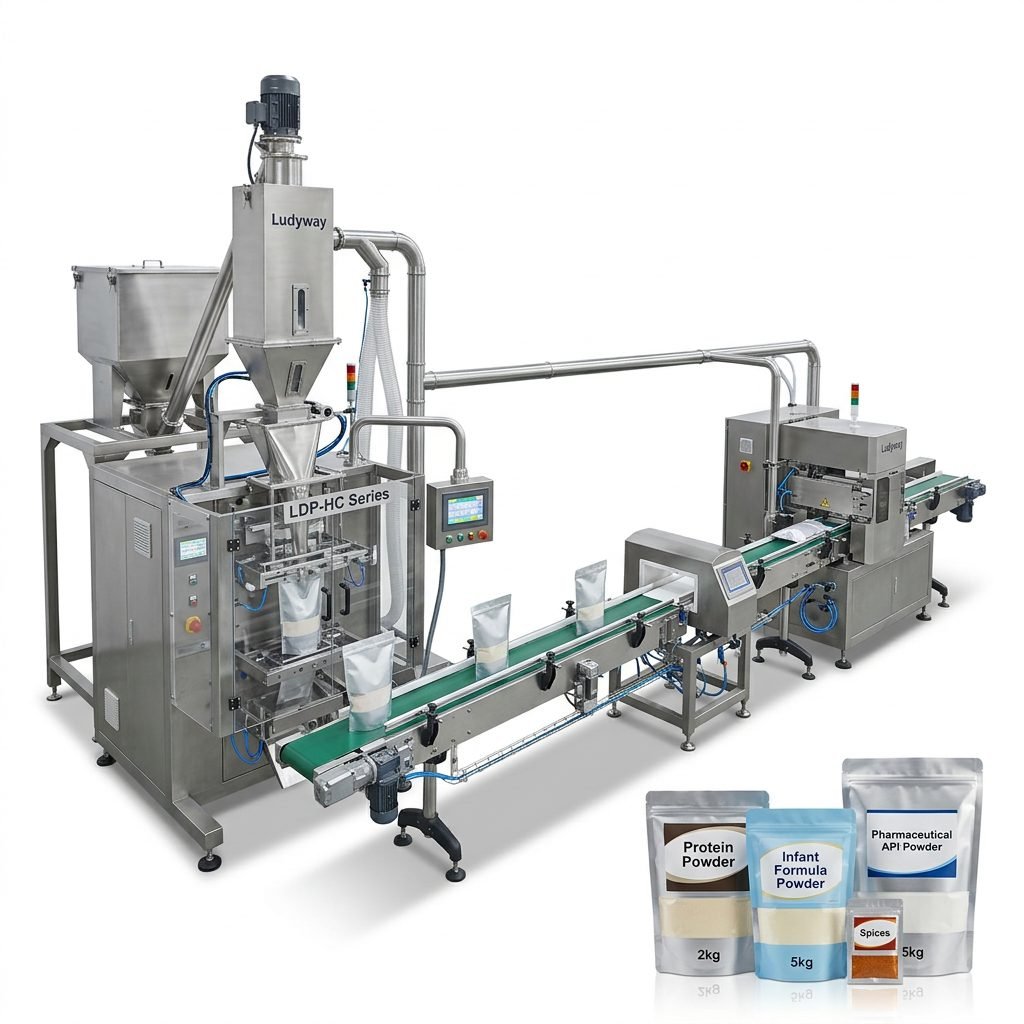
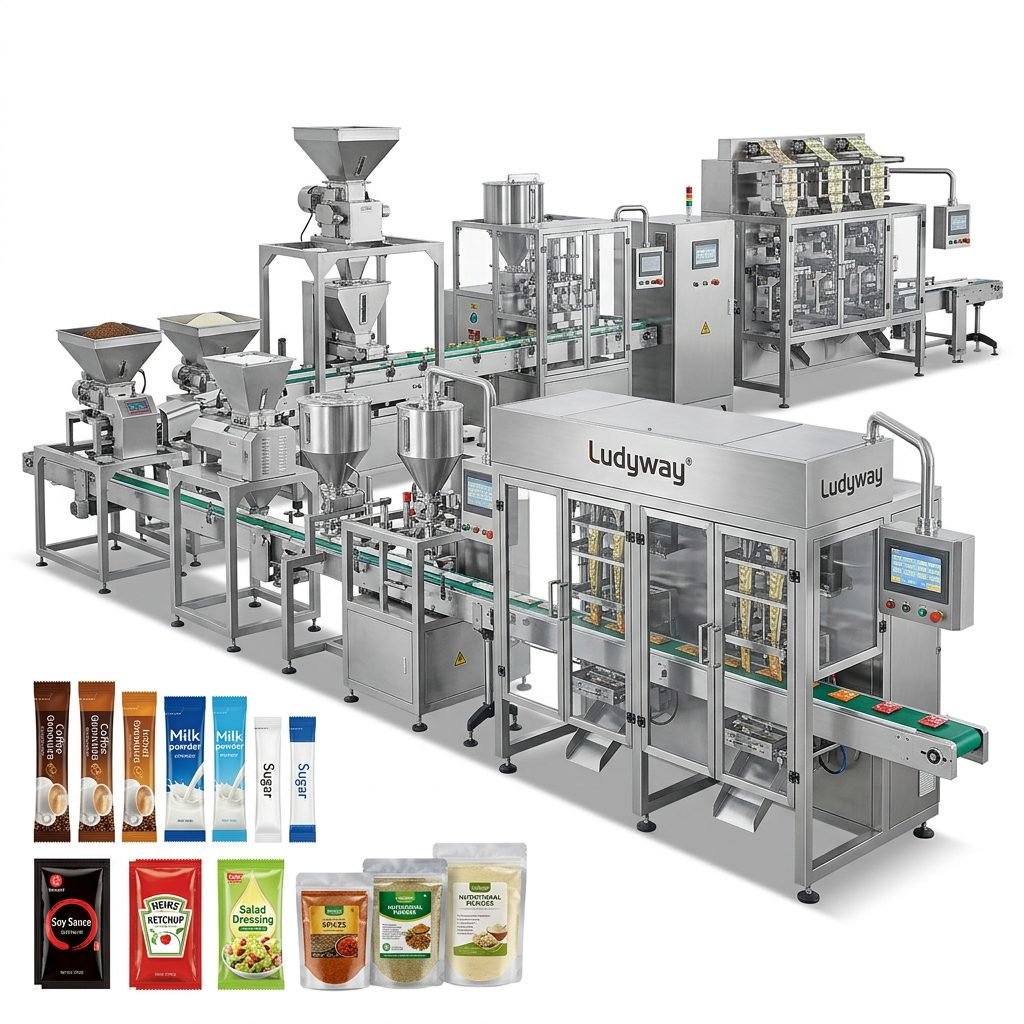
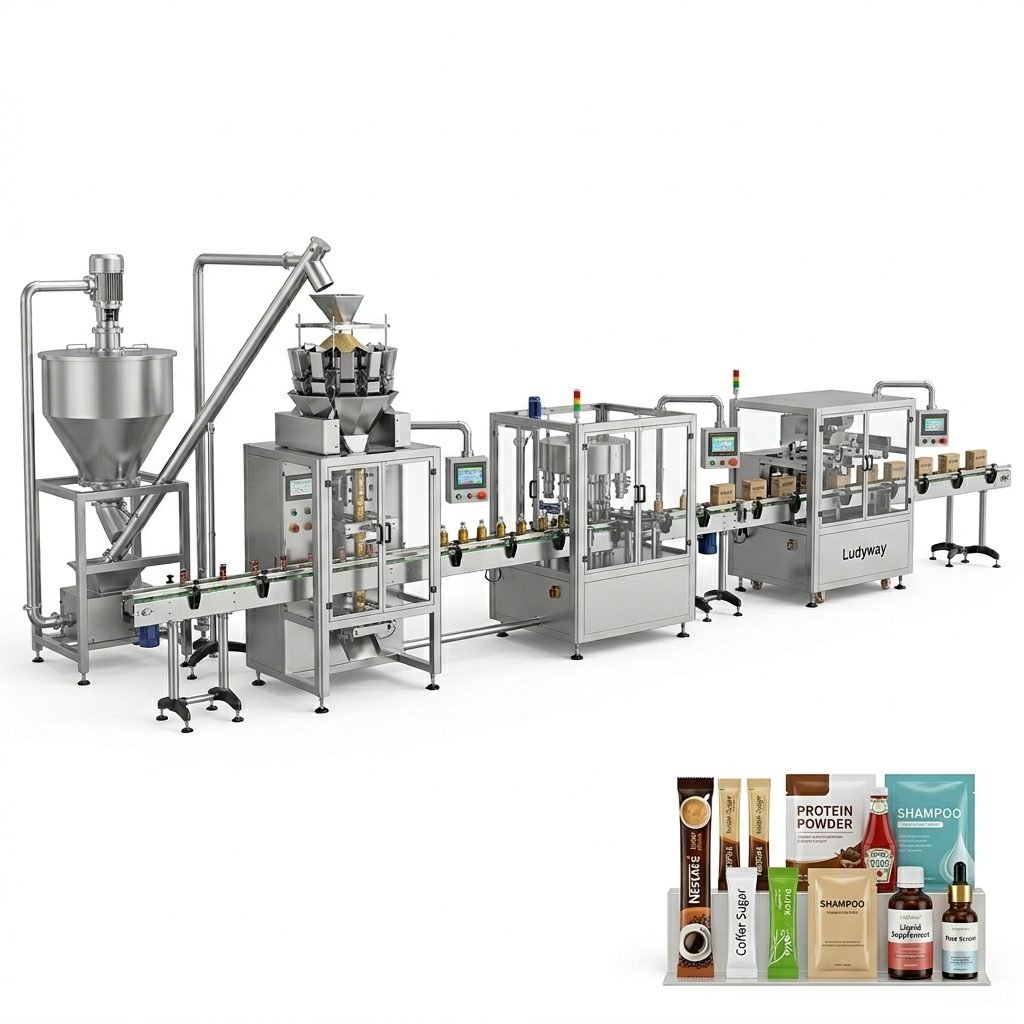
Instead of upgrading only one machine, more companies are adopting complete packaging line strategies. A fully integrated line can coordinate feeding, filling, sealing, inspection, coding, cartoning, and palletizing with far less operational waste. This systems-level approach is proving more effective than fragmented retrofits.
How emission reduction is influencing packaging line decisions
Emission reduction in packaging is no longer discussed only in terms of recyclable materials. In 2026, the conversation includes the carbon footprint of machinery operation itself. Buyers increasingly want equipment that supports lower total energy demand, cleaner production, and less off-spec output.
Factories are now asking practical questions before placing equipment orders:
- How much power does the machine consume during full-load and idle operation?
- Can the line reduce product loss and packaging scrap?
- Is the system compatible with digital energy tracking?
- Can automation reduce manual intervention and rework?
- Will the equipment support future sustainability audits and reporting?
This shift is changing supplier evaluation standards. Technical reliability still matters, but energy and emission performance are becoming part of the purchasing equation.
2026 packaging innovation priorities by application
| Industry Segment | Main Efficiency Priority | Emission Reduction Opportunity |
|---|---|---|
| Food Packaging | Lower sealing energy and faster changeovers | Reduced waste, lower electricity use, less product giveaway |
| Pharmaceutical Packaging | Precision dosing and stable automation | Fewer rejects, improved compliance, efficient clean production |
| Cosmetic Packaging | Flexible multi-format operation | Reduced line downtime and packaging material waste |
| Chemical Packaging | Safe high-accuracy filling with process control | Improved containment, lower leakage, more efficient use of resources |
| Animal Feed & Agriculture | Bulk handling efficiency and stable weighing | Lower bag loss, optimized transport efficiency, reduced dust emissions |
The growing role of automation in sustainable packaging
Automation is becoming one of the industry’s most effective tools for sustainability. A well-designed automated line helps maintain stable production parameters, reduce stoppages, improve fill consistency, and minimize defective packaging. These improvements directly contribute to lower energy consumption per finished unit.
For manufacturers operating in high-volume categories such as drink powders, supplements, sauces, medical sachets, personal care samples, and pet nutrition products, automation also supports:
- More predictable production planning
- Lower labor intensity in repetitive tasks
- Reduced rework and manual correction
- Better traceability for quality and environmental audits
- Scalable expansion without major process inefficiency
These benefits are pushing more buyers toward integrated solutions rather than standalone equipment purchases.
How equipment manufacturers are responding
Packaging machinery suppliers in 2026 are responding with more application-specific, energy-conscious designs. The strongest manufacturers are combining automation engineering with practical understanding of real production environments. This includes machine architectures that are easier to maintain, more adaptable to different packaging formats, and better suited for long-term efficiency gains.
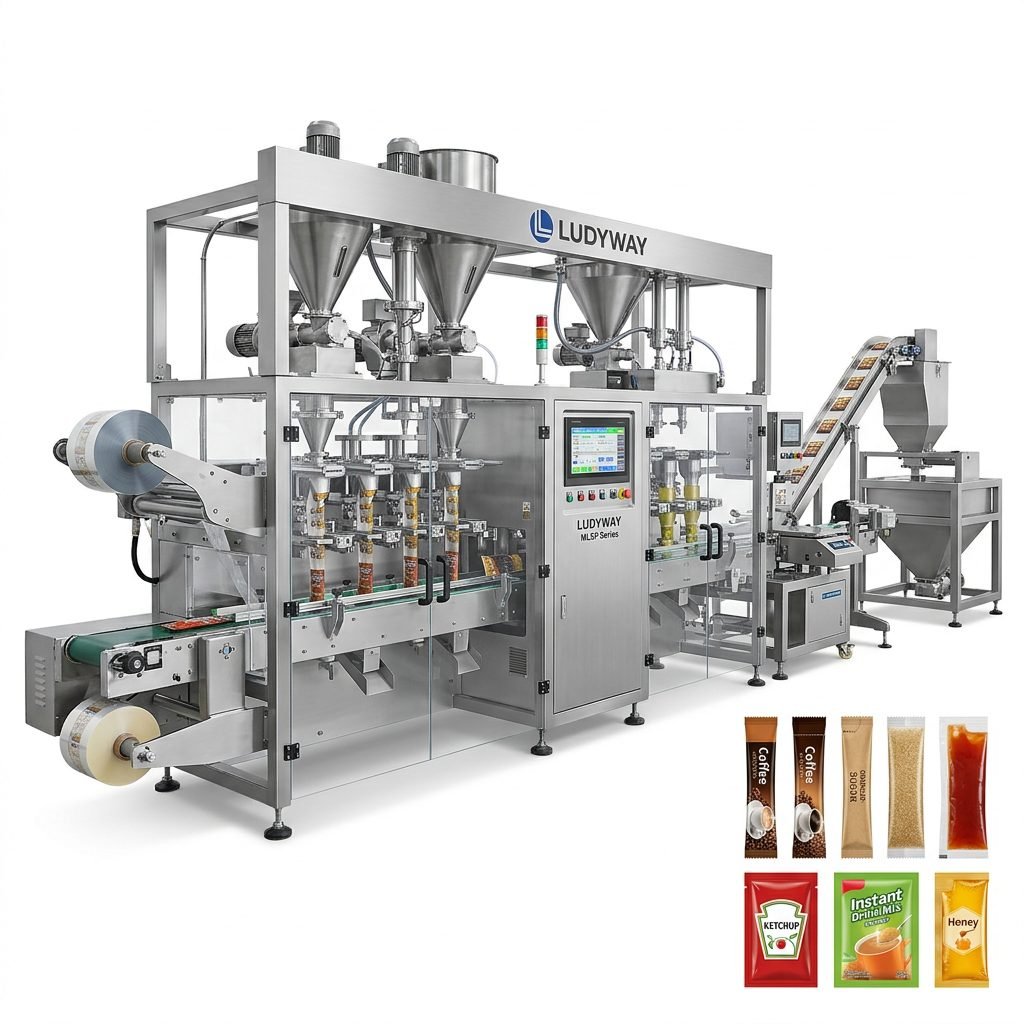
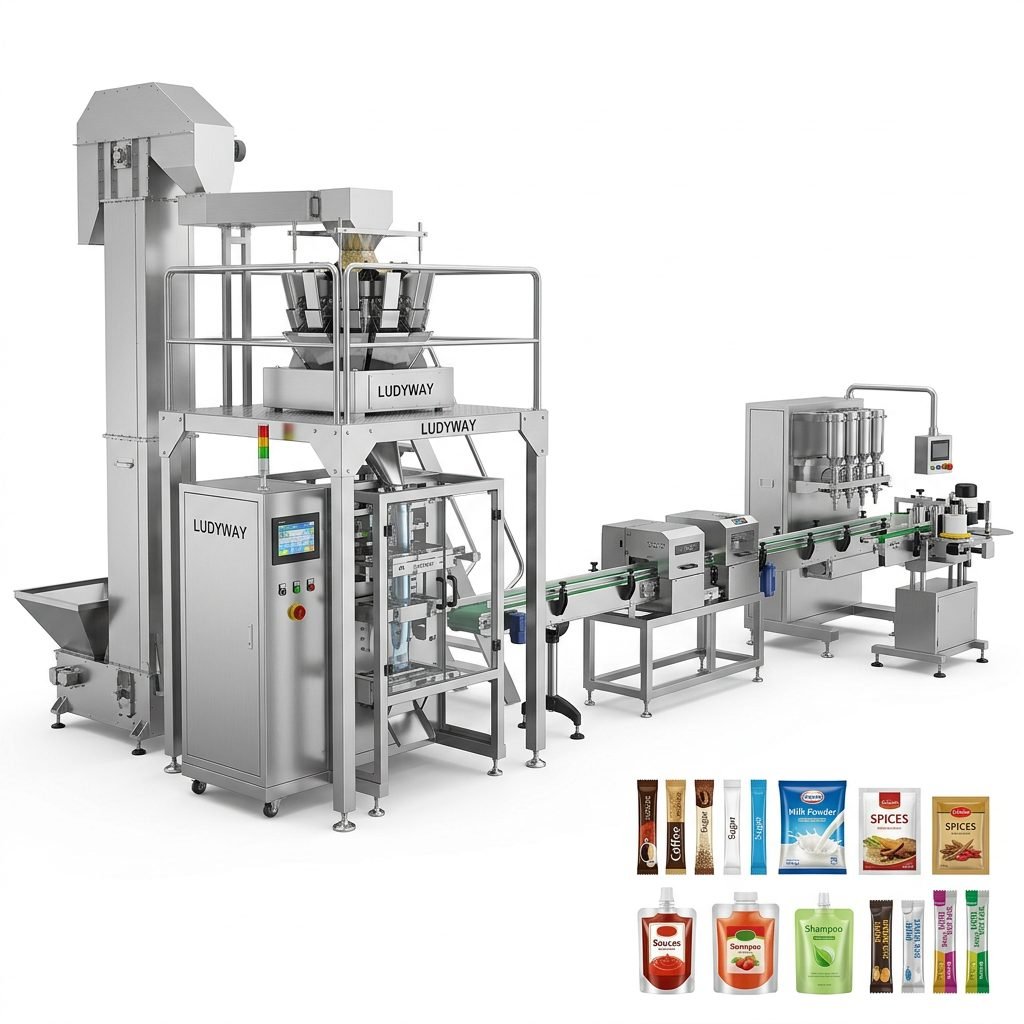
Among the companies expanding their presence in this area is Ludyway, one of China’s leading packaging machine and turnkey packaging line manufacturers. With more than 30 years of industry experience, a modern production facility exceeding 20,000 square meters, and export coverage across more than 100 countries and regions, the company reflects the broader market shift toward scalable automation, packaging precision, and complete line integration for food, pharmaceutical, health supplement, and related industries.
What buyers should look for in 2026
As packaging investment decisions become more strategic, buyers should evaluate machinery beyond basic speed and output claims. A future-ready packaging solution should align with both production goals and environmental targets.
Recommended evaluation checklist
- Energy performance visibility across key operating stages
- Accurate filling and sealing stability to reduce waste
- Compatibility with turnkey integration for line-wide optimization
- Low-maintenance design to reduce downtime and hidden losses
- Adaptability to different products and pack formats
- Long-term technical support for sustained operating efficiency
Outlook for the global packaging industry
The direction of travel is clear: energy efficiency and emission reduction are no longer optional innovation themes. They are becoming central to packaging competitiveness in 2026. Companies that modernize early will be better positioned to manage costs, meet regulatory expectations, and support customer sustainability commitments.
As packaging lines become smarter, cleaner, and more integrated, the industry is entering a phase where operational efficiency and environmental performance are closely linked. The next generation of packaging innovation will be defined not only by how fast machines run, but by how intelligently they use energy, materials, and production resources.