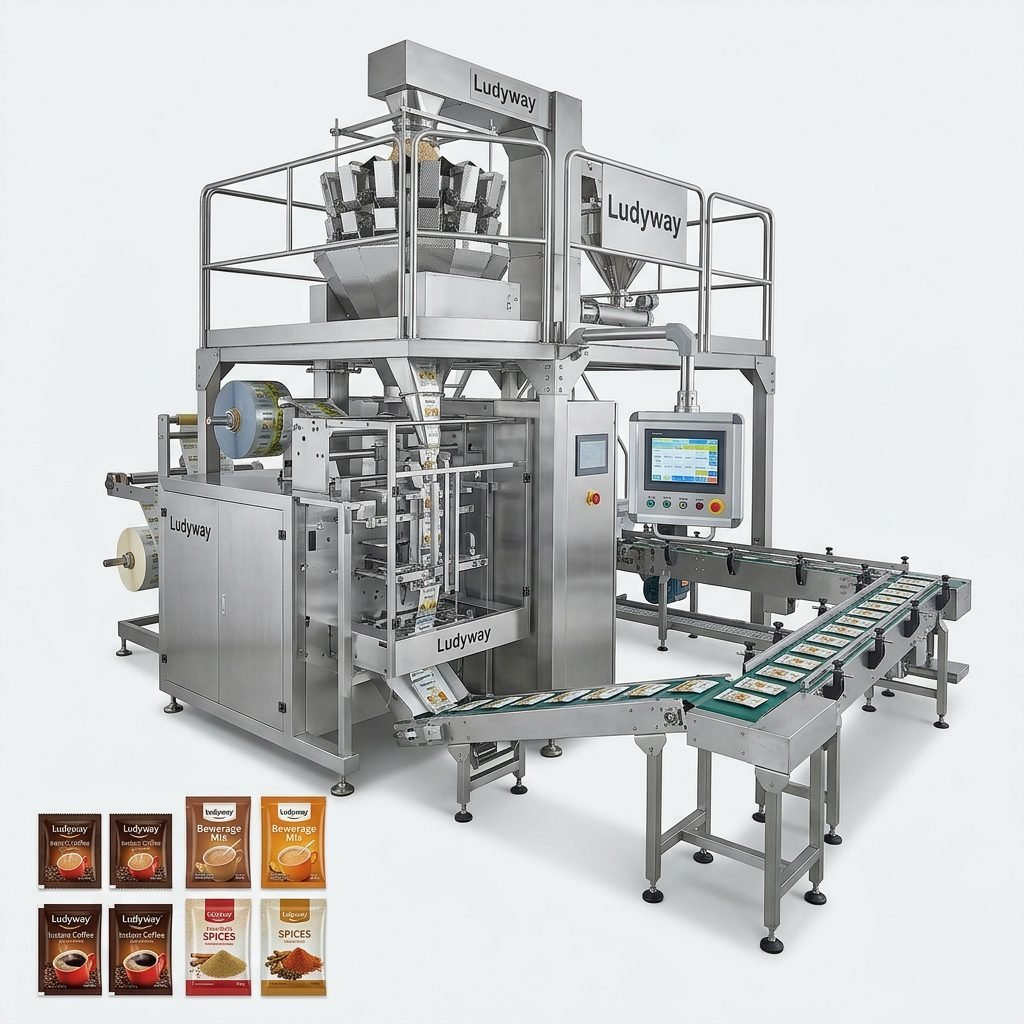
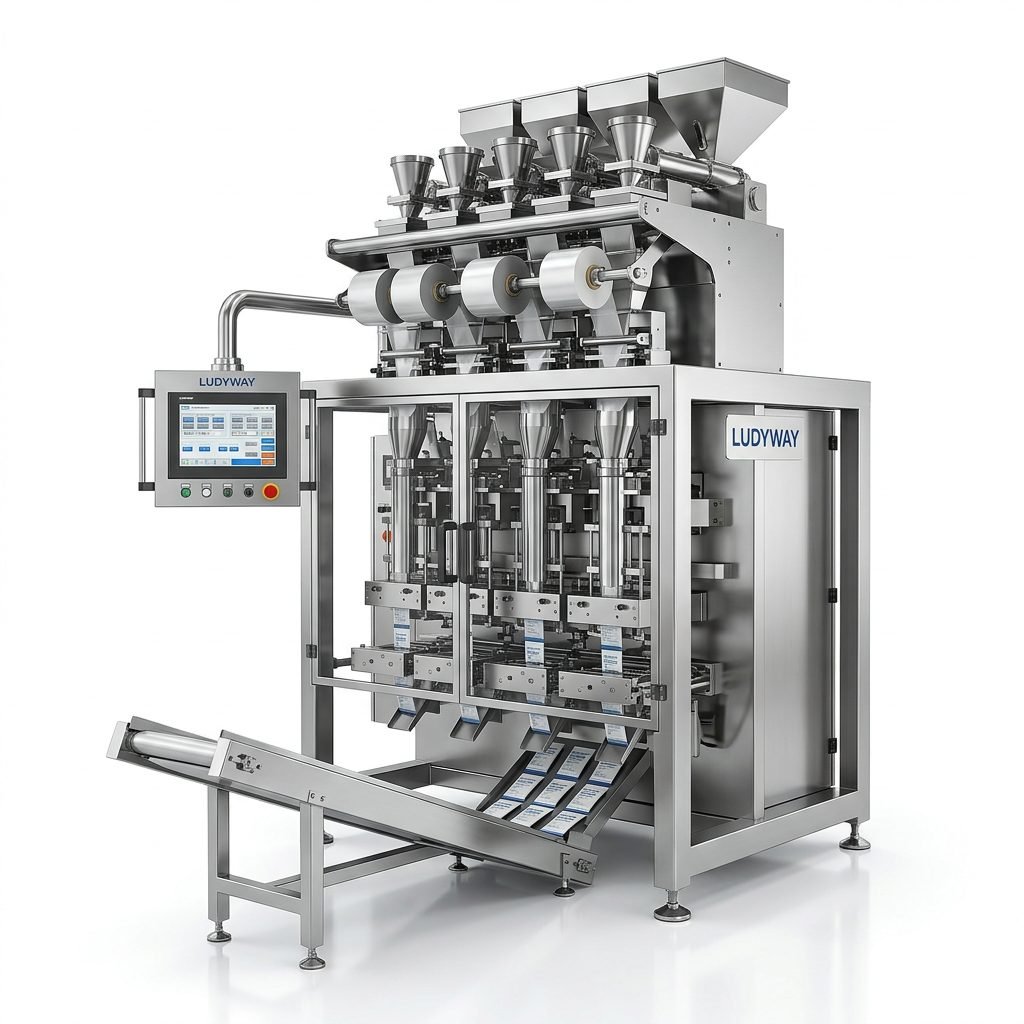
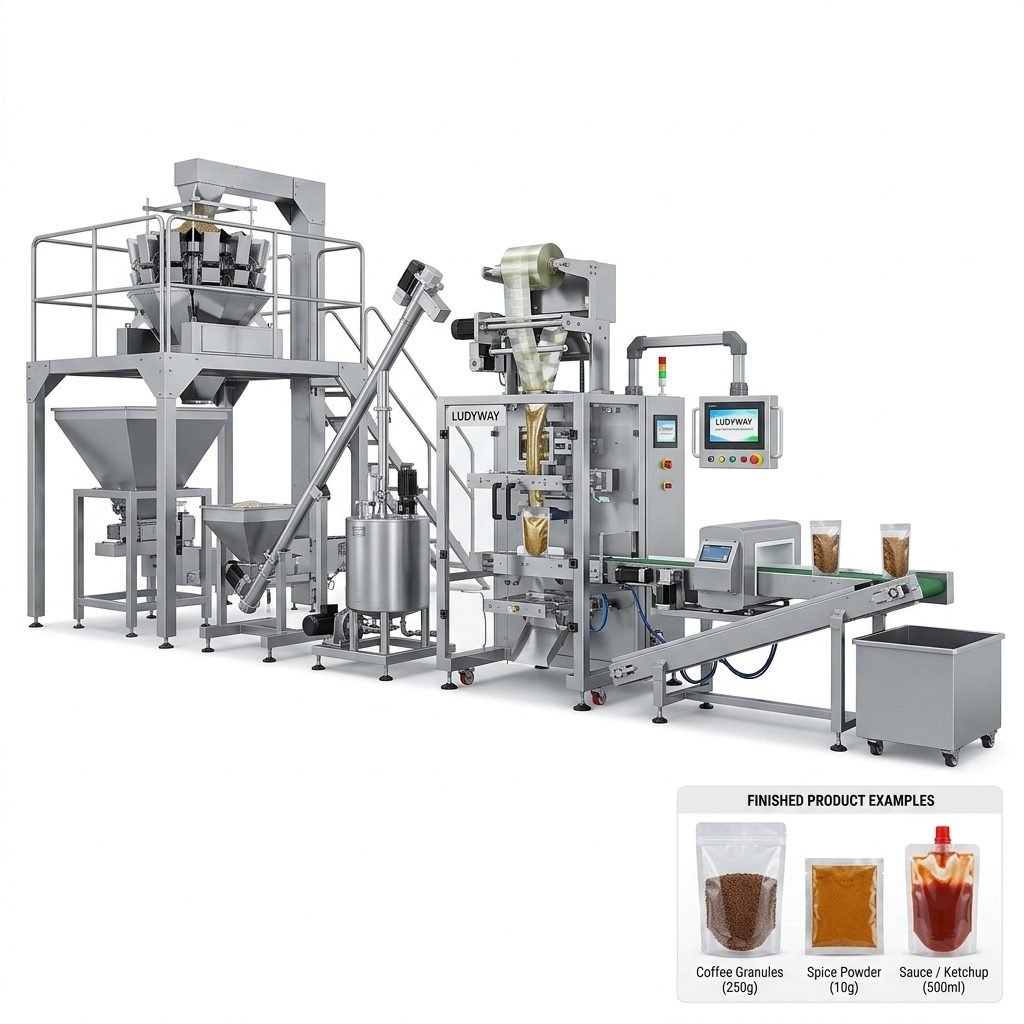
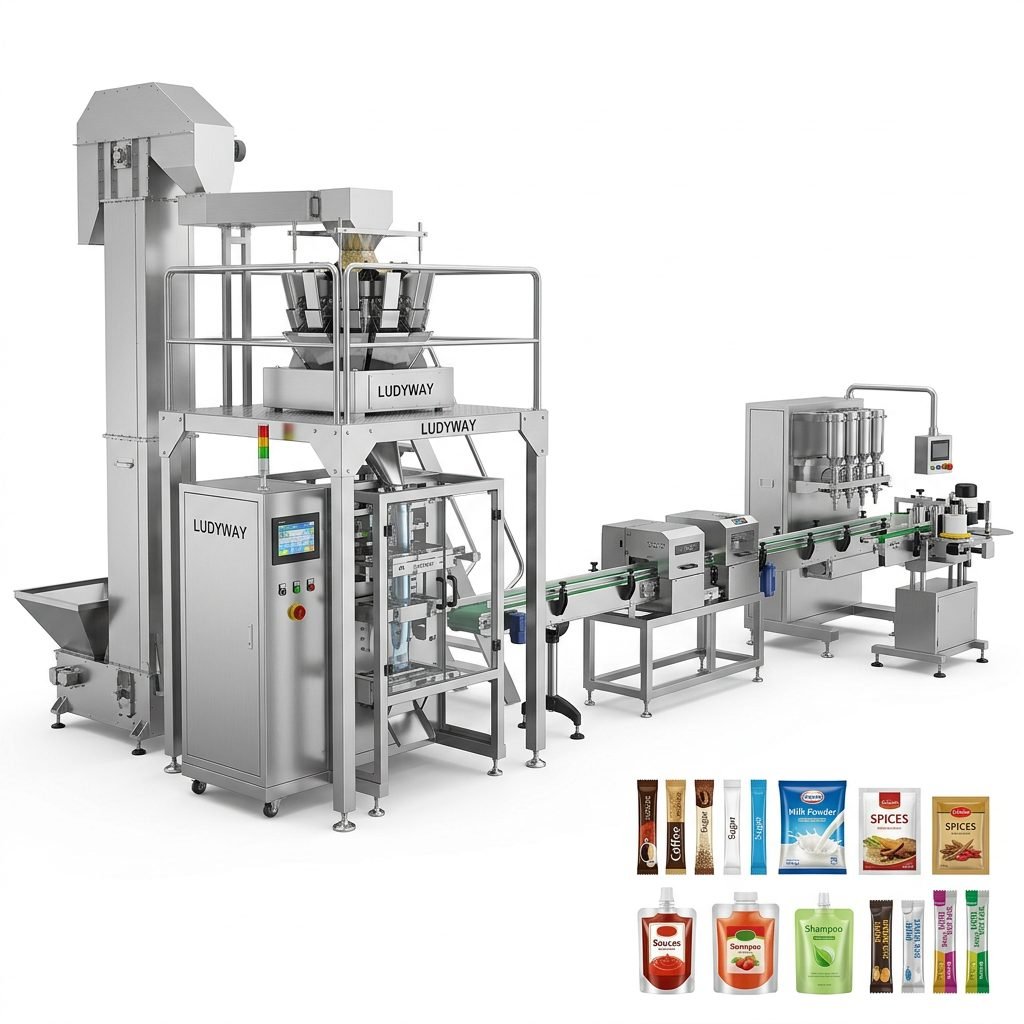
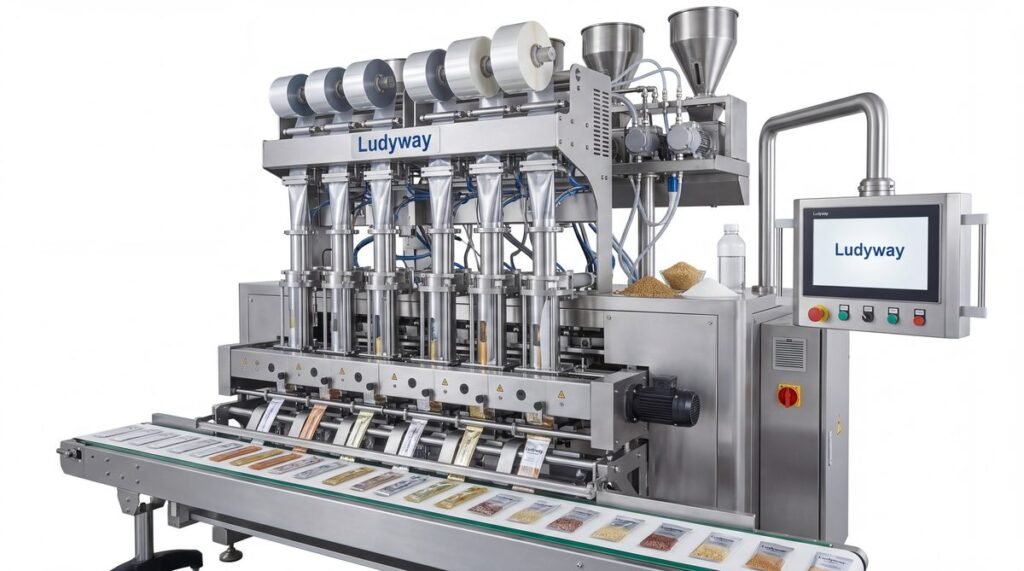
In today’s highly competitive and fast-regulated industrial landscape, consumer safety and brand protection have become top priorities for manufacturers worldwide. Product traceability is no longer just a luxury feature; it has evolved into a mandatory standard across industries like food processing, pharmaceuticals, daily chemicals, and health supplements. To meet these stringent global demands, advanced manufacturing lines are shifting toward smarter automation. Among these innovations, the smart labeling and packaging integration machine stands out as a revolutionary technology, enabling seamless one-code-per-item tracking throughout the entire supply chain.
Understanding the Power of One-Code-Per-Item Tracking
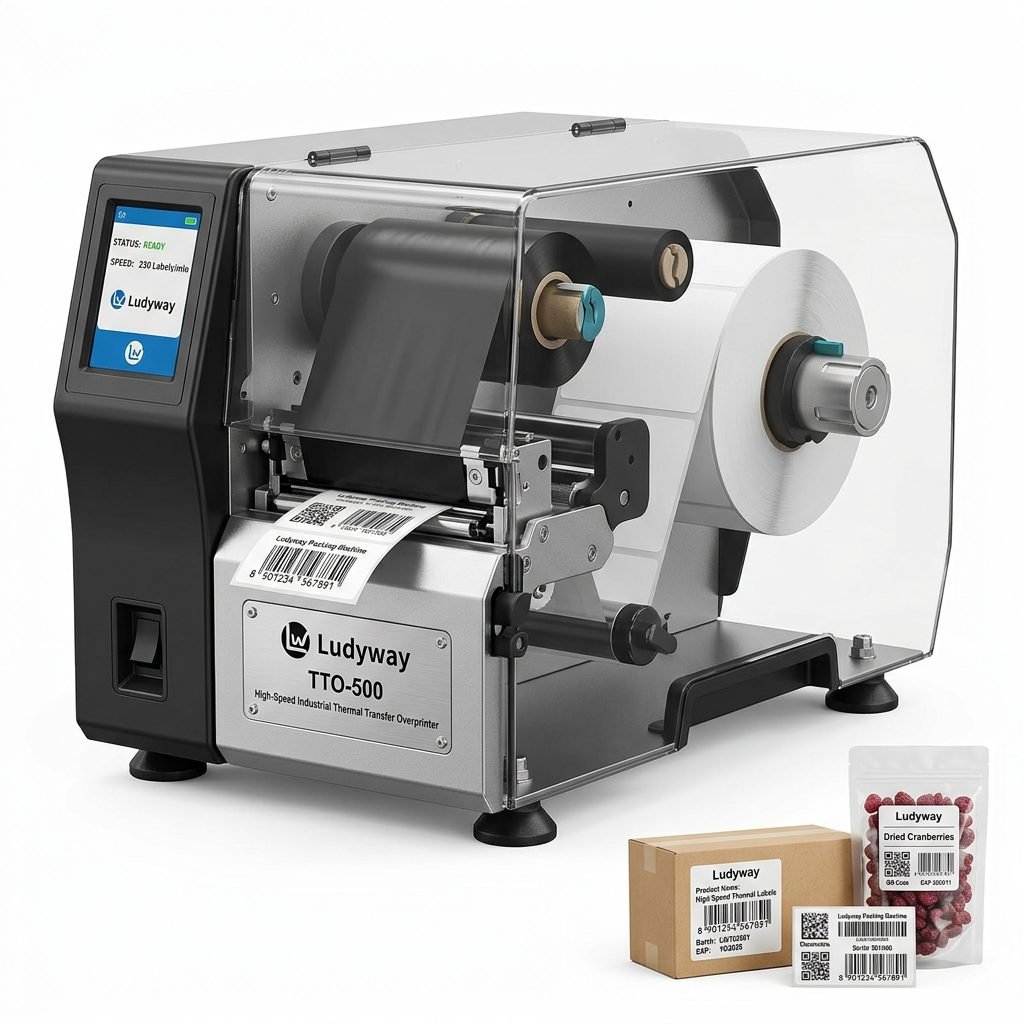
One-code-per-item tracking, also known as unit-level serialization, assigns a completely unique digital identity to every individual package. Unlike traditional batch coding, which applies the same identification numbers to thousands of products made in the same shift, serialization ensures that every single sachet, bottle, or carton has its own distinct code. This code typically takes the form of a high-density DataMatrix, QR code, or barcode.
By embedding vital data directly onto the item, manufacturers can store and retrieve extensive details, including:
- The precise source and batch details of raw materials.
- Exact production timestamps and automated machinery settings.
- Quality inspection logs and checkweigher validation records.
- Logistics routes, warehouse locations, and target distribution markets.
Key Operational Benefits of Integrated Packaging Systems
Integrating the labeling and coding unit directly into the primary packaging system offers significant operational advantages over split, multi-stage production setups. When coding and packaging are combined into a single continuous process, efficiency rises while human error drops to near zero.
| Traceability Feature | Traditional Separated Lines | Integrated Smart Systems |
|---|---|---|
| Data Accuracy | High risk of mismatch during manual transfer between stages. | Real-time code generation matched instantly to the package. |
| Line Speed & Efficiency | Bottlenecks occur when coordinating separate machines. | High-speed synchronized output with zero buffer delay. |
| Defect Detection | Manual sampling or post-production batch inspection. | Instant vision inspection camera with auto-rejection. |
| Floor Space Usage | Requires separate conveyors, brackets, and large footprint. | Compact modular design optimizing cleanroom space. |
How Integrated Coding Enhances Supply Chain Integrity
By implementing a smart labeling structure, businesses can shield their supply chains from complex modern threats. Counterfeit protection is the most immediate outcome; because each code is registered in a secure central database, consumers and inspectors can scan the code with a smartphone to verify product authenticity instantly. If a duplicate code is scanned in two different geographical locations, the system flags the anomaly immediately, pointing to potential counterfeiting activities.
Furthermore, this system streamlines product recalls. In the event of a contamination issue or packaging defect, manufacturers no longer need to recall entire production runs. They can pinpoint the exact serial numbers affected, narrowing down the scope of the recall to save millions in wasted inventory and preserve brand reputation.
Technical Features Driving the Integration Era
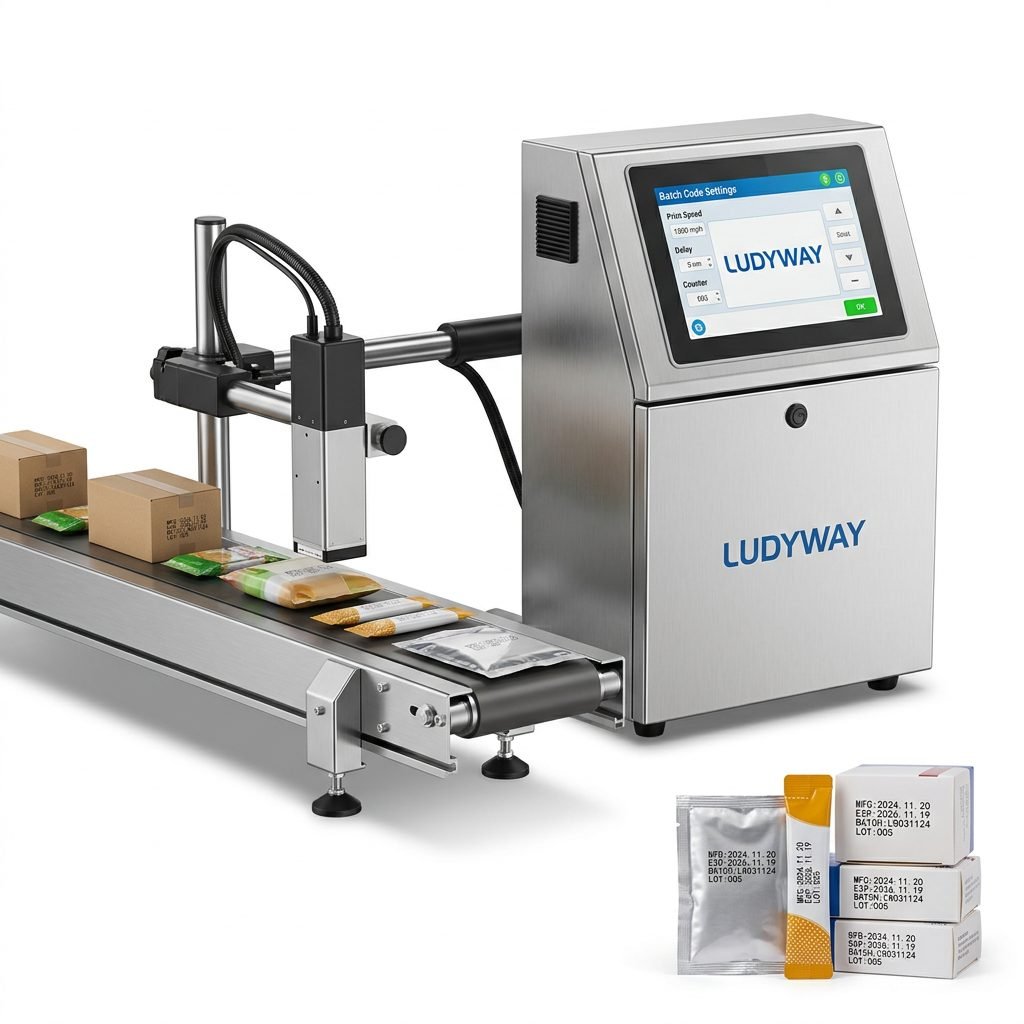
To operate reliably at high speeds, smart labeling integration systems rely on a robust combination of industrial hardware and advanced software. High-resolution thermal inkjet (TIJ) or laser marking systems print fine, high-contrast codes onto plastic films, paper sachets, or glass surfaces. Immediately following the printer head, a high-speed industrial vision inspection camera captures an image of the code, analyzing it for legibility, print defects, and data accuracy.
If a package fails to meet the pre-configured grading standard, a pneumatic reject arm or air jet removes the item from the conveyor instantly. This guarantees that only perfectly marked products reach the final cartoning and palletizing stages.
Selecting the Right Engineering Partner
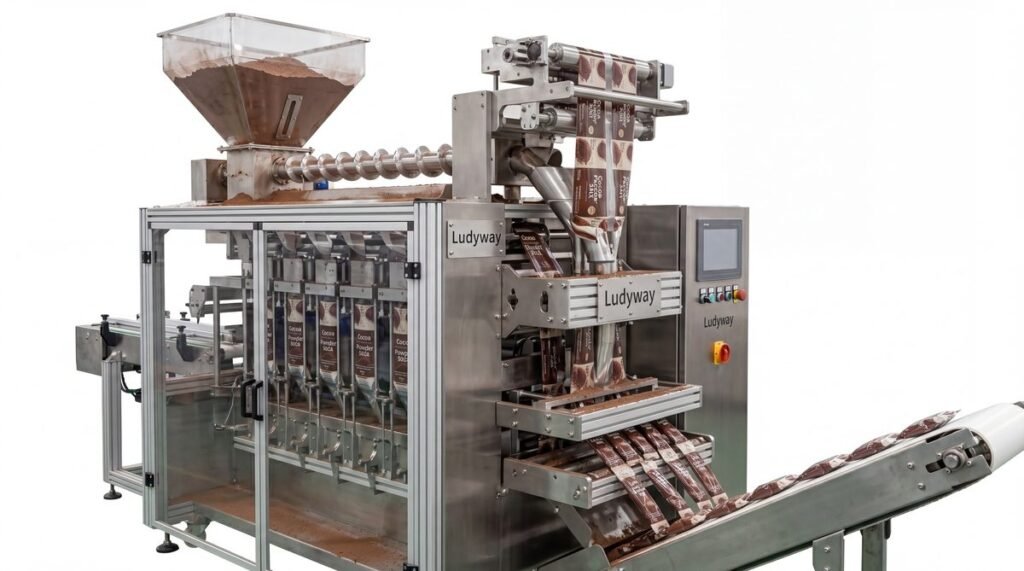
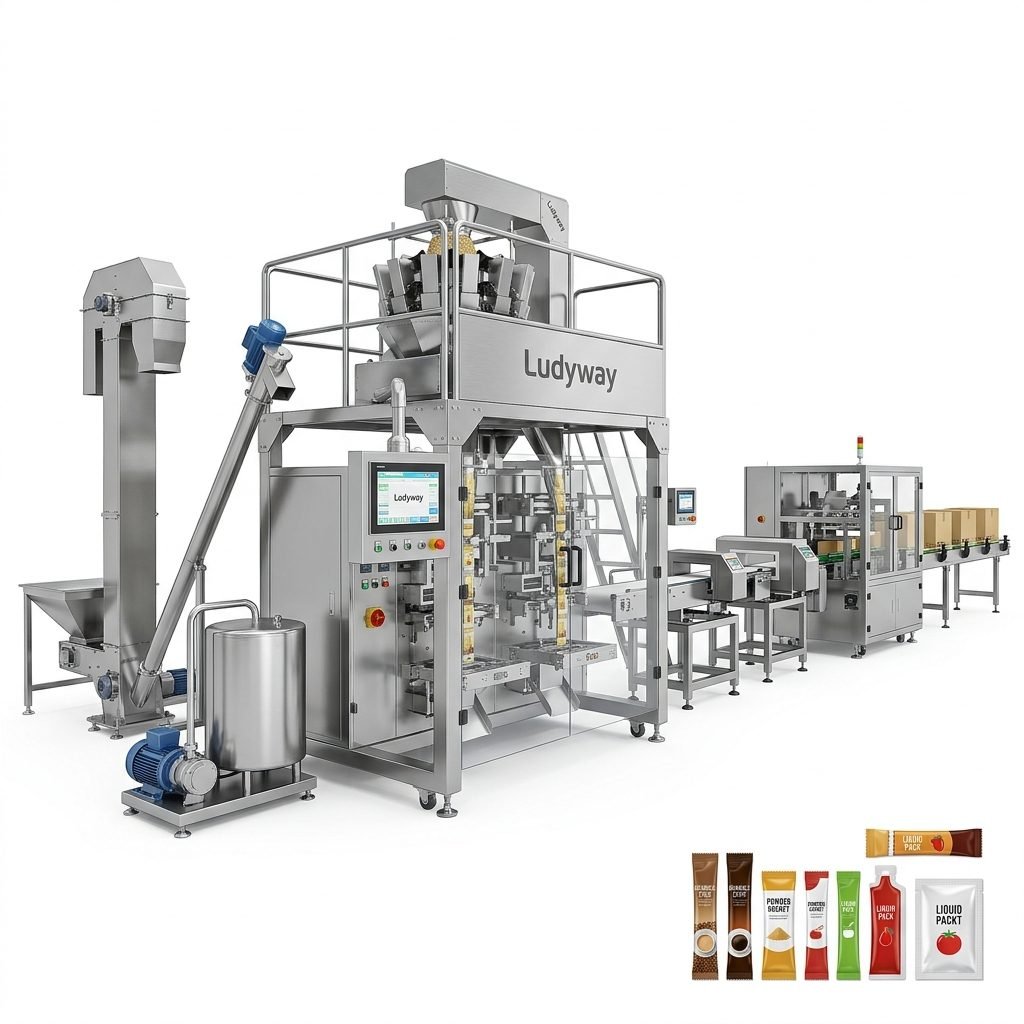
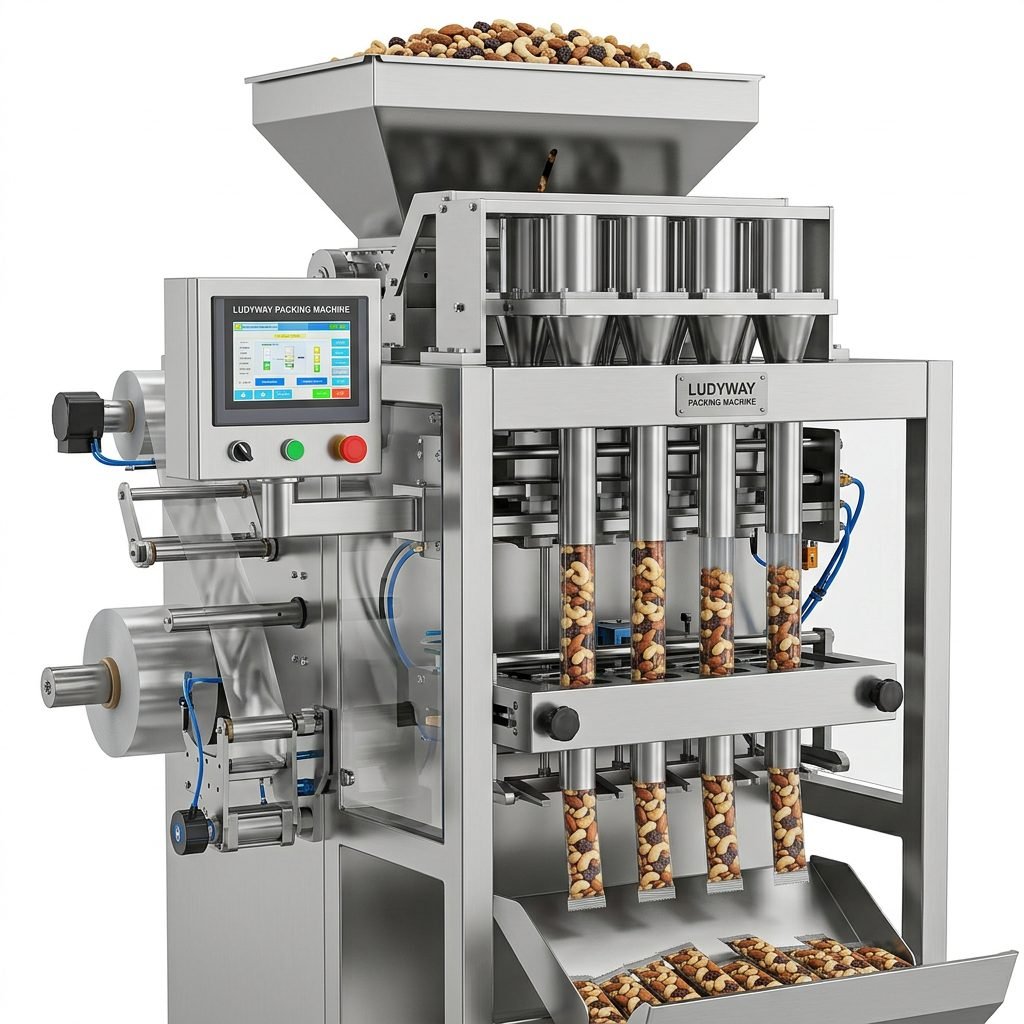
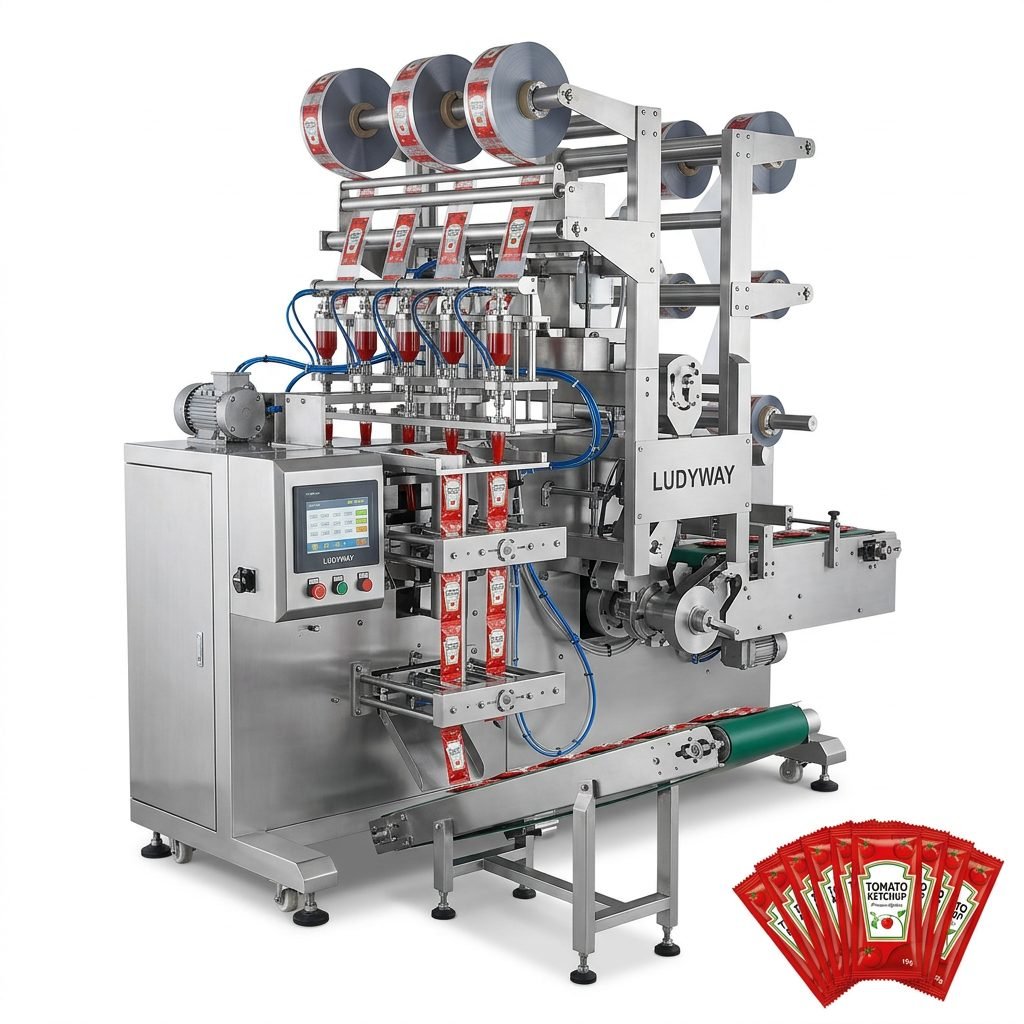
Successfully transitioning to unit-level traceability requires sophisticated machinery engineered for stability and longevity. For organizations seeking to implement these advanced capabilities, partnering with an experienced manufacturer is vital. Ludyway, one of China’s leading packaging machine and turnkey packaging line manufacturers, brings over 30 years of manufacturing experience to the table. With a modern 20,000 square meter factory and a dedicated engineering team, they specialize in custom automatic packaging lines that integrate advanced printing, inspection, and high-speed dosing systems for the food, pharmaceutical, and chemical industries.
As global regulations continue to tighten around product safety and data logging, integrating smart labeling directly into the packaging line is no longer just a trend—it is the standard. By adopting automated unit-level tracking, manufacturers secure their supply chains, comply with strict import regulations, and foster long-term confidence among their consumer base.