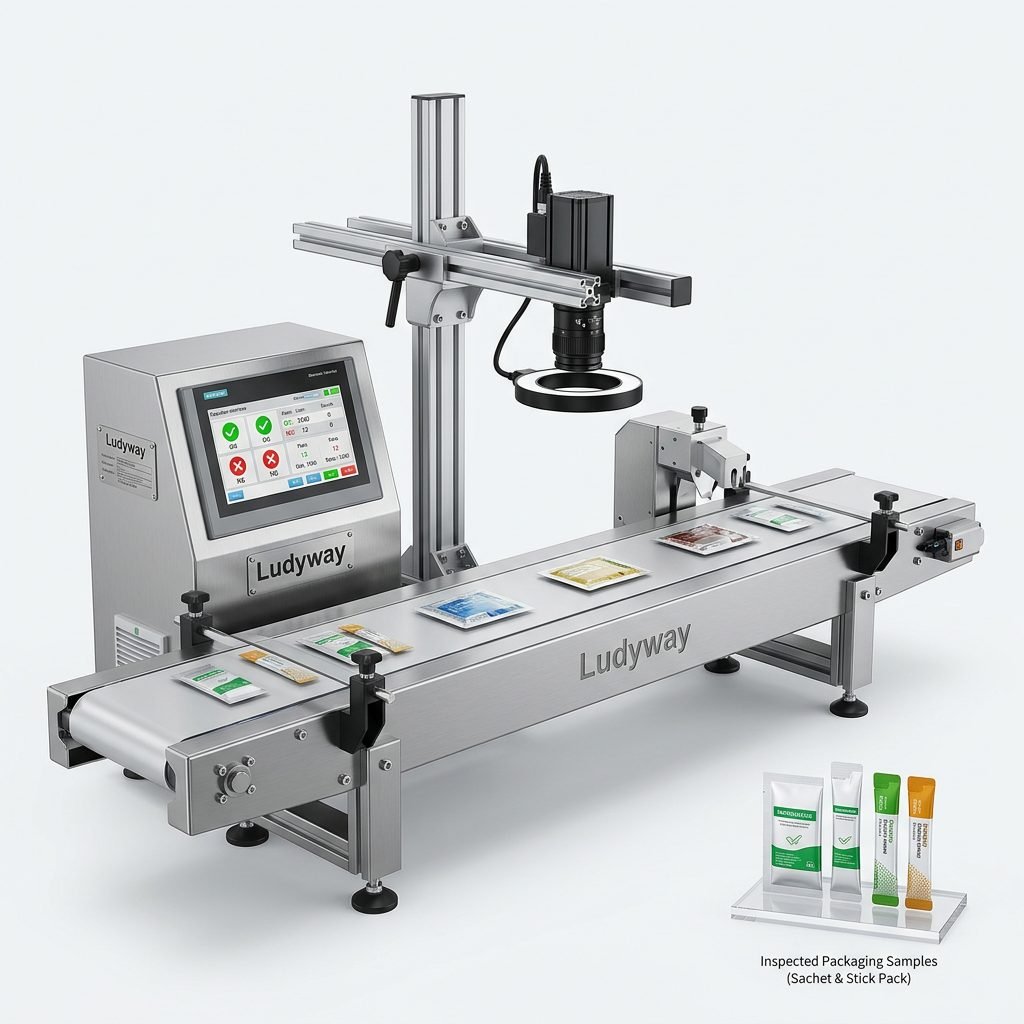
Packaging manufacturers are entering 2026 with a clear priority: raise output while reducing total operating cost. Across food, pharmaceutical, personal care, chemical, and consumer goods sectors, producers are facing higher labor expenses, energy volatility, tighter delivery schedules, and stronger expectations for packaging consistency. As a result, capital investment is moving toward automation projects that deliver measurable gains in line speed, material control, and downtime reduction.
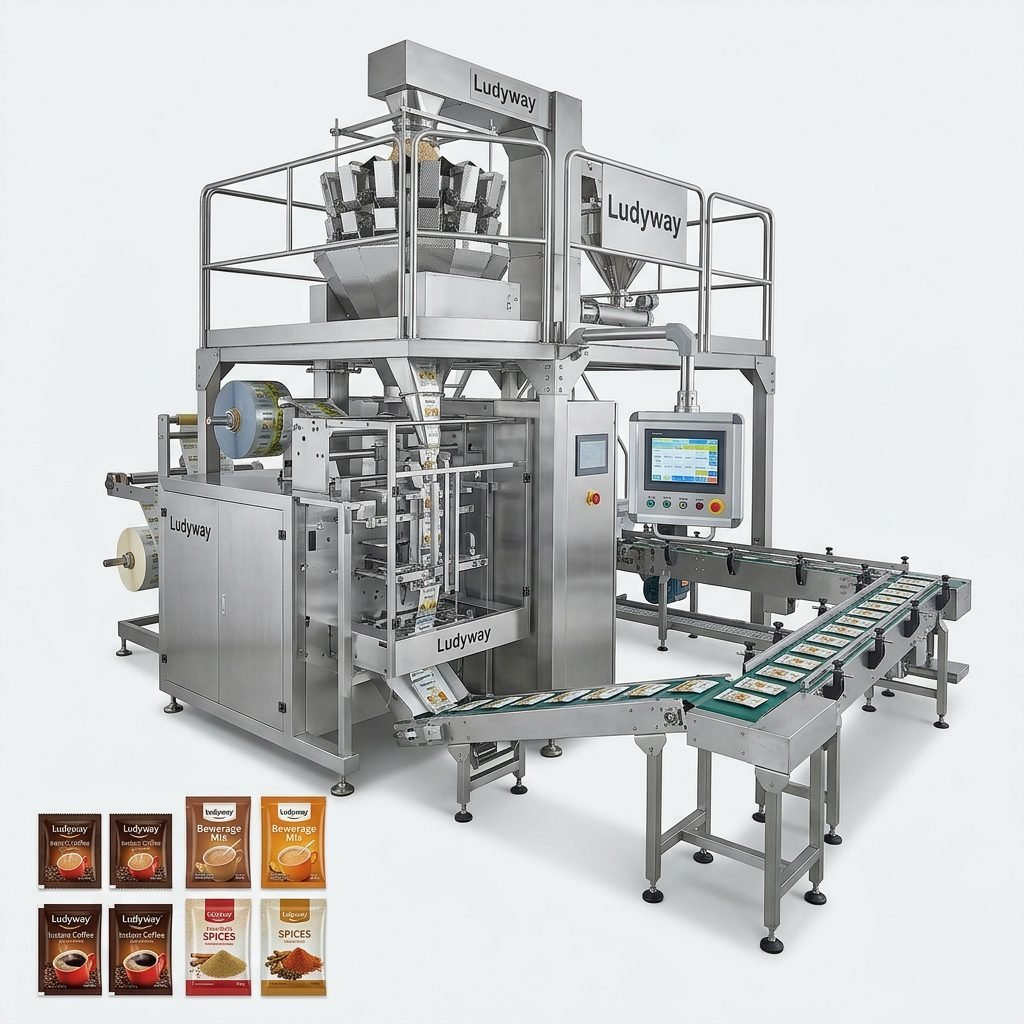
Industry analysts note that packaging is no longer viewed only as an end-of-line process. It is increasingly treated as a strategic part of manufacturing performance. When packaging lines run faster, with lower reject rates and better integration, manufacturers can protect margins, respond to demand swings, and improve supply chain reliability. This explains why 2026 purchasing decisions are being driven less by basic machine ownership cost and more by cost per finished pack.
Why Efficiency Has Become the Core Investment Theme
Several pressures are converging at the same time. Producers want higher throughput, but they are also under pressure to reduce headcount dependency, minimize film and product waste, and keep quality stable across longer production runs. In practical terms, this means machinery buyers are asking tougher questions about machine utilization, OEE, format change time, dosing accuracy, and maintenance intervals.
- Labor shortages continue to affect shift planning and line stability.
- Raw material costs make every gram of overfill and every rejected pouch more expensive.
- Retail and export requirements demand better coding, sealing, traceability, and product presentation.
- Shorter product cycles require flexible equipment that can switch formats efficiently.
For many factories, the financial logic is simple: a packaging line that saves material, reduces manual intervention, and runs at stable speed can improve profitability faster than a broad plant expansion. This is especially true in categories with thin margins or high-volume SKUs.
The Technologies Gaining Attention in 2026
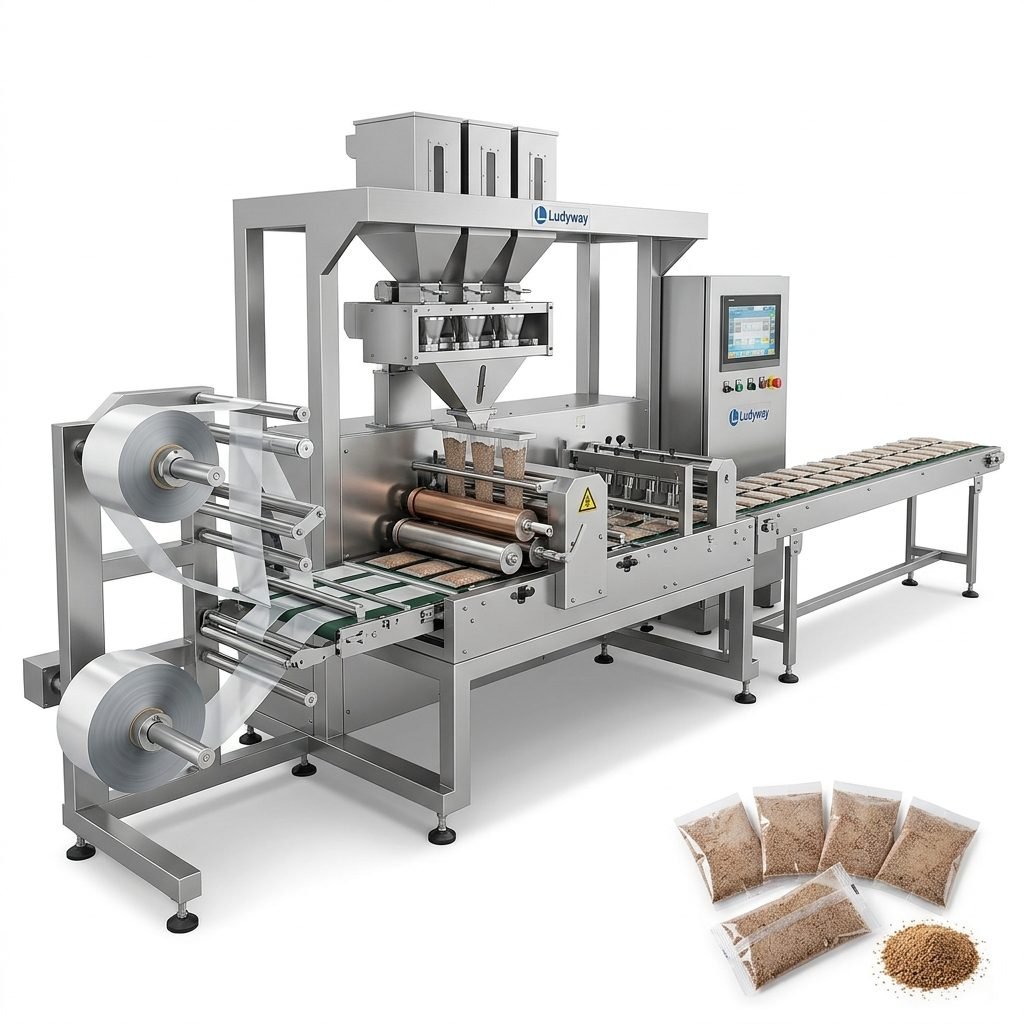
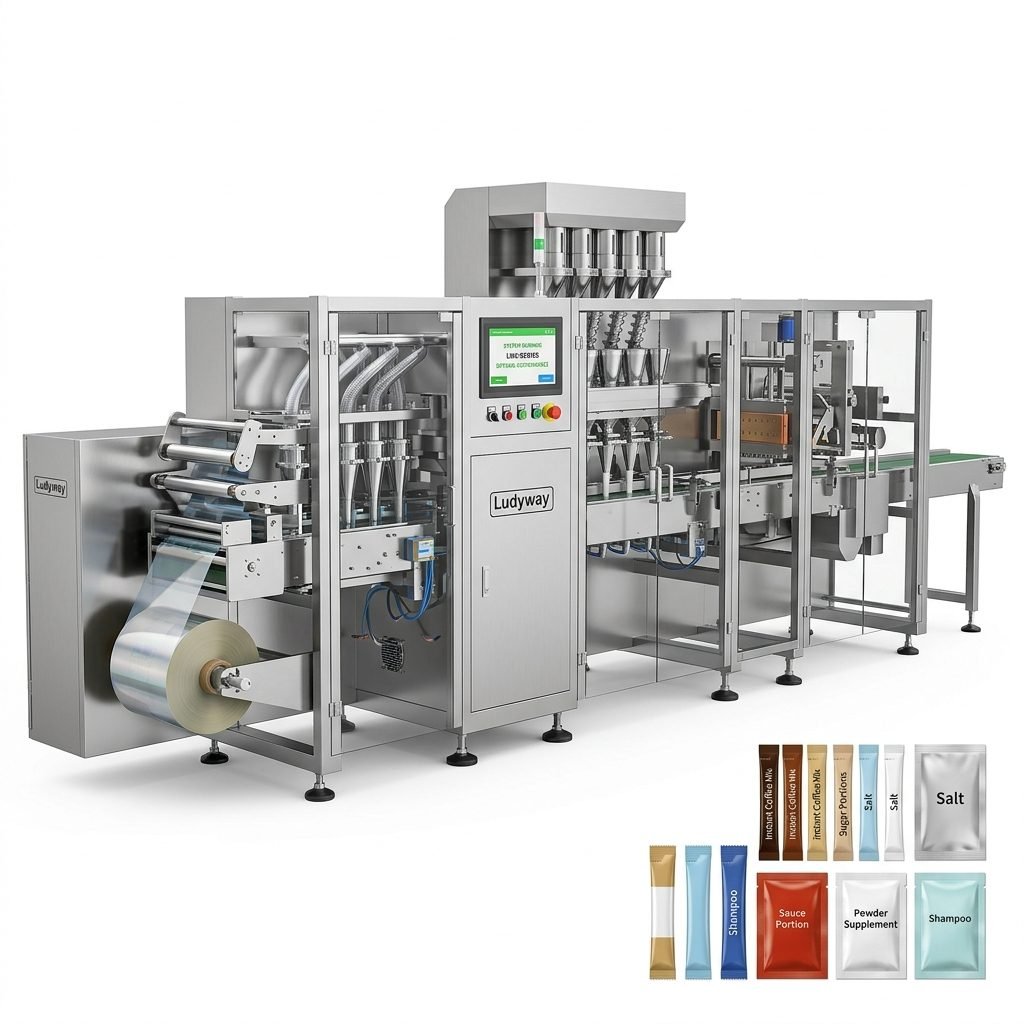
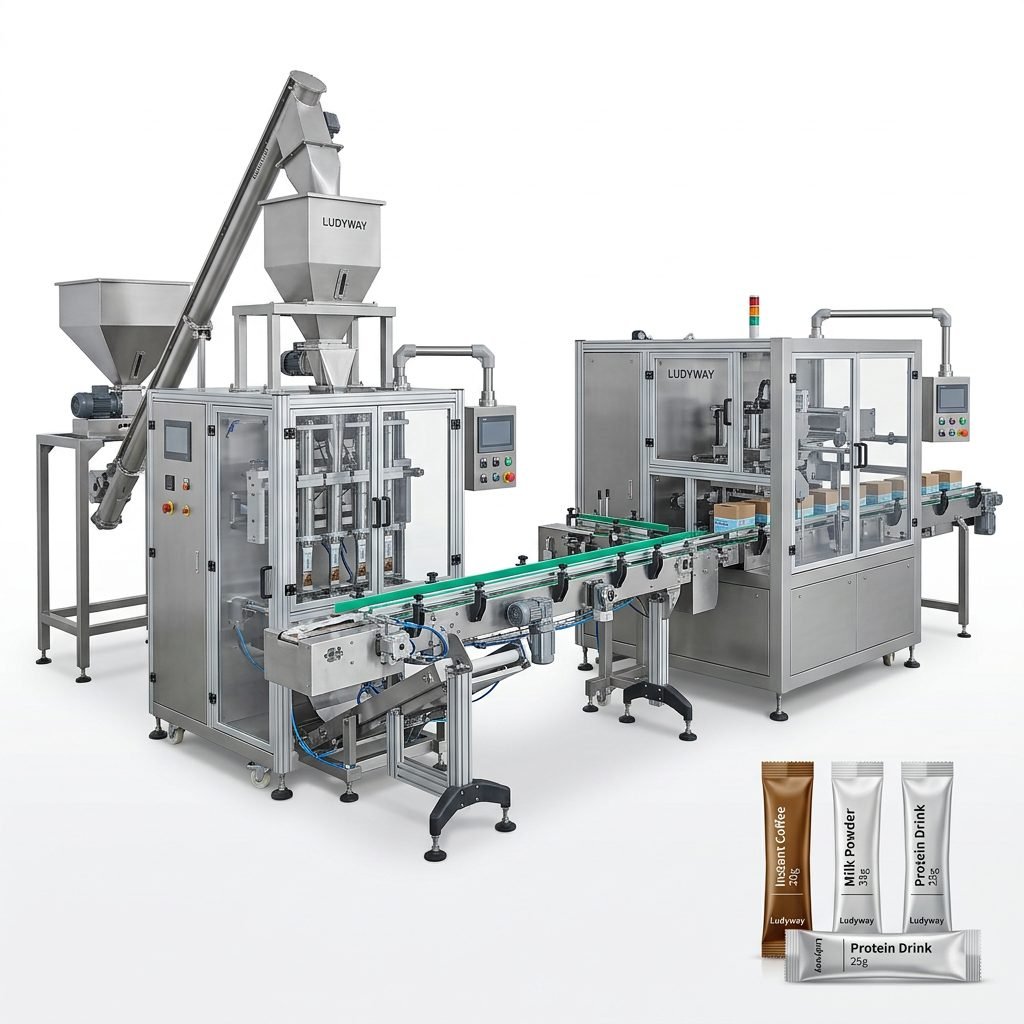
Demand is increasing for systems that combine speed, precision, and modular design. Multi-lane sachet and stick pack lines, intelligent feeding systems, automated cartoning, palletizing, inspection, and coding modules are being selected as part of integrated efficiency upgrades rather than isolated machine purchases.
Key equipment trends
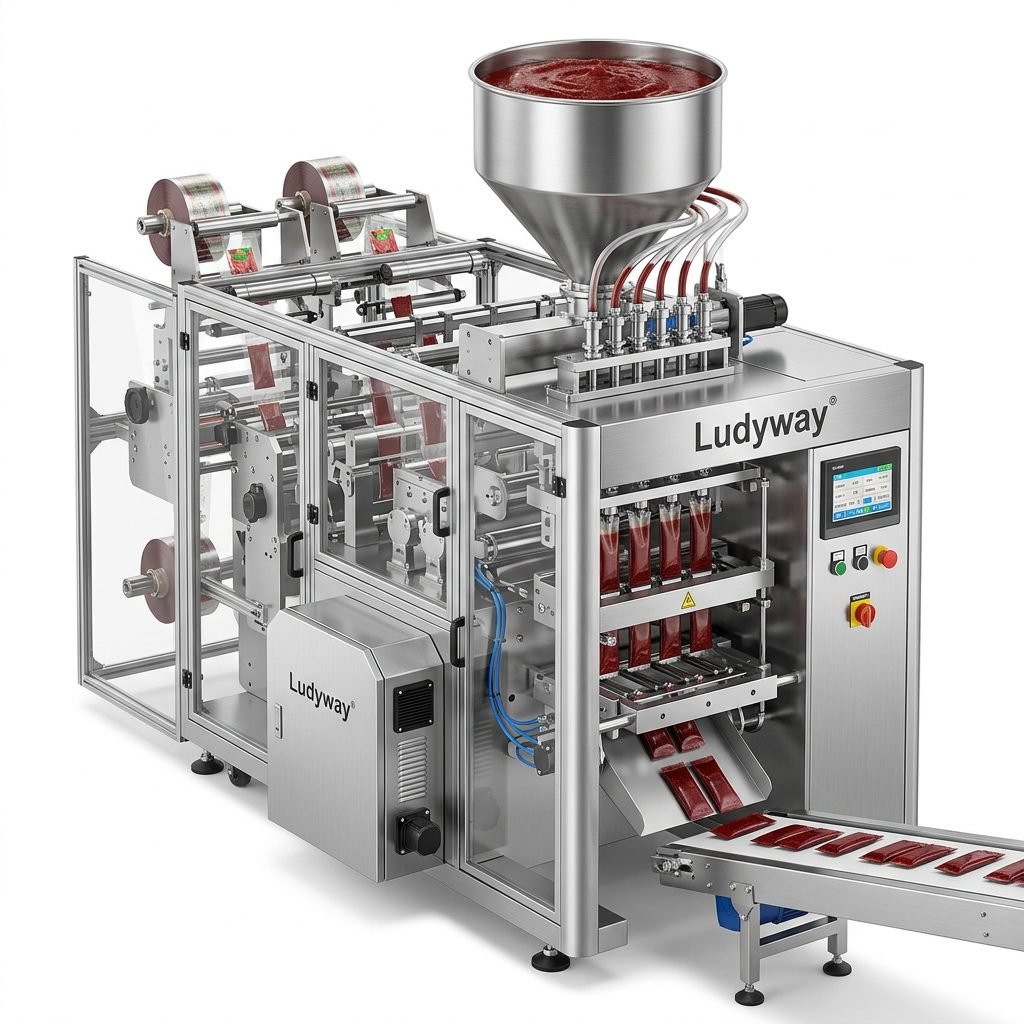
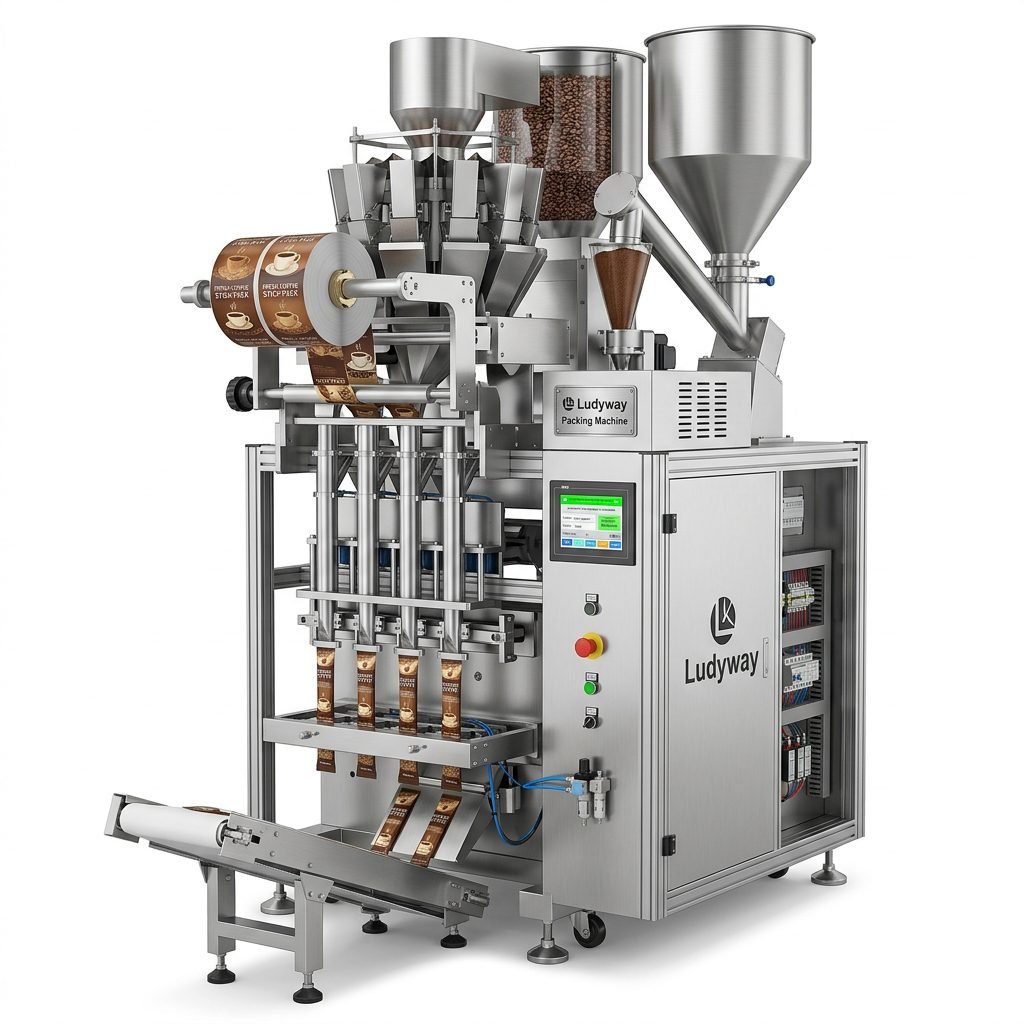
- High-speed multi-lane packaging for powders, granules, liquids, and pastes
- Improved servo control for sealing consistency and lower film waste
- Precision dosing systems to reduce overfill and improve product uniformity
- Automatic feeding and conveying to reduce operator handling
- Vision inspection, checkweighing, and coding integration for quality assurance
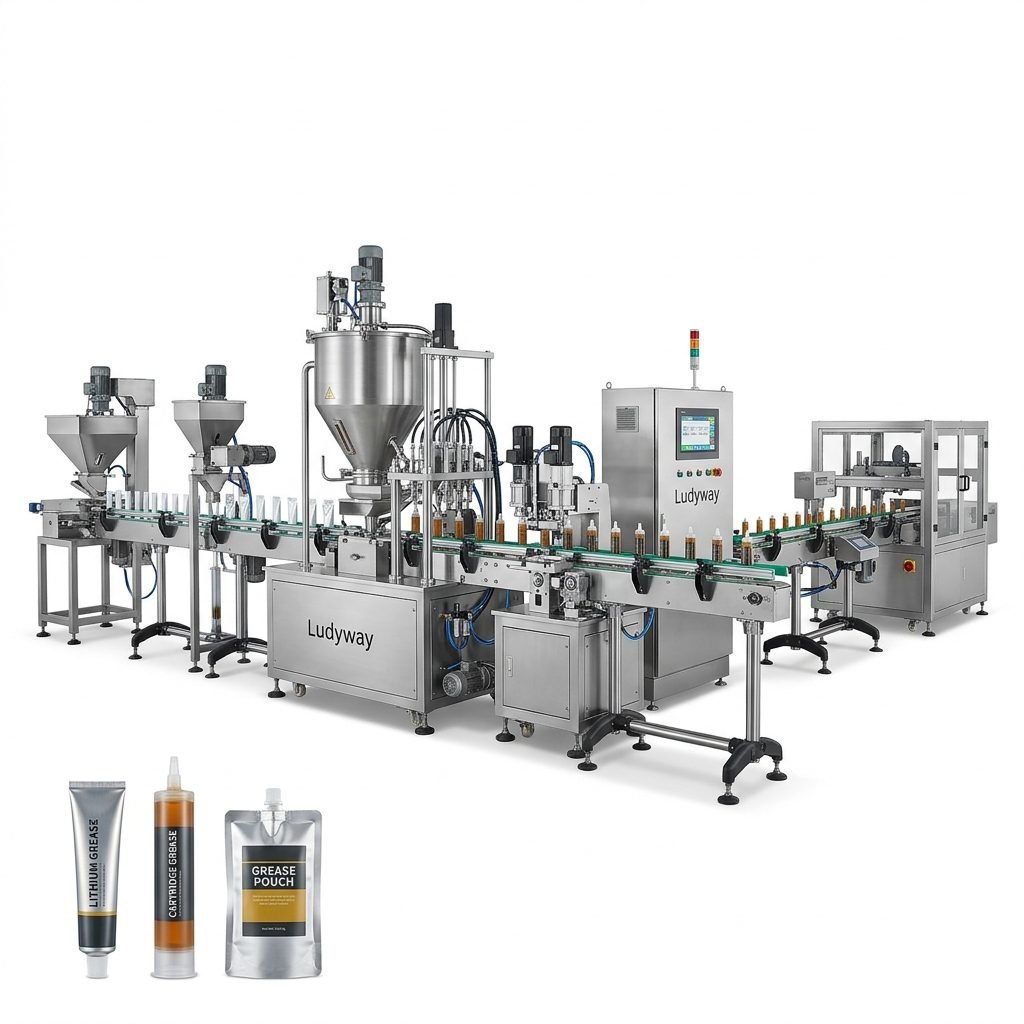
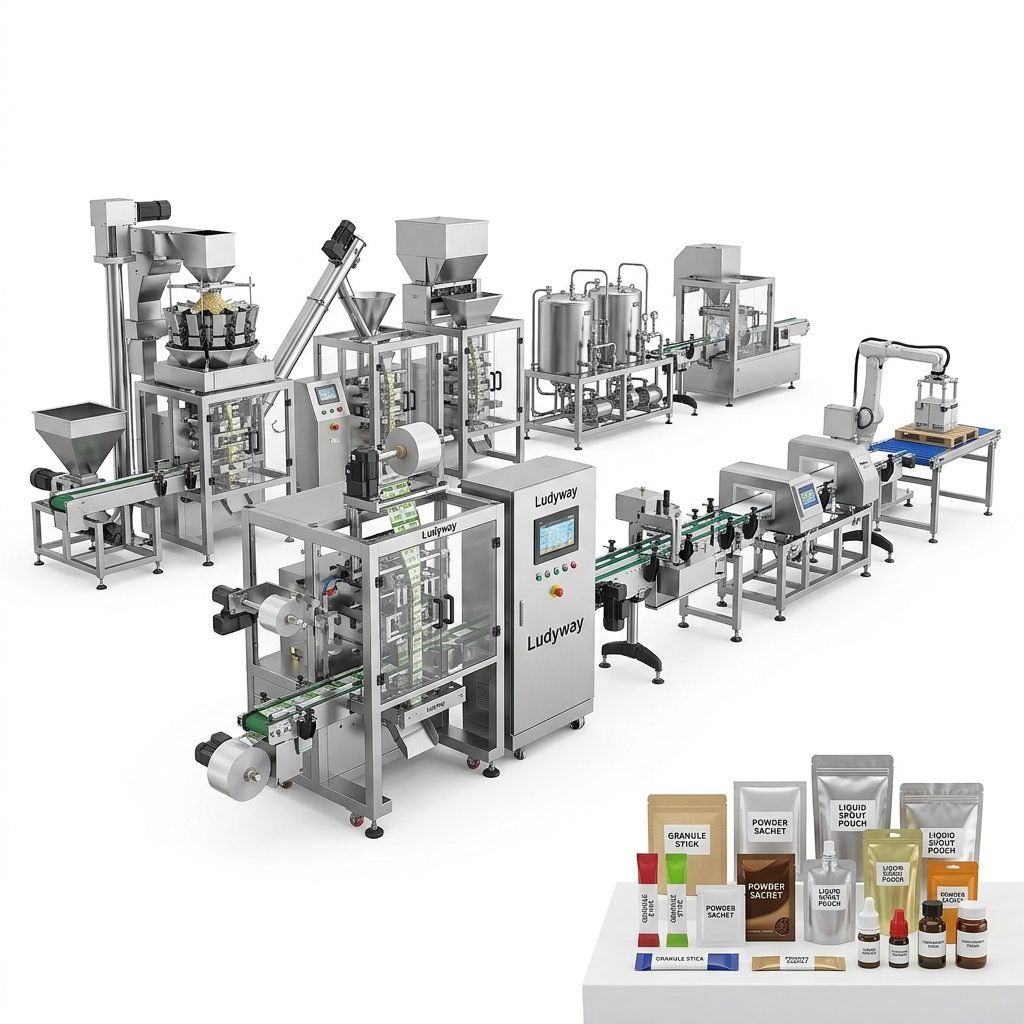
- Turnkey line layouts that simplify upstream and downstream coordination
In sectors such as supplements, instant beverages, pharmaceuticals, and personal care sachets, multi-lane systems are particularly attractive because they support higher output per square meter. For factories where floor space is limited, this offers a meaningful cost advantage over adding more single-lane units.
Cost Control Is Moving Beyond Machine Price
One of the biggest shifts in buyer behavior is the move from comparing equipment by purchase price alone to comparing it by lifecycle cost. A lower-cost machine may appear attractive initially, but if it causes frequent stoppages, unstable sealing, inconsistent filling, or higher maintenance demand, the long-term financial impact can be significant.
| Cost Factor | Traditional Focus | 2026 Buyer Focus |
|---|---|---|
| Initial machine price | Primary decision point | Balanced against output and operating cost |
| Labor requirement | Often accepted as fixed | Targeted for automation and reduction |
| Material waste | Monitored after startup | Critical KPI from project evaluation stage |
| Downtime | Maintenance issue | Major profitability and delivery risk |
| Changeover efficiency | Secondary concern | Essential for mixed-product production planning |
This trend is pushing manufacturers toward suppliers that can support both standalone equipment and complete line integration. Companies want better synchronization between feeding, filling, sealing, coding, inspection, cartoning, and final handling because disconnected systems often create hidden inefficiencies.
Food, Pharma, and Daily-Use Products Lead Upgrade Demand
The strongest investment activity continues to come from industries where packaging speed and hygiene standards directly affect competitiveness. Food brands need faster response to promotional cycles and SKU diversification. Pharmaceutical and health product producers need packaging consistency, traceability, and clean operation. Daily chemical and personal care manufacturers are expanding sachet and stick pack formats for convenience-driven consumer demand.
Sectors showing strong packaging equipment demand
- Instant coffee, drink powders, and seasoning products
- Nutritional supplements and functional powder blends
- Pharmaceutical granules, powders, and unit-dose formats
- Shampoo, lotion, serum, and facial care sachets
- Detergent, disinfectant, and household cleaner packaging
- Pet food, feed additives, and veterinary-related products
Among these categories, manufacturers are especially focused on maintaining packaging precision at high speed. Even a small deviation in fill weight or seal integrity can create quality complaints, product giveaway, or export compliance issues. For that reason, automation is being selected not only to go faster, but to run more consistently under real production conditions.
Turnkey Solutions Are Becoming More Attractive
Another notable trend is the increasing appeal of turnkey packaging lines. Instead of sourcing each module from multiple vendors, many buyers now prefer a more coordinated project structure. This reduces engineering mismatches, simplifies commissioning, and often shortens time to full production.
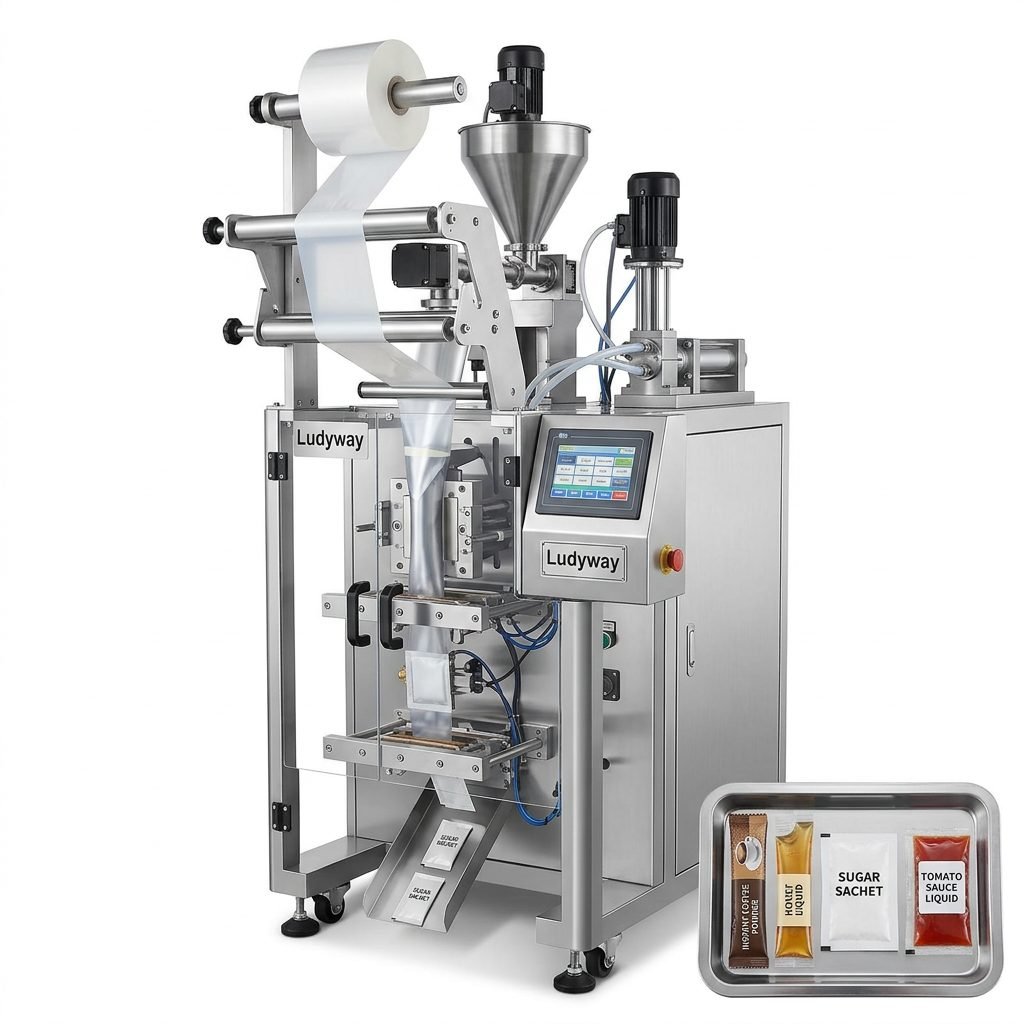
Manufacturers with export-focused operations are particularly interested in partners able to provide application-based customization, line integration, and technical support over the full project lifecycle. In this environment, suppliers such as Ludyway packaging machine manufacturer are gaining attention for offering both standalone packaging machines and turnkey line solutions across food, pharmaceutical, health supplement, and related industries.
| What Buyers Want | Expected Benefit |
|---|---|
| Single-source line integration | Faster commissioning and fewer compatibility issues |
| Customized machine configuration | Better fit for product type, output goals, and packaging format |
| Stable export-ready quality | Reduced compliance risk in overseas markets |
| After-sales technical support | Lower downtime and improved long-term performance |
What Packaging Buyers Should Evaluate Before Investing
As competition tightens, manufacturers are becoming more disciplined in evaluating return on investment. Decision-makers are paying close attention to performance details that directly affect output and unit economics.
Recommended evaluation points
- Actual tested speed under the buyer’s product conditions
- Filling accuracy and repeatability over extended runs
- Changeover time between formats or pack sizes
- Ease of cleaning, maintenance access, and spare part availability
- Compatibility with coding, inspection, cartoning, and palletizing equipment
- Supplier experience in the target application and export market support
Factories that treat packaging equipment selection as a data-driven productivity project are likely to gain the most value in 2026. The strongest investments will be those that reduce cost per pack while also improving delivery reliability and packaging quality.
2026 Outlook
The direction of the packaging industry is becoming increasingly clear. Efficiency is no longer a competitive advantage for a few leading manufacturers; it is becoming a baseline requirement. Companies that invest in automation, integrated line design, and precision control will be better positioned to manage labor pressure, control material loss, and scale production profitably.
In 2026, the market focus is not just on making packaging lines faster. It is on making them smarter, leaner, and more cost-effective across the full production cycle. That shift is expected to define machinery demand, supplier selection, and factory upgrade strategies throughout the year.