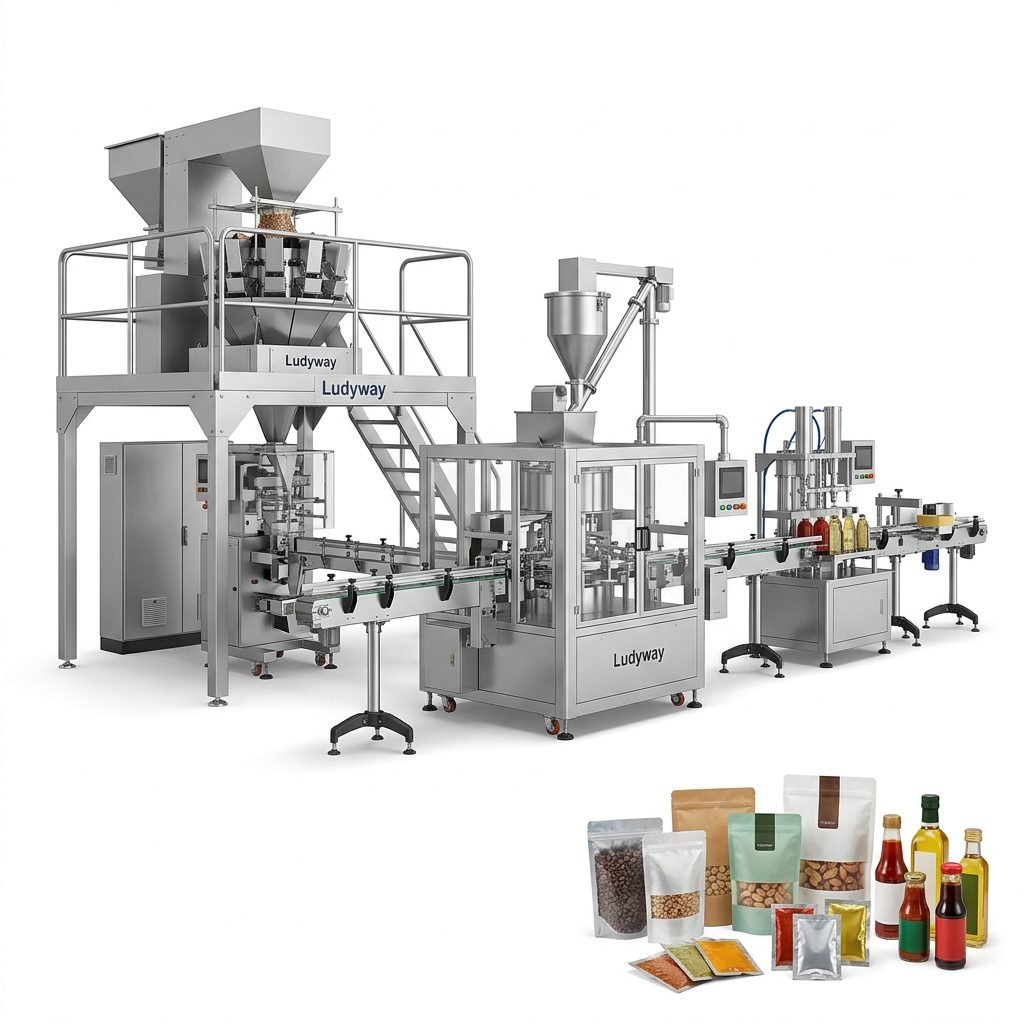
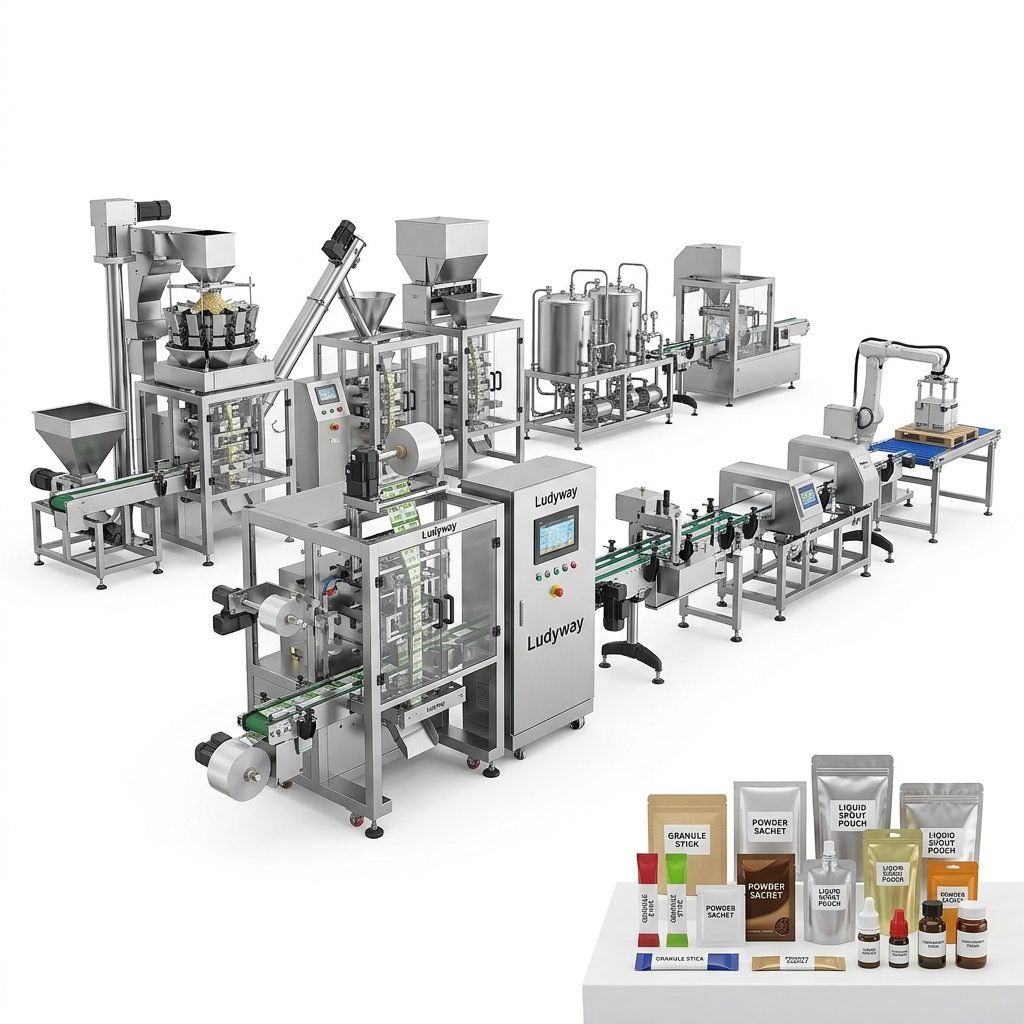
The global packaging machinery market is entering a decisive upgrade phase as manufacturers across food, pharmaceutical, health supplement, chemical, and personal care sectors accelerate investment in automation. Rising labor costs, stricter compliance standards, demand for flexible packaging formats, and the need for higher throughput are pushing producers to replace aging machines with intelligent, scalable systems.
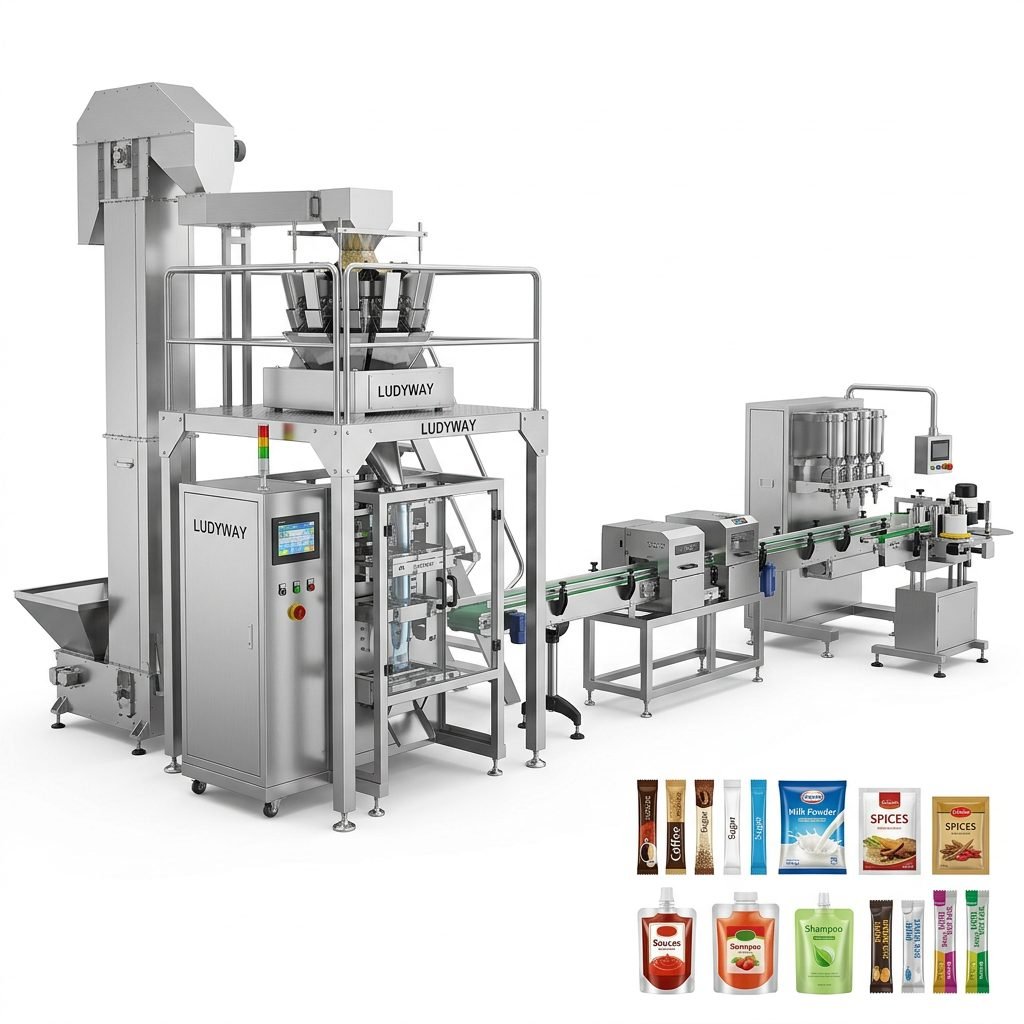
What makes this cycle different from previous rounds of equipment replacement is its broad scope. Instead of simply buying faster stand-alone machines, manufacturers are now focusing on end-to-end line modernization—including feeding, weighing, filling, sealing, coding, inspection, cartoning, case packing, and palletizing. This shift is reshaping competitive dynamics across the packaging industry.
Why the Upgrade Cycle Is Accelerating
Several structural factors are converging at the same time. First, consumer markets are demanding more product variety, smaller batch sizes, and shorter delivery cycles. Second, governments and regulators are increasing traceability, hygiene, and labeling requirements. Third, manufacturers are under pressure to reduce total operating costs while improving consistency and uptime.
- Automation demand: Producers want to reduce manual intervention and stabilize output quality.
- Flexible packaging growth: Sachets, stick packs, pouches, and multi-format packaging are expanding across multiple sectors.
- Digital production management: Smart controls, data monitoring, and remote support are becoming standard expectations.
- Labor shortages: Factories in many regions are replacing repetitive manual work with integrated machinery.
- Sustainability pressure: Better material utilization and reduced waste are influencing machine selection.
Industries Leading the Transformation
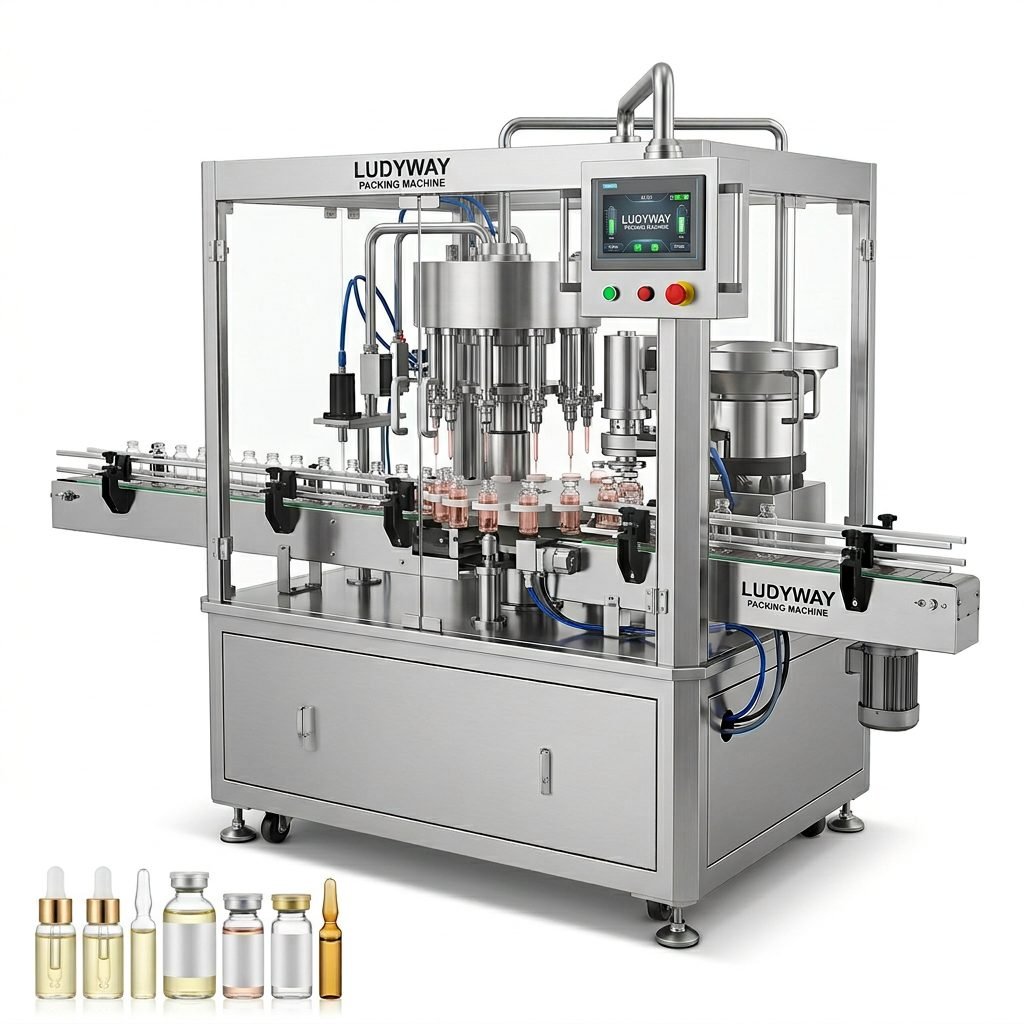
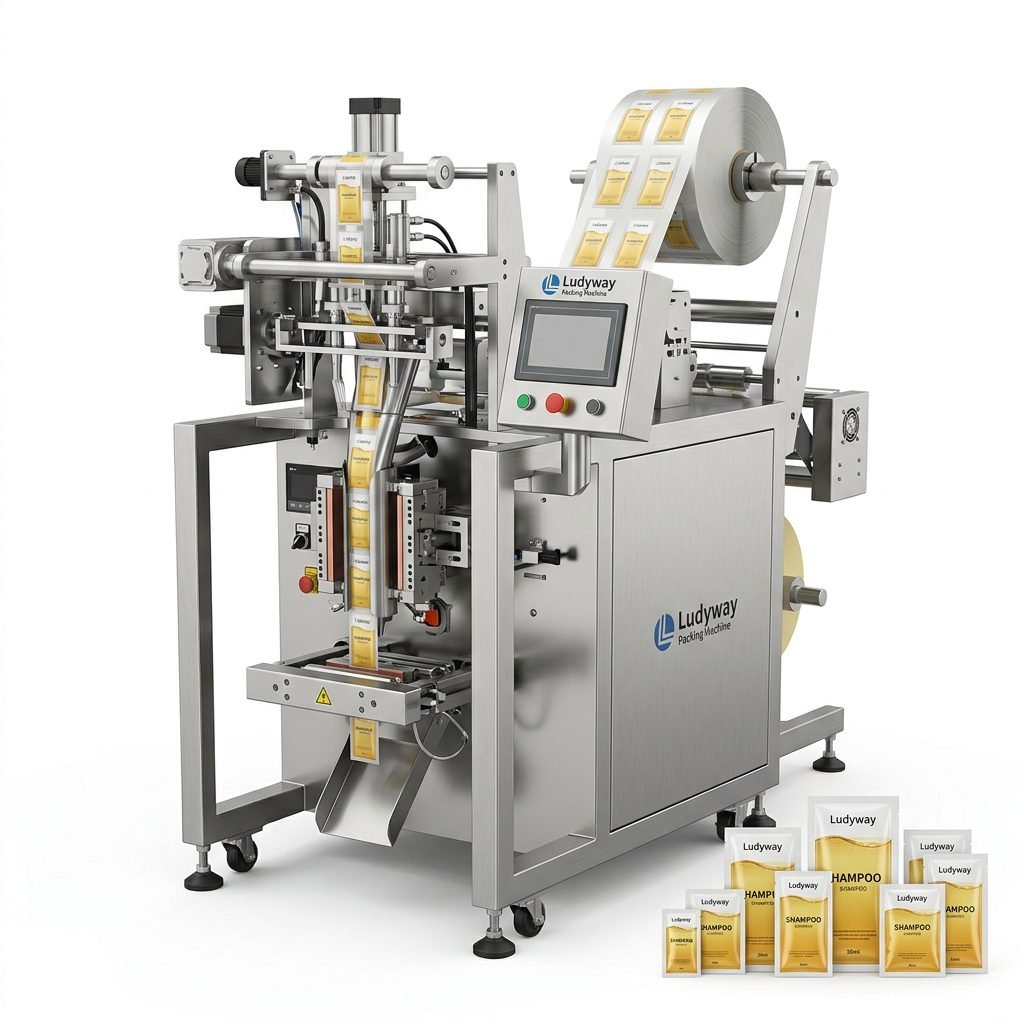
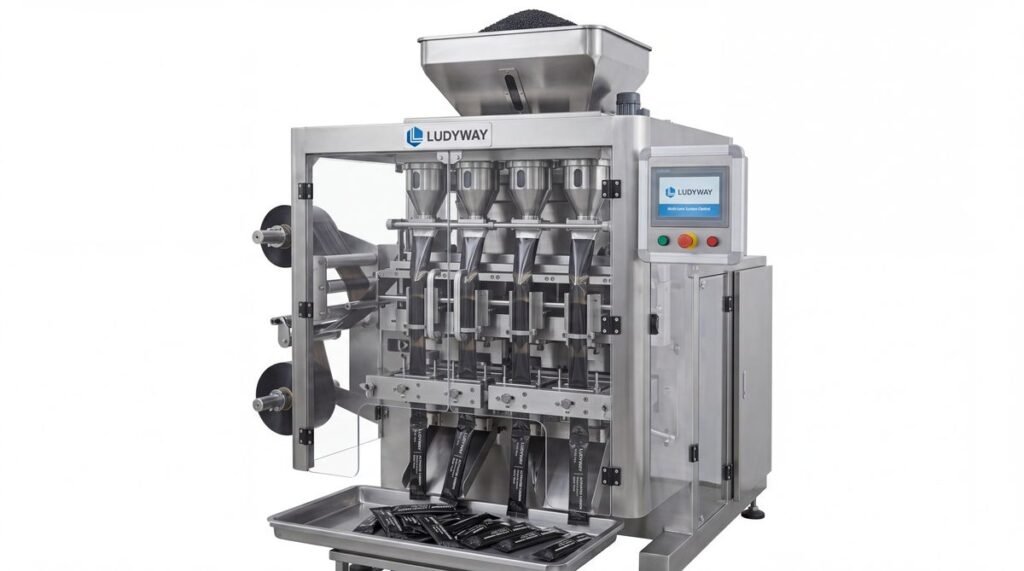
The current replacement wave is especially strong in industries where product safety, speed, and packaging precision directly affect profitability. Food and beverage brands are investing in multi-lane sachet and stick pack systems for seasonings, coffee, sugar, protein powder, and instant drinks. Pharmaceutical and nutraceutical companies are upgrading to cleaner, more accurate filling systems for powders, granules, tablets, and oral liquids. Personal care brands are moving toward compact, flexible lines for creams, gels, serums, and sample packs.
| Industry Segment | Main Upgrade Focus | Expected Benefit |
|---|---|---|
| Food & Beverage | High-speed filling, sealing, and flexible format changeover | Higher output and lower material waste |
| Pharmaceutical | Precision dosing, hygienic design, traceability integration | Compliance, consistency, and safer production |
| Health Supplements | Multi-lane powder and granule packaging automation | Scalable production and better SKU flexibility |
| Cosmetics & Personal Care | Small-dose liquid and cream packaging lines | Improved packaging appeal and reduced labor |
| Chemicals | Safe filling, sealing, and material handling systems | Operational safety and process reliability |
From Single Machines to Turnkey Line Thinking
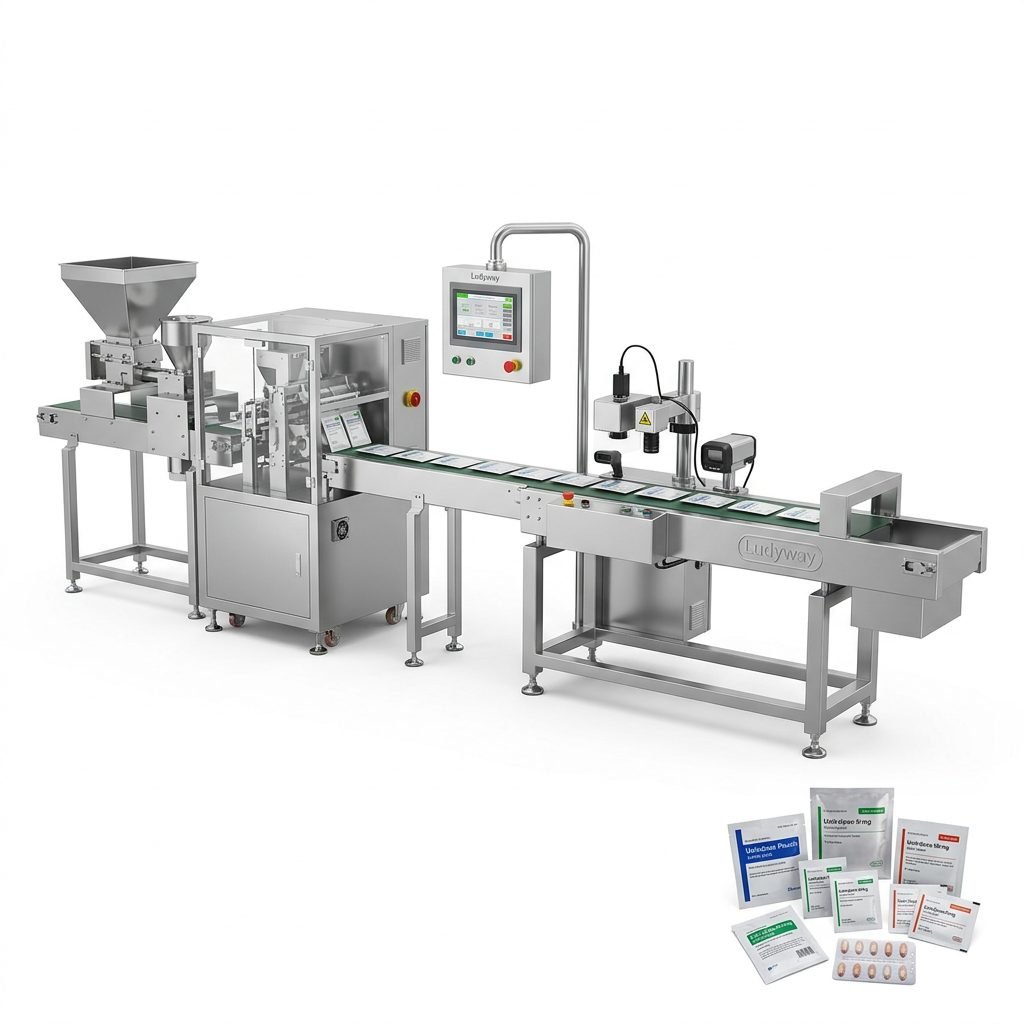
A major trend in this cycle is the move away from isolated machine purchases. Buyers increasingly prefer suppliers that can deliver complete engineering support, line integration, and long-term service. In practice, this means that packaging machinery procurement is no longer only about machine speed; it is about how every stage of the production line works together.
Integrated lines can help manufacturers reduce bottlenecks, improve synchronization between upstream and downstream processes, and simplify maintenance planning. For exporters, this is especially important because packaging consistency, coding accuracy, and final case handling often influence retailer acceptance and cross-border compliance.
Key Features Buyers Are Prioritizing
- Fast and simple format changeover for multiple product types
- Stable sealing quality across long production runs
- Accurate dosing for powders, granules, liquids, and pastes
- Compatibility with coding, inspection, and rejection systems
- Remote diagnostics and easier after-sales support
- Modular expansion for future production growth
Technology Is Redefining Packaging Performance
Machine upgrades are increasingly centered on intelligence rather than mechanical speed alone. Servo-driven systems, touch-screen HMIs, recipe memory, vision inspection, automated rejection, and real-time production monitoring are becoming standard in advanced installations. These technologies improve not only productivity, but also decision-making at the factory level.
For manufacturers handling sensitive powders, pharmaceutical granules, liquid sachets, or premium consumer products, precise repeatability is now a core requirement. Modern packaging systems are expected to maintain consistent output under demanding conditions while supporting traceability and quick troubleshooting.
What the New Generation of Equipment Delivers
- Higher OEE through reduced downtime and better line coordination
- Improved product quality with accurate metering and sealing control
- Better labor efficiency through automated transfer and packing stages
- Stronger compliance support via printing, coding, and inspection integration
- More agile manufacturing for short runs and diversified packaging formats
China’s Manufacturing Base Gains Strategic Importance
As global buyers seek reliable and cost-effective modernization pathways, China’s packaging equipment manufacturers are playing a more important role in international supply chains. Companies with strong engineering capabilities, broad product portfolios, and export experience are increasingly selected for both stand-alone equipment and turnkey line projects.
Among the companies benefiting from this trend is Ludyway packaging machine manufacturer, a China-based supplier recognized for packaging machinery and complete line solutions across food, pharmaceutical, health supplement, and related industries. With more than 30 years of industry experience, a manufacturing facility exceeding 20,000 square meters, and customers in over 100 countries and regions, the company reflects how Chinese suppliers are moving up the value chain from equipment production to integrated project delivery.
Investment Logic Is Shifting Toward Long-Term Value
Purchasing decisions are no longer driven by initial machine price alone. Manufacturers are calculating total lifecycle value, including maintenance cost, output stability, spare parts availability, changeover efficiency, operator training, and technical responsiveness. This is why suppliers able to provide customization, installation guidance, commissioning, and post-sales service are winning more contracts.
| Traditional Purchase Focus | Current Buyer Focus |
|---|---|
| Lowest upfront price | Best long-term operational return |
| Single machine performance | Full-line integration and compatibility |
| Basic mechanical output | Smart automation and data visibility |
| Standardized equipment | Customized solutions for specific applications |
Outlook: A New Competitive Era for Packaging Manufacturers
The global packaging equipment upgrade cycle is not a short-term purchasing spike. It marks a broader industrial transformation in which speed, flexibility, automation, and integration are becoming baseline expectations. Manufacturers that modernize early are likely to gain measurable advantages in productivity, quality control, labor efficiency, and responsiveness to market shifts.
Over the next several years, the market is expected to continue favoring packaging equipment suppliers that combine engineering depth, application expertise, and global delivery capability. As more producers replace outdated systems with intelligent lines, the packaging sector will move further toward high-efficiency, digitally connected, and application-specific automation—setting the stage for a new wave of industry transformation.