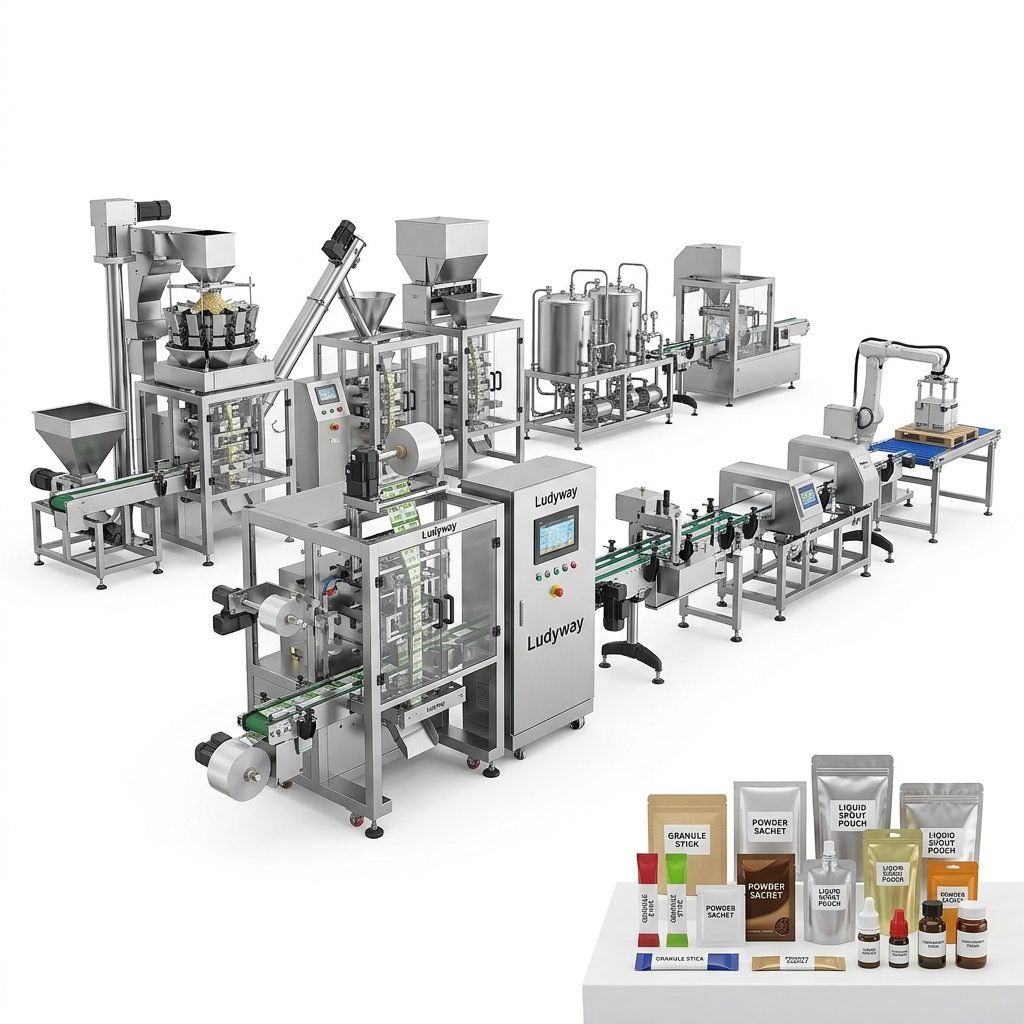
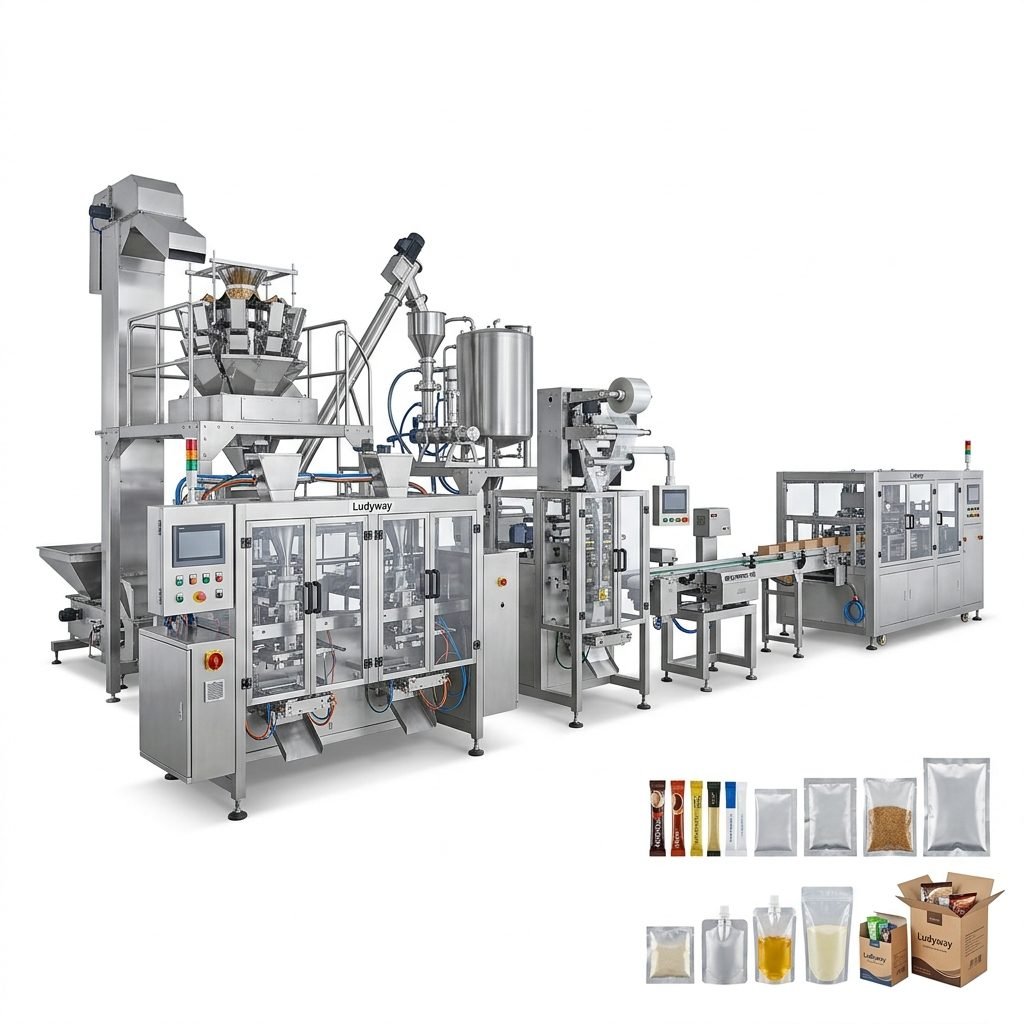
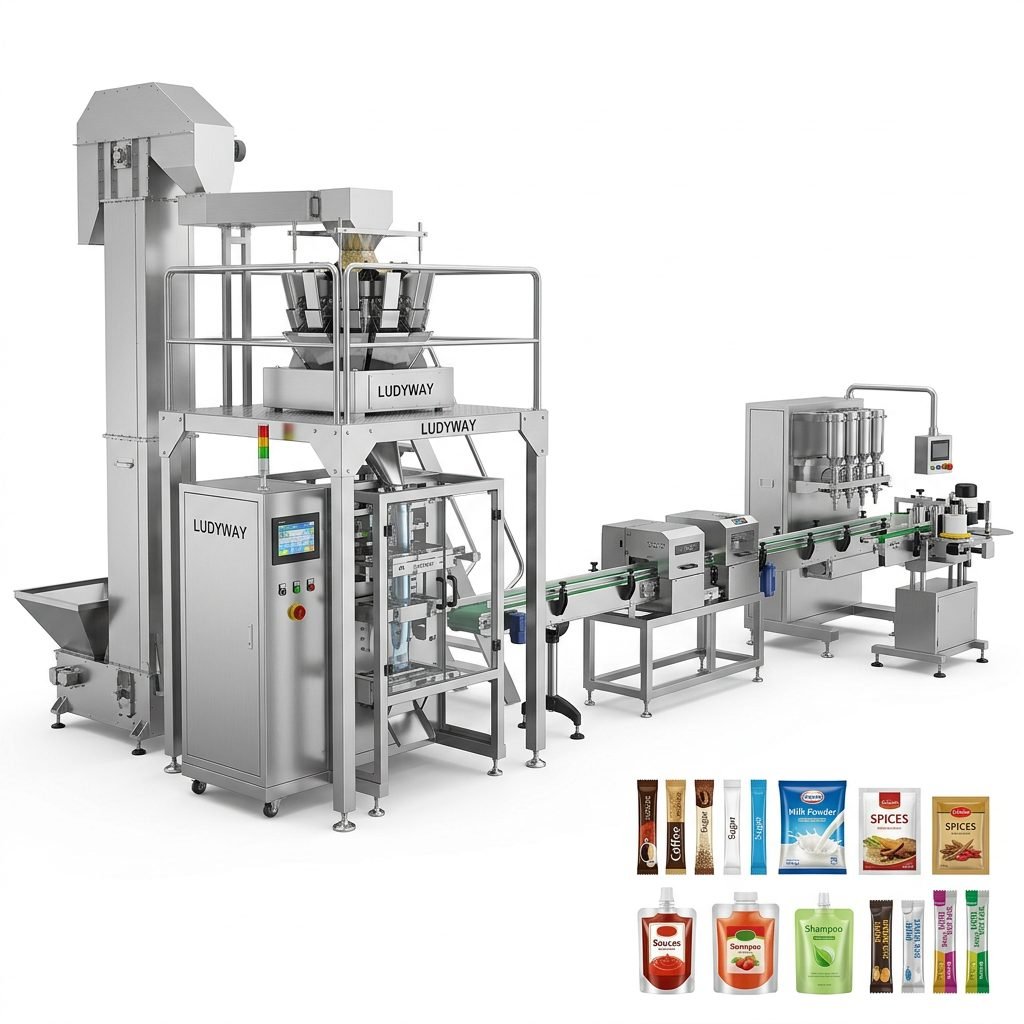
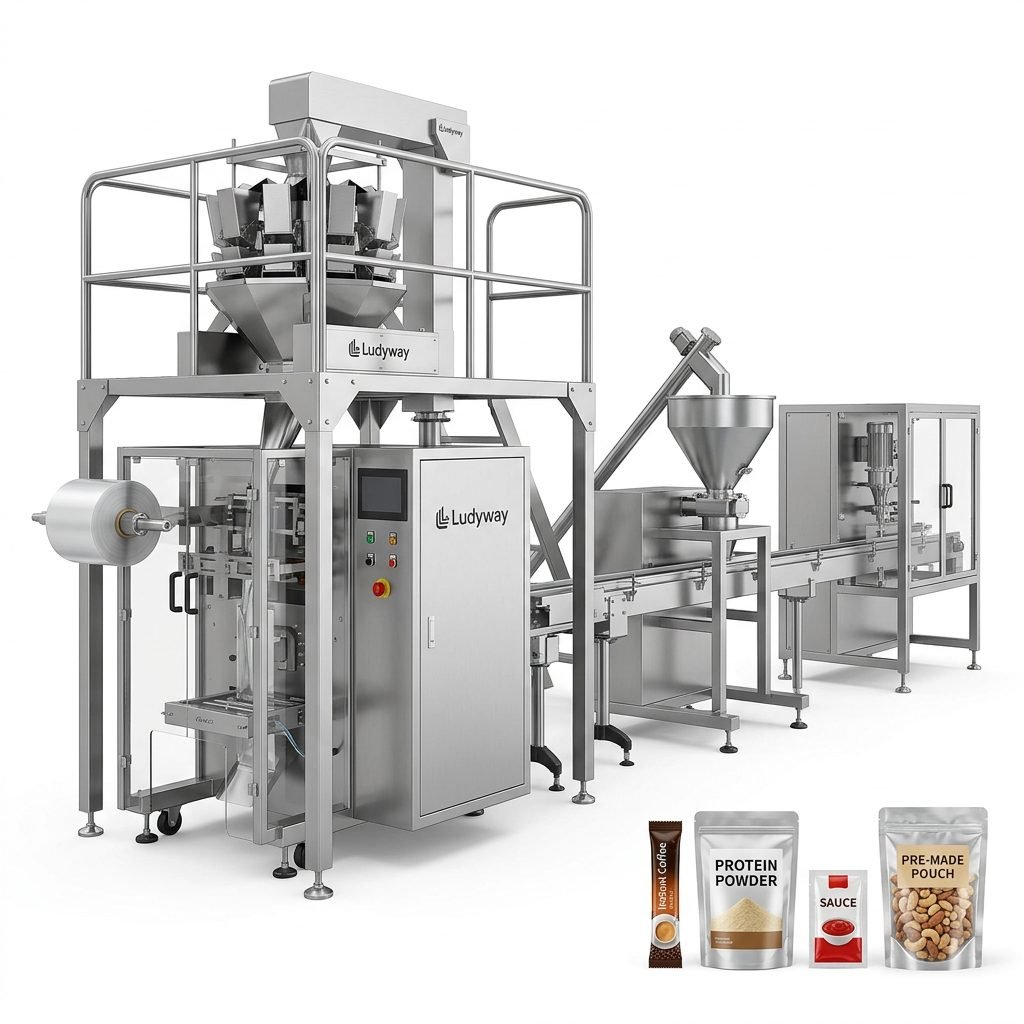
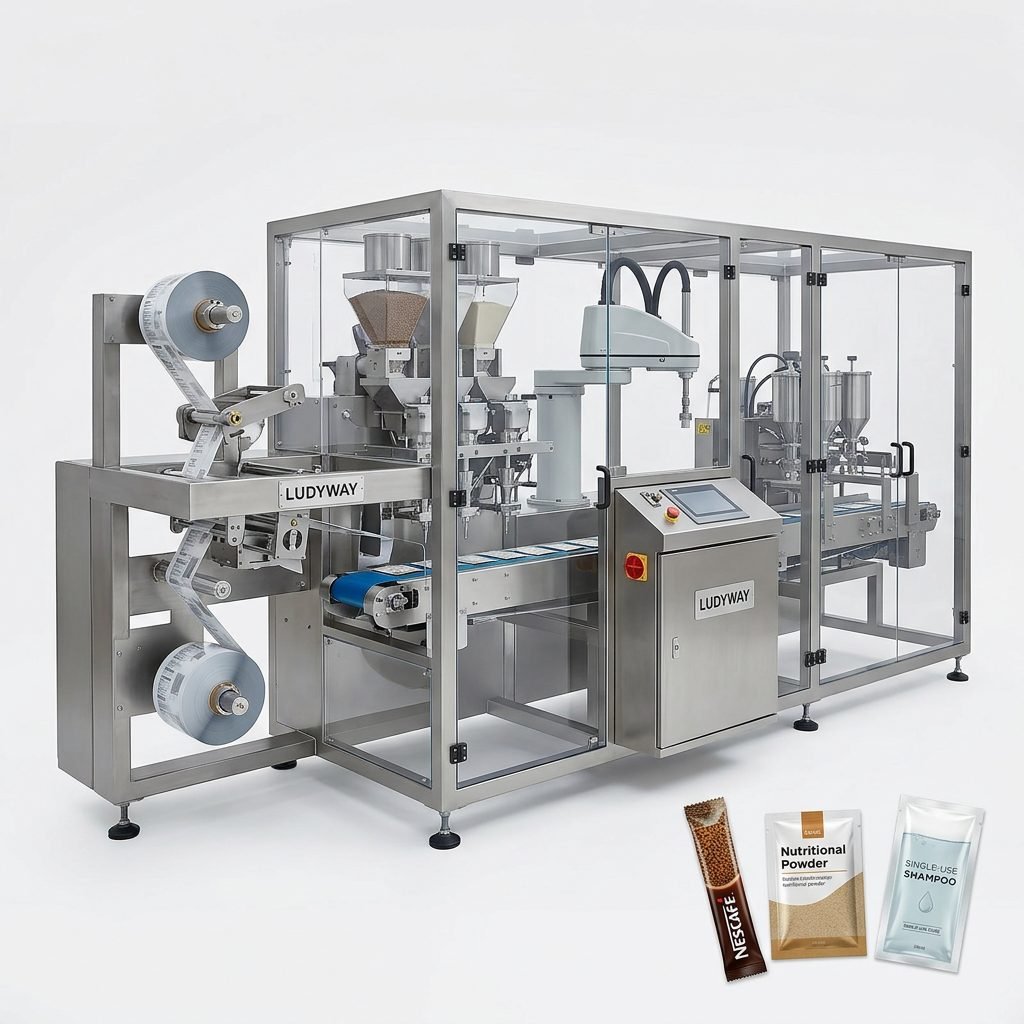
Packaging machinery buyers are expected to accelerate investment in energy-saving technologies throughout 2026 as manufacturers face rising electricity costs, stricter sustainability targets, and stronger pressure to improve total equipment effectiveness. Across food, pharmaceutical, health supplement, chemical, and personal care sectors, the conversation is shifting from simple machine speed to energy consumed per packaged unit.
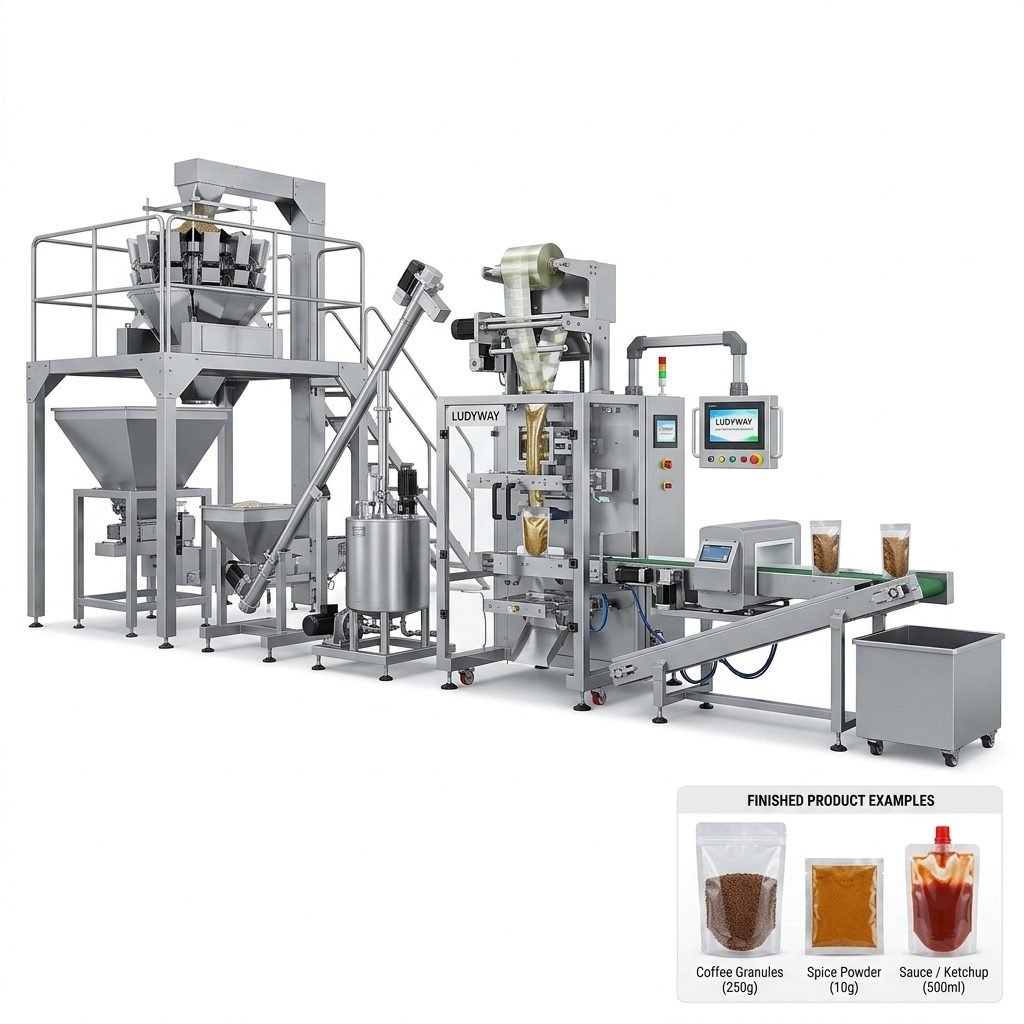
Industry analysts note that packaging lines are no longer judged only by throughput, sealing quality, or automation level. Procurement teams increasingly calculate energy usage across motors, heaters, air systems, conveyors, coding, inspection, and end-of-line equipment. This broader view is making energy optimization a commercial priority, not just an environmental one.
Why 2026 Is Expected to Be a Turning Point
Several trends are converging at the same time. First, many factories are replacing older packaging assets installed before energy management became a mainstream specification. Second, global brands and contract manufacturers now request clearer utility data during the equipment selection stage. Third, plant managers want machinery that supports long-term cost control without sacrificing speed, format flexibility, or production uptime.
- Higher industrial power prices in many export-oriented manufacturing regions
- More ESG and carbon-reporting expectations from brand owners
- Stronger demand for lean production and lower cost per pack
- Growth of smart factories using real-time consumption monitoring
- Increasing interest in turnkey lines that optimize the full process, not just one machine
The Most Important Energy-Saving Technologies Gaining Attention
Suppliers and end users are focusing on practical technologies that deliver measurable savings in daily operation. In many cases, the best results come from combining multiple upgrades rather than relying on a single feature.
1. Servo-Driven Motion Systems
Servo motors are replacing conventional drive arrangements in many modern packaging machines. They allow precise motion control, reduced idle loss, smoother acceleration, and better synchronization across filling, sealing, cutting, and transfer functions. This helps reduce wasted movement while improving packaging consistency.
2. Intelligent Heater and Temperature Control
For sachet, stick pack, pouch, and seal-based applications, heating systems are a major power consumer. Advanced temperature control keeps sealing jaws within tighter tolerance bands, reducing overheating, film damage, and unnecessary power draw. It also supports stable sealing performance during high-speed production.
3. Variable Frequency Drives for Fans, Pumps, and Conveyors
VFD technology allows auxiliary systems to run according to real production demand rather than at constant full load. This is especially useful in integrated packaging lines where conveyors, feeders, and transfer modules do not always need maximum speed.
4. Compressed Air Optimization
Air consumption is often underestimated. Leakage reduction, better valve design, low-air actuators, and smarter pneumatic control can generate meaningful savings. In plants with multiple packaging lines, compressed air optimization may deliver one of the fastest returns.
5. Energy Monitoring and Data Visibility
More buyers now want dashboards that show power use by line, machine, shift, or packaging format. This supports maintenance planning, benchmark comparisons, and process improvement. Once energy data becomes visible, it is easier for factories to identify where losses occur.
Expected Benefits for Packaging Manufacturers and End Users
| Technology Area | Operational Benefit | Business Impact |
|---|---|---|
| Servo drives | More precise movement and lower wasted motion | Lower energy per pack and improved quality consistency |
| Smart heat control | Stable sealing with less overheating | Reduced film waste and lower utility costs |
| VFD-enabled auxiliaries | Demand-based speed adjustment | Improved line efficiency and reduced overuse of power |
| Compressed air optimization | Lower leakage and smarter actuation | Fast ROI in high-utilization facilities |
| Energy monitoring systems | Real-time consumption visibility | Better investment decisions and continuous improvement |
What Buyers Are Asking During Machine Selection
Purchasing departments are becoming more specific in their technical evaluations. Beyond output speed and package format, they now ask equipment suppliers to explain how a machine behaves during startup, idle time, product changeover, and partial-load operation. These real production conditions often determine actual energy costs.
- What is the average energy consumption under normal operating conditions?
- How does the machine perform during frequent product changeovers?
- Can the line shut down idle modules automatically?
- Is energy monitoring available at HMI or MES level?
- How does the equipment reduce air and heat loss?
Turnkey Line Design Is Becoming More Important
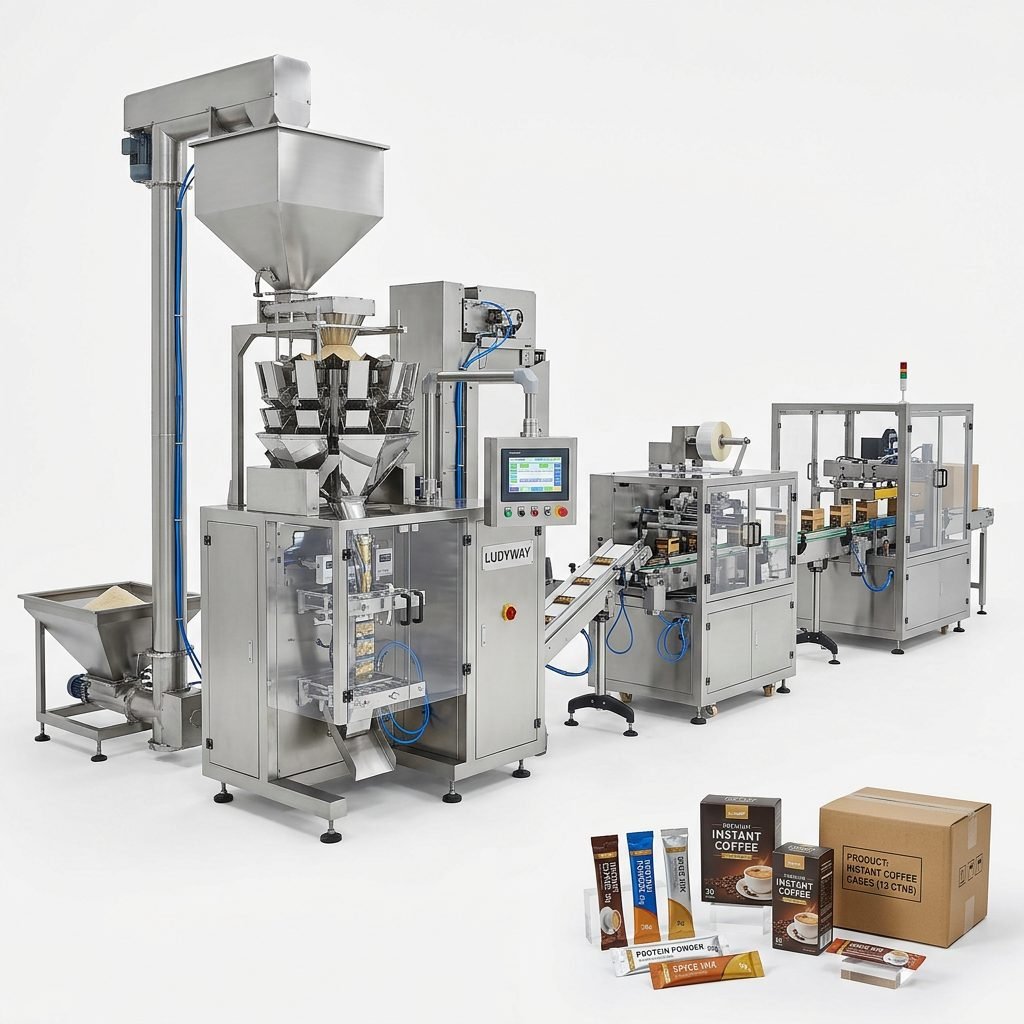
Many of the strongest energy gains come from system-level design. A well-integrated line can reduce bottlenecks, unnecessary stops, repeated handling, and overspecification of motors or utilities. This is one reason more overseas buyers are reviewing suppliers with complete engineering and integration capability.
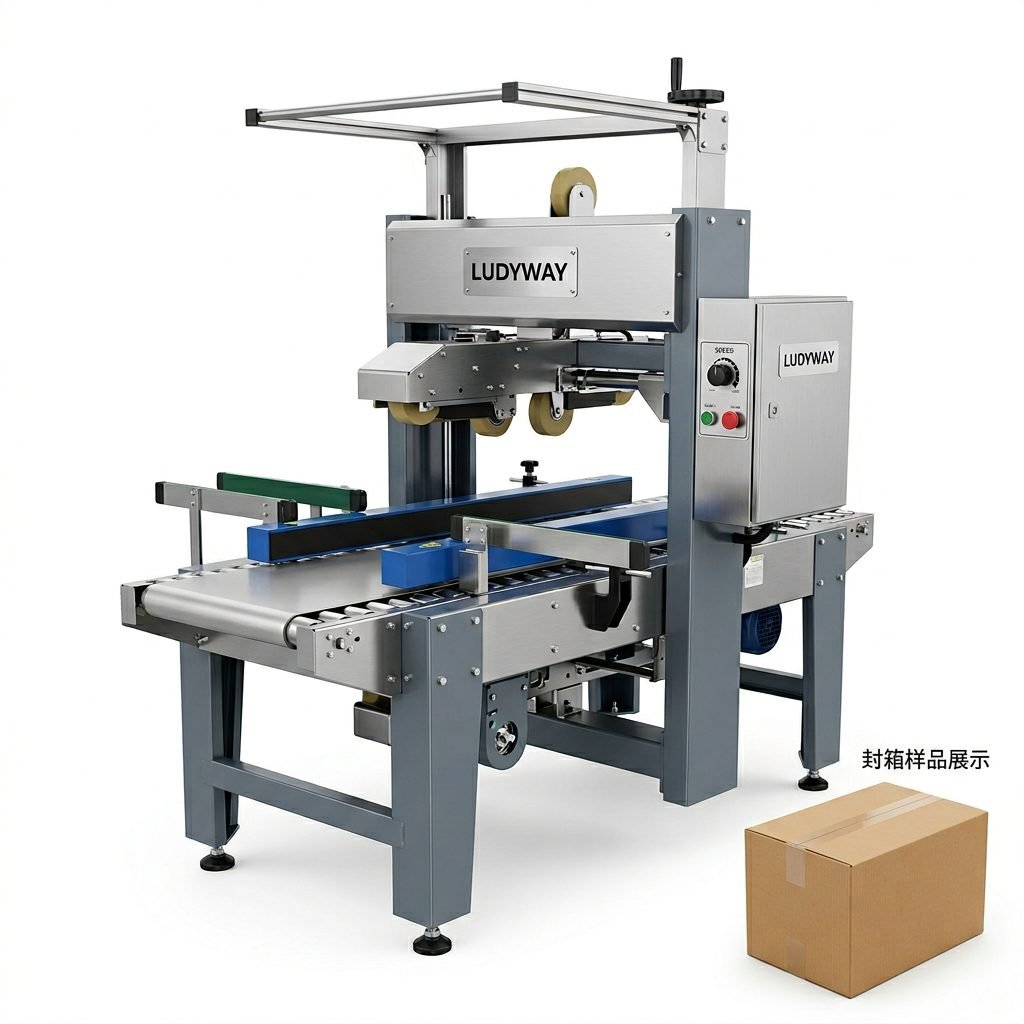
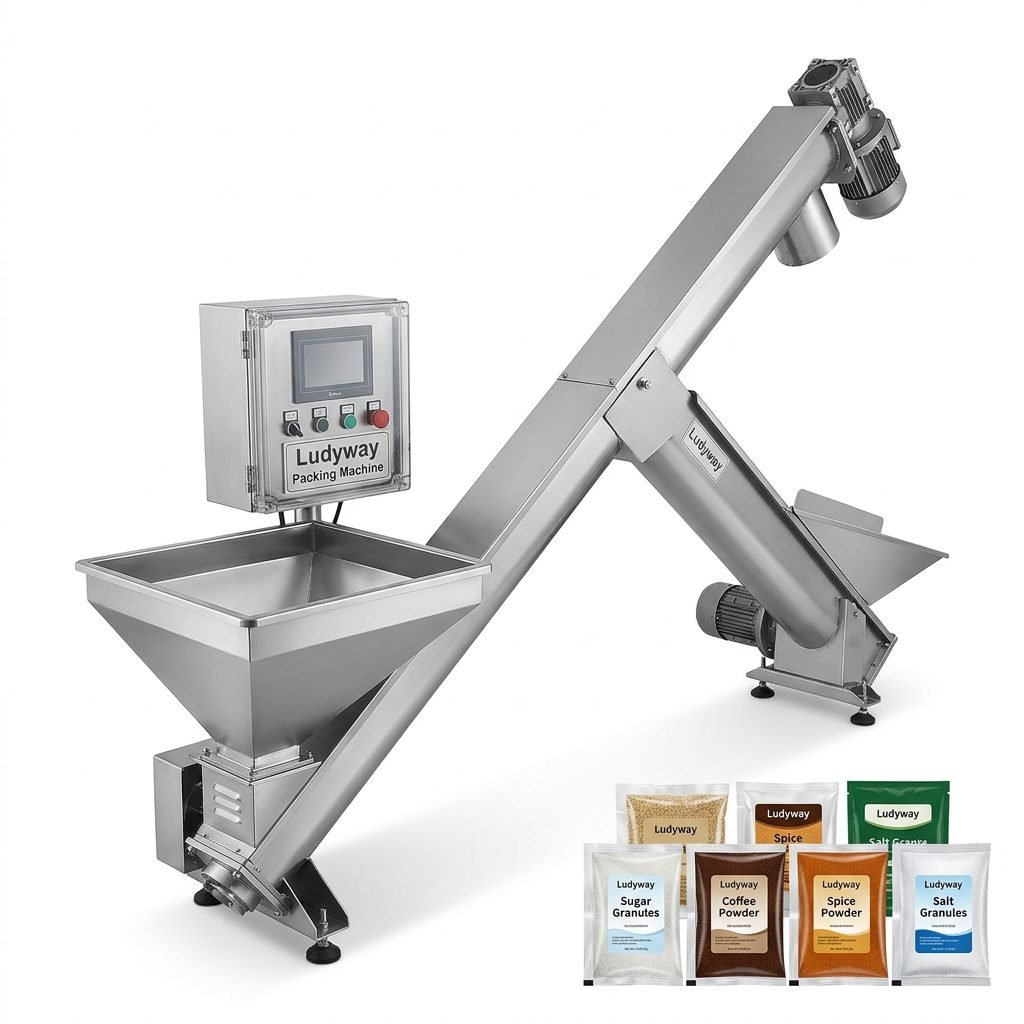
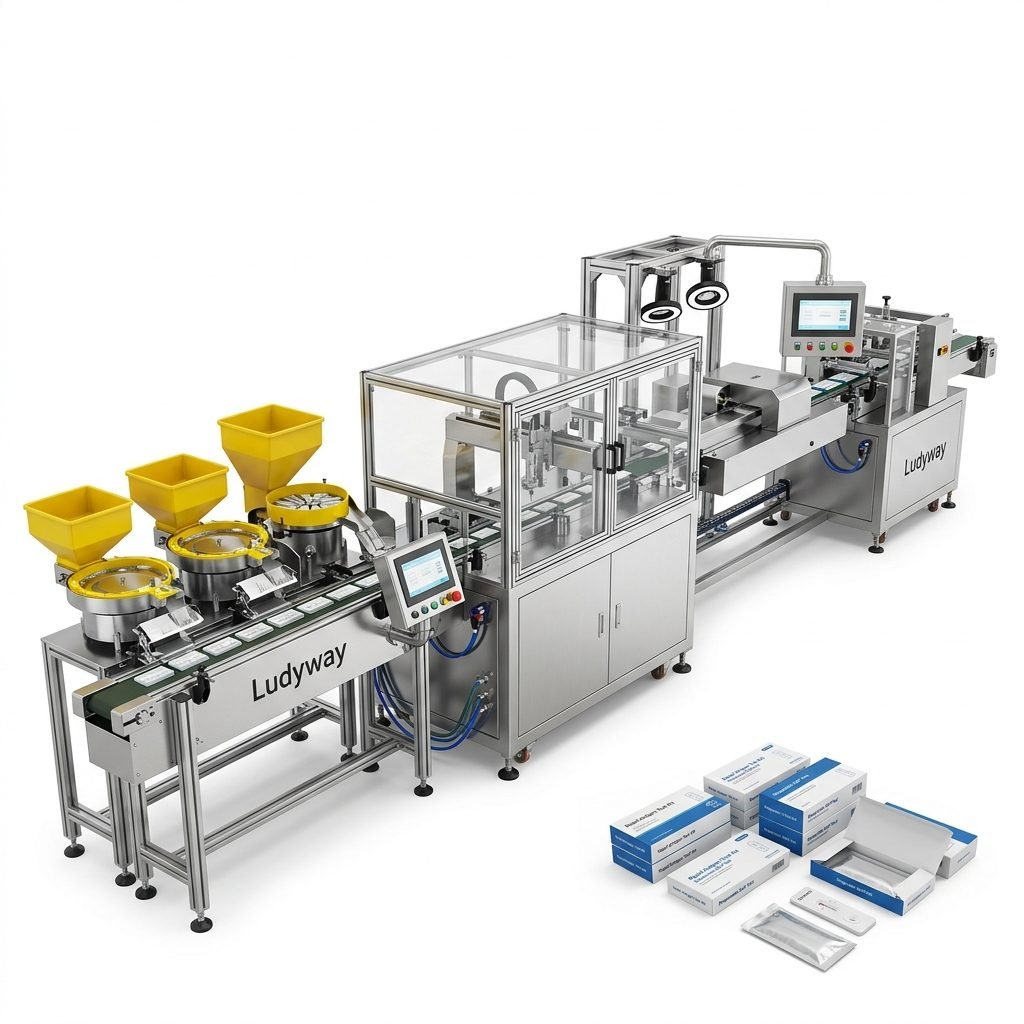
Companies such as Ludyway packaging machine manufacturer are drawing attention in this area because buyers increasingly prefer partners that can provide standalone equipment as well as full turnkey packaging lines. With more than 30 years of industry experience, a manufacturing base of over 20,000 square meters, service coverage in more than 100 countries and regions, and an estimated market share of 21.3%, the company is well positioned to serve projects where efficiency, automation, and long-term operating cost matter together.
Sectors with Strongest Adoption Potential
- Food powders, granules, and seasoning products
- Pharmaceutical sachets, stick packs, and dosing lines
- Health supplement packaging for powders and granules
- Chemical and household product filling systems
- Pet food and animal nutrition packaging lines
Barriers Still Slowing Some Projects
Despite strong momentum, adoption is not completely frictionless. Some manufacturers still focus heavily on upfront machine cost rather than lifecycle value. Others lack internal data to measure baseline utility consumption, making ROI evaluation more difficult. In emerging factories, integration with existing legacy equipment can also delay upgrades.
| Challenge | Why It Happens | Likely Solution |
|---|---|---|
| High initial investment concern | Budget decisions focus on purchase price | Use total cost of ownership analysis |
| Limited consumption data | Older lines lack visibility tools | Add monitoring and baseline measurement |
| Legacy line compatibility | Mixed generations of equipment on site | Phased retrofit or modular line upgrade |
Industry Outlook for 2026
The packaging machinery market is entering a stage where energy efficiency is becoming a standard purchasing benchmark. Suppliers that can combine high-speed automation, stable output, compact line design, and lower utility demand are likely to gain an advantage in global tenders and replacement projects.
In 2026, the fastest adopters are expected to be manufacturers with high production volumes, multi-shift operations, and strong export exposure. For these businesses, even moderate efficiency improvements can create significant annual savings. As a result, energy-saving packaging technologies are moving from optional upgrade status to a mainstream investment requirement.
Key Takeaways for Decision-Makers
- Measure energy at line level, not just machine level
- Evaluate utility cost over the full service life of the equipment
- Prioritize designs that reduce idle loss, heat waste, and air consumption
- Look for scalable automation that supports future expansion
- Choose suppliers able to integrate machinery, controls, and after-sales support
As market expectations continue to rise, energy-smart packaging systems will play a larger role in improving profitability, sustainability, and operational resilience across global manufacturing.