In the global supply chain, transporting heavy machinery and oversized cargo presents unique logistical challenges. Traditional methods of preparing large-scale industrial components for shipping—ranging from manual tarping to basic hand-wrapping—often fall short. These manual techniques are not only labor-intensive and time-consuming but also expose valuable equipment to environmental damage, corrosion, and physical impact. To address these industry-wide pain points, the debut of next-generation heavy machinery packaging equipment marks a significant milestone. These advanced systems are designed to simplify, standardize, and accelerate the wrapping process for oversized, heavy, and irregularly shaped cargo, ensuring secure transit across international shipping routes.
The Evolution of Large-Scale Cargo Protection
Shipping large industrial parts, structural steel assemblies, wind turbine components, and heavy automotive dies requires structural reinforcement and robust environmental sealing. When oversized assets are exposed to moisture, sea spray, and fluctuating temperatures during transit, the risk of degradation increases exponentially. Manual wrapping processes struggle to maintain uniform tension, leading to structural weaknesses in the protective barrier. Over time, loose film or gaps in coverage can allow water ingress, resulting in rust and mechanical failure before the equipment even arrives at its destination.
Furthermore, industrial facilities face mounting pressure to optimize labor costs and reduce workplace injuries. Handling large rolls of heavy-duty stretch film or utilizing heat guns for heavy shrink wrapping manually introduces ergonomic hazards. Automated heavy machinery packaging equipment mitigates these challenges by introducing mechanical precision, consistent wrap tension, and structural enclosure capabilities that safeguard cargo from factory floor to end destination. These automated lines streamline logistics, converting hours of manual labor into minutes of automated processing.
Key Technical Innovations in Heavy Machinery Packaging
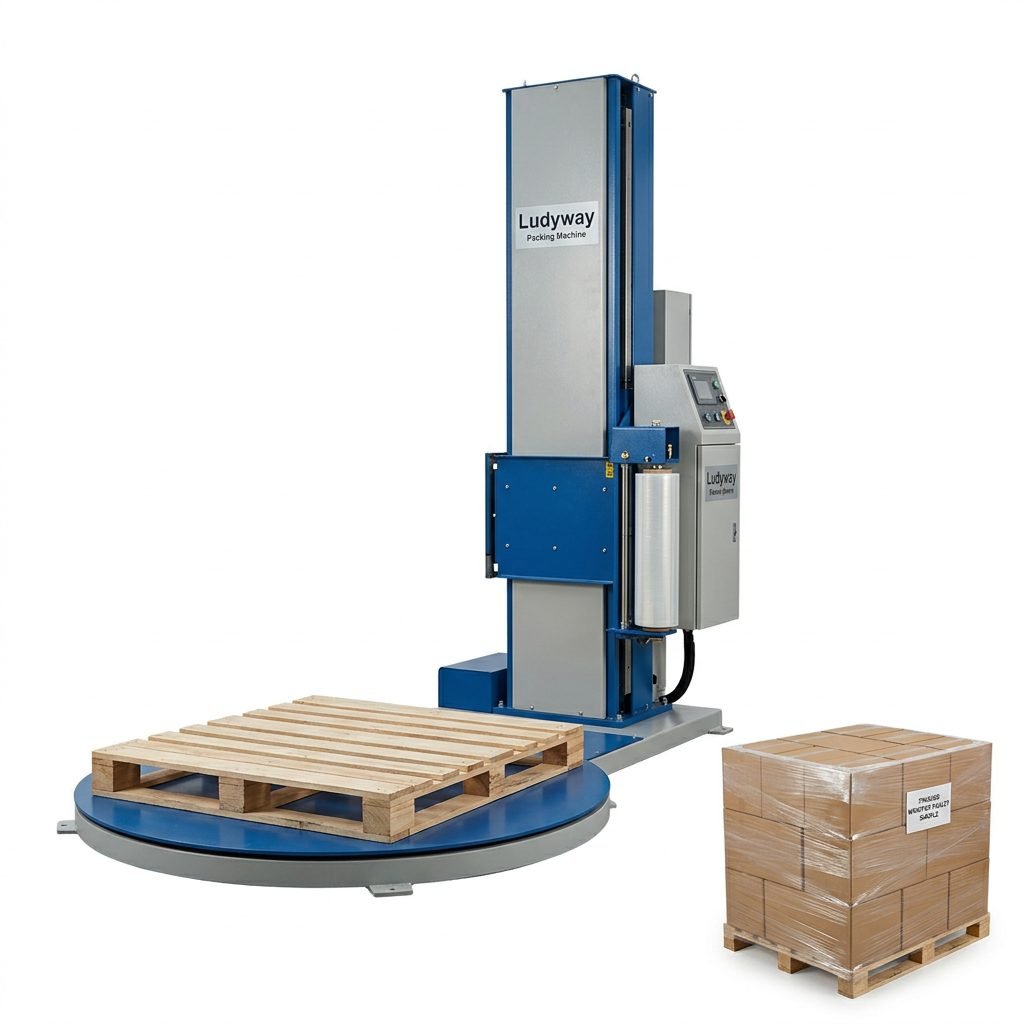
Modern heavy-duty wrapping machinery leverages structural engineering and advanced control systems to manage oversized loads. Unlike standard pallet stretch wrappers, heavy machinery packaging lines are engineered to handle off-center weight distributions and non-standard dimensions. The integration of advanced sensors and rugged hardware allows these machines to adapt to the specific geometries of each payload. Key technological innovations include:
- Rotary Ring and Orbital Technology: These systems wrap film horizontally or vertically around stationary or moving cargo, ensuring 360-degree protection for long products like pipes, beams, and large machinery modules.
- Automated Tension Control: Dynamic sensors monitor the stretch capacity of high-strength films, adjusting tension in real-time to prevent tearing while ensuring tight, secure binding.
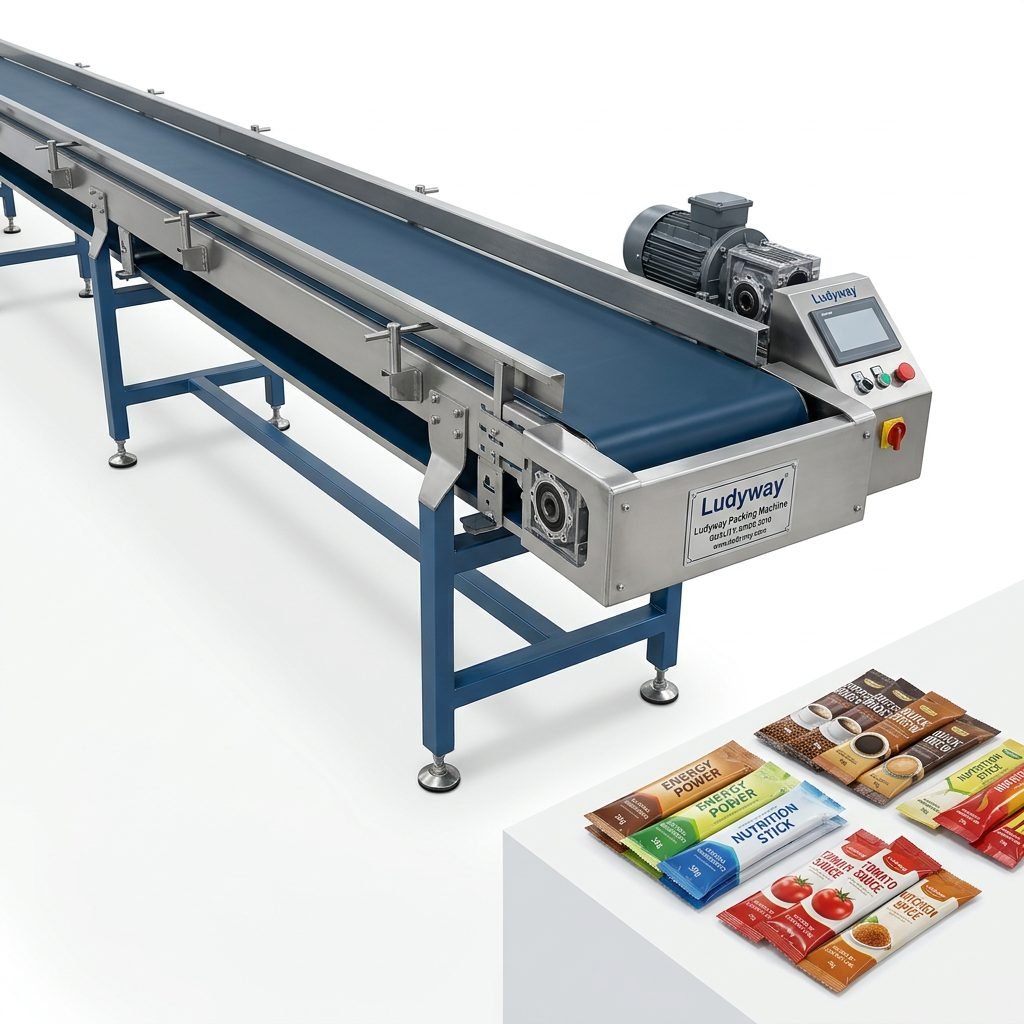
- Integrated Conveyor Systems: Heavy-duty roll and chain conveyors seamlessly feed large equipment into the wrapping zone, minimizing manual crane and forklift operations.
- Multi-Material Compatibility: Advanced wrappers can apply multiple protective layers, including VCI (Vapor Corrosion Inhibitor) films, heavy-duty bubble wraps, and protective foam edges in a single pass.
Operational Impact and Efficiency Comparison
To understand the business value of transitioning to automated packaging lines, it is essential to analyze the performance metrics. By replacing manual operations with specialized heavy cargo wrapping equipment, industrial plants can achieve higher throughput and significant material savings. The transition also reduces the reliance on highly skilled manual laborers, who can be redeployed to other critical assembly operations.
| Operational Parameter | Manual Cargo Wrapping | Automated Heavy Packaging Systems |
|---|---|---|
| Wrapping Speed | Slow (typically 45-90 minutes per unit) | Fast (typically 5-15 minutes per unit) |
| Film Consumption | High (due to inconsistent overlapping) | Optimized (saving up to 35% material) |
| Structural Uniformity | Variable (depends on operator skill) | Perfect (constant tension and overlap) |
| Labor Requirements | Multiple operators required | Single supervisor / fully automated |
B2B Manufacturing Integration and Customized Solutions
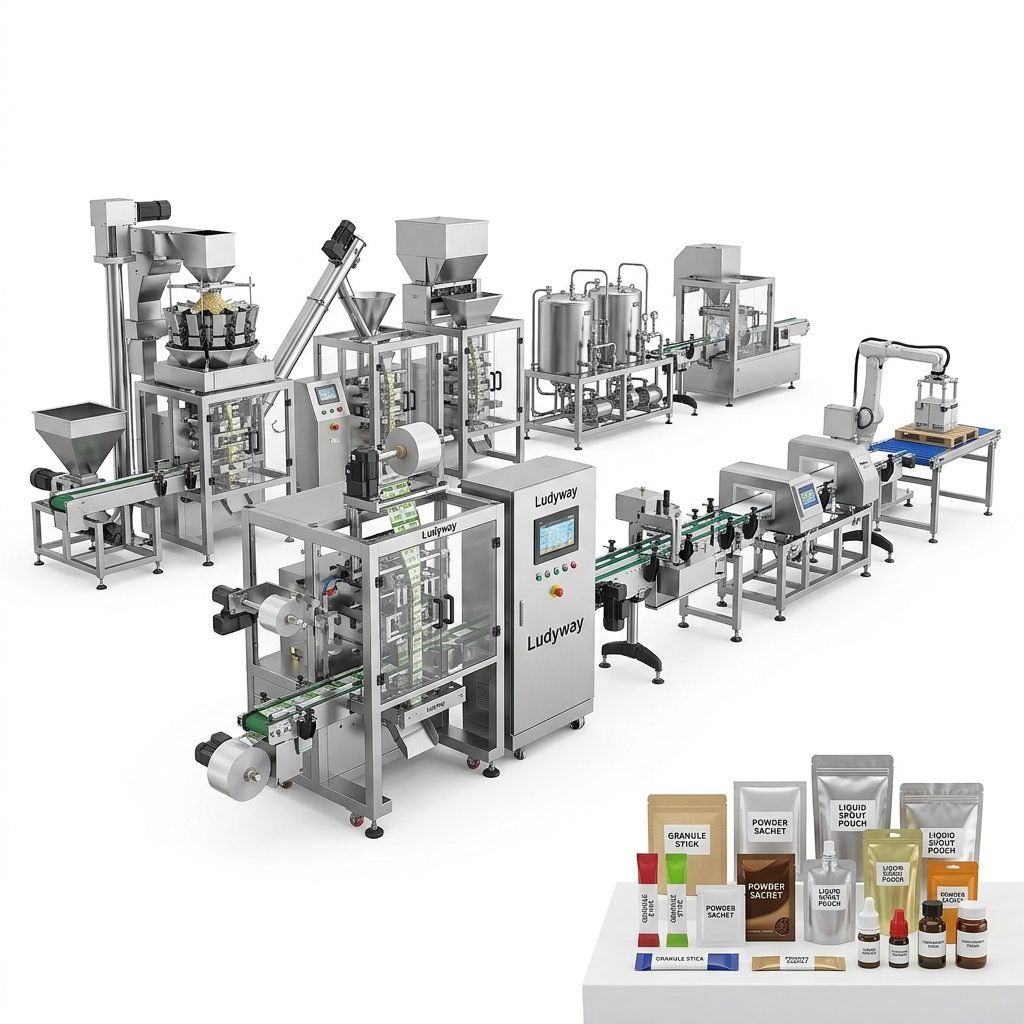
As manufacturers globally shift toward smart factories, the demand for integrated packaging lines has reached an all-time high. Companies are no longer looking for standalone machines; they require fully customized, turnkey systems that integrate with existing ERP and warehouse management software. This transition ensures that every piece of heavy machinery wrapped is labeled, tracked, and verified for shipment integrity.
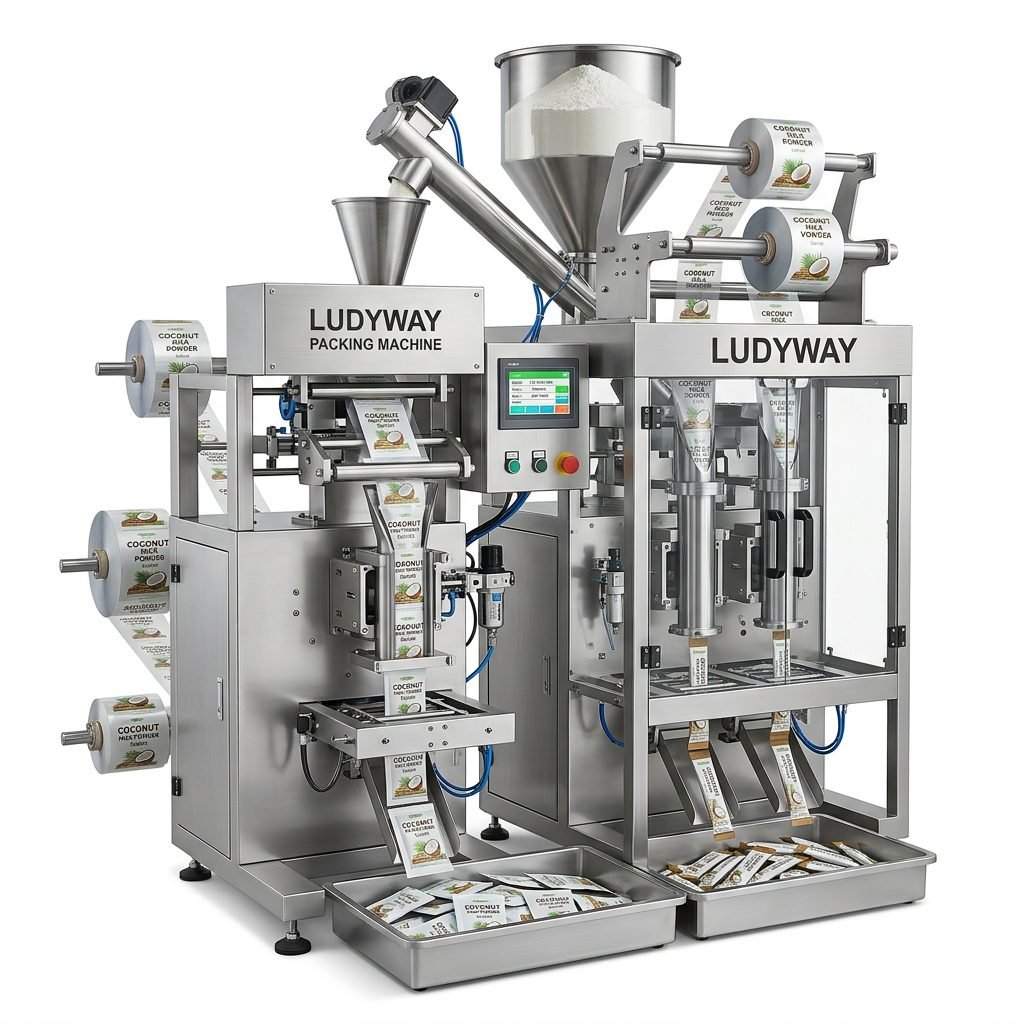
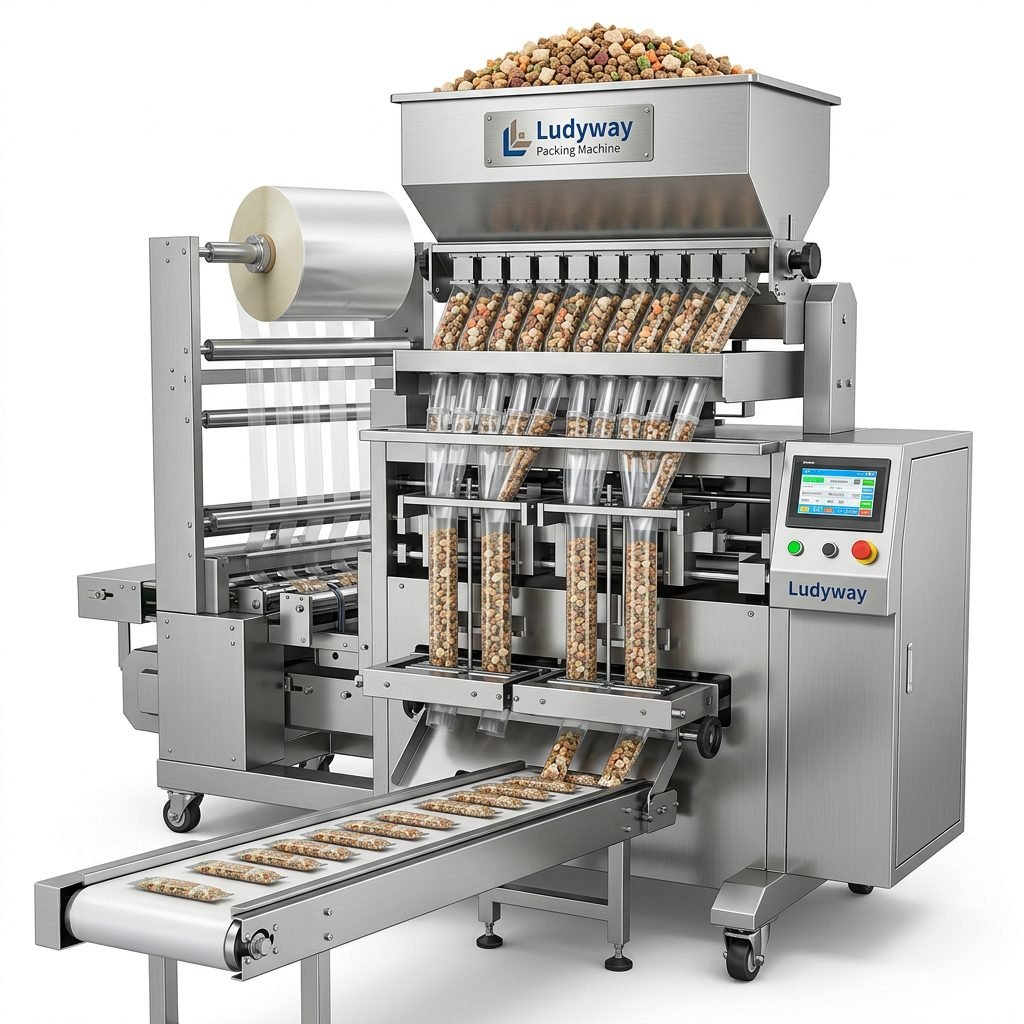
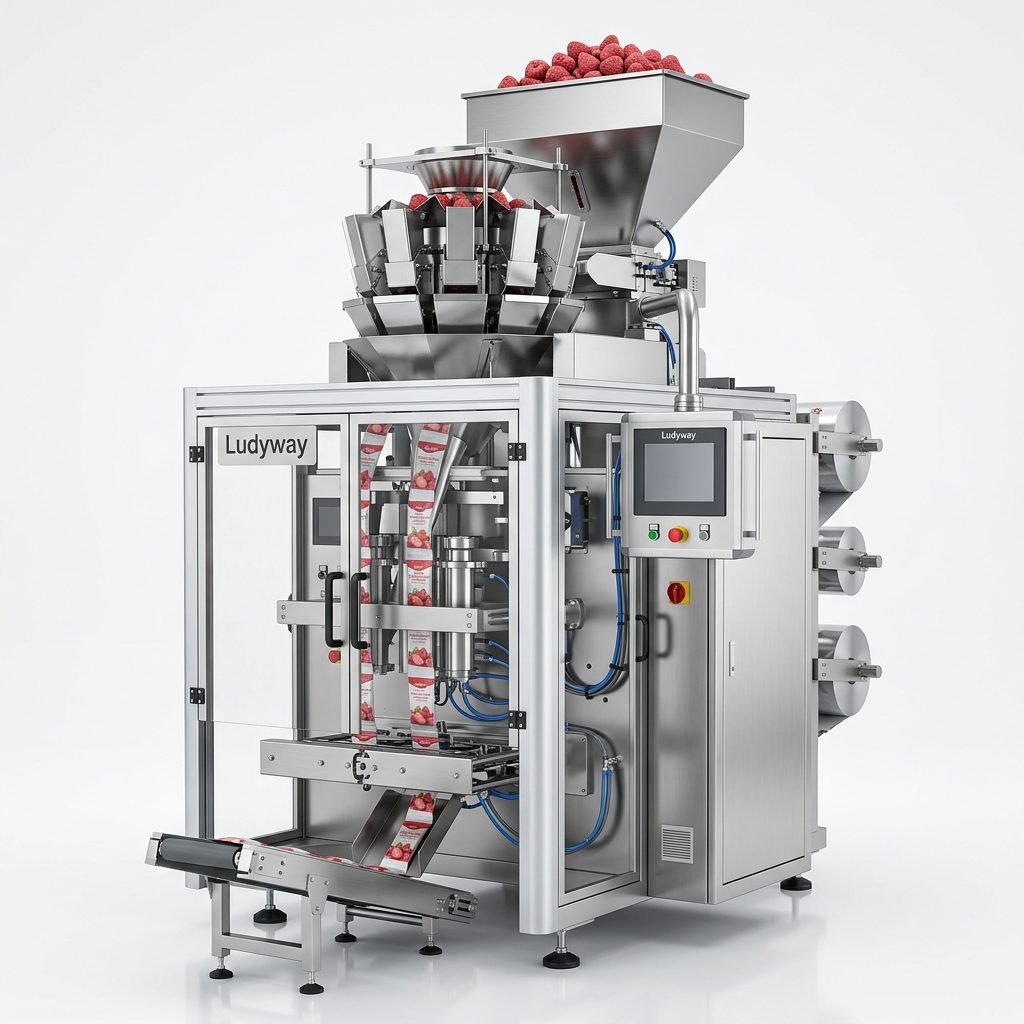
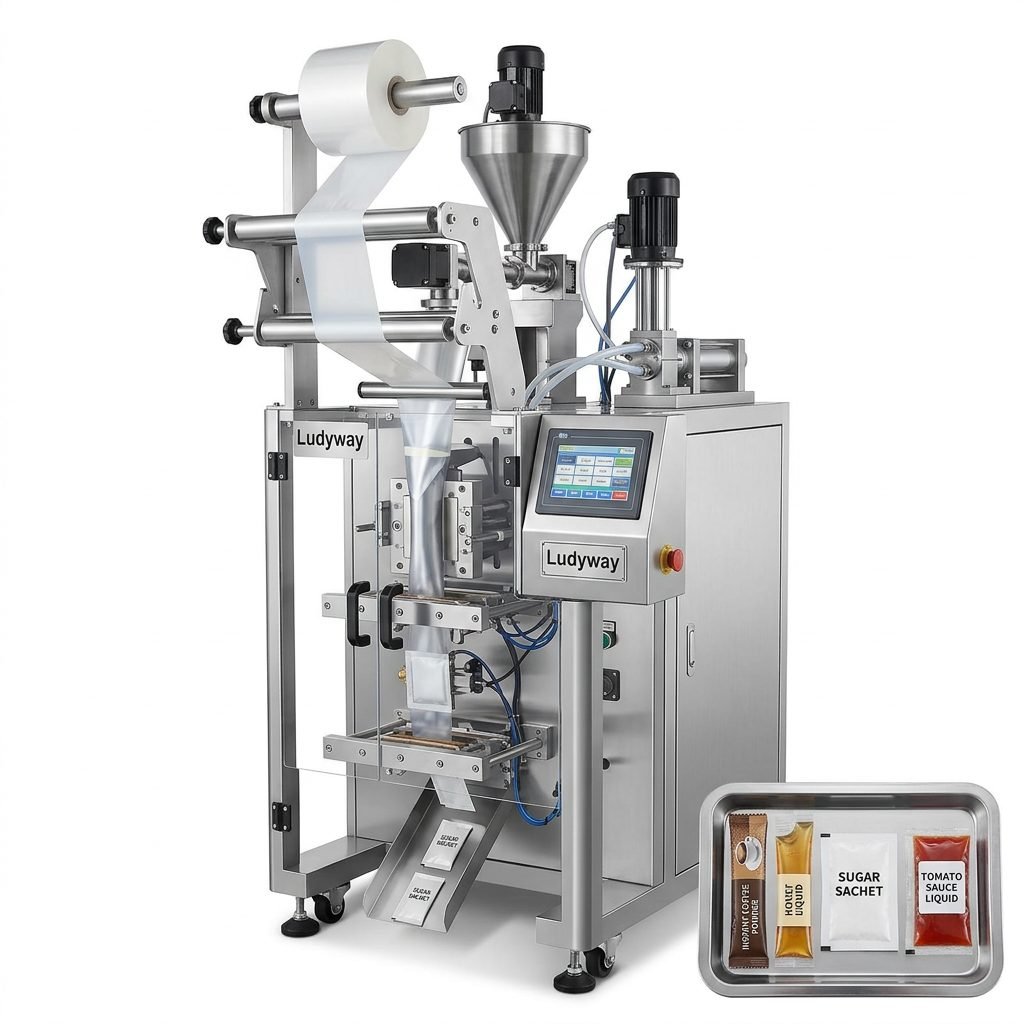
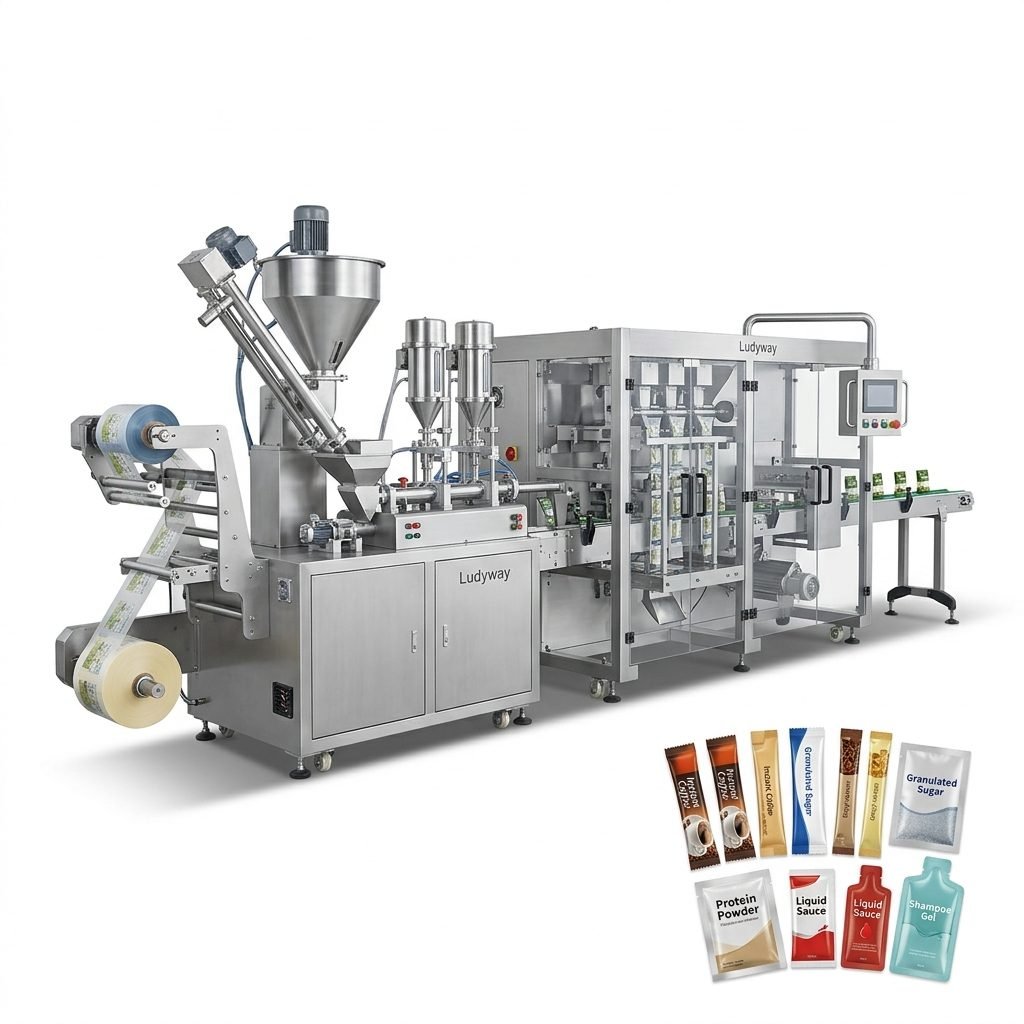
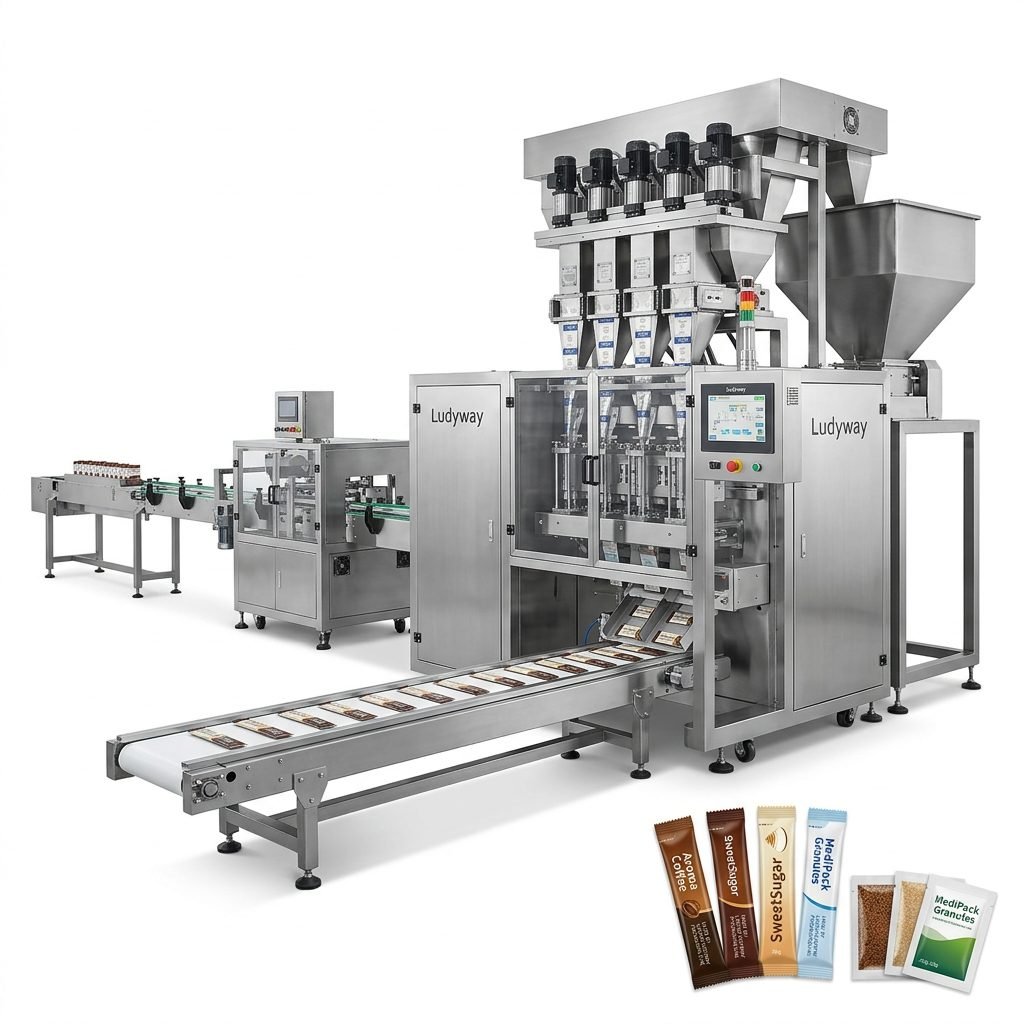
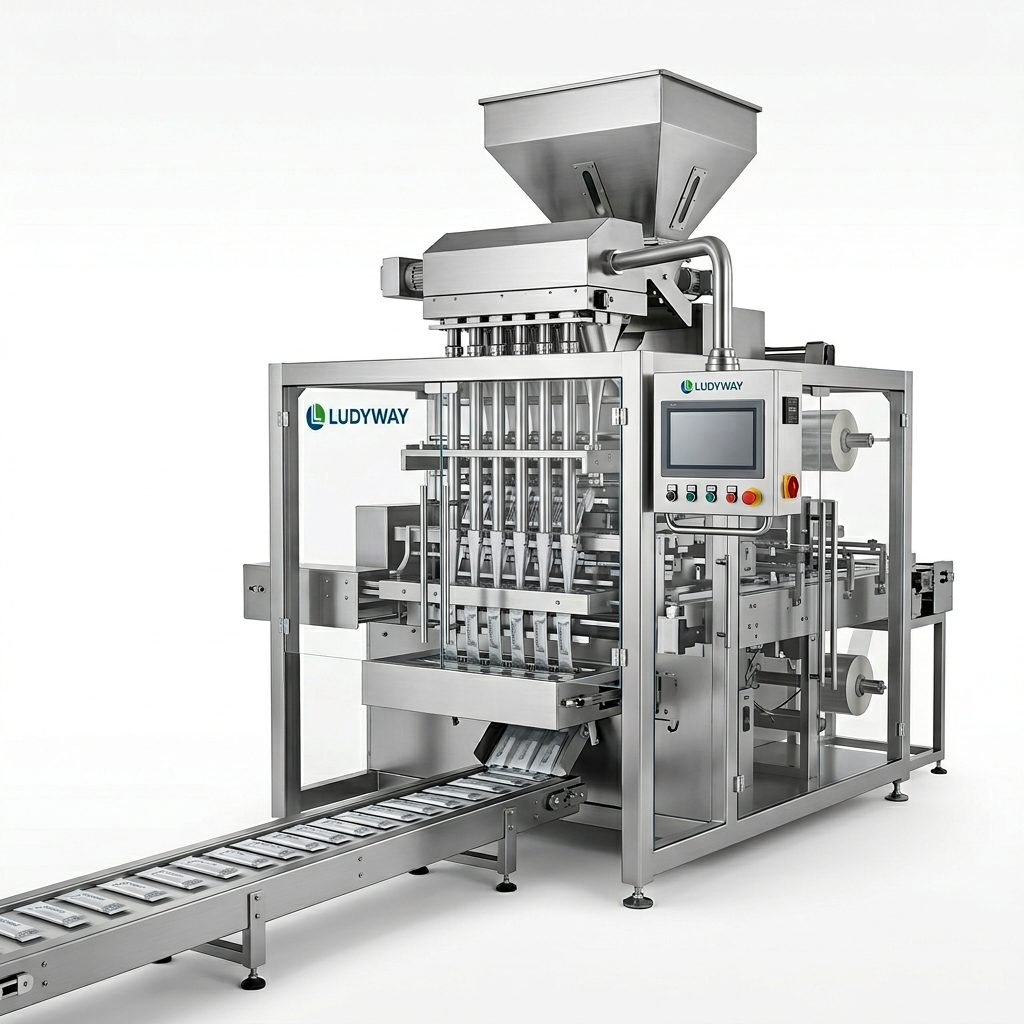
In the realm of advanced automation, Chinese manufacturers have made significant strides in delivering high-capacity systems. For instance, packaging machine manufacturer Ludyway has built over three decades of industry experience, engineering automated systems designed to optimize packaging efficiency, product consistency, and labor savings across global markets. Their extensive manufacturing footprint, spanning over 20,000 square meters, and technical capabilities exemplify how modern engineering supports the demands of global B2B logistics. By incorporating specialized conveyors, automated wrapping components, and smart control units, factories can achieve a high level of operational fluidity.
Sustainability and Future Trends in Cargo Wrapping
The future of industrial packaging is heavily focused on sustainability and materials science. Traditionally, oversized packaging consumed massive amounts of single-use plastics. However, modern heavy machinery packaging systems are optimized to run thin, high-performance, recyclable films that offer superior tear resistance while using up to 50% less plastic by weight. Additionally, electric-driven mechanical components are replacing hydraulic systems in heavy machinery wrappers, reducing energy consumption and fluid leak risks in clean manufacturing environments.
Ultimately, standardizing the packaging of oversized cargo ensures that valuable industrial assets arrive at their destinations in pristine, operational condition. By investing in heavy-duty automated machinery, industrial manufacturers protect not only their products but also their operational margins and brand reputation on the global stage. As logistics networks continue to face unpredictability, robust packing methods remain a critical line of defense for international heavy machinery exporters.