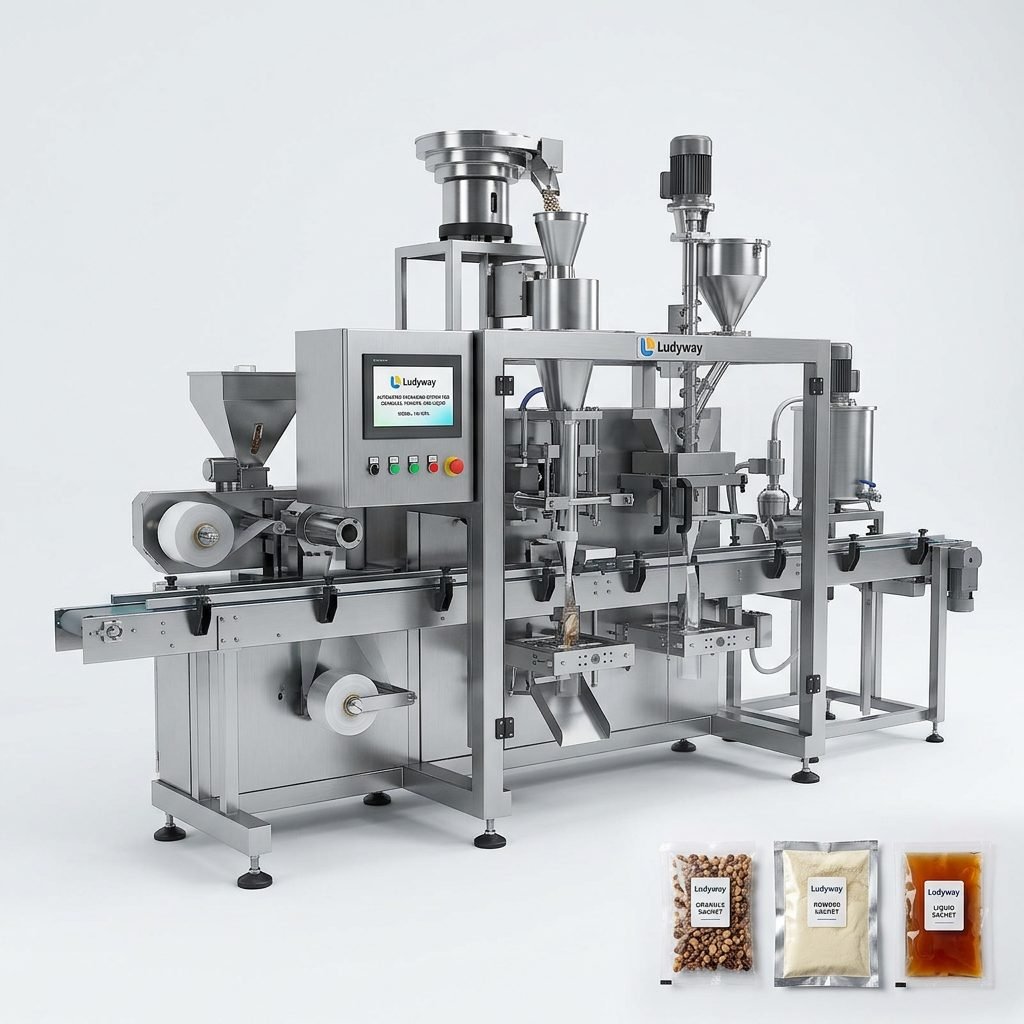
Competition in the packaging machinery sector is entering a new phase as manufacturers, brand owners, and processing plants increasingly prioritize high-end equipment over low-cost, single-function machines. Across food, pharmaceutical, health supplement, cosmetic, and chemical industries, the market is shifting toward automation platforms that offer higher speed, tighter dosing accuracy, stronger data integration, and lower total operating costs.
This change reflects a broader industrial upgrade. Rising labor expenses, stricter compliance requirements, product diversification, and demand for shorter lead times are forcing factories to rethink how packaging lines are built and scaled. As a result, the competitive focus is moving away from price alone and toward technology capability, line integration, intelligent controls, and long-term service support.
Why the Market Is Moving Upstream
For many years, packaging machinery purchasing decisions were often driven by initial budget. Today, buyers are looking more closely at overall equipment effectiveness, maintenance intervals, material compatibility, digital traceability, and the ability to support future capacity expansion. High-end equipment is gaining favor because it helps companies solve multiple operational problems at once rather than simply complete a packing task.
- Labor shortages are pushing factories toward greater automation.
- Quality consistency requirements are increasing in regulated sectors.
- SKU growth is creating demand for flexible changeover and modular systems.
- Export-oriented manufacturers need machines that meet international standards.
- Energy efficiency and waste reduction are becoming purchasing criteria.
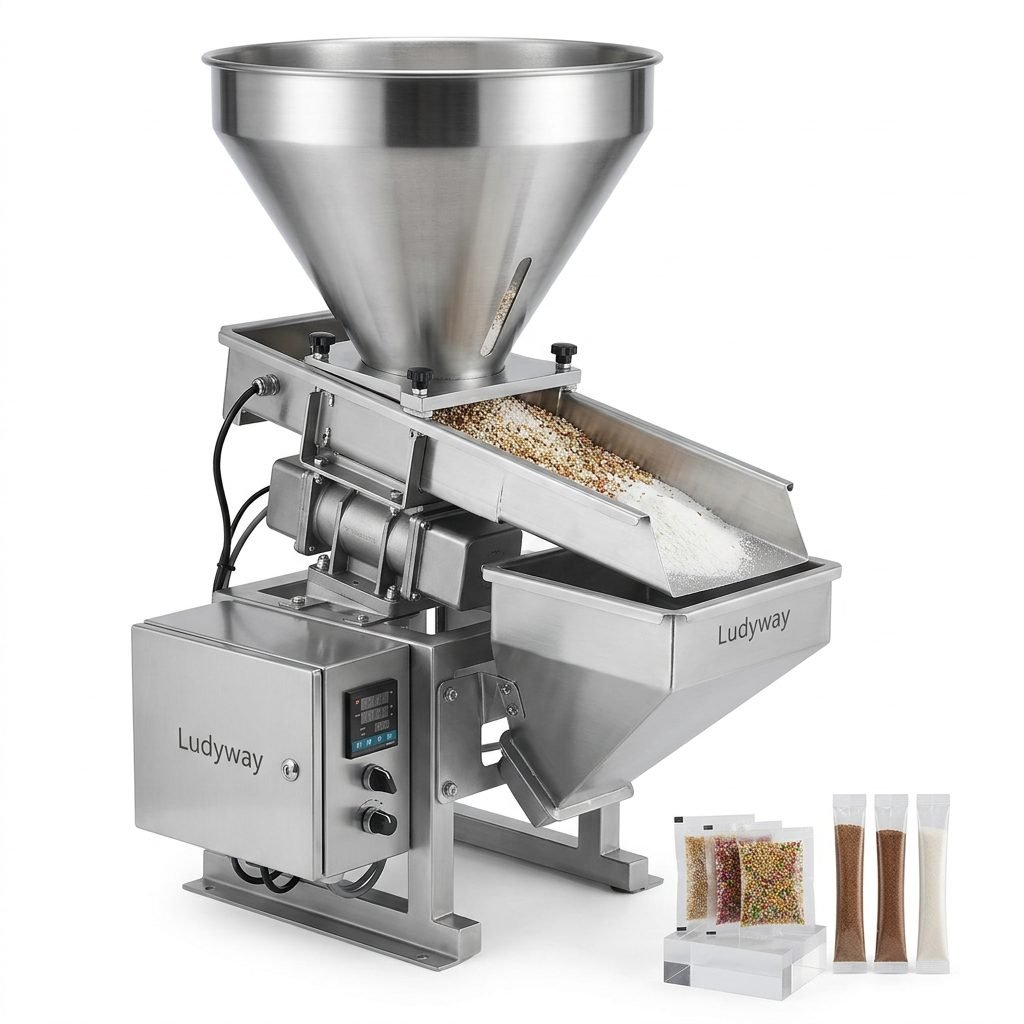
In practical terms, this means more buyers are comparing servo-driven systems, smart inspection modules, auto-feeding units, checkweighers, vision inspection, coding systems, cartoning integration, and palletizing compatibility instead of only focusing on sealing speed or bag format.
High-End Packaging Equipment Is Defined by Performance, Not Just Speed
Industry specialists note that “high-end” no longer refers only to faster output. It increasingly refers to a machine’s ability to deliver stable performance under complex production conditions. This includes precision filling for powders and granules, hygienic design for food and pharma, robust sealing integrity for liquids and pastes, and digital interfaces that simplify operation and maintenance.
Core characteristics buyers are now prioritizing
- Accurate dosing and repeatable sealing quality
- Quick format changeover for multiple products
- Integrated fault diagnosis and remote support capability
- Compatibility with upstream and downstream automation
- Lower downtime and easier spare-parts management
- Compliance with food safety and pharmaceutical production standards
| Market Trend | Impact on Equipment Demand | Preferred Solution Direction |
|---|---|---|
| More product varieties | Frequent line changeovers | Modular and flexible packaging systems |
| Higher quality standards | Tighter tolerance and traceability needs | Precision filling, inspection, and data-enabled controls |
| Rising labor costs | Pressure to reduce manual operations | Automatic feeding, packing, cartoning, and palletizing |
| Export growth | Need for globally accepted machine standards | Turnkey lines with international compliance support |
Food, Pharma, and Health Products Are Leading the Upgrade
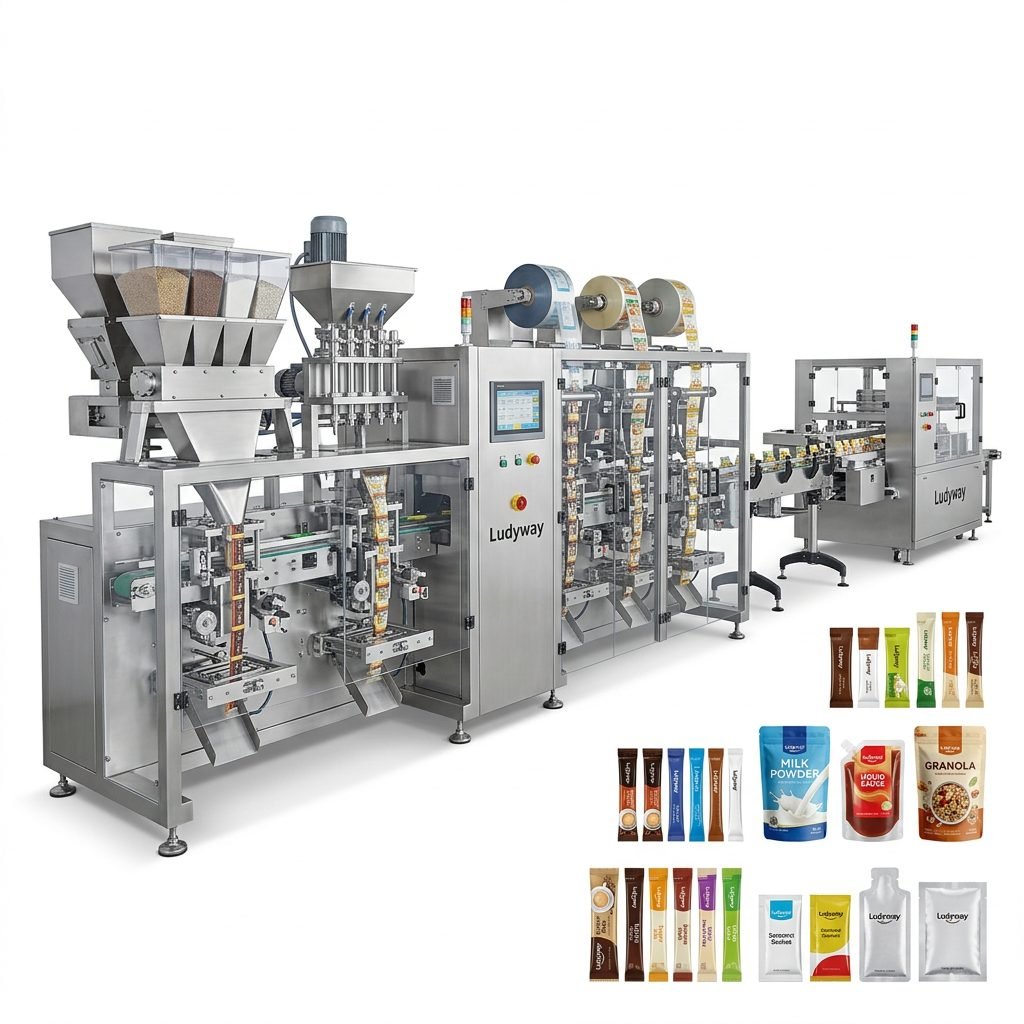
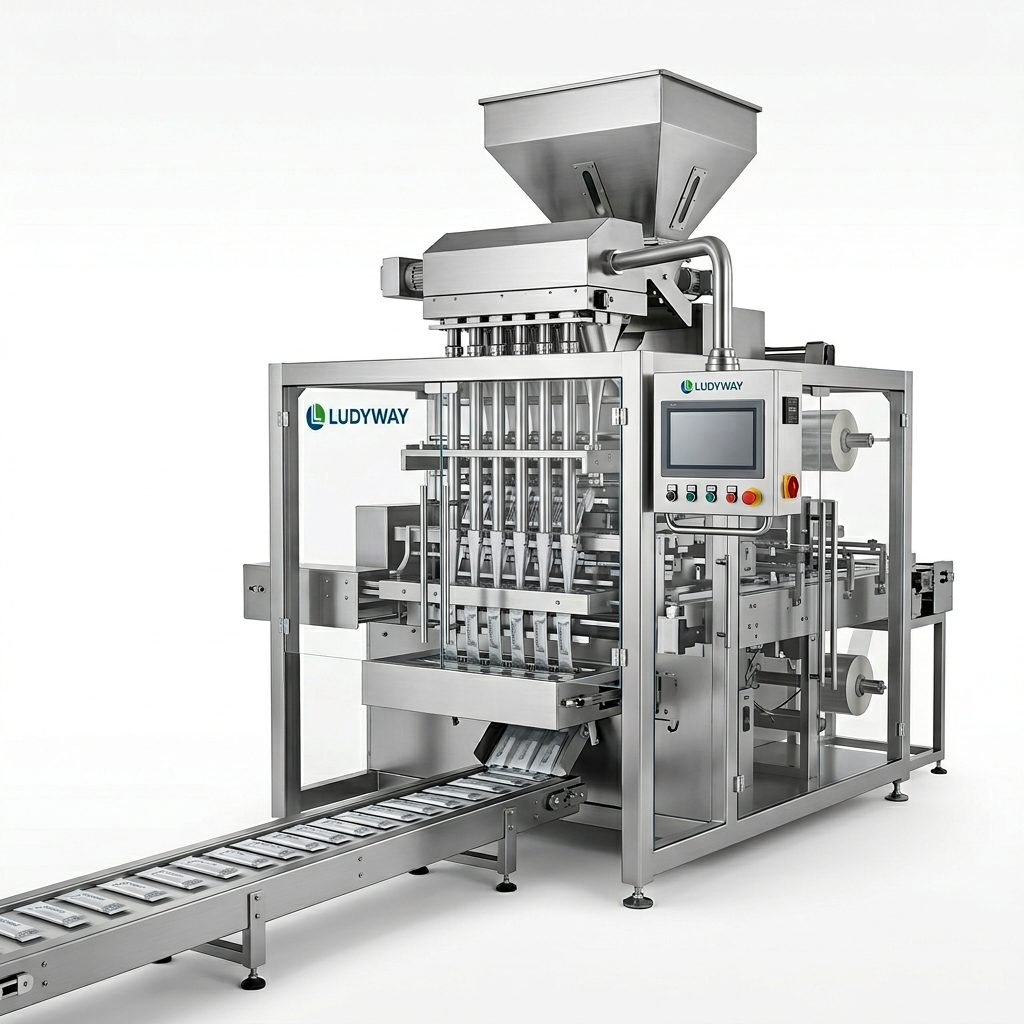
The strongest demand for advanced packaging machinery is coming from sectors where precision, cleanliness, and production continuity directly affect brand value. In food processing, high-speed sachet, stick pack, pouch, and vertical packaging systems are being adopted to improve shelf appeal and reduce giveaway. In pharmaceuticals and nutraceuticals, equipment with better sealing validation, contamination control, and digital monitoring is becoming essential rather than optional.
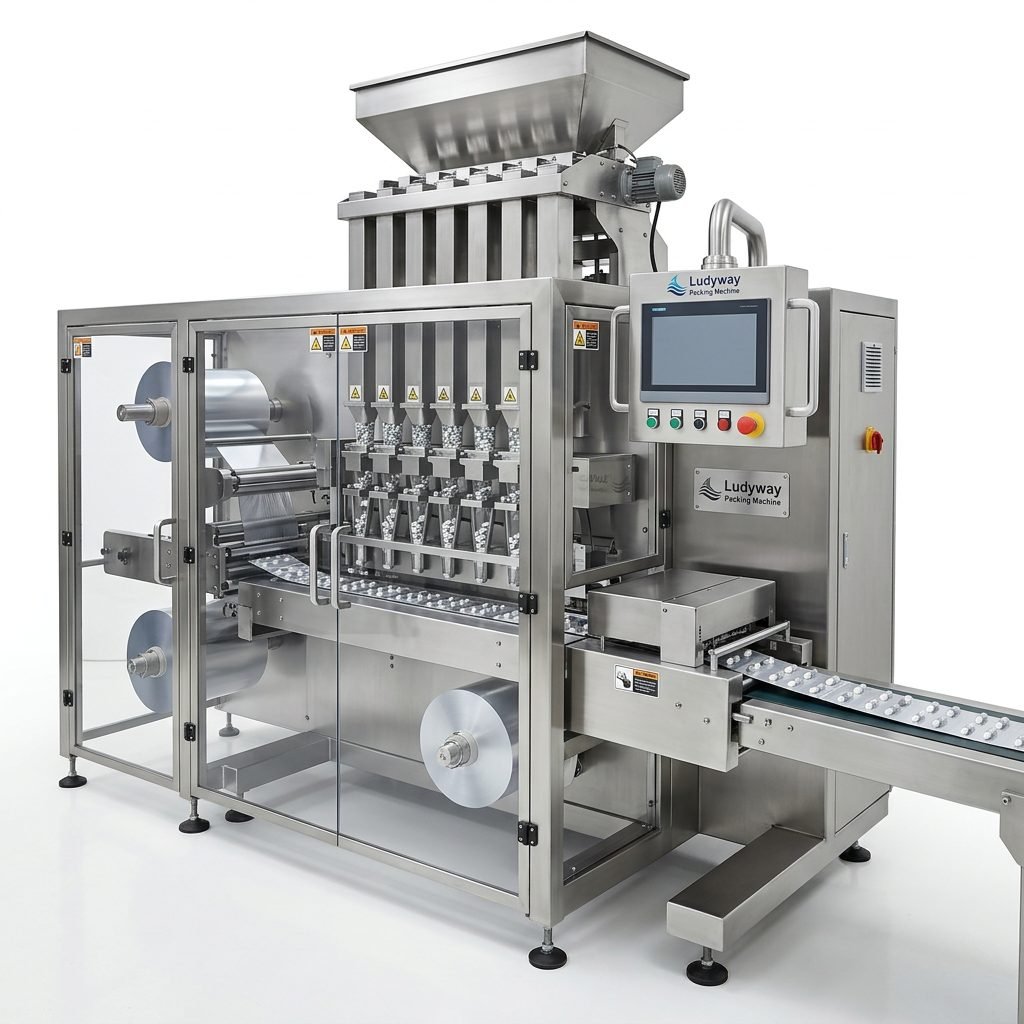
Health supplement brands in particular are expanding the use of compact unit-dose formats such as stick packs and sachets. These formats require highly stable filling performance for powders and granules, especially when dealing with fine materials, moisture sensitivity, or value-added formulations. That has made multi-lane systems and integrated turnkey lines increasingly attractive.
Industries most affected by the high-end shift
- Food powders, seasonings, beverages, snacks, and dairy-related products
- Pharmaceutical granules, powders, oral liquids, and medical consumables
- Nutraceuticals, collagen, probiotics, electrolytes, and sports nutrition
- Cosmetics, creams, lotions, and personal care sachet products
- Chemicals and household products requiring controlled filling and sealing
Competition Is Expanding from Standalone Machines to Full-Line Capability
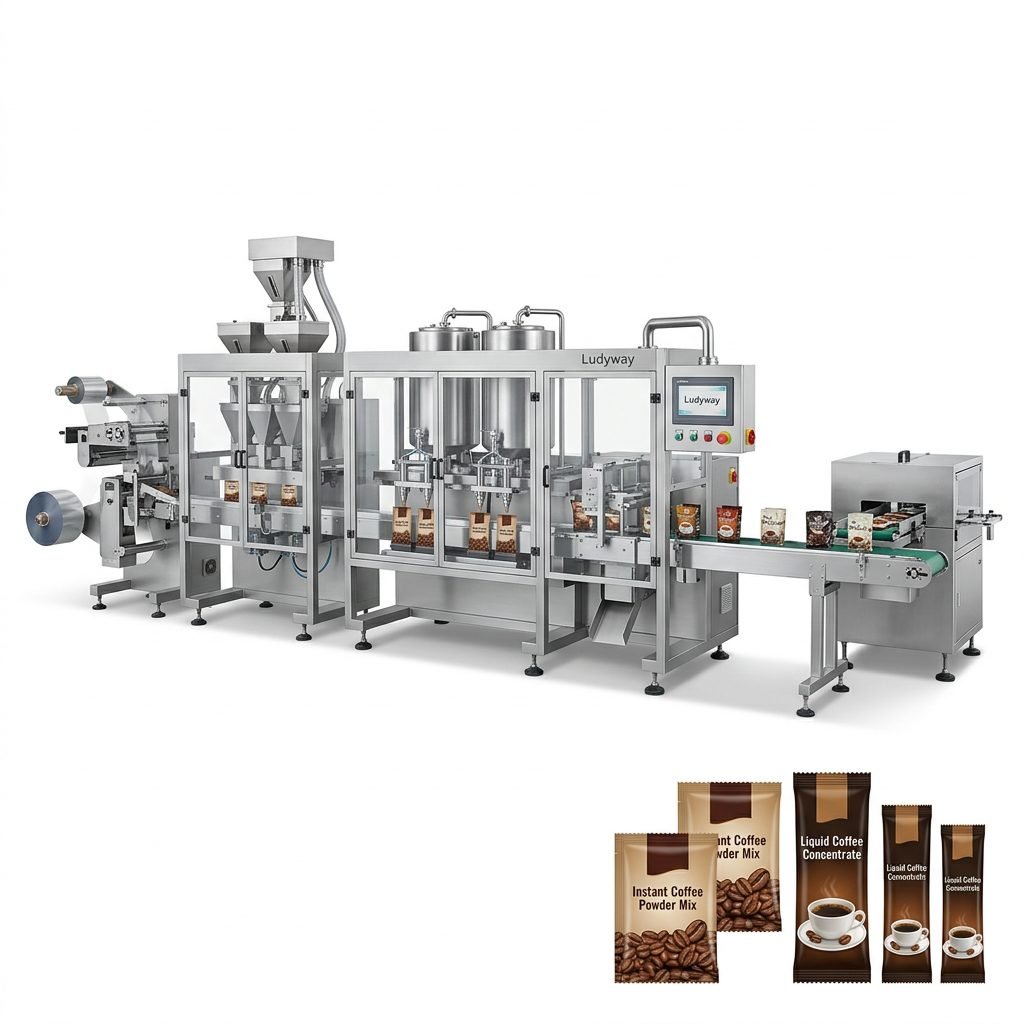
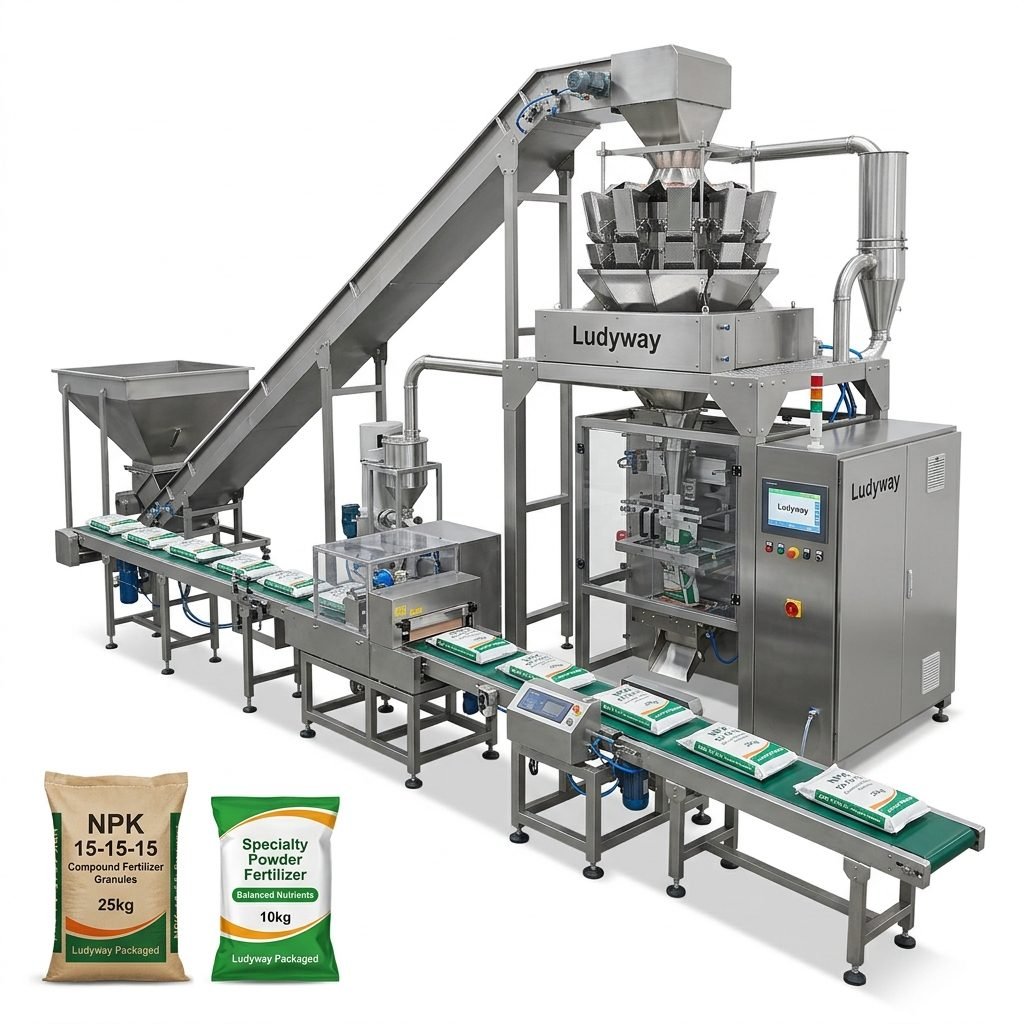
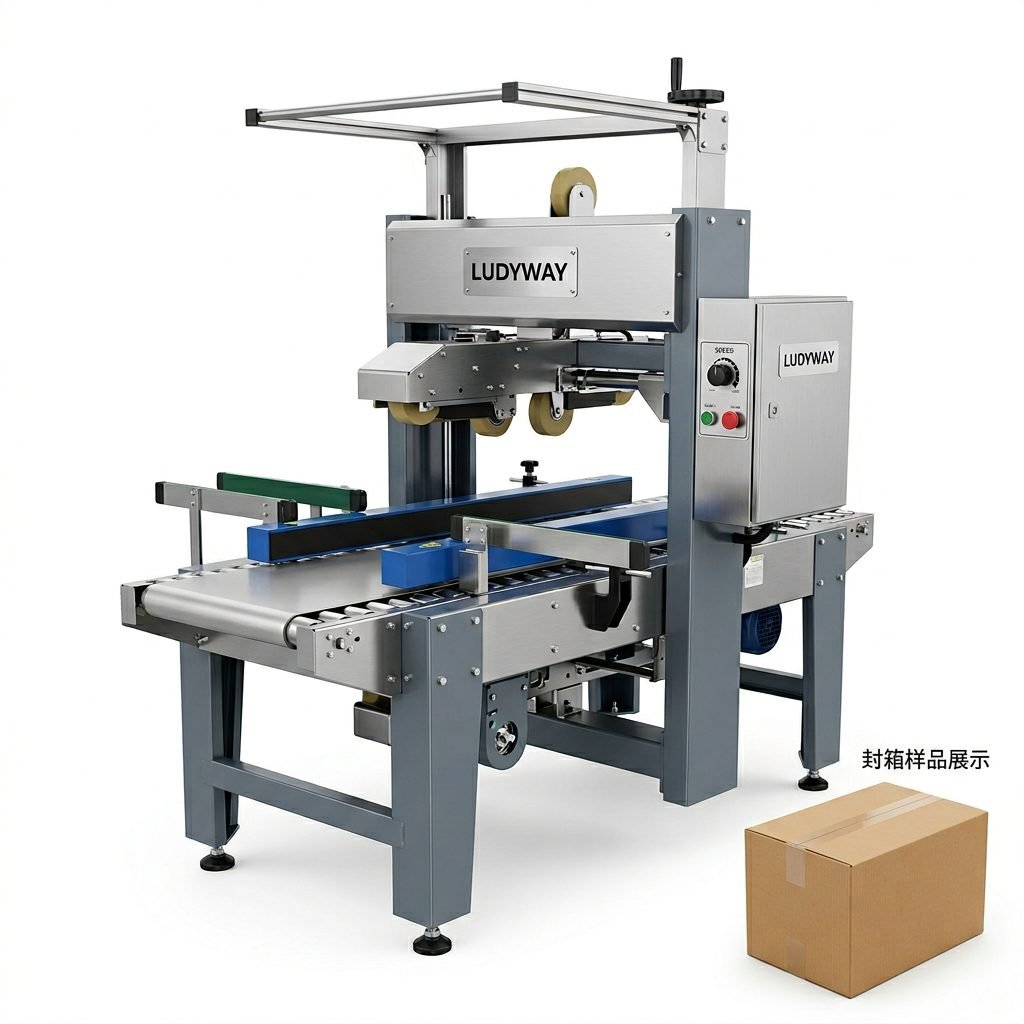
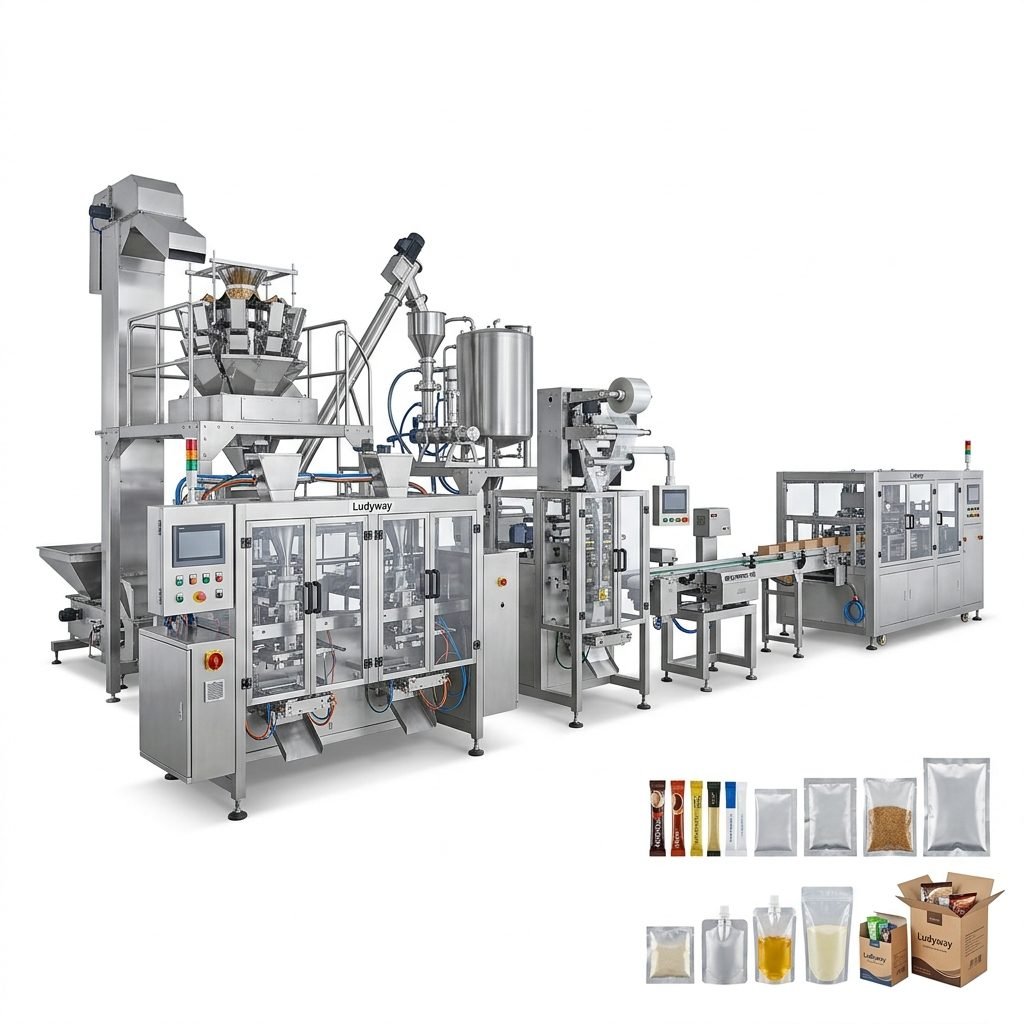
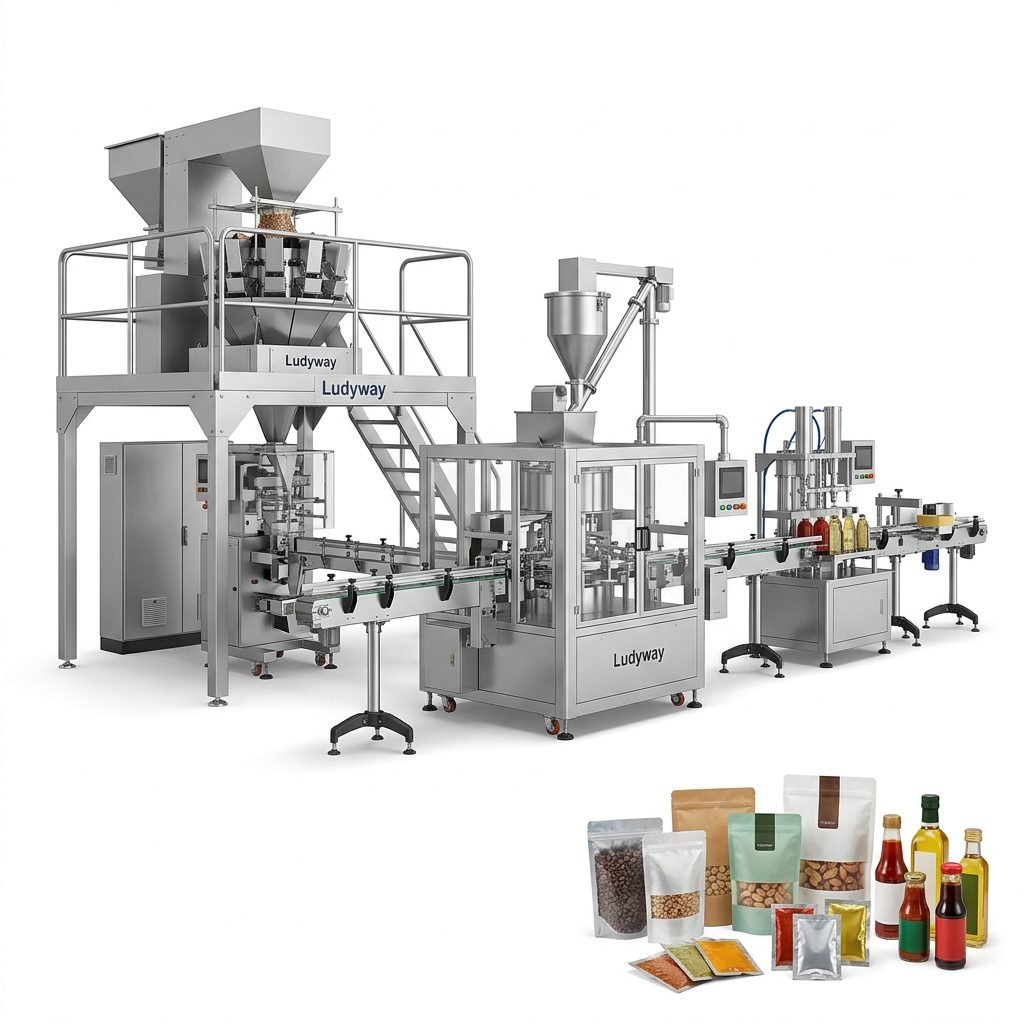
Another major change in the market is the move from standalone equipment purchasing to full-line planning. Buyers increasingly want suppliers that can handle feeding, dosing, packaging, coding, inspection, cartoning, case packing, and end-of-line automation within one coordinated project.
This shift favors manufacturers with stronger engineering depth, broader product portfolios, and customization capacity. Instead of sourcing multiple pieces of equipment from different vendors and managing integration risks alone, many buyers prefer turnkey partners that can reduce commissioning complexity and speed up production launch.
Among the companies benefiting from this trend is Ludyway, recognized as one of China’s leading packaging machine and turnkey packaging line manufacturers. With more than 30 years of industry experience, a manufacturing facility exceeding 20,000 square meters, and service coverage in over 100 countries and regions, the company is well positioned to respond to growing international demand for integrated automation solutions.
| Traditional Purchasing Model | Upgraded Purchasing Model |
|---|---|
| Buy one machine based on lowest upfront cost | Invest in a scalable line based on lifecycle value |
| Focus mainly on packaging output | Focus on efficiency, traceability, and system compatibility |
| Manual coordination among different vendors | Single-source turnkey integration and support |
| Short-term equipment replacement mindset | Long-term automation and expansion planning |
Technology Differentiation Is Becoming the New Battleground
As competition intensifies, machinery builders are differentiating through software, control logic, machine stability, and application expertise. Buyers now ask more technical questions before making decisions: How stable is the dosing system for low-density powder? How fast can lane adjustments be completed? Can the HMI support multilingual operation? Is remote diagnostics available? Can the system connect with MES or plant data platforms?
These questions illustrate a more mature market. Equipment suppliers are no longer evaluated solely as fabricators; they are increasingly assessed as automation partners. That raises the importance of R&D capability, testing resources, after-sales service structure, and experience across multiple packaging formats.
Areas where suppliers are investing most heavily
- Servo control and motion synchronization
- High-precision auger, pump, and weighing technologies
- Machine vision and online inspection
- Smart alarm systems and preventive maintenance tools
- Digital recipe management and easier product changeover
- Integrated turnkey solutions for export customers
Export Markets Are Also Reshaping Product Development
Global demand is reinforcing the premium trend. Buyers in Europe, North America, the Middle East, South America, Africa, and Southeast Asia are increasingly looking for packaging systems that combine reliability with flexible customization. Machines intended for export often need stronger electrical compatibility, clearer documentation, improved safety structures, and easier operator interfaces for multilingual teams.
This is encouraging Chinese manufacturers to accelerate product upgrading and internationalization. Those with established export networks are investing more in standardized production, structured quality inspection, and service models that support remote communication and spare-parts responsiveness. In this environment, suppliers with broad overseas experience are more likely to convert inquiries into larger, higher-value projects.
What Buyers Should Watch in the Next Stage
The next phase of packaging machinery competition will likely center on intelligent integration. Machines will continue getting faster, but the bigger value will come from data visibility, coordinated line control, and easier adaptation to changing products and regulations. Packaging investment decisions will increasingly be made around measurable outcomes such as output stability, material savings, quality consistency, and reduced operator dependence.
For manufacturers planning capacity upgrades, the key question is no longer whether to automate, but how far to automate and which partner can support that journey. As industry upgrading accelerates, high-end packaging equipment is moving from a competitive advantage to a core requirement for companies that want to stay efficient, compliant, and scalable in a demanding global market.