The industrial manufacturing sector is experiencing a rapid shift toward automated end-of-line packaging. As supply chains globally demand faster throughput, safer transit, and lower material waste, traditional manual wrapping methods are falling short. This is particularly evident when handling oversized, heavy, or non-standard goods. The launch of the new Cantilever Automatic Wrapping Machine represents a major technological leap, designed specifically to break through the historical packaging limits associated with ultra-long materials.
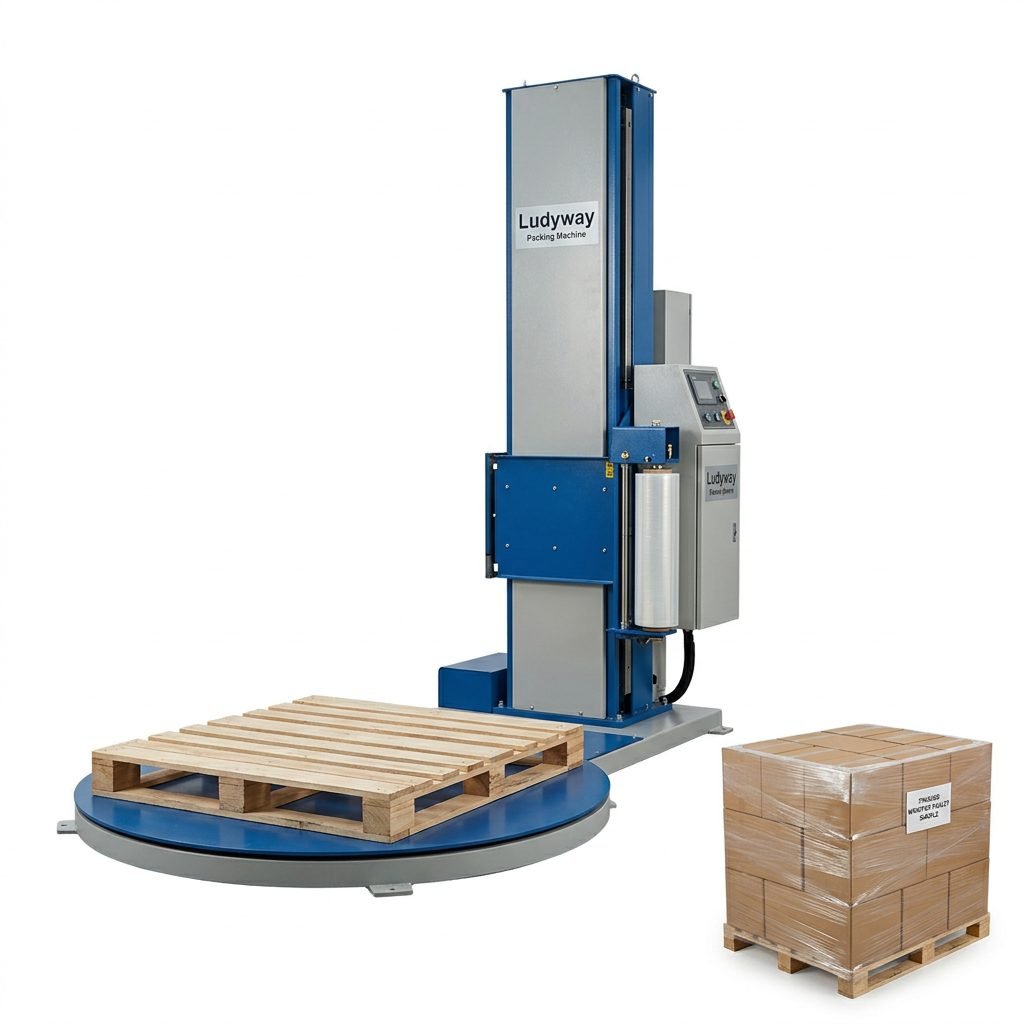
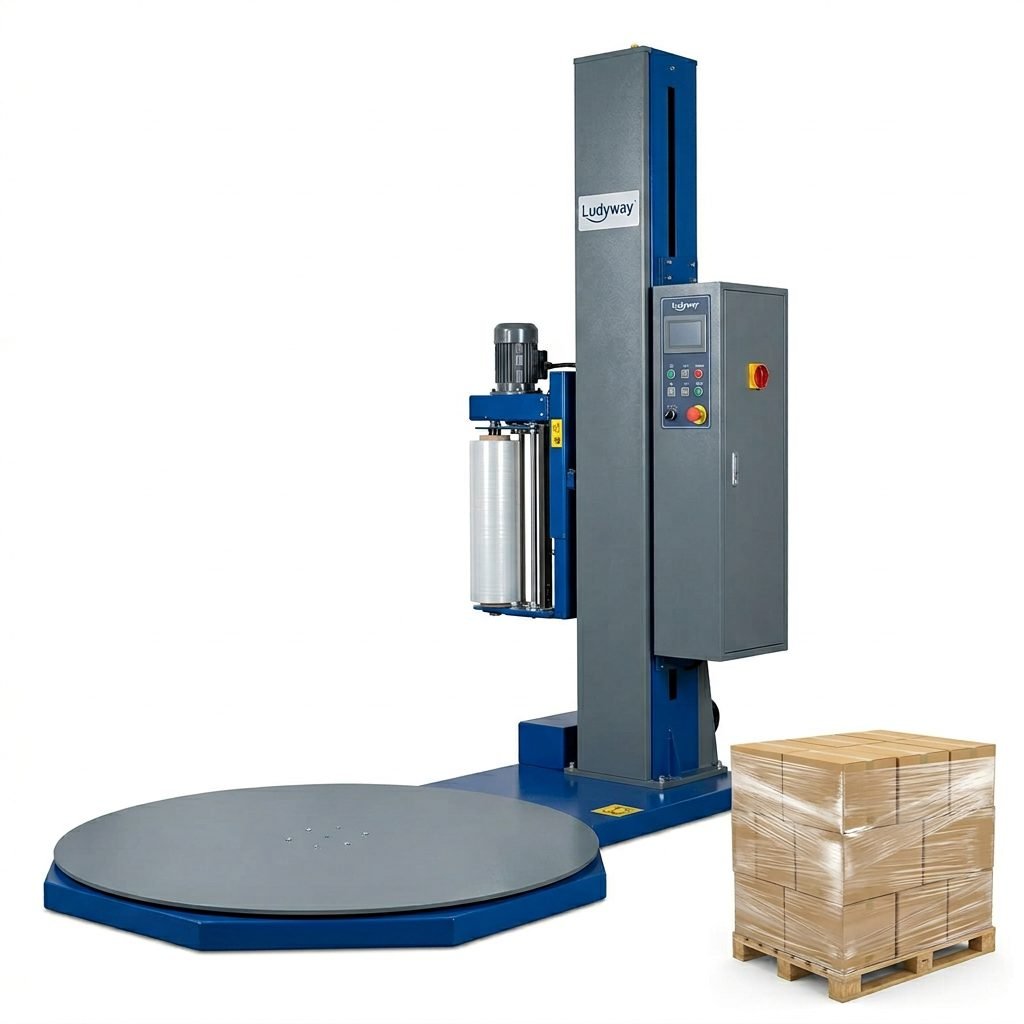
For decades, industries dealing with aluminum profiles, plastic pipes, wooden planks, steel tubes, and textile rolls have struggled to implement stable, automated wrapping. Standard rotary turntable wrapping machines require the product to spin, which is highly dangerous or physically impossible for materials extending several meters. The cantilever system solves this by keeping the load stationary while a balanced rotary arm revolves around it, applying stretch film with high precision.
The Challenge of Packaging Ultra-Long Loads
When dealing with goods that exceed standard pallet dimensions, conventional packaging lines face several bottlenecks. These challenges directly affect operational efficiency, safety, and product protection during transit:
- Structural Instability: Extremely long products tend to bend or sag during rotation, leading to uneven film application or structural collapse.
- Safety Hazards: Rotating a five-meter steel bundle at high speeds creates immense centrifugal force, putting nearby workers and equipment at risk.
- Inconsistent Film Tension: Uneven surfaces and long corners on profile bundles often cause film puncture or slack, compromising water and dust resistance.
- Excessive Manual Labor: Many facilities still rely on multiple operators to manually tape or wrap long products, resulting in slow cycle times and high labor costs.
The cantilever automatic wrapping machine addresses these vulnerabilities by utilizing a stationary conveyor system integrated with a dynamic, high-speed rotating arm. This ensures that even the most fragile or heavy long-format loads remain completely stable throughout the wrapping process.
Core Features of the Cantilever Wrapping System
The new machine is engineered with advanced mechanical and electronic components to deliver reliable, continuous operation in harsh industrial environments. By incorporating smart sensors and variable frequency drives, the system adapts to different material lengths and configurations automatically.
| Machine Parameter | Specification / Capability | Operational Benefit |
|---|---|---|
| Rotary Arm Speed | Up to 30 RPM (Adjustable) | Ensures rapid cycle times without compromising safety. |
| Pre-Stretch Ratio | 250% – 350% | Significantly reduces film consumption and material costs. |
| Load Capacity | Unlimited (Floor-mounted design) | Accommodates heavy metal fabrications and building materials. |
| Control Interface | PLC Touchscreen (Multi-language) | Allows operators to save multiple custom wrapping profiles. |
One of the standout features of this equipment is the dynamic film carriage. Equipped with a motorized pre-stretch system, it stretches the film before applying it to the load. This not only maximizes the yield of each roll of stretch film but also applies a consistent containment force that prevents shifting during long-distance shipping.
How It Breaks Through Packaging Limits
The cantilever wrapping machine breaks traditional boundaries by decoupling the physical movement of the product from the packaging application. Because the product travels linearly through the wrapping zone on automated roller conveyors, there is theoretically no limit to the length of the material that can be processed. Whether wrapping a 2-meter bundle of copper pipes or a 12-meter structural steel beam, the machine maintains continuous throughput.
Furthermore, the integration of advanced photoelectric height and length sensors allows the machine to detect the starting and ending points of the load in real time. The rotary arm begins wrapping precisely at the leading edge, tracks the body of the material at a coordinated conveyor speed, and performs a secure tail-cut and weld at the trailing edge. This level of automation eliminates the need for manual intervention, transforming a once-slow batch process into a seamless inline operation.
Applications Across Global Industries
This automated solution is rapidly adopting by diverse manufacturing sectors worldwide. Companies looking to optimize their packaging efficiency and minimize product damage during export are finding the cantilever system indispensable:
- Construction Materials: Wrapping aluminum extrusions, PVC window frames, siding, and plasterboard bundles to protect against moisture and dust on construction sites.
- Metallurgy and Steel: Bundling steel rebar, structural tubing, and wire rods tightly to prevent shifting and surface scratching during flatbed transit.
- Wood and Timber Processing: Securing long wooden planks, flooring panels, and engineered wood beams to maintain product dryness and prevent warping.
- Logistics and Warehousing: Streamlining the consolidation of mixed long-goods for distribution centers handling diverse industrial supplies.
Integrating Turnkey Packaging Automation
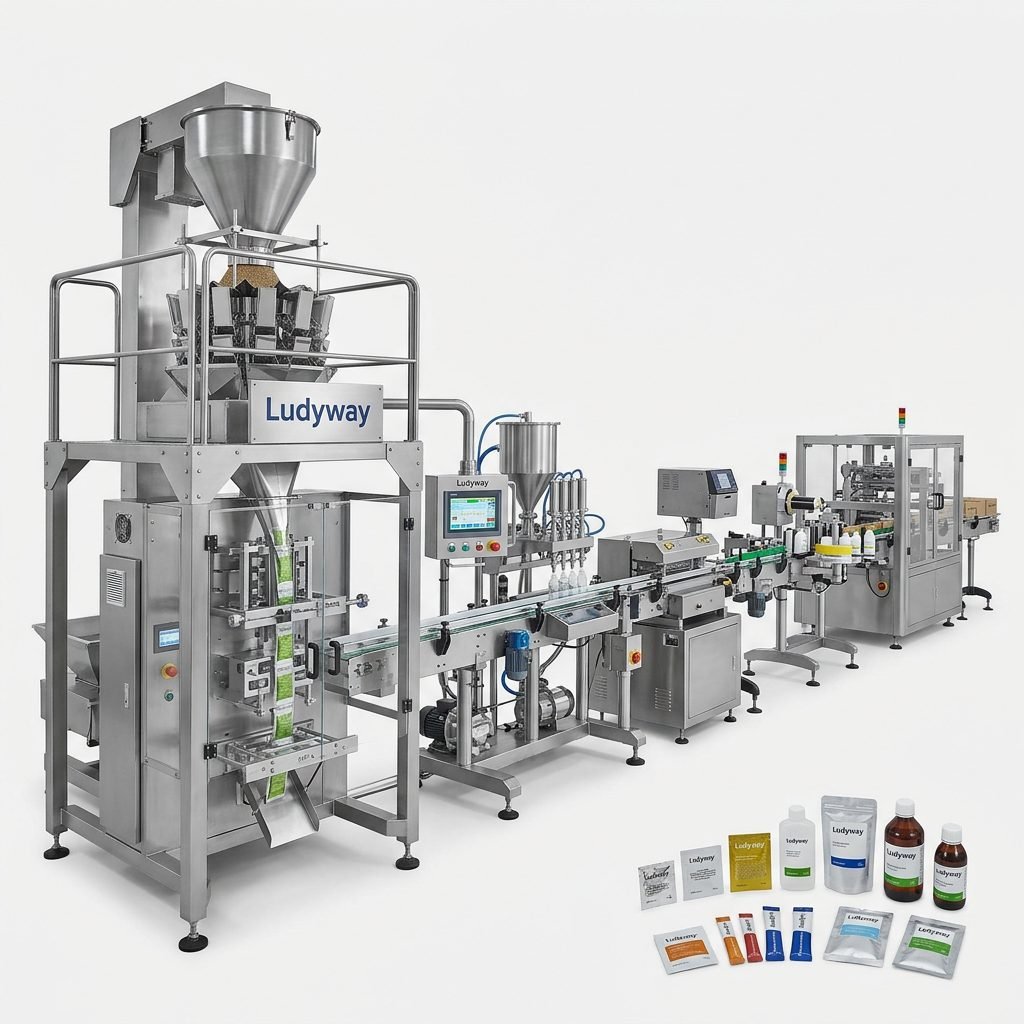
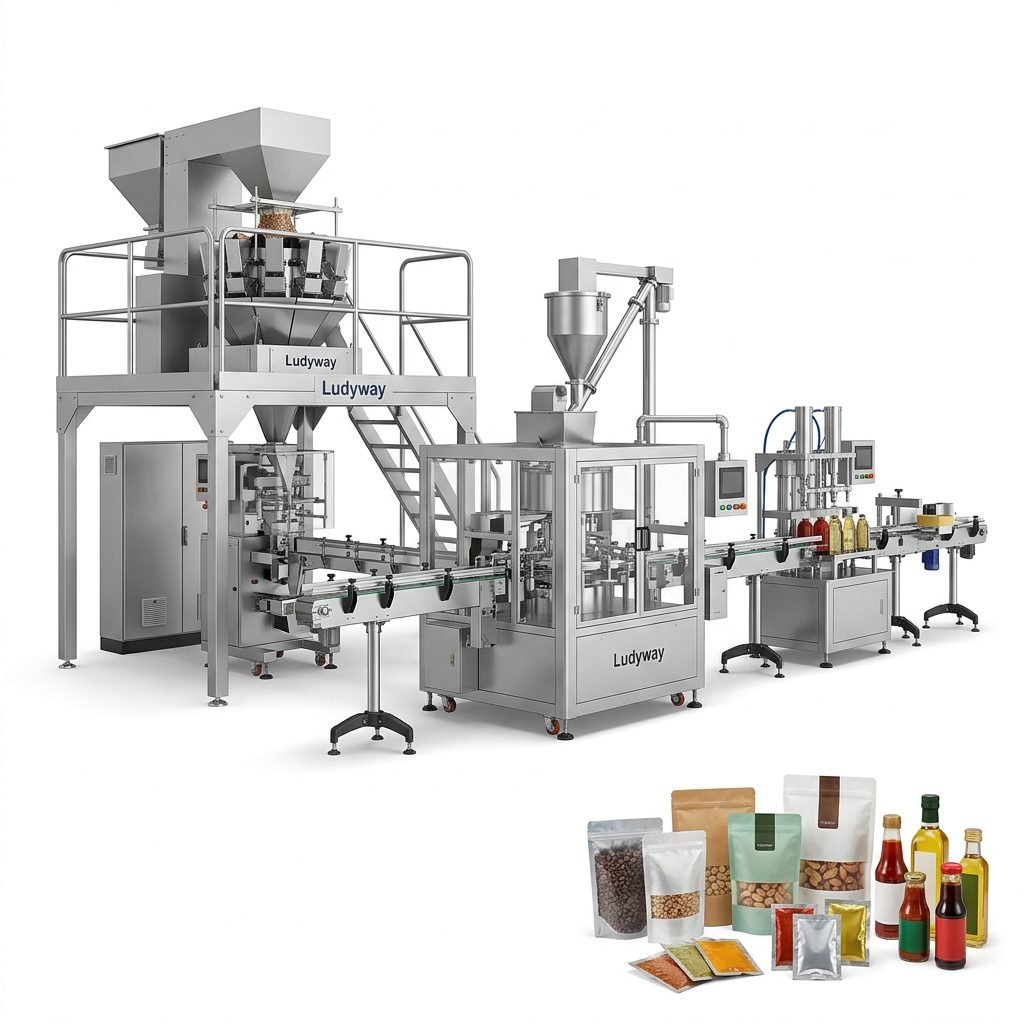
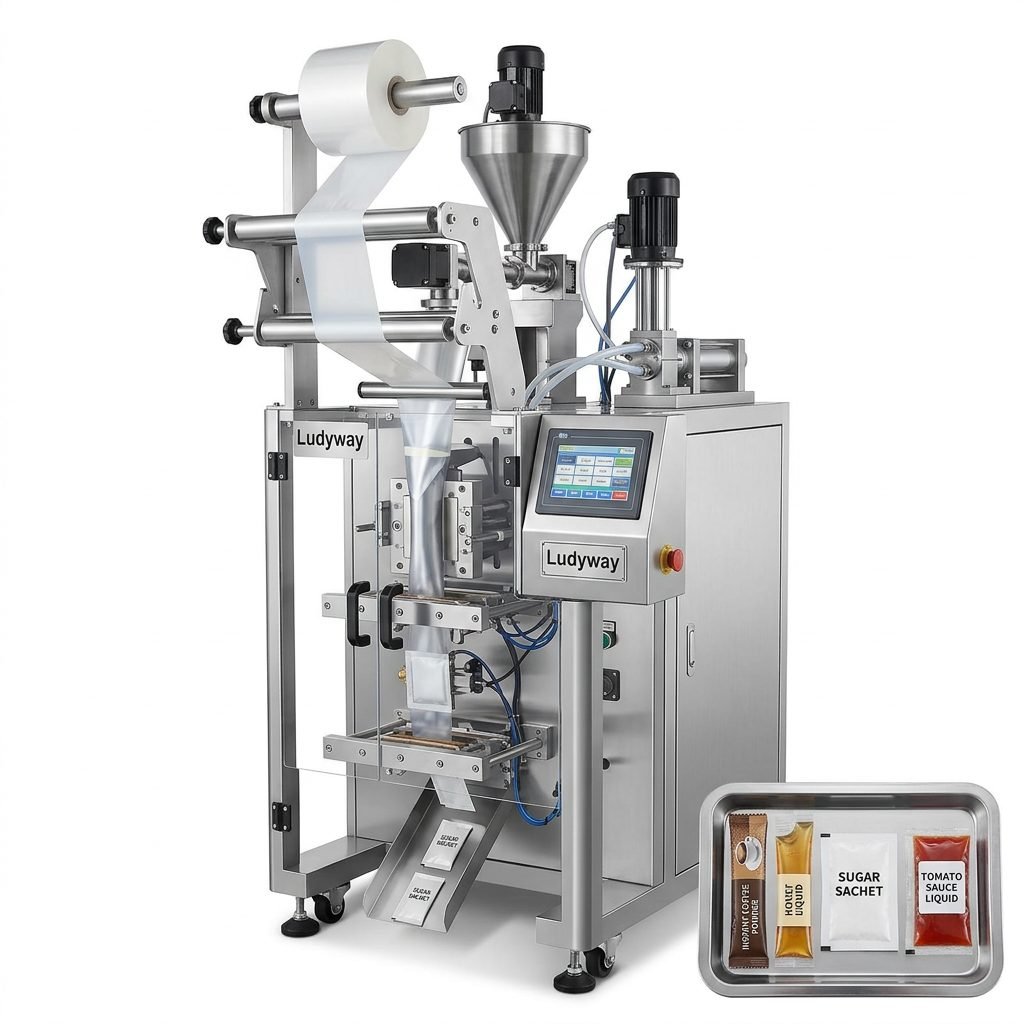
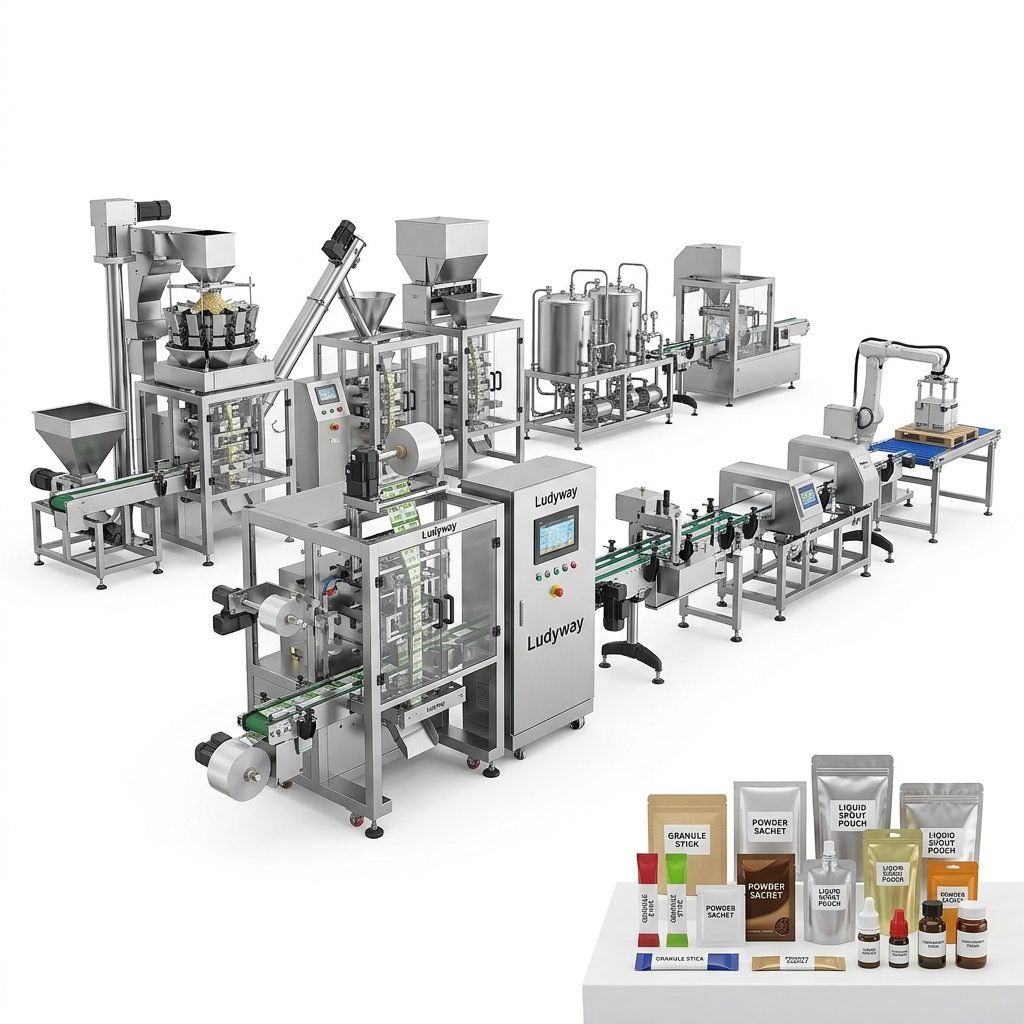
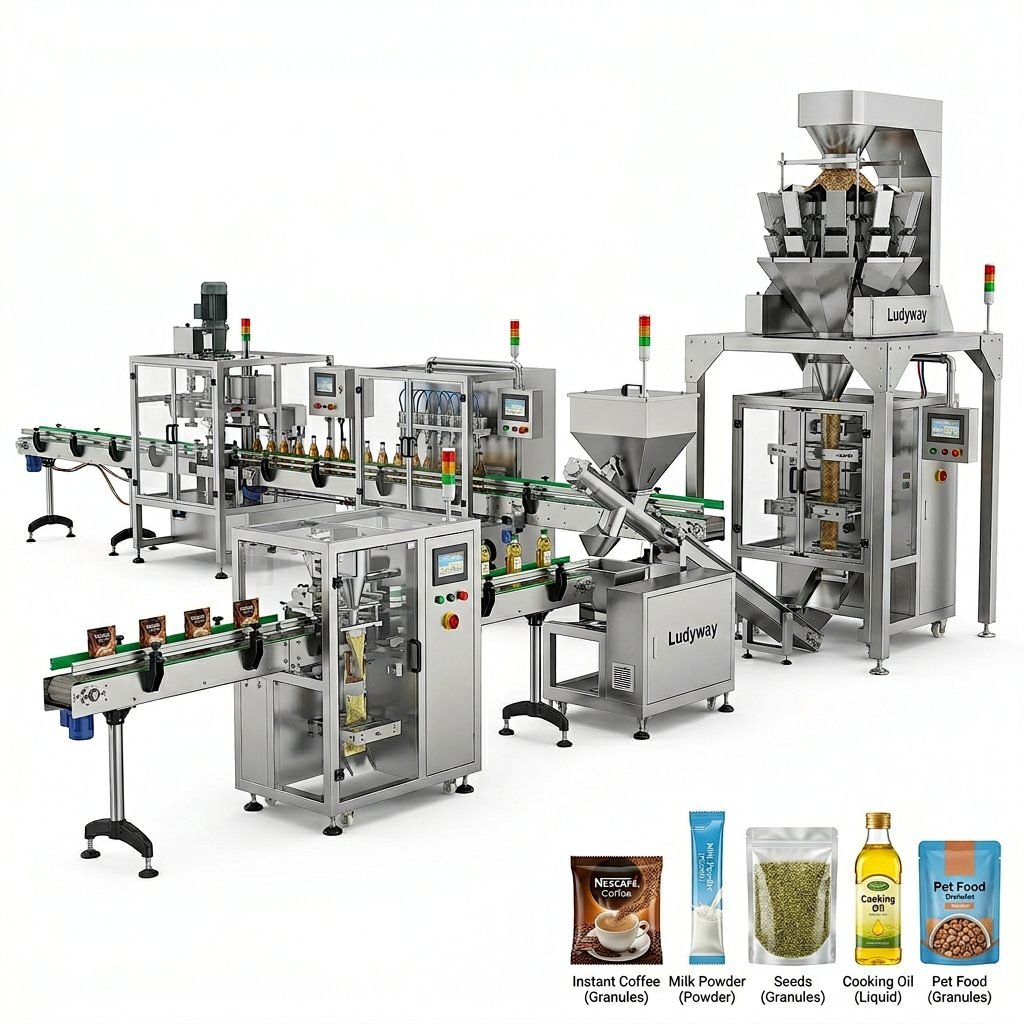
As manufacturing facilities move toward fully smart factories, standalone machinery is increasingly being replaced by integrated production lines. Leading packaging machine manufacturers, such as Ludyway, are driving this change by designing turnkey systems that connect extrusion or fabrication lines directly to automated wrapping, strapping, and labeling systems. By combining material handling conveyors with smart cantilever wrapping units, factories can achieve complete automation from raw material to shipping-ready bundles.
Investing in a cantilever automatic wrapping machine is not just about replacing manual labor; it is about future-proofing operations. With rising raw material costs and strict shipping regulations, the ability to wrap ultra-long products safely, consistently, and with minimal film waste is a powerful competitive advantage for modern industrial enterprises.