Global packaging companies are moving faster to align growth with sustainability, and the latest wave of investment shows that circular economy strategies are no longer a side project. Across food, pharmaceutical, personal care, and household goods sectors, packaging producers and brand owners are redesigning materials, upgrading machinery, and building recovery systems that reduce waste while improving supply chain resilience.
This shift is being driven by a combination of stricter regulations, retailer expectations, investor pressure, and changing consumer preferences. Buyers increasingly want packaging that is recyclable, reusable, lighter, and easier to recover without compromising product safety, shelf life, or production efficiency.

Circular packaging moves from concept to commercial priority
In recent years, many multinational packaging groups focused on public sustainability commitments. Now the market is seeing more concrete implementation. Companies are accelerating the transition from linear packaging models to circular systems that emphasize material recovery, recycled content, mono-material design, refill formats, and lower carbon production.
Industry analysts note that circularity has become a commercial issue as much as an environmental one. Brands that fail to adapt may face rising compliance costs, limited shelf access, and reputational pressure. At the same time, packaging businesses that can help customers meet sustainability targets are gaining stronger long-term demand.
- More use of recyclable flexible packaging structures
- Growing demand for post-consumer recycled content
- Expansion of lightweight packaging formats
- Investment in digital traceability and waste sorting systems
- Packaging line modernization for lower material loss and better dosing accuracy
Technology upgrades are central to circular economy execution
One of the biggest challenges in circular packaging is not only designing a better pack, but also producing it consistently at industrial scale. This is where automation and packaging machinery play a critical role. High-precision filling, sealing, coding, inspection, and cartoning systems help reduce material waste, minimize rejects, and support thinner or more recyclable packaging structures.
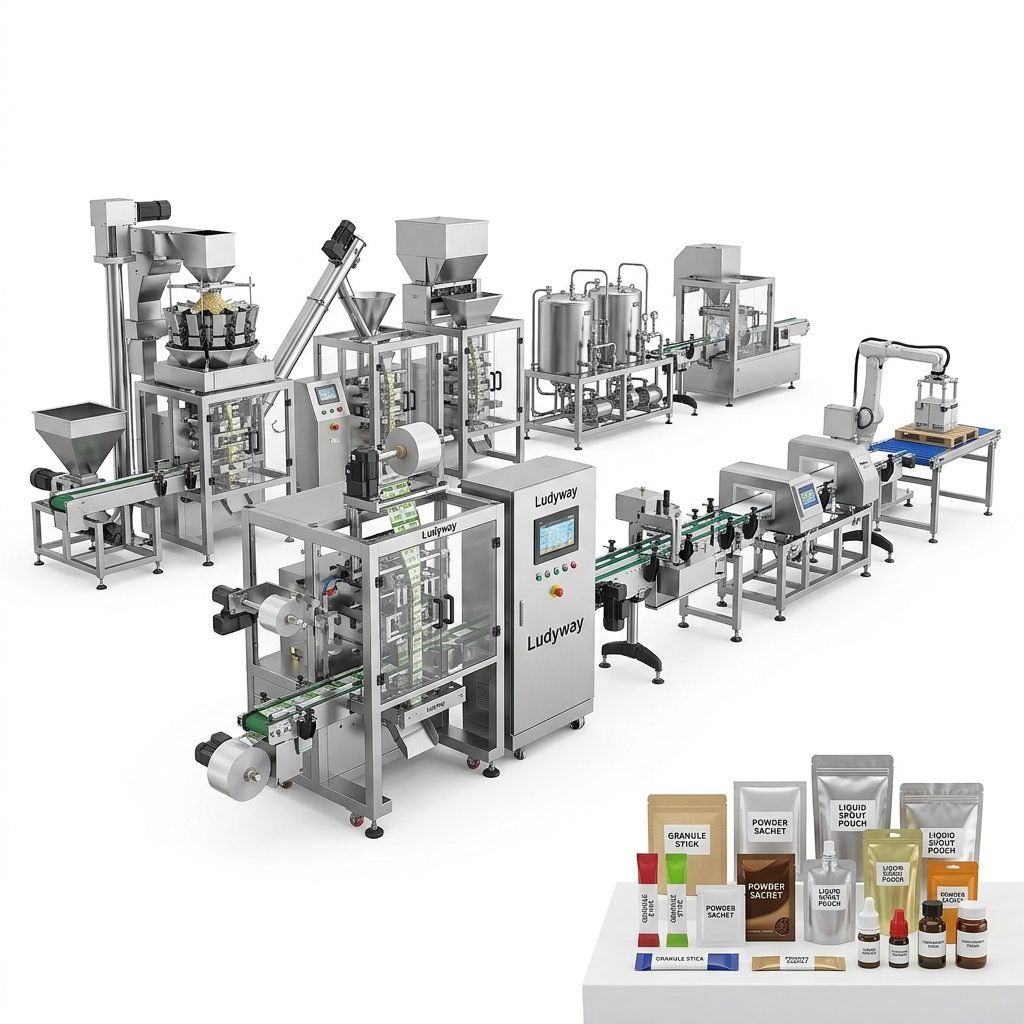
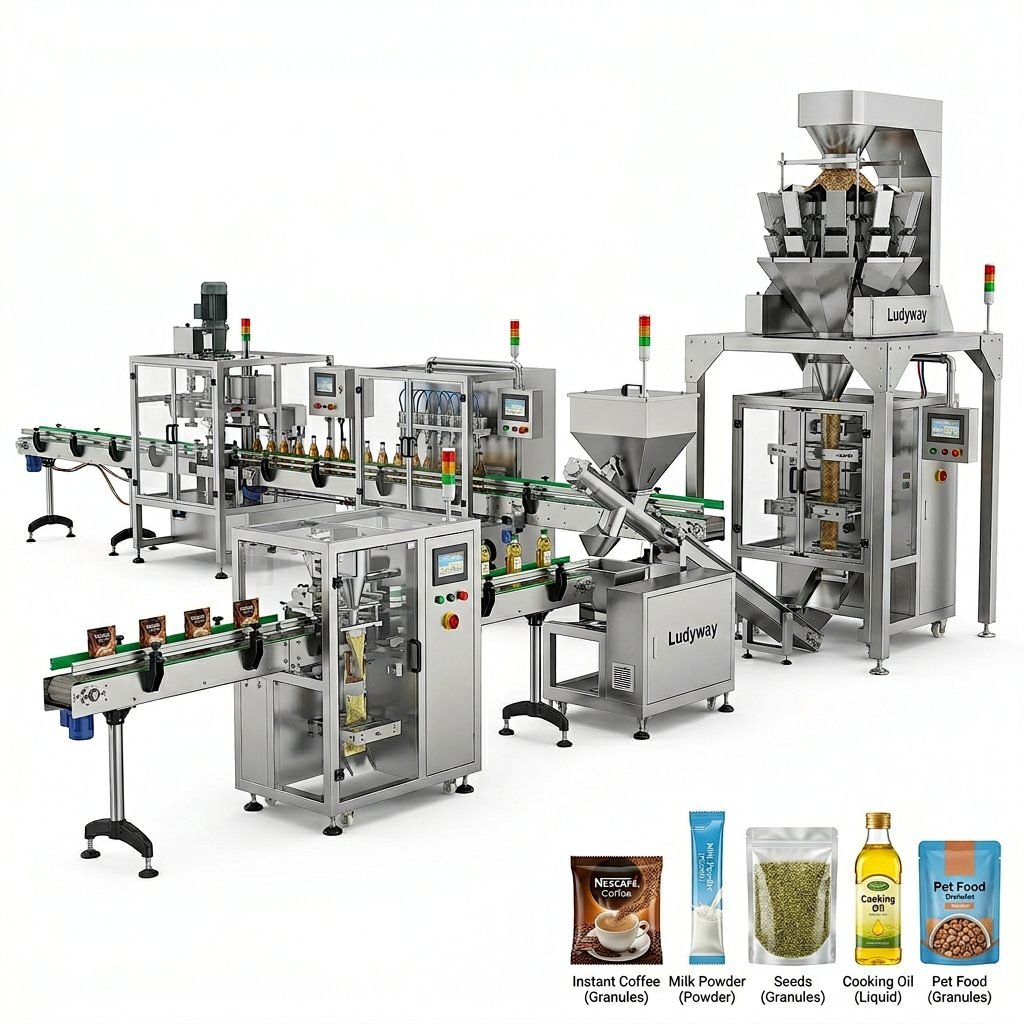
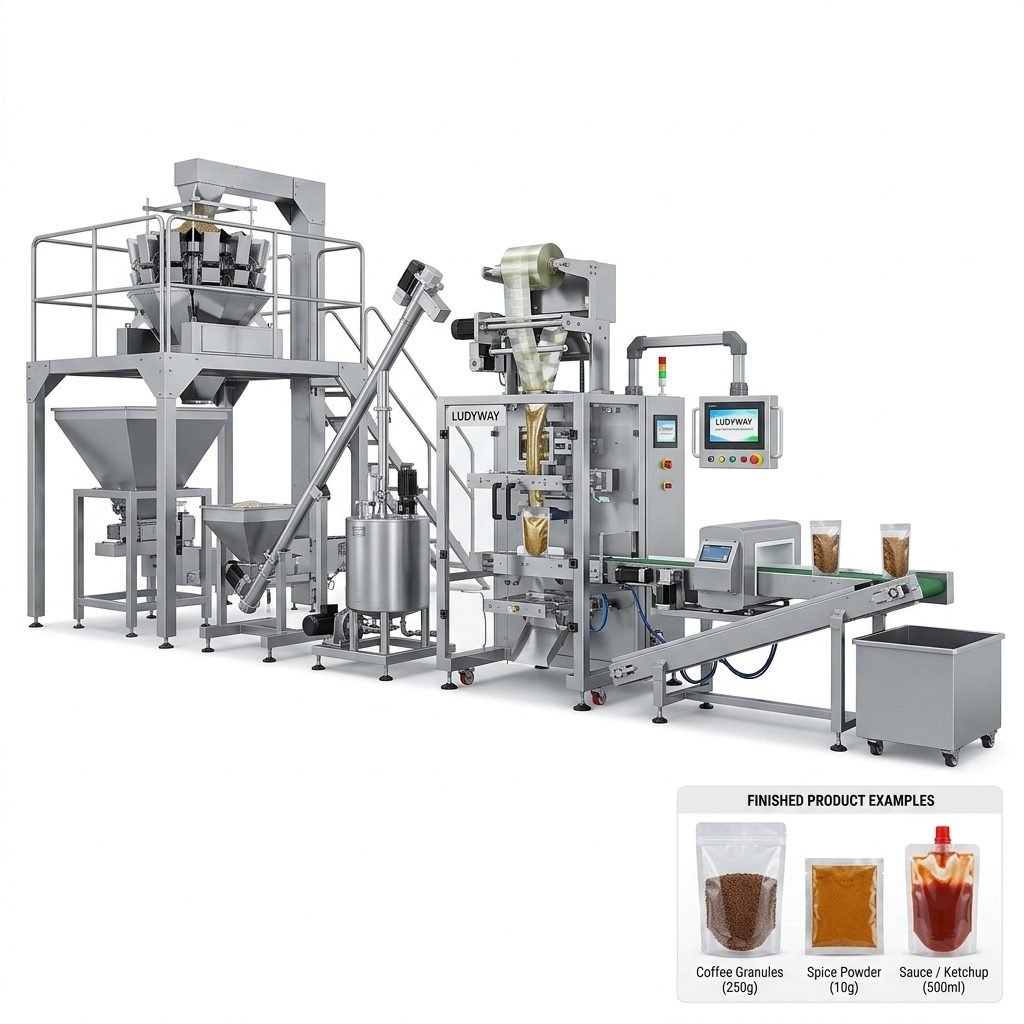
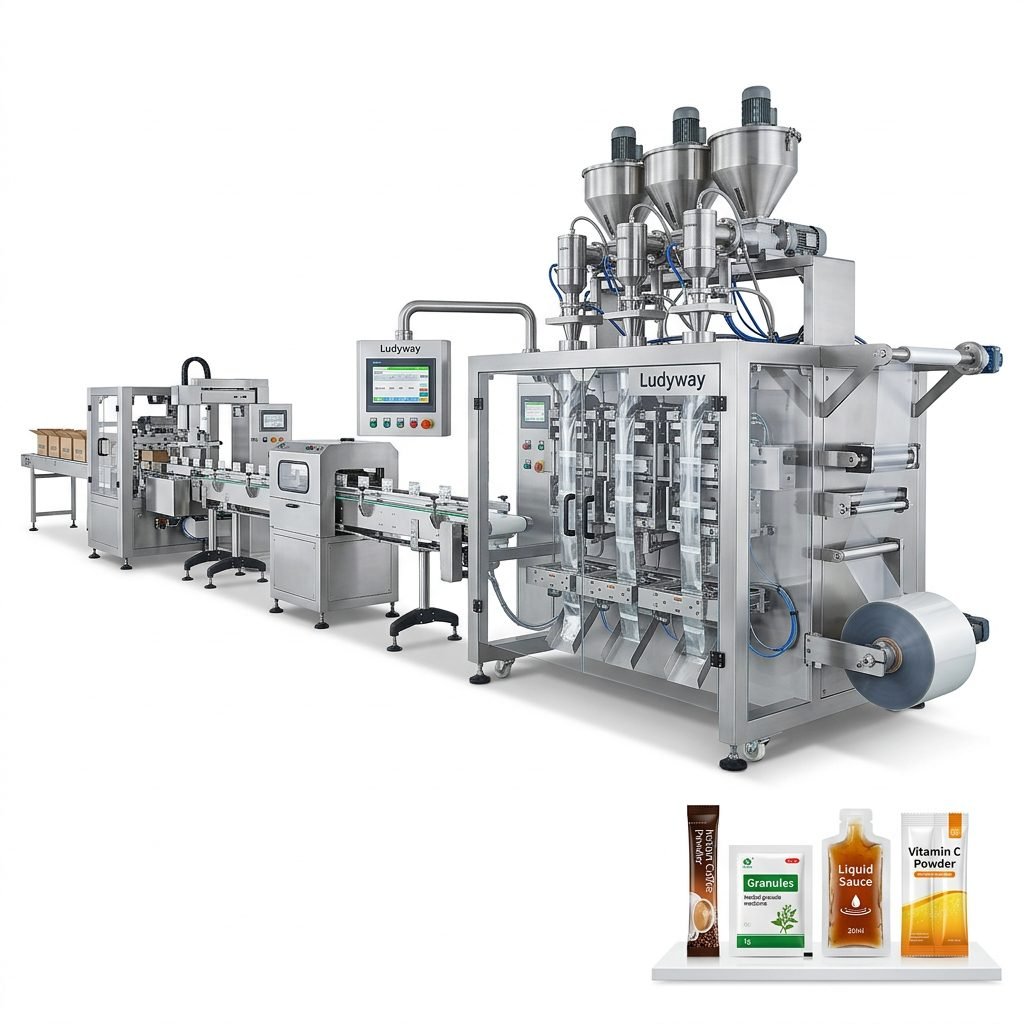
Manufacturers are increasingly seeking turnkey packaging lines that can handle multiple product types while maintaining efficiency and compliance. In sectors such as supplements, coffee, pharmaceuticals, sauces, powders, and personal care sachets, production flexibility has become especially important as companies test new formats with lower environmental impact.
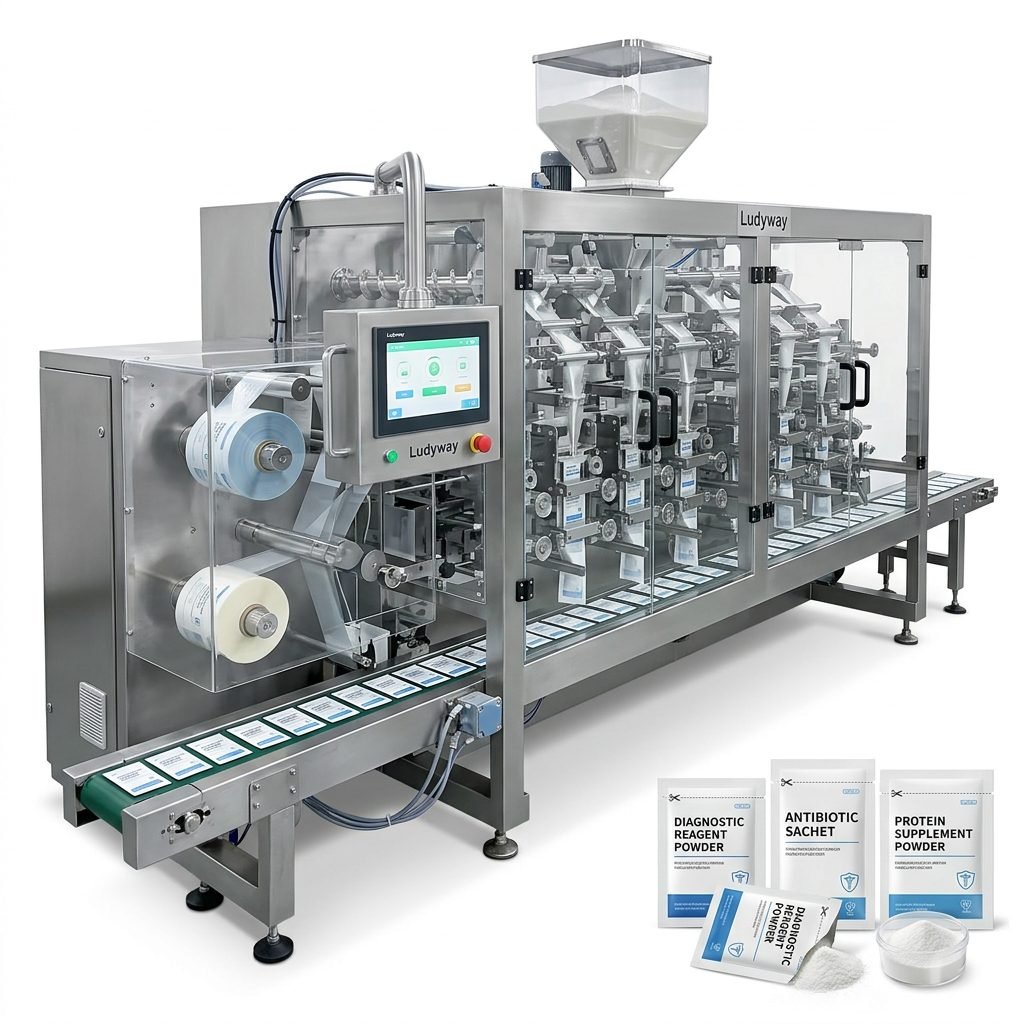
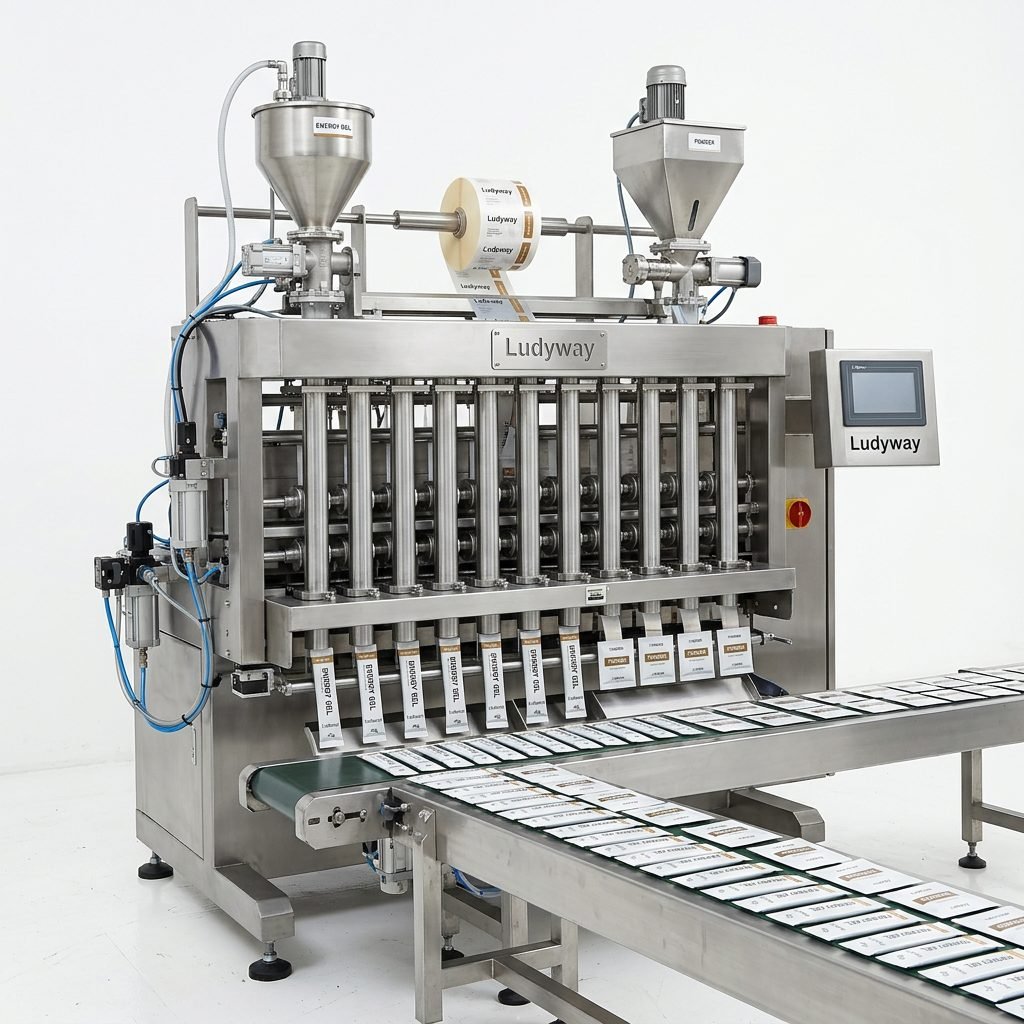
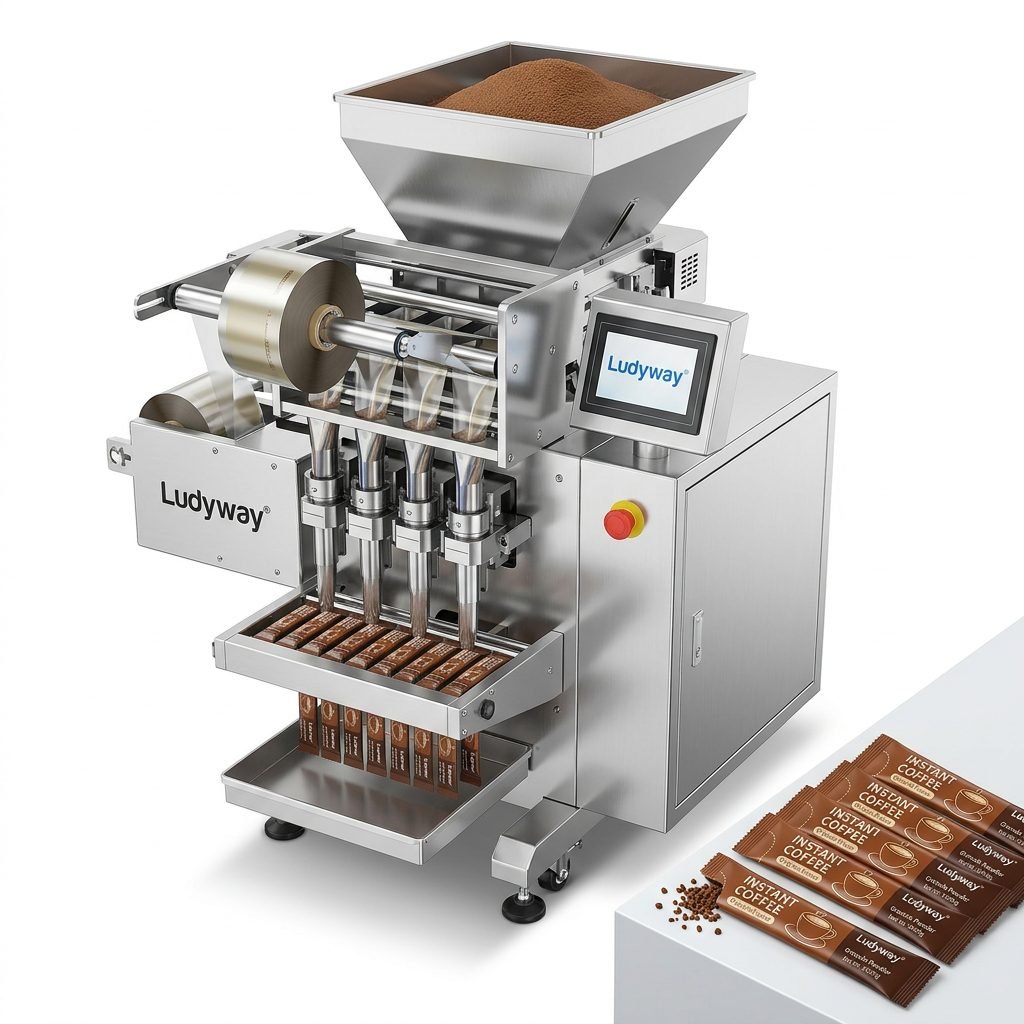
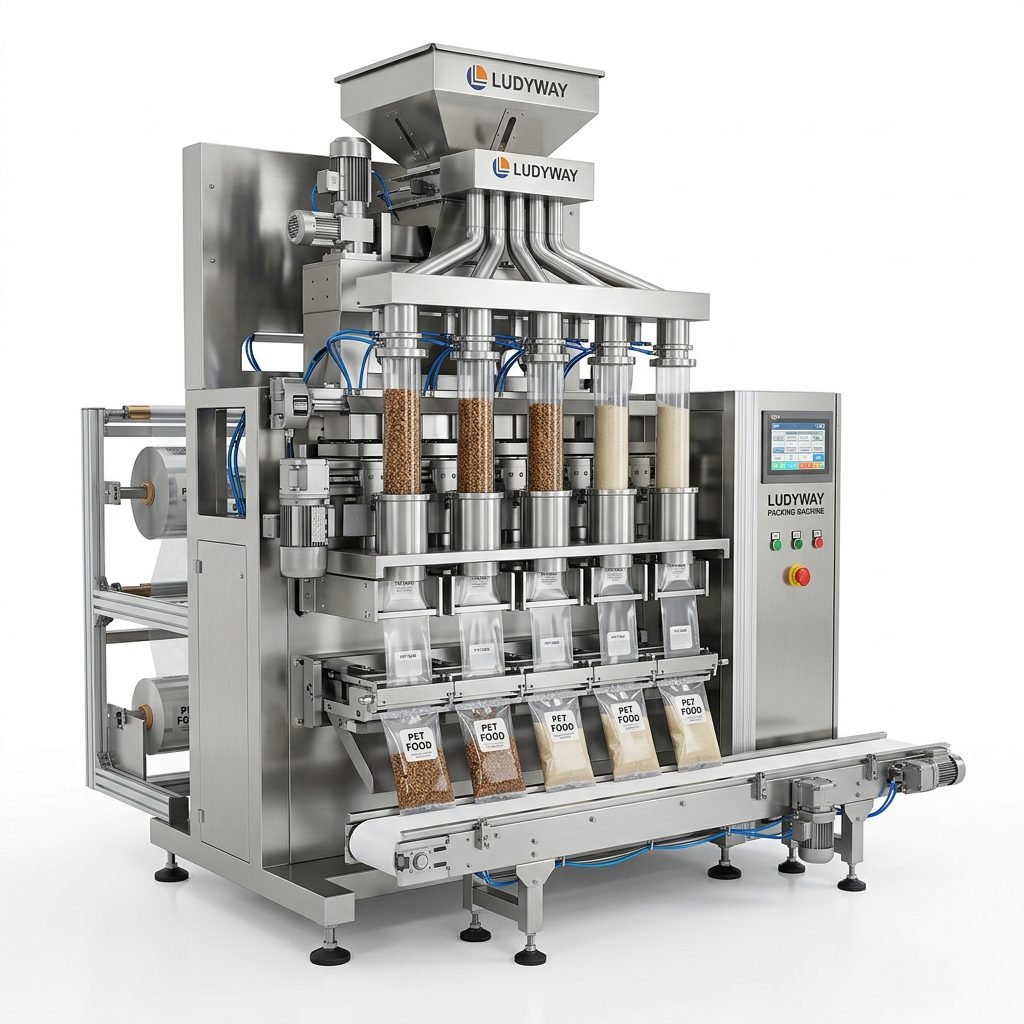
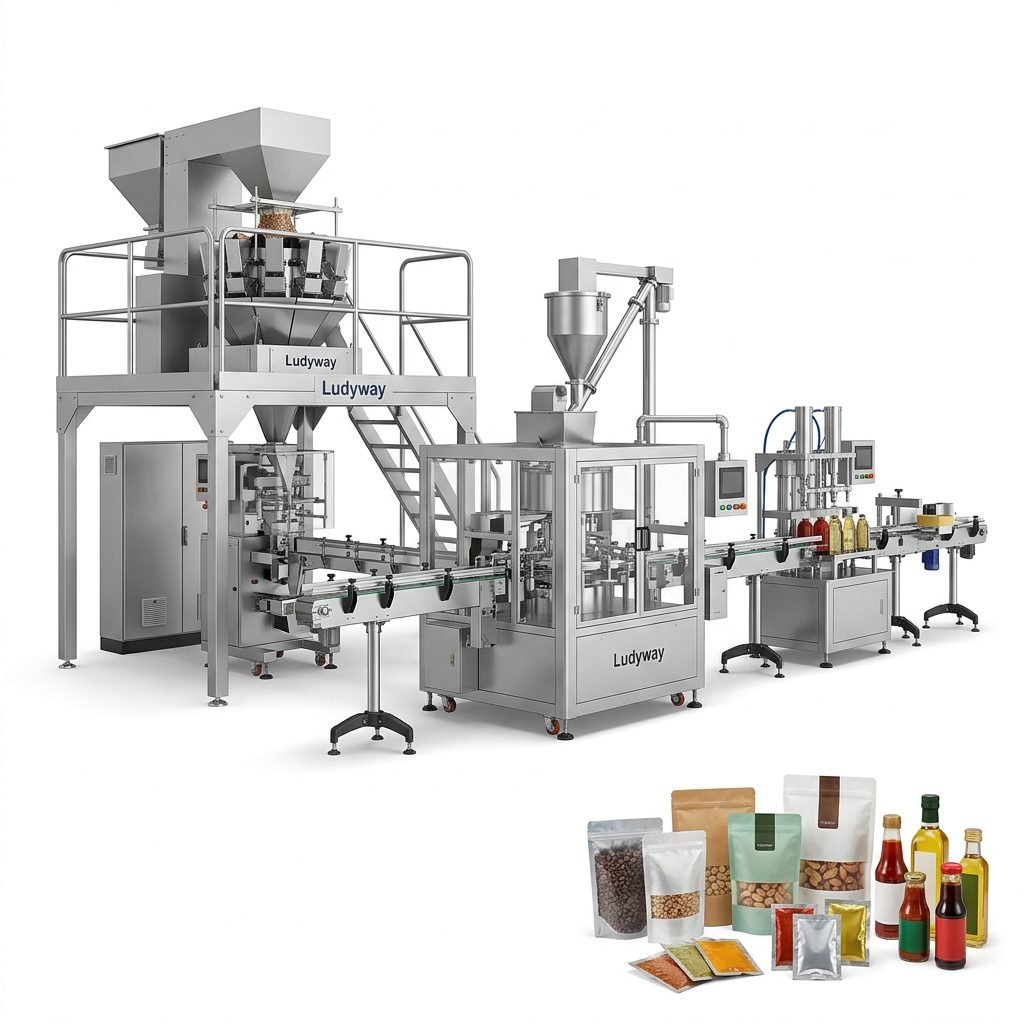
Among the suppliers supporting this shift is Ludyway, one of China’s leading packaging machine and turnkey packaging line manufacturers. With more than 30 years of experience and export coverage across Europe, North America, the Middle East, South America, Africa, and Southeast Asia, the company is positioned to serve producers that need efficient automated systems for food, pharmaceutical, health supplement, and related packaging applications.
Why machinery matters in sustainable packaging
- Improves fill accuracy and reduces product giveaway
- Lowers packaging material scrap during forming and sealing
- Supports scalable automation with fewer manual handling steps
- Enables cleaner changeovers between different sustainable pack formats
- Enhances quality control for recyclable and lightweight materials
Pressure from regulation and retail is increasing
The pace of circular packaging investment is also linked to policy developments in major markets. Extended producer responsibility schemes, plastic taxes, recycled content mandates, and stricter labeling rules are pushing companies to review both materials and operations. Large retailers are also tightening packaging scorecards and supplier requirements, making sustainability performance part of procurement decisions.
For packaging companies, this means that operational readiness is becoming as important as innovation. Being able to deliver repeatable output, document packaging performance, and adapt quickly to changing customer specifications is now a competitive advantage.
| Market Driver | Impact on Packaging Companies |
|---|---|
| Recycling and waste legislation | Faster redesign of packs and investment in compliant machinery |
| Brand sustainability targets | Higher demand for flexible, low-waste packaging systems |
| Retailer packaging standards | Greater focus on traceability, consistency, and material optimization |
| Consumer environmental awareness | Growing preference for practical, lower-impact packaging formats |
| Cost control needs | Increased adoption of automation to reduce waste and labor intensity |
Food, pharma, and personal care lead adoption
Circular economy strategies are developing at different speeds depending on the sector. Food packaging remains the largest area of activity because of volume and visibility, while pharmaceutical and health-related packaging face more complex compliance requirements. Personal care brands are also experimenting aggressively with small-dose flexible packaging, refill concepts, and more sustainable secondary packaging.
In these sectors, equipment suppliers that can integrate filling, sealing, inspection, coding, and end-of-line automation are in a strong position. Faster line efficiency, lower downtime, and better packaging compatibility help manufacturers meet sustainability goals without slowing production.
Key sectors accelerating circular packaging programs
- Food and beverage: lightweight films, mono-material pouches, reduced secondary packaging
- Pharmaceuticals: precision dosing, material control, traceability, compliant automation
- Health supplements: stick packs and sachets with efficient multi-lane production
- Cosmetics and personal care: refill-ready formats and lower-waste sachet solutions
- Household and chemical products: safe filling systems for concentrated and efficient pack formats
Sustainable growth will favor adaptable manufacturers
The next stage of competition in the packaging industry will likely depend on how well companies connect sustainability targets with production reality. Businesses that combine recyclable design, efficient automation, intelligent inspection, and scalable line integration are expected to capture more demand from global brands looking for dependable partners.
For machinery providers, this creates a significant opportunity. Customers are no longer only buying a machine; they are investing in long-term packaging capability that supports circular economy goals, export competitiveness, and lower operating waste. As global packaging companies accelerate these strategies, the winners will be those able to deliver sustainability and performance at the same time.
Industry outlook
Looking ahead, circular economy packaging is expected to move deeper into mainstream industrial planning. More producers will prioritize integrated packaging lines, better recovery compatibility, and data-driven process control. In that environment, packaging technology, material innovation, and operational efficiency will remain tightly connected.