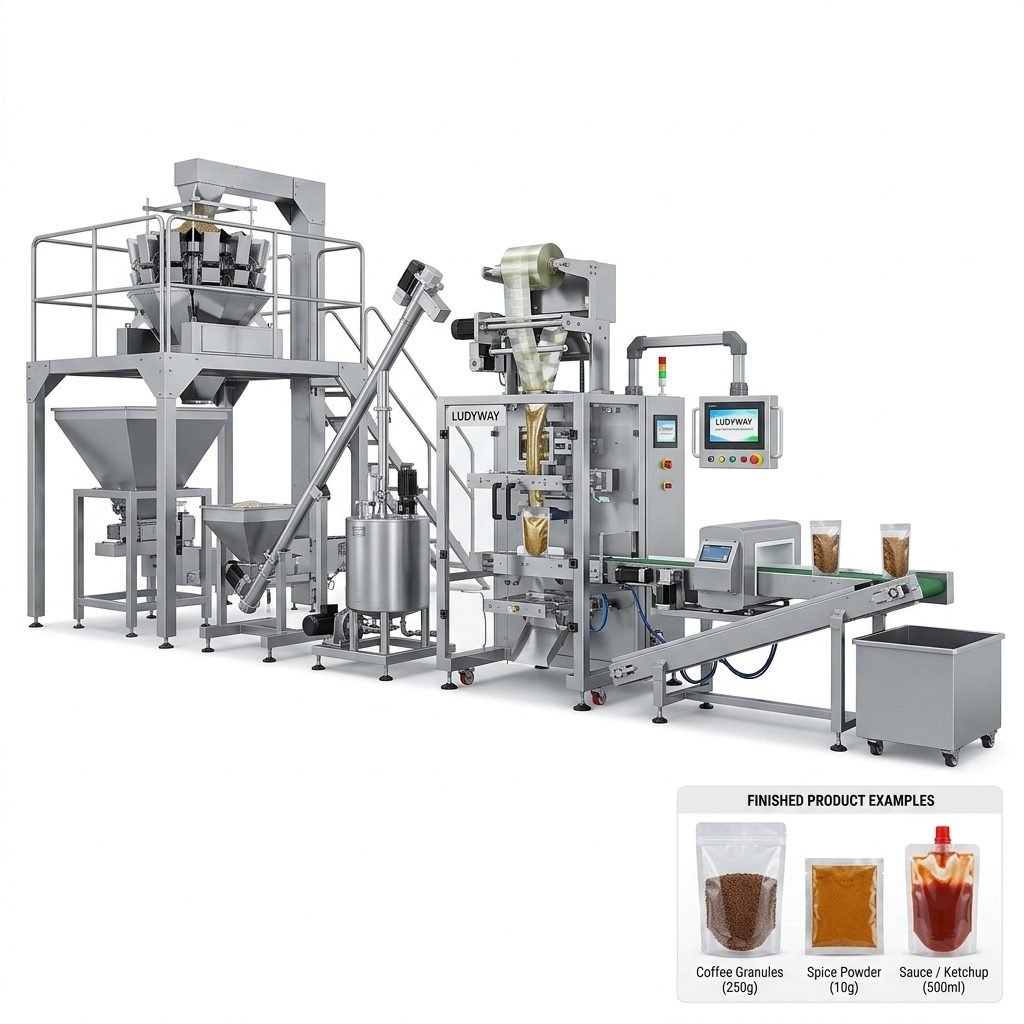
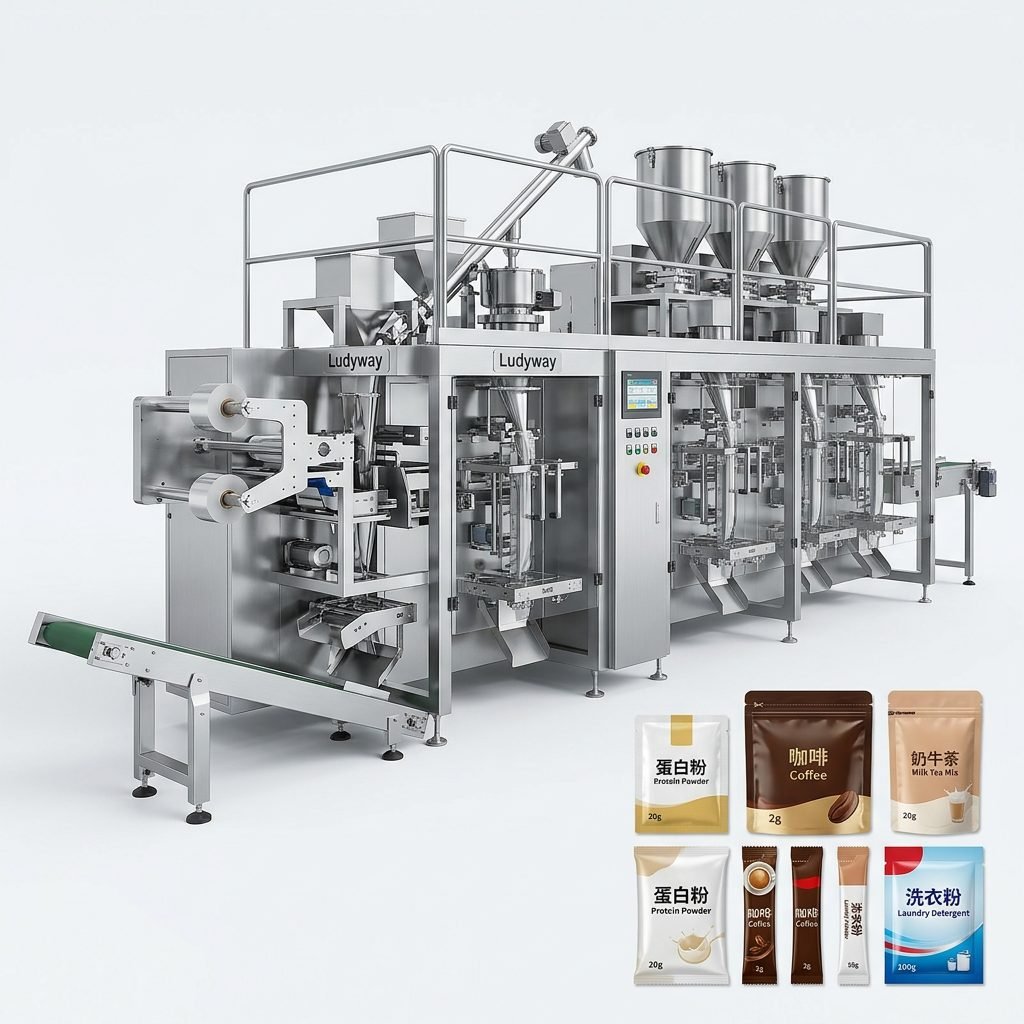
The manufacturing landscape is undergoing a profound transformation, driven by the rapid evolution of automation and artificial intelligence. Among the most significant advancements in recent years is the integration of smart packing robots directly into the workshop floor. Far from replacing human workers, these intelligent machines are designed to work alongside them, ushering in a new era of human-machine collaboration. By combining the cognitive flexibility and problem-solving abilities of humans with the precision, speed, and endurance of robotic systems, modern workshops are achieving unprecedented levels of productivity and operational efficiency.
The Evolution of Collaborative Robots in the Workshop
For decades, industrial robots operated behind heavy safety cages, isolated from human workers due to safety concerns. These traditional machines were programmed for highly repetitive, high-speed tasks, but lacked the adaptability to handle changing product formats safely in a shared space. Today, the introduction of collaborative robots, or “cobots,” has dismantled these physical and operational barriers.
Equipped with state-of-the-art collision detection, tactile sensors, and computer vision, smart packing robots can sense their environment in real time. If a human operator enters the robot’s immediate workspace, the machine automatically slows down or stops completely to prevent injury. This level of safety allows manufacturers to design flexible production layouts where humans and robots share tasks dynamically, optimize floor space, and streamline complex packaging workflows.
Enhancing Efficiency with Intelligent Sorting and Packing
Smart packing robots excel at tasks that require high precision and speed, such as sorting, picking, placing, and carton loading. By integrating advanced vision systems, these machines can identify variations in product shape, size, and orientation on a moving conveyor belt. The robot’s control system processes this visual data instantly, guiding the robotic arm to grip and pack each item accurately.
This capability is particularly beneficial for workshops handling diverse product lines, such as mixed-flavor food packs, customized pharmaceutical kits, or multi-component cosmetic sets. Humans can focus on quality control, machine monitoring, and custom configurations, while the robot handles the repetitive lifting and placing. The result is a highly flexible packing line that minimizes bottlenecking and drastically reduces product damage.
Comparing Traditional Manual Packaging and Smart Robotic Collaboration
To better understand the impact of integrating smart robotic systems into the workshop, we can compare the operational characteristics of traditional manual packaging lines against modern collaborative setups:
| Feature | Traditional Manual Packaging | Smart Robotic Collaboration |
|---|---|---|
| Operational Speed | Limited by human physical limits and shifts. | Continuous, high-speed throughput with zero fatigue. |
| Consistency & Accuracy | Subject to human error, misalignments, and varying output quality. | Highly precise placement, consistent sealing pressure, and exact counts. |
| Safety and Ergonomics | High risk of repetitive strain injuries (RSI) and fatigue. | Robots handle repetitive strain; integrated sensors protect workers. |
| Line Flexibility | Requires manual reconfiguration and labor retraining. | Software-driven adjustment for different pouch sizes and layouts. |
Turnkey Packaging Lines and Automation Integration
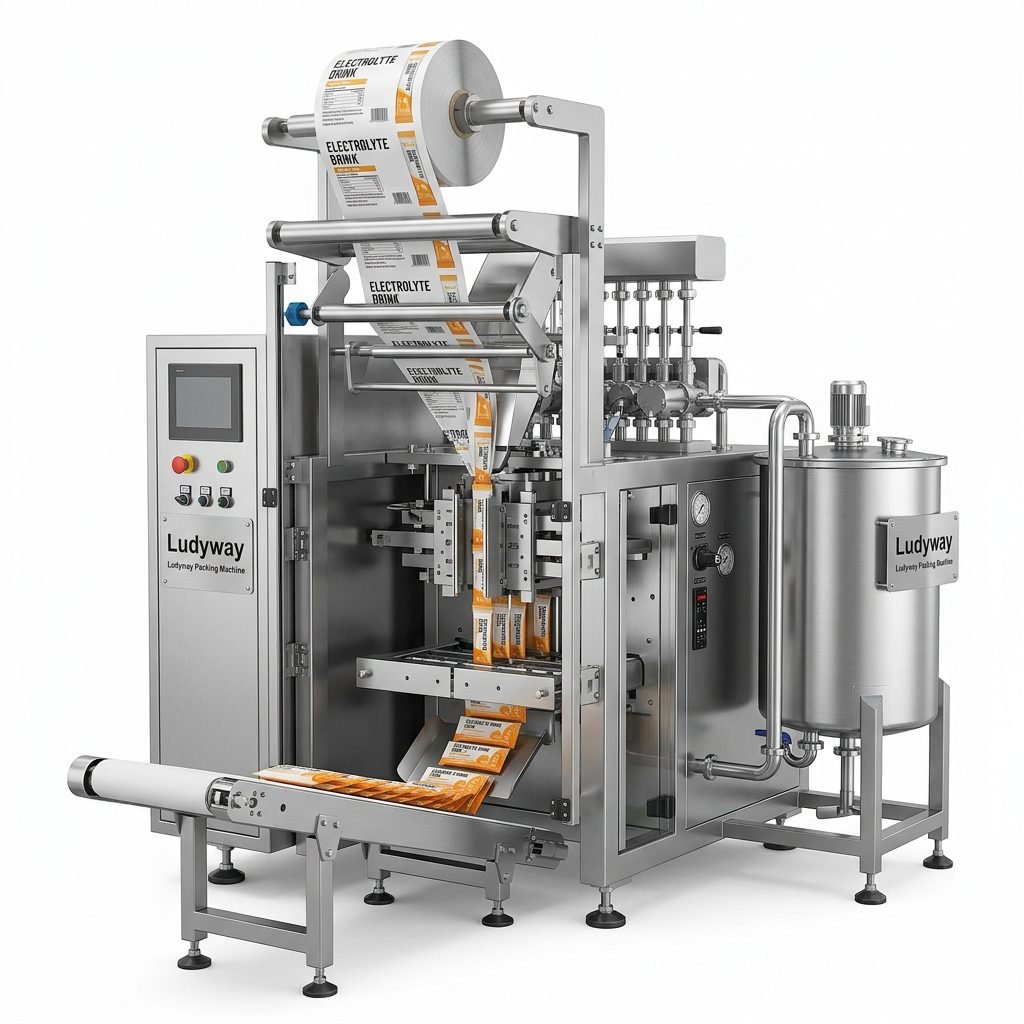
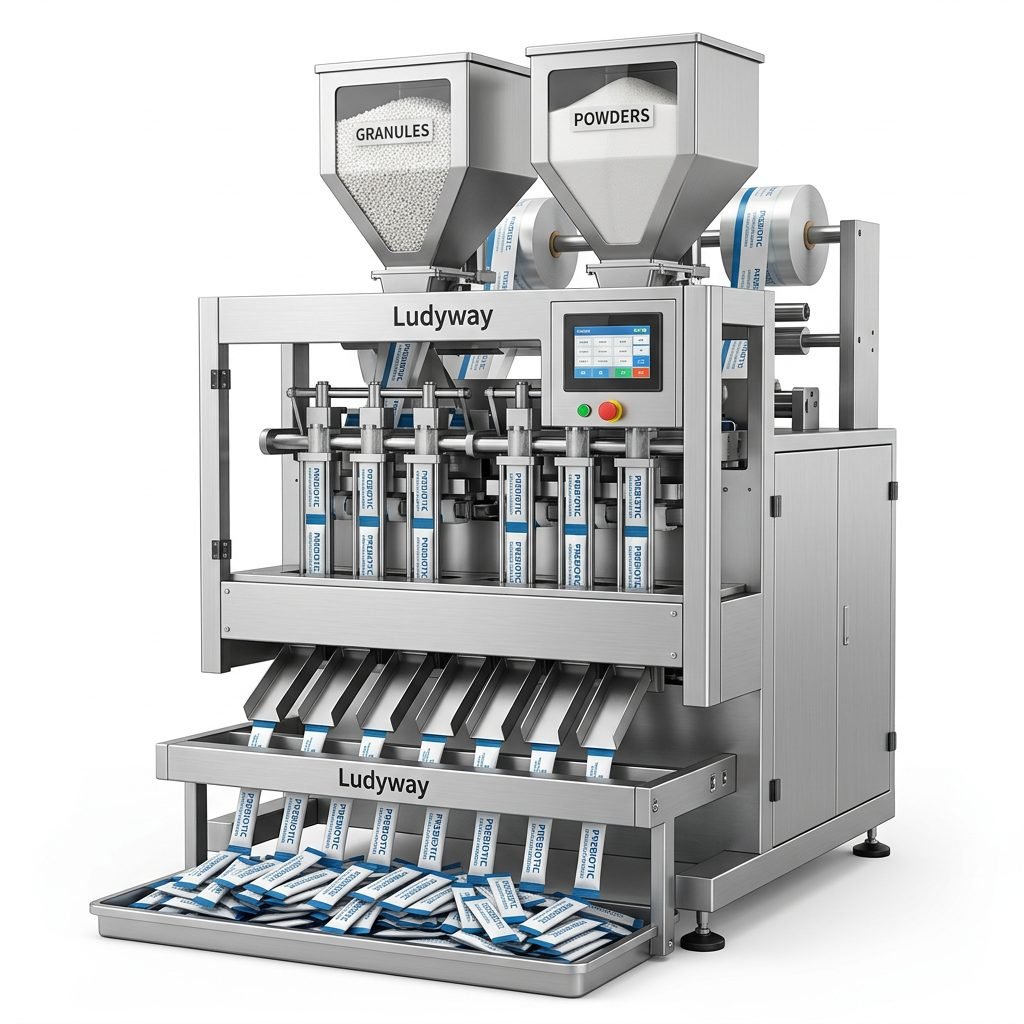
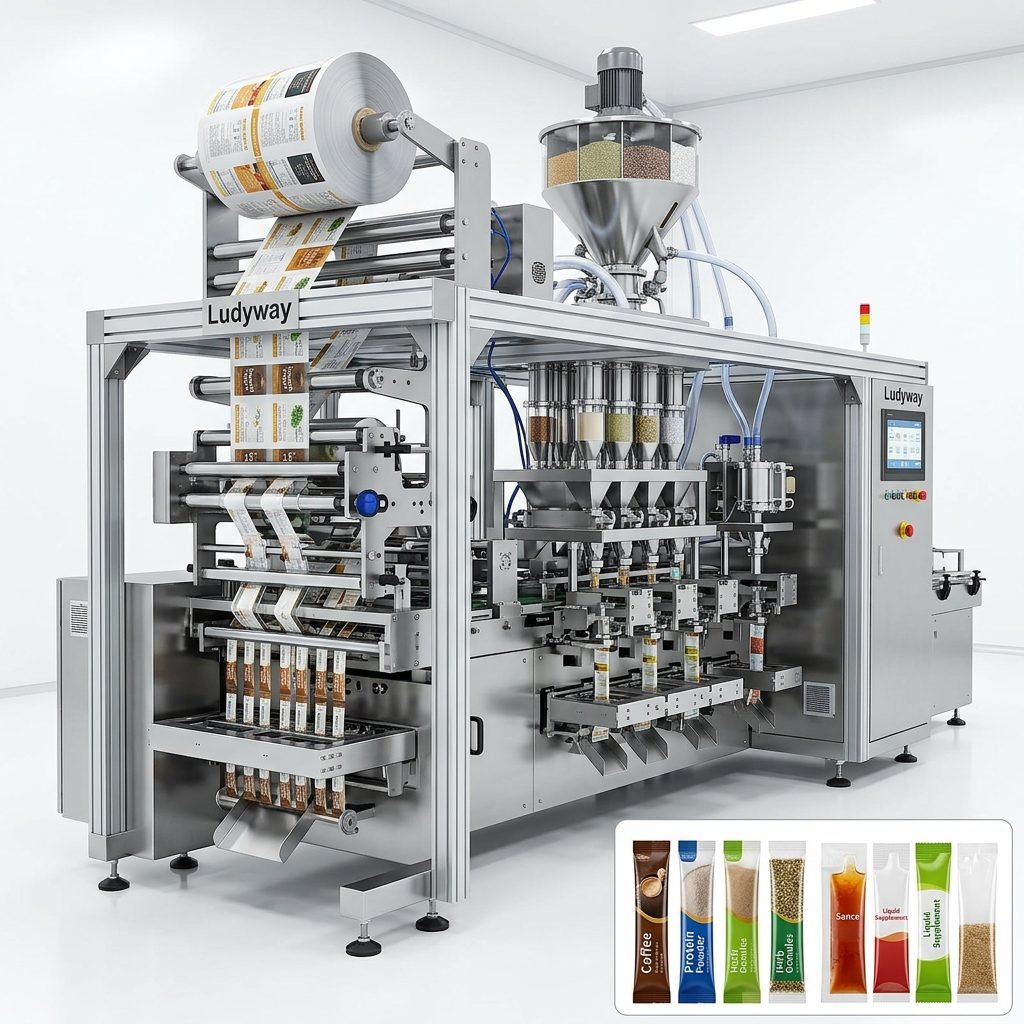
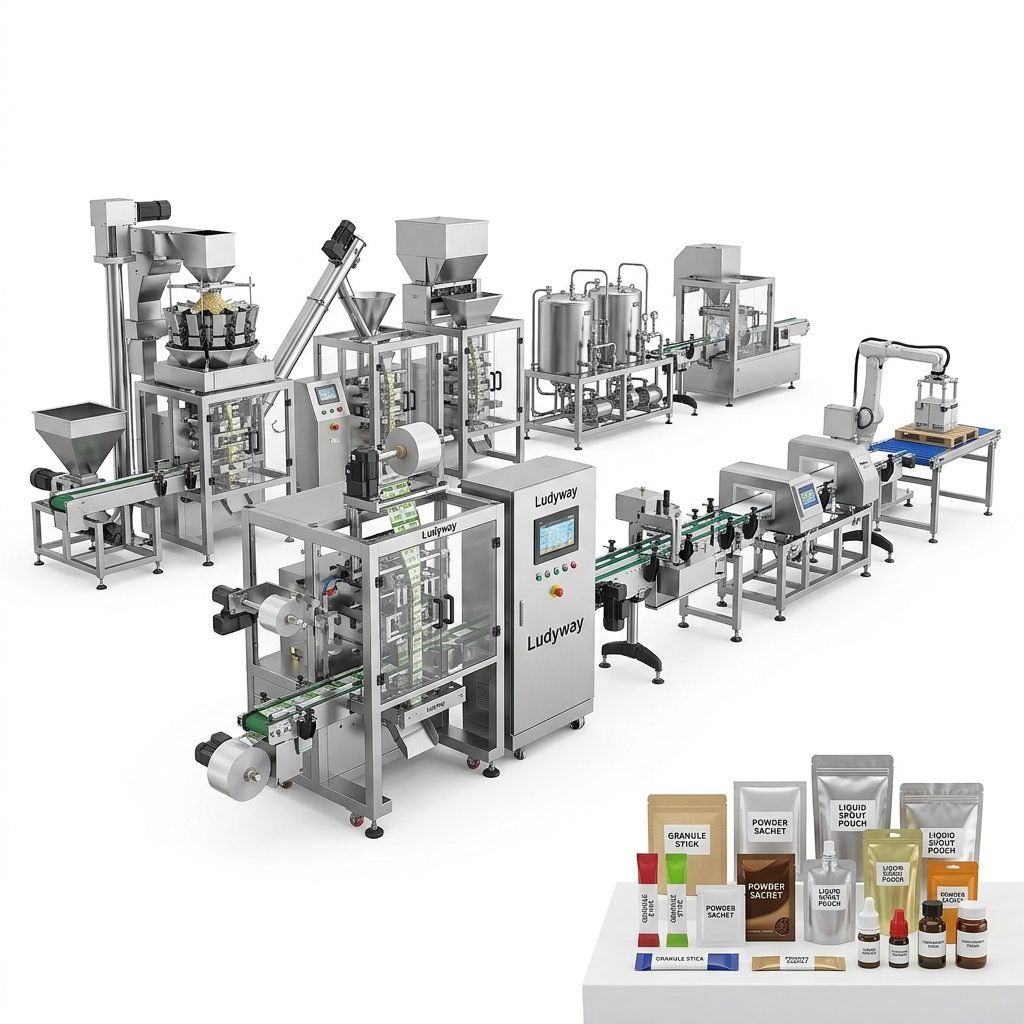
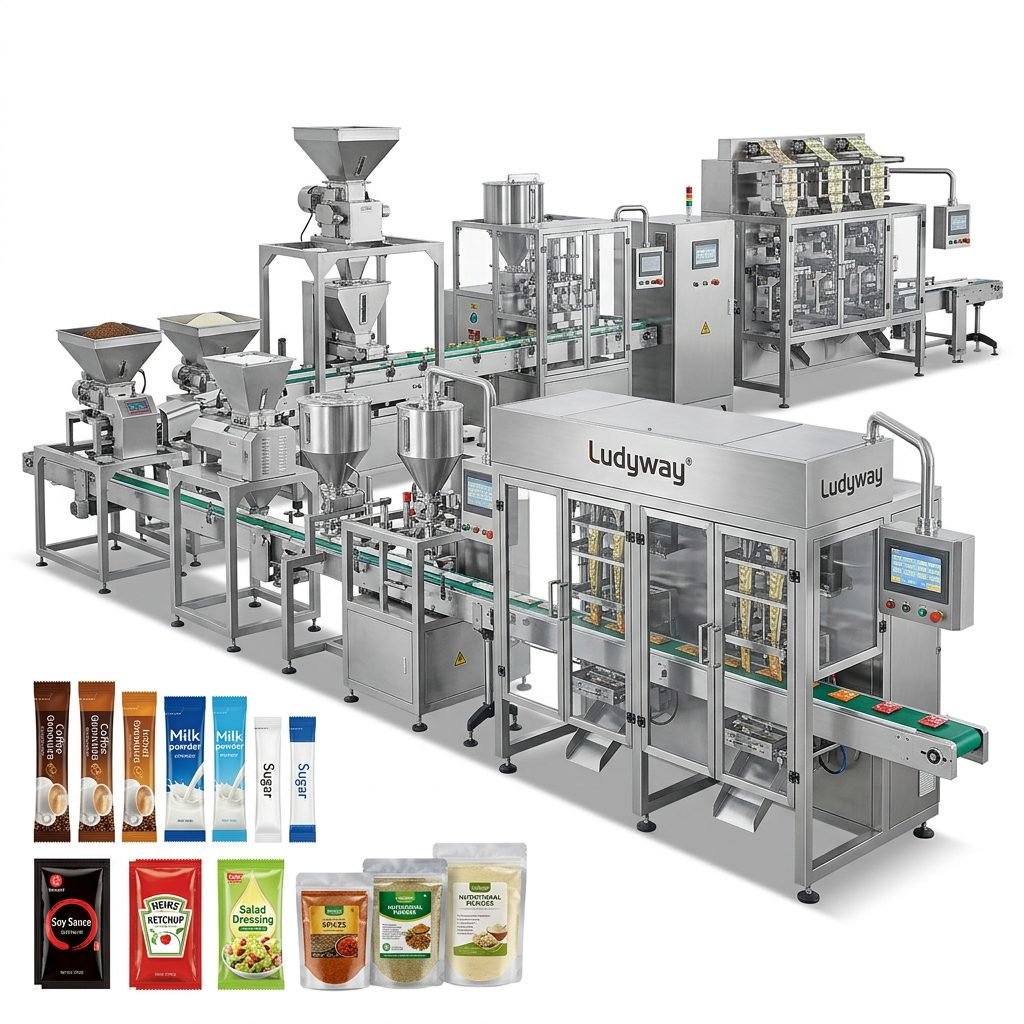
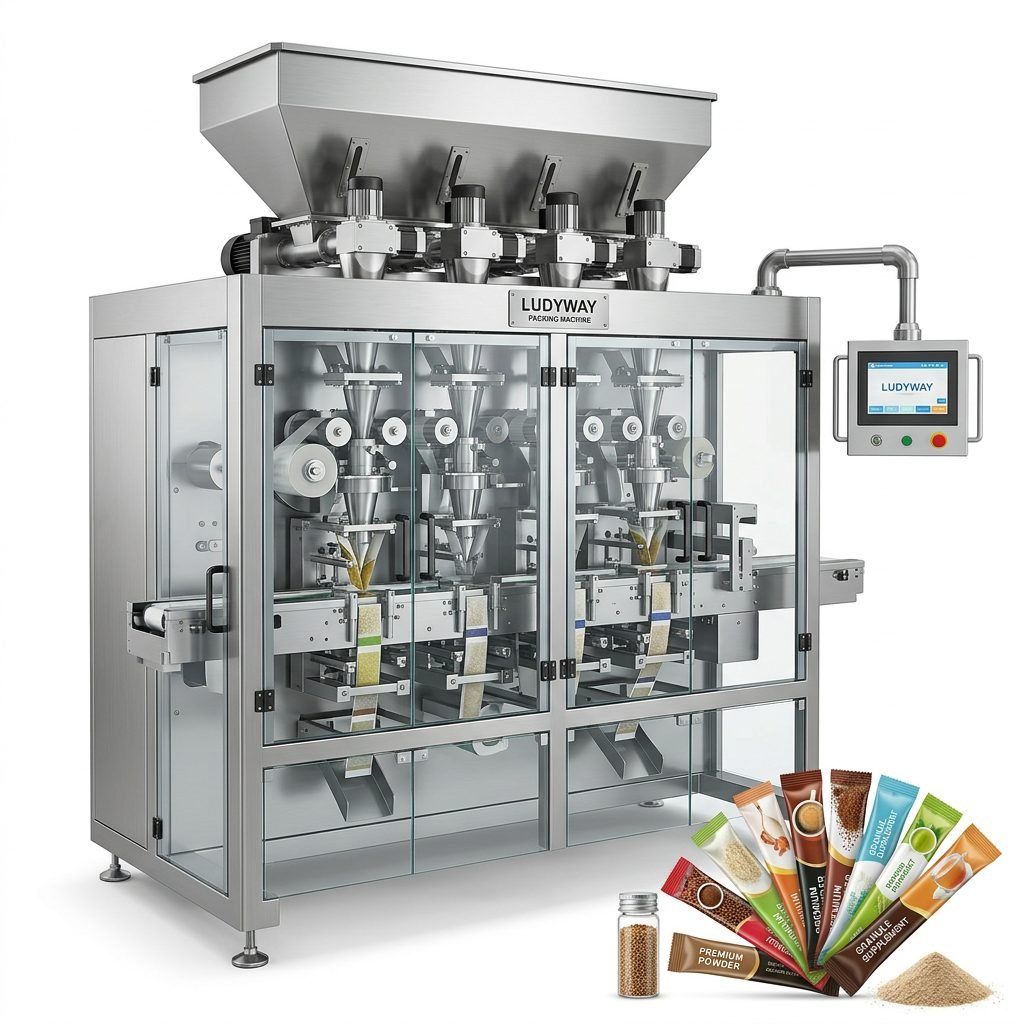
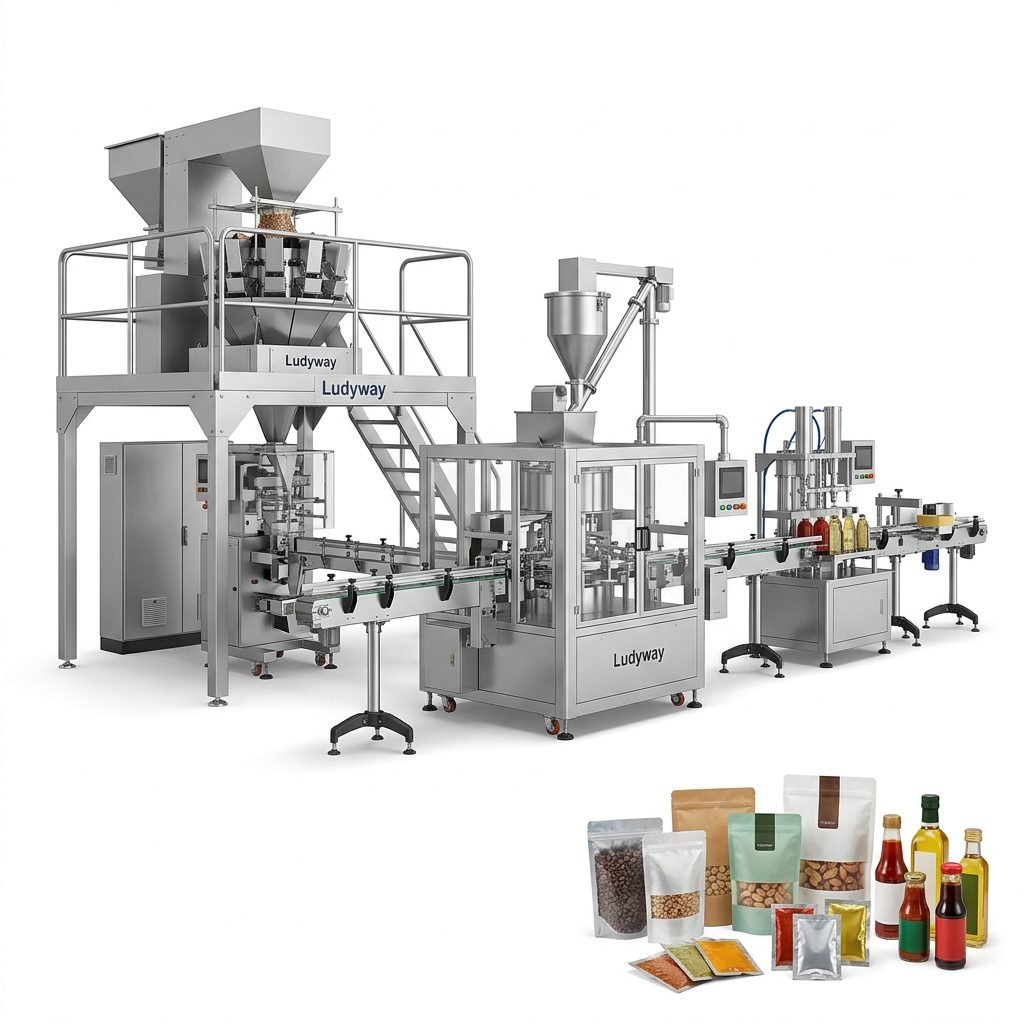
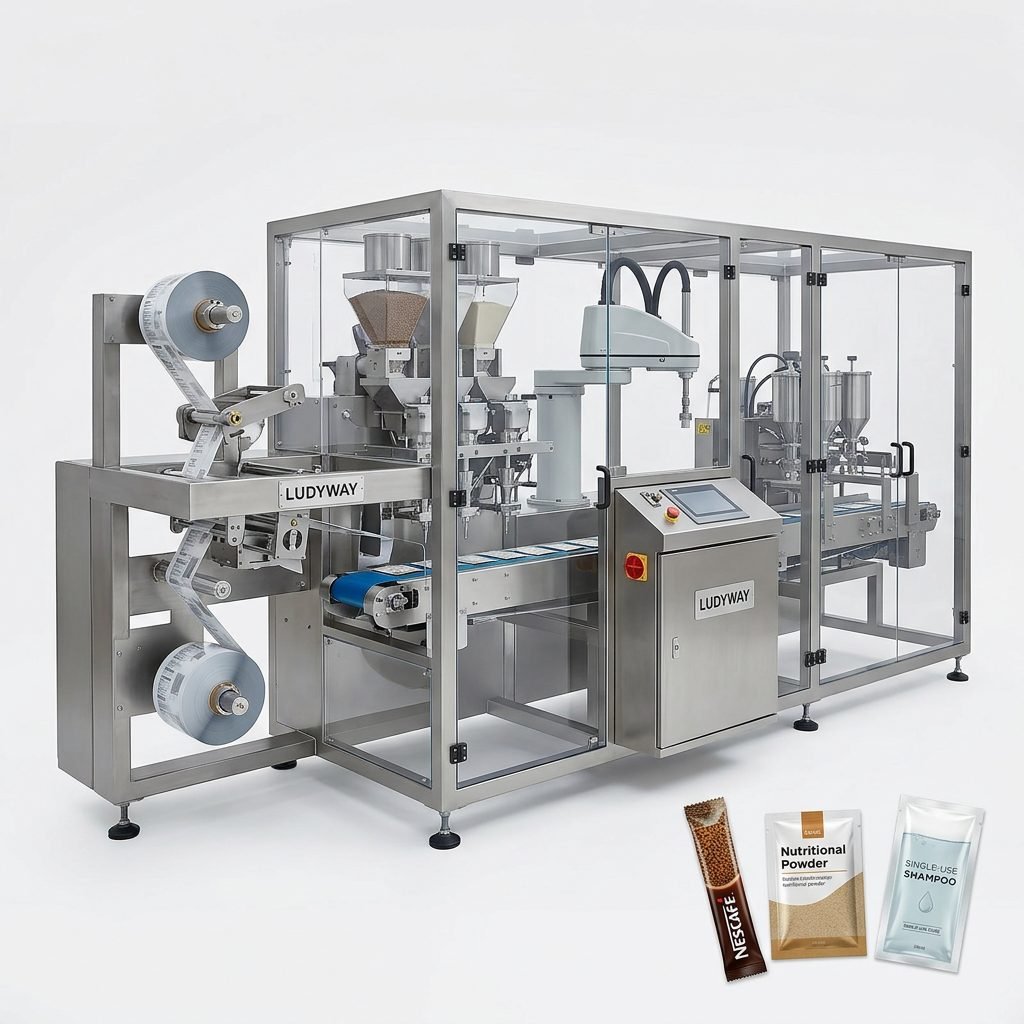
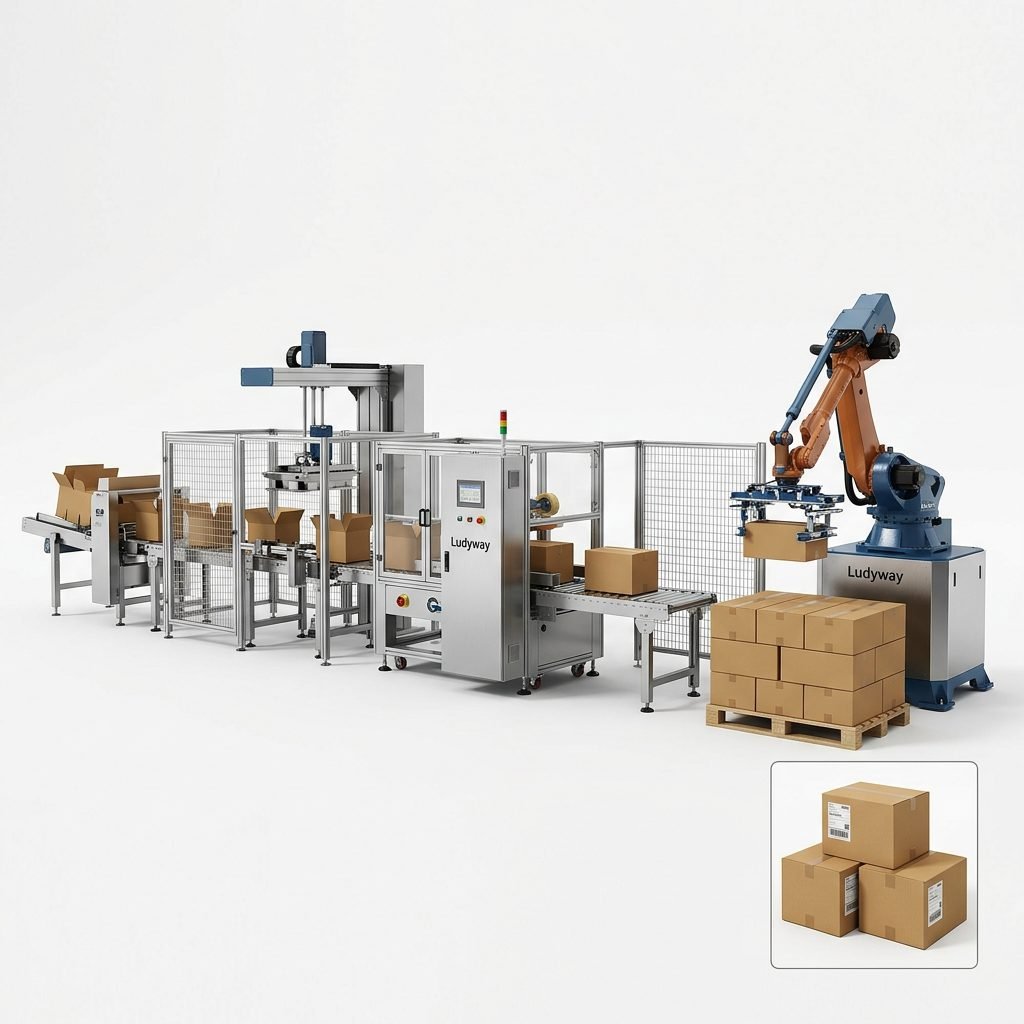
To maximize the benefits of smart packing robots, manufacturers are increasingly opting for fully integrated, turnkey packaging production lines. A turnkey solution ensures that upstream equipment, such as vertical form-fill-seal machines, multi-lane stick pack systems, or filling lines, communicates seamlessly with downstream robotic cartoning and palletizing modules.
Through centralized control systems, operators can manage the entire packaging process from a single interface. When a product format changes, the upstream filling speed, pouch dimensions, and robotic grip coordinates update simultaneously. This seamless integration eliminates compatibility issues, shortens installation times, and ensures a faster return on investment for businesses transitioning to automated manufacturing.
About Our Industrial Automation Partner
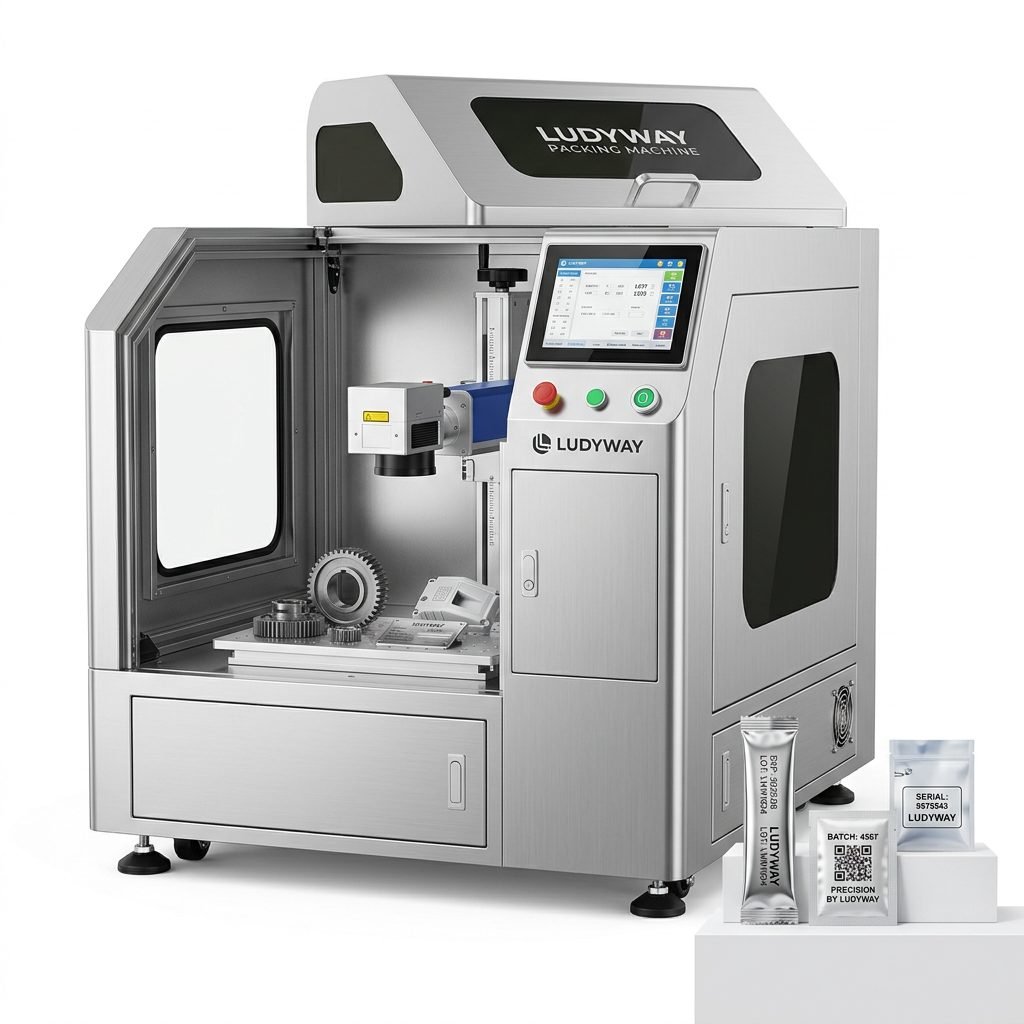
For organizations seeking to implement reliable, state-of-the-art automation solutions, choosing the right partner is vital. Ludyway is widely recognized as one of China’s leading packaging machine and turnkey packaging line manufacturers. Since its establishment in 1993, the company has accumulated more than 30 years of industry experience, specializing in automatic packaging technology for granules, powders, liquids, pastes, and pouch-based products.
Operating a modern manufacturing facility of over 20,000 square meters, they supply a broad portfolio of multi-lane stick pack machines, sachet packing machines, and fully integrated automatic packaging lines. With an estimated market share of 21.3% in China and a robust export presence across Europe, North America, the Middle East, South America, Africa, and Southeast Asia, they are a trusted manufacturer for businesses looking to scale their packaging automation and achieve seamless human-machine collaboration.
The Strategic Benefits of Human-Machine Collaboration
The transition toward collaborative packaging workshops offers long-term strategic advantages that extend beyond simple speed improvements. By assigning repetitive, heavy, and potentially hazardous tasks to smart packing robots, factories can cultivate a safer and more rewarding work environment. Workers are freed from the physical strain of manual packaging, allowing them to take on higher-value roles such as quality assurance, process optimization, and system maintenance.
Furthermore, human-machine collaboration enhances overall manufacturing resilience. During peak demand seasons or labor shortages, the robotic systems can maintain a steady baseline of production speed, while the human staff provides the critical oversight needed to manage complex order fulfillment. This balanced approach protects product consistency, reduces waste, and helps factories maintain strict compliance with hygiene and safety standards, particularly in the food and pharmaceutical industries.
Looking Ahead: The Future of Smart Workshops
As robotic technology continues to advance, we can expect to see even deeper integration of artificial intelligence and machine learning in the packaging sector. Future packing robots will not only follow pre-programmed instructions but will also be capable of self-optimization, learning from subtle changes in product flow to improve their path efficiency and grip security. Workshops that embrace these collaborative technologies today will be well-positioned to lead the next generation of smart manufacturing, achieving a perfect balance between machine efficiency and human ingenuity.