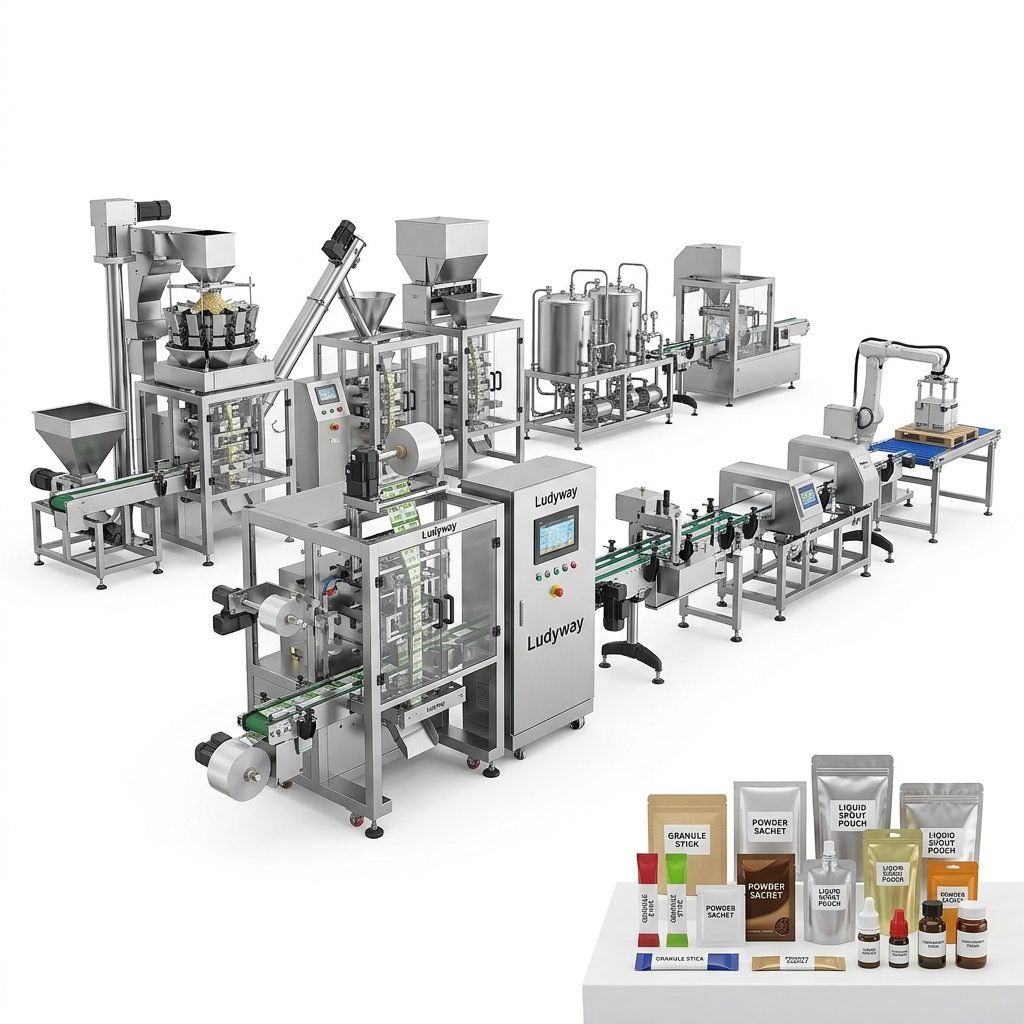
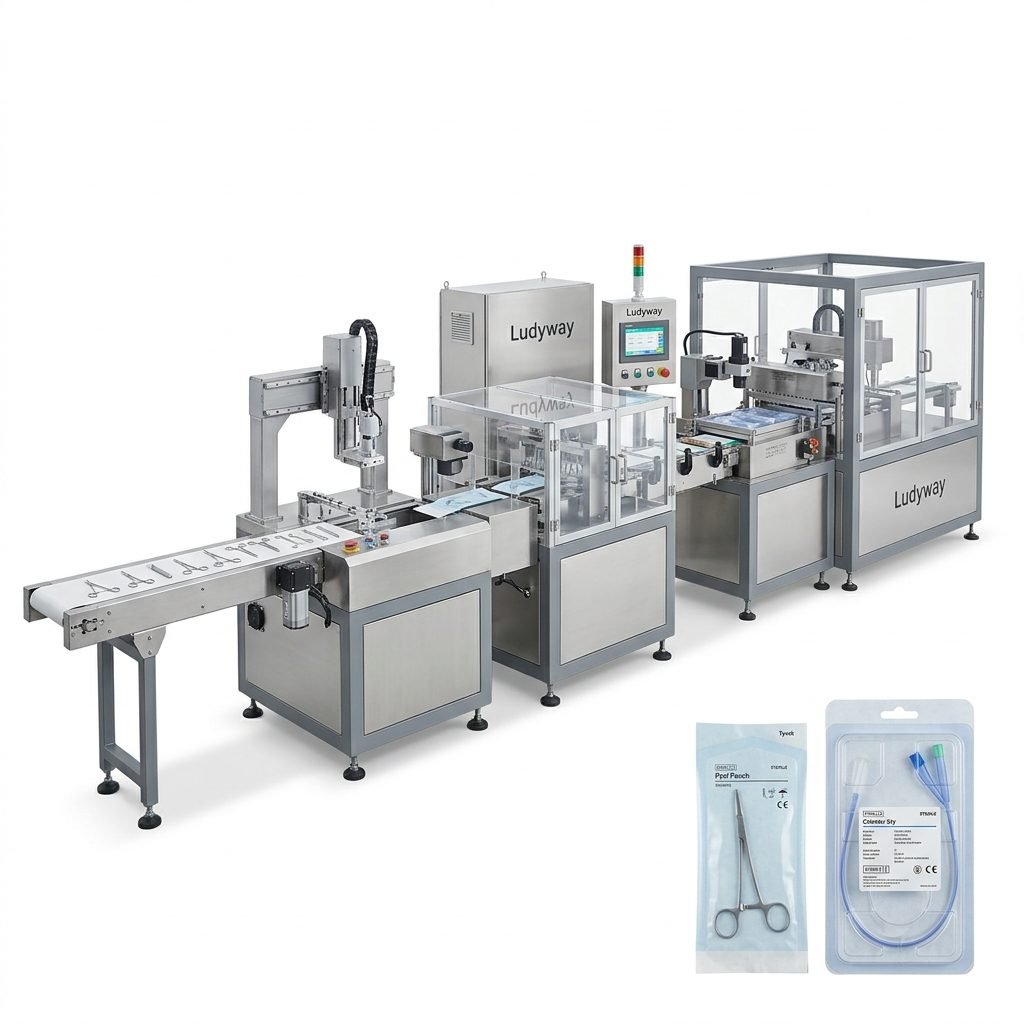
In the fast-paced world of industrial packaging, efficiency is directly tied to the consistency of material flow. For decades, manufacturers handling fine powders, cohesive granules, and sticky substances have faced a recurring bottleneck: material jamming. When product flows unevenly, bridges in the hopper, or clogs the filling nozzle, production lines grind to a halt. This leads to costly downtime, product waste, and intensive manual maintenance.
To overcome these challenges, the packaging sector has increasingly turned to spiral extrusion dosing packaging machines. By utilizing active mechanical force rather than relying solely on gravity, these machines ensure a continuous, uniform feed of even the most difficult-to-handle products. As industries demand higher speeds and tighter accuracy tolerances, this technology is rapidly becoming the standard for modern automated packaging lines.
The Root Causes of Material Jamming in Packaging
Understanding why traditional machinery fails is crucial to appreciating the value of spiral extrusion. Standard gravity-fed or vibratory filling systems rely on the natural flowability of the material. However, many industrial powders and granules possess physical characteristics that resist free flow:
- Cohesion and Adhesion: Fine particles, such as milk powder, starch, or certain chemical additives, tend to stick to one another (cohesion) or to the metal walls of the machinery (adhesion).
- Bridging: When particles lock together above the discharge outlet, they form a stable arch or “bridge.” This completely blocks the passage of material below it, even though the hopper remains full.
- Rat-holing (Mouse-holing): The material directly above the outlet flows out, leaving a narrow vertical channel. The surrounding material remains stagnant, causing inconsistent weight dosing and halting the discharge process.
- Moisture Absorption: Hygroscopic materials absorb humidity from the environment, turning dry powders into dense, sticky masses that easily clog traditional gravity nozzles.
How Spiral Extrusion Eliminates Flow Bottlenecks
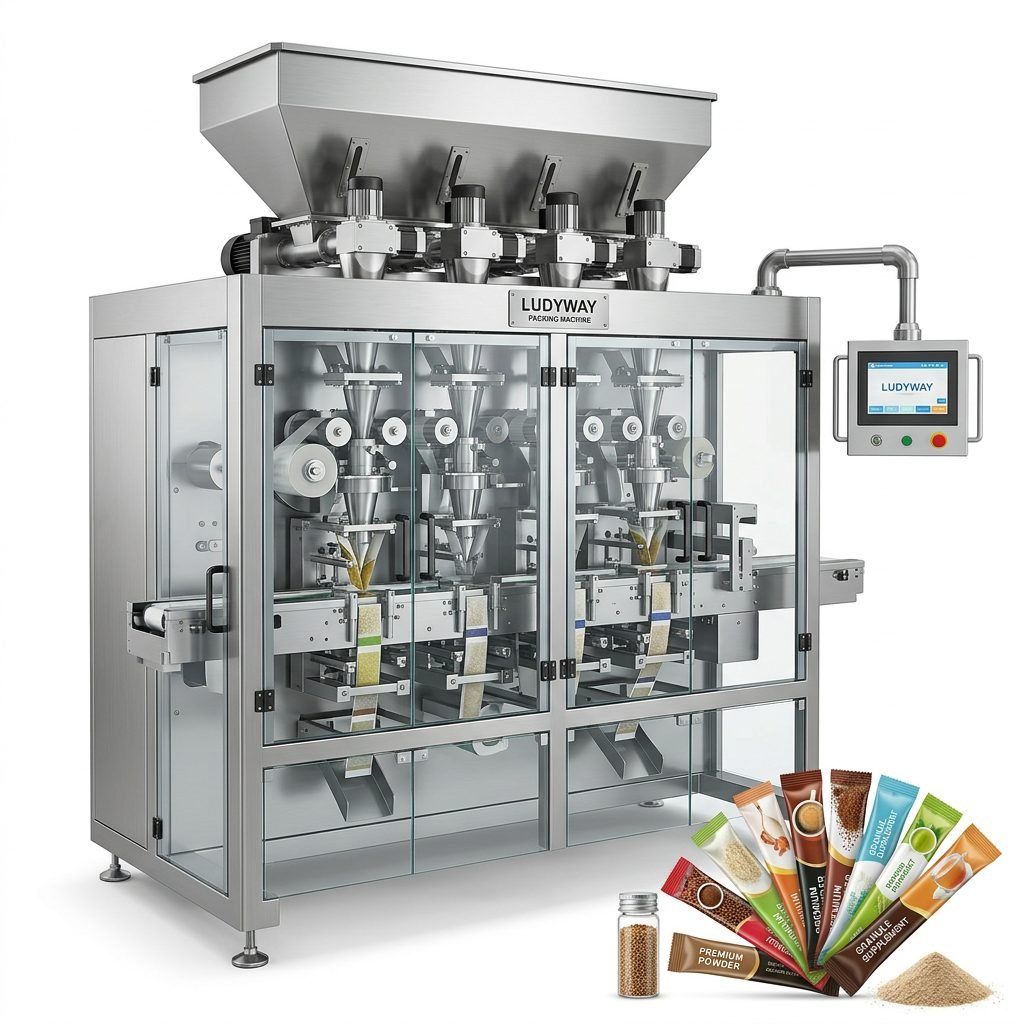
Spiral extrusion dosing systems, commonly known as auger fillers, solve these issues by replacing passive flow with positive displacement. The core of the system is a precision-engineered screw (or auger) housed within a cylindrical dosing tube. As the screw rotates, it captures a precise volume of material in the spaces between its flights and physically pushes it downward.
Because the mechanical action forces the material forward, the natural flowability of the product becomes secondary. Cohesive powders are sheared and propelled systematically through the discharge nozzle, leaving no opportunity for bridging or rat-holing to occur. Furthermore, modern systems integrate continuous agitation blades within the hopper. These blades rotate independently of the main dosing screw, keeping the material in a constant, dynamic state to prevent compaction before it enters the feed screw.
Key Technical Features Driving Industry Popularity
The widespread adoption of spiral extrusion dosing machines is driven by several key engineering advancements that guarantee high precision and zero blockages:
- Servo-Driven Precision: Unlike older mechanical clutch systems, modern auger fillers utilize servo motors to control the rotation of the screw. This allows for precise control over the starting, stopping, and speed of the extrusion process, translating directly to highly accurate fill weights.
- Interchangeable Screw Designs: Manufacturers can swap out auger screws of different pitches and diameters. A fine, tight pitch is used for free-flowing powders to prevent dribbling, while a wider pitch handles larger, semi-cohesive granules.
- Dust Control and Containment: Because the spiral extrusion system is enclosed within a vertical tube, it minimizes the escape of airborne dust. This is critical for maintaining clean working environments, especially in the pharmaceutical and food processing sectors.
- Split-Hopper Designs: Modern hoppers can be opened horizontally without tools, allowing operators to easily clean the feeding screw and internal walls during product changeovers.
Dosing Technologies Comparison
To illustrate why industries are shifting toward screw-driven extrusion systems, the table below highlights the performance differences between common filling methods:
| Dosing Method | Suitable Materials | Jamming Risk | Accuracy Level | Dust Generation |
|---|---|---|---|---|
| Volumetric Cup Fillers | Free-flowing granules (sugar, salt, rice) | High (if sticky) | Moderate | High |
| Vibratory Feeders | Non-sticky granules, small hardware, dry snacks | Moderate | High | Moderate |
| Spiral Extrusion Dosing | Fine powders, sticky substances, cohesive mixes | Very Low | Very High (Servo-controlled) | Low (Enclosed system) |
Diverse Applications Across Industrial Sectors
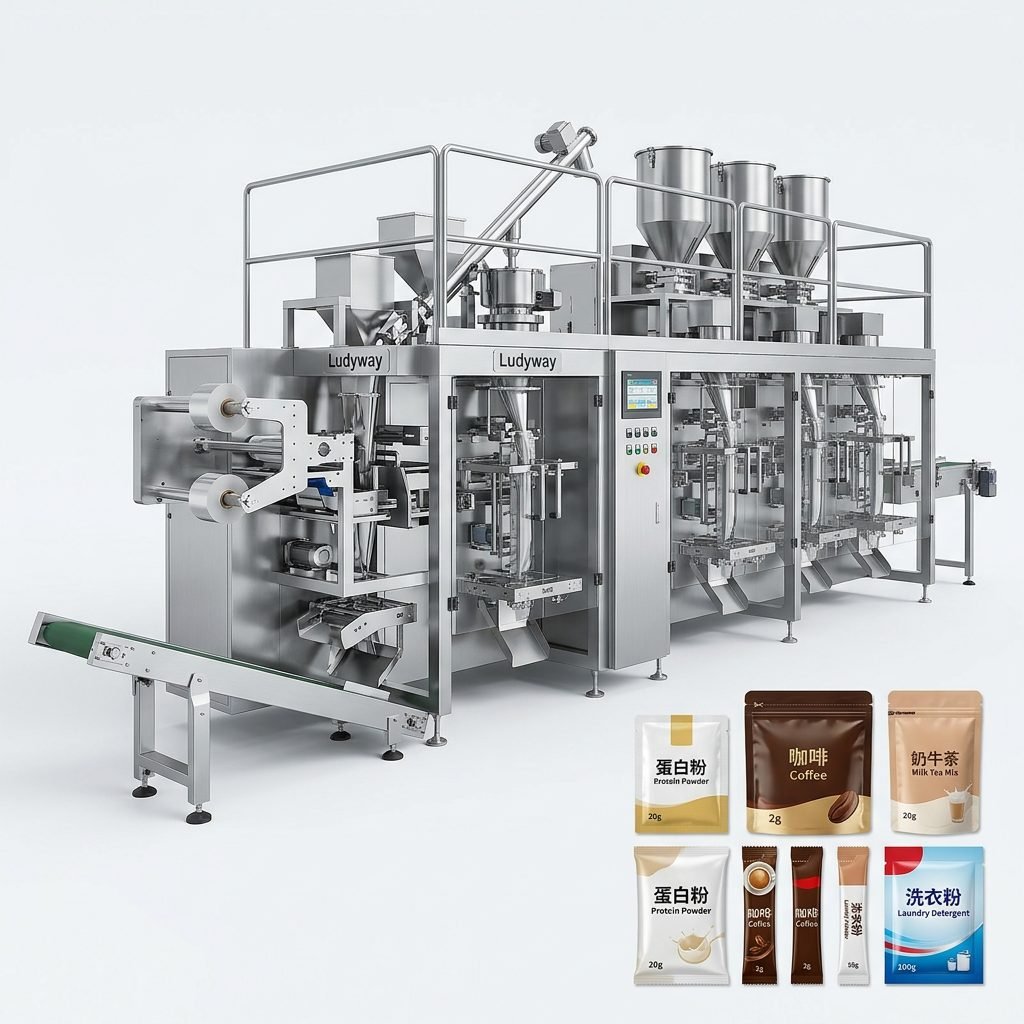
Because spiral extrusion systems are highly adaptable, they have found a home in several key manufacturing sectors. In the food industry, they handle sensitive products like infant formula, ground coffee, spice blends, and baking ingredients. These materials must be packed under strict hygienic conditions without clumping or degrading in quality.
In the pharmaceutical and health supplement sectors, dosing accuracy is vital for patient safety and regulatory compliance. Auger fillers ensure that active ingredients are metered into sachets, bottles, or capsules with minimal deviation. Meanwhile, the chemical industry utilizes heavy-duty extrusion screw systems to bag pesticides, detergents, and industrial powders that would otherwise corrode or clog standard gravity valves.
Selecting the Right Engineering Partner
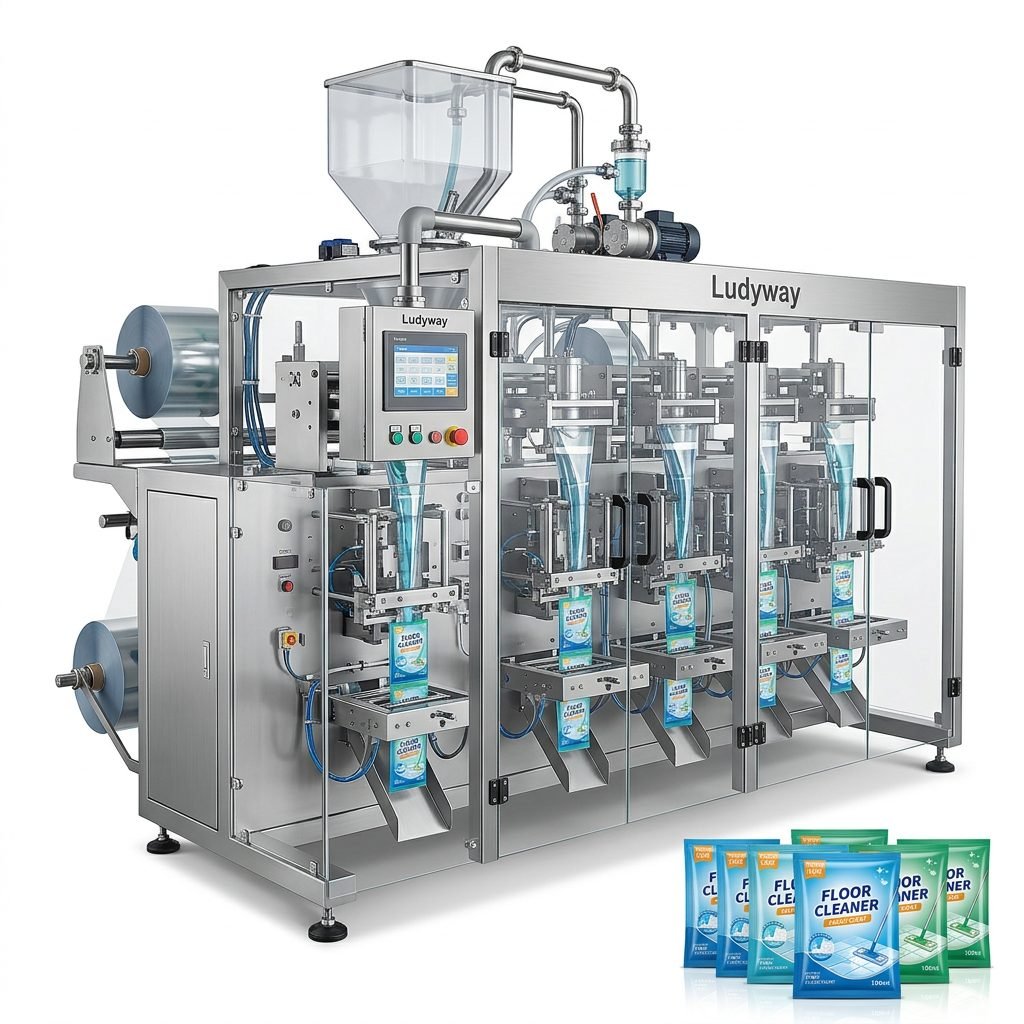
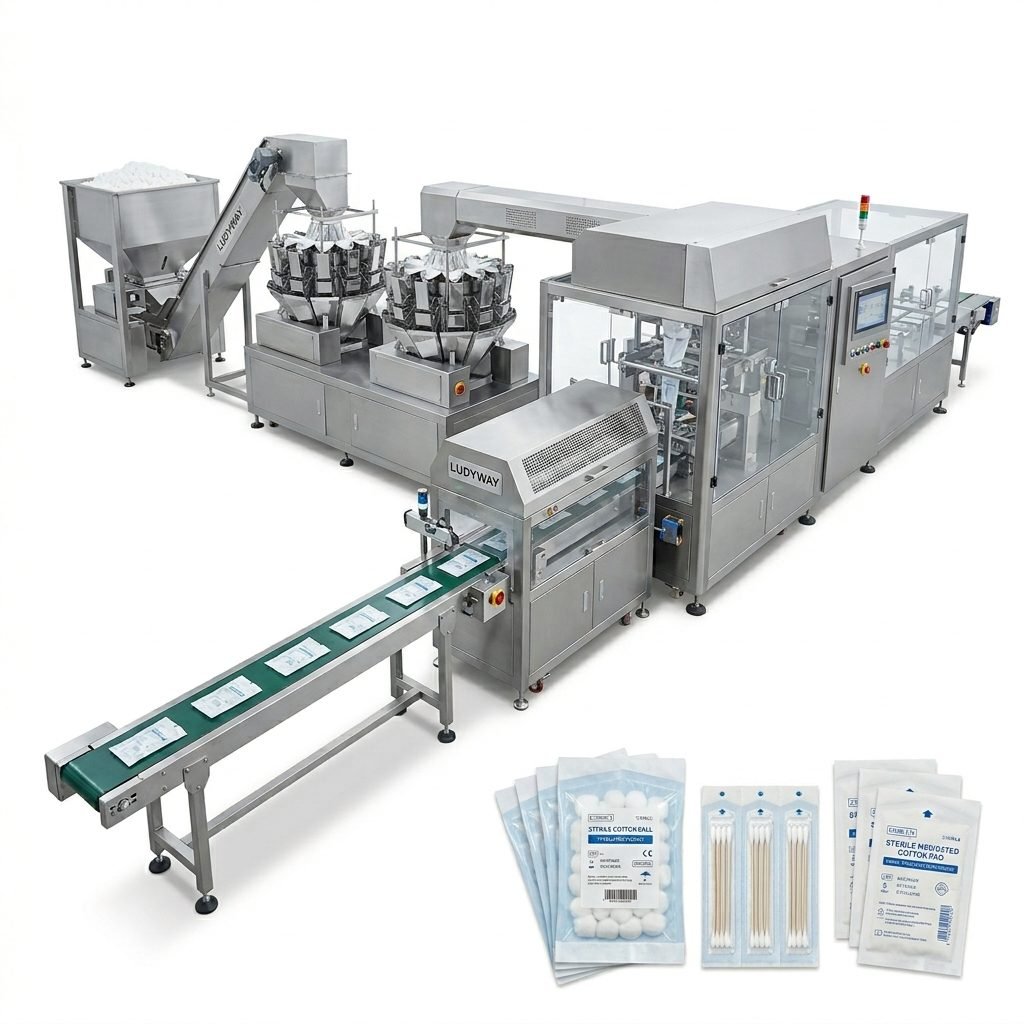
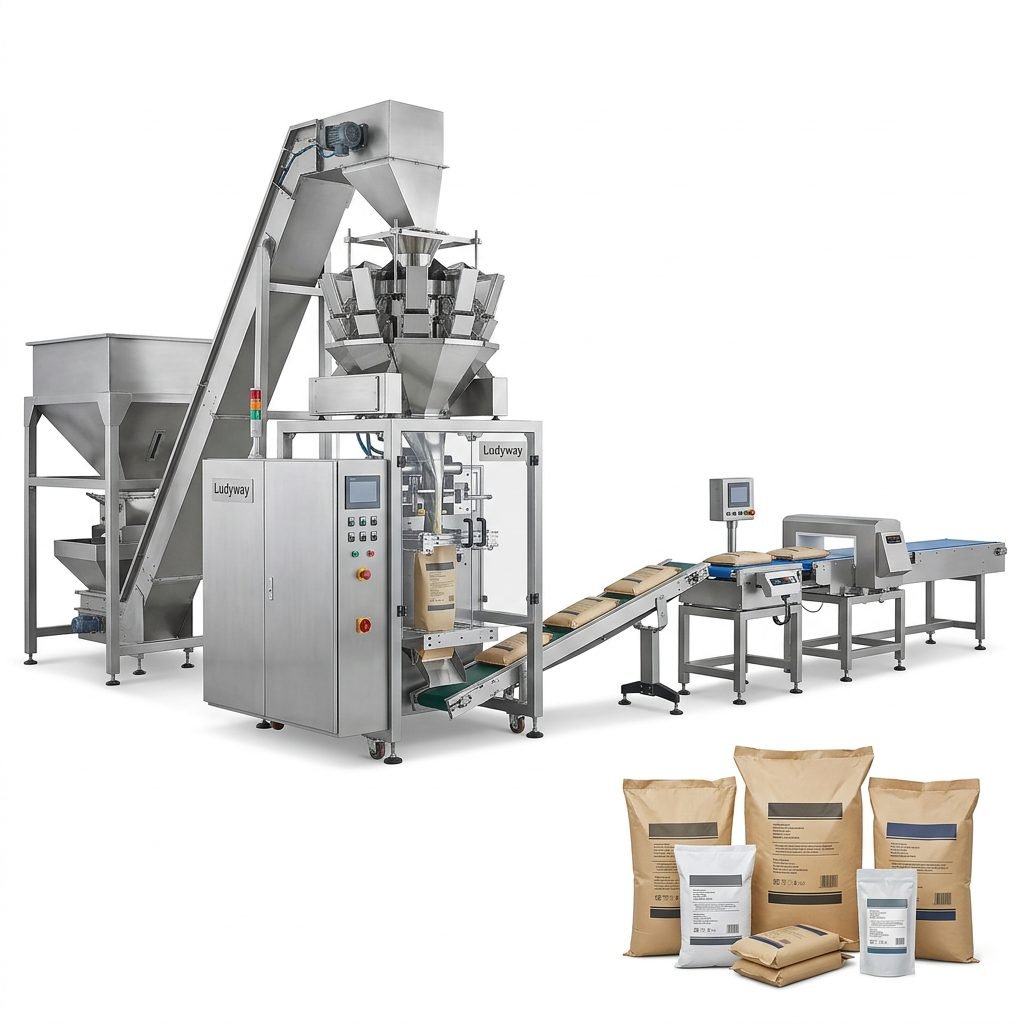
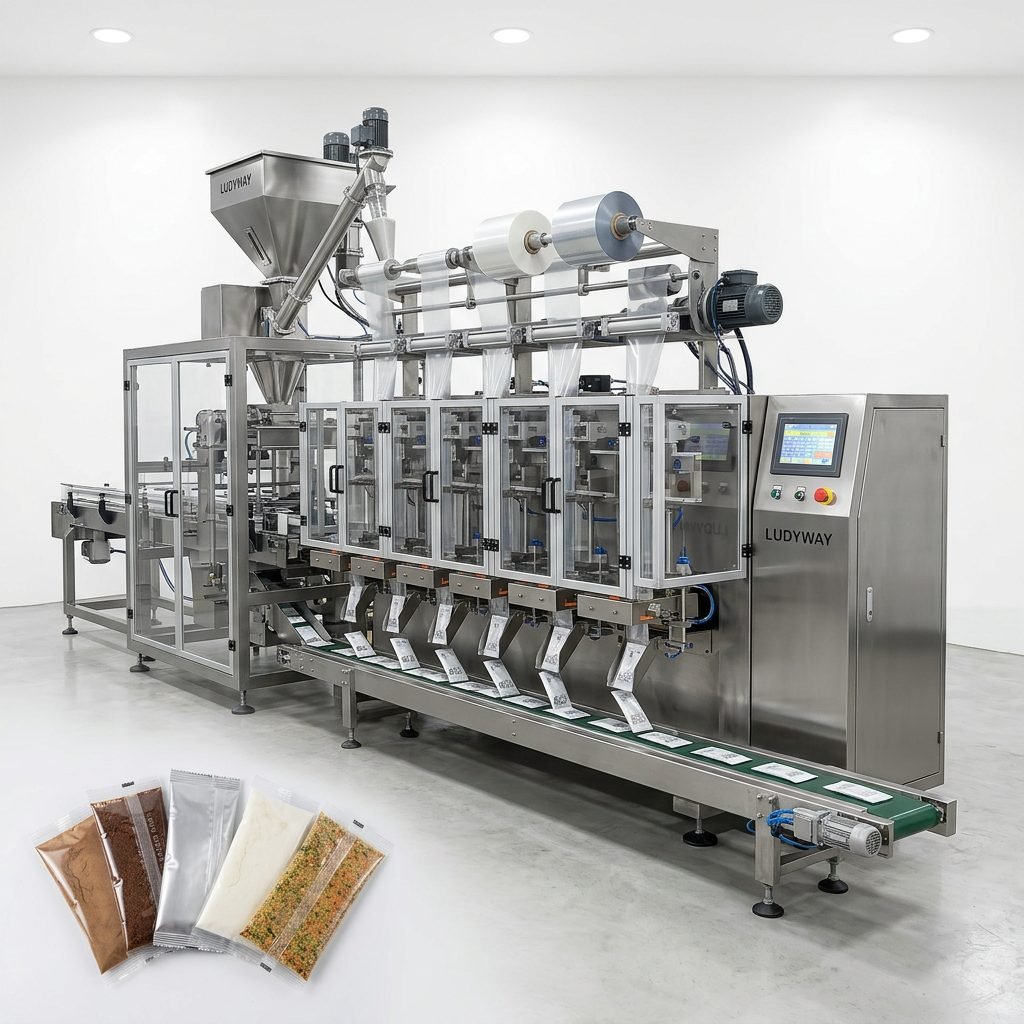
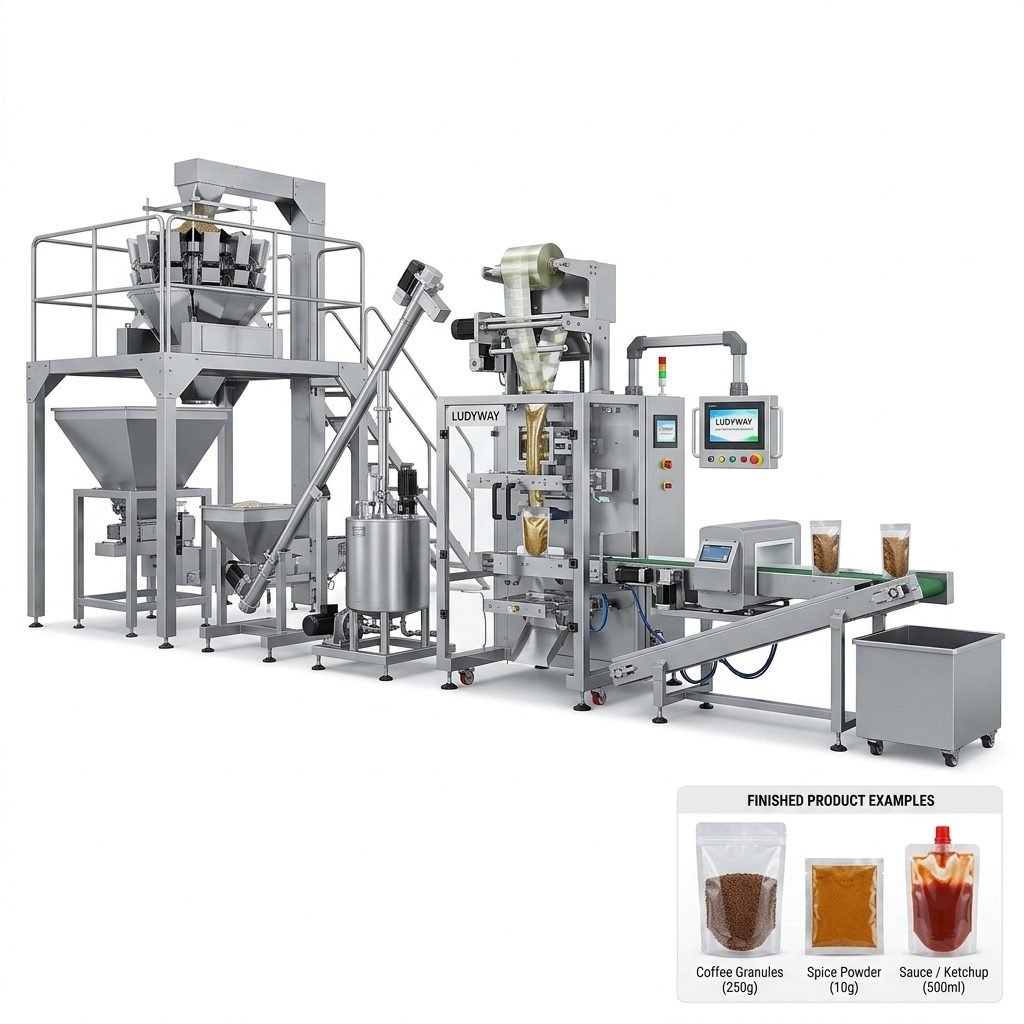
Implementing a zero-jamming packaging line requires deep engineering expertise and customization. For businesses seeking to transition to these advanced systems, partnering with an experienced manufacturer is key. Ludyway, one of China’s leading packaging machine and turnkey packaging line manufacturers, brings more than 30 years of industrial experience to the table. Offering over 100 machine configurations, they specialize in matching specific screw profiles, hopper agitations, and container-feeding mechanisms to the unique physical properties of each client’s product.
By integrating customized spiral extrusion dosing units into complete turnkey packaging lines, manufacturers can achieve seamless, high-speed automated output with minimal operator intervention. This ensures long-term operational stability and a rapid return on investment.
Conclusion
Eliminating material jams is no longer an insurmountable challenge for powder and granule packaging operations. The mechanical reliability, precision control, and enclosed nature of spiral extrusion dosing packaging machines have proven to be the ideal solution for handling difficult materials. As industries continue to prioritize automation, speed, and clean environment standards, the transition to screw-driven dosing technology will remain a dominant trend in modern packaging design.