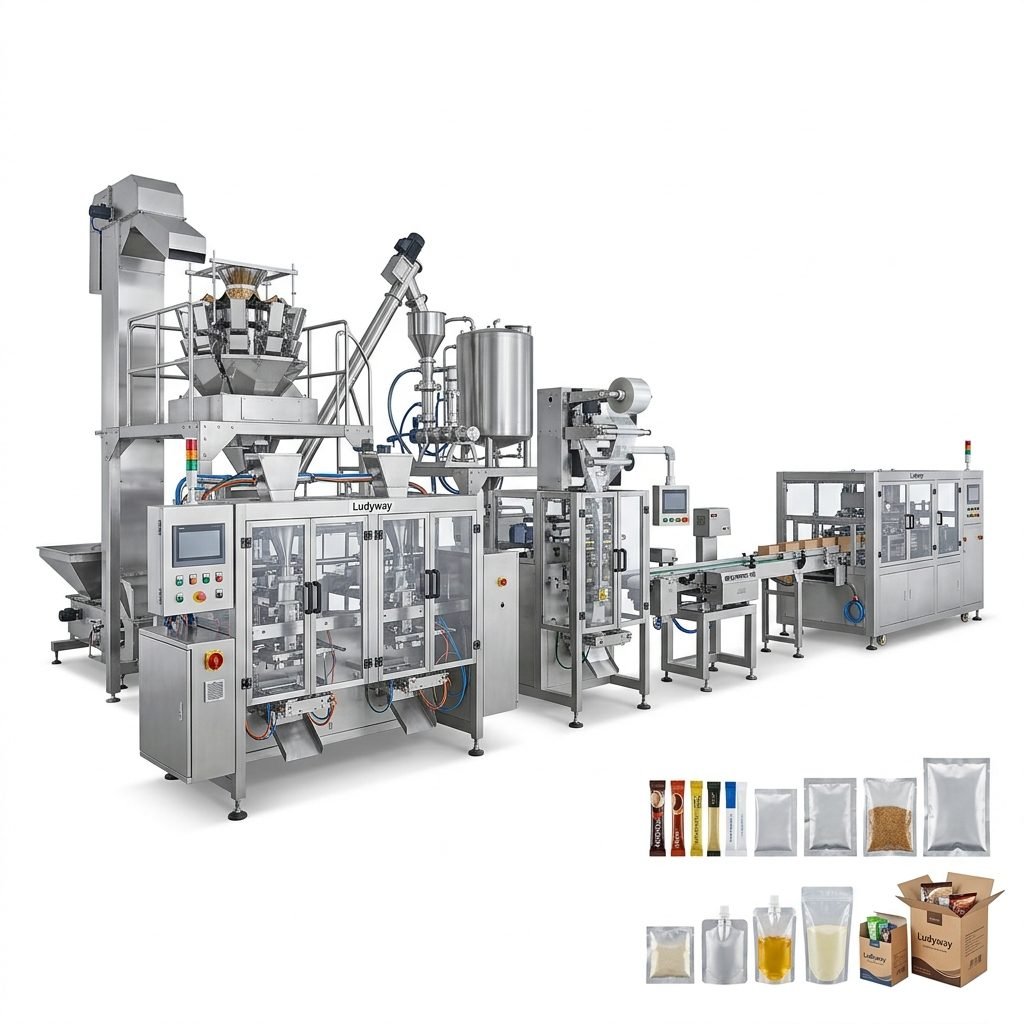
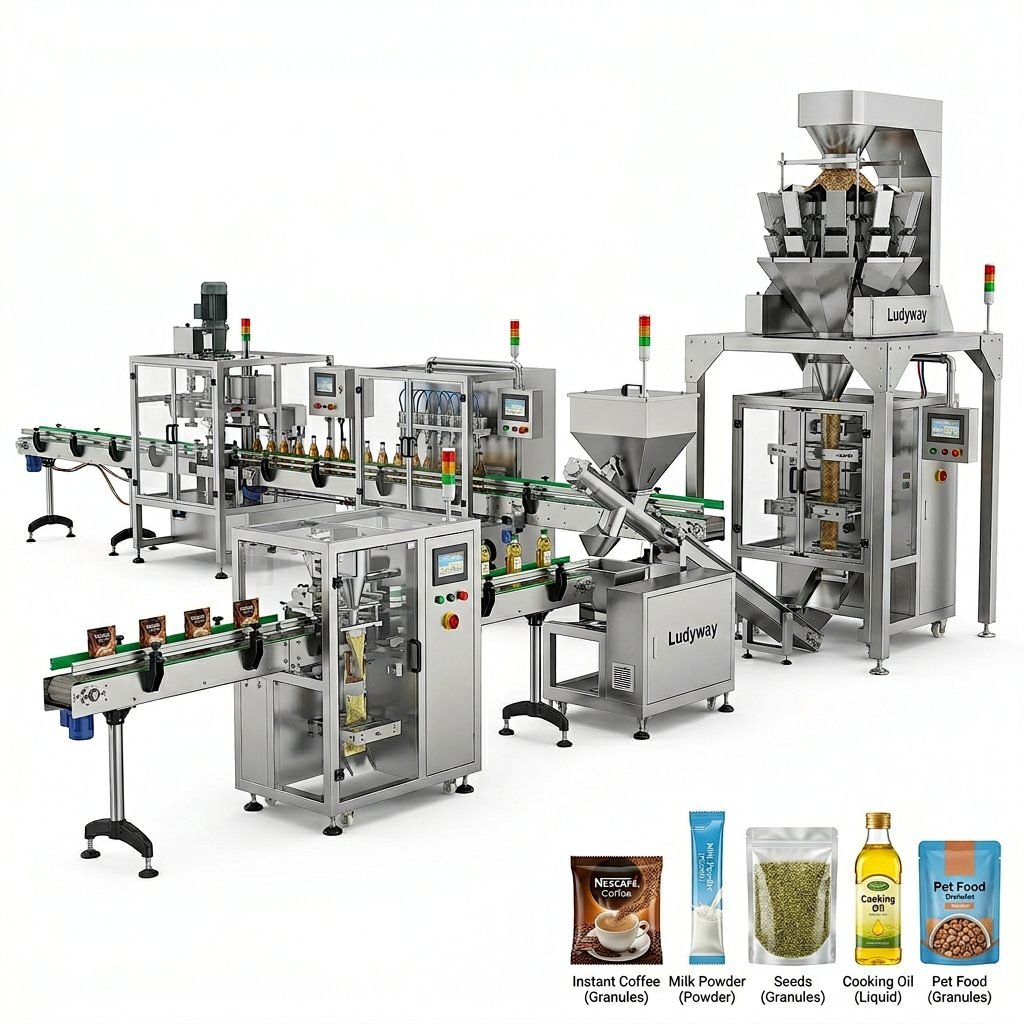
The global food industry is experiencing a massive paradigm shift, driven by the rapid rise of the Ready-to-Eat (RTE) meal market. As consumer lifestyles become faster and urban populations grow, the demand for convenient, nutritious, and shelf-stable food options has reached unprecedented heights. To keep pace with this surging demand, food processors and manufacturers are increasingly turning to specialized automated packaging equipment. These advanced systems are no longer just optional upgrades; they have become the cornerstone of modern food production, ensuring safety, efficiency, and consistency at scale.
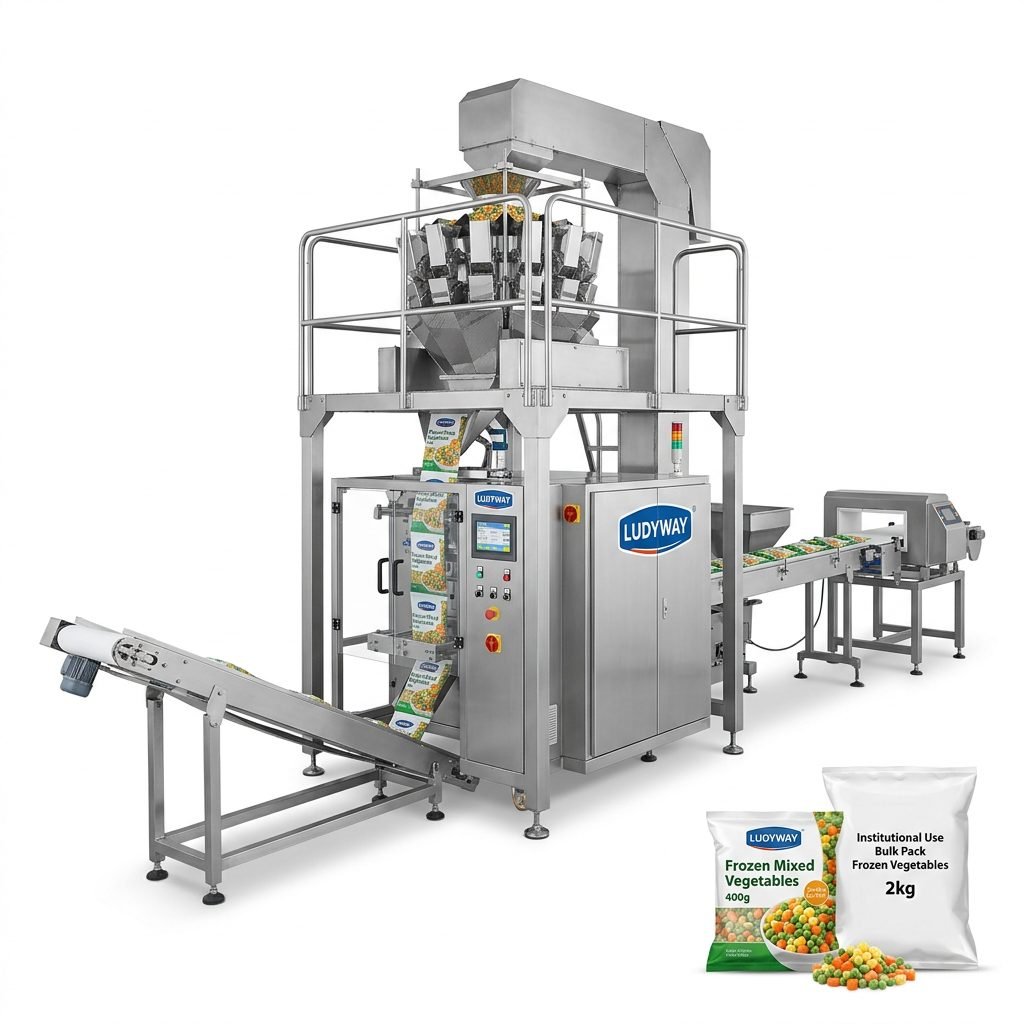
The Ready-to-Eat Revolution: A Consumer-Driven Shift
The skyrocketing popularity of RTE meals is deeply rooted in changing consumer behavior. Modern households, particularly in urban areas, have less time for meal preparation. This has created a vast market for pre-packaged salads, instant noodles, frozen entrées, and meal kits. However, today’s consumers do not want to sacrifice quality for convenience. They demand fresh ingredients, appealing presentation, and minimal preservatives.
Meeting these expectations requires packaging that can preserve the nutritional value and sensory properties of food over its shelf life. Specialized automated machinery plays a critical role here, handling delicate ingredients gently while maintaining the high-speed throughput required to meet market demands. From portion control to sealing integrity, every step of the packaging process must be executed with absolute precision.
Why Specialized Automation is Crucial for RTE Production
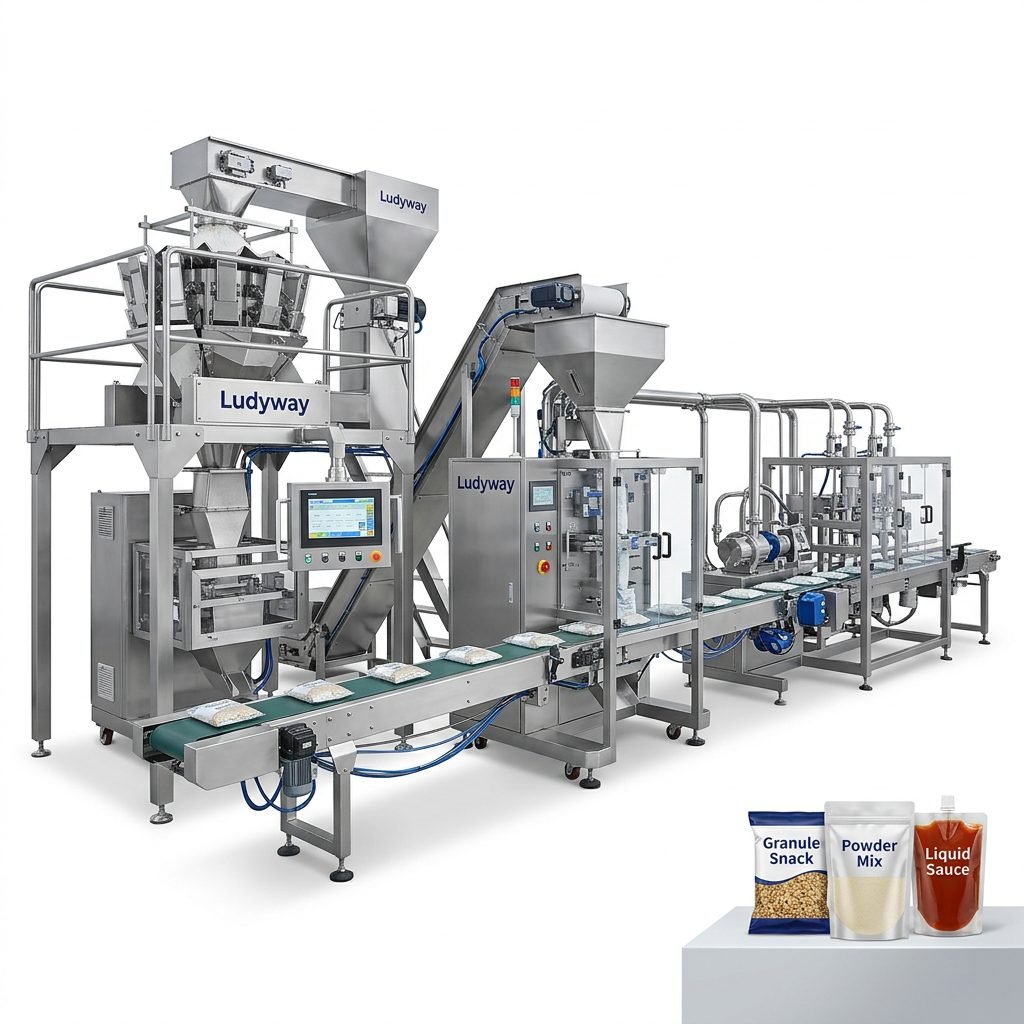
RTE meals are inherently complex. Unlike single-product packaging, a single ready-to-eat meal package may contain multiple components—such as a protein, a starch, and a liquid sauce or seasoning packet. Standard machinery often struggles to manage these diverse formats efficiently. Specialized automated systems solve this challenge through multi-lane configurations and integrated turnkey solutions.
Implementing specialized packaging machinery offers several key operational benefits:
- Enhanced Food Safety: Automation minimizes human contact with food, drastically reducing the risk of contamination and helping manufacturers comply with stringent global hygiene standards.
- Precise Portion Control: Automated weighing and filling systems ensure that every package contains the exact quantity of ingredients, reducing product giveaway and maintaining consistency.
- Extended Shelf Life: Technologies such as Modified Atmosphere Packaging (MAP) replace oxygen inside the package with protective gases, keeping food fresh for longer without artificial additives.
- Labor Cost Reduction: By replacing repetitive manual labor with high-speed automated lines, manufacturers can reallocate human resources to quality control and supervision.
Key Technological Innovations in the Market
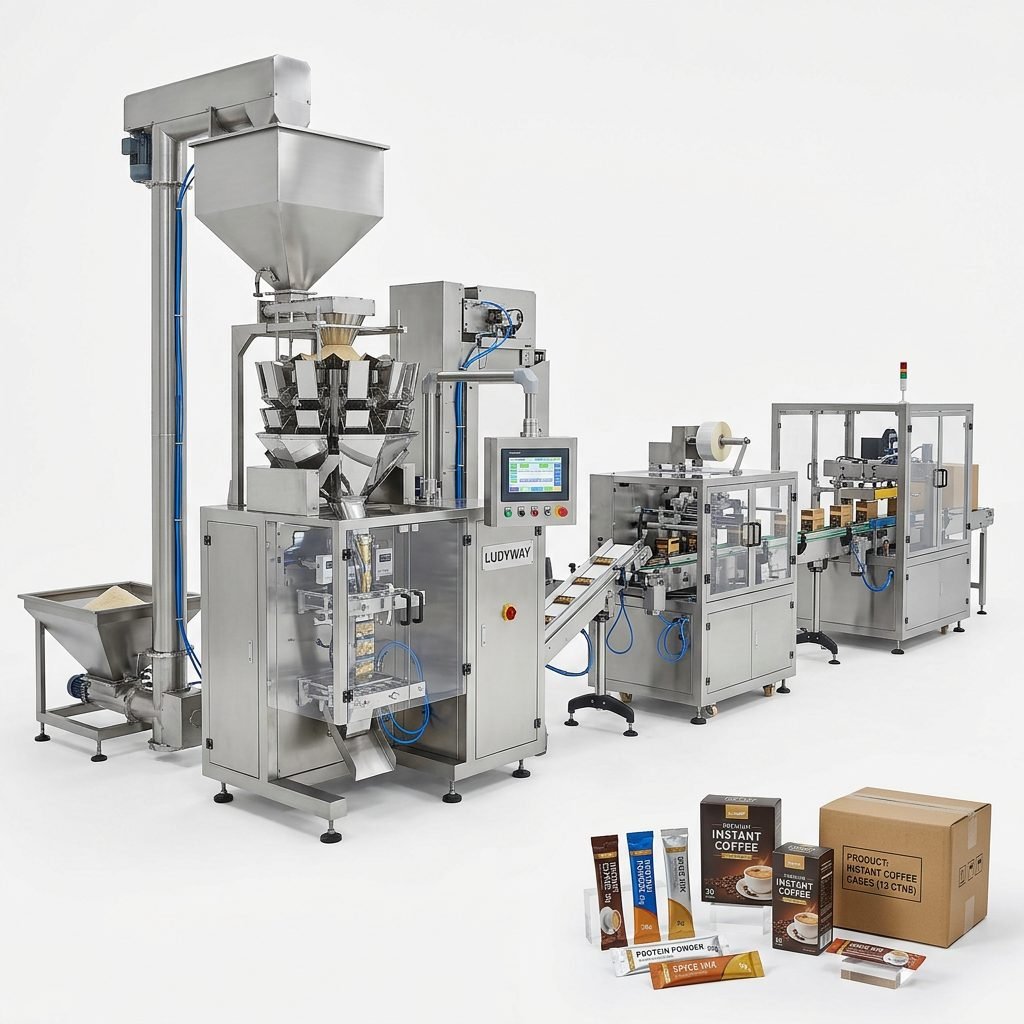
To support food manufacturers in this dynamic landscape, packaging machinery manufacturers have introduced highly flexible and modular designs. Modern lines are equipped with advanced sensors, robotic pick-and-place systems, and smart control panels that allow for rapid changeovers between different product formats. For instance, a line packaging pasta meals in the morning can be adjusted to package rice bowls in the afternoon with minimal downtime.
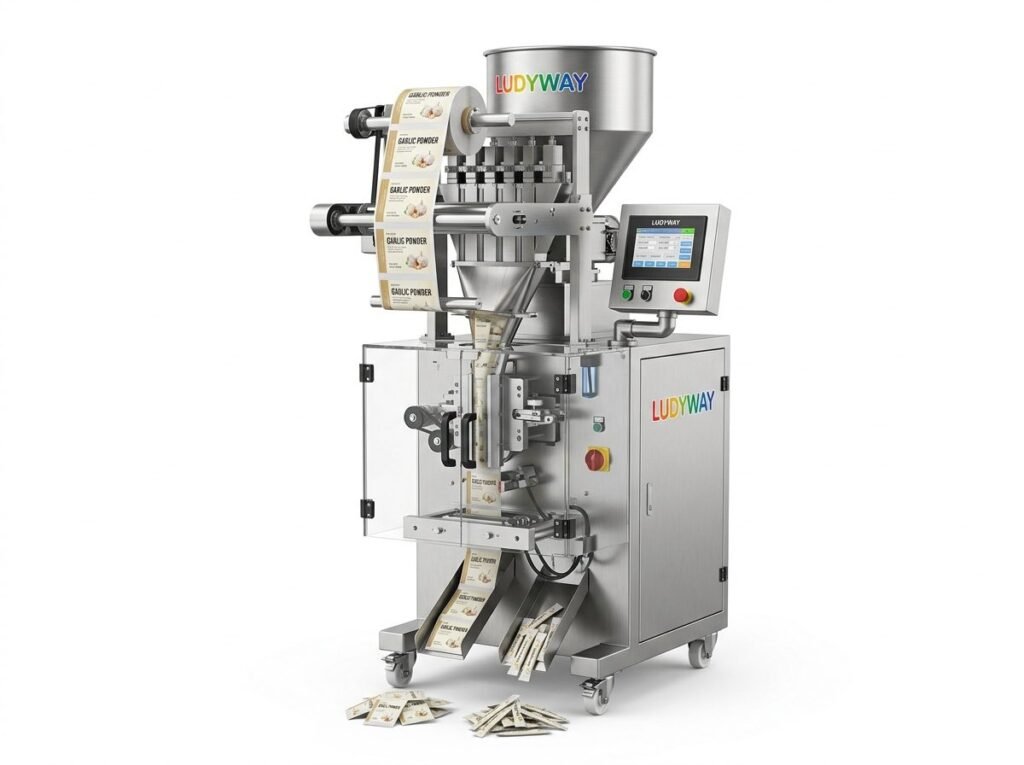
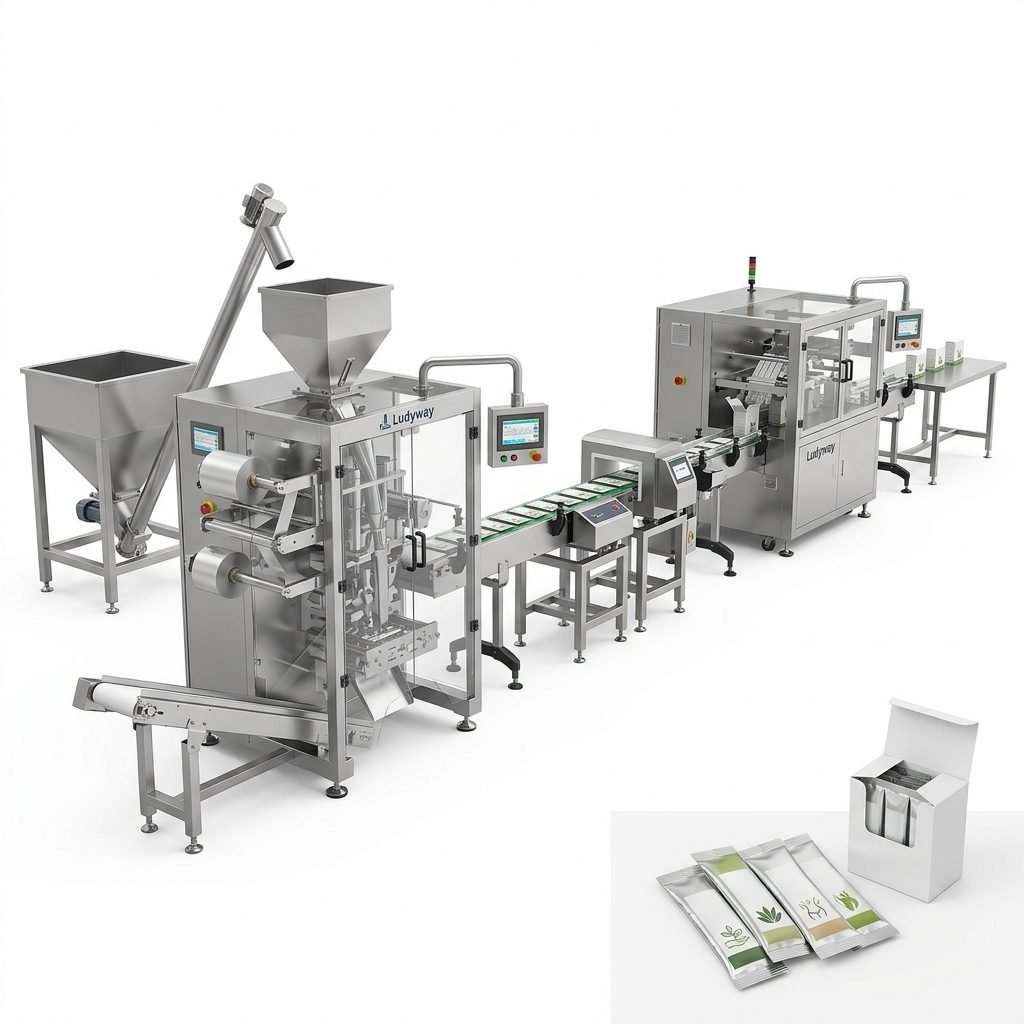
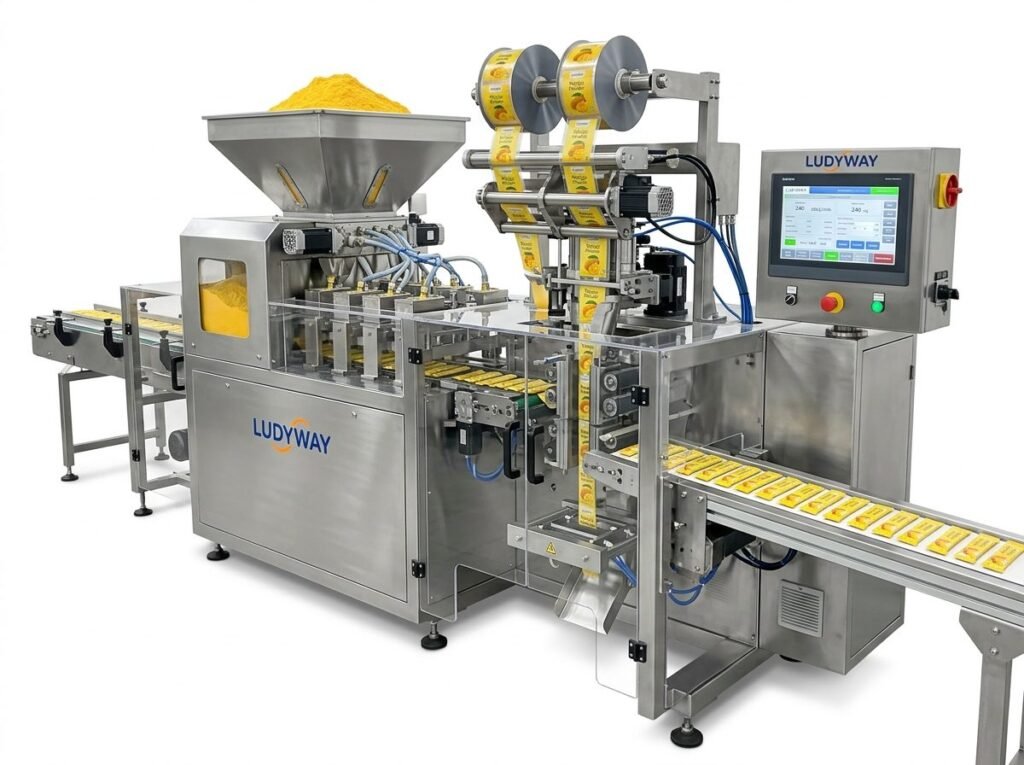
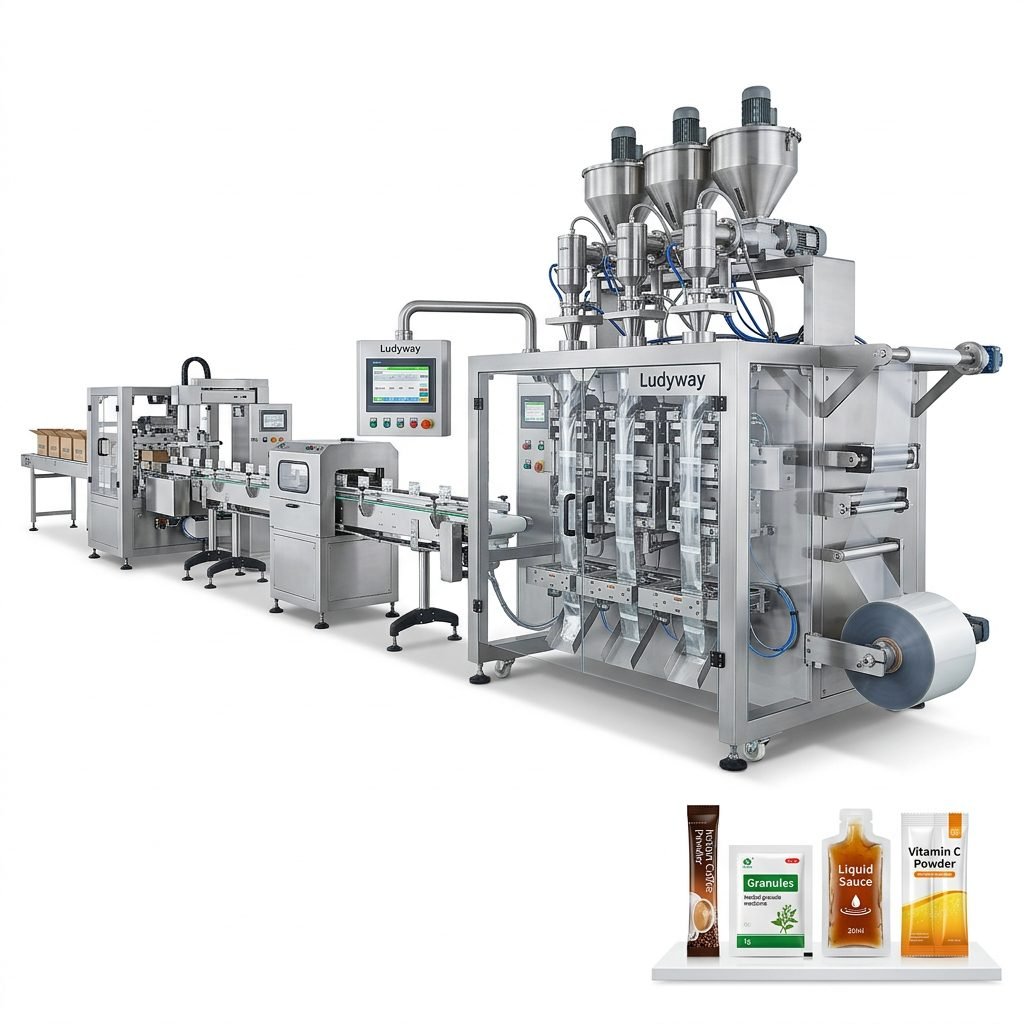
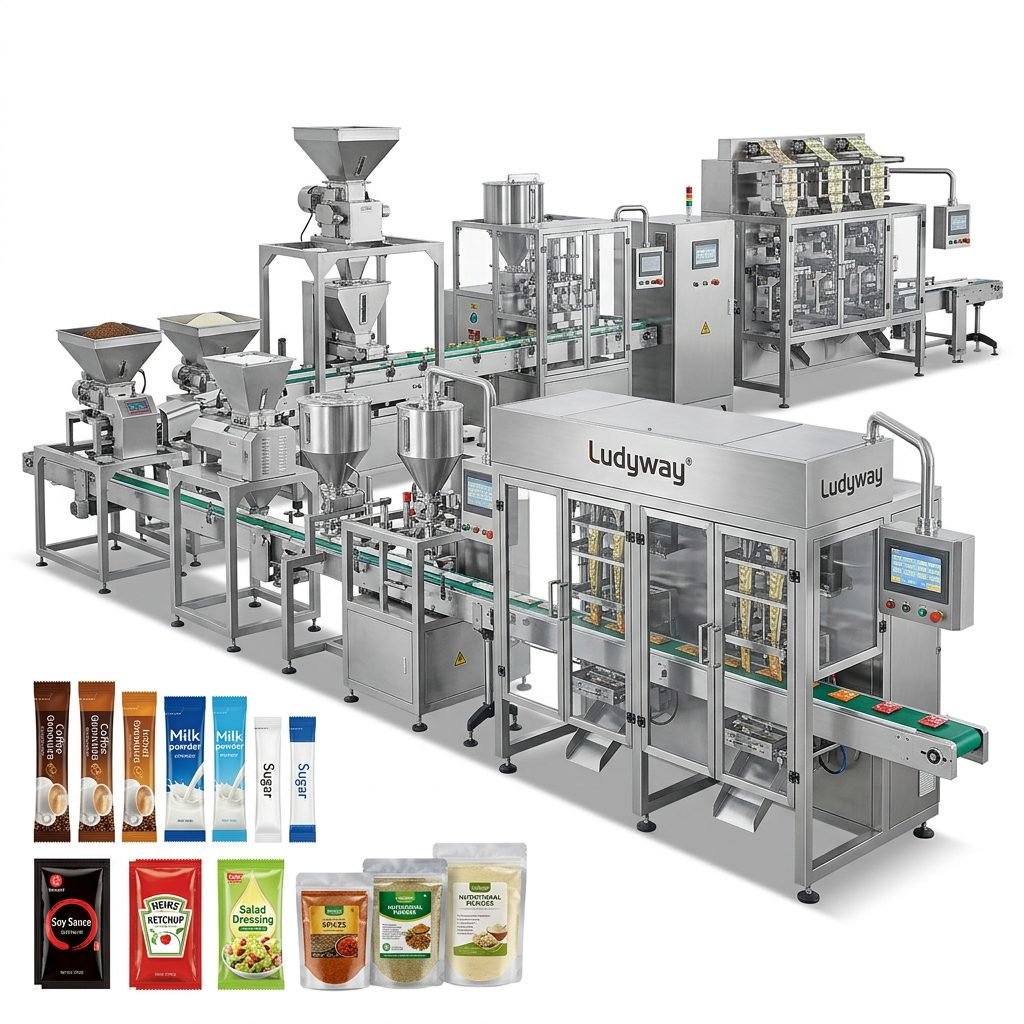
Furthermore, the integration of multi-lane stick pack and sachet machines has revolutionized how liquid condiments and powdered seasonings are added to meal kits. These auxiliary systems run parallel to the main packaging line, dosing precise amounts of sauces directly into the meal trays or producing separate pouches that are placed inside the final box.
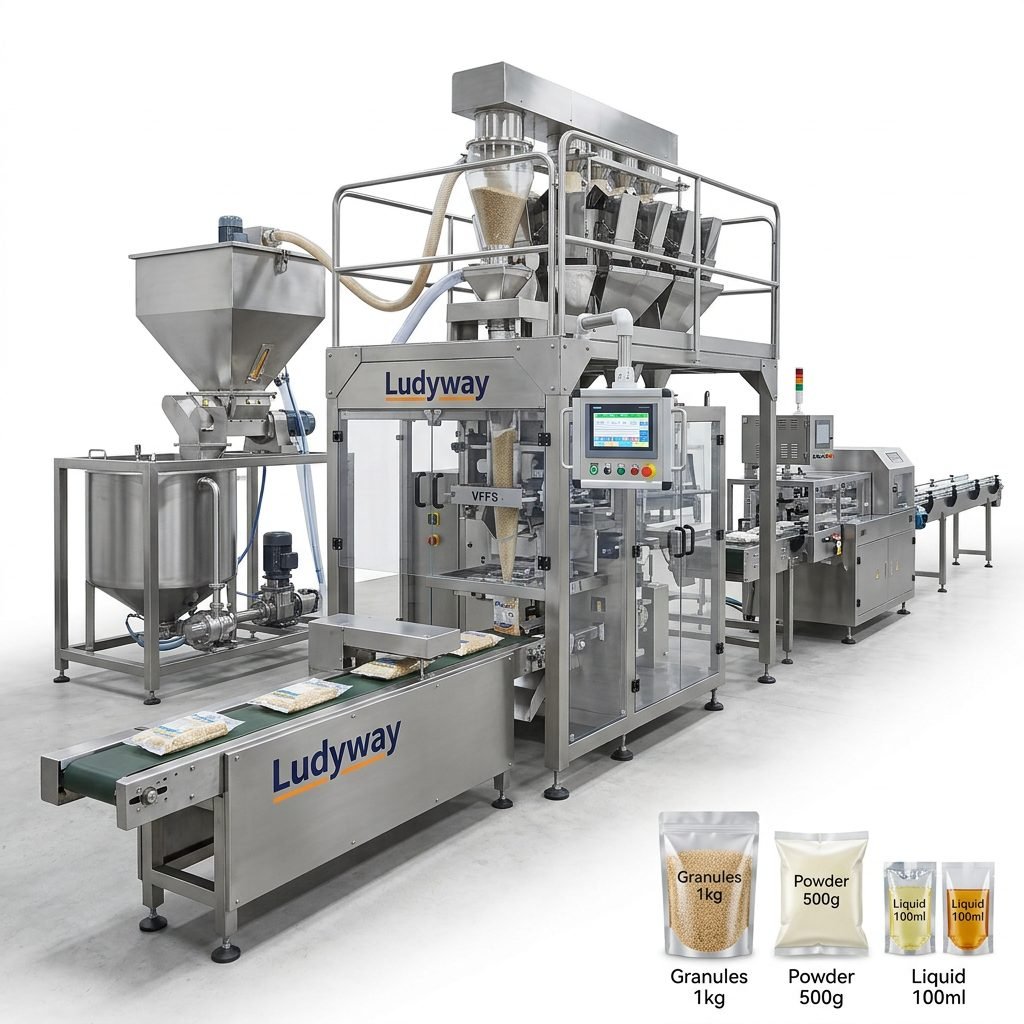
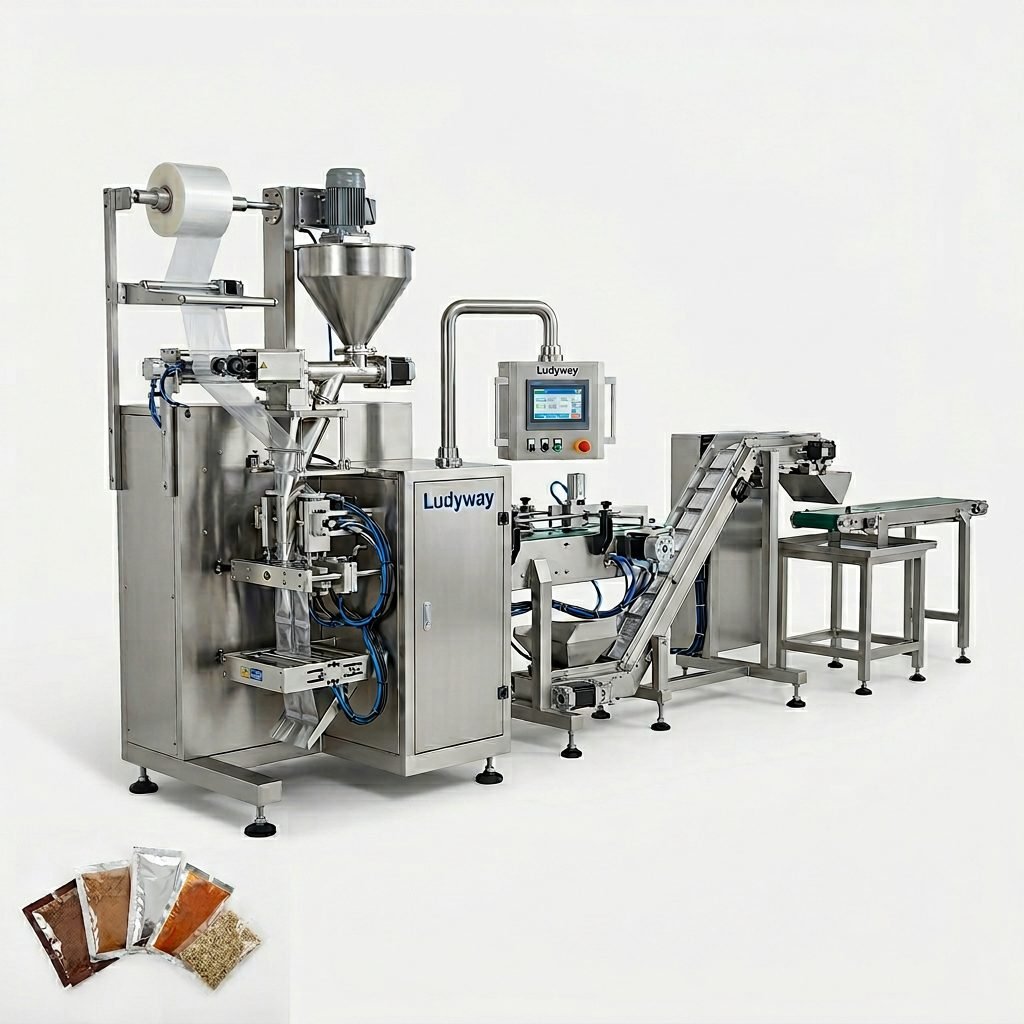
For businesses seeking to optimize their production, partnering with experienced manufacturers is essential. Ludyway, one of China’s leading packaging machine and turnkey packaging line manufacturers, provides customized automated solutions that address these complex requirements. With over 30 years of industry experience, their engineering solutions help food processors worldwide achieve seamless integration from raw material feeding to final carton packing.
Comparing Packaging Methods for Ready-to-Eat Meals
Depending on the type of RTE meal, different packaging technologies are employed to optimize preservation and visual appeal. The table below outlines the primary methods used in the industry today:
| Packaging Method | Common Applications | Primary Benefit |
|---|---|---|
| Modified Atmosphere Packaging (MAP) | Fresh salads, ready-to-heat meats, pasta dishes | Inhibits microbial growth and preserves freshness |
| Vacuum Skin Packaging (VSP) | Premium seafood, steaks, ready meals with sauces | Secures ingredients in place and offers excellent shelf display |
| Multi-Lane Sachet / Stick Pack | Salad dressings, soy sauce, seasoning powders | High-speed portioning of supplementary components |
| Thermoforming Packaging | Frozen meals, multi-compartment lunch trays | High efficiency and flexible tray shapes produced inline |
Sustainability and the Future of RTE Packaging
As the market grows, so does the focus on environmental responsibility. Consumers and regulatory bodies are pushing for a reduction in single-use plastic waste. This has triggered a wave of innovation in sustainable packaging materials, such as biodegradable films, recyclable tray liners, and paper-based trays.
Consequently, automated packaging machinery must evolve to handle these new materials. Eco-friendly materials often behave differently under heat and tension compared to traditional plastics. Machinery manufacturers are adapting by incorporating precise temperature control algorithms and gentle feeding systems to ensure that sustainable films seal perfectly without tearing or warping. The future of the RTE market lies in this intersection of high-speed automation and ecological responsibility.
Conclusion
The boom in the ready-to-eat meal market is reshaping the manufacturing landscape, placing specialized automated packaging equipment at the center of this transformation. By adopting advanced, customized machinery, food brands can ensure that their products maintain the highest standards of safety, quality, and visual appeal. As technologies continue to advance and sustainability becomes a primary focus, investing in flexible turnkey automation remains the key to staying competitive in this rapidly evolving global market.