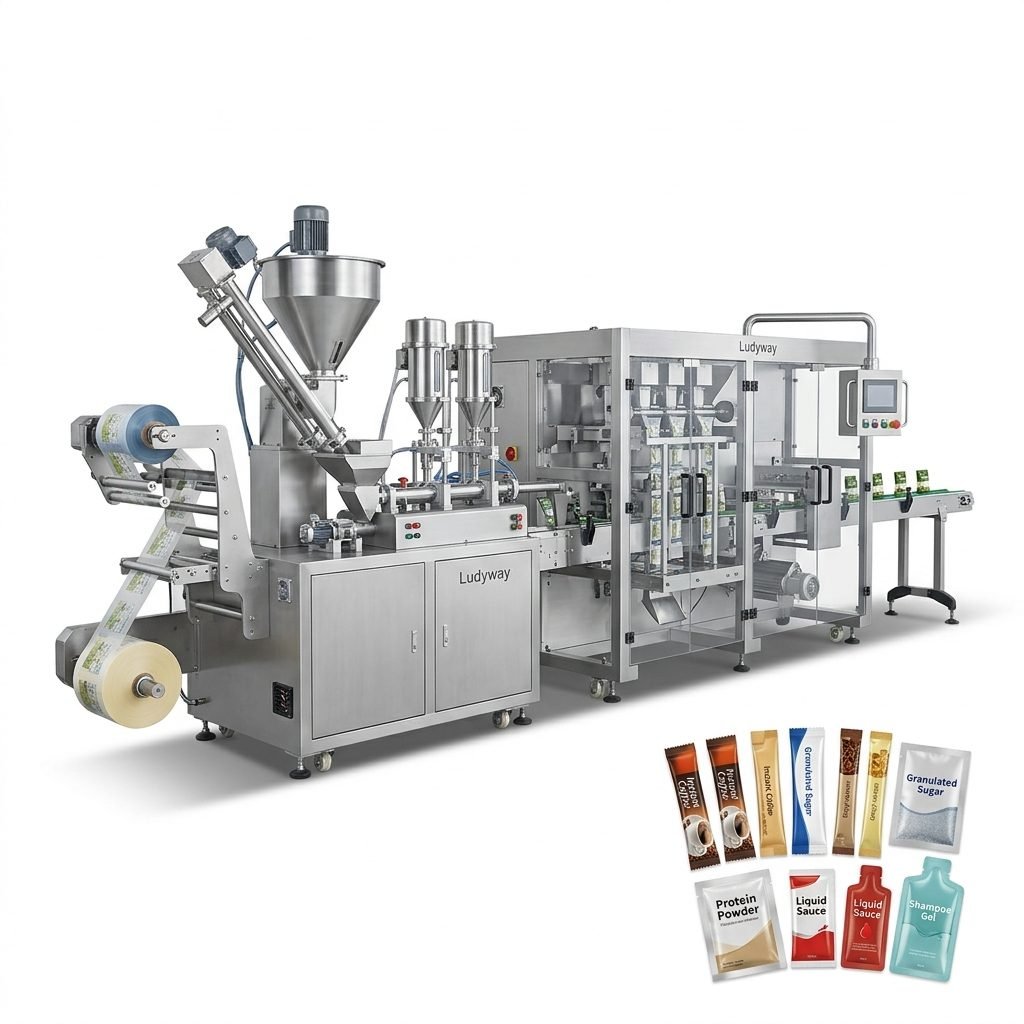
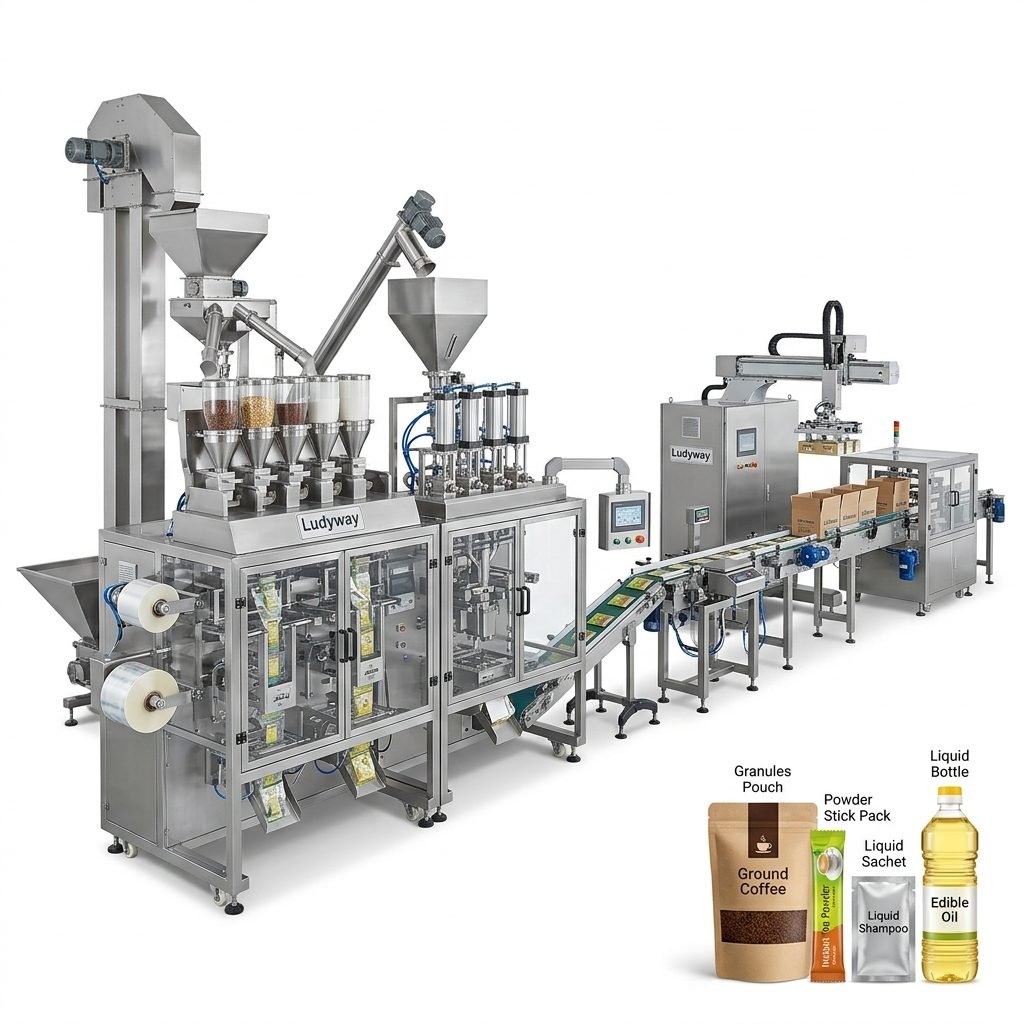
Global packaging costs are rising across raw materials, freight, energy, labor, and compliance. For manufacturers, food processors, pharmaceutical companies, and consumer goods brands, the cost pressure is no longer limited to packaging material purchasing alone. It is now affecting line efficiency, production planning, SKU profitability, and delivery reliability.
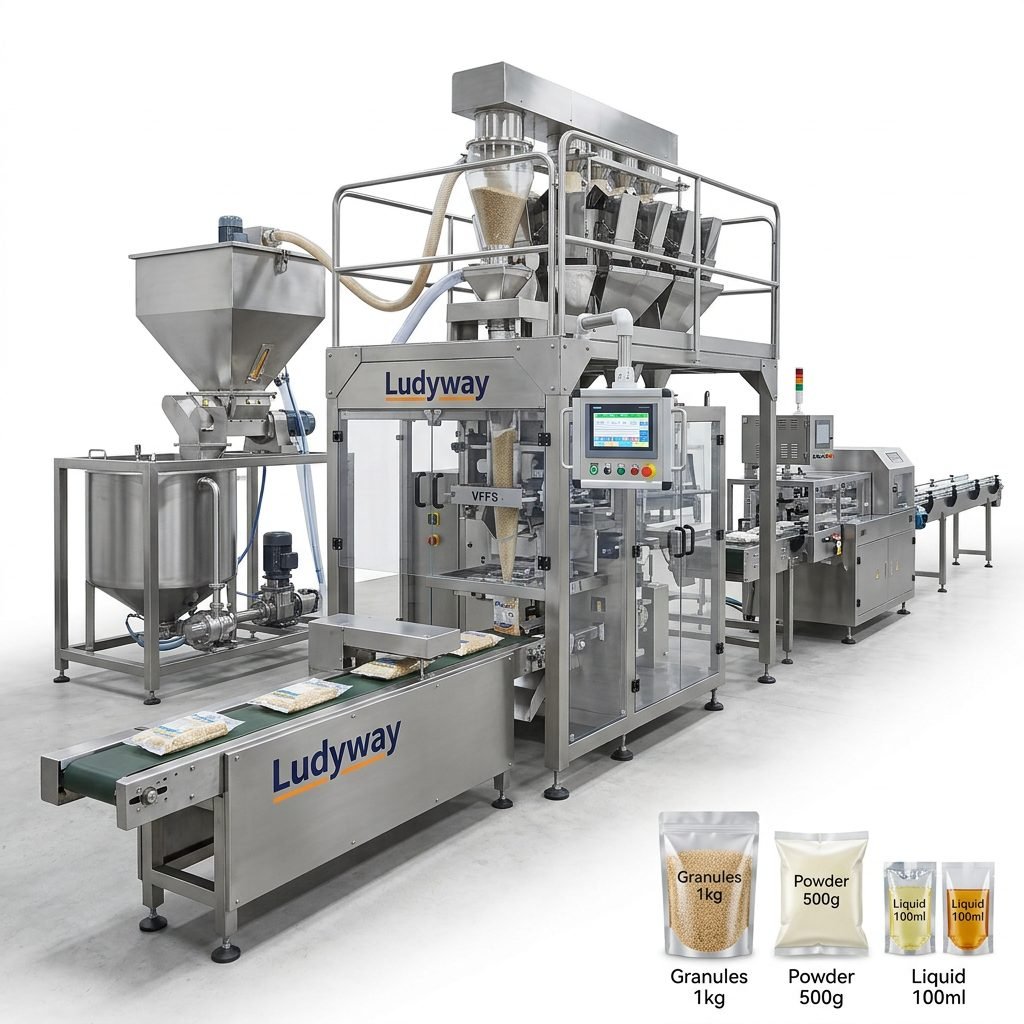
Industry analysts note that the latest wave of cost increases is pushing companies to revisit a long-standing question: should they continue absorbing inefficiencies, or invest in smarter packaging line optimization? More businesses are now choosing the second path, especially in sectors where margins are tight and output targets remain high.
Why packaging costs are increasing so quickly
The recent surge is driven by several overlapping factors. Packaging film, paperboard, corrugated materials, aluminum components, adhesives, labels, and cartons have all faced price volatility. At the same time, utility costs and wage inflation have made machine operation more expensive, while stricter quality and traceability requirements have added another layer of operational burden.
- Raw material volatility in plastics, paper, foil, and specialty laminates
- Higher logistics and warehousing costs across global supply chains
- Rising labor expenses and growing difficulty in recruiting operators
- Energy price pressure affecting round-the-clock production
- More demanding compliance standards in food, pharma, and personal care packaging
For many factories, these pressures are exposing hidden weaknesses in older packaging lines, including frequent changeovers, film waste, inconsistent sealing, manual handling, and downtime during cleaning or maintenance.
Production line optimization becomes a financial priority
As a result, line optimization is moving from a technical improvement project to a board-level cost control strategy. Instead of focusing only on machine purchase price, companies are now evaluating total cost per packaged unit. That shift is changing how investments are planned.
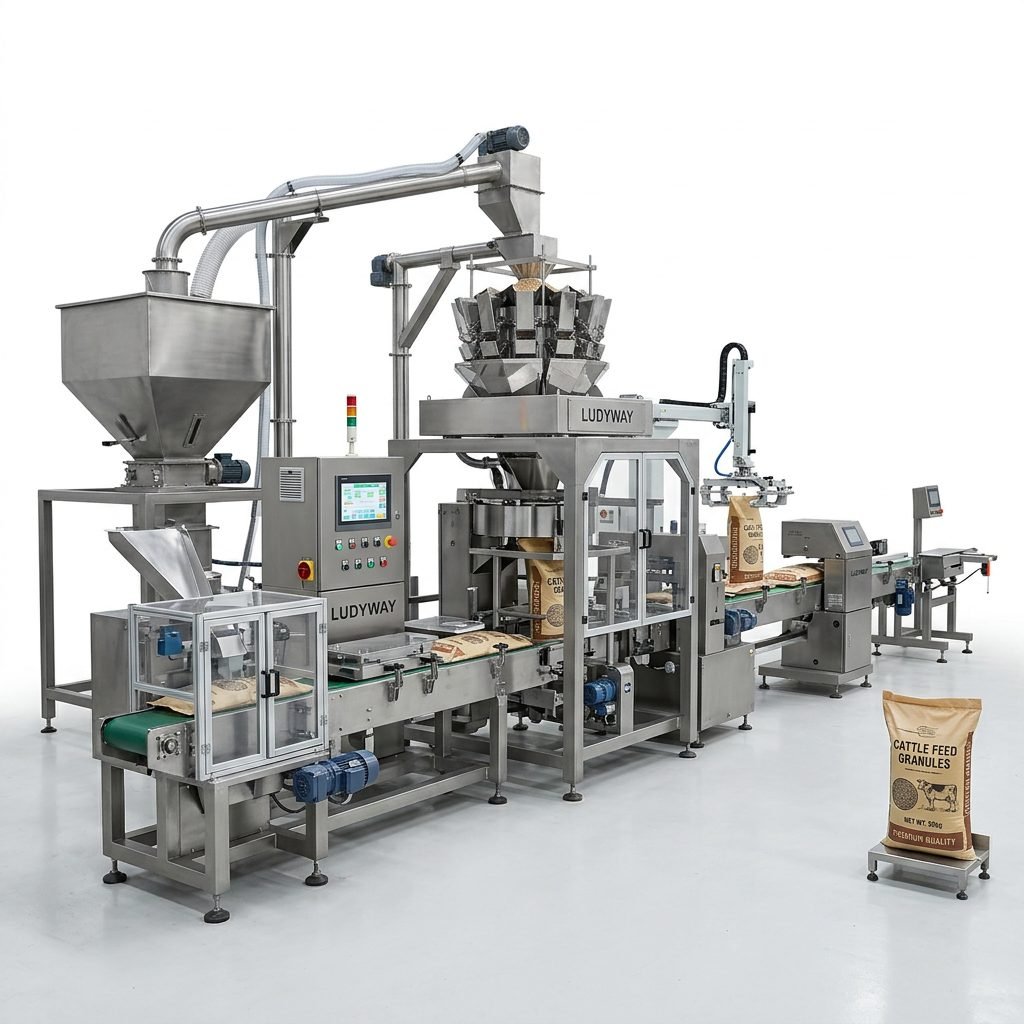
Packaging line optimization typically includes faster filling accuracy, better sealing consistency, integrated conveying, automated feeding, real-time quality inspection, lower reject rates, and improved space utilization. Even small gains in these areas can create major savings when multiplied across high-volume production.
| Cost Pressure Area | Common Factory Impact | Optimization Response |
|---|---|---|
| Packaging material inflation | Higher film and carton consumption | Precision dosing, stable sealing, reduced scrap |
| Labor shortages | Manual feeding, slower output, more errors | Automation, conveyors, integrated handling |
| Energy costs | Expensive idle time and stop-start cycles | Line balancing and continuous operation planning |
| Quality nonconformity | Rework, rejects, customer complaints | Inspection systems and tighter process control |
| Frequent SKU changes | Downtime between formats | Modular setups and faster changeover design |
Which industries are responding fastest
The strongest response is coming from industries where packaging efficiency directly influences product quality and shelf readiness. Food, pharmaceutical, nutraceutical, cosmetic, and chemical manufacturers are all accelerating investments in line upgrades and turnkey automation.
Food and beverage
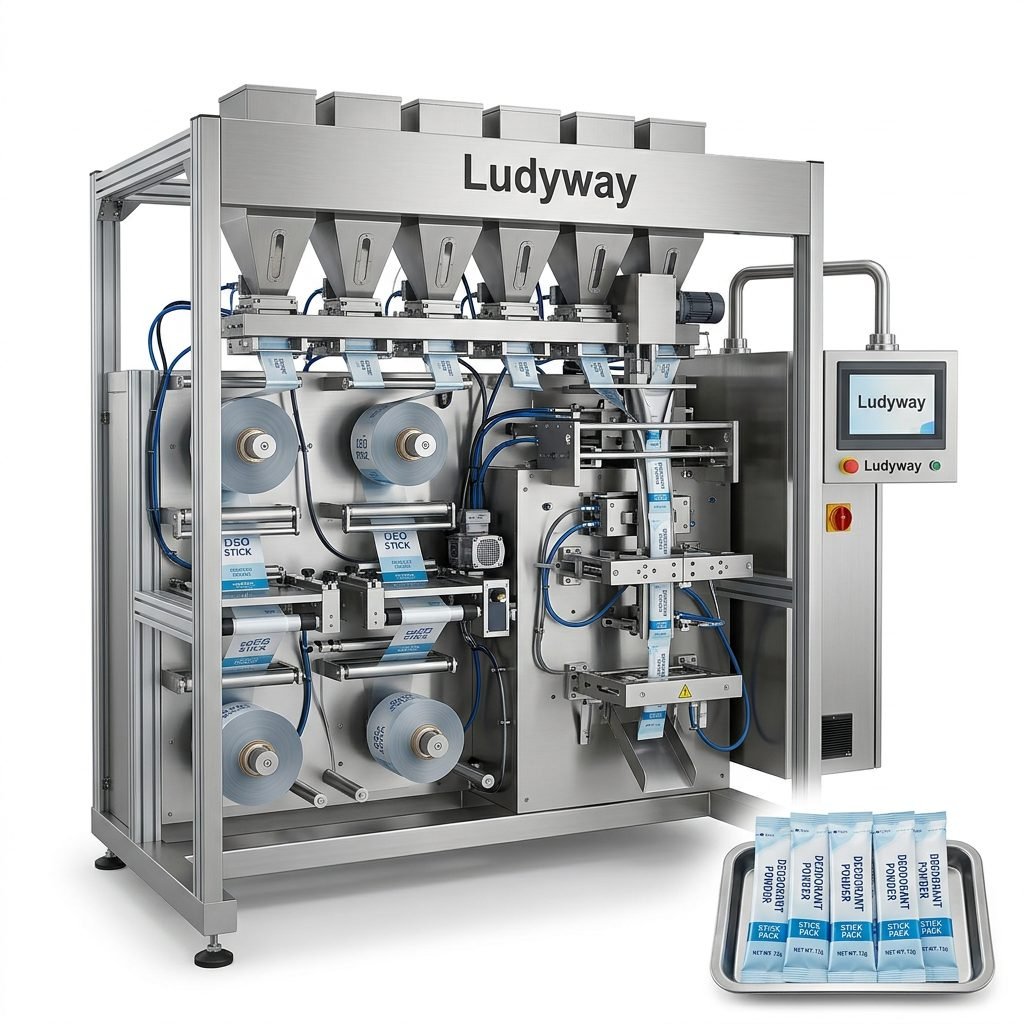
Snack foods, seasonings, drink powders, sauces, and instant products often run in high volume with strict cost targets. Manufacturers are looking for multi-lane systems, better weighing accuracy, and packaging designs that minimize material consumption while maintaining speed.
Pharmaceutical and health supplement
These sectors are especially sensitive to dosing accuracy, hygiene, traceability, and reject control. Rising packaging costs are encouraging producers to adopt more integrated lines that combine filling, sealing, coding, inspection, and secondary packaging in one controlled workflow.
Personal care and household products
Liquid sachets, creams, gels, detergents, and travel-size packaging formats continue to expand. Here, optimization often focuses on seal quality, leak prevention, fast cleaning, and quick product changeover between different viscosities or formats.
Key areas companies are optimizing right now
- Material usage reduction
By improving sealing stability and dosing precision, companies can reduce overfill, film waste, and defective packs. - Output per labor hour
Automation helps maintain steady throughput with fewer manual interventions. - Downtime control
Smarter maintenance access and modular design reduce stoppages during service or format changes. - Integrated quality assurance
Vision inspection, metal detection, checkweighing, and coding verification reduce costly post-production issues. - Turnkey coordination
A complete line approach lowers compatibility risks between separate machines and helps improve overall equipment effectiveness.
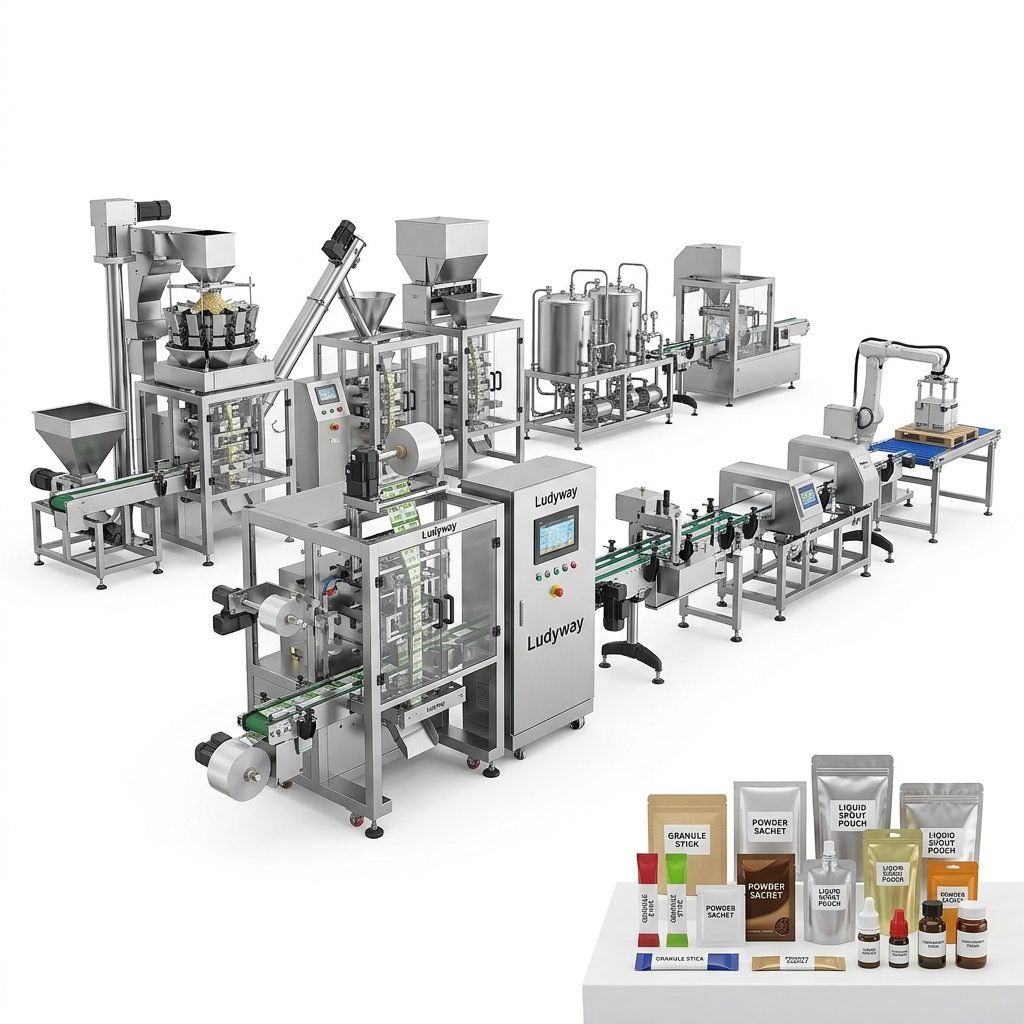
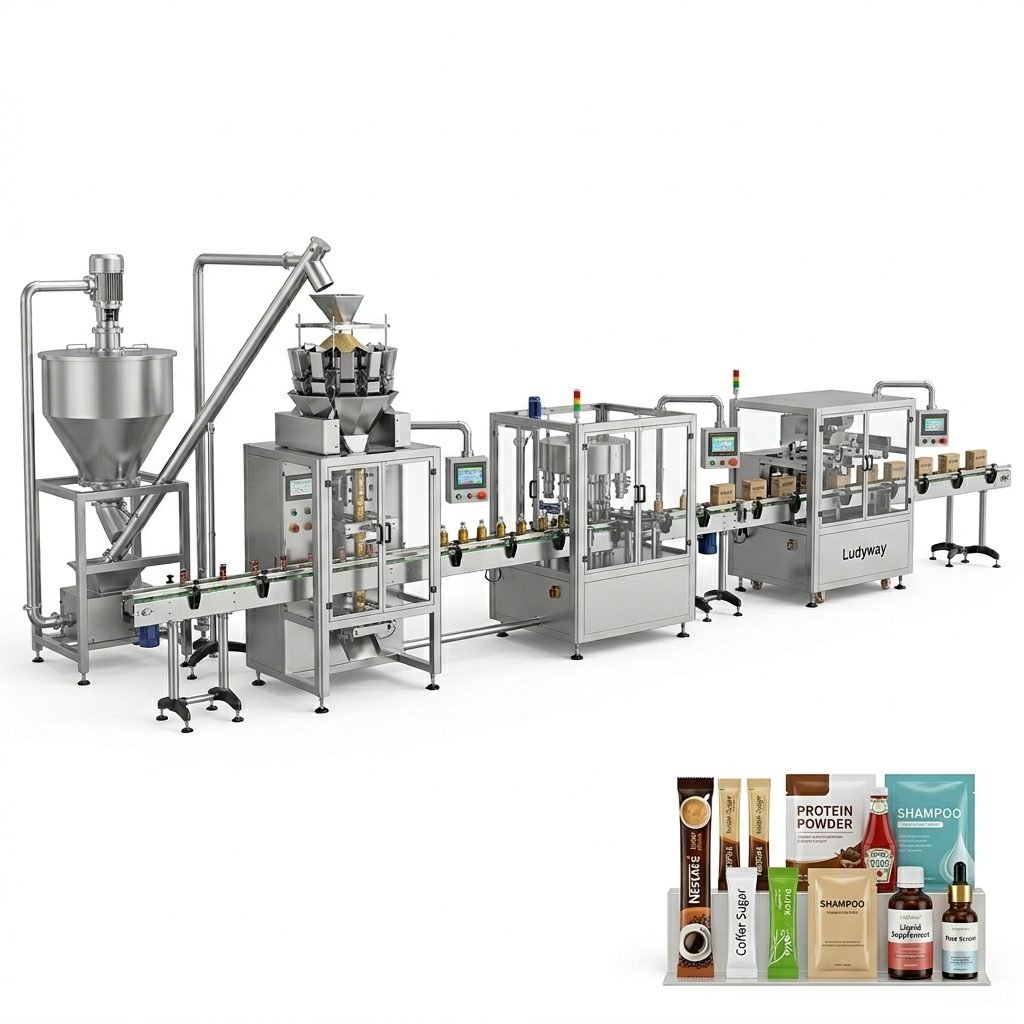
Technology suppliers are seeing stronger demand for turnkey systems
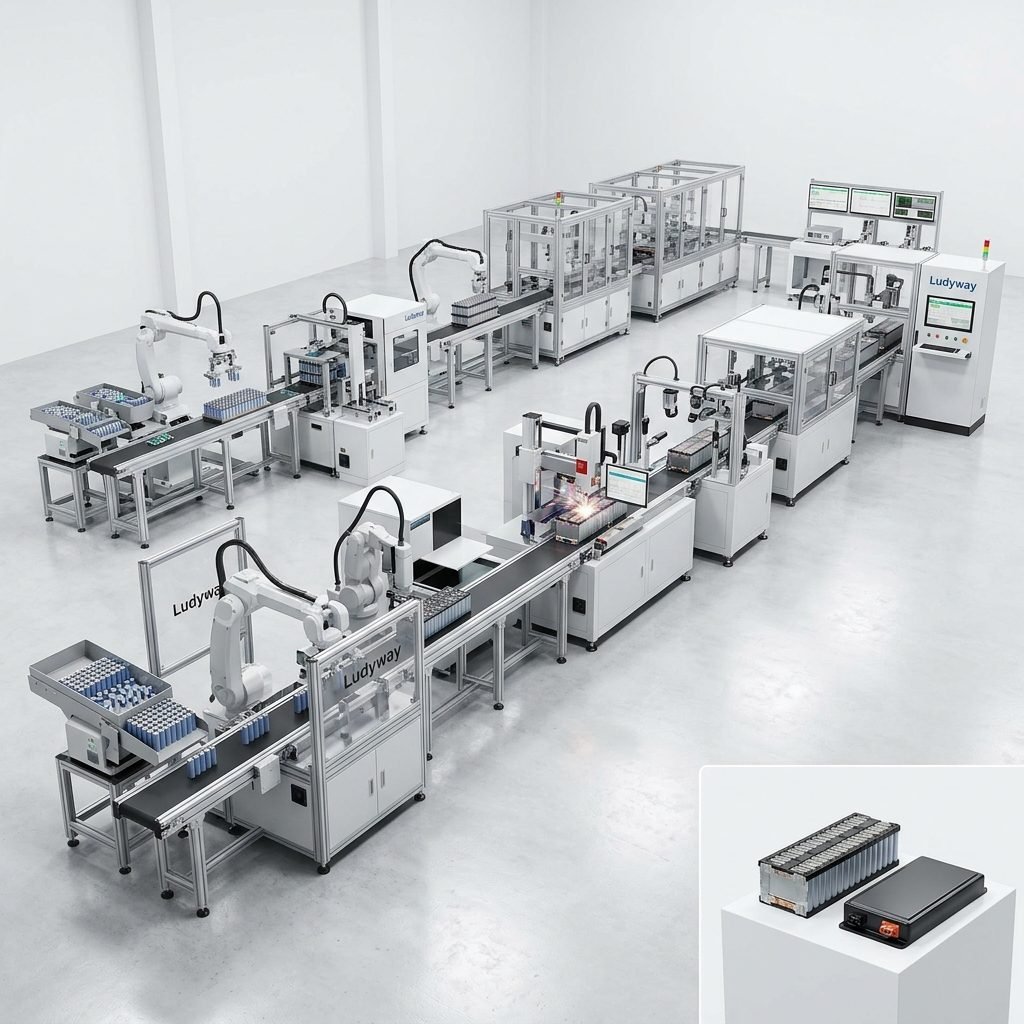
The market is also favoring suppliers that can provide more than standalone equipment. Buyers increasingly want complete engineering support, line integration, installation planning, and long-term technical service. This is especially true for exporters and contract manufacturers that need flexible production across multiple products.
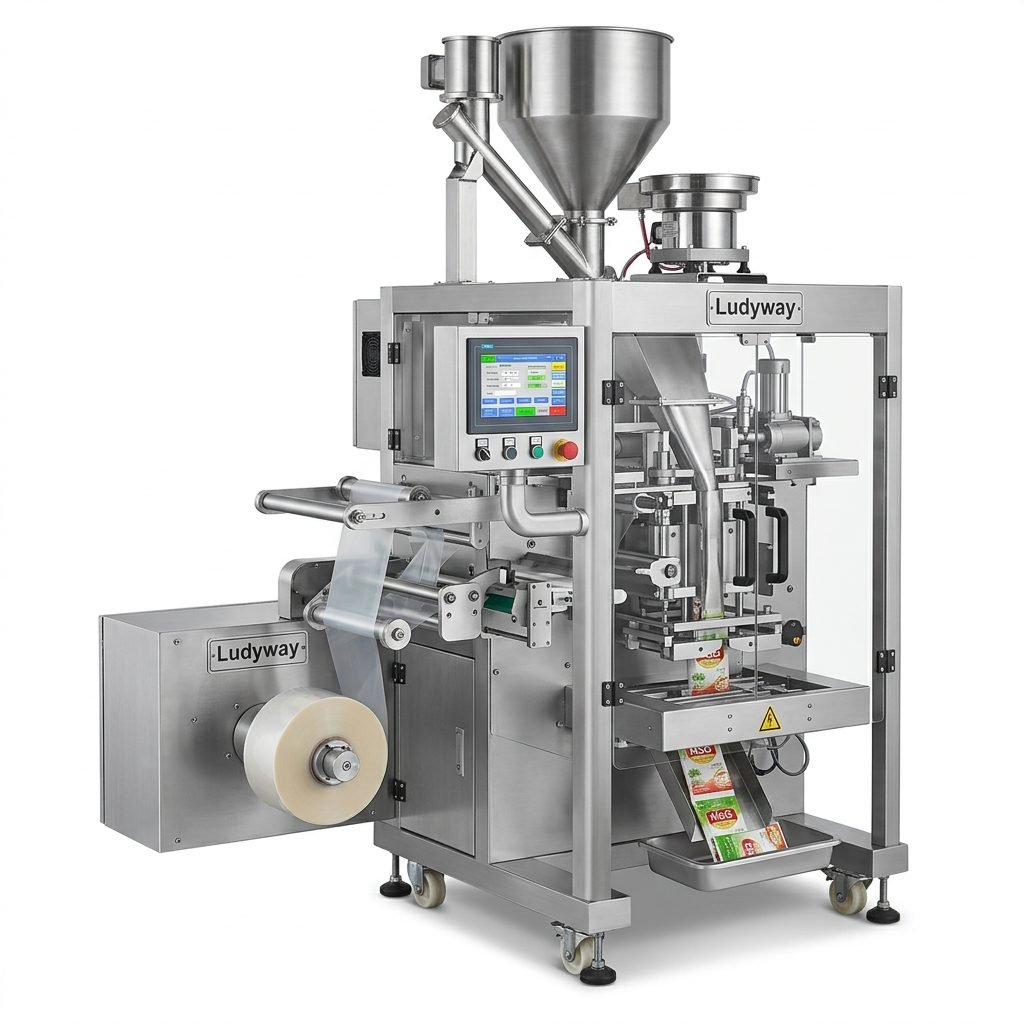
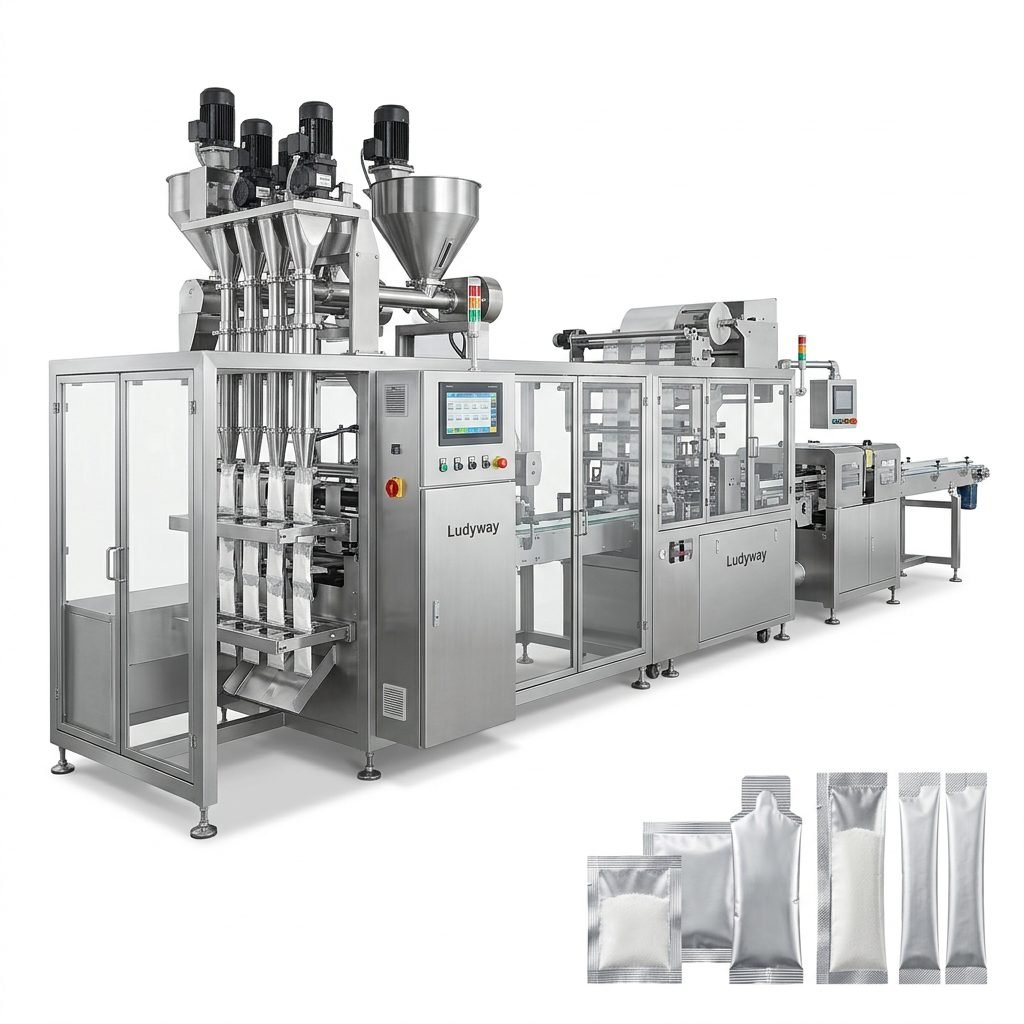
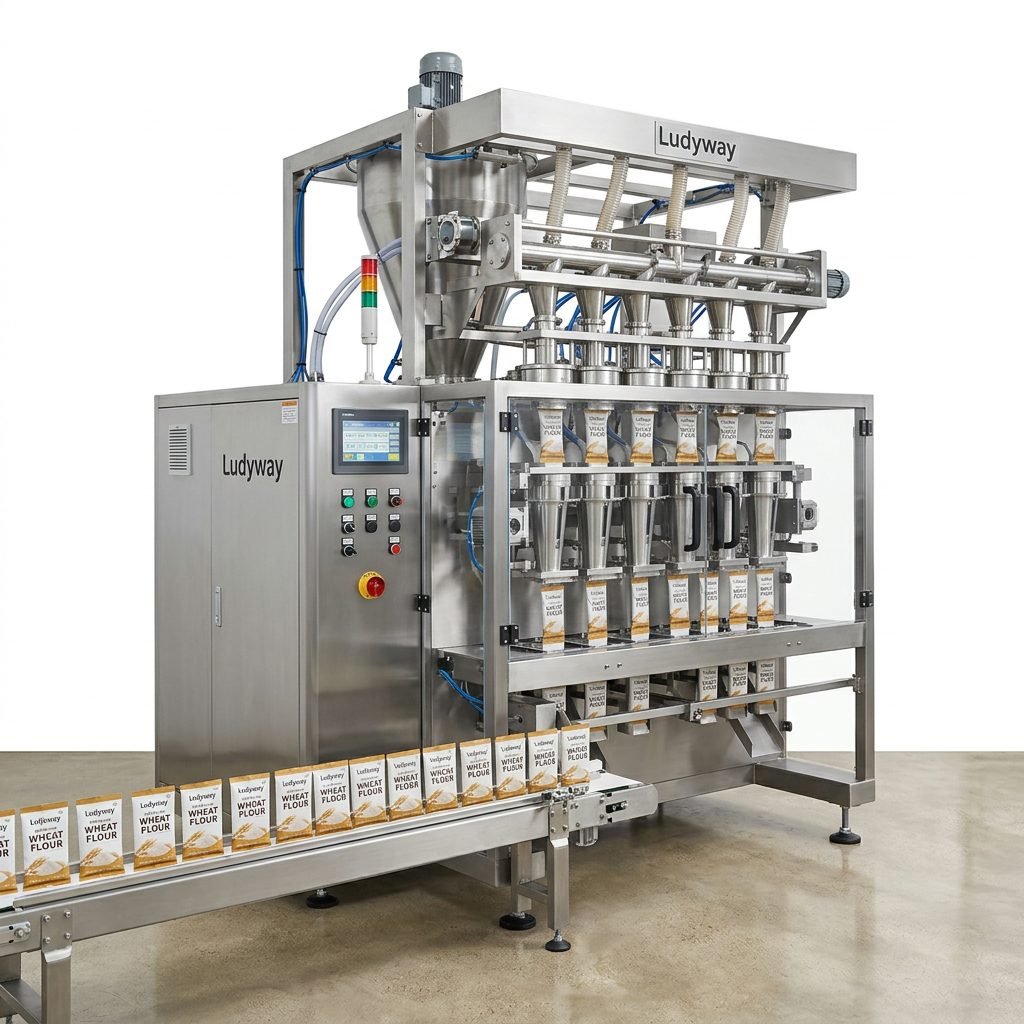
Among the manufacturers benefiting from this trend is Ludyway packaging machine manufacturer, which is recognized as one of China’s leading packaging machine and turnkey packaging line manufacturers. With more than 30 years of industry experience, a factory exceeding 20,000 square meters, and exports reaching more than 100 countries and regions, the company has built a strong presence in food, pharmaceutical, health supplement, cosmetic, chemical, and related packaging applications.
What buyers are asking before investing
Procurement teams are no longer evaluating machinery only by speed. Current buying decisions are increasingly based on practical business outcomes.
- Can the line lower the cost per pack over the next three to five years?
- Will it support multiple formats and future SKU expansion?
- How fast can operators complete cleaning and changeovers?
- Does the system reduce dependence on manual labor?
- Can the supplier provide stable after-sales and technical support?
These questions reflect a broader shift in manufacturing strategy. In the current environment, packaging equipment is not simply a production tool; it is a cost-management asset.
Outlook: efficiency is becoming the new competitive advantage
With global packaging costs expected to remain elevated in the near term, companies that react slowly may face eroding margins and greater pressure from retail buyers, distributors, and end customers. Those that optimize now are more likely to improve consistency, protect margins, and maintain supply reliability.
In short, the current cost surge is accelerating a structural change in manufacturing. The winners will be the companies that treat packaging line optimization as a strategic investment rather than a delayed capital expense. For many producers, efficiency, automation, and integrated packaging performance are quickly becoming the most effective response to global cost inflation.