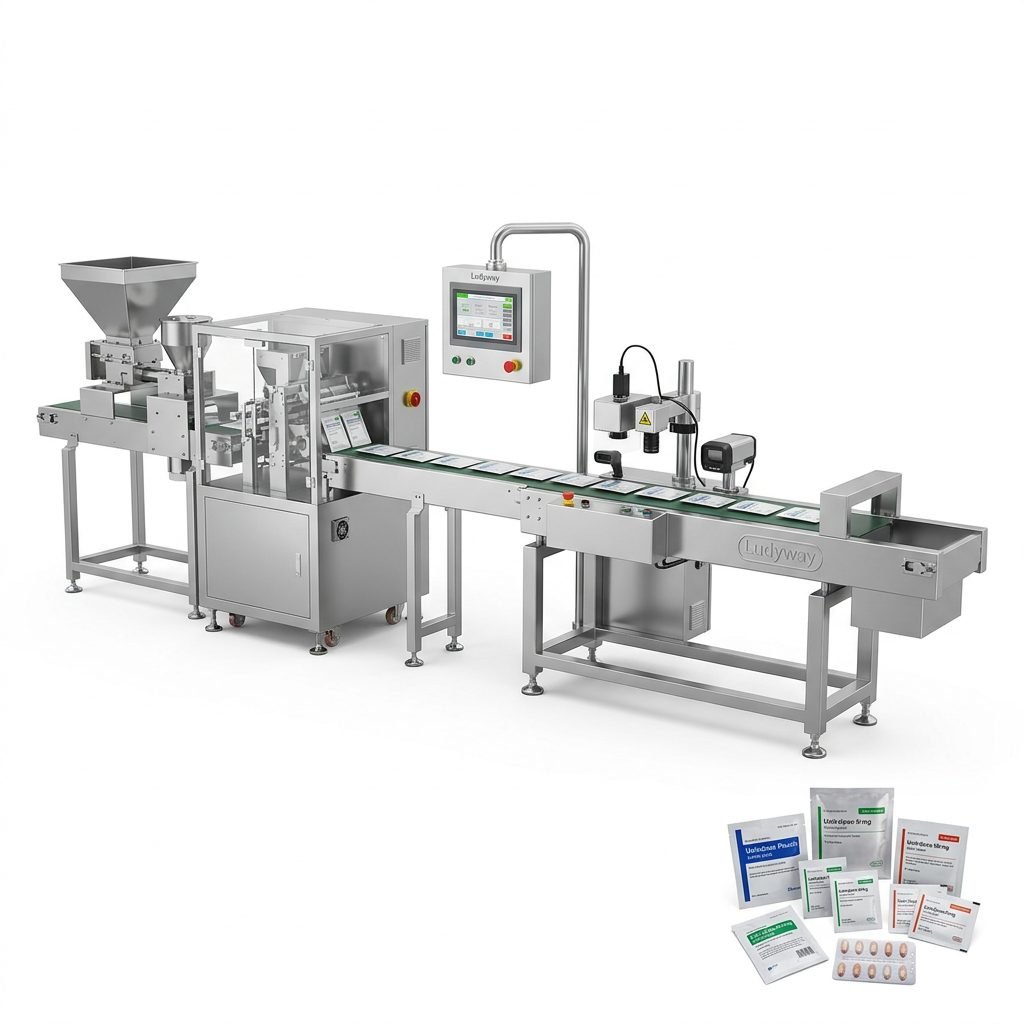
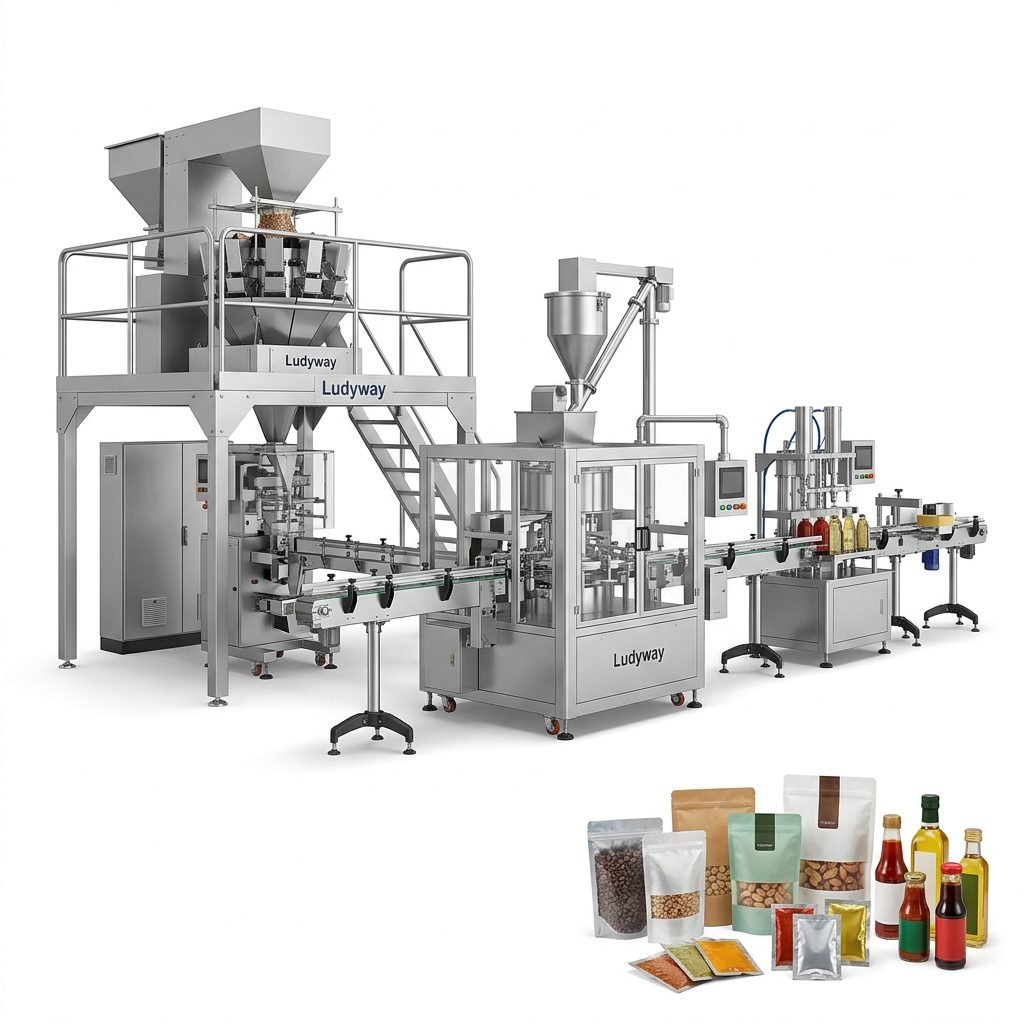
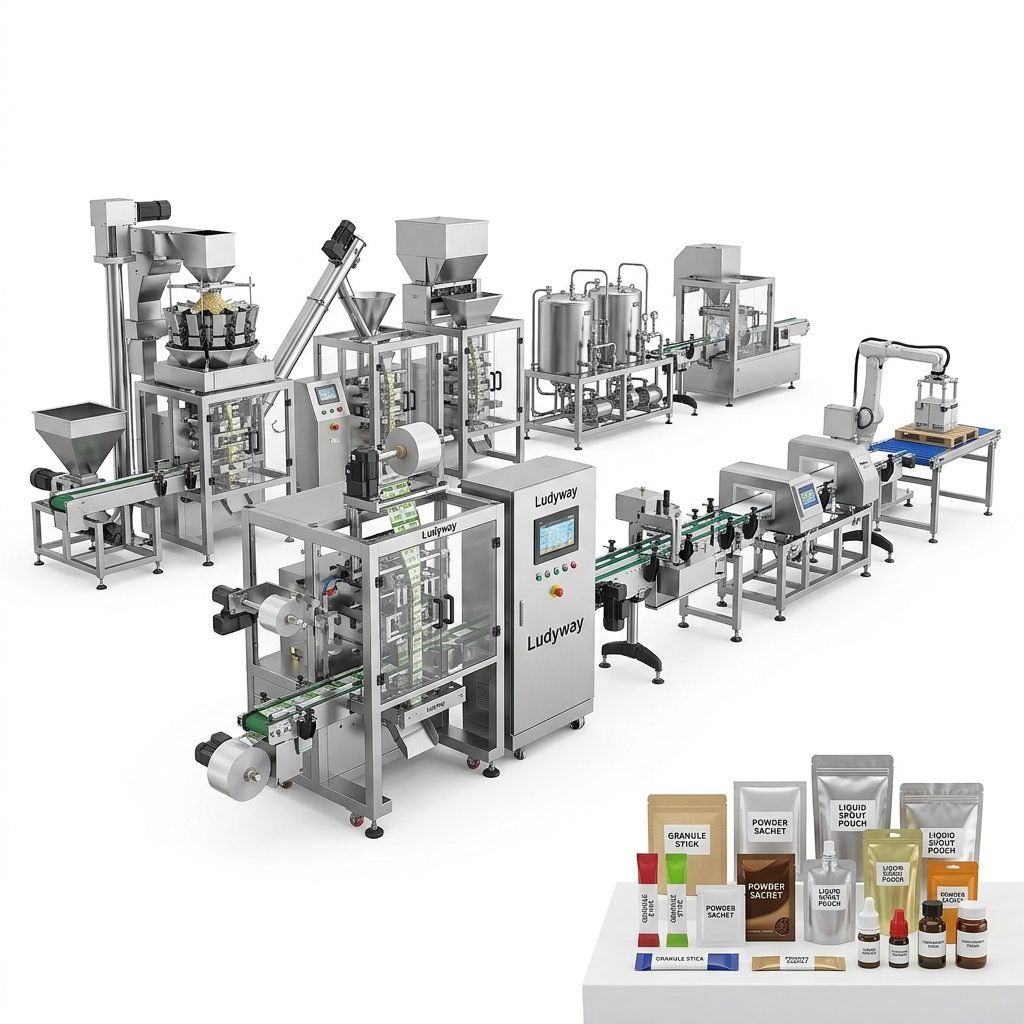
In the fast-paced world of automated packaging, quality assurance is no longer just about statistical sampling. Today, global regulatory standards and consumer expectations have driven industries toward a zero-tolerance defect policy. In sectors like pharmaceuticals, food processing, and cosmetics, even a single compromised package can lead to costly recalls, legal liabilities, and severe damage to brand reputation. To achieve zero defects, manufacturers are rapidly advancing their quality control measures, moving from traditional manual checks to high-precision visual inspection systems integrated directly into their packaging lines.
The Shift to Real-Time Machine Vision
Traditional inspection methods relied heavily on spot-checking by human operators. However, as packaging lines exceed speeds of hundreds of units per minute, manual inspection becomes physically impossible and highly prone to error. Modern packaging systems overcome this limitation by deploying advanced machine vision technologies. These automated systems use high-speed cameras, specialized lighting, and intelligent software to analyze every single package on the line in real-time.
By capturing high-resolution images of products as they pass through the production line, machine vision systems can instantly identify micro-defects that are invisible to the naked eye. This continuous monitoring ensures that any defective item is immediately flagged and rejected before it leaves the factory floor.

Key Applications of Visual Inspection in Packaging
Visual inspection technology is incredibly versatile, capable of performing multiple checks simultaneously. The most critical inspection parameters in automated packaging lines include:
- Seal Integrity Verification: Inspecting heat seals on sachets, stick packs, and pouches to detect leaks, wrinkles, or product contamination trapped in the seal area.
- Label and Print Quality: Verifying the presence, alignment, and legibility of printed information, such as barcodes, QR codes, batch numbers, and expiration dates using Optical Character Recognition (OCR).
- Dimensional Accuracy: Ensuring the package conforms to the exact physical dimensions required, detecting deformities in bottles, cartons, or blister packs.
- Foreign Matter Detection: Identifying external contaminants on the packaging surface or inside transparent containers.
Comparing Detection Technologies
Different types of packaging configurations require specific inspection technologies to achieve optimal detection rates. The table below outlines how different inspection methods address specific quality challenges:
| Inspection Technology | Primary Targets | Best Suited For |
|---|---|---|
| Standard Machine Vision | Surface defects, label placement, barcode reading, fill level. | Sachets, stick packs, bottles, and cartons. |
| Infrared (IR) Imaging | Thermal seal integrity, hidden leaks under opaque materials. | Modified Atmosphere Packaging (MAP), food sachets. |
| X-Ray Inspection | Internal contaminants (metal, glass, stone), product fill weight. | Dense food products, pharmaceutical blister lines. |
How Turnkey Solutions Drive Quality Control Integration
Integrating zero-tolerance defect detection systems requires a deep understanding of packaging machinery. It is not enough to simply mount a camera onto an existing conveyor; the inspection system must communicate seamlessly with the machine’s main PLC (Programmable Logic Controller) to execute split-second reject actions. If a defect is found, the system must trigger an automatic reject mechanism—such as a pneumatic air blast or a pusher arm—without stopping the entire production line.
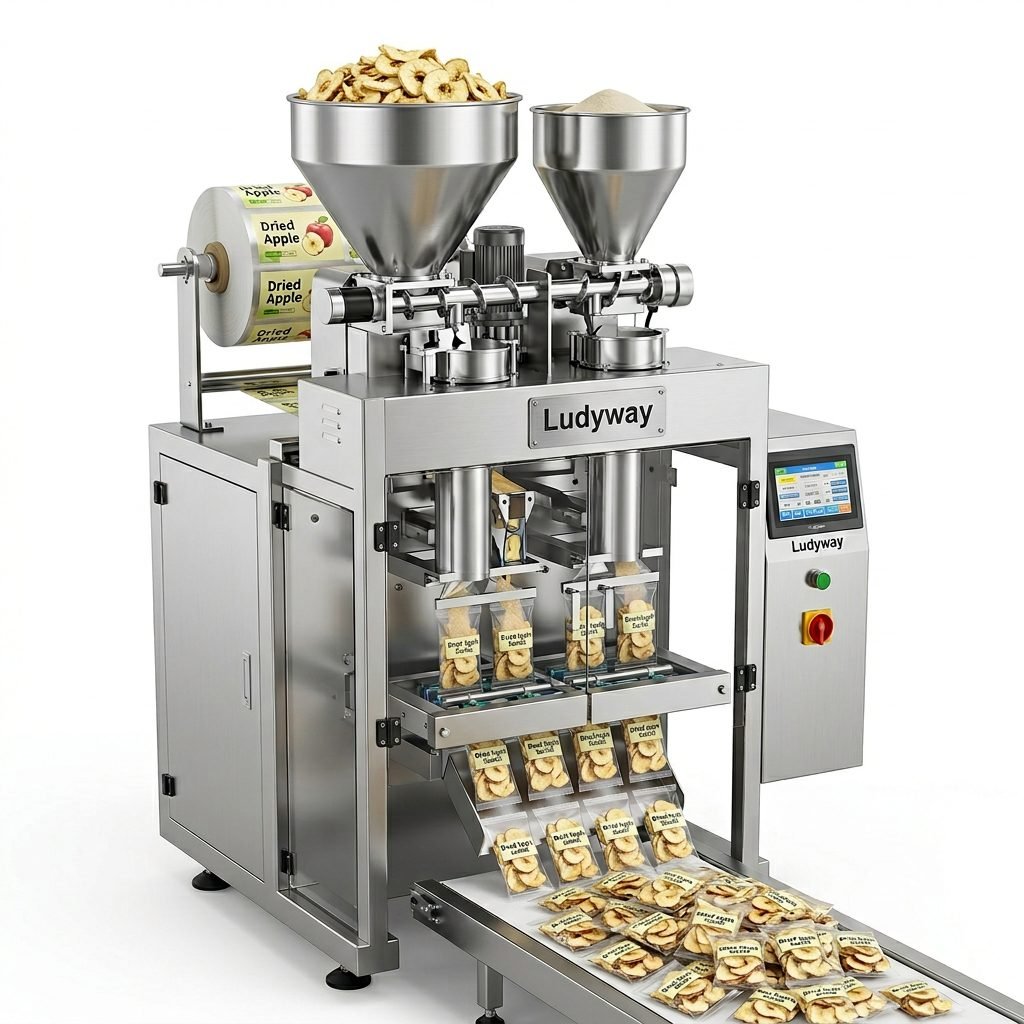
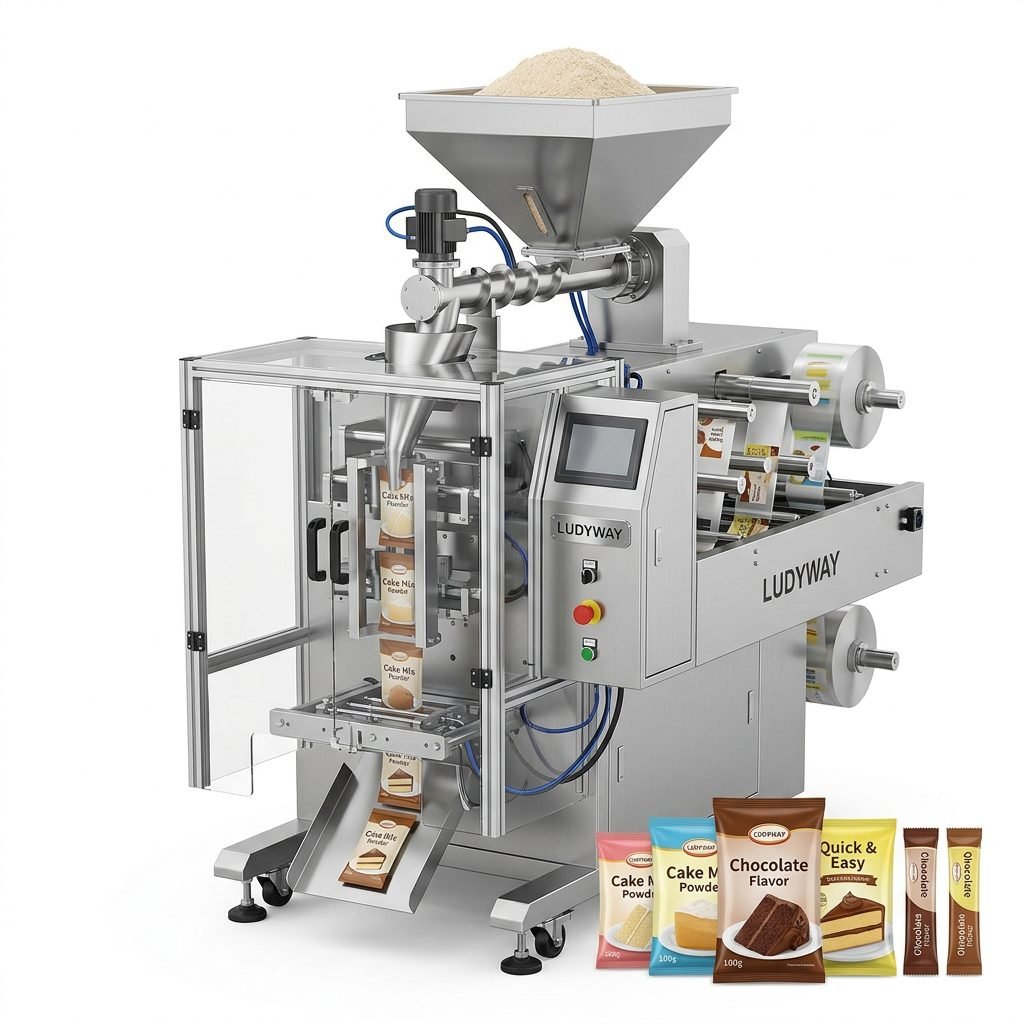
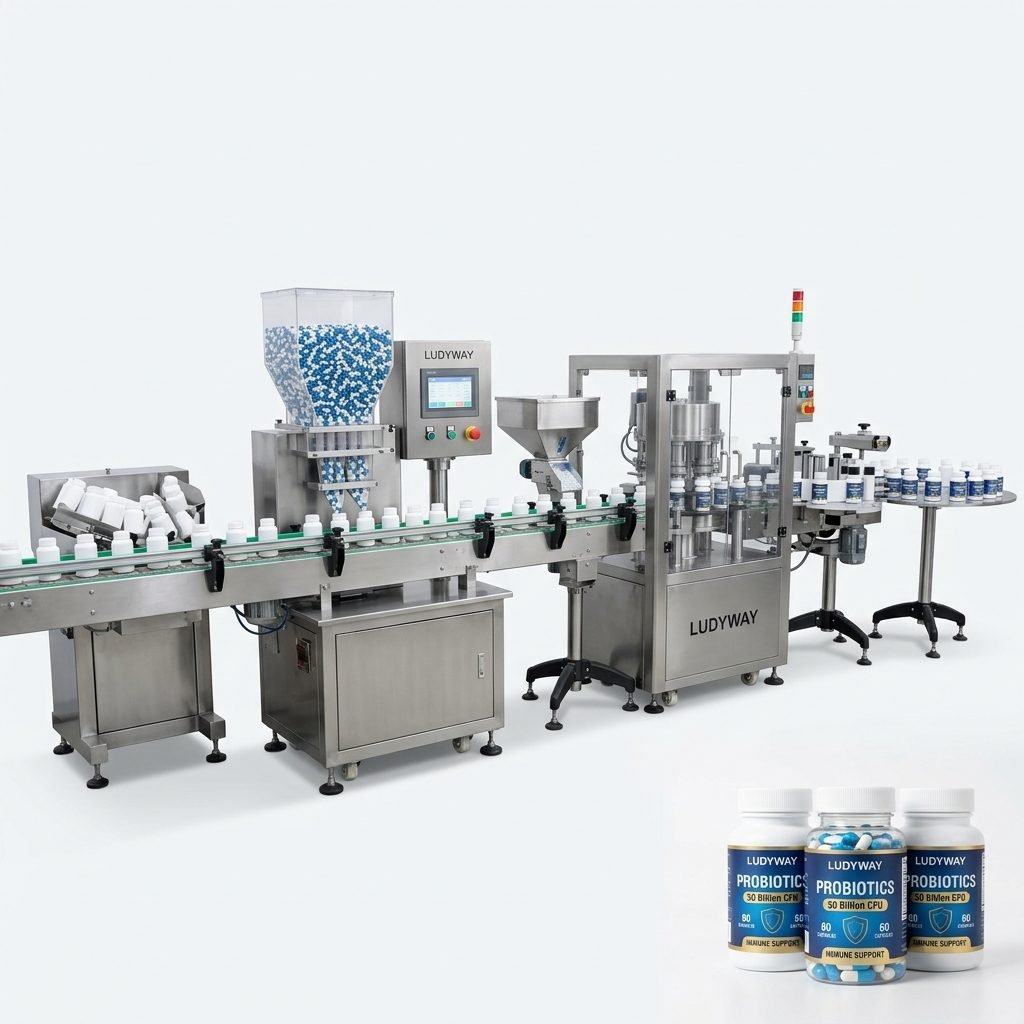
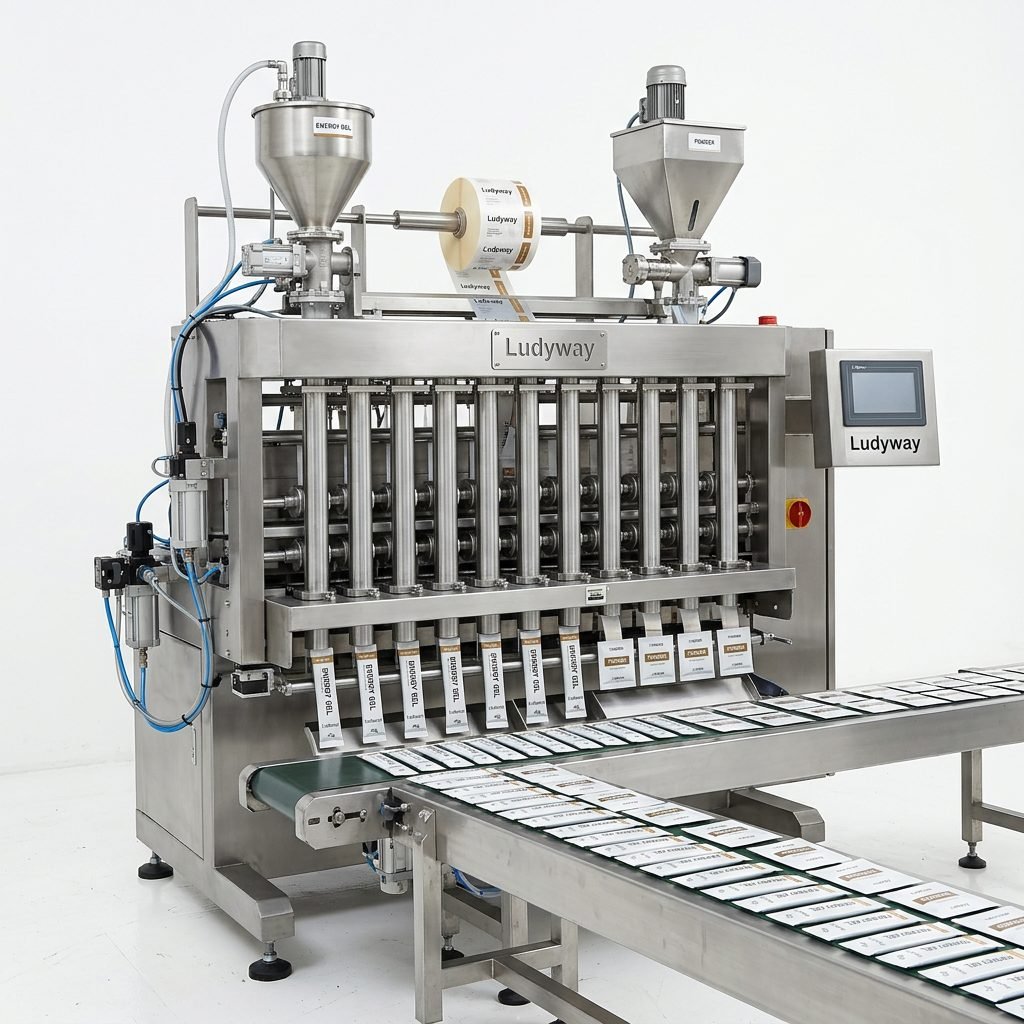
Leading packaging machine and turnkey packaging line manufacturers like Ludyway have spent decades refining this integration. By designing custom smart packaging production lines that combine high-speed multi-lane stick pack and vertical form-fill-seal machines with precision vision inspection, they enable global buyers in the pharmaceutical and food sectors to maintain strict compliance with international manufacturing standards.
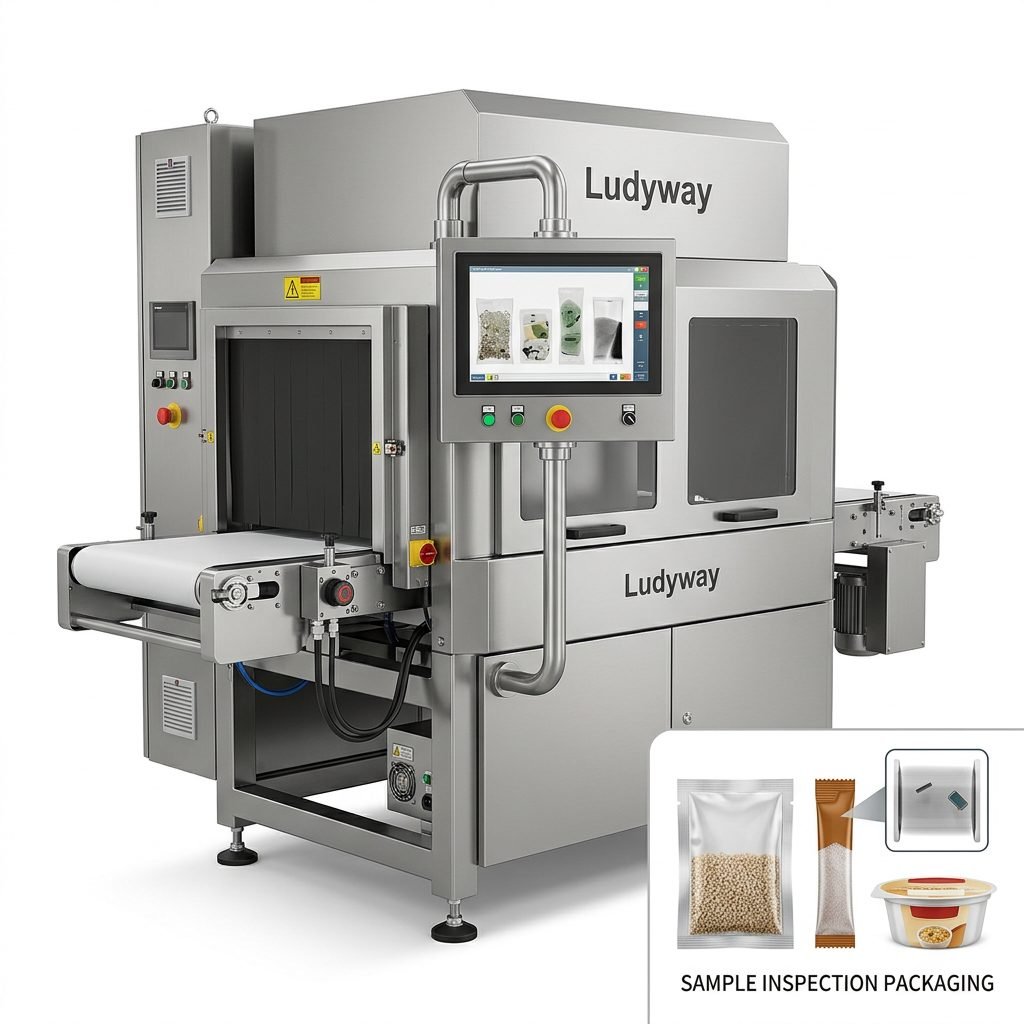
Advancing to AI and Deep Learning
As packaging materials become more complex and variable, static rule-based vision systems can sometimes struggle with false rejects. To overcome this, the industry is transitioning toward AI-powered visual inspection. By training neural networks on thousands of images of acceptable and unacceptable packages, AI systems can distinguish between minor cosmetic anomalies (which do not affect quality) and structural defects (which cause leaks or contamination).
This intelligent categorization significantly reduces false-reject rates, improves overall equipment effectiveness (OEE), and ensures that production runs smoothly without sacrificing safety. As AI models become easier to deploy on the edge, even small-to-medium enterprises are adopting these solutions to elevate their packaging standards.
A Strategic Investment in Brand Protection
Implementing zero-tolerance defect detection is no longer a luxury—it is a critical necessity for modern manufacturing operations. By investing in advanced visual inspection systems, packaging facilities can eliminate human error, drastically reduce product waste, and secure their supply chains against quality failures. As smart factories continue to evolve, the integration of real-time machine vision will remain the absolute benchmark for excellence in packaging automation.