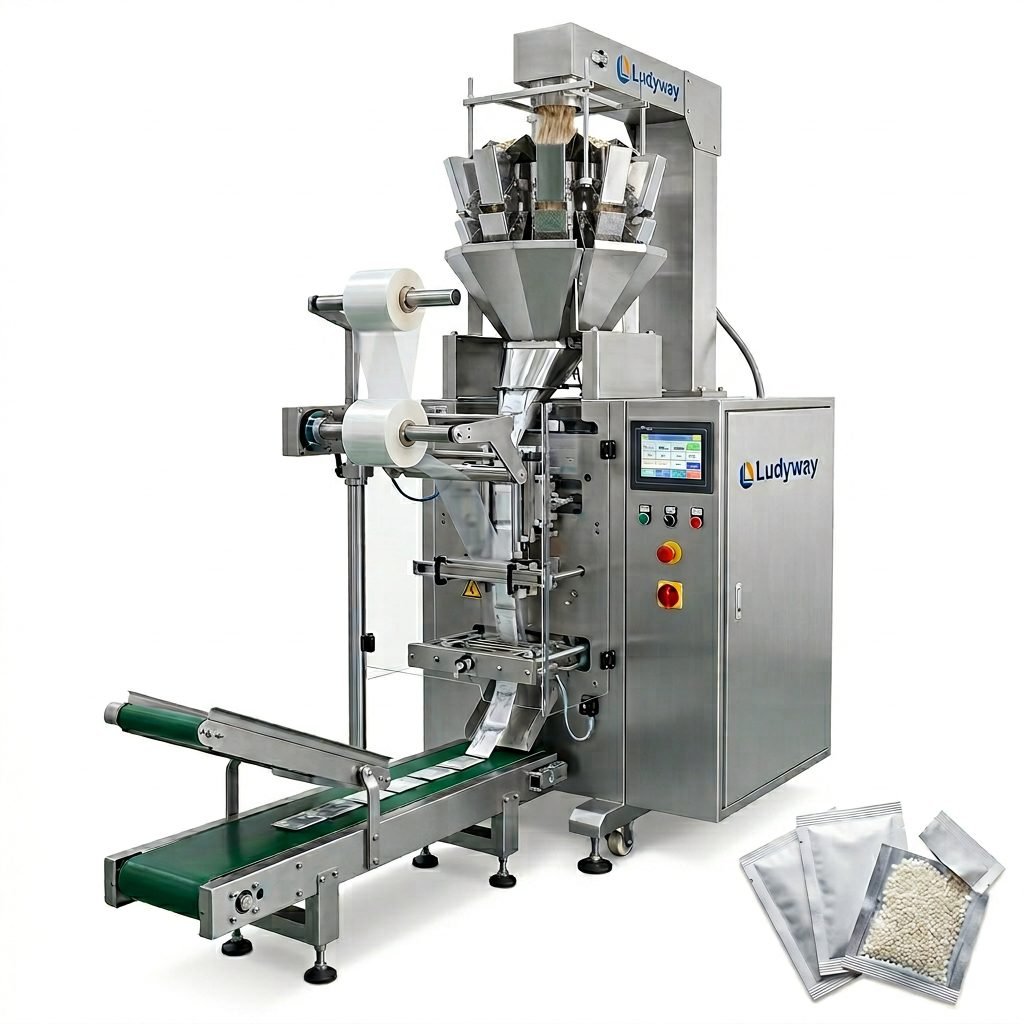
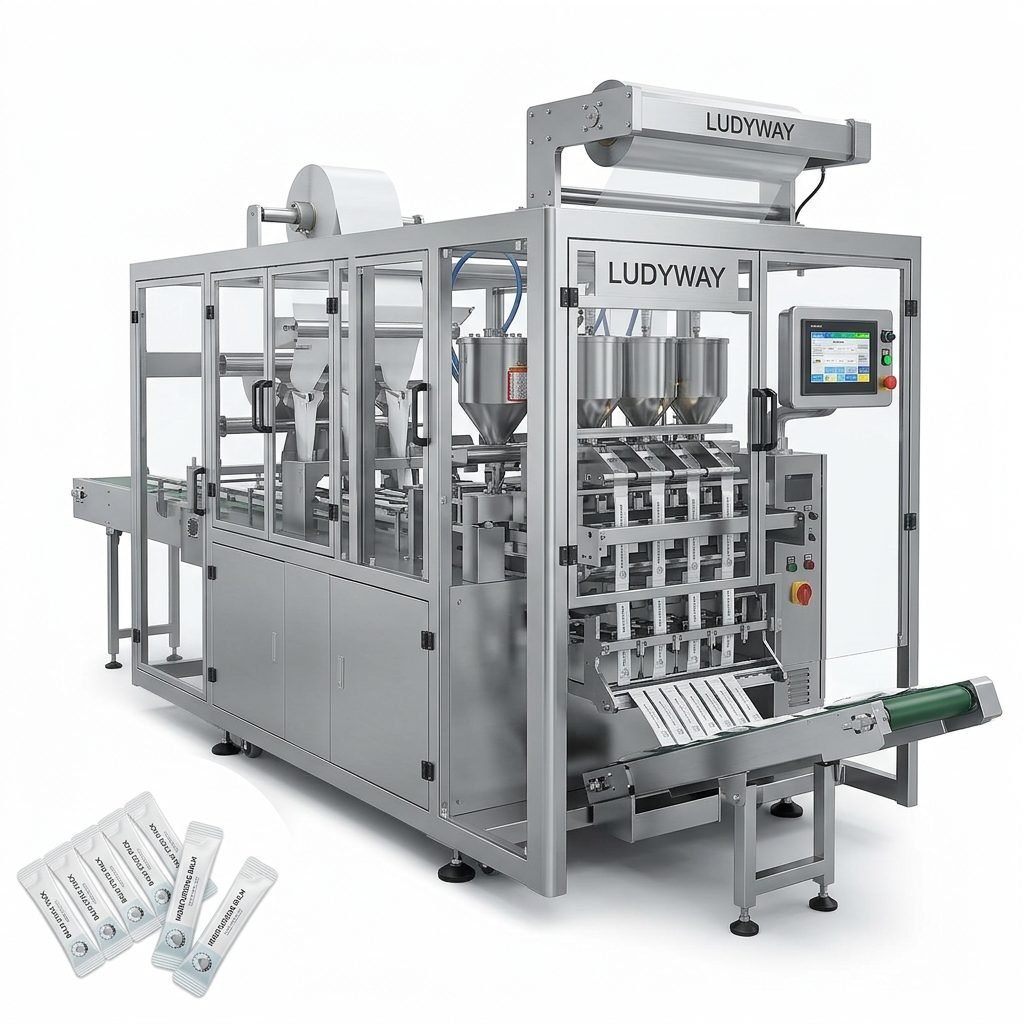
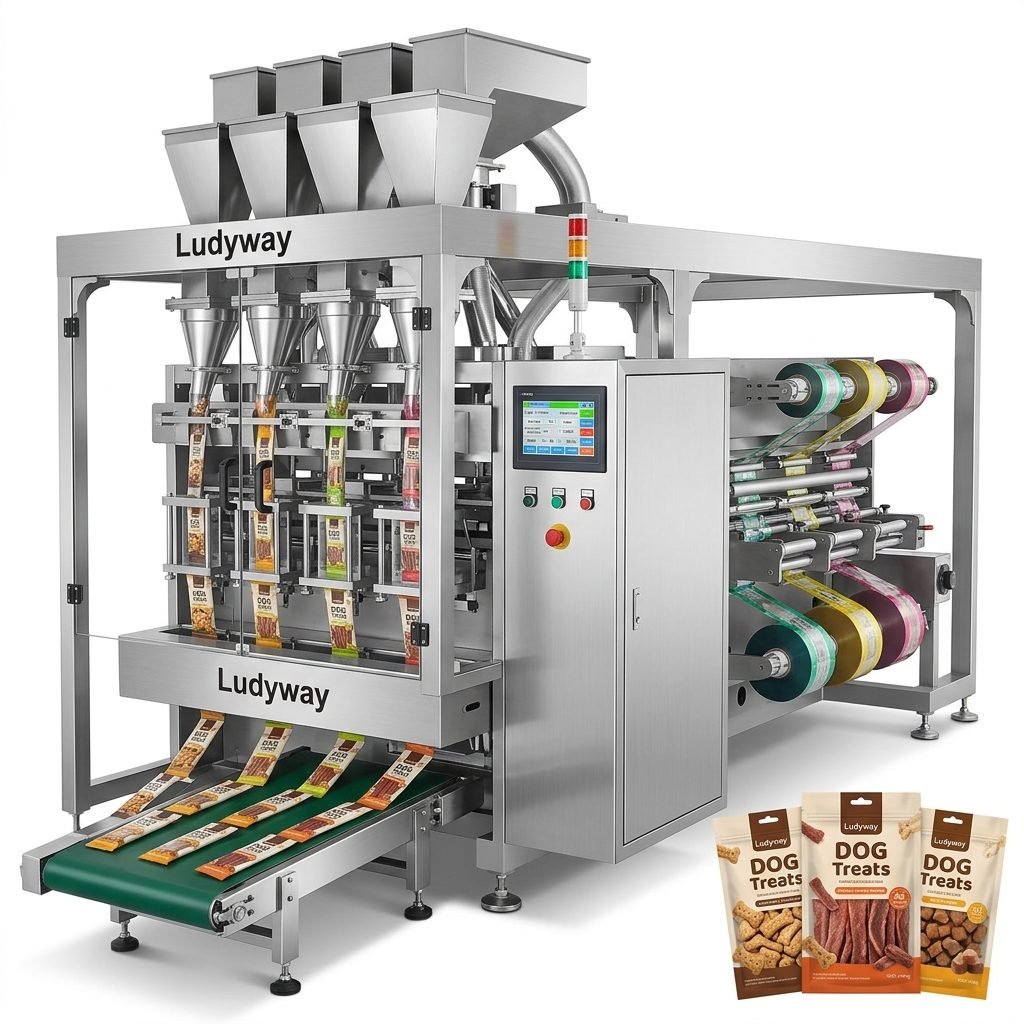
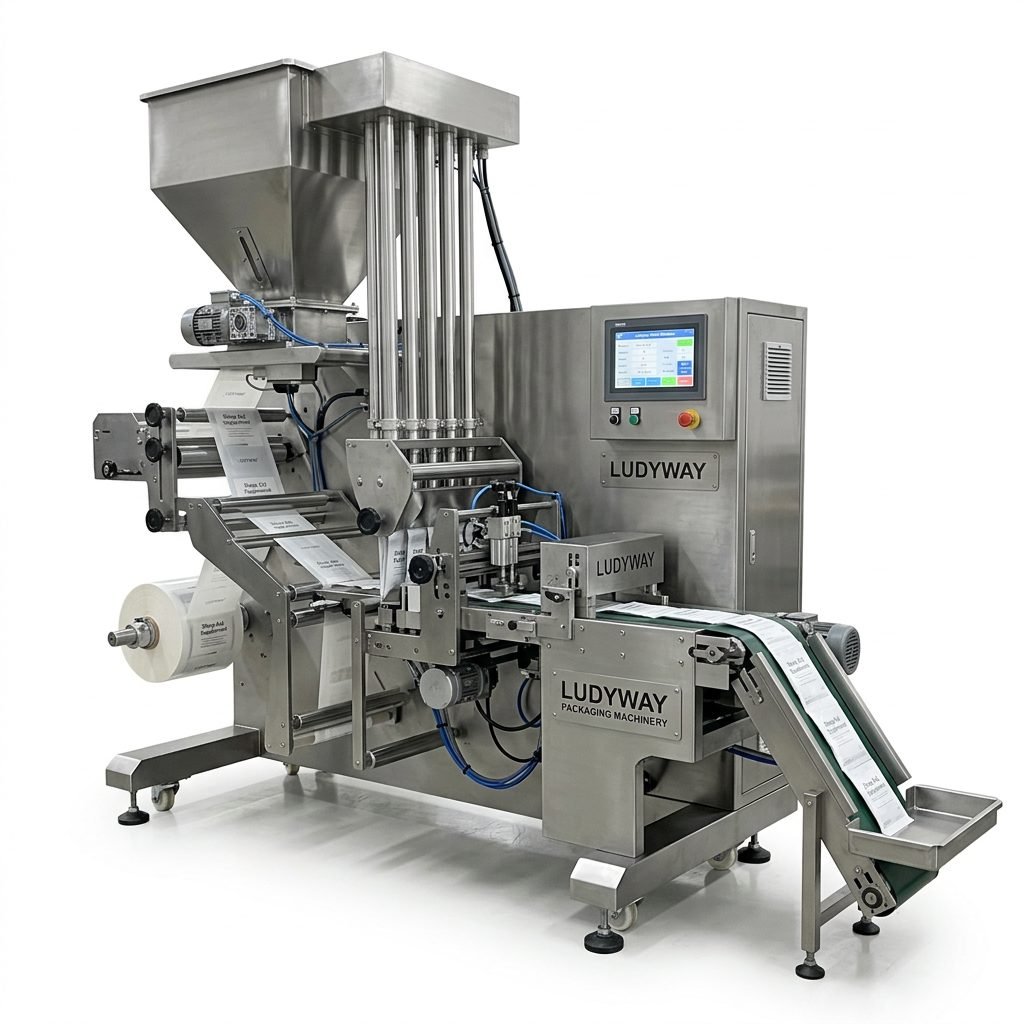
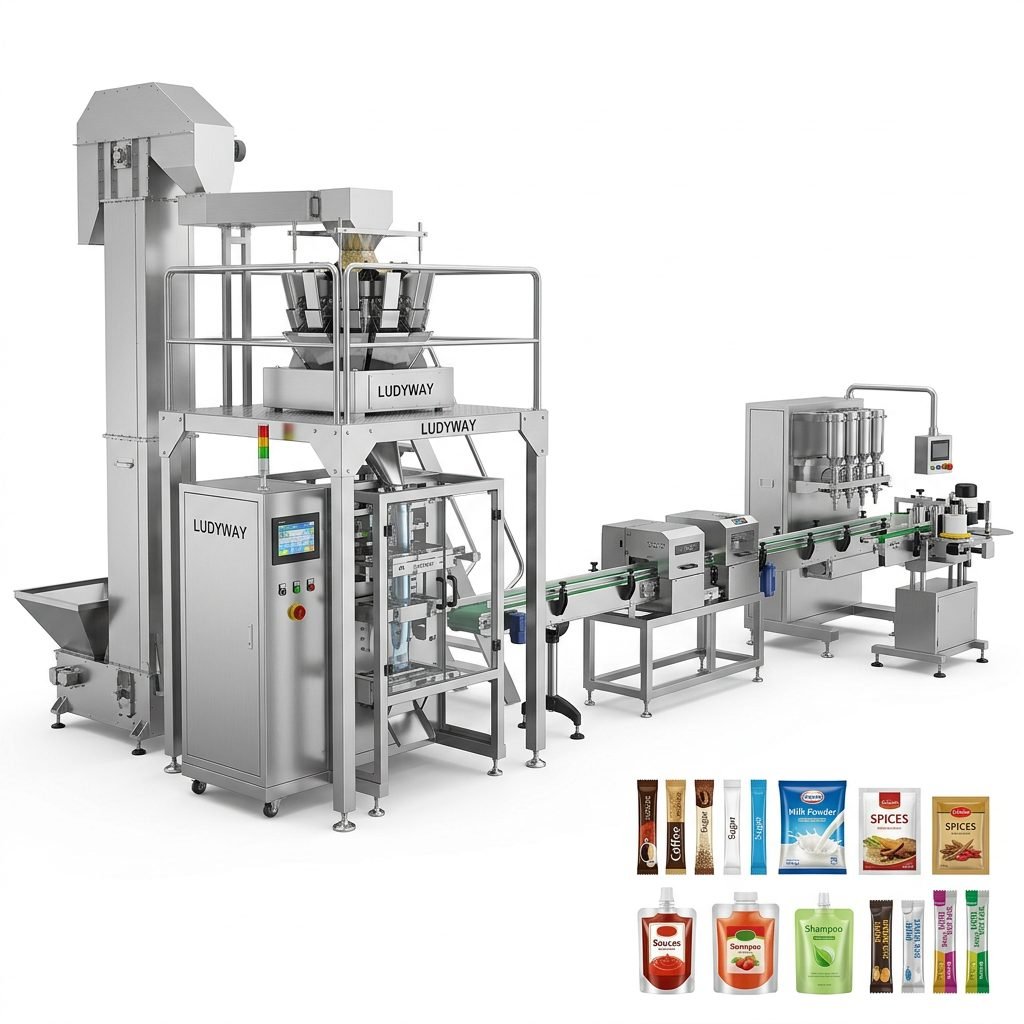
In the fast-evolving manufacturing sector, packaging machinery has undergone a monumental shift. Historically, the value of a packaging line was measured strictly by its physical hardware specifications—heavy cast-iron frames, high-power pneumatic systems, and raw mechanical throughput speeds. However, as global supply chains face unprecedented efficiency challenges and consumer demands grow increasingly diverse, physical hardware alone is no longer enough to maintain a competitive edge. The modern production line requires agility, precision, and intelligence. This realization has triggered an industry-wide transition toward a new generation of packaging machinery, where cutting-edge mechanical upgrades are seamlessly integrated with intelligent control systems, representing a major boost in the industry’s soft power.
Soft power in industrial machinery refers to the software intelligence, data communication capabilities, and user-centric interfaces that control the physical components. When high-performance hardware is coupled with sophisticated programming, the packaging system evolves from a static tool into an adaptable, responsive asset. Manufacturers across sectors such as pharmaceuticals, cosmetics, health supplements, and food production are discovering that software optimization can unlock hidden capacities in existing hardware setups, leading to massive increases in Overall Equipment Effectiveness (OEE).
Hardware Upgrades: The Physical Foundation
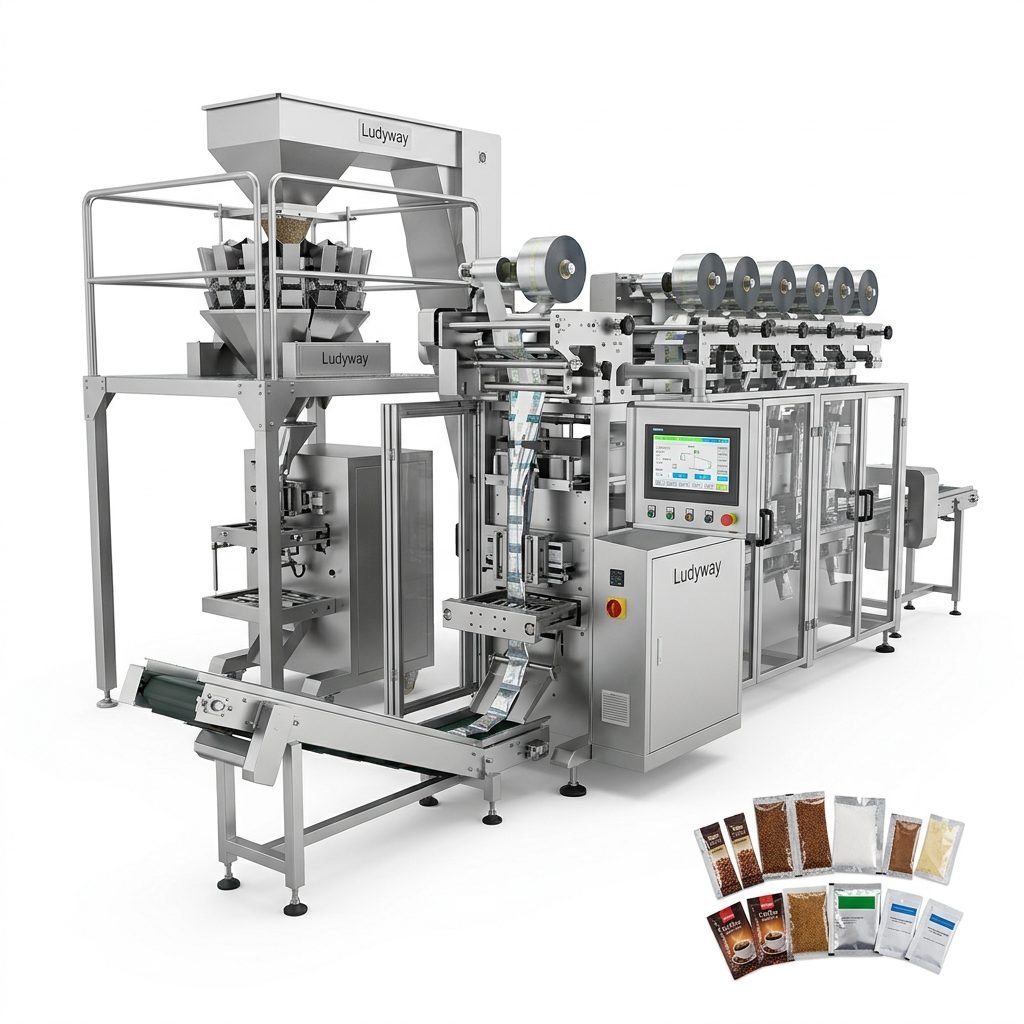
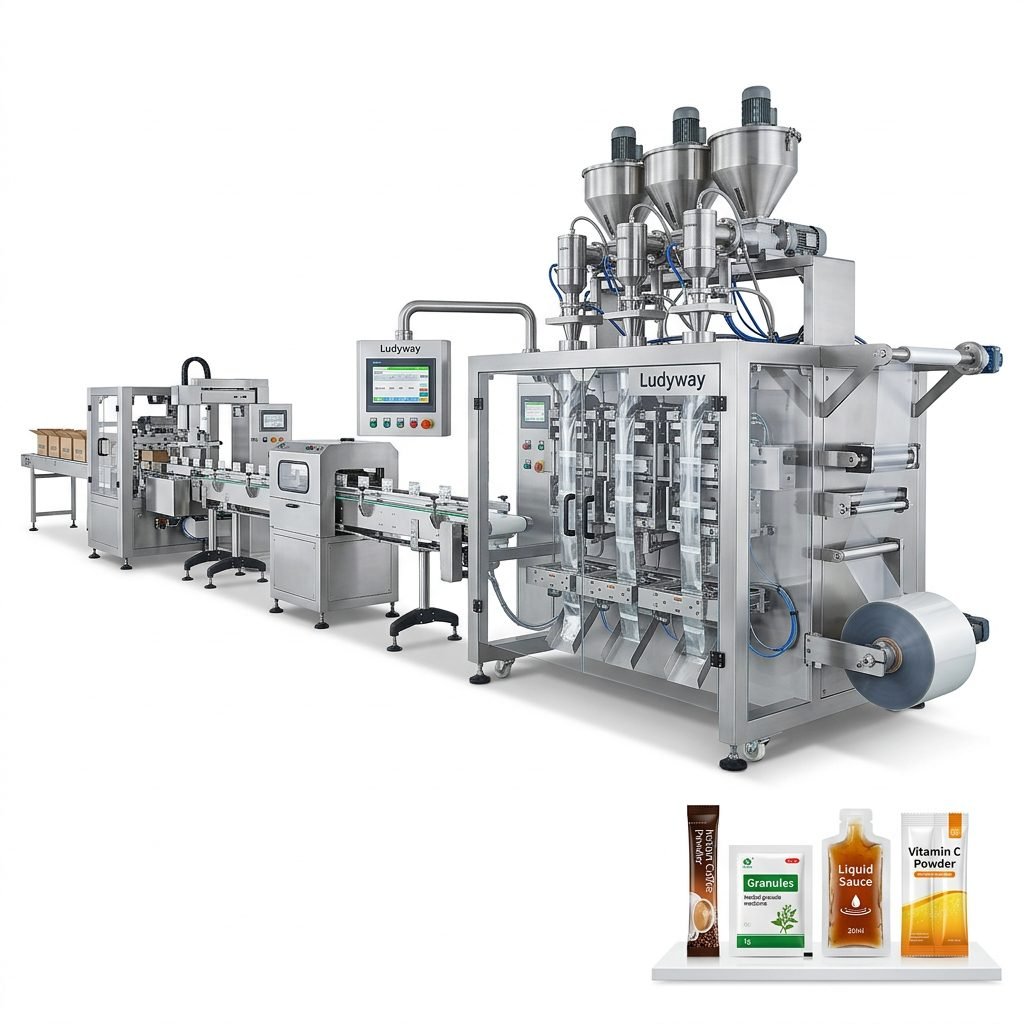
To fully appreciate the impact of software enhancements, one must first examine the physical evolution of new-generation packaging lines. Modern machinery utilizes advanced servo-driven mechanics instead of traditional mechanical cams and chains. Servo motors allow for independent control of different stations within the machine, such as film feeding, pouch forming, product dosing, and sealing. This modular hardware design minimizes mechanical wear and tear, vastly reduces the need for physical spare parts, and establishes a stable foundation for software systems to govern. Precision machining and robust structural designs ensure that the machinery can operate continuously under demanding high-speed conditions without compromising accuracy.
Software Upgrades: The Mind of the Machine
The true transformation, however, lies within the control cabinet. The integration of advanced Programmable Logic Controllers (PLCs) with proprietary software algorithms has revolutionized operational control. New-generation systems feature smart diagnostic tools that actively monitor performance metrics. Instead of waiting for a mechanical failure to halt production, predictive maintenance software analyzes vibrations, temperature variances, and cycle times to alert operators of potential issues before they cause downtime. Furthermore, real-time feedback loops between weighing systems and dosing filling mechanisms allow the software to adjust parameters automatically, maintaining strict fill accuracies even when product density fluctuates.
Empowering the Operator through Intuitive HMIs
Another critical aspect of this software revolution is the modernization of the Human-Machine Interface (HMI). Traditional interfaces required specialized technical knowledge to program and adjust. Today’s touch-screen HMIs are designed with user experience in mind, offering multi-lingual support, graphical representations of the production line, and recipe storage capabilities. Operators can change the packaging format—such as switching from a standard sachet to a stick pack—with a simple selection on the screen. The software automatically configures the servo parameters, reducing changeover times from hours to mere minutes. This democratization of machine control lowers the barrier to entry for operators, directly addressing labor shortages and training challenges in the manufacturing sector.
Data Integration and the Smart Factory
In the era of Industry 4.0, packaging machinery cannot operate as isolated islands of automation. New-generation systems are built with open communication protocols, allowing them to integrate seamlessly with Enterprise Resource Planning (ERP) and Manufacturing Execution Systems (MES). This connectivity provides management teams with real-time data on production volumes, reject rates, and energy consumption. By analyzing this data, factories can identify bottlenecks, optimize raw material usage, and make informed decisions that drive profitability. The soft power of a packaging line is thus reflected in its ability to contribute to the broader intelligence of the entire factory ecosystem.
Industry Applications and Customized Turnkey Solutions
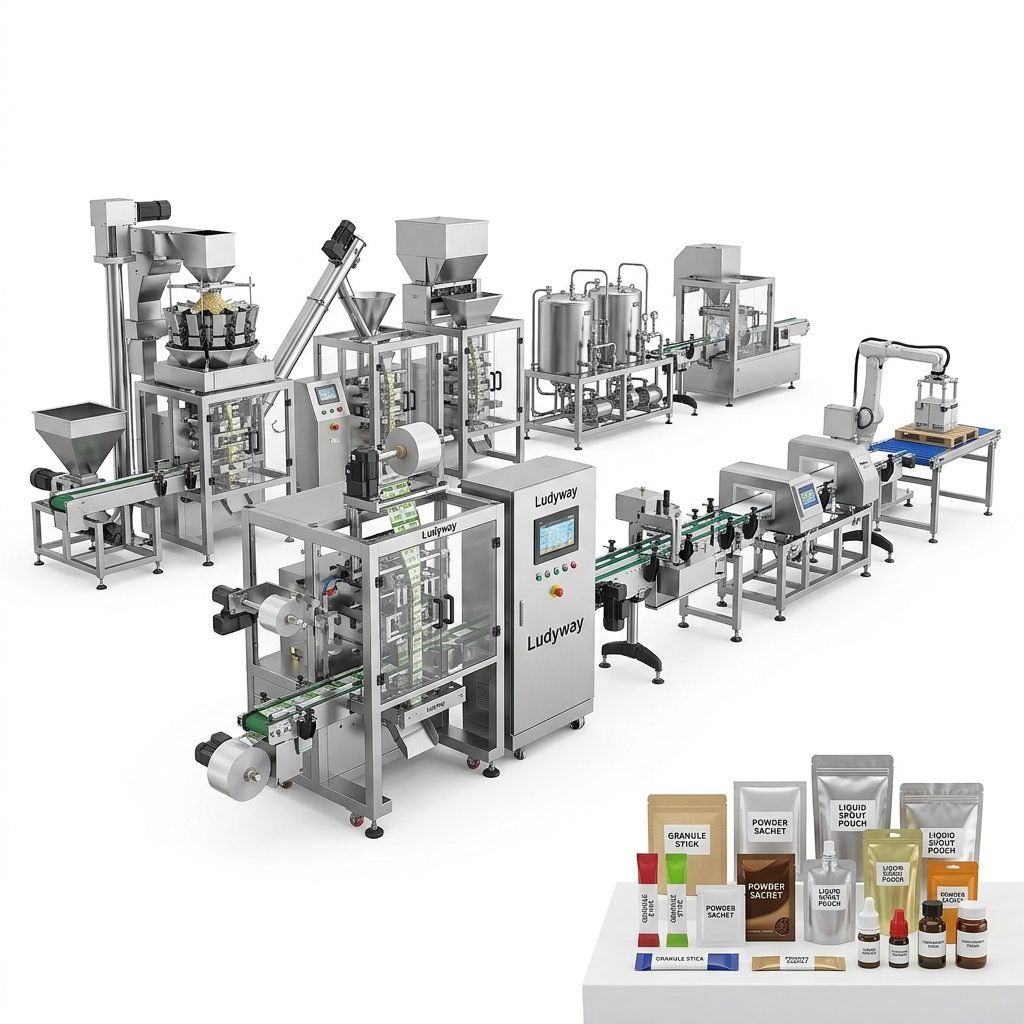
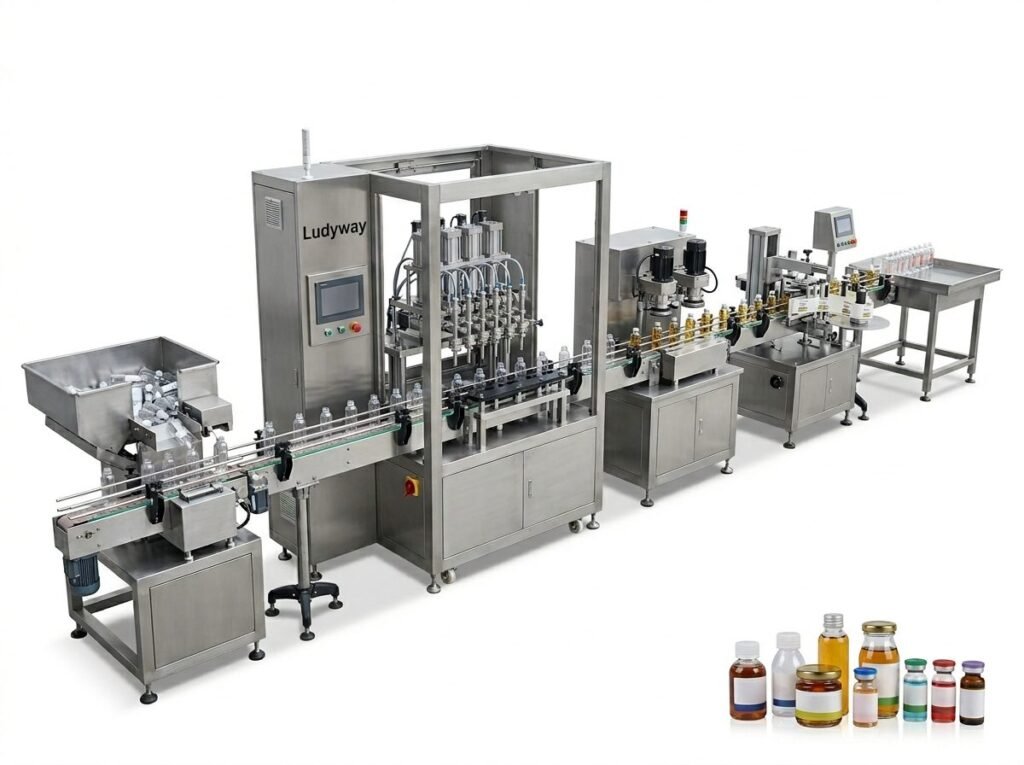
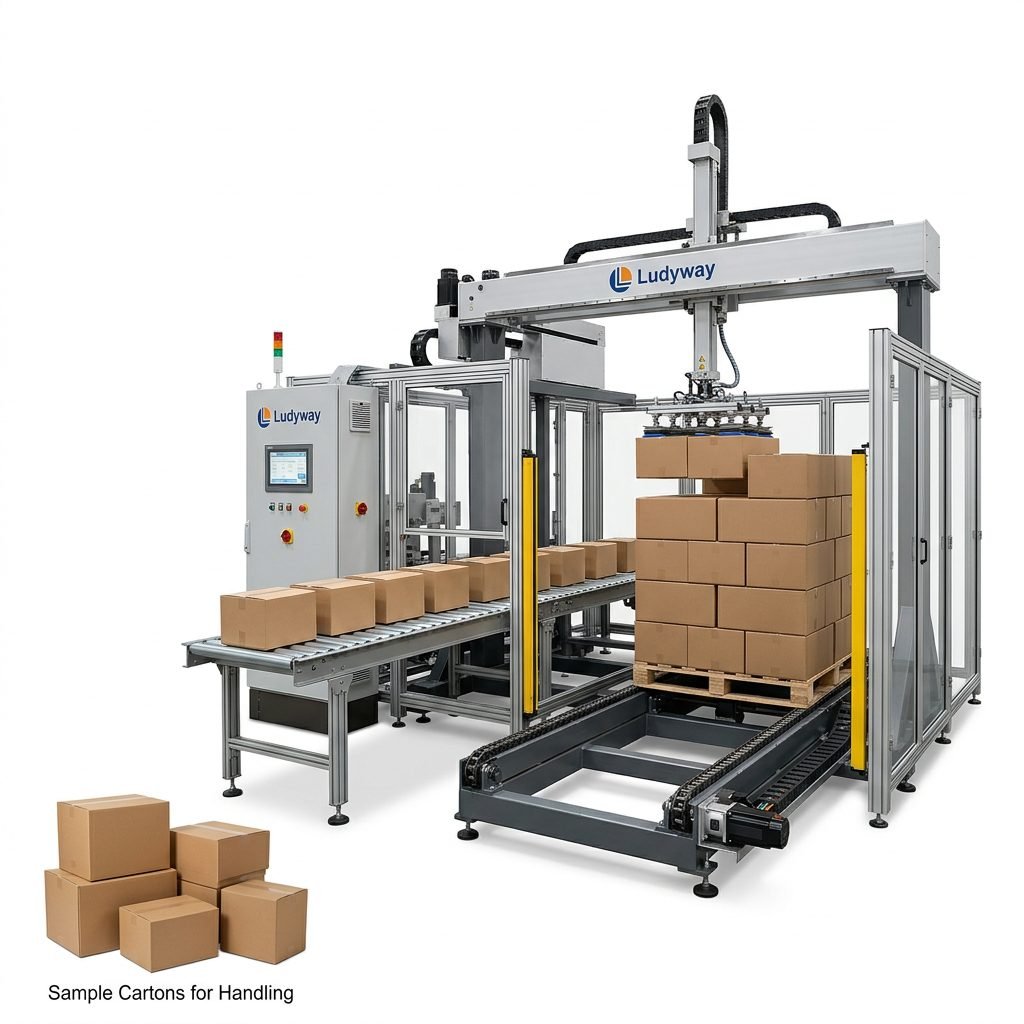
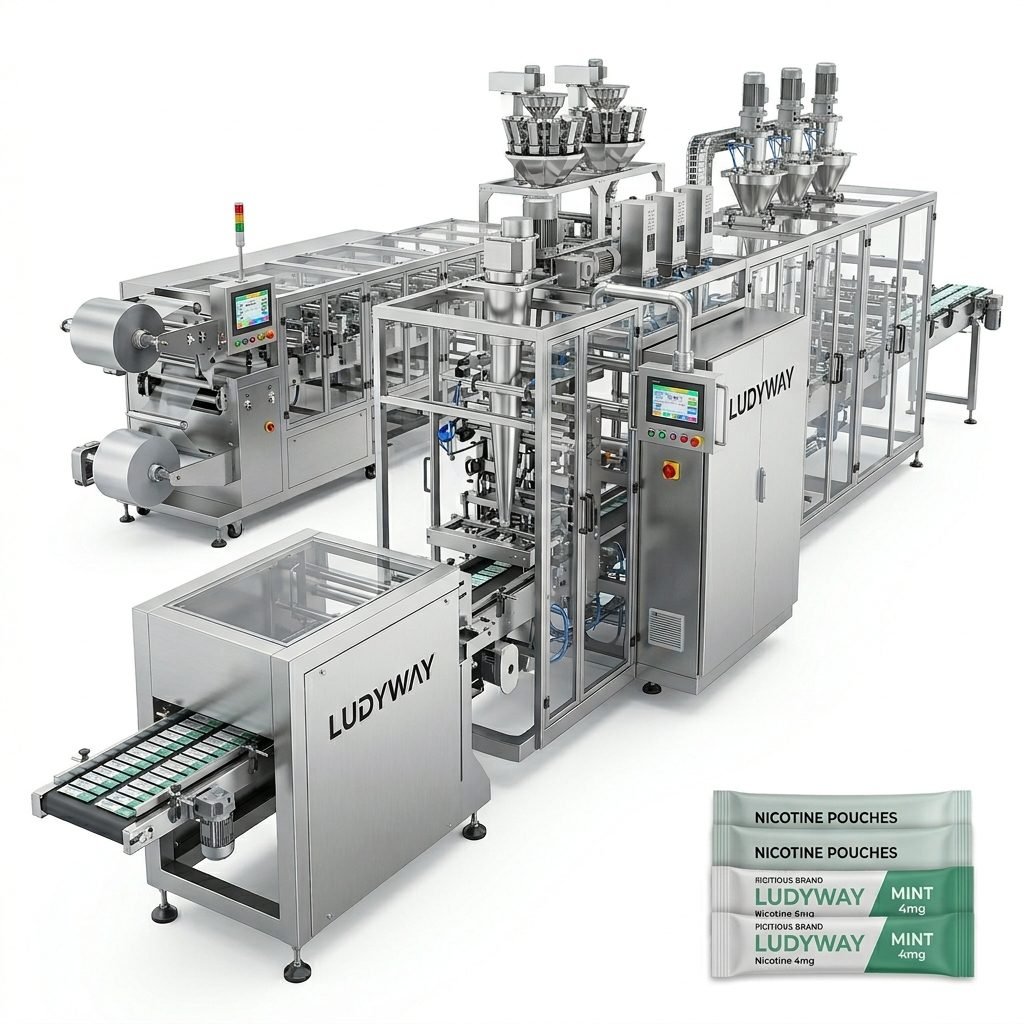
The demand for these advanced, integrated systems spans a wide variety of global industries. In the pharmaceutical sector, strict regulatory requirements demand precise dosing, airtight sealing, and complete batch traceability. In the food and beverage sector, packaging lines must handle diverse product formats, from granular ingredients to delicate powders, while maintaining strict hygienic standards. Navigating these complex requirements demands a partner with deep engineering experience and a proven track record. This is where Ludyway, one of China’s leading packaging machine and turnkey packaging line manufacturers, excels by providing tailored solutions that combine robust hardware design with state-of-the-art automation software to help global clients achieve maximum efficiency.
Comparing Traditional and New-Generation Systems
To illustrate the profound differences brought about by these upgrades, the following table compares key operational benchmarks between traditional mechanical packaging systems and the new generation of software-driven machinery:
| Operational Metrics | Traditional Packaging Machinery | New-Generation Smart Machinery |
|---|---|---|
| Control Method | Mechanical cams, gears, and manual switches | Multi-axis servo control with PLC integration |
| Changeover Time | Manual adjustment (1 to 3 hours) | Digital recipe recall (under 10 minutes) |
| Dosing Accuracy | Fixed mechanical limits, prone to drift | Dynamic self-tuning through sensor feedback |
| Diagnostics | Reactive maintenance after machine failure | Predictive alerts and remote technical support |
| Data Connectivity | None (standalone operation) | Full integration with ERP, MES, and IoT systems |
Core Benefits of Software-Driven Upgrades
- Drastic Reduction in Downtime: Real-time diagnostics and predictive maintenance prevent unexpected mechanical failures.
- Unparalleled Dosing Accuracy: Intelligent feedback loops continuously adjust filling volumes, saving expensive raw materials.
- Rapid Recipe Changeover: HMI-based configuration adjustments minimize physical machine calibration requirements.
- Seamless Factory Connectivity: Full compatibility with modern ERP and MES software supports data-driven production planning.
- Enhanced Energy Efficiency: Smart software optimizes motor acceleration and deceleration curves, reducing power draw.
Looking Ahead: The Future of Packaging Automation
The packaging machinery industry has entered a new era where hardware and software are no longer viewed as separate entities, but as a unified system. While robust physical construction remains essential, the true potential of modern packaging machinery is unlocked through software-driven intelligence. By investing in systems that prioritize both mechanical durability and soft power, manufacturers can secure a flexible, highly efficient, and future-proof production ecosystem capable of meeting the dynamic challenges of tomorrow.