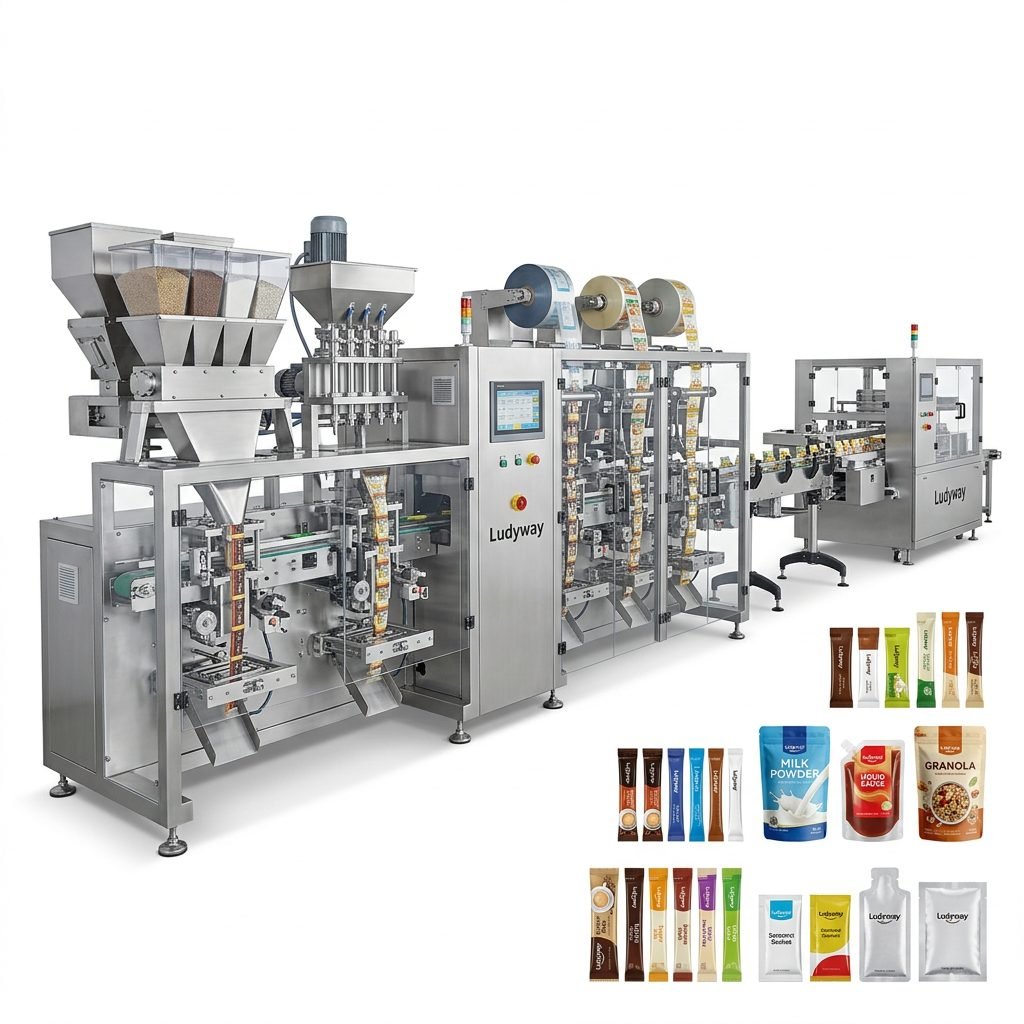
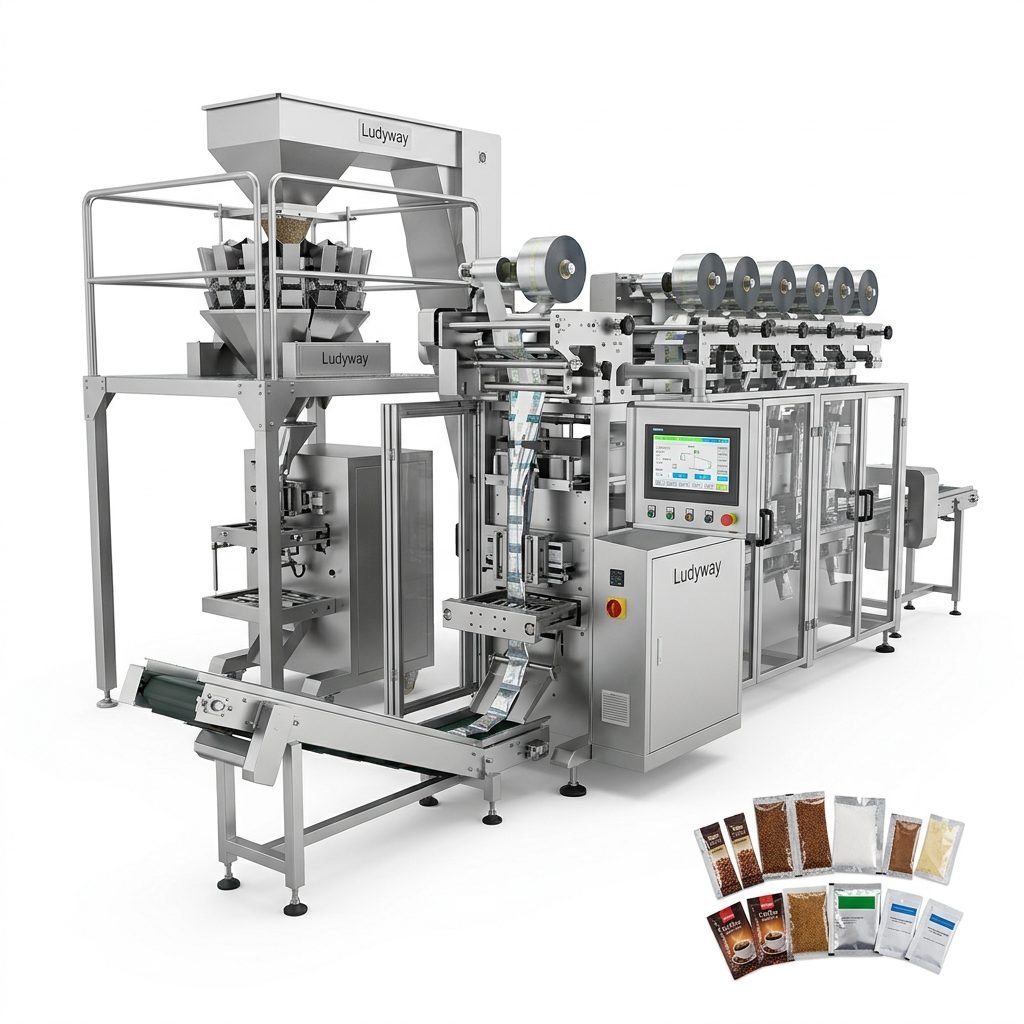
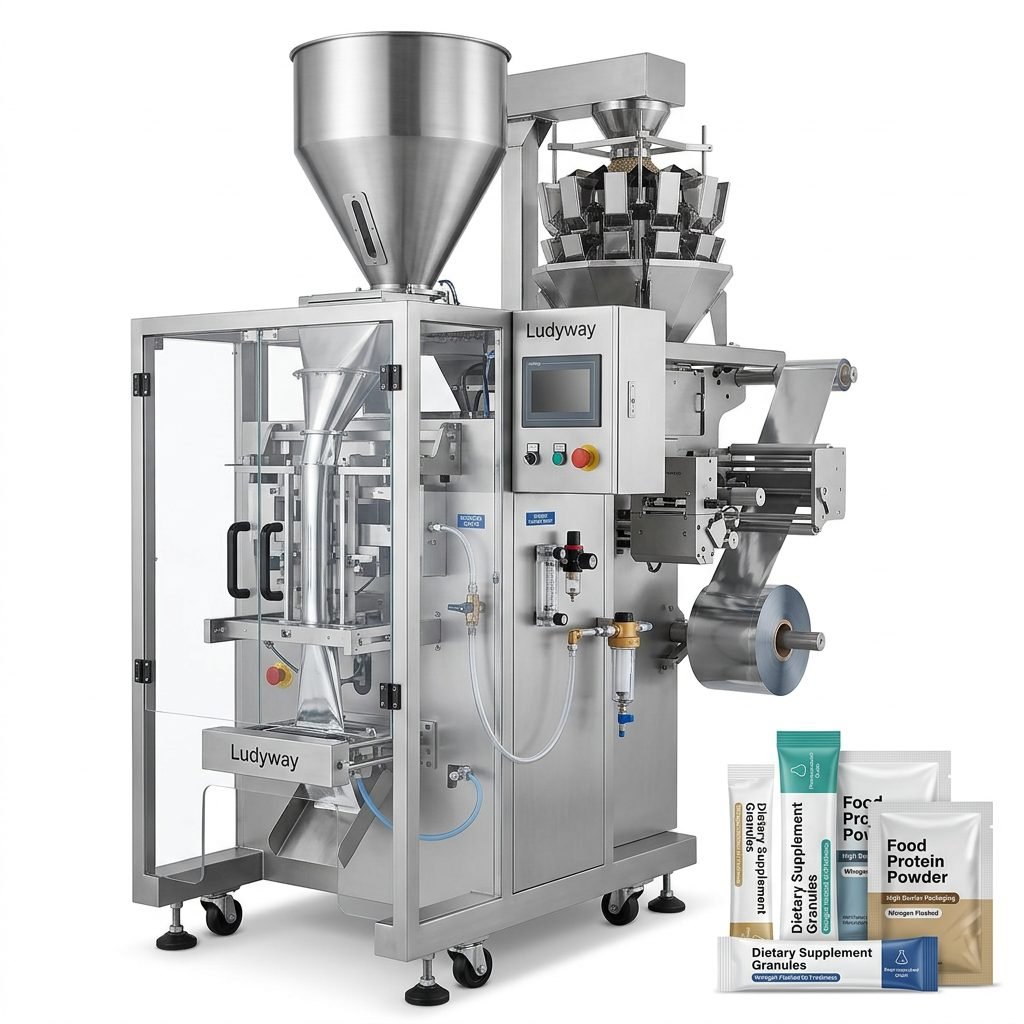
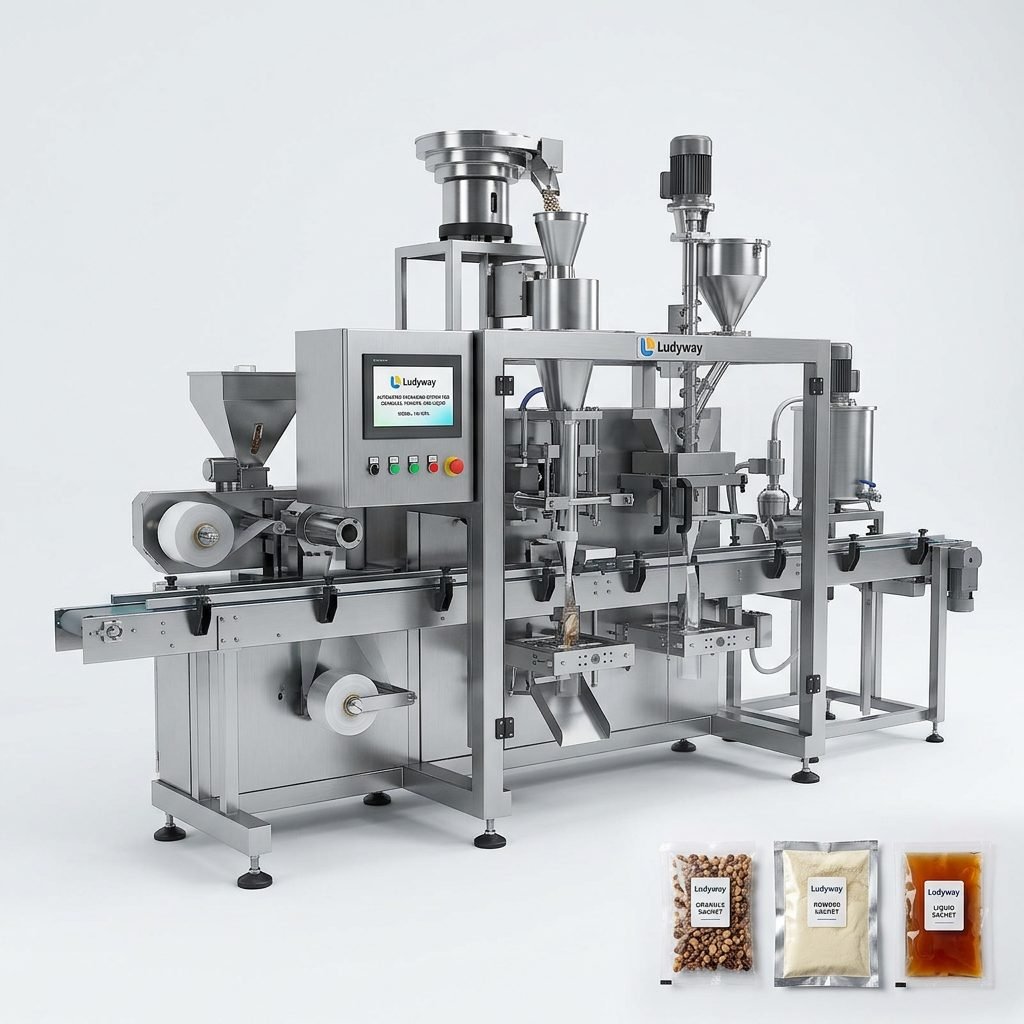
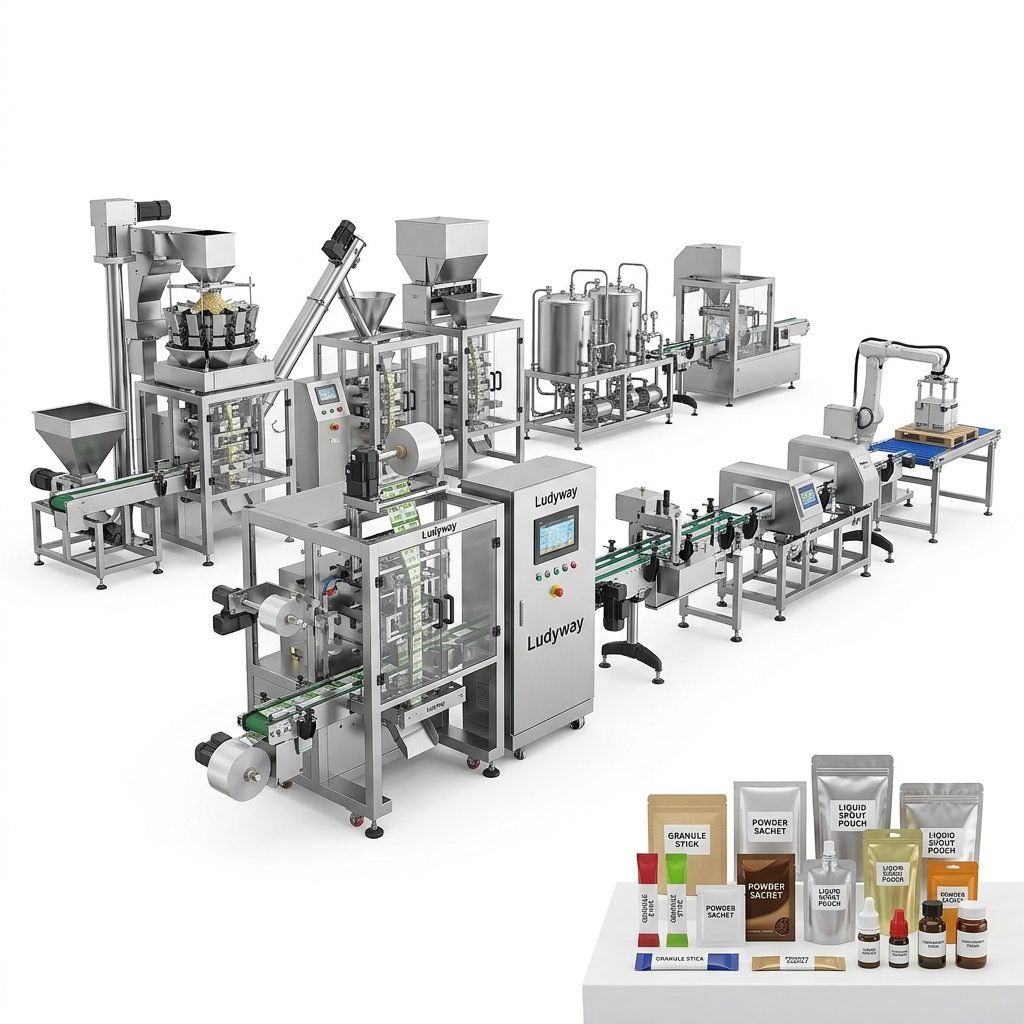
The global packaging sector is undergoing a profound transformation driven by the need for absolute automation, cost efficiency, and strict hygiene standards. Manufacturers across the food, pharmaceutical, cosmetic, and chemical industries are constantly searching for systems that optimize production floor space, minimize material waste, and eliminate human intervention. In response to these pressing market demands, the launch of the next-generation Full Automatic Form-Fill-Seal (FFS) Machine marks a major milestone. This advanced machinery delivers a seamless, end-to-end packaging solution that converts flat film rolls into completely sealed, retail-ready finished products in a single, continuous process.
Traditionally, packaging operations required multiple independent machines or labor-intensive stages to form pouches, fill them with precise product volumes, and seal them securely. Each transition point between these stages introduced risks of contamination, product loss, and mechanical delays. The new fully automated FFS machine eliminates these bottlenecks by integrating film unwinding, pouch forming, precise dosing, thermal sealing, and date coding into a single synchronized system, maximizing overall equipment effectiveness.
The Mechanism Behind From Film Roll to Finished Product
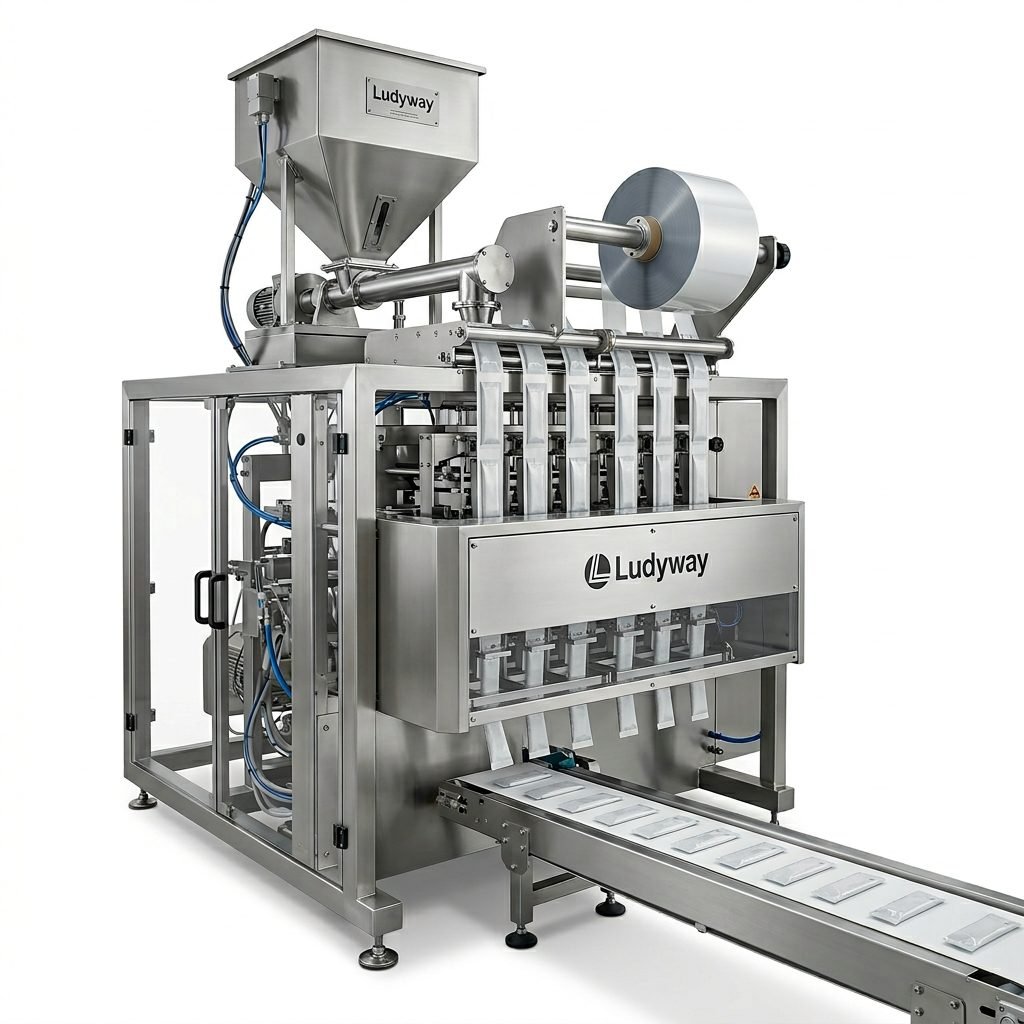
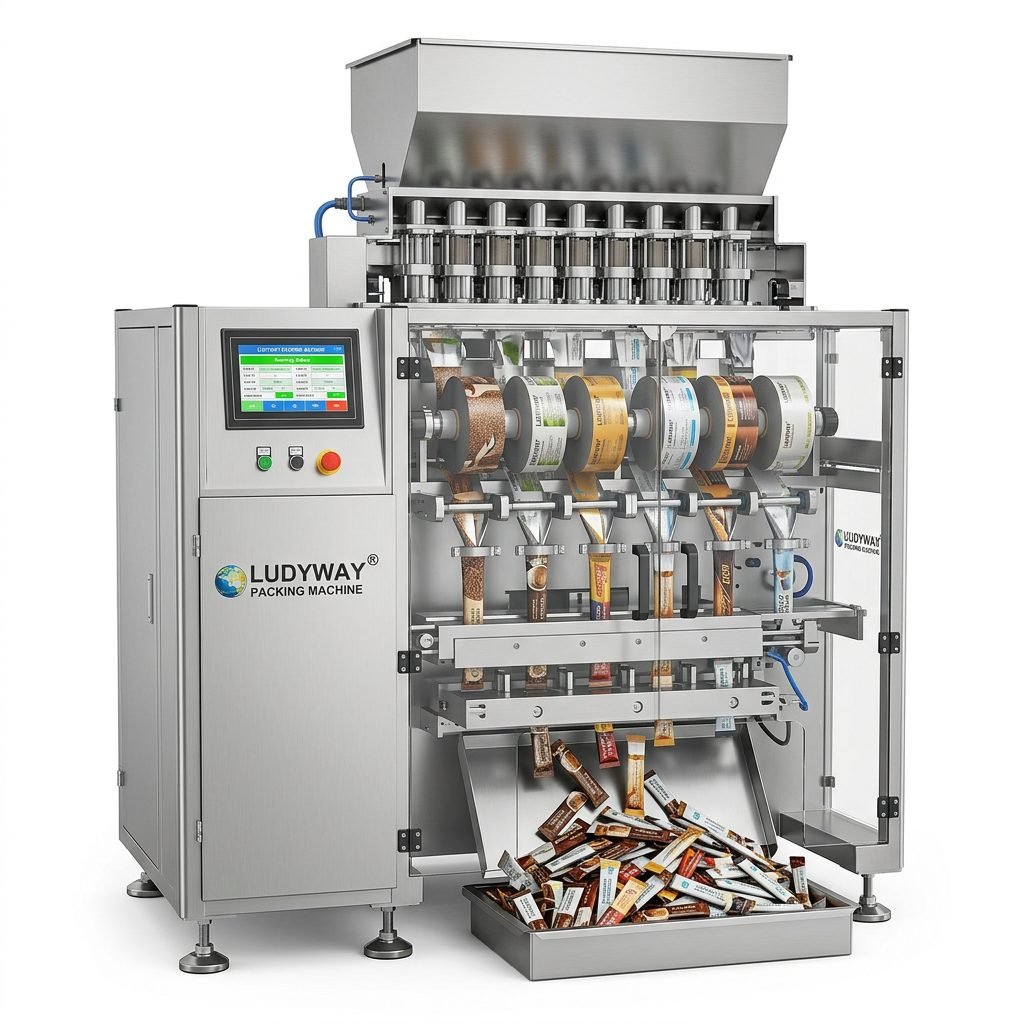
The core value of the FFS packaging machine lies in its highly efficient mechanical and electronic workflow. Instead of using pre-made pouches, which are expensive to source and store, the machine utilizes roll-fed flexible packaging materials. This not only reduces material procurement costs but also allows manufacturers to adjust pouch sizes dynamically depending on the production run.
The process begins as the machine draws the packaging film from a tension-controlled roll. The film passes through a series of tension rollers and guiding collars that shape it into a tubular sleeve. Once the vertical seam is thermally sealed to create the pouch body, the product is dosed into the tube via customized filling systems. Immediately after filling, the horizontal seal is applied, and the pouch is cut and discharged as a finished unit. This rapid cycle guarantees high-throughput packaging without sacrificing seal integrity.
Key Features and Technological Innovations
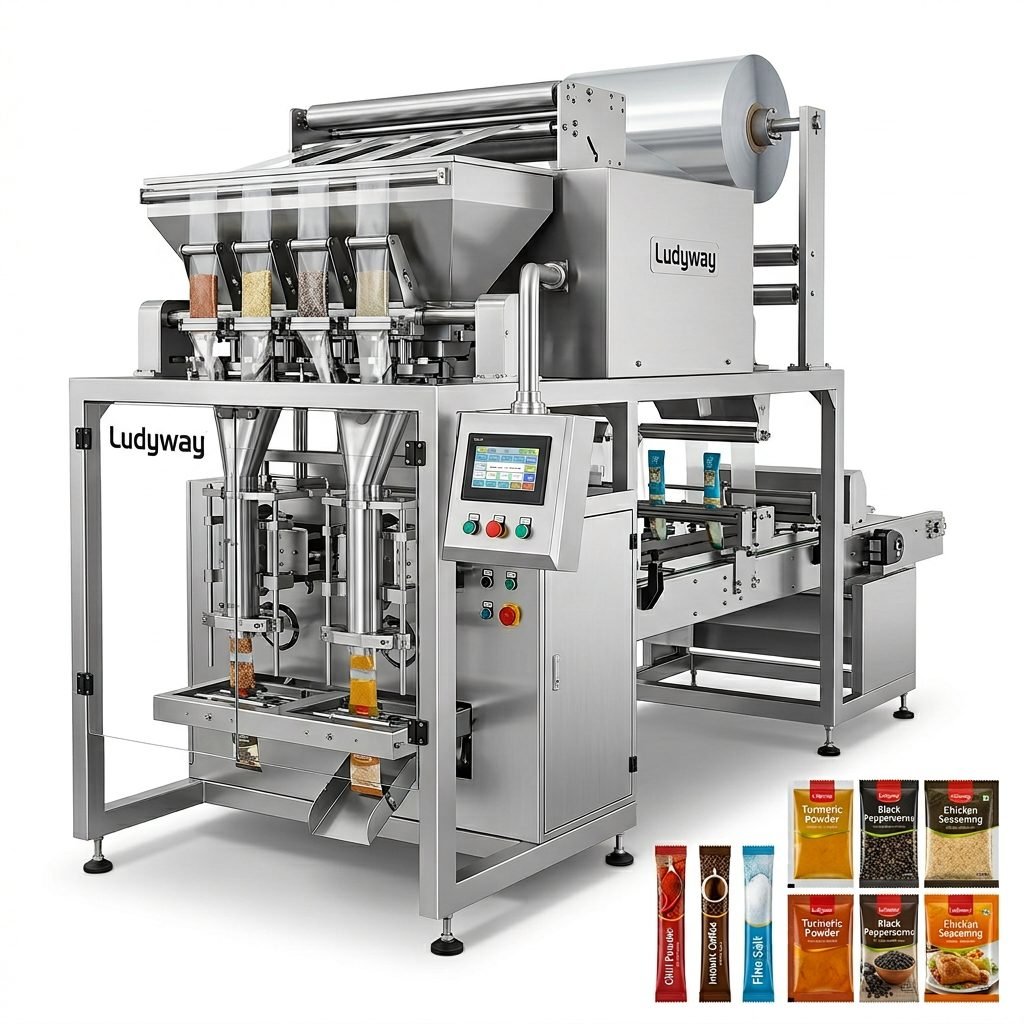
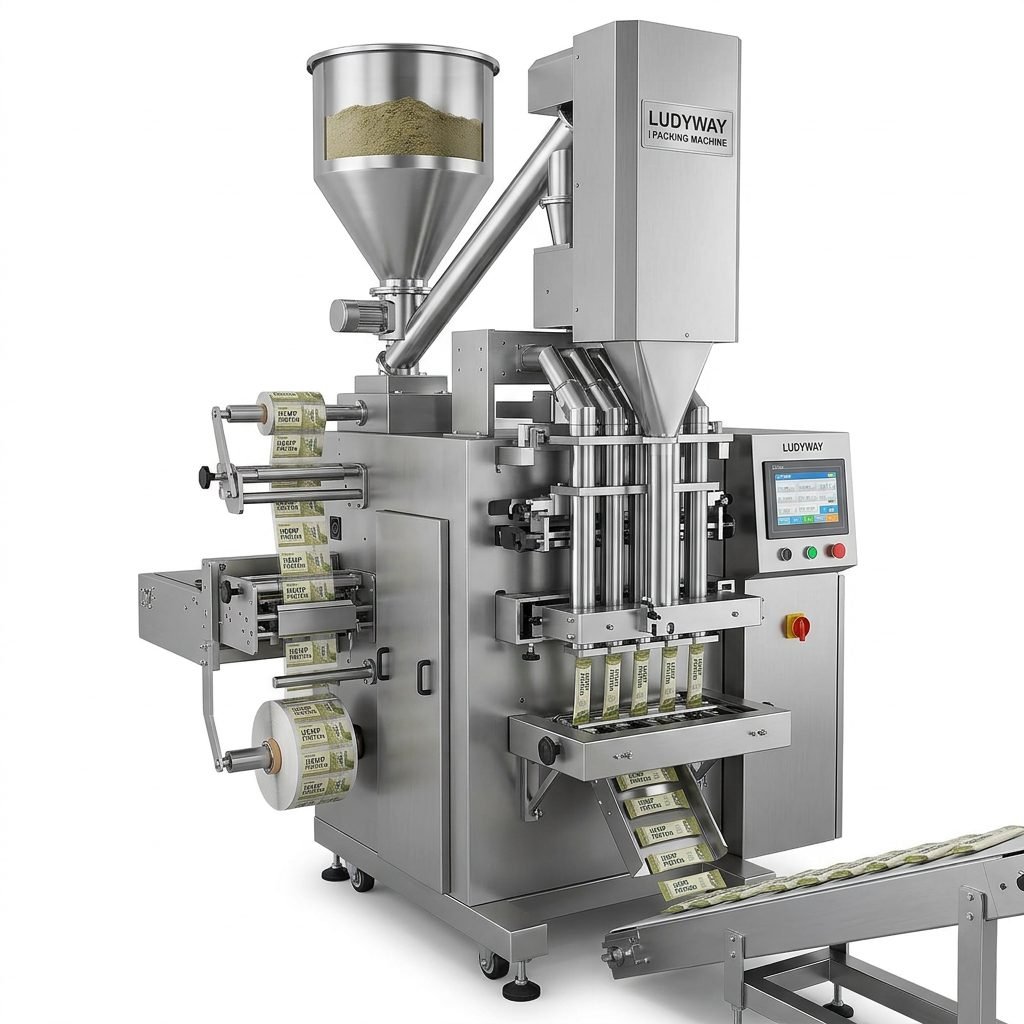
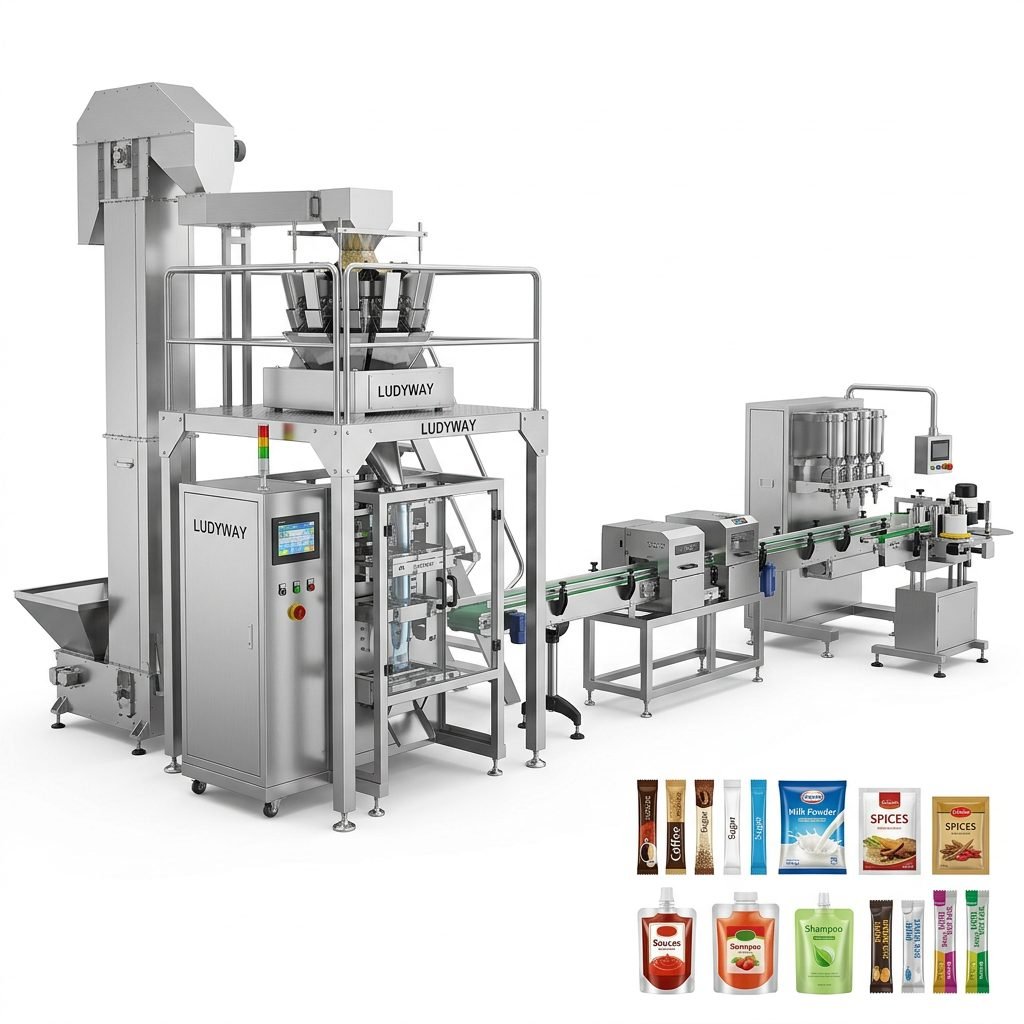
Modern production facilities require versatile systems that handle diverse product viscosities and textures. The newly launched FFS machine is engineered to support granules, powders, liquids, and pastes. This flexibility is achieved through a modular design that allows operators to swap dosing systems easily, such as replacing an auger filler with a liquid pump or a volumetric cup filler.
Key technological highlights of the new system include:
- Precision Servo Motors: Controls the film pulling and sealing jaws to ensure millimeter-accurate pouch length and consistent seal pressure.
- Intelligent Temperature Controllers: Independently adjusts the vertical and horizontal sealing temperatures, preventing film burn-through and securing hermetic seals.
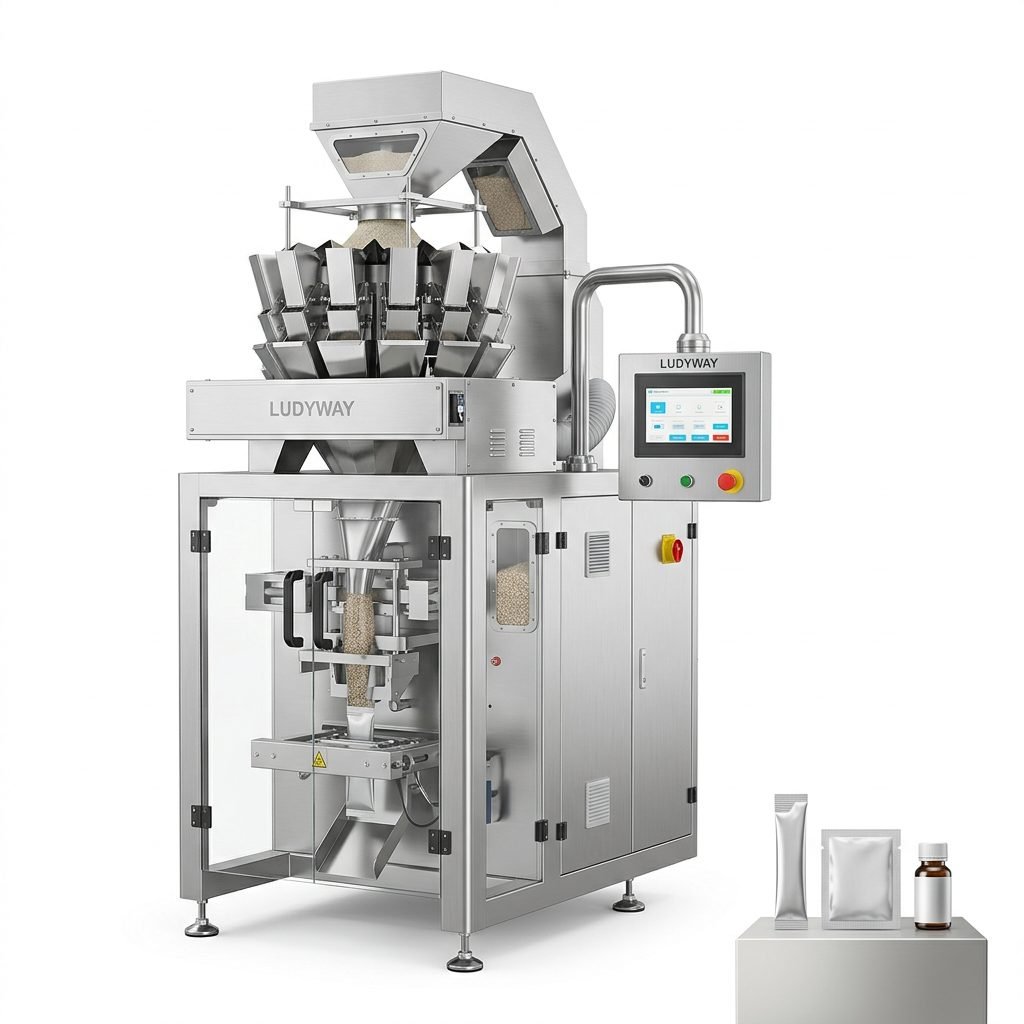
- PLC Touchscreen Interface: Features a user-friendly control panel supporting multiple languages, allowing operators to change speeds, filling volumes, and seal times instantly.
- Integrated Safety Features: Outfitted with automatic alarm systems that halt production if the packaging film runs out, a door is opened, or a product blockage occurs.
Comparing Traditional Packaging vs. Full Automatic FFS Systems
To highlight the operational advantages of this new machinery, the table below compares traditional semi-automatic packaging setups with the newly launched integrated FFS technology:
| Operational Metric | Traditional Packaging Systems | Full Automatic FFS Machine |
|---|---|---|
| Packaging Material Cost | High (Requires pre-formed bags) | Low (Uses economical film rolls) |
| Labor Requirements | Multiple operators for feeding and sealing | Single operator monitoring the console |
| Contamination Risk | Moderate to high due to manual handling | Minimal (Enclosed automated environment) |
| Footprint Efficiency | Large footprint with disjointed machinery | Compact, space-saving vertical design |
Empowering Modern Production Lines Globally
The deployment of the FFS machine goes beyond simple machinery addition; it is about establishing a high-efficiency packaging ecosystem. By utilizing automated feeding mechanisms, inline date printers, checkweighers, and cartoning units, manufacturers can create complete turnkey packaging lines that run continuously. In industries like food processing, where oxygen exposure degrades product quality, the integration of nitrogen flushing systems directly inside the forming tube guarantees extended shelf life and preserves flavor.
For pharmaceutical manufacturers, the closed-loop design of the FFS system meets strict sanitary standards. The stainless steel construction prevents microbial buildup, while washdown-safe components simplify the cleaning protocols between production batches.
Choosing the Right Turnkey Manufacturing Partner
Investing in automated packaging systems requires reliable technology, custom engineering capabilities, and responsive customer service. To achieve high operational stability, buyers look to experienced manufacturers who can customize turnkey solutions to fit their specific factory layouts and product characteristics.
As one of China’s leading packaging machine and turnkey packaging line manufacturers, Ludyway has been at the forefront of automated packaging innovation since its founding in 1993. Backed by over 30 years of industry experience and a modern manufacturing facility exceeding 20,000 square meters, the company designs, builds, and supports advanced packaging systems for granules, powders, liquids, and pastes. Serving clients in over 100 countries across Europe, North America, the Middle East, and Southeast Asia, they deliver scalable automation systems that reduce labor costs, increase production speed, and guarantee consistent product quality.
The Future of FFS Technology
As manufacturing trends shift toward smart factories and IoT connectivity, the next generation of FFS machines will integrate advanced sensors to monitor real-time material usage, energy consumption, and components wear. This predictive maintenance capability allows operators to address potential issues before they lead to downtime. By combining robust mechanical design with digital intelligence, modern FFS systems provide global manufacturers with the tools required to keep pace with changing market demands, ensuring high efficiency from film roll to finished product.