The global manufacturing sector is undergoing a rapid transition toward smart manufacturing and automation. Among the various segments, the hardware and fastener packaging industry is experiencing a significant upgrade. Recently, shipments of compact and efficient small automatic screw counting packaging machines have surged worldwide. Driven by the demand for higher precision, labor savings, and compact factory floor space utilization, global assembly plants, furniture manufacturers, and electronics producers are actively upgrading their production lines.
Traditionally, hardware packaging relied on manual labor or gross-weight calculations. However, these methods are prone to errors due to slight material variations in screw weights. The modern automatic screw counting packaging machine solves this problem by using advanced optical sensors and feeding bowls, ensuring that each bag contains the exact number of fasteners required. As production standards tighten, this technology has moved from a luxury to an industry necessity.
The Shift from Weight to Precision Counting
For decades, packaging small items like screws, washers, and bolts was a logistical bottleneck. Weight-based filling systems often resulted in packaging inaccuracies because minor deviations in raw materials or plating thickness could accumulate, leading to incorrect counts. This issue is particularly critical for flat-pack furniture kits and DIY assembly packages, where a single missing screw can ruin the end-consumer experience.
The latest generation of automatic counting machines utilizes high-speed photo-electric sensors or fiber-optic detection channels. These components scan each falling part individually, achieving a 100% counting accuracy rate. The machine automatically pauses or diverts the batch if a mismatch is detected, preventing defective bags from leaving the production line. This level of control has made these machines highly popular among exporters targeting markets with strict quality standards, such as Europe and North America.
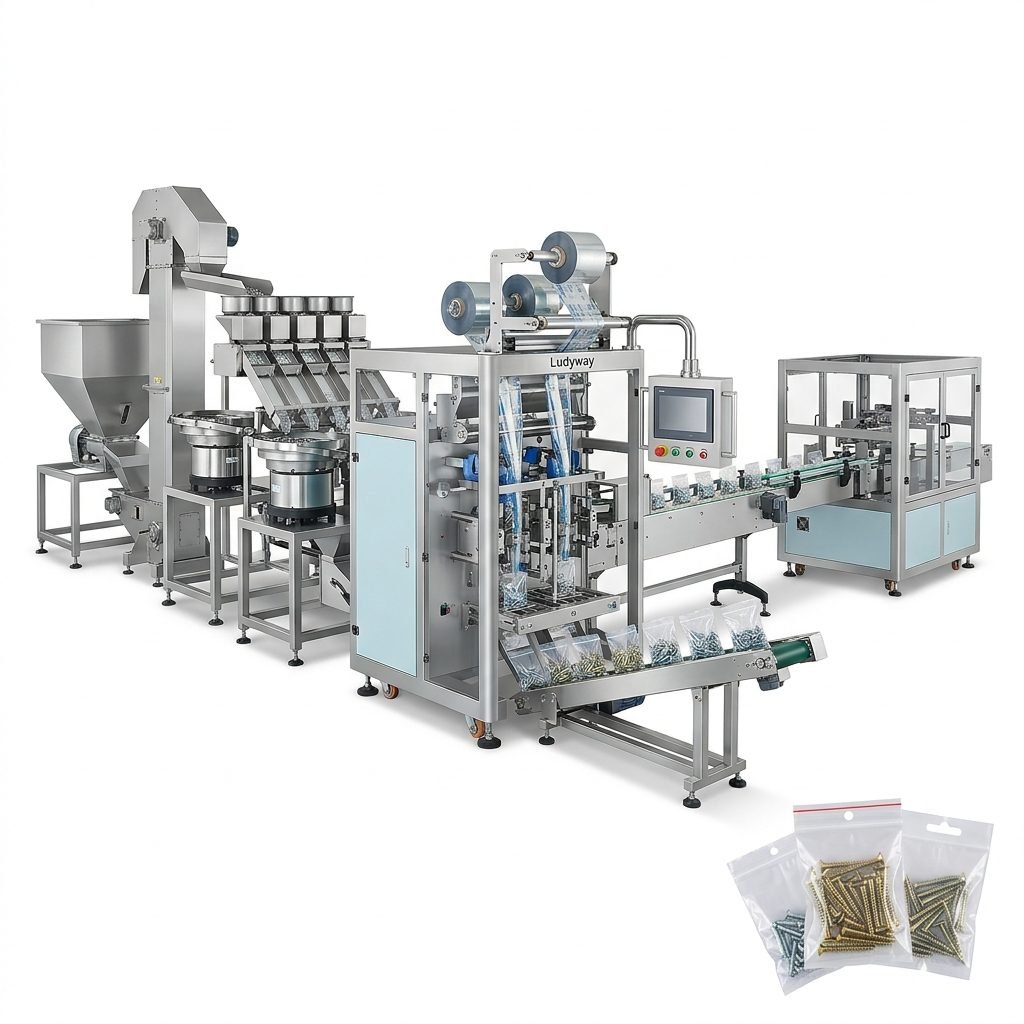
Key Features of the Compact Counting Packaging Machine
Modern factories frequently face spatial constraints. Large-scale packaging lines are not always feasible for small-to-medium enterprises (SMEs) or regional distribution hubs. The surge in shipments of compact automatic screw packaging systems is heavily tied to their space-saving design and high throughput. Key attributes driving their global popularity include:
- Modular Footprint: Designed to fit easily into existing assembly lines without requiring massive facility modifications.
- High Versatility: Adjustable vibration bowls allow the machine to handle various screw types, plastic wall anchors, nuts, and small brackets.
- Intuitive Control Panels: Touchscreen interfaces allow operators to adjust batch counts, bag lengths, and sealing temperatures within seconds.
- Smart Diagnostics: Real-time monitoring automatically flags blockages or low material supply, reducing downtime.
Comparison of Industrial Fastener Packaging Methods
To understand why automatic counting packaging machines are seeing such a surge in shipments, it is helpful to analyze how they compare with older methods across key performance indicators:
| Packaging Method | Counting Accuracy | Speed (Bags/Min) | Labor Dependency | Initial Setup Cost |
|---|---|---|---|---|
| Manual Packing | Low (Human error prone) | 5 – 10 | Very High | Minimal |
| Weight-Based Filling | Moderate (Affected by part variation) | 20 – 45 | Low | Medium |
| Automatic Optical Counting | High (99.9% – 100%) | 30 – 70+ | Very Low | Medium to High |
Rising Export Demand and Global Market Trends
The spike in shipments is particularly visible in major exporting hubs. As manufacturing centers in Southeast Asia, Europe, and the Americas face rising labor costs, automated systems offer a quick return on investment (ROI). Factories can repurpose workers to higher-value roles while leaving repetitive, high-speed counting tasks to automated machines.
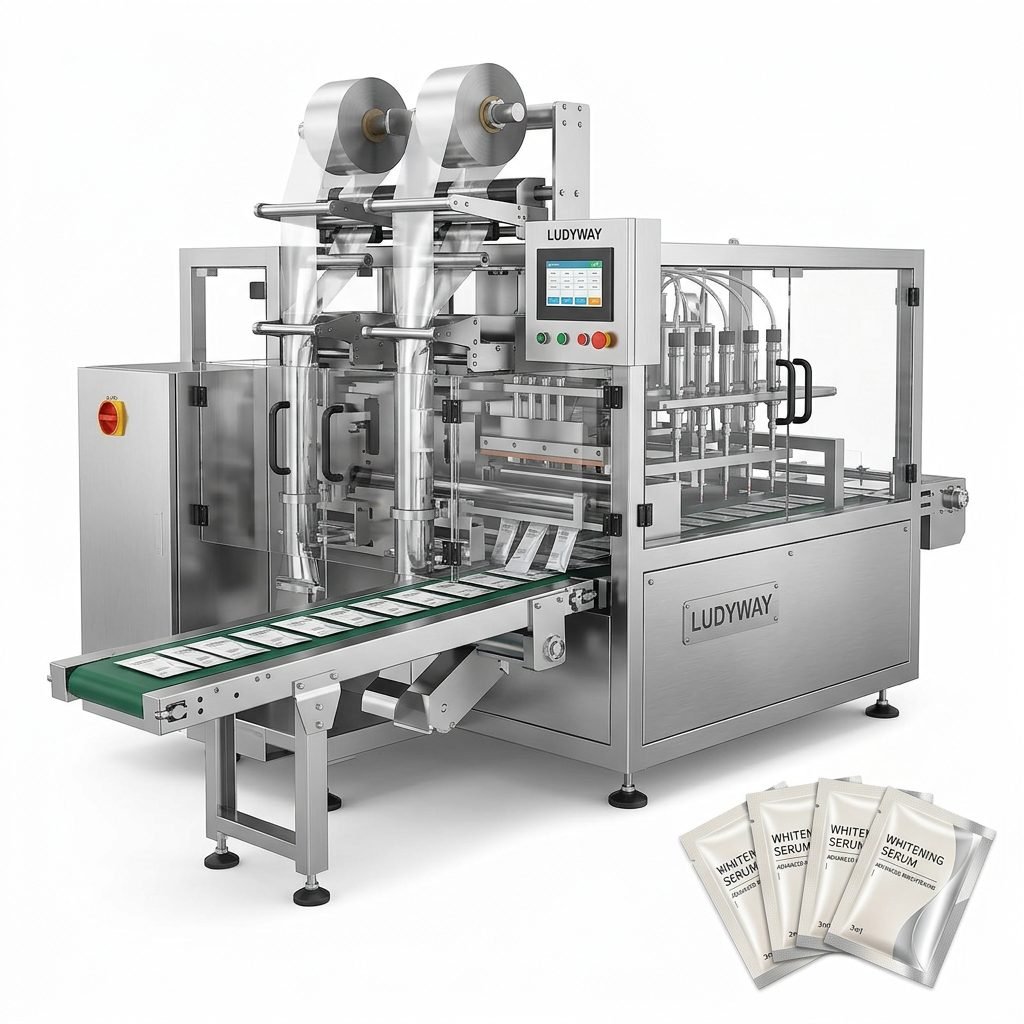
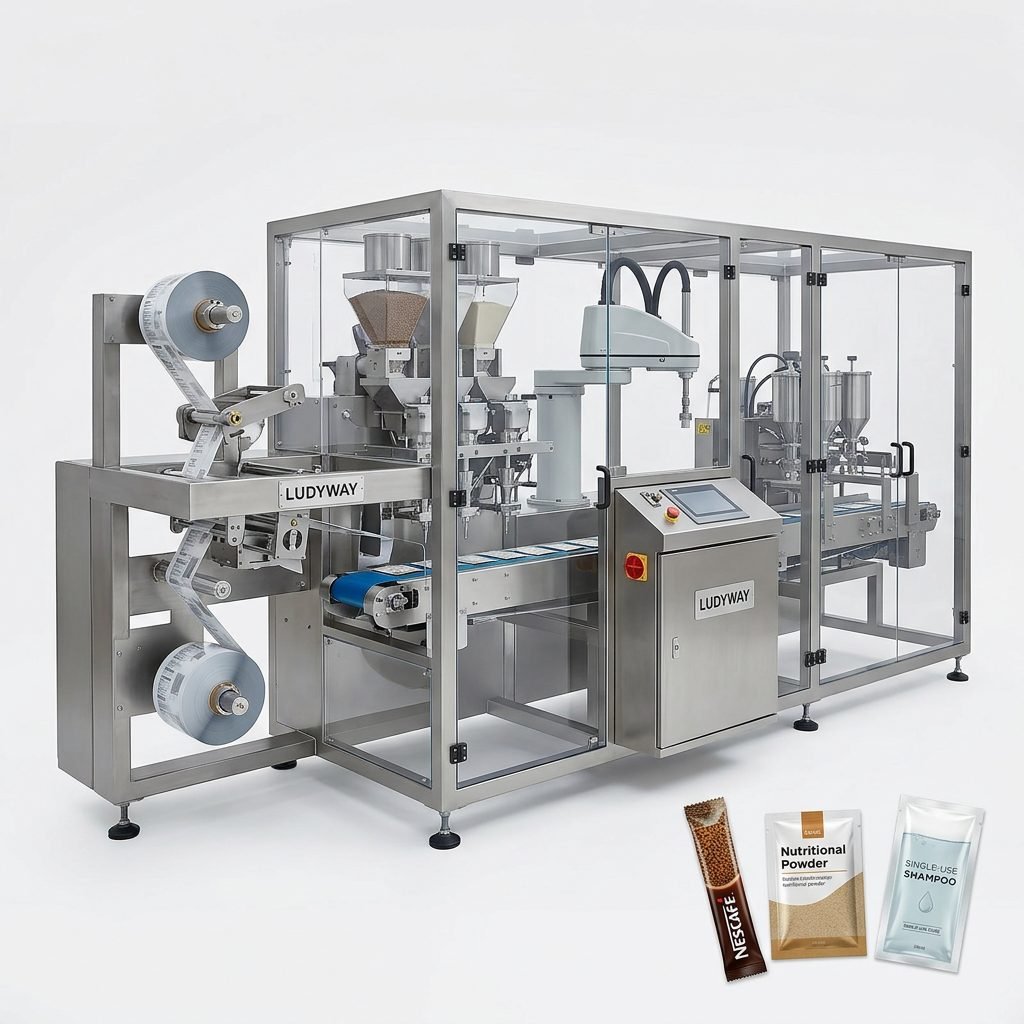
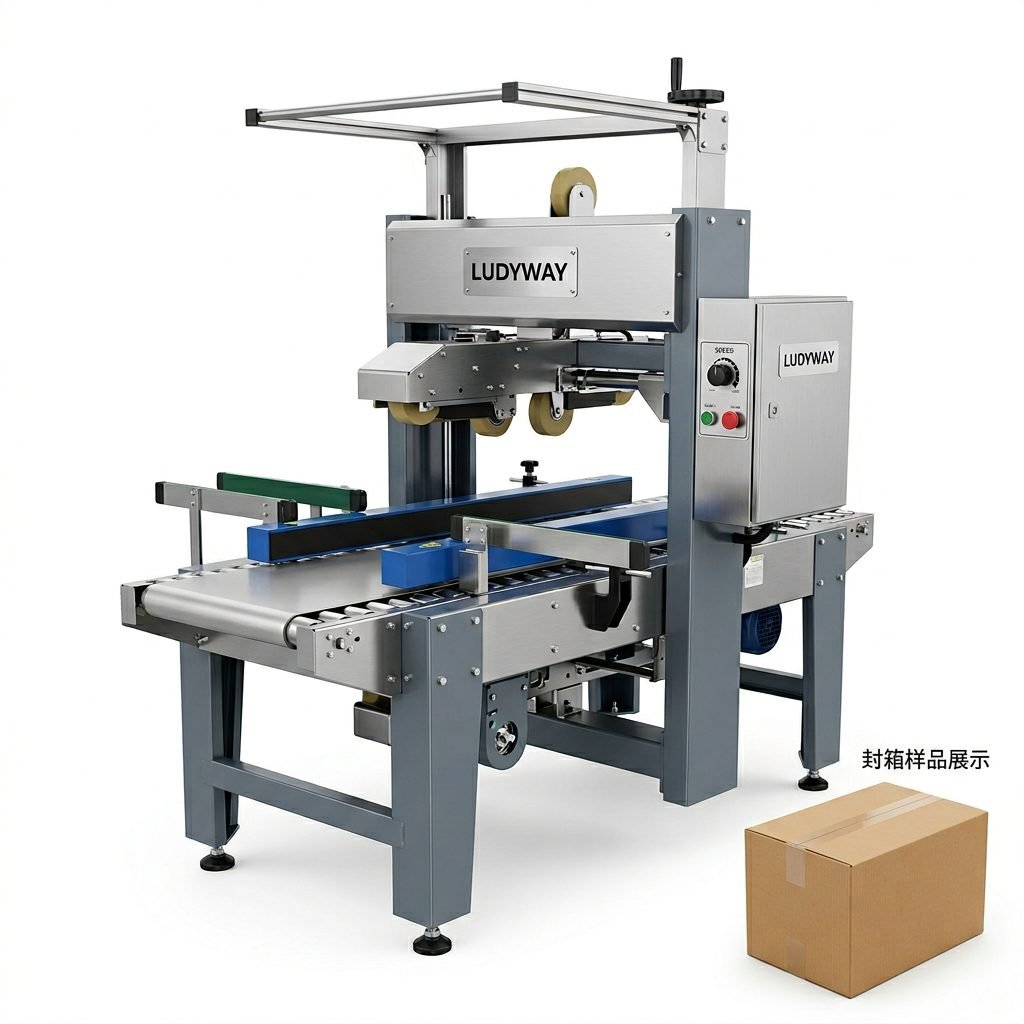
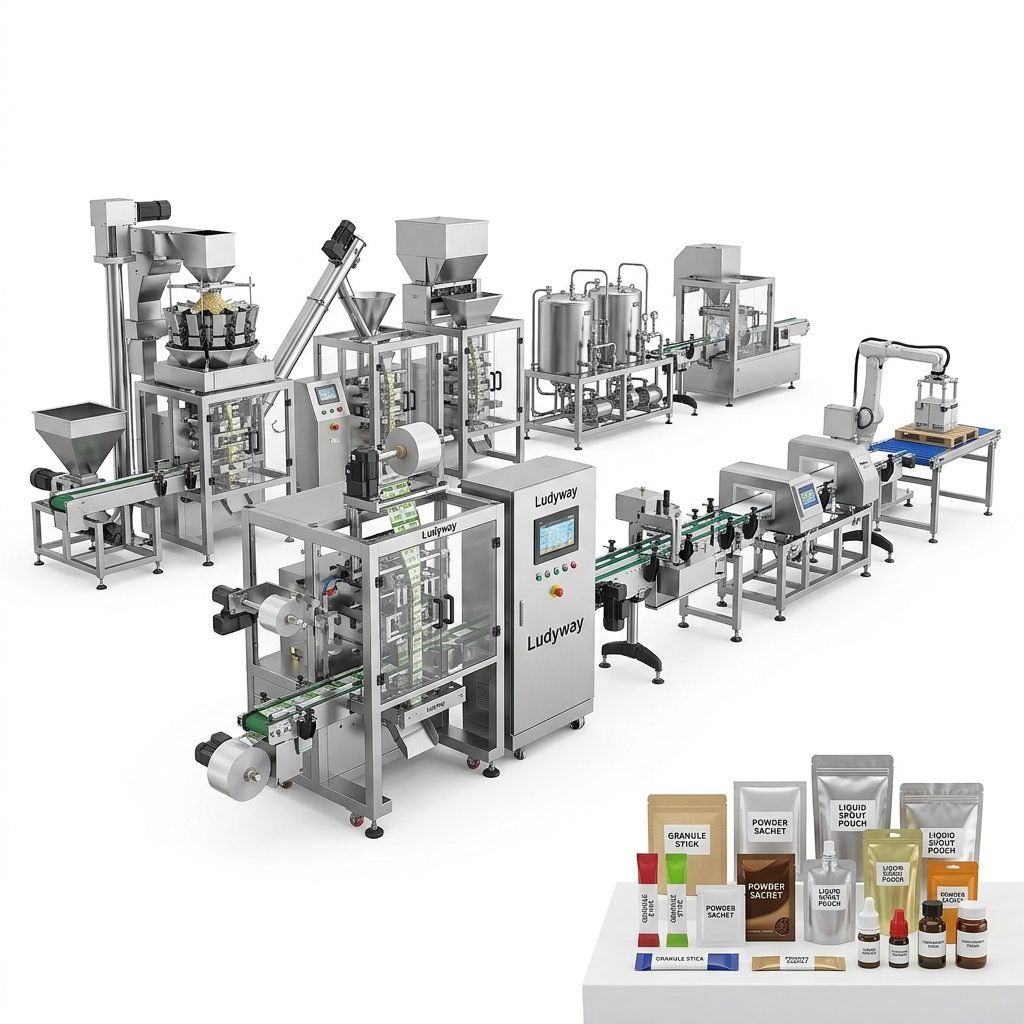
Industry buyers are focusing on turnkey packaging line solutions that integrate raw material feeding, counting, sachet sealing, and boxing. In this competitive landscape, Ludyway, one of China’s leading packaging machine and turnkey packaging line manufacturers, has seen growing interest for its automated packaging equipment. Established in 1993, the company offers tailored machinery designs that address the specific needs of international fastener packaging sectors.
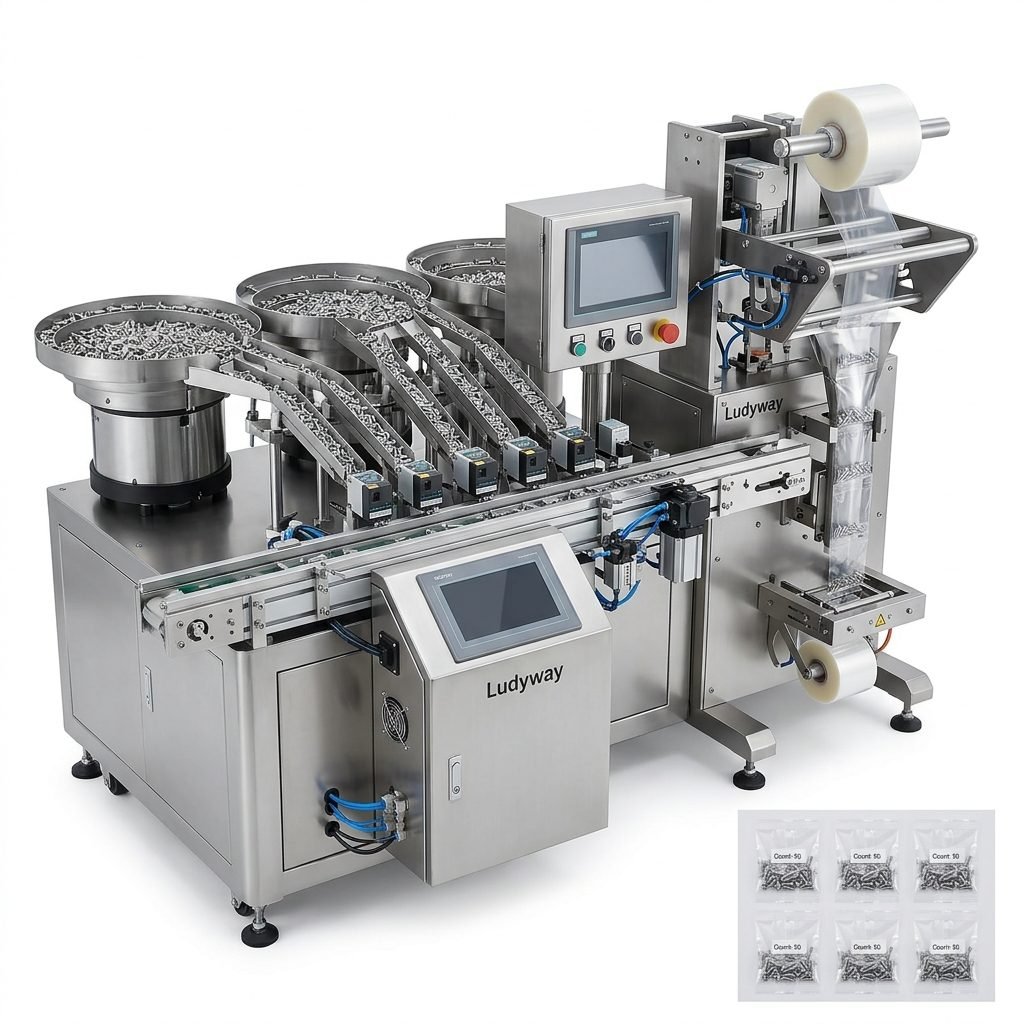
Integrating Counting Systems into Modern Assembly Operations
To maximize efficiency, manufacturers are not just installing standalone machines; they are integrating them into fully automatic logistics workflows. The packaging of assembly kits often requires multiple distinct components—such as four long screws, four hex nuts, two washers, and an Allen key—to be packed into a single pouch.
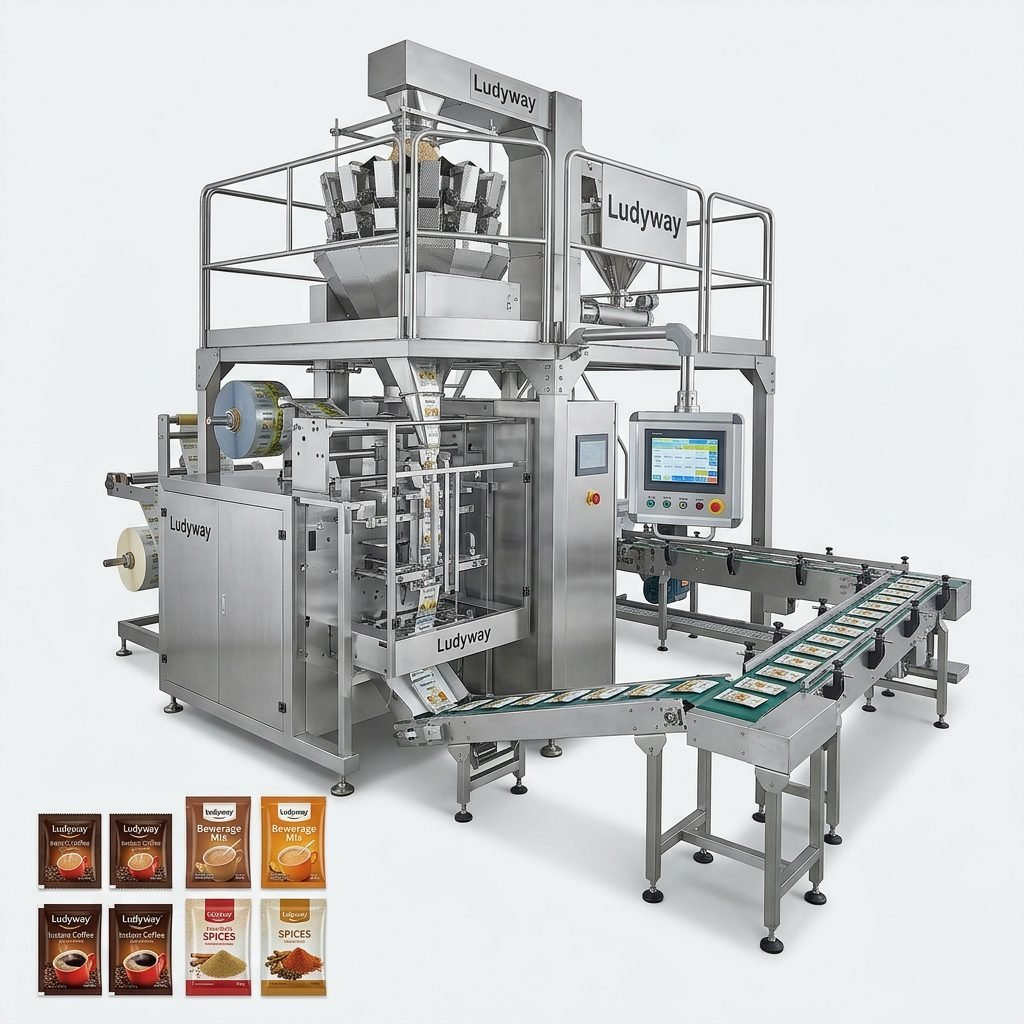
Advanced multi-bowl counting machines are designed precisely for this purpose. By aligning multiple vibratory feeders in a sequence, different types of parts are counted simultaneously and released into the same packaging sachet. The integration of high-resolution thermal transfer printers allows for real-time printing of barcodes, batch numbers, and instruction logos directly onto the plastic film. This streamlined process prevents mix-ups and simplifies tracking throughout the supply chain.
Future Prospects: AI and Smart Sorting
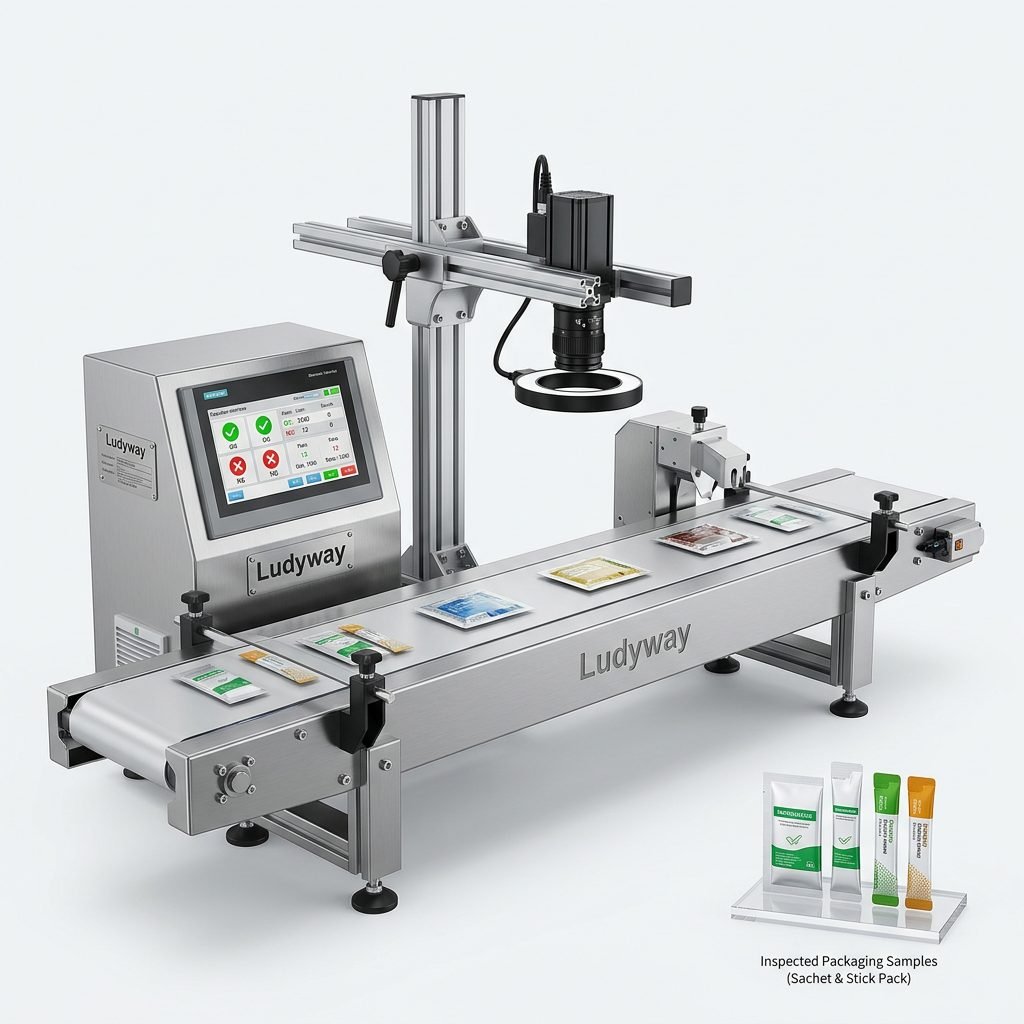
Looking ahead, the fastener packaging sector is expected to integrate more Artificial Intelligence (AI) and vision inspection systems. Future machines will not only count the components but also perform real-time quality checks, automatically detecting and rejecting deformed screws or fragments before they reach the packaging stage. As businesses continue to demand zero-defect output and lean manufacturing operations, compact and efficient automatic counting packaging lines will remain a critical asset on the modern factory floor.