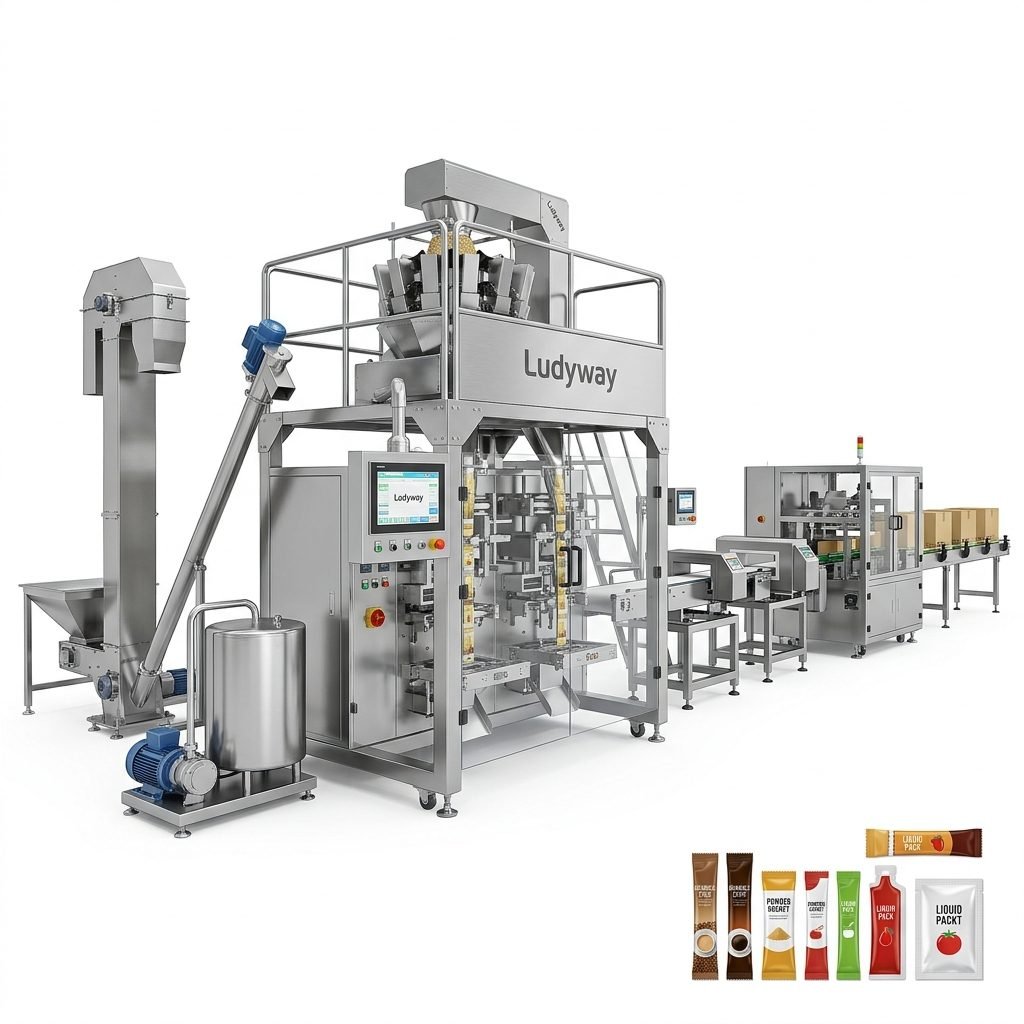
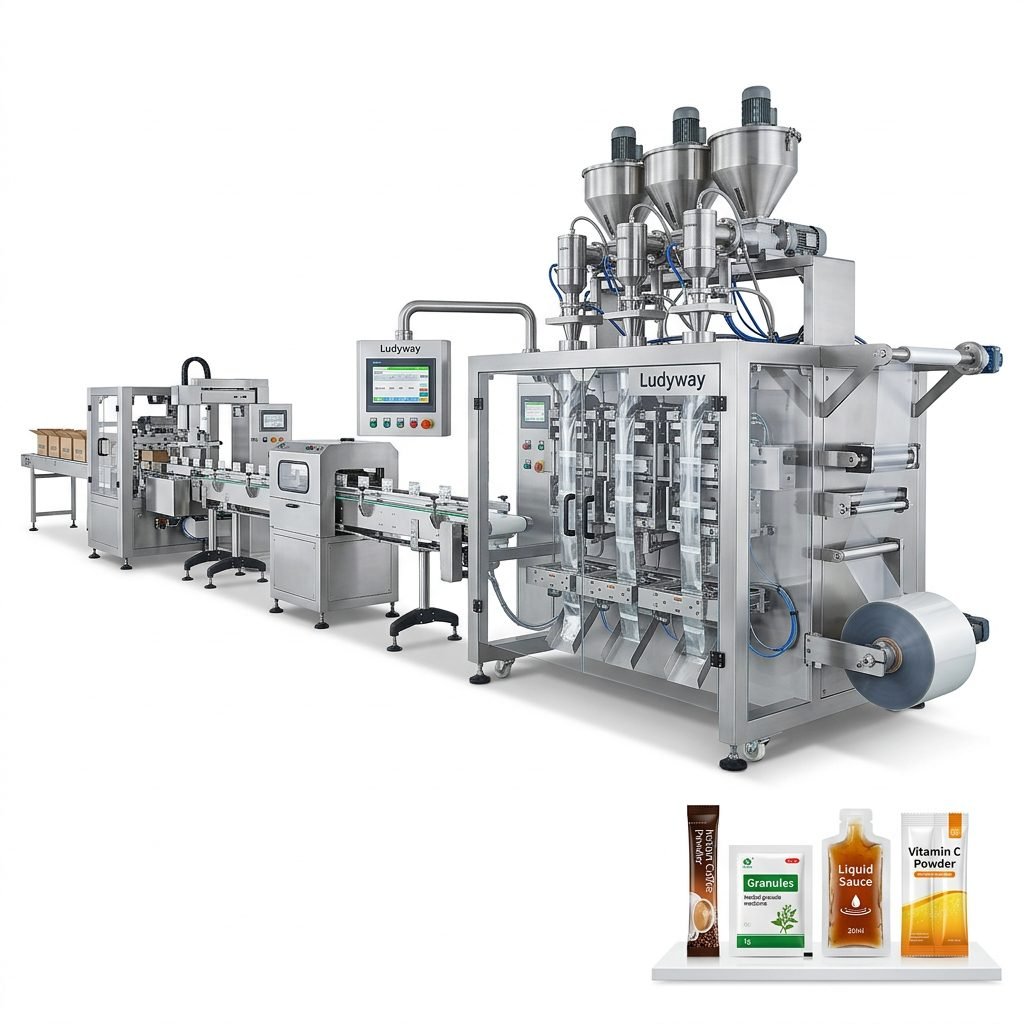
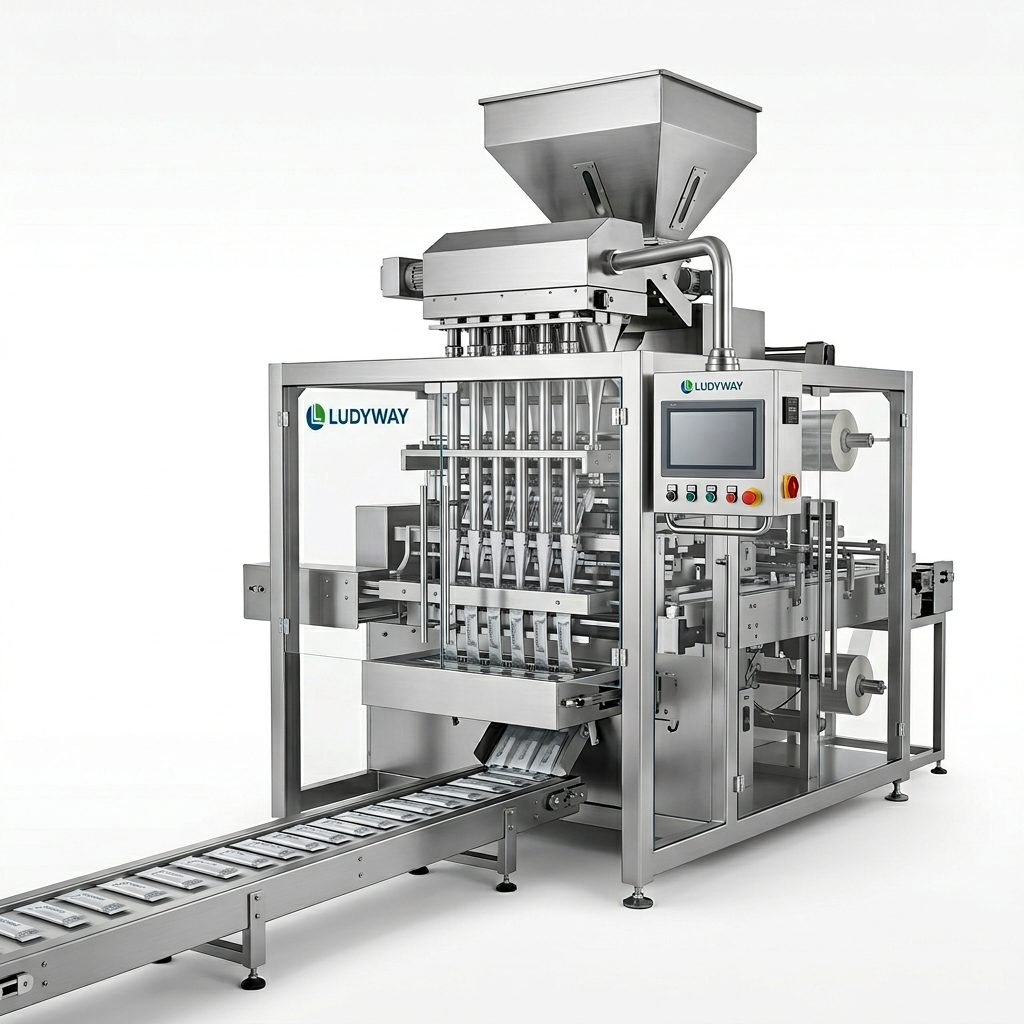
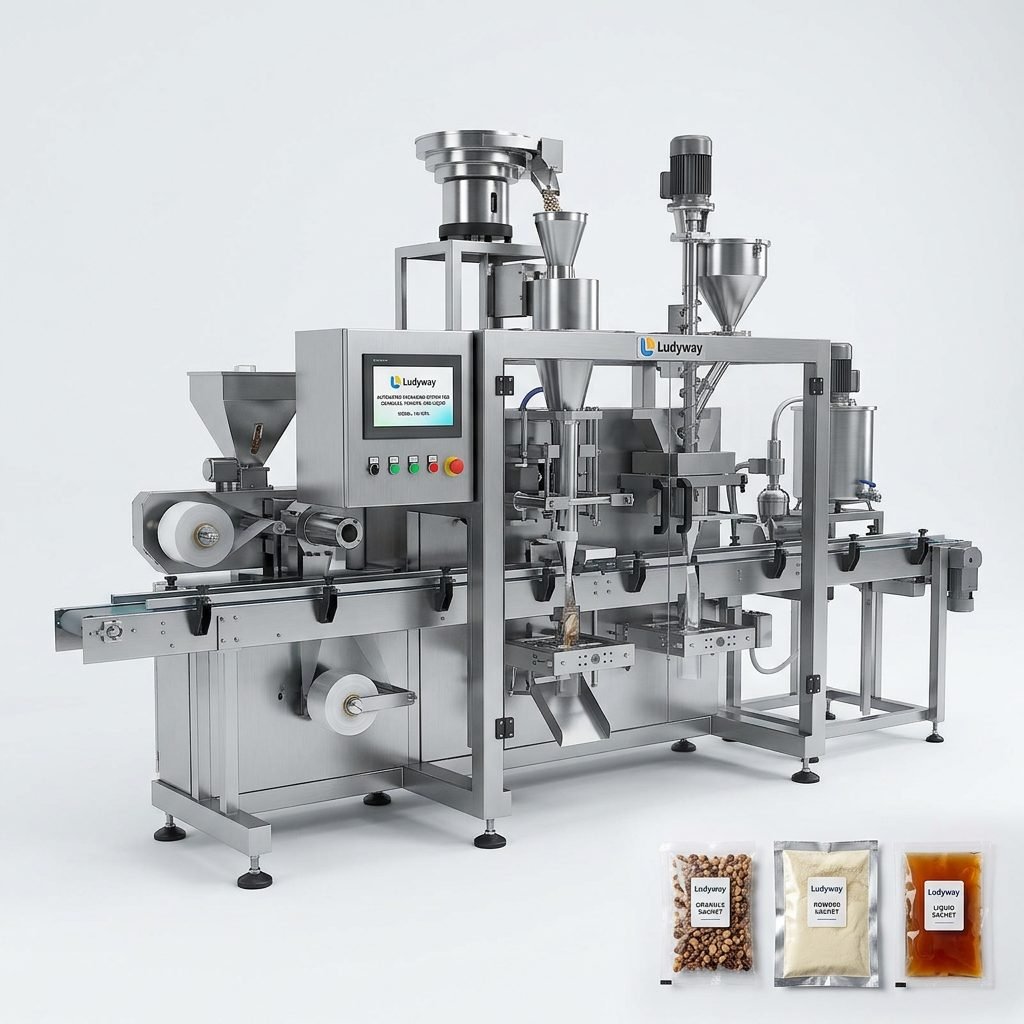
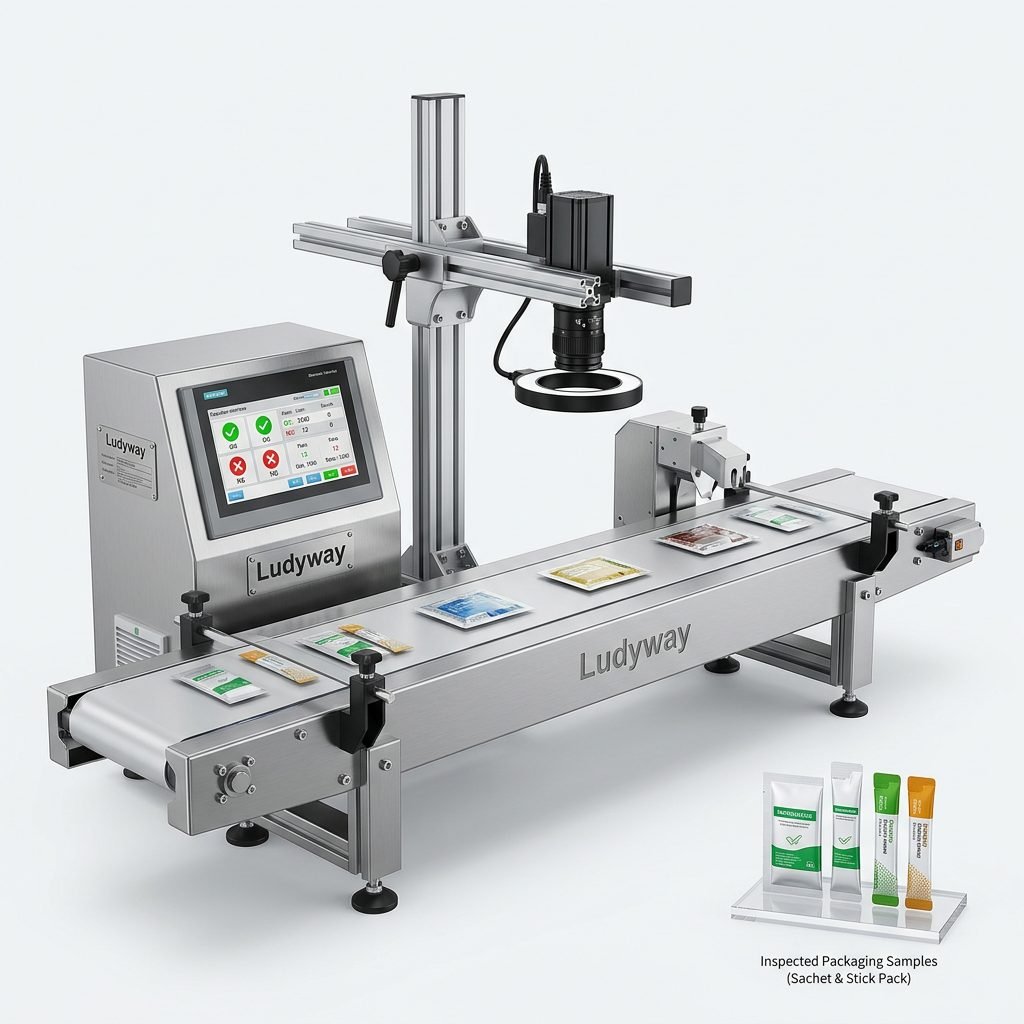
The global packaging machinery sector is undergoing a massive transformation, driven by an urgent need for automation, operational efficiency, and sustainable production processes. As manufacturers worldwide face rising labor costs and stricter regulatory guidelines, the demand for high-speed, intelligent systems has reached unprecedented heights. Amid this shift, Chinese smart manufacturing has emerged as a dominant force in the international market, supplying advanced machinery to industries ranging from food and pharmaceuticals to cosmetics and chemicals.
In regions such as North America and Europe, businesses are prioritizing machinery that minimizes downtime and reduces human error. Meanwhile, rapidly developing economies in the Middle East, South America, and Southeast Asia are experiencing a surge in consumer demand, requiring local factories to scale up their production capabilities quickly. This global demand has created a perfect environment for Chinese engineering firms to expand their footprint by offering customizable, high-performance machinery that matches the quality standards of Western counterparts at competitive price points.
Decades of Engineering Excellence and Global Integration
The rise of Chinese smart packaging technology is not an overnight phenomenon, but rather the result of decades of persistent industrial evolution. Established in 1993, pioneers like the leading turnkey packaging line manufacturer Ludyway have accumulated over 30 years of deep industry experience. Operating from a modern production facility of over 20,000 square meters, the brand has continually pushed the boundaries of automation. This long-standing background has allowed Chinese builders to transition from producing simple standalone machines to designing complex, fully integrated production lines that handle everything from raw product feeding to final palletizing.
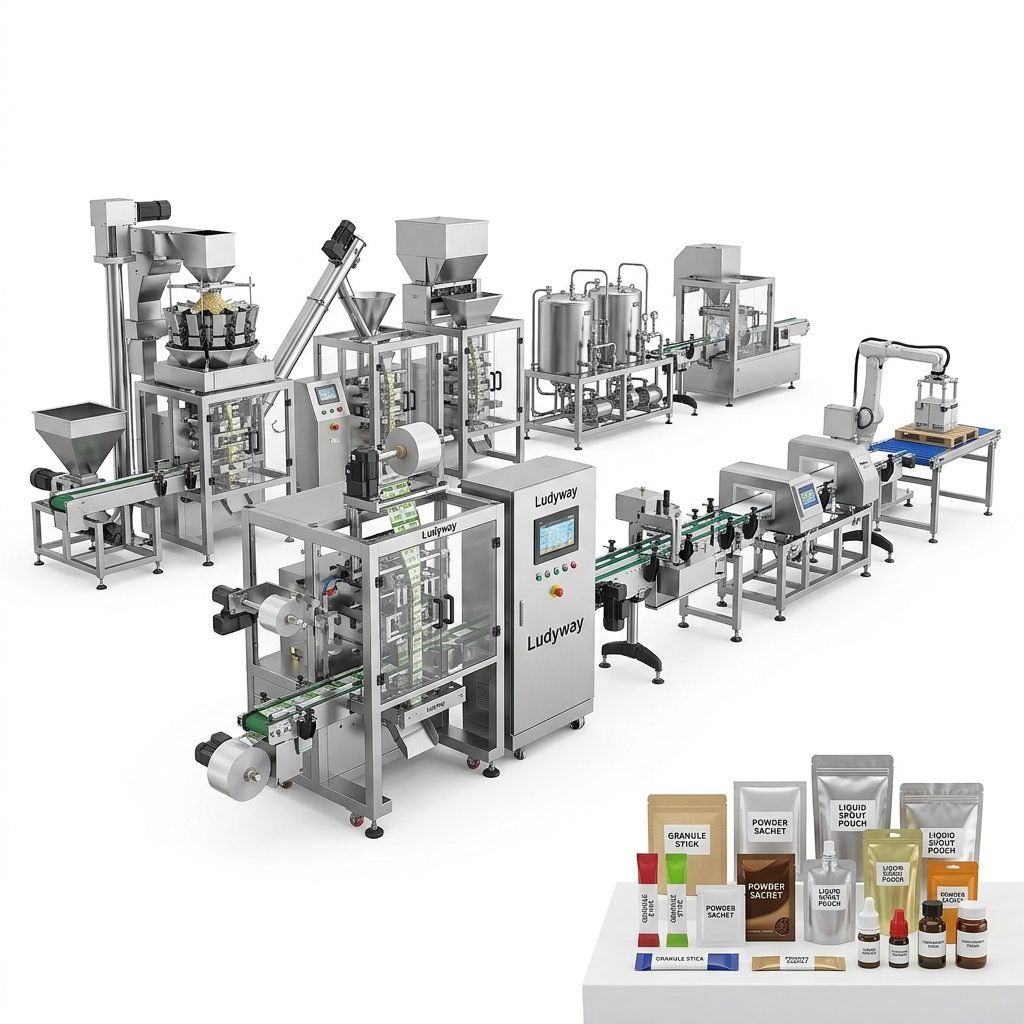
By integrating advanced electronics, high-precision sensors, and intelligent PLC control systems, modern packaging machinery can now adapt to various product formats with minimal changeover times. With an estimated global market share of 21.3%, Chinese machinery manufacturers are setting new benchmarks for export success, targeting a projected 2025 export revenue of over RMB 500 million. This rapid expansion highlights the trust that international buyers place in Chinese machinery to keep their production plants running smoothly.
Meeting Diverse Regional Demands Across the Globe
One of the key factors driving the global adoption of Chinese packaging equipment is its adaptability to different regional consumer habits and regulatory environments. Different parts of the world demand distinct features from their packaging systems:
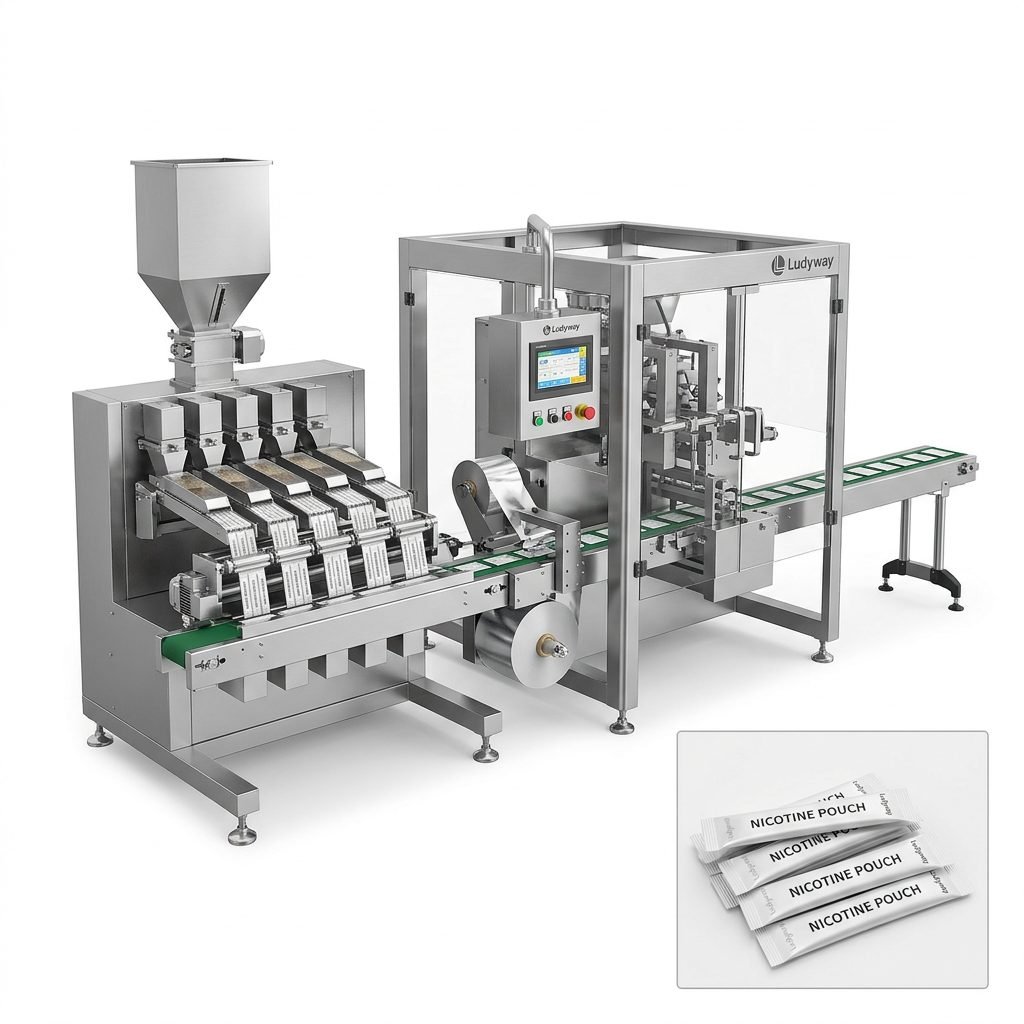
- Europe and North America: High emphasis on strict hygienic designs, safety certifications, and smart automation systems that reduce reliance on manual labor. Highly precise multi-lane stick pack and sachet systems are popular in pharmaceutical and dietary supplement sectors.
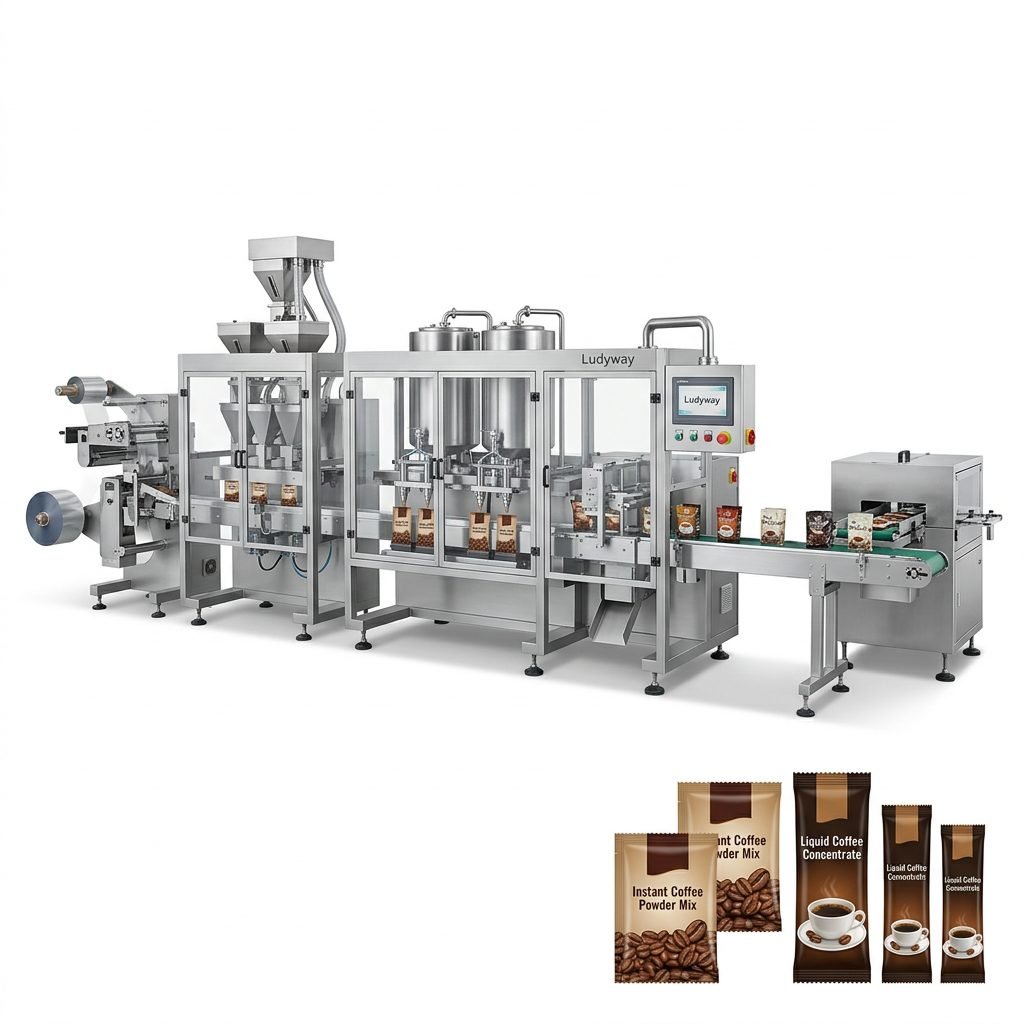
- Middle East and North Africa: Growing demand for high-speed filling systems for liquid, paste, and powder products, driven by the expansion of local food production facilities.
- South America and Southeast Asia: Focus on scalability, long-term operational stability, and machinery that offers flexible pouch-style packaging options to appeal to cost-conscious consumer markets.
To cater to these varying market requirements, manufacturers offer more than 100 machine configurations. These span across multiple packaging styles, including granules, powders, liquids, pastes, and specialty pouch-based packaging systems, ensuring that any business, regardless of size or geographic location, can find a suitable setup.
Key Technical Features of Modern Packaging Systems
Modern packaging lines are designed to act as cohesive ecosystems, where individual machinery units communicate in real-time to optimize production flow. Key technologies driving this efficiency include:
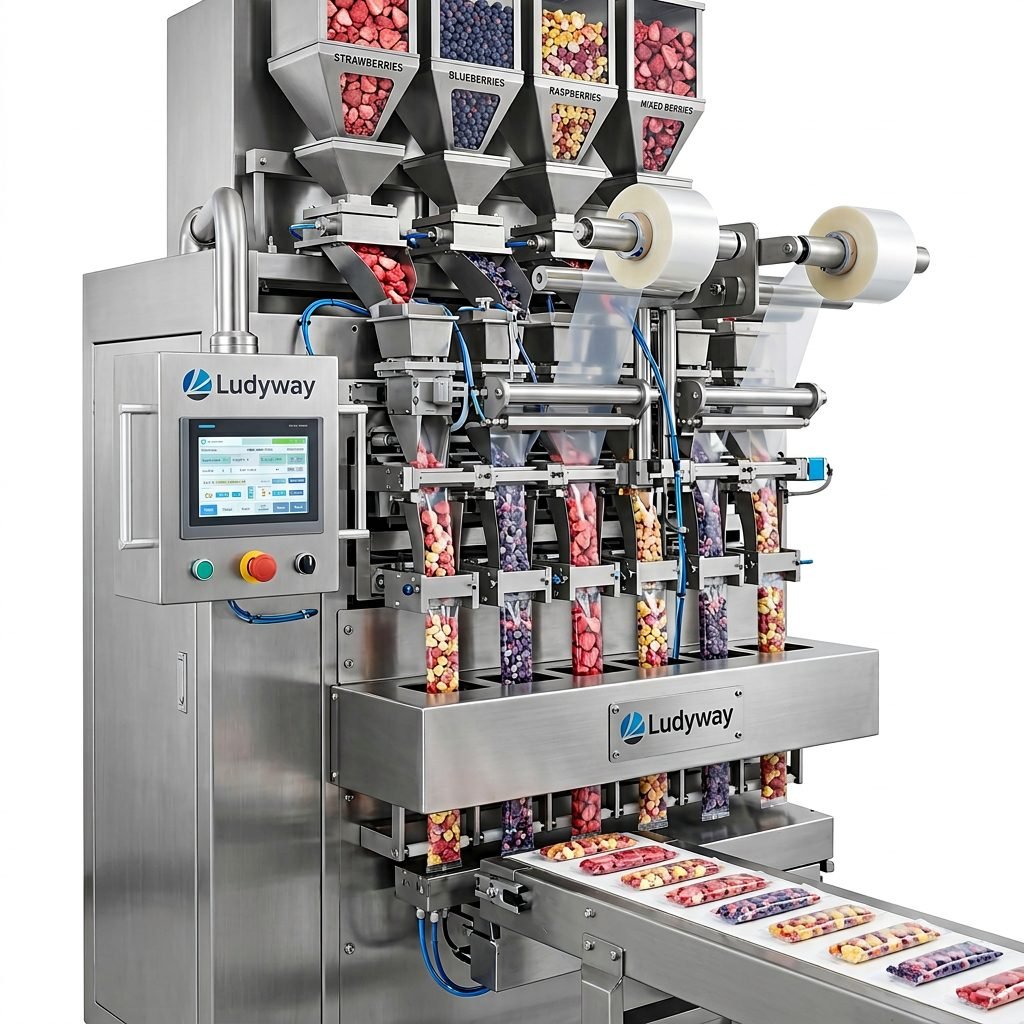
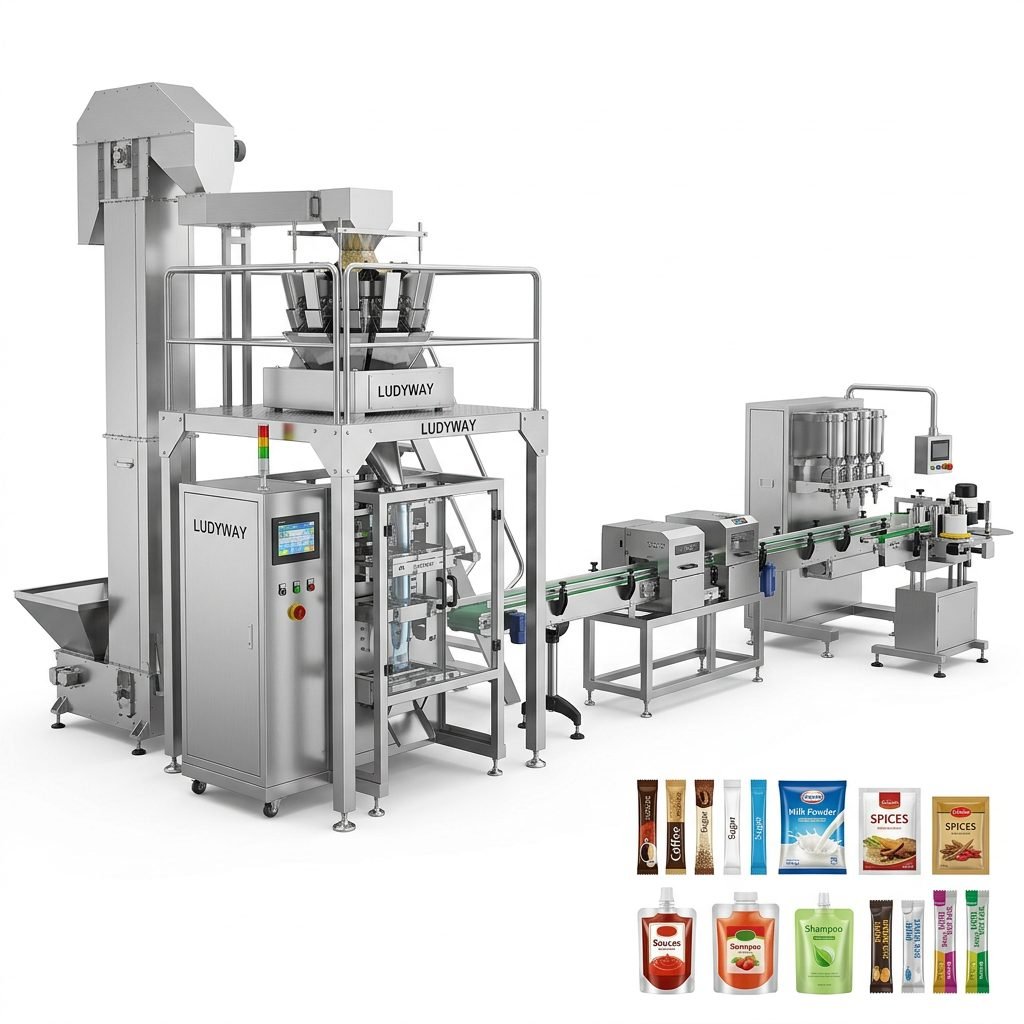
- Precision Dosing Systems: Advanced multi-lane vertical form-fill-seal (VFFS) systems use servo-driven augers or volumetric fillers to ensure precise portion control, significantly reducing raw material waste.
- Smart Diagnostics: Touchscreen interfaces integrated with remote diagnostic capabilities allow engineers to troubleshoot machine performance from across the globe, minimizing unexpected downtime.
- Modular Engineering: Standardized components and modular frames make it easier to upgrade individual sections of a packaging line as business demands evolve.
Global Market Performance Comparison
To better understand how different regions utilize Chinese smart packaging machinery, the table below highlights the primary demands and preferred machine configurations across key export destinations:
| Export Market | Primary Industry Focus | Preferred Machine Type | Key Buyer Requirements |
|---|---|---|---|
| Europe & North America | Pharmaceuticals, Health Supplements | Multi-lane stick pack & sachet systems | FDA/CE compliance, high automation |
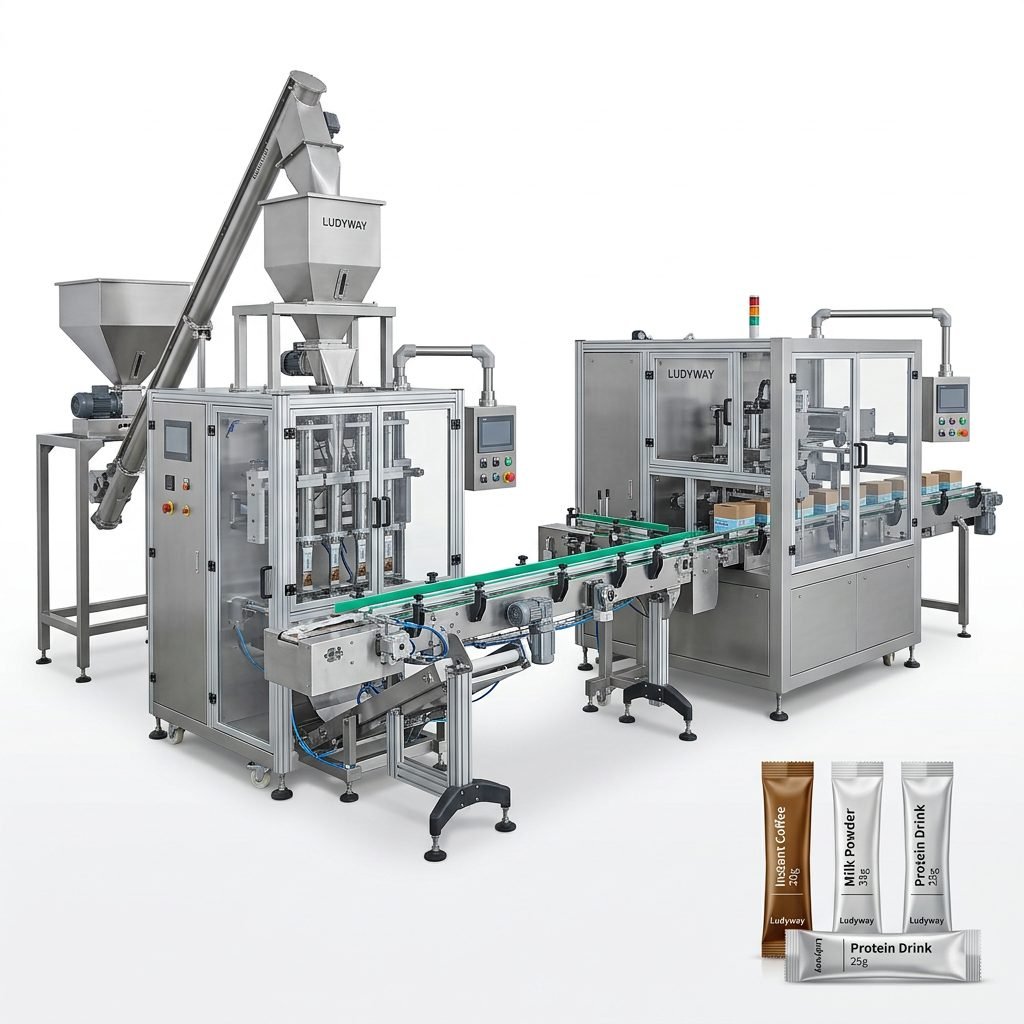
| Middle East | Food Processing, Dairy, Powders | Vertical form-fill-seal lines | Dust control, high-volume speed |
| Southeast Asia | Cosmetics, Daily Chemicals, Food | Liquid and paste filling systems | Flexible packaging styles, cost efficiency |
| South America | Agriculture, Animal Feed, Chemicals | Heavy-duty bulk bagging lines | Robust construction, low maintenance |
The Value of Turnkey Solutions in Modern Manufacturing
For many overseas buyers, the challenge of upgrading a factory lies in integrating machines from different suppliers. A mismatch in speed or protocol between a filling machine and a cartoning machine can lead to severe bottlenecks. This is why the industry has shifted dramatically toward turnkey packaging lines. By sourcing an entire line from a single experienced manufacturer, businesses ensure seamless communication between every stage of the process, from feeding raw material to sealing and boxing.
Furthermore, working with a single supplier simplifies the installation and training phases. Factory operators only need to learn one unified control system, and maintenance teams benefit from standardized spare parts. In the long run, this holistic approach to factory automation drastically reduces total cost of ownership (TCO) and accelerates return on investment (ROI) for global manufacturers.
Looking Ahead: The Future of Global Smart Packaging
As we head toward the second half of the decade, the momentum of Chinese smart manufacturing shows no signs of slowing down. With investments in R&D continuing to rise, future machinery will likely feature even greater integration of artificial intelligence, allowing systems to self-adjust to product variations without human intervention. For global businesses seeking scalable, reliable, and highly efficient packaging solutions, partnering with seasoned Chinese manufacturers offers a strategic path to staying competitive in a rapidly evolving global market.