The global food sector is accelerating investment in high-barrier packaging technology as brands respond to tighter shelf-life expectations, rising logistics pressure, food safety demands, and changing consumer preferences. From powdered nutrition and coffee to sauces, snacks, dairy ingredients, and ready-to-eat products, manufacturers are increasingly turning to advanced barrier structures that can better protect products from oxygen, moisture, light, and contamination.

Industry observers note that the push is not limited to premium food categories. Mainstream producers are also upgrading their packaging lines to reduce spoilage, improve sealing consistency, extend distribution range, and support e-commerce fulfillment. As a result, high-barrier materials and compatible automation systems are becoming a strategic part of food manufacturing rather than a niche upgrade.
Why High-Barrier Packaging Is Gaining Momentum
Food processors are operating in a market where quality retention matters more than ever. Whether the product is sensitive to humidity, aroma loss, oxidation, or microbial risk, packaging performance directly influences brand reputation. High-barrier packaging provides a stronger protective layer, helping manufacturers maintain freshness and reduce returns across increasingly complex supply chains.
- Longer shelf life for dry mixes, supplements, coffee, snacks, and seasonings
- Better resistance to oxygen, moisture, grease, and UV exposure
- Improved product stability during storage, shipping, and retail display
- Reduced food waste across production and distribution channels
- Higher compatibility with nitrogen flushing, vacuum systems, and precision sealing
For many food businesses, the decision is also financial. Even a modest improvement in barrier performance can lower spoilage rates, support wider export reach, and reduce the risk of quality complaints. That makes packaging technology a visible contributor to both operating margin and customer trust.
Key Technology Upgrades Seen Across the Industry
The latest shift is not just about packaging film. It involves coordinated upgrades across material design, filling accuracy, seal control, coding, inspection, and line integration. Food factories are increasingly adopting packaging lines that can handle multiple formats while preserving barrier integrity at high speed.
| Technology Area | Industry Upgrade Focus | Practical Benefit |
|---|---|---|
| Barrier film structures | Multi-layer laminates, recyclable mono-material exploration, aluminum and transparent barrier solutions | Stronger protection against oxygen and moisture |
| Sealing systems | More stable temperature control, pressure consistency, and seal tracking | Lower leakage risk and improved package integrity |
| Gas control | Nitrogen flushing and modified atmosphere packaging | Extended freshness for oxidation-sensitive foods |
| Inspection modules | Metal detection, checkweighing, vision systems, X-ray integration | Higher food safety and compliance confidence |
| Flexible automation | Multi-lane sachet, stick pack, vertical form-fill-seal, and turnkey line integration | Faster throughput with lower labor dependency |
Food Segments Leading the Shift
Several food categories are especially active in adopting high-barrier solutions because they are highly sensitive to environmental conditions or require strict consistency across international distribution. This is particularly true for export-oriented manufacturers and contract packers serving multiple brands.
- Powdered nutrition and dairy products: milk powder, protein blends, meal replacements, collagen powders, and functional drink mixes demand moisture control and sealing precision.
- Coffee and tea products: aroma retention and oxygen protection are essential for quality perception.
- Seasonings and condiments: spice powders, soup mixes, sauces, and liquid sachets benefit from barrier packaging that prevents caking, leakage, and flavor degradation.
- Snacks and cereals: crispy texture retention depends heavily on moisture resistance and gas management.
- Health-oriented food products: probiotics, superfood powders, and supplement-adjacent food items often require stable packaging performance across long supply chains.
Automation Is Becoming Part of the Barrier Strategy
A package can only perform as designed if the packaging machine maintains accurate forming, filling, and sealing conditions. That is why equipment upgrades are increasingly happening alongside material upgrades. High-barrier films may require different temperature windows, tension control, and sealing parameters than standard structures. Manufacturers that fail to adapt line performance often lose the benefits of the barrier material itself.
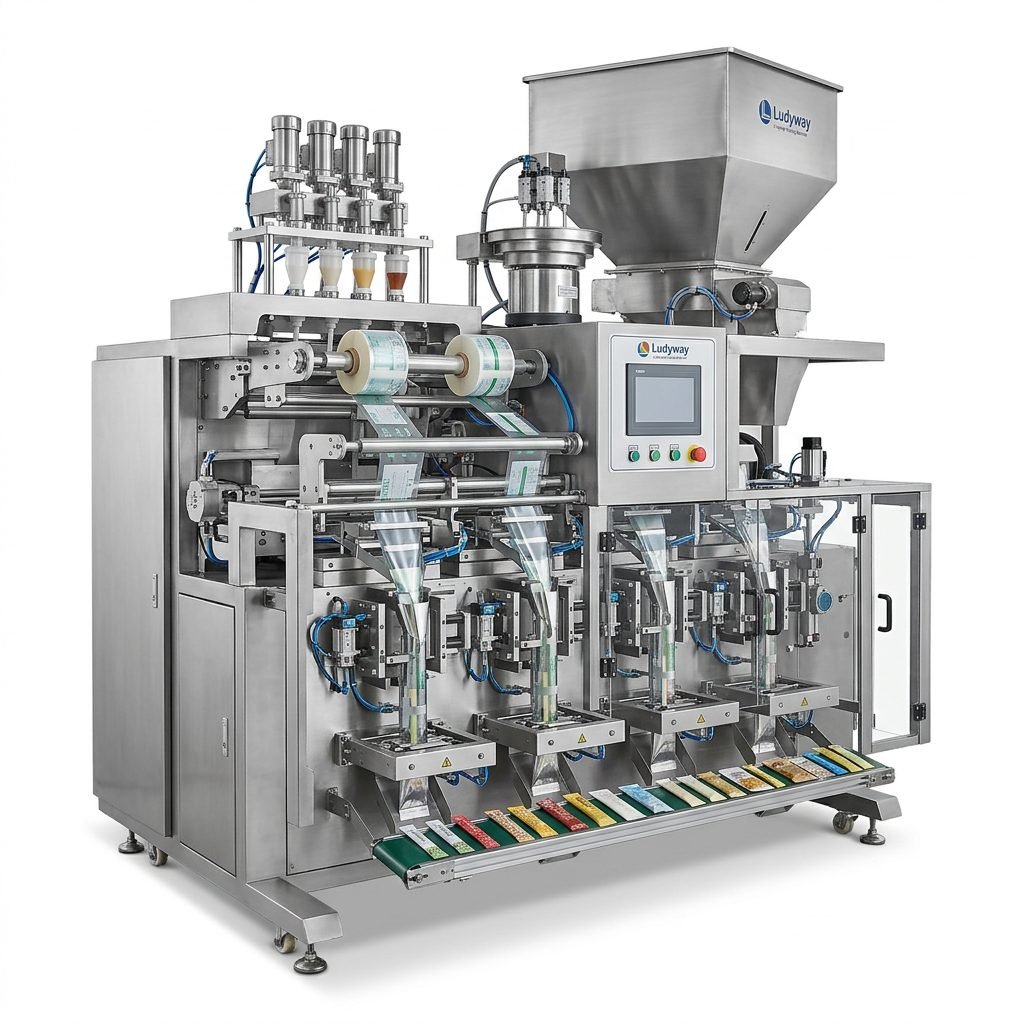
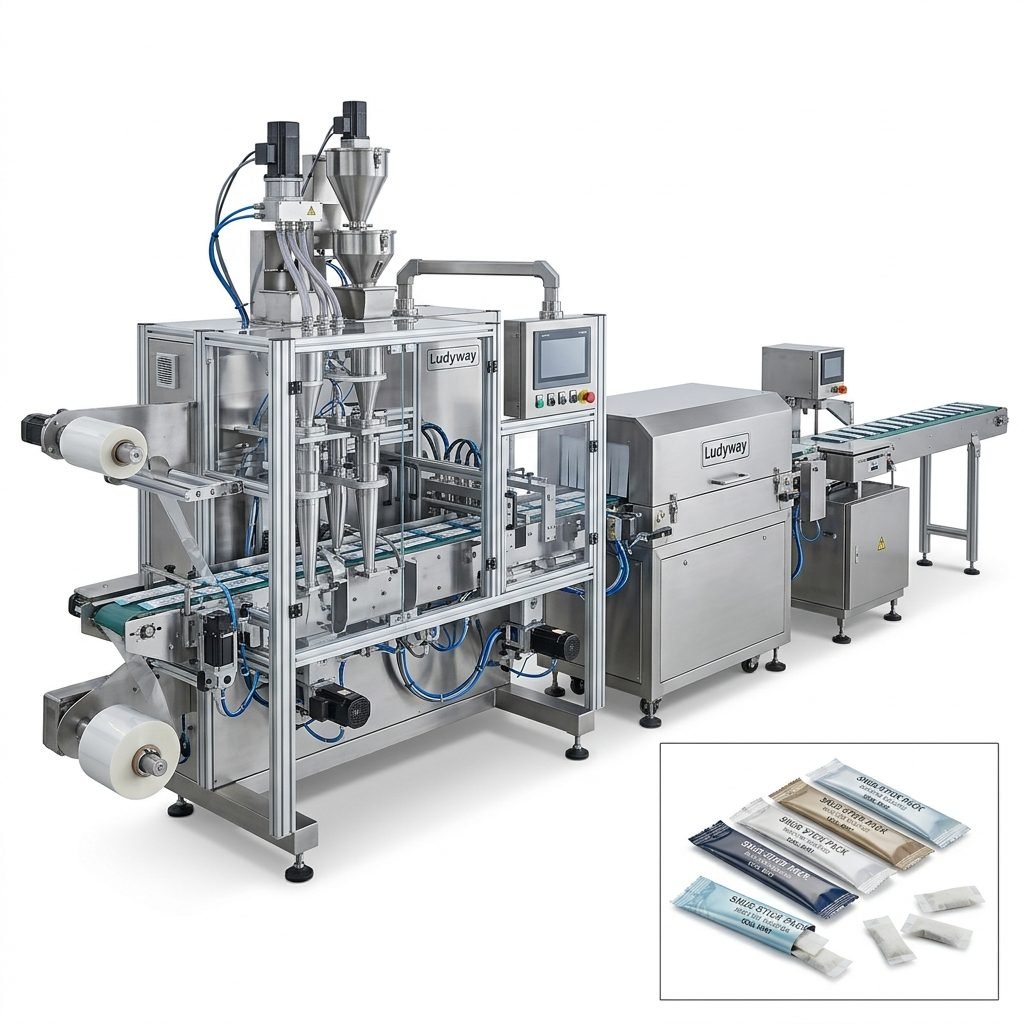
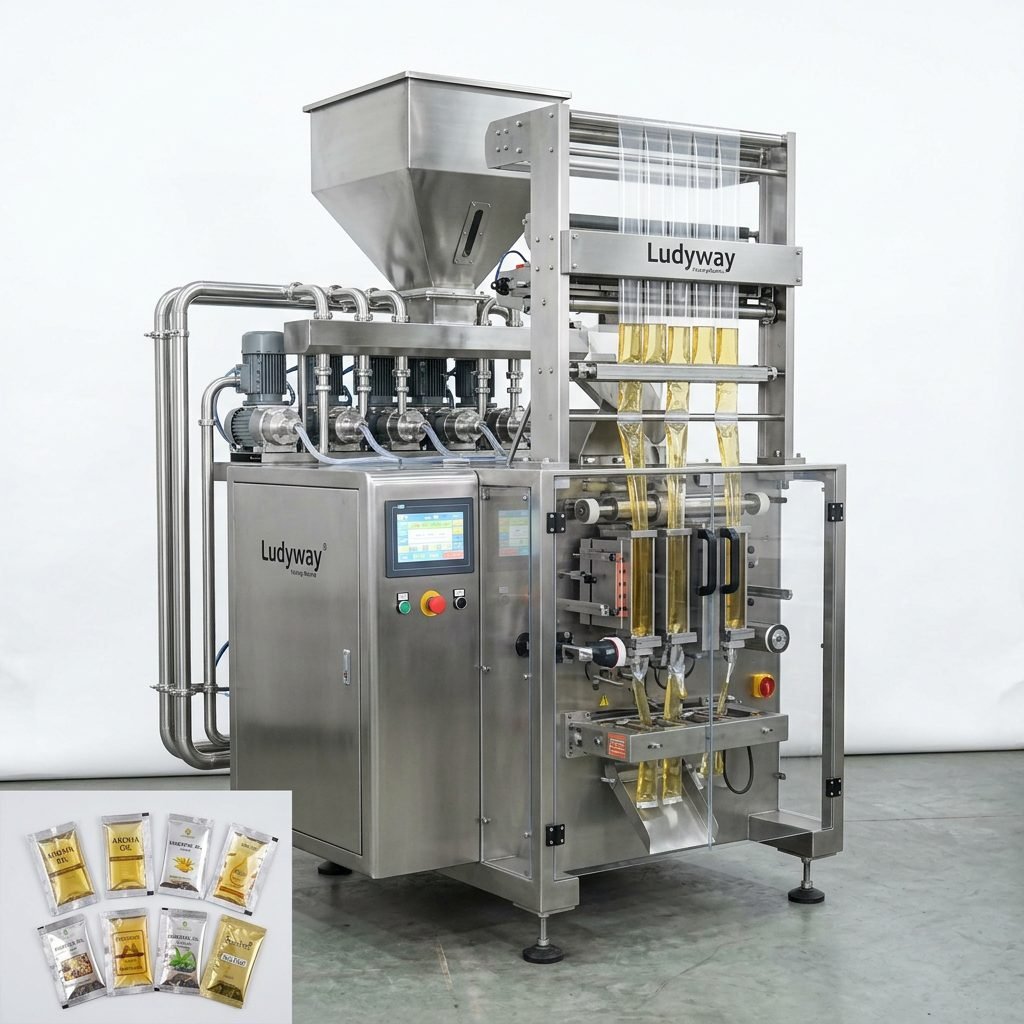
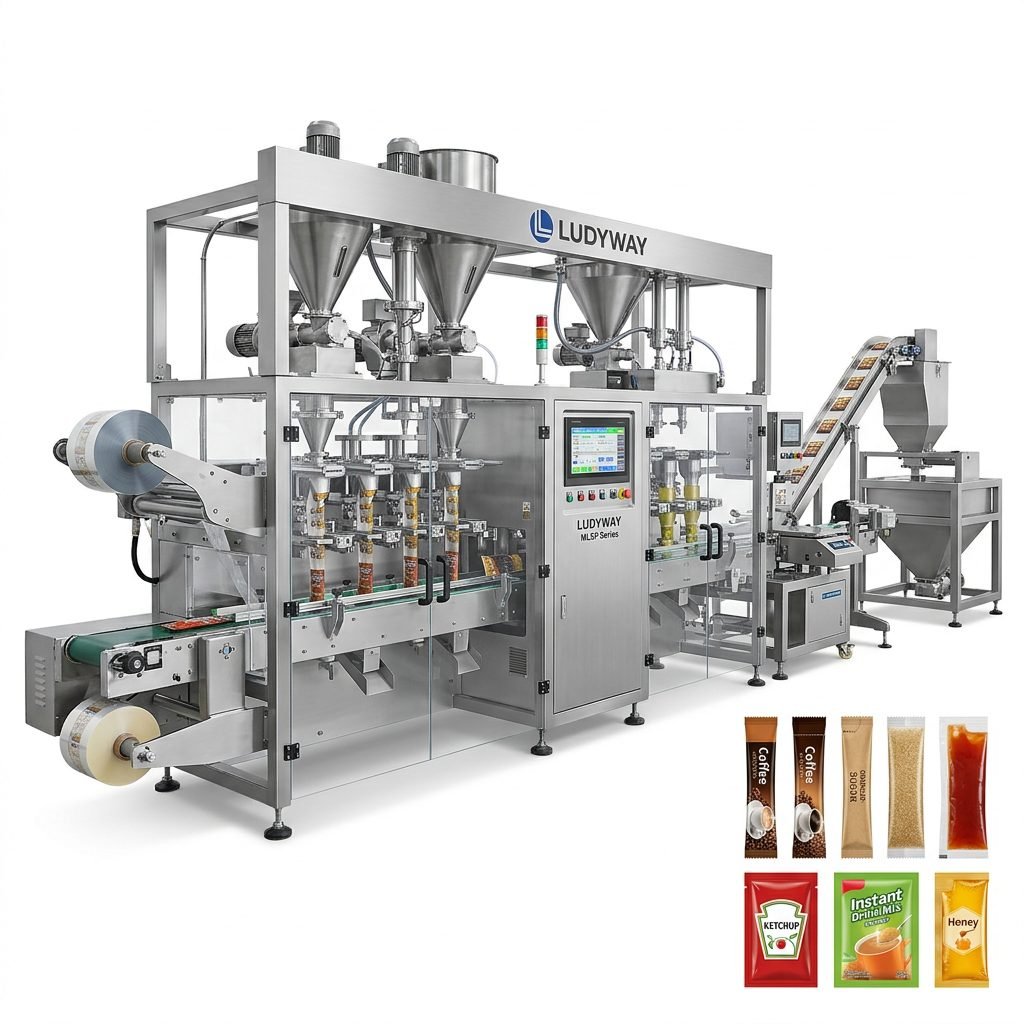
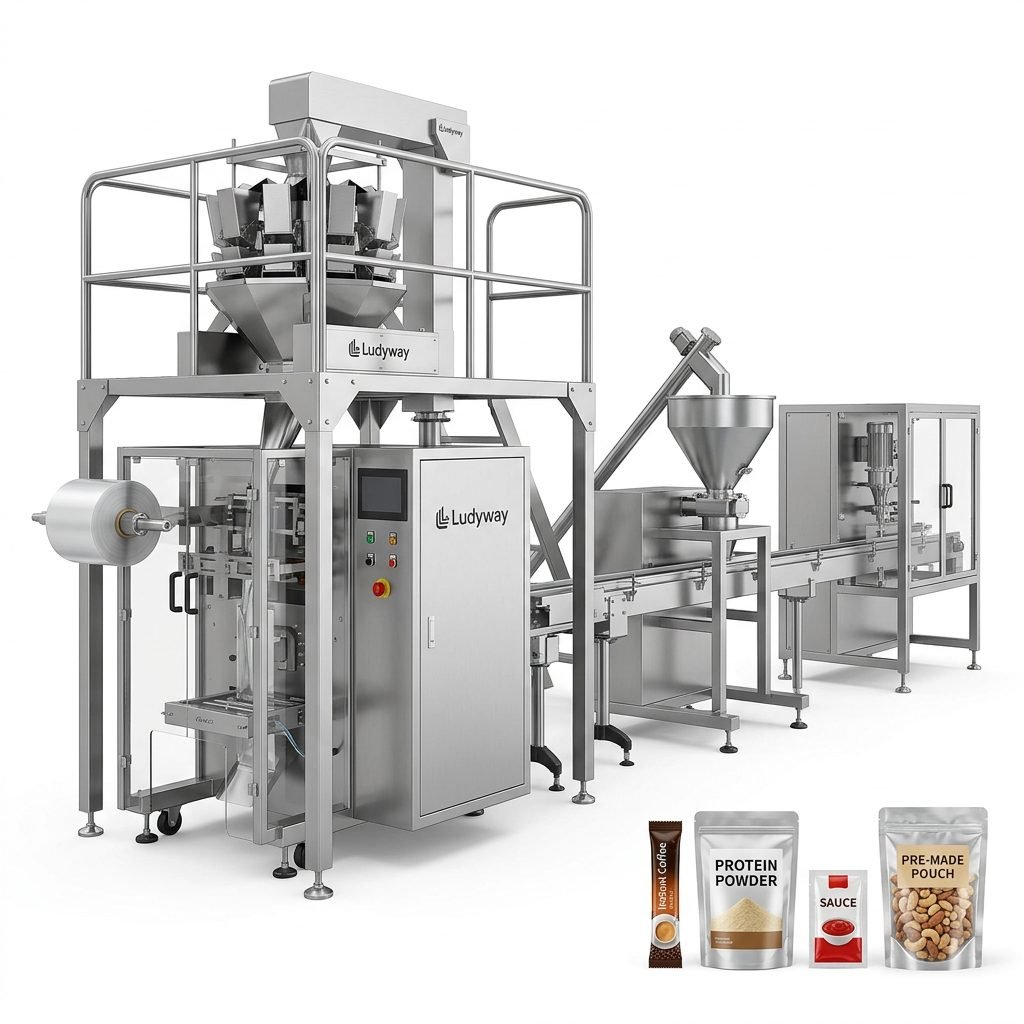
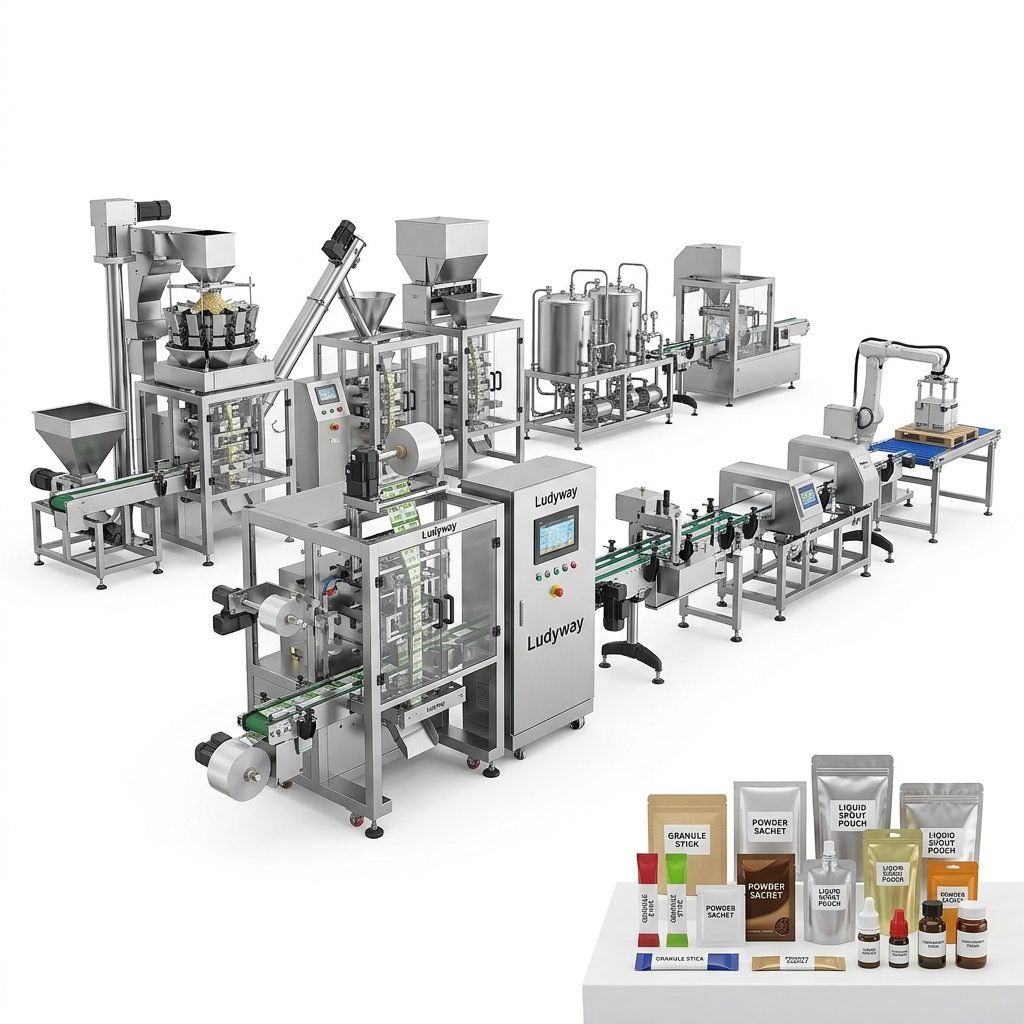
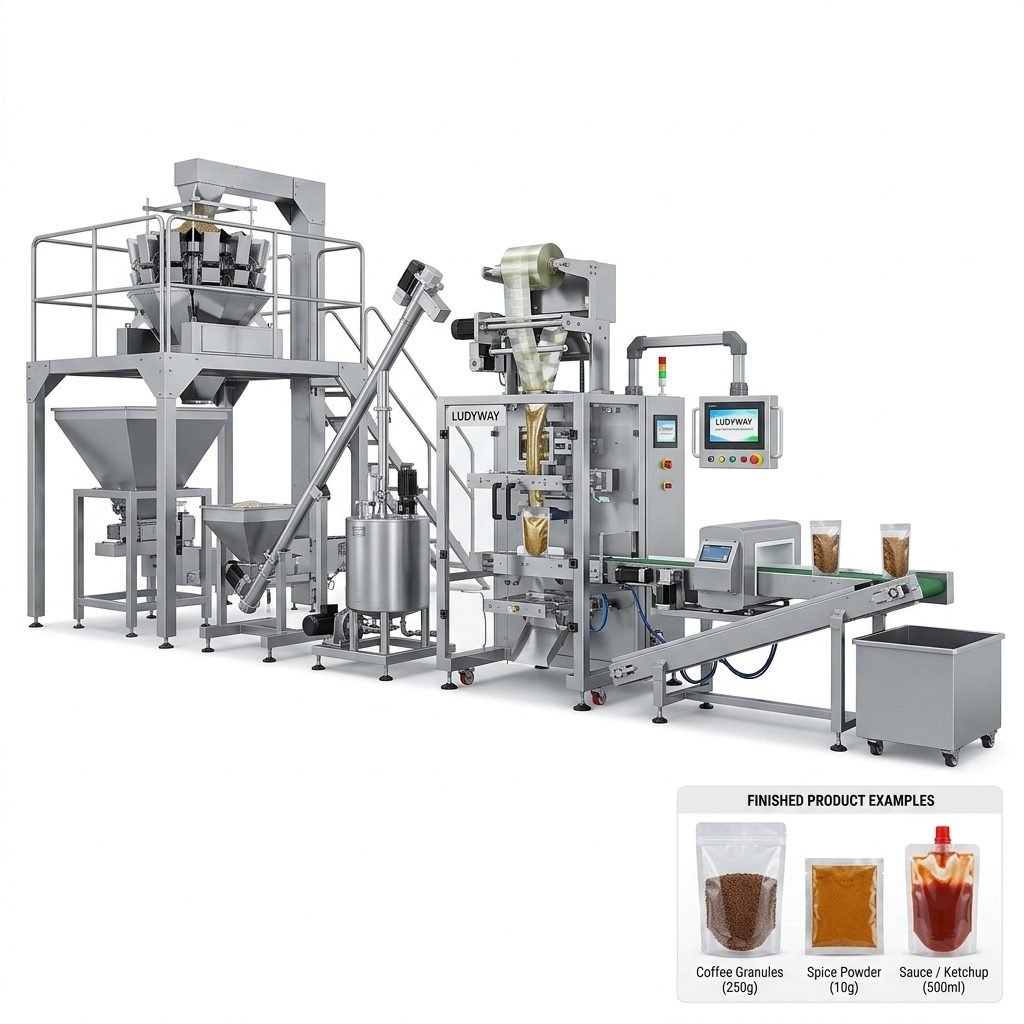
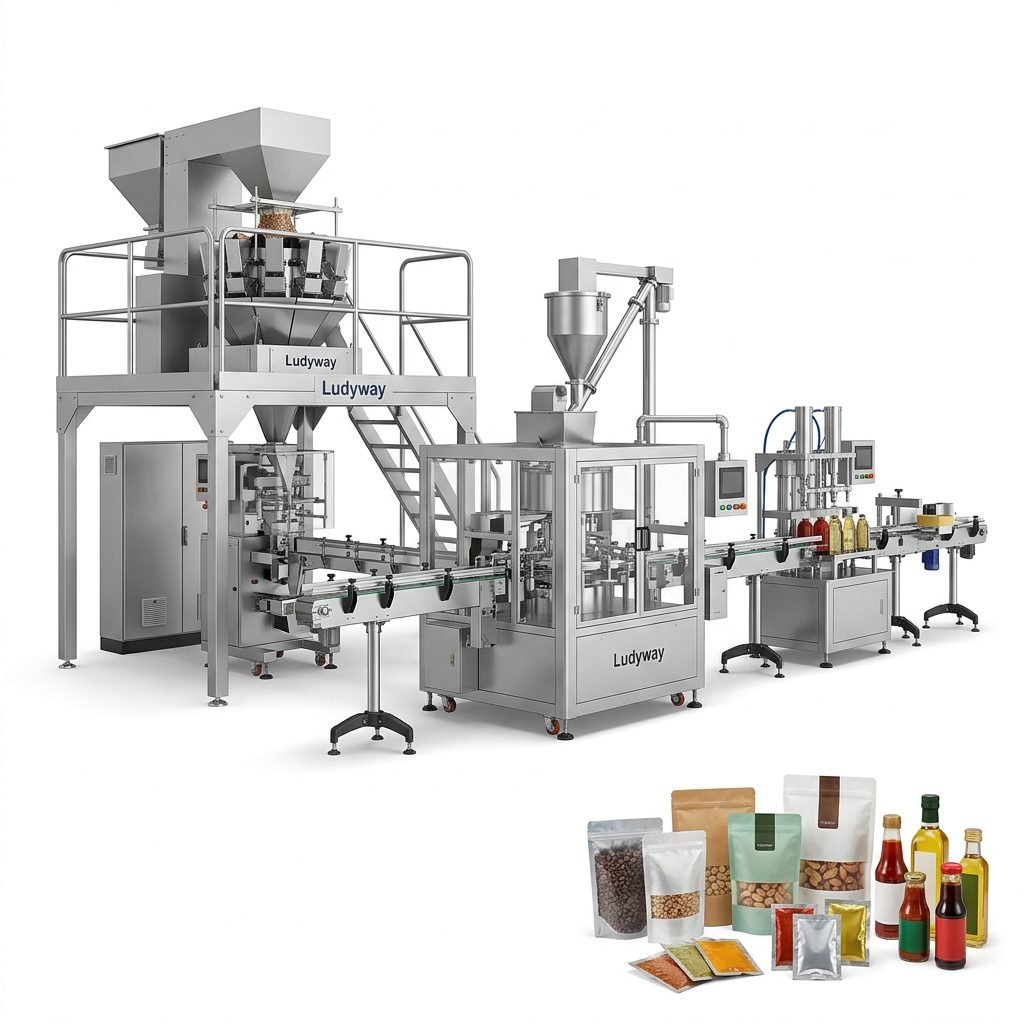
This is where experienced machinery suppliers are gaining attention. Companies such as Ludyway packaging machine manufacturer are part of this broader trend, offering food-focused automation and turnkey packaging line solutions for granules, powders, liquids, pastes, and pouch-based formats. As demand grows for more consistent sealing quality and higher throughput, integrated packaging systems are becoming central to barrier packaging implementation.
Sustainability Pressure Is Reshaping Material Choices
While the market wants stronger barriers, it also wants better environmental performance. This has created a major innovation challenge: how to deliver shelf-life protection while improving recyclability, reducing material use, and meeting brand sustainability commitments. Suppliers are now working on downgauged films, mono-material alternatives, and optimized structures that balance protection with circular packaging goals.
The shift is especially visible in food categories where package volumes are high and regulatory scrutiny is increasing. Brands are asking not only whether a pouch protects the product, but also whether it can fit into future recycling systems without compromising food safety.
What Buyers Are Looking for in 2026
- Packaging lines that support multiple barrier material structures
- Reliable sealing performance for high-speed sachet and stick pack applications
- Integrated quality control for leak prevention and weight accuracy
- Scalable solutions for both standalone machines and complete production lines
- Support for export-grade food packaging requirements across different markets
Market Outlook
The food industry’s push toward high-barrier packaging technology is expected to continue as product quality, supply chain resilience, and automation efficiency become more closely connected. For manufacturers, packaging is no longer just an end-of-line task. It is now a performance system that influences shelf life, compliance, product appeal, and global competitiveness.
As more food producers modernize their operations, the winners are likely to be those that combine advanced barrier materials with well-matched packaging machinery, intelligent inspection, and flexible line integration. In that environment, high-barrier packaging is moving from a technical upgrade to a core business strategy.