The global beverage market is undergoing a profound transformation. Modern consumers are increasingly demanding healthier options, including functional waters, organic juices, dairy alternatives, and ready-to-drink teas. To maintain clean labels without artificial preservatives, beverage manufacturers must rely on advanced packaging technologies. Among these, aseptic cold fill technology has emerged as the gold standard. However, implementing this process is notoriously complex, requiring equipment that can overcome severe technical bottlenecks. Today, new machinery designs are breaking through these barriers, empowering beverage giants to scale production safely and efficiently.
The Shift from Hot Fill to Aseptic Cold Fill
Traditionally, hot fill packaging has been the industry standard for acidic products. In a hot fill system, the product is pasteurized and filled at high temperatures, typically between 82°C and 95°C. The heat of the liquid itself sterilizes the inner surface of the container. While effective at preventing contamination, the prolonged exposure to high heat degrades the sensory qualities of the beverage. This thermal process often destroys delicate vitamins, alters natural colors, and mutes fresh flavors.
Aseptic cold fill packaging solves this dilemma by sterilizing the product and the container separately. The beverage is subjected to ultra-high temperature sterilization for a very short period, rapidly cooled to ambient temperature, and then filled into sterilized bottles under sterile conditions. This flash-heating process preserves the raw nutritional profile and authentic taste of the drink, making it ideal for high-end beverages.
Breaking Through Technical Bottlenecks
Transitioning to aseptic cold fill is a highly complex engineering challenge. The necessity of maintaining an entirely sterile environment throughout a high-speed production line introduces several critical hurdles that manufacturers must overcome:
- Maintaining Absolute Sterility: The slightest microbial contamination can ruin an entire batch. Modern equipment utilizes automated Clean-in-Place and Sterilize-in-Place systems, paired with advanced isolator technology that encloses the filling zone in a sterile, positive-pressure environment.
- Container and Cap Sterilization: Bottles and caps must be completely decontaminated before they meet the liquid. Innovations in dry sterilization using vaporized hydrogen peroxide or electron-beam technology have replaced traditional wet chemical flushes, reducing water consumption and chemical residues.
- High-Speed Filling Precision: Liquid filling valves must operate at extreme speeds without dripping or generating foam, which could compromise the sterile seal. Advanced flow meters and electronic filling valves ensure high-throughput accuracy.
Comparison: Hot Fill vs. Aseptic Cold Fill
To highlight the structural and operational differences between these two methods, the following table summarizes key performance indicators:
| Parameter | Hot Fill Process | Aseptic Cold Fill Process |
|---|---|---|
| Filling Temperature | 85°C – 92°C | 20°C – 30°C (Ambient) |
| Nutrient Retention | Moderate (Heat degrades vitamins) | High (Preserves flavor and heat-sensitive nutrients) |
| Bottle Weight | Heavy (Needs thick walls to prevent collapse) | Lightweight (Saves plastic material costs) |
| Preservatives Needed | Often required for neutral pH drinks | None (Completely clean-label friendly) |
Sustainable Packaging and Economic Benefits
Beyond quality preservation, aseptic cold filling offers substantial environmental and economic advantages. Because the bottles do not need to withstand the high vacuum pressures caused by cooling hot liquids, manufacturers can use significantly thinner plastic bottles. This process, known as bottle lightweighting, dramatically reduces PET resin consumption and lowers carbon emissions during transport.
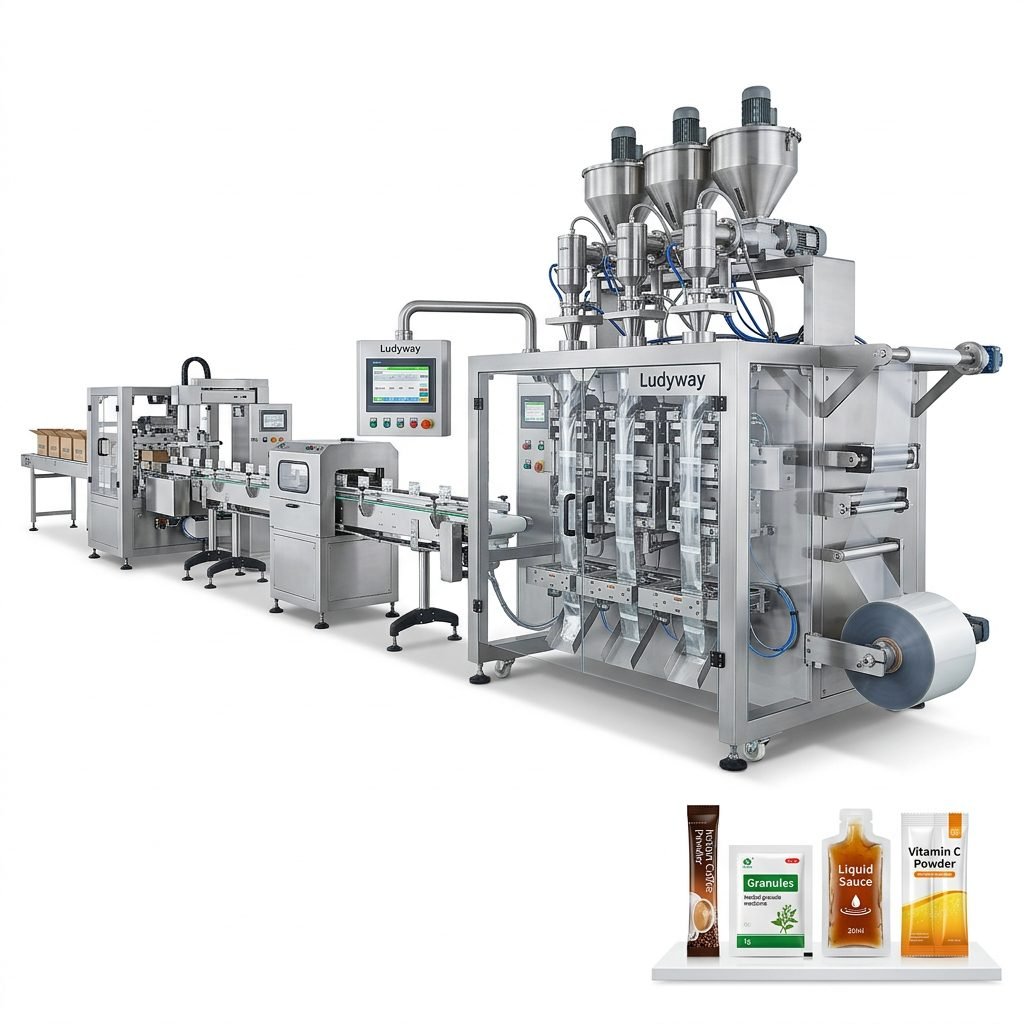
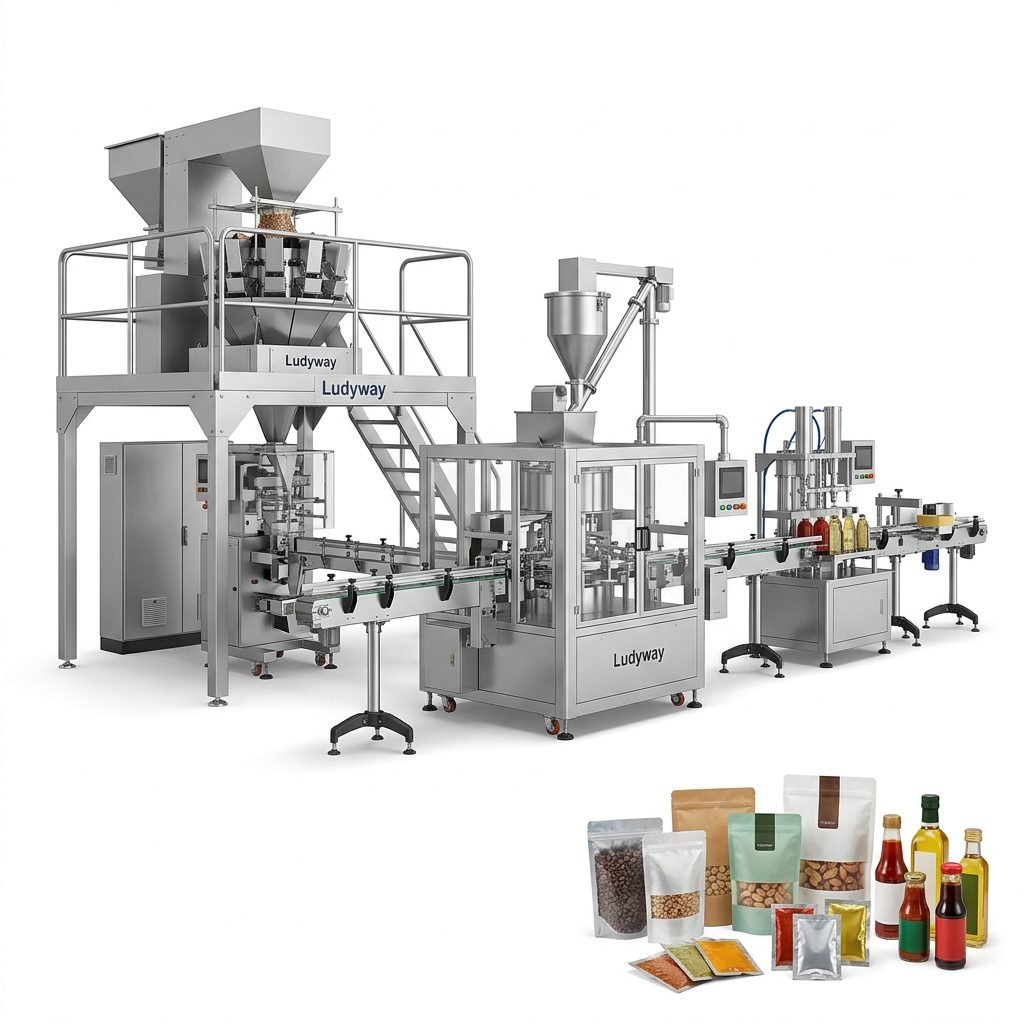
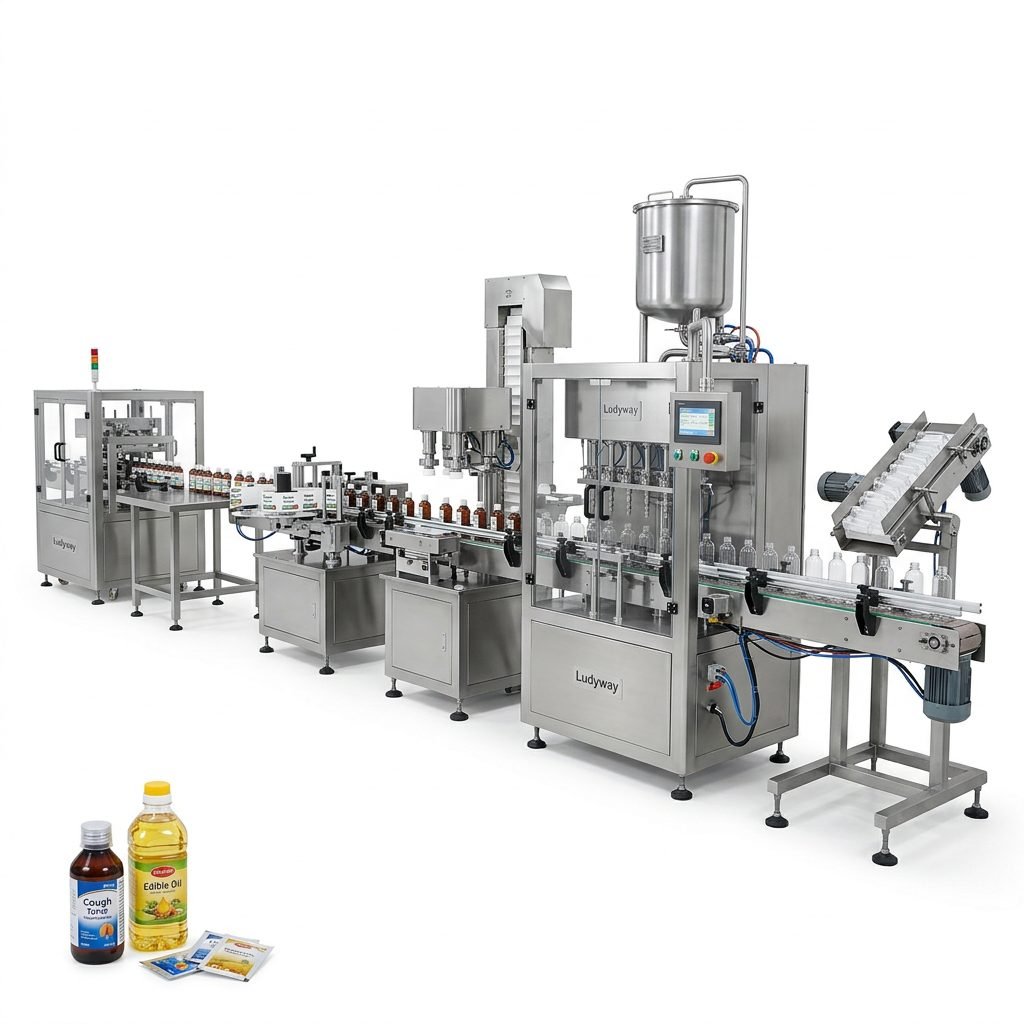
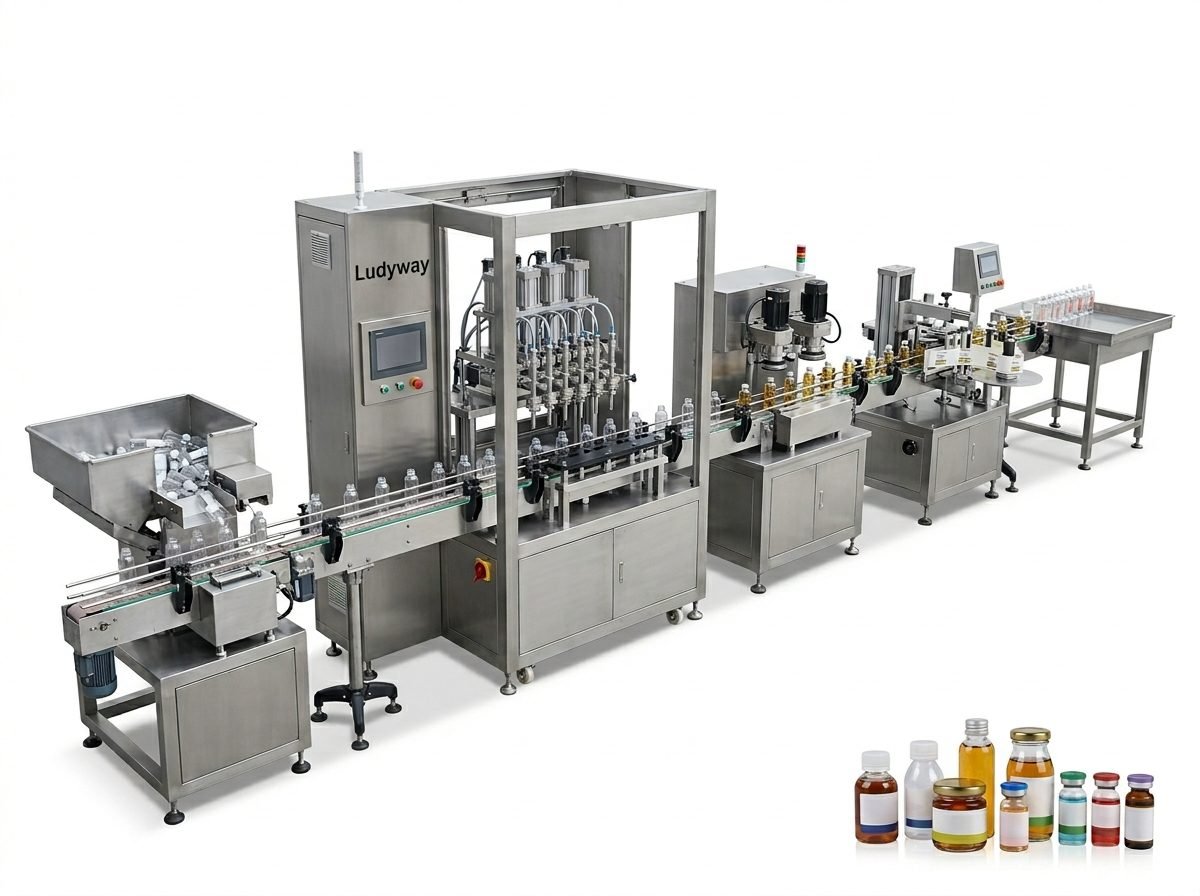
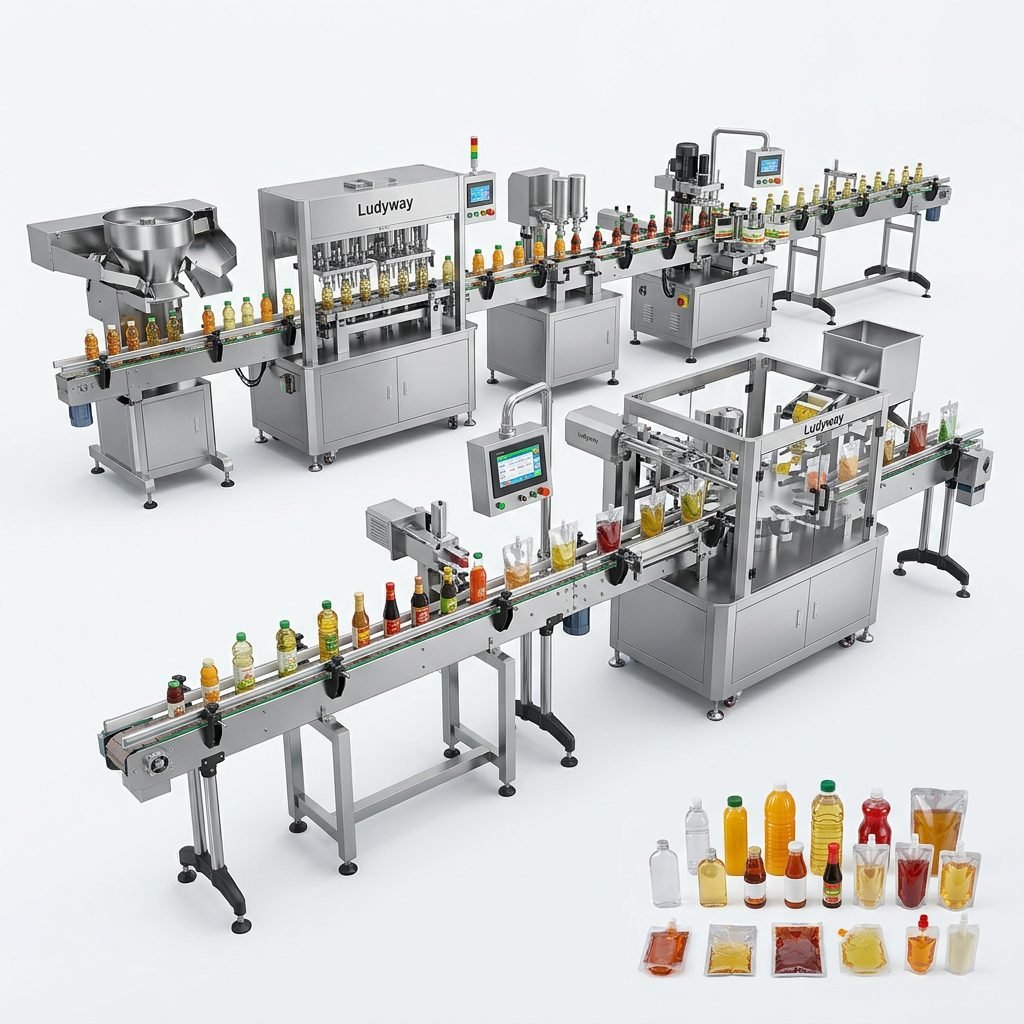
For beverage brands aiming to transition to these high-efficiency setups, partner selection is critical. Established industry leaders like Ludyway deliver integrated liquid filling and sealing systems that bridge the gap between complex sterilization processes and high-output commercial production. Having an end-to-end turnkey solution minimizes integration risks and ensures that components from container feeding to capping work in perfect harmony.
Key Considerations for Implementing Aseptic Systems
When upgrading to an automated aseptic cold fill system, production managers must evaluate several operational parameters to maximize return on investment:
- System Integration: Opt for turnkey lines where the sterilization treatment, bottle sterilizer, filler, and capper are engineered to communicate seamlessly.
- Water and Energy Efficiency: Prioritize systems that use dry sterilization technologies to minimize water usage and waste treatment costs.
- Flexibility: Modern consumer trends change rapidly. Choose modular filling blocks that can handle multiple bottle sizes and shapes with minimal changeover downtime.
- Validation and Monitoring: Ensure the packaging equipment features continuous logging of critical control points, such as sterilant concentration, cleanroom pressure, and filling temperature, for regulatory compliance.
The Future of Beverage Packaging
As the beverage industry continues to diversify into highly sensitive nutritional beverages, cold fill technologies will move from a competitive advantage to a baseline requirement. By eliminating technical bottlenecks through precise environmental isolation, smart sensor integration, and eco-friendly sterilization, aseptic cold fill packaging machinery is paving the way for safer, tastier, and more sustainable global hydration.