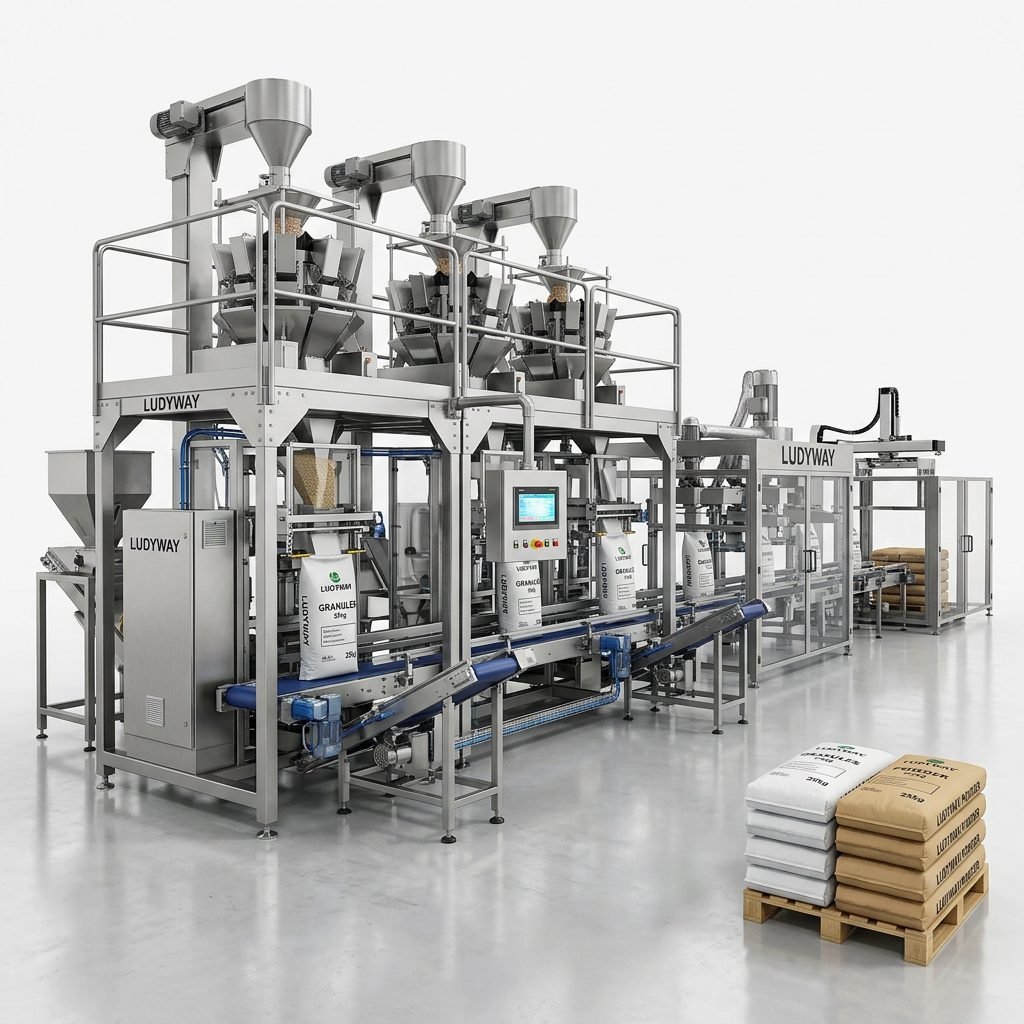
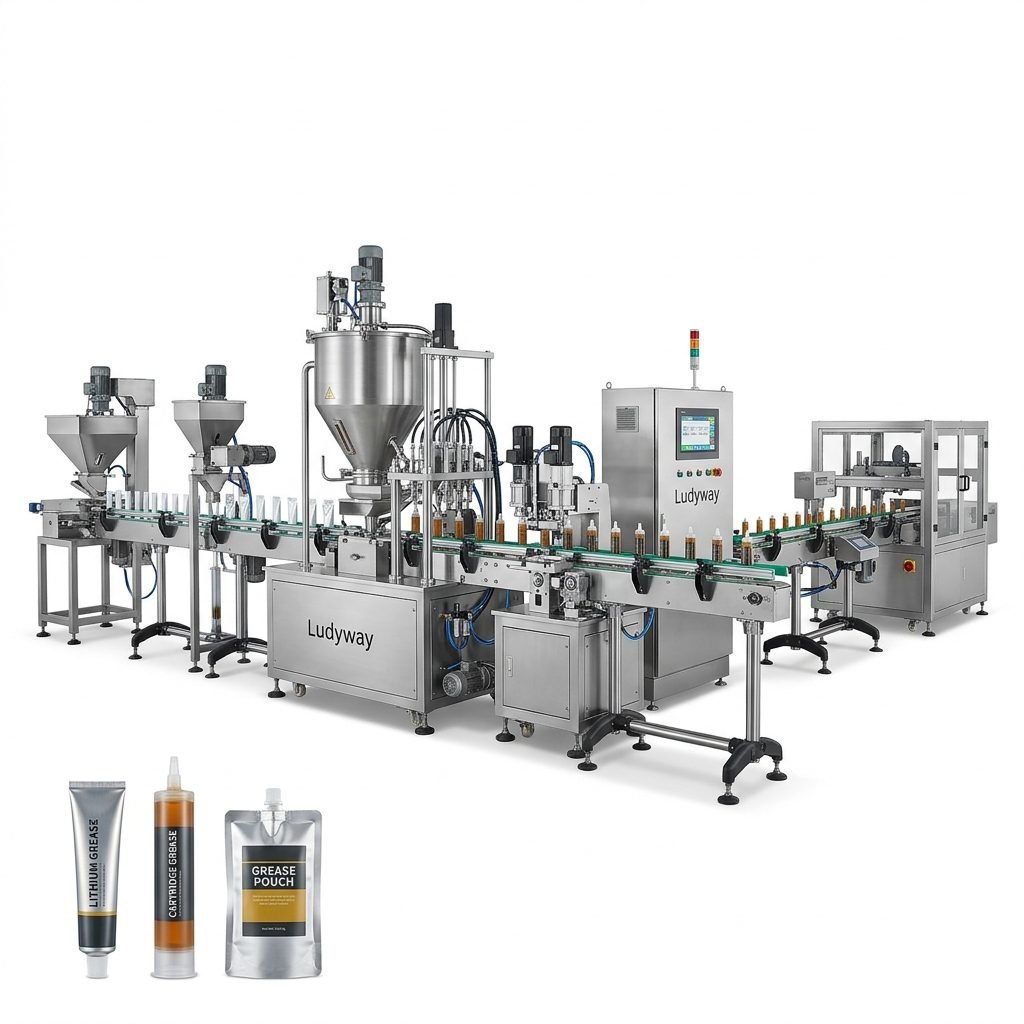
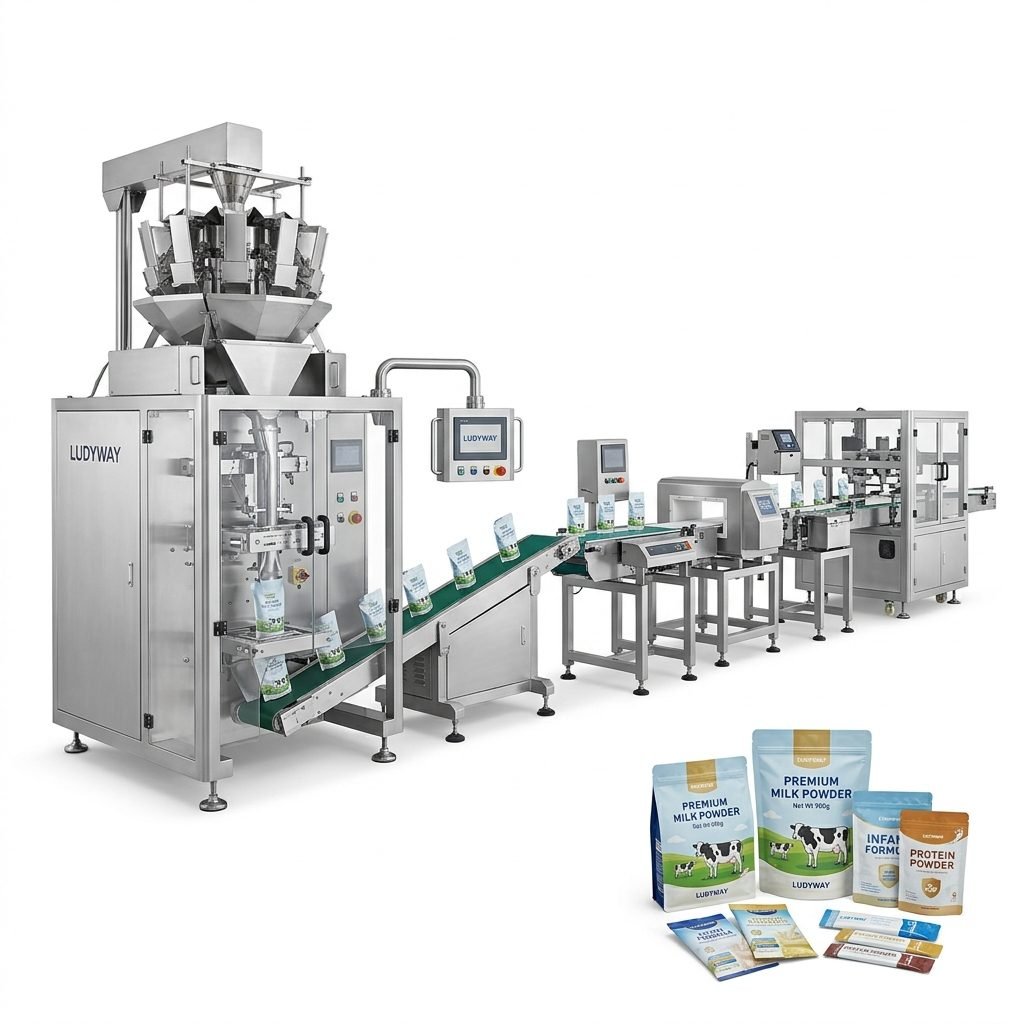
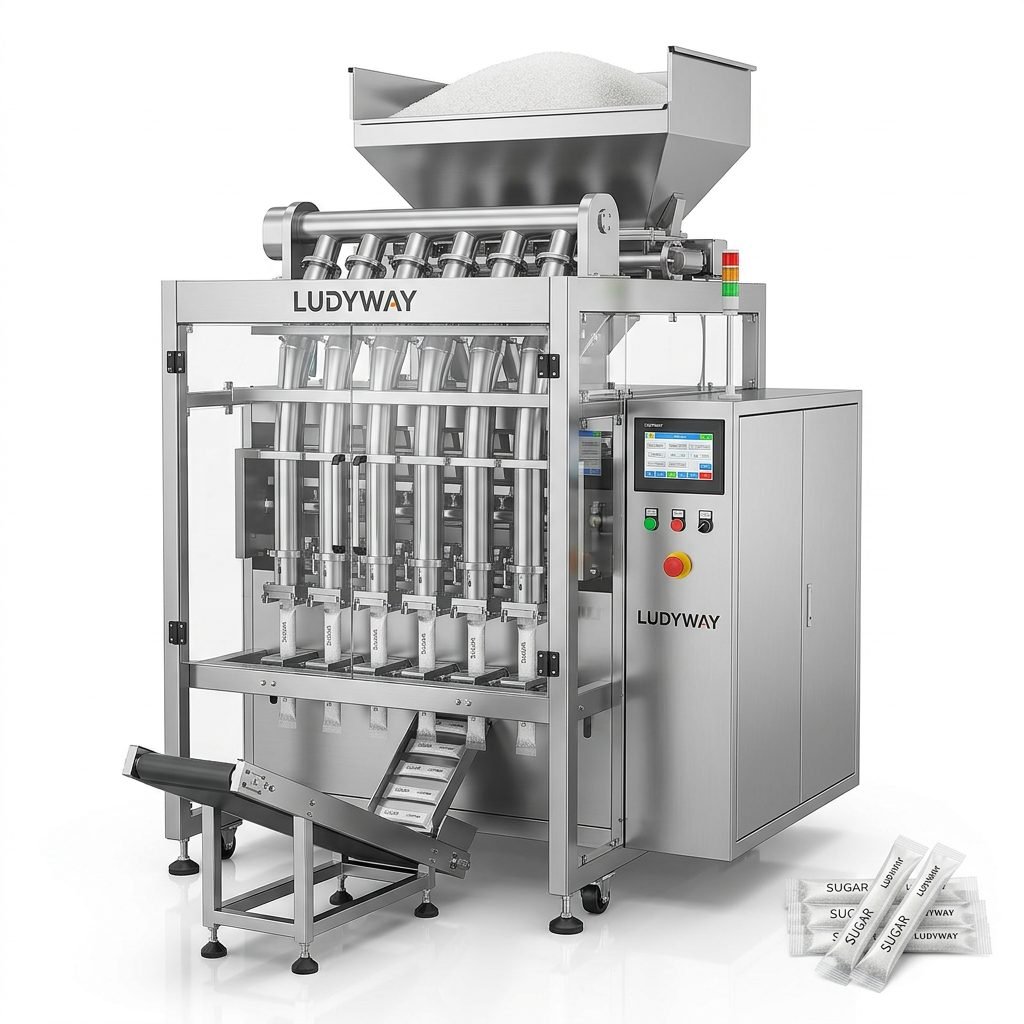
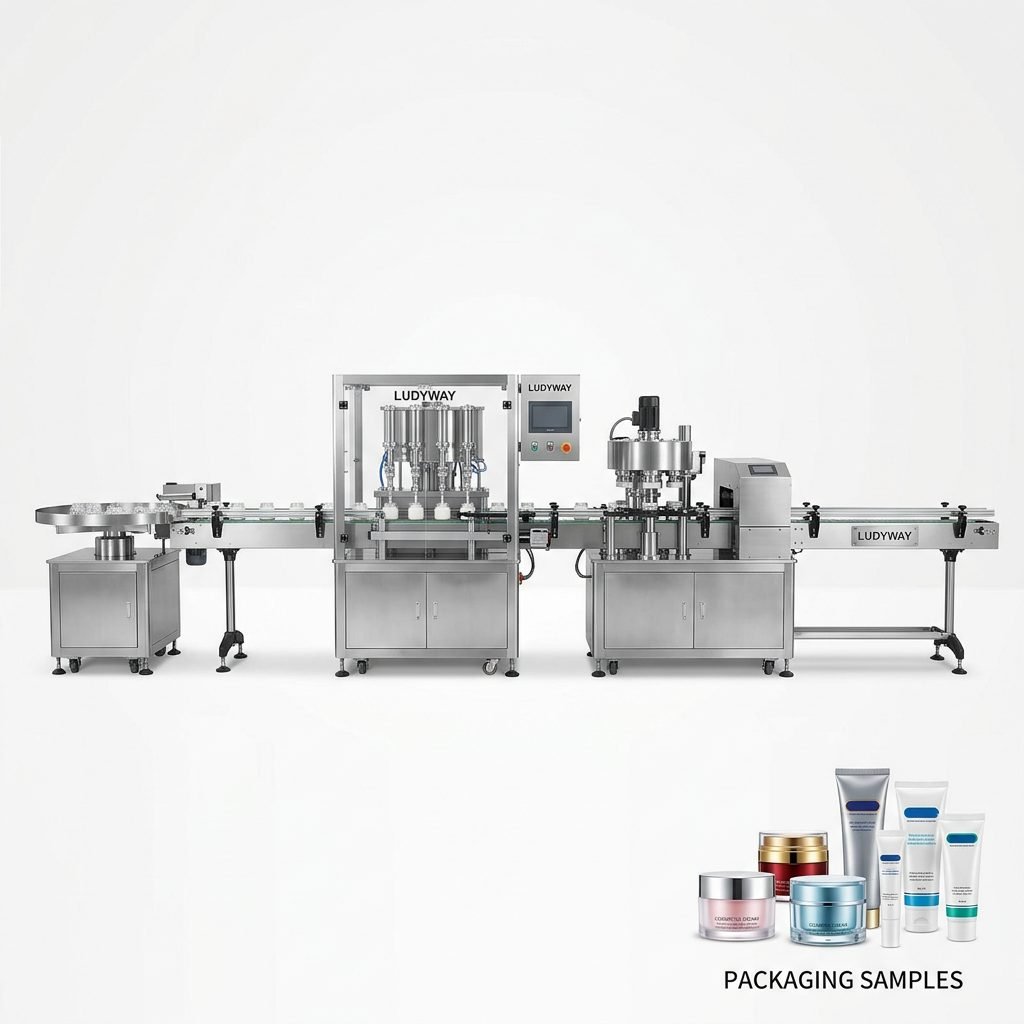
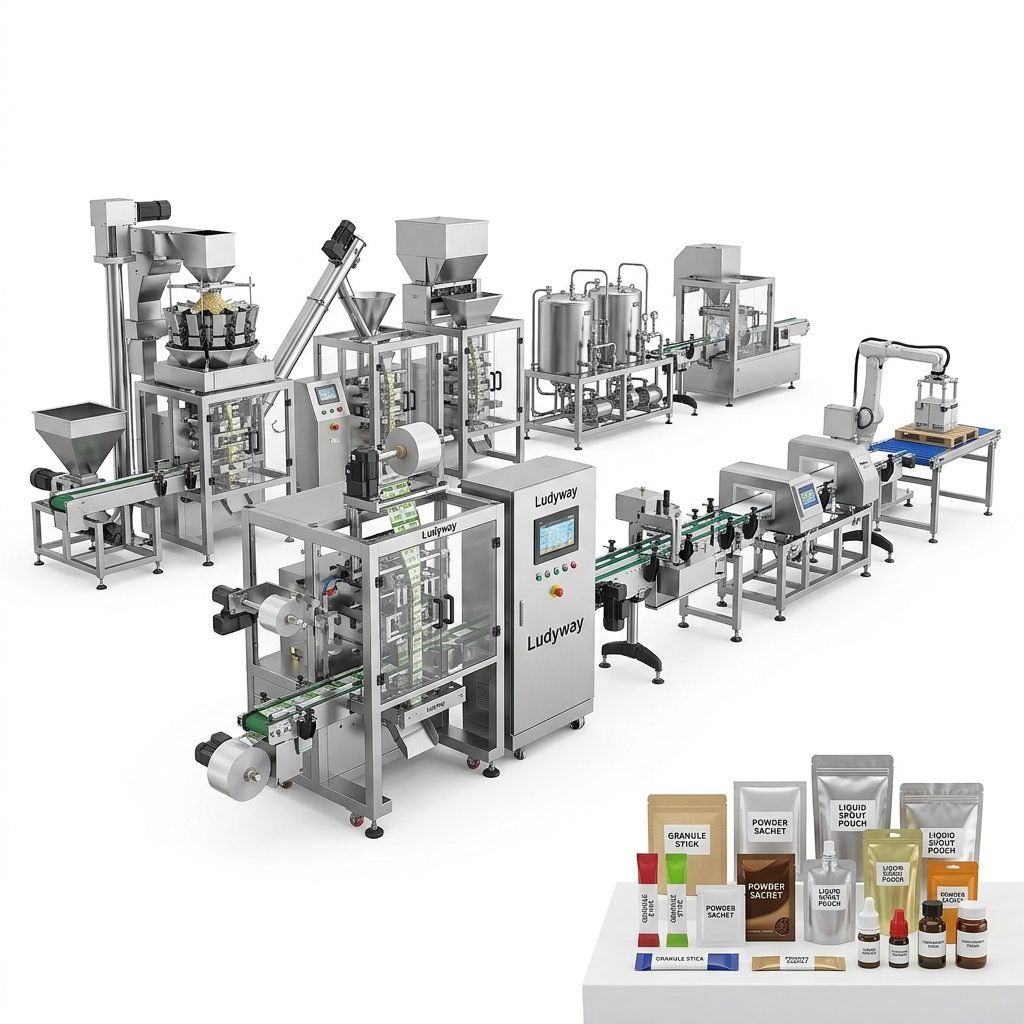
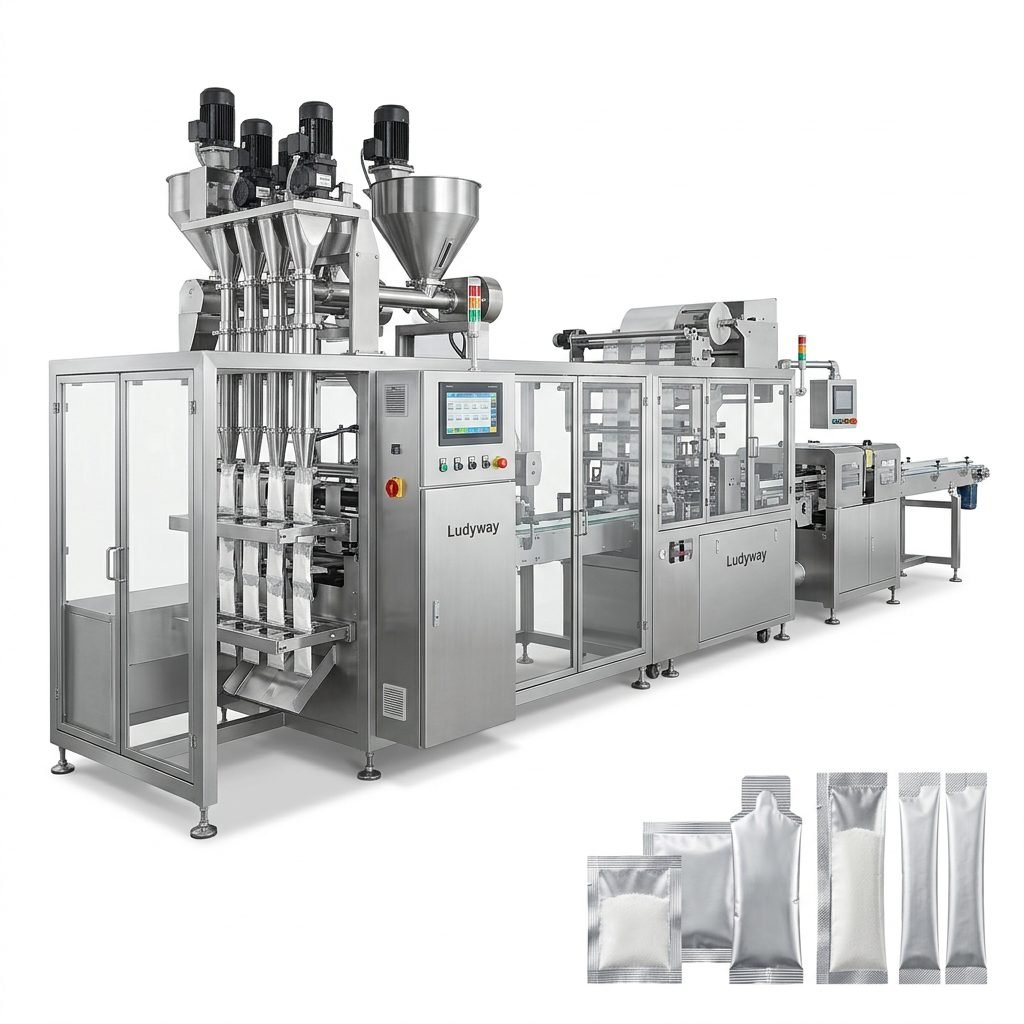
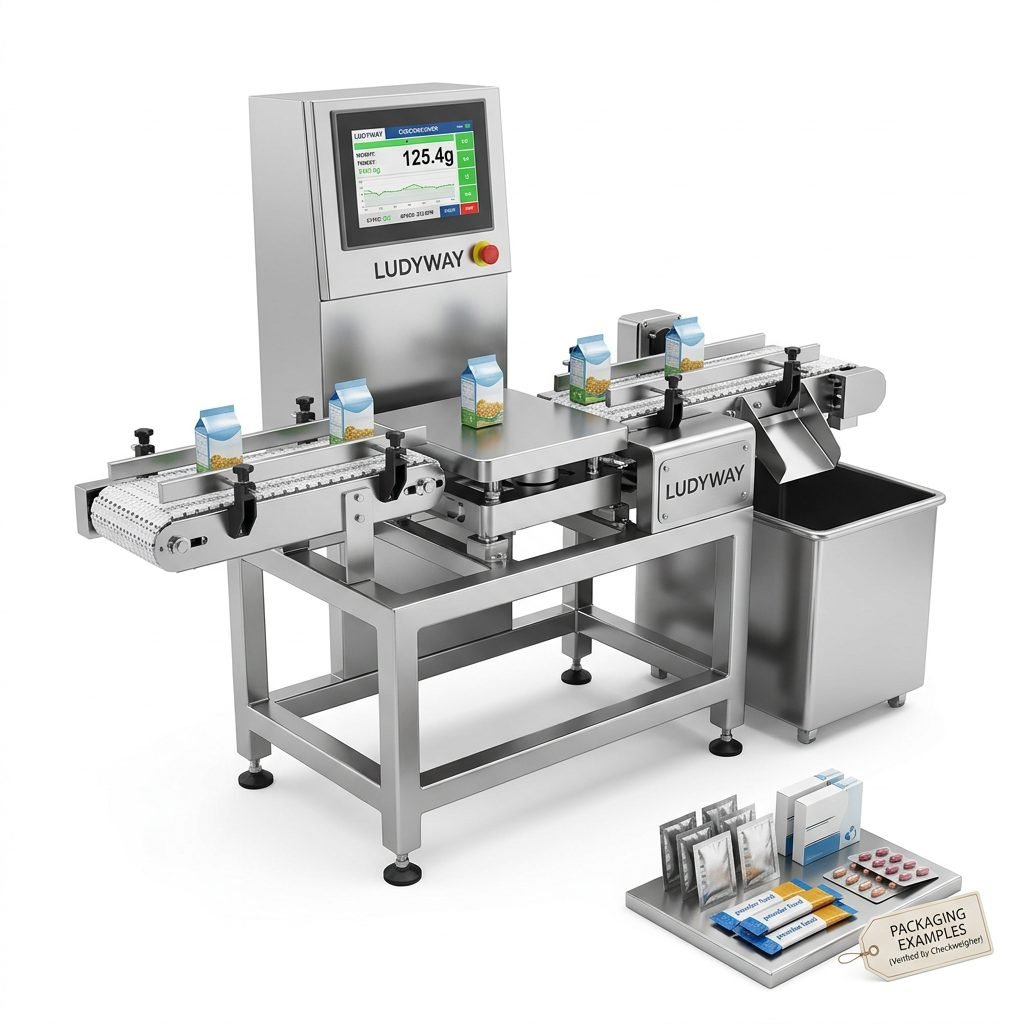
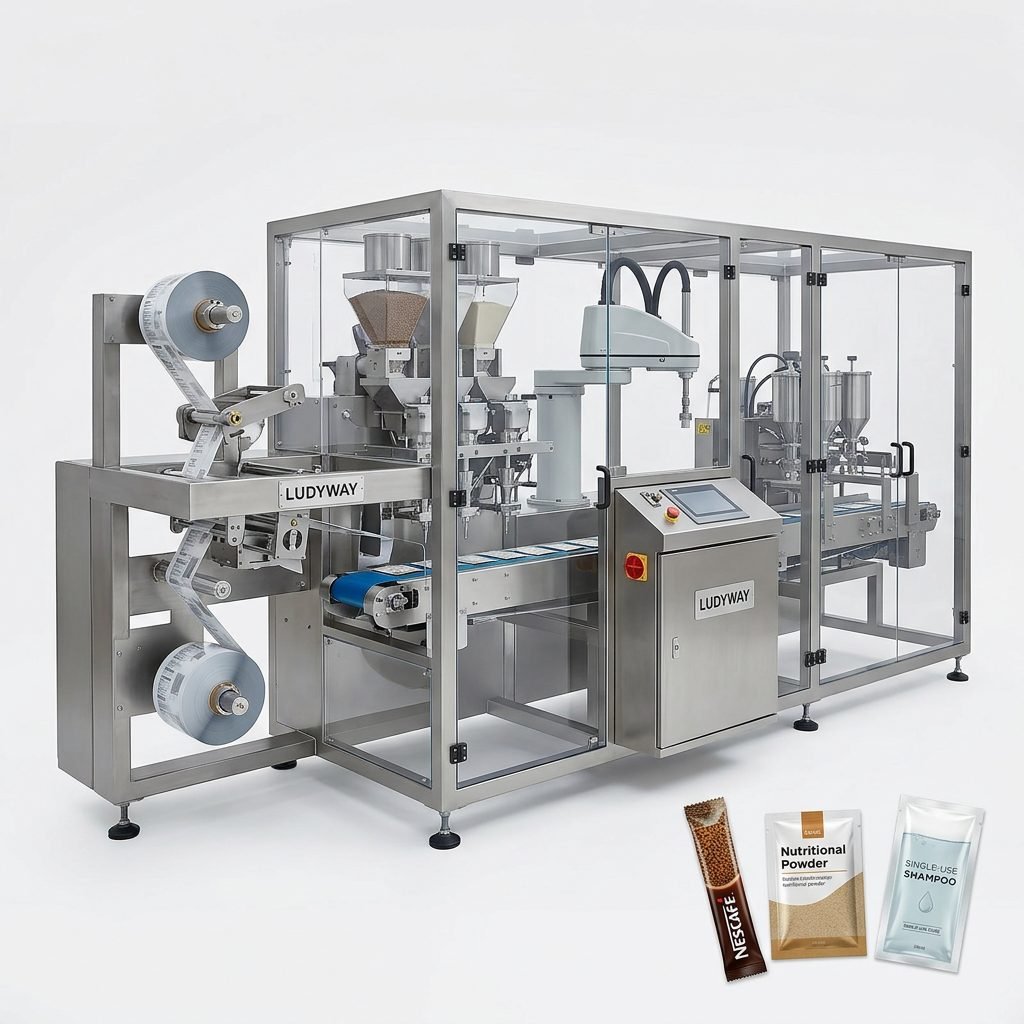
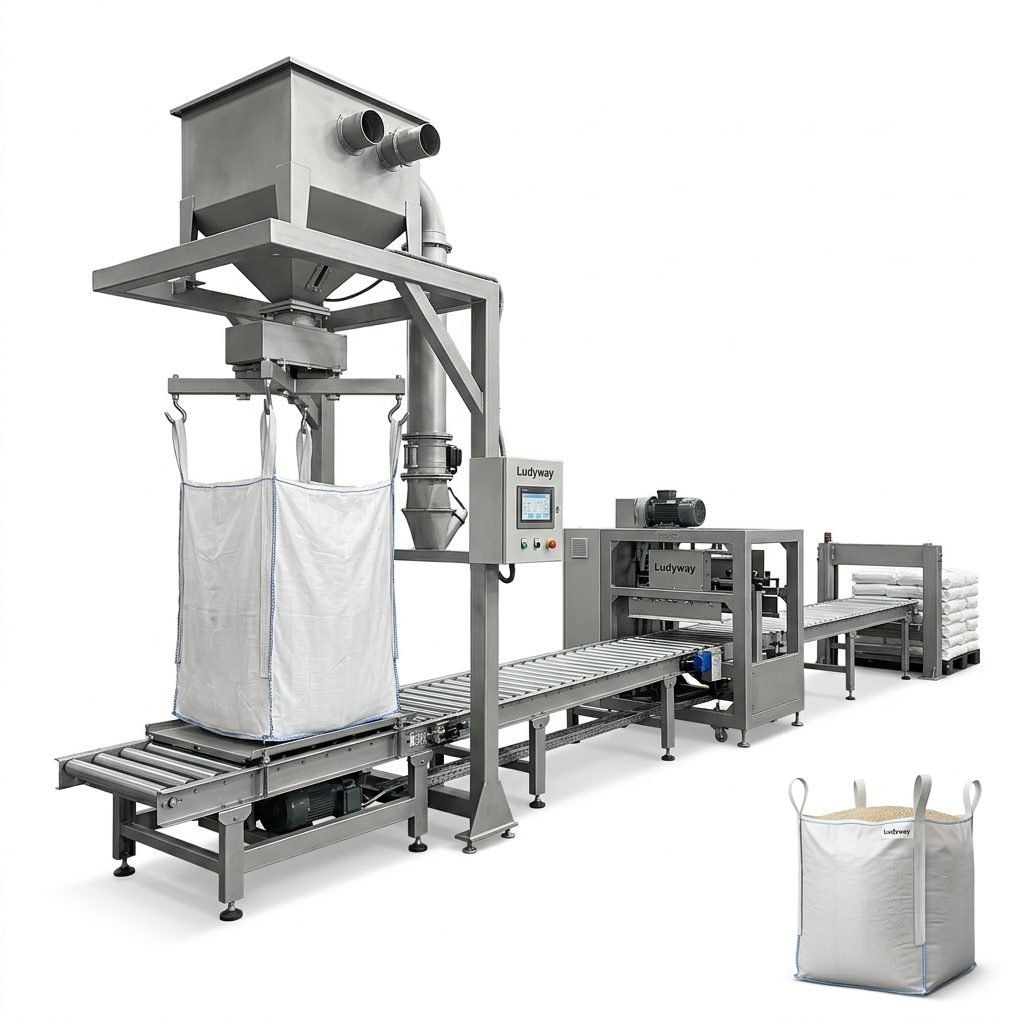
In the era of Industry 4.0, manufacturing facilities worldwide are rapidly transitioning towards fully automated, “lights-out” manufacturing environments. While automatic processing, primary packaging, and robotic sorting have reached near-complete automation, the secondary and tertiary packaging stages often remain a challenging hurdle. The transition from individual products to packed cartons ready for shipment has historically required human supervision. The entry of the all-in-one automatic case opening, packing, and sealing machine has completely changed this landscape, serving as the definitive final piece of the unmanned workshop puzzle.
The Secondary Packaging Bottleneck in Smart Factories
In a typical high-volume production facility, primary packaging machines run at breakneck speeds, turning out pouches, containers, or blisters every second. However, if the subsequent steps—erecting cardboard boxes, placing products into those boxes, and securely sealing them—are handled manually or via disjointed semi-automatic machinery, the entire line slows down. Traditional setups require separate machines for carton erecting, manual product collation, manual box loading, and tape sealing. This not only consumes valuable floor space but also introduces human error, high labor expenses, and safety risks. To achieve a true unmanned workshop, these fragmented operations must be consolidated into a single, cohesive, and intelligent system.
What is an All-in-One Case Opening, Packing, and Sealing Machine?
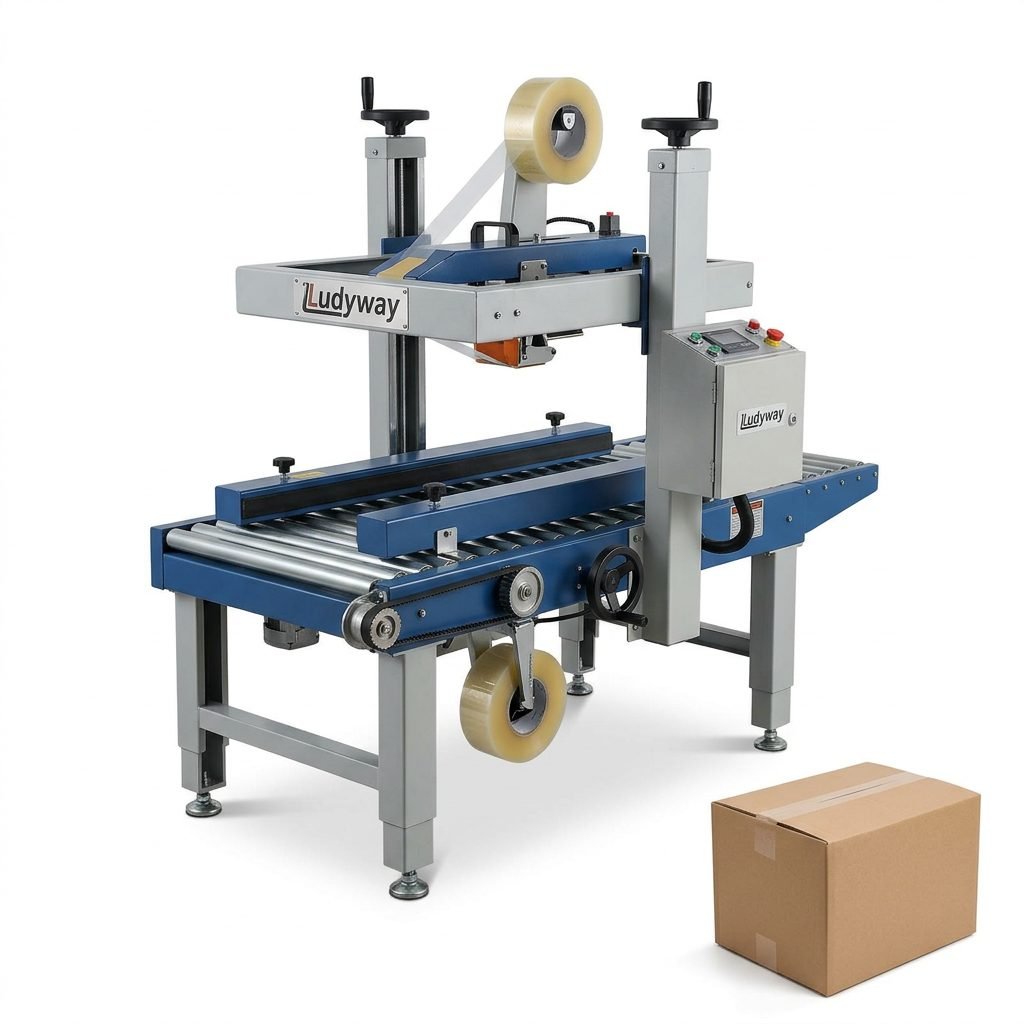
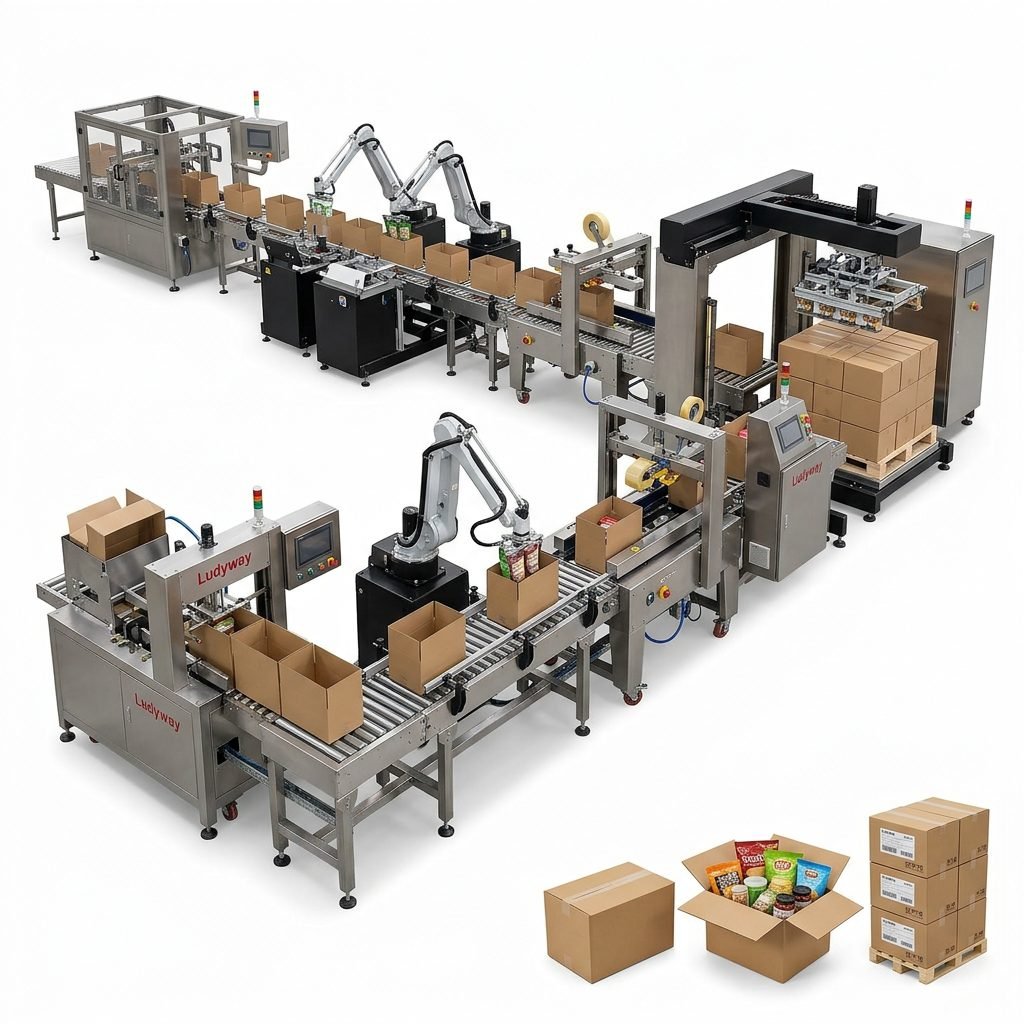
An all-in-one automatic case opening, packing, and sealing machine is an integrated system that automates the entire end-of-line packaging cycle in a compact footprint. The process begins with case opening (erecting), where flat-packed cardboard blanks are pulled from a hopper using vacuum suction cups, formed into three-dimensional boxes, and have their bottom flaps folded. Next, the packing module collates incoming products—whether they are sachets, pouches, bottles, or blisters—and places them into the erected case using robotic arms or mechanical pushers. Finally, the filled case moves to the sealing module, where top flaps are folded and taped or glued with hot melt adhesive, preparing the carton for palletization.
Comparative Analysis of End-of-Line Packaging Methods
To understand the immense value of an all-in-one system, it is helpful to compare it against traditional packaging methods across several operational metrics:
| Packaging Method | Labor Dependency | Floor Space Requirement | Efficiency & Throughput | Error & Damage Rate |
|---|---|---|---|---|
| Manual Packaging | Very High | Large (Assembly Area) | Low (Speed Bottleneck) | High (Human Error) |
| Modular Separated Machines | Medium | Very Large (Long Conveyors) | Medium-High | Medium (Transitions) |
| Integrated All-in-One System | Extremely Low (Unmanned) | Compact & Optimized | Very High (Continuous Flow) | Negligible (Sensor Monitored) |
Core Technical Advantages of All-in-One Systems
Modern all-in-one case packers leverage advanced technology to ensure reliable performance under continuous heavy-duty operation. These systems are specifically designed to communicate seamlessly with factory management systems (MES/ERP) and upstream equipment. Key technological features include:
- Servo-Driven Precision: High-performance servo motors control the carton forming, product loading, and sealing phases, ensuring high accuracy and preventing product damage.
- Flexibility and Quick Changeover: Unmanned workshops must accommodate diverse product sizes. Modern machines feature quick-adjust mechanisms and digital recipes, allowing operators to change carton configurations in minutes.
- Smart Diagnostics: Integrated sensors detect low carton supply, tape breakage, product jams, and open safety doors, instantly alerting the central control system to prevent material waste.
- High Sanitary Standards: Built primarily with stainless steel and anodized aluminum, these machines meet the strict hygiene requirements of the food and pharmaceutical sectors.
Transforming Unmanned Workshops: Key Benefits
By integrating this final piece into the production line, manufacturers unlock substantial operational advantages. Firstly, it optimizes floor space, combining three distinct packaging phases into a single machine footprint, freeing up space for other production activities. Secondly, it maintains an unhindered production flow; seamless mechanical handshakes between erecting, loading, and sealing stages eliminate bottlenecking, ensuring the overall line speed matches the speed of primary packaging.
Additionally, the zero-human-contact environment significantly enhances hygiene and product integrity, which is critical for medical, cosmetic, and food applications. Lastly, minimizing manual labor protects manufacturers from labor shortages, rising wages, and workplace injury claims, ensuring a rapid return on investment.
Choosing the Right Automation Partner
Implementing a fully automated secondary packaging line requires deep engineering expertise and reliable hardware. Buyers seeking stable machine performance, broad applicability, and comprehensive technical support often look to experienced Chinese manufacturers. For instance, Ludyway, one of China’s leading packaging machine and turnkey packaging line manufacturers, offers customized automation solutions tailored to global industrial demands. Founded in 1993, the company has accumulated over 30 years of manufacturing experience, helping factories worldwide transition from manual operations to fully automated, highly efficient smart production ecosystems.
The Future of End-of-Line Packaging
As smart factories continue to evolve, the integration of all-in-one case opening, packing, and sealing machines will become standard practice across all industries. By bridging the gap between primary packaging and warehousing, these machines ensure that the digital thread of the unmanned workshop remains unbroken from raw material processing to the final sealed pallet. Investing in integrated secondary packaging automation is no longer a luxury—it is a critical step for manufacturers aiming to stay competitive in a rapidly changing global market.