In the fast-paced world of industrial packaging, efficiency and accuracy are no longer just competitive advantages—they are absolute necessities. As manufacturers strive to increase throughput while minimizing operational costs, material waste has emerged as a significant bottleneck. Traditional packaging systems often suffer from alignment errors, leading to misaligned cuts, rejected pouches, and substantial film waste. To address this challenge, the integration of millisecond-level photoelectric tracking has revolutionized the precision slitting and packaging process, paving the way for truly zero-waste manufacturing.
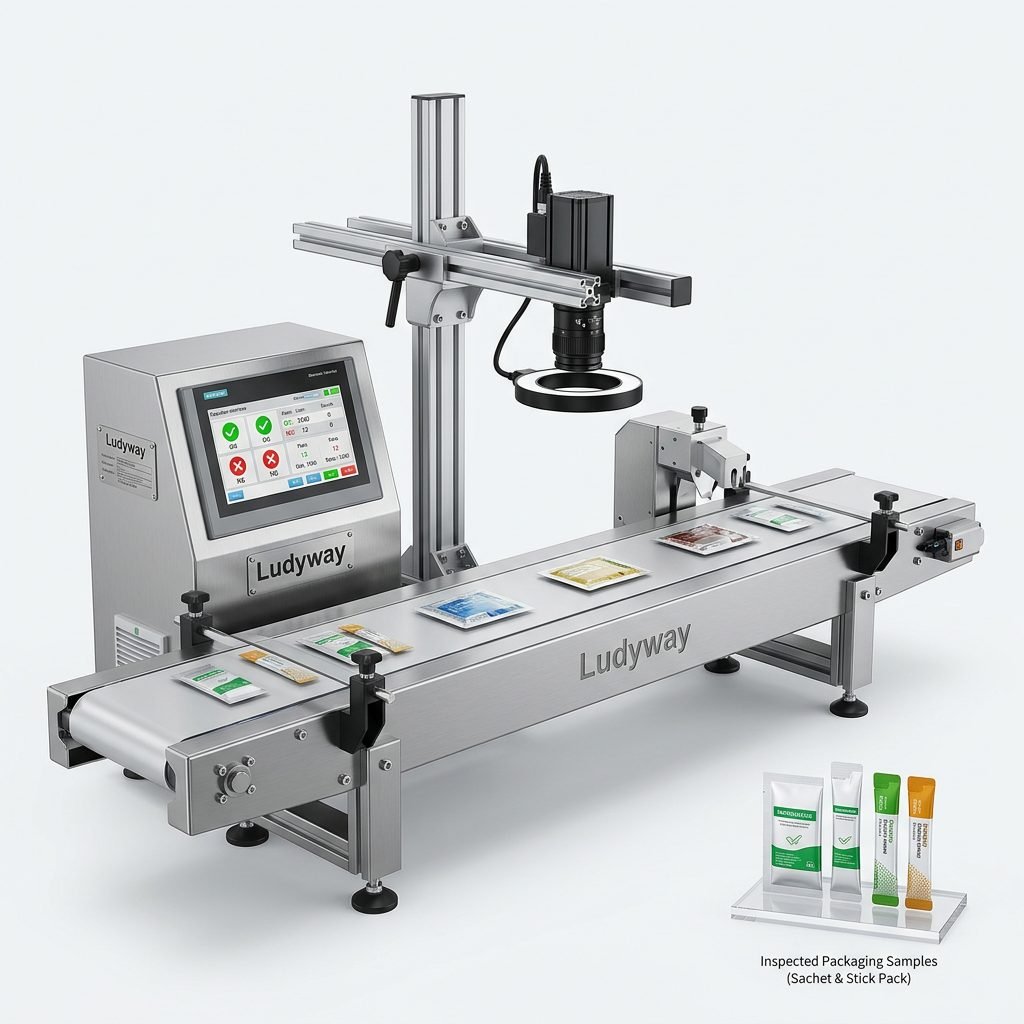
At the core of this technological leap is the ability to detect, process, and correct film alignment dynamically. During high-speed operations, packaging film is pulled through the machine at rapid velocities. Even a minor deviation in tension or printing alignment can cause cuts to drift, resulting in defective packages. Photoelectric tracking systems solve this by utilizing high-frequency optical sensors that scan registration marks printed on the film. By processing these signals in milliseconds, the machine’s central control system makes real-time micro-adjustments to the slitting mechanism and sealing jaws, ensuring every cut is executed with mathematical precision.
The Mechanism Behind Millisecond-Level Tracking
Understanding how photoelectric tracking achieves zero-waste operation requires a closer look at the interaction between hardware and software. Modern systems rely on a closed-loop control architecture that operates continuously during production:
- High-Speed Optical Sensing: Specialized photoelectric sensors emit focused light beams (often utilizing multi-color LEDs to detect low-contrast registration marks) onto the packaging material.
- Real-Time Signal Processing: The sensor captures the reflected light patterns and transmits data to the motion controller within a fraction of a millisecond.
- Dynamic Servo Adjustment: The controller calculates the exact position offset and instructs high-precision servo motors to adjust the film feeding speed or the angle of the slitting blades instantly.
- Tension Control Compensation: Because physical films stretch under tension, the system coordinates with electromagnetic powder brakes and load cells to maintain uniform tension, preventing mechanical drift.
This seamless synchronization ensures that whether the machine is operating at a moderate startup speed or at its maximum production capacity, the alignment between the printed graphics and the physical cut line remains absolutely flawless.
Comparing Traditional Methods with Advanced Photoelectric Tracking
To highlight the economic benefits of upgrading to millisecond-level photoelectric tracking, the table below outlines the performance differences across critical operational parameters.
| Performance Parameter | Traditional Mechanical Tracking | Millisecond Photoelectric Tracking |
|---|---|---|
| Response Time | 50 – 200 milliseconds | Under 1 millisecond |
| Cutting Accuracy | ± 1.0 mm to 2.0 mm | ± 0.1 mm to 0.2 mm |
| Material Waste Rate | Approx. 2% – 5% | Near 0% (Zero-Waste) |
| Adaptability to Film Types | Limited to rigid, opaque films | Compatible with clear, metallic & eco-films |
Driving Sustainability and Cost Reduction
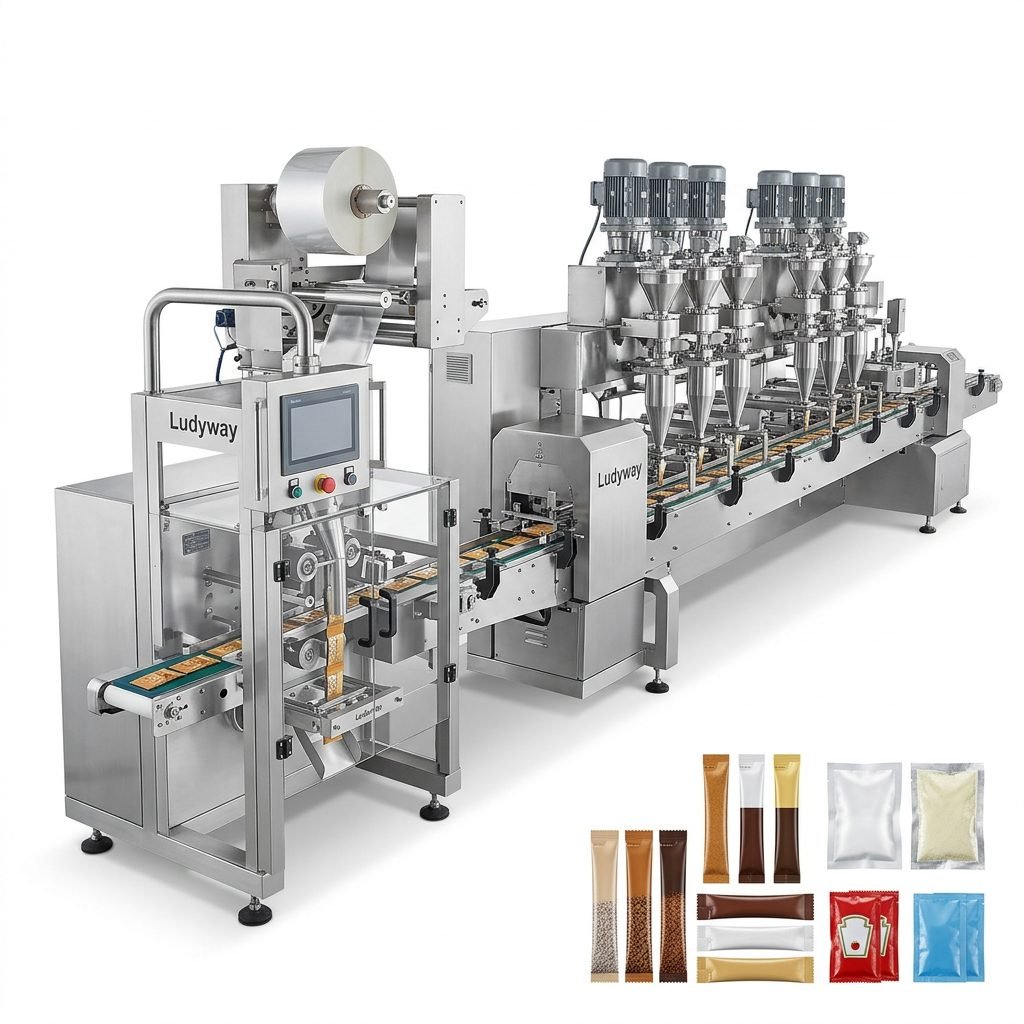
Implementing a zero-waste precision slitting system directly impacts a manufacturer’s bottom line and environmental footprint. When producing millions of stick packs or sachets monthly, even a 1% reduction in film waste translates to thousands of dollars saved in raw material procurement. Furthermore, minimizing rejected packages reduces product giveaway—the costly scenario where overfilled or improperly sealed packages must be discarded along with the ingredients inside.
For industries dealing with high-value powders, granules, and liquids, such as pharmaceuticals and health supplements, accuracy is paramount. A misaligned cut on a pharmaceutical sachet could compromise the hermetic seal, exposing sensitive compounds to moisture and oxygen. By utilizing millisecond photoelectric tracking, manufacturers ensure the integrity of the barrier properties, extending shelf life and guaranteeing dosage consistency.
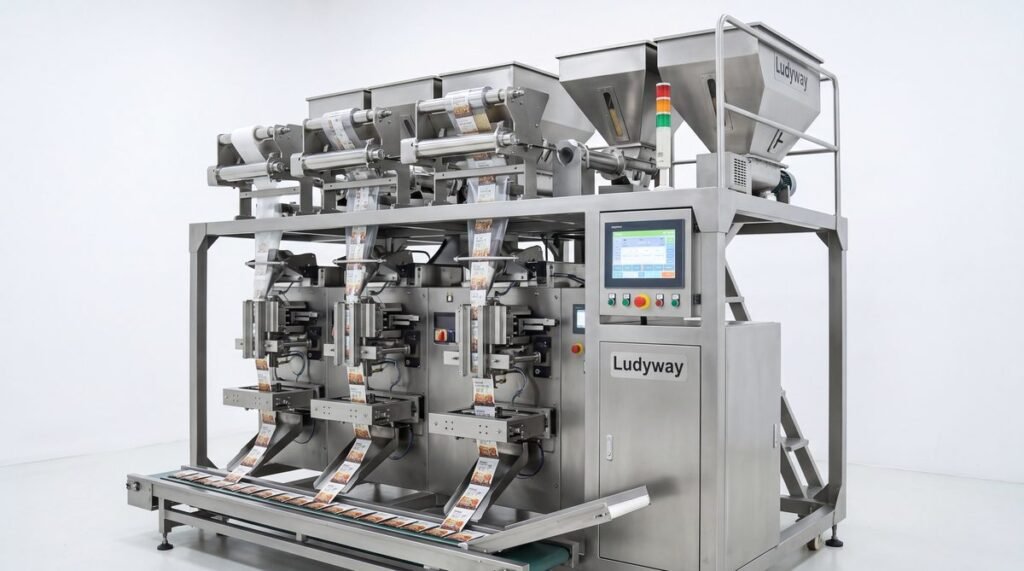
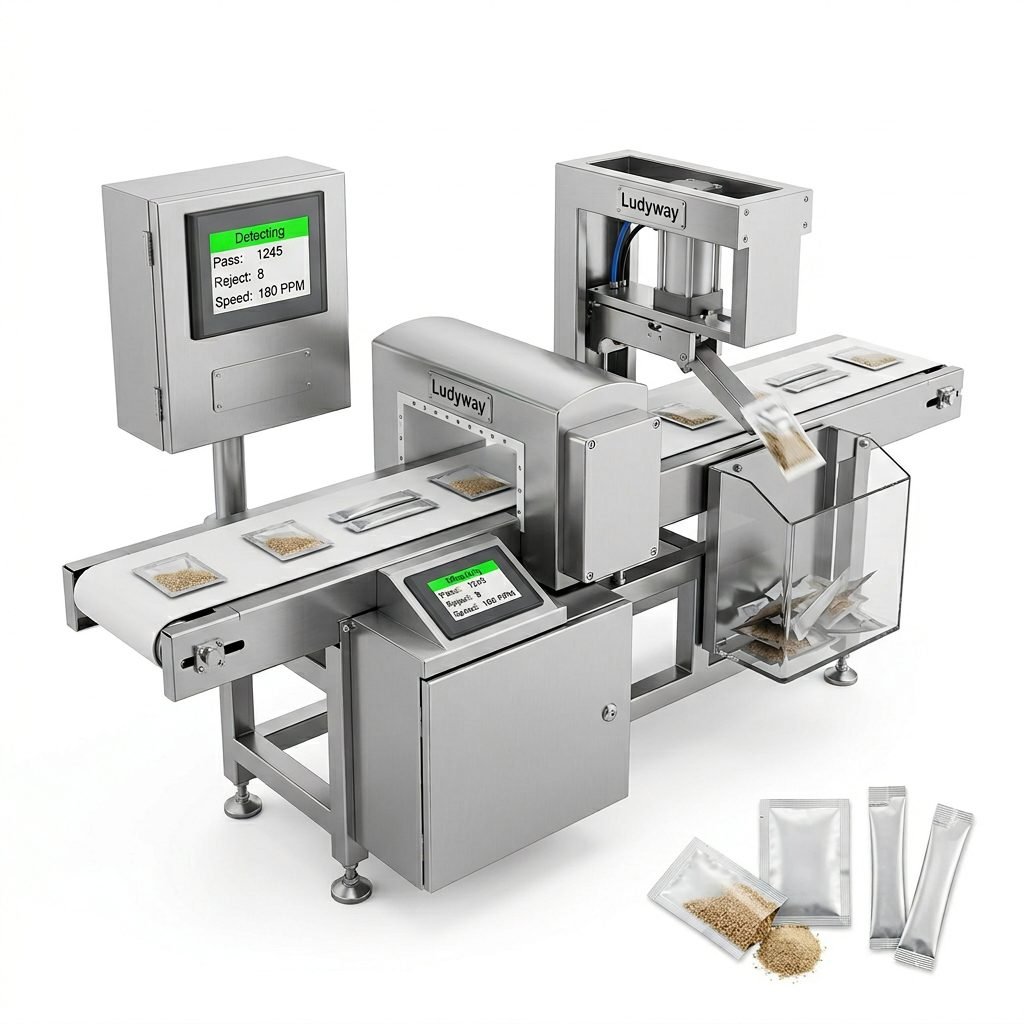
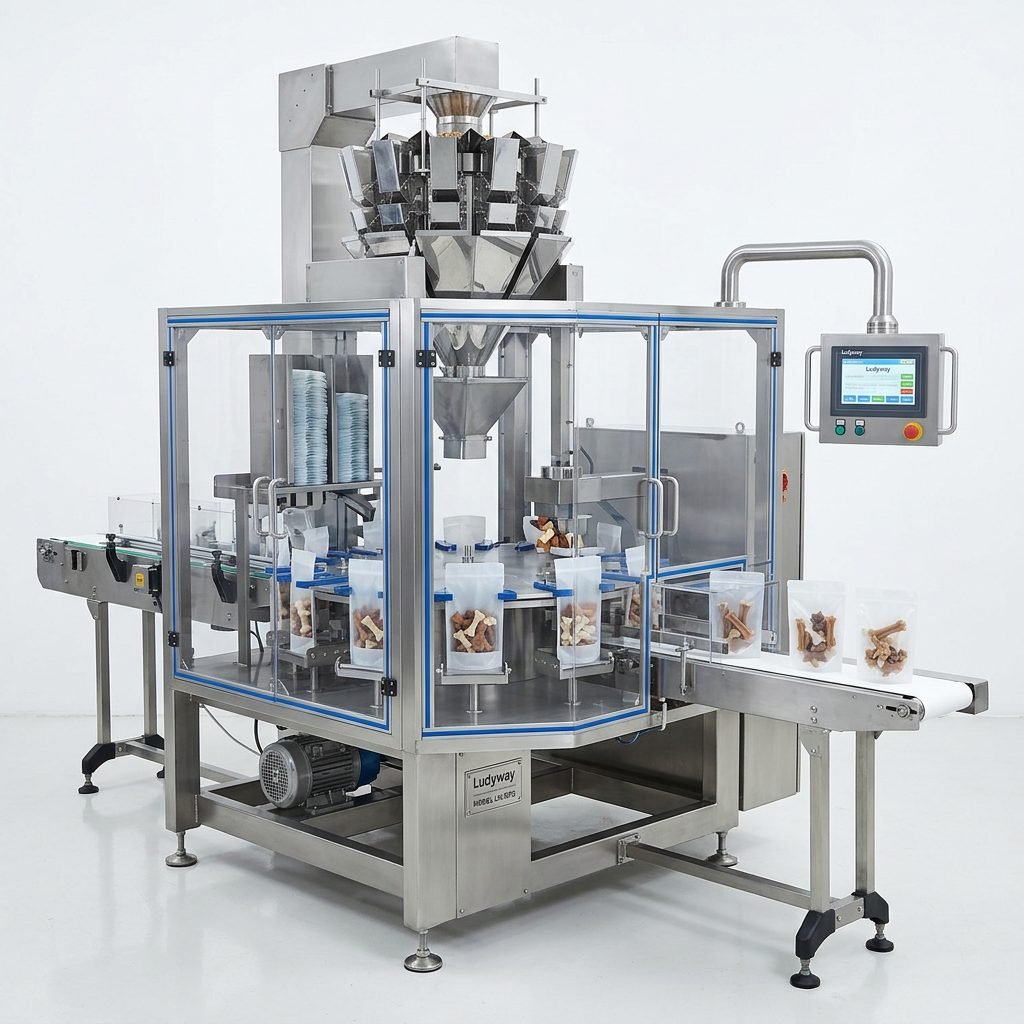
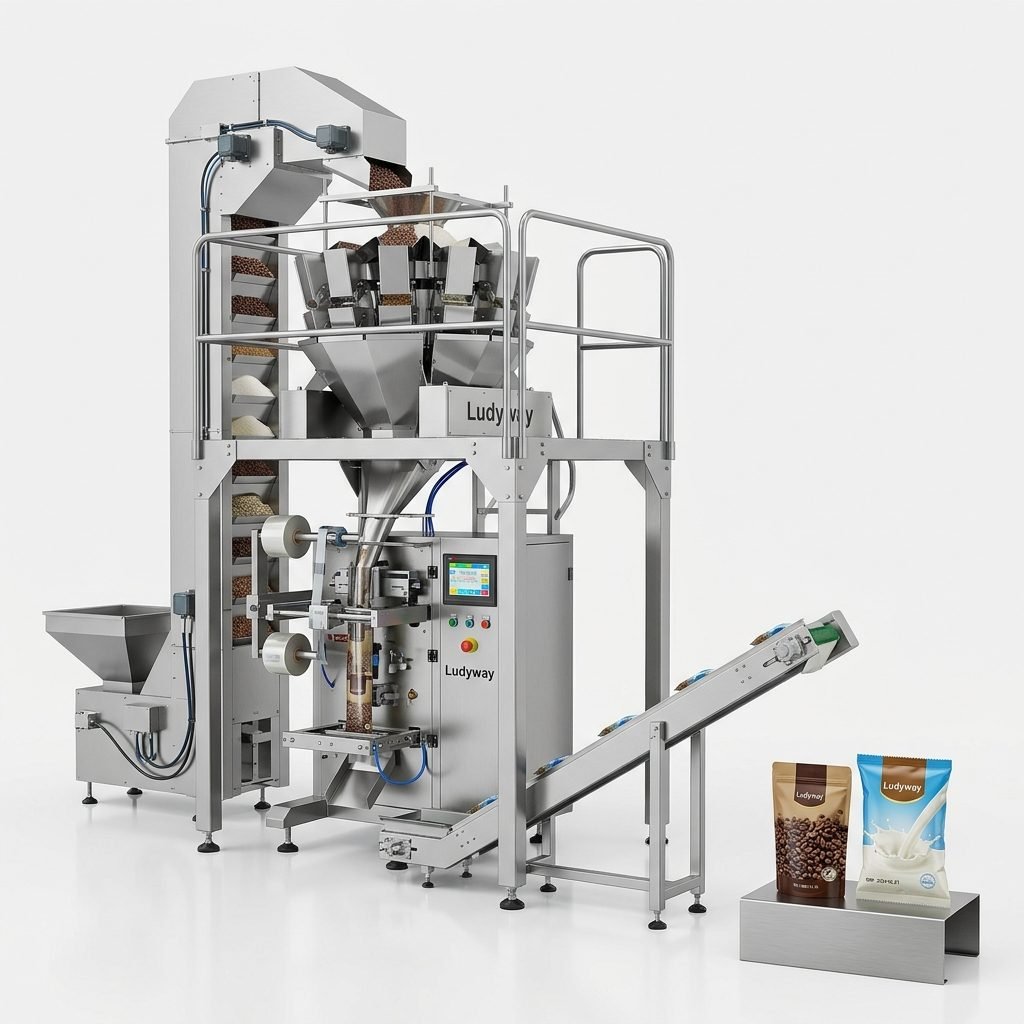
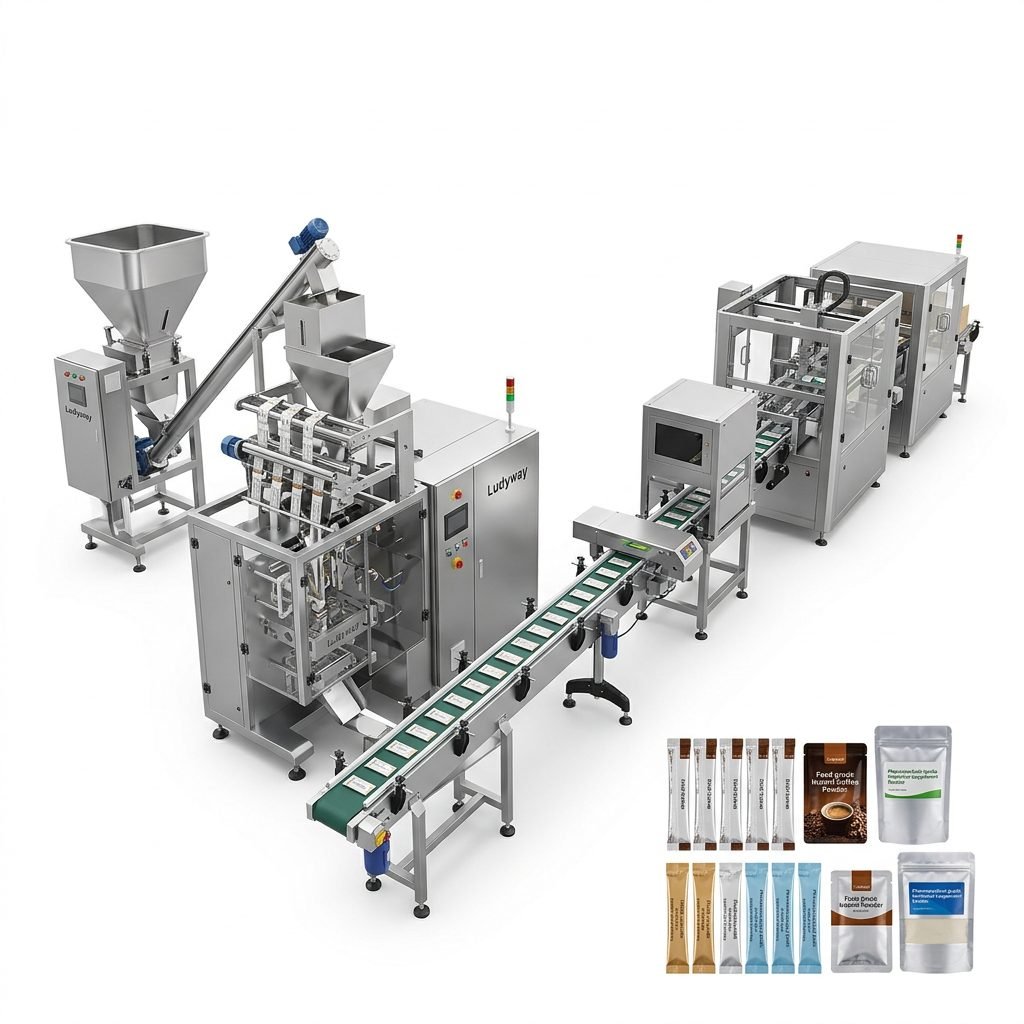
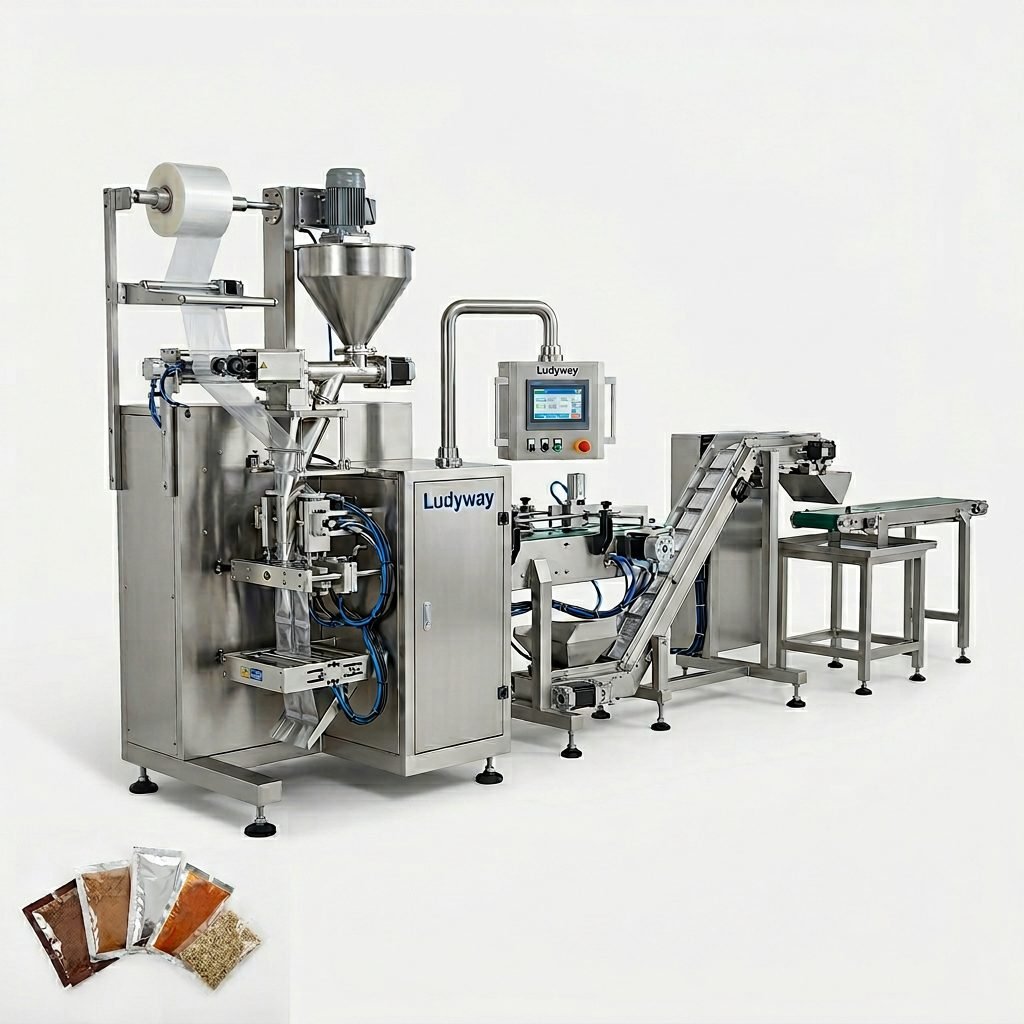
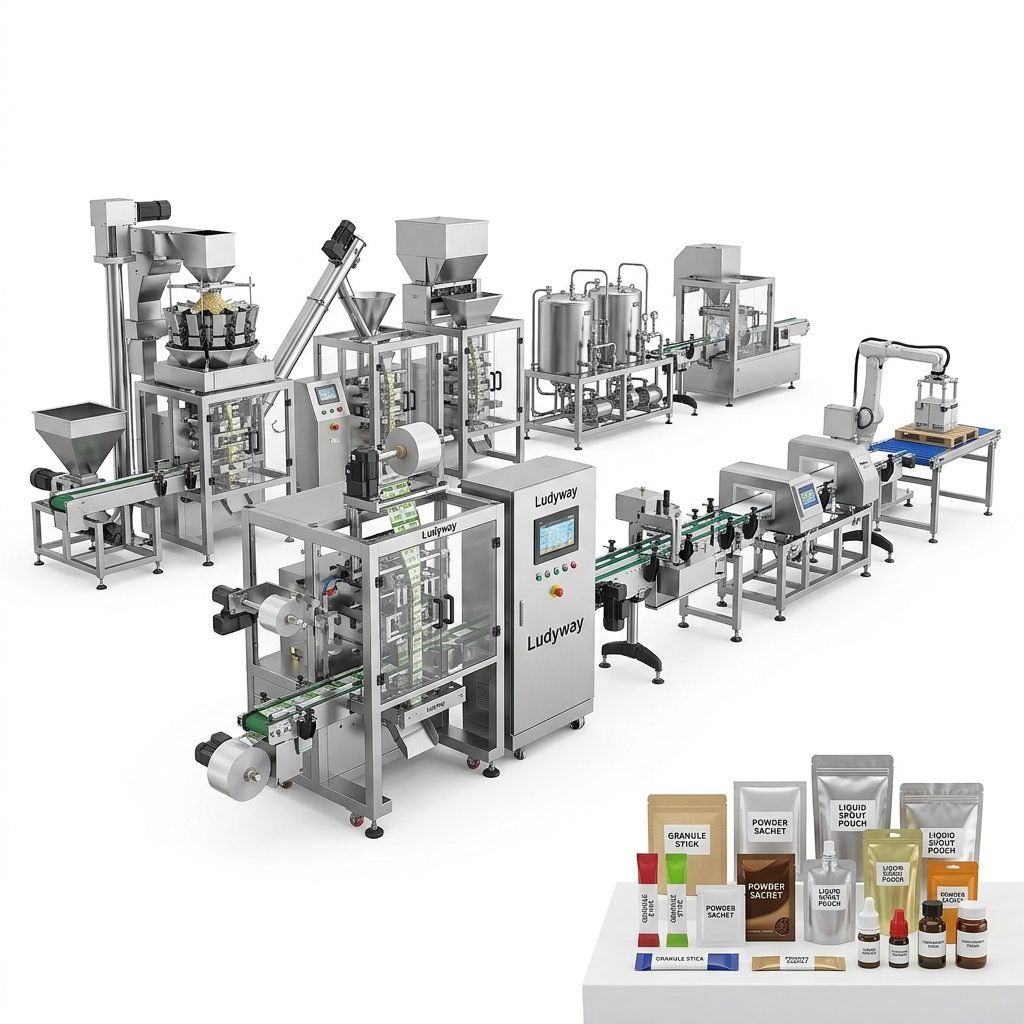
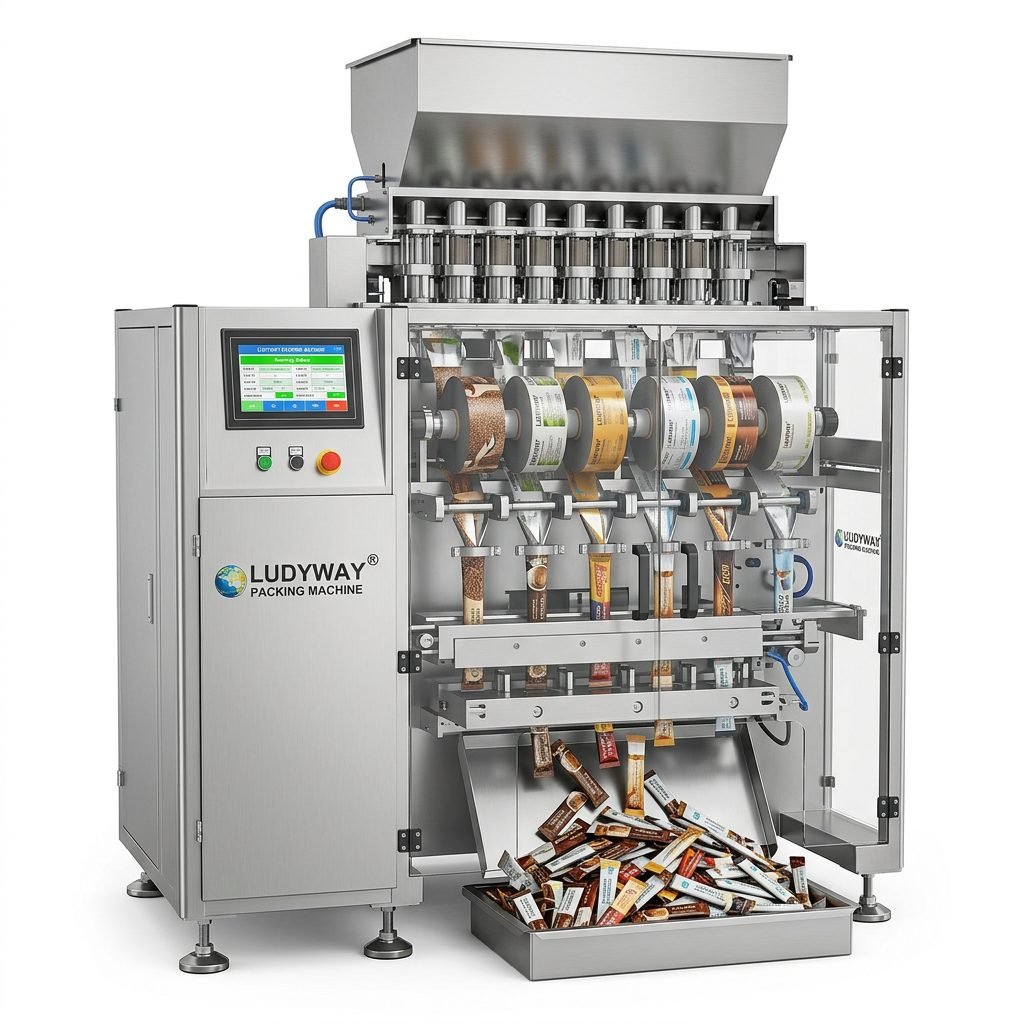
Leading the charge in automated packaging innovation, Ludyway has integrated these advanced tracking systems across its comprehensive range of multi-lane stick pack and sachet packaging equipment. As a premier manufacturer of turnkey packaging solutions, they combine precision engineering with smart automation to help global factories achieve their efficiency and sustainability goals.
Key Advantages for Modern Packaging Lines
Investing in precision machinery equipped with millisecond-level tracking offers several long-term operational advantages:
- Reduced Downtime: Intelligent auto-calibration systems eliminate the need for frequent manual adjustments during film roll changes.
- High Versatility: The system easily adapts to different packaging layouts and pouch dimensions via the human-machine interface (HMI).
- Enhanced Brand Appeal: Perfectly centered graphics and clean, burr-free edges elevate the aesthetic quality of the finished product on retail shelves.
- Integration with Industry 4.0: Continuous data logging allows operators to monitor alignment trends and perform predictive maintenance on cutting blades.
As consumer demand for single-serve packaging continues to rise, the pressure on manufacturers to deliver high-quality products sustainably will only intensify. Embracing millisecond-level photoelectric tracking represents a crucial step forward, transforming the cutting and sealing process from a common source of waste into a model of modern industrial efficiency.