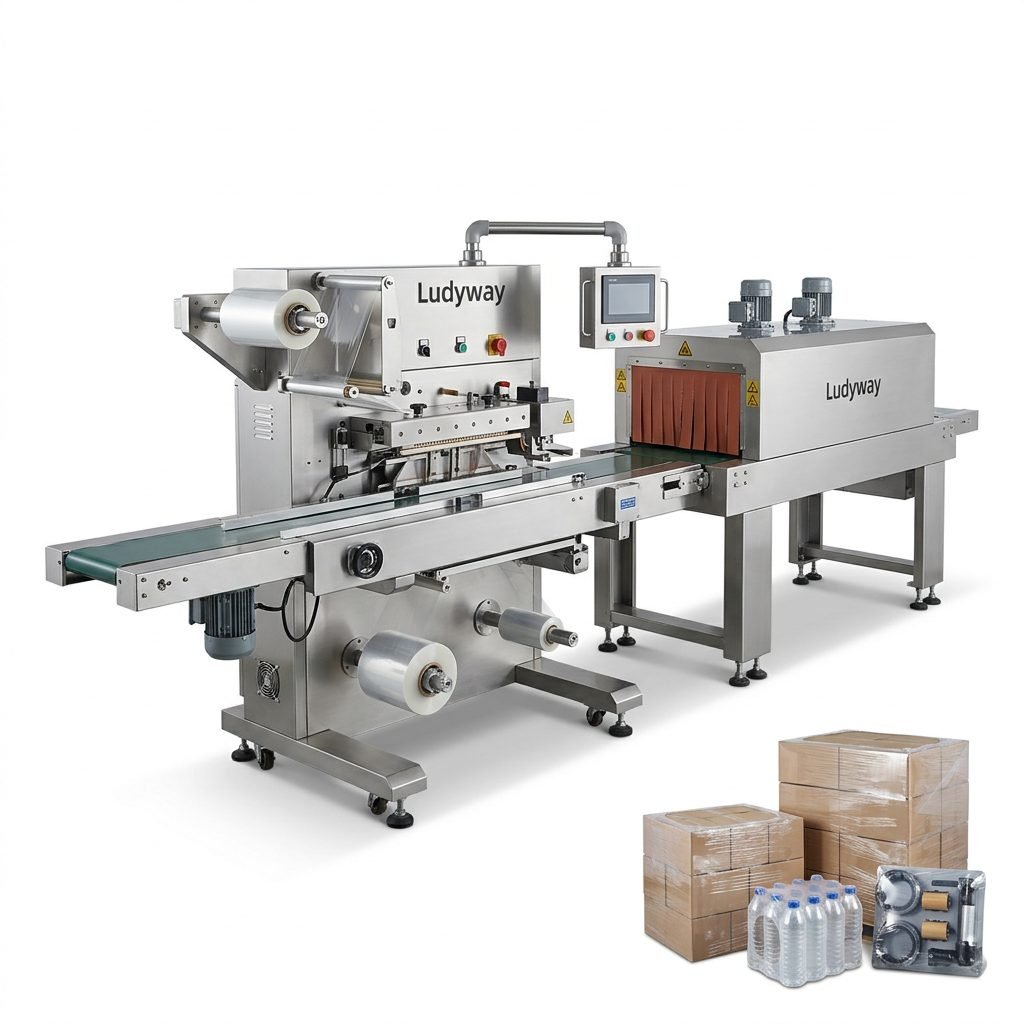
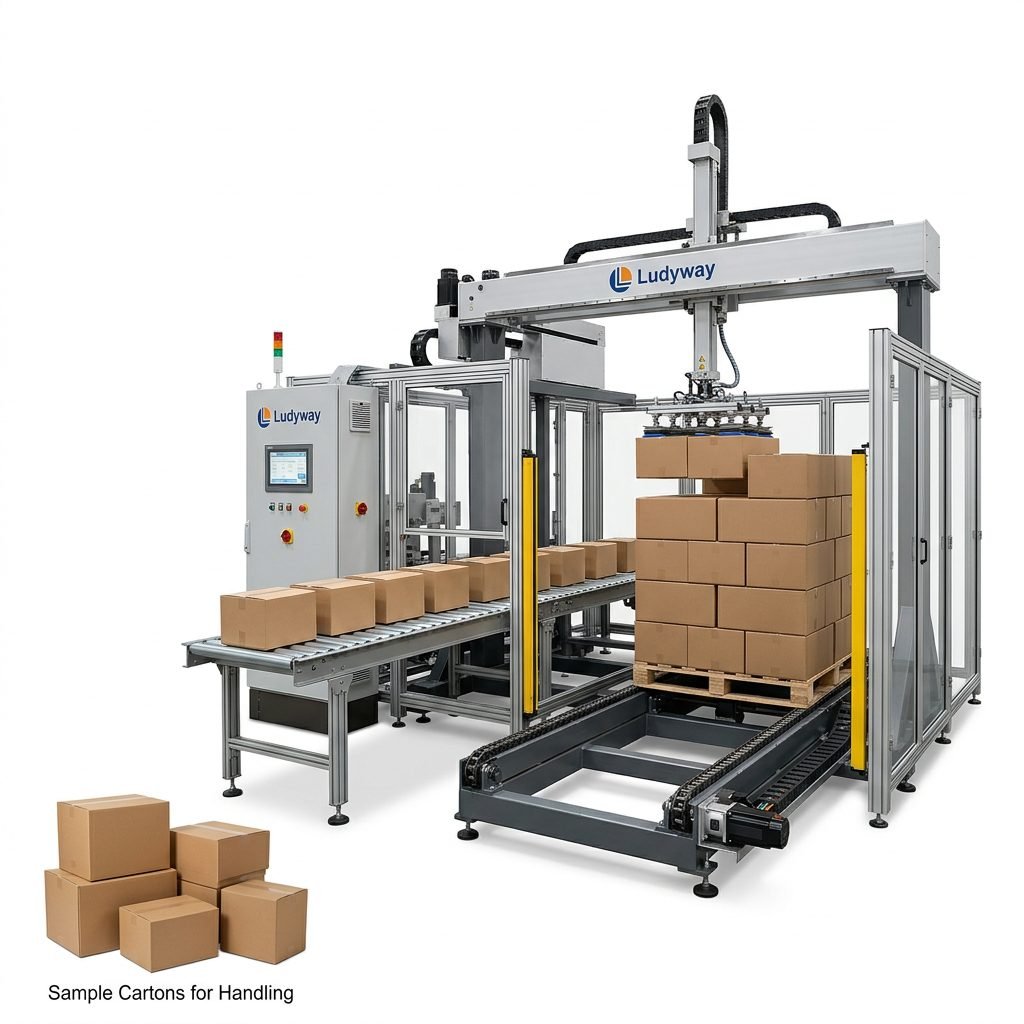
In the rapidly evolving landscape of global manufacturing, automation is no longer a luxury but a fundamental necessity. The packaging sector, in particular, is undergoing a profound paradigm shift driven by the integration of intelligent technologies. Traditional, labor-intensive packaging processes are being replaced by high-speed, automated packaging systems that not only enhance throughput but also ensure unprecedented precision and compliance with strict hygienic standards. This technological evolution is redefining how industries handle everything from bulk granules to delicate liquids, paving the way for a more efficient and sustainable future.
The Evolution of Smart Packaging Systems
Modern manufacturers face multi-faceted challenges: rising labor costs, fluctuating raw material prices, and increasingly demanding safety regulations. Smart packaging machinery offers a comprehensive solution by combining mechanical reliability with digital intelligence. These systems utilize advanced sensors, modular designs, and real-time data tracking to adjust dynamically to different product formats, such as granules, powders, liquids, and pastes.
Unlike legacy systems that required hours of manual adjustments for a product changeover, today’s smart packaging lines feature automated recipe recall. With the touch of a button on a human-machine interface (HMI), operators can modify filling volumes, sealing temperatures, and pouch dimensions. This flexibility dramatically reduces downtime, allowing facilities to run smaller, customized batches efficiently to meet shifting consumer demands.
Key Technologies Driving the Automated Revolution
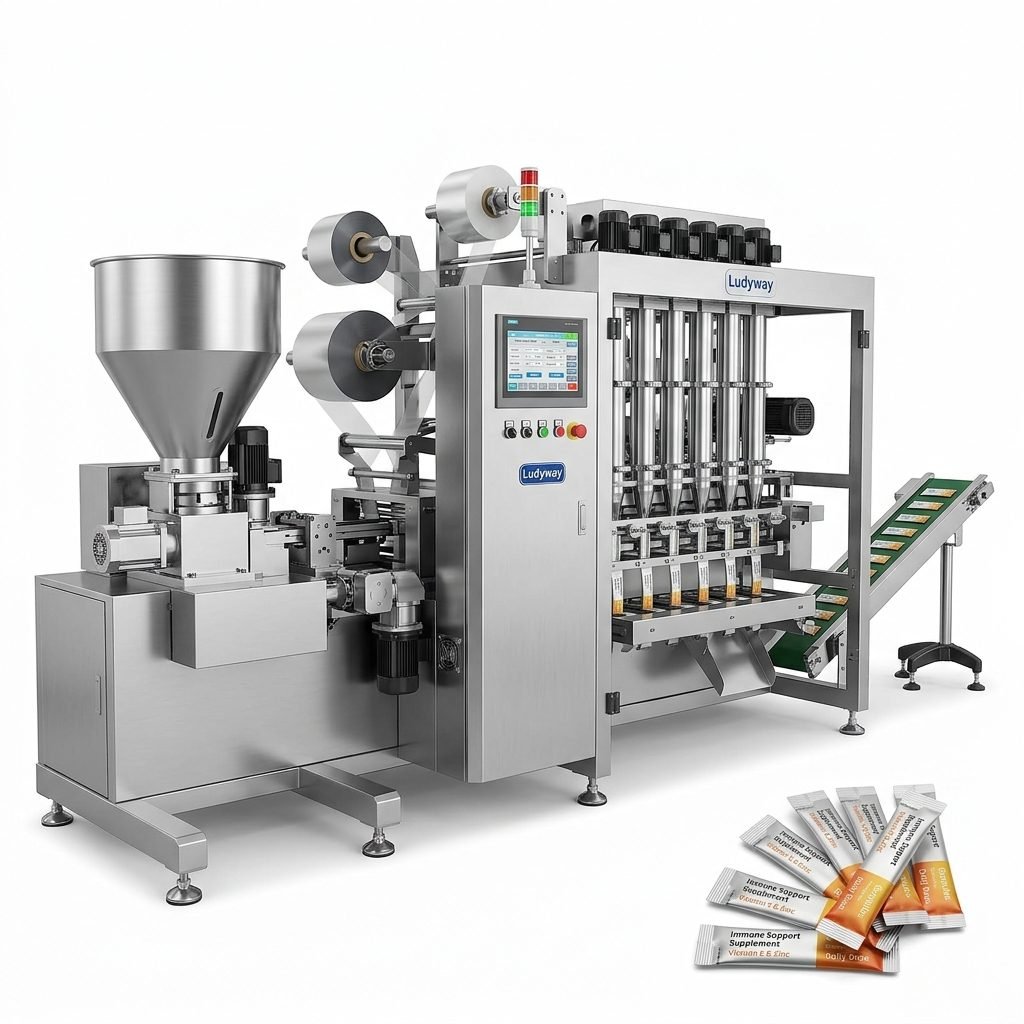
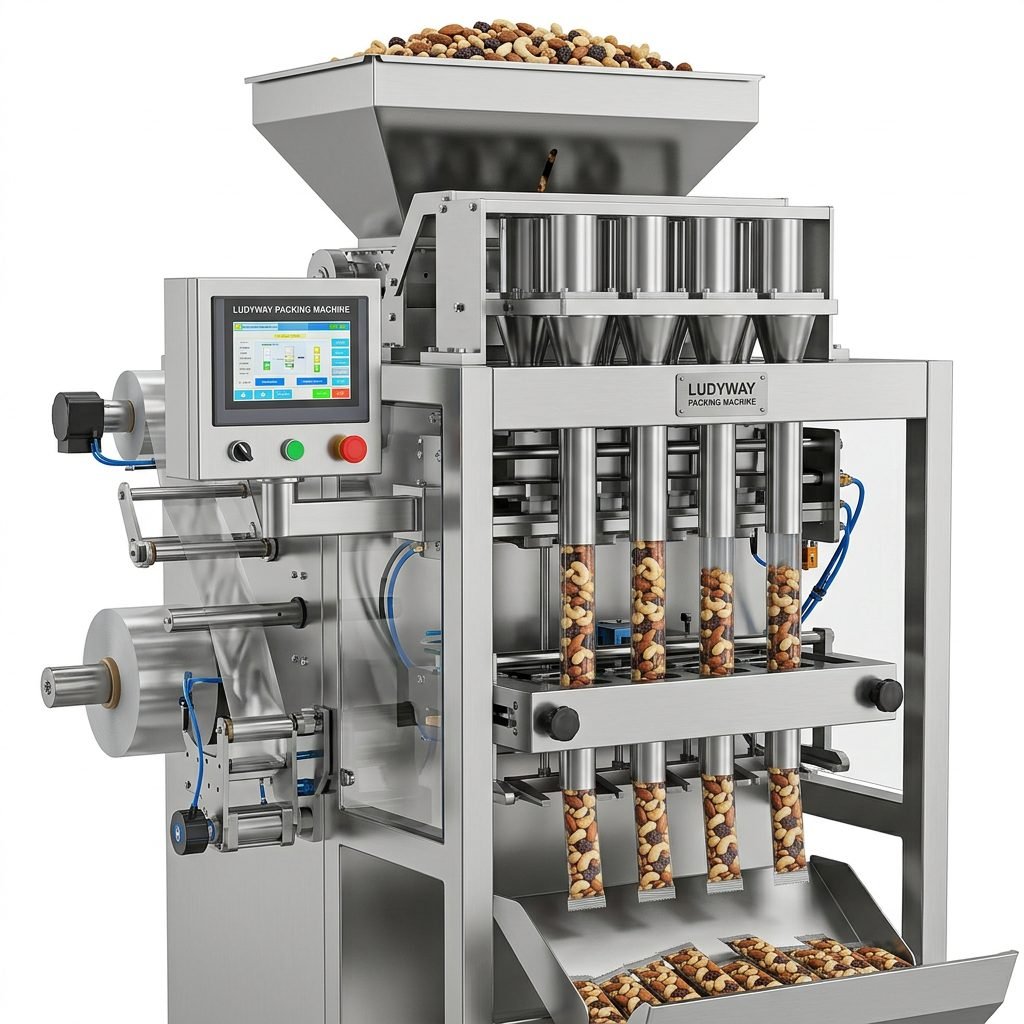
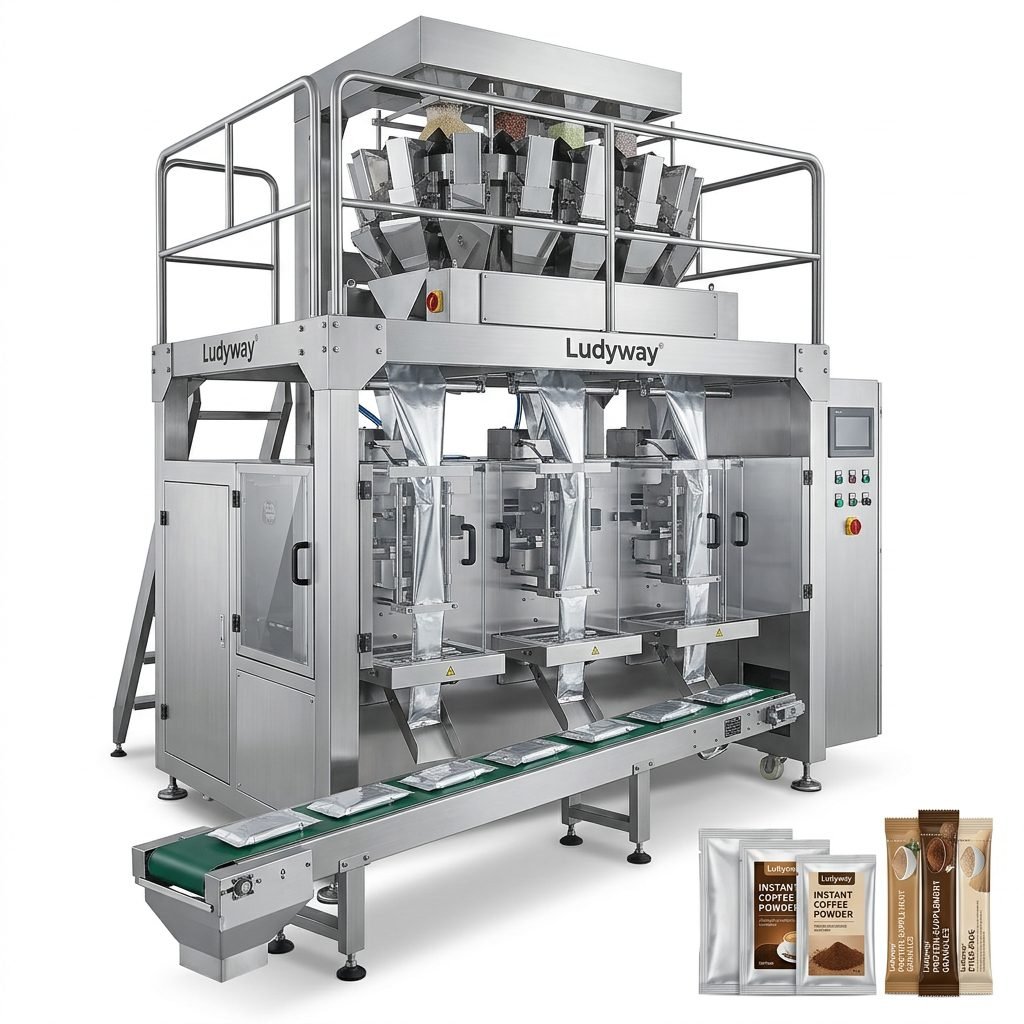
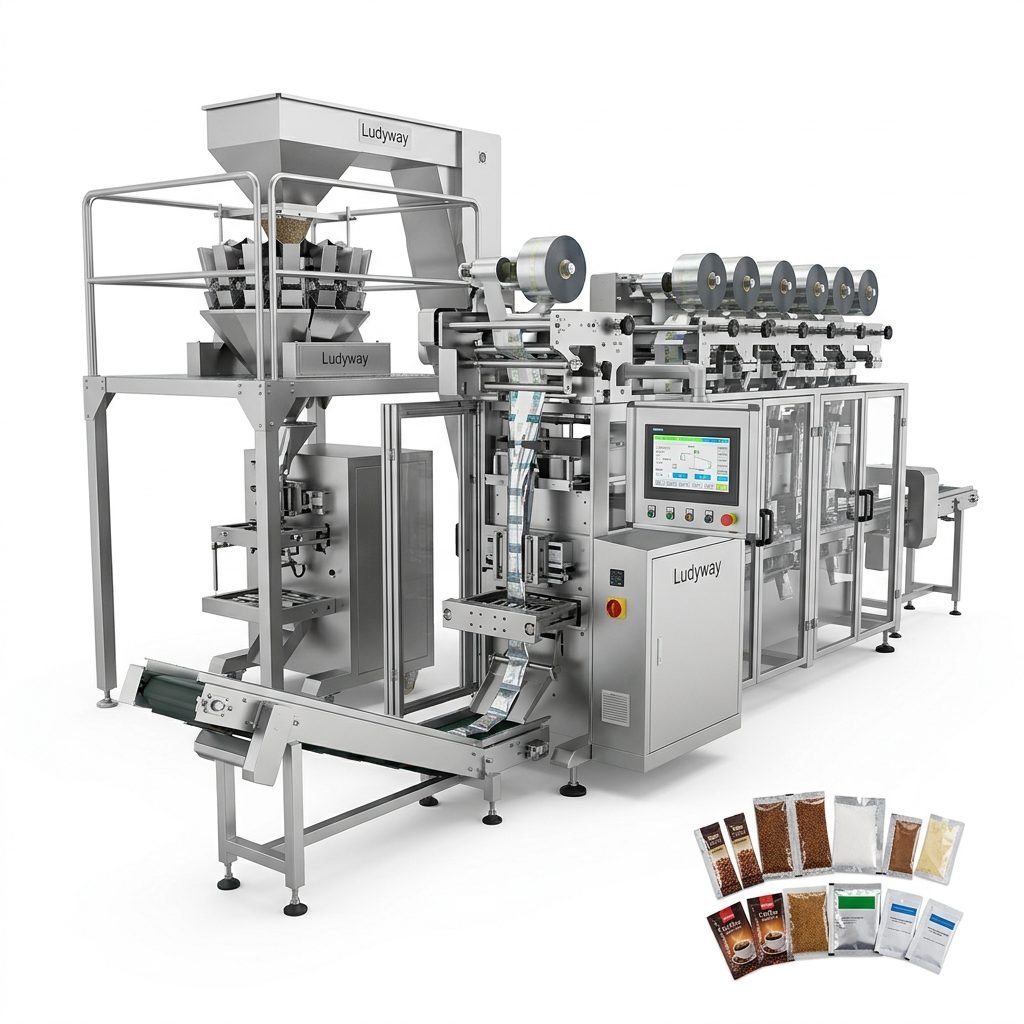
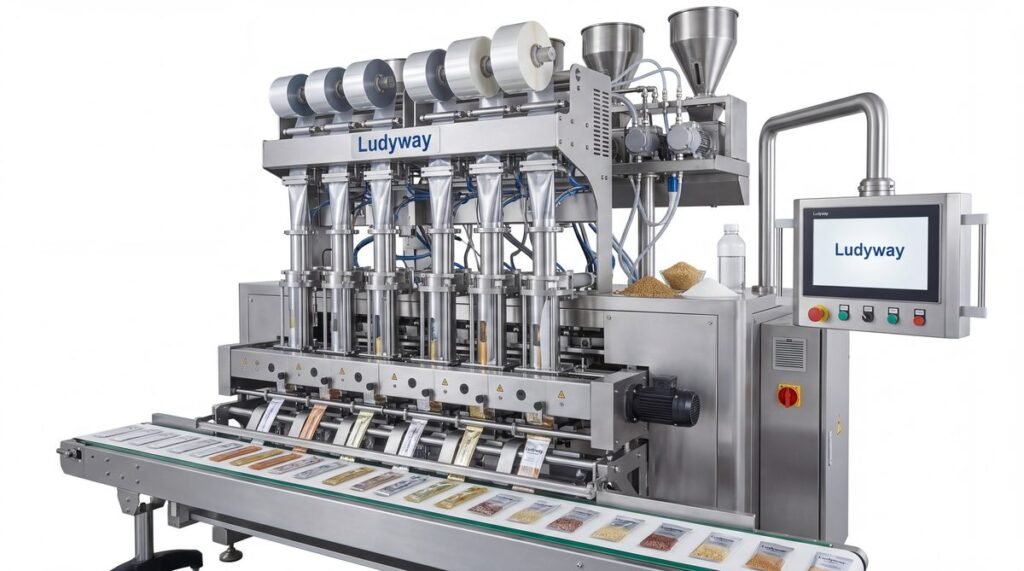
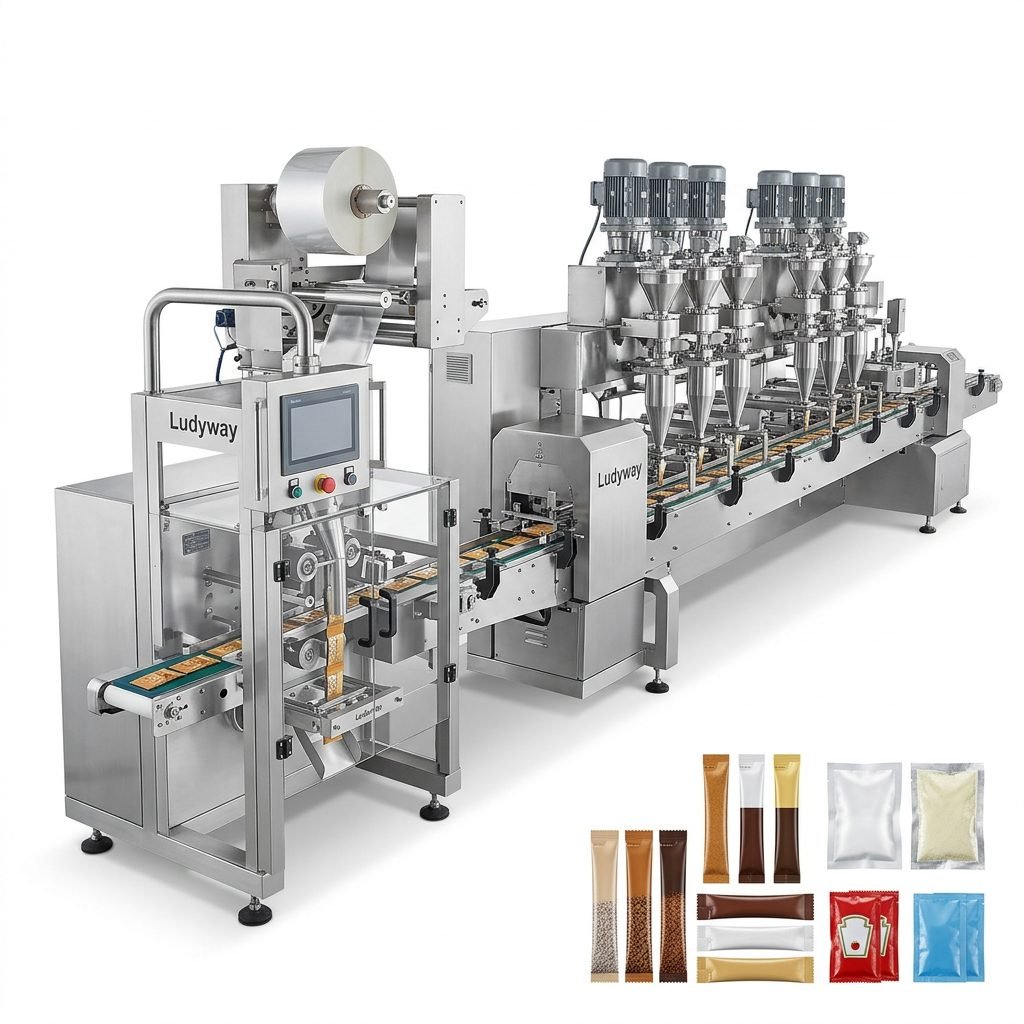
The core of this industrial transformation lies in motion control and processing integration. Modern multi-lane stick pack machines and vertical form-fill-seal (VFFS) systems rely on advanced servo motor setups that control film tension, sealing pressure, and filling volume with sub-millimeter precision. Key technological components driving this change include:
- Precision Dosing Systems: Multi-head weighers, auger fillers, and rotary lobe pumps ensure that each package contains the exact volume of product, minimizing product giveaway and maximizing profitability.
- Smart Vision Inspection: Integrated camera networks scan packaging lines in real time to detect misaligned labels, weak seals, or incorrect fill levels, automatically rejecting defective packages without halting production.
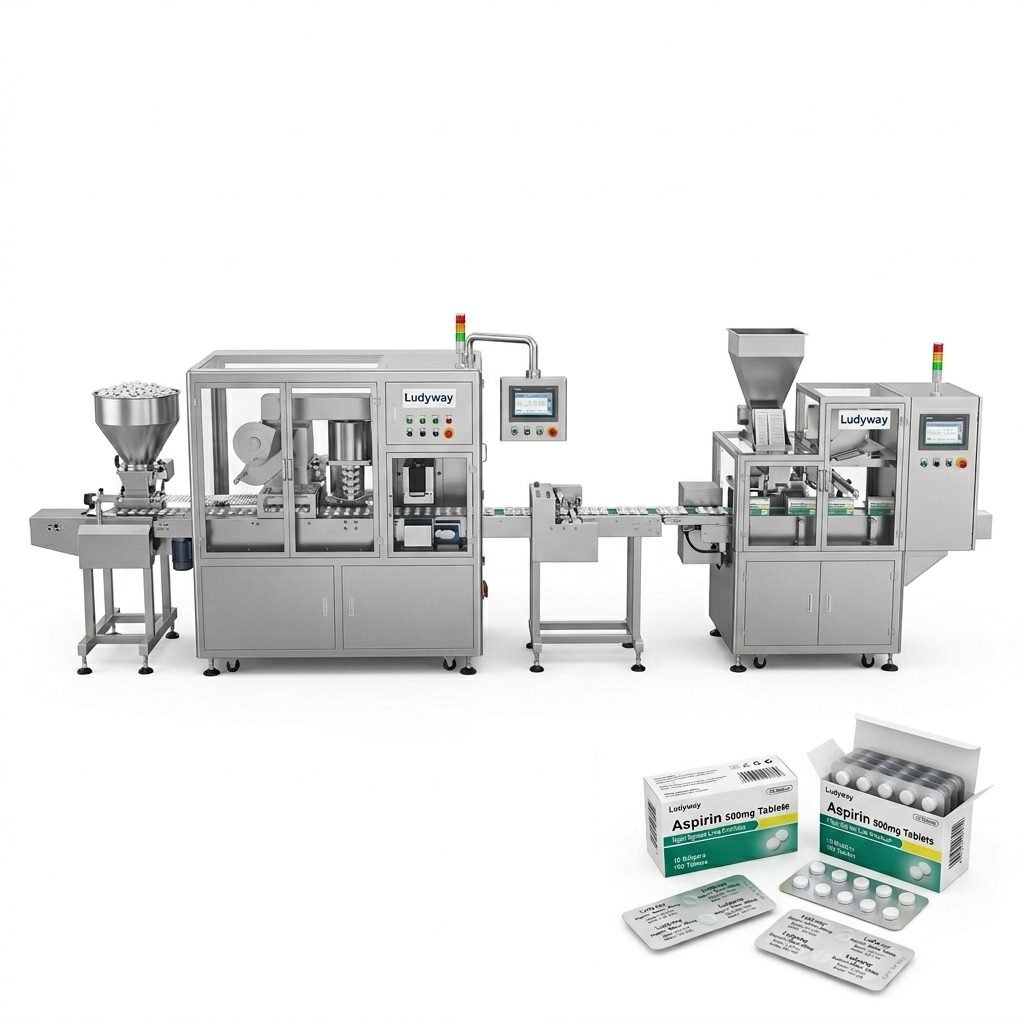
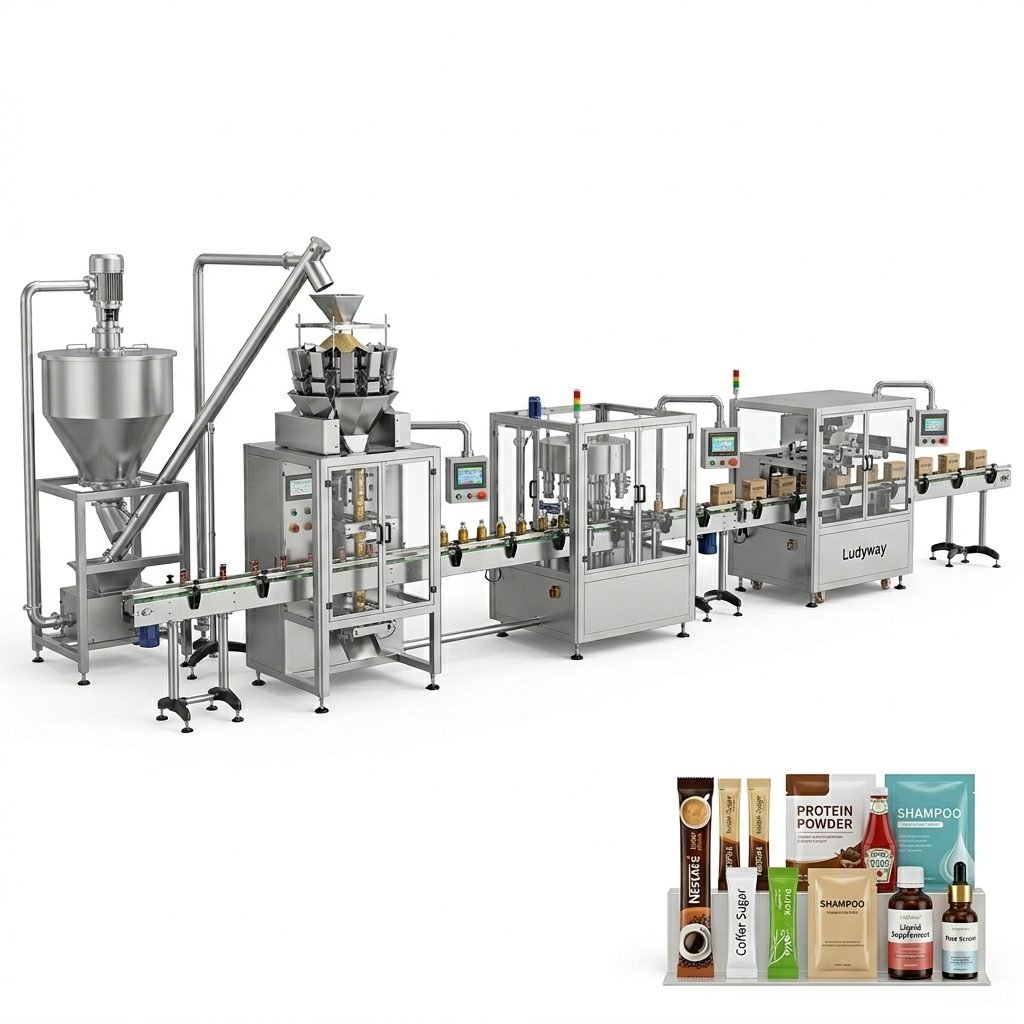
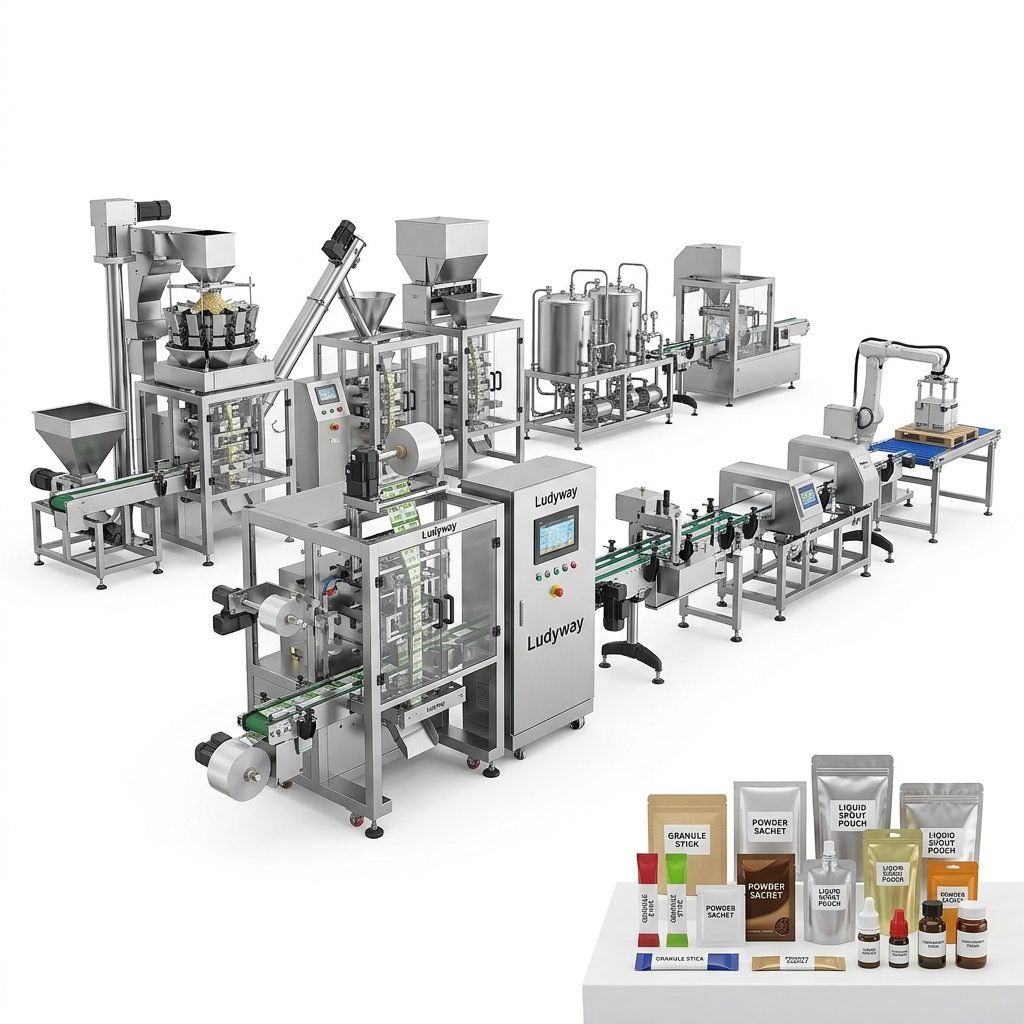
- Turnkey Line Integration: Upstream processing equipment, intermediate feeding systems, and downstream cartoning or palletizing machines are synced via unified communication protocols, creating a single cohesive ecosystem.
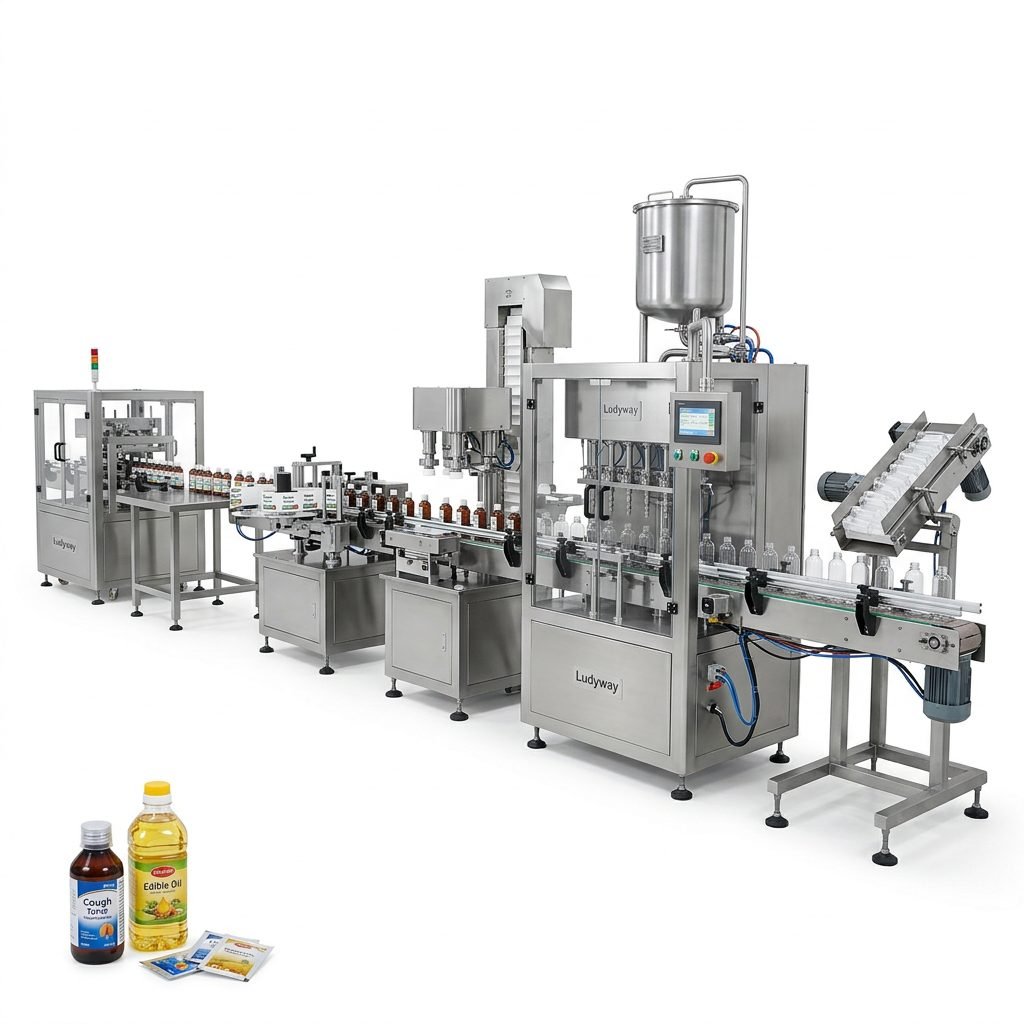
Industry-Specific Impacts: Food, Pharma, and Beyond
The requirements for food packaging differ vastly from the sterile environments required for pharmaceutical production. Smart packaging lines are uniquely engineered to adapt to these varied needs. In the pharmaceutical and health supplement sectors, packaging lines are designed to meet strict GMP standards, utilizing stainless steel construction and incorporating nitrogen-flushing systems to preserve product efficacy and extend shelf life.
In the food and cosmetic industries, the focus shifts to aesthetic versatility and high-speed execution. Multi-lane packaging systems allow brands to package powders like coffee or collagen, and liquids like cosmetic serums, into portable, single-serve stick packs and sachets at rates exceeding hundreds of units per minute. This level of output is critical for maintaining market competitiveness in fast-moving consumer goods sectors.
| Operational Metrics | Traditional Packaging Lines | Smart Automated Packaging Lines |
|---|---|---|
| Changeover Downtime | High (requires manual tool calibration) | Minimal (digital settings and modular parts) |
| Filling Accuracy | Variable (subject to manual error) | High Precision (controlled via servo feedback) |
| Labor Dependency | High (requires multiple line operators) | Low (monitored by a single supervisor) |
| Traceability & Reporting | Manual logging (prone to record gaps) | Real-time data export (fully integrated) |
Choosing the Right Turnkey Partner for Scalable Growth
Implementing sophisticated packaging configurations requires more than just purchasing individual machines; it demands an integrated turnkey approach. Global buyers seeking scalable, reliable solutions frequently partner with established manufacturers who possess deep industry experience and comprehensive engineering capabilities. Ludyway, one of China’s leading packaging machine and turnkey packaging line manufacturers, stands out as a prime example of this industrial capability. Founded in 1993, the company leverages over 30 years of manufacturing experience and a modern facility of over 20,000 square meters to deliver integrated systems that seamlessly connect conveying, filling, sealing, cartoning, and palletizing processes.
By offering customized solutions tailored to specific packaging formats and factory layouts, manufacturers can transition away from fragmented operations. A single, unified turnkey line minimizes compatibility issues, simplifies technical support pathways, and ensures that the entire production floor operates at peak efficiency.
Looking Ahead: The Future of Automation
As industrial automation progresses, the trajectory of packaging technology points toward fully integrated smart factories. The convergence of IoT (Internet of Things) and packaging machinery enables predictive maintenance, where machines flag component wear and schedule service automatically before a breakdown occurs. Furthermore, energy-efficient components and support for recyclable packaging films are becoming standard features in response to global environmental initiatives.
By investing in smart, adaptable packaging systems, manufacturers position themselves to scale operations efficiently, reduce operational overhead, and maintain consistent product quality in an increasingly competitive global marketplace.
Key Takeaways for Modern Manufacturers
- Automated systems significantly reduce operational downtime through digitized changeovers.
- Advanced servo-driven technology ensures high-precision dosing and consistent product quality.
- Turnkey packaging lines simplify technical integration and streamline maintenance.
- Future-proof systems incorporate smart diagnostics and support sustainable packaging materials.