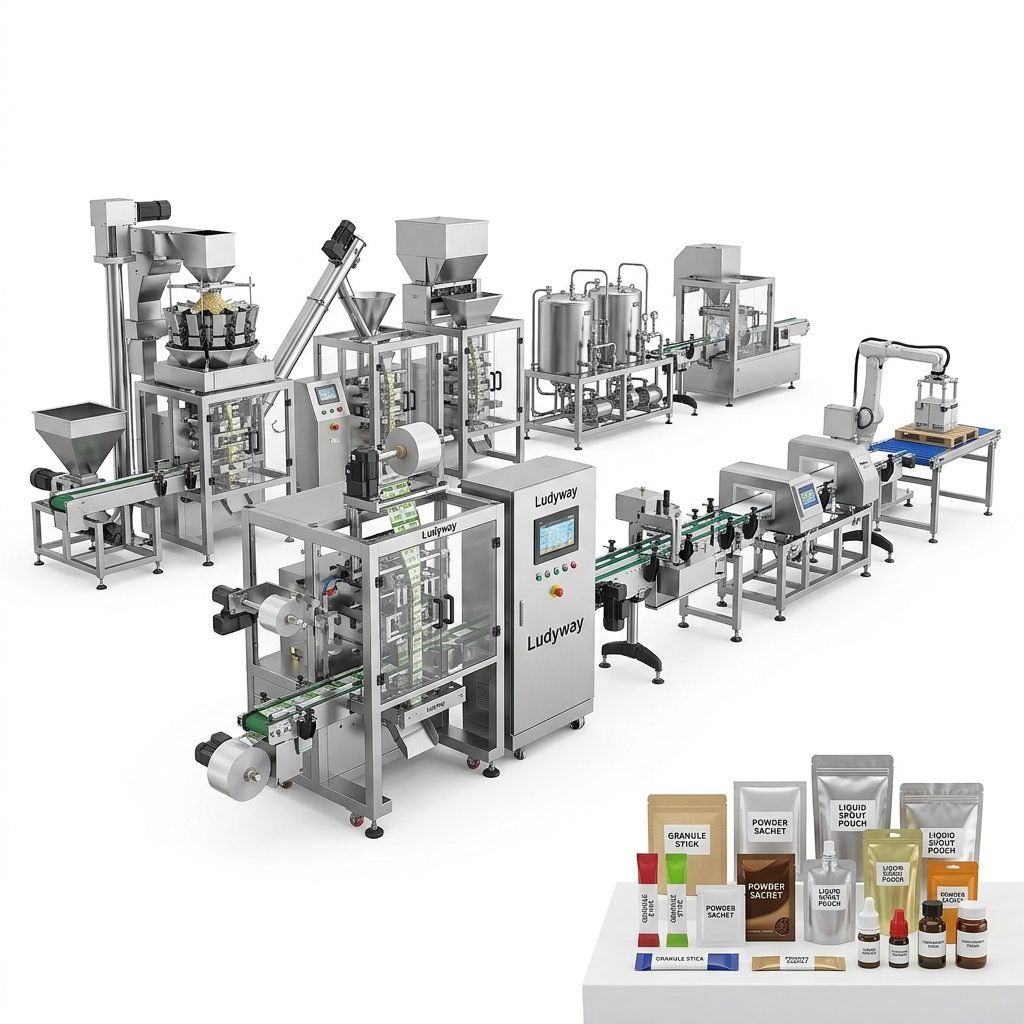
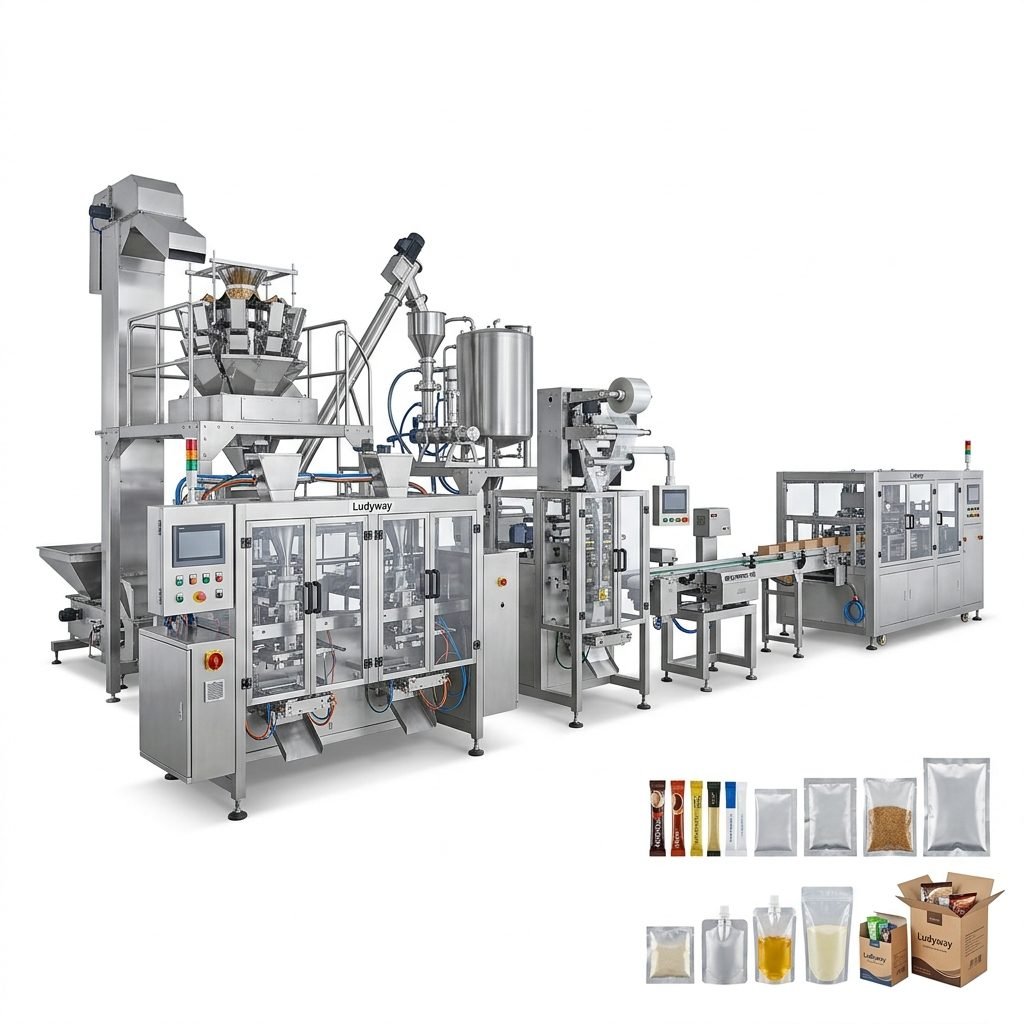
The manufacturing and packaging industries are witnessing a paradigm shift driven by automation and artificial intelligence. For decades, packaging lines have operated efficiently when handling uniform, standardized goods. However, the automated packaging of irregularly shaped parts—ranging from complex automotive components and hardware to asymmetric cosmetic containers—has remained a persistent challenge. Traditional mechanical feeders and 2D vision systems often struggle with depth perception, overlapping items, and varying orientations, resulting in high error rates and reliance on manual labor.
The debut of the new 3D Vision-Guided Packing and Boxing Machine marks a significant milestone in solving these industrial bottlenecks. By combining high-resolution spatial scanning with advanced robotic kinematics, this next-generation system intelligently recognizes, picks, and boxes complex items with unprecedented speed and accuracy, reshaping how factories approach end-of-line packaging.
The Challenge of Handling Irregular Parts
In modern production environments, products are rarely uniform. Items such as cast-metal brackets, multi-textured consumer goods, and flexible pouches pose unique challenges. Traditional automation systems rely on fixed mechanical guides or vibratory bowls to orient parts before a robotic gripper can pick them. If a part changes shape, size, or weight, the entire mechanical system must be re-engineered, leading to costly downtime and high capital expenditure.
Furthermore, standard 2D cameras only capture flat images, failing to detect height variations, tilt angles, or when parts are stacked on top of one another. The 3D vision-guided packaging machine bypasses these limitations by creating a real-time, three-dimensional reconstruction of the workspace, allowing robotic arms to dynamically adjust their approach angles and grip coordinates.
How 3D Vision-Guided Packing Works
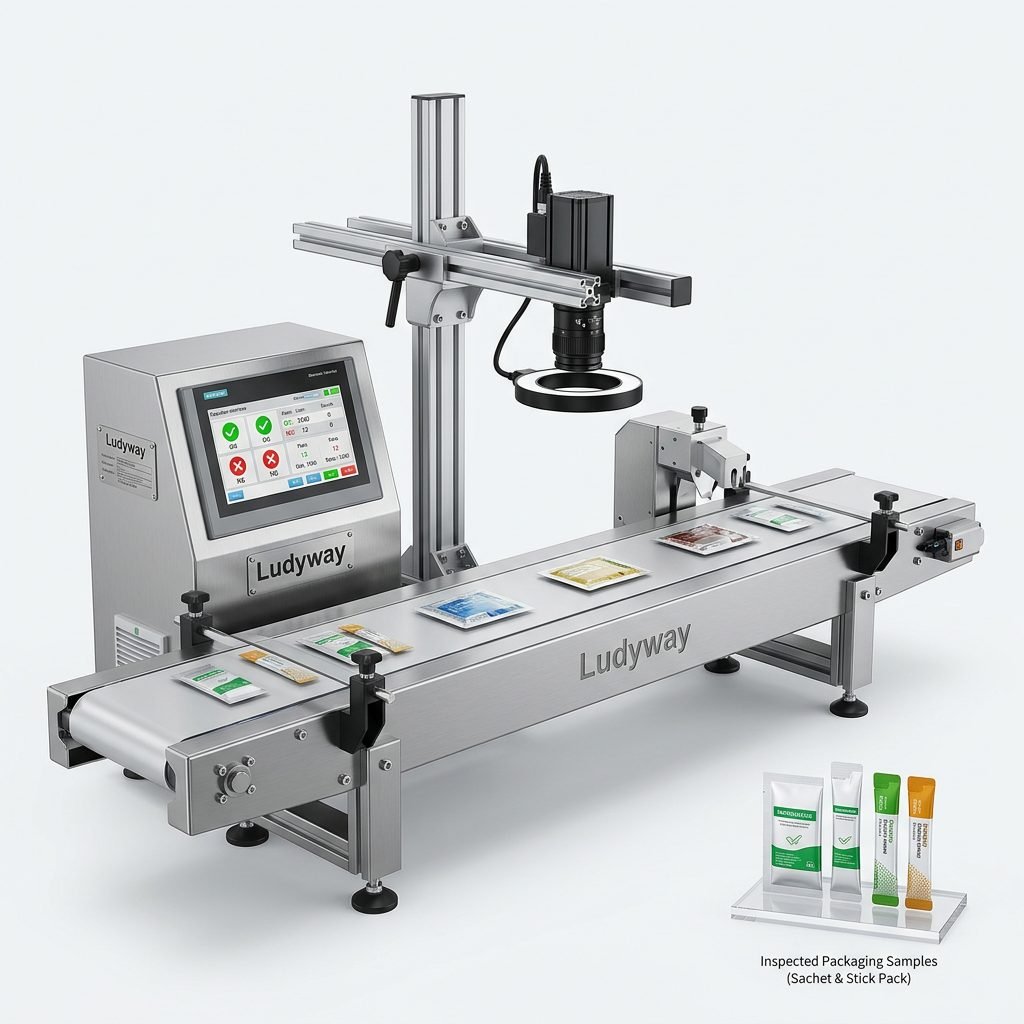
The core technology of this new machine relies on a sophisticated integration of hardware and software. High-precision 3D cameras, often utilizing structured light or Time-of-Flight (ToF) technology, are mounted above the picking area. As irregular parts travel down a conveyor belt or sit randomly in a bin, the camera projects light patterns to capture high-density point clouds.
The machine’s internal software processes these point clouds instantly, utilizing deep learning algorithms to identify individual parts, calculate their exact spatial orientation (X, Y, Z axes, plus roll, pitch, and yaw), and determine the optimal pick point. The controller then transmits these coordinates to a multi-axis robotic arm, which executes the pick-and-place sequence with sub-millimeter precision, depositing the parts safely into their designated boxes or shipping cartons.
| Feature / Capability | Traditional Mechanical Packing | 3D Vision-Guided Packing |
|---|---|---|
| Part Orientation Requirement | Highly standardized; requires mechanical feeders. | Random orientation; handles overlapping & stacked parts. |
| Changeover Downtime | High (hours/days for mechanical adjustments). | Near-zero (software configuration updates). |
| Handling of Fragile Items | Poor; high risk of damage due to mechanical forcing. | Gentle; adaptive grip force and optimized path planning. |
| Space Requirement | Large footprint due to auxiliary sorting devices. | Compact, integrated workspace. |
Key Features of the New Boxing Machine
The newly debuted packaging machine stands out due to several innovative design choices aimed at maximizing manufacturing flexibility and output:
- Adaptive Gripper Systems: Equipped with smart mechanical claws, vacuum suction cups, or hybrid grippers that automatically adapt their force and contact surface depending on the item detected.
- Dynamic Path Planning: Real-time collision avoidance algorithms ensure the robotic arm takes the fastest, safest path from the bin to the box, preventing damage to the machine frame and the product.
- Intelligent Layering & Nesting: For maximum space utilization inside shipping cartons, the system calculates how to nest irregular shapes tightly together, reducing shipping costs and minimizing the need for protective filler materials.
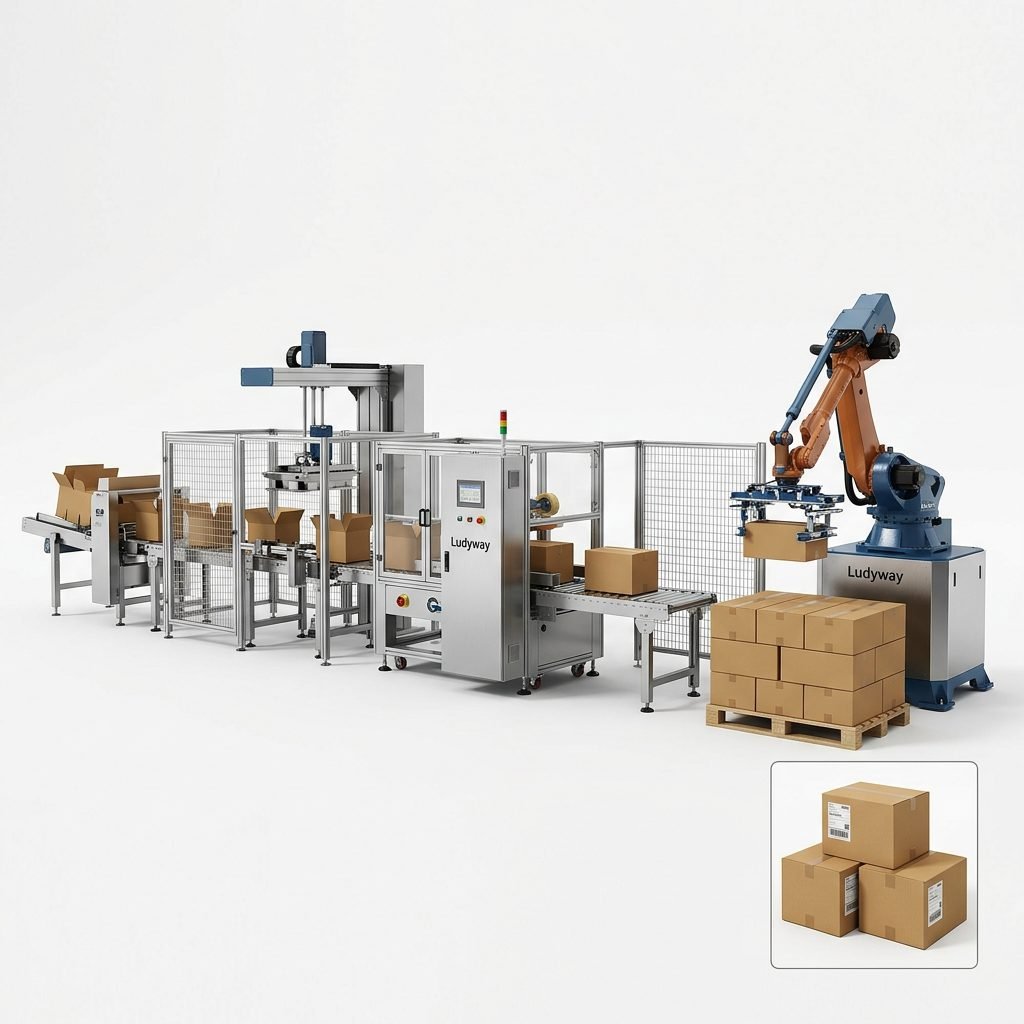
- Seamless Line Integration: The system is designed to interface directly with upstream manufacturing lines and downstream carton sealing, labeling, and palletizing stages.
Industrial Applications and Market Impact
The versatility of 3D vision-guided robotics makes this machine highly valuable across multiple sectors:
In the automotive and hardware sector, where parts are heavy, oily, and highly variable in geometry, the system safely transfers metal components into shipping crates. In the pharmaceutical and medical device industries, the machine guarantees sterile, contactless handling of irregularly shaped surgical kits, syringes, and customized packaging formats. Meanwhile, the cosmetics and personal care industries benefit from the machine’s ability to handle delicate, stylized perfume bottles and cream jars without scratching their surfaces.
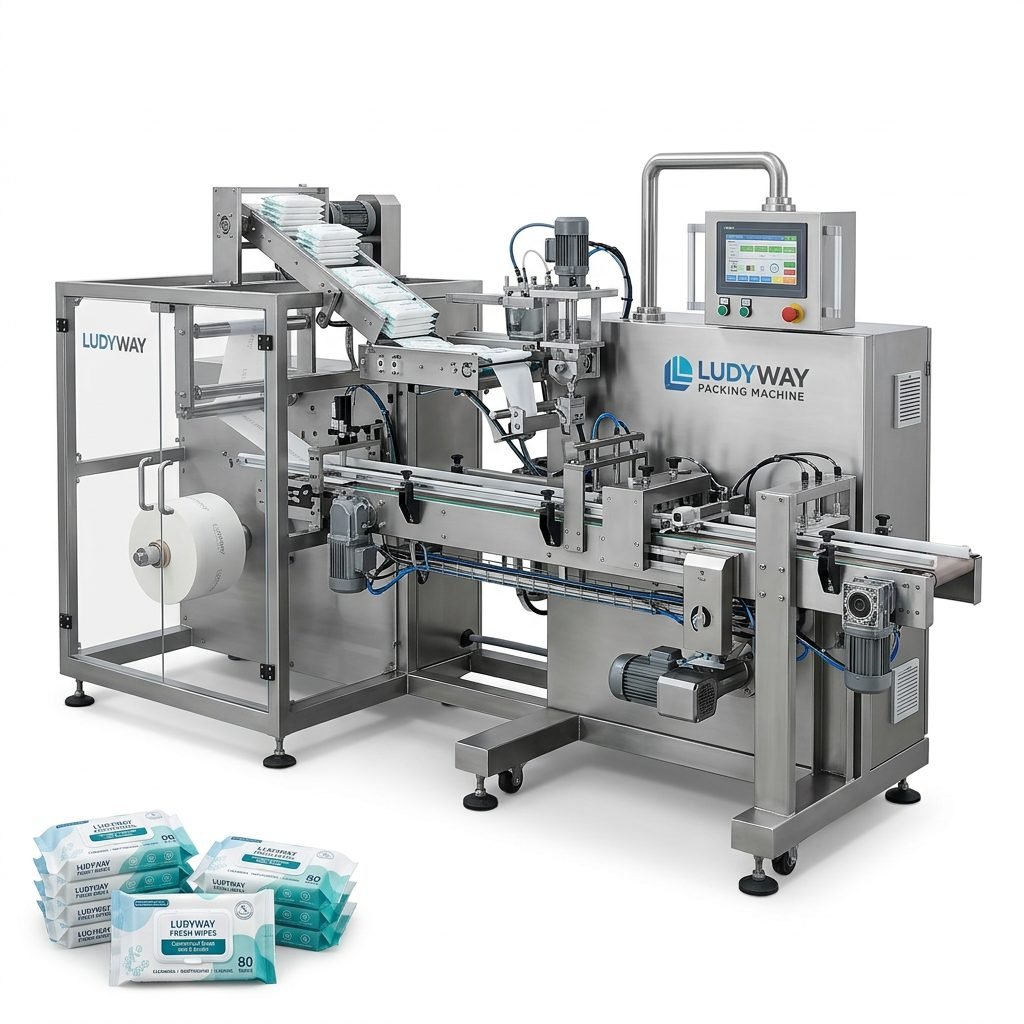
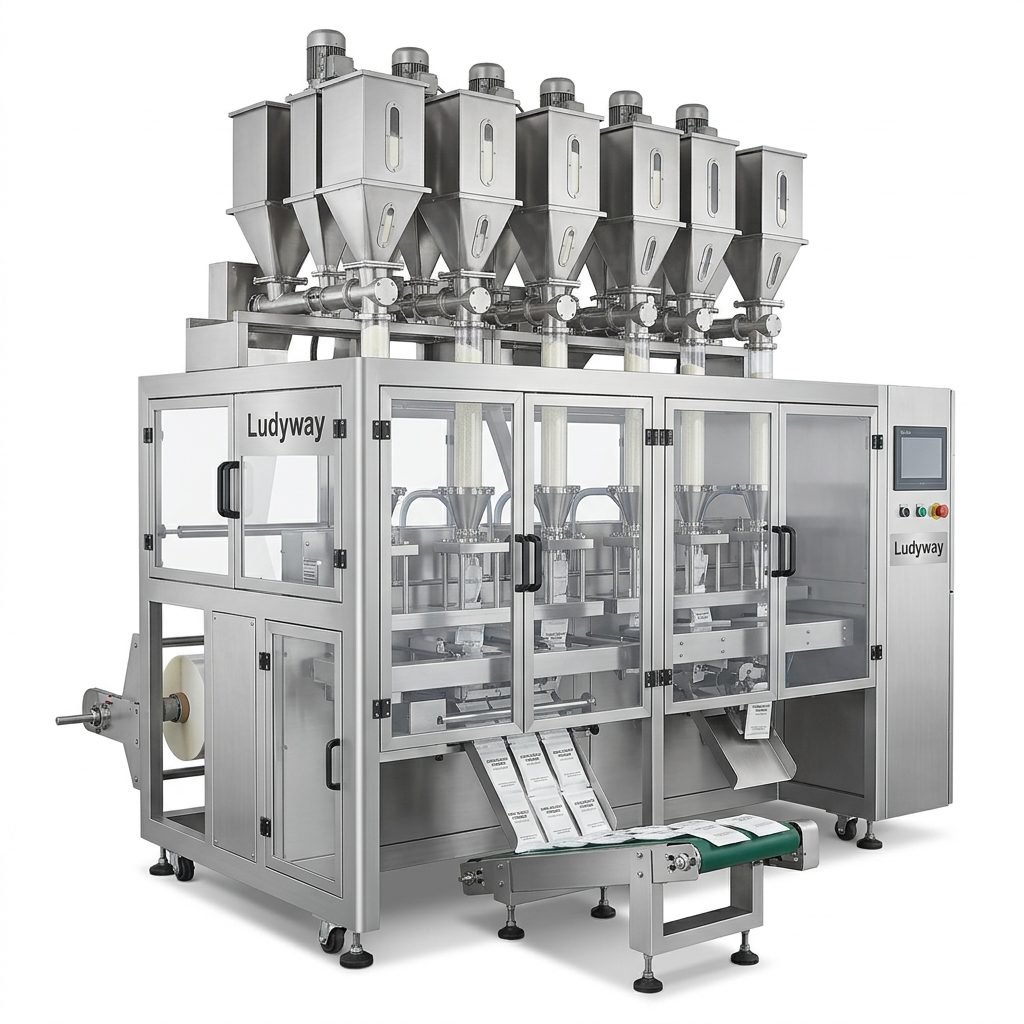
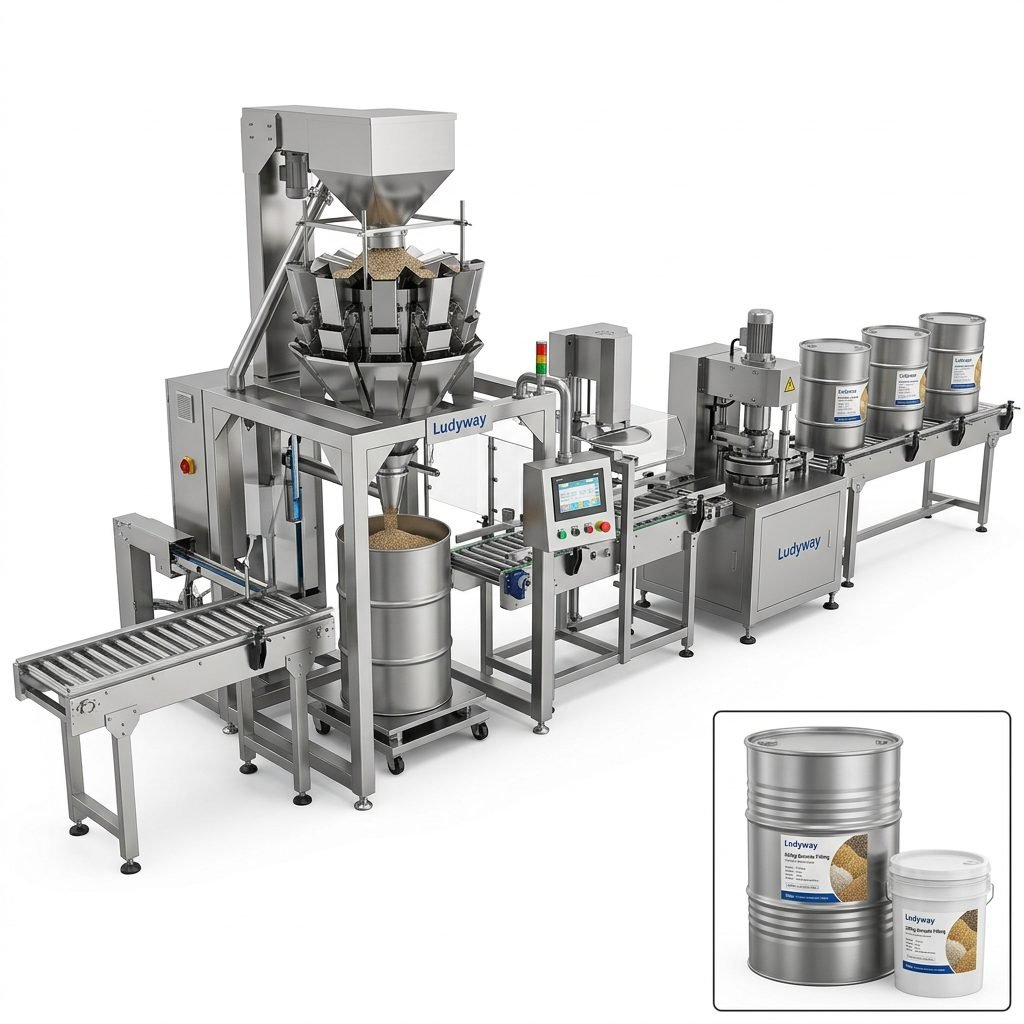
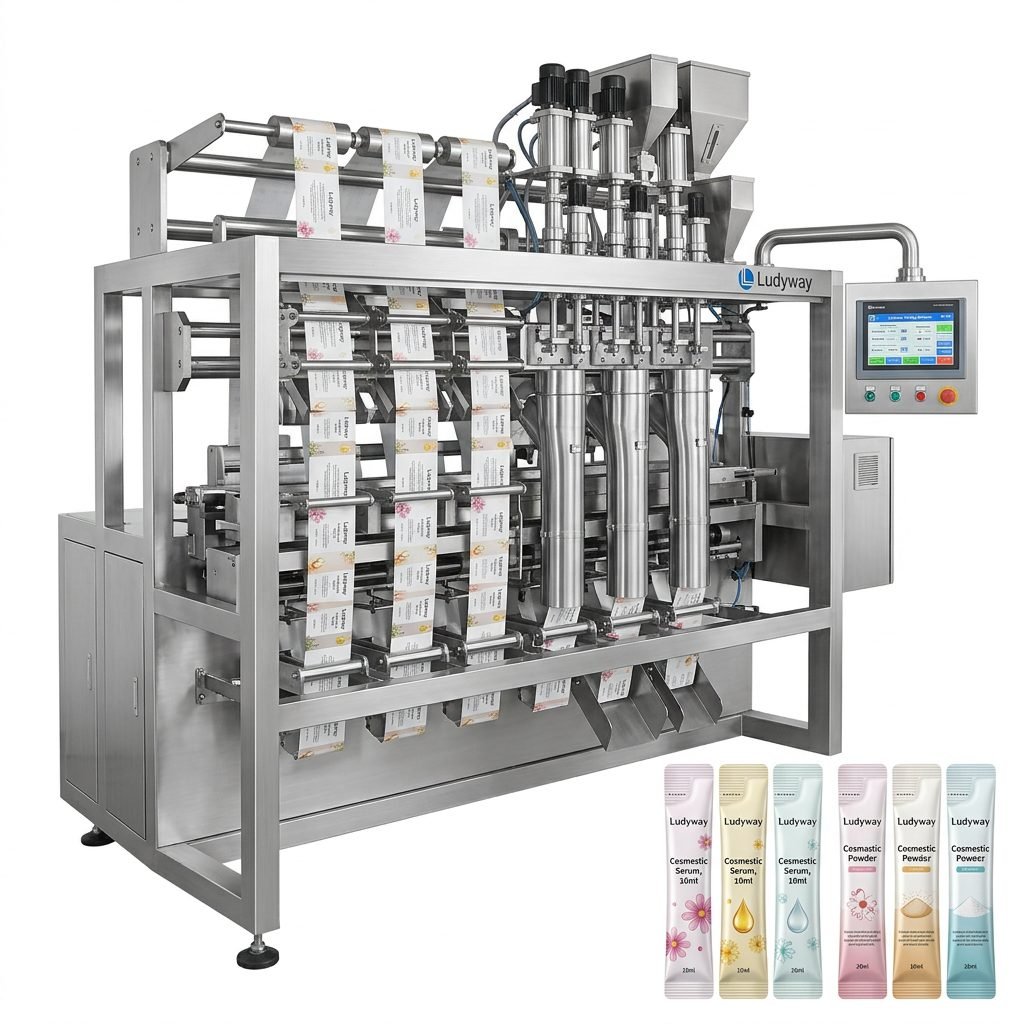
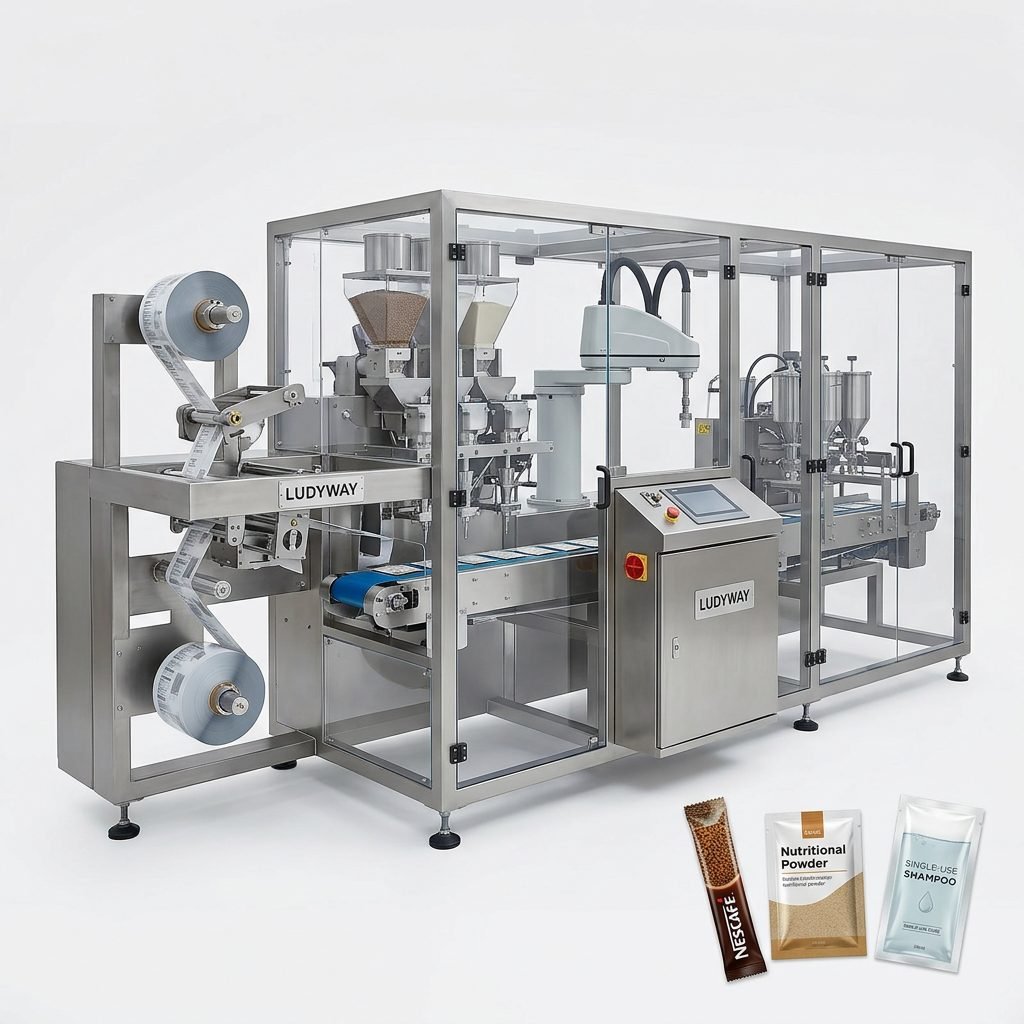
For global factories looking to upgrade their production facilities, integrating these advanced systems is key to staying competitive. Companies like Ludyway, one of China’s leading packaging machine and turnkey packaging line manufacturers, provide the robust engineering, manufacturing scale, and customized automation technologies required to implement these high-speed systems on a global scale. Integrating vision guidance into complete turnkey packaging lines ensures that sorting, boxing, sealing, and palletizing work in perfect synchronization.
The Future of Vision-Guided Automation
As artificial intelligence and sensor technology continue to evolve, the capabilities of 3D vision-guided packaging machines will expand even further. Future software updates are expected to include advanced predictive maintenance capabilities, where the system monitors its own mechanical wear and camera calibration status to schedule repairs before downtime occurs. Additionally, cloud-based learning will allow machines located in different parts of the world to share recognition profiles, making the setup of new product shapes faster than ever before.
For manufacturers looking to improve operational efficiency, minimize product damage, and combat rising labor shortages, investing in 3D vision-guided boxing technology is no longer a luxury—it is a critical step toward securing a place in the smart factories of tomorrow.