Industry News
Global retailers are accelerating investments in packaging upgrades as brands compete for stronger shelf impact, better digital engagement, and improved consumer trust. Across food, personal care, health products, and household goods, packaging is no longer viewed as a final production step. It has become a strategic touchpoint that shapes first impressions, supports product protection, and reinforces brand value in both physical and online retail channels.
From supermarkets and pharmacy chains to convenience stores and e-commerce platforms, retailers are pushing suppliers to deliver packaging that looks cleaner, feels more premium, and performs better throughout logistics and display cycles. This shift is creating new momentum for packaging automation, flexible formats, and turnkey line upgrades.
Packaging experience becomes a competitive retail asset
Retail buyers increasingly expect packaging to do more than contain a product. It must communicate quality quickly, support convenience, and remain visually consistent across multiple sales channels. For many global retailers, the packaging experience now influences:
- Purchase conversion at the shelf and on product listing pages
- Brand recall through distinct format, graphics, and usability
- Consumer confidence via secure seals, traceability, and product clarity
- Operational efficiency during filling, cartoning, shipping, and replenishment
- Sustainability messaging through material reduction and smarter pack design
As a result, retailers are asking manufacturers to modernize packaging formats for sachets, stick packs, pouches, bottles, and multi-pack units, especially in high-growth categories such as supplements, convenience foods, ready-to-mix beverages, skincare samples, and travel-size daily essentials.
What is driving the latest wave of upgrades?
Several market factors are shaping the current packaging transformation. Rising labor costs, demand for shorter lead times, and expanding SKU diversity have made manual and semi-automatic systems less competitive. At the same time, consumers are rewarding products that feel easy to open, reseal, carry, and store.
Key retail-side pressures include:
- Faster product launches across multiple formats
- Higher expectations for packaging consistency
- More premium presentation in value-driven categories
- Better compatibility with omnichannel distribution
- Lower packaging waste and stronger material efficiency
These pressures are prompting brand owners to re-evaluate line design, dosing accuracy, sealing stability, labeling precision, and end-of-line integration. In practical terms, packaging upgrades are becoming closely linked to equipment selection and factory automation planning.
Retail categories seeing the strongest packaging investment
Not all categories are moving at the same speed, but several segments are investing aggressively in packaging experience improvements.
| Category | Packaging Focus | Retail Objective |
|---|---|---|
| Food & Beverage | Portion packs, stick packs, stand-up pouches | Convenience, freshness, shelf visibility |
| Pharmaceutical & Health | Accurate dosing, tamper evidence, traceability | Trust, safety, compliance |
| Cosmetics & Personal Care | Sample sachets, travel packs, premium finishing | Trial, visual appeal, portability |
| Household & Chemical | Leak prevention, easy dispensing, durable seals | Safety, logistics reliability, convenience |
Automation is central to delivering better packaging experiences
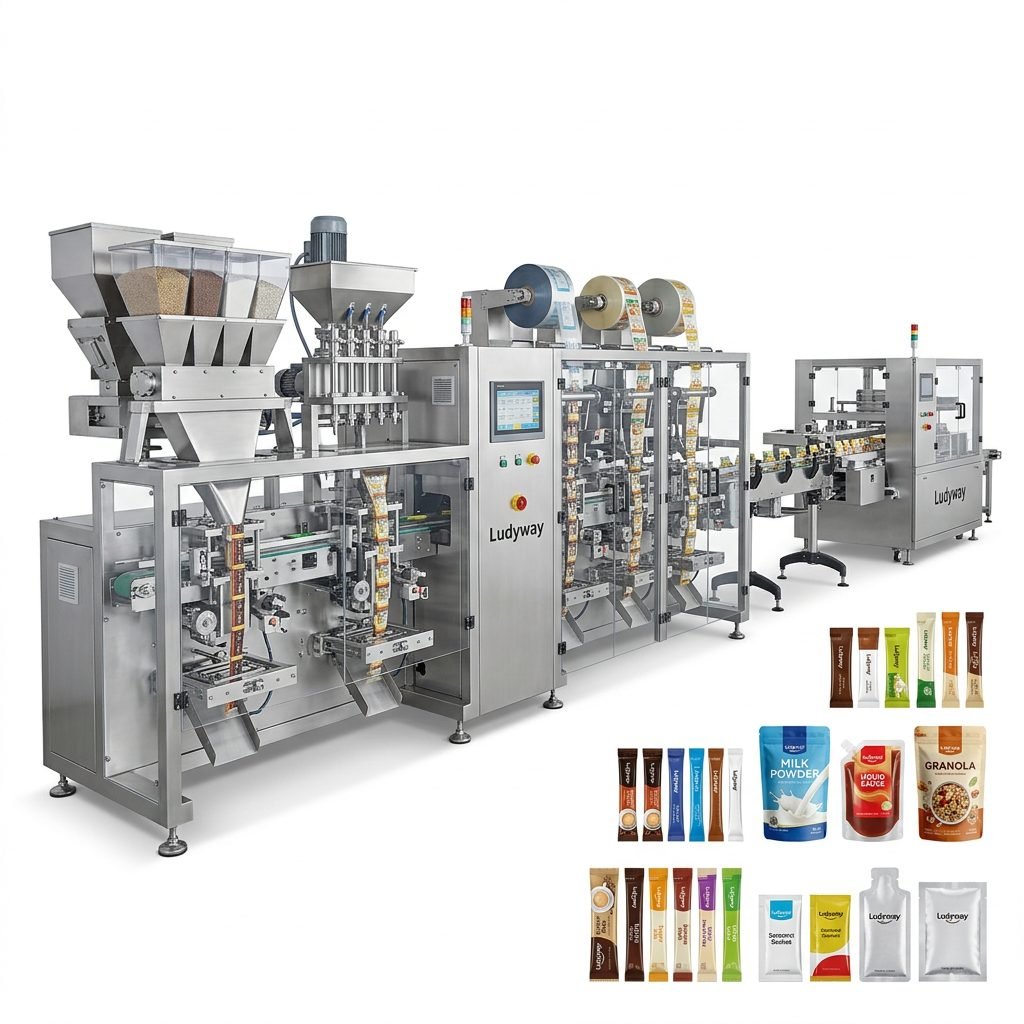
Improving the packaging experience at scale requires more than redesigning artwork or switching materials. Brands also need reliable packaging machinery that can maintain output speed while supporting precision filling, stable sealing, and format flexibility. This is particularly important for global retailers that demand consistency across markets and product batches.
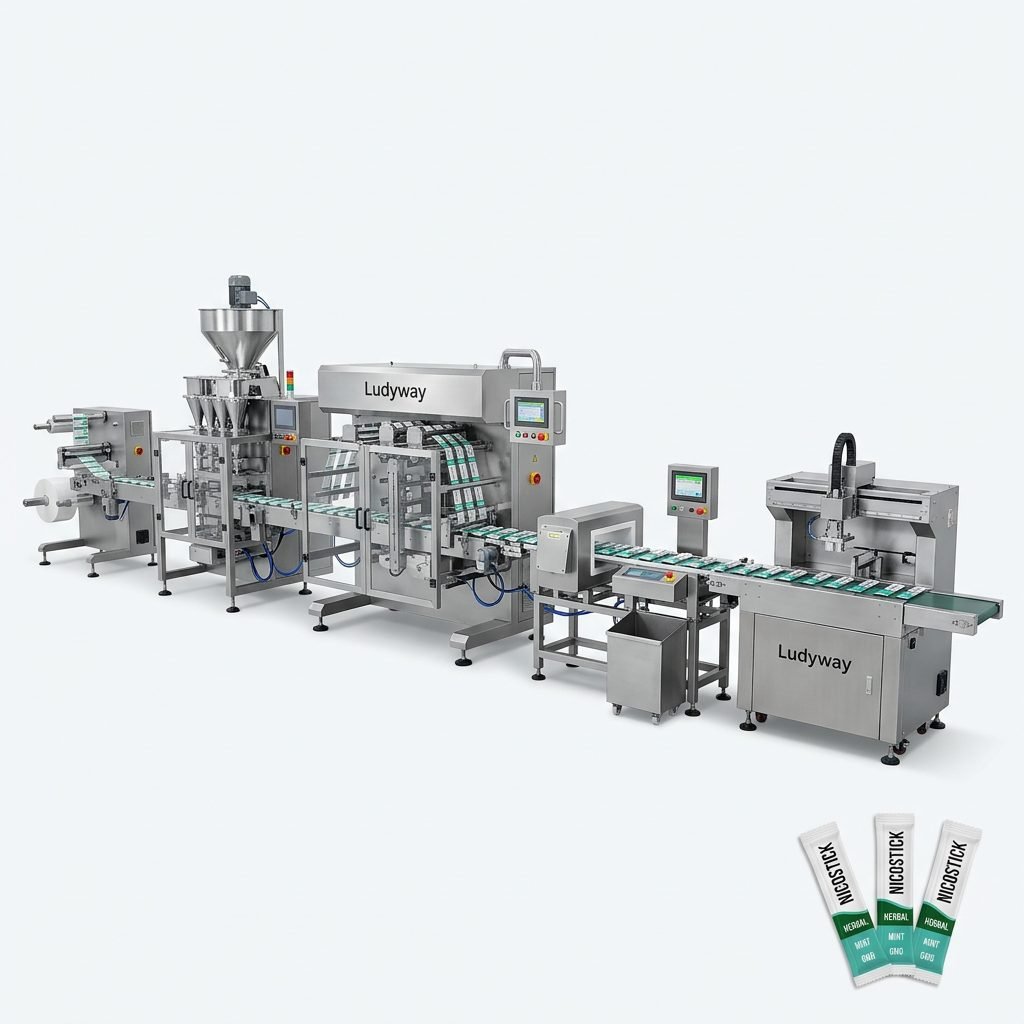
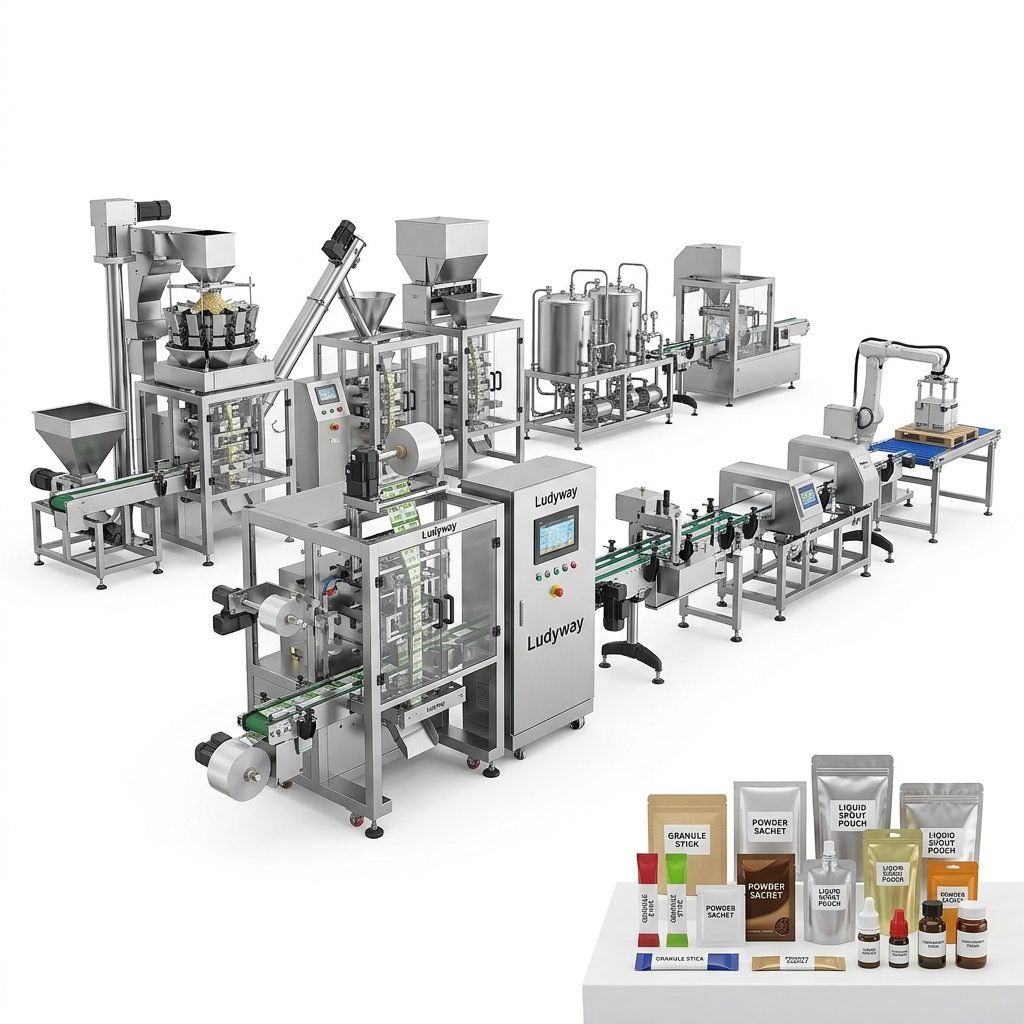
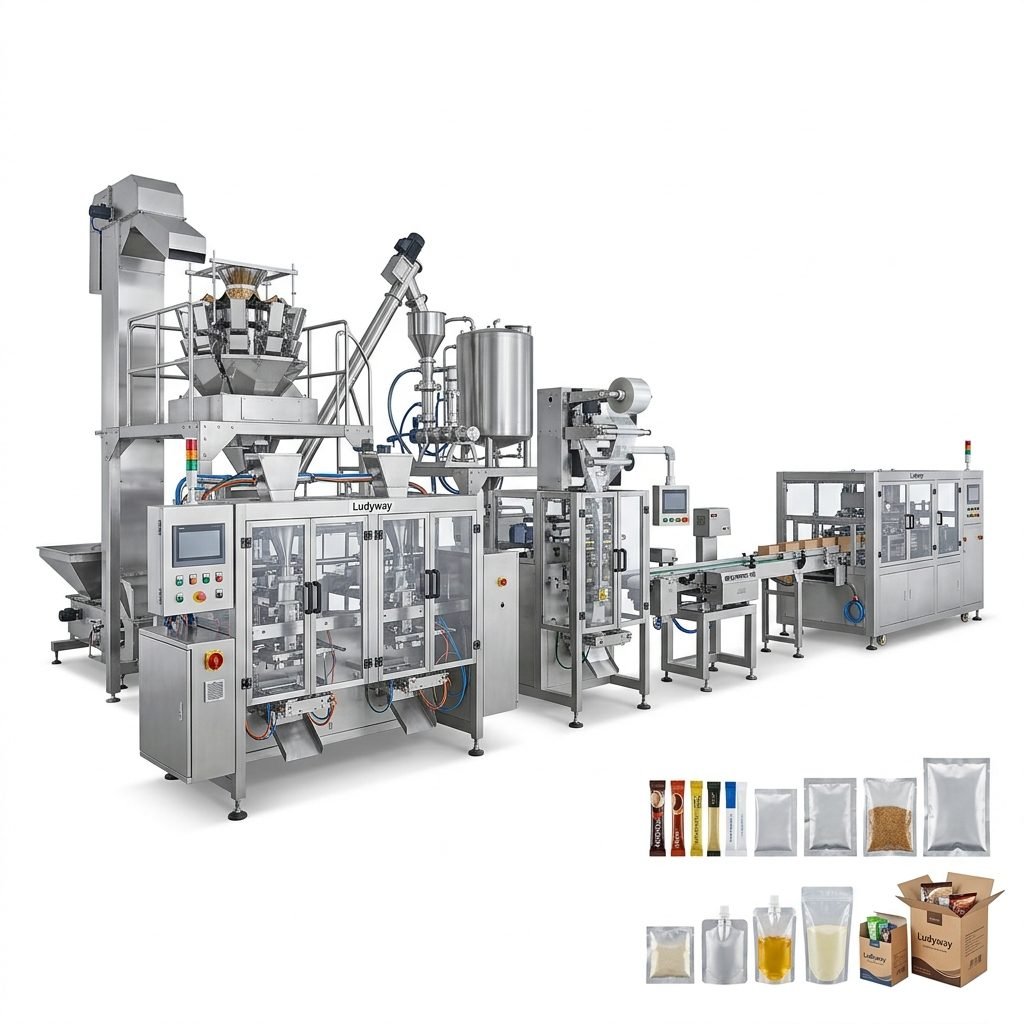
Manufacturers are therefore turning to integrated solutions that combine filling, sealing, coding, inspection, cartoning, and conveying into a more streamlined workflow. The benefit is not just higher throughput. It also reduces variation, improves pack appearance, and helps suppliers respond faster to retailer requirements.
Most requested equipment capabilities now include:
- Quick changeover for different SKUs and pack sizes
- High-speed operation without sacrificing seal quality
- Compatibility with powders, granules, liquids, and pastes
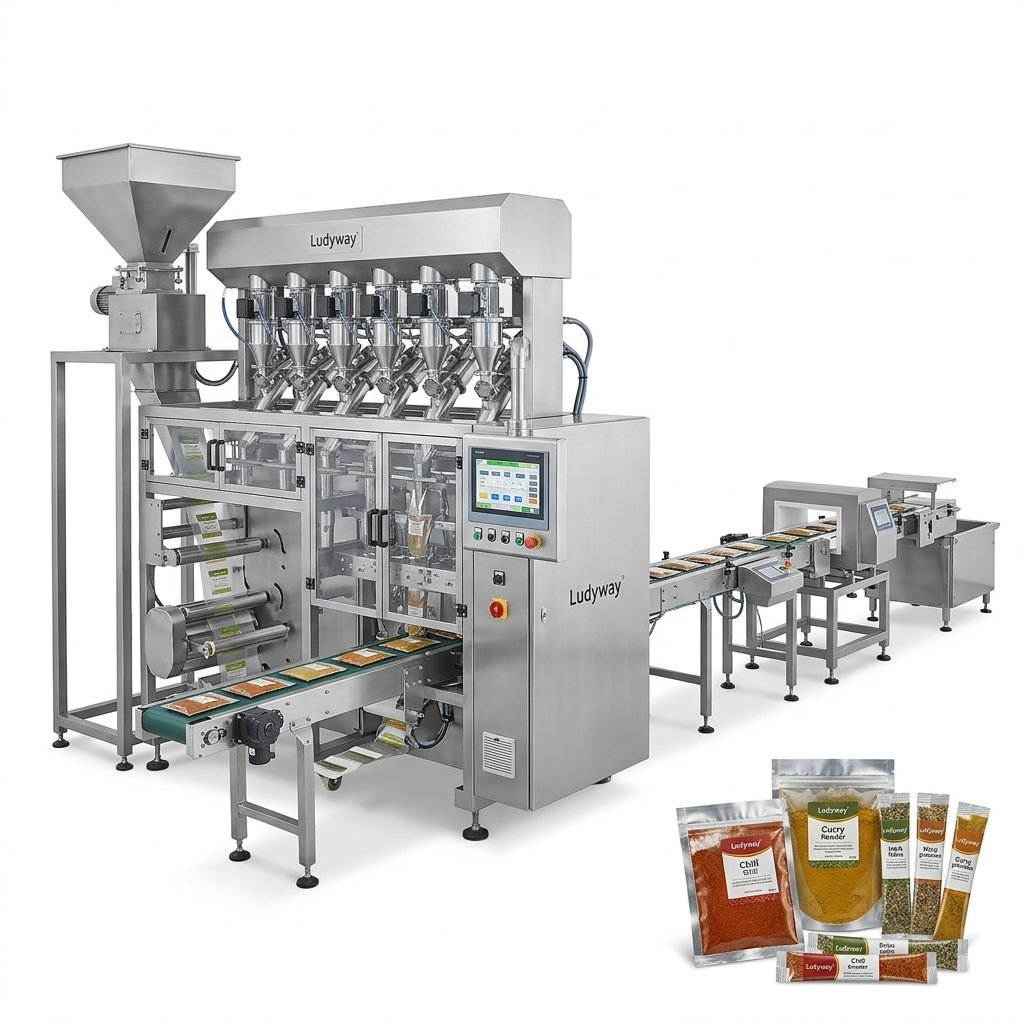
- Integration with checkweighers, coding, and inspection systems
- Turnkey line engineering for complete production flow
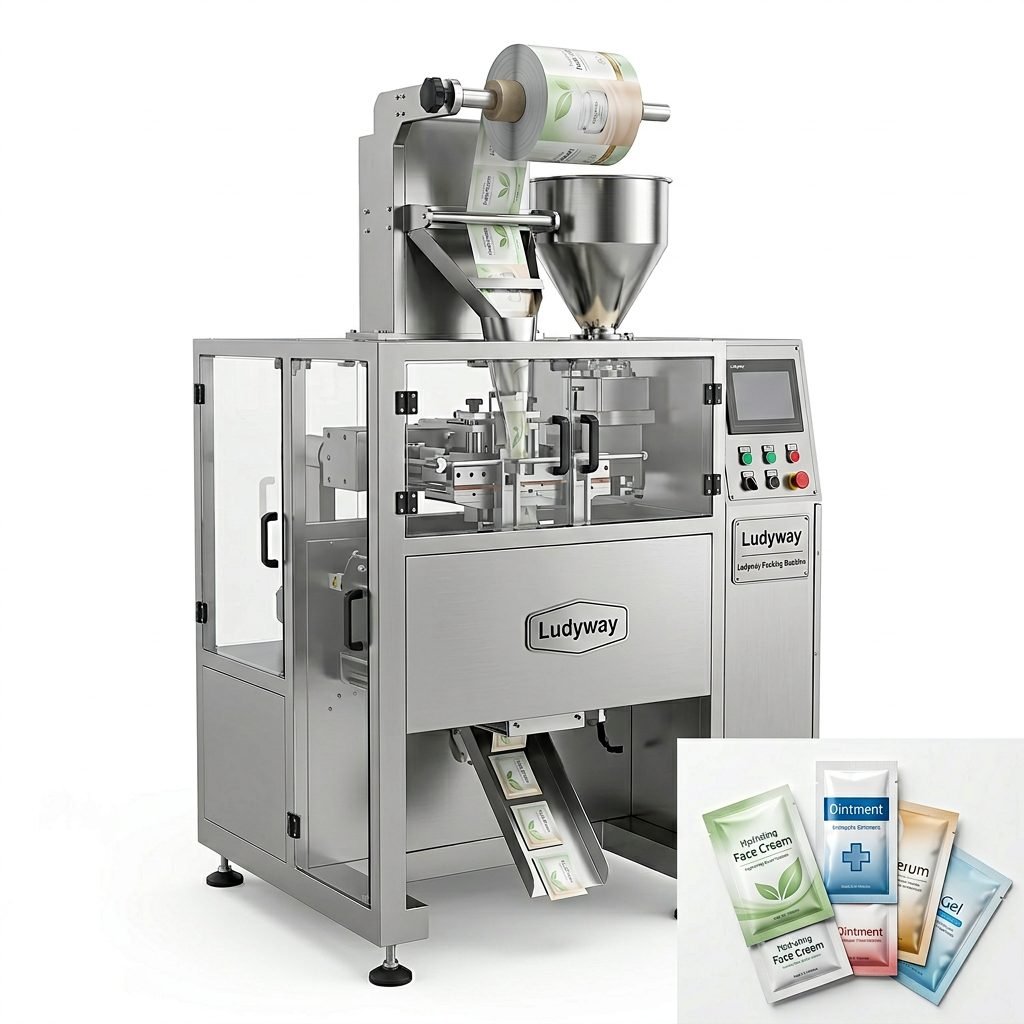
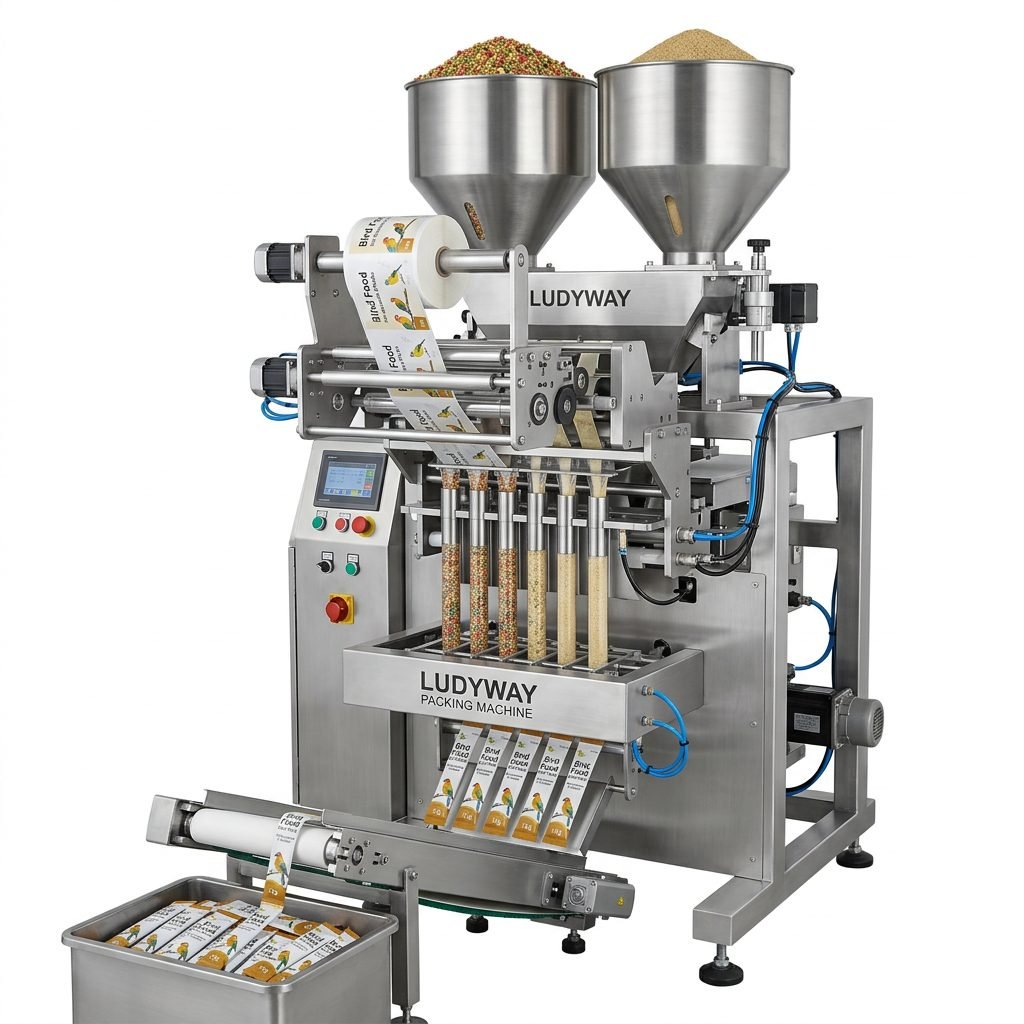
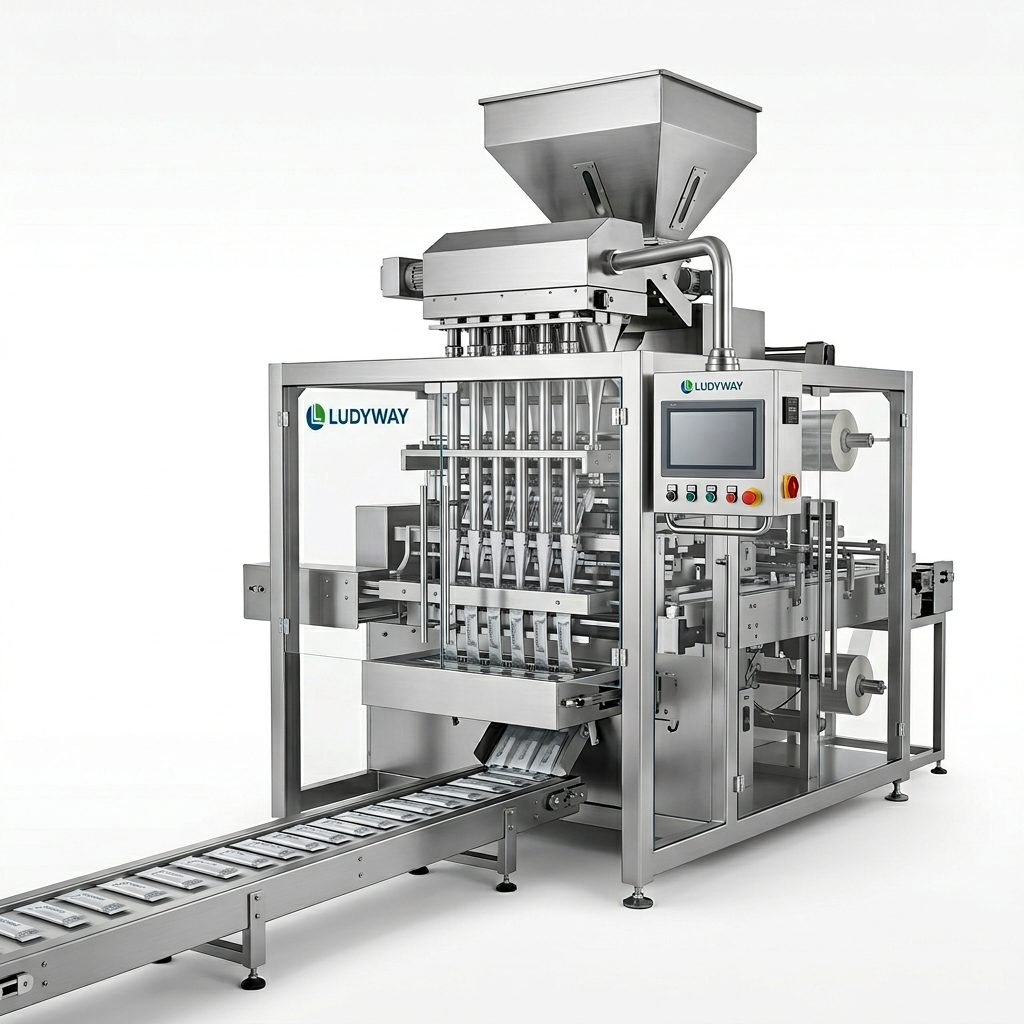
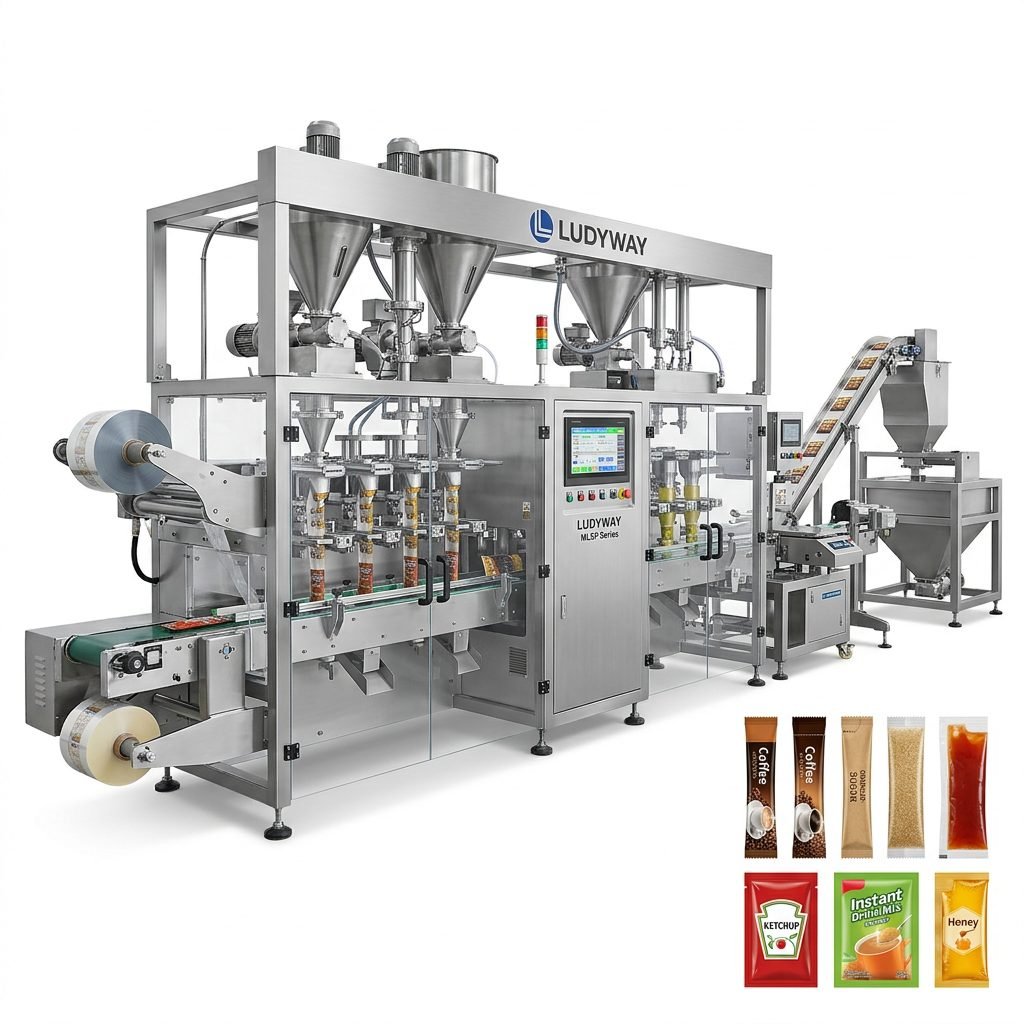
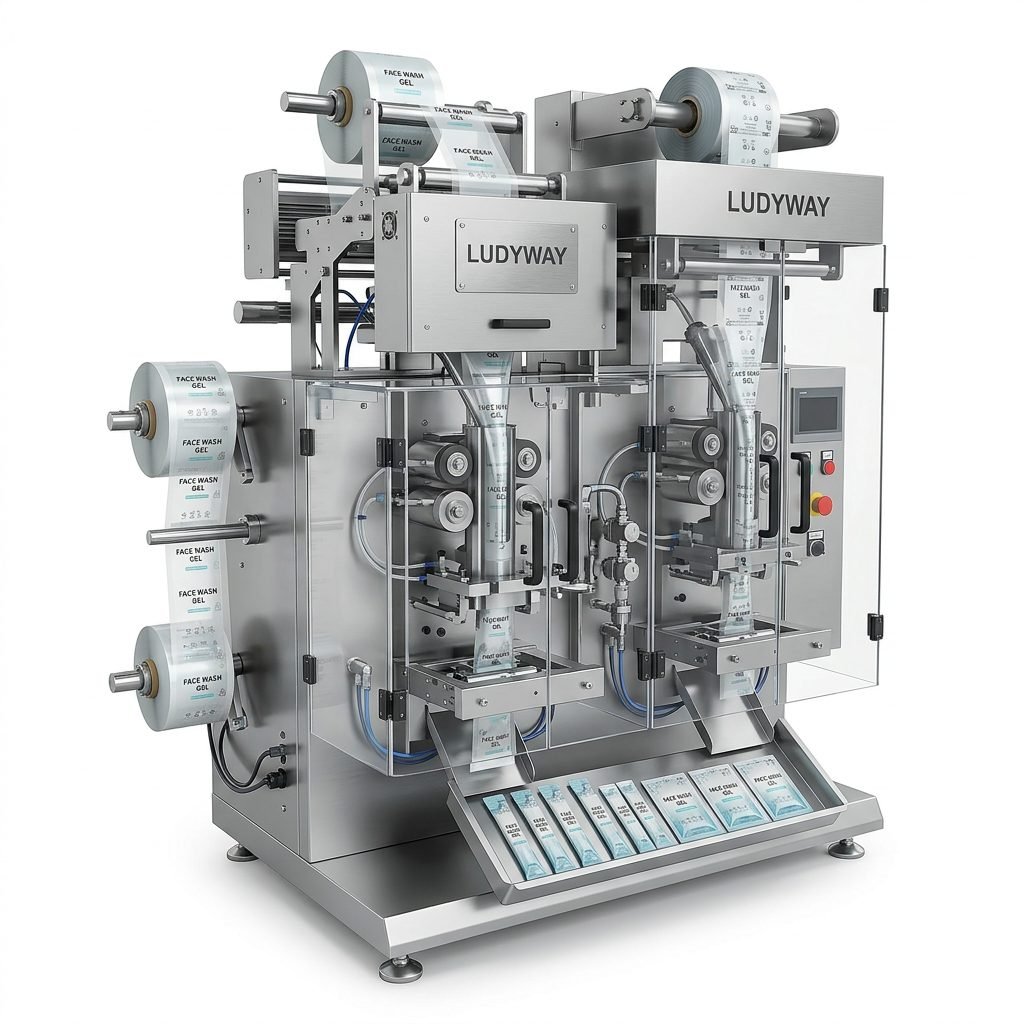
In this environment, suppliers such as Ludyway packaging machine manufacturer are drawing attention from overseas buyers looking for scalable automation support. With more than 30 years of industry experience, a manufacturing base of over 20,000 square meters, and broad export coverage across Europe, North America, the Middle East, South America, Africa, and Southeast Asia, the company is recognized for supplying both standalone machines and turnkey packaging lines for food, pharmaceutical, health supplement, and related sectors.
How packaging upgrades improve consumer engagement
Retail packaging now plays a growing role in consumer interaction before, during, and after purchase. Better packaging can increase engagement in several measurable ways:
- Stronger shelf attraction: cleaner pack structure and better finishing improve product visibility
- Higher trial rates: small-format sachets and stick packs lower purchase barriers
- Improved user satisfaction: easy-open and portable packs support daily convenience
- Greater trust: neat seals and accurate fill volumes communicate product reliability
- Digital continuity: packaging designed for e-commerce images improves online merchandising
For retailers, this means packaging is directly connected to repeat purchase behavior. A product that is easier to use, carry, and store is often more likely to generate positive feedback and stronger retention.
Sustainability remains part of the packaging conversation
Although premium appearance and convenience remain top priorities, sustainability continues to influence packaging decisions. Retailers are increasingly encouraging suppliers to reduce unnecessary material use, improve pack efficiency, and adopt equipment that minimizes waste during production.
Automation supports these goals by helping brands achieve more accurate dosing, cleaner seals, lower reject rates, and better material utilization. Over time, this can reduce production losses while aligning with retailer sustainability targets and consumer expectations.
Outlook for packaging suppliers and brand manufacturers
The next phase of retail competition will likely place even greater emphasis on packaging performance. As product categories become more crowded, the winners will be the brands that combine efficient production with a packaging experience that feels modern, reliable, and consumer-friendly.
For packaging equipment manufacturers, the opportunity lies in delivering flexible, export-ready solutions that help producers adapt quickly to market shifts. For brand owners, investment in packaging automation is increasingly becoming a practical route to stronger retailer relationships and deeper consumer engagement.
Market takeaway
Global retailers are no longer treating packaging as a secondary operational detail. It is now a visible part of brand strategy, customer experience, and supply chain performance. Companies that upgrade packaging systems early will be better positioned to meet retail standards, improve efficiency, and strengthen long-term market competitiveness.