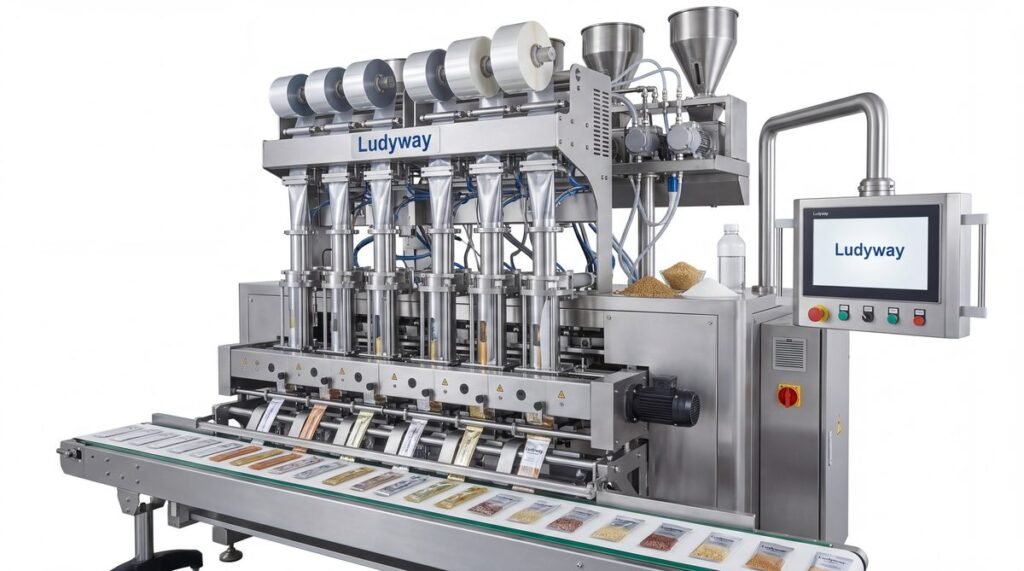
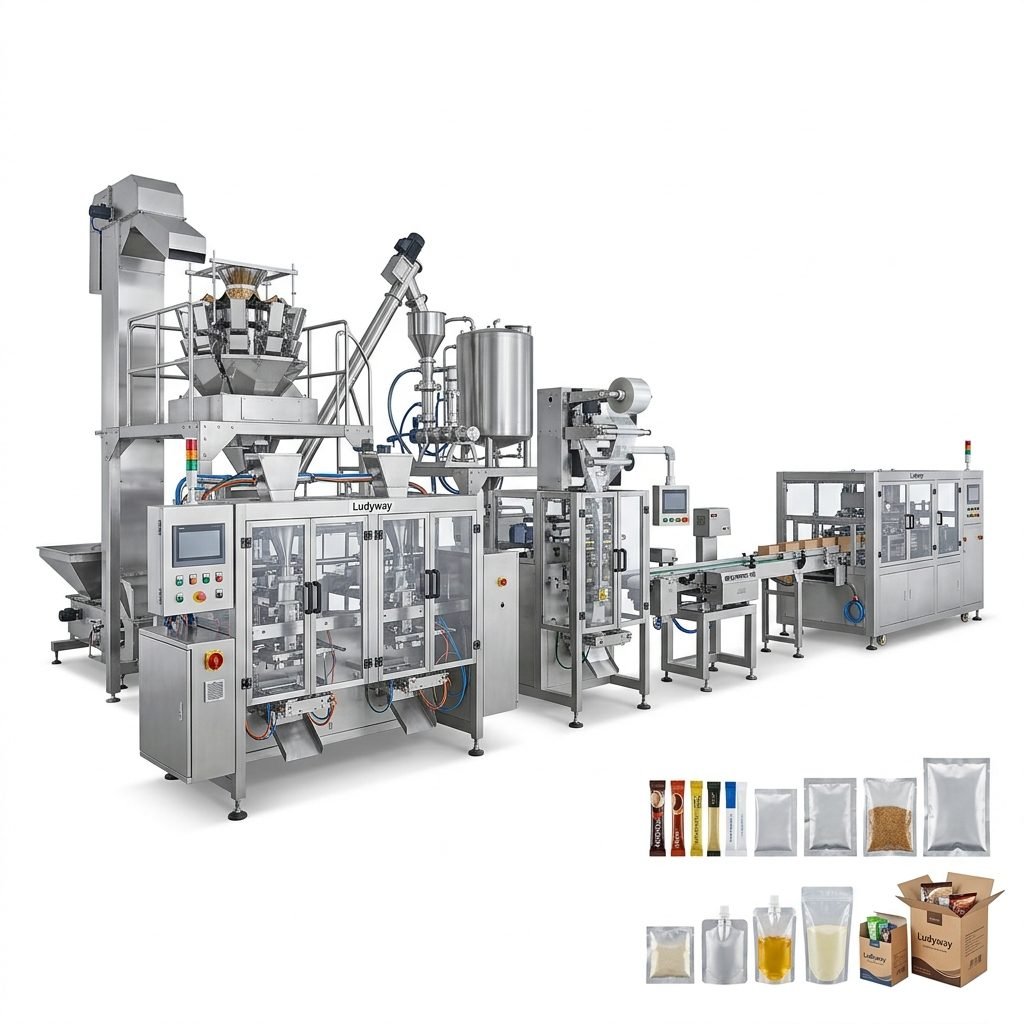
In the fast-paced world of industrial logistics and warehousing, securing palletized loads for transit has always been a balancing act. For decades, manufacturers have relied on stretch film wrapping to stabilize goods. However, traditional wrapping systems frequently suffer from a persistent and costly flaw: uneven film tension. When wrapping a rectangular pallet, the distance from the film roll to the load corners varies constantly during rotation. This variation leads to tension spikes that crush product corners, alternating with slack periods that result in loose packaging. Today, the global packaging sector is saying goodbye to these challenges as constant tension control stretch film wrapping machines earn widespread praise from logistics managers and packaging experts alike.
The Core Problem: Why Conventional Wrapping Falls Short
To understand why constant tension wrapping systems are gaining rapid adoption, it is essential to examine the mechanics of conventional stretch wrappers. Standard machines feed film at a constant speed or rely on basic friction clutches. As the pallet rotates, the sharp corners pull the film rapidly, creating a spike in tension. Conversely, as the flat sides of the pallet face the carriage, the demand for film drops, causing the film to sag.
This cyclical tightening and loosening leads to several critical issues in the supply chain:
- Product Deformation: Fragile or soft goods, such as thin-walled plastic containers, cardboard packaging, and agricultural produce, are easily crushed under localized high-tension spikes.
- Load Instability: Insufficient tension on the flat faces of the pallet allows the load to shift during transport, leading to tipped pallets and damaged merchandise upon arrival.
- Frequent Film Breaks: Tension spikes often exceed the tensile strength of the stretch film, causing it to snap. This halts automated production lines and requires manual intervention to re-thread the machine.
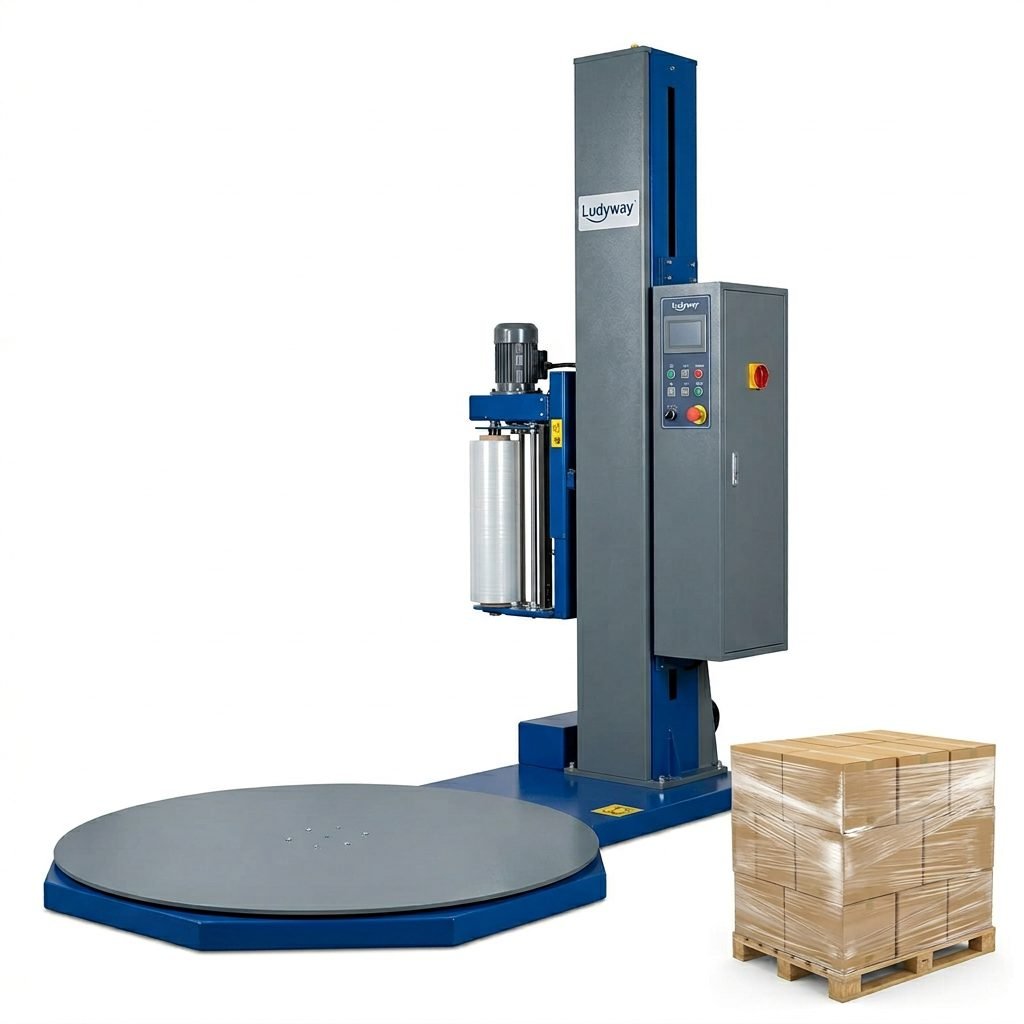
How Constant Tension Control Solves the Tension Dilemma
Constant tension control machines address these challenges through active monitoring and real-time adjustment. Instead of feeding film at a fixed rate, these advanced systems utilize a closed-loop feedback mechanism. High-precision sensors or dancer bars constantly measure the force exerted on the film as it leaves the carriage. This data is transmitted instantly to a central controller, which regulates a high-performance servo motor driving the pre-stretch rollers.
When a pallet corner approaches, the system detects the rising tension and accelerates the film feed to relieve the pressure. When a flat side follows, the feed rate slows down to maintain the pre-set tension. The result is a perfectly uniform layer of film applied around the entire perimeter of the load, regardless of its shape or geometry.
Performance Comparison: Standard vs. Constant Tension Wrapping
| Feature / Metric | Standard Wrapping Systems | Constant Tension Systems |
|---|---|---|
| Tension Uniformity | Highly variable (spikes at corners, slack on sides) | Completely uniform across the entire load |
| Film Consumption | High (extra layers needed to compensate for weak zones) | Optimized (up to 30% to 50% savings through precise pre-stretch) |
| Risk of Product Damage | Moderate to high (crushed corners or shifting loads) | Extremely low (gentle, uniform holding force) |
| Film Break Frequency | Frequent (due to sudden over-tensioning) | Rare (smooth, regulated delivery prevents snapping) |
Key Benefits Driving Widespread Praise in the Industry
The transition to constant tension control technology is delivering clear, measurable returns for manufacturing facilities and distribution centers. Operational feedback highlights three primary areas of improvement:
1. Substantial Reduction in Packaging Waste
Because the film is stretched consistently to its optimal ratio (often up to 300% or more) without the risk of breaking, companies use significantly less material per pallet. This reduction in film usage directly lowers packaging material costs and supports corporate sustainability initiatives by minimizing plastic waste.
2. Enhanced Protection for Diverse Load Types
Modern distribution centers handle mixed loads containing items of different weights, sizes, and structural strengths. Constant tension controllers allow operators to select specific wrapping profiles for different products. Light, crushable loads receive a lower, gentler tension, while heavy industrial components are bound with high, secure holding forces.
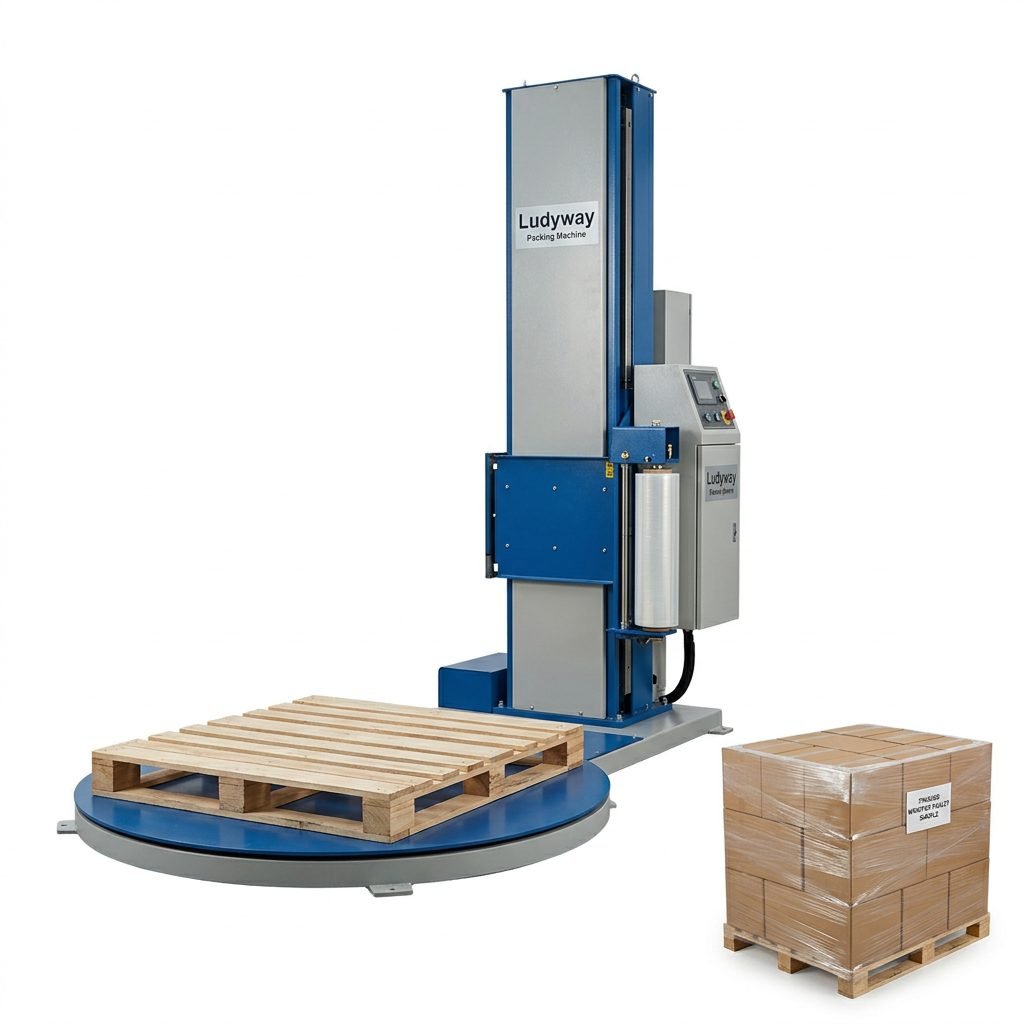
3. Improved Operational Efficiency
In high-volume manufacturing environments, every stop on the packaging line decreases throughput. Traditional wrappers that suffer from frequent film breaks require operators to pause the line, clear the fault, and restart the cycle. Constant tension systems eliminate the primary cause of film breakage, keeping automated lines running smoothly and maximizing daily output.
Integrating Smart Wrapping into Turnkey Production Lines
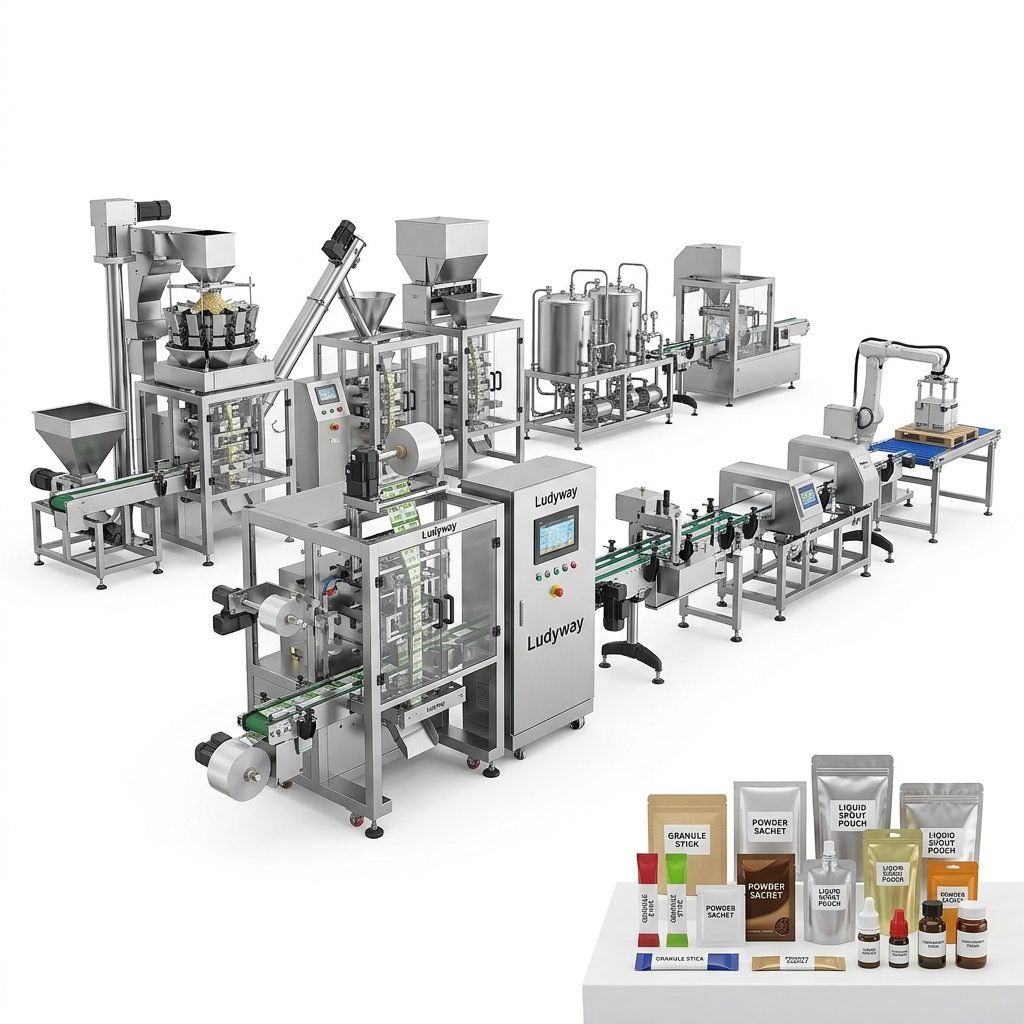
As manufacturing facilities move toward higher levels of automation, individual packaging steps must integrate smoothly into cohesive workflows. End-of-line packaging is no longer viewed as a series of isolated stations, but rather as a unified process. To achieve maximum efficiency, companies are increasingly adopting turnkey packaging solutions that connect filling, sealing, cartoning, palletizing, and wrapping into a continuous line.
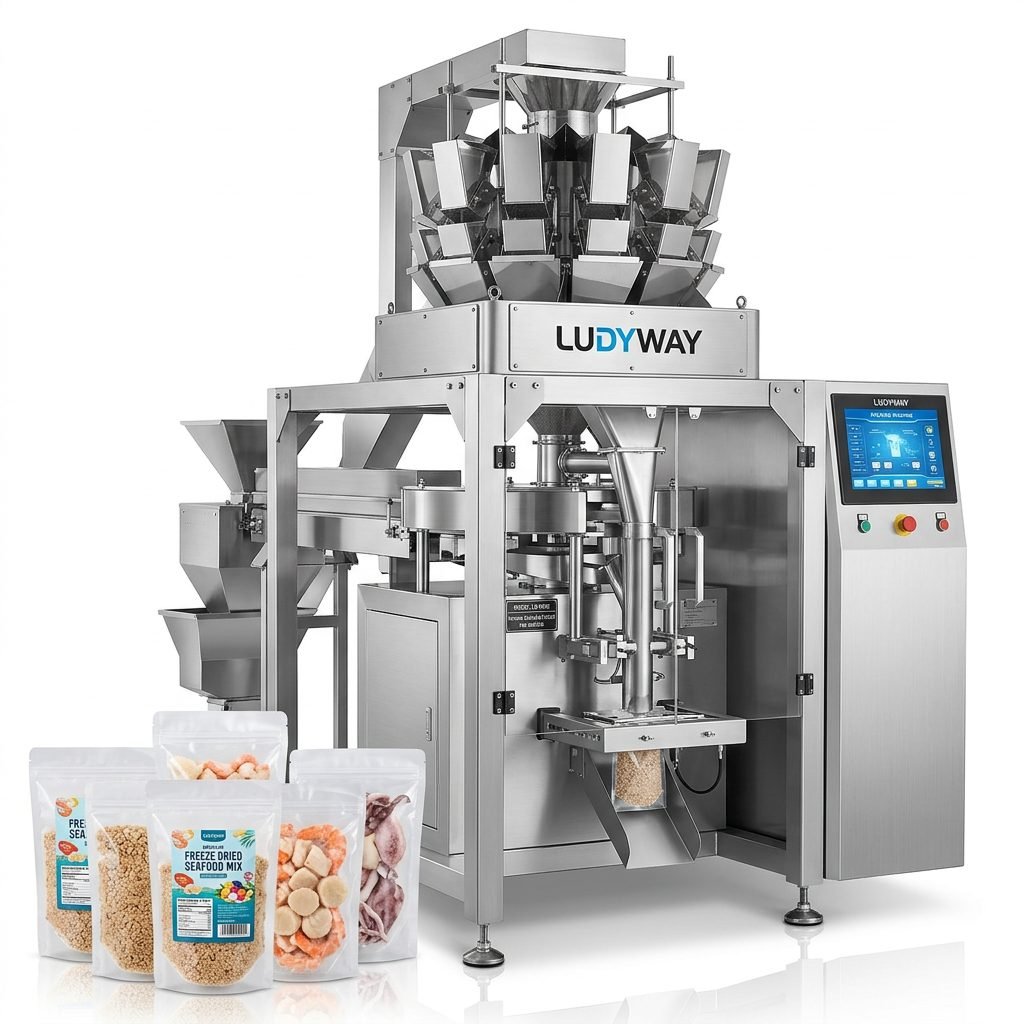
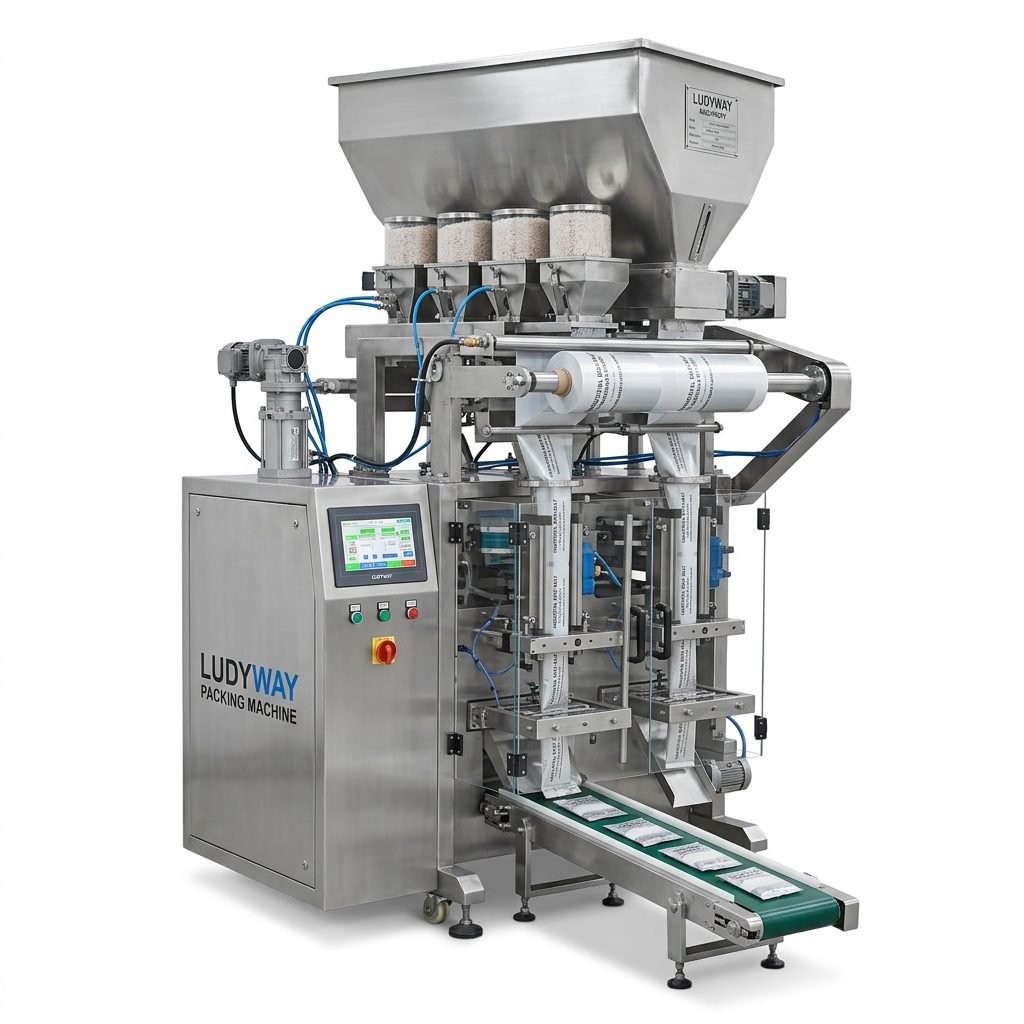
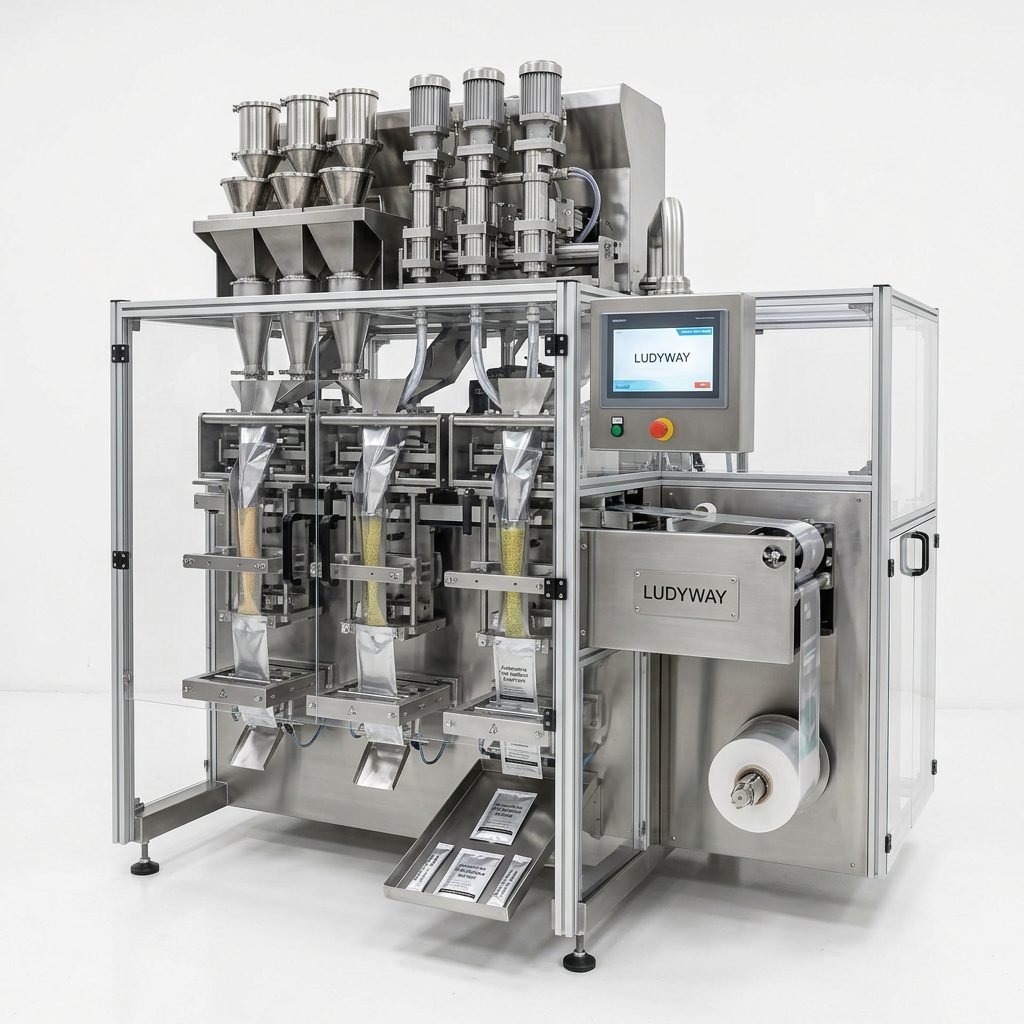
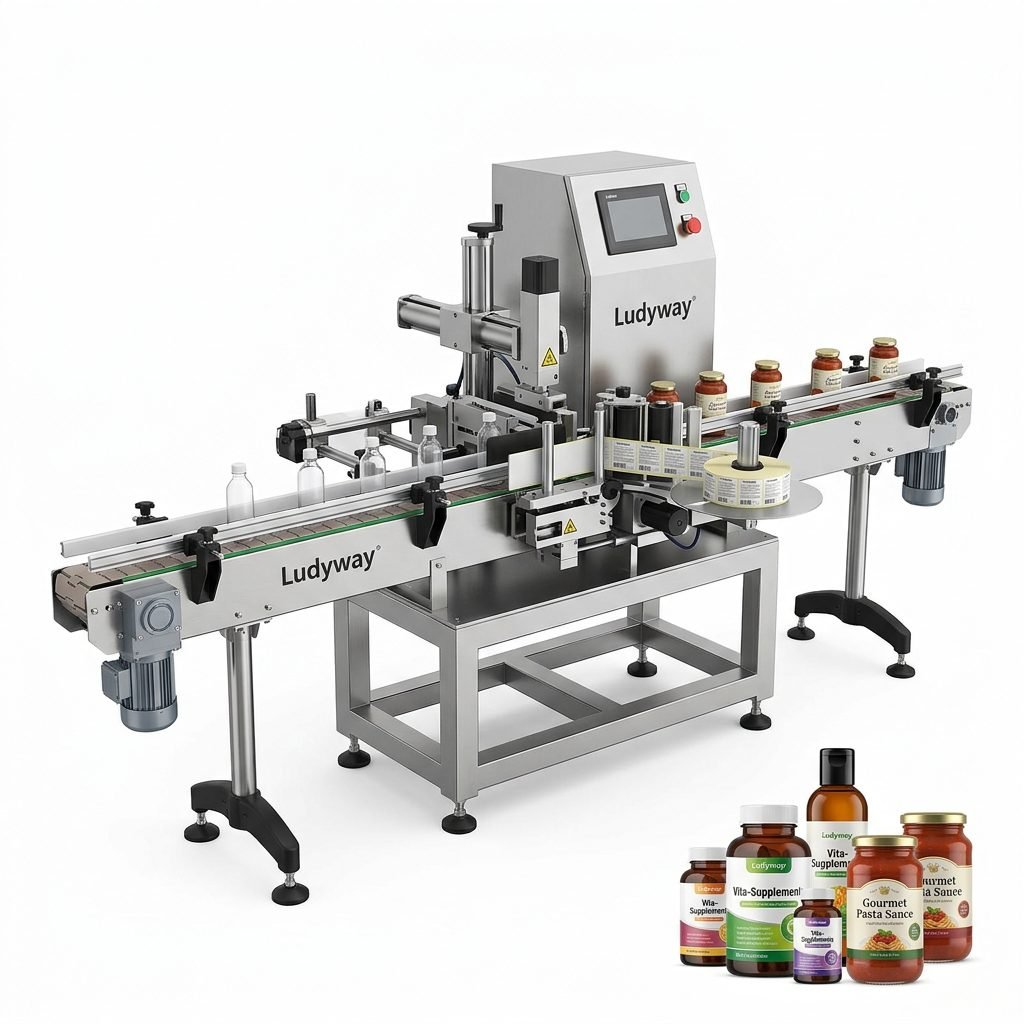
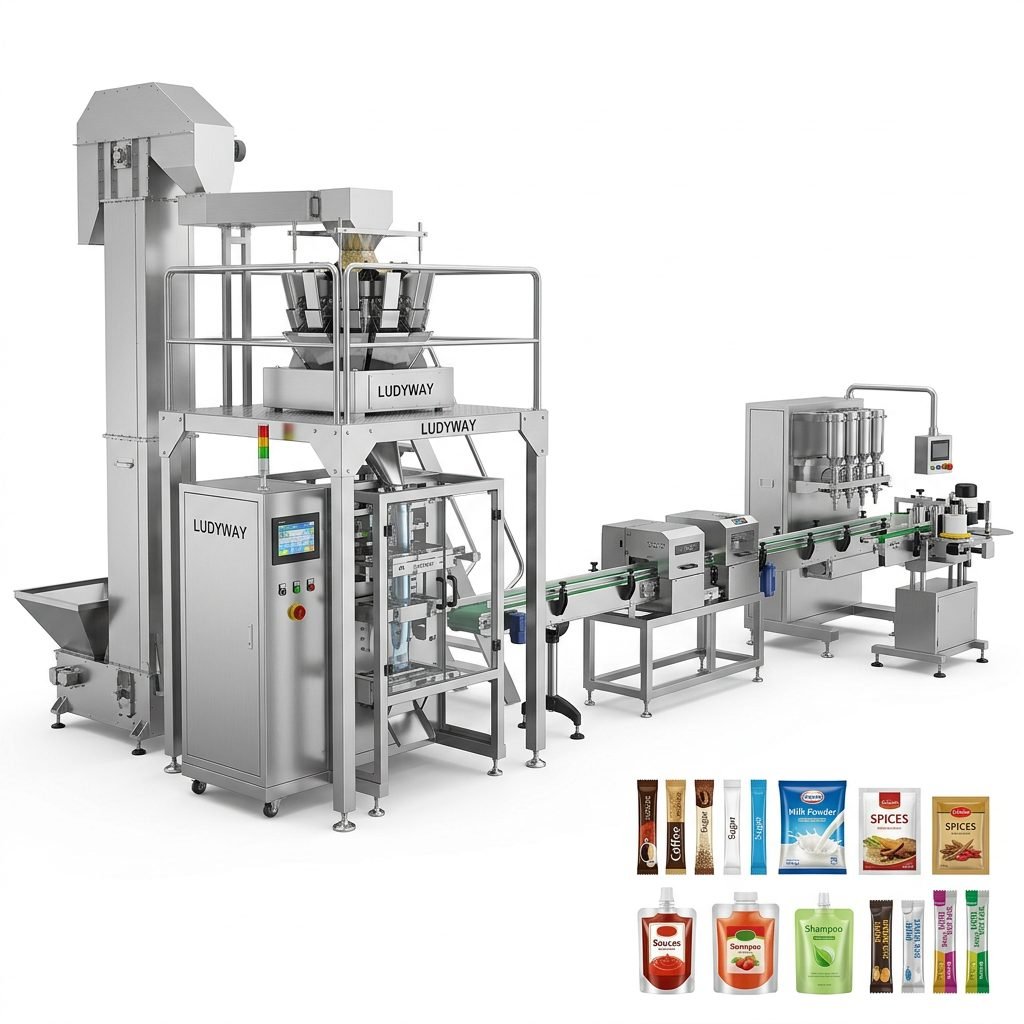
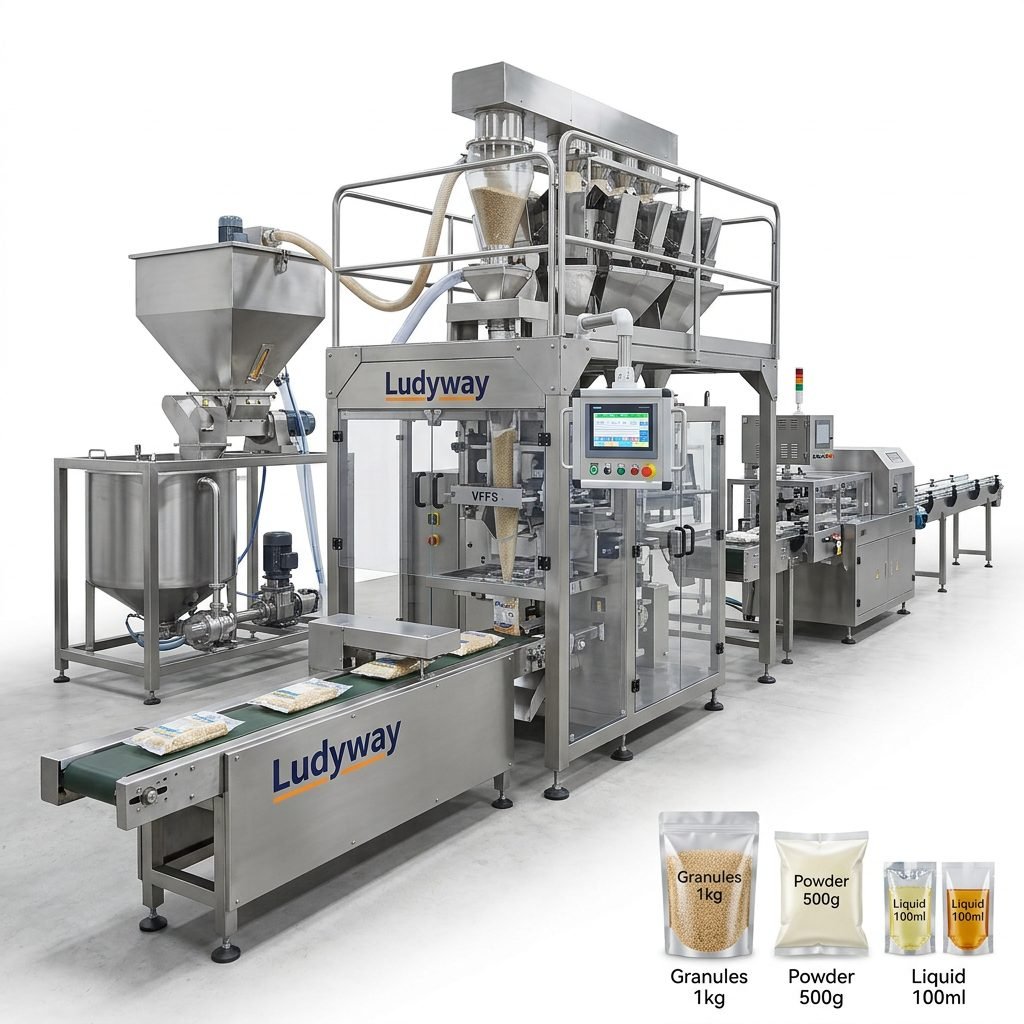
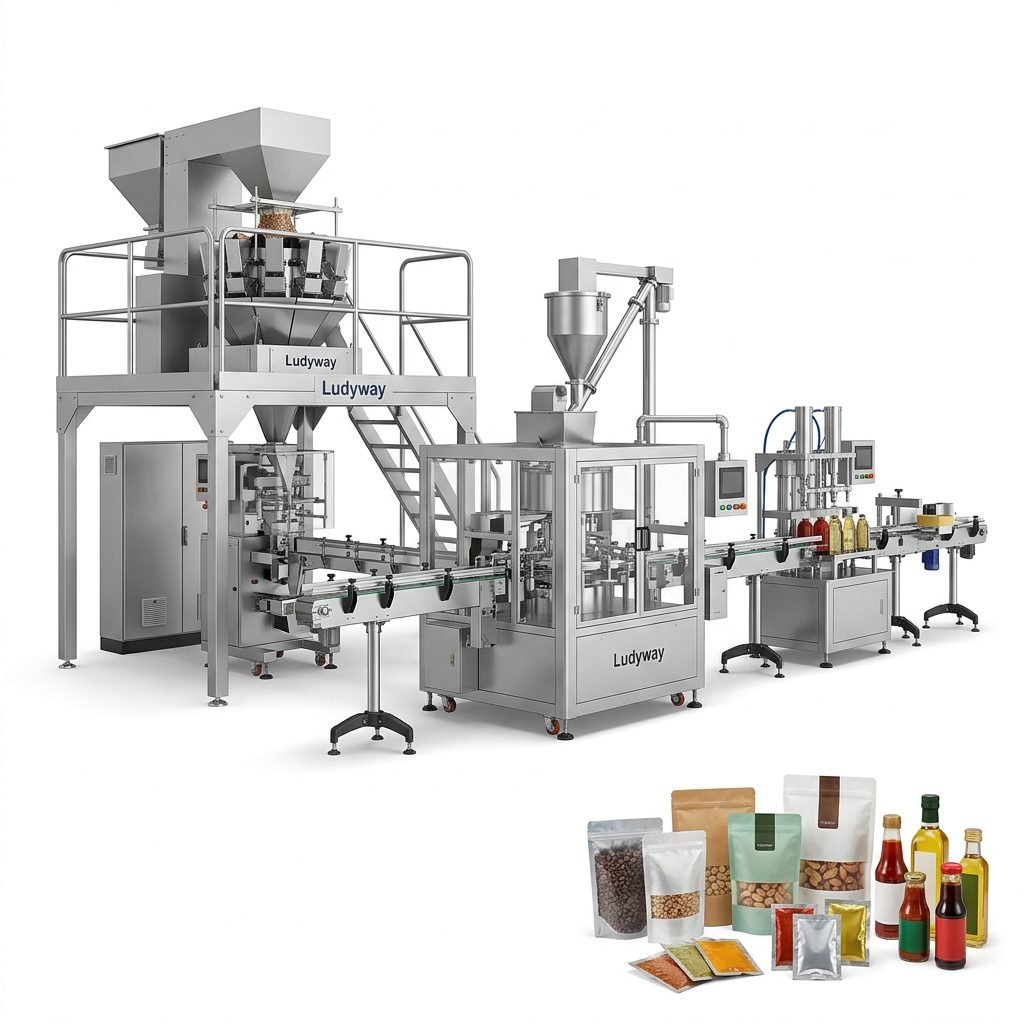
In this automated landscape, partnering with experienced machinery manufacturers is key. For example, Ludyway, one of China’s leading packaging machine and turnkey packaging line manufacturers, designs and builds integrated production systems that incorporate smart stretch wrapping technology directly alongside automatic cartoning and palletizing modules. This integrated approach ensures that once products leave the production floor, they are immediately stabilized, wrapped, and prepared for shipping with minimal manual handling and maximum consistency.
Conclusion: The Next Standard in Pallet Packaging
The industry-wide praise for constant tension control stretch film wrapping machines reflects a broader shift toward precision, efficiency, and material reduction in industrial packaging. By replacing unpredictable mechanical tensioning with active, sensor-driven control, these machines help businesses protect their products, lower their operational costs, and reduce plastic waste. As logistics networks face increasing pressure to deliver goods safely and sustainably, constant tension control is quickly transitioning from a premium upgrade to an essential standard for modern packaging lines.