The packaging industry is entering 2026 with a clear direction: manufacturers are moving away from rigid, one-size-fits-all production systems and toward modular equipment solutions. This shift is not simply about machine design. It reflects wider pressure from labor shortages, faster product launches, SKU expansion, sustainability targets, and the need for more resilient supply chains.
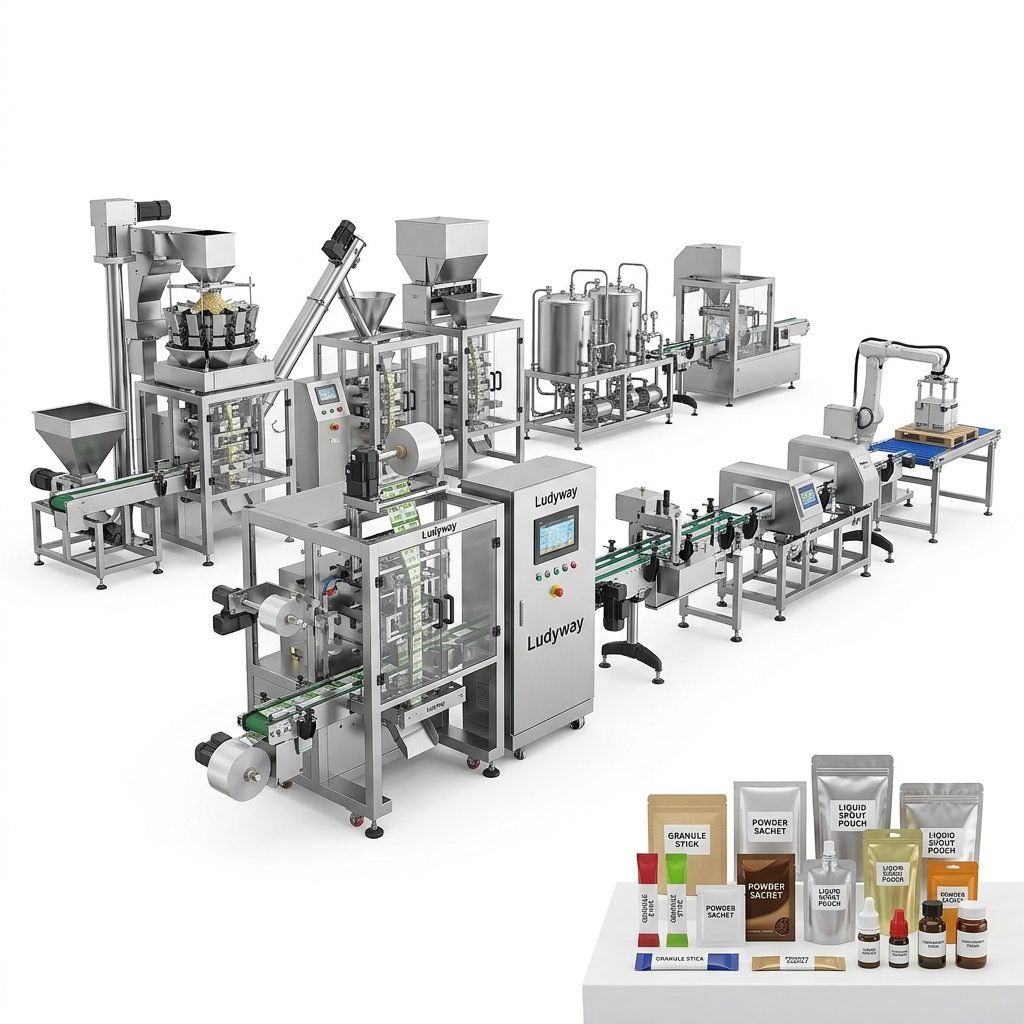
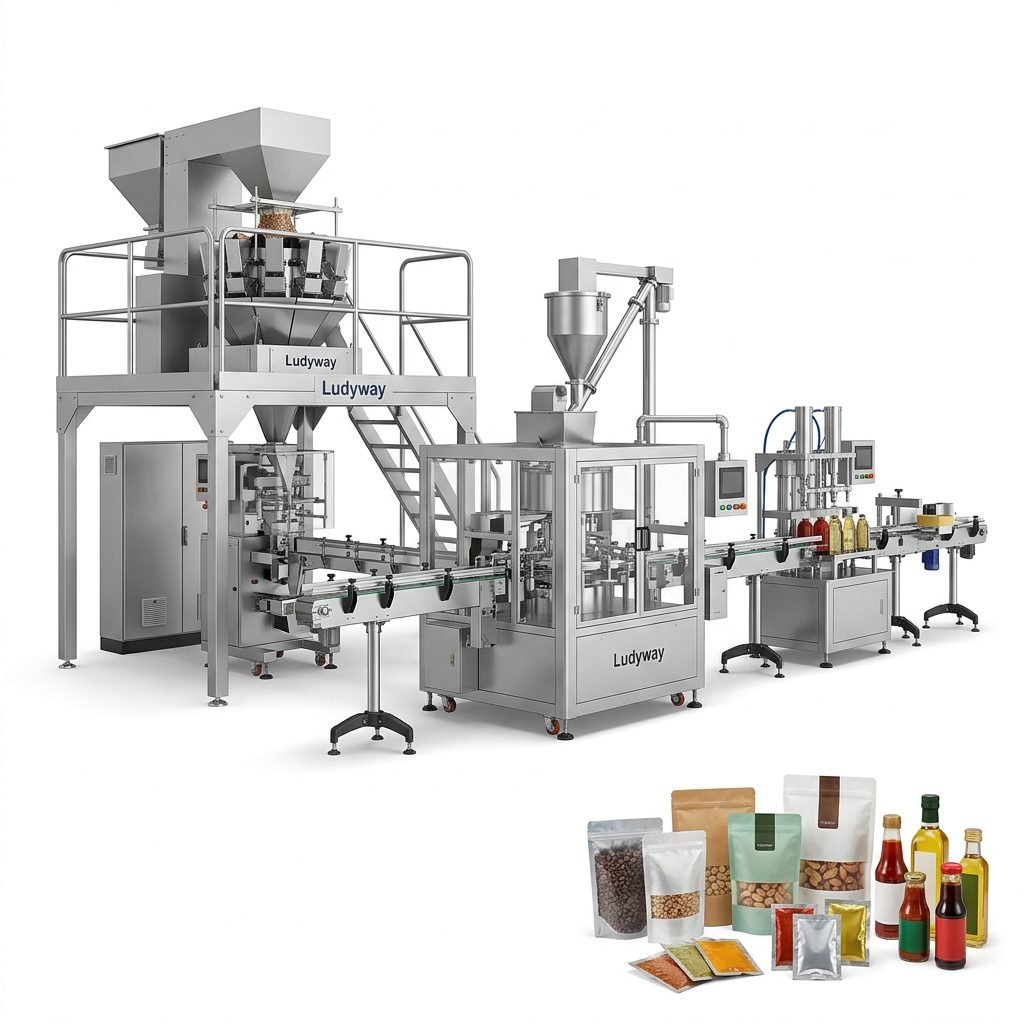
For food, pharmaceutical, personal care, and chemical producers, modular packaging systems are becoming a practical way to increase flexibility without rebuilding entire factories. Instead of replacing complete lines when demand changes, companies can now add, upgrade, or reconfigure specific modules such as feeding, dosing, filling, sealing, cartoning, coding, inspection, and palletizing.
Why Modular Equipment Is Gaining Momentum
Traditional packaging lines were often engineered for long production runs and relatively stable product portfolios. That model still works in some sectors, but today’s market is changing faster. Brands are launching limited editions, regional variants, trial packs, travel formats, and functional products at a much higher pace than before.
In this environment, modular solutions offer a stronger operational advantage. A company can start with a core machine platform and integrate extra units as business needs evolve. This lowers initial capital pressure while creating room for future scale.
- Faster line adaptation for new formats and pack sizes
- Lower downtime during upgrades or maintenance
- Better compatibility with automation and digital monitoring
- Improved spare parts planning across similar machine platforms
- More efficient factory expansion in phases
What “Modular” Means in Packaging Equipment
In practical terms, modular packaging equipment is built around standardized machine sections that can operate independently or as part of a larger line. These sections are designed to connect more easily through mechanical, electrical, and software interfaces.
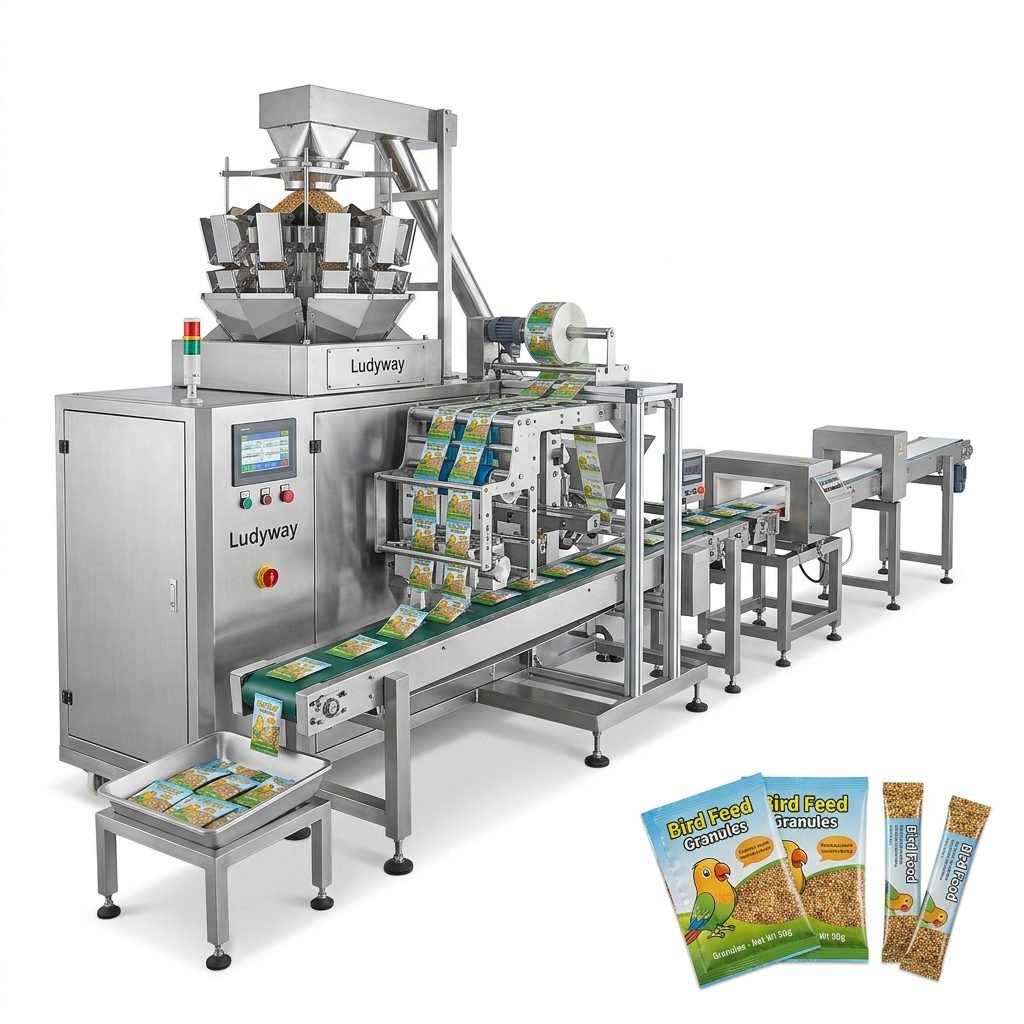
A modular line may include:
- Product feeding and conveying modules
- Weighing or dosing modules
- Form-fill-seal or pouch filling modules
- Vision inspection and reject modules
- Cartoning, case packing, and palletizing modules
- Data capture and line control modules
This approach supports both standalone installations and full turnkey projects. It also makes it easier for manufacturers to standardize operations across multiple plants.
Key 2026 Industry Drivers Behind the Shift
| Trend Driver | Impact on Packaging Operations | Why Modular Systems Fit |
|---|---|---|
| SKU proliferation | More product variants and shorter production runs | Allows quick reconfiguration and phased expansion |
| Automation demand | Need to reduce manual intervention and labor dependency | Enables easy addition of robotic and smart control modules |
| Supply chain resilience | Businesses want flexible sourcing and scalable capacity | Supports upgrades without replacing the whole line |
| Sustainability goals | Pressure to cut waste, energy use, and overproduction | Improves process efficiency through targeted optimization |
| Faster product launches | Reduced time for commercialization and packaging validation | Makes pilot-to-scale transitions easier |
Sector-by-Sector Outlook
Food and Beverage
Food brands continue to expand into convenience packs, functional nutrition, on-the-go sachets, single-serve powders, sauces, and premium snack formats. These categories demand high adaptability. Modular systems help producers switch between granules, powders, liquids, and multi-format packaging with less disruption.
Pharmaceutical and Health Products
Pharma and nutraceutical operations require precision, traceability, hygiene, and validation support. In 2026, modular solutions are especially attractive because they allow manufacturers to isolate critical process zones while still scaling output. Additional inspection, coding, sealing, or cartoning modules can be integrated as compliance requirements evolve.
Cosmetics and Personal Care
Beauty and personal care brands increasingly rely on sachets, stick packs, tubes, bottles, and sample-size formats for e-commerce and retail promotions. Modular machinery helps these brands respond faster to changing consumer preferences and marketing cycles.
Chemical and Industrial Products
For powders, detergents, additives, and industrial liquids, modular packaging lines reduce the risk of major production interruptions. Companies can expand handling capacity, improve dust control, or add coding and inspection modules without redesigning the full system.
Operational Benefits Buyers Are Prioritizing
Packaging buyers in 2026 are becoming more focused on lifecycle value than on purchase price alone. They want equipment that can support business growth over several years, not just current output levels.
- Scalability: add modules as demand rises
- Maintainability: service one section without stopping the whole line
- Interoperability: connect with printers, checkweighers, metal detectors, robots, and MES systems
- Customization: configure around product type, packaging style, and factory layout
- Investment control: deploy capital in phases instead of all at once
Challenges to Watch
The move toward modular equipment is strong, but implementation still requires careful planning. Not every line benefits equally from high modularity, and poorly integrated systems can create control complexity.
Manufacturers should evaluate the following before investing:
| Evaluation Area | Key Question |
|---|---|
| Software integration | Can all modules communicate smoothly through one control architecture? |
| Future product plans | Will the machine platform support upcoming package sizes and product types? |
| Factory layout | Can modules be added without major plant reconstruction? |
| Validation and quality | How easily can each module be tested, maintained, and documented? |
| Supplier capability | Can the manufacturer deliver both individual machines and integrated turnkey support? |
The Growing Importance of Turnkey Modularity
One of the most notable shifts in 2026 is the market’s increasing preference for suppliers that can offer both modular machines and complete line integration. Buyers no longer want to manage multiple disconnected vendors if they can avoid it. They want coordinated engineering, stable interfaces, faster commissioning, and long-term service support.
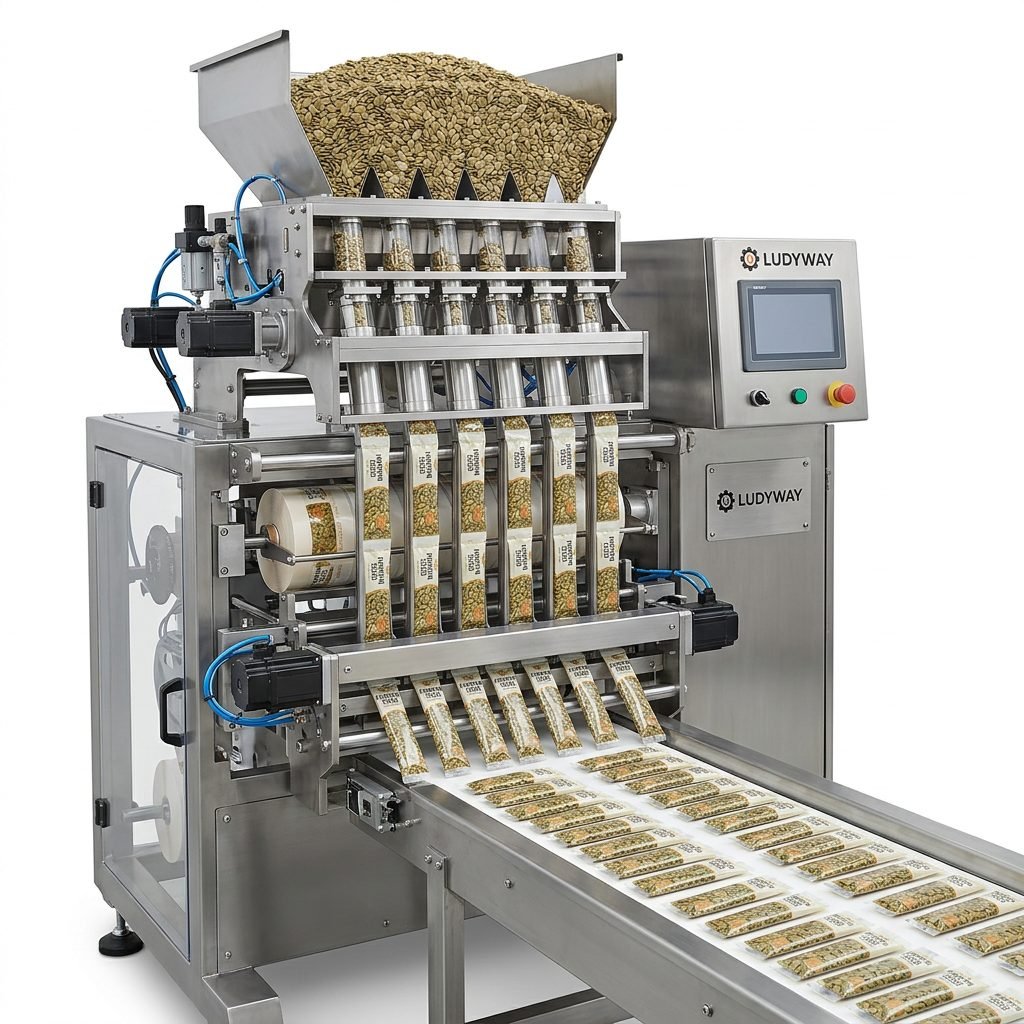
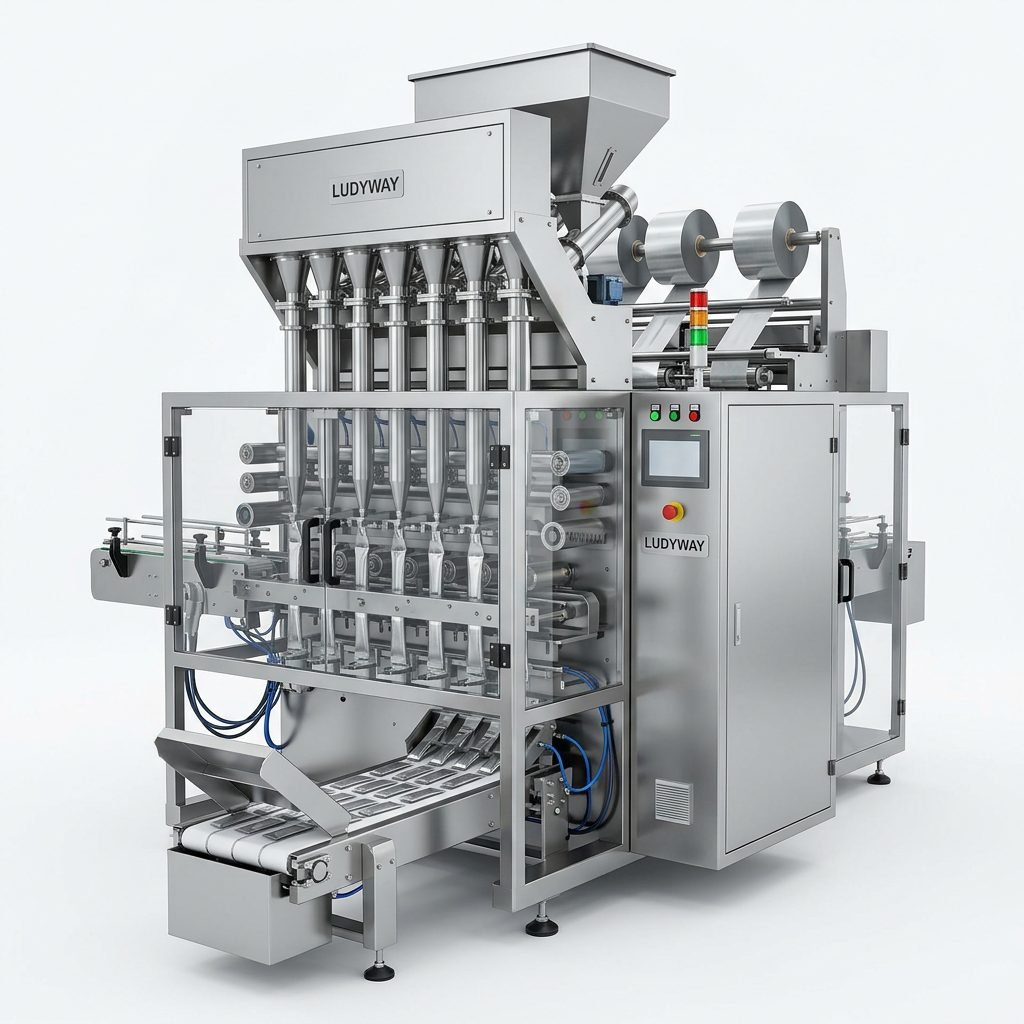
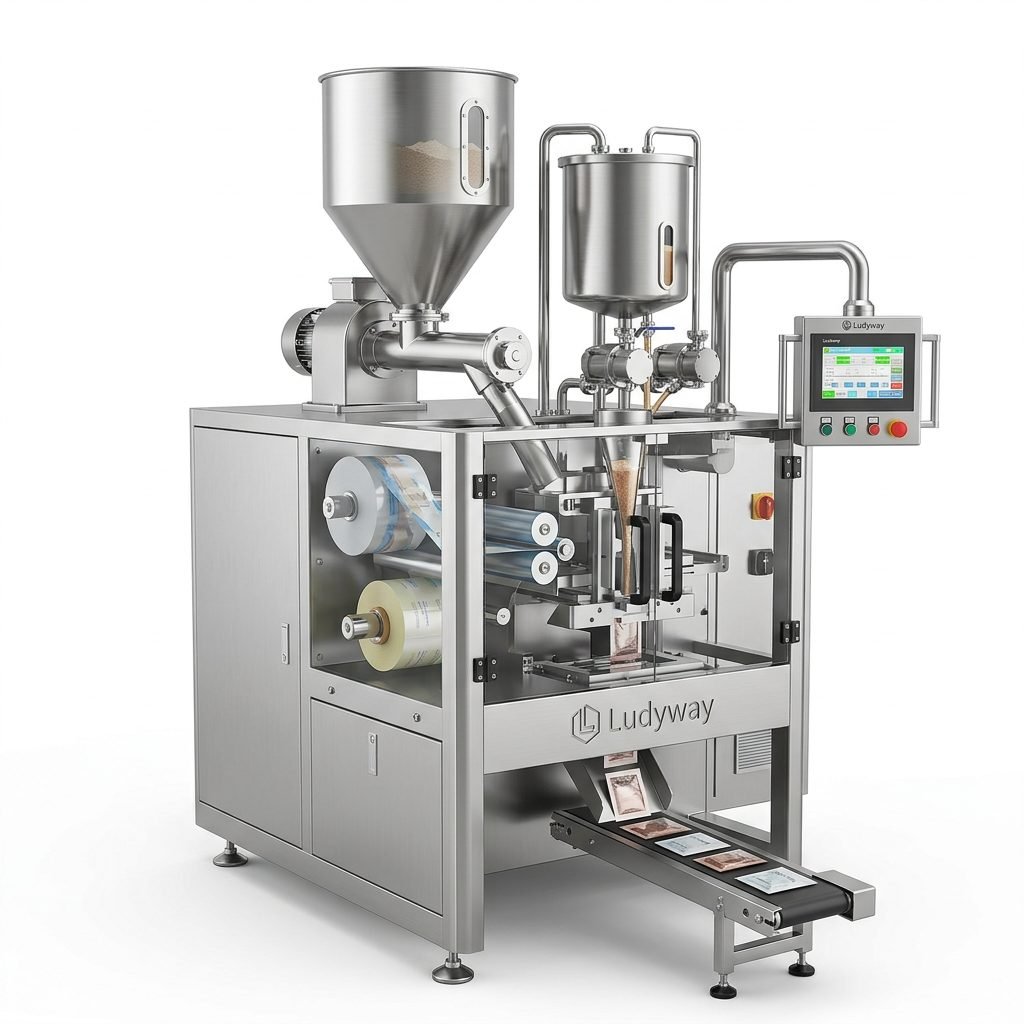
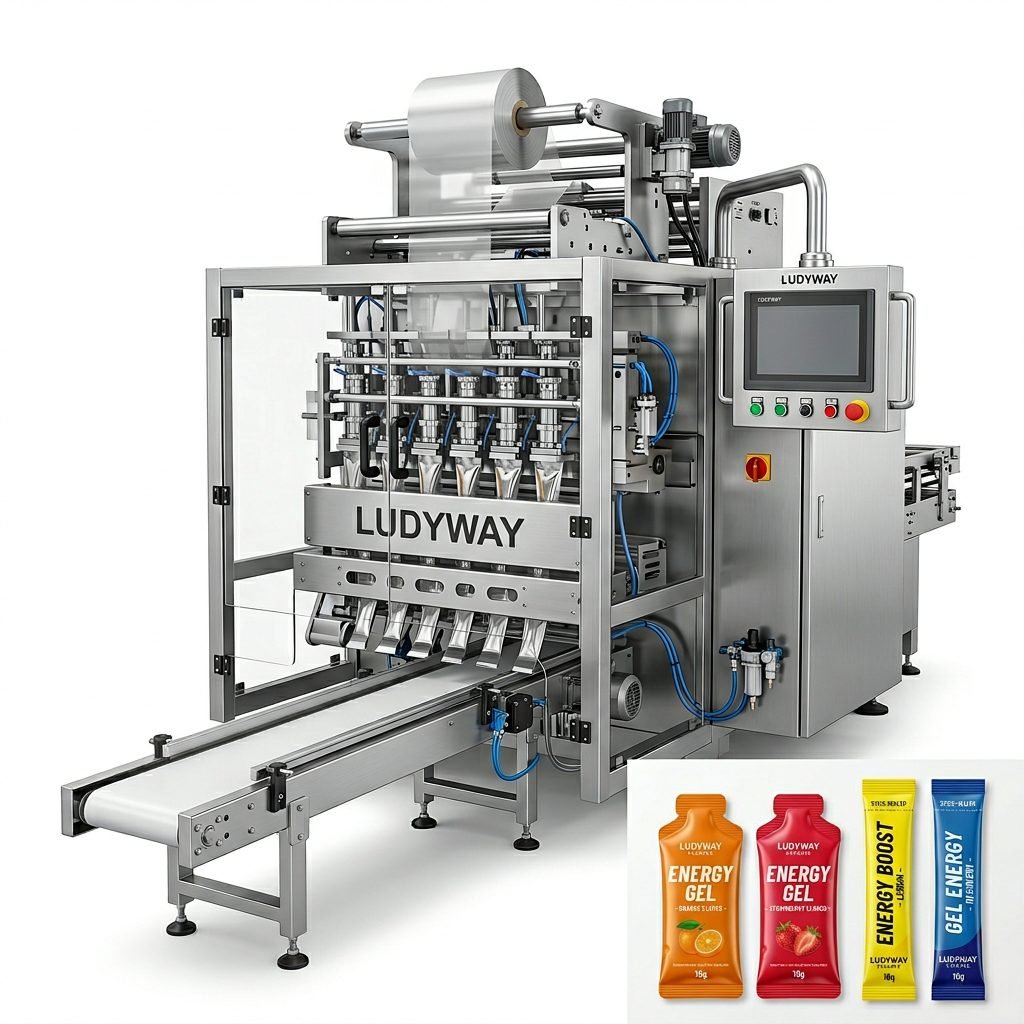
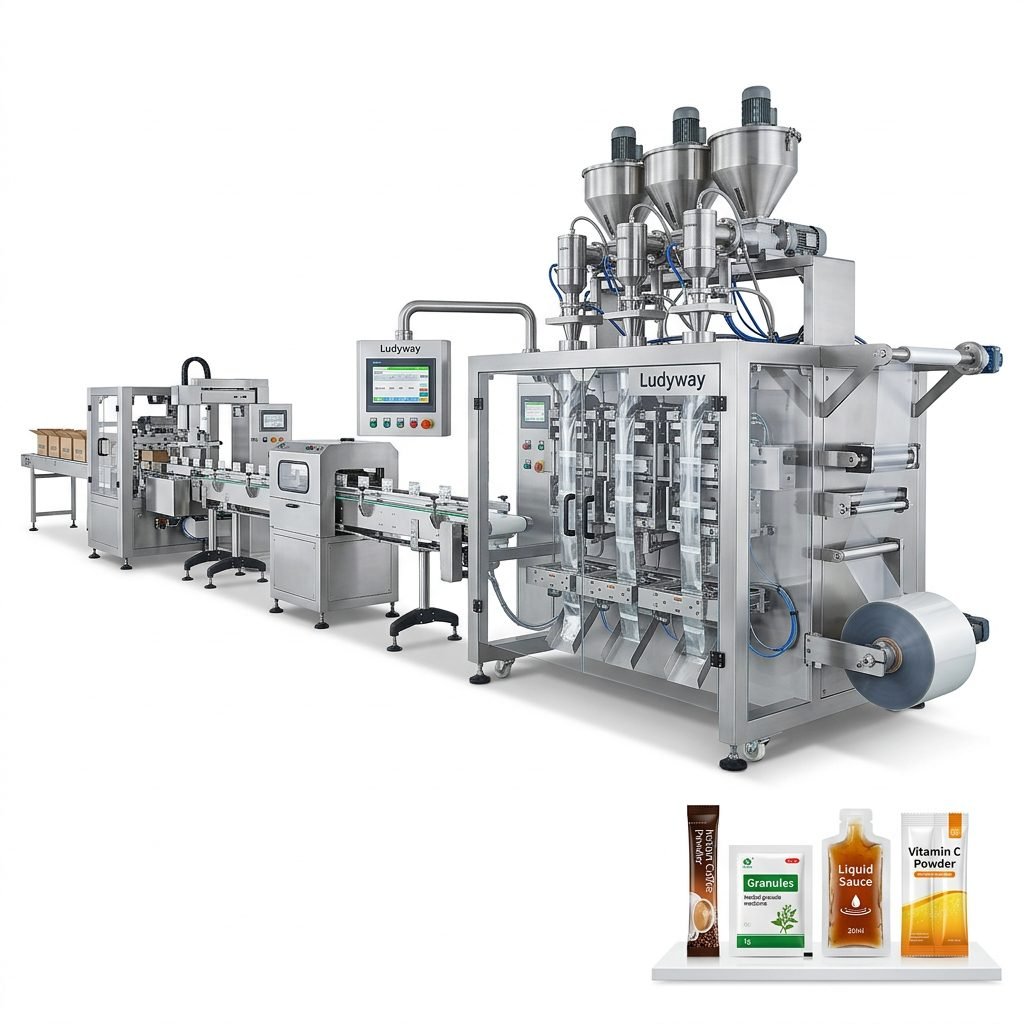
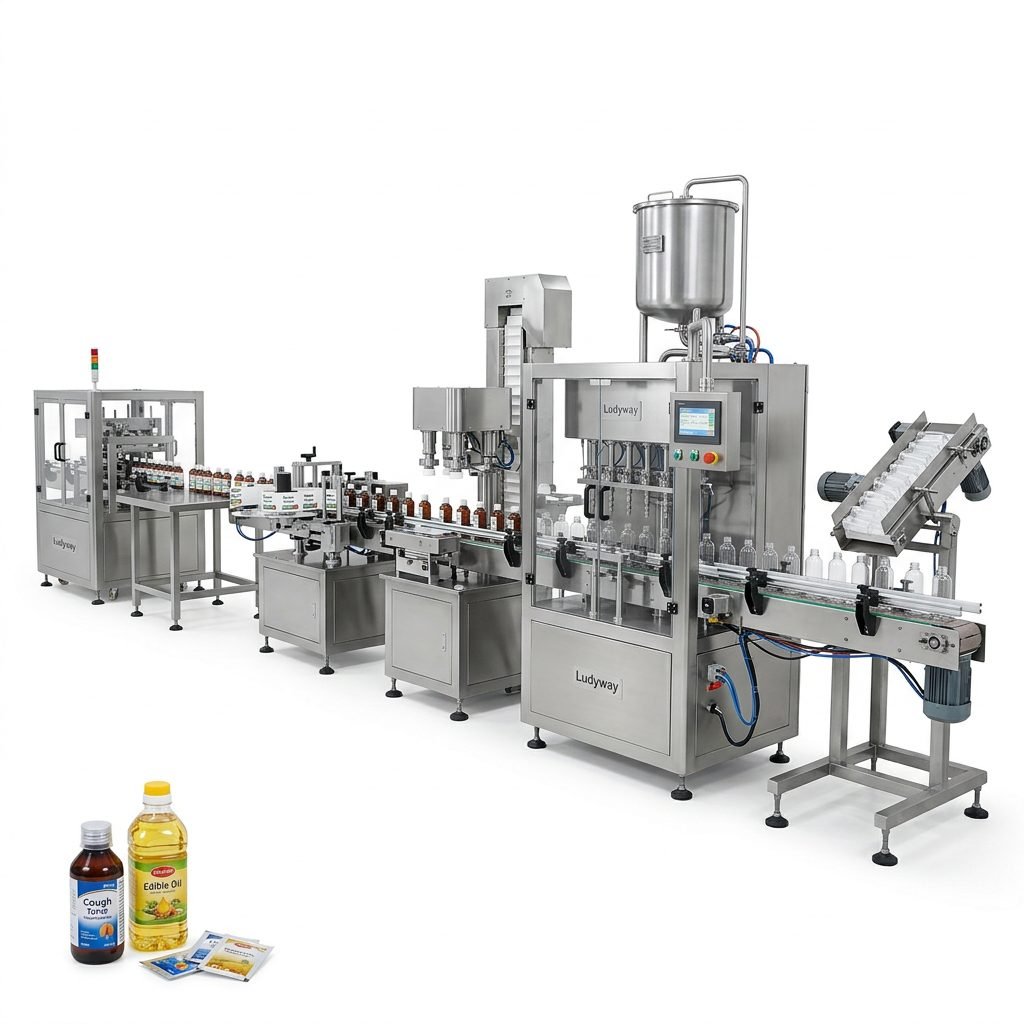
This is why companies with broad product portfolios and strong export engineering experience are gaining attention. For example, Ludyway packaging machine solutions reflect the market’s move toward scalable systems by combining standalone equipment, multi-lane technology, and turnkey packaging line integration across food, pharmaceutical, health supplement, and related sectors.
What to Expect Next
Looking ahead, modular equipment will likely become a baseline expectation rather than a premium feature. As more factories adopt digital production management and smart automation, packaging systems will need to be easier to reconfigure, monitor, and upgrade.
In 2026, the most competitive packaging operations will not necessarily be the ones with the largest lines. They will be the ones with the most adaptable lines—systems that can respond quickly to market shifts, maintain consistent quality, and scale with confidence.
Bottom Line
The shift toward modular equipment solutions is reshaping how packaging investments are planned. For manufacturers balancing speed, flexibility, and cost control, modular design offers a more future-ready path. As product complexity grows and production demands become less predictable, modular packaging lines are set to play a defining role in the industry’s next stage of development.