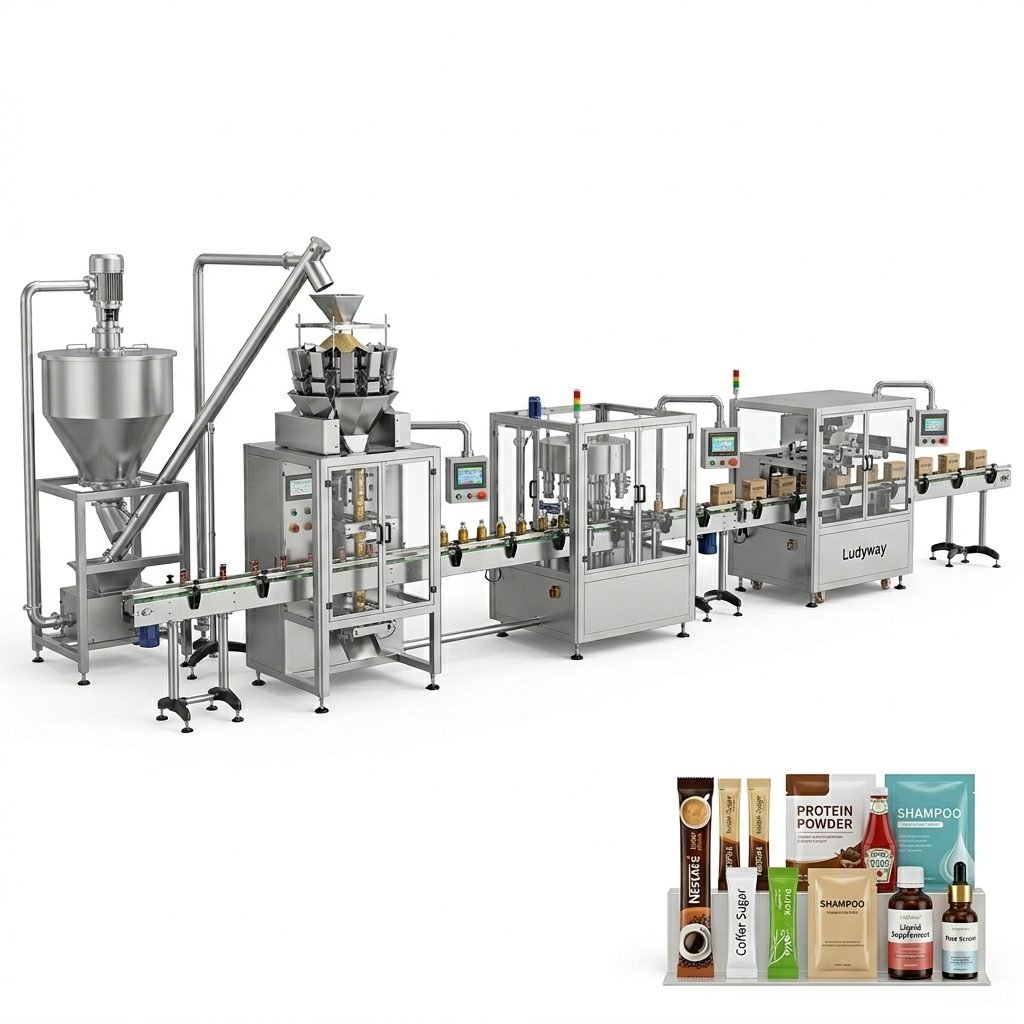
By 2026, the global packaging industry is entering a more interconnected phase of development. Across food, pharmaceutical, health supplement, personal care, and chemical sectors, innovation is no longer driven by equipment upgrades alone. Instead, a broader ecosystem is taking shape—one built on automation, digital integration, sustainability targets, flexible production, and cross-border manufacturing collaboration.
For manufacturers, brand owners, and contract packers, this shift reflects a practical market reality: customers want faster delivery, greater product variety, stricter quality control, and more transparent production systems. As a result, packaging lines are evolving from isolated machines into linked, data-aware production ecosystems that can support both scale and customization.
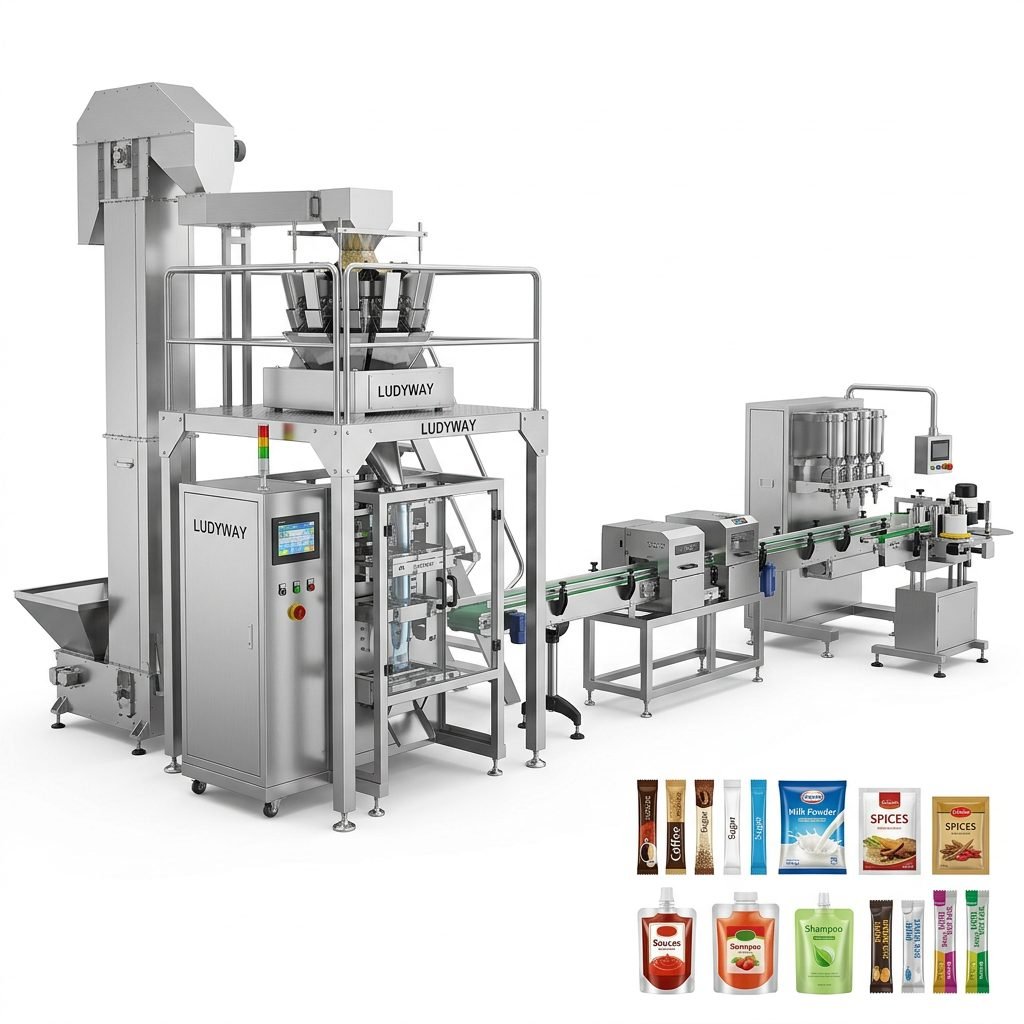
A More Connected Innovation Landscape
The packaging industry’s innovation ecosystem is being shaped by cooperation among machinery manufacturers, material suppliers, automation developers, software providers, and end-use brands. This collaborative structure is helping companies reduce downtime, improve packaging consistency, and launch products more quickly.
In recent years, several trends have accelerated this transformation:
- Shorter product life cycles require faster line adjustment and format changeovers.
- Labor cost pressure is pushing factories toward higher levels of automation.
- Regulatory compliance is increasing demand for traceability and inspection systems.
- Sustainability expectations are influencing machine compatibility with lighter and more eco-friendly packaging materials.
- Global sourcing strategies are encouraging turnkey line procurement instead of single-machine purchasing.
Why 2026 Matters
Industry observers note that 2026 is becoming a benchmark year because many packaging businesses have moved past experimental automation and into full-scale deployment. The market is seeing broader adoption of integrated filling, sealing, coding, inspection, cartoning, conveying, and palletizing systems. This means innovation is now measured by how well the entire line performs together—not just how fast one machine runs.
| Innovation Area | Industry Impact in 2026 |
|---|---|
| Smart automation | Higher production efficiency and reduced manual intervention |
| Turnkey packaging lines | Simplified project management and stronger line compatibility |
| Flexible packaging formats | Faster response to SKU diversification and niche product demand |
| Digital monitoring | Improved traceability, maintenance planning, and process visibility |
| Sustainable packaging adaptation | Better alignment with regulatory and brand environmental goals |
Automation Is Moving Beyond Speed
One of the clearest signals in the current market is that buyers are no longer focused only on output speed. They are also evaluating line intelligence, maintenance convenience, filling accuracy, sealing stability, material adaptability, and future scalability.
This is particularly visible in industries such as food powder, seasonings, liquid condiments, nutraceutical sachets, pharmaceutical granules, and cosmetic sample packs. In these segments, machine buyers increasingly prefer systems that can handle multiple product forms while maintaining quality standards across long production cycles.
Key Features Buyers Are Prioritizing
- Servo-driven precision control for stable filling and sealing
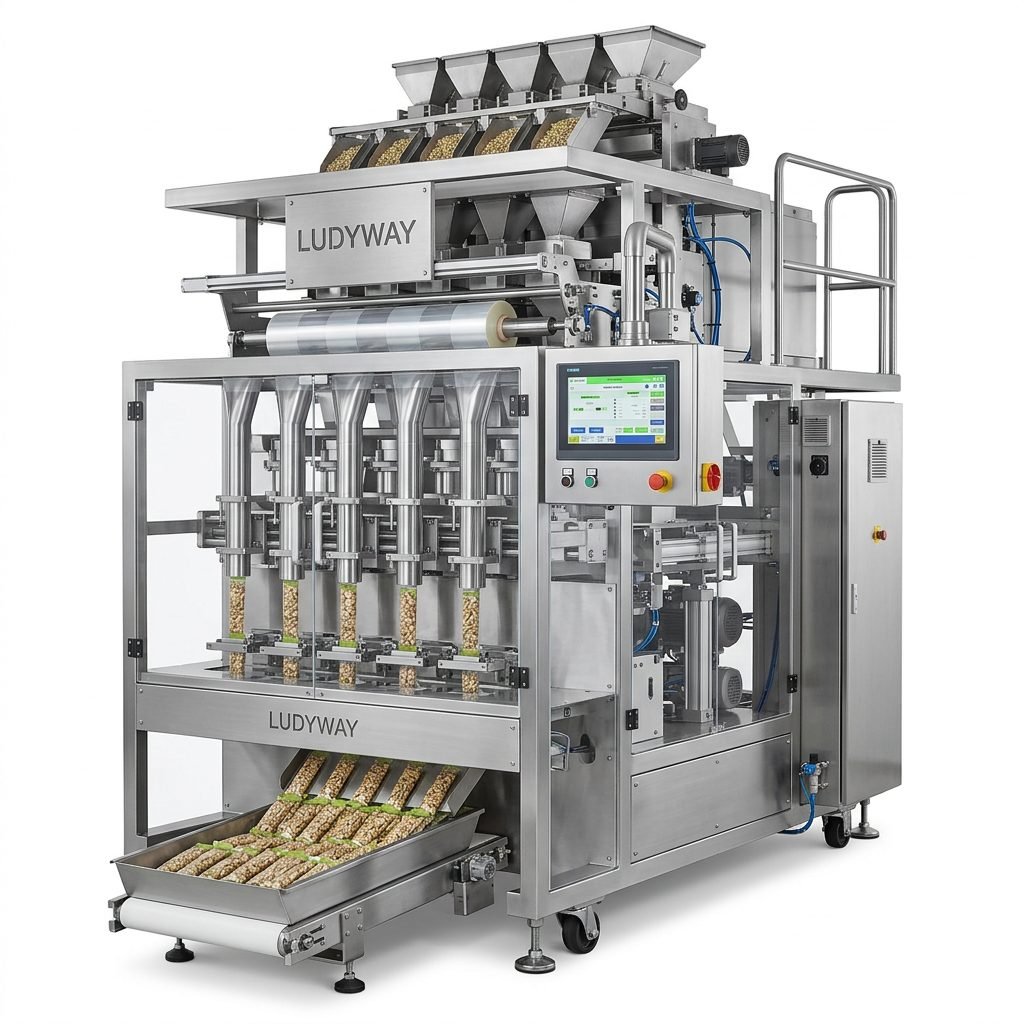
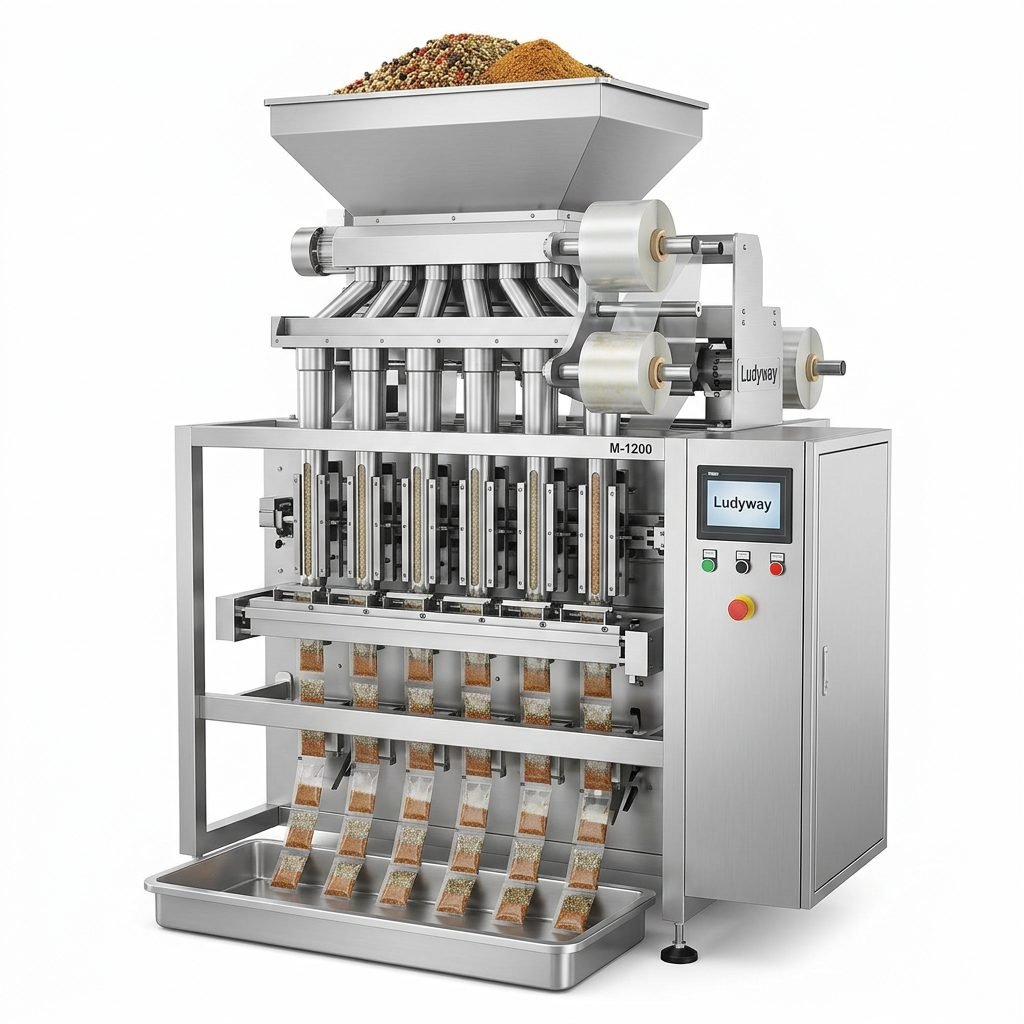
- Multi-lane configurations for higher throughput in compact spaces
- Fast format switching for different pouch or sachet sizes
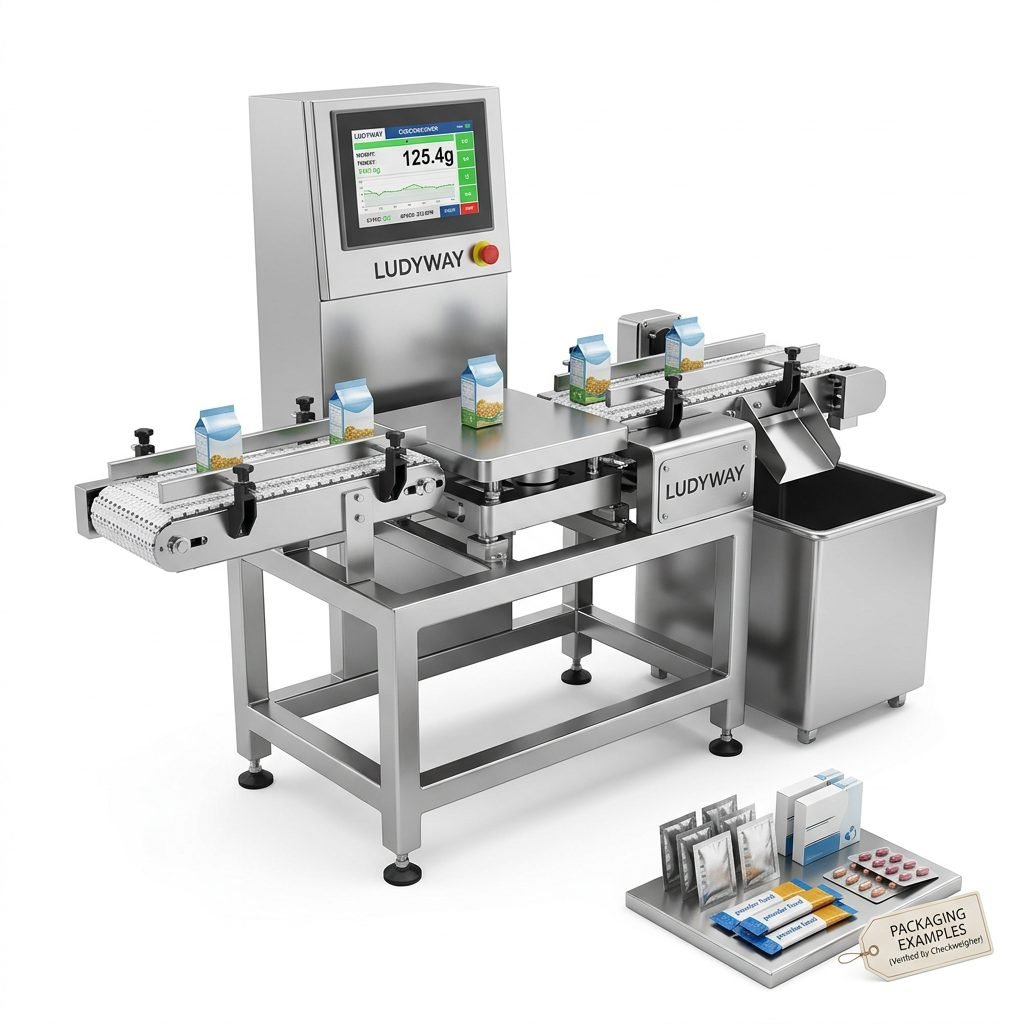
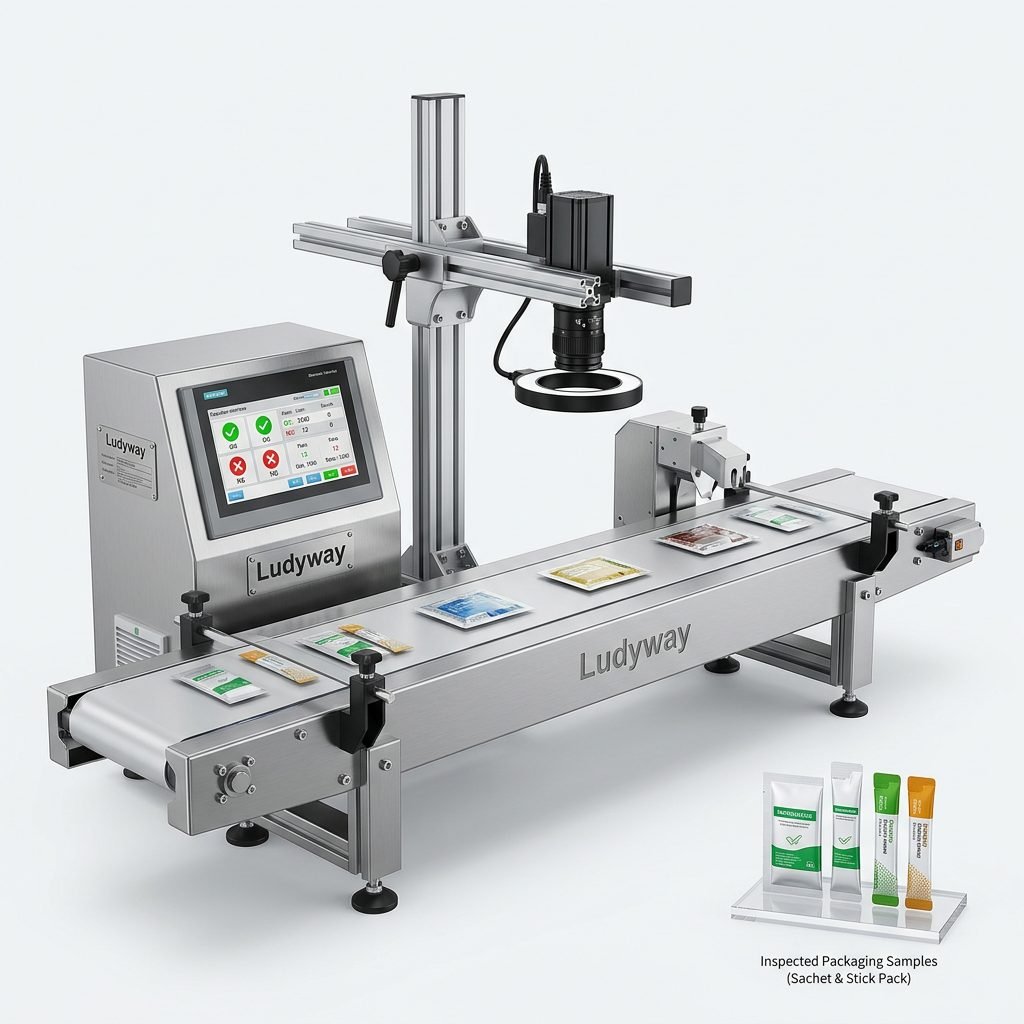
- Integrated coding, weighing, inspection, and rejection functions
- Remote support readiness and easier technical diagnostics
Turnkey Solutions Gain Strategic Importance
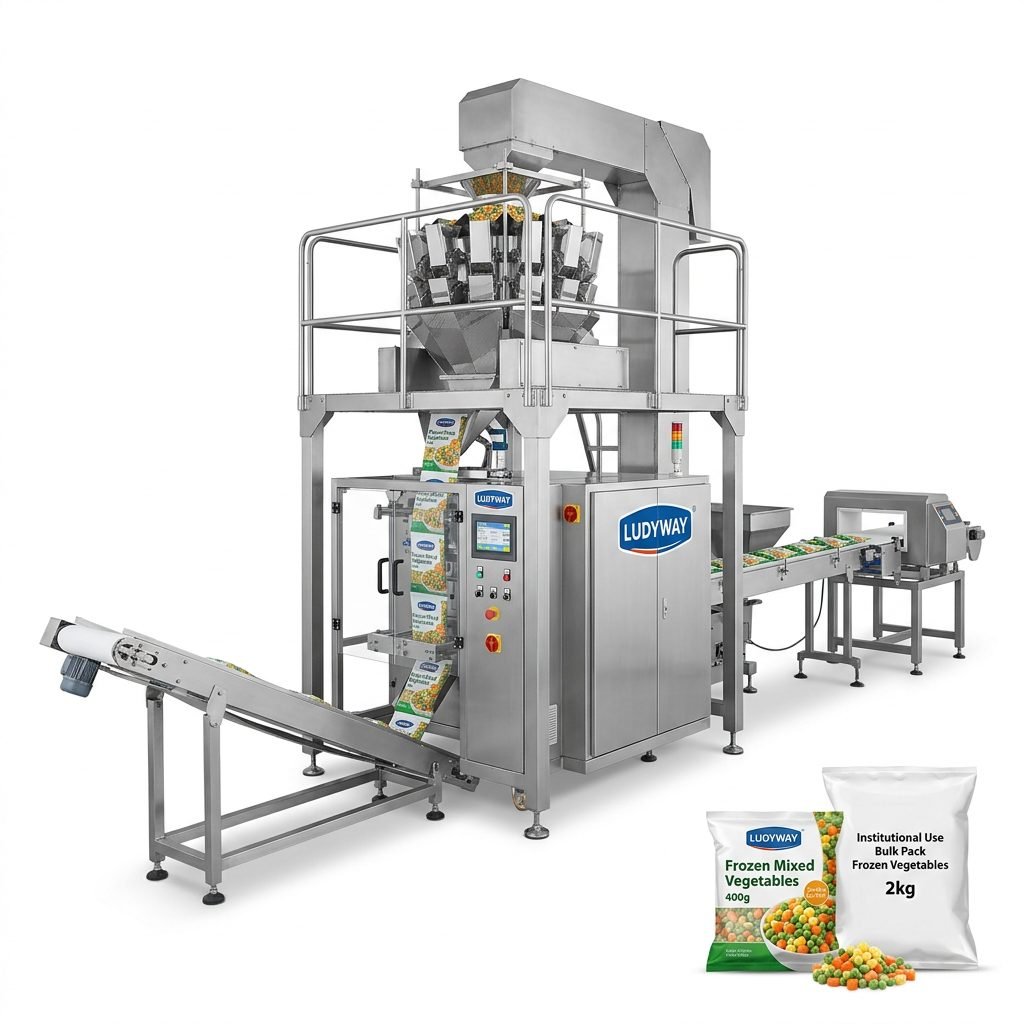
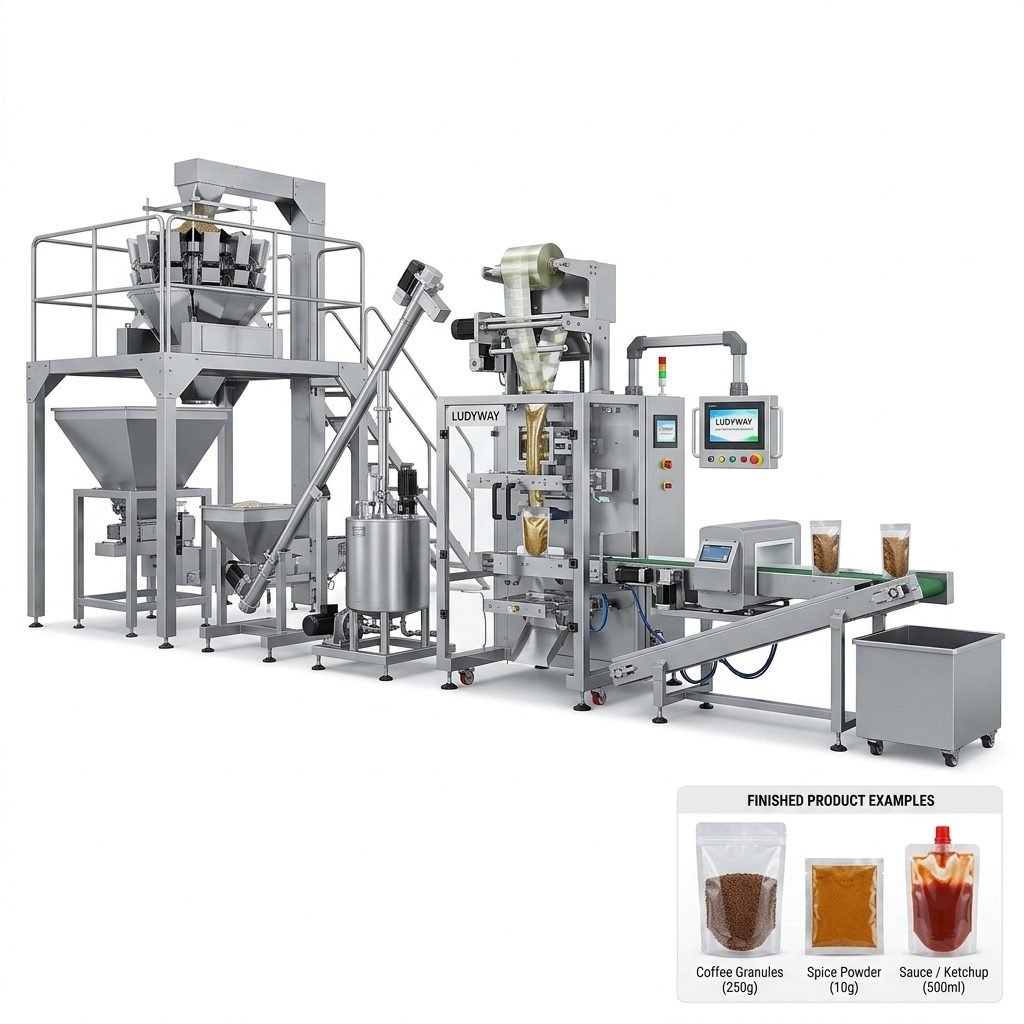
As packaging projects become more complex, many international buyers are reducing the risk of multi-supplier coordination by choosing turnkey packaging line providers. This approach supports more reliable system integration, smoother installation planning, and a clearer path for post-sales service.
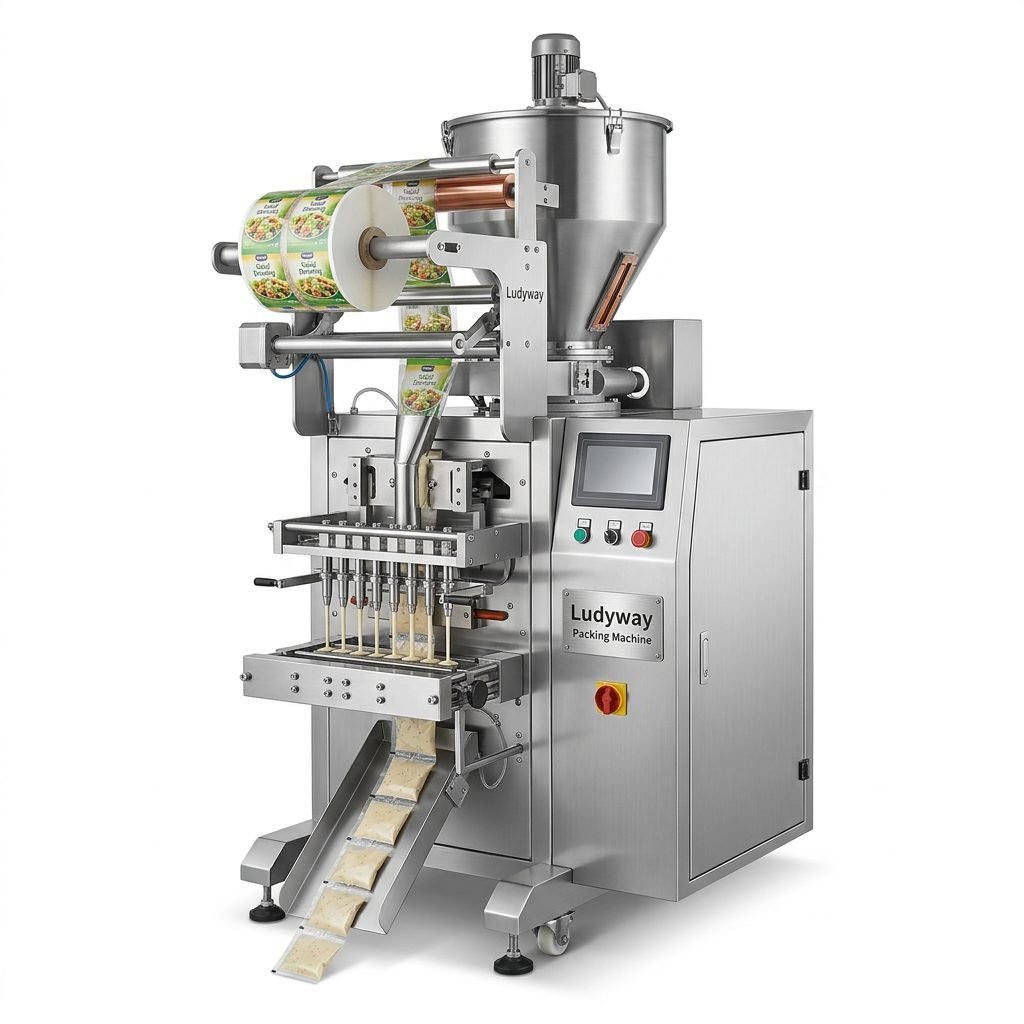
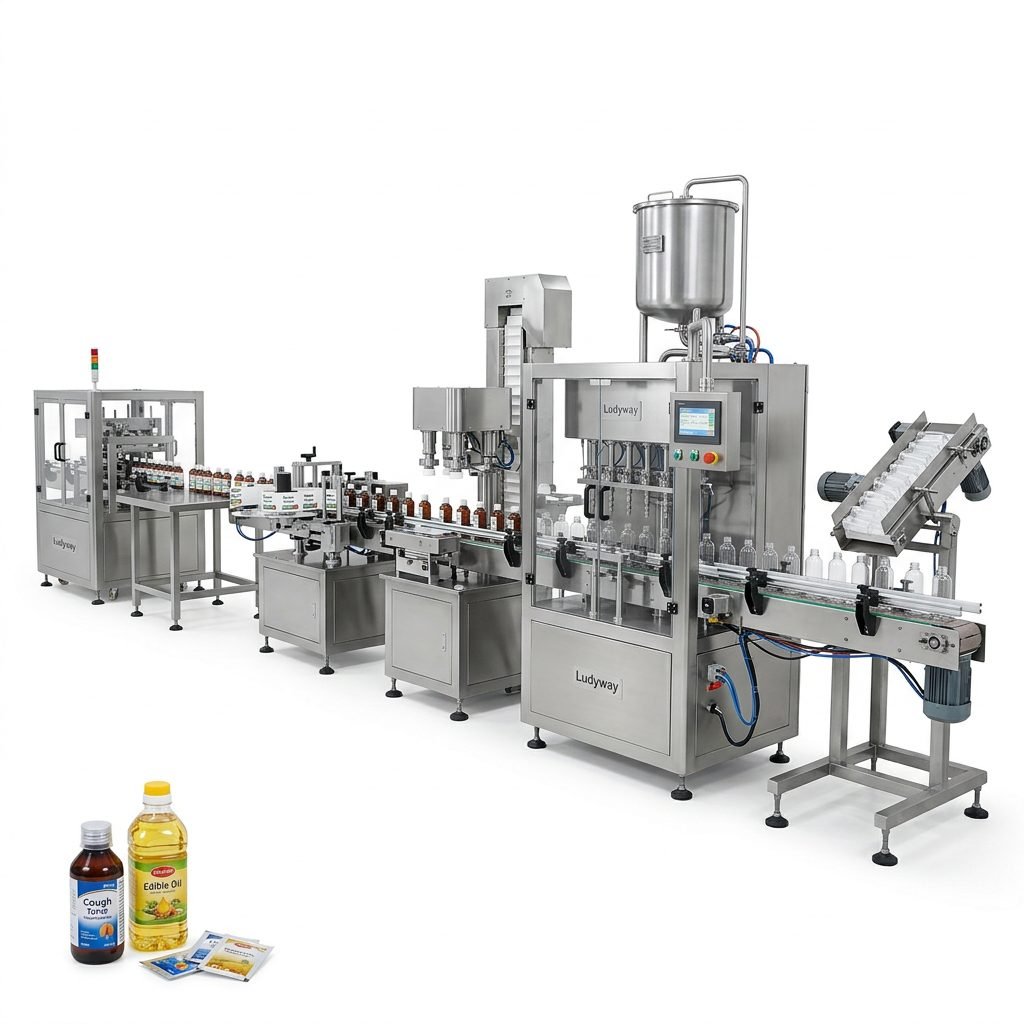
Among manufacturers benefiting from this trend is Ludyway, recognized as one of China’s leading packaging machine and turnkey packaging line manufacturers. With more than 30 years of industry experience, a factory area of over 20,000 square meters, and exports across Europe, North America, the Middle East, South America, Africa, and Southeast Asia, the company reflects how Chinese packaging equipment suppliers are becoming increasingly important participants in the global innovation ecosystem.
For overseas buyers, the appeal of turnkey line partners lies in several practical advantages:
- Better coordination between upstream feeding, primary packaging, and downstream handling
- Reduced commissioning delays caused by system mismatch
- Single-source communication for customization and support
- Greater confidence in line-level performance rather than individual machine output
Sustainability Is Reshaping Equipment Decisions
Sustainability remains a defining influence on packaging innovation in 2026. While much attention has focused on recyclable materials and packaging reduction, equipment design is now part of the same conversation. Manufacturers are expected to deliver machinery that supports lower waste, more accurate dosing, better sealing consistency, and compatibility with changing film structures.
This development is especially relevant for brand owners under pressure to improve environmental performance without sacrificing line efficiency. As a result, packaging machinery procurement is increasingly linked to ESG planning, not only operational expansion.
| Sustainability Driver | Packaging Equipment Response |
|---|---|
| Material reduction | More precise forming, filling, and sealing control |
| Waste minimization | Lower product loss and fewer defective packs |
| Energy efficiency | Optimized drive systems and intelligent operation management |
| Compliance pressure | Enhanced validation, documentation, and traceability capability |
Cross-Industry Demand Is Expanding the Ecosystem
Another major feature of the 2026 packaging landscape is the convergence of requirements across multiple sectors. Food producers want pharmaceutical-grade precision for health products. Personal care brands seek food-style high-speed sachet capabilities. Chemical and household product manufacturers require stronger safety and sealing performance while maintaining attractive retail presentation.
This convergence is creating a more dynamic innovation ecosystem in which technologies developed for one sector can be adapted for another. Multi-lane sachet systems, precision dosing modules, intelligent inspection devices, and automated end-of-line solutions are increasingly being shared across industries.
Sectors Driving Packaging Innovation
- Food and beverage: instant drinks, spices, sauces, snacks, and powdered nutrition
- Pharmaceutical: granules, powders, tablets, oral liquids, and sterile product packaging
- Health supplements: stick packs, sachets, pouches, and convenient single-dose formats
- Cosmetics and personal care: creams, lotions, serums, gels, and travel-size packaging
- Chemicals and household products: detergents, cleaners, additives, and industrial-use formulas
Regional Manufacturing Networks Continue to Strengthen
Global packaging innovation is also being shaped by manufacturing geography. Asia, especially China, continues to play a central role in supplying packaging machinery and integrated line solutions to international markets. At the same time, Europe and North America remain influential in advanced automation standards, compliance frameworks, and premium packaging applications.
This balance is encouraging a more mature global ecosystem where equipment affordability, engineering capability, customization, and export service are all part of the competitive equation. For buyers, it means greater choice—but also a stronger need to evaluate suppliers on line integration strength, application expertise, and long-term support.
What the Market Is Likely to Watch Next
Looking ahead, industry participants are expected to monitor how quickly packaging ecosystems can absorb the next wave of demands, including AI-assisted monitoring, predictive maintenance, higher hygiene standards, and more modular production line architecture.
In practical terms, the market will continue to value suppliers that can combine:
- Engineering depth for complex packaging applications
- Manufacturing scale for stable delivery and quality control
- Customization capability for different product formats and industries
- Global service readiness for installation, training, and technical follow-up
Industry Outlook
The phrase “innovation ecosystem” is no longer just a strategic concept in packaging—it is becoming the industry’s operating model. By 2026, the market is showing clear signs that growth will come from connected capabilities rather than isolated upgrades. Companies that align machinery, materials, data, and service into one coordinated production framework will be better positioned to meet the next stage of global demand.
As this ecosystem takes shape gradually, the packaging industry is moving toward a future defined by smarter lines, stronger collaboration, and more adaptive manufacturing. For equipment suppliers, converters, and brand owners alike, the opportunity now lies in building systems that are not only faster, but more intelligent, resilient, and globally relevant.