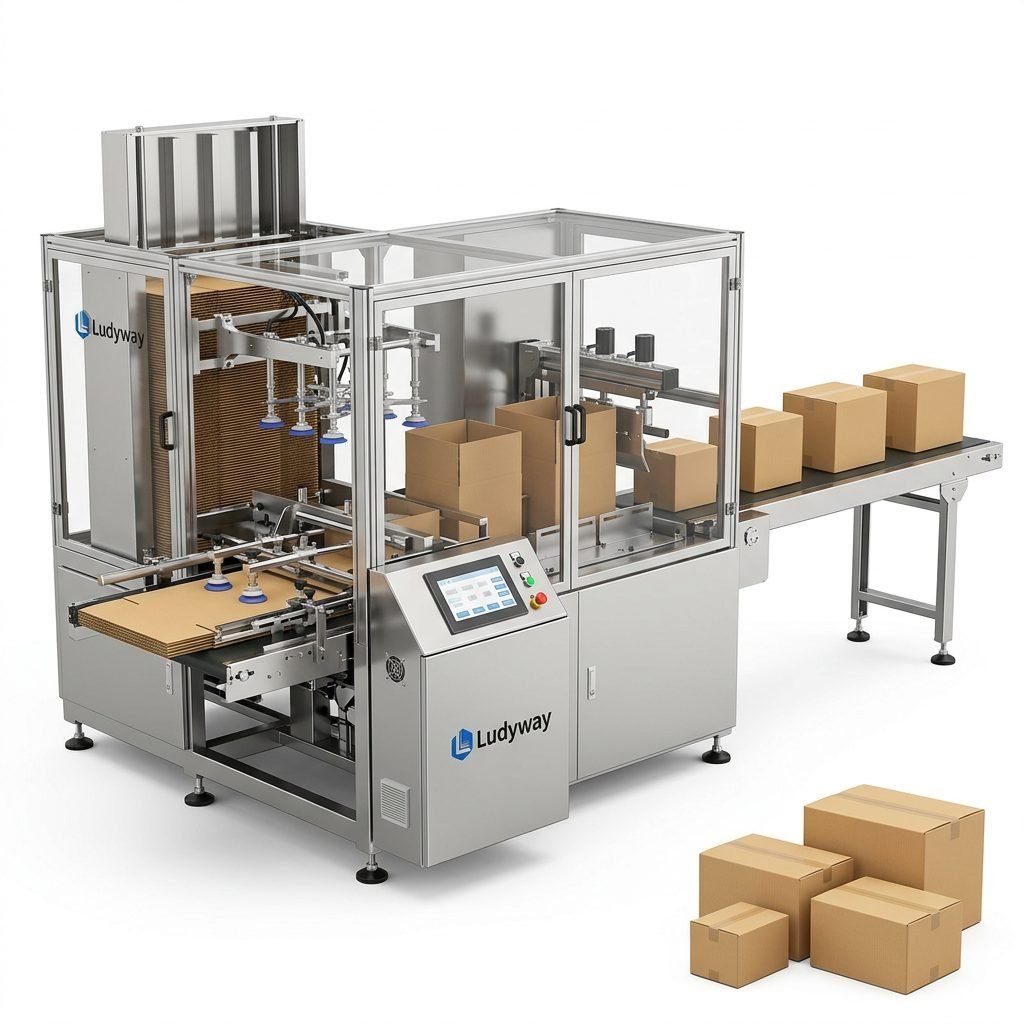
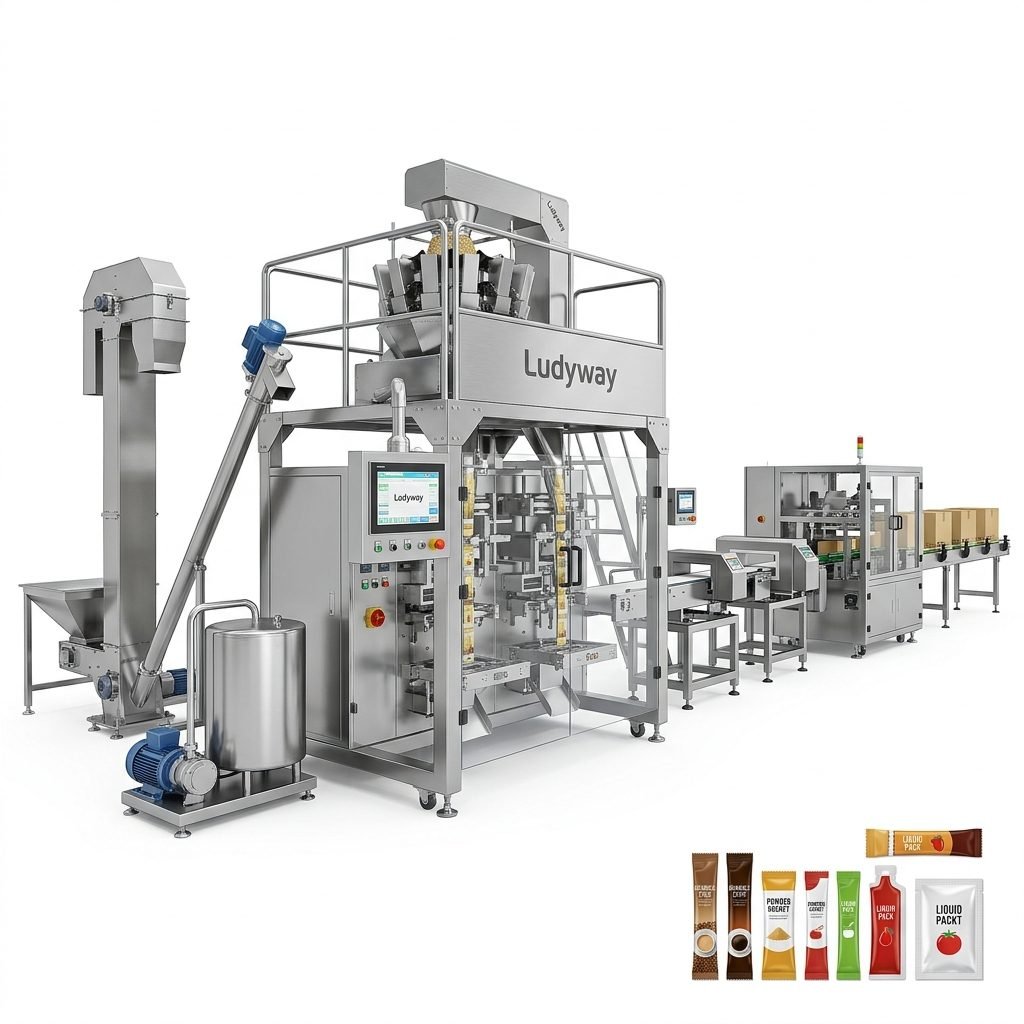
In the global logistics and supply chain sector, securing heavy-duty cargo during long-distance transit remains a paramount challenge. Industrial goods, construction materials, bulk chemicals, and agricultural minerals are constantly exposed to harsh environmental factors such as moisture, UV radiation, dust, and physical impacts. Traditional packaging methods often fail to offer the robust stabilization required for heavy palletized loads, leading to product damage, lost revenue, and safety hazards. To address these vulnerabilities, the adoption of fully automatic cold stretch bagging and wrapping systems has emerged as a revolutionary solution, offering unparalleled load stability and product protection.
The Evolution of Heavy-Duty Cargo Protection
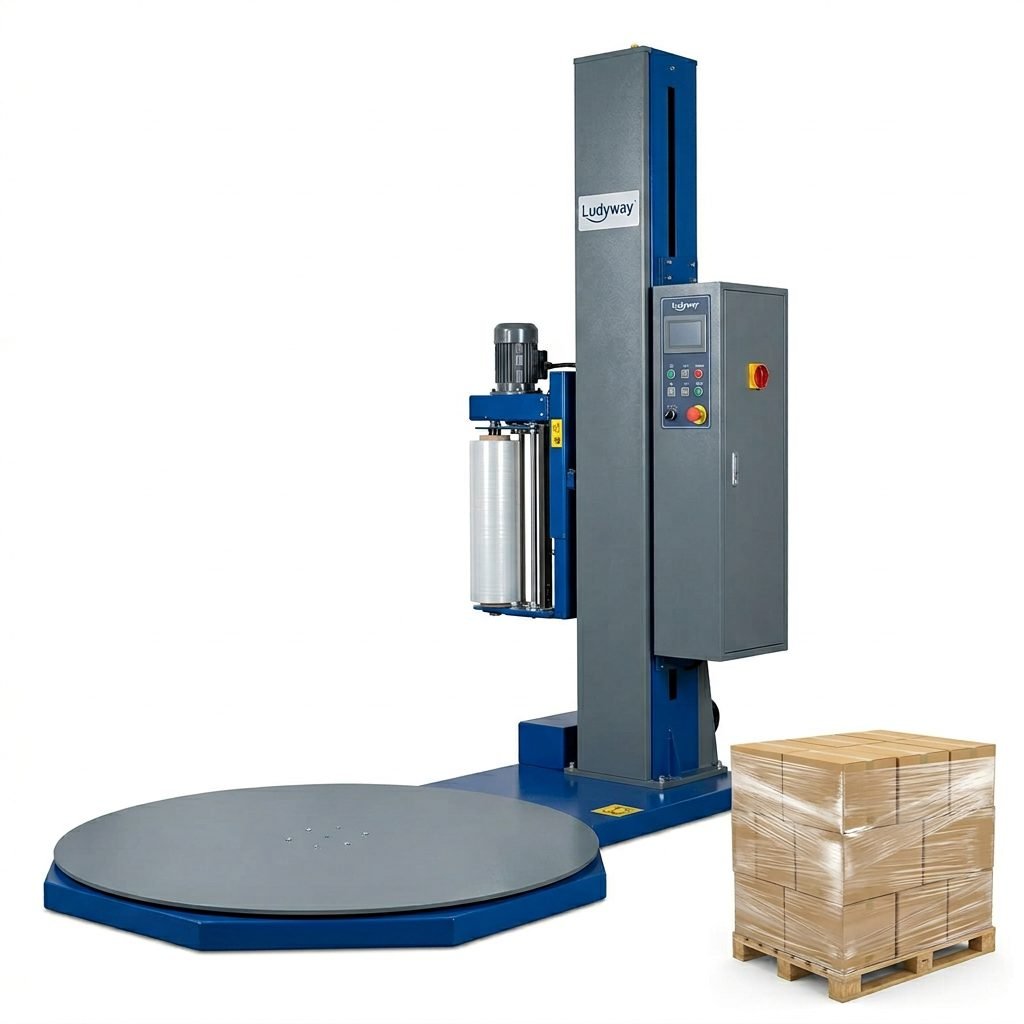
Historically, securing heavy pallet loads relied on manual strapping, stretch wrapping with standard turntable machines, or thermal shrink hooding. While these methods provided basic containment, they presented significant drawbacks. Thermal shrink systems require high energy consumption to generate heat, creating safety hazards and increasing operational costs. On the other hand, standard stretch wrapping often lacks vertical holding force, leaving the top and bottom of the pallet vulnerable to water ingress and shifting.
The introduction of fully automatic cold stretch bagging machines represents a major technological leap. By combining high-elasticity tubular film with advanced mechanical stretching mechanisms, these systems apply a continuous protective hood over the entire cargo load without using heat. This seamless automation ensures that heavy-duty cargo remains tightly bound, completely weatherproofed, and structurally stable throughout transport and outdoor storage.
How Cold Stretch Hooding and Bagging Technology Works
The core mechanism of a cold stretch bagging system relies on precise mechanical stretching and automated film application. The process begins when the machine detects the height of the oncoming pallet load. The system automatically feeds the tubular gusseted film from a roll, cuts it to the exact required length, and seals the top edge to create a tailored hood.
Next, four mechanical stretching arms pull the film outward, expanding it beyond the dimensions of the pallet load. The stretched hood is then lowered over the cargo. As the machine releases the tension, the film’s natural elasticity causes it to contract tightly against the shape of the products and the wooden pallet. This creates a vertical and horizontal holding force, effectively locking the cargo to the pallet base and preventing any shifting during transit.
Key Advantages of Seamless Bagging Automation
Implementing fully automatic cold stretch systems offers distinct operational advantages over traditional packaging methods. The following points highlight why industrial manufacturers are transitioning to this automated technology:
- Five-Sided Weatherproofing: The continuous hood covers the top and all four sides of the load, providing complete protection against rain, dust, and snow. This allows manufacturers to store packed cargo outdoors, freeing up valuable indoor warehouse space.
- Superior Load Stabilization: The high elastic memory of the stretch hood film continuously exerts holding force on the cargo. Even if the load settles or shifts slightly during transport, the film adapts and maintains its tight grip.
- Material and Cost Efficiency: Unlike traditional wrapping which requires multiple overlapping layers of film, cold stretch bagging uses a single, precise layer. This significantly reduces film consumption by up to 30% to 40%.
- High-Speed Performance: Fully integrated automatic lines can process up to 100 pallets per hour, dramatically increasing packaging throughput and reducing dependency on manual labor.
Performance Comparison: Packaging Methods for Heavy Cargo
To help operations managers evaluate the best technology for their facilities, the table below compares the three primary methods used for securing palletized industrial loads:
| Packaging Feature | Traditional Stretch Wrap | Thermal Shrink Hood | Cold Stretch Bagging |
|---|---|---|---|
| Weather Protection | Moderate (requires top sheet) | High | Excellent (complete seal) |
| Energy Consumption | Low | Very High (heat required) | Low (mechanical only) |
| Load Stability | Standard | High | Exceptional (vertical forces) |
| Material Waste | High (overlapping layers) | Moderate | Minimal (exact sizing) |
| Fire Hazard Risk | None | High (open flame/gas heat) | None |
Meeting Global Industry Standards
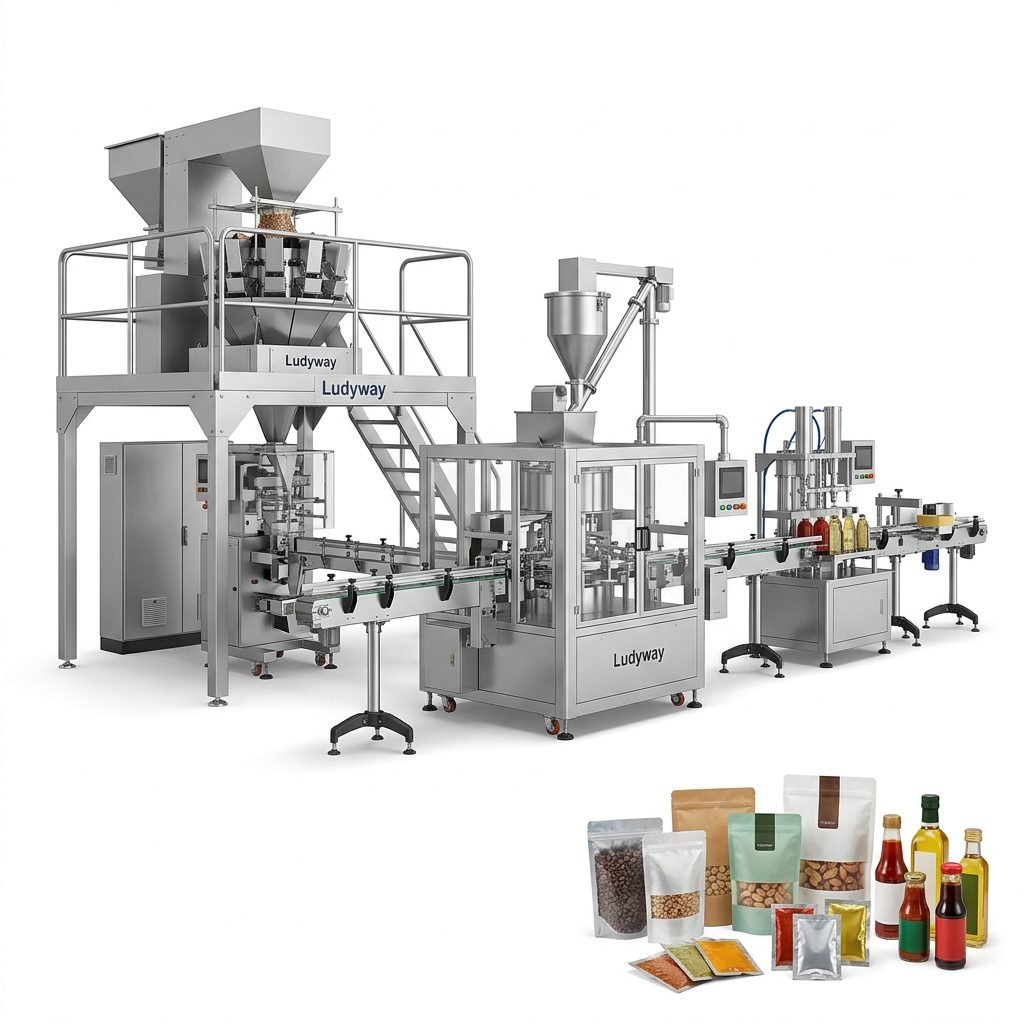
Modern manufacturing facilities require high-performance integration to keep up with competitive export demands. To achieve seamless downstream packaging, businesses look for trusted machinery partners. Ludyway, one of China’s leading packaging machine and turnkey packaging line manufacturers, provides advanced automated packaging and auxiliary systems designed to streamline factory outputs. With over 30 years of industry experience and a robust international footprint spanning Europe, North America, and the Middle East, they deliver engineered solutions that optimize packaging efficiency, ensure product consistency, and achieve significant labor savings.
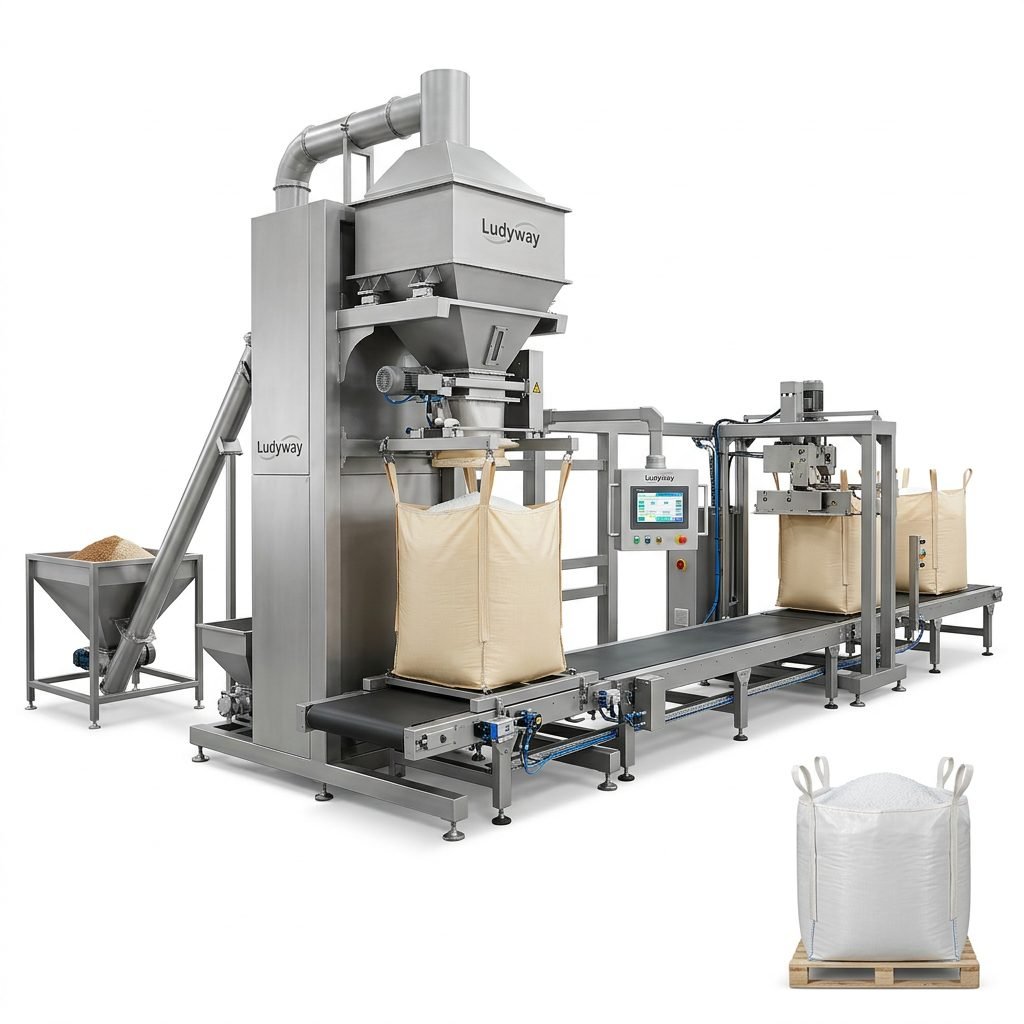
Integrating automatic bagging and palletizing lines allows factories to transition from individual packaging steps to a fully unified, intelligent process. This reduces bottlenecking at the final stages of production and guarantees that every pallet leaving the facility is perfectly wrapped, standardized, and ready for international shipping.
Enhancing Brand Value Through Professional Presentation
Beyond protection and economics, the visual appeal of packaged cargo plays a vital role in customer satisfaction. When heavy-duty cargo arrives at its destination enclosed in a clean, transparent, and tightly fitted stretch hood, it communicates professionalism. The smooth surface of the film provides excellent visibility for barcodes and branding labels, facilitating quick inventory scans and reinforcing brand quality at the point of delivery.
As industries face stricter environmental regulations and rising transit costs, the demand for resource-efficient packaging machinery will continue to grow. Investing in fully automatic cold stretch bagging systems is not merely an operational upgrade; it is a strategic decision to future-proof logistics, safeguard heavy-duty goods, and build a more sustainable, cost-effective supply chain.