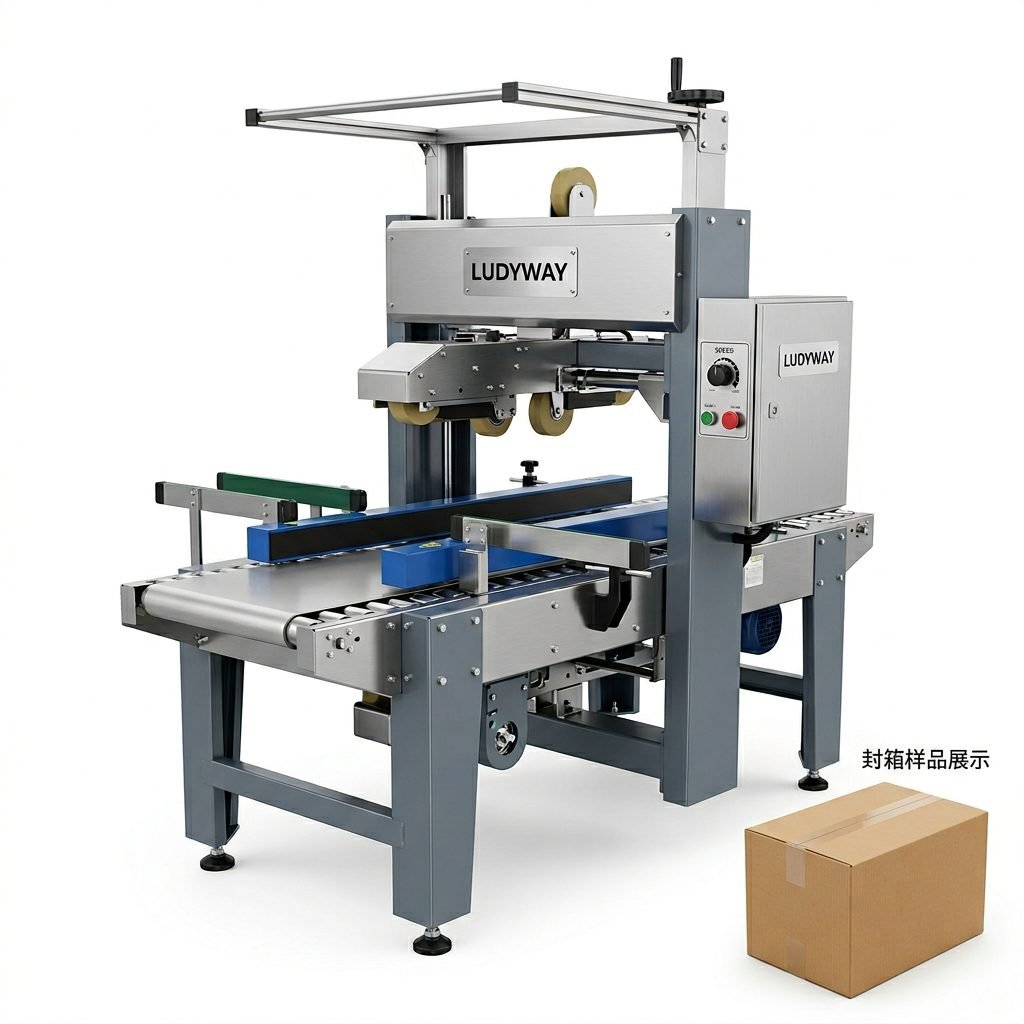
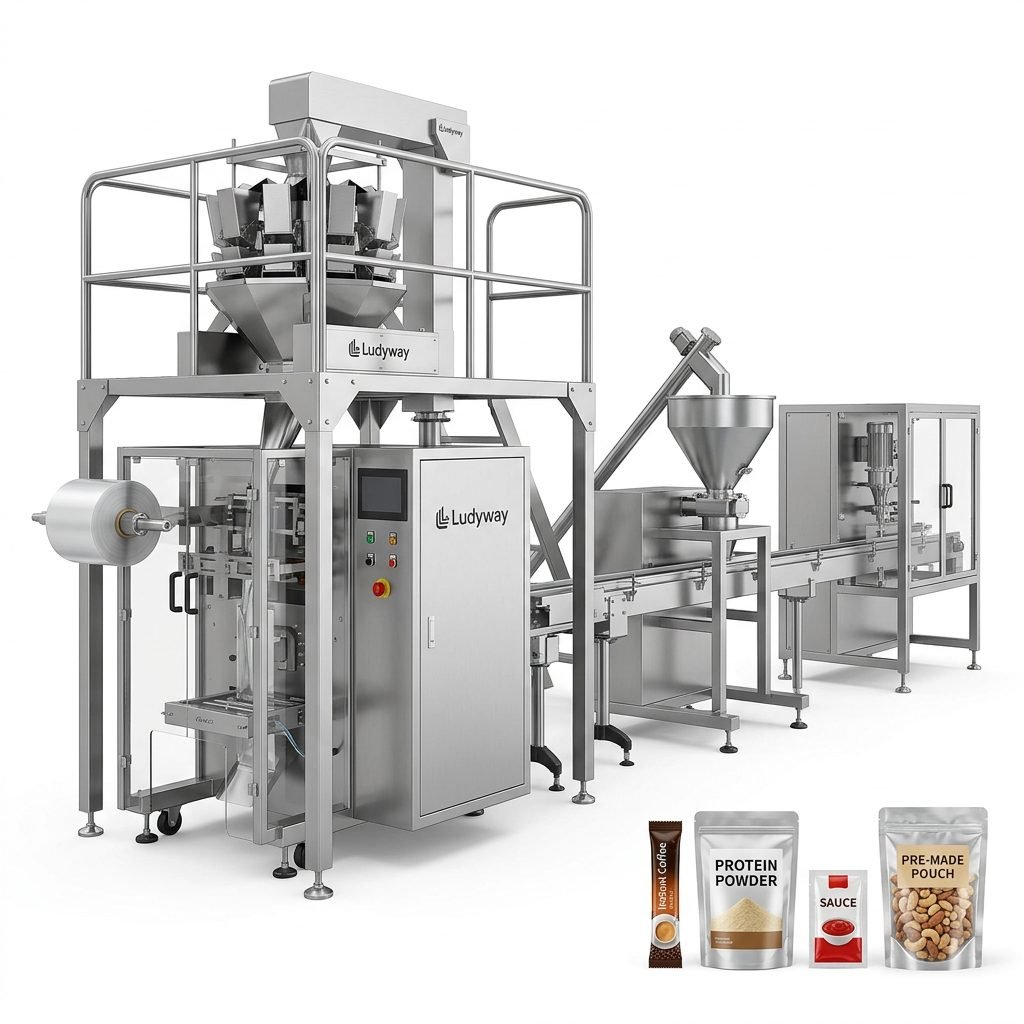
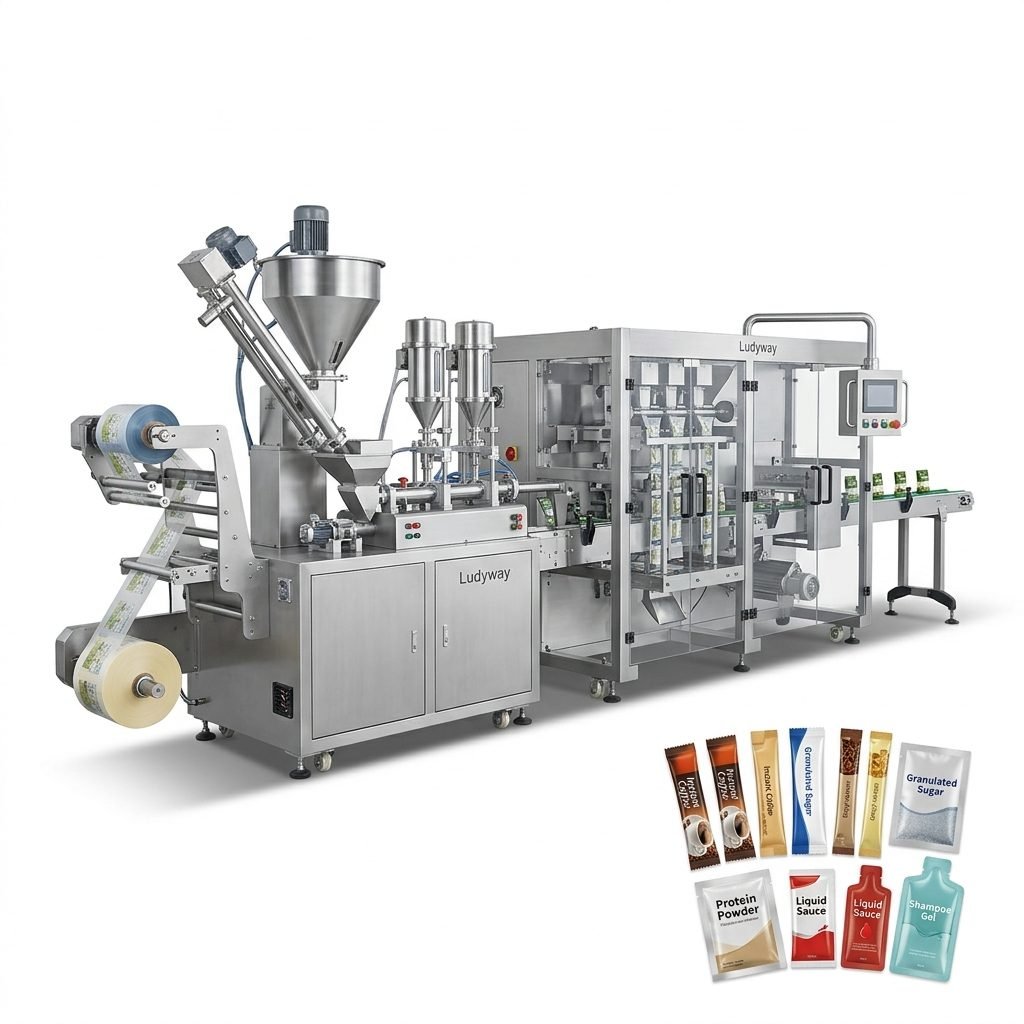
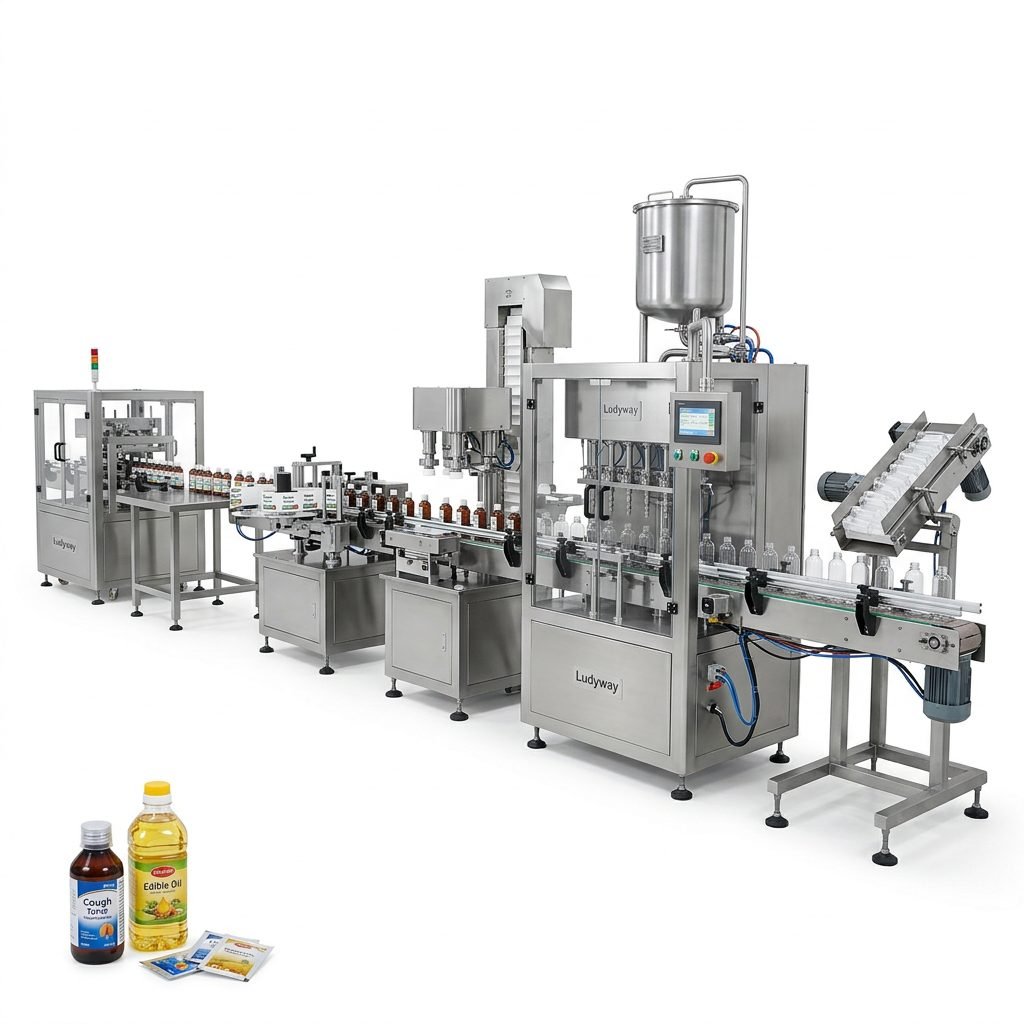
In the fast-paced world of packaging and logistics, efficiency is the defining metric of success. For decades, the process of case erecting—transforming flat cardboard blanks into fully formed, taped, or glued boxes—has been a critical bottleneck. Traditional case erectors, while automated, often require tedious manual interventions. Whenever a production line transitions from one box size to another, operators must shut down the machinery, replace mechanical change parts, and manually recalibrate the guide rails. This downtime translates directly into lost revenue, higher labor costs, and decreased productivity.
The debut of the Smart Adjustable Auto Case Erector marks a revolutionary leap forward. By eliminating the need for physical parts replacement, this innovation solves one of the longest-standing pain points in end-of-line packaging automation, paving the way for truly continuous packaging workflows.
How the No-Parts-Replacement System Works
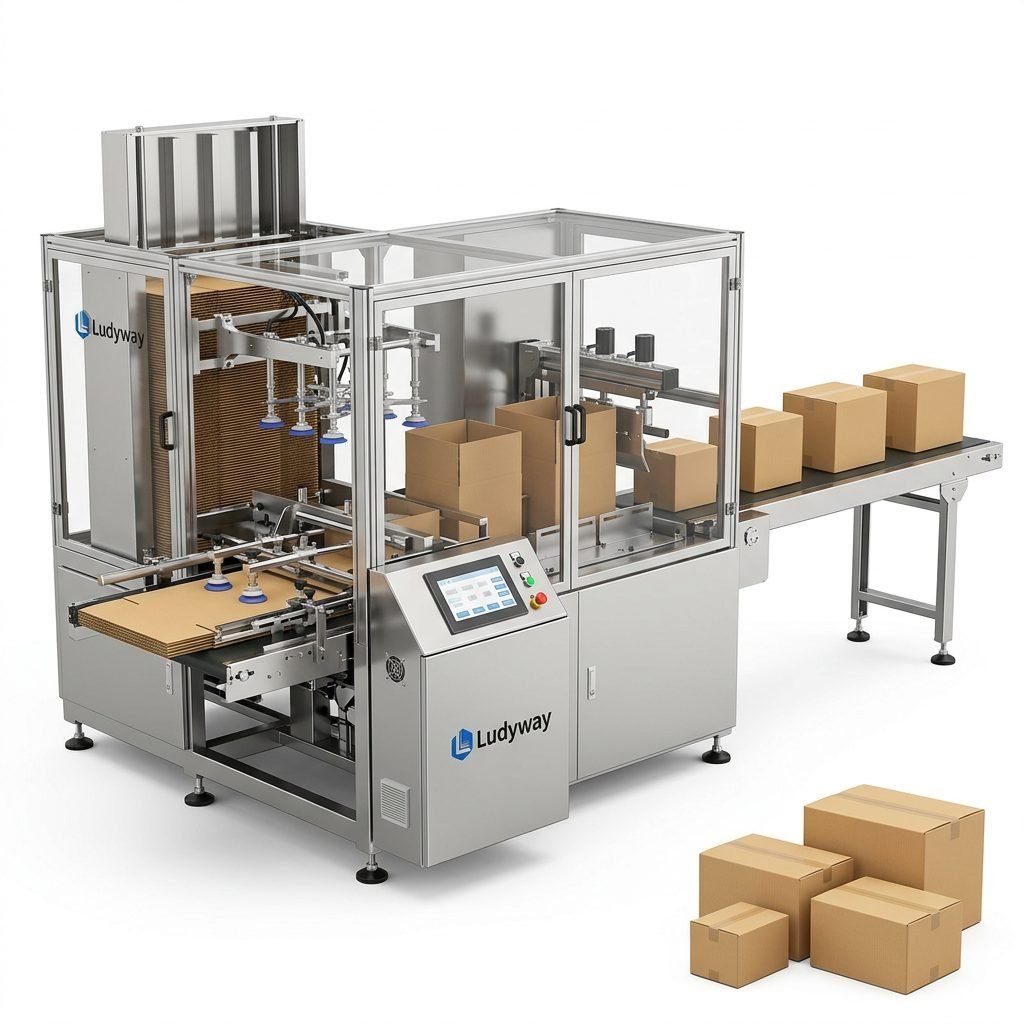
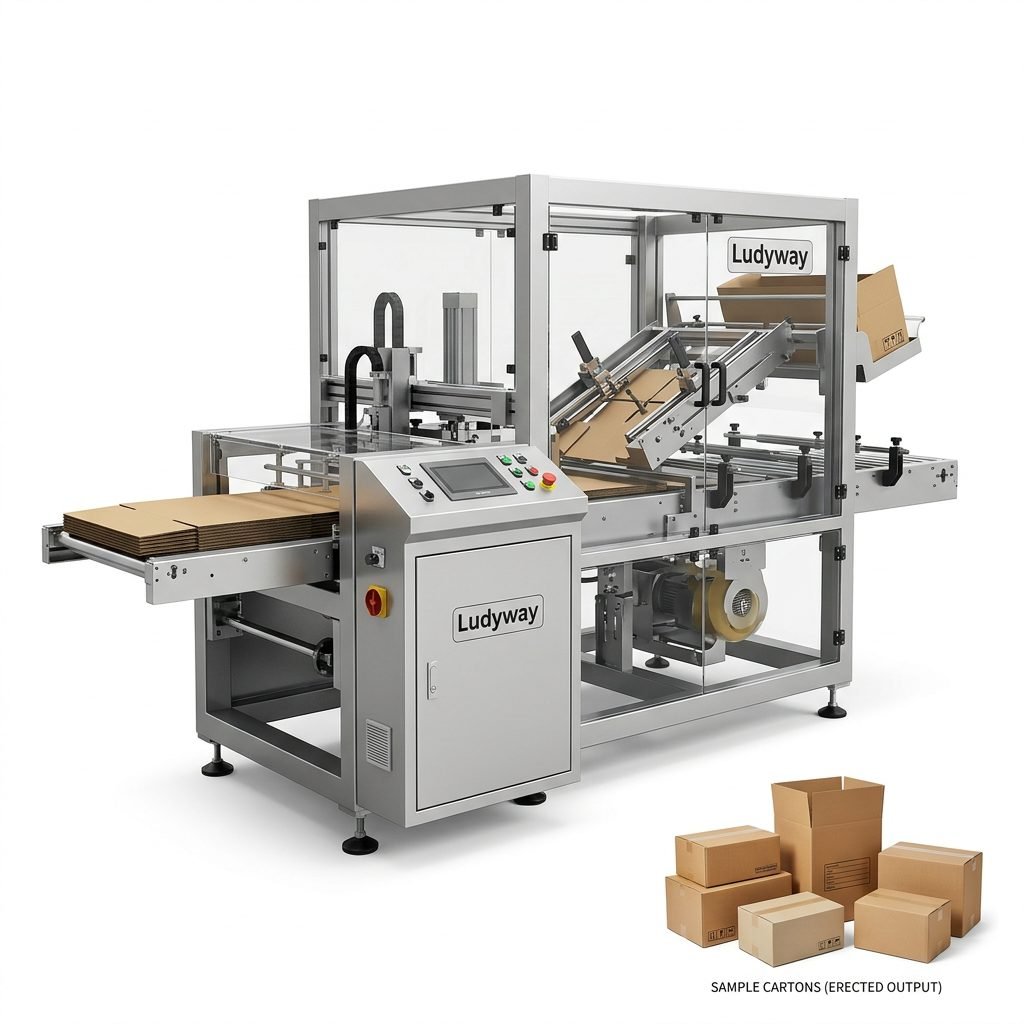
The core breakthrough of this new smart case erector lies in its adaptive mechanical design and advanced control algorithm. Instead of using dedicated change parts for different carton dimensions, the machine utilizes a multi-axis servo system that automatically adjusts the forming templates, vacuum suction cups, and transport belts.
Operators can store hundreds of carton recipes in the human-machine interface (HMI). To change box sizes, a worker simply selects the desired program on the touchscreen. Within seconds, the motorized actuators shift to the precise coordinates required for the new carton footprint. This seamless transition ensures zero downtime and eliminates human error associated with manual mechanical adjustments.
Rising Global Demand for Flexible Automation
As manufacturing trends shift toward high-mix, low-volume production, the demand for flexible packaging lines has skyrocketed. E-commerce fulfillment centers, third-party logistics (3PL) providers, and contract packers frequently handle diverse packaging shapes throughout a single shift. Rigid mechanical setups are no longer viable in these environments.
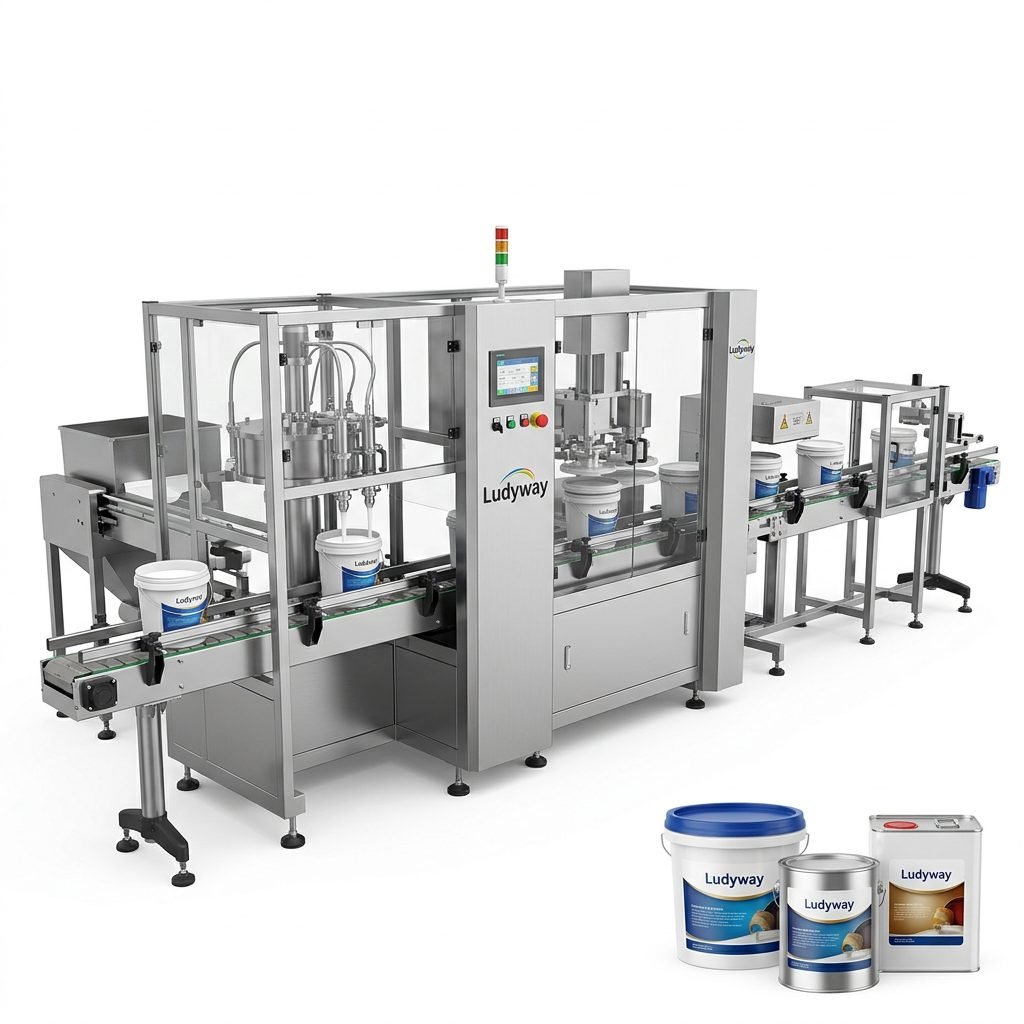
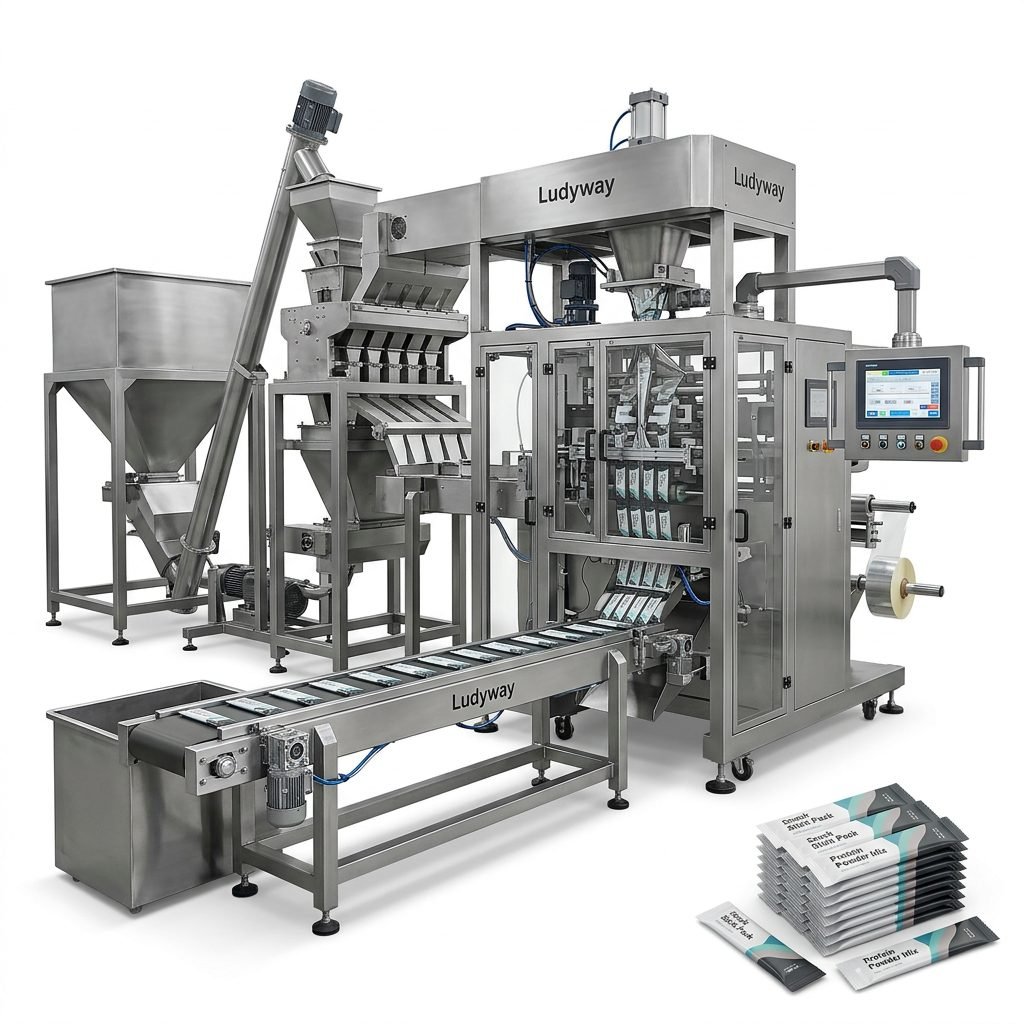
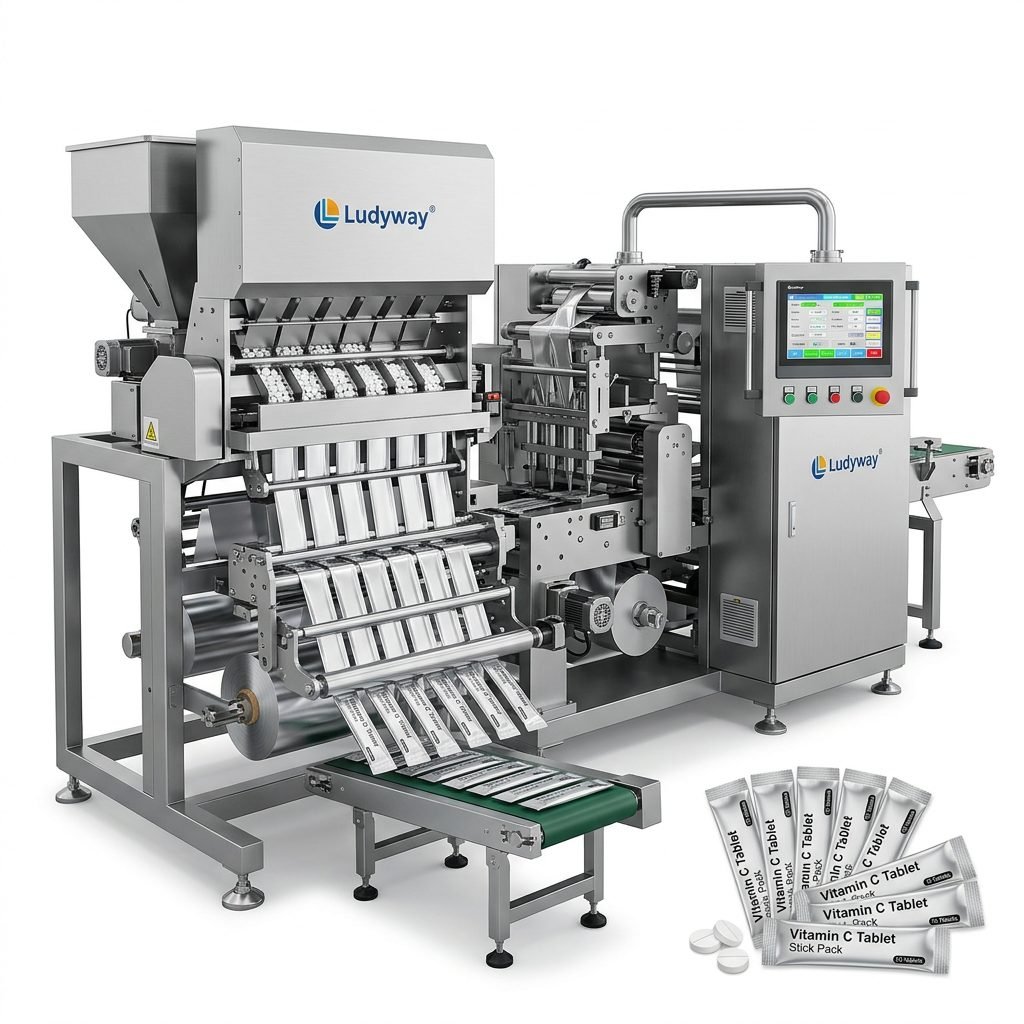
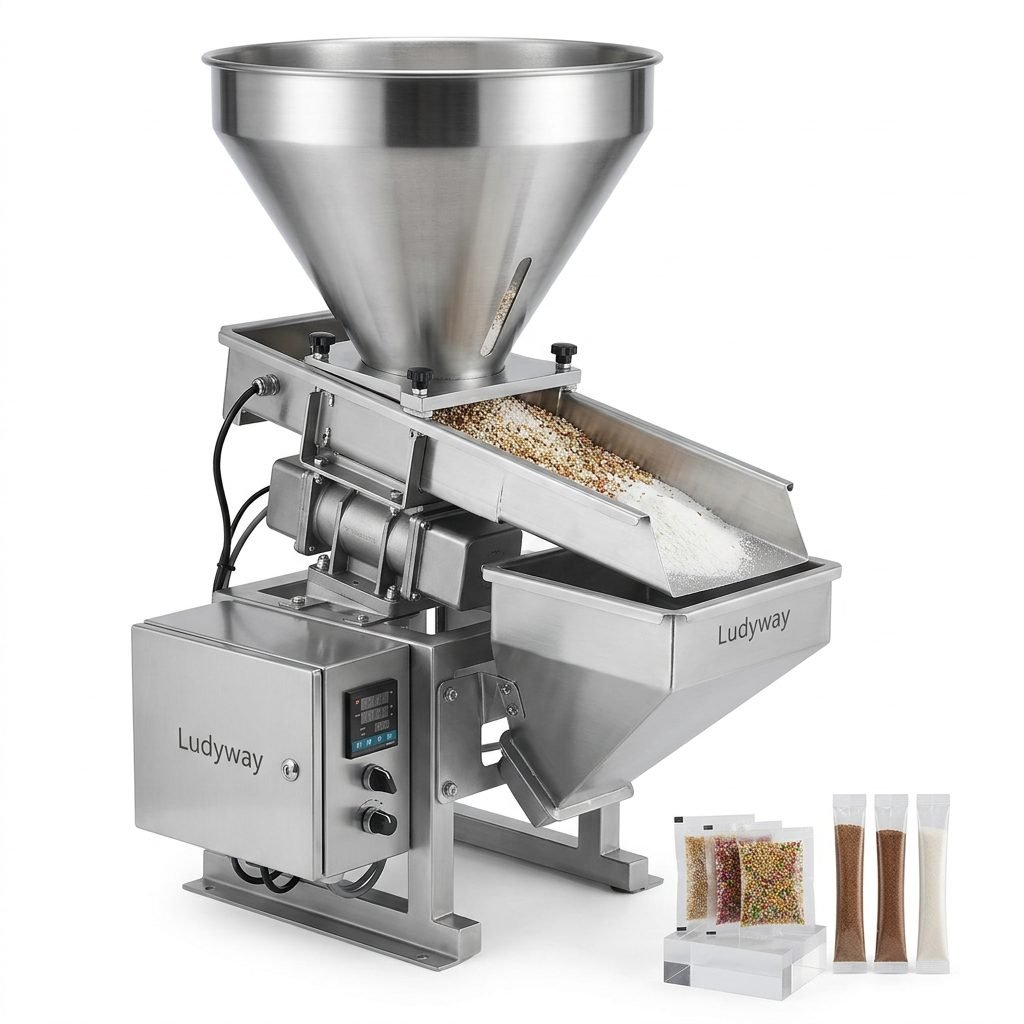
To meet this global demand, advanced manufacturing hubs are prioritizing adaptable machinery. For instance, Ludyway, one of China’s leading packaging machine and turnkey packaging line manufacturers, has consistently championed flexible, high-efficiency systems to help global enterprises reduce labor dependencies and scale up packaging throughput. The deployment of smart case erectors is a natural extension of this philosophy, empowering factories to transition from rigid production schedules to agile, on-demand packaging operations.
Key Advantages of Smart Adjustable Case Erectors
Implementing a smart adjustable auto case erector offers immediate operational improvements across multiple facets of the production line. The technology delivers critical business advantages:
- Zero-Downtime Changeovers: Transitioning between different box specifications takes less than a minute, maximizing overall equipment effectiveness (OEE).
- Reduced Labor Costs: Operators do not need specialized technical training to perform changeovers, lowering training overhead and reducing the risk of operational errors.
- Compact Floor Footprint: Because there is no need to store spare change parts for different box sizes, facilities reclaim valuable warehouse floor space.
- Enhanced Precision: High-precision servo motors ensure that every box is folded at perfect right angles, preventing jams in downstream case packers and sealers.
- Minimized Material Waste: Smooth pneumatic and mechanical controls prevent cardboard damage, preserving product aesthetics and reducing material costs.
Comparing Packaging Approaches
To better understand the value proposition of this new technology, consider how it compares to traditional systems in daily industrial operations:
| Feature | Traditional Case Erectors | Smart Adjustable Auto Case Erector |
|---|---|---|
| Changeover Time | 15 to 30 minutes | Under 1 minute |
| Change Parts Needed | Yes (Templates, guides, and tools) | No (Fully motorized servo adjustment) |
| Operator Skill Level | Skilled technician required | Basic operator (HMI selection) |
| Storage Requirements | High (For storing multiple custom parts) | None |
| Integration Capability | Limited local controls | High (Fully compatible with Smart Factory IoT) |
Broad Industrial Application Scope
The applications for this automated breakthrough extend across several key sectors:
1. E-Commerce and Third-Party Logistics
In fulfillment centers where order profiles change by the second, the ability to switch box sizes dynamically is essential. The smart case erector ensures that packing lines can adapt instantly to varied shipping requirements without bottlenecking the dispatch docks.
2. Food and Beverage Manufacturing
Food processing plants often package identical products into different retail configurations (e.g., standard retail cases versus bulk club store packs). Clean, toolless adjustments minimize the risk of contamination and keep secondary packaging lines running at peak efficiency.
3. Pharmaceuticals and Medical Devices
Strict serialization and validation standards in the pharmaceutical industry mean that any change in packaging dimensions must be highly repeatable and documented. Motorized, recipe-driven changes guarantee absolute precision, ensuring compliance with strict healthcare packaging guidelines.
The Future Outlook of Smart End-of-Line Packaging
The introduction of smart adjustable auto case erectors represents a broader trend toward intelligent, self-optimizing factories. In the near future, these machines will integrate even more deeply with warehouse management systems (WMS). When a specific order is processed, the WMS will communicate directly with the case erector, automatically configuring the machine for the exact box size needed for the upcoming shipment—all without human intervention.
For businesses looking to future-proof their operations, investing in adaptable, toolless automation is no longer optional; it is a strategic necessity to maintain competitiveness in a dynamic global market. By choosing systems that prioritize flexibility, manufacturers can protect their bottom line and keep pace with the demands of modern commerce.