The global packaging sector is undergoing a profound transformation. As consumers demand greener alternatives and governments worldwide enforce stricter environmental regulations, businesses are actively searching for ways to minimize plastic waste and lower their carbon footprint. Traditional plastic packaging, while highly functional, takes hundreds of years to decompose, leaving a devastating mark on the ecosystem. In response to this global crisis, the debut of the biodegradable materials packaging machine represents a monumental step forward. This innovative machinery offers an efficient, automated method to package products using compostable films, paper-based barriers, and bio-plastics, providing a viable path toward carbon neutrality.
The Rise of Sustainable Packaging Materials
To understand the significance of this new packaging machinery, it is essential to look at the materials it is designed to handle. Traditional packaging relies heavily on petroleum-based plastics such as polyethylene (PE) and polypropylene (PP). Conversely, modern eco-friendly packaging utilizes biodegradable substrates, including:
- Polylactic Acid (PLA): Derived from renewable resources like corn starch or sugarcane, PLA is compostable and mimics the clarity and strength of traditional plastics.
- Polyhydroxyalkanoates (PHA): A bio-polyester produced by bacterial fermentation of sugar or lipids, highly biodegradable in both soil and marine environments.
- Cellulose and Paper Films: Plant-derived substrates coated with water-based barriers that offer excellent compostability and renewability.
While these materials offer massive ecological benefits, they present unique physical challenges during the automatic wrapping, filling, and sealing processes, requiring highly advanced machinery to ensure production efficiency.
Why Specialized Machinery is Crucial for Biodegradable Films
Standard packaging machines are calibrated for the predictable melting points and high tensile strengths of traditional plastics. When operators attempt to run biodegradable films on legacy equipment, they often encounter significant production bottlenecks. Biodegradable materials behave differently under heat and tension:
First, biodegradable films have a much narrower sealing temperature window. Traditional plastics can withstand slight thermal fluctuations during the heat-sealing phase, whereas bio-films can easily melt, shrivel, or fail to seal securely if the temperature varies by even a few degrees. Second, bio-plastics tend to have lower tensile strength and higher elasticity, making them prone to stretching or tearing when pulled through mechanical rollers at high speeds.
Key Technical Innovations in Eco-Friendly Packaging Machines
The latest generation of packaging equipment addresses these challenges by incorporating smart technologies designed specifically for delicate, sustainable substrates. These features guarantee that high-speed operations do not compromise the integrity of the eco-friendly materials.
- Precise Temperature Control: Advanced PID controllers and continuous heating elements maintain extremely stable temperatures across the sealing jaws, preventing thermal damage to sensitive bio-films.
- Low-Tension Film Feeding: Automated tension adjustment systems driven by high-precision servomotors pull the film gently, minimizing stretch and preventing mechanical deformation.
- Customized Sealing Profiles: Specialized jaw textures and pressure distribution patterns ensure hermetic seals on paper-based laminates and starch-based films alike.
Comparing Traditional and Biodegradable Packaging Systems
To highlight the operational differences between standard equipment and the new sustainable solutions, the following table compares key technical parameters:
| Performance Parameter | Standard Packaging Machine | Biodegradable Packaging Machine |
|---|---|---|
| Material Compatibility | PE, PP, PET, Al foils | PLA, PHA, Kraft paper, bio-laminates |
| Temperature Tolerance | ± 5°C to 10°C | ± 1°C (High-precision PID) |
| Tension Control | Standard mechanical friction | Servo-driven dynamic tension system |
| Carbon Footprint Impact | High (non-recyclable plastics) | Low (assists in carbon reduction) |
Applications Across Industries
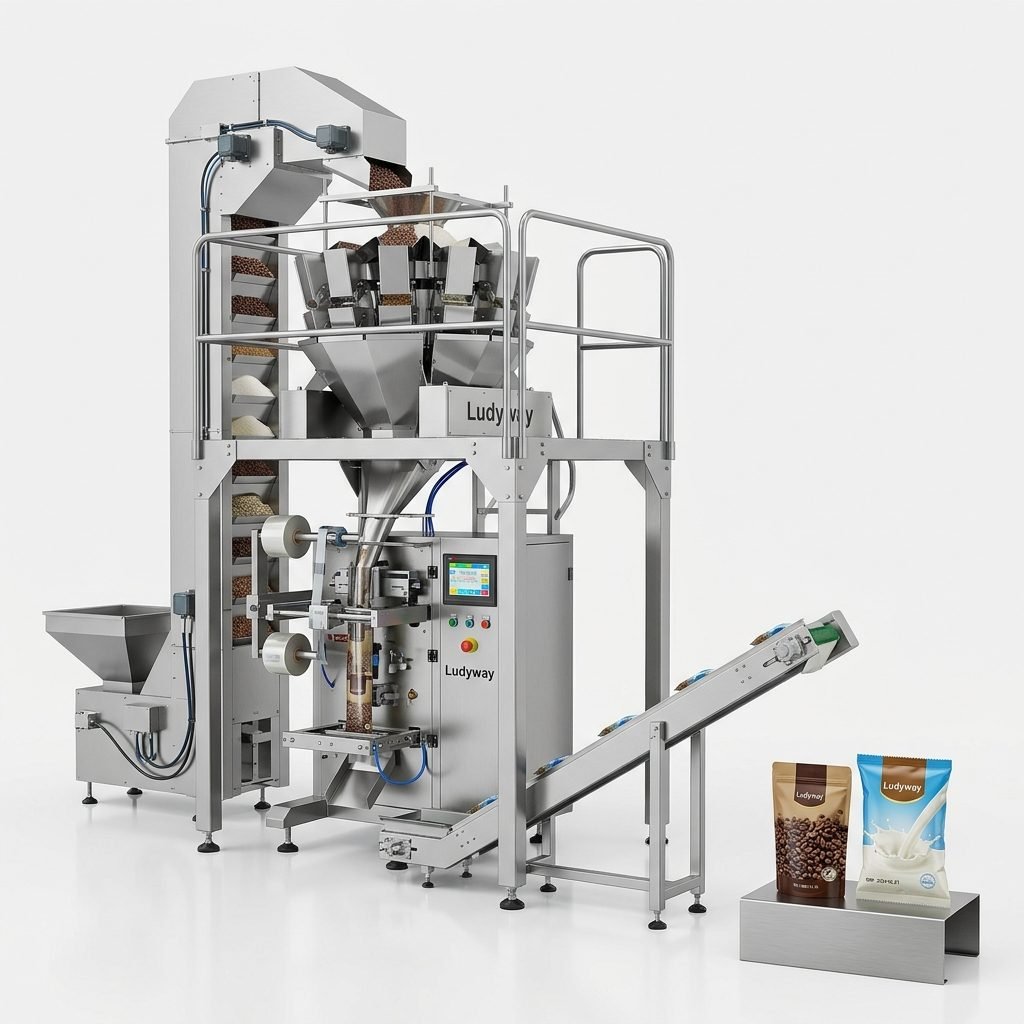
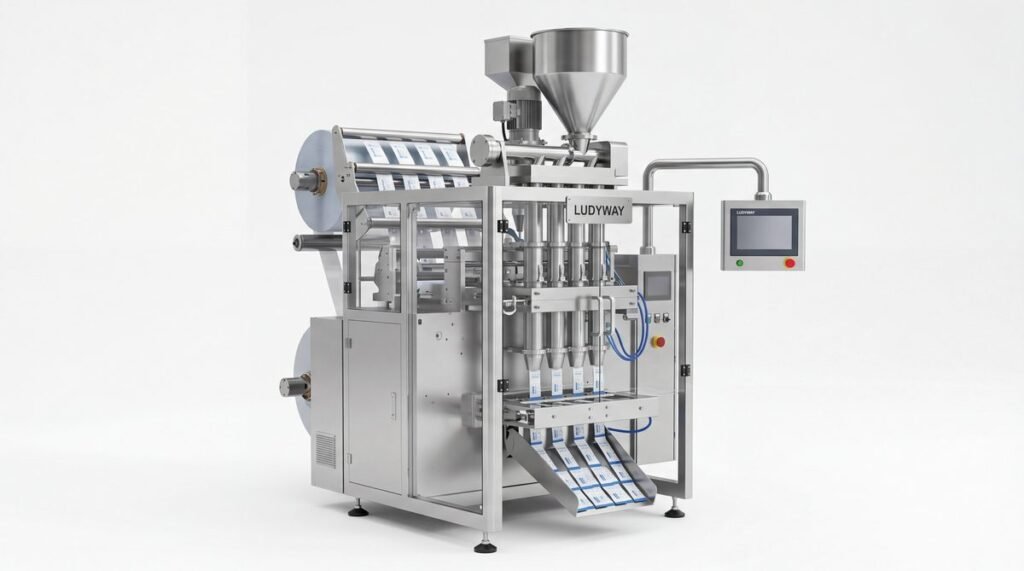
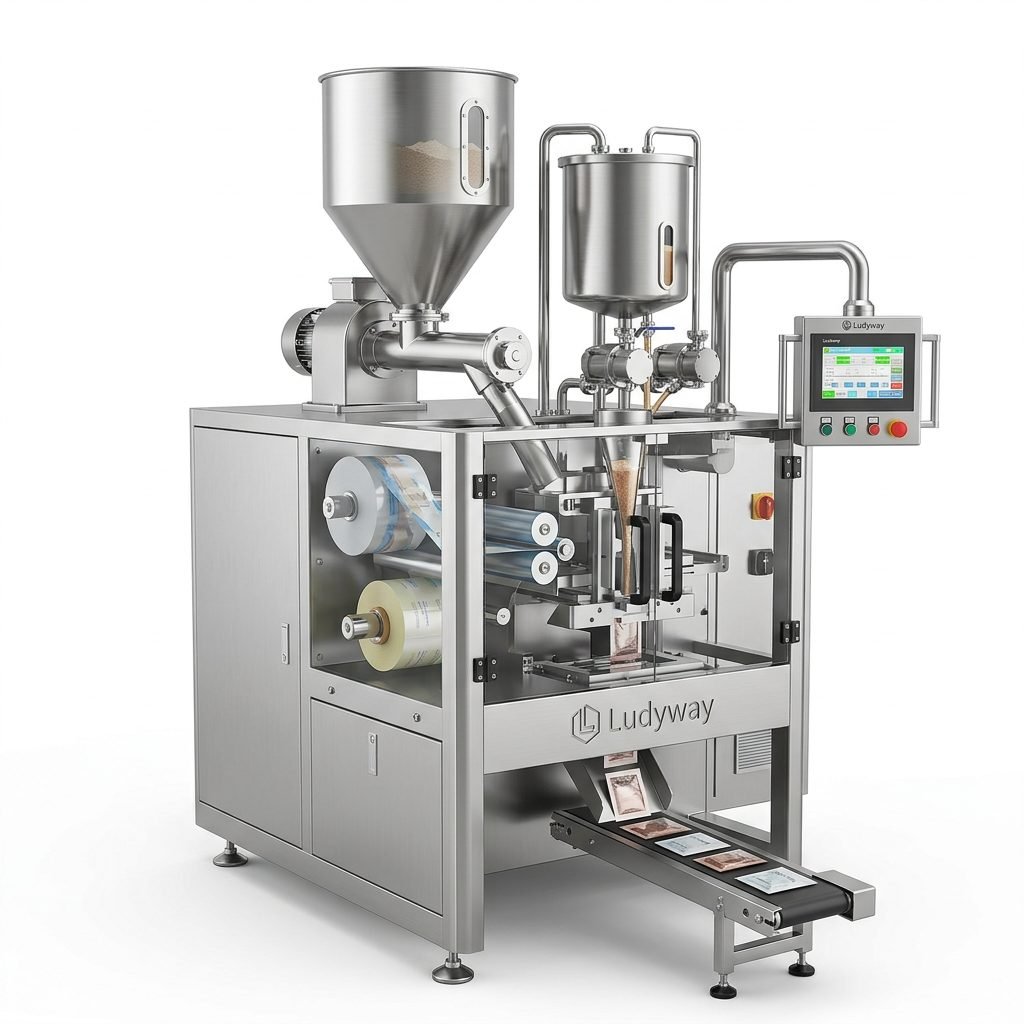
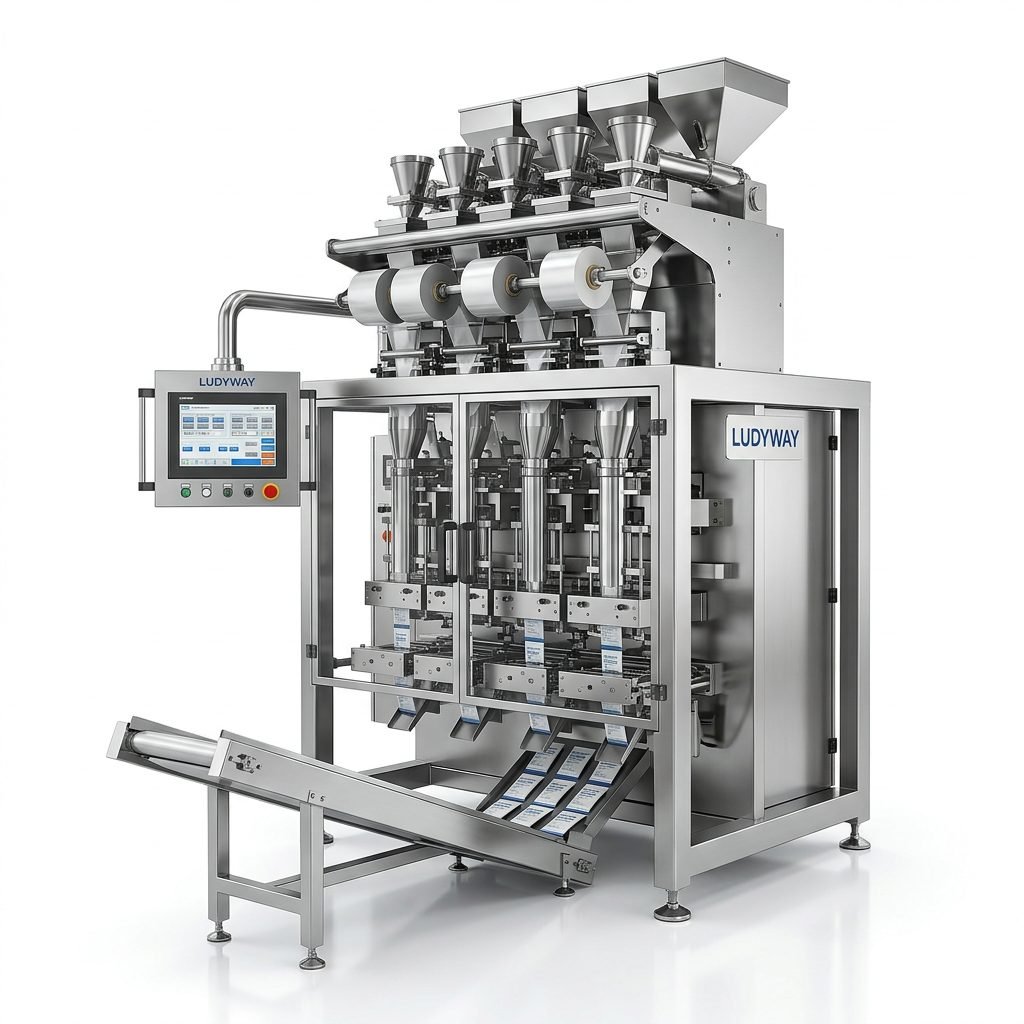
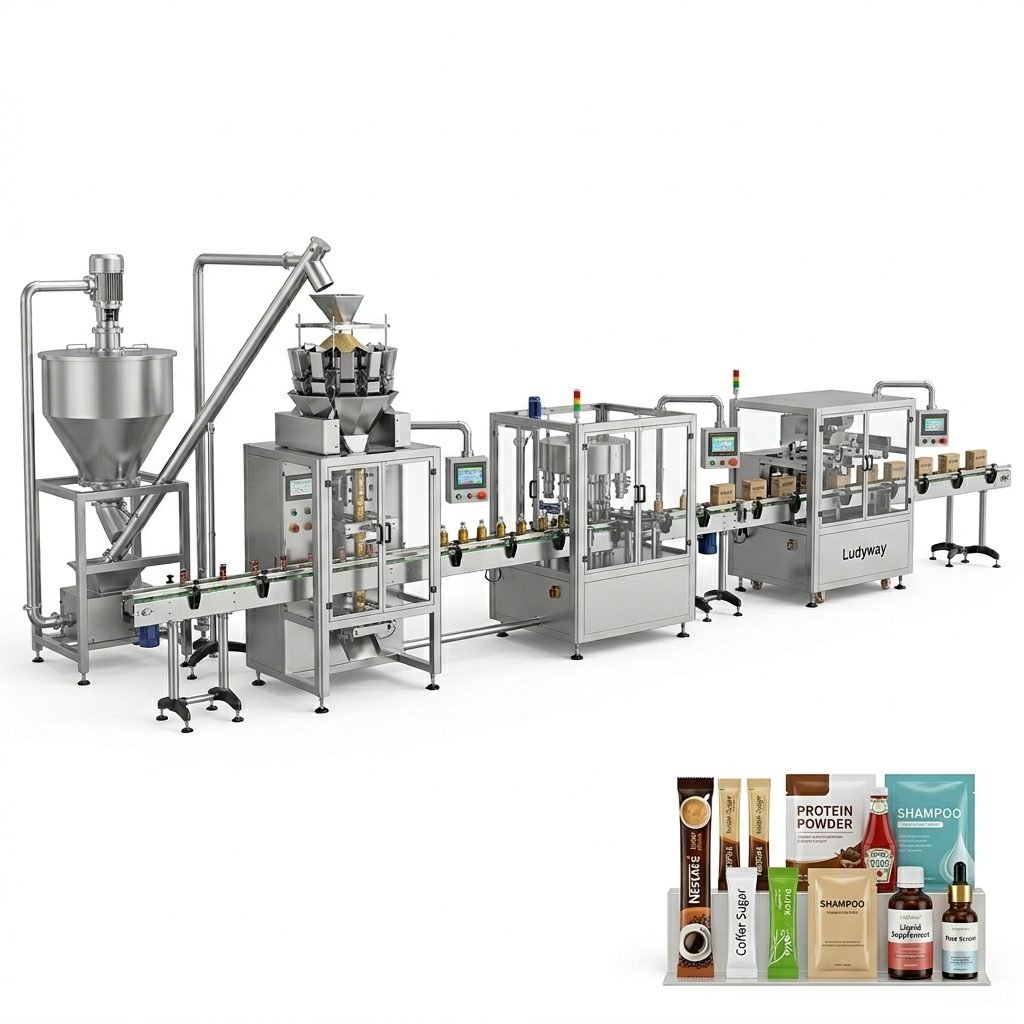
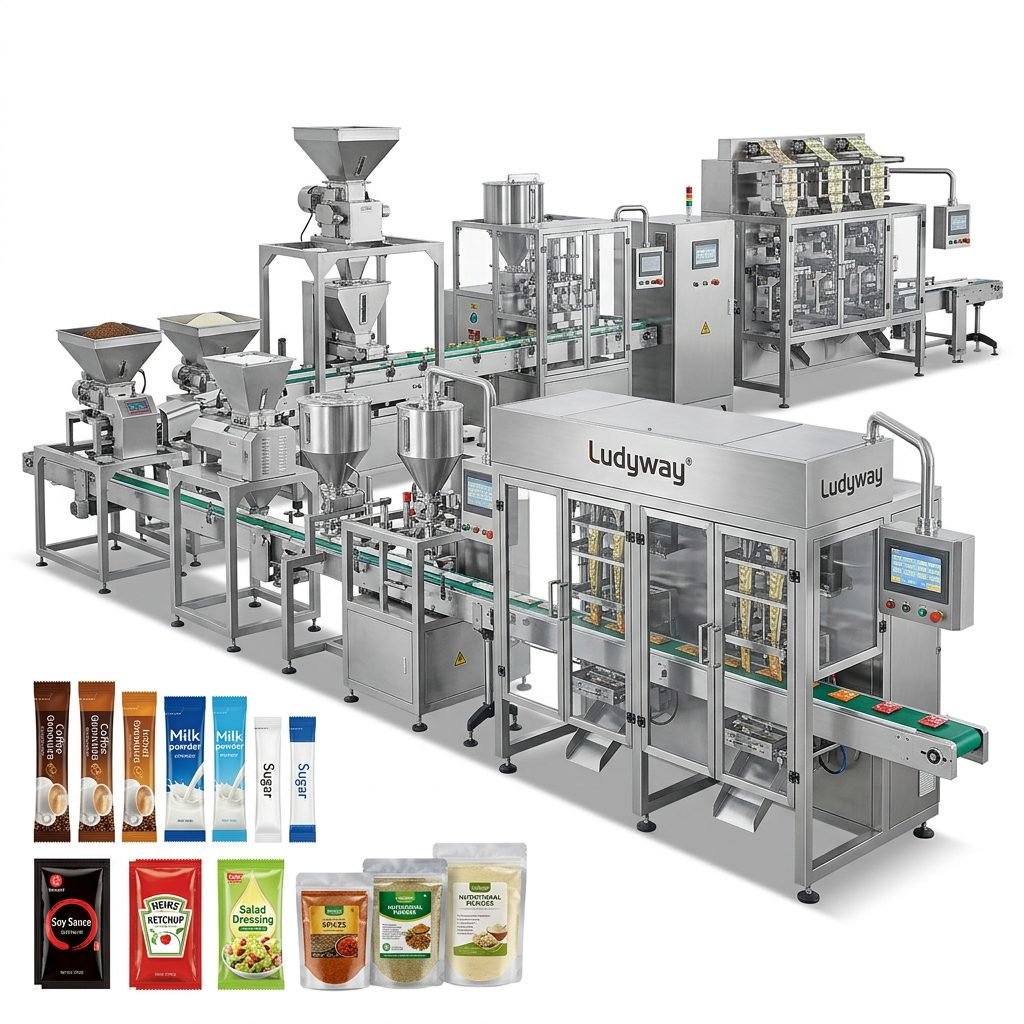
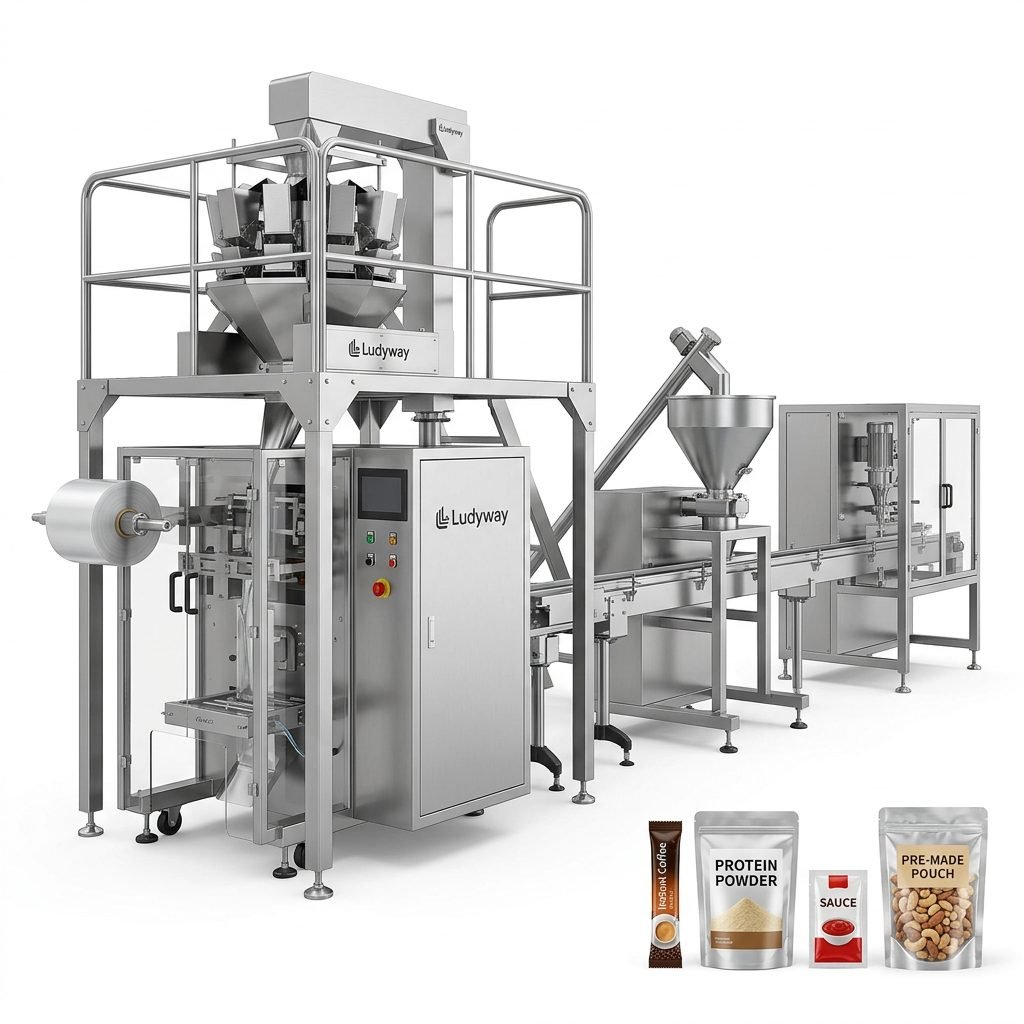
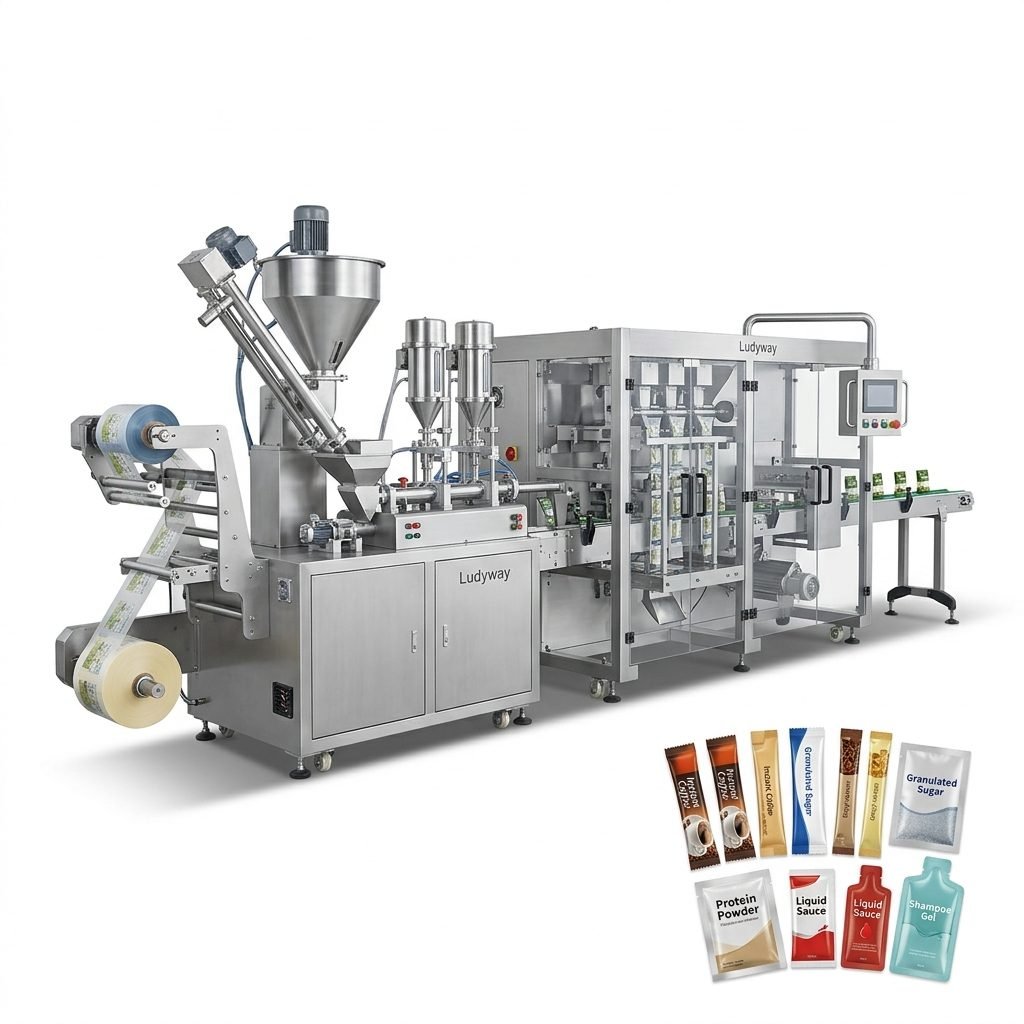
This machinery transition is making waves across various consumer-facing and industrial sectors. In the food packaging industry, vertical packaging machines and multi-lane sachet systems are being retrofitted to handle compostable snack pouches, coffee stick packs, and bulk grain bags. In the pharmaceutical and supplement sectors, where product protection is critical, specialized barrier coatings applied to paper substrates are being run on high-performance vertical form fill seal lines to ensure sterile, hermetically sealed unit doses.
Additionally, the cosmetics sector is adopting biodegradable sachets for travel-size hair masks, face creams, and lotions, significantly reducing single-use plastic consumption in hotel and retail settings.
Turnkey Solutions for Global Transition
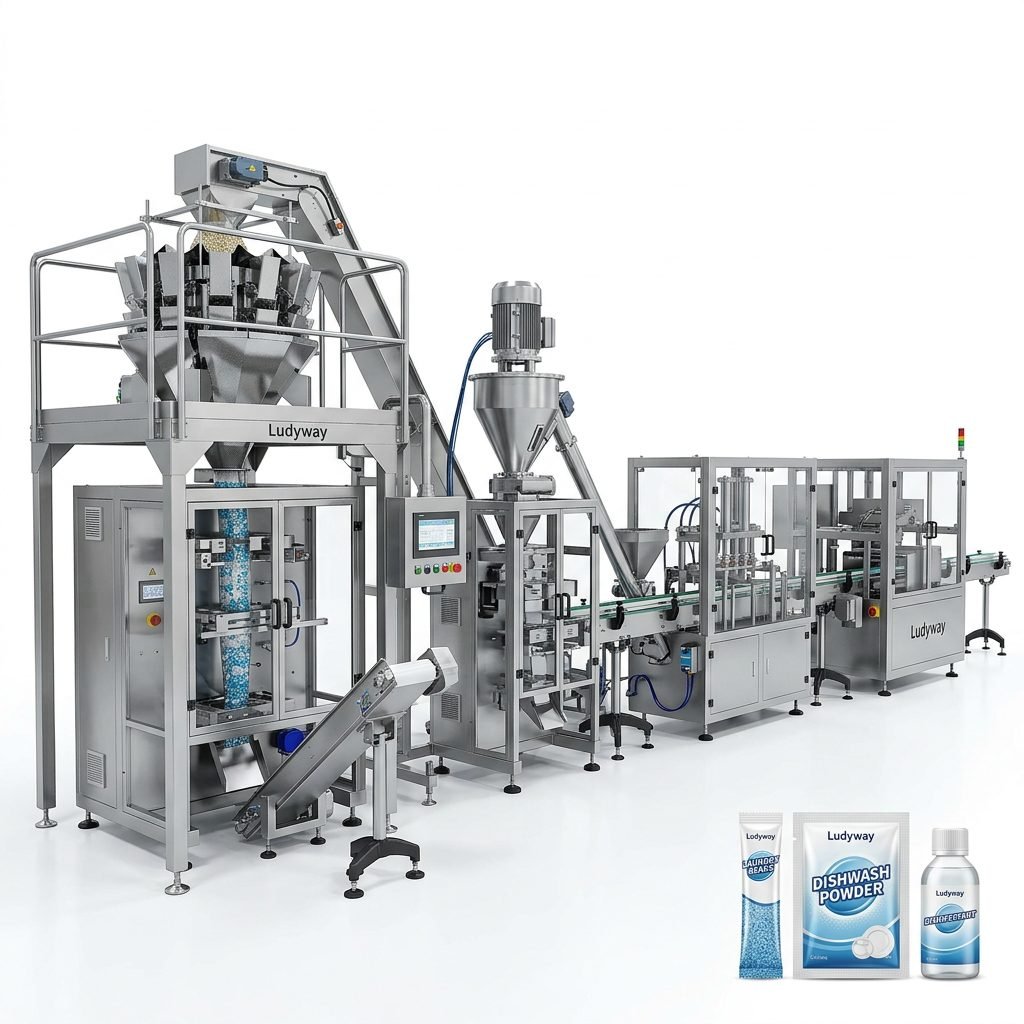
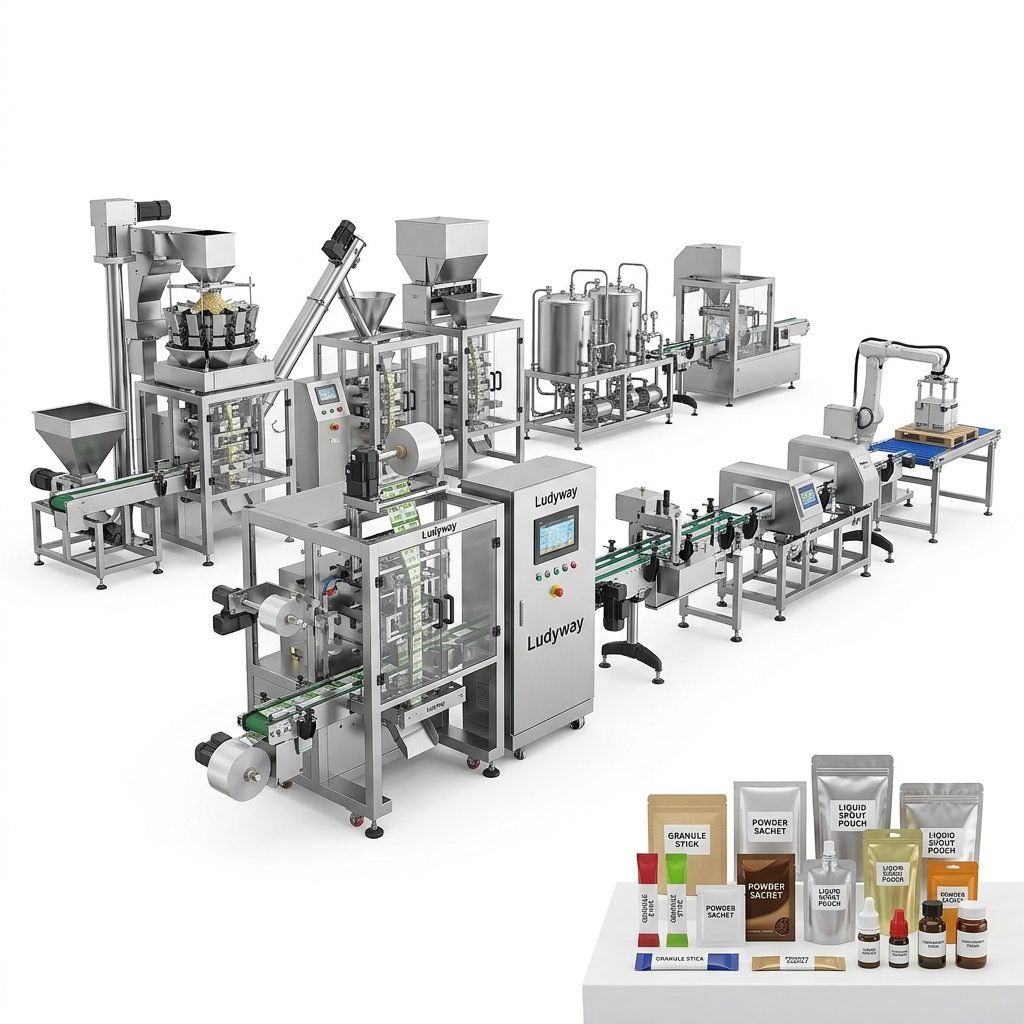
Adopting sustainable packaging requires a reliable machinery manufacturer with deep application expertise. As a leading manufacturer of packaging machinery, Ludyway provides highly customized turnkey packaging production lines designed specifically for bio-materials. With over 30 years of industry experience, the company integrates advanced mechanical engineering, automated control systems, and precision sealing components to ensure that global enterprises can seamlessly transition to eco-friendly packaging formats without sacrificing speed or efficiency.
Driving Forward Plastic and Carbon Reduction Goals
Ultimately, the debut of biodegradable packaging machinery is a major victory for global climate goals. By streamlining the automation of compostable and bio-based pack formats, these systems remove the operational barriers that previously discouraged brands from making the switch. As manufacturing technology continues to advance, the synergy between eco-friendly materials and intelligent packaging machinery will play a pivotal role in creating a circular economy, helping businesses achieve net-zero emissions while satisfying the green demands of modern consumers.