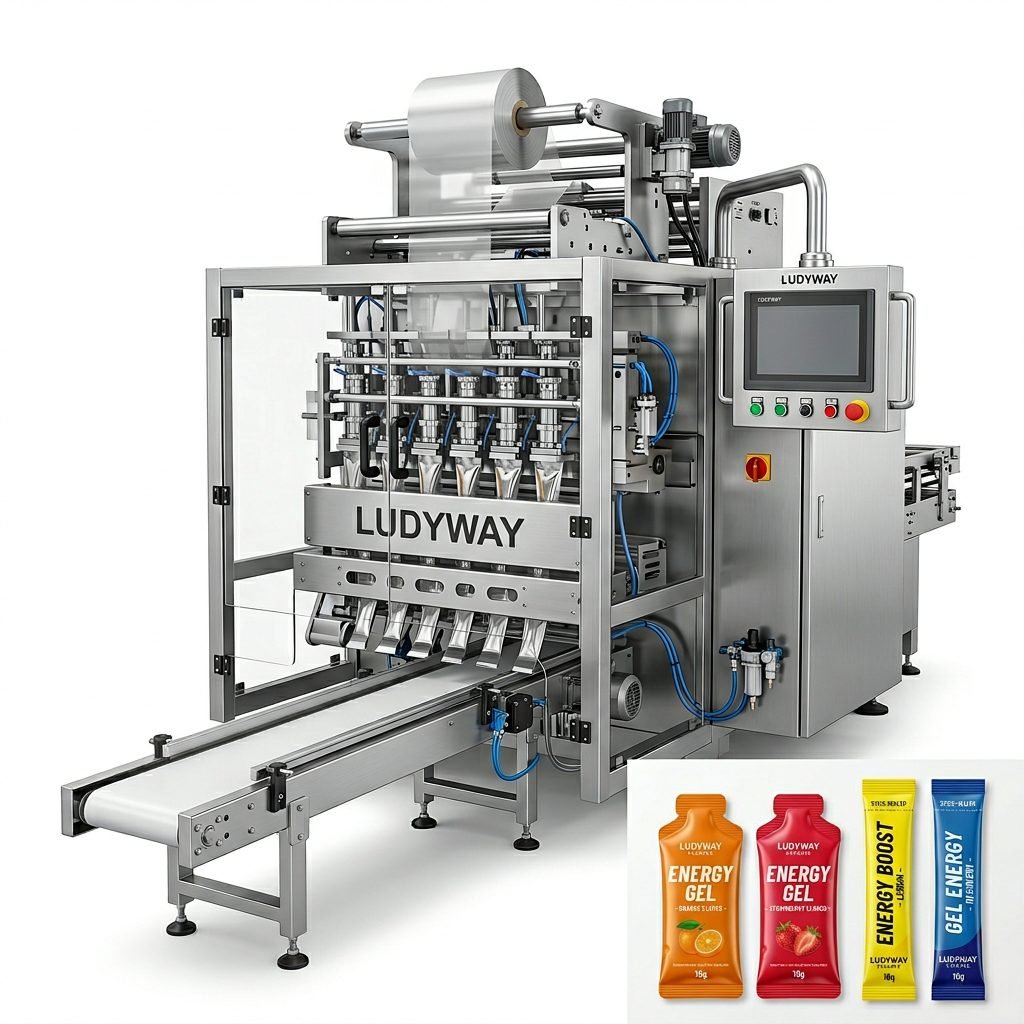
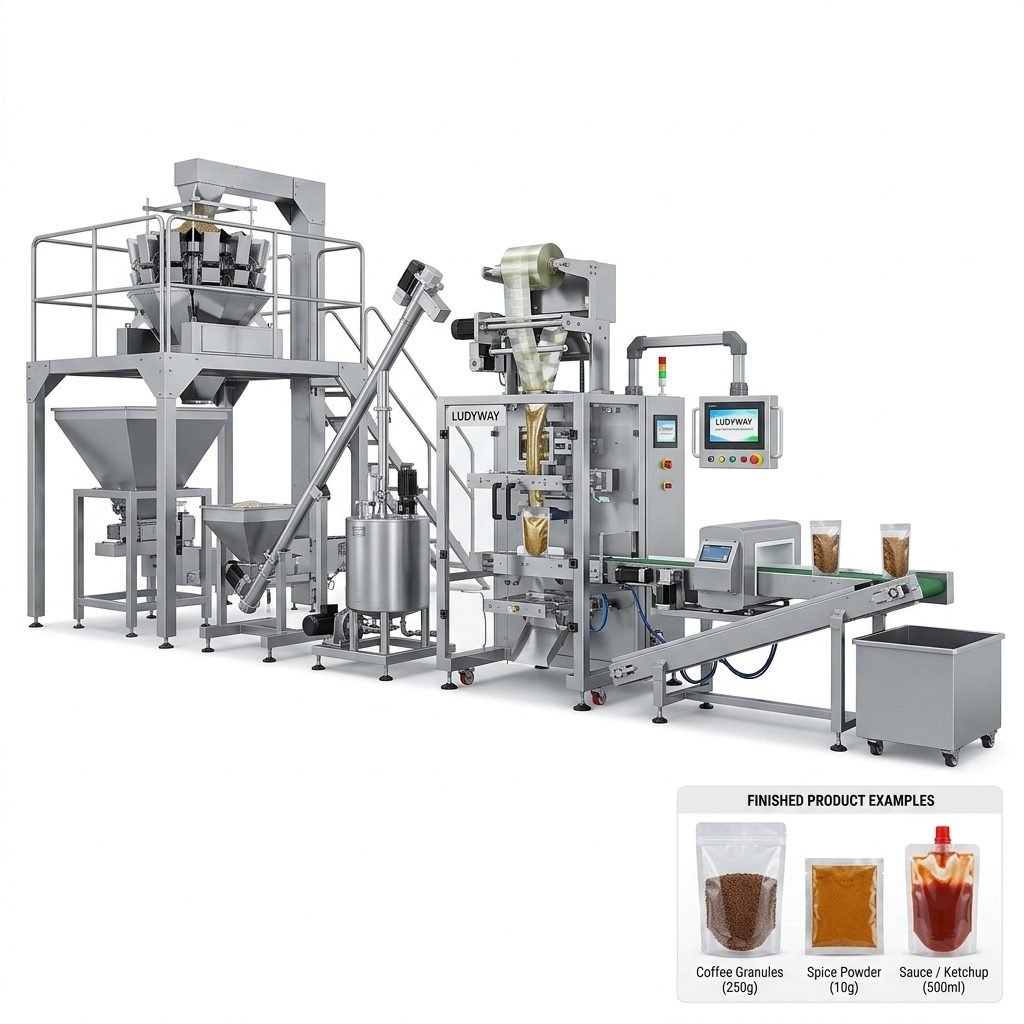
The packaging industry is entering a decisive new phase in 2026, with modular design moving from a competitive advantage to an operational standard. Across food, pharmaceutical, personal care, chemical, and consumer goods manufacturing, companies are rethinking how packaging equipment is specified, installed, expanded, and maintained. The shift is being driven by faster product cycles, labor pressure, cost volatility, and rising demand for flexible production.
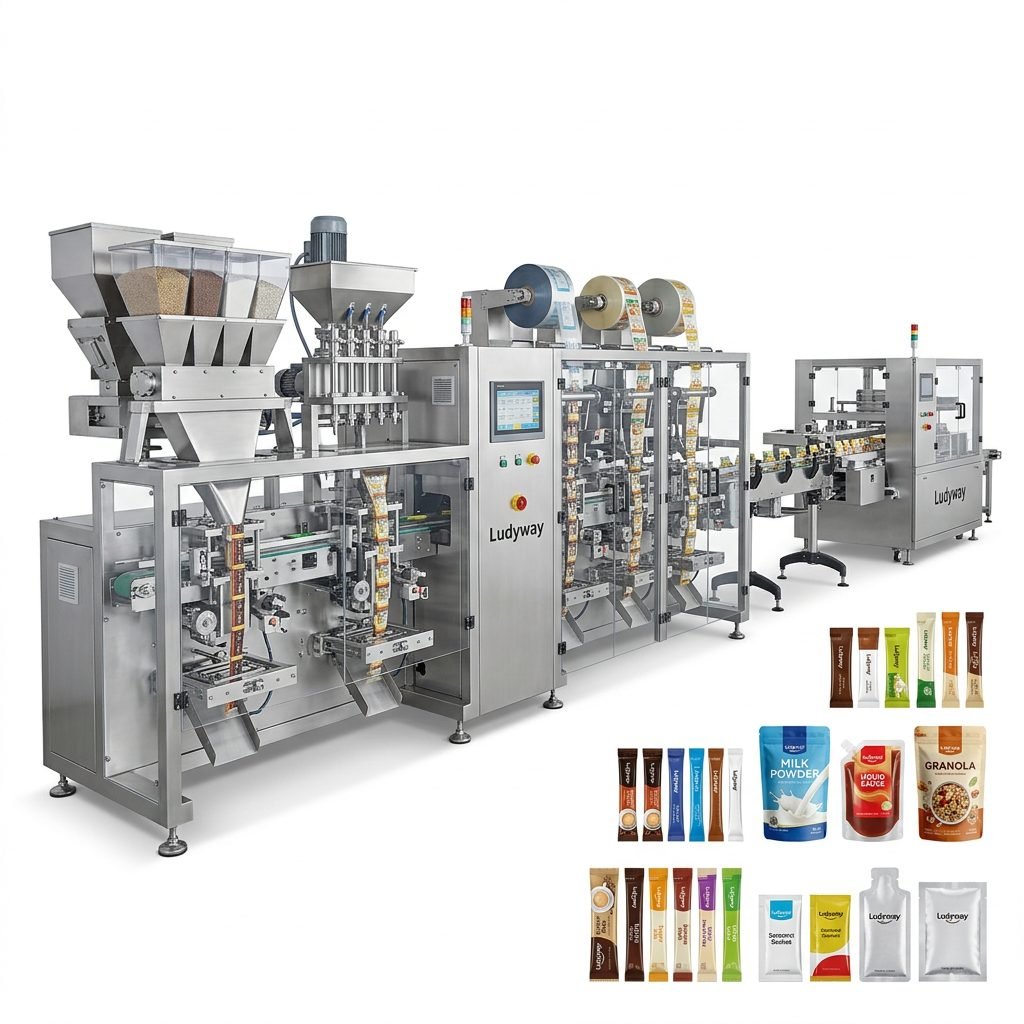
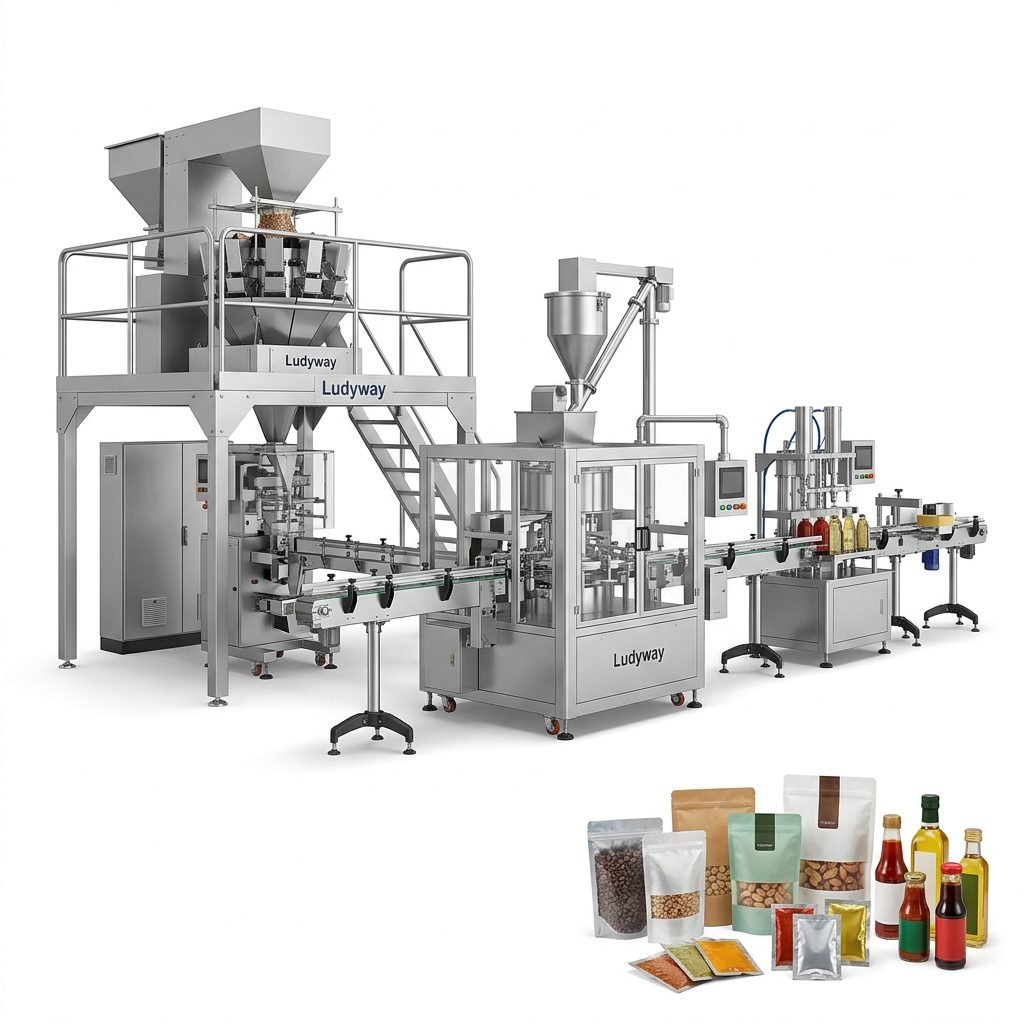
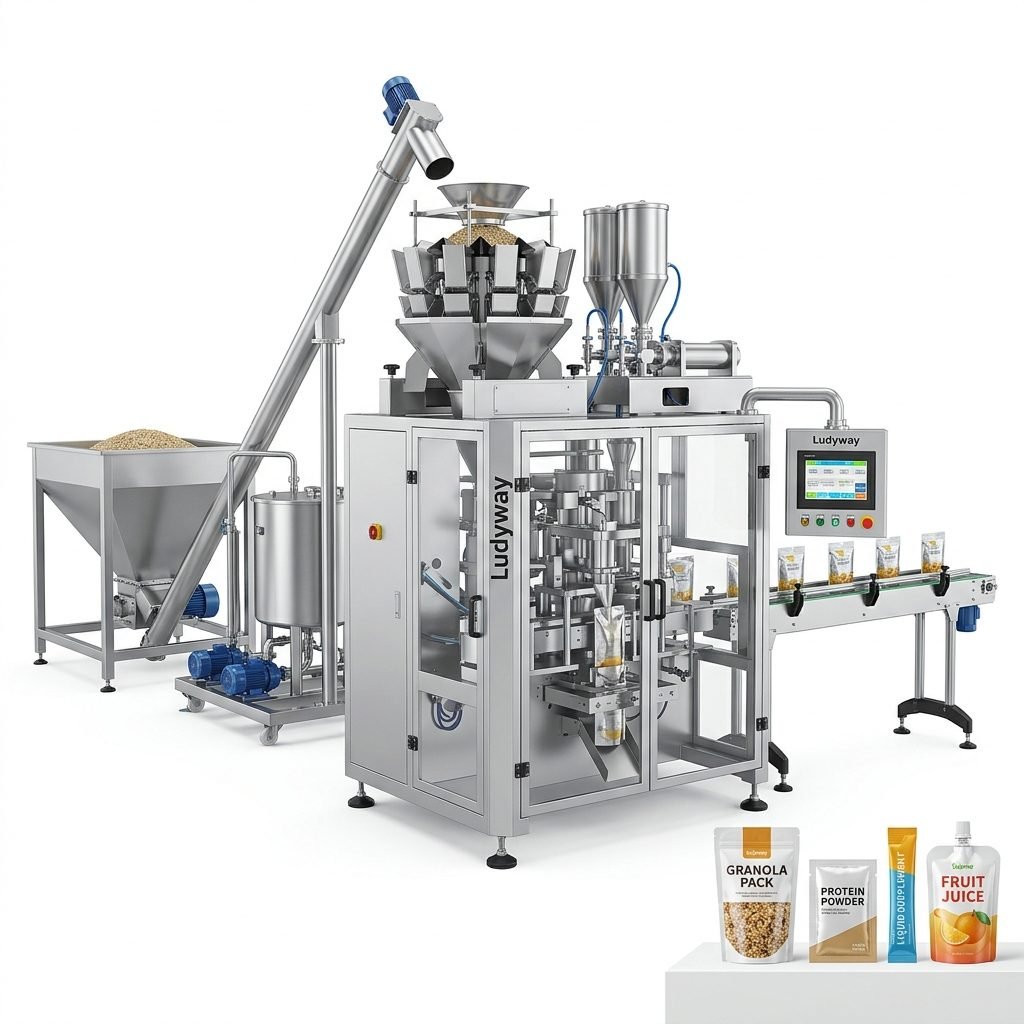
In practical terms, modular packaging means building machinery and complete lines from standardized but configurable units. Instead of replacing an entire line when product formats change, manufacturers can upgrade filling, sealing, conveying, cartoning, coding, inspection, or palletizing sections individually. This approach reduces disruption and supports a much more agile production strategy.
Why Modular Design Is Becoming the Default
The traditional fixed-line model worked well when SKU counts were lower and packaging formats changed slowly. That model is now under pressure. Brands are launching more limited editions, regional variants, health-focused formulas, and smaller pack sizes. Retailers are also requiring faster replenishment and more responsive supply planning. Under these conditions, a rigid production line quickly becomes a bottleneck.
Modular systems respond to these challenges by allowing manufacturers to:
- Switch between product formats with less downtime
- Add capacity without rebuilding the full line
- Integrate automation in phases based on budget
- Standardize maintenance and spare parts management
- Improve long-term return on equipment investment
A Clear Response to Market Volatility
One of the strongest reasons for the 2026 shift is uncertainty. Demand patterns are less predictable than they were a decade ago. Companies want packaging assets that can evolve with them. A modular line provides a form of built-in resilience: if output requirements change, production managers do not need to start from zero. They can adapt the line by adding or replacing modules rather than overhauling the full system.
Industries Leading the Transition
While modular packaging is gaining traction across the board, several sectors are moving especially fast.
| Industry | Main Driver | Typical Modular Need |
|---|---|---|
| Food & Beverage | SKU expansion and format diversity | Interchangeable filling and sealing modules |
| Pharmaceutical | Compliance, precision, and batch control | Inspection, coding, and controlled dosing modules |
| Health Supplements | Rapid brand launches and mixed formats | Stick pack, sachet, pouch, and cartoning combinations |
| Cosmetics & Personal Care | Short runs and premium presentation | Flexible liquid, cream, and sample-pack modules |
| Chemicals | Safety and product handling variation | Dedicated dosing, sealing, and transfer modules |
What Buyers Now Expect from Packaging Equipment
The purchasing conversation has changed. Buyers are no longer looking only at current throughput. They increasingly evaluate whether a machine or line can support the next three to five years of product and market change. This has made flexibility a purchasing priority equal to speed and accuracy.
In 2026, buyers commonly ask whether a system can handle:
- Multiple packaging materials and formats
- Future automation additions such as checkweighers, coding, cartoning, or palletizing
- Format changeovers with lower operator complexity
- Digital monitoring and preventive maintenance integration
- Factory expansion without reengineering the full layout
From Standalone Machines to Expandable Line Architecture
This transition also affects machine suppliers. Manufacturers that can provide only isolated machines may struggle to meet the new expectation for line-level compatibility. In contrast, companies with broader engineering and turnkey integration capabilities are in a stronger position because customers want packaging systems that can grow step by step.
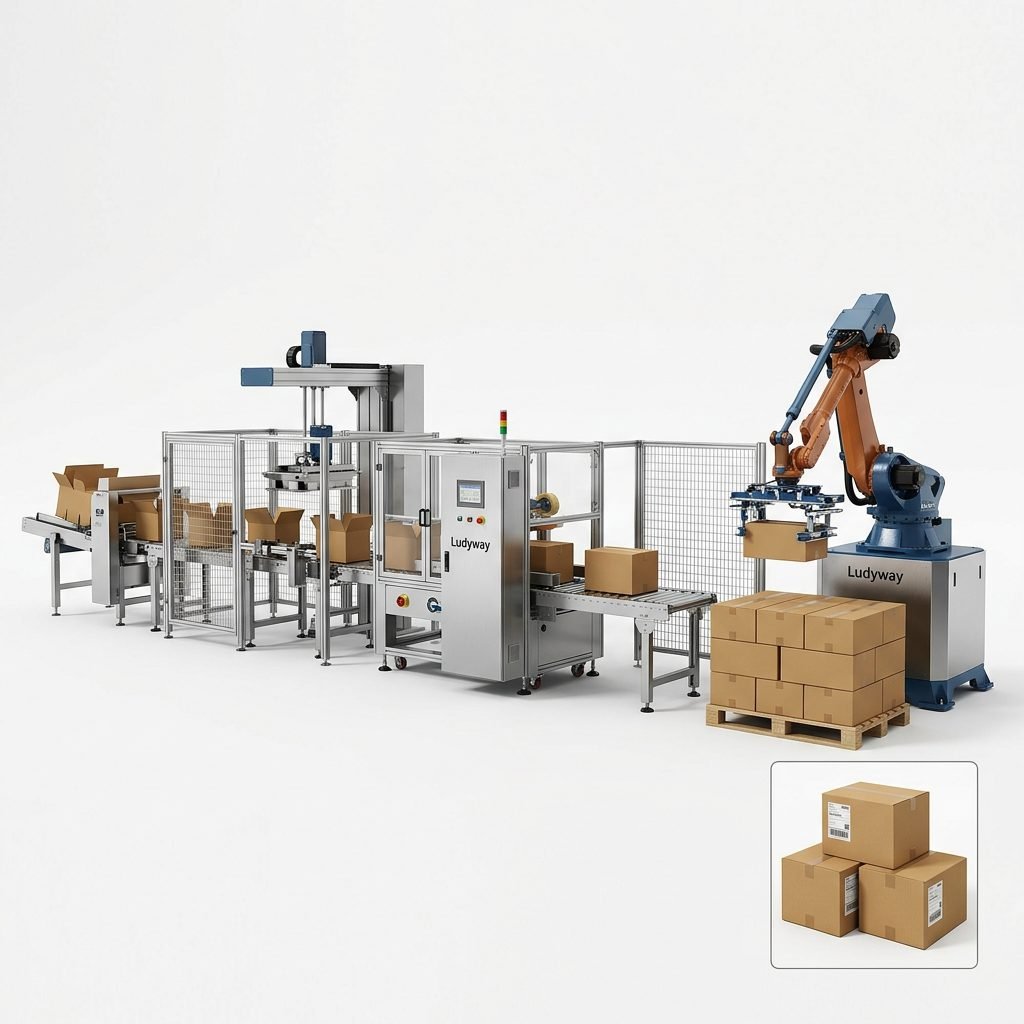
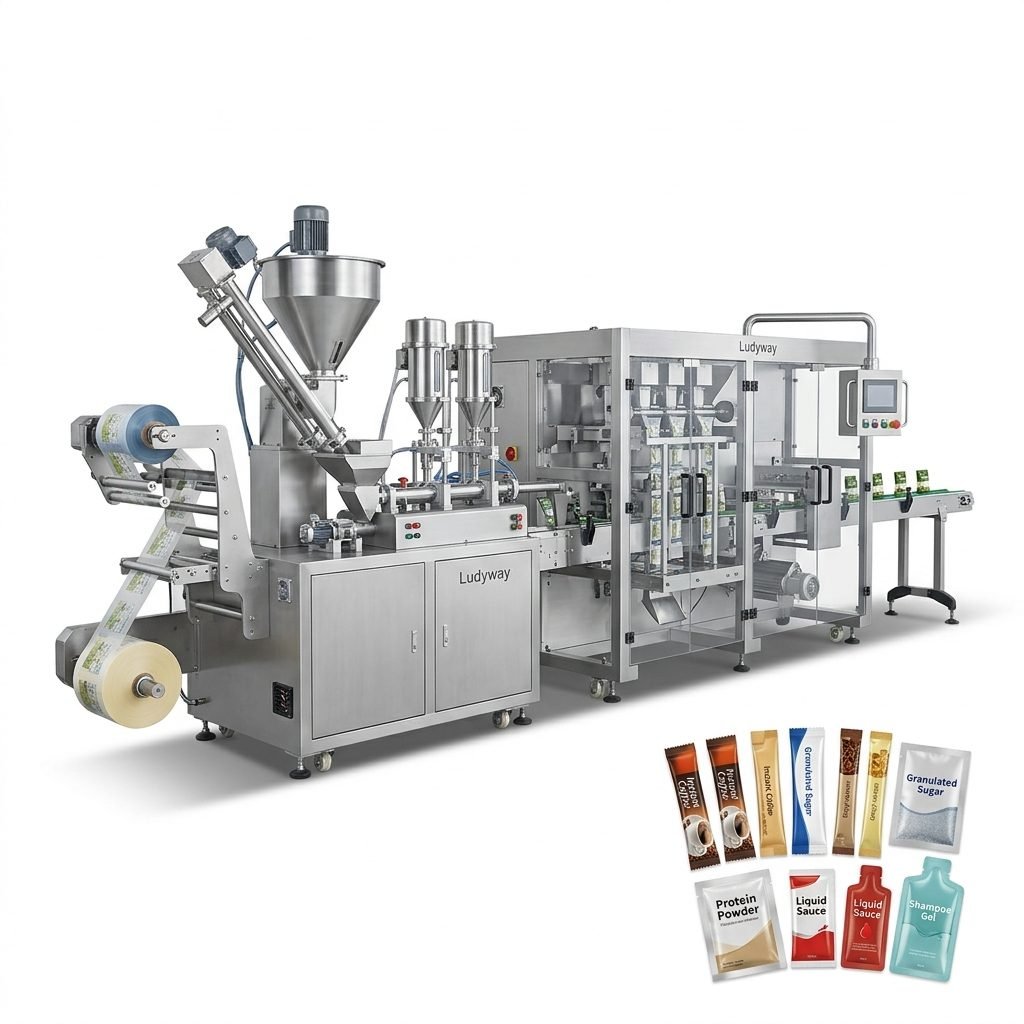
For example, a producer may begin with a sachet or stick pack machine, then later add feeding, counting, case packing, labeling, and end-of-line automation. A modular design philosophy makes that progression smoother and more economical.
Technology Trends Supporting the Modular Shift
The move toward modular packaging is being accelerated by several technical developments. These are not isolated innovations; together, they are reshaping how packaging lines are designed and operated.
- Servo-driven systems: Better control, repeatability, and easier format adjustments
- Plug-and-play interfaces: Faster installation of additional modules
- Smart sensors: Improved fault detection and line visibility
- Data connectivity: Integration with MES, ERP, and remote support systems
- Compact engineering: Easier layout changes for facilities with limited space
As these features become more accessible, modular design is no longer limited to very large enterprises. Mid-sized producers are also adopting scalable systems because the business case is now much stronger.
Operational Benefits Beyond Flexibility
Although flexibility is the most visible advantage, modular packaging design also improves day-to-day operations in less obvious ways. Maintenance becomes more targeted, spare parts planning can be simplified, and staff training is easier when interfaces and components are standardized across the line.
| Benefit Area | Impact on Operations |
|---|---|
| Maintenance | Faster troubleshooting and easier component replacement |
| Capacity Planning | Gradual expansion instead of high one-time capital spending |
| Training | More consistent operator workflows across modules |
| Downtime Control | Section-level service without stopping every process for long periods |
| Investment Efficiency | Better lifecycle value from existing packaging assets |
How Equipment Manufacturers Are Adapting
Suppliers are responding by redesigning portfolios around standardized machine platforms, upgradeable controls, and application-based modules. This means fewer isolated machine concepts and more packaging ecosystems. In export markets, this is especially important because customers often need a mix of local usability, scalable automation, and remote technical support.
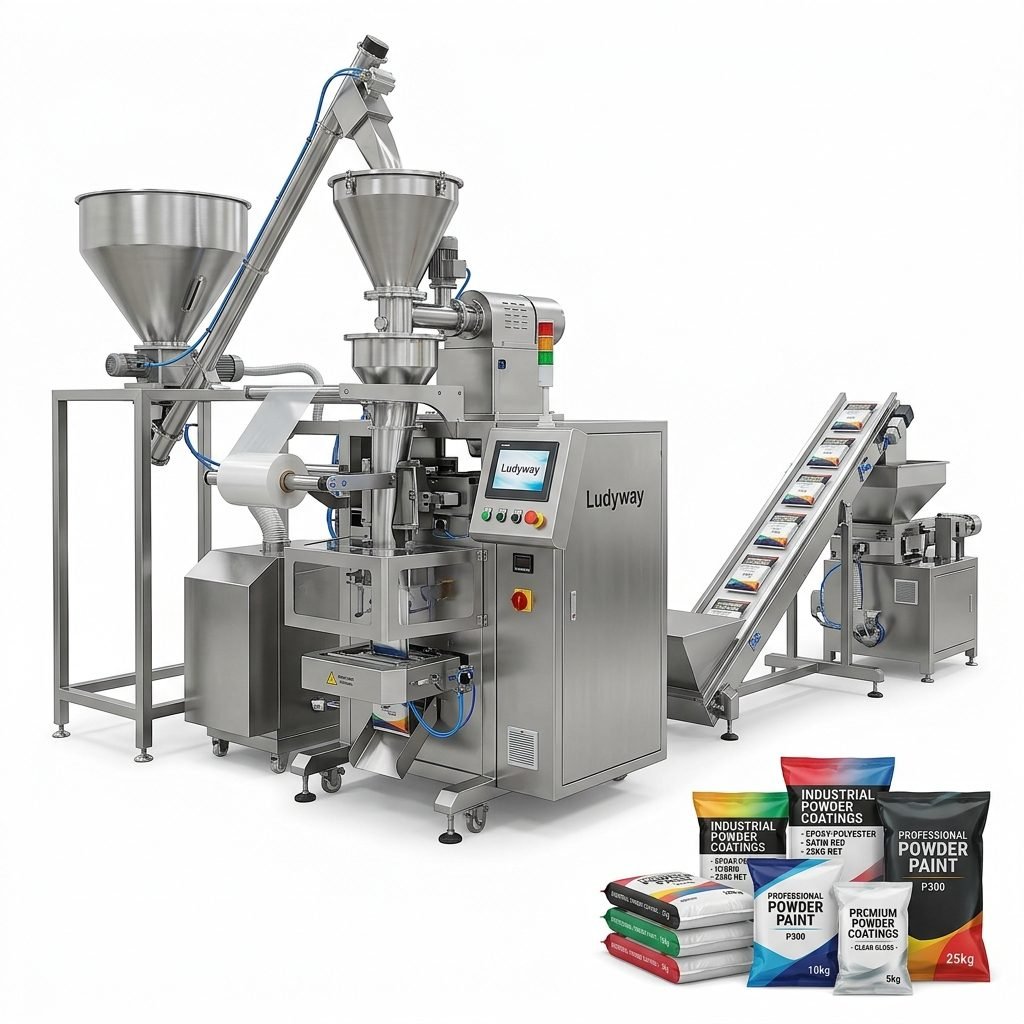
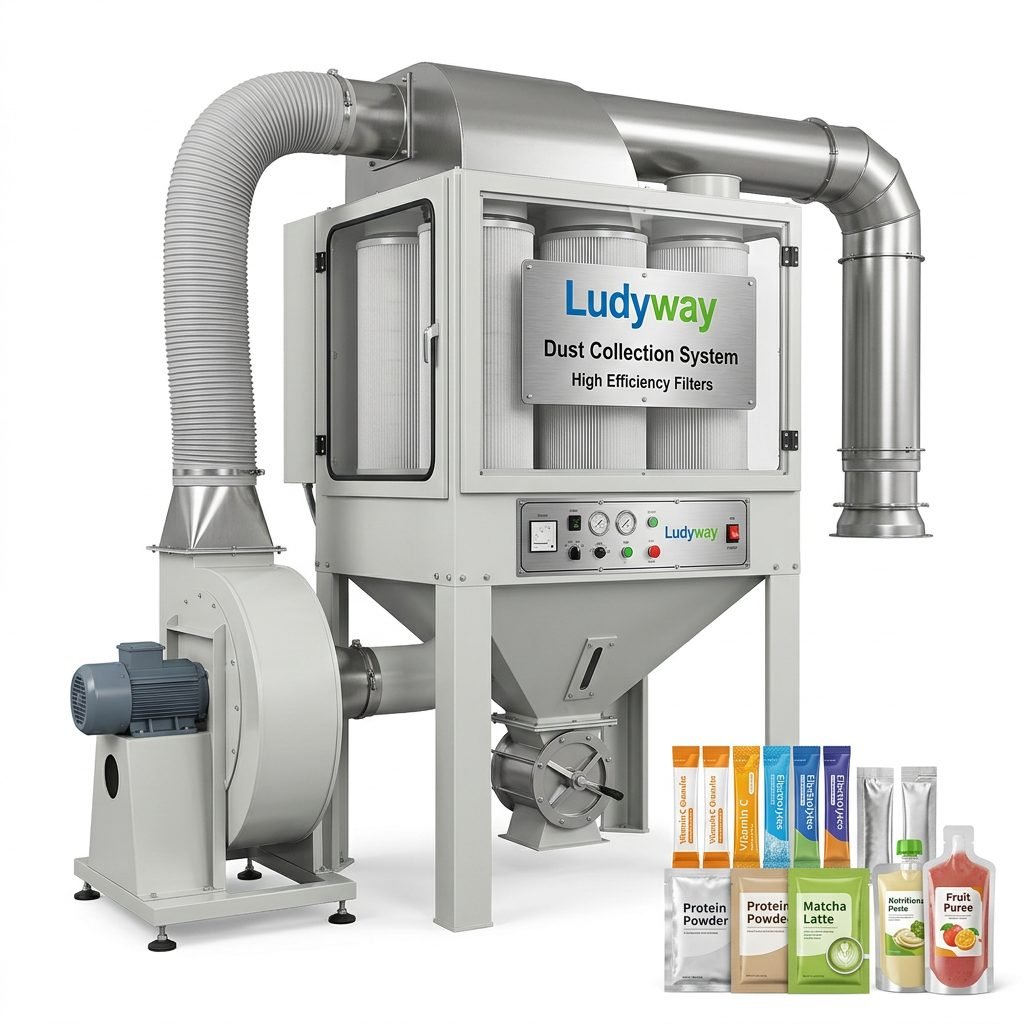
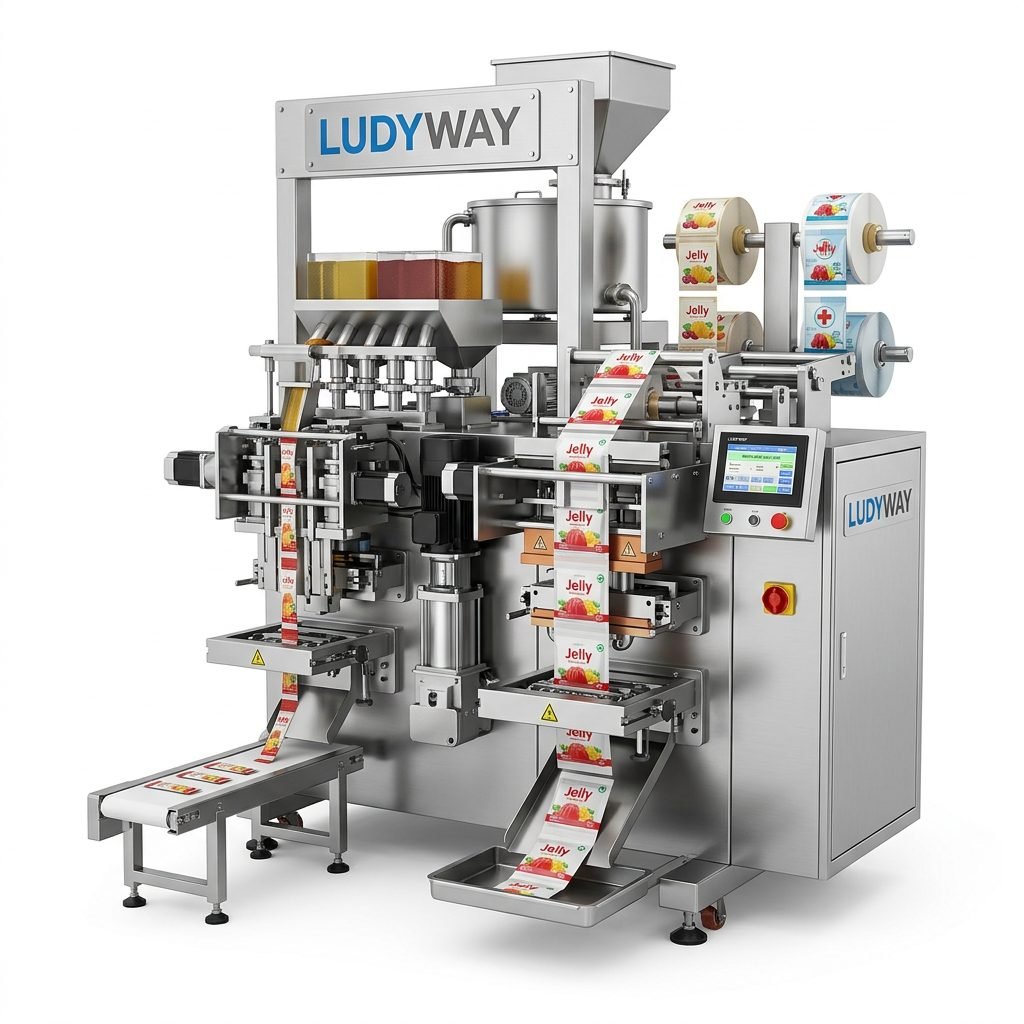
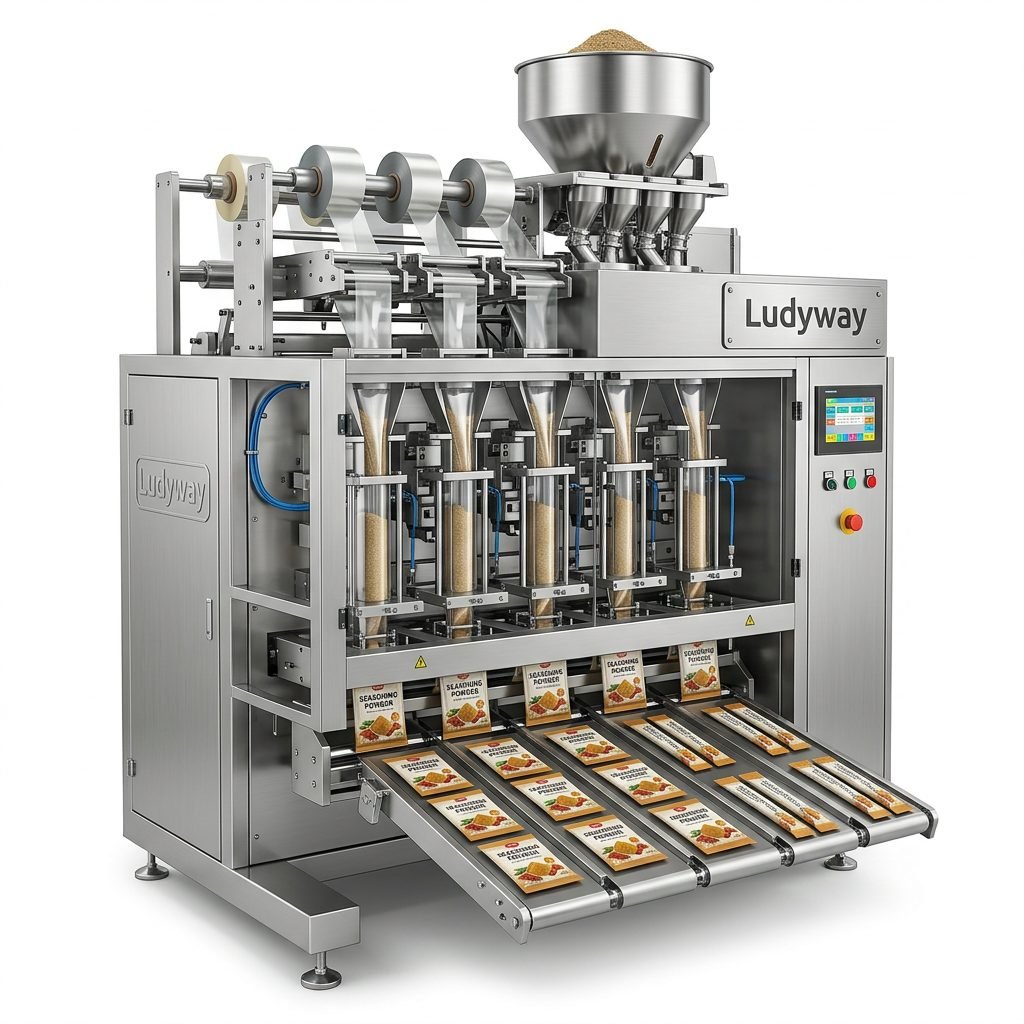
One example is Ludyway packaging machine manufacturer, which has developed a broad range of packaging machinery and turnkey packaging line solutions for food, pharmaceutical, health supplement, and related sectors. With more than 30 years of industry experience and a strong export footprint, the company reflects the wider market move toward configurable, automation-ready systems that can support both standalone and integrated line requirements.
Turnkey Integration Gains More Importance
As modular design becomes standard, turnkey integration becomes more valuable, not less. Buyers still need a complete production logic: product feeding, dosing, primary packaging, secondary packaging, inspection, coding, and final logistics all have to work together. The difference is that now customers expect each section to be easier to upgrade over time.
What This Means for 2026 Investment Decisions
For packaging buyers in 2026, the key question is no longer simply, “What machine do we need today?” It is increasingly, “What packaging architecture will still serve us after our products, channels, and volumes change?” That shift in thinking is why modular design is becoming the new standard rather than an optional feature.
Companies planning packaging investments this year should focus on:
- Future SKU and format expansion
- Upgrade paths for automation and end-of-line equipment
- Compatibility between standalone machines and full line systems
- Support for maintenance, remote diagnostics, and spare parts continuity
- Total lifecycle cost instead of only initial purchase price
Outlook: Modular Is No Longer a Niche Strategy
The 2026 packaging industry shift is not a temporary reaction to short-term market pressure. It marks a structural change in how packaging operations are planned. Modular design aligns with modern manufacturing priorities: speed, adaptability, investment control, and digital readiness. As more factories seek scalable packaging performance, modular systems are set to define the next standard for competitive production.