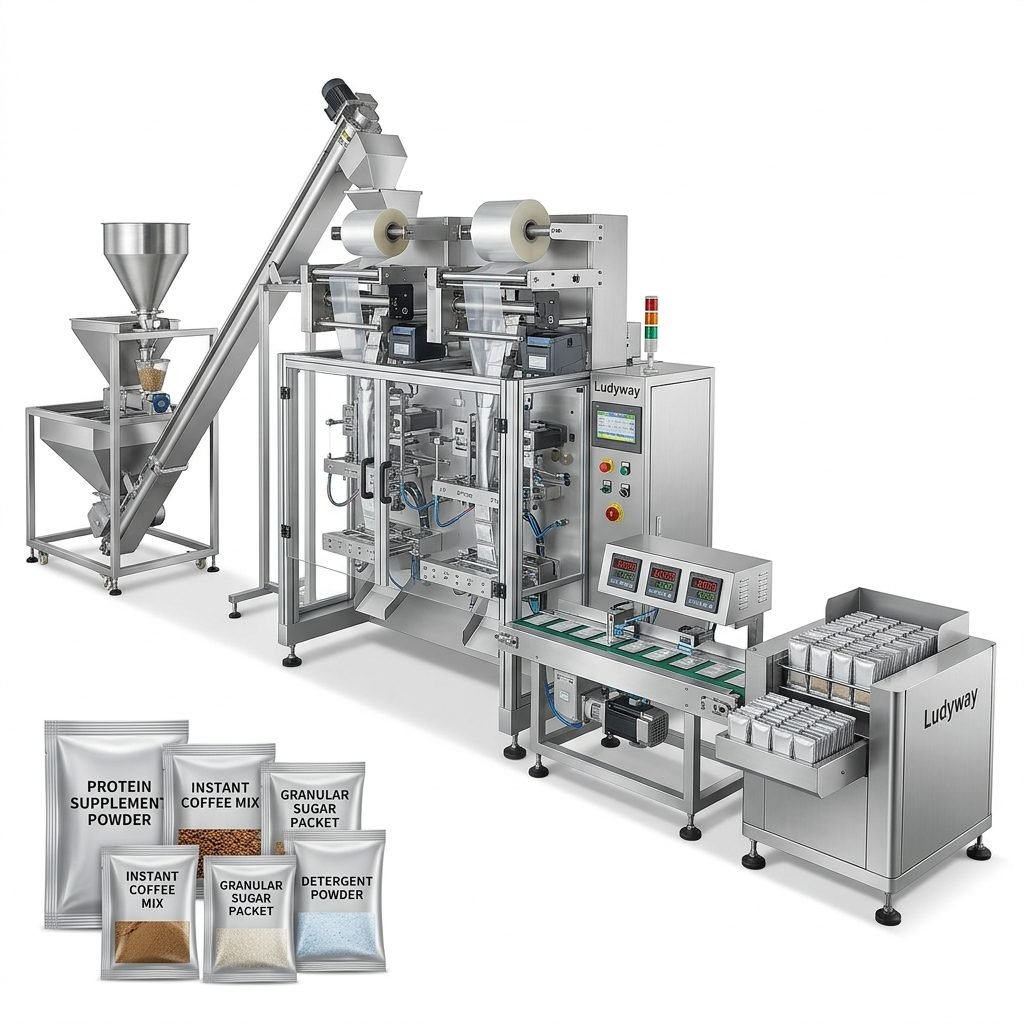
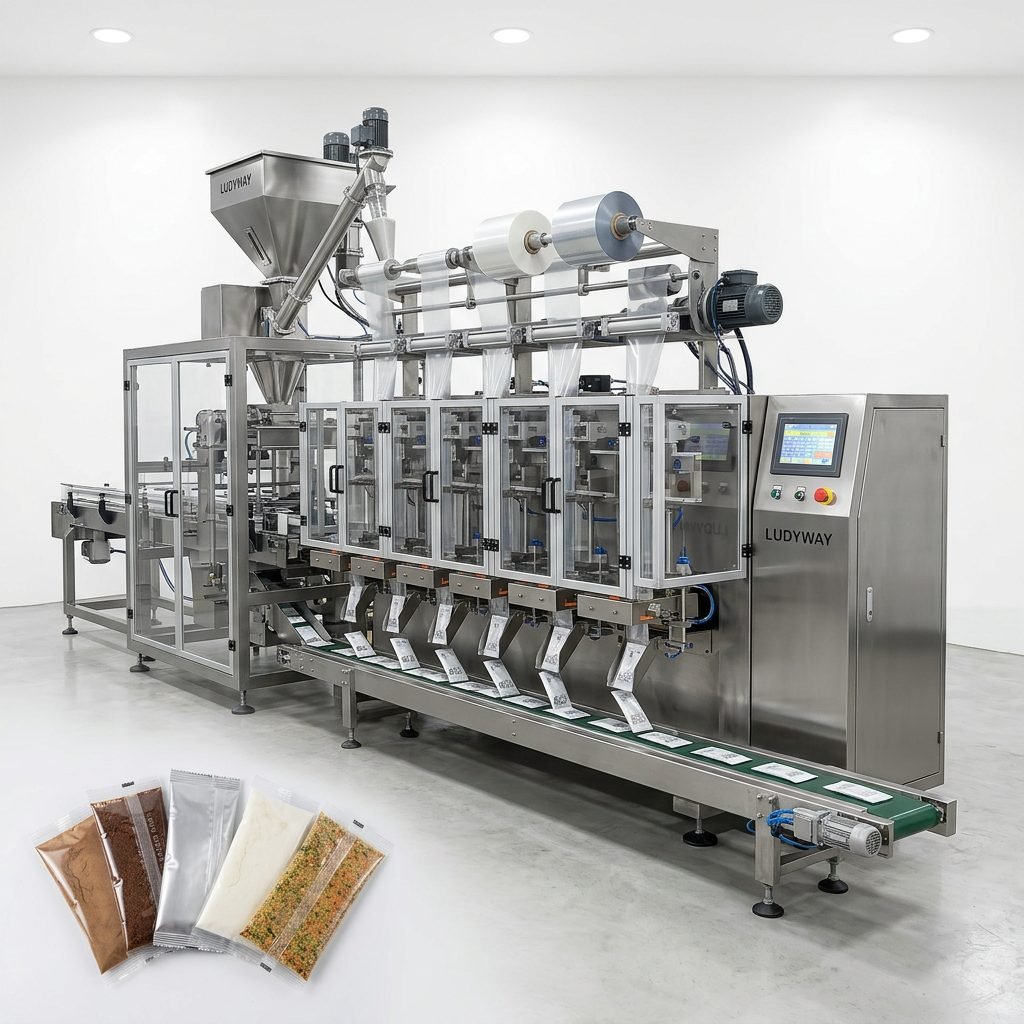
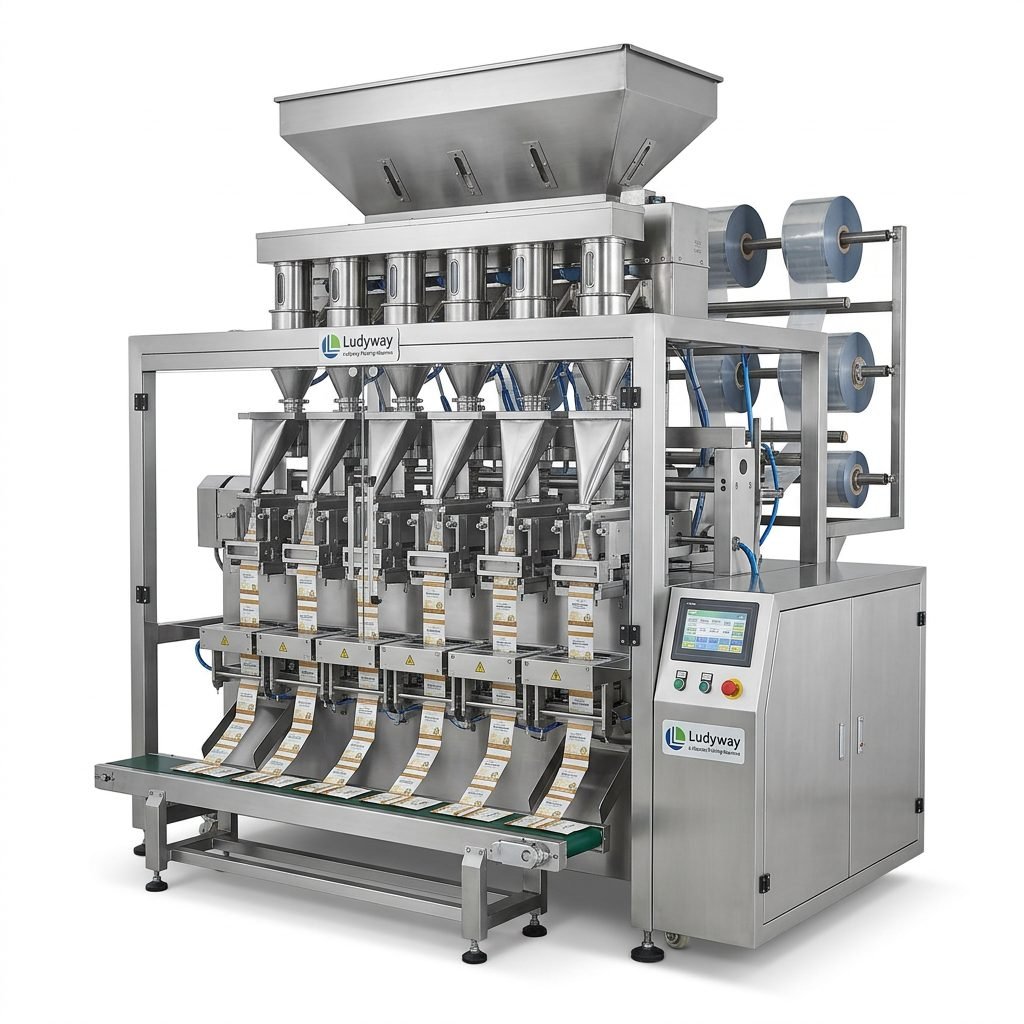
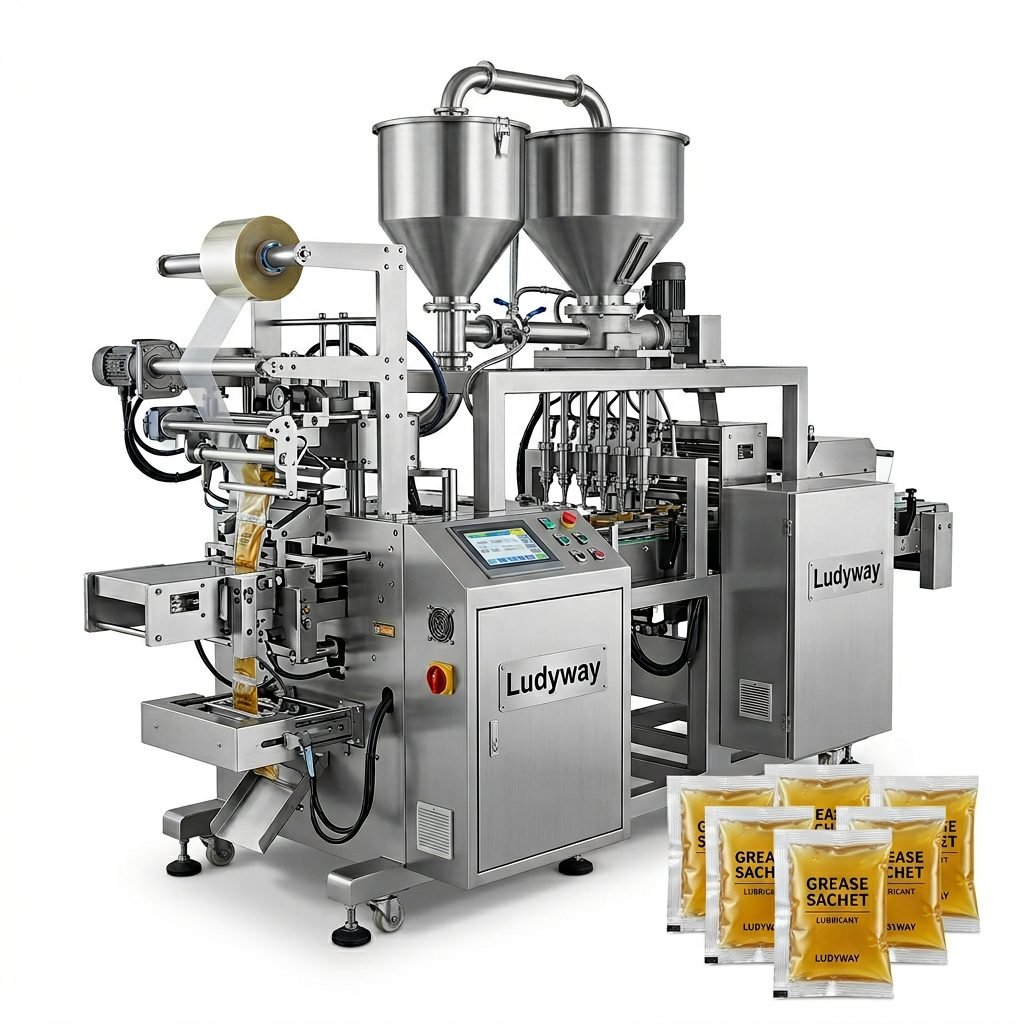
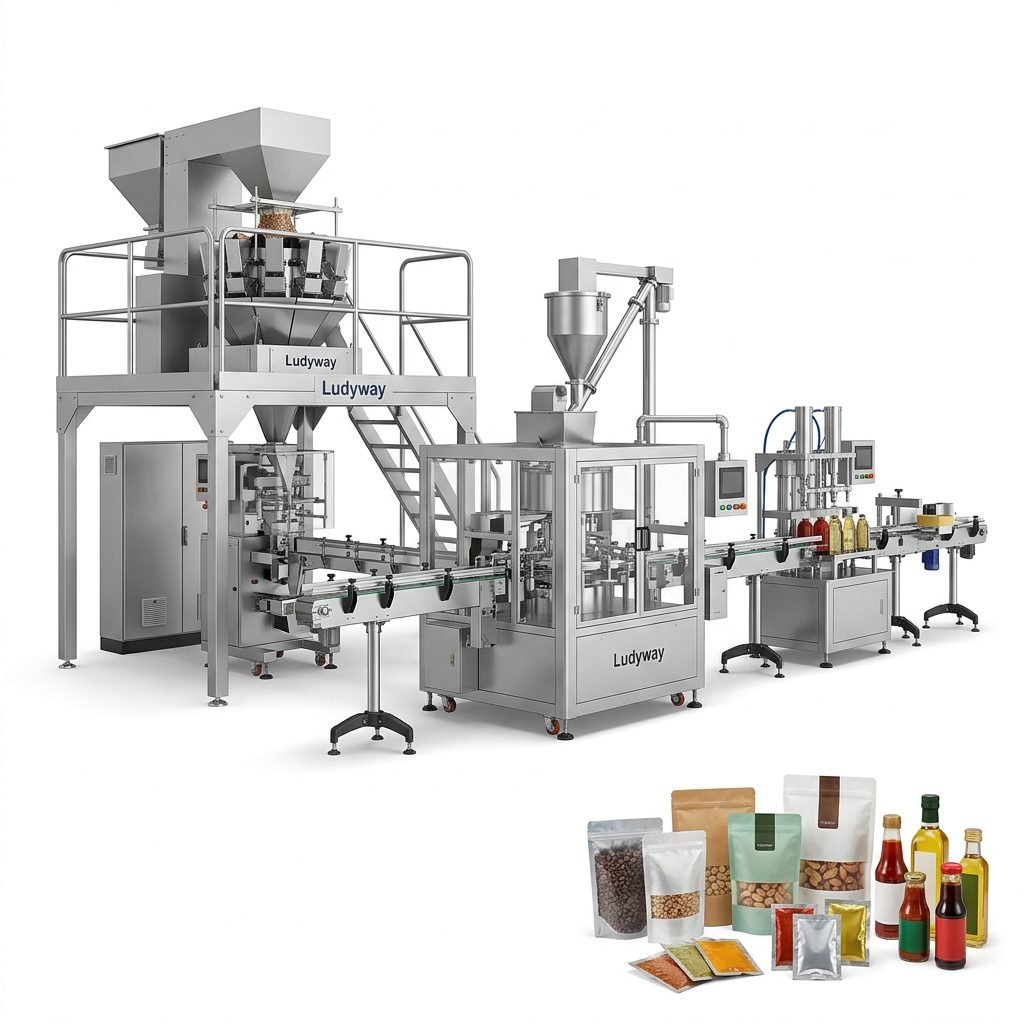
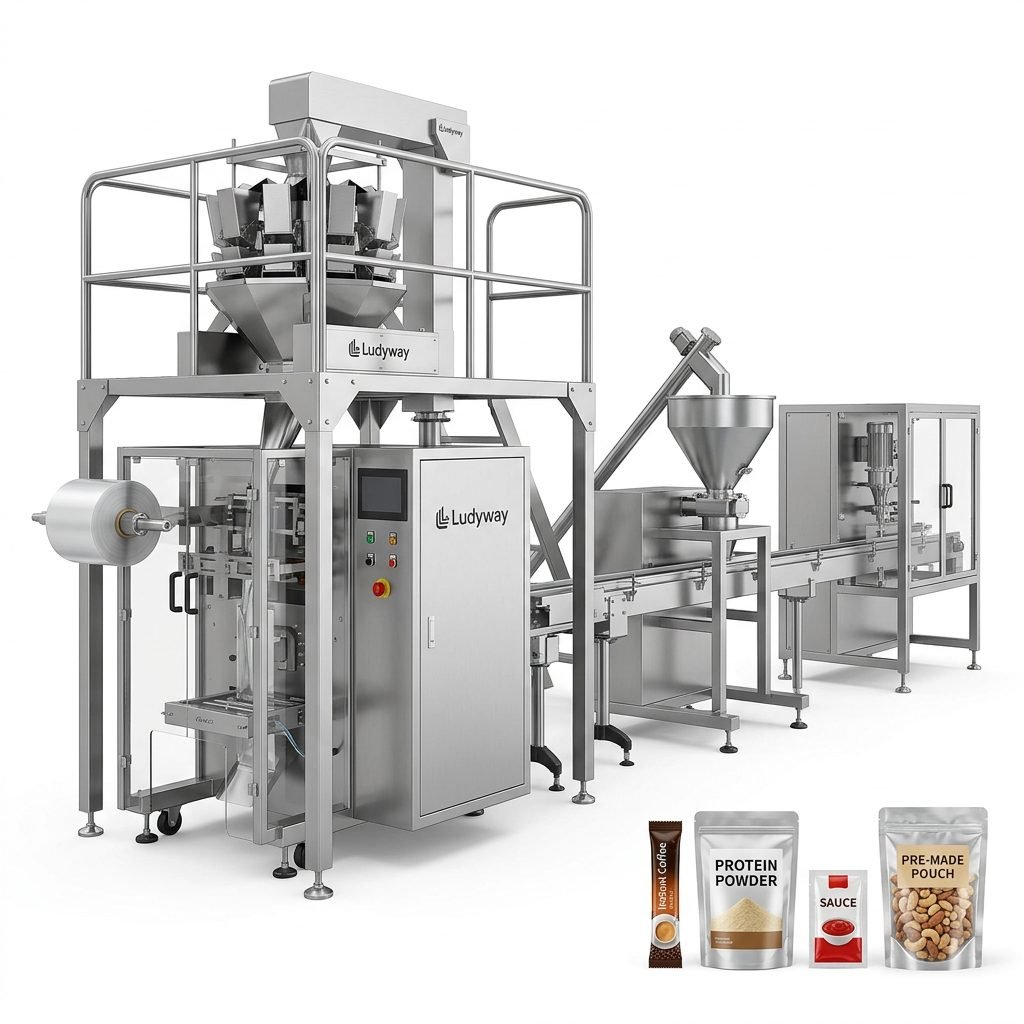
The global bakery and confectionery sector is witnessing a massive surge in demand for convenient, portion-controlled, and family-sized packaging formats. Among these, the pillow pack—often referred to as flow wrap—remains the gold standard for preserving freshness, extending shelf life, and offering cost-effective branding space. However, behind the seamless presentation of these packaged goods lies a notorious production bottleneck: handling fragile biscuits. Due to their brittle texture, irregular shapes, and varying moisture levels, biscuits present a unique challenge to automated systems. The launch of next-generation automated sorting and organizing pillow pack production lines marks a major milestone in solving this delicate handling challenge, transforming how food manufacturers approach high-speed packaging.
The Core Challenge of Handling Delicate Baked Goods
In traditional bakery setups, conveying baked goods from the cooling tunnels to the final packaging machine is a process fraught with risk. Biscuits are highly susceptible to micro-fractures, chipping, and complete breakage when subjected to sudden impacts, drops, or excessive mechanical pressure. When damaged products enter the packaging phase, they not only lead to customer dissatisfaction but also cause frequent machine jams, leading to costly downtime.
Manual sorting and stacking have historically been used to mitigate these risks. Workers manually align, count, and stack the biscuits before feeding them into the wrapping machinery. However, this approach introduces several critical limitations:
- Hygiene Concerns: Direct human contact increases the risk of contamination, making compliance with strict food safety standards more challenging.
- Speed Bottlenecks: Manual labor cannot keep pace with modern high-speed ovens, capping the overall output of the factory.
- High Labor Costs: Stacking and sorting are labor-intensive processes that significantly drive up operational expenditures.
The Technology Behind Automated Sorting and Organizing
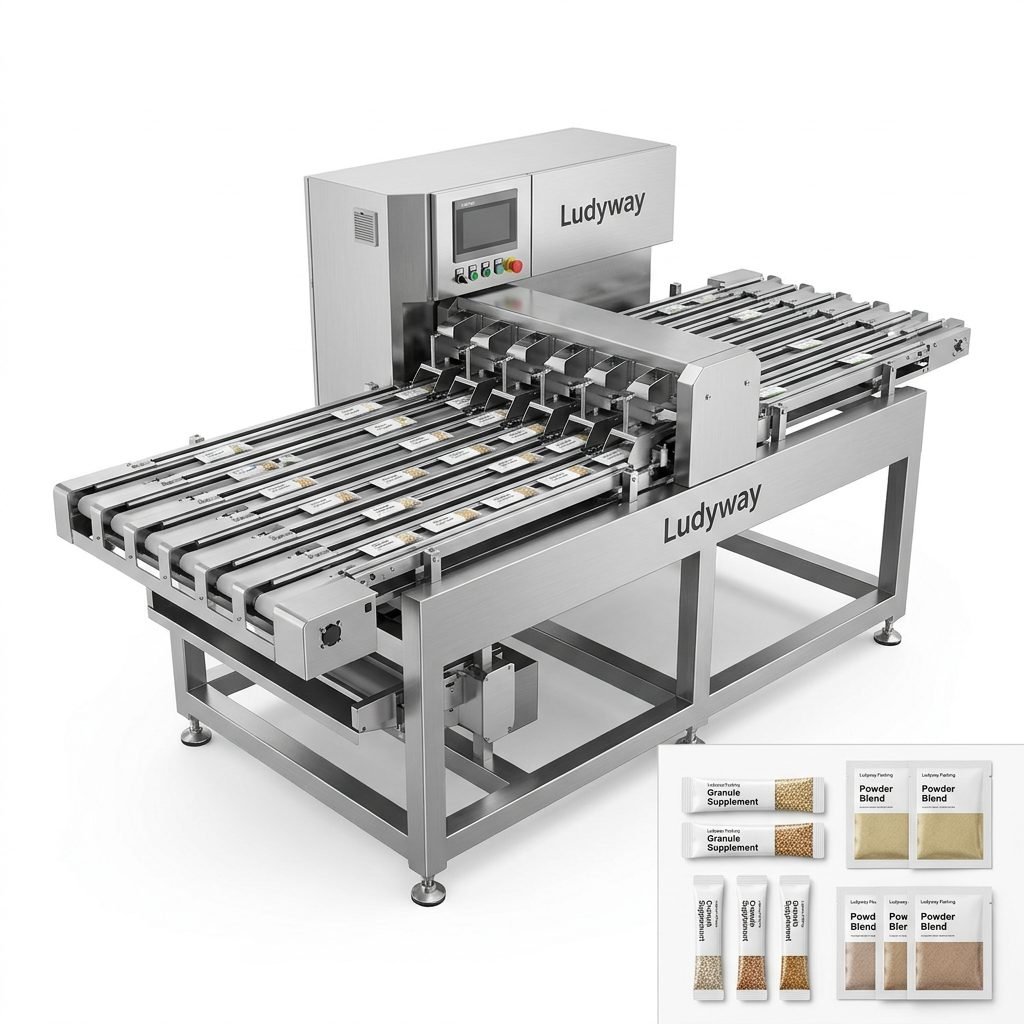
To overcome these challenges, modern engineering has introduced fully integrated sorting and organizing systems. These systems utilize advanced vibratory feeders, optical vision sensors, and intelligent distribution units to manage the product flow without physical impact. By creating a continuous, gentle stream of products, the line ensures that even the most delicate cookies, crackers, and sandwich biscuits remain intact.
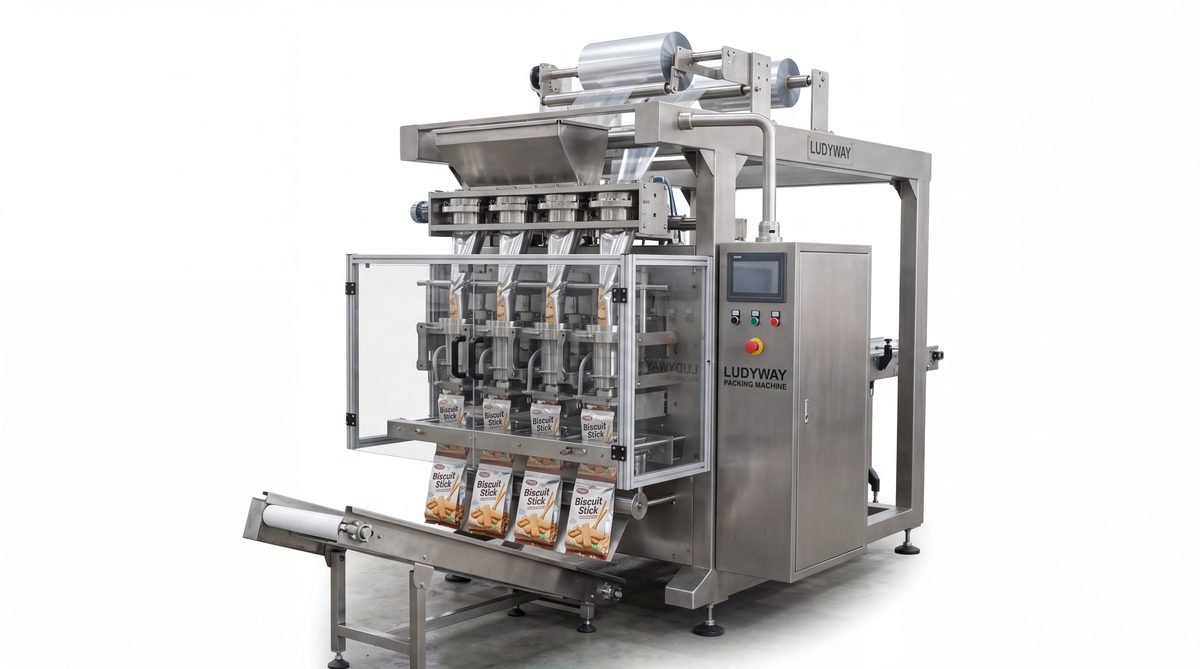
The automated sorting system operates through a series of synchronized stages. First, biscuits are received from the cooling conveyor in a random, bulk state. Smart vibratory channels gently spread the biscuits across multiple lanes, preventing overlapping. High-speed cameras then inspect the shape, size, and integrity of each unit. Any deformed or broken biscuits are automatically rejected via air jets before reaching the packaging zone, ensuring only premium-quality products make it to the retail shelf.
Seamless Integration with Pillow Pack Production Lines
Once sorted and aligned, the biscuits must be grouped and stacked according to the desired pack configuration (e.g., pile packs, on-edge packs, or flat-lying single packs). This is where the organizing system plays a vital role. Using servo-driven stacking wheels or gentle overhead pusher assemblies, the machinery groups the biscuits into precise counts and feeds them directly into the infeed chain of the horizontal flow wrapper.
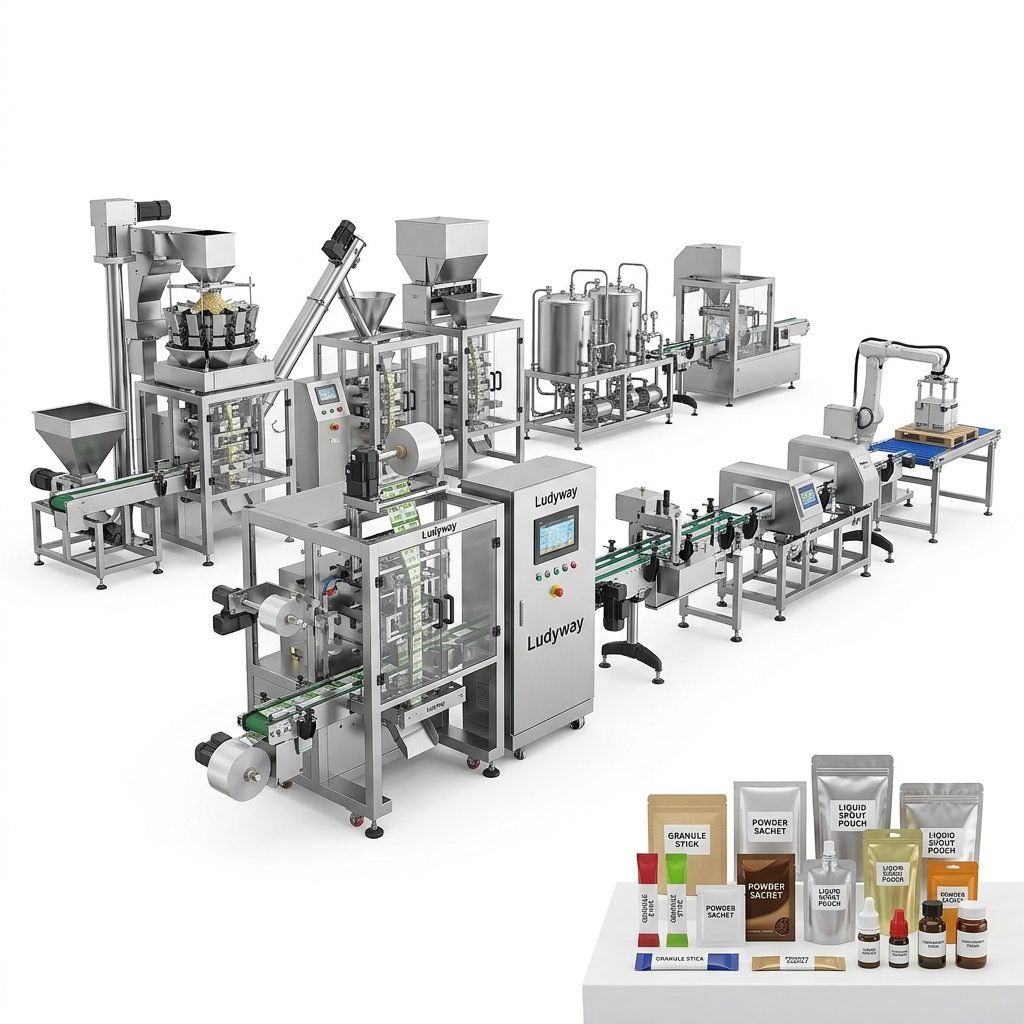
By synchronizing the speed of the sorting conveyor with the packaging machine, the production line eliminates bottlenecks. As a leading packaging machine manufacturer, Ludyway has designed integrated turnkey solutions that ensure the transition from sorting to wrapping is completely seamless, minimizing product friction and maximizing throughput.
Operational Comparison: Manual vs. Automated Production
Understanding the return on investment (ROI) of automated sorting lines requires a direct comparison of operational metrics. The table below outlines the key differences between traditional manual handling and automated systems:
| Performance Metric | Manual Stacking & Packing | Automated Sorting & Pillow Pack Line |
|---|---|---|
| Production Speed | Limited to human dexterity (approx. 40-60 packs/min) | Up to 250+ packs/min (depending on product type) |
| Product Breakage Rate | High (due to manual force and drops) | Minimal (under 0.5% due to contactless control) |
| Labor Requirement | High (requires multiple operators per shift) | Low (typically 1 supervisor for system monitoring) |
| Hygiene Standard | Variable (dependent on human sanitary compliance) | Excellent (fully enclosed, touchless process) |
Key Features of the New Pillow Pack Production Line
The newly launched production lines incorporate several mechanical and digital innovations specifically engineered for the food processing industry:
- Multi-Lane Flexibility: The system can distribute products across multiple packaging lines simultaneously, allowing for different pack sizes to be produced from a single baking batch.
- Toolless Changeover: Operators can switch between different biscuit dimensions and stacking configurations via the HMI touchscreen interface, reducing changeover times from hours to minutes.
- Hygienic Design: Built with premium-grade stainless steel and featuring IP65-rated components, the entire sorting and packaging line can be quickly cleaned and sanitized, minimizing cross-contamination risks.
Future Outlook for Automated Bakery Packaging
As food manufacturers face rising raw material costs and labor shortages globally, automation is no longer a luxury—it is a necessity for survival. The transition to automated sorting, organizing, and pillow pack production lines ensures that bakery brands can scale their operations while maintaining product quality and brand integrity. By investing in gentle, high-precision handling technology, manufacturers can virtually eliminate product waste, optimize their workforce, and deliver perfectly packaged biscuits to consumers every single time.