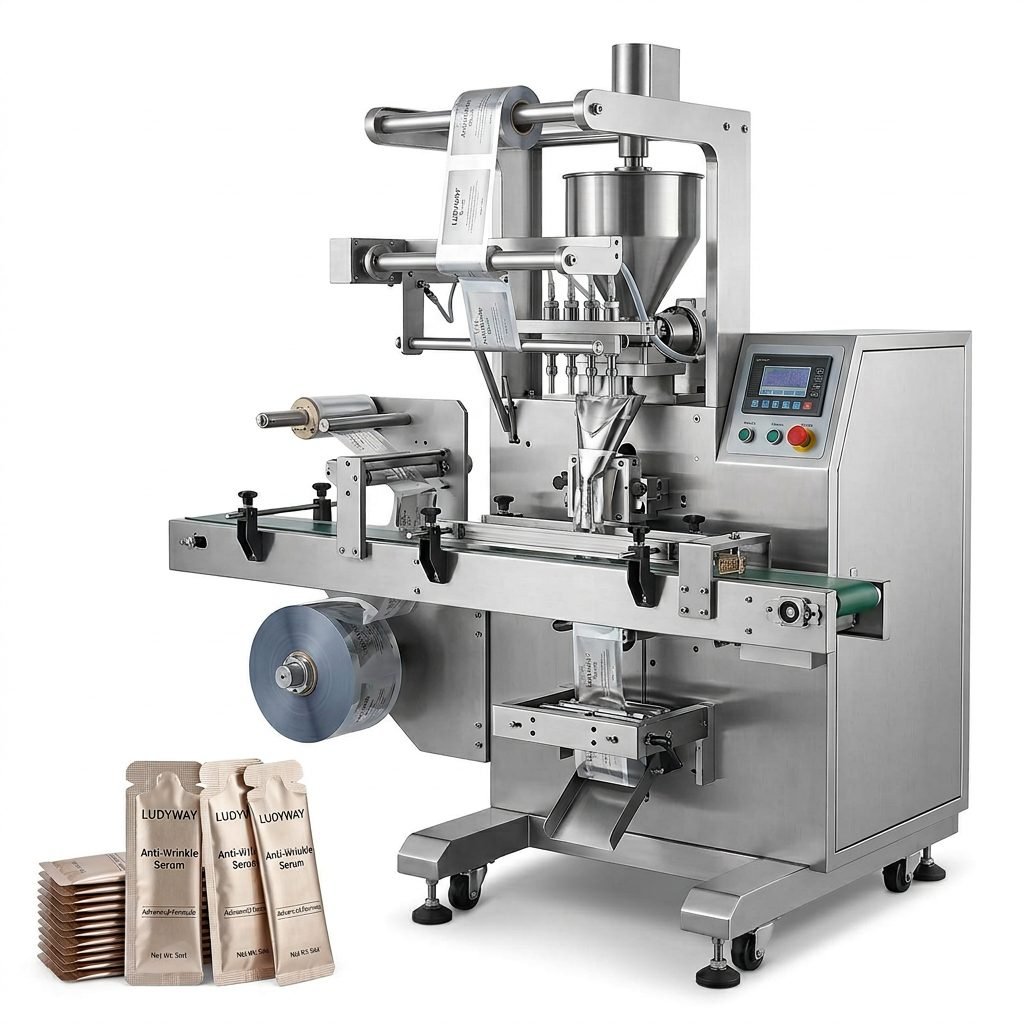
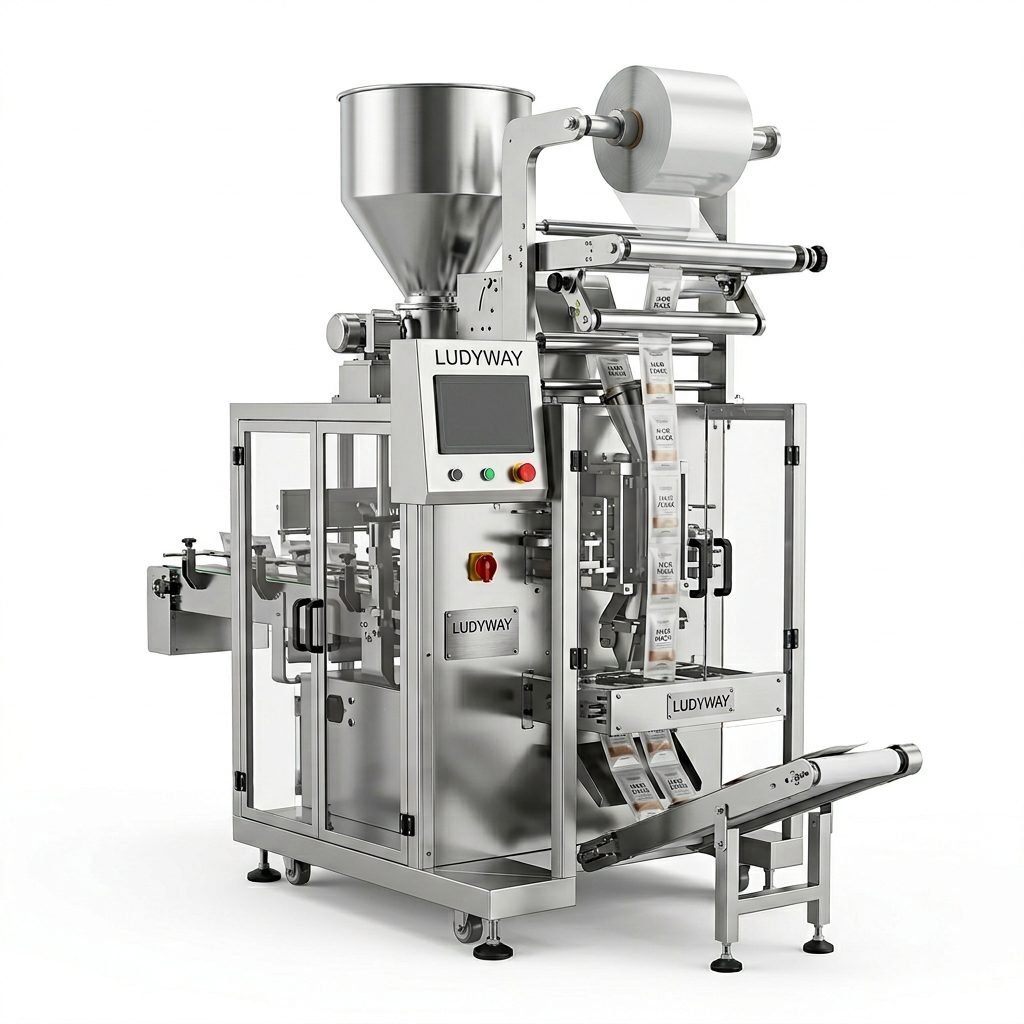
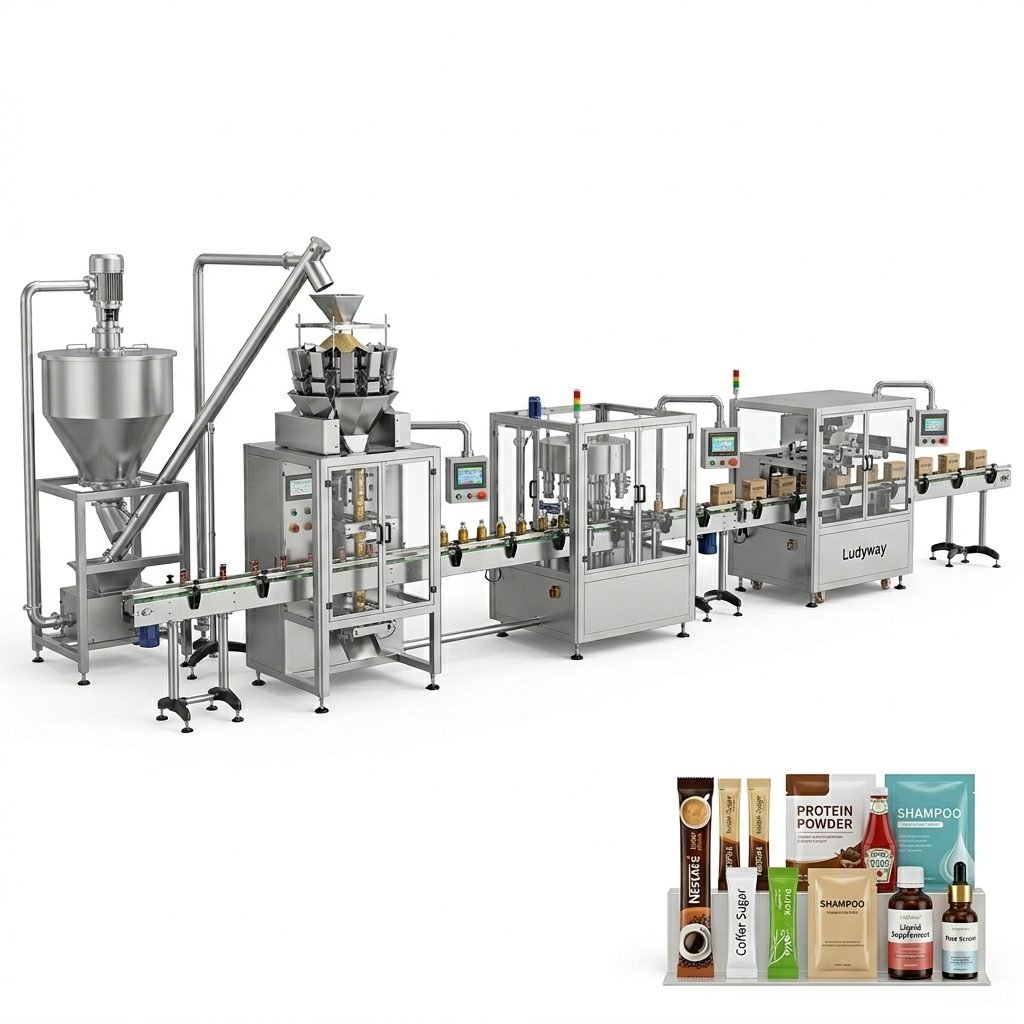
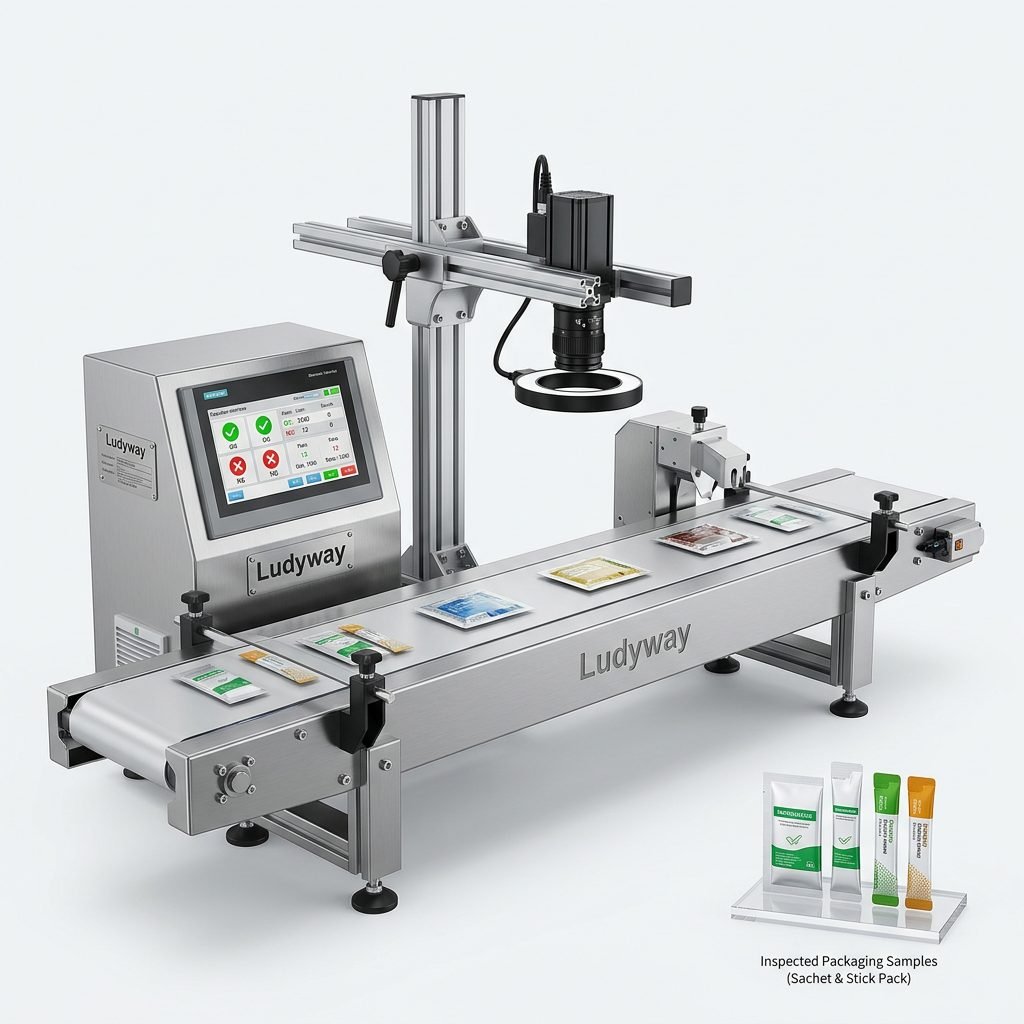
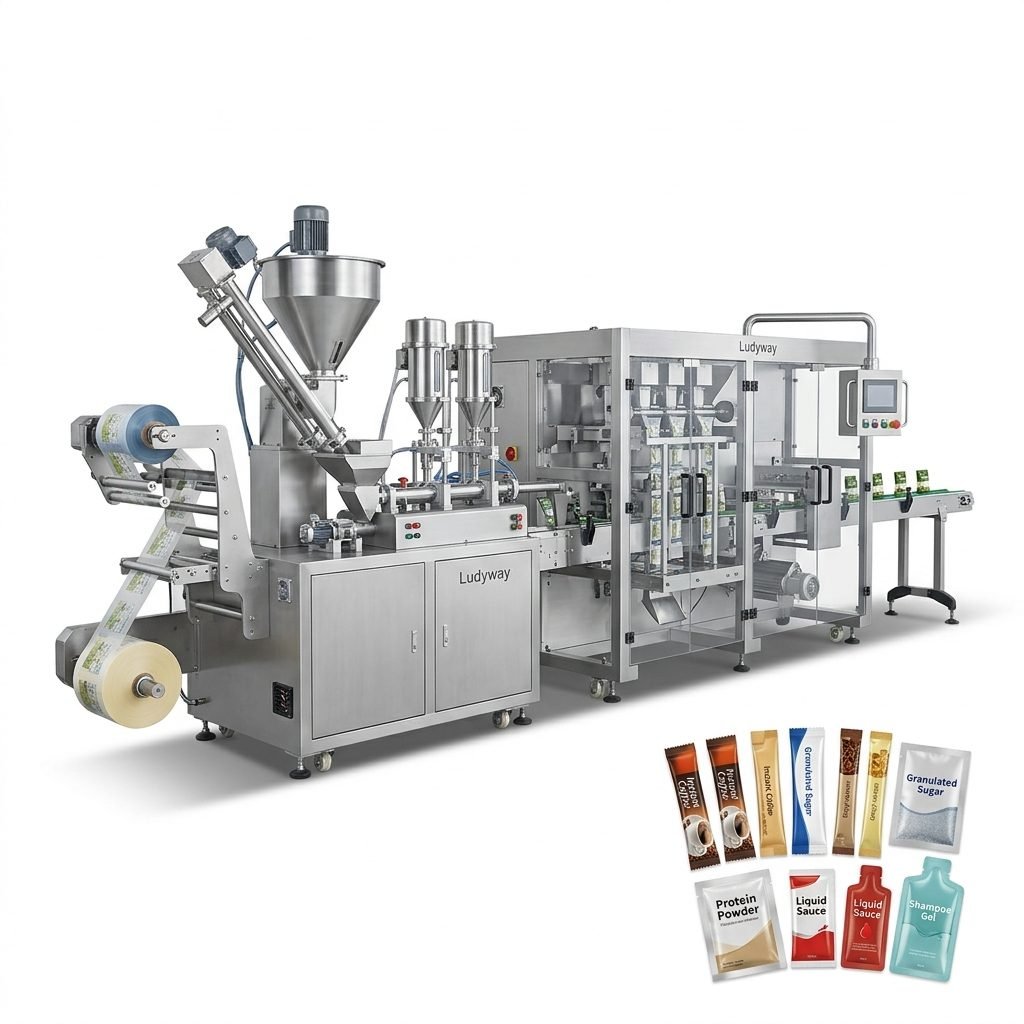
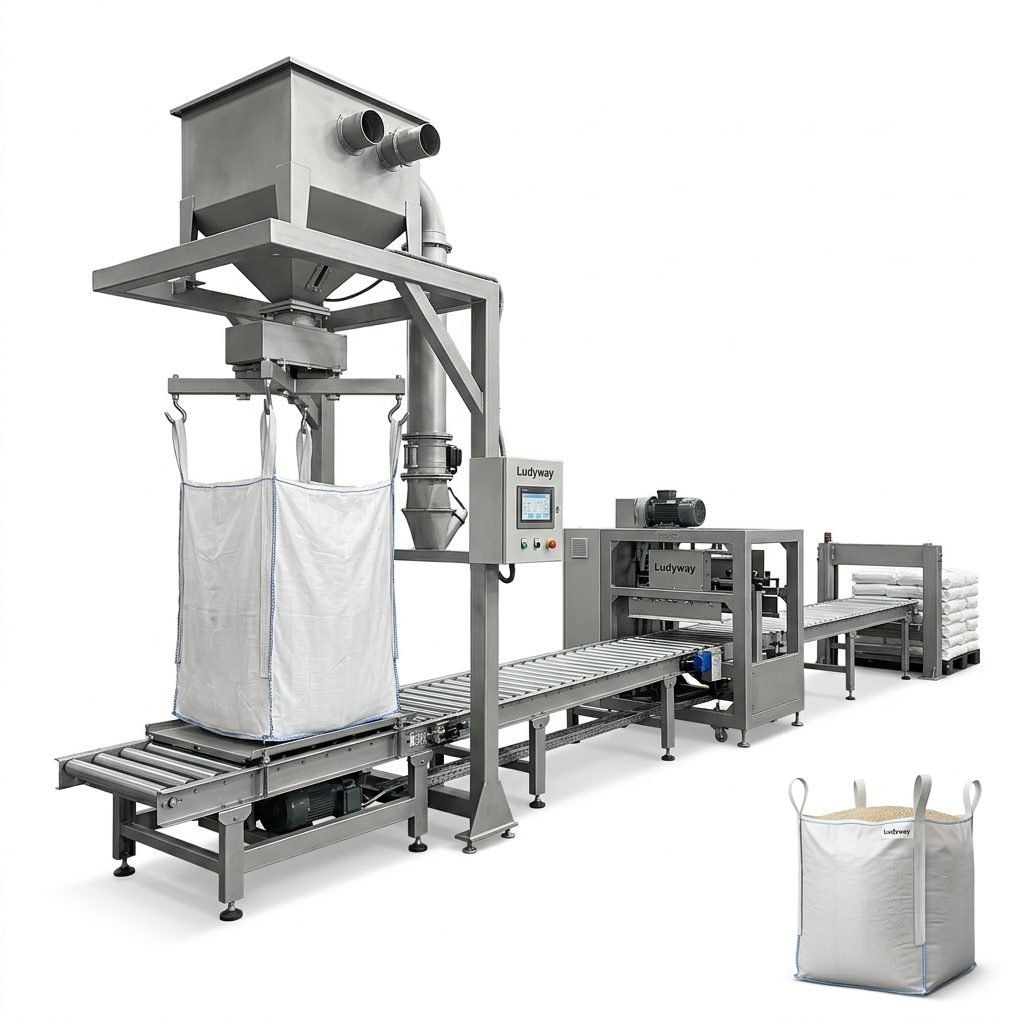
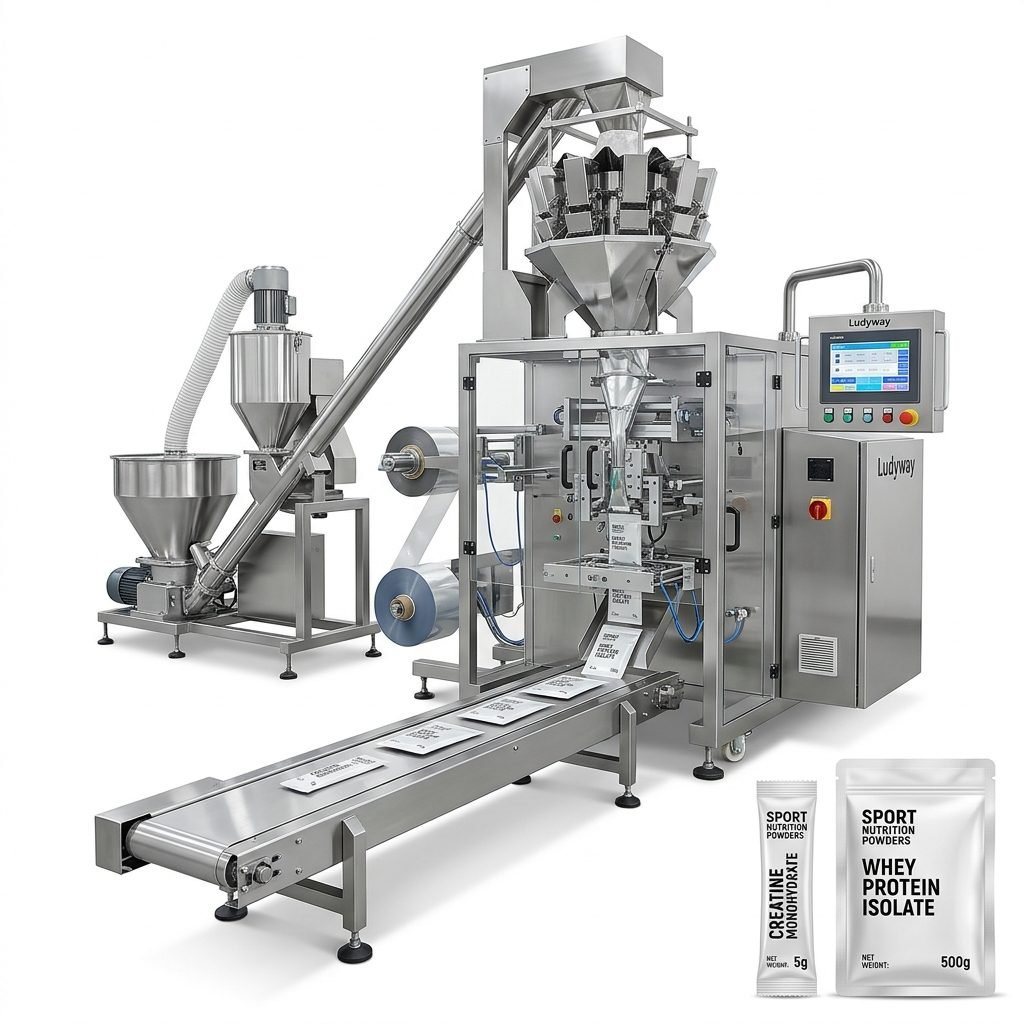
Liquid packaging has long faced a persistent and costly challenge: liquid foaming. Products such as industrial detergents, liquid soaps, biological agents, chemical solvents, sauces, and pharmaceutical syrups tend to generate excessive foam when subjected to high-speed dispensing. When foam rises rapidly inside a container or sachet, it often spills over the rim, resulting in significant product waste, contaminated packaging surfaces, and compromised seal integrity. To overcome these persistent pain points, the packaging industry has introduced a groundbreaking generation of anti-foaming, splash-proof filling and packaging machinery designed specifically to handle highly foaming liquids with maximum efficiency and precision.
The Mechanics of Foam Control and Splash Prevention
Traditional gravity or pressure fillers drop liquids directly into containers from a fixed height. While this works well for free-flowing, non-foaming liquids like water, it is highly problematic for surfactants and protein-rich fluids. The impact of the liquid falling into the container traps air, creating thick layers of foam that do not settle quickly enough to match high-speed production line velocities.
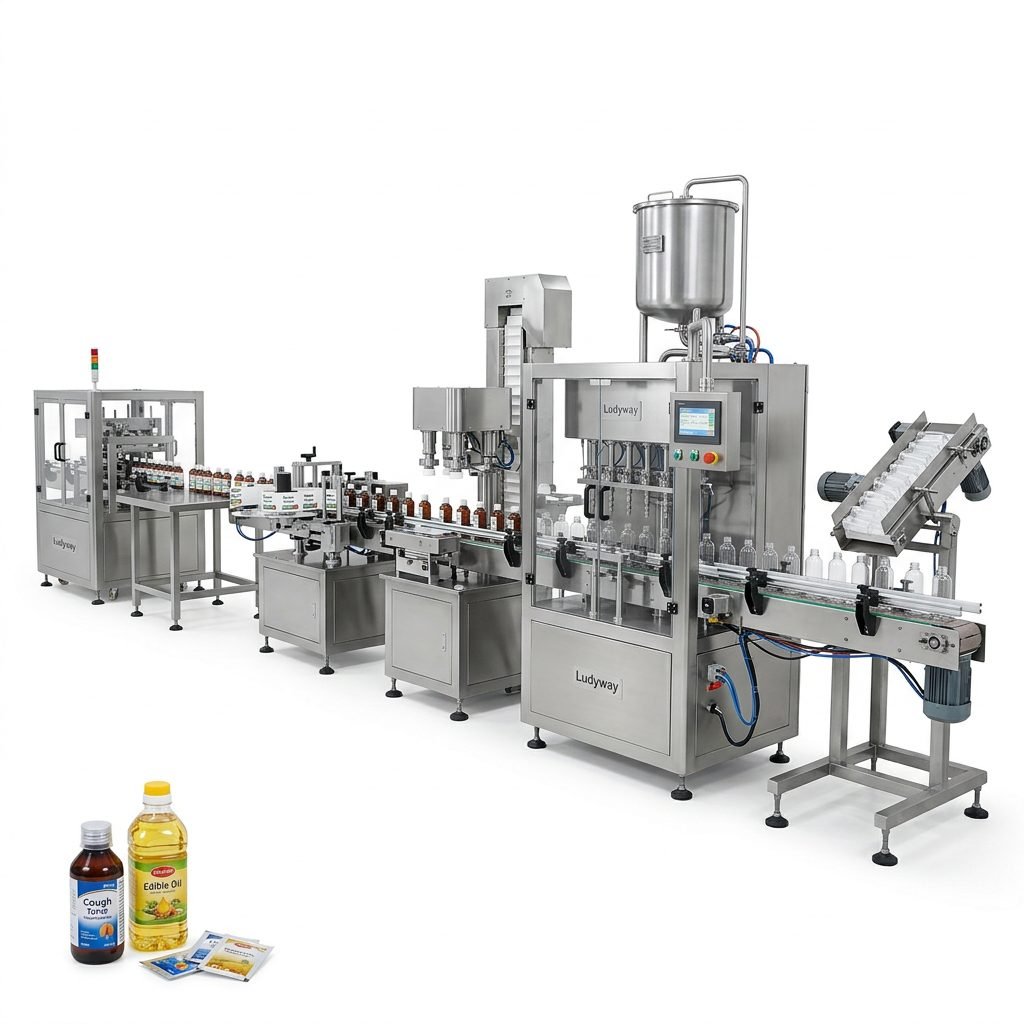
The newly launched anti-foaming filling machines utilize sophisticated bottom-up filling technology. By mounting the filling nozzles on a servo-driven diving mechanism, the nozzles descend to the absolute bottom of the container before dispensing begins. As the liquid level rises, the nozzles retract in perfect synchronization, keeping the nozzle tip submerged just below the liquid surface. This minimizes turbulence, prevents air entrainment, and virtually eliminates foam generation.
Advanced Flow and Drip Regulation
Beyond bottom-up filling, modern anti-foaming machinery incorporates multi-stage flow velocity profiling. The filling cycle begins at a slow speed to establish a liquid base, accelerates during the middle phase to maximize throughput, and slows down again toward the top of the container to prevent splashing. This is combined with pneumatic cut-off nozzles and vacuum suck-back systems that instantly draw back any residual droplets after the valve closes, ensuring no product drips onto sealing areas.
Performance Comparison: Traditional vs. Anti-Foaming Systems
Understanding the operational advantages of specialized anti-foaming packaging technology is critical for manufacturers evaluating equipment upgrades. The table below highlights the performance improvements achieved by transitioning to modern splash-proof filling systems.
| Performance Factor | Traditional Filling Systems | Anti-Foaming & Splash-Proof Systems |
|---|---|---|
| Foam Control | Passive settlement; requires production pauses for foam to dissipate. | Active suppression via synchronized diving nozzles and bottom-up filling. |
| Filling Speed | Restrained to prevent excessive splashing and overflowing. | High-speed multi-stage flow profiling without risk of overflow. |
| Drip and Splash Prevention | Frequent dripping; requires regular line cleaning and maintenance. | Vacuum suck-back and pneumatic cut-off valves ensure dry container rims. |
| Sealing Reliability | Inconsistent; liquid contamination in seal areas causes leaks. | Highly secure; clean sealing zones guarantee airtight packaging. |
Broad Industry Applications
The introduction of this specialized equipment offers immediate advantages across several fast-growing sectors. By resolving filling line disruptions, plants can maintain rapid cycle times and improve their overall equipment effectiveness (OEE).
- Household & Personal Care: Products like shampoos, body washes, and liquid laundry detergents contain heavy concentrations of surfactants. The anti-foaming technology keeps these highly viscous and soapy mixtures securely inside the package.
- Chemicals & Agrochemicals: Pesticides, fertilizers, and industrial solvents often foam when agitated. Clean filling prevents toxic fumes and liquid spills, enhancing factory safety.
- Food & Beverage: Protein shakes, broths, and pasteurized juices generate foam during fast transfers. Precise volume control ensures consumer satisfaction and compliance with net weight regulations.
- Pharmaceuticals: Syrups and liquid supplements must be filled to exact tolerances without cross-contamination or wastage of expensive active ingredients.
Meeting Global Manufacturing Demands
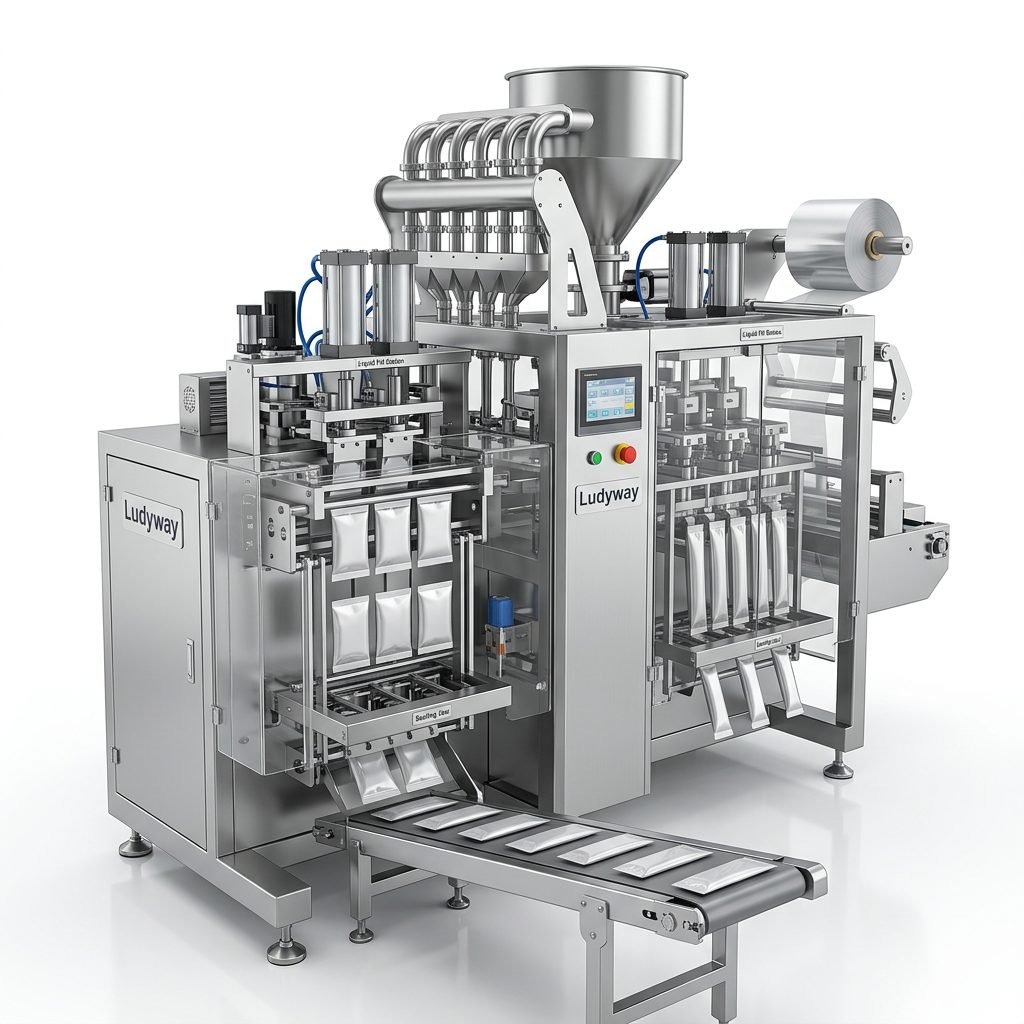
As manufacturing standards evolve worldwide, the demand for high-speed, drip-free liquid packaging continues to rise. Brands require scalable systems that can handle multiple product viscosities and bottle sizes with minimal changeover time. Automation providers are responding by integrating advanced control panels that allow operators to save specific flow profiles for different liquid types, facilitating rapid adjustments on the factory floor.
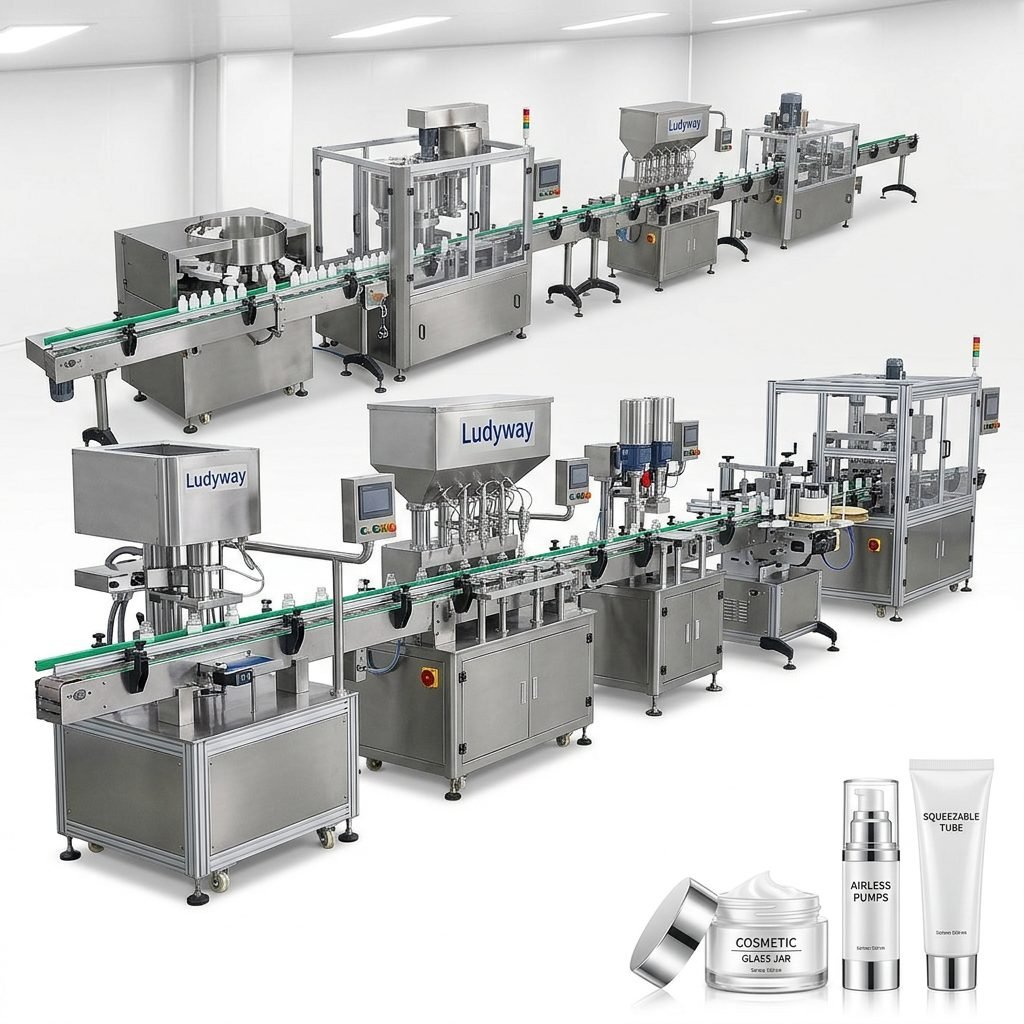
For operations seeking to optimize their liquid lines, partnering with experienced machinery suppliers is essential. Brands like Ludyway, one of China’s leading packaging machine and turnkey packaging line manufacturers, provide custom-engineered solutions backed by over 30 years of industry experience. Integrating such smart machinery into a production line helps packaging plants achieve tighter waste control, lower maintenance overhead, and a highly consistent final product.
Conclusion: The Future of Liquid Packaging
The launch of the anti-foaming, splash-proof filling machine represents a major step forward for liquid packaging automation. By successfully isolating the mechanical causes of foam generation and dripping, this equipment solves one of the oldest challenges in the industry. As manufacturers strive to meet aggressive sustainability targets and reduce product giveaway, investing in advanced filling technology ensures they can scale up output while keeping production clean, precise, and highly profitable.